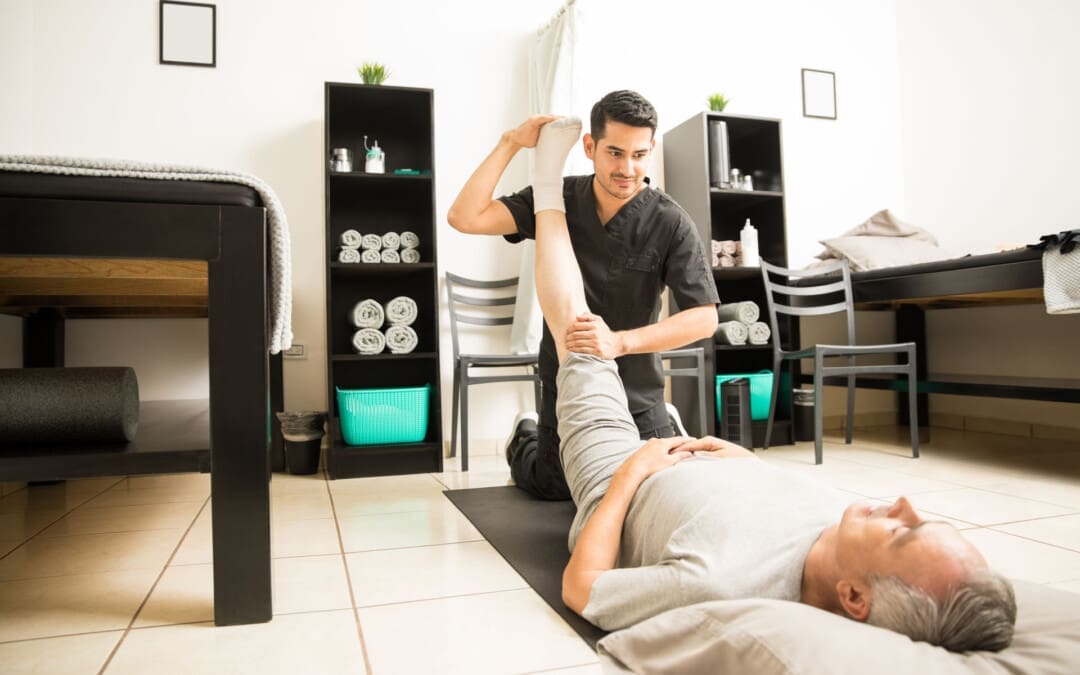
Individuals dealing with pain in the buttocks and in the back of the thigh, along with numbness and tingling down to the bottom of the foot, may be experiencing hamstring syndrome, a condition caused by pressure on the sciatic nerve. What is the recommended treatment?
Hamstring-Syndrome Relief
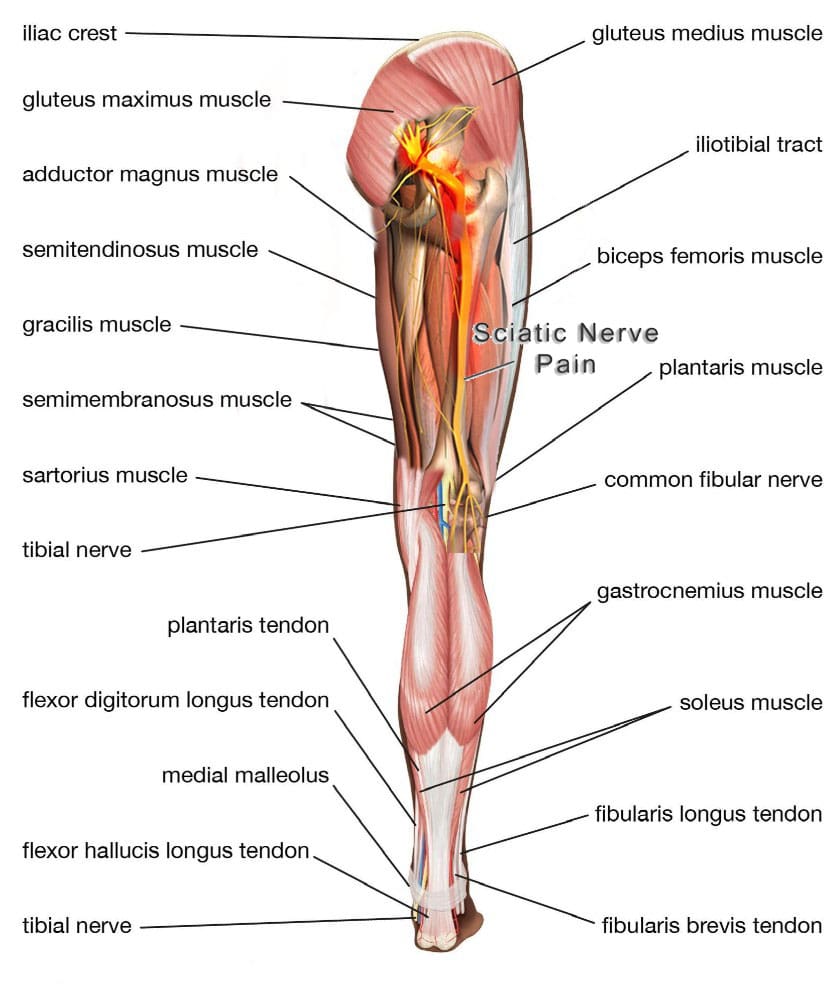
The hamstrings are three muscles in the back of the thigh, extending from the pelvis or upper thigh across the back of the knee to the leg. This muscle group is important for bending the knee, straightening the hip, and stabilizing the knee. The sciatic nerve is a large nerve that runs from the lower back down the legs. It usually passes near or through these muscles, and the pelvis then runs under these muscles in the thigh. Hamstring syndrome refers to pain in the buttock and back of the thigh, often radiating down the leg, caused by compression or irritation of the sciatic nerve at the hamstring-insertion point on the ischial tuberosity, typically due to tight or scarred tissue. (Sakari Orava, 1997)
Pain Location
The pain is primarily felt in the buttock and back of the thigh, sometimes extending down the leg. It’s characterized by pressure on the sciatic nerve, which runs through the buttock and into the back of the thigh, where it supplies the hamstring muscles. (Kaiser Permanente, 2024)
In some cases, injections with cortisone and numbing medicine may be used to reduce nerve inflammation and pain. (Lower Limb Surgery, 2024)
Surgery
In severe cases, surgery may be necessary to release the compressing bands and free the sciatic nerve. (Lower Limb Surgery, 2024)
Injury Medical Chiropractic & Functional Medicine Clinic
Talk to a healthcare provider about what interventions would help the most. Injury Medical Chiropractic and Functional Medicine Clinic works with primary healthcare providers and specialists to develop an optimal health and wellness solution. We focus on what works for you to relieve pain, restore function, and prevent injury. Regarding musculoskeletal pain, specialists like chiropractors, acupuncturists, and massage therapists can help mitigate the pain through spinal adjustments that help the body realign itself. They can also work with other medical professionals to integrate a treatment plan to resolve musculoskeletal issues.
Kaiser Permanente. (2024). Hamstring Syndrome: Care Instructions. https://healthy.kaiserpermanente.org/health-wellness/health-encyclopedia/he.hamstring-syndrome-care-instructions.abr3618
Puranen, J., & Orava, S. (1988). The hamstring syndrome. A new diagnosis of gluteal sciatic pain. The American Journal of Sports Medicine, 16(5), 517–521. https://doi.org/10.1177/036354658801600515
Zion Physical Therapy. (2023). Hamstring Tendinitis Vs. Hamstring Syndrome. https://www.zionpt.com/post/hamstring-tendinitis-vs-hamstring-syndrome
Can individuals dealing with sciatica incorporate nonsurgical treatments to reduce thigh pain and restore mobility in the legs and hips?
The Tensor Fascia Latae
Do you feel stiffness or tightness in your legs, feet, and hips? Have you experienced walking crookedly when running errands? Or have you experienced radiating pain from your gluteal region down to your feet? The hips, thighs, and legs have numerous muscles, tissues, and ligaments surrounding the skeletal bone in the body’s lower extremities. These components allow the lower half of the body to stabilize the upper body’s weight and enable the individual to be mobile throughout the day. One muscle that works together is the tensor fasciae latae (TFL) muscle. The TFL muscle is part of the proximal anterolateral thigh between the deep fibers of the iliotibial (IT) band. It works with the gluteal muscles in various hip movements and assists with the knees. (Trammell et al., 2025) This muscle is poorly misunderstood as it helps with the hips and knee joint and pelvic stability. (Iyengar et al., 2022) At the same time, it has a casual relationship with the IT band.
The Iliotibial Band (ITB)
The iliotibial (IT) band is part of the lower extremities as it is a tough, fibrous fascial tissue that works together with the TFL muscle and has various functional roles that are dependent on posture and allows the individual to be mobile via walking, sprinting, and running. (Hutchinson et al., 2022) However, this muscle’s main function is knee flexion. When environmental factors affect the body, it can cause irritation and inflammation to the IT band, causing knee pain. (Martinez-Velez et al., 2020) When dealing with issues within their lower extremities, they affect the IT band, TFL muscle, and the thighs. Environmental factors can also affect the lower extremities as the surrounding muscles can aggravate the nerve roots, thus leading to sciatica pain. We associate with certified medical providers who inform our patients of how sciatica can negatively impact the lower extremities, especially the thighs. While asking important questions to our associated medical providers, we advise patients to integrate various non-invasive treatments to reduce sciatica and help regain mobility back to the lower body. Dr. Alex Jimenez, D.C., envisions this information as an academic service. Disclaimer.
Reclaim Your Mobility: Chiropractic Care For Sciatica Recovery-Video
Sciatica & Thigh Pain
When the general population hears about sciatica, it is a frequent diagnosis associated with low back pain, which causes discomfort within the lower extremities, especially in the thighs. Sciatica is a debilitating condition where the sciatic nerve is often compressed and irritated, causing pain. (Davis et al., 2025) Many influences cause sciatica to develop, and it can cause the individual to deal with a spinal imbalance, which correlates with walking incorrectly, causing the accessory muscles to work overtime and compressing the sciatic nerve, causing thigh pain. (Wang et al., 2022) With thigh pain correlating with sciatica, many symptoms can range from muscle weakness, absence of tendon reflexes to the knees, and sensory deficit. (Fairag et al., 2022) Luckily, treatments are available to reduce thigh pain associated with sciatica and regain mobility back to the lower extremities.
Treatments For Sciatica-Thigh Pain
When treating the lower extremities, especially when experiencing sciatica-thigh pain, many individuals with thigh pain associated with sciatica can incorporate non-invasive treatments to reduce the pain. Many athletic and non-athletic individuals can utilize PRICE (protection, rest, ice, compression, and elevation) to the affected muscles that can minimize the injuries causing pain. (Lempainen et al., 2022) This can help reduce the inflammatory effects causing issues to the thighs and lower extremities. Many non-surgical treatments like physio-exercise therapy, massages, stretching, and spinal stabilization therapies can improve core strength and posture and help with range of motion to relieve sciatica pain affecting the lower extremities. (Aguilar-Shea et al., 2022) Other non-surgical treatments like yoga, physical therapy, and chiropractic care can help improve joint and lower extremity motions, stretch and strengthen weak muscles surrounding the thighs, and relieve sciatic nerve pain. (Kim & Yim, 2020) When people start thinking about their bodies and how pain is affecting their quality of life, many can incorporate non-surgical treatments to reduce the pain associated with sciatica. Many people can make small positive changes in their routine by becoming more physically active, stretching more, eating healthier, and being more mindful of what they are doing, which can reduce the chances of sciatica returning and affecting the lower extremities. This can help them achieve a healthier, better life.
References
Aguilar-Shea, A. L., Gallardo-Mayo, C., Sanz-Gonzalez, R., & Paredes, I. (2022). Sciatica. Management for family physicians. J Family Med Prim Care, 11(8), 4174-4179. https://doi.org/10.4103/jfmpc.jfmpc_1061_21
Fairag, M., Kurdi, R., Alkathiry, A., Alghamdi, N., Alshehri, R., Alturkistany, F. O., Almutairi, A., Mansory, M., Alhamed, M., Alzahrani, A., & Alhazmi, A. (2022). Risk Factors, Prevention, and Primary and Secondary Management of Sciatica: An Updated Overview. Cureus, 14(11), e31405. https://doi.org/10.7759/cureus.31405
Hutchinson, L. A., Lichtwark, G. A., Willy, R. W., & Kelly, L. A. (2022). The Iliotibial Band: A Complex Structure with Versatile Functions. Sports Med, 52(5), 995-1008. https://doi.org/10.1007/s40279-021-01634-3
Iyengar, K. P., Azzopardi, C., Kiernan, G., & Botchu, R. (2022). Isolated pathologies of Tensor Fasciae Latae: Retrospective cohort analysis from a tertiary referral centre. J Clin Orthop Trauma, 29, 101870. https://doi.org/10.1016/j.jcot.2022.101870
Kim, B., & Yim, J. (2020). Core Stability and Hip Exercises Improve Physical Function and Activity in Patients with Non-Specific Low Back Pain: A Randomized Controlled Trial. Tohoku J Exp Med, 251(3), 193-206. https://doi.org/10.1620/tjem.251.193
Lempainen, L., Mecho, S., Valle, X., Mazzoni, S., Villalon, J., Freschi, M., Stefanini, L., Garcia-Romero-Perez, A., Burova, M., Pleshkov, P., Pruna, R., Pasta, G., & Kosola, J. (2022). Management of anterior thigh injuries in soccer players: practical guide. BMC Sports Sci Med Rehabil, 14(1), 41. https://doi.org/10.1186/s13102-022-00428-y
The vastus lateralis is a muscle on the outside part of the thigh. Injuries to the muscle include strains, tendinitis, femoral nerve compression, and others. Can rehabilitation like heat and ice, massage, and strength and mobility exercises help individuals return to normal activities and function?
Vastus Lateralis Muscle
The vastus lateralis is the largest of the four quadriceps muscles on the thigh’s outer portion. The vastus lateralis helps extend the knee joint and maintain the knee position when walking or running. The vastus lateralis functions to work with the other quad muscles to help extend the knee joint.
Anatomy
Most muscles are attached to bone points of attachment, called the origin and insertion points. The vastus lateralis origin and insertion points are as follows (Vieira, EPL. 2017)
Origin
The origin is on the upper inter-trochanteric line of the femur or thigh bone.
It also arises from the base of the greater trochanter and the linea aspera, the supracondylar ridge, and the lateral intermuscular septum.
Insertion
From its origin, the muscle courses down the lateral thigh and inserts as part of the lateral quadriceps tendon on the tibial tubercle, an elevated portion of the upper shin.
The muscle is a large, flat structure with different attachments and a flat aponeurosis or sheath of connective tissue on the outer thigh.
The femoral nerve from lower back levels two, three, and four controls or innervates the muscle.
Blood supply to the muscle goes through the lateral circumflex femoral artery of the upper thigh.
Function
The muscle works with the other quadriceps muscles to extend or straighten the knee. The quads are responsible for functional activities like walking, running, climbing stairs, and getting up from a seated position. The vastus lateralis and the iliotibial band, which courses down the lateral thigh next to this muscle, form the lateral wall of the thigh. The vastus lateralis is on the opposite side of the vastus medialis muscle on the inner portion of the thigh. These muscles work together to maintain the appropriate position of the patella/kneecap in the femoral groove of the thigh bone. Malfunctioning these muscles properly can lead to knee pain from patellofemoral stress syndrome. (American Academy of Orthopaedic Surgeons, 2024)
Conditions
Many different injuries and conditions can affect the vastus lateralis and quad muscles, especially in athletes or active individuals. These injuries can cause vastus lateralis pain and other problems. (Timothy J. Von Fange, 2024) Some of the injuries and conditions include:
Patellofemoral Stress Syndrome – PFSS
This occurs when the kneecap tracks improperly in the femoral groove of the knee joint.
This leads to pain and difficulty when walking and running.
Vastus Lateralis Strain
A sudden force on the thigh can cause the quad muscle to be strained.
If the vastus lateralis suffers a pull injury, individuals may have pain, muscle swelling, thigh bruising, and walking difficulties.
Patellar Tendinitis
Irritation of the quad tendon that courses over the kneecap can cause patellar tendinitis.
Femoral Nerve Compression Weakness
The femoral nerve may become pinched or irritated from a herniated disc, lumbar stenosis, or arthritis.
Pain, numbness, tingling, or weakness in the thigh may result.
Iliotibial Band Friction Syndrome
Tight or weak muscles can irritate the IT band, and the vastus lateralis muscle can be affected.
Injury Rehabilitation
Injury to the vastus lateralis or quad muscles can cause pain, swelling of the thigh, or limited walking ability. Various treatments are available to help expedite recovery. A primary healthcare provider may recommend working with a physical therapy team. Self-care techniques can include:
Heat and Ice
Ice may be applied to the lateral thigh the first few days after injury to control pain and decrease swelling and inflammation.
Ice should be applied for 10 to 15 minutes.
Individuals may switch to heat two to three days after to promote circulation and improve tissue mobility.
Heat should be applied for 10 to 15 minutes.
Massage
Massage can help decrease pain and promote circulation.
Massage techniques can improve tissue mobility before stretching to help improve quadriceps motion.
Exercises and Stretching
A physical therapy team will prescribe certain exercises and stretches to help regain strength and range of motion. After an injury, quad stretching can improve the mobility and function of the muscle group.
Prone Towel Quad Stretch
Lie on your stomach and place a towel or strap around the ankle.
Bend the knee up, and gently pull on the towel to bend the knee fully.
A pulling sensation should be felt in the front of the thigh.
Hold the stretch for 30 seconds and release.
Repeat three times.
Half-kneeling Quad and Hip Flexor Stretch
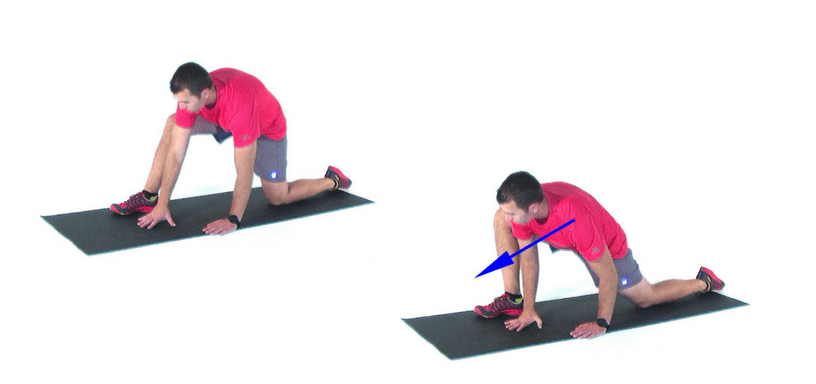
Kneel on one knee.
Slowly move forward until a stretch is felt in the front of the hip and thigh.
Hold this position for 30 seconds.
Relax back to the starting position.
Repeat three times.
Back Exercises
If femoral nerve irritation coming from the lower back is causing thigh pain or weakness, exercises to release the nerve may be helpful and can include:
Prone press-ups
Supine lumbar flexion
Lumbar side glides
The exercises are designed to relieve pressure on the lumbar nerve, and postural correction exercises may be performed to maintain decompression.
Strengthening
Weakness to the vastus laterals and quads may be causing injury, and strengthening exercises may be prescribed during rehabilitation and can include:
Hip-strengthening exercises
Straight leg raises
Leg extension exercises
Lunges
Squats
Strengthening exercises should be done two to four times weekly with appropriate rest between sessions.
Balance exercises and sport-specific plyometric training may be recommended to ensure the quad functions normally.
Most quadriceps and vastus lateralis muscle injuries heal within six to eight weeks.
Recovery may be shorter or longer depending on the nature of the injury.
Injury Medical Chiropractic and Functional Medicine Clinic
By understanding the anatomy and function of the vastus lateralis muscle, a healthcare provider can help individuals understand their specific injury and develop a treatment program to rehabilitate the muscle properly. At Injury Medical Chiropractic and Functional Medicine Clinic, we focus on what works for you and strive to develop fitness and better the body through research methods and total wellness programs. These natural programs use the body’s ability to achieve improvement goals, and athletes can condition themselves to excel in their sport through proper fitness and nutrition. Our providers use an integrated approach to create personalized programs, often including Functional Medicine, Acupuncture, Electro-Acupuncture, and Sports Medicine principles.
Knee Injury Chiropractor
References
Vieira EPL. (2017). Anatomic study of the portions long and oblique of the vastus lateralis and vastus medialis muscles. J Morphol Sci., 28(4), 0-. http://www.jms.periodikos.com.br/article/587cb49f7f8c9d0d058b47a1/pdf/jms-28-4-587cb49f7f8c9d0d058b47a1.pdf
American Academy of Orthopaedic Surgeons. (2024). Patellofemoral pain syndrome. https://orthoinfo.aaos.org/en/diseases–conditions/patellofemoral-pain-syndrome/
Timothy J Von Fange. (2024). Quadriceps muscle and tendon injuries. UpToDate. https://www.uptodate.com/contents/quadriceps-muscle-and-tendon-injuries/print
Ramírez-delaCruz, M., Bravo-Sánchez, A., Esteban-García, P., Jiménez, F., & Abián-Vicén, J. (2022). Effects of Plyometric Training on Lower Body Muscle Architecture, Tendon Structure, Stiffness, and Physical Performance: A Systematic Review and Meta-analysis. Sports medicine – open, 8(1), 40. https://doi.org/10.1186/s40798-022-00431-0
Individuals experiencing pain, numbness, tingling, or a burning sensation in the front and outer thigh could have meralgia paresthetica, a nerve entrapment. Can understanding the condition help healthcare providers develop an effective treatment plan?
Meralgia Paresthetica
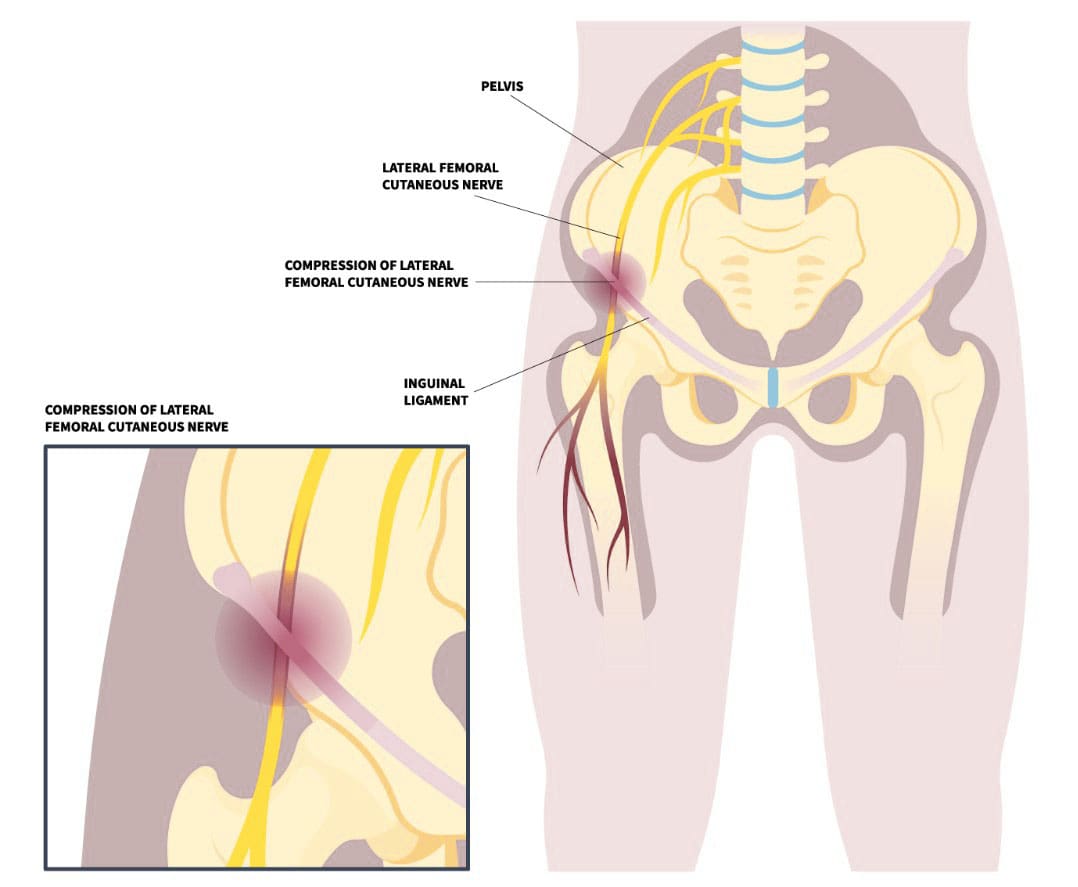
Meralgia paresthetica, or MP, is also known as Bernhardt-Roth syndrome, lateral femoral cutaneous nerve syndrome, or lateral femoral cutaneous neuralgia. It occurs when the lateral femoral cutaneous nerve, a sensory nerve that passes over the brim of the pelvis and down the front of the thigh, becomes compressed. The nerve supplies information about sensations over the front and outside of the thigh. This can happen for several reasons, including:
Recent hip injuries, such as from a motor vehicle collision/accident.
Repetitive hip activities, like cycling.
Pregnancy
Weight gain
Wearing tight clothing.
The nerve entrapment condition causes tingling, numbness, and burning pain in the front and/or outer thigh.
Causes
There can be several different causes of this condition, but it is frequently seen in pregnancy, sudden weight gain, wearing tight clothing or belts, and other conditions. (Ivins G. K. 2000) Sometimes, meralgia paresthetica can be caused by medical procedures. For example, the condition can present after an individual has surgery and is in an unusual position for a long period of time, where there is direct external pressure on the nerve. Also, the nerve can become damaged during a surgical procedure. (Cheatham S. W. et al., 2013) This can occur when a bone graft is obtained from the pelvis or anterior hip replacement surgery.
Sensitivity to lightly touching the outside of the thigh.
Worsening of symptoms with certain positions.
Increased symptoms when wearing belts, work belts, or tight-waist clothes.
The symptoms may come and go or be persistent. Some individuals are hardly noticeable and do not impact their lives or activities, while others can be very bothersome and cause significant pain. (Scholz C. et al., 2023)
Treatment
Treatment depends on how long the injury has been present and the frequency and severity of the condition.
Clothing Modifications
If the cause is due to tight clothing, belts, or work belts, then garment modification should alleviate symptoms.
If recent weight gain is thought to contribute to the condition, then a weight loss program may be recommended.
Cortisone Injections
If simple steps do not relieve symptoms, a cortisone injection around the nerve area may be recommended. The goal is to reduce inflammation that contributes to nerve pressure (Houle S. 2012) . Cortisone injections may be a definitive treatment or a temporary treatment.
Chiropractic
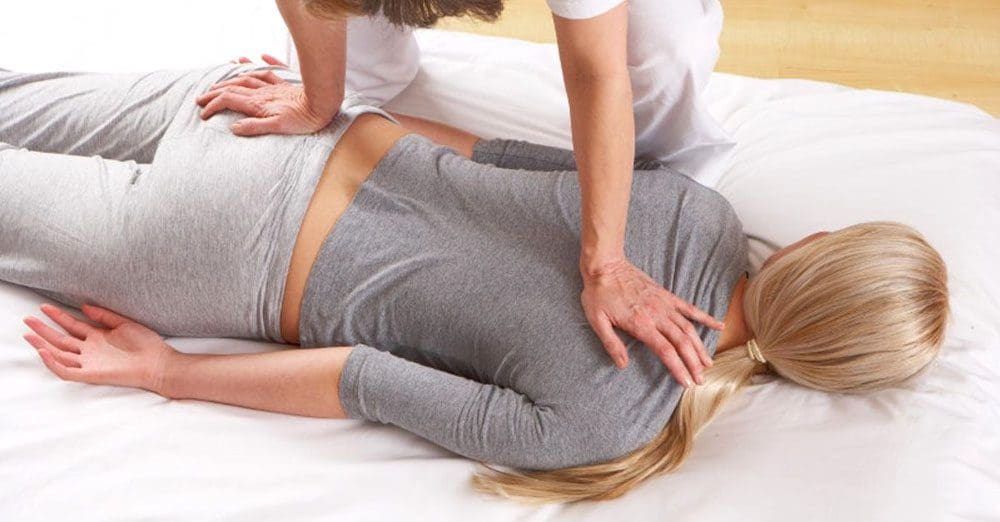
Chiropractic care can be an effective, natural, and safe treatment. Adjustments can help relieve pressure on the lateral femoral cutaneous nerve (LFCN) by realigning the spine and restoring nerve function. Chiropractors may also use soft tissue therapies, such as massage, to relieve muscle tension and support the body’s healing process. Other chiropractic techniques that may be used include:
A chiropractic treatment program may include 10–15 treatments over 6–8 weeks, but the number of treatments needed will vary from person to person. If there’s no noticeable progress after 3–4 weeks, it may be time to consult a specialist or surgeon.
Surgery
Surgery is rarely necessary. However, a surgical procedure may be considered when all conservative treatments fail to provide relief. (Schwaiger K. et al., 2018) A surgeon dissects and identifies the nerve, looks for compression locations, and tries to free the nerve from any areas where it may be pinched. Alternatively, some surgeons transect/cut the nerve so it no longer causes problems. If the transection procedure is performed, there will be a permanent area of numbness over the front of the thigh.
Injury Medical Chiropractic and Functional Medicine Clinic works with primary healthcare providers and specialists to develop a customized treatment plan to relieve pain, treat injuries, improve flexibility, mobility, and agility, and help individuals return to optimal function. If other treatments are needed, Dr. Jimenez has teamed up with top surgeons, clinical specialists, medical researchers, and rehabilitation providers to provide the most effective treatments.
Chiropractic Care for Leg Instability
References
Ivins G. K. (2000). Meralgia paresthetica, the elusive diagnosis: clinical experience with 14 adult patients. Annals of surgery, 232(2), 281–286. https://doi.org/10.1097/00000658-200008000-00019
Cheatham, S. W., Kolber, M. J., & Salamh, P. A. (2013). Meralgia paresthetica: a review of the literature. International journal of sports physical therapy, 8(6), 883–893.
Chung, K. H., Lee, J. Y., Ko, T. K., Park, C. H., Chun, D. H., Yang, H. J., Gill, H. J., & Kim, M. K. (2010). Meralgia paresthetica affecting parturient women who underwent cesarean section -A case report-. Korean journal of anesthesiology, 59 Suppl(Suppl), S86–S89. https://doi.org/10.4097/kjae.2010.59.S.S86
Scholz, C., Hohenhaus, M., Pedro, M. T., Uerschels, A. K., & Dengler, N. F. (2023). Meralgia Paresthetica: Relevance, Diagnosis, and Treatment. Deutsches Arzteblatt international, 120(39), 655–661. https://doi.org/10.3238/arztebl.m2023.0170
Hosley, C. M., & McCullough, L. D. (2011). Acute neurological issues in pregnancy and the peripartum. The Neurohospitalist, 1(2), 104–116. https://doi.org/10.1177/1941875211399126
Houle S. (2012). Chiropractic management of chronic idiopathic meralgia paresthetica: a case study. Journal of chiropractic medicine, 11(1), 36–41. https://doi.org/10.1016/j.jcm.2011.06.008
Schwaiger, K., Panzenbeck, P., Purschke, M., Russe, E., Kaplan, R., Heinrich, K., Mandal, P., & Wechselberger, G. (2018). Surgical decompression of the lateral femoral cutaneous nerve (LFCN) for Meralgia paresthetica treatment: Experimental or state of the art? A single-center outcome analysis. Medicine, 97(33), e11914. https://doi.org/10.1097/MD.0000000000011914
For individuals experiencing gluteus minimus pain and are unsure where to start to deal with it, can a physical therapist, chiropractor, or general practitioner help diagnose lower extremity pain and develop an appropriate treatment plan?
Gluteus Minimus Muscles
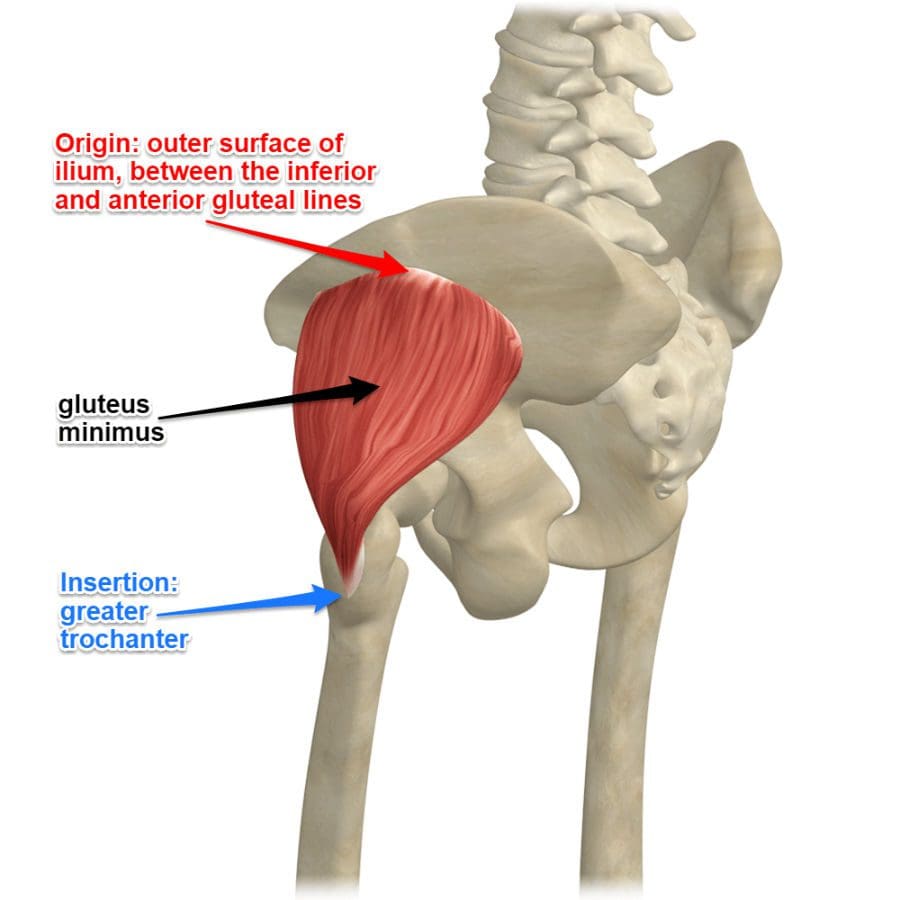
The gluteus minimus is the smallest muscle of the gluteal muscles. Combined with the gluteus maximus and gluteus medius, these muscles make up the glutes. The glutes help form the buttocks shape, stabilize the hips, rotate the legs, and raise the thighs. The gluteus minimus and medius specifically support the gluteus maximus’s ability to raise the leg to the side and rotate the thigh inwards. (ScienceDirect. 2011)
Anatomy
The gluteus minimus muscles are triangular and lie underneath the gluteus medius near the rotators of the hip joints. The muscles start in the lower ilium region, the upper and largest area of the hip bone that makes up the pelvis and attaches to the femur/thigh bone.
The fibers on the top part of the muscle are thick and compact, while the lower fibers are flat and spread out.
The superior gluteal nerves and blood vessels separate the gluteus minimus and the medius.
The gluteus medius muscles start on the upper ilium region, which covers the gluteus minimus muscle entirely. The location of the gluteus minimus muscles envelopes the sciatic notch or the area in the pelvis that houses the piriformis muscle, superior gluteal vein, and superior gluteal artery, which provide a certain amount of protection.
Function
Movement depends on the location of the femur. The gluteus minimus muscle’s function is to:
Flex
Rotate
Stabilize
When the thigh is extended, it helps abduct or swing the leg out away from the body.
When the hip bones are flexed, the gluteus minimus rotates the thigh inward with the help of the gluteus medius.
The movements are done with the support of the muscle fibers, which contract to move the thigh in both directions. (ScienceDirect. 2011)
The gluteus minimus and the medius also stabilize the hips and pelvis during movement and when resting.
Associated Conditions
One of the most common injuries is muscle wearing and tearing, which can cause pain over and around the greater trochanter. This is known as greater trochanteric pain syndrome or GTPS, a condition usually caused by a gluteus medius or minimus tendinopathy, which can include inflammation of the surrounding bursae. (Diane Reid. 2016) For a gluteus minimus tear, the pain/sensations will be felt outside the hip, especially when rolling or applying weight on the affected side. A tear can happen suddenly with no particular activity causing the tear to occur aside from normal use and stress on the muscle. Physical activities like walking may be painful.
Rehabilitation
Treatment depends on the severity of the condition. Usually, rest, ice, and over-the-counter medication can help reduce swelling and pain symptoms. For pain symptoms that are not subsiding, it’s recommended to see a healthcare provider who can run an MRI or X-ray to see the condition of the muscle and rule out other causes of pain. The healthcare provider will refer the patient to a physical therapy team that can evaluate the strength of the gluteus minimus and provide a list of exercises and stretches to help repair the muscle while conditioning the surrounding muscles. (SportsRec. 2017) Depending on the level of pain, sometimes the healthcare provider will prescribe a cortisone injection to the gluteus minimus muscle in conjunction with physical therapy. This will help alleviate the pain so that the physical therapy exercises can be done comfortably, allowing the gluteus maximus muscle to heal properly and strengthen. (Julie M. Labrosse et al., 2010)
Reid D. (2016). The management of greater trochanteric pain syndrome: A systematic literature review. Journal of orthopaedics, 13(1), 15–28. https://doi.org/10.1016/j.jor.2015.12.006
Labrosse, J. M., Cardinal, E., Leduc, B. E., Duranceau, J., Rémillard, J., Bureau, N. J., Belblidia, A., & Brassard, P. (2010). Effectiveness of ultrasound-guided corticosteroid injection for the treatment of gluteus medius tendinopathy. AJR. American journal of roentgenology, 194(1), 202–206. https://doi.org/10.2214/AJR.08.1215
Many individuals utilize their lower muscles to move around and stay active as each muscle does its job and allows mobility to the hips and thighs. In sports, the thigh muscles are utilized constantly to extend the legs and bend the knees, allowing a powerful force to win any sports competition. At the same time, various sports injuries can occur to the hips, thighs, and legs and can affect the muscles causing pain and discomfort to the lower extremities. A hamstring injury is one of the most common injuries that can affect the thighs, which can cause many athletes to be taken out of their favorite sport to recover from the injury. Today’s article looks at the hamstring muscle, how trigger points correlate with a hamstring strain, and how various stretches can reduce muscle strain on the hamstrings. We refer patients to certified providers who incorporate multiple methods in the lower body extremities, like upper thigh and hip pain treatments correlating to myofascial trigger point pain, to aid individuals dealing with pain symptoms along the hamstring muscles. We encourage and appreciate patients by referring them to associated medical providers based on their diagnosis, especially when appropriate. We understand that education is an excellent solution to asking our providers complex questions at the patient’s request. Dr. Jimenez, D.C., utilizes this information as an educational service only. Disclaimer
What Are The Hamstring Muscles?
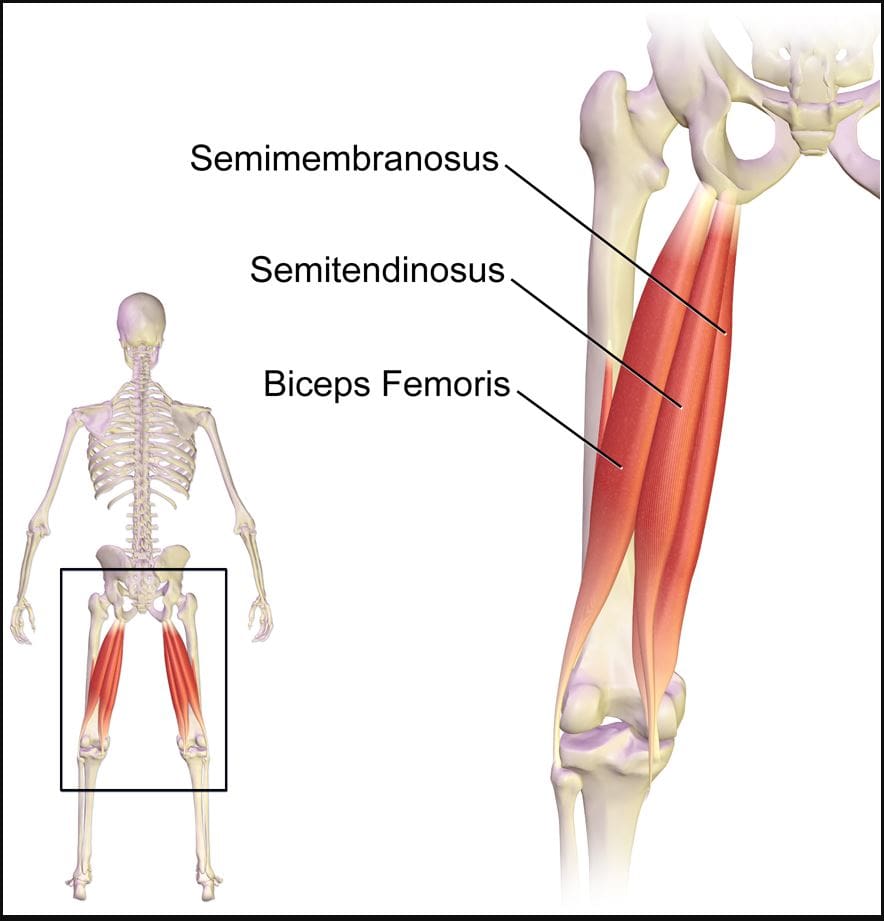
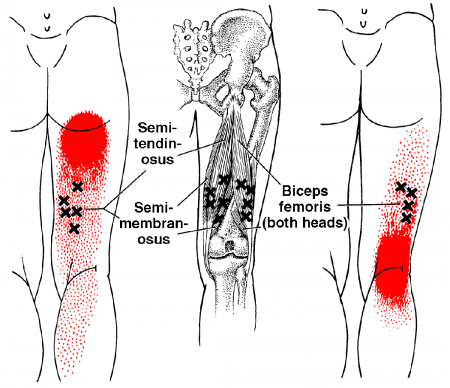
Do you experience pain in the back of your upper thigh? When walking from one place to another, do you hear a popping sound in the back of your thigh? Or are you dealing with muscle tenderness in the back of your upper thigh? Many of these symptoms correlate with issues affecting the hamstrings causing trigger points to affect the upper thighs. As one of the most complex muscles comprising three muscles (semitendinosus, semimembranosus, biceps femoris), the hamstrings play a crucial part in daily activities. From simple actions like standing to explosive movements like sprinting or jumping, the hamstrings are known as posterior thigh muscles that begin from the pelvis and run behind the femur bone and cross the femoroacetabular and tibiofemoral joints. The hamstring muscles in the body play a prominent role in hip extension and is a dynamic stabilizer of the knee joint. To that point, the hamstring muscles are the most susceptible muscle that succumbs to injuries that can lead to disability in the legs and affect daily activities.
Hamstring Strain & Trigger Points
Since the hamstrings are the most susceptible muscles that can succumb to injuries, it takes a while for the muscle to heal, depending on the severity of the damage. Studies reveal that the hamstrings can occur injuries when a person is running or sprinting due to their anatomic arrangement, which causes the muscles to strain. To that point, depending on how much force has impacted the hamstrings, the injuries can lead to 3 of the following:
Grade 1: Mild pain or swelling (no loss of function)
Grade 2: Identifiable partial tissue disruption with moderate pain and swelling (minimal loss of function)
Grade 3: Complete disruption of the tissue with severe pain and swelling (total loss of function)
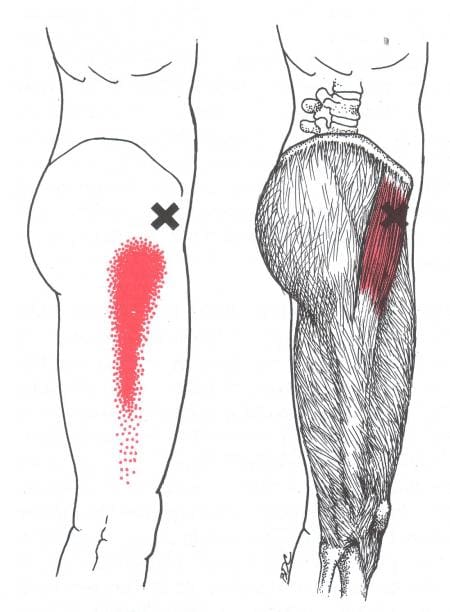
The pain that patients experience can be painful when walking, causing them to limp. In “Myofascial Pain and Dysfunction,” written by Dr. Janet G. Travell, M.D., stated that when patients are dealing with pain in their hamstrings, it could potentially be associated with trigger points along the three muscles, causing pain and disability in the upper thighs. The book also mentioned that when trigger points affect the hamstrings, it can lead to muscle inhibition, compromising hip stability. Another issue that trigger points associated with hamstring strain causes in the body are that when individuals are sitting down are likely to experience posterior pain in the buttock, upper thighs, and back of the knees. Luckily, there are various ways to reduce the pain along the hamstring muscles.
Trigger Point Of The Week: Hamstrings- Video
Have you dealt with pain along the back of your upper thighs? Does it feel uncomfortable when you are sitting down? Or do your hamstrings ache or feel tight after running for a long period? People dealing with issues in their hamstrings could be dealing with muscle strain associated with trigger points. The hamstring muscles play a vital role in the body as it allows the individual to walk, run, bend the knees and even extend the legs. The hamstring muscles are also the most susceptible to injury, causing disability to the legs. Studies reveal that trigger points associated with the hamstring muscles can lead to soreness or irritability in the muscle fibers that may interfere with the biomechanics and normal functioning of the lower limbs. The video above explains where the hamstrings are located and how the trigger points can cause referred pain to the hamstrings. To that point, trigger points can affect a person’s ability to walk and affect the surrounding muscles in the lower body while mimicking other chronic conditions.
Various Stretches To Reduce Muscle Strain On The Hamstrings
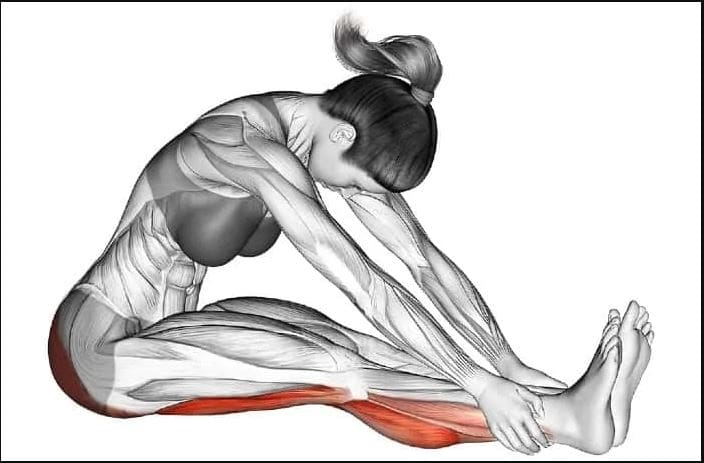
When the hamstrings become injured, the healing rate usually depends on how severe the injury is in the hamstrings. If a hamstring injury is mild, the tears or strains can heal within about three to eight weeks, and if the hamstring injury is severe, the tears or strains could be long as three months. When the hamstrings are tense and on the verge of tearing, many people should stop overusing the muscle. Various stretches can reduce muscle strain on the hamstrings and relieve tension from the hamstrings to allow mobility back to the legs. Studies reveal that manual ischemic compression on the upper thigh muscles can significantly reduce pain in the lower limbs. This allows the individual to manage the trigger points associated with the hamstrings and reduce the chances of them re-occurring in the legs.
Conclusion
As the most important muscle in the lower body extremities, the hamstrings play a crucial part in the body as they allow the individual to walk, run, and stand without feeling pain. However, even though they are important muscles, they are susceptible to injuries. When the hamstrings become injured, the recovery process varies depending on the severity and can develop trigger points along the muscle fibers. To that point, it causes referred pain along the upper thigh muscle and affects a person’s ability to walk. Fortunately, incorporating various stretches to the hamstrings can alleviate the pain and reduce the trigger points from re-occurring in the muscle. This allows mobility back to the legs, and many individuals can resume their daily activities.
References
Esparza, Danilo, et al. “Effects of Local Ischemic Compression on Upper Limb Latent Myofascial Trigger Points: A Study of Subjective Pain and Linear Motor Performance.” Rehabilitation Research and Practice, Hindawi, 4 Mar. 2019, https://www.ncbi.nlm.nih.gov/pmc/articles/PMC6425406/.
Poudel, Bikash, and Shivlal Pandey. “Hamstring Injury – Statpearls – NCBI Bookshelf.” In: StatPearls [Internet]. Treasure Island (FL), StatPearls Publishing, 28 Aug. 2022, https://www.ncbi.nlm.nih.gov/books/NBK558936/.
Rodgers, Cooper D, and Avaias Raja. “Anatomy, Bony Pelvis and Lower Limb, Hamstring Muscle.” In: StatPearls [Internet]. Treasure Island (FL), StatPearls Publishing, 29 Jan. 2022, https://www.ncbi.nlm.nih.gov/books/NBK546688/.
Thummar, Ravindra C, et al. “Association between Trigger Points in Hamstring, Posterior Leg, Foot Muscles and Plantar Fasciopathy: A Cross- Sectional Study.” Journal of Bodywork and Movement Therapies, U.S. National Library of Medicine, 7 Aug. 2020, https://pubmed.ncbi.nlm.nih.gov/33218537/.
Travell, J. G., et al. Myofascial Pain and Dysfunction: The Trigger Point Manual: Vol. 2:the Lower Extremities. Williams & Wilkins, 1999.
The hips and thighs have a working relationship as their jobs are to maintain stability for the legs and pelvis while supporting the upper body’s weight. These two body groups have various muscles, tendons, and nerves that have specific jobs that allow mobility to the lower body. Many athletes in multiple sports events use their thighs to exert a huge amount of power to be the best. This is due to the adductor muscles in the thighs that allow the athlete to win the event. These adductor muscles are voluminous in size and can become overstretched if the muscles have been worked out too much or injuries have caused dysfunction in the surrounding muscles, causing mobility issues. To that point, the adductor muscles will develop myofascial trigger points and cause hip and thigh pain. Today’s article looks at the two adductor muscles (Longus and Magnus), how myofascial trigger points affect the adductor muscles, and available treatments to manage hip adductor trigger points. We refer patients to certified providers who incorporate multiple methods in the lower body extremities, like thigh and hip pain treatments correlating to myofascial trigger point pain, to aid individuals dealing with pain symptoms along the adductor muscles. We encourage and appreciate patients by referring them to associated medical providers based on their diagnosis, especially when appropriate. We understand that education is an excellent solution to asking our providers complex questions at the patient’s request. Dr. Jimenez, D.C., utilizes this information as an educational service only. Disclaimer
Adductor Longus & Adductor Magnus
Have you been dealing with groin pain located near your thighs? Do you feel muscle tenderness or stiffness when stretching your inner thighs? Or have you been feeling unstable in your hips or thighs when walking? Many individuals, especially athletes and older adults, could be experiencing myofascial trigger points associated with groin pain along their adductor muscles. The thighs contain several muscles and functions that allow many people to bend and extend their knees and hips. The adductor muscles allow the legs to move inward toward one another. The adductor muscles have five muscles: magnus, brevi, longus, pectineus, and gracilis. These muscles enable functionality to the thighs and hips, and we will look at two adductor muscles in the inner thighs. The long adductor muscle is a large, fan-shaped muscle that starts from the superior aspect of the pubis bone and travels down to connect at the thigh bone. Studies reveal that the adductor longus is a long and thin muscle with many actions for the thighs, including external/lateral rotation and thigh flexion.
Now the adductor Magnus is a large triangular-shaped muscle of the inner thighs that are important for thigh and hip function and stabilizing the pelvis. Studies reveal that even though the adductor Magnus is a large muscle in the inner thighs, its primary function is to allow the thigh to move in a larger range of motion without any pain inflicted on the thigh muscles. However, the adductor muscle can succumb to various issues affecting the thighs and groin regions of the body that can be overstretched and strain the body.
Myofascial Trigger Points Affecting The Adductor Muscles
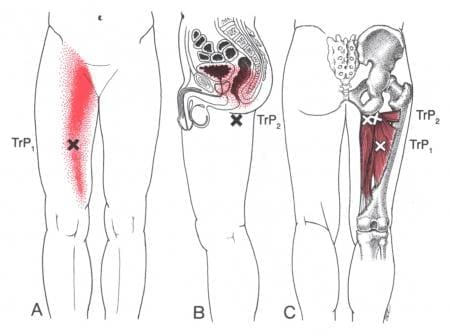
Groin pain is a multi-factorial pain issue that affects the lower limbs, and its often due to muscle strain in the inner thigh muscles. This pain increases during vigorous activities and when there is a sudden twist in the hips. When the adductor muscles suddenly change in motion when the body is active, they can be overstretched and correlate to myofascial trigger points that can affect the inner thigh and groin regions. According to “Myofascial Pain and Dysfunction,” by Dr. Travell, M.D., patients with active myofascial trigger points in the two adductor muscles (Longus and Magnus) would become frequently aware of the pain in their groin and medial thigh. When the adductor muscles have myofascial trigger points in the inner thigh, diagnosing is difficult since the individual thinks they are suffering from groin pain when the pain is in their inner thighs. To that point, studies reveal that many individuals participating in various sports would suffer from groin pain due to myofascial trigger points affecting the adductor muscles. Luckily, there are multiple treatments to reduce the pain in the adductor muscles.
Hip Adductors: Trigger Point Anatomy- Video
Have you been dealing with groin pain when you are walking? What about experiencing unquestionable thigh pain that affects your daily activities? Or does stretching your inner thigh muscles seem difficult, causing muscle tenderness? Many of these symptoms correlate with groin pain associated with myofascial trigger points affecting the adductor muscles in the inner thighs. The adductor muscles allow mobility function to the thighs and enable the hips to have a wide range of motion. When the adductor muscles are overstretched due to a sudden change of hip rotation or injury has occurred on the thighs can lead to referred pain in the groin and inner thighs and develop myofascial trigger points. The video above shows where the trigger points are located in the hip adductor muscles. The video also explains where the pain is localized in the adductor muscles and the symptoms it produces that can affect the lower body extremities. Fortunately, even though diagnosing myofascial trigger points are a bit challenging, available treatments can manage trigger points along the hip adductors.
Available Treatments To Manage Hip Adductor Trigger Points
When myofascial trigger points affect the hip adductor muscles, many individuals complain about stiffness in their inner thighs and how they feel miserable when they don’t have mobility from their thighs and hips. As stated earlier, trigger points are a bit challenging when diagnosed, but they are treatable when doctors examine patients dealing with myofascial pain in their hips and thigh muscles. Once the diagnosis is complete, doctors work with pain specialists who can locate the trigger points and devise a treatment plan to relieve the pain. Available treatments like trigger point injections can minimize the pain and reduce the chances of trigger points returning. Other available therapies like exercising or stretching, especially for the hips and thighs. Specific exercises for the hips and thigh muscles can help strengthen the adductor muscles from suffering pain and can help reduce the pain symptoms. Another treatment is applying moist heat on the hip adductor muscles to release the tension from the tight muscles and allow mobility back to the hip adductors.
Conclusion
The adductor muscles work with the hips and thighs to allow a wide range of motions and extension to the knees and hips. The hips and the thighs allow stability to the lower body and support the weight to the upper body. When injuries or sudden changes start to affect the adductor muscles, it can lead to symptoms of groin pain associated with myofascial trigger points. Myofascial trigger points produce tiny nodules in the affected muscle that causes referred pain to the muscle group. When this happens, it causes the body to be dysfunctional and can affect a person’s mobility to function in the world. Luckily myofascial trigger points are treatable through various techniques and treatments that can reduce the chances of trigger points from re-occurring in the body.
References
Jeno, Susan H, and Gary S Schindler. “Anatomy, Bony Pelvis and Lower Limb, Thigh Adductor Magnus Muscle.” In: StatPearls [Internet]. Treasure Island (FL), StatPearls Publishing, 1 Aug. 2022, https://www.ncbi.nlm.nih.gov/books/NBK534842/.
Sedaghati, Parisa, et al. “Review of Sport-Induced Groin Injuries.” Trauma Monthly, Kowsar, Dec. 2013, https://www.ncbi.nlm.nih.gov/pmc/articles/PMC3864393/.
Simons, D. G., and L. S. Simons. Myofascial Pain and Dysfunction: The Trigger Point Manual: Vol. 2:the Lower Extremities. Williams & Wilkins, 1999.
Takizawa, M, et al. “Why Adductor Magnus Muscle Is Large: The Function Based on Muscle Morphology in Cadavers.” Scandinavian Journal of Medicine & Science in Sports, U.S. National Library of Medicine, 27 Apr. 2012, https://pubmed.ncbi.nlm.nih.gov/22537037/.
van de Kimmenade, R J L L, et al. “A Rare Case of Adductor Longus Muscle Rupture.” Case Reports in Orthopedics, Hindawi Publishing Corporation, 2015, https://www.ncbi.nlm.nih.gov/pmc/articles/PMC4397006/.
IFM's Find A Practitioner tool is the largest referral network in Functional Medicine, created to help patients locate Functional Medicine practitioners anywhere in the world. IFM Certified Practitioners are listed first in the search results, given their extensive education in Functional Medicine