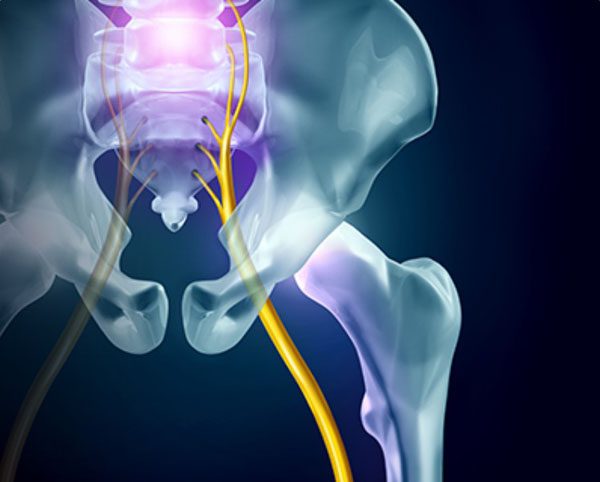
Because sciatica is an inflammatory condition, with the sciatic nerve specifically being the target, sciatica fitness and exercise is one of the first recommendations from chiropractors. Sciatica is a series of symptoms from a variety of underlying medical causes and condition/s. This could be:
Too much sitting, which most of us are doing these days
Work injuries
Automobile accident injuries
Sports injuries
Awkward movements/motions that pulled the sciatic nerve in the wrong direction
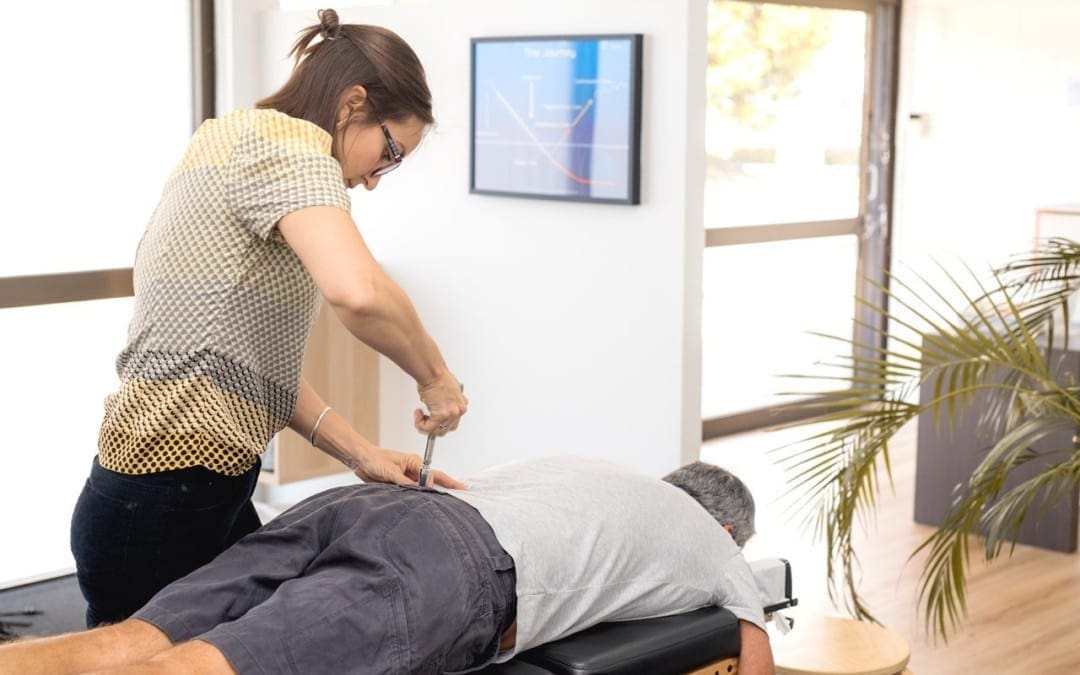
A correct diagnosis of the cause is essential to help the chiropractor formulate a customized optimal treatment plan. Individuals can experience the same symptoms across the board, however, despite the similarities, sciatica requires a careful, customized precision approach to treatment. An ideal treatment plan often requires a very specific exercise regimen and chiropractic adjustment schedule. Therefore, there is no one-size-fits-all solution.
Sciatica can be treated effectively with the right chiropractic approach with a high success rate for alleviated symptoms. Effectively treating sciatica requires direct treatment to the specific cause, rather than using techniques that only mask the pain. Example: If a herniated disc is the root cause, sciatica can be relieved by reducing the bulge of the disc, thus bringing down the irritation/inflammation and compression of the sciatic nerve.
�
Sciatica treatment/s depends on the cause
A stretching regimen for sciatica caused by a low back herniated disc will be different than stretches for treating low back spinal stenosis. Understanding how sciatica is the key to unlocking a treatment plan that will work to minimize pain and inflammation.
Exercise Can Help
Exercising and sciatica fitness will help relieve sciatic pain in various ways. These include:
Improves the range of motion, which reduces stress on the spine
Higher activity levels generate adrenaline and endorphins, to help combat the pain
Specific exercises/stretches need to be done that target the sciatic nerve and the root cause. Working with a chiropractor will bring an understanding of specifically how the body should be worked out, the intensity of the workout, and where on the body the focus should be.
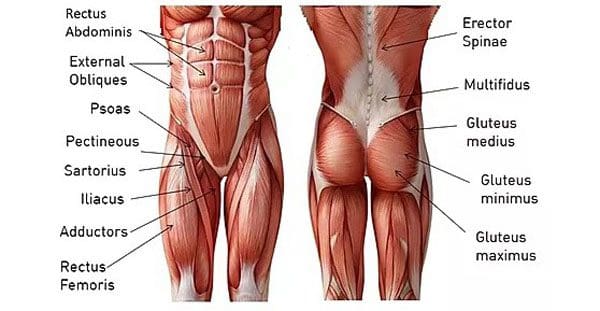
For example, if the nerve is irritated from a pelvic tilt and low back compression, a chiropractor could recommend a minimal cardio workout with combined strength exercises for the hamstrings, glutes, and lower body. A strength and conditioning regimen will increase stability in the lower body, prevent pelvic tilt, and reinforce the chiropractic adjustments/alignment.
Chiropractic Benefits
However, sciatica fitness and exercise on its own is not the complete solution for dealing with chronic sciatic pain. Chiropractic adjustments along with chiropractic prevention are necessary to restore the stability and integrity of the spine. When used in combination with exercise, the re-alignment and corrections can take effect sooner and maintain optimal spinal health. When individuals condition and strengthen their body, The musculature that supports the spine gets massive reinforcement. This minimizes the chances of a reoccurring pelvic tilt from weakened core muscles. The long-term effects of sciatica fitness/exercise and chiropractic spinal/hip manipulation work together to form a perfect combination.
�
Sciatica Fitness
For truly long-term effects of pain relief and a better quality of life, a chiropractic treatment plan is highly recommended. Specific targeted adjustments and re-alignment with a sciatica fitness program will promote optimal health and wellness.
�
Whole Body Wellness Foot Orthotics
Dr. Alex Jimenez�s Blog Post Disclaimer
The scope of our information is limited to chiropractic, musculoskeletal, physical medicines, wellness, and sensitive health issues and/or functional medicine articles, topics, and discussions. We use functional health & wellness protocols to treat and support care for injuries or disorders of the musculoskeletal system. Our posts, topics, subjects, and insights cover clinical matters, issues, and topics that relate and support directly or indirectly our clinical scope of practice.*
Our office has made a reasonable attempt to provide supportive citations and has identified the relevant research study or studies supporting our posts. We also make copies of supporting research studies available to the board and or the public upon request. We understand that we cover matters that require an additional explanation as to how it may assist in a particular care plan or treatment protocol; therefore, to further discuss the subject matter above, please feel free to ask Dr. Alex Jimenez or contact us at 915-850-0900. The provider(s) Licensed in Texas& New Mexico*
References
Beavers, Kristen M et al. �Effect of exercise training on chronic inflammation.��Clinica chimica acta; international journal of clinical chemistry�vol. 411,11-12 (2010): 785-93. doi:10.1016/j.cca.2010.02.069
Coulombe, Brian J et al. �Core Stability Exercise Versus General Exercise for Chronic Low Back Pain.��Journal of athletic training�vol. 52,1 (2017): 71-72. doi:10.4085/1062-6050-51.11.16
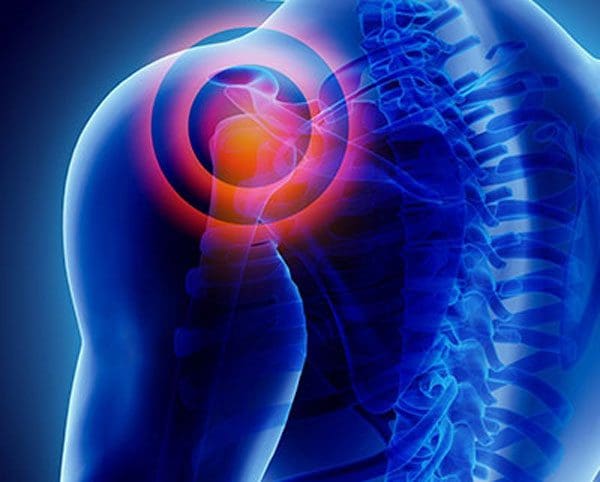
Shoulder and arm pain can be debilitating, especially when there is no obvious cause or injury that needs to be treated. A rare condition known as brachial neuritiscan cause spasms along with pain down the arm, followed by numbness, tingling, and weakness. If not diagnosed and treated early, the symptoms can worsen with time. The pain experienced can be described as sharp, searing, and shooting. Brachial neuritis can be intense and disabling when it presents for hours and even days.
Utilizing a chiropractic approach, shoulder and spinal adjustments can provide relief and a faster healing/recovery from the inflammatory condition. Individuals experiencing shoulder, arm, and possible hand pain should consult with a chiropractor about a potential home and clinic treatment plan to improve their condition.
Medical History and Examination
The process of diagnosing brachial neuritis involves an individual’s medical history and physical exam. More complicated cases could require imaging studies and electrodiagnostic tests. The first steps in diagnosing the cause of shoulder and/or arm pain include:
Medical history
Information will be collected on an individual’s:
Medical history
Family history
Underlying conditions
Recent illnesses or injuries
Lifestyle habits
How and when symptoms began
Current symptoms
Physical examination
A chiropractor will palpate or inspect by feeling the neck, shoulder, and arm for irregularities. Then they will examine the range of motion, strength, and reflexes. If the individual’s history and physical exam suggest that the cause could be brachial neuritis or other condition involving the nerves, imaging studies, and diagnostic tests could be required to evaluate further.
Symptoms of Brachial Neuritis
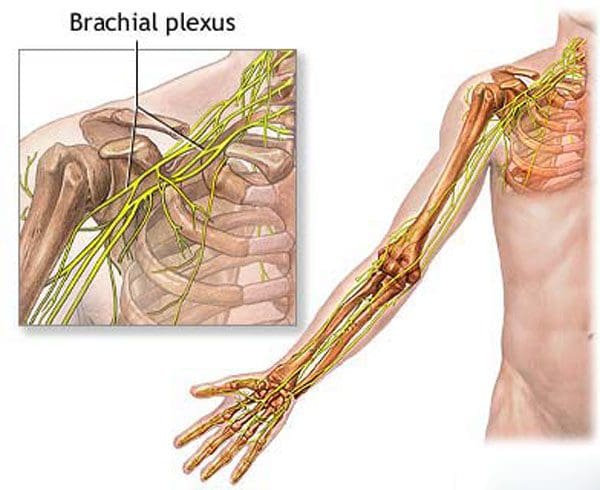
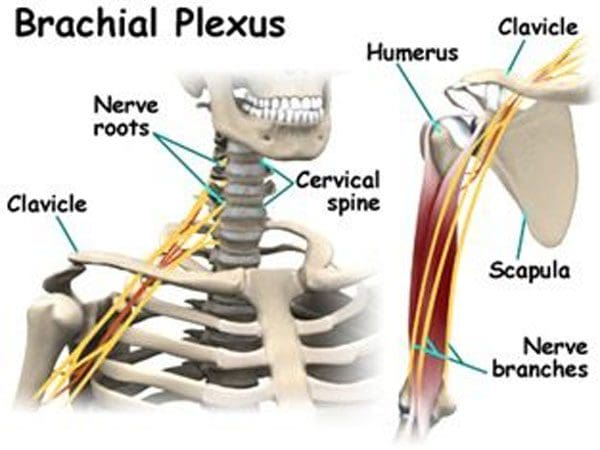
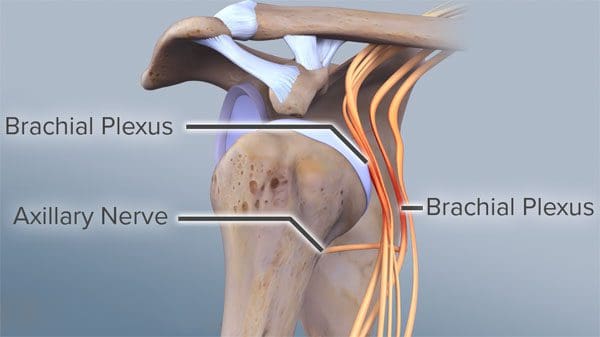
The condition is also known as Parsonage-Turner Syndrome. It affects the brachial plexus, a set of nerves that run from the neck and upper back to the shoulders. The condition usually affects only one side of the body and presents randomly.
What happens is the nerves become inflamed.
Inflammation can be triggered through an autoimmune response. This is often the result of an infection, surgical procedure, or other internal stressors. The inflammation can lead to severe debilitating shoulder pain over a few days.
This also leads to long-term numbness, weakness in the shoulder and arm.
The pain becomes worse with movement.
Typically, the pain goes away on its own within a few days.
Numbness, weakness, or tingling in the shoulder or arm continues.
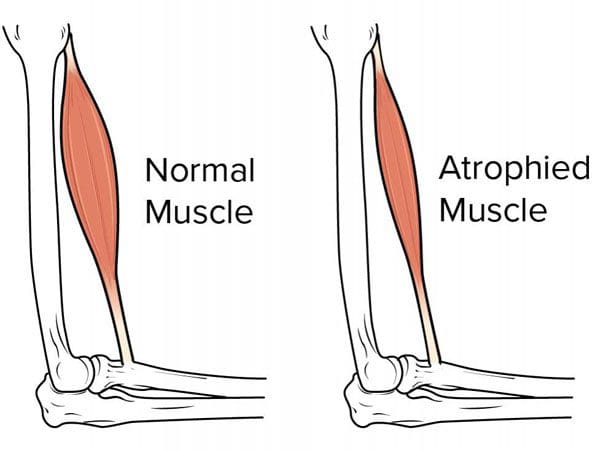
Over time the symptoms begin to worsen and, if left untreated, could lead to muscular atrophy of the arm.
The pain and weakness can make it difficult to move the arm, leading to decreased strength.
Symptoms can last up to a year or more.
This is why individuals have to find ways to strengthen their shoulder/arm despite the condition.
Chiropractic Relief
Treatment requires a pain management program until the pain subsides. Once the pain is manageable, chiropractic, physical therapy, exercises, and stretches could improve mobility and strength. Chiropractic can provide relief and tools necessary to prevent the worsening of symptoms. Chiropractic helps to:
Reduces pain
Improves mobility
Restores strength
Chiropractic manipulation will ensure that the nerves near the brachial plexus do not become compressed, but if they are, then chiropractic can be utilized to decompress/release them. In addition, trigger point release and massage can help alleviate the tension in the surrounding tissues of the arm and shoulder.
A chiropractor will educate the individuals on effective pain management techniques for home, including ice/heat therapy and stretching exercises. These techniques will help restore the proper alignment and flow of the spinal vertebrae, nerves, and muscle tissues, allowing the body to heal quickly, naturally, and more effectively.
Chiropractic Shoulder Pain Treatment
References
Feinberg, Joseph H, and Jeffrey Radecki. Parsonage-turner syndrome. HSS journal: the musculoskeletal journal of Hospital for Special Surgery vol. 6,2 (2010): 199-205. doi:10.1007/s11420-010-9176-x
Seasonal Affective Disorder is a form of depression that has to do with the changing of the seasons, specifically when fall begins. It affects around 10 million Americans during the fall and winter seasons. Back pain can be a symptom of the disorder. For most individuals, the condition follows a pattern:
These are typical symptoms for many dealing with the condition. The individual can experience aches and pains throughout the body, but especially the back. Recent studies have shown how various forms of depression, like Seasonal Affective Disorder, can present with pain, specifically back/spinal pain. Many individuals play it off as the blues, but research has found, depression can have a much more significant impact on an individual’s quality of life. The exact cause is still unknown. But research is finding a connection related to the level of sunlight an individual receives throughout the day.
Research has shown there could be a biochemical imbalance in the brain when there is less daylight during fall and winter. As the seasons change from summer to fall individuals can experience a shift in circadian rhythms that can cause them to disrupt their regular daily routine. However, Seasonal Affective Disorder is more common for individuals living where the daylight lessens and has been shown to affect women more than men and young adults.
Depression and Back Pain Connection
Depression can present with pain symptoms and the pain can enhance the depression. Headaches, Body aches, and especially backaches are common symptoms of depression. Research has shown that individuals with severe depression can actually feel a more intense level of pain.
Physical symptomslike back pain or headaches can be the only or the beginning symptom/s of seasonal affective depression. As research continues to grow as to how the nervous system interacts with the body, pain symptoms have been found to be connected to biological mechanisms connected with stress, anxiety, and depression.
Living a sedentary lifestyle, with little or no physical activity and regular exercise can be another cause for Seasonal Affective Disorder. Depression itself can cause fatigue that restrains individuals from exercising and working the core muscles for optimal spinal strength and health.
This added stress on the spine’s discs, joints, and ligaments, makes the body more susceptible to low back pain, muscle strains, illness, and injuries. Pain can wear an individual down impacting mood and overall health.
Symptoms
The difference between Seasonal Affective Disorder and chronic depression is that Seasonal Affective Disorder is limited to the same time of the year during the time of less light, and winter months. Symptoms of Seasonal Affective Disorder can be the same as those associated with depression. They are:
Feeling Low/Depressed
Weight gain
Increased appetite
Craving sugar and carbohydrates
Sleeping all-day
Consistent drowsiness
Hopelessness
Loss of interest in enjoyed activities
Symptoms can also be related to low levels of Vitamin D, which is associated with anxiety and depression for individuals with fibromyalgia. Seasonal Affective Disorder can be related to chronic pain conditions the way depression can. Some individuals with chronic fatigue syndrome can also present with symptoms of Seasonal Affective Disorder.
Treatment
Diagnosis for Seasonal Affective Disorder requires an individual to experience at least two years of symptoms that become worse at a specific time of the year. And the depressive episodes have to significantly be worse than the non-seasonal episodes of depression. There are four types of treatments, that can be used individually or in combination. They are:
Cognitive-behavioral therapy/CBT is a form of psychotherapy that is effective for the disorder, as well as other conditions. It relies on techniques that identify negative thoughts and work on ways to not dwell on the negative and focus more on positive things and thoughts.
Lightbox Therapy
Diminished sunlight when fall and winter arrive can be replaced with regular exposure to a bright, artificial lightbox. Individuals sit or stand in front of the lightbox when they get up on a daily basis. This is done when fall begins and goes on until spring. The lightbox filters out ultraviolet rays and requires around 20 to 60 minutes of exposure to 10,000 lux of cool-white fluorescent light.
Vitamin D
Low levels of vitamin D were found in individuals with Seasonal Affective Disorder. Talk to a doctor about the proper level of vitamin D that should be taken through supplements.
The Pain and Backaches
Understanding how pain and depression are interconnected treating both conditions as part of an integrative treatment plan can include:
A light aerobic exercise program that stimulates serotonin levels and releases endorphins to relieve depression and pain.
Low-dose antidepressants can reduce depression symptoms and back pain. They work to inhibit the reuptake of neurotransmitters like serotonin and norepinephrine that is associated with a person�s mood and the way they perceive pain.
What Works
Everyone is unique, which means that different treatment plans and combinations of treatment plans may have to be tried out before finding the optimal one. A significant factor is not settling with the pain and just accepting it. Healing can be a unique and complex experience. The objective is for the individual and doctor to work collaboratively.
Depression and Chronic Pain
Dr. Alex Jimenez�s Blog Post Disclaimer
The scope of our information is limited to chiropractic, musculoskeletal, physical medicines, wellness, and sensitive health issues and/or functional medicine articles, topics, and discussions. We use functional health & wellness protocols to treat and support care for injuries or disorders of the musculoskeletal system. Our posts, topics, subjects, and insights cover clinical matters, issues, and topics that relate and support directly or indirectly our clinical scope of practice.*
Our office has made a reasonable attempt to provide supportive citations and has identified the relevant research study or studies supporting our posts. We also make copies of supporting research studies available to the board and or the public upon request. We understand that we cover matters that require an additional explanation as to how it may assist in a particular care plan or treatment protocol; therefore, to further discuss the subject matter above, please feel free to ask Dr. Alex Jimenez or contact us at 915-850-0900. The provider(s) Licensed in Texas& New Mexico*
References
Robertson, David et al. �Associations between low back pain and depression and somatization in a Canadian emerging adult population.��The Journal of the Canadian Chiropractic Association�vol. 61,2 (2017): 96-105.
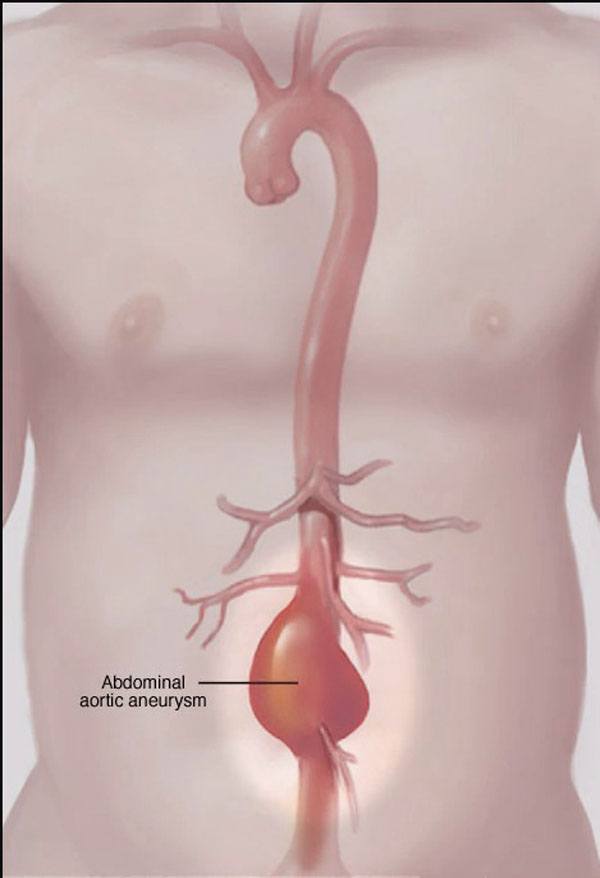
An abdominal aortic aneurysm is an enlarging of the lower portion of the aortic artery that resides in the abdomen. The aorta is the body�s main artery that supplies blood to the body and stretches from the heart down into and through the abdomen. The abdominal aorta is the part that sits within the abdomen. It is below the kidneys and in close proximity to the front of the spine. Because of this closeness sudden intense pain can be felt in the lower back along with sciatica symptoms.
Abdominal Aorta Function
Its function is to deliver blood from the heart throughout the body. It circulates blood down through the chest and abdomen. Smaller arteries branch off the artery to the different organs and systems of the body.
Enlargement/Weakening
If it becomes weak or expands in size, the condition is known as an aortic aneurysm. This condition can cause severe abdominal pain, back pain, sciatica and can lead to artery leakage or rupture. This is when it becomes an emergency. Being the largest blood vessel in the body means that a rupture can cause life-threatening bleeding.
Aneurysms can develop anywhere on the artery, but most occur in the abdomen portion. Depending on the size and growth rate, treatment/therapies can vary from observation to emergency surgery. Abdominal aneurysms usually progress slowly without symptoms, making them difficult to detect. However, some abdominal aneurysms never rupture. They can start small and remain the same size while others can expand over time, and others faster.
Rupture
A weakened aorta can develop a leak known as a rupture. Blood can also begin to accumulate and pool up between layers in the arterial walls can also lead to rupture known as a dissection. Internal bleeding is the primary complication of an abdominal aneurysm. Loss of blood is considered a potentially fatal medical emergency. Mortality rates increase when the artery leaks. The risk for rupture depends on the:
Size
Aneurysms that are smaller than 5 cm in diameter are considered a low risk for rupture. Aneurysms larger than 5 cm are considered high risk. The size is often the best predictor for predicting the chance of rupture.
Growth Rate
Expansion of more than half a centimeter over 6 months is considered accelerated growth and is a high risk. A faster growth rate has been seen in individuals that smoke or have high blood pressure. Abdominal pain, lower back pain, sciatica, or other symptoms usually do not present until the artery has ruptured. However, in a significantly expanded aneurysm, symptoms similar to a rupture can occur.
Symptoms
In most cases, the aneurysm develops slowly with no symptoms or minor symptoms like a nagging/gnawing or throbbing sensation in or around the abdomen. This type of aneurysm can be detected from a standard physical exam or from the monitoring of another condition. Symptoms depend on the location and can include some combination of the following:
Deep, constant pain in the abdomen or on the side. It could also be a stabbing pain deep inside that is felt between the sternum and the belly button. The pain can be continuous with no relief from rest or adjusting positions. Severe pain can cause individuals to bend over and down.
Difficulty standing or the ability to straighten the upper body.
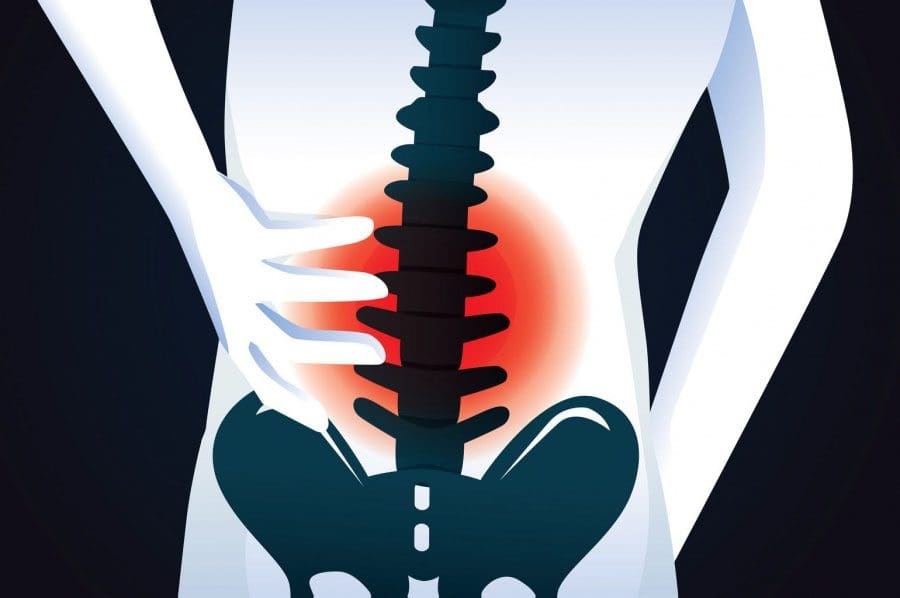
Low back pain caused by the abdominal pain radiating/spreading out into the lower spine from the aorta�s closeness to the spine. The pain can also spread to the groin, pelvis, and legs.
Sciatica symptoms typically come from low back pain.
A pulse near or around the bellybutton. Tenderness, along with a pulsing sensation can be felt. The pulse can be felt through the skin and could be sensitive to touch or pressure.
Blood loss will result in low blood pressure, known as hypotension. This causes lightheadedness, dizziness, nausea/vomiting, blurred vision, and confusion. Symptoms are exacerbated when standing generating the feeling of the need to sit or lie down.
Shock symptoms from the internal bleeding. This includes:
Sudden and rapid heartbeat
Shallow breathing
Clammy skin
Cold sweats
General weakness
Confusion
Agitation
Anxiety
Loss of consciousness
Causes
Various causes can be involved in developing an abdominal aneurysm, including:
Hardening of the arteries known as atherosclerosis. It happens when fat along with other substances build up on the lining of blood vessel/s.
High blood pressure can damage and weaken the walls of the aorta.
Aortic infection is rare but a bacterial or fungal infection could cause an abdominal aneurysm.
Trauma like being in an automobile accident can cause an aneurysm.
Risk Factors
The pathology principally stays asymptomatic until a rupture occurs. This pathology affects mostly men with quite a few risk factors. Risk factors include:
Men develop abdominal aneurysms more often than women.
Smoking is the strongest risk factor. It weakens the aortic walls and increases the risk of developing an aneurysm, and rupture. The longer an individual smokes or chews tobacco, the higher the chances.
Individuals aged 65 and older are the most targeted group for this condition.
A family history of abdominal aneurysms increases the risk.
Aneurysm in another blood vessel, like the artery behind the knee or the chest aortic region, could increase the risk.
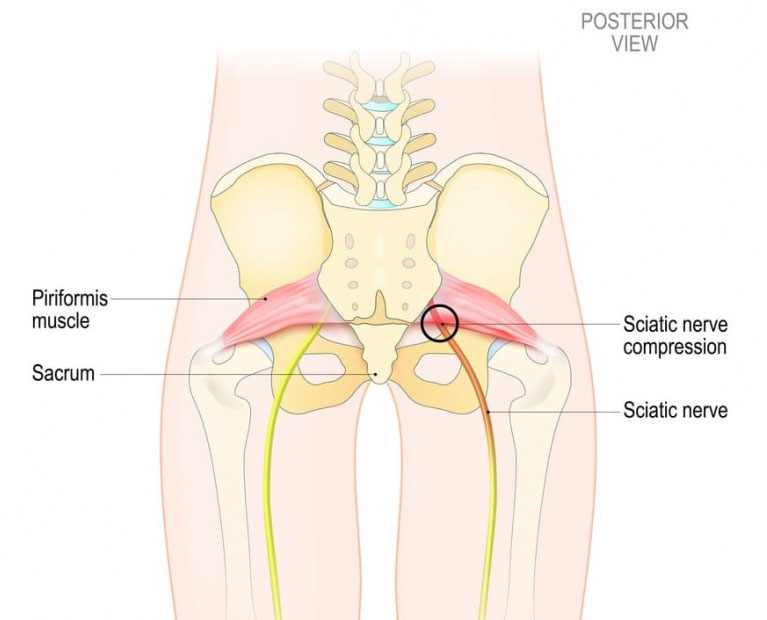
Sciatic Nerve Compression
Sciatica is usually caused by compression on the nerve. Spinal and non-spinal disorders are known to cause pain include:
Low back misaligned vertebral body/s
Herniated/bulging/slipped discs
Pregnancy/childbirth
Spinal tumors
Diabetes
Constipation
Sitting too long
Sciatic nerve compression can cause a loss of feeling known as sensory loss, paralysis of a limb, or group of muscles known as monoplegia, and insomnia.
Proper Diagnosis Is Essential
Because of the many disorders that can cause sciatica, a doctor’s first step is to determine the cause. This involves forming a diagnosis based on a thorough review of an individual’s medical history, a physical and neurological examination. The sciatic nerve has several smaller nerves that branch off. These smaller nerves enable movement motor function and feeling sensory functions in the thighs, knees, calves, ankles, feet, and toes.
If a chiropractor determines the patient’s disorder requires treatment by another specialist, then the individual will be referred to the proper doctor. In some cases, the chiropractor could be called upon to continue spinal therapy and help manage the individual’s treatment plan with the other specialist/s.
Sciatica Pain Treatment
Dr. Alex Jimenez�s Blog Post Disclaimer
The scope of our information is limited to chiropractic, musculoskeletal, physical medicines, wellness, and sensitive health issues and/or functional medicine articles, topics, and discussions. We use functional health & wellness protocols to treat and support care for injuries or disorders of the musculoskeletal system. Our posts, topics, subjects, and insights cover clinical matters, issues, and topics that relate and support directly or indirectly our clinical scope of practice.*
Our office has made a reasonable attempt to provide supportive citations and has identified the relevant research study or studies supporting our posts. We also make copies of supporting research studies available to the board and or the public upon request. We understand that we cover matters that require an additional explanation as to how it may assist in a particular care plan or treatment protocol; therefore, to further discuss the subject matter above, please feel free to ask Dr. Alex Jimenez or contact us at 915-850-0900. The provider(s) Licensed in Texas& New Mexico*
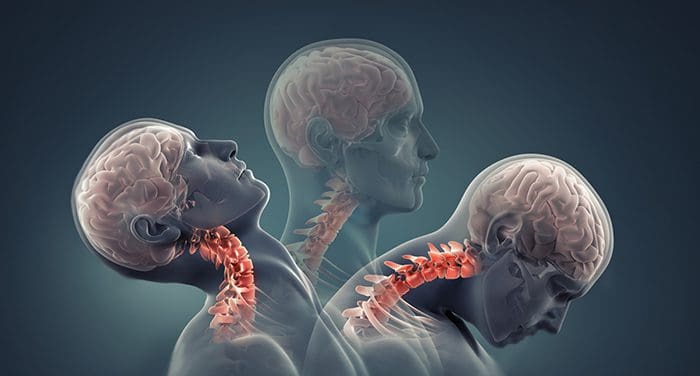
Axial neck pain is also known as uncomplicated neck pain, whiplash, and cervical/neck strain. They refer to pain and discomfort running along the back or posterior of the neck. Axial is defined as forming or around an axis. This type of pain stays around the neck and immediate surrounding structures. It does not spread/radiate out to the arms, hands, fingers, and other areas of the body. Axial neck pain differs from two other neck conditions. They are:
Cervical radiculopathy describes irritation or compression/pinching of the nerve as it exits the spinal cord. The nerves of the cervical spine are known as the peripheral nerves. They are responsible for relaying signals to and from the brain to specific areas of the arms and hands. The signals sent from the brain are for muscle movement, while signals going to the brain are for sensation.
When one of these nerve/s gets irritated, inflamed, or injured, it can result in:
Muscle pain
Weakness
Numbness
Tingling sensation
Burning pain
Other types of abnormal sensations in the arms, hands, or fingers.
Cervical myelopathy describes compression of the spinal cord itself. The spinal cord is the information highway/pipeline to all parts of the body. There is a range of symptoms that can include:
Same symptoms as cervical radiculopathy
Balance problems
Coordination problems
Loss of fine motor skills
Bowel and bladder incontinence
Axial neck pain
Axial neck pain is a quite common type of neck pain. It affects around 10% of the population. However, the majority of these cases do not involve severe symptoms that limit daily activity.
Symptoms
Pain in the back of the neck is the primary and most common symptom. Sometimes the pain travels to the base of the skull, shoulder, or shoulder blade. Other symptoms include:
Neck stiffness
Headaches
Localized muscle pain
Warmth
Tingling
Developmental Risk factors
Poor posture, lack of ergonomics, and muscle weakness increase the chances of developing axial neck pain. Risk factors for development include:
Age
Trauma – Auto accident, sports, personal, work injury
Headaches
Depression
Chronic neck pain
Sleep problems
Diagnosis
Based on symptoms and physical exam findings are how a diagnosis is usually achieved. A doctor will typically order an x-ray, CT, or MRI of the cervical spine. This calls for an immediate visit to a hospital/clinic for evaluation. There could be severe symptoms that could indicate something more dangerous, causing pain like infection, cancer, or fracture. These symptoms include:
Prior trauma/injury from a fall, automobile accident, sports, work injury
Fever
Weight loss
Night sweats
Constant night pain
Rheumatic conditions/diseases that cause neck pain can include morning stiffness and immobility that gets better as the day progresses. If symptoms continue for more than 6 weeks, imaging of the spine could be recommended, especially for individuals that have had previous neck or spine surgery or if it could be cervical radiculopathy or myelopathy.
Treatment
There is a wide range of treatment options. Surgery is rarely required except for severe cases. Returning to normal activities almost right away is one of the most important things to prevent the pain from becoming chronic. First-line treatments typically begin with:
Physical therapy
Chiropractic
Stretching routine
Strengthening exercises
Acetaminophen
Anti-inflammatory medication/s
Muscle relaxants are sometimes prescribed
If a cervical spine fracture has been diagnosed, a neck brace could be recommended for short-term use. A soft collar could be utilized if the pain is severe, but a doctor usually discontinues use after 3 days. Other non-invasive treatment options include:
Invasive treatments like injections, nerve ablation, and surgery are rarely required. But if necessary, it can be beneficial for those cases.
Causes
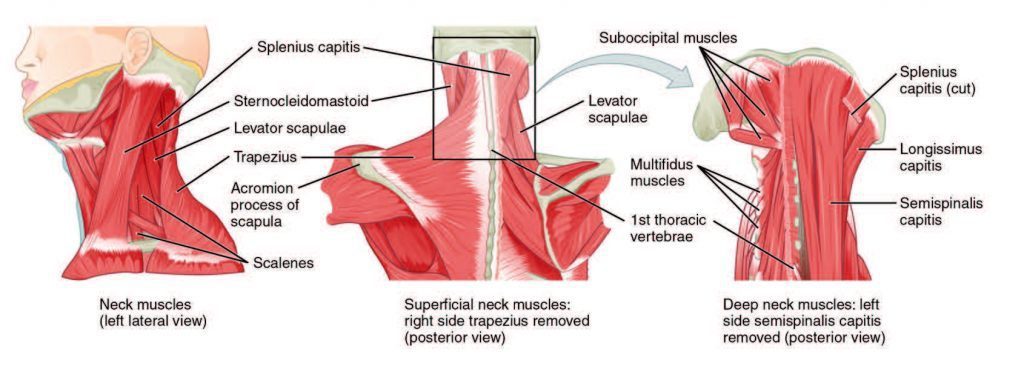
A variety of the neck’s anatomical structures can contribute to the pain. Common causes include:
Poor posture
Age
Degeneration
Ergonomics
Injury to muscles or ligaments
Arthritis
All of these can affect vertebral bodies, discs, and facet joints. Shoulder arthritis or a rotator cuff tear can imitate axial neck pain. Dysfunction of the temporomandibular jaw joint or the blood vessels of the neck can cause axial pain, but it is rare.
Prognosis
Symptoms are usually alleviated within 4-6 weeks from when the pain started. Pain that continues beyond this should encourage a visit to a chiropractic physician.
Analgesics are pain-relieving medications, also known as painkillers. These can be over-the-counter and prescription medications. Either could be part of a treatment plan for spine-related pain. Individuals dealing with back or neck conditions, typically take analgesics to reduce symptoms.
Analgesics are available over-the-counter/OTC and with a prescription
Prescription analgesics usually include the more powerful form of over-the-counter medications
Analgesics can be specialized with some to relieve pain, with others reducing inflammation/pain
Over-the-counter
Acetaminophen, Non-steroidal anti-inflammatory drugs, and topical analgesics are the most commonly used medications for various pain symptoms. Over-the-counter analgesics are most effective when taken at the first sign/presentation of acute pain. Whiplash, along with muscle sprains and strains are common injuries known to cause short term pain that can be mild to severe. Follow the medication’s instructions on dosage recommendations and precautions.
If the medication does not work or helps manage the pain, and/or pain symptoms worsen, contact your healthcare provider. This could be an indicator that a more powerful prescription analgesic is needed to help manage the pain, along with added therapy like physical therapy, and chiropractic to help avoid dependence on the prescription meds.
Acetaminophen
Tylenol is one form of medication taken for different types of pain and is one of the most popular over-the-counter analgesics. Acetaminophen’s purpose is exclusively to relieve pain. It does not reduce inflammation.
Non-steroidal anti-inflammatory drugs – NSAIDs
Non-steroidal anti-inflammatory drugs work to reduce inflammation and pain. Types of over-the-counter These include:
Aspirin
Ibuprofen
Naproxen
Topical analgesics
Topical analgesics like capsaicin cream and salicylates are an alternative to analgesics taken by mouth. These creams, balms, gels, and sprays are applied to the painful area. It is a very common application and is widely used for joint, muscle, and back pain. Salicylates are plant-based chemicals that operate to decrease the body’s production of prostaglandins. These are lipids that let the body know that there is a problem causing inflammation and pain.
Prescription
A doctor could prescribe an analgesic as part of a treatment plan to help manage short-term and chronic pain. It is extremely important to precisely follow the doctor’s instructions on how much and when to take the medication. Remember that any of these medications have the potential for side effects, which includes the risk of negative interactions when taken with other meds. Be sure to talk with a doctor about potential risks, and keep them informed about all medications like blood pressure and diabetes meds and natural herbs/vitamins/supplements taken for other medical conditions.
COX-2 Inhibitors
Cyclo-oxygenase-2 or COX-2 inhibitors are a prescription NSAID medication type that is formulated to target specific enzymes that trigger inflammation. Inflammation is not just a symptom but can also be a cause of pain related to many different spinal disorders. COX-2 inhibitors have a lower risk of causing/contributing to gastrointestinal problems.
There are other potential side effects and risks associated with COX-2 inhibitors. Potential side effects include an increased risk of cardiovascular problems, like a heart attack or blood clots. COX-2 inhibitors reduce the risk of stomach problems than classic NSAIDs but if gastrointestinal conditions exist to talk with a doctor before taking these medications.
Opioids
These are highly potent analgesics and are no longer the first type of pain-relieving medication that a doctor prescribes. They are now to be the last resort for reducing moderate to severe pain symptoms. These medications work by decreasing the perception and reaction to the pain. Opioids are prescribed for short-term use following surgical procedures and trauma. However, there are different situations where use is appropriate. When opioids are recommended, the doctor will begin with the lowest strength/dosage to manage the pain. Types of opioids include:
Analgesic medications are commonly used for various types of pain-causing conditions. When they are used properly with a doctor�s supervision they are safe and effective at managing pain and discomfort. If new symptoms present and/or the pain worsens or becomes different contact your doctor on appropriate instructions.
Chiropractic Neck Pain Treatment
Dr. Alex Jimenez�s Blog Post Disclaimer
The scope of our information is limited to chiropractic, musculoskeletal, physical medicines, wellness, and sensitive health issues and/or functional medicine articles, topics, and discussions. We use functional health & wellness protocols to treat and support care for injuries or disorders of the musculoskeletal system. Our posts, topics, subjects, and insights cover clinical matters, issues, and topics that relate and support directly or indirectly our clinical scope of practice.*
Our office has made a reasonable attempt to provide supportive citations and has identified the relevant research study or studies supporting our posts. We also make copies of supporting research studies available to the board and or the public upon request. We understand that we cover matters that require an additional explanation as to how it may assist in a particular care plan or treatment protocol; therefore, to further discuss the subject matter above, please feel free to ask Dr. Alex Jimenez or contact us at 915-850-0900. The provider(s) Licensed in Texas& New Mexico*
Nutritional relief for acute and chronic back pain can be achieved by eating specific fruits and vegetables. Individuals dealing with acute and chronic back pain have recently been asking if their diets can be modified to reduce back pain. Absolutely, eating healthier will lead to weight loss and will help reduce back pain symptoms.
The big surprise was a nutritionist that did not know about this recommendation to help ease back pain symptoms. Life seems to throw a lot of curveballs especially in the midst of pain. Stress eating and just eating great tasting food is one method/technique of dealing with the pain, as it makes you feel good and forget the pain for a little while.
However, the problem is still present and becomes worse with the added weight. Not to mention the consequences of eating too much unhealthy food, like diabetes, high blood pressure, etc. Eating junk food and suffering in silence can become a way of life.
Pain Relief With Healthy Food
Most individuals will experience back pain at some point. There are a variety of causes from disease to injury and just normal wear and tear.Fortunately, for most, it will be short-lived. But for some chronic pain can develop, creating a new set of health issues and makes achieving back pain relief more complicated. It may sound too easy but making adjustments to your diet can make all the difference in dealing with and eliminating back pain.
Manage and eradicate back pain
Constantly going for the wrong foods, speeds up the inflammation process. Various studies show certain foods contain components that have anti-inflammatory properties. Experts agree that choosing healthy foods for and/or chronic illnesses reduces flare-ups, inflammation and helps heal the body back to top form.
The pain reduces because the inflammation triggers are kept in check. This means the grocery store and healthy foods can be a powerful tool for fighting inflammation. Our ancestors lived off the land eating organic natural foods and healed themselves without refined products.
Multi-colored vegetables and fruits
Dark green vegetables supply powerful nutrients that fight inflammation. Added benefits are they help remove cancer-causing free radicals. Examples include:
Spinach
Broccoli
Kale
Collard greens
Orange and yellow vegetables like:
Carrots
Squash
Pumpkin
Peppers
Pineapple
Carrots contain vitamin E and C and antioxidants that protect the healthy tissue around the inflamed area. Pineapple contains natural enzymes that help break down fibrin that forms around any acute injury. As the barrier is broken down nutrients are allowed to penetrate the area and ease the inflammation.
Nutritional Relief
The ability to heal the body with proper food choices should be a no brainer. But because humans are creatures of habit, breaking away from what is normal for the individual can be a challenge. Some simple ways to start eating toward healing:
Reduce the fat intake like butter, corn, red meat, and simple carbohydrates that are high in sugar and low in fiber.
When eating fill up with vegetables, fruits, and herbs and reduce the meat intake. Eat two to three servings of fruits and vegetables at all meals.
There are plenty of choices that can aid in healing the body from the inside out. Take nutritional relief steps now and start on the road to recovery.
Back Pain During Pregnancy Treatment
Dr. Alex Jimenez�s Blog Post Disclaimer
The scope of our information is limited to chiropractic, musculoskeletal, physical medicines, wellness, and sensitive health issues and/or functional medicine articles, topics, and discussions. We use functional health & wellness protocols to treat and support care for injuries or disorders of the musculoskeletal system. Our posts, topics, subjects, and insights cover clinical matters, issues, and topics that relate and support directly or indirectly our clinical scope of practice.*
Our office has made a reasonable attempt to provide supportive citations and has identified the relevant research study or studies supporting our posts. We also make copies of supporting research studies available to the board and or the public upon request. We understand that we cover matters that require an additional explanation as to how it may assist in a particular care plan or treatment protocol; therefore, to further discuss the subject matter above, please feel free to ask Dr. Alex Jimenez or contact us at 915-850-0900. The provider(s) Licensed in Texas& New Mexico*
IFM's Find A Practitioner tool is the largest referral network in Functional Medicine, created to help patients locate Functional Medicine practitioners anywhere in the world. IFM Certified Practitioners are listed first in the search results, given their extensive education in Functional Medicine