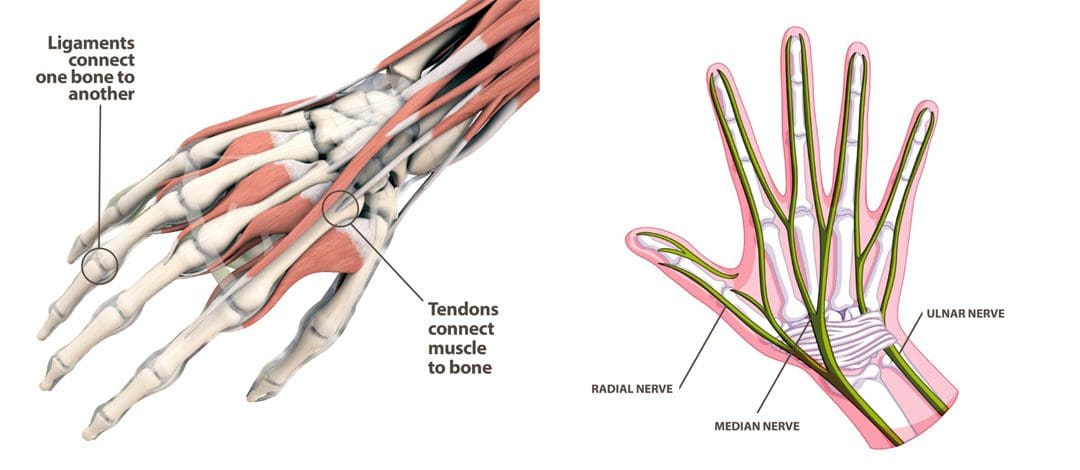
Golfing wrist injuries are common with treatment requiring 1-3 months of rest and immobilization and if tears are present surgery. Can chiropractic treatment help avoid surgery, expedite recovery, and rehabilitation?
Golfing Wrist Injuries
Golfing Wrist Injuries: According to a study, there are over 30,000 golf-related injuries treated in American emergency rooms every year. (Walsh, B. A. et al, 2017) Nearly a third are related to a strain, sprain, or stress fracture.
This causes pain and inflammation and is usually accompanied by a grinding sensation when moving the thumb and wrist.
Chiropractic Treatment
Given the nature of these injuries, medical attention should be sought out for image scans to look at any damage and properly immobilize the wrist. Once a fracture has been ruled out or healed, golfing wrist injuries can benefit from chiropractic and physical therapy. (Hulbert, J. R. et al, 2005) A typical treatment may involve a multifaceted approach involving various therapies including:
Active release therapy, myofascial release, athletic taping, corrective exercise, and stretching.
A chiropractor will examine the wrist and its functioning to determine the nature of the injury.
A chiropractor may recommend using a splint to immobilize the wrist, particularly in cases of overuse.
They will relieve pain and swelling first, then focus on strengthening the joint.
They may recommend a regimen of icing the hand.
Adjustments and manipulations will relieve pressure on the nerves to reduce swelling and restore mobility.
Peripheral Neuropathy Successful Recovery
References
Walsh, B. A., Chounthirath, T., Friedenberg, L., & Smith, G. A. (2017). Golf-related injuries treated in United States emergency departments. The American journal of emergency medicine, 35(11), 1666–1671. https://doi.org/10.1016/j.ajem.2017.05.035
Moon, H. W., & Kim, J. S. (2023). Golf-related sports injuries of the musculoskeletal system. Journal of exercise rehabilitation, 19(2), 134–138. https://doi.org/10.12965/jer.2346128.064
Ray, G., Sandean, D. P., & Tall, M. A. (2023). Tenosynovitis. In StatPearls. StatPearls Publishing.
Zouzias, I. C., Hendra, J., Stodelle, J., & Limpisvasti, O. (2018). Golf Injuries: Epidemiology, Pathophysiology, and Treatment. The Journal of the American Academy of Orthopaedic Surgeons, 26(4), 116–123. https://doi.org/10.5435/JAAOS-D-15-00433
Tan, H. K., Chew, N., Chew, K. T., & Peh, W. C. (2014). Clinics in diagnostic imaging (156). Golf-induced hamate hook fracture. Singapore medical journal, 55(10), 517–521. https://doi.org/10.11622/smedj.2014133
Hulbert, J. R., Printon, R., Osterbauer, P., Davis, P. T., & Lamaack, R. (2005). Chiropractic treatment of hand and wrist pain in older people: systematic protocol development. Part 1: informant interviews. Journal of chiropractic medicine, 4(3), 144–151. https://doi.org/10.1016/S0899-3467(07)60123-2
Golfing Back Injuries: Golf is an enjoyable game that can be played at all ages. It involves the foundation of the body’s range of motion, the spine. Because of the repetitive nature of a golfer’s unique swing, the repetitive rotating/twisting of the spine slowly degrades the integrity of the spinal discs causing them to bulge, herniate, or rupture. The slightest shift causing misalignment can leave the spine vulnerable to further injury. Non-surgical motorized decompression combined with chiropractic musculoskeletal adjustments can restore and maintain optimal health.
Golfing Back Injuries
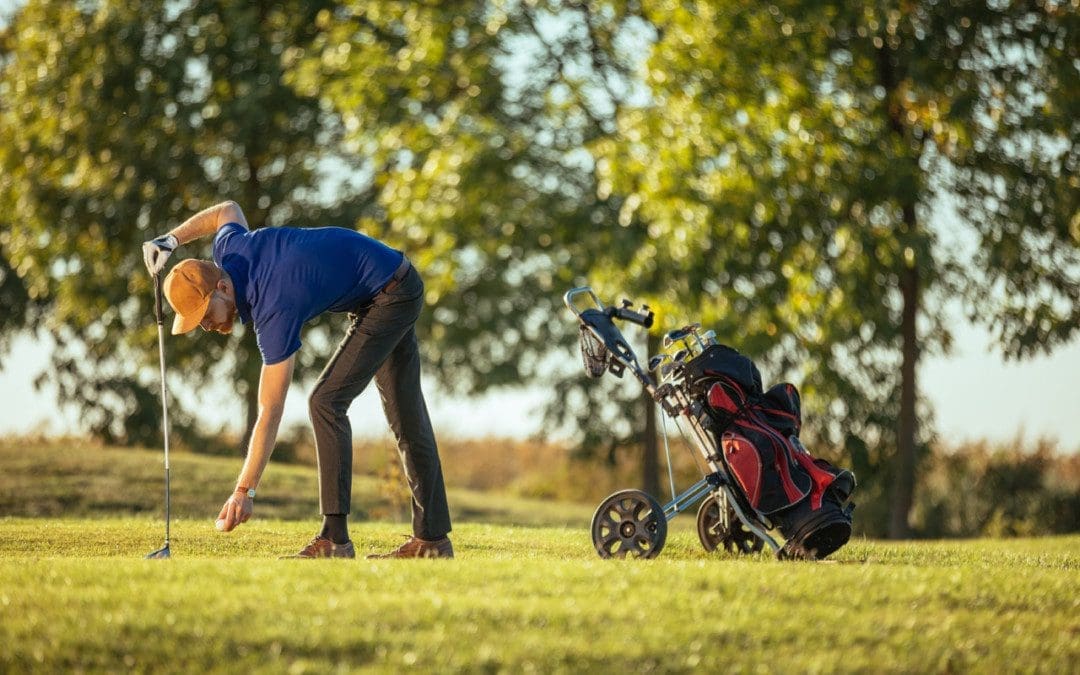
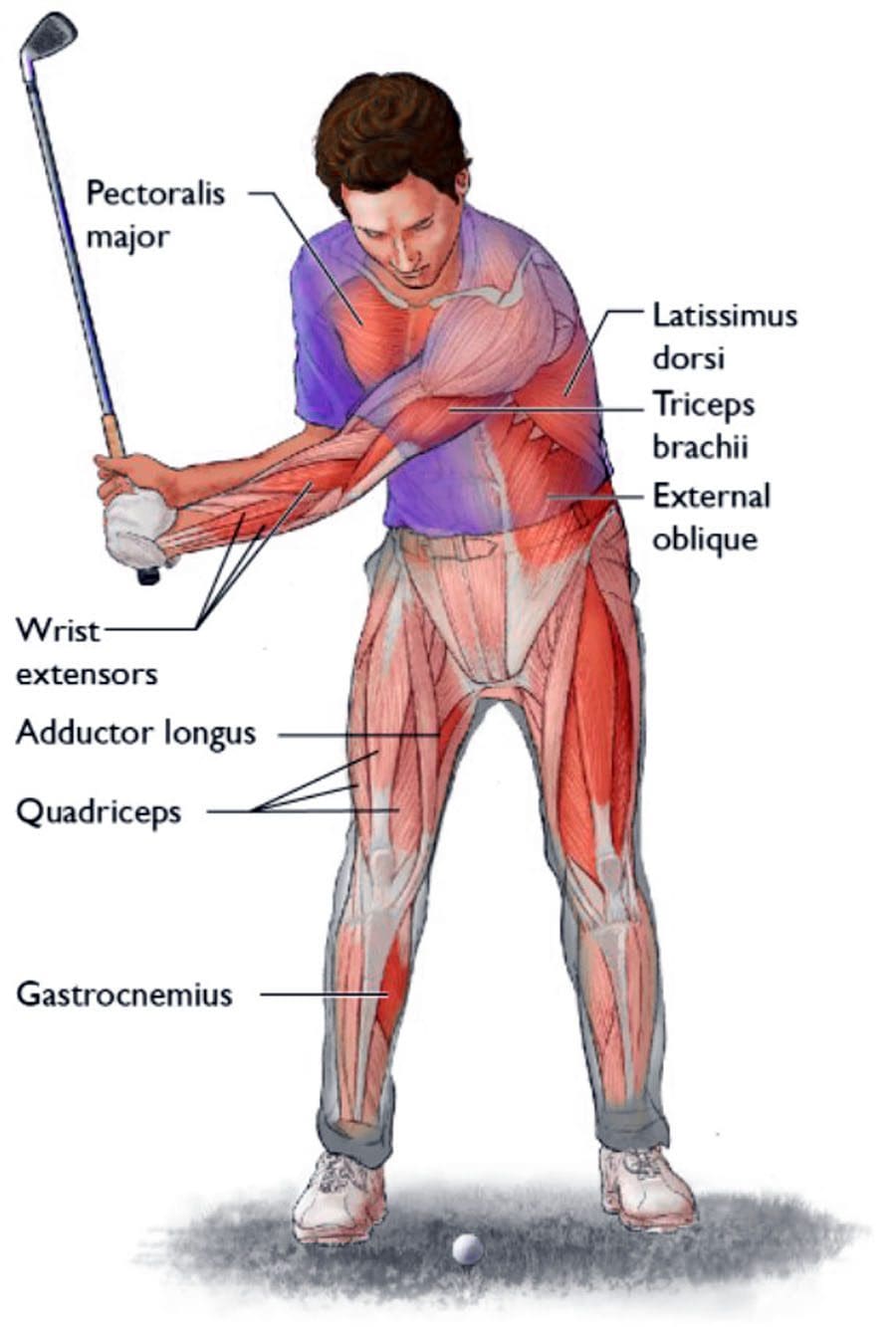
Golfing involves muscle memory. Going through the walk, bending to tee the ball, recoiling for the swing, swinging and following through, walking to the hole, and bending down to retrieve the ball are all repetitive motions that can lead to:
Soreness
Inflammation
Back, hip, leg, and foot pain.
Strains
Other injuries to the muscles and discs.
The bending and twisting are the least tolerated motions by the spine. More than half of injuries sustained involve the back and/or neck. Having the spine correctly aligned is vital to retaining accuracy, power, and injury prevention. Common injuries include:
Sacroiliac Joint/SI Joint Dysfunction
The sacroiliac joint is located between the spine and the hip. Symptoms of sacroiliac joint pain include:
Low back pain.
Hip pain
Pain in the buttocks.
Pain radiating down the legs.
Groin pain
Pelvis pain
Burning sensation in the pelvis.
Numbness and weakness in the pelvis and legs.
SI Joint Pain Causes
The sacroiliac joint requires supported stability when transferring a load from the torso to the legs, specifically during the swing.
If there is compression, misalignment, or weakness, the motion will begin to wear away this stability and leave the sacroiliac joint open to further injury.
Sacroiliac joint injuries often occur from minor multi-incidents and not one major trauma.
With time the SI joint becomes misaligned, exposing the cartilage between joints, causing inflammation known as Sacroiliitis.
Facet Joint Syndrome
The facet joints are located between two vertebrae, allowing the ability to bend and twist.
Healthy facet joints have cartilage all around them, allowing the vertebrae to move smoothly in all directions.
Facet joint syndrome causes pain between the vertebrae.
Facet Joint Syndrome Causes
The leading cause of facet joint syndrome is excessive and repetitive swing movement.
Misalignment can expose and irritate the joints, causing pain, swelling, and inflammation.
Multi-micro-traumas and not one major trauma are often the cause of injury/s.
Muscle spasms are common.
Symptoms
Highly reduced range of motion
Muscle pain
Numbness
Weakness
Cervical Facet Syndrome affects the neck, shoulders, arms, and hands.
Lumbar Facet Syndrome affects the buttocks, legs, and feet.
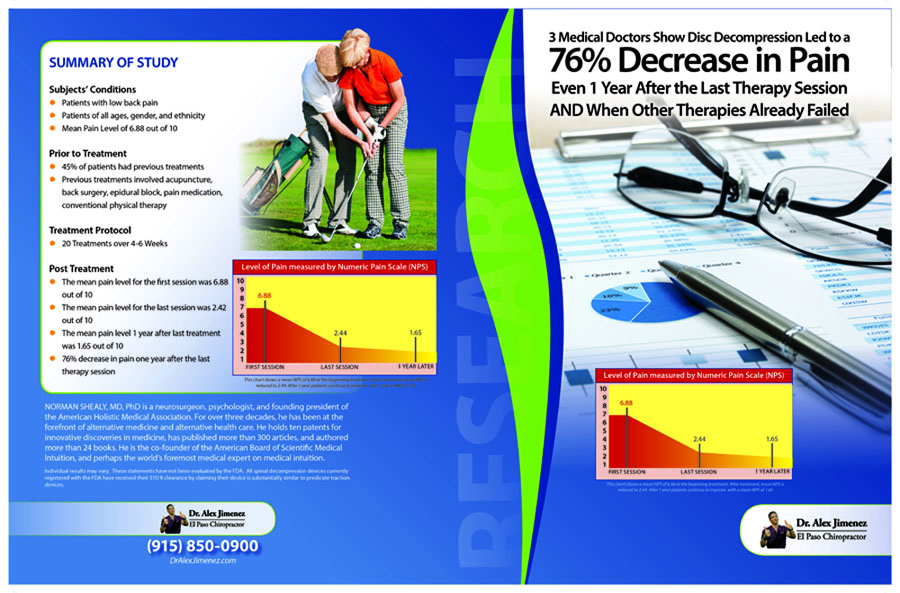
The treatment is computer-controlled to provide gentle and painless decompression.
The therapist enters the program cycle.
The decompression table goes through brief moments of pulling and relaxing.
The spine’s bones are stretched slowly and methodically.
As the vertebrae are separated, a vacuum is formed, pulling the gel-cushion center of the disc back inside, removing the pressure on the spinal nerves and alleviating pain and disability.
The vacuum also draws oxygen and nutrients into the injured and degenerated discs to optimize healing.
DRX 9000
Long Term Success
References
Cole, Michael H, and Paul N Grimshaw. “The Biomechanics of the Modern Golf Swing: Implications for Lower Back Injuries.” Sports medicine (Auckland, N.Z.) vol. 46,3 (2016): 339-51. doi:10.1007/s40279-015-0429-1
Dydyk, Alexander M., et al. “Sacroiliac Joint Injury.” StatPearls, StatPearls Publishing, 4 August 2021.
Hosea, T M, and C J Gatt Jr. “Back pain in golf.” Clinics in sports medicine vol. 15,1 (1996): 37-53.
Lindsay, David M, and Anthony A Vandervoort. “Golf-related low back pain: a review of causative factors and prevention strategies.” Asian journal of sports medicine vol. 5,4 (2014): e24289. doi:10.5812/asjsm.24289
Smith, Jo Armour, et al. “Risk Factors Associated With Low Back Pain in Golfers: A Systematic Review and Meta-analysis.” Sports health vol. 10,6 (2018): 538-546. doi:10.1177/1941738118795425
IFM's Find A Practitioner tool is the largest referral network in Functional Medicine, created to help patients locate Functional Medicine practitioners anywhere in the world. IFM Certified Practitioners are listed first in the search results, given their extensive education in Functional Medicine