by Dr Alex Jimenez DC, APRN, FNP-BC, CFMP, IFMCP | Chiropractic, Functional Medicine, Gut and Intestinal Health, Health, Health Coaching, Integrative Functional Wellness, Nutrition, Nutritional Genomics, Vitamins, Wellness
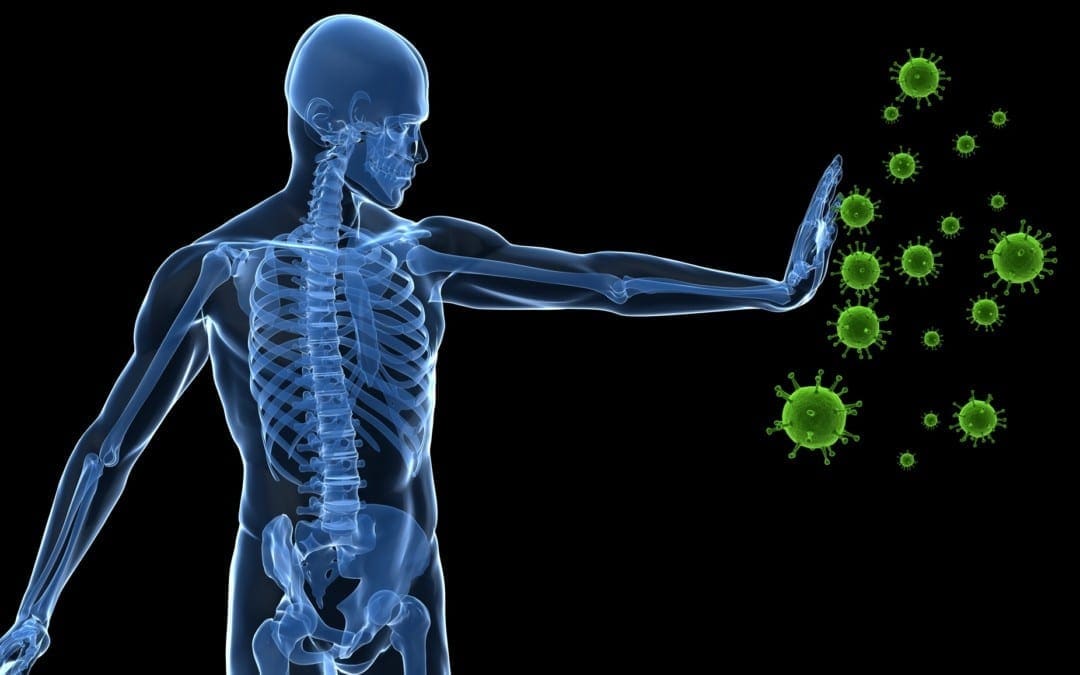
With everything that is going on in today’s world immunity is especially important. Without a properly functioning immune system, our bodies can become inflamed and more susceptible to viruses. Inflammation can cause a weakened immune system, joint pain, headaches, fatigue and more!
So what can we do to build up our immunity and help give our bodies a fighting chance? First off, washing your hands is highly important. Not just now, but always. Be sure to wash your hands with warm water and scrub everywhere. Second, get plenty of sleep. Rest is how the body recovers. If you do not give your body adequate sleep, the strength you’re cells have to fight off infection lessens. Third, eat healthy food, hydrate, and exercise. Finally, last but not least help kick up your immune system by supplementing the body with all-natural supplements.
There are many supplements that will be beneficial to the body. However, two of the most important are NAC and Glutamine.
What Are They?
NAC stands for N-acetyl-Cystine. NAC is an amino acid that the body can produce but the body can also greatly benefit from taking additional NAC in supplemental form. NAC plays an important role in helping the liver to detox. In addition to this, NAC helps to replenish the glutathione levels in the lungs and can help to reduce the inflammation. This is highly beneficial in helping to relieve the symptoms of a respiratory infection.
NAC is also greatly beneficial in boosting brain health. NAC helps to regulate glutamate levels and replenish glutathione. However, one of the most important factors of NAC is its ability to boost Glutathione levels.
Glutamine is an amino acid that helps the body perform many functions. Glutamine plays a crucial part in the immune system.
The Connection & How It Impacts Immunity
However, one of the most important factors of NAC is its ability to booze Glutathione levels. NAC and glutathione can help to boost an individual’s immune health. In research studies shown, NAC has been shown to lessen the effects of a virus and its ability to replicate. When it comes to immunity NAC and Glutamine are powerful molecules. Stoping the replication of a virus can help reduce the spread and the length of the virus in an individual.
Many infections and diseases have been linked to low glutathione levels. When the glutathione levels are low this is typically due to enhanced oxygen radicals. Studies have been done and show that when supplementing NAC to those who have low glutathione levels, it directly boosts their levels and helps with infection.
Especially with everything happening today, we want to increase our immunity and decrease the inflammation in the body.� Essentially, think of the body as a road trip. For this trip we need two main things: the gas for the car, and the car to take you to the end destination.� NAC is the gas that drives the car. We need the gas to get to our end destination. Our end destination is being healthy and giving our body the best chance to fight off infection (increased Glutathione). So by giving our body gas (NAC) we provide it with what it needs to take us to where we want to go (increased Glutathione, leading to increased immunity).
How Can I Benefit?
Overall, NAC is great to decrease inflammation. Inflammation is an extremely common underlying issue relating to other health conditions individuals suffer from. By providing your body with additional supplements, you can help increase your immunity and decrease your chances of contracting a virus and/or the length of the virus. Always discuss supplements with your primary care doctor before you begin them, but consider adding these into your daily routine!
I always recommend talking to your primary care provider and taking supplements daily. Supplements, in general, are a great way to help provide the body with the essential vitamins and minerals you may be missing. However, now more than ever supplementation is key. By building up and providing the body with the nutrients it needs for proper function, it will help prepare your body to fight off an infection. Supplementation like NAC is great to have already running in your system to help combat an infection if you were to catch one. Remember to be smart, talk to a primary care doctor before beginning supplementation, and keep in mind that not all supplements are created equal.� -Kenna Vaughn, Senior Health Coach��
The scope of our information is limited to chiropractic, musculoskeletal, and nervous health issues or functional medicine articles, topics, and discussions. We use functional health protocols to treat injuries or disorders of the musculoskeletal system. Our office has made a reasonable attempt to provide supportive citations and has identified the relevant research study or studies supporting our posts. We also make copies of supporting research studies available to the board and or the public upon request. To further discuss the subject matter above, please feel free to ask Dr. Alex Jimenez or contact us at 915-850-0900.�
References:
Dinicola S, De Grazia S, Carlomagno G, Pintucci JP. N-acetylcysteine as powerful molecule to destroy bacterial biofilms. A systematic review.�Eur Rev Med Pharmacol Sci. 2014;18(19):2942�2948.
Goodson, Amy. �Top 9 Benefits of NAC (N-Acetyl Cysteine).� Healthline, 2018, www.healthline.com/nutrition/nac-benefits#section3.
Wessner B, Strasser EM, Spittler A, Roth E. Effect of single and combined supply of glutamine, glycine, N-acetylcysteine, and R,S-alpha-lipoic acid on glutathione content of myelomonocytic cells.�Clin Nutr. 2003;22(6):515�522. doi:10.1016/s0261-5614(03)00053-0
by Dr Alex Jimenez DC, APRN, FNP-BC, CFMP, IFMCP | Chiropractic, Functional Medicine, Health, Health Coaching, Integrative Functional Wellness, Natural Health, Nutrition, Supplements
If there is one thing we are learning more and more about, it is that everything can be related back to inflammation and what we put inside our bodies. Point blank. The food you consume affects your genetics and your inflammatory response in the body. Headaches, achy joints, and overall fatigue have been directly linked to inflammation.
Inflammation
Inflammation was once thought to just be something that occurs when the body has an infection or we hurt ourselves as the body’s natural response. That fact is still true to this day. However, we now know more. Now, we are able to recognize inflammation occurring inside our organs and down to the cellular level.
Just as you roll your ankle and it becomes inflamed, if you eat the wrong foods your gut becomes inflamed. This can then be traced back to leaky gut and in some cases, autoimmune diseases.
So what can we do about it? What is actually happening in our bodies?
The human body is an amazing machine that we are still finding more about each and every day. Let’s first take a look at where this inflammation is coming from. Inflammation can enter the gut barrier as a toxin, protein, pathogen, LPS, or alcohol.
If our body is continuously exposed to these triggers, it can result in our immune system becoming dysregulated. Now that our body has these triggers, things like allergies, asthma, autoimmunity, and poor immune tolerance and regulation become our bodies new regular.
Amplifying Loop
These triggers then signal something called cytokines. Cytokines are tiny and dance around inside of the cell. These cytokines increase NF-kB activity.
NF-kB is then used to transcribe DNA and express an inflammatory state!
Now, our bodies are promoting inflammation, all because we let the toxins in. What we put into our mouth and our bodies matter. The foods we eat have the ability to provide nutrients to our cells, rather than facilitating in this ongoing inflammatory response chain.
How Do I Regain Control?
Nrf2 is a key protein in the body that has the function of regulating the genome. This helps the body balance gene expressions and the regulation of our genes. Another thing Nrf2 does is upregulate genes that encode antioxidant enzymes and antiinflammatory genes.
Essentially, Nrf2 helps to fight off inflammation and reduce oxidative stress. Nrf2 activity is part of the detoxification system our bodies naturally have. It helps us to not get sick from every single bacteria we come into contact with. However, Nrf2 is a pathway, not a supplement. So now the question becomes, How do we active Nrf2?
From The Kitchen to The Genes
As mentioned earlier, everything can be traced back to the kitchen and what we put into our mouth to nourish our body. A great way to ensure you are feeding your body what it needs is to make a smoothie in the morning. Smoothies can contain so many nutrient-dense foods to aid in Nfr2 activation.
First, start off with flaxseed in the blender. Blend it up so the flax seeds get broken up and open. Next, add in blueberries, raspberries, strawberries, acai berry powder, broccoli sprouts, and almond milk!
By providing your body and your cells with the nourishment they need, they will flourish. In addition to a smoothie, there are supplements that can aid in Nrf2 activation as well. These supplements include curcumin, fish oil, wormwood, and CoQ10.
It’s clear that the “American Diet” has been causing problems for us. The world is so busy and fast-paced that we are not taking the time or giving our bodies the consideration to shop and make nutritious home-cooked meals. We need to increase our vegetables, fruits, fibers, whole grains and decrease the carbs. Everyone has some degree of inflammation in their body, and many of us do not even realize it! I challenge us to give up fast food for an entire month, cut the soda, increase the lemon water and eat at least one salad a day during this month. By increasing our vegetables and creating plates that are more colorful, our bodies will thank us! – Kenna Vaughn, Senior Health Coach�
References:
Gordon, Jacob. �Recipes for NRF2 – MyBioHack: Unlock Your Maximum Potential.� MyBioHack, MyBioHack | Unlock Your Maximum Potential, 7 Nov. 2017, mybiohack.com/blog/recipes-for-nrf2.
Gordon, Jacob. �Why NRF2 Activation Can Make You More Sick – MyBioHack: Unlock Your Maximum Potential.� MyBioHack, MyBioHack | Unlock Your Maximum Potential, 2 Feb. 2020, mybiohack.com/blog/nrf2-cirs-sensitivities.
Lawrence, T. �The Nuclear Factor NF-�B Pathway in Inflammation.� Cold Spring Harbor Perspectives in Biology, vol. 1, no. 6, 2009, doi:10.1101/cshperspect.a001651.
Ma, Qiang. �Role of Nrf2 in Oxidative Stress and Toxicity.� Annual Review of Pharmacology and Toxicology, vol. 53, no. 1, 2013, pp. 401�426., doi:10.1146/annurev-pharmtox-011112-140320.
The scope of our information is limited to chiropractic, musculoskeletal,and nervous health issues or functional medicine articles, topics, and discussions. We use functional health protocols to treat injuries or disorders of the musculoskeletal system. Our office has made a reasonable attempt to provide supportive citations and has identified the relevant research study or studies supporting our posts. We also make copies of supporting research studies available to the board and or the public upon request. To further discuss the subject matter above, please feel free to ask Dr. Alex Jimenez or contact us at915-850-0900.
by Dr Alex Jimenez DC, APRN, FNP-BC, CFMP, IFMCP | Functional Medicine, Health, Nutrition, Remedies, Wellness
Do you feel:
- Agitated, easily upset, or have tremors?
- Afternoon fatigues?
- Mental sluggishness?
- Tired?
- Stressed out?
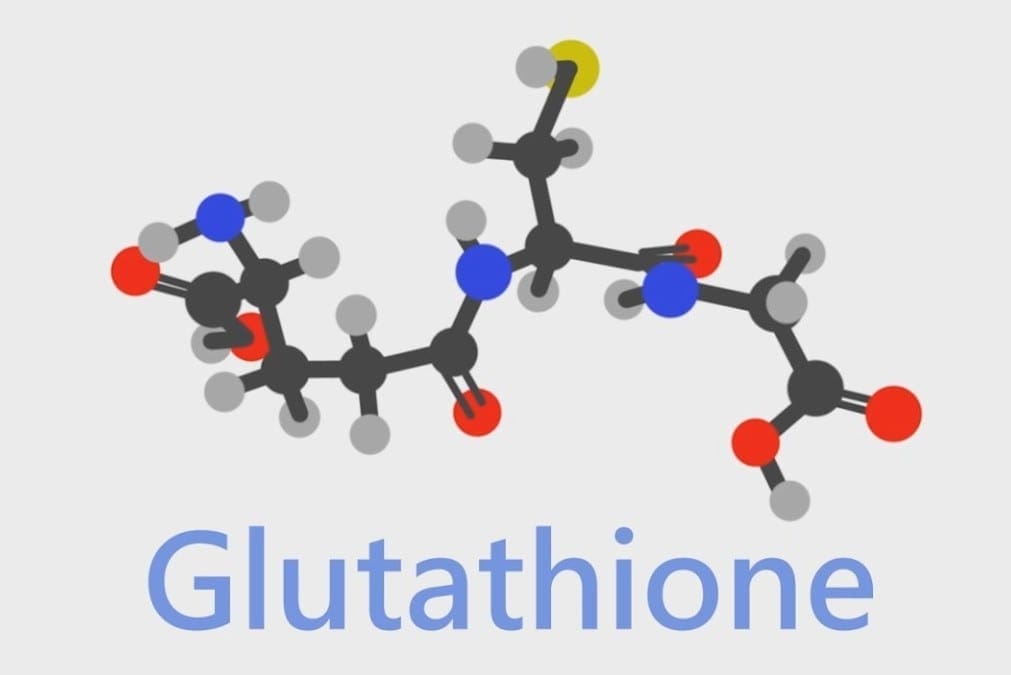
If you are feeling any of these situations, then you might be experiencing low levels of glutathione, why not add some S-acetyl glutathione into your body.
Glutathione
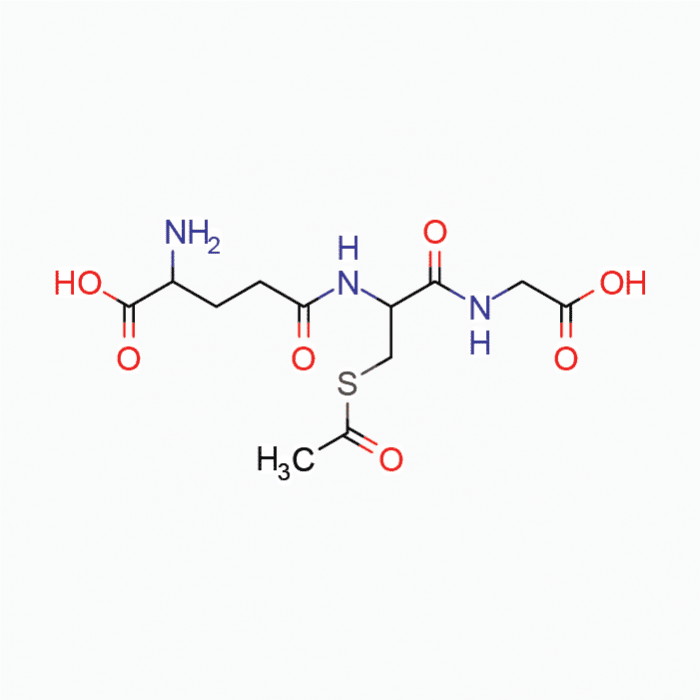
When glutathione is decreased in the body, it is known as glutathione deficiency or GSH. It is a tripeptide that is consist of L-glutamine, L-cysteine, and glycine while also being functional in the systems of the body. The biosynthesis of glutathione can be affected by some factors such as biochemical individuality or dietary factors. Another factor that can affect glutathione in the body is chronic oxidative stress. Chronic oxidative stress can deplete cellular glutathione in the body, causing it to develop inflammation and dysfunction to its organ systems.
There are ways to boost glutathione levels in the body since these nutrients and supplements are the precursors to glutathione. They consist of whey protein, vitamin C, and glutamine, and they can help raise the glutathione levels in the body to prevent inflammation and disruptive factors that can cause harm to the body; however, the results are inconsistent and need further research. Studies stated that biological individuality is different to every type of body since it is equivalent and can metabolize the precursor nutrients and supplements to the body.
Why Not Distribute Pure Glutathione?
Sadly though, when a person takes glutathione in an oral form, the results are unpleasant. When the person takes glutathione in the mouth, the oral dosage is oxidized instantly, before being absorbed into the body, thus leaving a foul smell. Taking glutathione in a vegetable capsule can help the individual receive glutathione without it being oxidized.
Many formulas can deliver a unique preparation to glutathione that can overcome the limitations it faces. Studies show that S-acetyl glutathione is stable enough to go through the intestinal walls and deposit the necessary nutrients into the body. With S-acetyl glutathione being consumed orally, it can increase the total glutathione and the percent-reduced glutathione so it can be beneficial for the body. With percent-reduced glutathione, it has a very significant biomarker for excellent status for a functional body.
The Mechanics of SAG Absorption
S-acetyl glutathione or SAG is a lipid-like compound that is taken by intact chylomicrons in the gut. The bond from this compound is placed into its thiol group that helps prevents oxidations in the body and allows molecules to pass into the cell walls after being absorbed into the gut. What happens is that the bond is cleaved by non-specific enzymes and helps prevent the breakdown of glutathione, while S-acetyl glutathione does not need expenditures to be cleaved once it crosses the cell walls in the body.
SAG Antioxidant Activity
Since glutathione helps tissue and organ functions throughout the body, it plays a critical role by protecting it from a variety of factors like, for example, oxidative stress, while also maintain cellular functions and supporting a healthy immune system. Studies show that many factors can increase oxidative stress exposure and adding insults to the body, therefore increasing the cellular consumption of the nutrients like glutathione, which provides antioxidant activity. When this happens, it leads to the result of a fiery cycle of oxidative stress and challenges detoxification to the body. Research states that complete biotransformation and protecting the body from oxidative stress is essential for the body to maintain cellular integrity and tissue health.
Benefits of Maintaining Healthy Glutathione Levels
There is plenty of information that is related to cellular health that has been surfaced. Research states that the mitochondria, which is the energy-producing powerhouse cell, has a role in being the primary functional cellular site for consuming oxygen and ROS (reactive oxygen species).� Studies show that S-acetyl glutathione can cross the membranes of the mitochondria by increasing the organ’s activity and minimizing ROS in the body. When ROS is reduced in the body, it can maintain the mitochondrial integrity and its function, while improving its health for the body to function correctly.
Studies show that S-acetyl glutathione can decrease TNF-alpha, NF-kappa beta, and F-2 isoprostane enzymes in the body. Additional studies show that there is a large amount of evidence that intracellular glutathione levels in macrophages can influence the Th1/Th2 cytokine pattern and can help promote a well-balanced immune reaction to the body.
Conclusion
Glutathione is an essential amino acid that is produced in the body. When there are low levels of glutathione in the body, S-acetyl glutathione can assist in maintaining those levels and by making sure that oxidative stress does not reach full capacity in the body to cause significant damage. Some products can provide more excellent stability, bioavailability, and digestive comfort for anyone who might be sensitive to N-acetyl L-cysteine.
The scope of our information is limited to chiropractic, musculoskeletal, and nervous health issues or functional medicine articles, topics, and discussions. We use functional health protocols to treat injuries or disorders of the musculoskeletal system. Our office has made a reasonable attempt to provide supportive citations and has identified the relevant research study or studies supporting our posts. We also make copies of supporting research studies available to the board and or the public upon request. To further discuss the subject matter above, please feel free to ask Dr. Alex Jimenez or contact us at 915-850-0900.
References:
Anderson, Michelle F, et al. �Glutathione Monoethylester Prevents Mitochondrial Glutathione Depletion during Focal Cerebral Ischemia.� Neurochemistry International, Pergamon, 20 June 2003, www.sciencedirect.com/science/article/abs/pii/S0197018603001335?via%3Dihub.
Ballatori, Nazzareno, et al. �Glutathione Dysregulation and the Etiology and Progression of Human Diseases.� Biological Chemistry, U.S. National Library of Medicine, Mar. 2009, www.ncbi.nlm.nih.gov/pmc/articles/PMC2756154/.
Fraternale, A., et al. �Antiviral and Immunomodulatory Properties of New Pro-Glutathione (GSH) Molecules.� Http://Www.eurekaselect.com, 31 May, 2006, www.eurekaselect.com/56205/article.
Kretzschmar, M. �Regulation of Hepatic Glutathione Metabolism and Its Role in Hepatotoxicity.� Experimental and Toxicologic Pathology, Urban & Fischer, 3 Nov. 2011, www.sciencedirect.com/science/article/abs/pii/S0940299396800546?via%3Dihub.
Locigno, Roberto, et al. �S-Acetyl-Glutathione Selectively Induces Apoptosis in Human Lymphoma Cells through a GSH-Independent Mechanism.� International Journal of Oncology, U.S. National Library of Medicine, Jan. 2002, www.ncbi.nlm.nih.gov/pubmed/11743644.
Lomaestro, Ben M, and Margaret Malone. �Glutathione in Health and Disease: Pharmacotherapeutic Issues – Ben M Lomaestro, Margaret Malone, 1995.� SAGE Journals, 1 Dec. 1995, journals.sagepub.com/doi/10.1177/106002809502901213.
Richman, PG, and A Meister. “Regulation of Gamma-Glutamyl-Cysteine Synthetase by Nonallosteric Feedback Inhibition by Glutathione.� The Journal of Biological Chemistry, U.S. National Library of Medicine, 25 Feb. 1975, www.ncbi.nlm.nih.gov/pubmed/1112810.
Vogel, Jens-Uwe, et al. �Effects of S-Acetylglutathione in Cell and Animal Model of Herpes Simplex Virus Type 1 Infection.� SpringerLink, Springer-Verlag, 18 Nov. 2003, link.springer.com/article/10.1007%2Fs00430-003-0212-z.
Whelan, Corey. �Glutathione Benefits.� Healthline, 21 Nov. 2017, www.healthline.com/health/glutathione-benefits.
by Dr Alex Jimenez DC, APRN, FNP-BC, CFMP, IFMCP | Functional Medicine, Health, Nutrition, Supplements, Wellness
Do you feel:
- Complicated, infrequent bowel movements?
- Frequent urination?
- Poor bowel function?
- Have more than three bowel movements daily?
- Feeling that bowels do not empty completely?
If you are experiencing any of these situations, then you might want to consider these six supplements for your kidneys.
It is estimated that 31 million Americans have suffered from chronic kidney disease. It might be due to the misery of the production of kidney stones. It is more common that 9 out of 10 individuals that have moderately decreased kidney function will not even know that they have it. Chronic kidney disease does not get much recognition, but it does kill more people than either breast or prostate cancer.
One reason that chronic kidney disease is not on the radar for most people is that there are no symptoms until the disease is in the advanced stage. When it does appear in the body, they include a range of symptoms that can stay in the body for a long time. Since many of the symptoms do not set off the alarms in the body, it is easy to ignore them until the person is diagnosed with kidney failure. Fortunately, with a little awareness and some natural kidney support, individuals can prevent the symptoms from escalating on the body.
Good Kidney Health
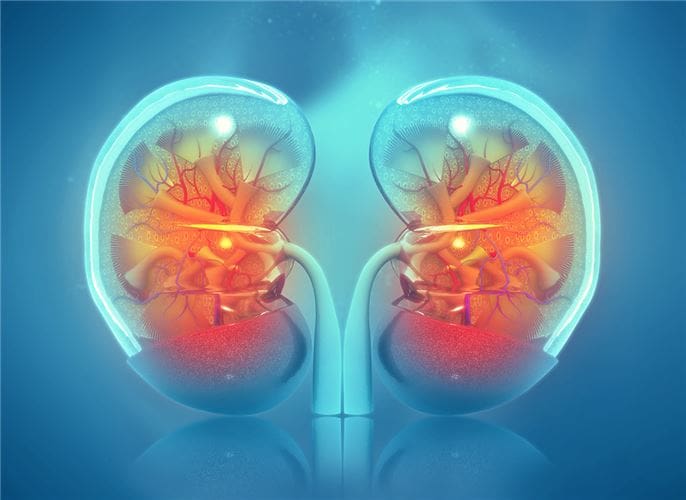
The kidneys are two bean-shaped organs that are located behind the lower rib cage on either side of the spine in the body. Vital to the overall health, the kidneys filter waste and toxins out of the blood and moving them to the bladder so they can be excreted out of the body as urine. The kidneys also regulate the body�s fluid balance, the minerals balance in the bloodstream, and activating vitamin D, so that way the body can use it. The kidneys also release hormone production directly to the bloodstream and regulating blood pressure.
It is essential to take the necessary steps to maintain kidney health, especially if an individual has an increased risk of chronic kidney disease. Factors can affect the body and can cause individuals to have a higher risk of chronic kidney disease. Some of these factors include:
- Being diabetic
- Someone in the family that has a history of kidney disease, diabetes or high blood pressure
- Someone having some form of cardiovascular disease
- Obesity
- Diagnosed with chronic urinary tract infections
While some of these risks are beyond a person’s control, it is crucial to adopt a few healthy lifestyle habits and adding kidney supporting supplements to prevent the spread of chronic kidney diseases and other ailments that have damaged the kidneys in the body.
The Best Ways for Kidney Health
When optimizing kidney health, changing lifestyle habits is highly essential. While quitting smoking, moderate alcohol consumption, and increasing physical activity is beneficial for the body and can boost kidney health overall. Improving the diet is one of the most accessible lifestyle modifications anyone can make.
For decades, doctors have recommended patients with CKD, a renal diet that limits dietary potassium, and phosphorus intake. The only problem with this type of diet is that it reduced some of the essential foods like fruits, vegetables, whole grains, legumes, and nuts. However, recent studies pointed out that well-rounded diets like the Mediterranean diet or the DASH diet are the way to go for those who are with or want to prevent CDK. With these healthier diets, they focus on whole-minimally-processed foods and low, moderate amounts of protein and as a result, they support kidney health and help reduce the risk of related health issues like high blood pressure, heart disease, obesity, and diabetes.
It is also a smart move to stay hydrated with fluids, especially water, since it helps clear the sodium and toxins from the kidneys.
The 6 Supplements For Healthy Kidneys
When a person is at risk for kidney disease or wants to optimize these amazing filters, these six supplements are excellent for playing a supportive role in helping the kidneys.
Alpha-lipoic acid
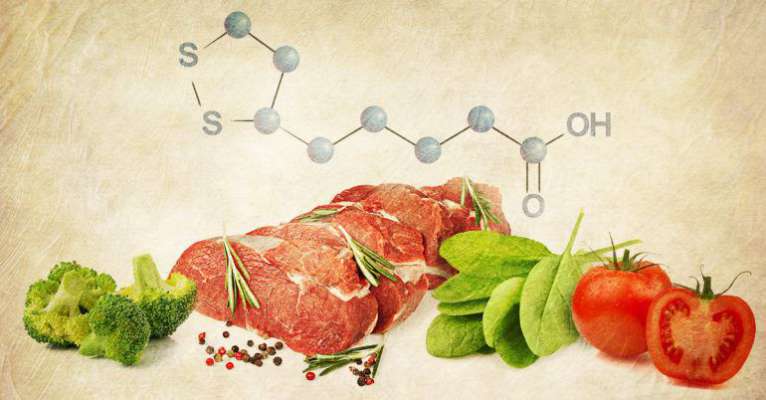
Alpha-lipoic acid is a powerful antioxidant that is made inside the mitochondria, where it helps key enzymes turn into nutrients and energy for the body. This antioxidant plays another crucial role by protecting the cells from oxidative damage, including those in the kidneys. A study showed that alpha-lipoic acid produces a significant uptick in two other antioxidants, SOD (superoxide dismutase) and CAT (catalase) in kidney tissue. This can help reduce inflammation and oxidative stress in the kidneys as well as preventing kidney stones from forming.
Andrographis
Andrographis is a kidney supporting herb that people do not think about when they are indulging in their favorite alcoholic beverage; however, it should be. In the Journal of Ethnopharmacology found that the two compounds that are in Andrographis, which is andrographolide and arabinogalactan proteins; help protect the kidneys from alcohol toxicity. For anyone that is enjoying a glass wine with dinner, having a beer or two with friends, or drinking the occasional cocktail, taking a dose of Andrographis before consuming alcohol can provide the protection the kidneys need.
Moringa

Moringa is a superfood that comes from the leaves of the moringa tree that is essential parts of Asia, Central and South America, Africa, and Australia. These medicinal plants have possessed the ability to protect SOD and CAT levels in the kidneys. Studies have been shown using a model of acetaminophen toxicity and found that the moringa supplementation has reversed both the oxidative damage and inflammation in the kidneys.
NAC
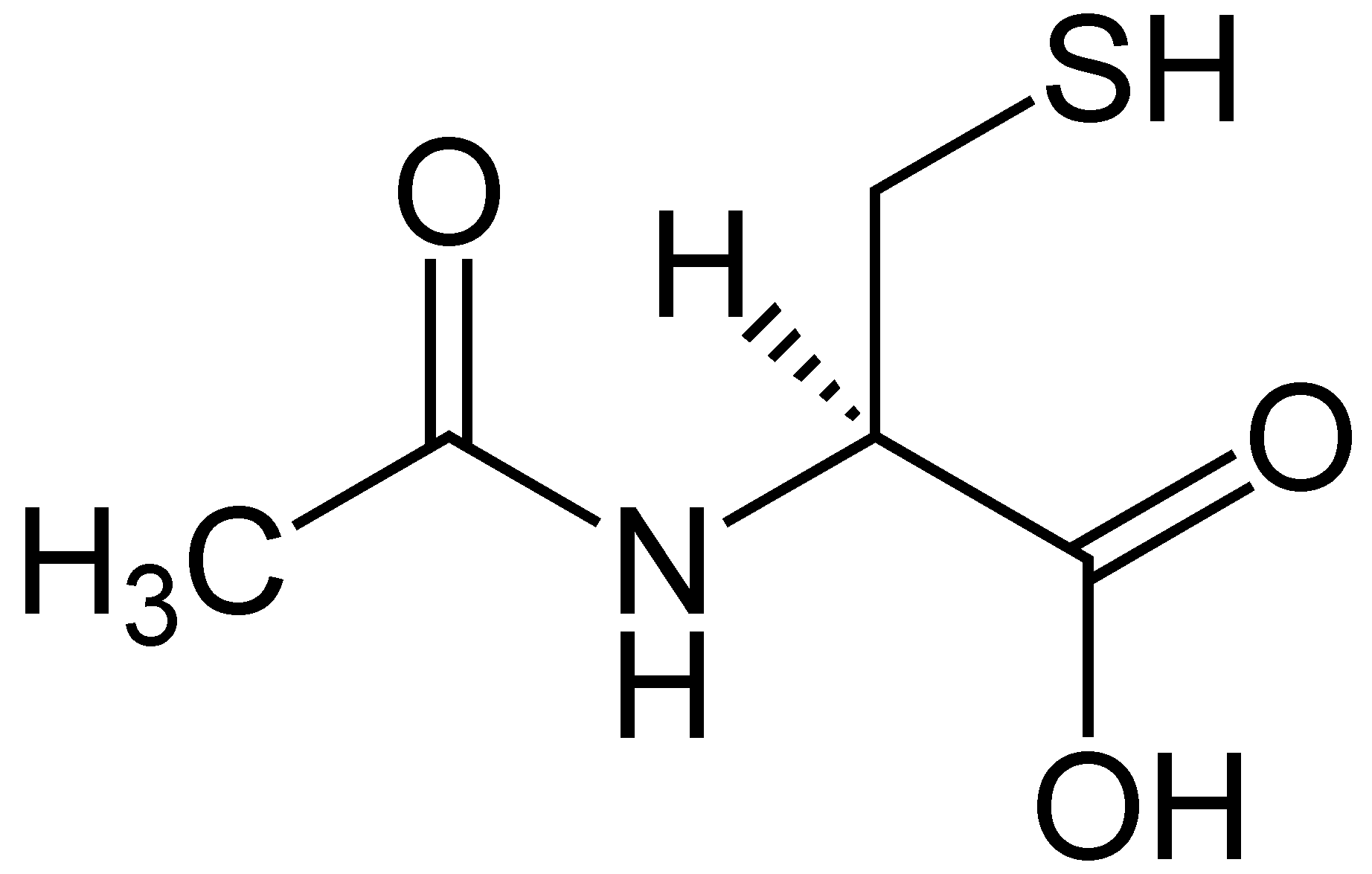
Also known as n-acetylcysteine, NAC is the precursor to glutathione, the body�s master antioxidant. NAC is an antioxidant in its rights by protecting the kidney cells from heavy metals and other damaging toxins. Research has shown that NAC can also limit the damage from AGEs (advanced glycation end production.) AGEs are formed when glucose reacts with the proteins in the blood vessel walls, including the blood vessels within the kidneys. The resulting damage caused by AGE includes oxidative damage that can be a contributing factor to chronic kidney disease, but proactively including NAC as part of the person’s supplement routine that can help protect the harmful effects of AGEs.
Probiotics
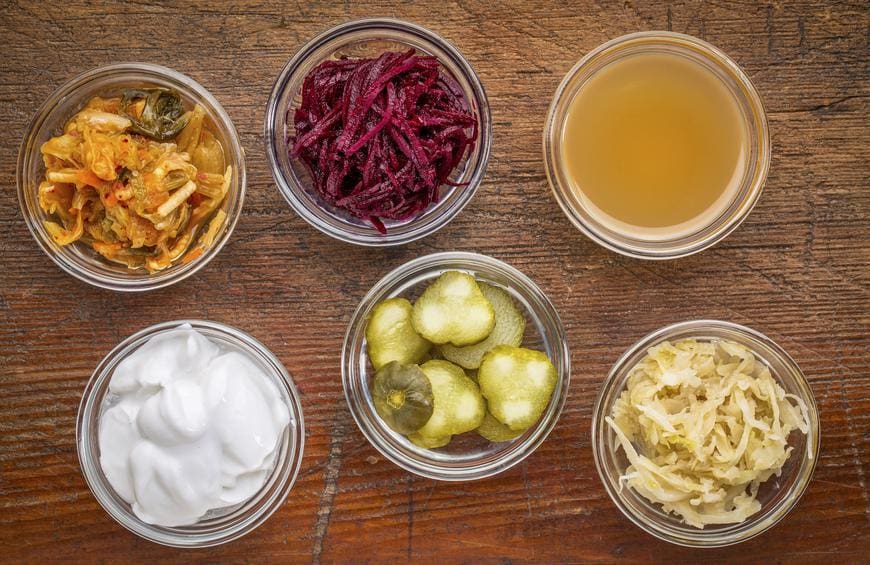
Beneficial bacteria found in probiotics can do more than just enhancing the body’s gut health. Probiotics can also help protect against the complication of CKD by decreasing inflammation and the production of uremic toxin. This dual-action helps the kidney function. Probiotics can protect the body from the leaky gut syndrome, which is a common condition people with CKD, allowing harmful bacteria to “leak” from the intestinal tract into the blood. Supplementing with probiotics can improve the bacterial balance in the gut, lessening the permeability of the intestinal barrier, and reducing the complications of CKD.
Resveratrol
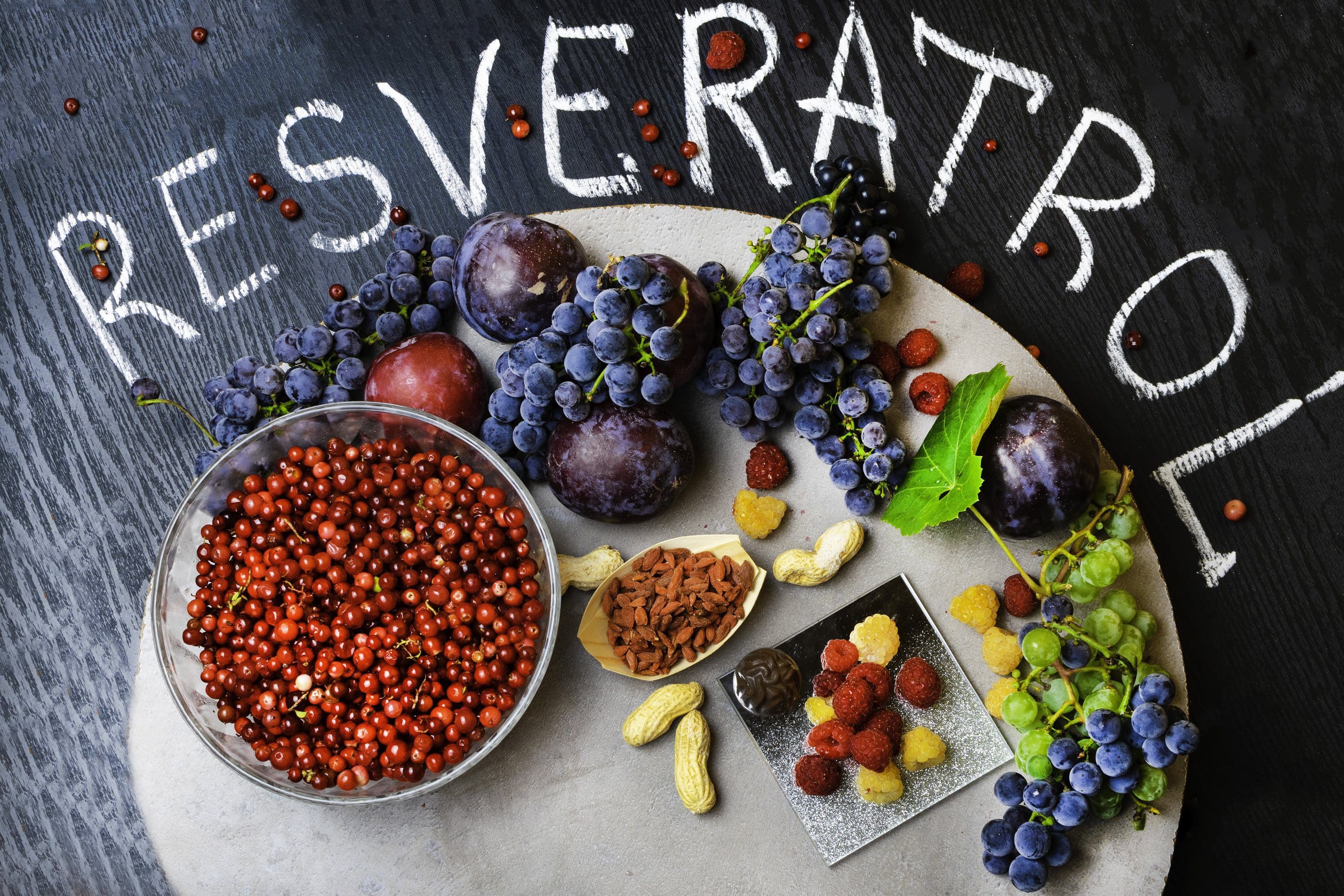
Resveratrol is found in grapes, berries, and peanuts. Only making the headlines a few years ago, due to its heart-healthy properties and new evidence has been found that resveratrol can protect the kidneys from a variety of toxins, including heavy metals, drugs, and alcohol that can cause renal injury. This antioxidant and anti-inflammatory compound can help fortify the kidneys against injury and improves renal function once the injury has occurred.
Conclusion
With these six supplements, they can provide anyone the help they need to prevent chronic kidney disease. Even though the symptoms of chronic kidney disease do not show at a later date, individuals must add these supplements to their diet and lifestyle to prevent chronic kidney disease.�Some products can help with inflammation in the body system by containing collagen-based proteins and targeting amino acids that can offer support to the gastrointestinal system.
The scope of our information is limited to chiropractic, musculoskeletal, and nervous health issues as well as functional medicine articles, topics, and discussions. We use functional health protocols to treat injuries or chronic disorders of the musculoskeletal system. To further discuss the subject matter above, please feel free to ask Dr. Alex Jimenez or contact us at�915-850-0900�.
References:
Al, H S. �Protective Effect of Resveratrol against Aluminum Chloride Induced Nephrotoxicity in Rats.� Saudi Medical Journal., U.S. National Library of Medicine, Apr. 2016, www.ncbi.nlm.nih.gov/pubmed/?term=27052279.
Albertoni, G, and N Schor. �Resveratrol Plays Important Role in Protective Mechanisms in Renal Disease–Mini-Review.� Jornal Brasileiro De Nefrologia: ‘Orgao Oficial De Sociedades Brasileira e Latino-Americana De Nefrologia., U.S. National Library of Medicine, 2019, www.ncbi.nlm.nih.gov/pubmed/?term=25923757.
Chauveau, Philippe, et al. �Mediterranean Diet as the Diet of Choice for Patients with Chronic Kidney Disease.� Nephrology, Dialysis, Transplantation: Official Publication of the European Dialysis and Transplant Association – European Renal Association, U.S. National Library of Medicine, 1 May 2018, www.ncbi.nlm.nih.gov/pubmed/29106612.
Cigarran, S, et al. �Gut Microbiota in Chronic Kidney Disease.� Nefrologia: Publicacion Oficial De La Sociedad Espanola Nefrologia., U.S. National Library of Medicine, 2019, www.ncbi.nlm.nih.gov/pubmed/?term=27553986.
Gallieni, Maurizio, and Adamasco Cupisti. �DASH and Mediterranean Diets as Nutritional Interventions for CKD Patients.� American Journal of Kidney Diseases: the Official Journal of the National Kidney Foundation, U.S. National Library of Medicine, Dec. 2016, www.ncbi.nlm.nih.gov/pubmed/27884277.
Karthivashan, G, et al. �The Modulatory Effect of Moringa Oleifera Leaf Extract on Endogenous Antioxidant Systems and Inflammatory Markers in an Acetaminophen-Induced Nephrotoxic Mice Model.� PeerJ., U.S. National Library of Medicine, 7 July 2016, www.ncbi.nlm.nih.gov/pubmed/?term=27441110.
Ko, Gang Jee, et al. �Dietary Protein Intake and Chronic Kidney Disease.� Current Opinion in Clinical Nutrition and Metabolic Care, U.S. National Library of Medicine, Jan. 2017, www.ncbi.nlm.nih.gov/pubmed/27801685.
Petronilho, F, et al. �Alpha-Lipoic Acid Attenuates Oxidative Damage in Organs After Sepsis.� Inflammation., U.S. National Library of Medicine, Feb. 2016, www.ncbi.nlm.nih.gov/pubmed/?term=26431839.
Singha, P K, et al. �Protective Activity of Andrographolide and Arabinogalactan Proteins from Andrographis Paniculata Nees. against Ethanol-Induced Toxicity in Mice.� Journal of Ethnopharmacology., U.S. National Library of Medicine, 20 Apr. 2007, www.ncbi.nlm.nih.gov/pubmed/?term=17127022.
Unknown, Unknown. �6 Supplements That Improve Your Kidney Health.� Fullscript, 1 Oct. 2019, fullscript.com/blog/kidney-health.
Unknown, Unknown. �Facts About Chronic Kidney Disease.� National Kidney Foundation, 19 July 2019, www.kidney.org/atoz/content/about-chronic-kidney-disease.
Unknown, Unknown. �Kidney Disease Statistics for the United States.� National Institute of Diabetes and Digestive and Kidney Diseases, U.S. Department of Health and Human Services, 1 Dec. 2016, www.niddk.nih.gov/health-information/health-statistics/kidney-disease.
Xia, Q, et al. �N-Acetylcysteine Ameliorates Contrast?Induced Kidney Injury in Rats with Unilateral Hydronephrosis.� Molecular Medicine Reports., U.S. National Library of Medicine, Feb. 2018, www.ncbi.nlm.nih.gov/pubmed/?term=29207099.

by Dr Alex Jimenez DC, APRN, FNP-BC, CFMP, IFMCP | Functional Medicine, Health, Hormone Balance, Nutrition, Supplements, Wellness
All fats, including saturated fatty acids, have very important roles in the body. The most important fats are the ones that the body can�t make and must be coming from the foods that a person eats. �Essential fatty acids are lipids that are involved in various biological processes and produce many compounds when they are metabolized in the body. The two primary EFAs (essential fatty acids) are linoleic acid (Omega-6) and alpha-linolenic acid (Omega-3). These two omegas are essential for the body since they are consumed from dietary sources because the body does not have the ability to synthesize them and EFAs are synthesized into prostaglandins, which are necessary for proper hormone signaling in the body.
Omega-6

Omega-6 fatty acids or linoleic acid are polyunsaturated fatty acids that are primarily used for energy and can be converted into longer omega-6 fats called ARA (arachidonic acid). ARA are used to produce eicosanoids, but they are prone to be more pro-inflammatory. Studies have shown that pro-inflammatory eicosanoids are important chemicals in the immune systems, however, when there are too many to produce, they can increase inflammation and inflammatory diseases in the body.
Researchers state that even though omega-6 fats are essential for a healthy body, the modern Western diet is making individuals consume more omega-6 fatty acids than the recommended amount. In a regular healthy diet, the ratio of omega-6 to omega-3s is 4:1 or less. In a Western diet however, the ratio is between 10:1 and 50:1.
Even though, an individual should consume the recommended amount of omega-6 fatty acids, research has shown that omega-6 fatty acids can lower the risk of cardiovascular diseases and treat symptoms that cause chronic diseases. In certain oils that contains omega-6 fatty acids, GLA (gamma-linolenic acid), which is an anti-inflammatory component and when consumed it converts to DGLA (dihomo-gamma-linolenic acids), which has anti-inflammatory and anti-proliferative properties against cancer.
A study has shown that when an individual takes a high dose of GLA in their diet, it can significantly reduce a number of symptoms caused by rheumatoid arthritis, and another study found that taking GLA supplements with a breast cancer drug is more effective in lowering breast cancer.
Omega-3
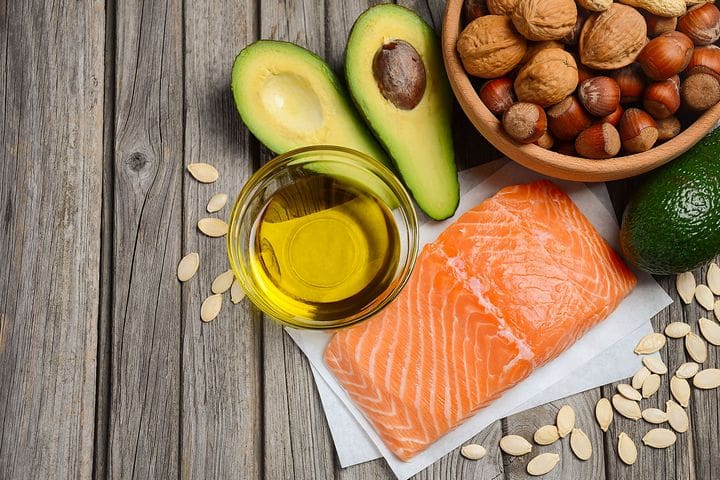
Just like omega-6 fatty acids, omega-3 fatty acids are polyunsaturated fats that play important roles in providing a number of health benefits for a functional body. Omega-3 fatty acids contain three important compounds that are found in foods, they are ALA (alpha-linolenic acid); which converts into energy for the body, DHA (docosahexaenoic acid); which is the key component for a functional brain and retina, and lastly, EPA (eicosapentaenoic acid); which has cardiovascular benefits including lowering serum triglyceride and non-HDL-C (non-high-density lipoprotein cholesterol) in the body.
When it comes to those three important components in omega-3s, ALA is mainly found in plants, while DHA and EPA are found in mostly animal products and algae. What makes these three components work well in the omega-3 supplements is that they are a crucial part of the human cell membrane and improve heart health, support mental health, decrease liver fats and fight inflammation.
With omega-3 fatty acids, lots of people don�t consume it as much as omega-6, due to not eating a lot of fatty fish as often and consuming omega-6 through fried food being cooked in refined vegetable oils. To balance a healthy diet, individuals can take an omega-3 supplement to balance out the omega-6 consumption to make sure the body is receiving these fatty health benefits.
Prostaglandins
Prostaglandins are a component of this regulatory system, they affect multiple hormone synthesis and secretion pathways in the hypothalamus-pituitary axis. They are a group of endogenously occurring acidic lipids that appear to play a role in the reproductive physiology.
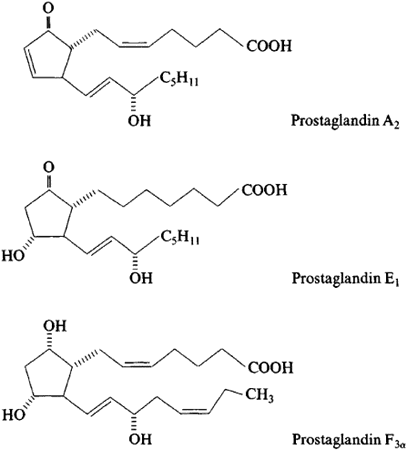
Since prostaglandins are bioactive lipids, they exert an autocrine or paracrine function by binding to specific GPCRs (G-protein-coupled receptors) to activate intracellular signaling and gene transcription. As key regulators of reproductive processes, prostaglandins has many functions like having a role in the hypothalamic and pituitary control of gonadotropin secretion, ovulation, in luteinization and in the corpus luteum regression.
Prostaglandins also play a key role in the inflammatory response in the body. Their biosynthesis is significantly increased in inflamed tissues and can contribute to the development of the cardinal signs of acute inflammation in the body.
Researchers stated that prostaglandins have a plethora of actions in the central nervous system that can affect the progress of inflammation in the body differently, however, further studies are being tested to inhibit the role of these lipid mediators.
Conclusion
All fats play a very important role in the body. Essential fatty acids produce many compounds in the body when they are being metabolized in the body. Since the body can not produce essential fatty acids, they have to be consumed through food. The two important essential fatty acids are omega-6 and omega-3. These two fatty supplements help the body gain the nutrients the body needs to synthesize. Prostaglandins are also a key role in the body since they affect the pathways in the hypothalamus-pituitary axis and plays the role of regulating the reproductive physiology. Some products are formulated to target the immune support by creating micronized structure to increase the surface-to-volume ratio of particles to be more available to enzymatic actions.
October is Chiropractic Health Month. To learn more about it, check out Governor Abbott�s proclamation on our website to get full details on this declaration.
The scope of our information is limited to chiropractic, musculoskeletal and nervous health issues as well as functional medicine articles, topics, and discussions. We use functional health protocols to treat injuries or chronic disorders of the musculoskeletal system. To further discuss the subject matter above, please feel free to ask Dr. Alex Jimenez or contact us at 915-850-0900 .
References:
Bardin, T P. �The Role of Prostaglandins in Reproductive Physiology.� The Ohio State Medical Journal, U.S. National Library of Medicine, Oct. 1970, www.ncbi.nlm.nih.gov/pubmed/4918753.
Behrman, H R. �Prostaglandins in Hypothalamo-Pituitary and Ovarian Function.� Annual Review of Physiology, U.S. National Library of Medicine, 1979, www.ncbi.nlm.nih.gov/pubmed/373605.
Brinton, Eliot A, and R Preston Mason. �Prescription Omega-3 Fatty Acid Products Containing Highly Purified Eicosapentaenoic Acid (EPA).� Lipids in Health and Disease, BioMed Central, 31 Jan. 2017, www.ncbi.nlm.nih.gov/pubmed/28137294.
Calder, Philip C. �n-3 Polyunsaturated Fatty Acids, Inflammation, and Inflammatory Diseases.� The American Journal of Clinical Nutrition, U.S. National Library of Medicine, June 2006, www.ncbi.nlm.nih.gov/pubmed/16841861.
Di Pasquale, Mauro G. �The Essentials of Essential Fatty Acids.� Journal of Dietary Supplements, U.S. National Library of Medicine, 2009, www.ncbi.nlm.nih.gov/pubmed/22435414.
Dinan, Timothy, et al. �Investigating the Inflammatory Phenotype of Major Depression: Focus on Cytokines and Polyunsaturated Fatty Acids.� Journal of Psychiatric Research, U.S. National Library of Medicine, Jan. 2009, www.ncbi.nlm.nih.gov/pubmed/18640689.
Gibson, Robert A, et al. �Conversion of Linoleic Acid and Alpha-Linolenic Acid to Long-Chain Polyunsaturated Fatty Acids (LCPUFAs), with a Focus on Pregnancy, Lactation and the First 2 Years of Life.� Maternal & Child Nutrition, U.S. National Library of Medicine, Apr. 2011, www.ncbi.nlm.nih.gov/pubmed/21366864.
Guesnet, Philippe, and Jean-Marc Alessandri. �Docosahexaenoic Acid (DHA) and the Developing Central Nervous System (CNS) – Implications for Dietary Recommendations.� Biochimie, U.S. National Library of Medicine, Jan. 2011, www.ncbi.nlm.nih.gov/pubmed/20478353.
Gunnars, Kris. �What Are Omega-3 Fatty Acids? Explained in Simple Terms.� Healthline, 23 May 2019, www.healthline.com/nutrition/what-are-omega-3-fatty-acids.
Innes, Jacqueline K, and Philip C Calder. �Omega-6 Fatty Acids and Inflammation.� Prostaglandins, Leukotrienes, and Essential Fatty Acids, U.S. National Library of Medicine, May 2018, www.ncbi.nlm.nih.gov/pubmed/29610056.
Jabbour, H N, and K J Sales. �Prostaglandin Receptor Signalling and Function in Human Endometrial Pathology.� Trends in Endocrinology and Metabolism: TEM, U.S. National Library of Medicine, Oct. 2004, www.ncbi.nlm.nih.gov/pubmed/15380812.
Kapoor, Rakesh, and Yung-Sheng Huang. �Gamma Linolenic Acid: an Antiinflammatory Omega-6 Fatty Acid.� Current Pharmaceutical Biotechnology, U.S. National Library of Medicine, Dec. 2006, www.ncbi.nlm.nih.gov/pubmed/17168669.
Kenny, F S, et al. �Gamma Linolenic Acid with Tamoxifen as Primary Therapy in Breast Cancer.� International Journal of Cancer, U.S. National Library of Medicine, 1 Mar. 2000, www.ncbi.nlm.nih.gov/pubmed/10699943.
Khanapure, Subhash P, et al. �Eicosanoids in Inflammation: Biosynthesis, Pharmacology, and Therapeutic Frontiers.� Current Topics in Medicinal Chemistry, U.S. National Library of Medicine, 2007, www.ncbi.nlm.nih.gov/pubmed/17305573.
Kim, Kyu-Bong, et al. �?-Linolenic Acid: Nutraceutical, Pharmacological and Toxicological Evaluation.� Food and Chemical Toxicology : an International Journal Published for the British Industrial Biological Research Association, U.S. National Library of Medicine, Aug. 2014, www.ncbi.nlm.nih.gov/pubmed/24859185.
M.Shewchuk, Brian. �Prostaglandins and n-3 Polyunsaturated Fatty Acids in the Regulation of the Hypothalamic�Pituitary Axis.� Prostaglandins, Leukotrienes and Essential Fatty Acids, Churchill Livingstone, 28 Sept. 2014, www.sciencedirect.com/science/article/abs/pii/S0952327814001495.
Parker, Helen M, et al. �Omega-3 Supplementation and Non-Alcoholic Fatty Liver Disease: a Systematic Review and Meta-Analysis.� Journal of Hepatology, Centre for Reviews and Dissemination (UK), Apr. 2012, www.ncbi.nlm.nih.gov/pubmed/22023985.
Petersen, Martin, et al. �Effect of Fish Oil versus Corn Oil Supplementation on LDL and HDL Subclasses in Type 2 Diabetic Patients.� Diabetes Care, U.S. National Library of Medicine, Oct. 2002, www.ncbi.nlm.nih.gov/pubmed/12351465.
Ph.D., Catharine Paddock. �Could Omega-6 Fatty Acids Help Us Live Longer?� Medical News Today, MediLexicon International, 20 Mar. 2018, www.medicalnewstoday.com/articles/321266.php.
Robertson, Ruairi. �Omega-3-6-9 Fatty Acids: A Complete Overview.� Healthline, 15 Jan. 2017, www.healthline.com/nutrition/omega-3-6-9-overview.
Simopoulos, Artemis P. �The Importance of the Omega-6/Omega-3 Fatty Acid Ratio in Cardiovascular Disease and Other Chronic Diseases.� Experimental Biology and Medicine (Maywood, N.J.), U.S. National Library of Medicine, June 2008, www.ncbi.nlm.nih.gov/pubmed/18408140.
Wang, Xiaoping, et al. �Multiple Roles of Dihomo-?-Linolenic Acid against Proliferation Diseases.� Lipids in Health and Disease, BioMed Central, 14 Feb. 2012, www.ncbi.nlm.nih.gov/pmc/articles/PMC3295719/.
Weylandt, Karsten H, et al. �Omega-3 Polyunsaturated Fatty Acids: The Way Forward in Times of Mixed Evidence.� BioMed Research International, Hindawi Publishing Corporation, 2015, www.ncbi.nlm.nih.gov/pmc/articles/PMC4537707/.
Zurier, R B, et al. �Gamma-Linolenic Acid Treatment of Rheumatoid Arthritis. A Randomized, Placebo-Controlled Trial.� Arthritis and Rheumatism, U.S. National Library of Medicine, Nov. 1996, www.ncbi.nlm.nih.gov/pubmed/8912502.
by Dr Alex Jimenez DC, APRN, FNP-BC, CFMP, IFMCP | Functional Medicine, Supplements, Wellness
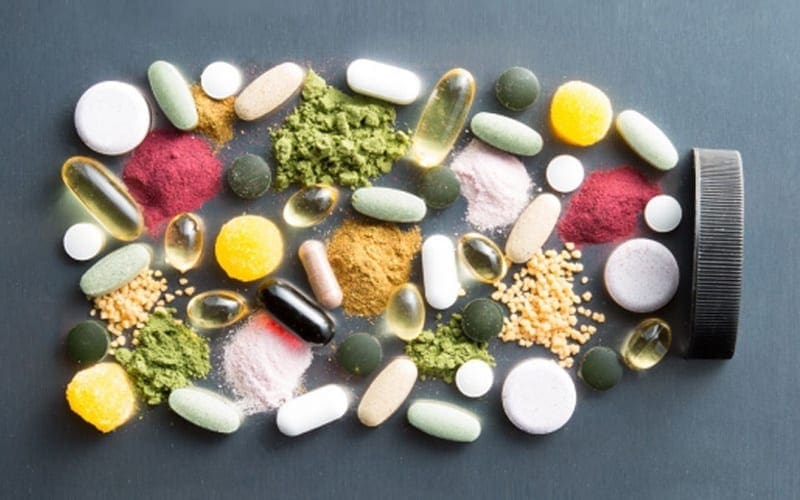
Supplements are essential as we take them for our overall health. Since we can�t produce supplements naturally, we make it in pill form or eat whole, nutritious food. When we don�t take our supplements, our bodies will not function properly, and we can have a severe health risk. In the last article, we took a look at what vitamins does to our micronutrients in our bodies to perform functional and healthy. Today we will discuss what some supplement that will help our micronutrients in our bodies.
The Supplements
Since supplements can come in many types of foods and can be found as pills in whole food stores in the vitamin section.� Here are some of the leading supplements to ensure that your body’s micronutrients are getting the essentials to promote a long healthy life.
Vitamin K1 and K2
Vitamin K is known for its role in blood clotting. With vitamin K1 and K2, they can provide the health benefits that will help you from getting a blood clot. Vitamin K was accidentally discovered in the 1920s and 1930s after researchers found that animals having a restricted diet leads to excessive bleeding.
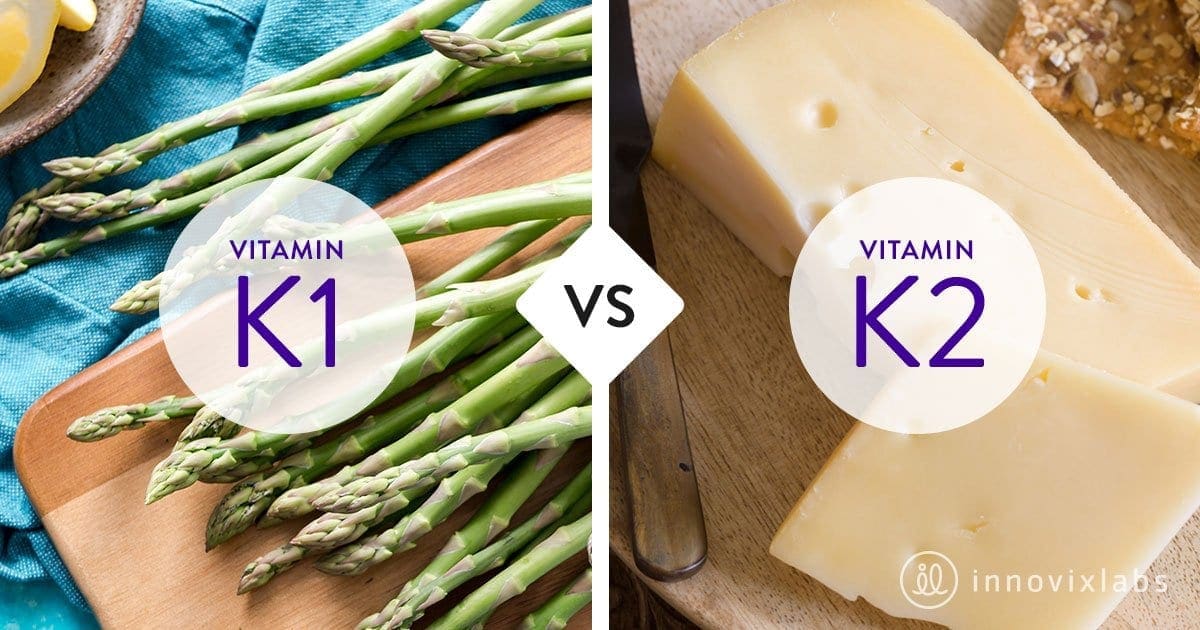
Vitamin K1 (phylloquinone) is found in plants foods like leafy green vegetables. With K2, it is found in fermented foods and animal products. Vitamin K2 (menaquinones) can be produced by gut bacteria and help promote a healthy gut. These two vitamins are fat-soluble that share the same chemical structure and have different effects on your health.
Vitamin K1 can be absorbed quickly than vitamin K2 and can stay in the bloodstream for hours. Vitamin K1 is transported primarily to and used by the liver. Even though vitamin K1 is mostly found in plant foods, here are some of the food sources that are caulked filled with this vitamin and amazing when cooked.
- Kale
- Collard greens
- Spinach
- Turnip greens
- Broccoli
- Brussel sprouts
Vitamin K2 is mostly found in animal products that contain fat. Even though it provides fatty compounds, vitamin K2�s long side-chain allows it to circulate the blood longer than K1 can remain in the blood for days.� Here are some fermented food sources and animal products that vitamin K2 as MK-10 and MK-11.
- Natto
- Pork sausage
- Hard cheeses
- Porkchop (with the bone)
- Chicken (leg/thigh)
- Soft cheeses
- Egg yolk
Calcium
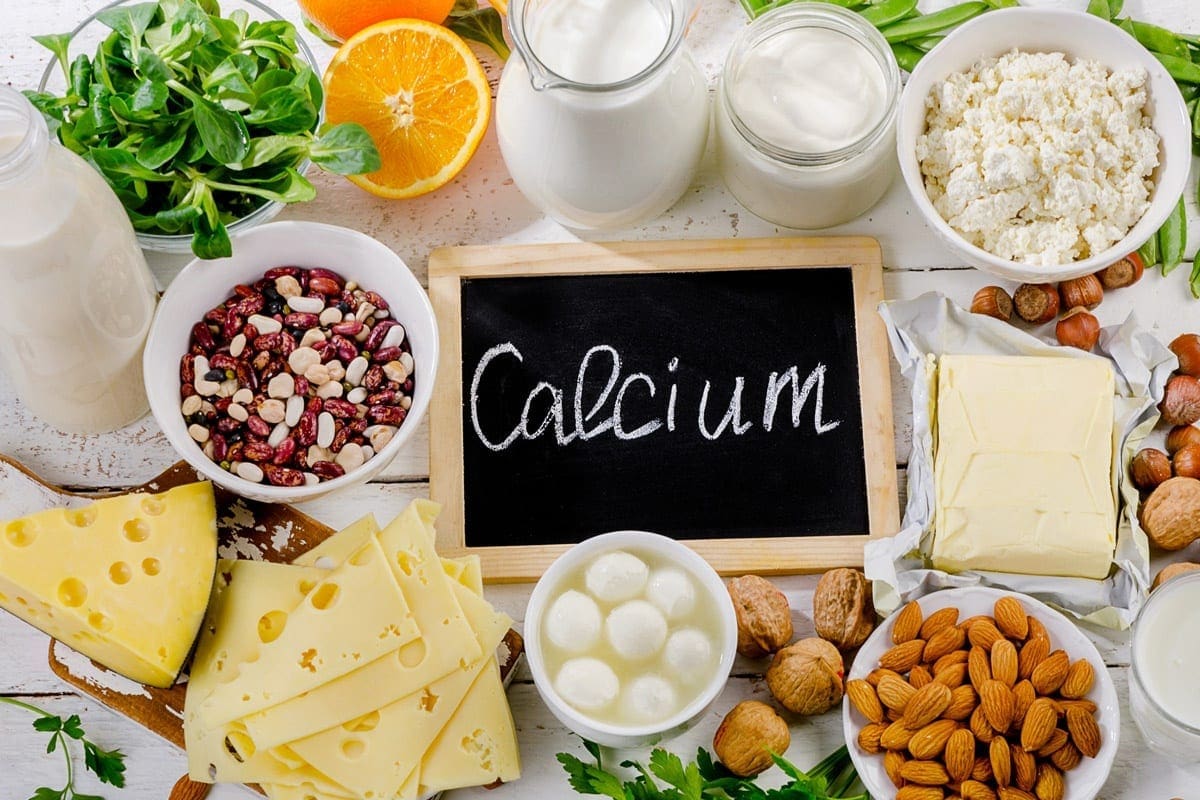
Calcium is one of the most essential supplements that is for all living organisms. It is found naturally in many foods and added to certain products like supplements. Calcium promotes bone health, and without it, bone density can happen when we don�t take in the supplement. It also helps regulate muscle contractions, including the beating of the heart muscle. When that happens, calcium helps the proteins in the muscle to carry out the work of the contraction. Here are some of the foods and drinks that are richly filled with calcium.
- Milk
- Cheese
- Yogurt
- Seaweed
- Beans
- Figs
- Tofu
Manganese
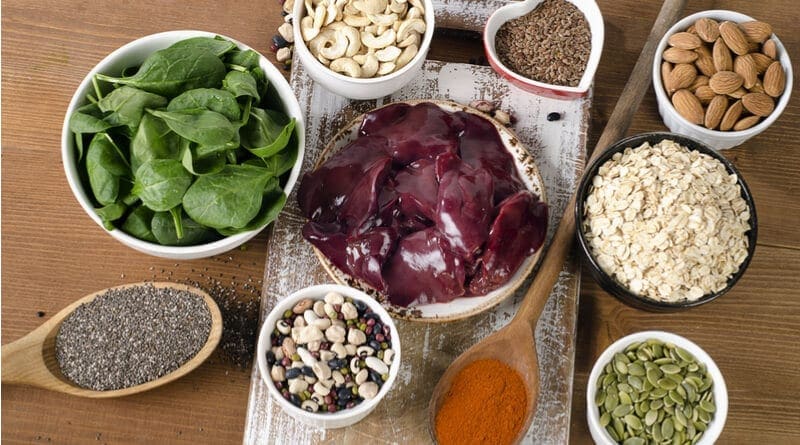
Manganese is an essential supplement for your brain and nervous system as well as many of your body�s enzyme system. Our body stores up to 20 mg of manganese in our kidneys, liver, pancreas, and bones. In a 2011 study, manganese helps form an antioxidant enzyme called SOD (superoxide dismutase). It helps break down one of the most dangerous free radicals called superoxide; into smaller components that are not harmful. Researchers also suggested that SOD is beneficial as a therapeutic agent for inflammatory diseases. Small amounts of manganese are present in these food sources.
- Raw pineapple and pineapple juice
- Pinto beans
- Spinach
- Black and green teas
- Sweet potato
- Almonds
- Instant oatmeal
Copper
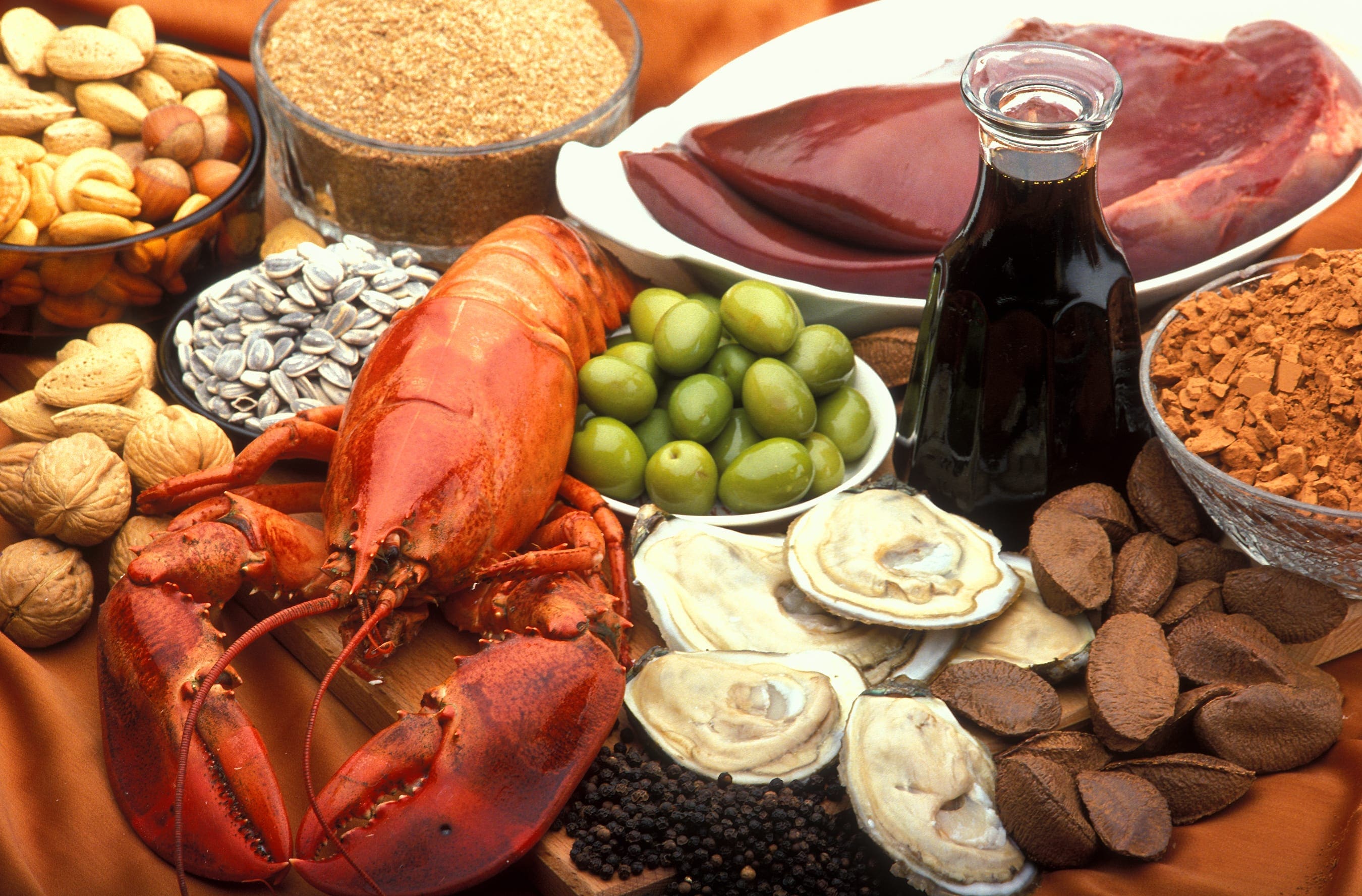
Copper is an essential trace supplement that is necessary for survival. It is found in all the body tissues and plays a vital role in making red blood cells, maintaining nerve cells and the immune system. When you have sufficient copper in your diet, it may help prevent cardiovascular diseases and osteoporosis. Copper deficiency is a rare case, but low levels of copper can lead to anemia, loss of skin pigmentation, thyroid problems, and the rare disease Menkes disease. Since copper is found in a wide variety of foods, here are some excellent food sources that contain it.
- Oysters and other shellfish
- Whole grains
- Cocoa
- Black pepper
- Organ meats (liver and kidneys)
- Potatoes
- Dried fruit
Chromium
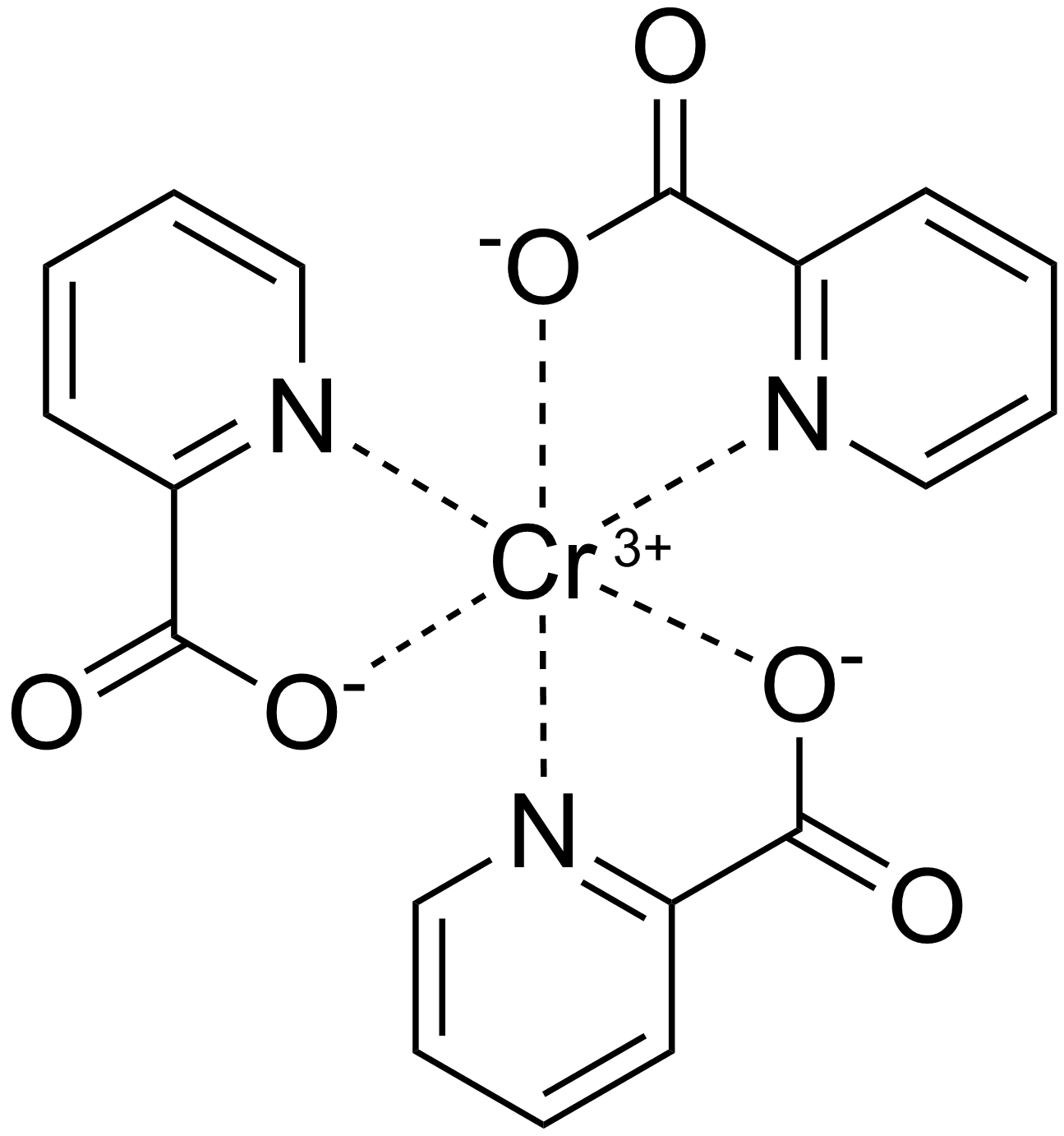
Also known as chromium picolinate, this supplement does serve several vital functions in the body. Chromium can improve your body�s blood sugar by impacting on the hormone insulin. Several studies indicate that people with diabetes take the chromium supplement to improve their blood sugar. While another study researched that people who are overweight or obese, taking the chromium supplement can lose weight.
Iron
Iron is one of the essential supplements that are vital to the human body. It helps hemoglobin function properly by transporting oxygen in the blood. Iron also plays a huge role as it functions in a variety of other vital processes in the body. With iron�s health benefits, the supplement can promote a healthy pregnancy, regulate body temperature, preserve universal energy and focus, help the gastrointestinal process, and support the immune system.
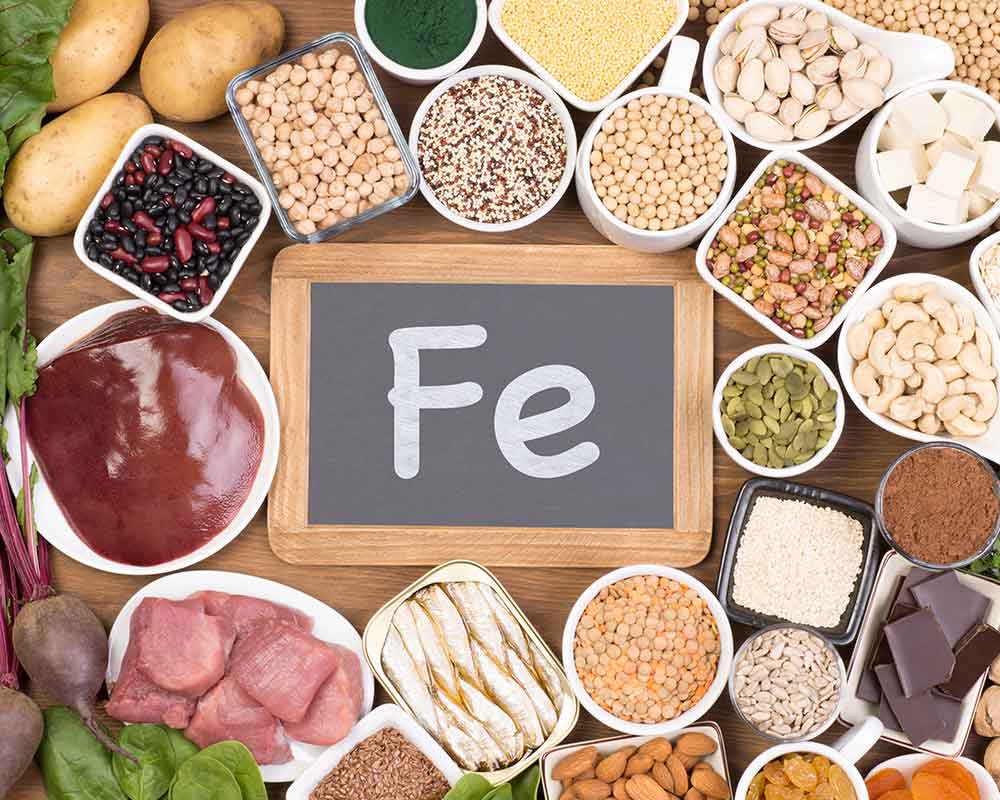
When we don�t get enough iron in our system, we do suffer from anemia, which causes fatigue, heart palpitations, pale skin, and breathless. So it is crucial that when we eat iron-rich foods so that way, we won�t have that deficiency. There are two types of dietary iron that we consumed, and they are known as heme and non-heme. These two forms are both animal source food and plant food, and here are what the food sources contain.
- Canned clams
- Cooked Pacific oysters
- Beef liver
- Lean ground beef
- Cooked spinach
- Dark chocolate
- Firm tofu
- Medium baked potato
Magnesium
Magnesium is an essential mineral that is found in the earth, sea, plants, animals, and humans. In our body, there is about 60% of magnesium in our bones. While the rest is in the muscles, soft tissues, and fluids, including blood. Magnesium helps to prevent problems with our bones, the cardiovascular system, diabetes and fights depression.
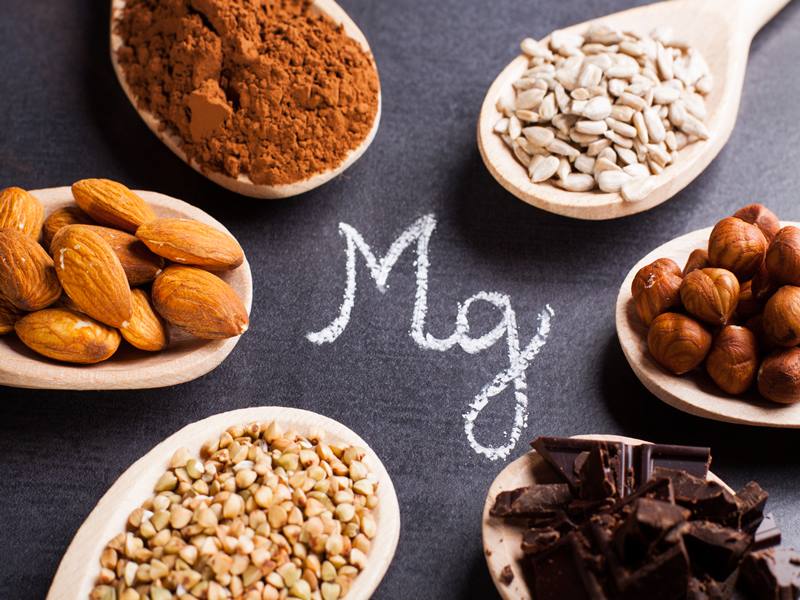
The recommended intake amount to take magnesium is 300-420mg per day for men and 310-320mg per day for women. We can get it from both food sources and supplements, here are some of the food sources that contain magnesium.
- Dark chocolate (70-85% cocoa)
- Cashews
- Quinoa, cooked
- Avocado
- Spinach, boiled
- Mackeral
Selenium
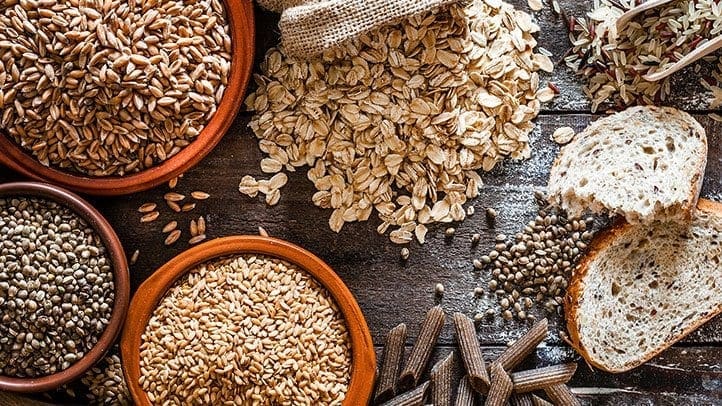
Selenium is an essential supplement that can help contribute thyroid hormone metabolism, process a healthy immune system, and protect against oxidative damage and infections in the body. Selenium deficiency is rare, but the supplement can be found in whole grains and animal products than fresh fruits and vegetables. Here are some of the food sources that contain selenium.
- Brazil nuts
- Tuna
- Brown rice
- White bread
- Egg
- Halibut
Omegas
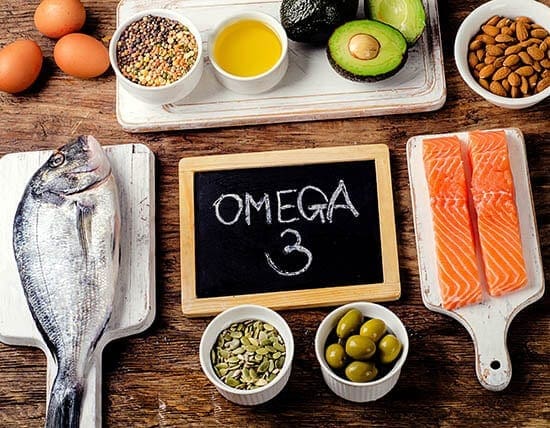
The Omega supplements are very well known, especially Omega-3; which can help us with our brain, eyes, and immune health. Without the supplement, it can lead to reduced energy, loss of attention and concentration, dry, irritated skin problems, and many more symptoms. It is mostly found in fish and seafood as well as some vegetables and seed oils. Here are some of the omega supplements to help promote a healthy body.
- DHA (docosahexaenoic acid): This omega supplement helps with muscle growth.
- DPA (docosapentaenoic acid): This omega supplement is the most influential on reducing inflammation and helping people who are profiled for cardiac risk.
- EPA (eicosapentaenoic acid): This omega supplement is vital to boost the brain and moods.
- LA (linoleic acid): This omega supplement can�t be synthesized in the body, but does help fight cancer. It is needed to help out with omega 3 and is primarily found in beef.
Conclusion
Granted that these are only some of the supplements here that can help your body function properly. There are many supplements and vitamins out there in the world that are in both pill and food form to help our bodies grow and overall makes us healthier. These supplements and vitamins help us by making sure that our bodies don�t get sick and suffer from chronic diseases that we may encounter. So go out there and enjoy some whole, nutritious food that oozing with beneficial vitamins and supplements.
Cites:
Almquist, H J. �Early History of Vitamin K.� OUP Academic, Oxford University Press, 1 June 1975, academic.oup.com/ajcn/article-abstract/28/6/656/4716361?redirectedFrom=fulltext.
Beulens, Joline W J, et al. �The Role of Menaquinones (Vitamin K?) in Human Health.� The British Journal of Nutrition, U.S. National Library of Medicine, Oct. 2013, www.ncbi.nlm.nih.gov/pubmed/23590754.
Brinton, Eliot A, and R Preston Mason. �Prescription Omega-3 Fatty Acid Products Containing Highly Purified Eicosapentaenoic Acid (EPA).� Lipids in Health and Disease, BioMed Central, 31 Jan. 2017, www.ncbi.nlm.nih.gov/pubmed/28137294.
Calder, Philip C. �Docosahexaenoic Acid.� Annals of Nutrition & Metabolism, U.S. National Library of Medicine, 2016, www.ncbi.nlm.nih.gov/pubmed/27842299.
DeLoughery, Thomas G. �Iron Deficiency Anemia.� The Medical Clinics of North America, U.S. National Library of Medicine, Mar. 2017, www.ncbi.nlm.nih.gov/pubmed/28189173.
Di Bona, Kristin R, et al. �Chromium Is Not an Essential Trace Element for Mammals: Effects of a �Low-Chromium� Diet.� Journal of Biological Inorganic Chemistry: JBIC: a Publication of the Society of Biological Inorganic Chemistry, U.S. National Library of Medicine, Mar. 2011, www.ncbi.nlm.nih.gov/pubmed/21086001.
Fu, Xueyan, et al. �Measurement of Multiple Vitamin K Forms in Processed and Fresh-Cut Pork Products in the U.S. Food Supply.� Journal of Agricultural and Food Chemistry, U.S. National Library of Medicine, 8 June 2016, www.ncbi.nlm.nih.gov/pubmed/27191033.
Goodson, Amy. �10 Evidence-Based Benefits of Manganese.� Healthline, Healthline Media, 31 Aug. 2018, www.healthline.com/nutrition/manganese-benefits.
Gr�ber, Uwe, et al. �Magnesium in Prevention and Therapy.� Nutrients, MDPI, 23 Sept. 2015, www.ncbi.nlm.nih.gov/pubmed/26404370.
Harshman, Stephanie G, et al. �Vegetables and Mixed Dishes Are Top Contributors to Phylloquinone Intake in US Adults: Data from the 2011-2012 NHANES.� The Journal of Nutrition, Oxford University Press, July 2017, www.ncbi.nlm.nih.gov/pubmed/28566528.
Kaur, Gunveen, et al. �Short Update on Docosapentaenoic Acid: a Bioactive Long-Chain n-3 Fatty Acid.� Current Opinion in Clinical Nutrition and Metabolic Care, U.S. National Library of Medicine, Mar. 2016, www.ncbi.nlm.nih.gov/pubmed/26808265.
Li, Chang, and Hai-Meng Zhou. �The Role of Manganese Superoxide Dismutase in Inflammation Defense.� Enzyme Research, SAGE-Hindawi Access to Research, 2011, www.ncbi.nlm.nih.gov/pmc/articles/PMC3185262/.
Megan Ware, RDN. �Copper: Health Benefits, Recommended Intake, Sources, and Risks.� Medical News Today, MediLexicon International, 23 Oct. 2017, www.medicalnewstoday.com/articles/288165.php.
Naughton, Shaan S, et al. �Linoleic Acid and the Pathogenesis of Obesity.� Prostaglandins & Other Lipid Mediators, U.S. National Library of Medicine, Sept. 2016, www.ncbi.nlm.nih.gov/pubmed/27350414.
Newman, Tim. �Calcium: Health Benefits, Foods, and Deficiency.� Medical News Today, MediLexicon International, 21 Aug. 2017, www.medicalnewstoday.com/articles/248958.php.
Schurgers, Leon J, et al. �Vitamin K-Containing Dietary Supplements: Comparison of Synthetic Vitamin K1 and Natto-Derived Menaquinone-7.� Blood, U.S. National Library of Medicine, 15 Apr. 2007, www.ncbi.nlm.nih.gov/pubmed/17158229.
Serefko, Anna, et al. �Magnesium in Depression.� Pharmacological Reports: PR, U.S. National Library of Medicine, 2013, www.ncbi.nlm.nih.gov/pubmed/23950577.
Suksomboon, N, et al. �Systematic Review and Meta-Analysis of the Efficacy and Safety of Chromium Supplementation in Diabetes.� Journal of Clinical Pharmacy and Therapeutics, Centre for Reviews and Dissemination (UK), June 2014, www.ncbi.nlm.nih.gov/pubmed/24635480.
Tian, Hongliang, et al. �Chromium Picolinate Supplementation for Overweight or Obese Adults.� The Cochrane Database of Systematic Reviews, John Wiley & Sons, Ltd, 29 Nov. 2013, www.ncbi.nlm.nih.gov/pubmed/24293292.
Yasui, K, and A Baba. �Therapeutic Potential of Superoxide Dismutase (SOD) for Resolution of Inflammation.� Inflammation Research: Official Journal of the European Histamine Research Society … [Et Al.], U.S. National Library of Medicine, Sept. 2006, www.ncbi.nlm.nih.gov/pubmed/17122956.

by Dr Alex Jimenez DC, APRN, FNP-BC, CFMP, IFMCP | Skin Health, Supplements
Everyone in the world wants healthy skin. We see it advertised on television with lotions and vitamin supplements. When we exercise and change our eating habits, we see our skin getting firmer with the foods we consume. However, whenever we are stressed, anxious, consuming junk food, or staying out in the sun too long; our skin takes a huge toll on our body. Our skin is the largest organ that covers our entire skeleton structure. When we expose our skin to harsh environments or have skin ailments that we contracted during our birth, our skin is depleted with the certain nutrients that our skin needs.
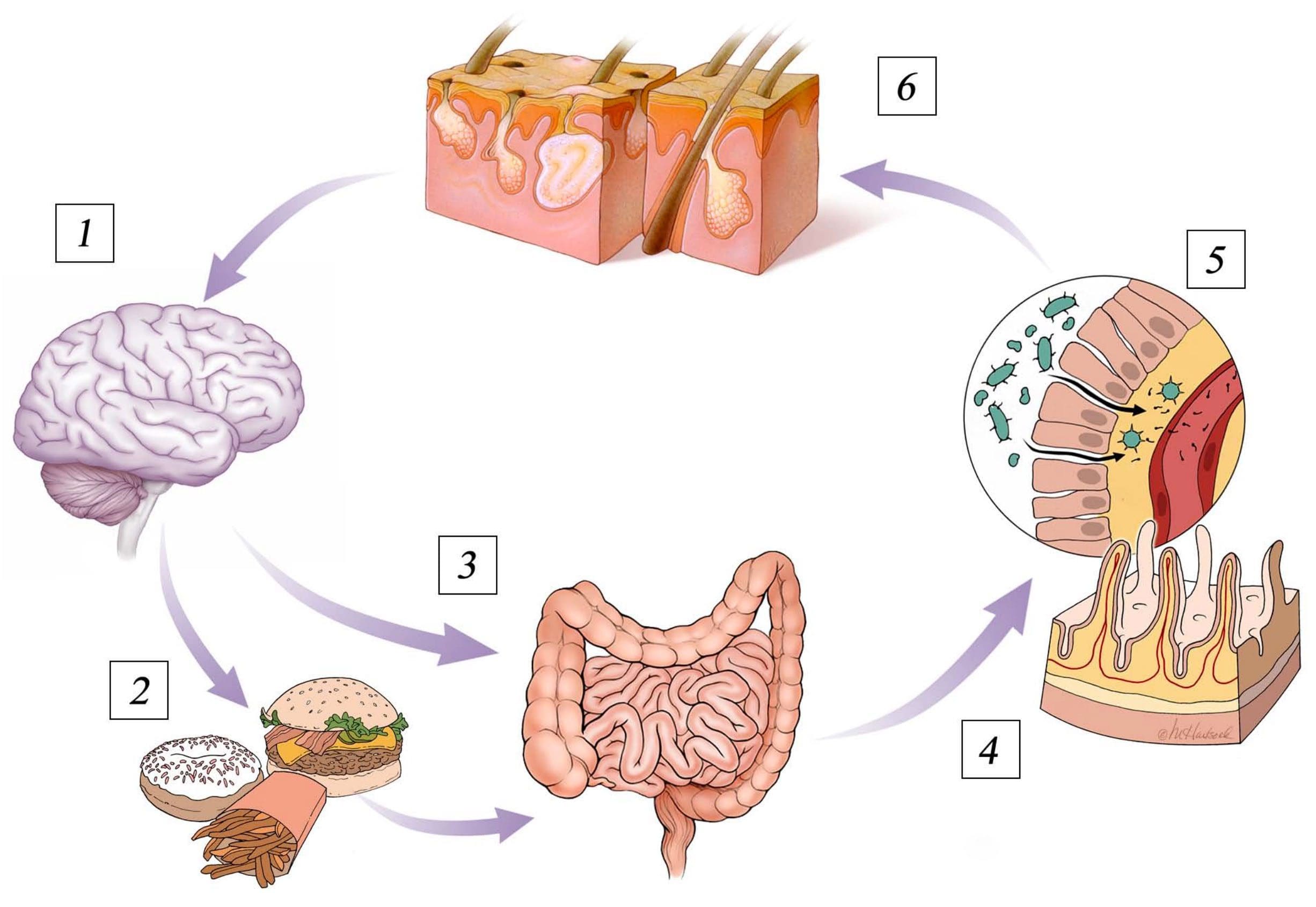
Glutathione:
Glutathione is known as the �wonder drug� for skin lightening. For some darker toned individuals, it will lighten up their natural melanin. This stigma has been popularized by media influences so people can have �porcelain skin.� However, glutathione actually made up of three amino acids:
- Glutamine
- Glycine
- Cysteine
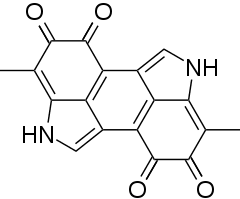
Melanin
This powerful antioxidant fights off free radicals in our immune system and is compatible with Vitamin E and C. For a natural way to make sure that your body keeps the glutathione nutrients when you get older with age, here are some vegetables that are enriched with glutathione:
- Garlic
- Onions
- Avocado
- Cabbage
- Okra
- Spinach
- Kale
- Cauliflower
Omega-3:
Omega-3s is one of the most common supplements that is known for healthy skin. This supplement keeps the body healthy as well as preventing inflammation. Omega-3s are mostly in:
- Fish
- Legumes
- Walnuts
- Avocados
- Eggs
- Spinach
But, there are certain limitations on taking Omega-3 supplements if you have a seafood allergy or an egg allergy. People with these types of food allergens can talk with their physician about taking the omega-3 supplements in a pill form in low dosages or eat omega-3 enriched food.
Other patients with omega-3 deficiency have been known to have psoriasis, thus using a topical lotion infused with omega-3s have been known to calm down the inflammation.
Vitamin E:
Vitamin E is one of the oldest and most trustworthy supplements that has been used for 50 years and more in dermatology. This supplement works together with Vitamin C to combat against the sun; which is harmful to our skin.
Certain food groups that contain Vitamin E and Vitamin C are excellent sources for your overall health.
Glucosamine:
This supplement combined with chondroitin has been the combo duo to improve the hydration of the skin as well as reducing wrinkles and healing wounds on our skin.
Biotin:
Biotin is the three-for-one supplements that target your nails, hair, and skin. This supplement can be found in vitamin pills at your local stores and is highly recommended by dermatologists. However, some people have biotin and zinc deficiency that can be linked to skin abnormalities, thus, biotin plays an important role in our skin health.
You can either take the vitamin pill or incorporate certain food groups like eggs, nuts, whole grains, some dairy products, and certain vegetables in your diet to get the beneficiary nutrients to keep your skin healthy.
Niacin:
Also known as vitamin B3, has been known to support skin health. This nutrient has many beneficial effects to promote skin wellness. It is one of the most essential nutrients we consume since our bodies can�t produce it on their own. Some of the food groups are in the meat department and vegetarian department:
- Mushrooms
- Potatoes
- Legumes
- Whole grains
- Meat
- Fish
- Eggs
- Milk
Vitamin A:
Vitamin A is filled with nutrients as it contains beta-carotene, thus it is mostly fruits and vegetables that contain this supplement. This supplement plays an important role as it helps repair any skin deficiencies and eye health. Some of the foods that boost up vitamin A are:
- Carrots
- Broccoli
- Cantaloupe
- Squash
Vitamin C:
Vitamin C is one of the most top tiers of improving skin health and has many beneficial factors in our immune system. Some patients develop scurvy when they don�t have enough vitamin C in their system. It is mostly found in citrus fruit, which is one of the best ways to consume the vitamin into your system.
But, there is a catch when you are taking vitamin C. Vitamin C when exposed to light, can oxidize and become unstable. So if you are taking the supplement, it should be stored in a dark place and the PH should be at 3.5.
Zinc:
Zinc is one of the supplements that support healthy skin. This micronutrient can protect our skin from the sun and supports our inflammatory system. Some of the food that actually can help us prevent sun damage and give us a zinc supplement boost include seeds, meat, shellfish, dairy and dark chocolate.
When our skin needs these 9 nutrients, they are thanking us for taking the time to get the necessary supplements to make sure our bodies are still functional and that we live a long healthy life. Granted that the media has televised about many ways to promote skin health, but it actually starts with eating the right foods that our body craves. When we eat processed food and ingest artificial sugars into our bodies, we feel sluggish, our skin takes a toll on the lack of nutrients we are not giving and so many health problems that we will face.
Yes, we can take topical creams and lotions to nourish our skin and combat the dryness that our skin faces. But that can only go for so long unless we change our eating styles. Some people may freak out because they hear the word, �diet� and are limited to what they can eat. However, when it�s a health issue and our physicians tell us that we need to eat healthier, we give it a go. Therefore, eating right is a lifestyle choice and it starts with these 9 nutrients to make sure our largest organ is taken care of as well as the rest of our body system. When we cut back on the bad food and focusing on good food, our bodies feel so much better.
NCBI Resources
Living a healthy lifestyle and eating your basic food groups; whether it be plant-based or omnivorous, as well as, exercising a couple of times out of the year. A bad healthy lifestyle is eating processed food and not exercising, which leads to obesity and cardiac arrest. Depending on the person and the efforts that they are willing to maintain a healthy lifestyle, they can achieve longevity by taking care of their gut first and foremost.
Cite
Decreased skin-mediated detoxification contributes to oxidative stress and insulin resistance: https://www.ncbi.nlm.nih.gov/pmc/articles/PMC3415238/
Glutathione for skin lightening: a regnant myth or evidence-based verify?: https://www.ncbi.nlm.nih.gov/pmc/articles/PMC5808366/
Study on the use of omega-3 fatty acids as a therapeutic supplement in the treatment of psoriasis: https://www.ncbi.nlm.nih.gov/pmc/articles/PMC3133503/
Protective effect against sunburn of combined systemic ascorbic acid (vitamin C) and d-alpha-tocopherol (vitamin E): https://www.ncbi.nlm.nih.gov/pubmed/9448204/
20 Foods That Are High in Vitamin E: https://www.healthline.com/nutrition/foods-high-in-vitamin-e
Glucosamine: an ingredient with skin and other benefits: https://www.ncbi.nlm.nih.gov/pubmed/17716251
Skin manifestations of biotin deficiency: https://www.ncbi.nlm.nih.gov/pubmed/1764357
9 biotin-rich foods to add to your diet: https://www.medicalnewstoday.com/articles/320222.php
Nicotinic acid/niacinamide and the skin: https://www.ncbi.nlm.nih.gov/pubmed/17147561
20 Foods That Are High in Vitamin A: https://www.healthline.com/nutrition/foods-high-in-vitamin-a
Topical L-ascorbic acid: percutaneous absorption studies: https://www.ncbi.nlm.nih.gov/pubmed/11207686
Innovative uses for zinc in dermatology: https://www.ncbi.nlm.nih.gov/pubmed/20510767








