
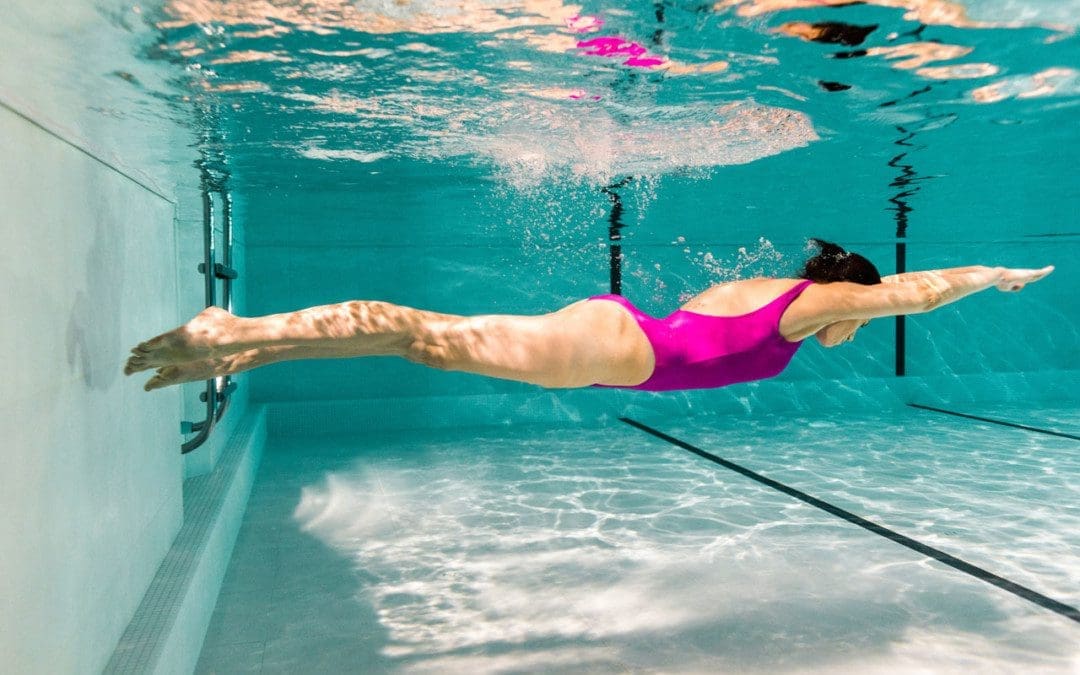
Starting Swimming Exercises For Back Health: EP Back Clinic
Individuals dealing with or managing chronic back pain should incorporate swimming exercises. Swimming is a low-impact aerobic conditioning exercise that’s easy on the back and healthy for the spine. When an individual struggles with back problems, they may be tempted to rest and avoid physical activity/exercise. Total rest is not recommended as it can cause the muscles that support the back to weaken or atrophy. When the muscles weaken, they cannot stabilize the spine or body correctly, which causes conditions to worsen or contribute to new injuries. Starting swimming exercises can expand the spine, relieve painful pressure or strain on the back and strengthen the muscles for spinal health.
Starting Swimming Exercises
Swimming does not impact the spine and other musculoskeletal structures because the water suspends the body.
- Swimming is a full-body, low-impact exercise which is excellent for individuals of all ages and all body shapes and sizes.
- Talk to a healthcare professional about any questions or concerns about how swimming may impact your body.
- Swimming benefits include stress relief, a strengthened musculoskeletal system, and support in heart health.
Swimming for Back Problems
Relaxes The Nervous System
- Tense muscles can cause or contribute to back problems and pain symptoms and aggravate spinal conditions.
- Swimming exercises release endorphins to relax the nervous system and tense muscles.
Relieves Pressure on Joints
- The water lightens the body relieving pressure on the joints and muscles.
Builds Muscle to Support the Spine
- The resistance and movement strengthen the whole body with the joints and spine supported.
- Swimming engages muscles not always used, specifically those needed to improve spinal stability.
Exercises for Back Relief
Checking with a physician before exercising is recommended, especially if starting a new exercise routine. When you meet with the Injury Medical Chiropractic and Functional Medicine Cline team, we can determine if starting swimming exercises would benefit you. Once cleared, here are some swimming exercises that could help bring relief:
Walking
- Walking around the pool means movement that the body needs to heal and build muscle without aggravating symptoms.
Aerobics
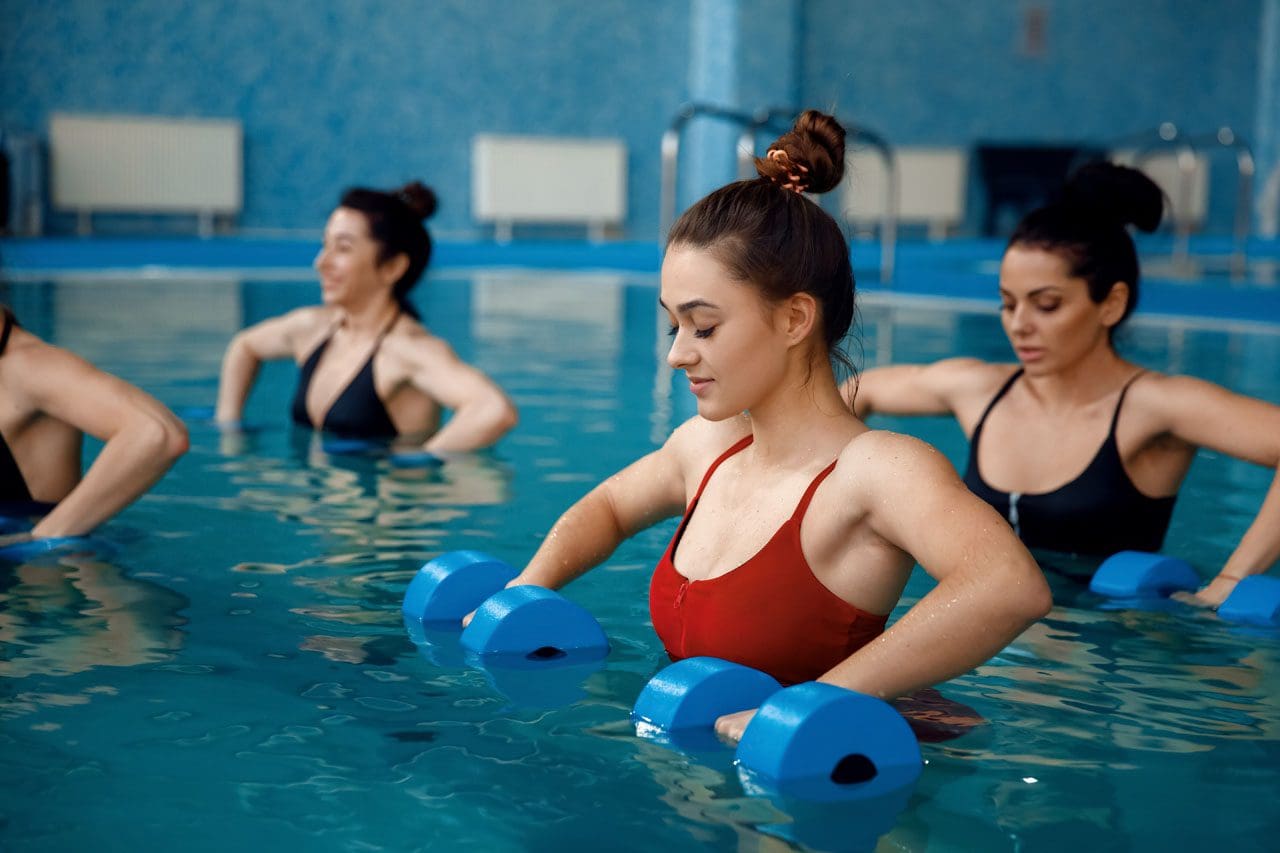
- Water aerobics is perfect for working on cardiovascular health needed to build strength.
- Increase mobility and flexibility.
Swimming Laps
- Start slow when swimming laps, maybe only twice a week at first.
- The different types of strokes work various muscles in the hips, chest, and back.
- Treading water is a great way to get the body used to the movements.
- A swim coach can provide tips on the proper technique and form.
Swim Exercise Tools and Accessories
Proper swimming equipment can make the exercise sessions much more enjoyable.
Swim Cap
- Swim caps protect the hair from the water’s elements and keep hair from blocking the view.
Goggles
- Goggles protect the eyes and help to see better underwater.
- Look for a comfortable pair that doesn’t leak.
Sun protection and clothing
- A day in the sun and water increases the risk of exposure to UV rays.
Waterproof Headphones
- For listening to music or podcasts while swimming.
Kickboard
- Many pools can provide kickboards that swimmers can borrow during their time there.
- Lean the upper body on the board and kick, focusing on lower body movements.
Pull Buoy
- Pull buoys help focus on the upper body and arm work.
- It is placed between the upper thighs to help the legs float as the individual pulls with their arms.
It is recommended to take some lessons to learn how the body moves through the water. Once a basic understanding of balance and buoyancy is met, individuals can propel through the water more efficiently.
Sciatica Secrets Revealed
References
Bartels, Else Marie, et al. “Aquatic exercise for the treatment of knee and hip osteoarthritis.” The Cochrane Database of systematic reviews vol. 3,3 CD005523. 23 Mar. 2016, doi:10.1002/14651858.CD005523.pub3
Cole, A J et al. “Spine pain: aquatic rehabilitation strategies.” Journal of Back and musculoskeletal rehabilitation vol. 4,4 (1994): 273-86. doi:10.3233/BMR-1994-4407
Ferrell, M C. “The spine in swimming.” Clinics in sports medicine vol. 18,2 (1999): 389-93, viii. doi:10.1016/s0278-5919(05)70153-8
Su, Yanlin, et al. “Swimming as Treatment for Osteoporosis: A Systematic Review and Meta-analysis.” BioMed research international vol. 2020 6210201. 15 May. 2020, doi:10.1155/2020/6210201
Wirth, Klaus, et al. “Strength Training in Swimming.” International Journal of environmental research and public health vol. 19,9 5369. 28 Apr. 2022, doi:10.3390/ijerph19095369







