

Vision Problems Could Be Cause of Neck Pain and Headaches
Shoulder and neck discomfort, pain, and headaches could be caused by vision problems and eye strain that require corrective glasses, contact lenses, or an updated prescription. Spending long periods of activity involving eye usage, like driving, reading/writing reports, studying plans, instructions, reviewing charts, orders, etc., on mobile devices and computer screens fatigues the eyes. Individuals with tired eyes try to reduce eye strain by tilting their head or neck and hunching forward, which results in an unhealthy posture. And for individuals that need glasses squinting and straining the eyes also leads to unhealthy postures, directly contributing to neck and shoulder pain and headaches. Injury Medical Chiropractic and Functional Medicine Clinic can repair and heal musculoskeletal injuries and refer patients to the proper specialist, in this case, an eye care professional.
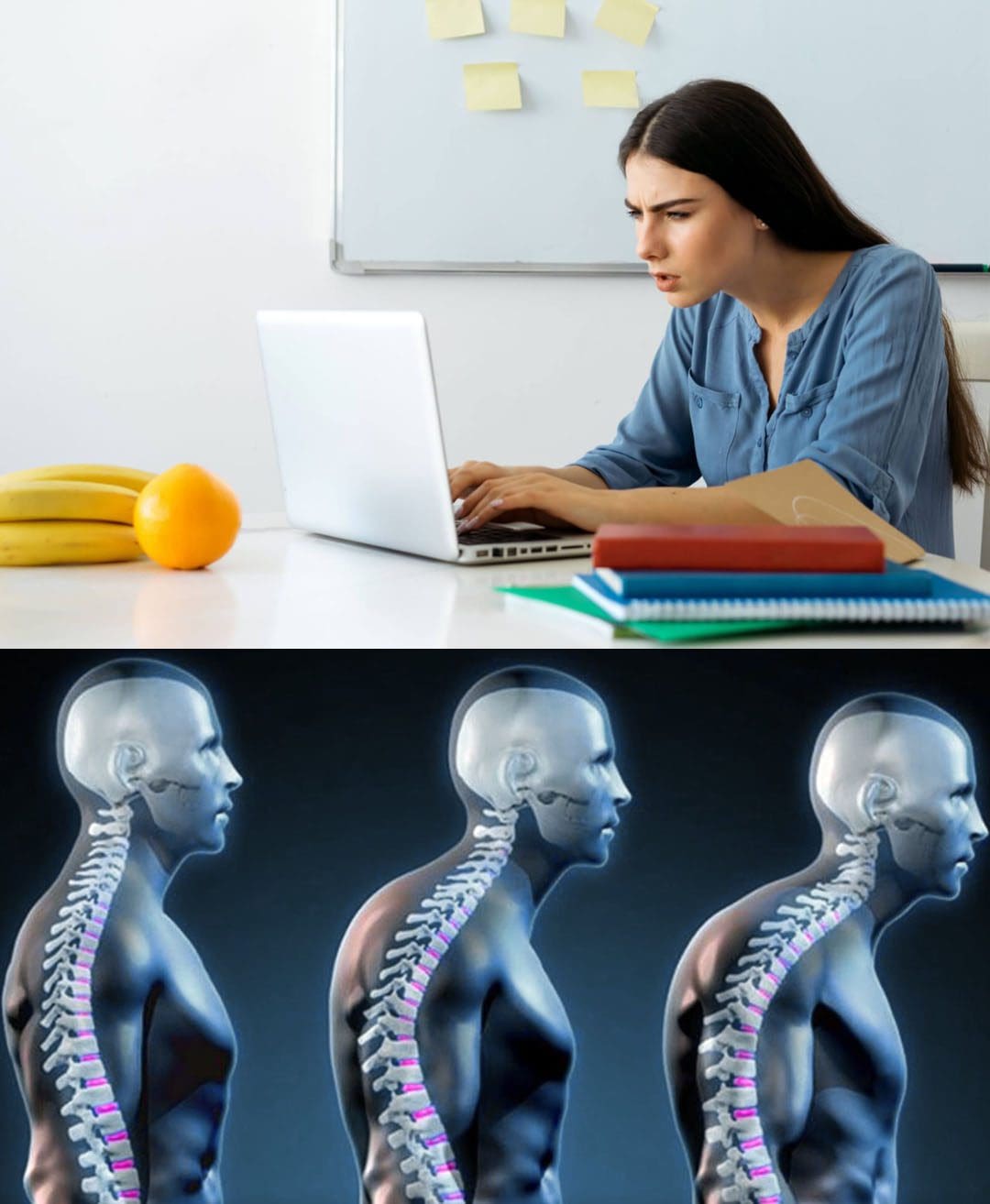
Vision Problems
Like any muscle, the eyes can be overworked, causing unconscious tensing of the neck, upper back, and shoulder muscles, leading to muscle tension in the back of the skull. The tense muscles can cause blood flow and circulation restriction. Individuals compensate by tilting the head towards one shoulder, craning the neck, or leaning/hunching. This can help for a little while but does not relieve muscle soreness, headaches, or migraines, as well as the throbbing around the temples or the fact that it will keep happening. Individuals learn to live with the pain and push through it. This is unhealthy and can lead to serious, chronic musculoskeletal conditions that can cascade into other health problems. For individuals, the symptoms they are experiencing are common in conditions they may have been previously or currently diagnosed with, including:
Neck Strain
- The risk of neck strain or injury comes with the overuse of the neck muscles and tendons.
- This results in neck pain, tenderness, and a decreased range of motion.
- With vision problems, individuals have additional stress on their neck muscles as they tilt their heads to relieve the discomfort.
Neck Muscle Spasms
- When the muscles in the neck involuntarily tighten, it can cause sharp or sudden pain; this is referred to as a muscle spasm.
- Individuals can experience muscle spasms for minutes, hours, or even days.
- Constantly tilting the head to one side to realign vision can cause overuse and strain on the neck muscles, resulting in muscle spasms.
Torticollis/Wry Neck
- With torticollis, individuals will likely have a head tilt and experience neck muscle tenderness, stiffness, and pain.
Chiropractic Treatment
Chiropractors are experts in relieving discomfort symptoms and restoring the neuromusculoskeletal system to optimal function. They help reduce inflammation and muscle spasms through heat, cold, stretches and exercises, and electrical stimulation to expedite healing. They also retrain individuals on posture training eliminating the need to tilt the head and being more aware of body positioning.
- As primary care doctors, chiropractors can refer their patients to specialists.
- Chiropractors work with a wide range of medical professionals, depending on the needs of their patients.
- When neck and shoulder discomfort and headaches become chronic and do not heal or improve, they could be vision problems.
- By treating the vision misalignment, pressure can be relieved in the neck and shoulders, reducing and eliminating spasms.
Beyond Medicine
References
Bryans, Roland, et al. “Evidence-based guidelines for the chiropractic treatment of adults with headache.” Journal of manipulative and physiological therapeutics vol. 34,5 (2011): 274-89. doi:10.1016/j.jmpt.2011.04.008
Gowrisankaran, Sowjanya, and James E Sheedy. “Computer vision syndrome: A review.” Work (Reading, Mass.) vol. 52,2 (2015): 303-14. doi:10.3233/WOR-152162
Kaur, Kirandeep, et al. “Digital Eye Strain- A Comprehensive Review.” Ophthalmology and therapy vol. 11,5 (2022): 1655-1680. doi:10.1007/s40123-022-00540-9
Lodin, Camilla, et al. “Eye- and neck/shoulder-discomfort during visually demanding experimental near work.” Work (Reading, Mass.) vol. 41 Suppl 1 (2012): 3388-92. doi:10.3233/WOR-2012-0613-3388
Richter, Hans O. “Neck pain brought into focus.” Work (Reading, Mass.) vol. 47,3 (2014): 413-8. doi:10.3233/WOR-131776
Zetterberg, Camilla et al. “Neck/shoulder discomfort due to visually demanding experimental near work is influenced by previous neck pain, task duration, astigmatism, internal eye discomfort, and accommodation.” PloS one vol. 12,8 e0182439. 23 Aug. 2017, doi:10.1371/journal.pone.0182439







