Pesto – Nutritional and Health Benefits
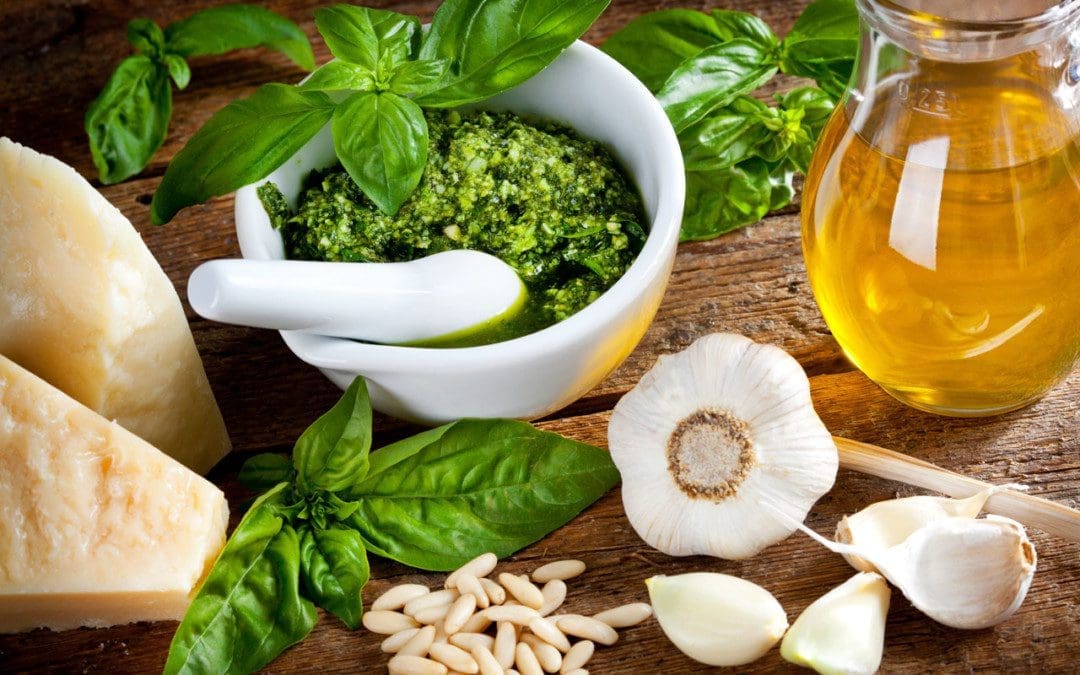
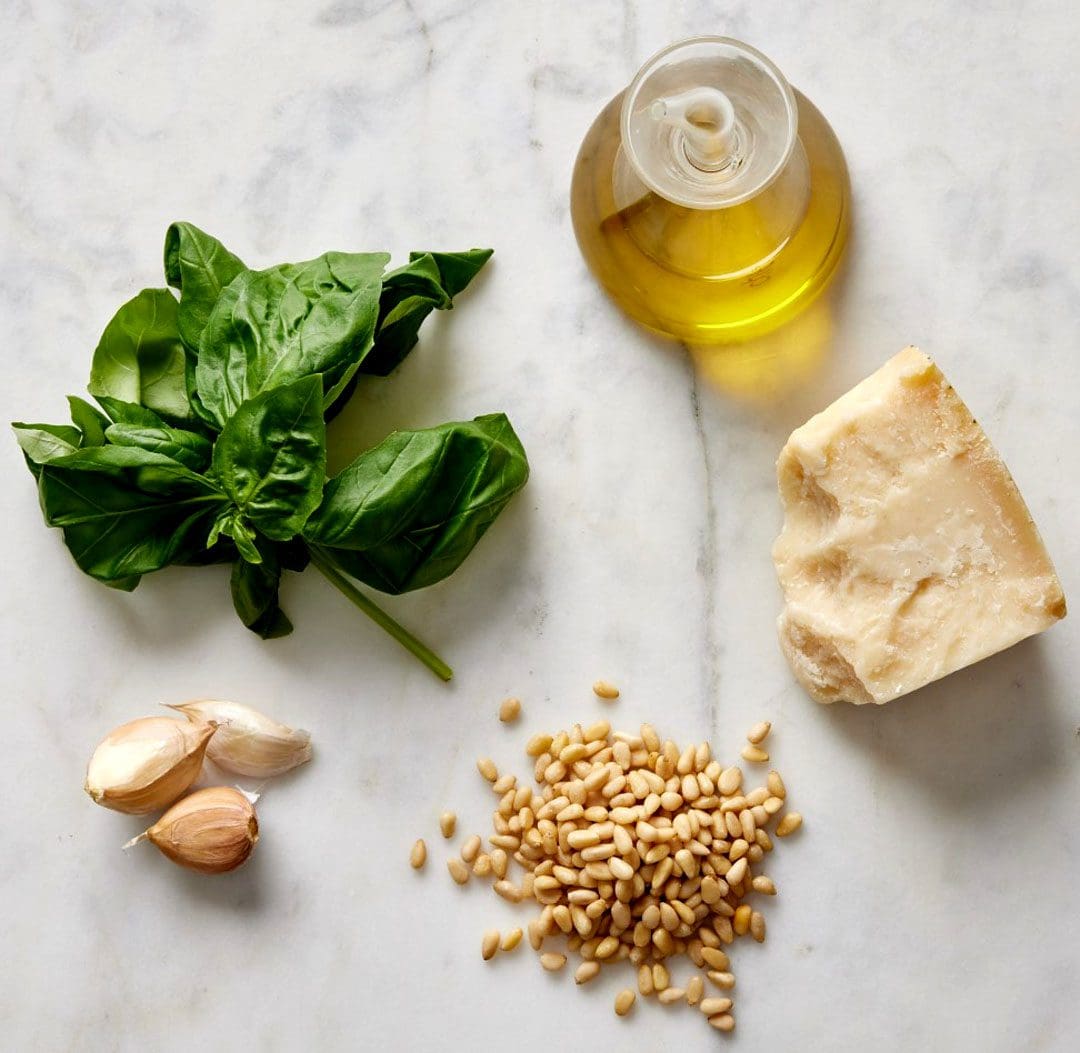
Pesto is a sauce that is made with garlic, pine nuts, basil, cheese, and olive oil, which creates a strong, rich flavor. It is used as a marinade, dip, salad dressing, sandwich spread, and a topping for dishes like pasta and pizza. It can be homemade or bought premade, including vegan varieties. It is made with nutritious ingredients and can be consumed as part of a balanced diet. The sauces can vary in nutrition, but in general, it is a rich source of healthy fats and is also part of the Mediterranean Diet.
Pesto
Carbohydrates
- The sauce is not a significant source of complex carbohydrates, dietary fiber, or sugar.
- A spoonful contains under 1 gram of carbohydrates.
- It is often paired with foods rich in carbohydrates, like sandwiches, pizza, and pasta.
Fats
- Nearly 60% of the calories in pesto come from fats, provided by the olive oil, cheese, and pine nuts.
- There are 9.47 grams of fats per spoonful, which includes:
- 5.63 grams of monounsaturated fatty acids.
- 1.53 grams of saturated fatty acids.
- 1.68 grams of polyunsaturated fatty acids.
- It also contains 2.56mg of cholesterol.
- According to U.S. Dietary Guidelines for Americans, 20% to 35% of daily calories should come from fat.
Protein
- The sauce is not a protein-rich food with only 1.38 grams of protein per tablespoon.
- It is often used as a condiment, it can add flavor to other foods higher in protein.
Vitamins and Minerals
- Pesto contains:
- 33.1mg of calcium.
- 36.8mg of phosphorus.
- 31.8mg of potassium.
- 9.76mg of magnesium.
Health Benefits
Some of the potential health benefits of pesto.
Antioxidant Properties
- Garlic, pine nuts, olive oil, and basil are rich sources of antioxidants.
- Antioxidants have an essential role in defending the body against free radical damage, which can lead to disease.
- Diets high in antioxidants reduce the risk of various diseases, like heart disease and cancer.
- Consuming antioxidant-rich foods like pesto on a regular basis can increase antioxidant levels.
Cardiovascular Benefits
- Olive oil health benefits include the reduced risk of heart disease.
- Substituting other high-fat foods like margarine, butter, and mayonnaise with olive oil can help lower the risk of heart disease and stroke.
Help Lower Cholesterol
- Four different types of fats – saturated, trans, monounsaturated, and polyunsaturated fats.
- Saturated fats can raise LDL/unhealthy cholesterol levels.
- Foods rich in monounsaturated and polyunsaturated fats like pesto can help lower LDL cholesterol levels in the blood and support HDL/healthy cholesterol levels.
Weight Management
- Pesto is commonly consumed on the Mediterranean diet and can be part of a nutritious lifestyle that supports a healthy weight.
- Research has shown that following a Mediterranean diet can lead to and maintain long-term changes in weight management.
- Store-bought pesto can contain a large amount of sodium.
- Individuals following a low-sodium diet or taking heart medications should check with their doctor before consuming these products.
- To control the amount of sodium, consider making a homemade recipe that uses less salt and aligns with individual dietary preferences.
Types
- Grocery stores generally carry several varieties of pesto.
- Basil is the main ingredient but some varieties are made with other herbs.
- Pesto traditionally contains parmesan cheese/milk products and pine nuts/tree nuts which are common food allergens.
- The sauce is a vegetarian-friendly sauce, but vegans can look for cheese and dairy-free versions.
- It is possible that an allergic reaction can occur in individuals allergic to dairy products and nuts.
- Individuals allergic to nuts can choose nut-free varieties.
From Consultation to Transformation
References
Agnoli C, Sieri S, Ricceri F, et al. Adherence to a Mediterranean diet and long-term changes in weight and waist circumference in the EPIC-Italy cohort. Nutr Diabetes. 2018;8(1):22. doi:10.1038/s41387-018-0023-3
Bolling, Bradley W et al. “Tree nut phytochemicals: composition, antioxidant capacity, bioactivity, impact factors. A systematic review of almonds, Brazils, cashews, hazelnuts, macadamias, pecans, pine nuts, pistachios, and walnuts.” Nutrition research reviews vol. 24,2 (2011): 244-75. doi:10.1017/S095442241100014X
Bower, Allyson, et al. “The Health Benefits of Selected Culinary Herbs and Spices Found in the Traditional Mediterranean Diet.” Critical Reviews in food science and nutrition vol. 56,16 (2016): 2728-46. doi:10.1080/10408398.2013.805713
Guasch-Ferré M, Liu G, Li Y, et al. Olive oil consumption and cardiovascular risk in U.S. adults. J Am Coll Cardiol. 2020;75(15):1729-1739. doi:10.1016/j.jacc.2020.02.036
Liu, Qing, et al. “Antibacterial and Antifungal Activities of Spices.” International journal of molecular sciences vol. 18,6 1283. 16 Jun. 2017, doi:10.3390/ijms18061283
Marcelino, Gabriela et al. “Effects of Olive Oil and Its Minor Components on Cardiovascular Diseases, Inflammation, and Gut Microbiota.” Nutrients vol. 11,8 1826. 7 Aug. 2019, doi:10.3390/nu11081826
Nicastro, Holly L, et al. “Garlic and onions: their cancer prevention properties.” Cancer prevention research (Philadelphia, Pa.) vol. 8,3 (2015): 181-9. doi:10.1158/1940-6207.CAPR-14-0172
Sestili, Piero, et al. “The potential effects of Ocimum basilicum on health: a review of pharmacological and toxicological studies.” Expert opinion on drug metabolism & toxicology vol. 14,7 (2018): 679-692. doi:10.1080/17425255.2018.1484450
Sun, Liangzi, et al. “Tryptophan targeted pulsed electric field treatment for enhanced immune activity in pine nut peptides.” Journal of food biochemistry vol. 44,6 (2020): e13224. doi:10.1111/jfbc.13224
USDA FoodData Central. Pesto sauce.