by Dr Alex Jimenez DC, APRN, FNP-BC, CFMP, IFMCP | UTEP (Local) RSS
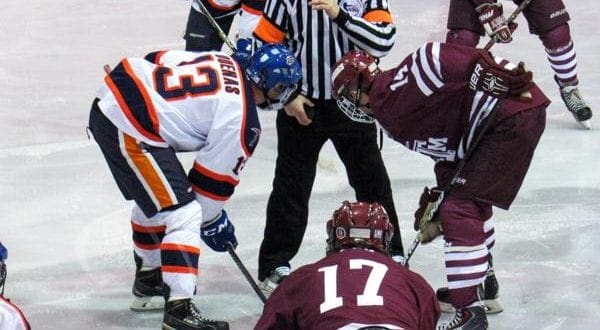
The Miners Hockey Club has announced they will open the 2017-18 season on the road against Texas A&M on September 29, 2017 at the Spirit Ice Arena. This matchup kicks off conference play for the new season.
The Miners and Aggies opened up their season last year in College Station. The first game saw the two teams trade goals back and forth and ended up going into overtime. Neither team scored in OT, however the Miners were able to win the game 7-6 in a shootout.
The following night, the Miners and Aggies were back at it. Again both teams didn’t have issues scoring early. However, the Aggies outscored the Miners to win 5-3.
Opening up the second half of the season, the Miners and Aggies faced off in El Paso. The first game once again saw the Miners come out strong. They took the first game 6-3. However, they couldn’t get the home sweep against the Aggies. The Aggies would win 2-1.
“We are starting our conference play against one of the strongest teams. It’s no secret A&M has had a strong club for several years. Although we have only played them a handful of times, the games are always exciting and something our team looks forward too.” commented Coach Herman.
Last season, the Miners finished 1st in the South Division and the Aggies were a close 2nd. During the TCHC tournament, the teams were in opposite brackets for a potential matchup for the championship. However, the Aggies were upset by UT in overtime the opening game.
The Miners went on to win the TCHC Championship by defeating the DBU Patriots by a score of 6-0.
Both teams will look to build on their success from last season as the TCHC enters it’s second year.
Author: UTEP Miner Hockey
by Dr Alex Jimenez DC, APRN, FNP-BC, CFMP, IFMCP | UTEP (Local) RSS
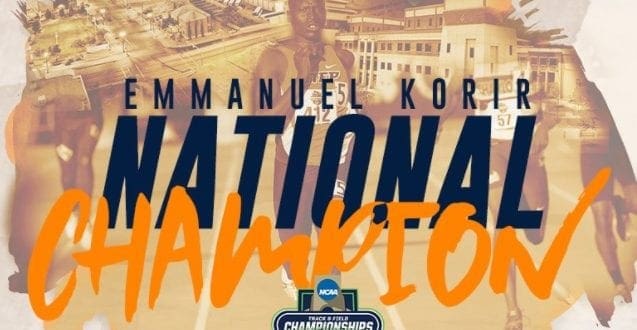
Emmanuel Korir has been named a semifinalist for college track and field’s highest individual honor, The Bowerman Award, the U.S. Track and Field and Cross Country Coaches Association (USTFCCCA) announced Thursday.
Korir wrapped up his freshman season with a sweep of both 800m national titles. The Kenyan is the first Miner to win the 800m NCAA title since Peter Lemashon outdoors in 1978, and the first to achieve the feat at both NCAA Indoors and Outdoors in the same year.
The All-American holds school records in the indoor 800m (1:46.75), the outdoor 800m (1:43.73) and the outdoor 400m (44.53). Korir is one of three athletes in the world to run a sub-45 400m and a sub-1:44 in the 800m.
Three finalists will be announced on Thursday, June 22 from the following list of semifinalists:
KeAndre Bates, junior, jumps, Florida
Edward Cheserek, senior, distance, Oregon
Christian Coleman, junior, sprints/jumps, Tennessee
Grant Holloway, freshman, hurdles/jumps, Florida
Fred Kerley, senior, springs, Texas A&M
Josh Kerr, sophomore, mid-distance, New Mexico
Emmanuel Korir, freshman, mid-distance, UTEP
Ioannis Kyriazis, junior, throws, Texas A&M
Filip Mihaljevic, junior, throws, Virginia
Lindon Victor, senior, combined events, Texas A&M
For more information on UTEP track and field, follow the Miners on Twitter (@UTEPTrack) and Instagram (uteptrack).
by Dr Alex Jimenez DC, APRN, FNP-BC, CFMP, IFMCP | UTEP (Local) RSS
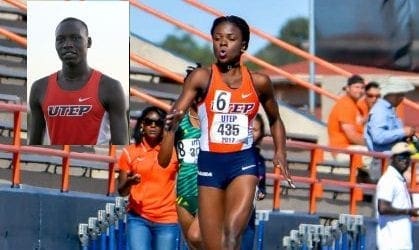
UTEP claimed two superlative Conference USA track and field honors as Emmanuel Korir and Tobi Amusan were named C-USA Male and Female Track Athletes of the Year, announced by the league office on Friday afternoon.
“Both athletes are very special and talented. He [Korir] was the best candidate for our league and would most likely do very well other top conferences as well,” head coach Mika Laaksonen stated. “A lot of work goes into these things and Tobi worked incredibly hard over these past two years and she absolutely deserves this award, they both do.”
Korir ran a world best 1:14.97 in the 600m earlier this year at the New Mexico Cherry & Silver meet, which was his first race on an indoor 200m banked track. The freshman followed that up by capturing the NCAA title in the 800m (1:47.48) at the same track in Albuquerque, N.M., with a time of 1:47.48. The freshman is one of three athletes in the world to run an outdoor sub-45 400m and a sub-1:44 in the 800m.
The Kenyan native won the NCAA outdoor title in the 800m (1:45.03) and is the first Miner to win both titles in the same year.
Amusan was the leading scorer for the Miners with 25 points at the C-USA Indoor Championships and notched a meet record in the 60m hurdles with a time of 8.01. The sophomore helped her team win its third consecutive conference title. Amusan qualified to the NCAA Indoor Championships in the 60m hurdles where she notched a sixth-place showing.
The outdoor season started with a bang, as she set a school record (12.63) in the 100m hurdles at the UTEP Springtime meet. She followed that with a first-place finish at the 2017 Clyde Little Field Texas Relays in the 100m hurdles, setting a meet record time of 12.72. The Nigerian native scored 24.5 points at the C-USA Outdoor Championships leading the women’s team to its first ever outdoor conference title.
Both athletes were named semifinalists for college track and field’s high individual honor, The Bowerman Award. The women’s three finalists will be announced on Wednesday, June 21 and the men’s finalists will be announced Thursday, June 22.
For more information on UTEP track and field, follow the Miners on Twitter (@UTEPTrack) and on Instagram (uteptrack).
by Dr Alex Jimenez DC, APRN, FNP-BC, CFMP, IFMCP | UTEP (Local) RSS
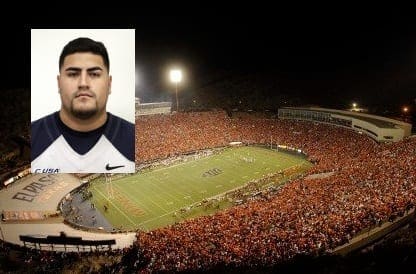
Offensive lineman Will Hernandez was named to the 2017 Athlon Sports Preseason All-American third team on Tuesday.
The senior comes back after a stellar season where he garnered AP All-American second team, FOX Sports’ All-American second team, All-Conference USA first team and Pro Football Focus Best Pass Protector honors. The lineman has started all 37 games in his career for the Miners at the left guard position.
He led the offensive line that paved the way for Aaron Jones to rush for a single-season program-record 1,773 yards, while Jones also became UTEP’s all-time leading rusher last season. The Miners averaged 185.5 rushing yards per game and scored 20 touchdowns on the ground.
Hernandez is one of two student-athletes from C-USA that makes an appearance on the Athlon Sports All-American team. The Las Vegas, Nev., native also was named to the Athlon Sports Preseason All-C-USA first team.
Teammate Alvin Jones also garnered Athlon Sports All-C-USA first team recognition, while Devin Cockrell and Terry Juniel received second team honors. Jones was appointed to the 2016 All-C-USA second team after leading team in tackles 93 (44 solo). He ranked fourth in the league in tackles per game (9.3) and added 6.0 tackles for loss (28 yards), 2.5 sacks (22 yards) and a pass breakup.
Cockrell started all 12 games last season and ranked fourth on defense, while leading all defensive backs with 58 tackles (31 solo). He added 3.0 tackles for loss, a pass breakup, a quarterback hurry and a fumble recovery. The senior led team with 10 special team’s tackles (seven punt return tackles)
Juniel returns to the Miners special teams unit as the starting punt returner. The specialist was the team’s leading punt returner, tallying 203 yards on 22 returns (9.2 avg.), with a pair of long returns of 43 yards. Juniel led C-USA in punt returns and return yards. The junior returned nine kickoffs for 164 yards (18.2 avg.) with a long of 26 yards.
UTEP’s center Derron Gatewood and punter Alan Luna also received recognition on the All-C-USA Preseason fourth team.
by Dr Alex Jimenez DC, APRN, FNP-BC, CFMP, IFMCP | Athletes, Complex Injuries, Physical Rehabilitation, PUSH-as-Rx
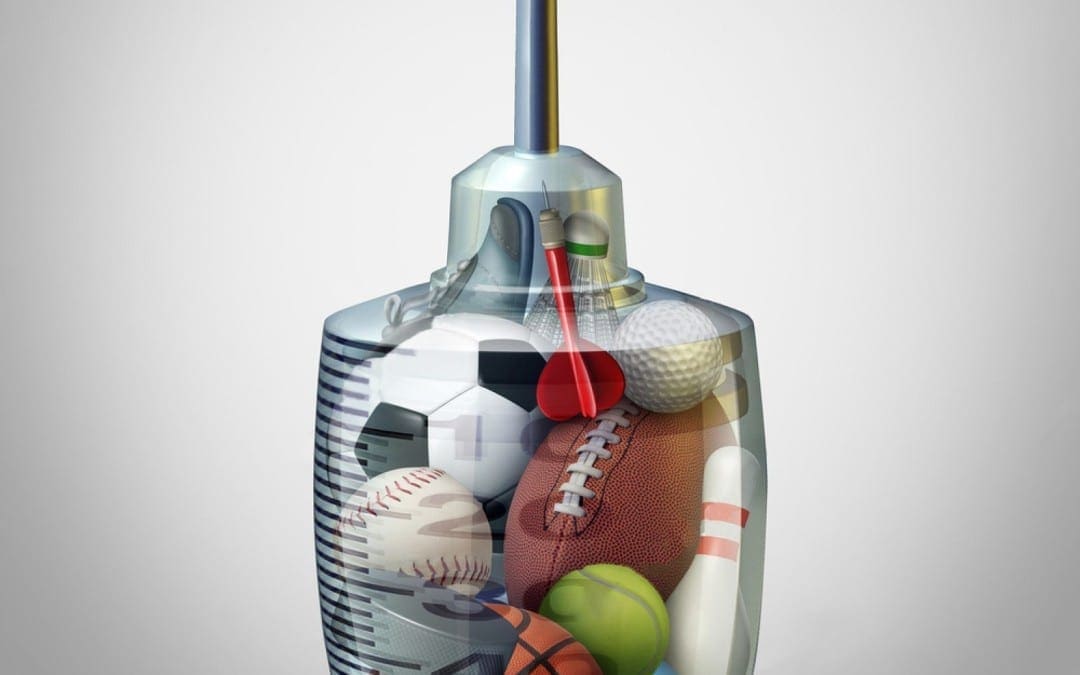
Corticosteroid injections are widely used to aid injury rehabilitation but we still understand very little about their mechanism. Chiropractor, Dr. Alexander Jimenez examines the current thinking and discusses how this potentially impacts treatment options…
Corticosteroids are used for their anti- inflammatory and pain reducing effects. They can also reduce muscle spasms and influence local tissue metabolism for faster healing. Injection therapy is now widely available from specially trained general practitioners, physiotherapists and consultants, and can be offered for a wide range of clinical conditions. Because of this wide availability and the growing desire for injury �quick fixes�, it is important that they are used correctly and the full consequences are understood prior to injection.
The main indications for corticosteroid injection use are(1):
- Acute and chronic bursitis
- Acute capsulitis (tight joint capsule)
- Chronic tendinopathy
- Inflammatory arthritis
- Chronic ligament sprains
Steroid injections of hydrocortisone are a synthetic form of a naturally produced hormone within the body called cortisol. Cortisol is important for regulating carbohydrate, protein and fat metabolism. It is also involved in metabolic responses in times of stress such as emotional problems, trauma, and infection, where levels of inflammation are elevated. Steroid injections work on the immune system by blocking the production of chemicals that activate the inflammatory reactions, therefore reducing inflammation and pain within injury locations.
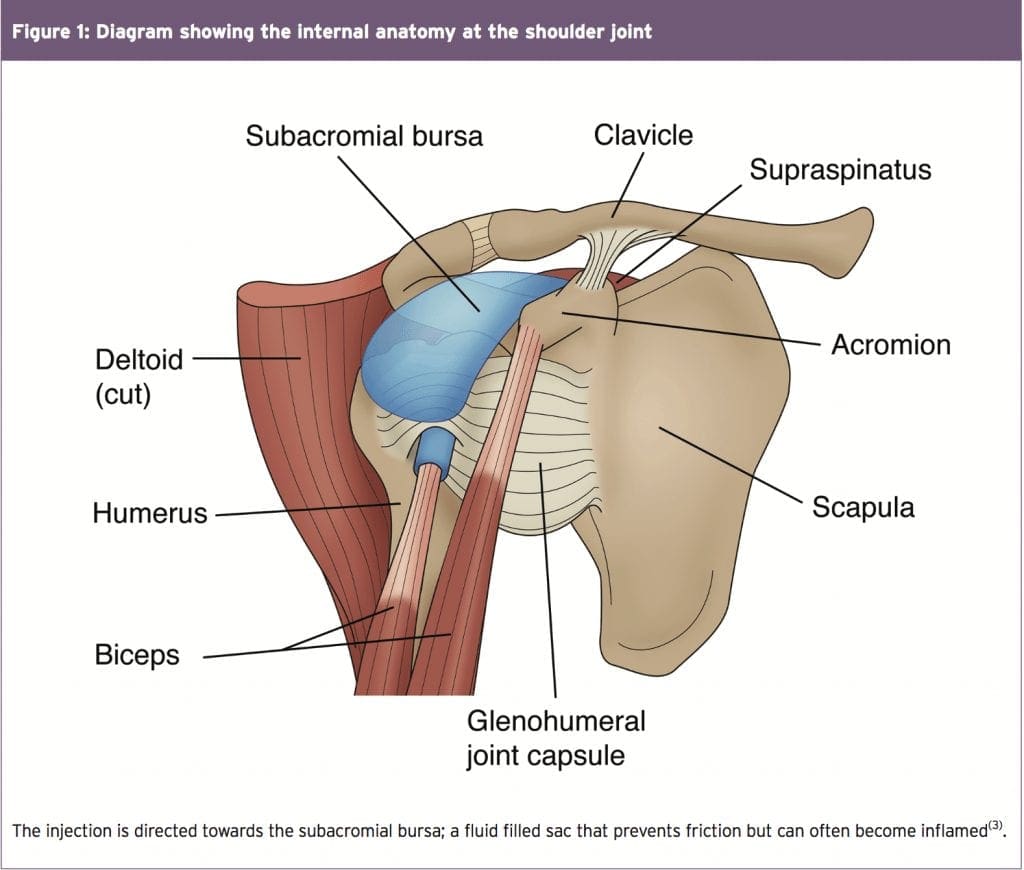
Steroid injections can be directed into a joint, muscle, tendon, bursa, or a space around these structures. Figure one shows an injection aiming for the bursa within the shoulder joint. This is often a source of irritation and causes impingement when the shoulder moves. The location will depend on what tissue is causing the symptoms. When injected locally to the specific structure, the effects are primarily only produced there and widespread detrimental effects are minimal(2).
When To Use
Identifying the correct time to issue a steroid injection following injury requires careful consideration. The mechanical status of the tissue is important because this will vary depending on the stage of healing and therefore the effectiveness of the injection will also vary.
Figure 2 shows the different stages that a tendon can progress through following trauma. This is equally applicable to muscles, fascia, and other tissues too. A reactive tendinopathy (tendon degeneration/damage) will present shortly after injury/trauma/stress/ excessive loading, and will display acute swelling and inflammation. The initial care should be 2-3 weeks of rest, analgesia, ice application and gentle physiotherapy. If symptoms have not significantly improved after this period, then the introduction of a corticosteroid injection is appropriate for providing symptomatic relief by reducing inflammation and eliminating the occurrence of further damage because mechanical normality will be quickly restored(3).
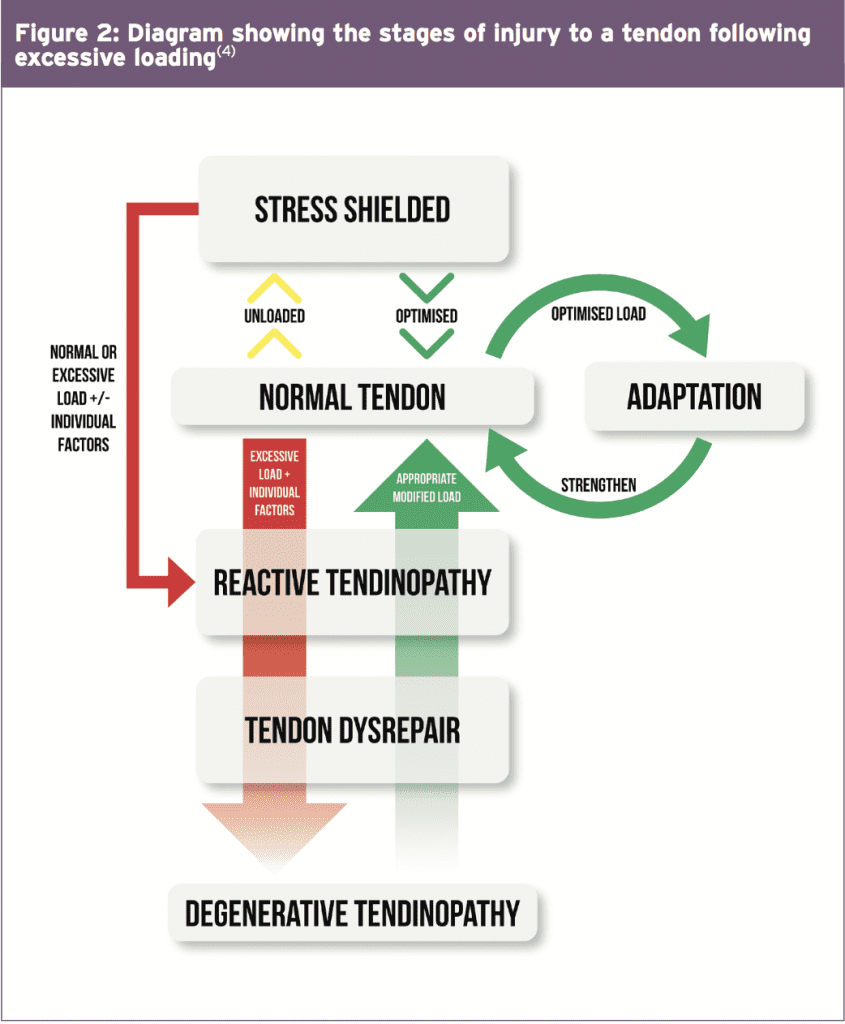
If the tendon continues to be placed under excessive load, swelling and inflammation will remain or escalate, and continuous loading will eventually cause micro trauma and further tendon degeneration. If this is prolonged for long enough then the tendon will fail structurally(4).
The use of corticosteroids here is questionable because there is unlikely to be inflammation present to combat, and the injection alone will not repair this physical damage. Injection treatment at this stage may only be indicated if the athlete is in too much pain to participate in any significant rehabilitation. The symptomatic relief the injection may bring at this point could allow exercises to be performed, which can help accelerate the repair of physical damage. Ultimately, physical exercise is a key component in recovery following corticosteroid injections.
Impact On Treatment & Performance
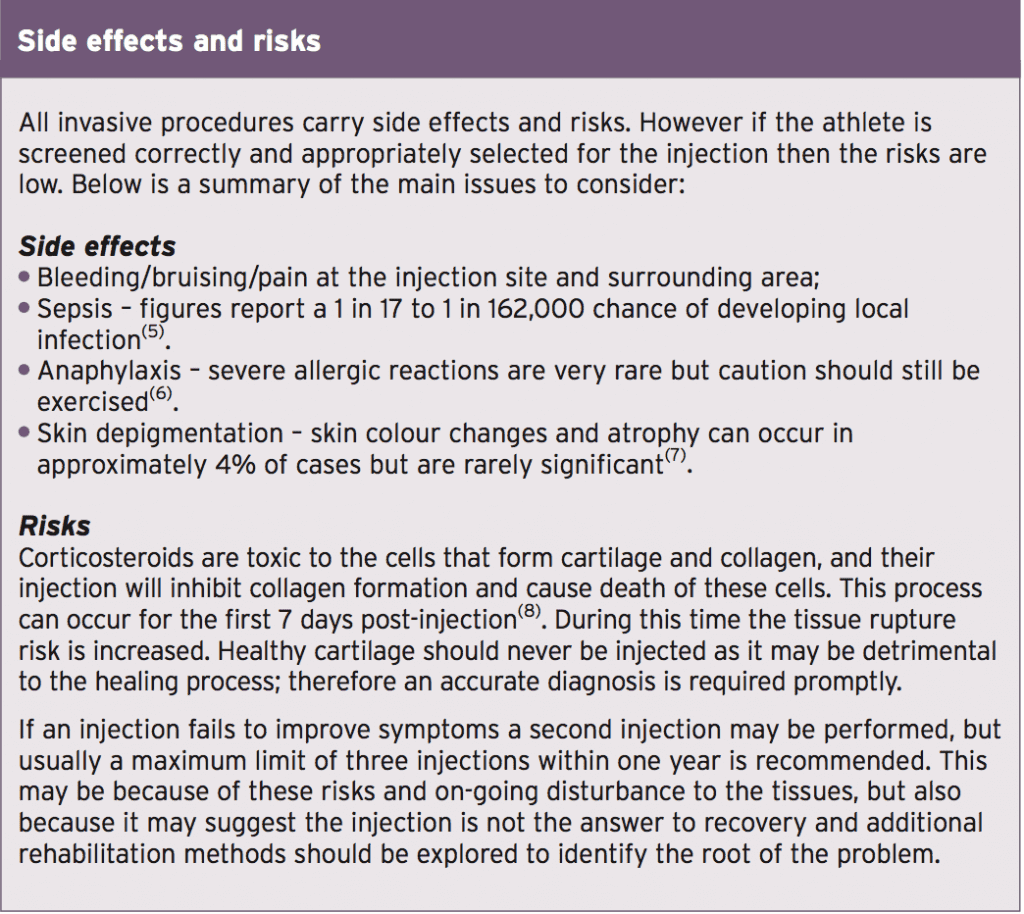
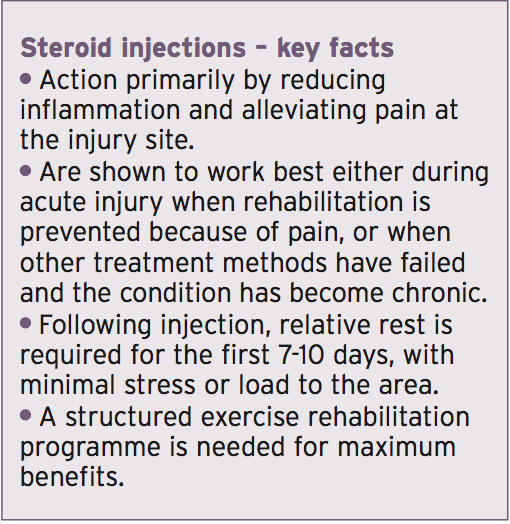
For the best outcome, post-injection care � particularly with respect to timing � is important. Relative rest is recommended for the first two weeks post-injection. During this first two weeks the tissues are weakened and their failing strengths are reduced by up to 35%; this means the strength at which they would fail (tear) is much lower and more susceptible to rupturing(8).
By six weeks the bio-mechanical integrity is reestablished and the tissues are deemed �normal� again, with increased strength and function(8). Benefits are optimal within this 6-week period and often short-lived; therefore the athlete must comply strictly to a rehabilitation program to gradually load the tissues and ensure the correct load is applied during this period(9). Research has also shown that at twelve weeks post-injection�there is little significance in the difference between those who received a steroid injection and those who focused on exercise therapy alone, suggesting this early symptom relief should be used to enhance rehabilitation(10). If loading is accelerated in the early stages the athlete risks re-aggravation of the injury, delayed healing, further weakening and thus rupture.
If this rehabilitation protocol is followed, the athlete will likely maximise their outcome. They can return to training, and with the severity of their symptoms reduced, this can allow progression to the next stage of training. If the injury is severe enough that surgery may be considered within three months, a steroid injection should not be performed as this can affect the success of the surgery.
Evidence For Sports Injuries
Here we will consider some of the more common sports injuries and summarize what the current evidence regarding steroid injection suggests.
Shoulders
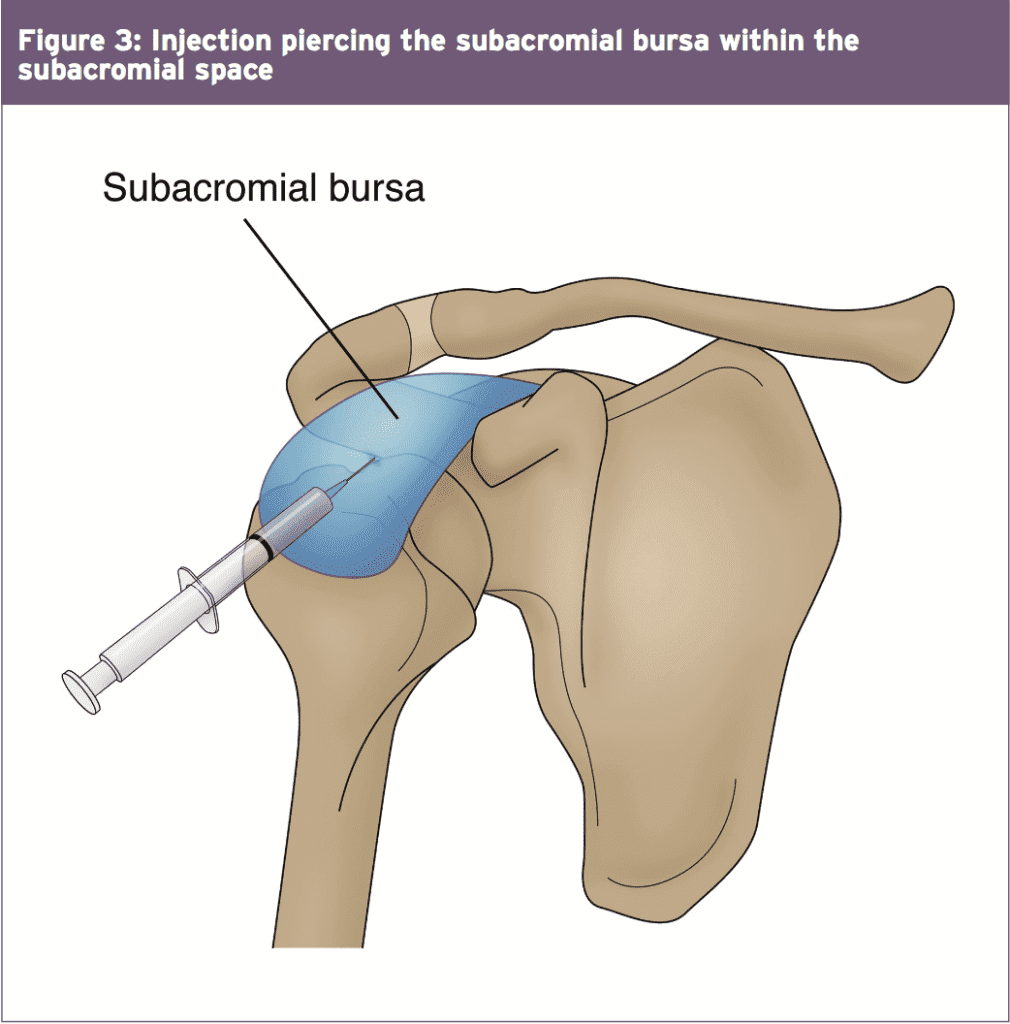
Injection therapy is indicated in subacromial impingement or bursitis (as in Figure 3 below) to allow the inflammation reduction and restoration of normal movement. It is also indicated in rotator cuff pathology where the tendons are again inflamed, but also damaged and unable to undergo exercise therapy. Shoulder injections are shown to produce early improvements in pain and function with a high level of patient satisfaction(10). Symptoms are similar to those without injection at 12 weeks however, suggesting physical therapy is also important(10). Injection is not appropriate for shoulder instability as it can make the joint more unstable. Exercise therapy alone is recommended for this condition.
 Hip Pain
Two soft tissue conditions that benefit the most from injection are piriformis syndrome (muscle tightness running deep to the buttock muscles), and greater trochanter pain syndrome (affecting the bursa surrounding the hip joint, or the gluteal tendons that are all in close proximity to the lateral hip)(11). Injection success is reported to be approximately 60-100% if the diagnosis is accurate and the correct protocols are adhered to(12). Other regions such as the adductor and hamstring tendons can also be treated for tendinitis or groin pains. However, injections into these�regions are deep and painful, and require extensive rest afterwards.
Knee Pain
Knee joint injections for arthritic conditions are most commonly used, with injection to the soft tissues much less common due to the complex diagnosis, and risk of detrimental side effects. The various bursa around the knee, the iliotibial band, and quadriceps and patellar tendons have all been shown to significantly benefit in the short-term; however accurate location is essential to ensure the tendon itself is not penetrated � only the surrounding regions(13).
Plantar Fasciitis
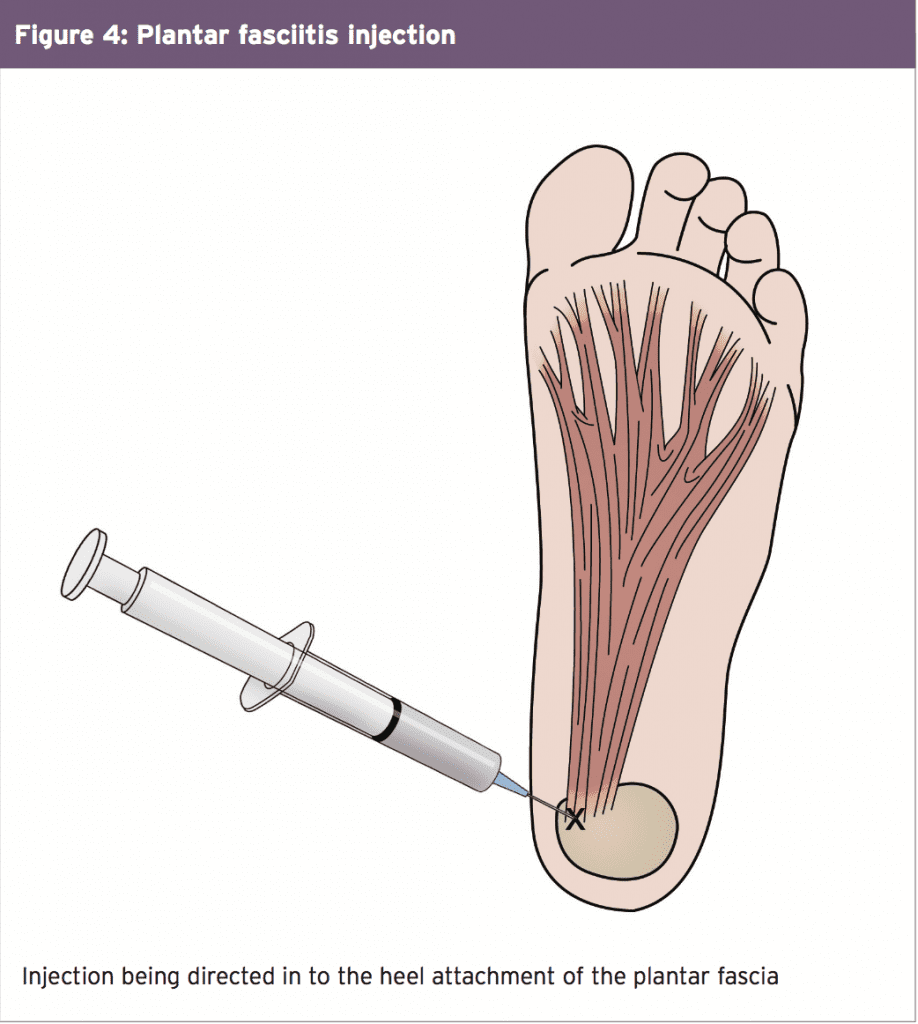
This is a painful injection to receive, and pain can last for well over one week post- injection (see figure 4). There is an approximate 2-4% risk that the fascia can rupture. In addition, there�s a risk of local nerve damage and wasting of the fat pad within the heel. Studies have demonstrated that at 4 weeks post-injection pain and thickness of the injured plantar fascia are reduced and these benefits remain three months later, suggesting a good outcome if the risks are avoided(14).
References
1. Injection Techniques in Musculoskeletal Medicine, Stephanie Saunders. 2012; 4th Ed.pg 82
2. BMJ. 2009;338:a3112 doi:10.1136/bmj.a3112
3. J Musculoskel Med. 2008; 25: 78-98
4. BJSM. 43: 409-416
5. Rheumatology. 1999; 38:1272-1274
6. Br Med J. 1998; 316:1442-1445
7. Ann Rheum Dis. 2009; 68(12): 1843-1849
8.Am J Sports Med. 1976; 4(1):11-21
9. B J Gen Pract; 2002; Feb:145-152
10. BMJ. 2010;340:c3037doi:10.1136/bmj.c3037
11. J Muscuoloskel Med. 2009; 26:25-27
12.Anesth Analg. 2009; 108: 1662-1670
13. Oper Tech Sports Med. 2012; 20:172-184
14. BMJ. 2012;344:e3260

Share Free Ebook!
by Dr Alex Jimenez DC, APRN, FNP-BC, CFMP, IFMCP | UTEP (Local) RSS
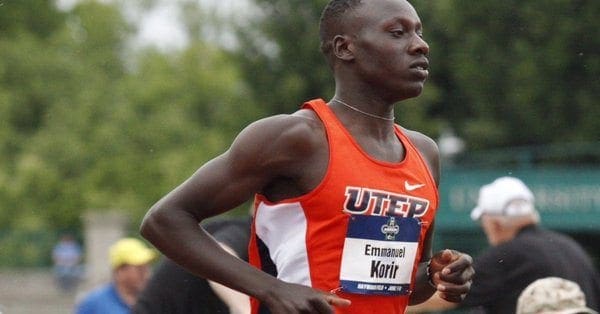
Eugene, Or. – UTEP’s Emmanuel Korir and Michael Saruni make history by being the first freshman duo from the same school to make the 800m final in meet history at the NCAA Championships on Wednesday night.
Running at their first ever NCAA Championships, All-American duo Korir and Saruni did not disappoint. Korir won the first of three heats in the men’s 800m semifinal with the fastest qualifying time of 1:46.38. Saruni’s time of 1:46.63 was enough to win the final heat of the 800m and the third-fastest qualifying time.
Korir and Saruni will run on Friday’s 800m final set to start at 7:45 p.m. MT.
In a valiant effort running the 4x400m relay, Saruni, Korir, Asa Guevara and James Bias clocked 3:18.65. Saruni and Korir had just 90 minutes to recuperate and compete in the mile relay.
Day two of the NCAA Championship will see Tobi Amusan in the 100m hurdles set to start at 6:25 p.m., Lilian Koech in the 800m set for a 7:10 p.m. start and Winny Koech to close out the night in the 10,000m final running at 8:05 p.m.
You can watch the 2017 NCAA Division I Outdoor Track and Field Championships live on the ESPN family of networks. Both the final day of the men’s championship and women’s championship will be aired in prime time on ESPN.
For live results and breaking news be sure to follow @UTEPTrack on Twitter and uteptrack on Instagram.
by Dr Alex Jimenez DC, APRN, FNP-BC, CFMP, IFMCP | UTEP (Local) RSS
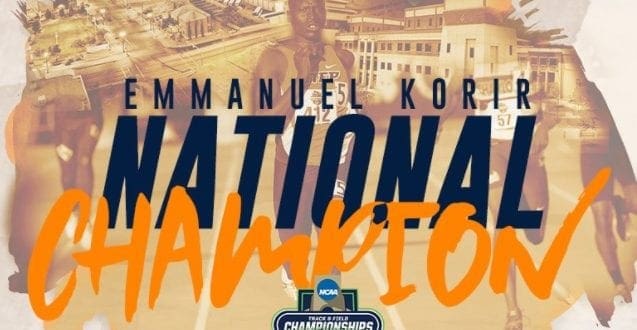
Eugene, Or. – It was a bittersweet victory for the Miners as UTEP’s freshman Emmanuel Korir captured his second NCAA title in the 800m at the historic Hayward Stadium on Friday evening.
Running in the 800m final were both freshman Michael Saruni and Korir, who were favored to finish the event No. 1 and No. 2. Korir, a bit shaken up, narrowly held onto his lead and finished the race in a time of 1:45.03. It marks his second NCAA track and field title (800m indoor and outdoor).
“It was very unfortunate that Michael went down in the 800m, it would’ve been a very exciting finish to see who would be the national champion had he not fallen,” head coach Mika Laaksonen stated. “Emmanuel should feel very fortunate, Michael would have really challenged him at the end. He [Korir] is such a talented runner this may have been his last race for us.”
Saruni, having taken a hard fall, showed great determination and strength to finish the race with a time of 2:15.56. The Kenya native still earned All-American honors for his performance.
The only female competing for the Miners on Friday was junior Lucia Mokrasova. Under difficult weather conditions, she tallied a total of 3,178 points through the first four events of the women’s heptathlon.
She started the day off with a time of 14.49 in the 100m hurdles for 910 points. She followed that up by clearing 1.54m in the high jump accumulating 666 points. Her best event was undoubtedly the shot put. The Slovakia native heaved the ball out to 13.36m (43-10) garnering 751 points; the throw was the enough to place her first in the 24-athlete field.
She closed out the night with a time of 25.93 for 851 points in the 200m.
Mokrasova will conclude the heptathlon Saturday with the long jump (12:30 p.m. MT/espn3.com), javelin throw (1:45 p.m./espn3.com) and the 800m run (6:30 p.m./ESPN).
Saturday will feature the women’s final day of competition with sophomore sensation Tobi Amusan running in the 100m hurdle final for the second time in her career. Amusan qualified with the fastest time of 12.79. The Nigerian native will take the track at 5:10 p.m. live on ESPN.
Senior Samantha Hall will make her final appearance in the Orange and Blue as she competes in the women’s discus throw. Hall comes into the competition ranked 7th among the 24-athlete field. The discus throw starts at 4:00 p.m. on ESPN3.com.
For live results be sure to follow @UTEPTrack on Twitter and uteptrack on Instagram.








