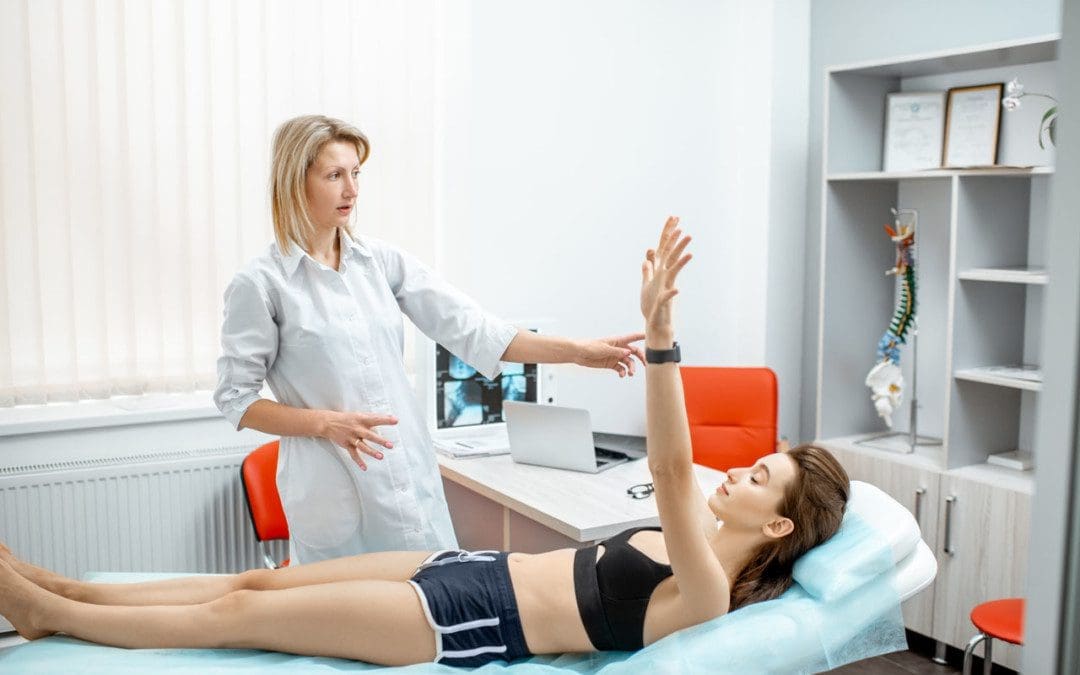
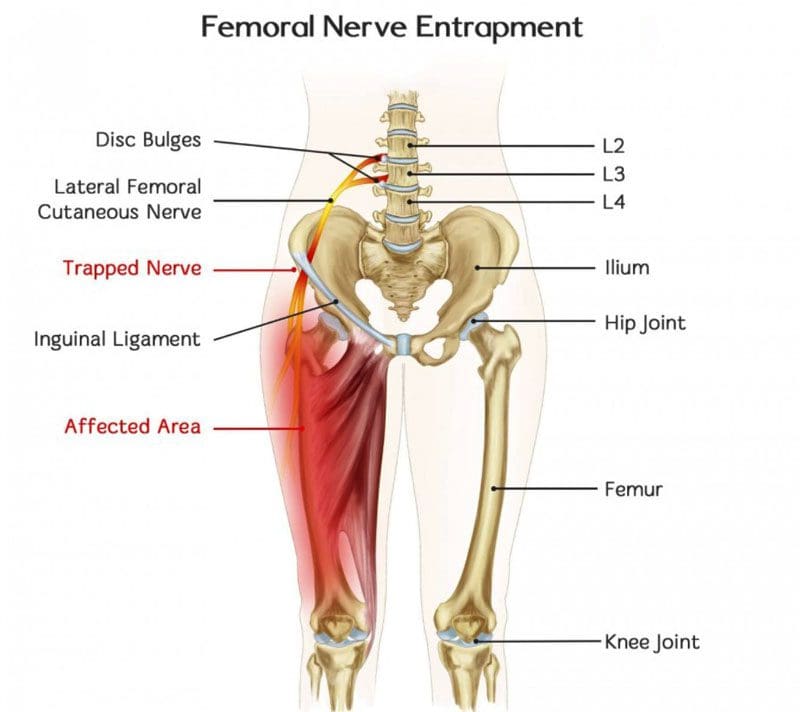
A nerve injury is often caused by a sudden traumatic event, like a slip and fall, personal or work injury, an automobile accident, or a sports injury. Overall stresses of the body from poor posture and being overweight can also lead to nerve pain over time, known as cumulative trauma. Where ligaments and bones are not aligned correctly, nerve pain and damage can occur. When nerve pain presents, there is pressure being placed on that nerve/s. Nerve pain symptoms include burning, tingling, or numbness-type sensations in the tissues controlled by that nerve. Orthopedic and neurologic testing will determine what specific nerve is affected. Chiropractic adjustments realign the spine and relieve the pressure on the nerve, thus eliminating the pain and correcting the problem.
Nerve Injury
Too much pressure from surrounding tissues compresses and irritates the nerve and interrupts its ability to function correctly. Pinched nerves are most vulnerable at points in the body where they pass through narrow spaces and have little to no soft tissue protection. Symptoms include:
Pins and Needles Sensation
Numbness
Pain
Weakness
A pinched nerve can decrease the range of motion and cause muscle spasms. If left untreated, a nerve injury can leave an individual with chronic pain and lead to permanent nerve damage.
Tingling and Numbness
Tingling and numbness are unusual or unpleasant physical sensations, most commonly experienced in the arms, hands, fingers, legs, feet, and toes. Tingling and numbness come in two forms:
To determine the appropriate course of treatment, a doctor of chiropractic must diagnose the cause of the nerve injury. Depending on the nature or severity of the sensation, the examination will include:
Muscle tests
Range-of-motion tests
Neurological tests
Orthopedic tests
The chiropractor will palpate the effective areas and order imaging tests like X-rays if necessary. If further testing is needed to diagnose the source of the nerve injury, the doctor may order an MRI or CT scan. Once the underlying condition is diagnosed, a chiropractor will develop a treatment plan to eliminate irritation, correct misalignments causing pressure, and restore proper nerve function. Treatment plans vary from case to case but can include:
Therapeutic Massage
Body adjustments
Spinal manipulation
Heat and Ice
The objective is to relieve/release the pressure on the nerves. Chiropractic adjustments help reposition the muscles and nerves. Deep-tissue massage helps to release tension and eliminate toxins that worsen the sensations. Treatment improves circulation and relieves pressure on the neural pathways necessary to restore normal neural signaling between the body and the brain.
Body Composition
Why The Brain Needs Sugar
The brain needs half of all the body’s energy supply because of its complex nerve cell system. The brain requires glucose for brain cell energy. Because neurons can’t store energy, they need a continuous fuel supply to function correctly from the bloodstream. The ability to think, learn and recall information is closely associated with glucose levels. When blood glucose levels are low, the ability to think is inhibited as the production of chemical messengers/neurotransmitters, are reduced, disrupting communication between the neurons. Natural sugar can boost brain health because it requires glucose for functioning. Sugar is released slowly into the bloodstream when taken naturally from sources like apples and bananas, keeping the energy levels steady, without craving more sugar.
References
Ameh, Victor, and Steve Crane. “Nerve injury following shoulder dislocation: the emergency physician’s perspective.” European journal of emergency medicine: official journal of the European Society for Emergency Medicine vol. 13,4 (2006): 233-5. doi:10.1097/01.mej.0000206190.62201.ad
Nichols, J S, and K O Lillehei. “Nerve injury associated with acute vascular trauma.” The Surgical clinics of North America vol. 68,4 (1988): 837-52. doi:10.1016/s0039-6109(16)44589-5
Ruggiero, S L. “Trigeminal nerve injury and repair.” The New York state dental journal vol. 62,8 (1996): 36-40.
Welch, J A. “Peripheral nerve injury.” Seminars in veterinary medicine and surgery (small animal) vol. 11,4 (1996): 273-84. doi:10.1016/s1096-2867(96)80020-x
WOODHALL, B. “Peripheral nerve injury.” The Surgical clinics of North America (1954): 1147-65. doi:10.1016/s0039-6109(16)34299-2
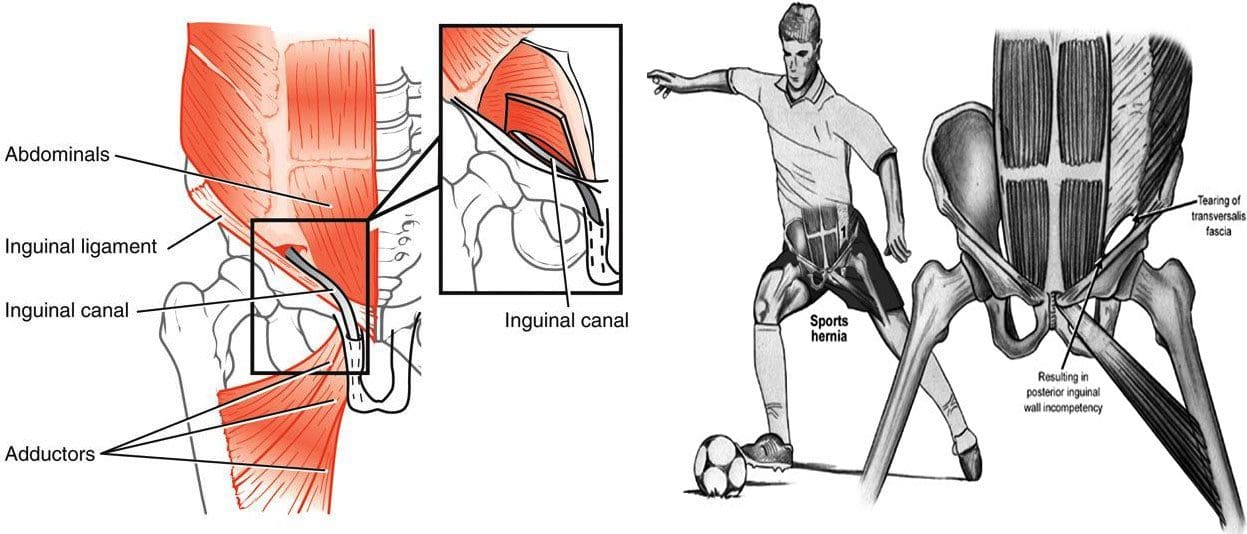
A sports hernia is a soft tissue injury that happens in and around the groin area. It is a strain or tear of any soft-tissue muscles, tendons, or ligaments in the lower abdomen or groin area. It usually happens during physical sports activities that require fast, quick, sudden changes of direction and/or intense twisting movements. Despite its name, a sports hernia is not a hernia in the classic sense. The condition’s proper term is athletic pubalgia. However, a sports hernia can lead to an abdominal hernia. The condition can happen to both men and women.
Anatomy
The soft tissues most affected by sports hernias are the oblique muscles in the lower abdomen, along with the tendons that attach the oblique muscles to the pubic bone, are the most at risk. In many cases, the tendons that attach the thigh muscles to the pubic bone or adductors are also stretched or torn.
Core Muscle Injury
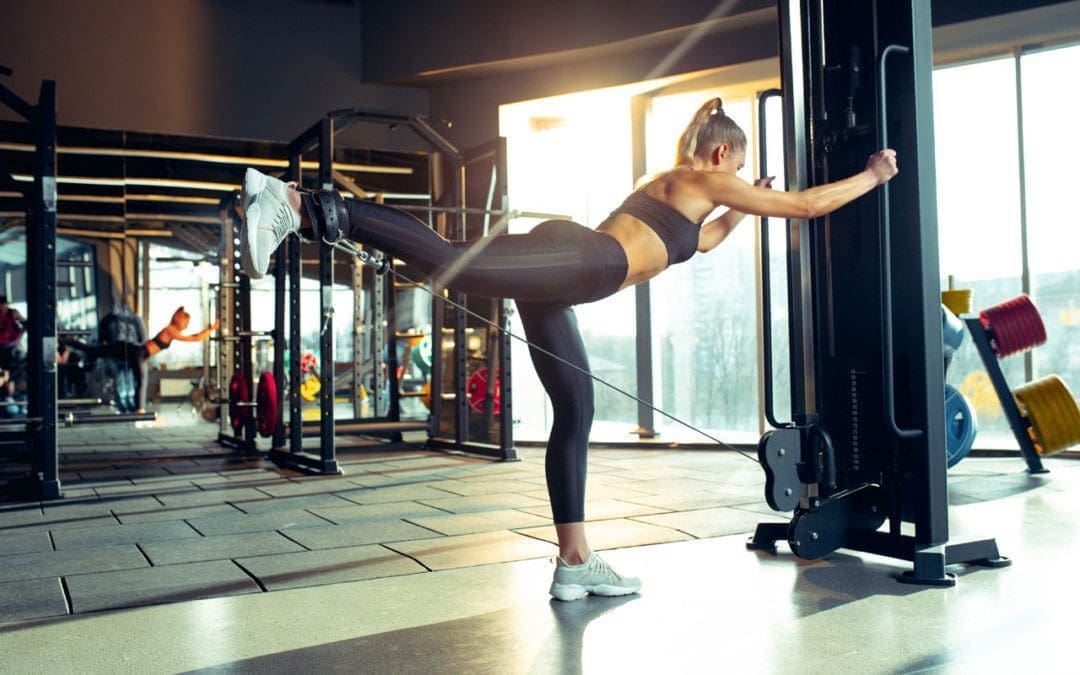
A core muscle injury is when the deep layers of the abdominal wall weaken or tear. This can cause nerve irritation and contribute to uncomfortable symptoms of numbness or tingling. The most common causes include:
Planting the feet and turning or twisting with maximum force.
Constant repetitive hip and pelvic twisting motions.
Imbalances between the hip and abdominal muscles can also, over time, cause overuse injuries.
Weakness in the abdominals and improper or no conditioning can also contribute to injuries.
Chronic groin pain is the primary symptom of a core muscle injury.
Sharp groin pain with exertion.
Basic movements like sitting down or getting out of bed can also present with pain or discomfort.
Pain on one side of the groin.
Pain or numbness that radiates into the inner thigh.
Pain when coughing or sneezing.
Tenderness or pressure on the lower abdominal area.
Pain decreases with rest.
Diagnosis
A doctor will discuss symptoms and how the injury occurred. They will run a series of strength tests like a sit-up or trunk flex against resistance. If it is a sports hernia, there will be tenderness in the groin or above the pubis, along with discomfort and pain. Further tests will include MRI, ultrasound, or X-rays to rule out hip, low back, or pelvis injuries to confirm a core muscle injury.
Non-Surgical Treatment
Rest
In the first 7 to 10 days after the injury resting and icing the area is recommended.
If there is a bulge in the groin, compression or a wrap can help relieve symptoms.
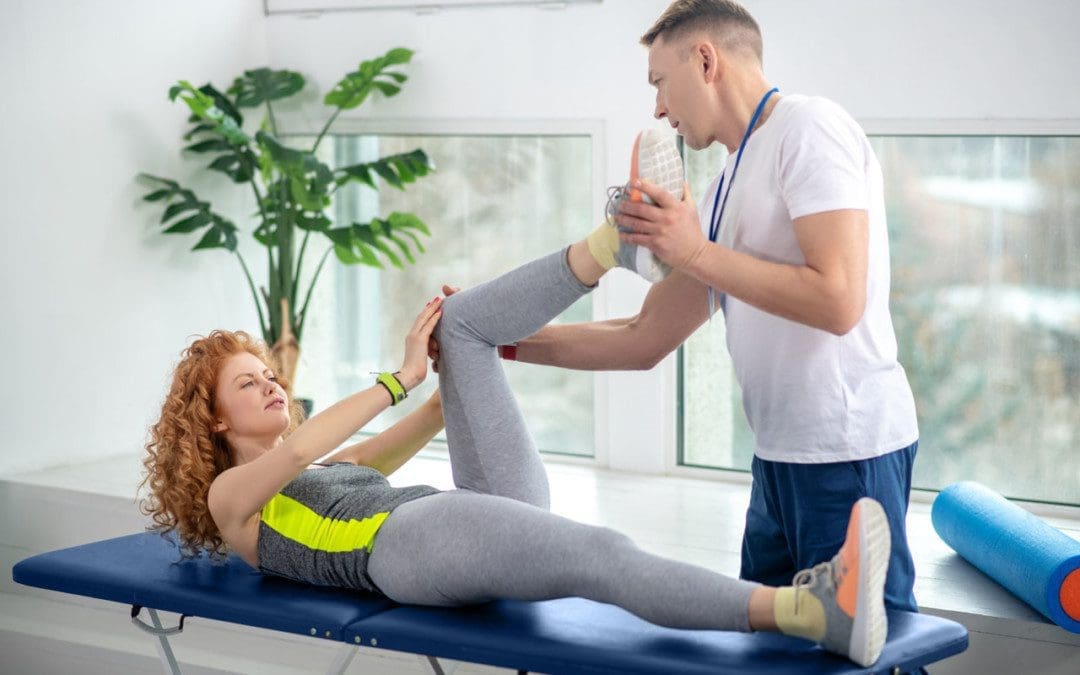
Chiropractic and Physical therapy
Two weeks after the injury, chiropractic adjustments and physical therapy exercises are recommended to improve strength and flexibility in the abdominal and inner thigh muscles.
For most cases, 4 to 6 weeks of chiropractic and physical therapy will resolve any pain and allow the individual to return to their exercise or sports activity.
Anti-inflammatory Medications
A doctor could recommend non-steroidal anti-inflammatory medications to reduce swelling and pain.
If the symptoms persist over a prolonged period, a doctor may suggest a cortisone injection.
If the pain comes back when resuming the physical activities, surgery could be needed to repair the torn tissues.
Surgical Treatment
Repairing the torn tissues can be done with a traditional open procedure that involves one long incision or a minimally invasive endoscopic procedure. In an endoscopy, the surgeon makes smaller incisions and uses a small camera, called an endoscope, to see inside the abdomen. The results of traditional and endoscopic procedures are the same. Most individuals can return to sports and physical activities 6 to 12 weeks after surgery.
Body Composition
Muscle Gain
Individuals can’t lose fat forever. At some point, they need to work on developing muscle or work to preserve the muscle that is already present. This requires a different diet and exercise plan than one designed for fat loss. Instead of getting the body into a catabolic state, the body needs to be in an anabolic state where the body builds tissue instead of breaking it down. To build muscle, the body needs resources meaning proper nutrition and sufficient protein intake to increase muscle mass. Maintaining an energy surplus of around 15% is appropriate for developing musculature, meaning a moderately active individual with a BMR of 1,600 calories would want to their intake to about 2,852 calories a day.
References
Hoffman, Jay R et al. “Effect of protein intake on strength, body composition and endocrine changes in strength/power athletes.” Journal of the International Society of Sports Nutrition vol. 3,2 12-8. 13 Dec. 2006, doi:10.1186/1550-2783-3-2-12
Larson, Christopher M. “Sports hernia/athletic pubalgia: evaluation and management.” Sports health vol. 6,2 (2014): 139-44. doi:10.1177/1941738114523557
Poor, Alexander E et al. “Core Muscle Injuries in Athletes.” Current sports medicine reports vol. 17,2 (2018): 54-58. doi:10.1249/JSR.0000000000000453
Thorborg, Kristian et al. “Clinical Examination, Diagnostic Imaging, and Testing of Athletes With Groin Pain: An Evidence-Based Approach to Effective Management.” The Journal of orthopedic and sports physical therapy vol. 48,4 (2018): 239-249. doi:10.2519/jospt.2018.7850
Tyler, Timothy F et al. “Groin injuries in sports medicine.” Sports health vol. 2,3 (2010): 231-6. doi:10.1177/1941738110366820
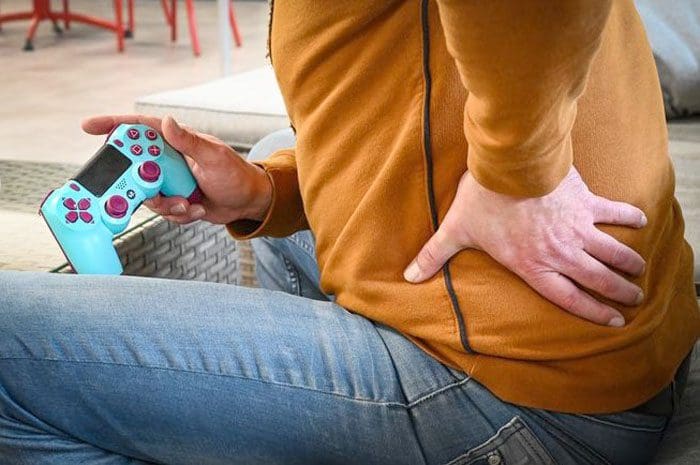
Video gaming has grown to over 150 million individuals in the United States playing. Around 60% of Americans play video games every day, with the average gamer being 34 years old. Playing video games for an extended amount of time takes a toll on the body. Individuals are experiencing the same kind of pains and aches from sitting and standing all day at work or school. Sitting positions, holding the controllers, and the different accessories can impact the nerves, muscles, and Posture. E-sports professionals understand the physical toll their bodies take with constant practice, tournaments, clinics, etc. They do cardiovascular conditioning, strength train, and stretch to improve their gaming abilities and also take into account:
Taking steps can prevent strain, injuries and minimize the risk of long-term damage. If strain and injuries are present, professional chiropractic treatment can help alleviate the pain, rehabilitate/strengthen the muscles, ligaments, tendons, and recommend exercises and stretches.
Video Gaming Posture
Proper Posture is vital to maintaining spinal as well as overall health. Poor Posture is the most common cause of back and neck pain.
Video Gaming Positions
Common gaming positions include the couch slouch where the gamer is slumped back into the couch with their feet up. This can lead to low back pain and sciatica. The full-on position is where the individual leans forward, elbows on their knees, head tilted forward, and staring up at the screen. Hours in these positions cause the neck, back, and other body areas to stiffen, generating soreness from the restricted movement. Many gamers use ergonomic gaming chairs. They have found that using the gaming chair improves Posture, eliminating the forward head and rounded shoulders. Gaming chairs can provide the health benefit of sitting correctly, reducing and eliminating neck and back tension or strain.
Injuries and Health Issues
Common musculoskeletal issues caused by excessive gaming and lack of movement include:
Eyestrain
Headaches
Neck pain
Elbow, arm, wrist pain
Thumb pain
General hand pain
Carpal tunnel syndrome
Postural stress
Back pain
Chiropractic Treatment
Shoulder Massage
The intensity of gaming can cause the shoulders to tense up and stiffen. When using the controller, the shoulders can slightly lift, building up lactic acid, interrupting blood circulation, causing an accumulation of unwanted toxins inflaming trigger points. A chiropractic massage will release tightened muscles, provide relaxation, and increase the blood flow.
Hand and Wrist Treatment
The most used body parts for video games include the hands and wrist. Individuals grip the controllers or constantly use the keyboard and mouse. No matter what form of input is used, prolonged use can cause hand and wrist injuries. Injuries include:
Inflammation
Hand muscle aches
Chiropractic focuses on specific areas to help treat the body through a hand and wrist massage. Advanced techniques include electrical muscle stimulation to help stimulate and loosen the muscles. A chiropractor will recommend stretches and exercises, and hand/wrist supports, guards, or special gloves to alleviate muscle pains while still playing.
Neck and Back Adjustments
Poor posture can result in a misaligned spine or back muscle spasms. During extended game sessions, pain and fatigue can begin to present. A chiropractic adjustment can realign the muscles and set them back in place. The tissue surrounding the neck may thicken and focus on a specific area. Leaning too far forward or using a heavy gaming headset can result in a forward head posture placing a constant strain on the neck. Chiropractic adjustments will loosen the tissue and release any tension. Stretches and exercises will be recommended as well.
Body composition refers to how various substances in the body are proportioned. A few examples of the components that make up the body include:
Water
Protein
Fat
Minerals
All of these components generate balance in the body. When individuals exercise, they begin to notice changes in their body composition. For individuals that exercise regularly, it is vital to track weight gain, weight loss, and changes in body composition. This is to ensure that they aren’t losing muscle mass. As individuals exercise, muscle fibers are torn. During the recovery process, muscles are rebuilt. Overtraining can lead to muscle mass reduction because the body cannot catch up and rebuild the number of muscle fibers, eventually leading to lost muscle.
References
Emara, Ahmed K et al. “Gamer’s Health Guide: Optimizing Performance, Recognizing Hazards, and Promoting Wellness in Esports.” Current sports medicine reports vol. 19,12 (2020): 537-545. doi:10.1249/JSR.0000000000000787
Geoghegan, Luke, and Justin C R Wormald. “Sport-related hand injury: a new perspective of e-sports.” The Journal of hand surgery, European volume vol. 44,2 (2019): 219-220. doi:10.1177/1753193418799607
McGee, Caitlin, et al. “More Than a Game: Musculoskeletal Injuries and a Key Role for the Physical Therapist in Esports.” The Journal of orthopedic and sports physical therapy vol. 51,9 (2021): 415-417. doi:10.2519/jospt.2021.0109
McGee, Caitlin, and Kevin Ho. “Tendinopathies in Video Gaming and Esports.” Frontiers in sports and active living vol. 3 689371. 28 May. 2021, doi:10.3389/fspor.2021.689371
Zwibel, Hallie et al. “An Osteopathic Physician’s Approach to the Esports Athlete.” The Journal of the American Osteopathic Association vol. 119,11 (2019): 756-762. doi:10.7556/jaoa.2019.125
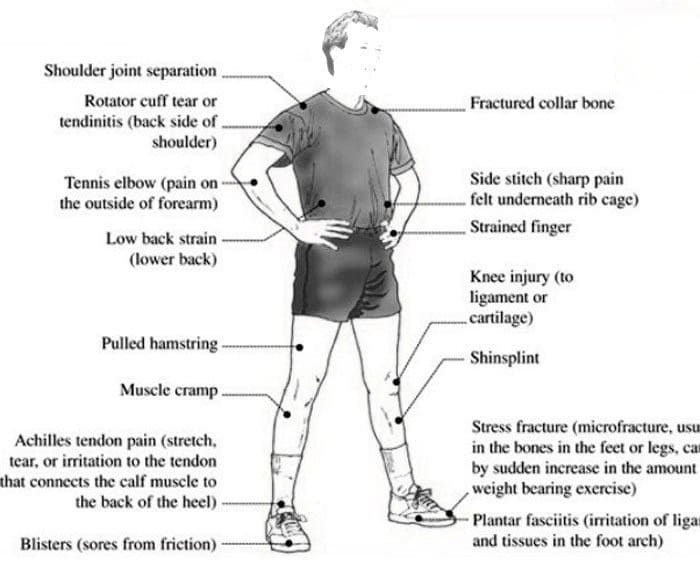
Acute and chronic sports injuries. Individuals who participate in sports or physical activities have an increased risk of experiencing an injury. These types of damages range from minor to severe and could require medical attention. Acute sports injuries happen suddenly and are usually the result of trauma to the area. A specific, identifiable incident is what causes an acute injury. Chronic sports injuries, also known as repetitive/overuse injuries, happen with time and are not caused by a single incident.
Acute and Chronic Sports Injuries Identification
Acute injuries can be identified by their cause. This could be a falling down during a run, sharp pain that presents in the shoulder after a throw, or a sprained ankle. The ability to focus on one cause usually means it’s acute. Acute injuries are characterized by:
Sudden pain in an area where there was none.
Swelling
Redness
Tenderness
Limited range of motion.
The inability of the injured area to support its weight.
A broken bone.
Dizziness
Headache
Nausea
Vomiting
Chronic injuries are different but are usually easy to identify. The pain begins gradually, usually over weeks or months. Repetitive activities like running, throwing, and swinging can exacerbate the pain. However, it is difficult to point to a specific issue that first caused the discomfort or pain. Chronic sports injuries are characterized by:
Pain and tenderness in the area, especially during and immediately after activity.
Minor swelling and limited range of motion.
Dull pain when resting.
These two types of injuries have different causes – trauma for acute and wear-and-tear for chronic – but they can both result in similar issues. For example, shoulder rotator cuff injuries are common, especially those that repeatedly use their shoulder to swing, throw, swim, etc. The individual needs to undergo a rotator cuff injury test to diagnose the injury correctly, whether the damage is acute or chronic. Chronic injuries can cause acute injuries, and acute injuries can lead to chronic injuries if left untreated.
Examples of Acute and Chronic Sports Injuries
Chronic and acute injuries are common in every type of sport. There’s an opportunity for both types of injuries. The most common include:
Other injuries from trauma, overuse, or both include:
Nonspecific Back Pain
Herniated Disc/s
Spondylolysis
Treatment
Minor acute injuries can be treated with rest, ice, compression, and elevation, aka R.I.C.E. Overuse injuries, are different as the injury has been gradually increasing in its severity, possibly causing scar tissue and ganglion cysts to develop. To prevent the injury from worsening, it’s recommended to see a sports injury chiropractor or physical therapist. These professionals can help heal the body and educate the individual on self-care and prevention.
Chiropractic
The musculoskeletal system takes a beating. Chronic injuries usually affect the bones, joints, muscles, or a combination. Chiropractic helps keep the musculoskeletal system limber and in proper alignment. Adjustments include:
Neck adjustments
Arm and hand adjustments
Shoulder adjustments
Knee adjustments
Hip adjustments
Foot adjustments
Physical Therapy
Physical therapy for a chronic injury can help prevent future injuries. A physical therapist helps:
Improve range of motion
Reduces pain and swelling
Increases strength
Whether an athlete or is just staying active and having some fun with sports, acute and chronic injuries can sneak up and worsen if they are not treated properly. Healing with the help of a professional can quicken recovery time and prevent future injuries.
Body Composition
Maintain Muscle Mass While Losing Fat
Individuals who want to lose weight should focus on losing excess fat tissue, not muscle mass. Studies have shown that diet and exercise are crucial to preserving Skeletal Muscle Mass while losing weight. Losing weight healthily includes:
A healthy balance of cardio and resistance training to burn calories and build muscle.
Wörtler, K, and C Schäffeler. “Akute Sportverletzungen und chronische Überlastungsschäden an Vor- und Mittelfuß” [Acute sports injuries and chronic overuse stress damage to the forefoot and midfoot]. Der Radiologe vol. 55,5 (2015): 417-32. doi:10.1007/s00117-015-2855-3
Yang, Jingzhen et al. “Epidemiology of overuse and acute injuries among competitive collegiate athletes.” Journal of athletic training vol. 47,2 (2012): 198-204. doi:10.4085/1062-6050-47.2.198
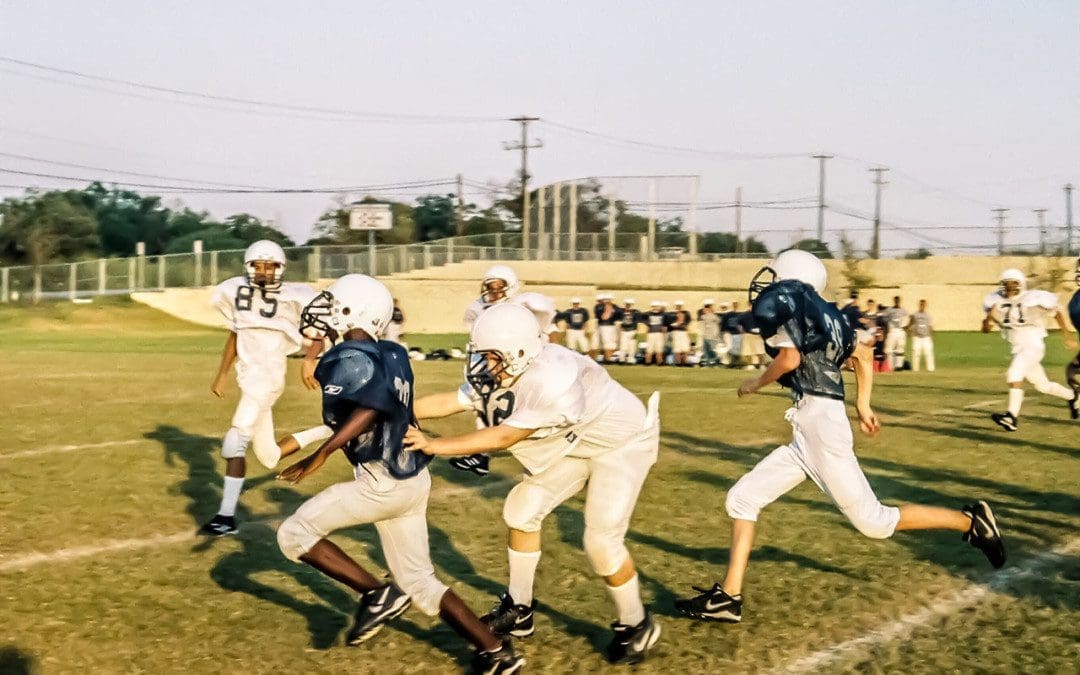
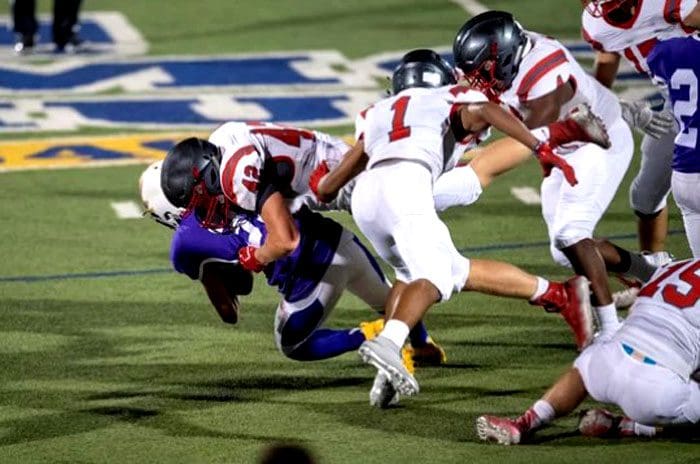
High school football takes a toll on the body. The sport can cause all kinds of injuries that can range from mild – severe. Areas that are commonly injured include:
Head
Neck
Shoulder
Arms
Hands
Spine
Legs
Knees
Ankles
Feet
Chiropractic has become a medically recommended form of treatment and rehabilitation for these injuries but also injury prevention. Today all NFL teams utilize a chiropractic team for players and staff. College teams are also discovering the benefits that chiropractic offers. There are significant benefits that high school football players can attain from chiropractic care.
Enhanced Mobility
A chiropractic adjustment, technically known as chiropractic manipulative treatment/CMT, is a primary therapy in sports medicine. It helps to increase flexibility and minimize or eliminate pain during motion/movement. Adjustments have been shown to improve athletic performance.
Injury Prevention
Athletes who regularly use chiropractic experience a decline in sports-related injuries.
Treatment increases flexibility and mobility, allowing for optimal agility that has been linked to preventing injuries. This is because the body is relaxed and stays loose, even when tackled, instead of tensing up, which is a major contributor to strains and injuries.
Enhanced Strength
Chiropractic adjustments also help increase muscular strength, making the body stronger, and more resistant to injury. It has been shown to promote strength in the muscles after a few sessions effectively. The strengthened muscles also help avoid injury by being able to withstand the hits and recover faster. The strengthened body also helps to increase endurance and stamina.
Pain Relief
Many high school players use chiropractic to ease the general pain that comes from general practice and games. Adjustments and massage are highly effective for pain management and alleviate headaches, especially those that come from constant impact to the head and neck. It helps to alleviate soreness, stiffness, and pain from the entire body.
Sports Hernia
Athletes often experience athletic pubalgia. This is one of the most common causes of injury-related groin pain. Chiropractic can relieve the discomfort within 8 weeks in combination with rehabilitative stretches and exercises. Chiropractic plays a critical role in whole-body care, pain relief and keeps the body operating and performing at the highest level.
Body Composition
Water Intoxication
When an individual overwhelms their body’s ability to excrete water and waste products consumed, water intoxication can develop. Water intoxication causes disturbances in the body’s electrolyte balance. This can cause a life-threatening condition known as hyponatremia. With a rapid decrease in the sodium levels in the blood, relative to the amount of water, symptoms can develop rapidly:
If left untreated, later symptoms can develop into:
Seizures
Coma
Death
References
Hession, E F, and G D Donald. “Treatment of multiple lumbar disk herniations in an adolescent athlete utilizing flexion distraction and rotational manipulation.” Journal of manipulative and physiological therapeutics vol. 16,3 (1993): 185-92.
Pritchett, J W. “A statistical study of physician care patterns in high school football injuries.” The American journal of sports medicine vol. 10,2 (1982): 96-9. doi:10.1177/036354658201000206
Shane, Eric R et al. “Sports chiropractic management of concussions using the Sports Concussion Assessment Tool 2 symptom scoring, serial examinations, and graded return to play protocol: a retrospective case series.” Journal of chiropractic medicine vol. 12,4 (2013): 252-9. doi:10.1016/j.jcm.2013.08.001
Triathlon training involves running, biking, and swimming. This much fitness training takes a toll on the body. Pulled hamstrings, twisted ankles, and sore heels are common, but triathlon training can also cause or worsen back pain. Because the back muscles are connected to many other muscles, certain types of movement after a tough training session can present with back pain. There was an Ironman triathlete study that found that 90% of the athletes suffered some form of soft-tissue injury during training, with 70% reporting low back pain and/or sciatica. A 2020 study in BMC Musculoskeletal Disorders found that 14% of recreational half-marathon runners presented with low-back pain.
Triathlon Training Hard on the Back
High-impact activities/exercises, constant repetitive motion, places a heavy pounding on the body that impacts the joints and spine. Using improper techniques will aggravate any issues. The stresses applied from repetitive motions, and poor form can lead to the joints breaking down. If new to intense training the muscles might not be strong enough yet, which could also cause back pain and injury. The back stabilizer muscles tend to get neglected in the training, but these muscles support the structures in the midline, spine, and joints. Strengthening the:
Ensures stability of the spine and joints from all the wear and tear.
Training and Overtraining Errors
Even veteran athletes can make mistakes during their training that can lead to sore backs. The biggest mistake individuals make during triathlon training is that they only swim, bike, and run. Training for the specific sport/s is important; but weight lifting, core strengthening, and flexibility training are just as important. Proper rest can become neglected as the individual wants to get in as much training as possible that often gets overlooked, leading to overuse injuries. However, rest is a vital part of training to allow the body to fully recover and operate at full and optimal potential.
Preventing and Avoiding Back Pain When Training
How to sidestep back pain altogether during training includes:
Sleep
A healthy lifestyle includes proper sleep cycles and is even more important during training. The mental aspects a triathlon competition can create require proper rest. Fatigue can also lead to poor technique/form, placing excess stress on the joints and the spine, leading to injury.
Flexibility
Muscles need to maintain flexibility to preserve function and recovery ability. After a training session stretching and working on flexibility will help with overall performance. Stretching should be done after activity when the muscles are warm, and the fibers can be stretched/elongated for optimal recovery.
Proper nutrition
The body needs high-performance fuel to support high-calorie deficits that are associated with intense training and competition.
Strengthening the body
Having a solid body foundation is the objective. Everything is balanced with strong muscles supporting healthy bones. Specific exercises that target the multifidus muscles. These are the body’s back brace. Strengthening these muscles will help prevent spinal injury/s. Back-strengthening exercises include:
Plan rest days no matter what. Pushing through will not make the body stronger or able to perform better, and could cause performance to decrease leading to injury. This does not mean sleeping all day, but engaging in active recovery where the body gets the rest it needs while still maintaining fitness. Active recovery includes:
Allows for a thorough recovery and enhances training.
Technique Improvement
Proper form and technique can really make the difference between staying injury-free and injury/s. Using the right form promotes healthy function. It could help to have gait, swim stroke, and bike techniques evaluated by a professional to ensure that proper form is being utilized.
Body awareness
Stop if the body signals one to stop. This is why the body feels pain. It is the internal mechanism that tells the individual something is wrong. It is not recommended to follow the phrases train through the pain, and no pain, no gain. Individuals are recommended to:
Always pay attention if pain presents and does not go away after exercising or warming up.
Pain that limits function.
Pain that interferes with daily activities.
These could significantly exacerbate a spinal injury and should be checked by a doctor.
Body Composition
Rest and Recovery
During rest and recovery, the body goes back to normal or homeostasis. This is the body’s resting rate or normal phase. The body is always trying to go back to homeostasis. This is done by:
Maintaining core temperature
Blood pressure stable
Muscles refreshed
When exercising/training, the homeostasis phase is disturbed, meaning the body needs a period of rest to return to normal. The process of homeostasis uses a lot of energy, which results in an abundant amount of calories burned. After exercise, there is an increase in excess post-exercise oxygen consumption or EPOC. The body uses up more oxygen during recovery than it does before or during exercise. This increase results in burned calories and strong muscles. The most important part of recovery is the rebuilding of muscle. When working out, especially resistance training, tiny tears are made in the muscle fibers. For the tiny tears to turn into growing muscles, they need to repair themselves. This happens during rest. Apart from the physiological benefits, rest helps prevent injury caused by overuse and assists in healing when injuries do occur. Time off helps with mental health as well to refocus, reassess, and apply what has been learned. What rest and recovery can do for the body includes:
Burn massive calories
Build muscle
Refuels the muscles
Prevents injury
Improves mental health and motivation
References
American journal of physical medicine & rehabilitation/Association of Academic Physiatrists. (October 2014) “Efficacy of Aerobic Exercise for Treatment of Chronic Low Back Pain: A Meta-Analysis” https://www.researchgate.net/publication/266682158_Efficacy_of_Aerobic_Exercise_for_Treatment_of_Chronic_Low_Back_Pain_A_Meta-Analysis
Stretch Before and After Journal of Chiropractic Medicine. (Winter 2003) “Changes in low back pain in a long-distance runner after stretching the iliotibial band” https://www.sciencedirect.com/science/article/pii/S0899346707600718
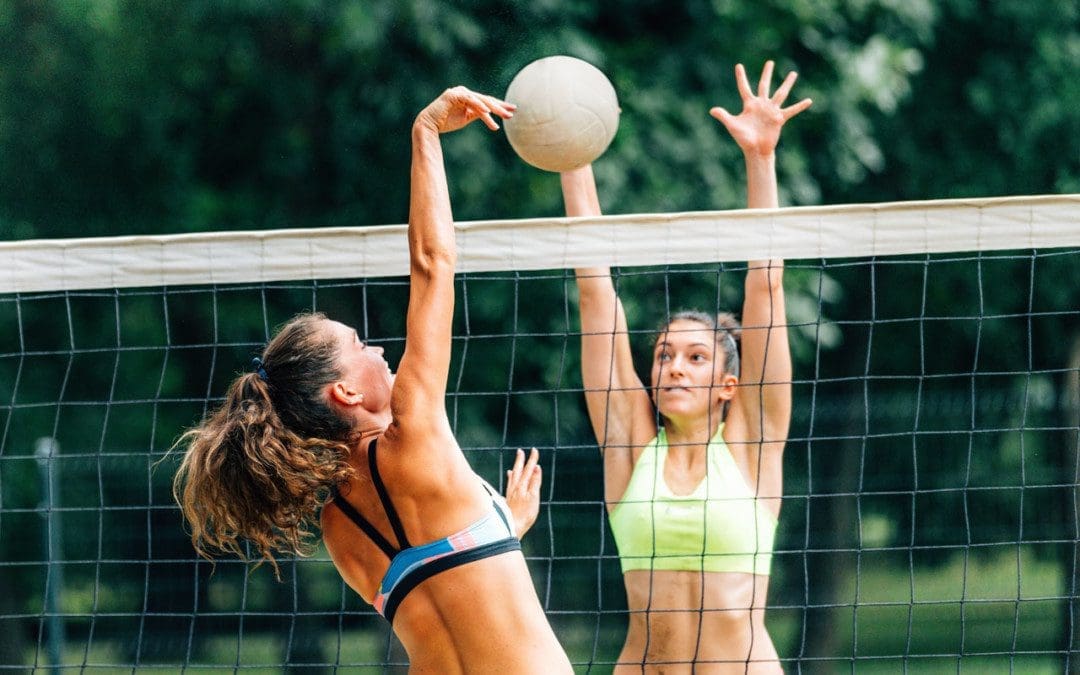
Around a half-million high school students in the U.S. play volleyball. Whether the parent of a volleyball player or part of a recreational league, the goal is to be ready for the season, which means preventing and addressing volleyball injuries. It is a highly demanding sport with quick movements, jumping, twisting, diving, spiking, etc. Despite being fit and healthy, extensive training along with match play takes a toll on the body. Chiropractic can benefit volleyball players.
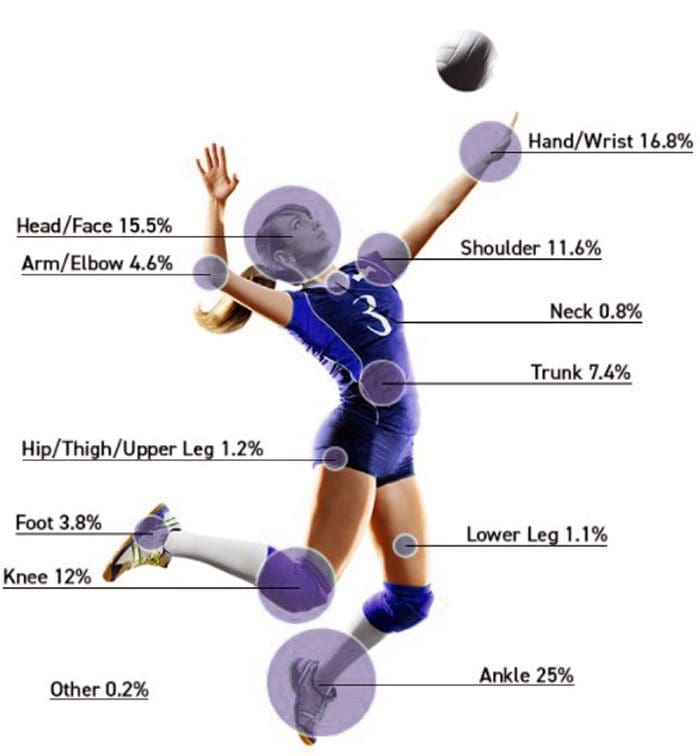
Common Volleyball Injuries
Why Chiropractic Works
Chiropractic treatment and rehabilitation, especially by a sports chiropractor, is recommended for volleyball injuries because it addresses acute and chronic injuries to all areas of the body. Chiropractic treats the entire musculoskeletal system. Proper joint alignment from chiropractic adjustments in the spine and throughout the body maintains the biomechanic integrity. This reduces high-impact forces in the joints. Soft tissue treatments like instrument-assisted soft tissue mobilization can help resolve injuries by providing the tissues with more blood flow into the affected area allowing for faster healing. Most volleyball injuries result from overuse to the joints and muscles, resulting in repetitive strain. In volleyball, repetitive/overuse injuries are common in the knees, ankles, and shoulders. This comes from all the jumping, serving, and spiking.
Player Benefits
Body Soreness Is Reduced/Alleviated
Many athletes, including volleyball players, do not get the proper recovery time from training or playing.
Reduced recovery periods cause body soreness and stiffness that can overlap into an injury.
Chiropractic can reduce and alleviate body soreness.
Chiropractic promotes faster recovery.
Optimal Performance
Studies show that athletes that receive regular chiropractic care found speed and mobility performance enhanced.
Athletes require fast reflexes and optimal hand-eye coordination.
Speed, mobility, reflexes, and coordination depend on a healthy nervous system.
90% of the central nervous system travels through the spine.
Spinal alignment can either allow for proper nerve flow or disrupt nerve flow.
Even when just one spinal segment is misaligned and out of place, the nervous system can impact reflexes, speed, mobility, and hand-eye coordination.
A properly functioning spine and nervous system will ensure the player is at their best.
Faster Injury Recovery Time
Healing the body properly takes time. Just like the body needs sleep/rest to function properly, so it is with injuries.
The issue for athletes is how much time healing takes.
Individual athletes receiving chiropractic care have been shown to heal faster.
Mobility and Strength
A chiropractic doctor can reduce the pressure around the nerve roots that exit the spine, which will help improve player performance. This includes:
Range of motion
Mobility and flexibility
Strength
Endurance
To find out how chiropractic can help, contact Injury Medical Chiropractic and Functional Medicine Clinic. We will perform a thorough musculoskeletal and nervous system examination.
Ankle Sprain Treatment
How Many Calories Over 24 hours
Myths that offer strategies that avoid the hard work and commitment that diet and exercise demand should be avoided. Individuals cannot expect to experience healthy body composition changes by increasing/decreasing meal frequency if they are living a sedentary lifestyle. It is not important how often or what time an individual takes in calories (has a meal). What is important is how many calories an individual has over a 24-hour period. A study looked at healthy individuals that ate one large meal a day for two weeks and then later ate the same meal but spread out over five smaller meals for another two weeks. It was concluded that there was no statistical difference in body weight gain or loss between the two eating methods. 2000 calories over 3 meals is the same 2000 calories consumed over 5 meals. There is no substitute for proper diet and exercise. The focus should be on what and how much you eat.
References
Eerkes, Kevin. “Volleyball injuries.” Current sports medicine reports vol. 11,5 (2012): 251-6. doi:10.1249/JSR.0b013e3182699037
Gouttebarge, Vincent et al. “Preventing musculoskeletal injuries among recreational adult volleyball players: design of a randomized prospective controlled trial.” BMC musculoskeletal disorders vol. 18,1 333. 2 Aug. 2017, doi:10.1186/s12891-017-1699-6
Kilic, O et al. “Incidence, etiology, and prevention of musculoskeletal injuries in volleyball: A systematic review of the literature.” European journal of sports science vol. 17,6 (2017): 765-793. doi:10.1080/17461391.2017.1306114
Seminati, Elena, and Alberto Enrico Minetti. “Overuse in volleyball training/practice: A review on the shoulder and spine-related injuries.” European journal of sports science vol. 13,6 (2013): 732-43. doi:10.1080/17461391.2013.773090
Wolfram, G et al. “Thermogenese des menschen bei unterschiedlicher mahlzeitenhäufigkeit” [Thermogenesis in humans after varying meal time frequency]. Annals of nutrition & metabolism vol. 31,2 (1987): 88-97. doi:10.1159/000177255
IFM's Find A Practitioner tool is the largest referral network in Functional Medicine, created to help patients locate Functional Medicine practitioners anywhere in the world. IFM Certified Practitioners are listed first in the search results, given their extensive education in Functional Medicine