Focusing too much on playing one favorite sport probably isn’t a good idea for kids under 12, researchers report. That’s because specializing in a single sport seems to increase a child’s risk of injury, researchers say.
“Young athletes should participate in one competitive sport per season, and take at least three months off (non-consecutive) from competition per year,” said the study’s leader, Dr. Neeru Jayanthi. He’s a physician with Emory Sports Medicine and an associate professor of orthopaedics and family medicine at Emory University in Atlanta.
For the study, Jayanthi’s team assessed the risk of sports-related injuries among nearly 1,200 young athletes. After tracking their training schedules over the course of three years, the investigators found that nearly 40 percent of the athletes suffered an injury during the study period. The findings also showed that injured athletes began specializing in one sport at an average age younger than 12 years. In addition, nearly two-thirds of these athletes in highly specialized sports sustained a repeat injury. Athletes who didn’t sustain injuries began to focus on one sport when they were older than 12, on average, according to the report.
“While different for each sport, determining a possible age of specialization, as well as other training factors, may help guide young athletes in reducing risk,” Jayanthi said in an Emory news release.
Young athletes who had sports-related injuries during the study period tended to play more year-round sports, played more organized sports each week and were more specialized in specific sports than those who didn’t have an injury, the researchers found. The study authors advise young athletes to play more than one sport. In addition, they said, younger children shouldn’t train more hours than their age each week.
The study was published online March 16 in the British Journal of Sports Medicine. The findings were also presented Thursday at the International Olympic Committee World Conference on Prevention of Injury and Illness in Sport, in Monaco.
SOURCE: Emory University School of Medicine, news release, March 13, 2017
For more information, please feel free to ask Dr. Jimenez or contact us at 915-850-0900 .
Preventing Sports Injuries
Many athletes largely depend on chiropractic care to enhance their physical performance. New research studies have determined that aside from maintaining overall health and wellness, chiropractic can also help prevent sports injuries. Chiropractic is an alternative treatment option utilized by athletes to improve their strength, mobility and flexibility. Spinal adjustments and manual manipulations performed by a chiropractor can also help correct spinal issues, speeding up an athlete’s recovery process to help them return-to-play as soon as possible.
If you’ve been thinking of running a 5K, you should: Running just might be the most convenient workout going. You don’t need to be a skilled athlete, and there’s no fancy equipment involved; just lace up your sneaks and go. It’s also one of the most efficient ways to blast fat and burn calories��about 600 an hour.
Sure, walking has its benefits, but research shows that running kicks its butt when it comes to shedding pounds. One study of 47,000 runners and walkers, from the Lawrence Berkeley National Laboratory in Berkeley, Calif., found that the runners burned more calories and had a far greater decrease in BMI over a six-year period. The joggers who started out heaviest (those with a BMI over 28) lost up to 90 percent more weight than the walkers did.
Dropping pounds and toning up are hardly the only benefits of this killer cardio workout: You’ll also reduce your risk of heart disease and diabetes, boost your mood, temper stress, and build muscle, especially in the lower body and core. You don’t even need to dedicate a lot of time to reap these rewards; do 20 to 30 minutes, three to four days a week, and you’ll see significant improvement.
Ready to hit the road? Here’s a 5K training plan for beginning joggers. And it’s smart to add in one day of cross-training (think cycling or swimming) to rev up calorie burn and help prevent injury. Soon enough, you’ll feel as if you were born to run.
This is the 5K training plan for you if: You’re new to running and generally don’t work out consistently.
Your goal: By the end of 8 weeks, be able to run for 20 minutes straight��and build up to a 5K challenge.
The 5K training plan: This eight-week, three-days-a-week plan by Nike+ Run Club coach Julia Lucas mixes walking with running to help prevent injury and overexertion. OK running for longer? Shorten or discard the walking time.�Your ideal pace? One where you can carry on a conversation, but still feel like you’re doing a brisk walk.
How to train for your 5K smarter:�
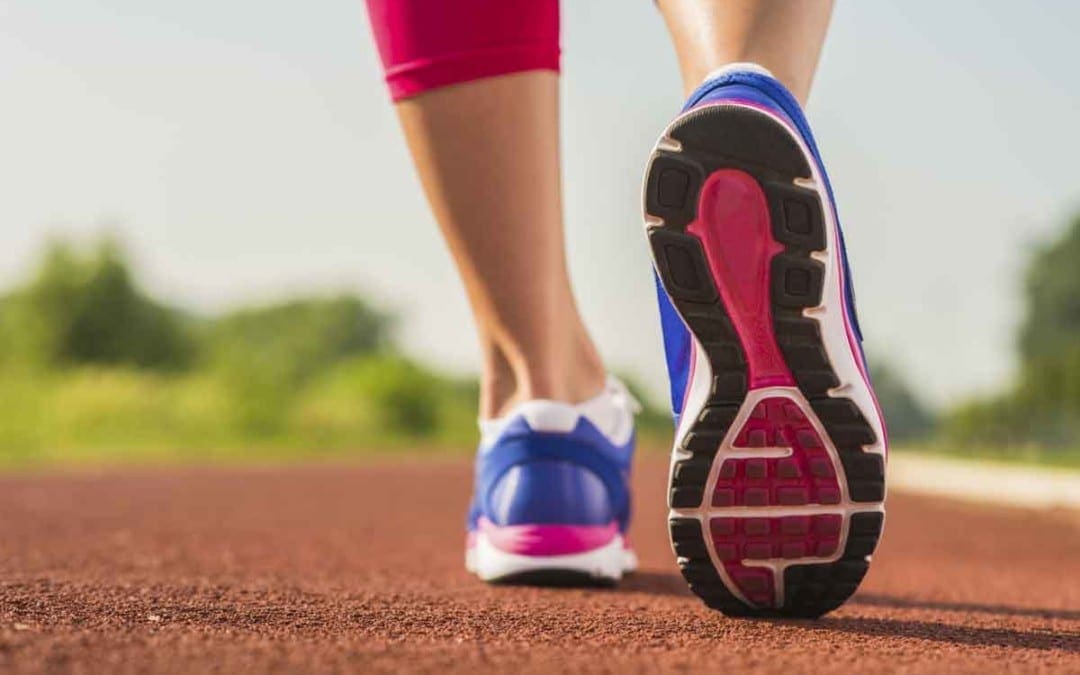
1. Start off on the right foot.�Making a small investment in gear now will save you loads of aggravation later��you’ll feel more comfortable and avoid aches. “A good pair of�running shoes�can help ward off injuries like knee pain,” says Susan Paul, an exercise physiologist and training program director at Orlando Track Shack Fitness Club in Orlando, Florida.�Get a gait analysis at your local running store (it’s usually free) to help determine your ideal shoe type.
2. Stop side stitches.�Beginners are often plagued by this cramp, which strikes like a boxer’s body blow and happens when an overworked diaphragm begins to spasm. To ease the pain, slow down and forcefully exhale each time your opposite foot strikes (so if the stitch is on your right side, breathe out when your left foot comes down). It also helps to massage the area with two fingers. And don’t eat too much before you head out; a full stomach can be a culprit.
3. Think tortoise, not hare.�“The biggest mistake most new runners make is they start out way too fast,” says Paul. “It takes time for your body to get used to the demands of running. You have to condition your muscles, ligaments, tendons and bones, not just your heart and lungs.” No matter how tempted you are to push yourself, don’t. Slow and steady wins the calorie-burn race!
For more information, please feel free to ask Dr. Jimenez or contact us at 915-850-0900 .�
Chiropractic and Athletic Performance
Many athletes who are injured performing their specific sport or physical activity, frequently seek treatment from chiropractors. Chiropractic care focuses on the prevention, diagnosis and treatment of injuries and conditions affecting the musculoskeletal and nervous system. While chiropractic is a safe and effective form of conservative care for a variety of ailments, chiropractic can also be utilized to enhance athletic performance.
Historically athletes were barefoot in the sporting arena and it is only a relatively recent phenomenon for shoes to be worn in competition. In Roman times wrestlers competed barefoot, whilst runners wore little more than thin leather sandals to compete over long distances.
More recently several athletes have achieved significant success competing barefoot: Abebe Bikila from Ethiopia won the Rome Olympic marathon in 1960, and Zola Budd became the world record holder over 5000 meters. Since the 1970�s athletic shoe manufacture has boomed and with it so too has the incidence of running-related lower limb injuries. This prompted the question of whether these new designs were to blame for the injuries or simply reflected the growing interest in distance running as a sport. That notwithstanding, the interest around barefoot running to reduce such injuries has grown exponentially. This account aims to appraise some of the literature on this contentious subject.
Gait Cycle & Running Biomechanics
The normal gait cycle consists of both stance and swing phases. The stance phase occupies 60% and swing 40% of the time taken to complete one cycle of consecutive heel striking by the same foot. The stance phase itself is divided into contact, midstance and propulsive phases. It begins and ends with both feet in contact with the ground known as the �double support phase�. The swing phase is divided into follow-through, forward swing and foot descent phases. The phases of running are very similar except for the fact that there is a flight phase when neither foot is in contact with the ground between stance phases. Evidently, with slower jogging the stance phase is longer than the flight phase, however, during sprinting this relationship reverses and the stance phase becomes the shorter of the two phases.
There are several key biomechanical considerations that must be borne in mind before a comparison can be made between barefoot and shod running. During running there is an increase in rotation at the pelvis, hip, and knee which must be absorbed by increasing the muscle forces acting over these joints. Moreover, as running speed increases the point of foot impact changes from predominantly heelstriking to that of forefoot weight-bearing when sprinting. The normal angle of gait is approximately 100 abducted from the line of progression. As speed increases this angle decreases approaching zero as the foot strike nears the line of progression. Runners who have developed stride patterns that incorporate low levels of impact force and rapid pronation are at a reduced risk for over-use running injuries such as stress fractures, plantar fasciitis, and ligamentous sprains. It is important to note that many shod runners never develop injuries, however, the available data indicates that 19-79% will develop an injury over their years spent running.
Biomechanical Abnormalities and Injury
Excessive Pronation � Pronation of the foot occurs at the sub-talar joint and when it occurs in excess is associated with many running-related injuries. Examples include, first metatarsophalangeal joint abnormalities, medial arch and plantar fascia strain, Achilles and tibialisposterior tendinopathy, patellofemoral joint dysfunction, and stress fractures. One study illustrated that shod running decreased torsion and increased pronation significantly, the paper concluded that the reduction in torsion produced by stiff soled shoes may well be a factor in running injuries caused by excessive pronation.
Excessive Supination
This movement also occurs at the subtalar joint and may compensate for a weakness of the antagonist pronating musculature (e.g. peroneal) or as a result of spasm or tightness of the supinating musculature (e.g. tibialis posterior, and the gastrocnemius- soleus complex). The supinated foot is less mobile and provides inferior shock-absorption which may well predispose to the development of stress fractures of the tibia, fibula, calcaneus and metatarsals. Lateral instability of the foot and ankle may be associated with excessive supination resulting in an increase incidence of ligamentous sprains of the foot and ankle. Such a lateral stress on the lower limb could result in tightening of the ileo-tibial band with associated bursitis of the femoral epicondyle.
Abnormal Pelvic Mechanics
During normal running the pelvis assumes a rotated position with anterior-posterior and lateral tilt. Weakness in the muscles needed for stabilisation of this position will result in excessive movement in any one of the three planes. A less efficient transfer of force will subsequently occur. The most common pelvic abnormalities are excessive anterior tilt, excessive lateral tilt and asymetrical pelvic movement. The complex inter-play of musculature to compensate for each of these abnormalities may well result in muscle tightness, strains and tendinopathy. Adaptation and biomechanics of running barefoot A leading study on the subject of barefoot running was conducted by Lieberman et al. who compared foot striking patterns and collision forces in habitually barefoot with shod runners. They found that habitually barefoot endurance runners often land on the fore-foot (fore-foot strike) before bringing down the heel. Less frequently they may also land with a flat foot (mid-foot strike), or even less often, on the heel (rear-foot strike). In contrast, shod runners mostly rear-foot strike which is facilitated by the elevated and cushioned heel of the modern running shoe.
The same study conducted kinematic and kinetic analyses on the two populations and discovered that even on hard surfaces, barefoot runners who fore-foot strike generate smaller collision forces than shod rear-foot strikers. This is brought about by the manner in which the barefoot runner�s foot is more plantarflexed at landing with a greater degree of ankle compliance at impact. These features combine to decrease the effective mass of the body that collides with the ground and so potentially reducing injury through repeated heavy loading. In addition, the stride length of barefoot runners is shorter and the strides have a greater vertical leg compliance which acts to lower the body�s centre of mass relative to the force of impact. Again, these features work to reduce jarring and result in a smoother running motion experienced by the individual.
Footwear and Injury
It has been surmised that modern footwear produces a lower level of perceived foot impact than that actually experienced and thus increases injury risk. There is good evidence to show that the more cushioning runners believe to be under the foot, the harder they strike. Furthermore, modern shoe designs are far more forgiving on poor running technique and since the athlete suffers less pain bad habits become re-inforced. In contrast, barefoot runners have been found to have a reduction in impact peak with reduced mechanical stress and enhanced ankle extensor function. In one particular study peak load in the hip and knee joints of participants with osteoarthritis was decreased significantly in barefoot walkers. These findings appear to point to the supposition that shoes may increase loads in poor physiological patterns and thus perpetuate injury.
Bipedalism has been around for millions of years and it is only relatively very recently that humans have been shod. The running technique of early distance running bipeds almost certainly differed enormously from the style that is seen today with modern foot-wear. The pre-historic �hunter-gatherer� would be more likely to have had a fore-foot or mid-foot-strike gait which studies have shown to be protective from many of the running injuries seen today.
Modern running shoes allow a greater degree of �laziness� in running style and in so doing ingrain bad habits which ultimately predispose to injury. Information on how barefoot running can be integrated into one�s training and how to overcome the obvious hazards of penetrating and friction injuries are growing at a great rate through internet forums and sites. There are already products available such as the Vibram FiveFingers� which are gaining in
popularity as the option of running barefoot or �nearly barefoot� grows. Furthermore, interest in the subject has been helped enormously by popular literature such as the bestselling book �Born to Run� by Christopher McDougall which follows the Tarahumara Indians of Northern Mexico who run ultra-marathons in simple leather strapped sandals.
In short, the evidence indicates two clear points. Firstly, from observations of populations who run barefoot or are habitually barefoot there appears to be lower injury rates versus the shod population. Secondly, the wearing of modern running shoes promotes a heavy impacting heelstrike gait which predisposes to injury. For the subject to gain wide-spread acceptance there will need to be an increase in the number of well designed prospective and randomised controlled trials on the subject.
References:
1. Clinical Sports Medicine by Peter Brukner and Karim Khan. Third Edition, Chapter 3; pp.45-55
2. Hreljac A. Impact and overuse injuries in runners.
Med Sci Sports Exerc 2004; 36:845-9 3. van Gent RN, Siem D, van Middelkoop M, van Os AG, Bierma-Zeinstra SM, Koes BW. Incidence and
determinants of lower extremity running injuries in long distance runners: a systematic review. Br J Sports Med 2007; 41(8):469-80
4. Buschbacher R, Prahlow N, Dave SJ (eds). Sports Medicine and Rehabilitation: A Sports Specific
Approac, 2nd ed. Baltimore (MD): Lippincott Williams and Wilkins; 2008, p. 200-1
5. Stacoff A, Kaelin X, Stuessi, Segesser B. The torsion of the foot in running. Int J Biomech 1989; 5:375-89
6. Lieberman DE, Venkadesan M, Werbel WA, Daoud AI, D-Andrea S, Davis IS, Mang-Eni RO, Pitsiladis Y. Foot strike patterns and collision forces in the
habitually barefoot versus shod runners. Nature 2010; 463:531-535 7. Jungers WL. Barefoot running strikes back. Nature
2010; 463:433-434 8. Robbins S, Waked E. Hazard of deceptive advertising of athletic footwear. Br J Sports Med
1997; 31(4):299-303. 9. Divert C, Mornieux G, BaurH, et al. Mechanical comparison of barefoot and shod running. Int J
Sports Med 2005; 26:593-8 10. Shakoor N, Block JA. Walking barefoot decreases loading on the lower extremity joints in knee
osteoarthritis. Arthritis Rheum 2006; 54:2923-7 11. Christopher McDougall. Born to run: the hidden
tribe, the ultra-runners and the greatest race the world has never seen. Profile books, published 2009.
12. Robbins SE, Hanna AM. Running-related injury prevention through barefoot adaptations. Med Sci Sports Exerc 1987.;19:148-56
For more information, please feel free to ask Dr. Jimenez or contact us at 915-850-0900 .
Additional Topics: What is Chiropractic?
Chiropractic care is an well-known, alternative treatment option utilized to prevent, diagnose and treat a variety of injuries and conditions associated with the spine, primarily subluxations or spinal misalignments. Chiropractic focuses on restoring and maintaining the overall health and wellness of the musculoskeletal and nervous systems. Through the use of spinal adjustments and manual manipulations, a chiropractor, or doctor of chiropractic, can carefully re-align the spine, improving a patient�s strength, mobility and flexibility.
Stress fractures to the ribs occur in rowers, golfer, canoeists, lacrosse players and baseball pitchers. They are more common in sports involving an element of trunk rotation with scapula movement across the rib cage.
A stress fracture is described as an overload to the bone caused by repetitive loading due to a particular movement. Any load on the bone will create a stress in the bone. However, given enough recovery time the bone heals and ends up stronger. This is known as Wolfe�s law. But, if the bone load is too high or too frequent, then the bone does not repair quickly enough, a stress response occurs and a fracture follows.
In rowing, the repetitive loading is created by a number of factors. Muscles such as the serratus anterior and abdominals that directly attach to the ribs can lead to loading on the ribcage due to contraction. Bad rowing technique, perhaps caused by poor hip flexibility, which then requires an excessive compensatory thoracic rotation, may then lead to rib breakdown.
Other causes include equipment issues such as the oar type (lighter carbon oars increase rib loading), bigger boats with more drag and position in the boat (bow rowers have less incidence due to lower stroke rate and force). Rib cross section and density also influence the chance of stress fractures, and women have a higher chance due to greater likelihood of bone density issues. Finally, training variables such as volume, intensity, type of loading and off water training can also be factors in stress fracture development.
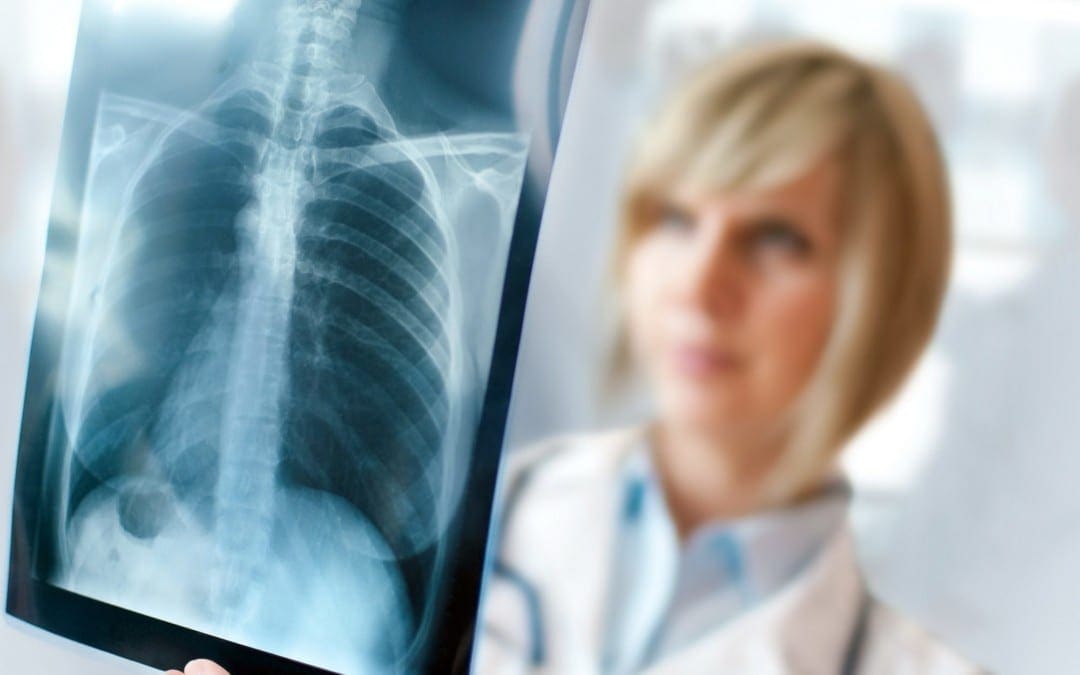
The signs and symptoms are usually straight forward. These include generalised rib pain with a focused spot of tenderness, pain rolling onto the ribs whilst sleeping and pain with deep breathing. They can be confirmed with bone scan (black spot) and/or MRI (white spot).
Unfortunately for the rower, the immediate management of the injury involves rest. Usually 4-6 weeks away from rowing will be enough to allow some bone healing and this is followed by a progressive increase in rowing load over another 4 weeks before the athlete is back to full training.
The scope of our information is limited to chiropractic and spinal injuries and conditions. To discuss options on the subject matter, please feel free to ask Dr. Jimenez or contact us at 915-850-0900 .
Additional Topics: Chiropractic and Athletic Performance
Chiropractic care is a popular, alternative treatment option which focuses on the diagnosis, treatment and prevention of injuries and/or conditions associated to the musculoskeletal and nervous system, primarily the spine. Many athletes, and civilians alike, seek chiropractic care to restore their natural health and wellness, however, chiropractic has been demonstrated to benefit athletes by increasing their athletic performance.
Plantar fasciitis is a common affliction affecting many athletes, in particular runners. Adam Smith has written a great piece in the September issue of Sports Injury Bulletin outlining the relevant anatomy, how the injury occurs, how to differentiate from other similar pathologies, such as neural irritation in the tarsal tunnel, and finally how to manage it.
Speaking from experience as a former sufferer of plantar fasciitis, it can be a frustratingly recalcitrant condition and I have heard of some extreme measures to manage it. Read on for a story on the drastic measures an AFL player took to overcome the problem, and to understand more about the condition.
Many years ago an elite level AFL player had suffered a 2 year history of plantar fasciitis with no relief from any form of treatment. In the end the sports doctor at the club involved injected the plantar fascia origin with a corticosteroid injection the day before a game.
The hope was that as the plantar fascia weakened due to the steroid injection, the player would rupture it, go through the standard week rehab protocol, and then be pain free for ever more.
And yes, the player did rupture the plantar fascia during during the game and was consequently placed in a boot for about 10 days. He soon was walking, then running, and was playing again within four weeks with no more problems. The podiatrist made an orthotic to control the dropped arch and all the problems went away.
What has happened to that player now is anyone’s guess. He may now suffer from long term issues due to a poorly controlled arch that have caused other issues such as achilles tendon, knee pain and/or hip pain.
So do we really need the plantar fascia and why is it such a problem when it is injured?
Being bipedal (walking on two leg) animals, the plantar fascia gives the natural plantar arch support in weight bearing positions. It is a passive structure that acts like a high tension wire to keep the arch bones supinated as we push off.
Without a plantar fascia in place, we would need a better active system to create the arch support, such as the intrinsic plantar arch muscles, and also the extrinsic long arch support muscles such as the tibialis posterior, flexor hallucis longus (FHL) and the flexor digitorum longus (FDL). These muscles would need extra work to improve their arch control abilities. Alternatively, we could use a passive support mechanism in the form of an orthotic to control the arch position.
The majority of plantar fascia problems stem from a build up of tensile and compressive forces that degenerate the plantar fascia origin against the heel bone. The combination of tensile (stretch) force due to overpronation and the added compressive force as the plantar fascia is pushed against the heel bone leads to a pathological state whereby the plantar fascia degenerates and creates dysfunction and pain.
Therefore like other degenerative tendon issues (such as Achilles tendons) once the patient starts to feel pain often the injury has been building for months to years. Which explains why it then becomes so problematic to deal with.
Proper management takes time to not only correct the muscle imbalances that cause it � such as tight calves, poor hip control, poor pronation control � but due to its degenerative nature it requires a huge amount of time to even slightly change the existing pathology.
For more information, please feel free to ask Dr. Jimenez or contact us at 915-850-0900 .
Additional Topics: What is Chiropractic?
Chiropractic care is an well-known, alternative treatment option utilized to prevent, diagnose and treat a variety of injuries and conditions associated with the spine, primarily subluxations or spinal misalignments. Chiropractic focuses on restoring and maintaining the overall health and wellness of the musculoskeletal and nervous systems. Through the use of spinal adjustments and manual manipulations, a chiropractor, or doctor of chiropractic, can carefully re-align the spine, improving a patient�s strength, mobility and flexibility.
Concussions, or head injuries, are considered to be some of the most common sports injuries. Athletes can experience head trauma due to a variety of injuries and accidents related to their specific sport. While there are various symptoms which can characterize the presence of a concussion, recent research studies have found that certain markers in the blood can predict an athlete’s recovery from a head injury.
Researchers at the National Institutes of Health found that the blood protein tau could be an important new clinical biomarker to better identify athletes who need more recovery time before safely returning to play after a sports-related concussion. The research study, supported by the National Institute of Nursing Research or NINR, with additional funding from the Eunice Kennedy Shriver National Institute of Child Health and Human Development, or NICHD, published online in the Jan. 6, 2017 issue of Neurology, the medical journal of the American Academy of Neurology.
How Blood Markers Can Help Athletes with Concussions
Despite the millions of sports-related concussions that occur annually in the United States, there is no reliable blood-based test to predict recovery and an athlete’s readiness to return to play. The new study shows that measuring tau levels could potentially be an unbiased tool to help prevent athletes from returning to action too soon and risking further neurological injury.
“Keeping athletes safer from long-term consequences of concussions is important to players, coaches, parents and fans. In the future, this research may help to develop a reliable and fast clinical lab test that can identify athletes at higher risk for chronic post-concussion symptoms,” said NINR Director Patricia A. Grady Ph.D., R.N.�
Athletes who return to play before full recovery are at high risk for long-term symptoms like headaches, dizziness, and cognitive deficits with subsequent concussions. About half of college athletes see their post-concussive symptoms resolve within 10 days, but in others, the symptoms become chronic.
Tau is also connected to development of Alzheimer’s and Parkinson’s diseases, and is a marker of neuronal injury following severe traumatic brain injuries.
In the study, led by Dr. Jessica Gill, NIH Lasker Clinical Research Scholar and chief of the NINR Division of Intramural Research’s Brain Injury Unit, researchers evaluated changes in tau following a sports-related concussion in male and female collegiate athletes to determine if higher levels of tau relate to longer recovery durations.
“Incorporating objective biomarkers like tau into return-to-play decisions could ultimately reduce the neurological risks related to multiple concussions in athletes,” said Gill.
To measure tau levels, a group of 632 soccer, football, basketball, hockey, and lacrosse athletes from the University of Rochester first underwent pre-season blood plasma sampling and cognitive testing to establish a baseline. They were then followed during the season for any diagnosis of a concussion, with 43 of them developing concussions during the study. For comparison, a control group of 37 teammate athletes without concussions was also included in the study, as well as a group of 21 healthy non-athletes.
Following a sports-related concussion, blood was sampled from both the concussed and control athletes at six hours, 24 hours, 72 hours, and seven days post-concussion.
Concussed athletes who needed a longer amount of recovery time before returning to play, (more than 10 days post-concussion) had higher tau concentrations overall at six, 24, and 72-hours post-concussion compared to athletes who were able to return to play in 10 days or less. These observed changes in tau levels occurred in both male and female athletes, as well as across the various sports studied.
Together, these findings indicate that changes in tau measured in as short a time as within six hours of a sports-related concussion may provide objective clinical information to better inform athletes, trainers, and team physicians’ decision-making about predicted recovery times and safe return to play.
Further research will test additional protein biomarkers and examine other post-concussion outcomes.
Preventing Sports Injuries with Chiropractic
Chiropractic care is frequently utilized by athletes to treat common sports injuries. Aside from treating the side effects associated with concussions, chiropractic can help relieve neck pain and back pain caused by an injury or accident. Chiropractic care can also help prevent sports injuries from occurring as the spinal adjustments and manual manipulations can help improve the strength, flexibility and mobility of the structures surrounding the spine, particularly improving the health and wellness of the neck and head.
Organization Information
About the National Institute of Nursing Research (NINR): NINR supports basic and clinical research that develops the knowledge to build the scientific foundation for clinical practice, prevent disease and disability, manage and eliminate symptoms caused by illness, and enhance end-of-life and palliative care. For more information about NINR, visit the website at www.ninr.nih.gov.
About the Eunice Kennedy Shriver National Institute of Child Health and Human Development (NICHD): NICHD conducts and supports research in the United States and throughout the world on fetal, infant and child development; maternal, child and family health; reproductive biology and population issues; and medical rehabilitation. For more information, visit NICHD’s website.
About the National Institutes of Health (NIH): NIH, the nation’s medical research agency, includes 27 Institutes and Centers and is a component of the U.S. Department of Health and Human Services. NIH is the primary federal agency conducting and supporting basic, clinical, and translational medical research, and is investigating the causes, treatments, and cures for both common and rare diseases. For more information about NIH and its programs, visit www.nih.gov.
For more information, ask Dr. Jimenez or contact us at 915-850-0900�. �
By Dr. Alex Jimenez D.C.,C.C.S.T
Spinal Trauma Specialist
Additional Topics: Neck Pain and Auto Injury
Neck pain is characterized as the most prevalent symptom after being involved in an automobile accident. During an auto collision, the body is exposed to a sheer amount of force due to the high speed impact, causing the head and neck to jolt abruptly back-and-forth as the rest of the body remains in place. This often results in the damage or injury of the cervical spine and its surrounding tissues, leading to neck pain and other common symptoms associated with whiplash-related disorders.
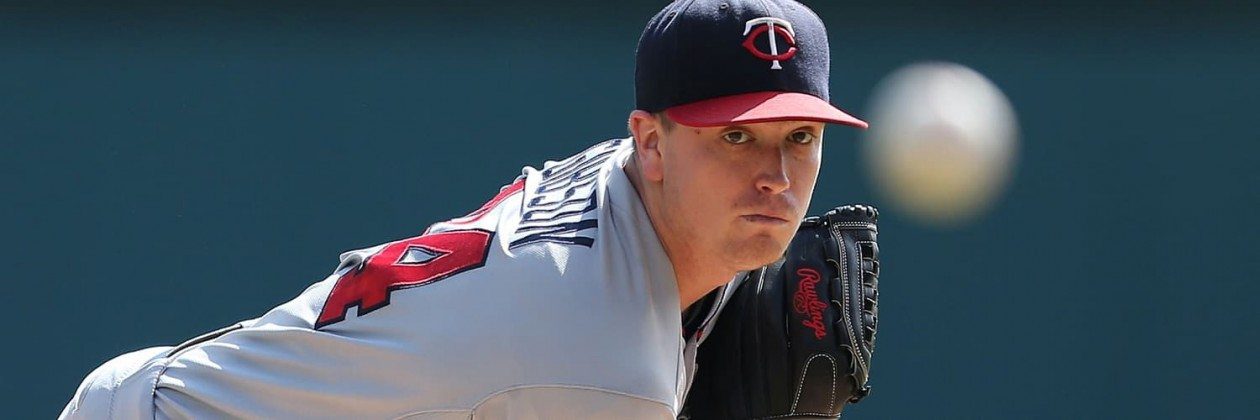
Sometime after Kyle Gibson starts for the Twins in their home opener Monday afternoon, the durable young right-hander will connect with perhaps the most important member of his support team this year: his Chiropractor.
Gibson is still just 28, smack in the prime of his career, but there were times during the second half last season when his lower back started to bark at him. In early August in Toronto, for instance, he was shelled for eight earned runs in just 4 2/3 innings.
�I had a problem in Toronto,� Gibson said.
�There were a couple starts where I didn�t sit down in between innings,� Gibson said, �because if I sat down, my hips just got tight.�
Meanwhile, fellow Twins pitcher Trevor May, 26, was dealing with lower back issues of his own. In May�s case, the additional pounding of making multiple relief appearances without much recovery time had caused issues with the hip and lower-back area of his left (landing) leg, as well.
May�s physical woes left him unavailable for days at a time while the Twins chased their first postseason berth since 2010. Massage and electronic stimulation could only do so much to keep May on the mound.
A few sporadic sessions with a chiropractor didn�t provide immediate results, so May discontinued them.
Upon returning to Seattle this offseason, the yoga devotee decided to up the ante and visit a chiropractor weekly for hour-long sessions. This time, he began to see the benefits.
�A couple weeks before spring training, I felt it coming on a little bit again,� May said. �I was like, what is going on? I got it adjusted and my chiropractor said, �Man, you are way, way out of whack.� He explained to me where my pain was and why the hip was pressing against where it was and if we get that moved back, just lengthened out, it�s going to be really sore for a few weeks, but then it�s just going to go back to normal.�
OVERCOMING FEARS
In 2014, his first full season in the majors, Gibson saw a chiropractor a few times at the recommendation of Twins closer Glen Perkins.
Gibson missed a start in late July after getting shelled at home for six earned runs against the Tampa Bay Rays.
�One of Perk�s guys came in and adjusted me,� recalled Gibson, who threw seven shutout innings at Kansas City his next time out.
That never led to a regular appointment, partly because of Gibson�s relative youth but also because of a long-held fear of what a chiropractor might do to a young athlete�s spine.
�My view of them was, �OK, I want you to lay on a table and I�m going to pop your back and you can come back in a week,� � Gibson said. �Once you start doing it, you�ve got to keep doing it the rest of your life. That was my view.�
A conversation with May early in spring training this year left him more open to chiropractic manipulation.
Hoping to build on the gains of a breakthrough 2015 but still bothered by soreness in his lower back, Gibson asked May for feedback on his chiropractor. May, who by then was going once at week to Darin Stokke at Lifestyles Chiropractic, had nothing but good things to say about the sessions.
Dr. Stokke
�We found that baseball players get skeletally out of line,� May said. �They do one motion one way much harder (than most people), and my hips were really, really out of line. Seeing a chiropractor consistently has helped me make sure I�m getting readjusted and staying in line as much as possible.�
While initially there was some concern that the bullpen simply did not agree with May�s back, his chiropractic sessions convinced him (and the Twins) that he could manage the additional workload with proper preparation.
What derailed him in September 2015, as it turns out, was a problem with the set joint, where the left hip and lower back meet.
�It was all muscular,� May said. �It was just because one hip was closer to the spine than the other side. The other side was normal. (The left side) was just pressing so much and you get so much inflammation. It was just a perfect storm. It was just a little extra torque being in the �pen. That�s why it was bothering me. Now I�m on top of it.�
As May explained it to Gibson, realignment of the spine would allow the overtaxed areas of a pitcher�s core to meet the challenge of persistent pounding.
�Letting those muscles unflare and then heal and rebuild them back to where they�re supposed to be, that�s what we�re doing,� May said.
After doing some �normal treatment stuff� as a warmup, Stokke would check May�s alignment much the way a tire installer might need to check an automobile before sending it back out into traffic.
�He checks where you legs are,� May said. �If he sees you�re out of line, he puts you back in line, and the next day I try to do some exercises and heavy strength stuff, just to build those muscles back up. I�m seeing soreness go and I feel more in line and healthier.�
BELIEF SYSTEM
Despite taking the loss in his season debut in Baltimore, Gibson reports much the same results from his twice-weekly chiropractic sessions this spring.
�Toward the beginning of spring training my back started getting sore again,� Gibson said. �Going twice a week helped get things moving in the right direction.�
Now that he feels his lower-back problems are under control, Gibson plans to scale back to a single visit per homestand. That way he won�t have to find somebody to visit on the road, while also limiting those realignment sessions to perhaps two per month.
�It has made a big difference in my hips and just everything,� said Gibson, who set career highs for starts (32) and innings (194 2/3) last season. �My skeletal system was basically allowing my muscular system to stay tight and not function properly. That caused some nerve irritation.�
While May features the classic �drop and drive� delivery, Gibson is from the �tall and fall� school that should, in theory, produce less strain on a pitcher�s hips and back. That didn�t prove to be the case over Gibson�s first few seasons in the majors, so he finally realized adjustments were needed.
�Some of my problem was just that I had some tight hips pulling my pelvis out of line and causing some irritation in the nerve,� Gibson said. �There were certain things I realized I could pitch through. You find ways to get around certain sorenesses and aches and pains.�
If the Twins can get 200 innings out of Gibson and 65 to 75 relief appearances out of May, they won�t just have a better chance to end a postseason drought that has reached five years and counting. They could have additional members of their pitching staff lining up for realignment sessions.
Kyle Gibson, last season his lower back started to bark at him. The durable young right-hander connected with the most important member of his support team, his Chiropractor. While Trevor May, was dealing with lower back issues of his own. In May�s case, the additional pounding of making multiple relief appearances without much recovery time had caused issues with his�hip and lower-back area of his left (landing) leg, as well.
IFM's Find A Practitioner tool is the largest referral network in Functional Medicine, created to help patients locate Functional Medicine practitioners anywhere in the world. IFM Certified Practitioners are listed first in the search results, given their extensive education in Functional Medicine