Learn about gua-sha combined with chiropractic care and how it can improve your well-being through ancient healing techniques.
Introduction
When it comes to many individuals dealing with musculoskeletal pain, it can be due to many environmental factors that can affect the body. Excessive movement can affect different body areas, from overly stressful days to injuries. Some of the more common musculoskeletal issues are neck, shoulder, and back pain. These muscle issues can cause referred pain to the upper and lower extremities while causing the affected muscles to become tight and stiff. When individuals are experiencing musculoskeletal pain, many can incorporate non-surgical treatments to not only relax the body but also reduce the overlapping symptoms of musculoskeletal pain affecting the muscles. One of the most underutilized and effective tools that can help relax the affected muscles is Gua Sha therapy.
What is Gua-Sha?
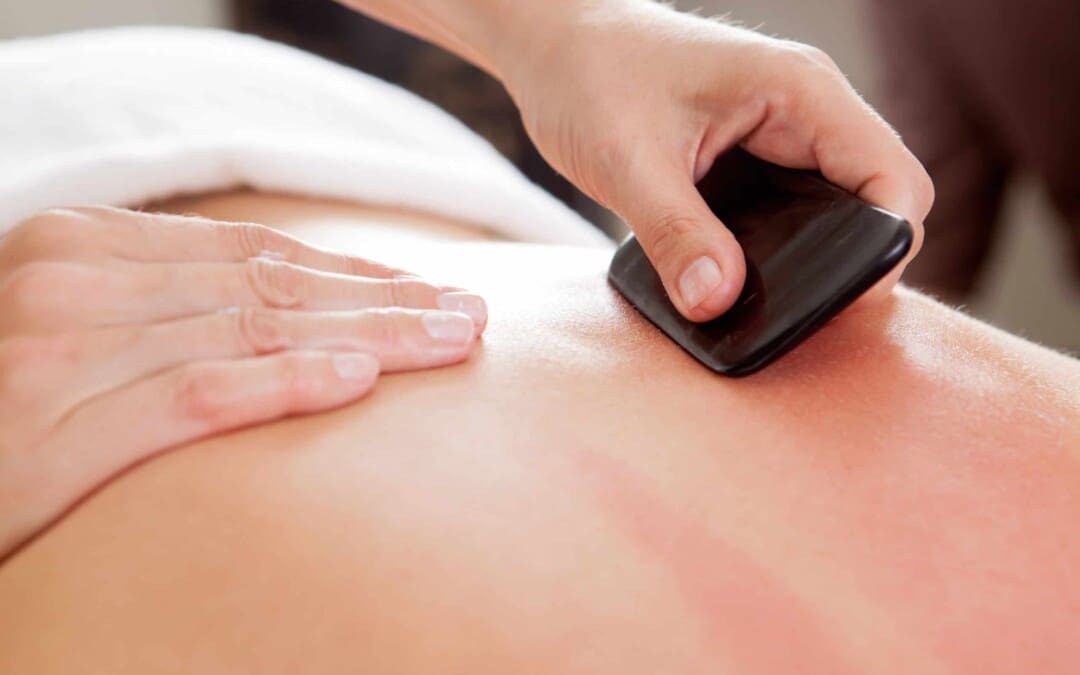
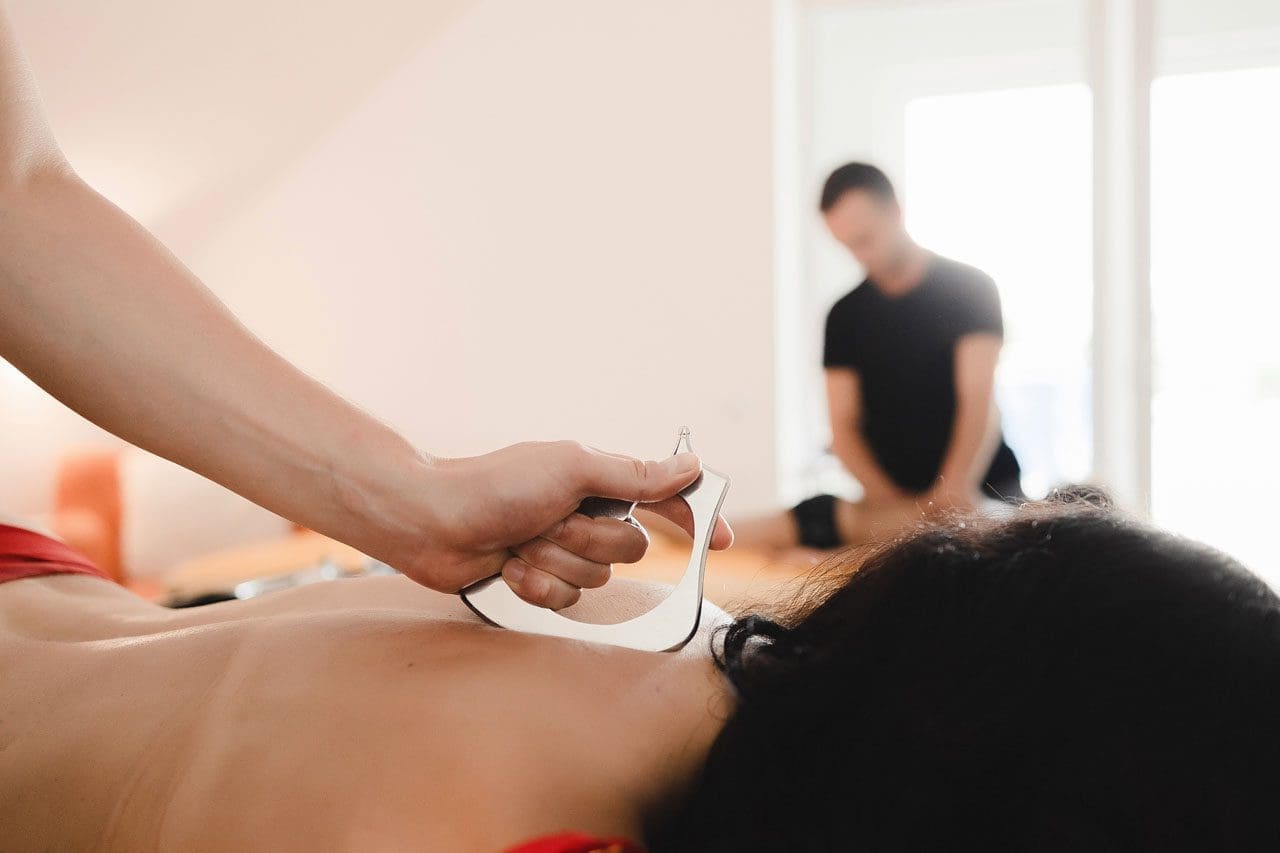
Gua Sha is a traditional healing technique incorporating a smooth-edged tool made from either jade, rose quartz, or metal to scrape the skin gently. This technique has been used regularly in China and Southeast Asia and has therapeutic properties to restore the body’s chi or energy. “Gua Sha” means scraping stagnant blood to increase circulation beneath the skin. Thus enhancing the immune surveillance function of the affected muscle. (Chu et al., 2021) GuaSha therapy can be a powerful therapeutic tool for reducing inflammation in soft tissues, improving mobility within the extremities, and relieving muscle pain.
How Gua-Sha Helps With Musculoskeletal Pain
Now, when it comes to individuals dealing with musculoskeletal pain, it is often associated with overuse, repetitive movements, injuries, poor posture, or chronic conditions. When these environmental factors start to cause musculoskeletal pain, it can affect different body areas, especially the neck, shoulders, and back. These common areas of musculoskeletal pain can cause localized or referred pain that causes the muscles, fascia, and ligaments to be pain generators due to overuse, leading to myofascial pain and muscle trigger points. (Knezevic et al., 2021) Gua Sha therapy can address these root musculoskeletal causes by:
Breaking up fascia adhesions and scar tissue within the soft tissues
Gua Sha can reduce inflammation in the affected area by improving muscle microcirculation.
Help stimulate the parasympathetic nervous system, providing pain relief
Releasing muscle tension and myofascial trigger points in the upper and lower extremities
Helps to enhance lymphatic drainage, thus reducing swelling and stagnation
In short, Gua Sha can help remove du meridian obstructions, replenish the body’s energy, remove blood stasis, and promote blood circulation for natural healing. (Wang et al., 2020)
Discovering the Benefits of Chiropractic Care- Video
Gua-Sha & Chiropractic Care: A Powerful Combination
When individuals are experiencing musculoskeletal issues within their upper and lower extremities correlated with environmental factors, many will often seek non-surgical treatment for their pain. Some non-surgical treatments, like chiropractic care, can benefit the musculoskeletal system. Chiropractic care emphasizes diagnosing and managing musculoskeletal disorders that use mechanical and manual spinal manipulation. (Trager et al., 2024) Combined with Gua Sha, it can be more effective in promoting healing properties since chiropractic care helps restore joint mobility and realign the spine. Gua-Sha helps break down or scrape the surrounding tissues. For chiropractors, incorporating the Graston technique (another form of Gua Sha) utilizes specialized instruments to modify the affected body area structure and composition of soft tissue. This then enhances fascia mobility while addressing tissue adhesions. (Deshmukh & Phansopkar, 2023)
The Benefits of Chiropractic Care & Gua-Sha
Chiropractic adjustments assist people in maintaining healthy musculoskeletal alignment, significantly reducing discomfort in the muscles, joints, bones, and connective tissues. (Chu et al., 2023) The following are some advantages of using gua sha either by itself or in conjunction with chiropractic care:
Relief from shoulder, back, and neck discomfort
Increase the flexibility and range of motion of your muscles.
Reduced inflammation in the afflicted muscle
Speeds up the body’s recuperation process
As part of an individual’s personalized treatment strategy, Gua-Sha and chiropractic adjustments may assist in addressing the underlying problems that impact the whole kinetic body chain. Gua Sha may be used either before to or after a chiropractic adjustment to help restore tissue flow and function, lessen guarding, promote mobility, and boost the procedure’s efficacy. This, in turn, supports both functional musculoskeletal mobility and long-term repair.
Common Gua-Sha Uses In Musculoskeletal Care
A mild, non-invasive treatment that can be tailored to each person’s tolerance and healing requirements, gua sha therapy is useful for several ailments. This comprises:
Persistent lower back or neck discomfort
Syndrome of Myofascial Pain
Carpal tunnel syndrome
Tendonitis (e.g., Achilles, tennis elbow)
Fascia plantar
Scarring or stiffness after surgery
The malfunctioning of the TMJ and tension headaches
Although Gua Sha treatment has several positive benefits for the musculoskeletal system, not everyone who has particular vascular or skin issues or who bleeds readily should use it. People must speak with their affiliated healthcare professionals to explore a suitable, individualized treatment plan for certain illnesses.
Conclusion
People seeking a natural, non-pharmacological remedy for environmental-induced musculoskeletal discomfort may use Gua Sha in their personalized chiropractic therapy regimen. By promoting soft tissue health and ensuring adequate spinal alignment, this combination may lessen the likelihood that musculoskeletal issues will recur. People who begin to consider their health and well-being will have a whole team to support them on their path to wellness and help them become pain-free with chiropractic adjustments and Gua Sha treatment.
Injury Medical & Functional Medicine Clinic
We associate with certified medical providers who understand the importance of assessing individuals dealing with musculoskeletal pain by incorporating Gua-Sha and chiropractic care. When asking important questions to our associated medical providers, we advise patients to utilize Gua-Sha combined with chiropractic care to reduce musculoskeletal pain and restore soft tissue mobility in the extremities. Dr. Alex Jimenez, D.C., uses this information as an academic service. Disclaimer.
References
Chu, E. C., Lin, A. F. C., & Chu, V. (2023). The Inclusion of Chiropractic Care in the Healthy China Initiative 2030. Cureus, 15(8), e43068. https://doi.org/10.7759/cureus.43068
Chu, E. C. P., Wong, A. Y. L., Sim, P., & Kruger, F. (2021). Exploring scraping therapy: Contemporary views on an ancient healing – A review. J Family Med Prim Care, 10(8), 2757-2762. https://doi.org/10.4103/jfmpc.jfmpc_360_21
Deshmukh, N. S., Jr., & Phansopkar, P. (2023). Effect of the Graston Technique and Cupping Therapy on Pain and Functions in Individuals With Medial Tibial Stress Syndrome: A Randomized Clinical Trial. Cureus, 15(11), e48246. https://doi.org/10.7759/cureus.48246
Knezevic, N. N., Candido, K. D., Vlaeyen, J. W. S., Van Zundert, J., & Cohen, S. P. (2021). Low back pain. The Lancet, 398(10294), 78-92. https://doi.org/10.1016/s0140-6736(21)00733-9
Trager, R. J., Bejarano, G., Perfecto, R. T., Blackwood, E. R., & Goertz, C. M. (2024). Chiropractic and Spinal Manipulation: A Review of Research Trends, Evidence Gaps, and Guideline Recommendations. J Clin Med, 13(19). https://doi.org/10.3390/jcm13195668
Wang, Y. W., Xi, Z. W., Pu, B., Chen, G. Y., Ma, Y. F., Liu, D. L., & Xu, X. (2020). Gua sha therapy for chronic low back pain: A protocol for systematic review. Medicine (Baltimore), 99(40), e20606. https://doi.org/10.1097/MD.0000000000020606
Can physical therapy with instrument-assisted soft tissue mobilization or IASTM improve mobility, flexibility, and health for individuals with musculoskeletal injuries or illnesses?
Instrument Assisted Soft Tissue Mobilization
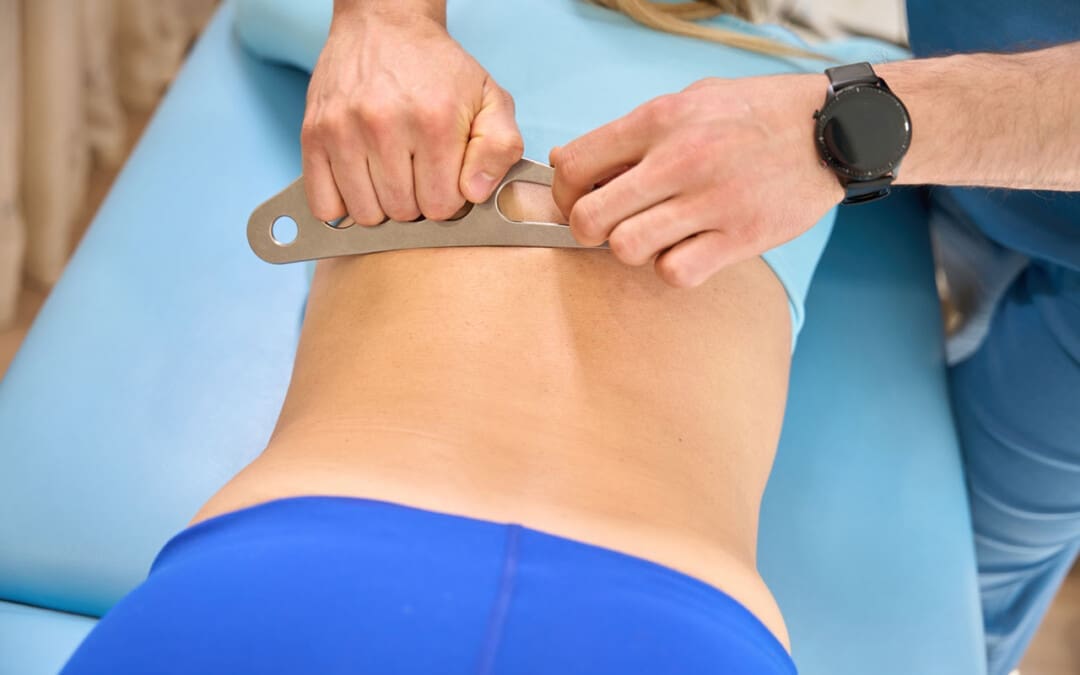
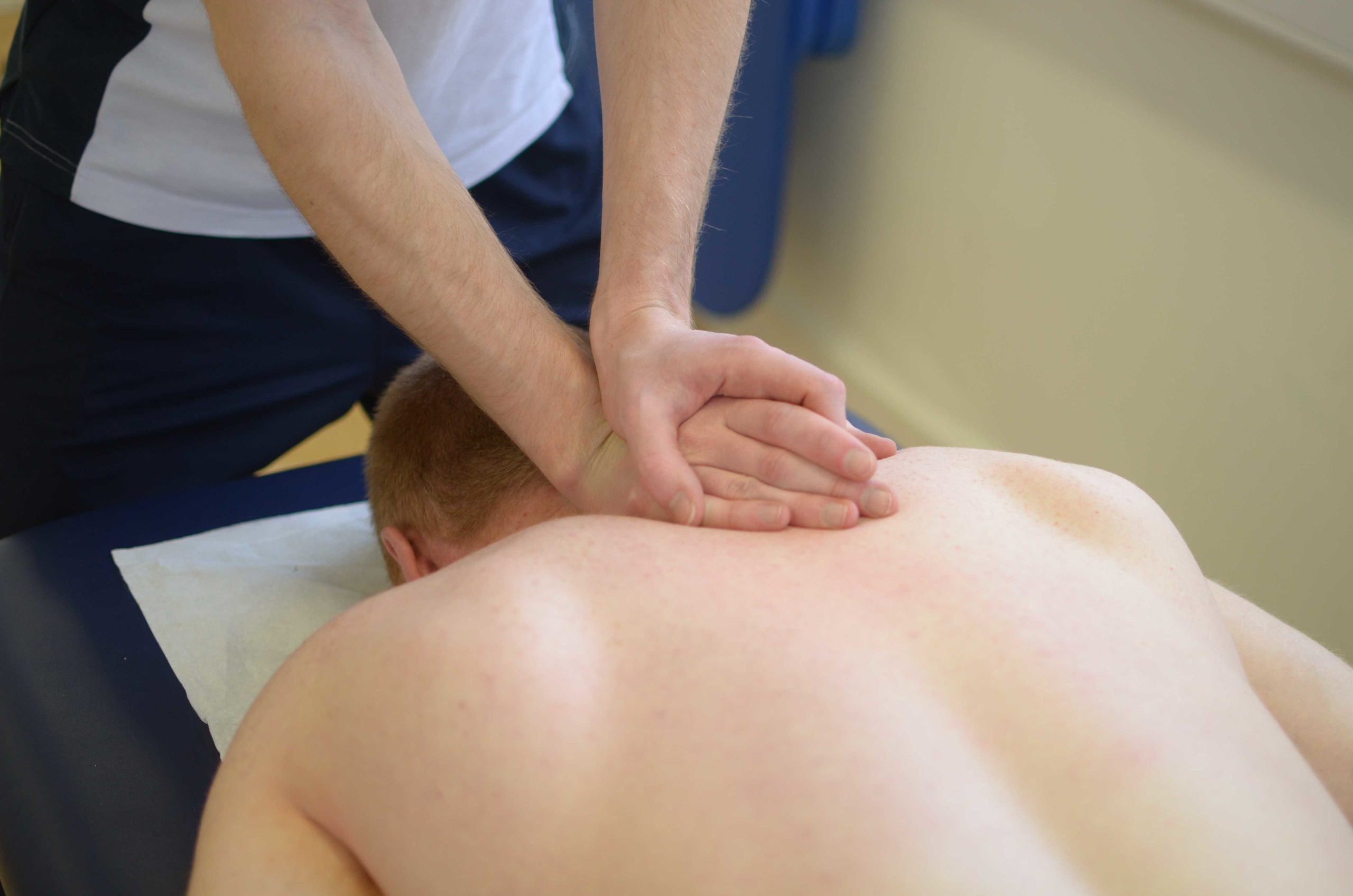
Instrument-assisted soft tissue mobilization or IASTM is also known as the Graston technique. It is a myofascial release and massage technique used in physical therapy where the therapist uses metal or plastic tools to improve soft tissue mobility in the body. The ergonomically shaped tool is gently or vigorously scraped and rubbed across the injured or painful area. The rubbing is used to locate and release tightness in the fascia/collagen covering the muscles and the tendons. This helps reduce pain and improve movement.
Individuals often develop tissue tightness or restrictions in the muscles and fascia after an injury. These soft tissue restrictions can limit the range of motion – ROM and can trigger pain symptoms. (Kim J, Sung DJ, Lee J. 2017)
History
The Graston technique of instrument-assisted soft tissue mobilization was developed by an athlete who created their instruments to treat soft tissue injuries. The practice has grown with input from medical experts, trainers, researchers, and clinicians.
Physical therapists use different types of tools to perform IASTM.
These massage instruments comprise various types for specific massage and release.
The Graston company designs some of the tools.
Other companies have their version of metal or plastic scraping and rubbing tools.
The objective is to help release soft tissue and myofascial restrictions to improve body movement. (Kim J, Sung DJ, Lee J. 2017)
How It Works
The theory is that scraping the tissues causes microtrauma to the affected area, activating the body’s natural inflammatory response. (Kim J, Sung DJ, Lee J. 2017)
The body activates to reabsorb the tightened or scar tissue, causing the restriction.
The therapist can then stretch the adhesions to alleviate pain and improve mobility.
Treatment
Certain conditions respond well to instrument-assisted soft tissue mobilization, including (Kim J, Sung DJ, Lee J. 2017)
Limited mobility
Decreased muscle recruitment
Loss of range of motion – ROM
Pain with movement
Excessive scar tissue formation
Augmented soft tissue mobilization or ASTM techniques can treat certain injuries and medical conditions that include:
A review compared hands-on myofascial release to instrument myofascial release for chronic low back pain. (Williams M. 2017)
Little difference was found between the two techniques for pain relief.
Another review compared IASTM to other methods for treating pain and function loss. (Matthew Lambert et al., 2017)
The researchers concluded that IASTM could positively affect blood circulation and tissue flexibility and reduce pain.
Another study examined the use of IASTM, pseudo-fake ultrasound therapy, and spinal manipulation for patients with thoracic/upper back pain. (Amy L. Crothers et al., 2016)
All groups improved over time with no significant negative events.
The researchers concluded that instrument-assisted soft tissue mobilization is no more or less effective than spinal manipulation or pseudo-ultrasound therapy for thoracic back pain.
Every case is different, and musculoskeletal conditions respond differently to various treatments. For any questions or concerns, contact your primary healthcare provider to determine if IASTM is an appropriate treatment that can help.
From Injury To Recovery
References
Kamali, F., Panahi, F., Ebrahimi, S., & Abbasi, L. (2014). Comparison between massage and routine physical therapy in women with sub acute and chronic nonspecific low back pain. Journal of back and musculoskeletal rehabilitation, 27(4), 475–480. https://doi.org/10.3233/BMR-140468
Kim, J., Sung, D. J., & Lee, J. (2017). Therapeutic effectiveness of instrument-assisted soft tissue mobilization for soft tissue injury: mechanisms and practical application. Journal of exercise rehabilitation, 13(1), 12–22. https://doi.org/10.12965/jer.1732824.412
Chughtai, M., Newman, J. M., Sultan, A. A., Samuel, L. T., Rabin, J., Khlopas, A., Bhave, A., & Mont, M. A. (2019). Astym® therapy: a systematic review. Annals of translational medicine, 7(4), 70. https://doi.org/10.21037/atm.2018.11.49
Williams M. (2017). Comparing pain and disability outcomes of instrumental versus hands-on myofascial release in individuals with chronic low back pain: a meta-analysis. Doctoral dissertation, California State University, Fresno. https://repository.library.fresnostate.edu/bitstream/handle/10211.3/192491/Williams_csu_6050D_10390.pdf?sequence=1
Matthew Lambert, Rebecca Hitchcock, Kelly Lavallee, Eric Hayford, Russ Morazzini, Amber Wallace, Dakota Conroy & Josh Cleland (2017) The effects of instrument-assisted soft tissue mobilization compared to other interventions on pain and function: a systematic review, Physical Therapy Reviews, 22:1-2, 76-85, DOI: 10.1080/10833196.2017.1304184
Crothers, A. L., French, S. D., Hebert, J. J., & Walker, B. F. (2016). Spinal manipulative therapy, Graston technique® and placebo for non-specific thoracic spine pain: a randomised controlled trial. Chiropractic & manual therapies, 24, 16. https://doi.org/10.1186/s12998-016-0096-9
Around the world, many individuals will have some reaction to the foods they consume. This type of reaction can lead to a series of unwanted symptoms that affect not only the vital organs of the body but also the musculoskeletal system. This allergic reaction can cause inflammatory effects that lead to joint pain and swelling while affecting a person’s quality of life. Inflammation is the body’s natural defense response from the immune system to repair the body inside and out. When food allergies start to affect the entire body, it can cause the individual to be in constant pain, and many individuals will go to treatments to reduce the symptoms caused by food allergic reactions; however, the residual effects of the allergic reaction can still interfere with the body and affect the musculoskeletal system. Today’s article focuses on food allergies, how they are associated with inflammation in the musculoskeletal system, and how MET therapy can help relieve inflammation associated with food allergies. We utilize and provide valuable information about our patients to certified medical providers who use soft tissue stretching methods like MET to reduce inflammation associated with food allergies affecting the musculoskeletal system. We encourage patients by referring them to our associated medical providers based on their findings. We support that education is a marvelous way to ask our providers the most interesting questions at the patient’s acknowledgment. Dr. Alex Jimenez, D.C., incorporates this information as an educational service. Disclaimer
What Are Food Allergies?
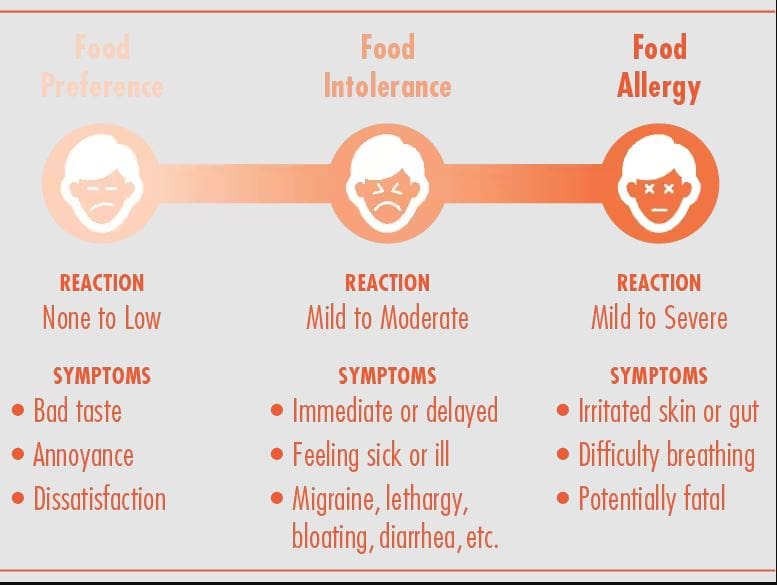
Have you been dealing with muscle swelling in different locations of your body? Do you see redness or feel a burning sensation in your muscles? Or do your muscles and joints feel achy throughout the day? Many of these pain-like symptoms are associated with inflammatory effects caused by food allergies. Research studies have revealed that food allergies are often defined as an immune reaction to food proteins that many individuals worldwide and, when indigested, are responsible for various symptoms that involve the skin, gastrointestinal tract, and respiratory tract. Many individuals would often confuse a food allergy with food intolerance since the musculoskeletal and gastrointestinal systems are caused by inflammation. Research studies have found that food intolerances are non-immunological responses that cause numerous symptoms and hypersensitivity to the body. Many factors correlate to food intolerances, and food allergies can affect the musculoskeletal system with pain-like symptoms like inflammation.
Food Allergies Associated With Inflammation In The Musculoskeletal System
When food allergies or food intolerances occur in the body, it can cause the individuals to have unwanted pain-like symptoms to cause inflammation to appear in the body. When it comes to inflammation in the body, it is produced by the immune system. It helps repair old cells and attack foreign invaders affecting the musculoskeletal system. In “Clinical Applications of Neuromuscular Techniques,” Dr. Leon Chaitow, N.D., D.O., and Dr. Judith Walker DeLany, L.M.T. stated that specific individualized pathophysiological responses exist to many foods and liquids that are being taken accounted for a significant amount of overlapping symptoms being produce. The book also states that it includes pain and discomfort to the musculoskeletal system. To that point, to figure out these presenting symptoms, whatever allergic pathogen is being derived from the food itself could be the result. Additional studies mentioned that food allergies and tolerances are sometimes not established when inflammation from the GI tract and causing pain-like symptoms associated with the musculoskeletal system. Fortunately, there are various treatments to reduce the effects of food allergies and intolerances while restoring the musculoskeletal system.
The Benefits Of A Healthy Diet & Chiropractic Care-Video
Have you been dealing with gut inflammation that is affecting your musculoskeletal system? Are you experiencing aches and pains throughout your entire body? Or do you have joint issues that are causing you limited mobility? Many of these issues are associated with food intolerances and allergies that can cause inflammation of the musculoskeletal system leaving the individual in pain. Fortunately, there are many ways to reduce the effects of inflammation associated with food allergies. The video above explains how eating the right foods while being considerate of food allergies can be combined with treatment like chiropractic care, which can help reduce inflammation while realigning the body through manual manipulation. Chiropractors also use soft tissue techniques like MET to help regain joint mobility and reduce the effects of inflammation-causing muscle and joint stiffness.
MET Therapy Relieving Inflammation Associated With Food Allergies
Therapies like soft tissue massages, massage therapy, physical therapy, or chiropractic care all work together with having a nutritional diet plan to prevent flare-ups from food allergies and intolerances. Research studies have found that MET helps stretch the affected muscles induced by inflammation associated with food allergies. This technique allows the body to naturally heal itself and prevent inflammation from exceeding more into the body. Combined with anti-inflammatory foods, many individuals know what food they can and can not consume. Additionally, it allows them to be more mindful of their bodies and sends them on the right track of their health and wellness journey.
Conclusion
Overall, many individuals often confuse food allergies and food intolerances, which can cause the musculoskeletal system to be dealing with symptoms of inflammation and pain. Since inflammation is the body’s natural defense system, it is important to be mindful of what is consumed to prevent overlapping risk profiles from causing muscle and joint pain. Luckily, numerous treatments are available to reduce the effects of chronic inflammation associated with food allergies and help the body naturally heal itself. Combining treatments like MET and a healthy nutritional diet can help the body reduce the effects of inflammation from affecting the musculoskeletal system while also allowing the individual to make smart choices in their health and wellness journey.
References
Chaitow, Leon, and Judith Walker DeLany. Clinical Applications of Neuromuscular Techniques. Churchill Livingstone, 2003.
Lopez, Claudia M, et al. “Food Allergies – Statpearls – NCBI Bookshelf.” In: StatPearls [Internet]. Treasure Island (FL), StatPearls Publishing, 31 Jan. 2023, https://www.ncbi.nlm.nih.gov/books/NBK482187/.
Ohtsuka, Yoshikazu. “Food Intolerance and Mucosal Inflammation.” Pediatrics International : Official Journal of the Japan Pediatric Society, U.S. National Library of Medicine, 2015, https://pubmed.ncbi.nlm.nih.gov/25442377/.
Sbardella, Silvia, et al. “Muscle Energy Technique in the Rehabilitative Treatment for Acute and Chronic Non-Specific Neck Pain: A Systematic Review.” Healthcare (Basel, Switzerland), U.S. National Library of Medicine, 17 June 2021, https://www.ncbi.nlm.nih.gov/pmc/articles/PMC8234422/.
Tuck, Caroline J, et al. “Food Intolerances.” Nutrients, U.S. National Library of Medicine, 22 July 2019, https://www.ncbi.nlm.nih.gov/pmc/articles/PMC6682924/.
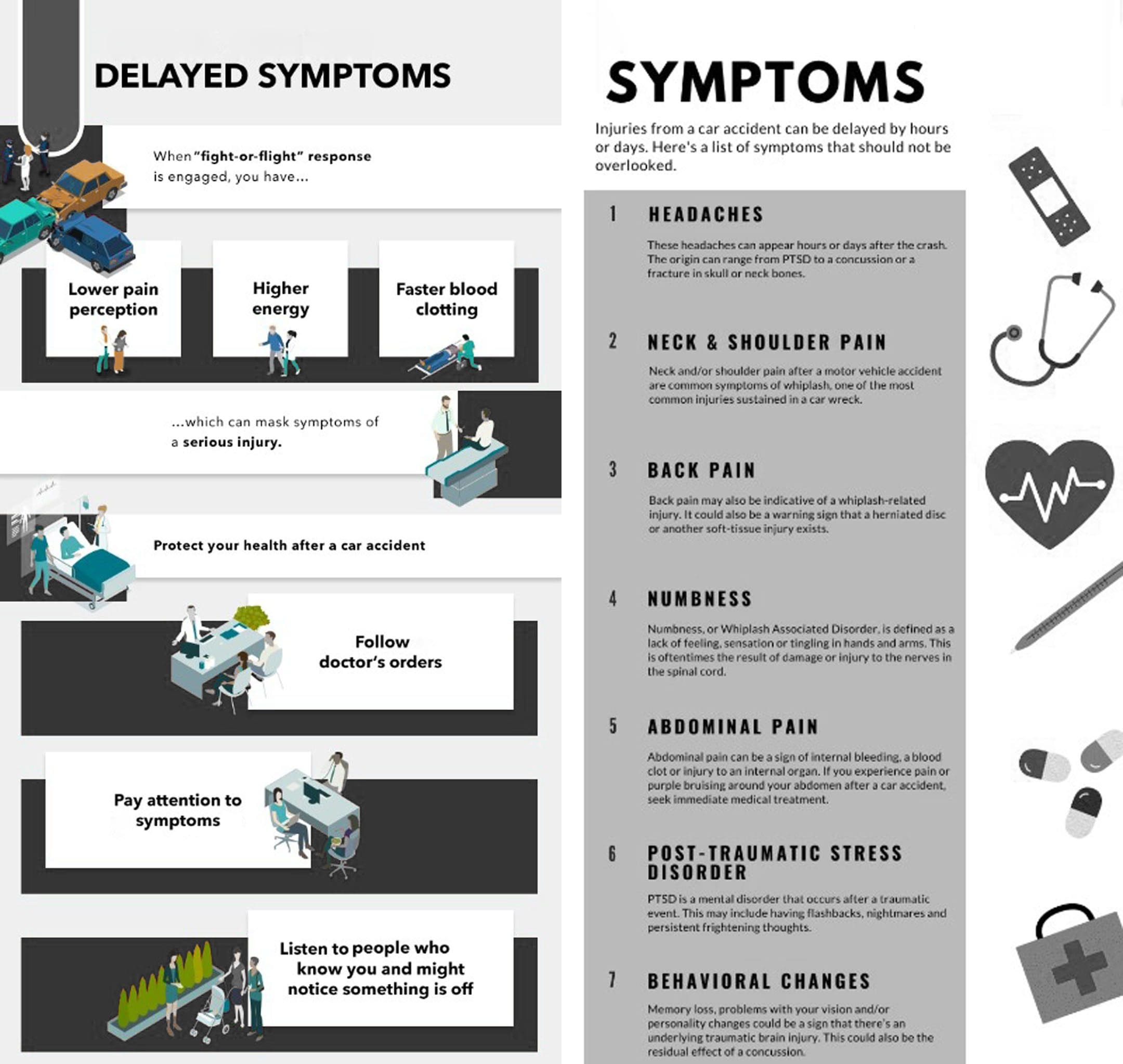
Automobile accidents are emotionally and physically traumatic events. After an accident, individuals assume that they are okay if they don’t have any broken bones or gashing cuts. However, even minor accidents can lead to significant damage, but the individual doesn’t know it. An invisible/delayed injury is any injury that is not immediately obvious or is not experienced by the individual until hours, days, or weeks later. The most common are soft tissue injuries, back injuries, whiplash, concussions, and internal bleeding. This is why it is imperative to see a doctor or chiropractic accident specialist as soon as possible after an accident.
Invisible Injuries Auto Accidents
The body goes into a fight or flight mode in a vehicle accident. That means a massive adrenaline surge makes anything happening to the body go unnoticed and unfelt. The individual does not feel pain and discomfort symptoms until later or much later.
Soft Tissue
A soft tissue injury affects muscles, tendons, ligaments, and body parts other than bone.
Even at low speeds, accidents, and collisions generate a significant force on the body.
Drivers and passengers often come to a sudden stop along with the vehicle or get thrown around.
This places intense stress on joints and other areas of the body.
Whiplash
The most common invisible soft-tissue injury is whiplash.
Where the neck muscles are suddenly and forcefully thrown forward and then back, causing the muscles and ligaments to stretch beyond their normal range of motion.
The injury typically results in pain, swelling, reduced mobility, and headaches.
Symptoms may not present right away.
Left untreated, whiplash can lead to long-term chronic pain.
Head Injuries
Head injuries are another common invisible injury.
Even if the head did not hit/impact anything, the force and momentum can cause the brain to collide with the inside of the skull.
This can lead to a concussion or even more serious brain injuries.
Concussion
A concussion is a traumatic brain injury. Individuals can have a concussion without losing consciousness, depending on the accident’s severity. Symptoms may be delayed or not experienced, but delayed treatment can lead to a longer recovery. Symptoms can include:
Fatigue.
Headache.
Confusion.
Inability to remember the accident.
Nausea.
Ringing in the ears.
Dizziness.
Back Muscles or Spine Injuries
Back muscles and spinal cord injuries are invisible injuries that can happen after an automobile accident. Signs of a back injury include:
The back muscles can be strained due to the impact and tension build-up.
Sore muscles or pain may not present until a day or two later.
Body stiffness.
Reduced mobility.
Muscle spasms.
Trouble walking, standing, or sitting.
Headaches.
Numbness and tingling.
Injuries to the spine, even serious ones, may not be apparent immediately.
The impact can cause the spine to shift out of alignment profoundly.
Swelling and bleeding in or around the spinal cord can cause numbness or paralysis that can gradually progress.
This invisible injury can have long-term consequences, including paralysis.
Chiropractic Care
Chiropractic is an effective treatment for neuromusculoskeletal injuries. The chiropractor will assess the damage and its severity to determine the best treatment for the individual. It relieves pain and discomfort symptoms, loosens and relaxes the muscles, and restores alignment, mobility, and a full range of motion. Chiropractic uses several tools and techniques to restore the spine and body balance. Results include:
Barach, P, and E Richter. “Injury prevention.” The New England Journal of Medicine vol. 338,2 (1998): 132-3; author reply 133. doi:10.1056/NEJM199801083380215
Binder, Allan I. “Neck pain.” BMJ clinical evidence vol. 2008 1103. 4 Aug. 2008
Duncan, G J, and R Meals. “One hundred years of automobile-induced orthopedic injuries.” Orthopedics vol. 18,2 (1995): 165-70. doi:10.3928/0147-7447-19950201-15
“Motor Vehicle Safety.” Annals of emergency medicine vol. 68,1 (2016): 146-7. doi:10.1016/j.annemergmed.2016.04.045
Sims, J K et al. “Automobile accident occupant injuries.” JACEP vol. 5,10 (1976): 796-808. doi:10.1016/s0361-1124(76)80313-9
Vassiliou, Timon, et al. “Physical therapy and active exercises–an adequate treatment for prevention of late whiplash syndrome? Randomized controlled trial in 200 patients.” Pain vol. 124,1-2 (2006): 69-76. doi:10.1016/j.pain.2006.03.017
As you may have noticed settlement values have been on a steady downward trend for many years.�� Some of the decrease in claim value has been the result of insurers bad faith efforts to make their customers premiums an income stream for their corporate shareholders.�� Some of the decrease is related to the lack of documentation provided to attorneys by the health care industry. The high overhead of the medical practitioner ($100K+ malpractice premiums for a surgeon), coupled with ever decreasing reimbursements, necessitates a high-volume practice and too many critical details in in the doctor�s documentation is left out.
According to James Mathis, a former claims senior supervisor and management specialist for State Farm and Allstate who instituted these claims processing/reducing algorithms, there are 4 case value drivers:
Injuries
Impairment rating
Duties Under Duress: activities which you can do, but it hurts
Functional Loss:� activities that you can no longer do
A critical component is the impairment rating.�� This is due to the fact that the impairment rating unlocks the value in the �Duties Under Duress� and the �Functional Loss� categories.� According to Attorney Michael Schafer in his class titled �Demand Packages and Colossus� the impairment rating can unlock up to 75% of claim value.1
Computerized Radiographic Mensuration Analysis
The key test that unlocks an impairment rating in soft tissue (ligamentous damage) cases is called Computerized Radiographic Mensuration Analysis (CRMA).�� This test is the best way to document ligament laxity.�� It is my experience that up to 70% of your female and 50% of your male clients have this injury and that it is not being documented.
Dr. Bill Gallagher writes in the Attorney at Law Magazine, Greater Phoenix Edition:
�Ligament damage, the main underlying cause of soft tissue injuries can be measured with the proper x-rays and CRMA. When done so, a 25-28% impairment rating can be established.�2
The technical name for ligament laxity and damage is Alteration of Motion Segment Integrity (A.O.M.S.I.).�� The AMA Guides to the Evaluation of Permanent Impairment 5th edition, page 378 describes A.O.M.S.I. as:
�A.O.M.S.I. can be either loss of motion segment integrity (increased translation or angular motion) or decreased motion resulting mainly from developmental changes, fusion, fracture healing, healed infection or surgical arthrodesis (surgical fusion).�3
On page 379 the AMA Guides describes the definitions and how to determine its presence:
�Motion of the individual spinal segments cannot be determined by a physical examination, but is evaluated with flexion and extension roentgenograms.� Loss of motion segment integrity is defined as an anteroposterior motion of one vertebra over another that is:
greater than 3.5 mm in the cervical spine
greater than 2.5 mm in the thoracic spine
greater than 4.5 mm in the lumbar spine
Loss of motion segment is also defined as difference in angular motion of two adjacent motion segments greater than:
15 degrees at L1-2, L2-3 and L3-4
20 degrees at L4-5
25 degrees at L5-S1
More than 11 degrees greater than at either adjacent level in the cervical spine�4
Practitioners as myself, who are trained and specialize in biomechanical failure as a routine course of examination take motion x-rays immediately when the patient first arrives and again in 60 days.�� The initial x-rays may have muscle spasm and muscle guarding reducing the motion of the spine.� After 60 days, the muscle spasm should be reduced to a reasonable level and demonstrably reveal persistent pathology both biomechanically and of the connective tissue.
Insurance Companies and Diagnosis Results
According to Attorney Schaffer in his video conference on minor impact soft tissue injuries, insurance companies reserve $60,000 when they see a diagnosis of ligament laxity.5
A caveat is that you need to have a �Colossus ready� demand package to create a �fair and equitable� claim value.� One attorney, when I sent him this info, put together a two page demand with very little description of the injuries suffered by the client.�� Combined with the untrained adjustor and the computerized cost containment program, lead to his �low ball settlement offer.� This is common with too many lawyers and is a process that can be reversed to realize fair and equitable settlements.
Attorney Schaffer�s� courses from the MATA webinar archives (he provides a sample demand package for you in both) helps train you on this matter. Should you want more information, my office will help guide you through the steps to learn more about the technology used by the carriers to value your claims.
The scope of our information is limited to chiropractic and spinal injuries and conditions. To discuss options on the subject matter, please feel free to ask Dr. Jimenez or contact us at 915-850-0900 .�
References:
Michael Schafer, Esq.� Demand Brochures and Colossus, Seminar Web, December 1, 2016 www.seminarweb.com
Cocchiarella, Linda, and Gunnar B.J. Andersson.�Guides to the Evaluation of Permanent Impairment. 5th ed. AMA, Print. Page 378
Cocchiarella, Linda, and Gunnar B.J. Andersson.�Guides to the Evaluation of Permanent Impairment. 5th ed. AMA, Print. Page 379
Michael Schafer, Esq.� Maximizing the Value of M.I.S.T. Cases, Seminar Web, July 28, 2016 www.seminarweb.com
Additional Topics: Preventing Spinal Degeneration
Spinal degeneration can occur naturally over time as a result of age and the constant wear-and-tear of the vertebrae and other complex structures of the spine, generally developing in people over the ages of 40. On occasion, spinal degeneration can also occur due to spinal damage or injury, which may result in further complications if left untreated. Chiropractic care can help strengthen the structures of the spine, helping to prevent spinal degeneration.
IFM's Find A Practitioner tool is the largest referral network in Functional Medicine, created to help patients locate Functional Medicine practitioners anywhere in the world. IFM Certified Practitioners are listed first in the search results, given their extensive education in Functional Medicine