Chiropractor Dr. Alexander Jimenez of Injury Medical and Chiropractic Clinic focuses on long-haul truck driversand non-invasive spinal treatments. Truck drivers are at a much higher risk of developing degenerative spinal disorders from the stress that constant driving and repetitive lifting can place on the spinal muscles of the lower back.
Driving a huge truck for eight to ten hours every day/night means the person sits in a stationary position for a long time. The muscles, joints, and ligaments tend to become stiff, and proper blood circulation is affected over time. Ailments can last for weeks, even up to several years if drivers don’t take time to focus on their health and find the right treatment.
Teams are in a truck that never stops. Even sleeping in the bunk, these drivers are subject to constant vibration and bouncing as the truck moves. Roads that are poorly maintained can cause impact trauma to both the driver and the person in the bunk. Various factors can cause musculoskeletal pain like:
Having limited mobility can lead to structural problems like pain in the back, hip, knee, shoulder, arms, and legs. This is compounded by the fact that prescription medications are the norm for these issues and can be dangerous.
Long Haul
These individuals are taught proper lifting techniques but with time forget to follow them during the rush to make the delivery/s on time. Driving for extended periods regularly places added strain on the back. This is due in part because these individuals can’t use their feet to support the lower part of their bodies while working the pedals of the truck.
The continuous instability, vibrations, and positional changes that come with long-haul driving can cause tension in the spine and surrounding muscles in the area. Research has shown that vibration of the body while driving increases the load on the lower back and driving on roads that are not maintained can exacerbate the condition.
The continuous bouncing can lead to spinal disc compression, which in turn causes degeneration of pain in the spine and nerves. This continuous strenuous routine can lead to herniated/bulging discs, which can cause pain and lead to the development of other spinal conditions like sciatica. Improper alignment of the spine can lead to dysfunction and pain in one or several areas of the body. Other conditions that could develop include:
Facet joint syndrome – the cartilage wears away making the spinal joints stiff and swollen. This syndrome can lead to reduced mobility.
Spinal compression from sitting in a single position for a long time places pressure on the spinal column. As the spinal column compresses, it causes tightness in the lower and upper back muscles.
Sciatica is a combination of symptoms and pain that travel from the lower back to the knee and even into the foot. Usually, caused by a herniated disc that compresses the sciatic nerve, it can cause shooting electrical pain down the leg. Drivers with sciatica can also have tight gluteal muscles that place pressure on the nerve.
Neck pain from tight and tender muscles can affect the middle back and cervical/neck area of the spine causing soreness.
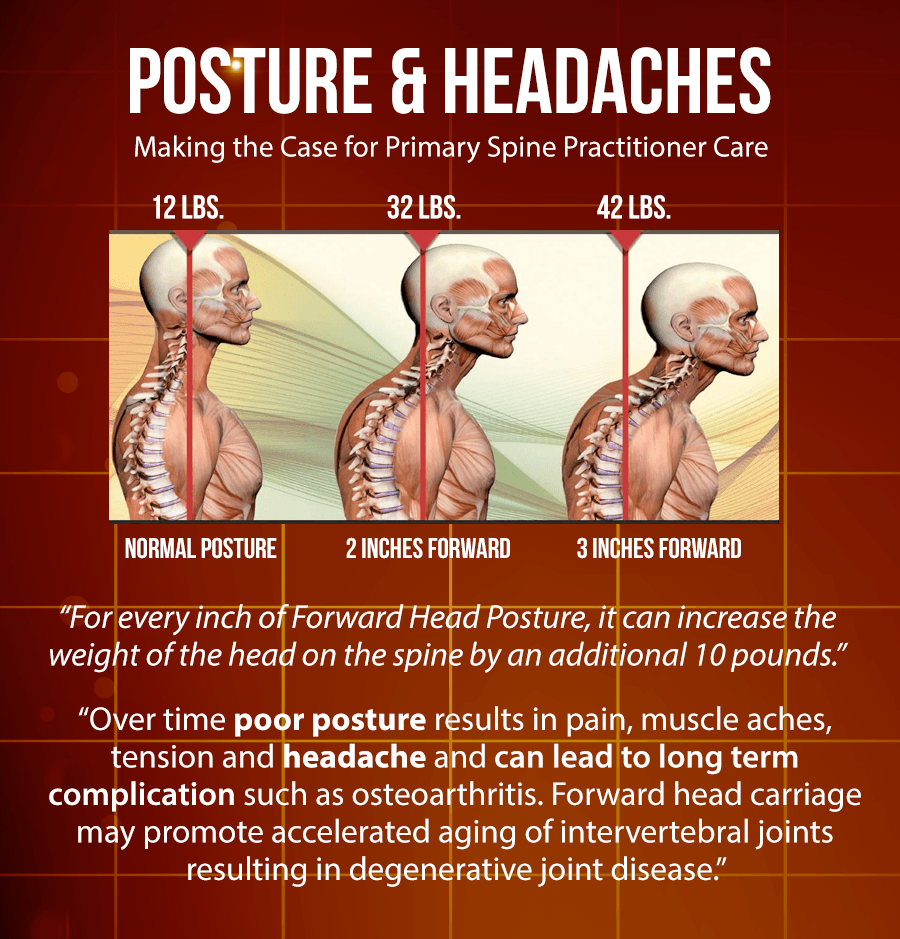
Tension headaches begin with the muscles at the base of the skull. When these muscles are tight, they can pinch the nerves, beginning a headache.
Shoulder pain can be caused by overuse when loading, along with rotator cuff injuries and bicep tendonitis. An inflamed bicep can cause inflammation and pain in the shoulder.
Preventable and Treatable
Prevention and proper treatment are key. Here are a few simple ways to improve the drive:
Better seating to reduce vibration
Correct sitting posture
Chiropractic/physical therapy
Exercise
Proper diet
Ice therapy
Proper sleep support
Proper Seat
The seats that are standard in a truck do not offer proper support for a driver’s back, shoulders, neck, and legs. A seat pad for extra comfort or a memory foam seat with a massage base can relax the muscles. For quick lumbar supportroll up a pillow, towel, or t-shirt and place it behind the lower back.
An ergonomic truck seat helps fight the discomfort and awkward positions, that result in positive posture. A proper seat will force the back into its healthy arch. Driving with less strain helps:
Boost circulation
Distribute the body weight evenly
Helps drivers operate longer
Reduces the vibrations running through the body
These long-haul drivers can choose to bypass invasive procedures that can take months to heal. This is because the inability to drive means they don’t earn a check. And being taken out of a driving job for any period can cause financial difficulties.
Chiropractic provides long-haul truck drivers with a non-invasive, drug-free way to treat injuries, manage conditions, and relieve pain. Regular chiropractic can help correct postural habits that expose the body to injury or move the body and the spine out of alignment. It can identify emerging issues before they become a severe condition.
Larger truck stops offer drivers access to medical and chiropractic services allowing them to get treatment when they need it. Long haul drivers can be out for weeks and may not be able to get their regular adjustments. But it is still a good idea to have a regular chiropractor at home so you can stay healthy and on the road.
Headaches can be detrimental to a high quality of life.� Especially, migraine and tension headaches.�Some deal with them on a weekly, or even daily, basis.�They can range from minor to life-changing afflictions. There are various causes, symptoms, and treatment options. The first step in treating headaches is understanding the type of headache it is.
Some people think they have a migraine, when in fact, they are suffering from a tension headache. Tension headaches are more common. But the Migraine Research Foundation found that 1 in 4 U.S. households include someone that suffers from migraines. Determining what type of headache can take some research.
Here are some things to think about to determine if the headache is a migraine or a tension headache.
Headache/s origin
According to the Mayo Clinic, migraines often begin in adolescence or early adulthood. Tension headaches can start at any time in an individual’s life.� An adult just beginning to have recurring headaches means that they are most likely tension headaches.
Where is the pain located
Migraines usually happen on one side of the head. Tension headaches can affect both sides of the head and can produce intense pressure on the forehead. The location of the pain can be a key indicator of the type of headache.
Describe the pain
If it is a dull pain, with pressure, and tenderness around the scalp, this could mean a tension headache. If the pain is throbbing or pulsing pain, it could be a migraine. Both headaches can present intense pain, just different types of pain.
Other symptoms
Migraines often come with symptoms beyond head pain.
Nausea
Light sensitivity
Sound sensitivity
Seeing bright flashing/sparkling lights
A sensation of Pins and needles in one or both arms
Dizziness
Individuals not experiencing any of these symptoms are more than likely dealing with a tension headache.
Functionality
Those with tension headaches can still perform jobs, drive, read, and operate through daily life even though it can be painful and frustrating. Migraines are very different. Lying down in a dark, quiet room with an eye mask on until the headache passes is how many handle their migraines. If the headache disrupts your life it is more than likely a migraine.
Over the counter pain killers
Tension headaches can usually be relieved with over-the-counter pain meds. However,�this type of treatment does not work for migraines. When a migraine shifts into full force, the individual has to go through it. Headaches that respond well to nonprescription pain killers means it’s a tension headache. The majority will at some point deal with a headache.
Although tension headaches are more common that doesn’t rule out the possibility of the headache being a migraine. Just a little insight as to the type of headache that is presenting, and some proactive treatments. No matter the type of headache, if the pain is severe, or starts up after a head injury, seek medical treatment.
Shoulder pain along with the kinds of shoulder problems like sprains and strains that chiropractors regularly treat often involves a form of rotator dysfunction. The shoulder has the greatest mobility of any joint in the body. However, there is little stability when in certain positions the soft tissues in the shoulder area can get injured through sports injury/s, recreational activities, at work or in a fall.�
This usually begins with dysfunction of the rotator cuff muscles and progresses to:
In cases like this, there is no direct, acute injury.
Every sprain and strain injury to the shoulder must be treated and rehabilitated�properly�to avoid future injuries and pain. There is a higher probability of shoulder instability that becomes chronic after an injury. This is because the surrounding muscles and connective tissues are what create shoulder joint stability.
Shoulder Pain
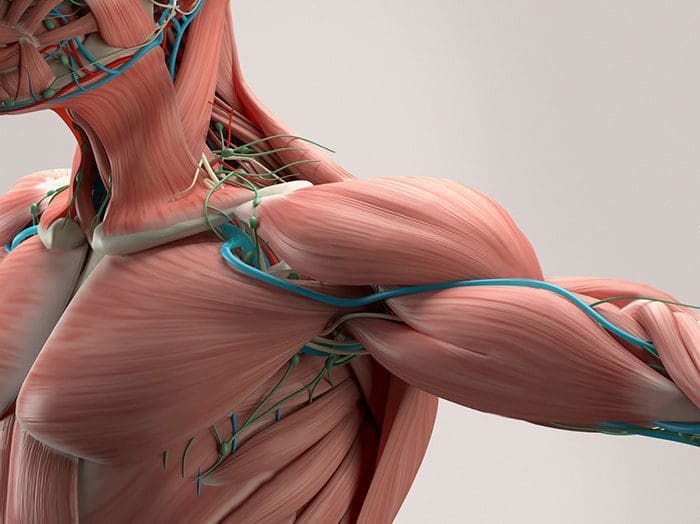
The shoulder goes through a great deal that we do not realize. It is made up of an intricate network of ligaments and muscles, with the rotator cuff taking most of the load/weight during movement and exertion. As aforementioned, the shoulder is the most flexible joint in the human body, but it is one of the most unstable. For athletes, shoulder injuries are pretty common, as the shoulder sustains more injuries than almost any other part of the body.
The shoulder is unstable because of its unique construction. Other joints like the ankle or elbow are limited in their range of motion. The shoulder, on the other hand, can move pretty widely, which leaves it open to stress, injury, and pain. The soft tissues in the shoulder, muscles, tendons, and ligaments can get injured from overuse, excessive strain, falls, and improper motion.
Treating shoulder pain can be a challenge because it is used so much daily. A Chiropractor can bring relief to shoulder pain and speed up the healing process.
Injury and pain causes
Shoulder pain can be caused by a variety of conditions. Injury is one of the most common causes and is seen in athletes, like swimmers, gymnasts, golfers, baseball players, bowlers, and tennis players, etc, who use their arms and shoulders regularly, place added stress on the joint.
Jobs that involve repetitive shoulder movements can also cause injury. People whose job requires repetitive motions or strenuous upper bodywork are at higher risk. Truck drivers, construction workers, warehouse and grocery store employees commonly experience shoulder injury and pain.
Prevention
Preventing shoulder pain and injury can be a simple process. Workers and athletes whose jobs require repetitive arm work or rotation should warm-up, and take stretching and shake out the hand/s and arm/s breaks. Pain should be addressed, as soon as it presents with ice/heat and a possible chiropractic appointment. Ignoring the pain could lead to a more serious/chronic condition.
Shoulder rest is always a must. The joint needs time off to heal and regular chores should not be resumed until the doctor or chiropractor clears the patient. Chiropractors usually recommend exercises and stretches geared toward the type of injury/s or condition/s.
Chiropractor
Chiropractic is highly beneficial for shoulder injury/s and shoulder pain.
It will:
Reduce pain
Relieve pain
Improve range of motion
Increase flexibility
Restore function to the joint
Different techniques are used depending on the type of injury or condition. The patient will be assessed by the chiropractor and will determine a treatment plan. Compression techniques have been found to be very effective for shoulder pain. It is favored because it is not strenuous for the doctor, is very safe, and is handled well by the patient. Chiropractic is the treatment of choice for shoulder pain because it is minimally invasive and it works.
Chiropractic addresses the entire body with its aim to relieve pain without drugs or surgery and keep the individual healthy and functioning at an optimal level. Are you, a family member, or friend suffering from shoulder stiffness/pain? If so, give us a call. Dr. Jimenez and his outstanding physical therapy team are here to help!
A winged scapula is a debilitating condition left untreated. The condition is often spotted by the protrusion or the sticking out of the scapula from the back. Fortunately, chiropractic treatment can fix the condition. This and associated therapies can help you get relief from your symptoms, and to strengthen your shoulders to avoid further discomfort.
Symptoms
The symptoms of a winged scapula can include:
Protrusion of the shoulder blade from the back
Pain when sitting from pressure on the scapula
Difficulty moving the shoulder and arm
Weakness in the shoulder and arm
Sometimes the symptoms of a winged scapula are relatively minor in the beginning. You may only have a little discomfort at the start. But symptoms tend to get worse over time, so it is important for you to seek treatment sooner rather than later.
The damage to the thoracic nerve can cause muscles in the shoulder to become paralyzed, leading to winged scapula symptoms. Many times the appearance of a winged scapula indicated other problems in the back and shoulder.
Poor posture can also lead to a winged scapula. Years of poor posture can weaken the muscles that hold the shoulder in place to the point where a winged scapula is more likely to occur.
Chiropractic Care Can Help
I.D. The Cause
Because this condition can be caused by several different issues, it is important to determine the exact cause before beginning treatment. A chiropractor is well-qualified to give you a full body examination to locate the source of your injury.
Realigning The Thoracic Nerve
Chiropractors are skilled at aligning the human body, including the thoracic nerve. We can locate the point where misalignment of the nerve has occurred and often correct it.
Strengthening The Shoulders
As a winged scapula is often the result of weakened shoulder muscles, the most effective treatment is usually to strengthen the muscles. Our team can guide you in rehab exercises to return your muscle strength and support your shoulder. We can also help you learn how to activate the right muscles in the right manner to operate your shoulder properly.
The symptoms of a winged scapula can come on slowly, which makes many sufferers feel like they should try fixing the issue themselves before seeking medical care. Unfortunately, trying to heal a winged scapula on your own is not likely to be effective.
In fact, you will need some sort of assistance to even apply ice to the area, You will also need help to identify exactly what is wrong and to treat it. Seeking qualified care is recommended.
Helping You Heal
A winged scapula can be quite painful. You should not have to suffer from should pain and back pain. We encourage you to contact us to schedule an appointment and get the treatment you deserve. We are happy to help you with all your chiropractic needs.
Frozen shoulder syndrome is one common condition that affects the joint, limiting mobility and causing pain. When something goes wrong, it can dramatically impact a person�s quality of life. The shoulder bears the brunt of a lot of work even in day to day activity. The joint itself is quite complex with a wide range of motion, and that ability can become compromised due to overuse, injury, or age. The goal of the chiropractor is to keep the shoulder moving naturally and ensuring that it is a pain-free. Chiropractic is an effective treatment that helps patients regain range of motion and decrease or eliminate their pain.
What is frozen shoulder?
Frozen shoulder, or adhesive capsulitis, is characterized by pain, stiffness, and limited range of motion of the shoulder joint. It can occur as a result of overuse or after an injury, but can also be caused by diabetes or other diseases or even stroke.
It happens when the tissues that surround the joint become stiff, and scar tissue begins to form in the area. Shoulder movements become painful and difficult. It typically has a gradual onset, then goes away just as slowly. It can take a year or longer for the condition to subside.
What are the symptoms of frozen shoulder?
There are three stages of frozen shoulder and from onset to resolution. It develops gradually and subsides just as slowly with each stage lasting several months.
Stage 1 � Freezing Stage � The shoulder experiences pain during movement and the
Stage 2 � Frozen Stage � The shoulder is stiffer, but the pain may begin to decrease. However, using it becomes increasingly difficult.
Stage 3 � Thawing Stage � The shoulder begins to �loosen� and the range of motion starts to return.
Some patients may experience worsening pain at night which can lead to sleep problems.
What causes frozen shoulder?
Frozen shoulder often develops when the patient ceases regular use of the joint due to injury, pain, or a chronic health condition. There is no single cause of frozen shoulder; it can be caused by any problem involving the shoulder that prevents the patient from maintaining a full range of motion.
It can also happen when the capsule that encases the connective tissue of the shoulder becomes thick and tight. The movement of the shoulder joint is restricted, impacting its ability to move.
People who are 40 and older tend to be more at risk for frozen shoulder, and it occurs more often in women.
Patients who have had prolonged mobility of the shoulder or their shoulder has been completely immobilized are also at risk. These mobility issues may result from conditions including:
Broken Arm
Surgery recovery
Rotator cuff injury
Stroke
Certain diseases can also place patients in the high-risk category for frozen shoulder. Some disorders that may increase that risk includes:
Cardiovascular disease
Diabetes
Parkinson�s disease
Underactive thyroid
Tuberculosis
Overactive thyroid
How can chiropractic help frozen shoulder?
The primary treatment for frozen shoulder involves pain management and preserving the shoulder�s range of motion. Over the counter pain, relievers like NSAIDs and aspirin are often the first line of treatment. Physical therapy may also be used.
In situations where the symptoms persist, more aggressive treatment may be necessary. Doctors may recommend invasive remedies such as surgery and steroid injections.
However, chiropractic can treat the condition from onset through resolution. Even in instances where the symptoms persist, chiropractic can still be very effective. It can be as effective as more aggressive measures without drugs or invasive procedures. Regular chiropractic care can help return range of motion to the shoulder and return the patient�s quality of life.
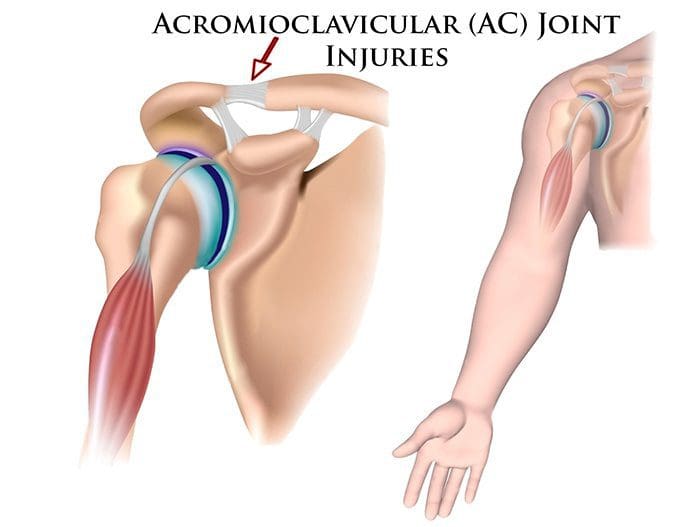
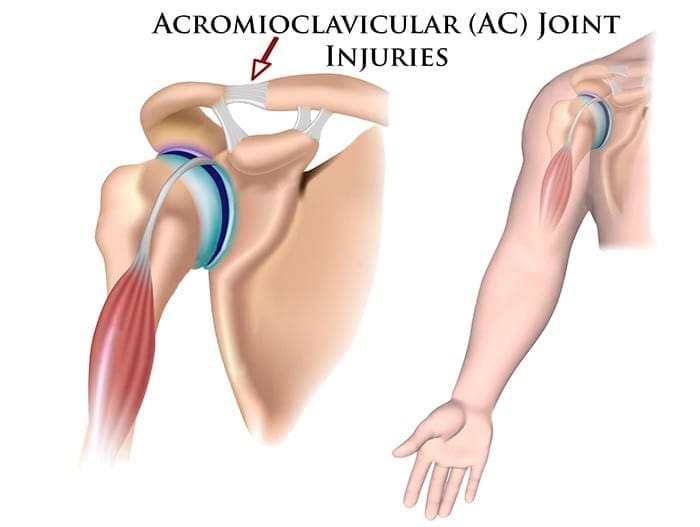
When a patient comes in with complaints of pain in the shoulder and restricted motion in the joint, one possible diagnosis may be acromicioclavicular (AC) joint injury. While it is often an injury that is common among athletes, it can happen to anyone. Fortunately, chiropractic is a very effective treatment. While most people think of chiropractors, the first thing that comes to mind is back pain. Yes, chiropractors do specialize in back/spine issues, but chiropractic care is used to treat a variety of conditions from joint pain to migraines, fitness, and diet.
What is an acromioclavicular joint injury?
There are two bones, the clavicle, and acromion, that make up the AC joint. Four ligaments hold the joint together. When those ligaments are strained to stress, it results in an AC joint injury, often causing at least some joint separation. AC injuries fall into one of two categories: overuse and traumatic.
Overuse injury occurs over a period of time and is caused by excessive stress on the joint that is repeated or consistent. This causes damage to the cartilage and can lead to AC joint arthritis.
Traumatic injury occurs when the damaged ligaments disrupt the joint called a shoulder separation. This is different from a shoulder dislocation which involves the actual ball and socket shoulder joint.
What causes acromioclavicular joint injury?
The cause of an AC joint injury depends on the type of injury.
Overuse AC joint injuries are caused by overuse and are commonly seen in people who perform tasks that involve lifting heavy weight (including military or bench presses) or that perform physical labor that involves often stretching their arms over their heads.
A fall often causes traumatic AC joint injuries. The person may fall and land on their shoulder or fall on their hand then they put it out to brace their fall. It is often seen in cyclists who are involved in crashes, football players when they are tackles or a laborer who falls from a high place, such as a ladder. These injuries are graded from mild to severe, depending on how much the separation there is in the joint.
What are the symptoms of acromioclavicular joint pain?
A patient with AC joint pain may experience the following symptoms:
A bump that sits above the shoulder and is easily visible
A catching sensation or popping sound when the shoulder moves
Pain and swelling in the shoulder
Loss of range of motion of the shoulder
Loss or decrease in shoulder strength
Tenderness and swelling over the AC joint
Pain when lying on the affected side
Discomfort and pain in the shoulder when performing activities that place stress on the AC joint, including:
Carrying heavy objects at the side
Reaching across the body
Lifting objects overhead
What are the treatments for acromioclavicular joint pain?
Mild cases of traumatic AC joint injuries are often treated with physical therapy and chiropractic. Ice, rest, and immobilization can also be used to manage the pain.
Overuse AC joint injuries can also be treated with immobilization and ice as well as physical therapy and chiropractic. More severe cases may require surgery. Doctors may prescribe muscle relaxants, pain medication, or NSAIDs to help manage the pain.
Is chiropractic for acromioclavicular joint pain effective?
Chiropractic has been proven to be very effective for AC joint pain. The chiropractor performs what is called an AC adjustment which involves manipulation of the shoulder.
While it can be a little uncomfortable for the patient, it is one of the best ways to quickly decrease the pain. After the procedure, the chiropractor may recommend icing the area to minimize or prevent swelling and pain. Regular chiropractic care can ensure continued mobility and continued decrease in pain.
Adhesive capsulitis, also known as frozen shoulder, is a condition that causes pain and stiffness in the shoulder joint. The onset of symptoms is gradual, steadily worsening over time, then resolves. The entire process occurs over a one to three-year period. The limited range of motion in the shoulder that is a primary symptom is also one of the signs that doctors use to diagnose the condition. An x-ray may be used to determine if an underlying condition such as a broken bone or arthritis may be causing the problem.
What Causes Frozen Shoulder?
The shoulder is one of the most dynamic joints in the body. It has a very wide range of motion and endures a lot of wear and tear with normal use. The joint is a network of ligaments and tendons that connect bone and muscle. It is all encased in connective tissue capsule. When that tissue thickens, it constricts to tighten around the shoulder joint. This restricts movement and causes pain.
In some cases, the cause is due to an injury or other conditions, but in other cases the cause is unknown. There is some evidence that suggests people with diabetes and other chronic diseases are more likely to develop the condition. It is also more prevalent in people who have had an arm fracture or surgery � something that causes them to keep their shoulder immobilized for an extended period of time. Women (particularly postmenopausal women) tend to be at higher risk and it most often occurs in people who are 40 to 70 years old.
Treatment for Frozen Shoulder
Most treatments for frozen shoulder focuses on preserving the joint�s range of motion and minimizing pain. Over the counter medications like ibuprofen and aspirin are usually the first line of defense. They help reduce inflammation and pain. However, in more severe cases a doctor may prescribe anti-inflammatory drugs and pain medication. Physical therapy may also be an option.
Other treatments for frozen shoulder include:
Shoulder manipulation � while the patient is under a general anesthetic, the doctor moves the shoulder to loosen the tightened tissue.
Joint distension � sterile water is injected into the joint capsule. This stretches the tissue and improves range of motion.
Steroid injection � corticosteroids are injected directly into the shoulder joint.
Surgery � this is a last resort so it�s very rare, but the doctor may go in and remove the adhesions and scar tissue from inside the shoulder joint.
Chiropractic for Frozen Shoulder
Chiropractic is an effective treatment for frozen shoulder. Many patients see their general practitioner first to get a diagnosis and to make sure that there are no underlying conditions that should be treated before chiropractic is pursued. However, most chiropractors do have the capabilities to use x-rays and other diagnostic tools to adequately assess the patient.
A 2012 study involved reviewing the case files of 20 males and 30 female patients with frozen shoulder who underwent chiropractic treatment. All subjects sought treatment between 11 and 51 days with the median being 28 days. Of the 50 cases:
16 resolved completely
25 were 75% to 90% improved
8 were 50% to 75% improved
1 was 0% to 50% improved
Chiropractic can help reduce the pain, improve the shoulder�s range of motion, and speed recovery. The treatment depends on the symptoms that are present, how progressed the condition is, and how long the patient has had the condition.
One common chiropractic technique used to treat frozen shoulder is the Niel Asher Technique. It involves the manipulation of the joints and muscle tissues. The chiropractor applies pressure and stretches key points to help reduce pain and resolve the condition. It can make a tremendous difference in the patient�s life.
IFM's Find A Practitioner tool is the largest referral network in Functional Medicine, created to help patients locate Functional Medicine practitioners anywhere in the world. IFM Certified Practitioners are listed first in the search results, given their extensive education in Functional Medicine