Tennis is an intense sport that requires strength, agility, flexibility, stamina, endurance, and conditioning. And it’s a great way to stay in shape. However, with all of this intensity is the risk of injuries. Although they are lower compared to other sports injuries, injuries are more cumulative/repetitive based and wear and tear over time type. Tennis injuries can be painful and impair daily life. They can be treated and prevented with chiropractic medicine and strength training. Chiropractic can help the body heal quicker, and address underlying issues that led to the injury. This will help to worsen and prevent re-injury. The most common tennis injuries include…
Wrist Tendonitis
This is an injury that can happen to beginner players that don’t have a great deal of arm/wrist strength, use a racquet that is too heavy, and begin developing an improper form to compensate. But it can also be caused by repetitive/overusing the wrist instead of the whole arm. Symptoms are chronic stiffness and pain in the area surrounding the wrist joint. Chiropractic sports massage, physical rehabilitation, and learning proper form will help alleviate the pain and prevent worsening or developing new injuries.
Tennis Elbow
Tennis elbow is a condition that is caused by inflammation of the outside muscles in the forearm and tendons. This is usually an overuse injury from all the swinging and hitting, but using the improper technique could also be a cause. Chiropractic adjustments are highly recommended instead of steroid injections and other anti-inflammatories. The adjustments and massage relieve the discomfort and pain by naturally relaxing, stretching, and strengthening the muscles and tendons.
Shoulder Rotator Cuff Tendonitis
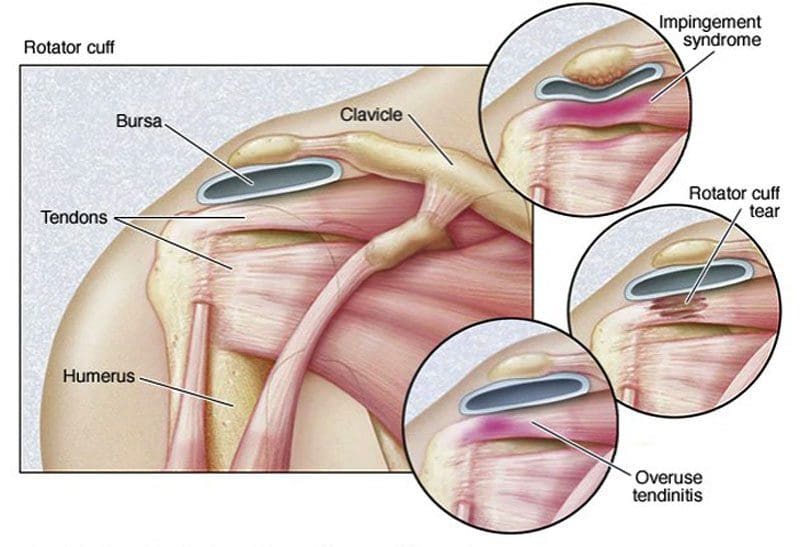
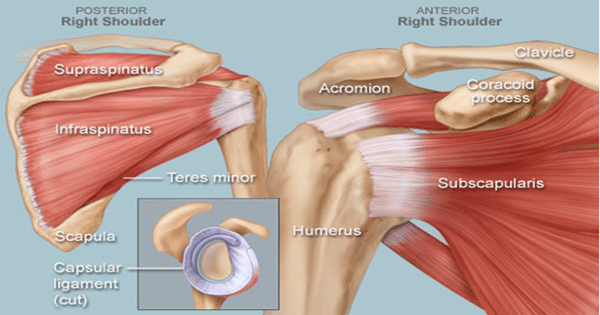
The rotator cuff belongs to a group of tendons and muscles that surround the shoulder joint. This allows the shoulder to perform 360-degree arm circles and is what stabilizes the shoulders. Tendonitis happens when the tendons inside the rotator cuff become inflamed. The inflammation causes pain with movement, especially overhead motions decreasing the range of motion in the shoulder. This injury is often caused by serving and hitting overheads with an improper technique. Chiropractic adjusting, heat and ice therapy, and electro-muscular stimulation loosen and stretch the muscles/tendons back to their proper form.
Knee Sprains and Strains
The knee goes through a lot in sports. And tennis is no exception, much like basketball and volleyball with all the jumping, pounding, shifting, twisting,losing balance, or extending beyond the normal range of motion causes injuries that result in:
Pain
Swelling
Bruising
Loss of the ability to move
Chiropractic will help relieve that pain and relax the damaged muscles. It also speeds the healing process by addressing the underlying issues.
Ankle Sprain
An ankle sprain also known as a twisted ankle happens when the ligaments attached to the joint become over-stretched or partially tear. These sprains happen from the:
Quick start and stop movements
Changing direction rapidly
Quick sprints all around the court
Causing the ankle to roll and/or twist.
A chiropractor will realign the ankle and provide physical therapy massage to allow the ligaments to heal properly and faster. Chiropractic treatment will allow the player to return to play quicker and prevent reinjury that if not treated correctly can become chronic. Having the proper personalized treatment plan will ensure the body heals correctly, prevent misalignments, loss of functionality, and/or range of motion.
PUSH Fitness
Aerobic Training
Aerobic exercise is a cornerstone for weight loss. Having the heart rate elevated for a continuous amount of time is the key. This is how calories are burned. Research has found that individuals involved in aerobic training lose more weight overall, including more fat mass than resistance training alone. When combined, aerobic and resistance training individuals gain more fat-free mass, including lean muscle. Aerobics causes the cardiorespiratory system to adapt. Maintaining heart function and health and keeps the body’s energy metabolism system running at optimal levels. Aerobic exercise for fitness and weight loss is a key element of maintaining the body’s health.
Disclaimer
The information herein is not intended to replace a one-on-one relationship with a qualified health care professional, licensed physician, and is not medical advice. We encourage you to make your own health care decisions based on your research and partnership with a qualified health care professional. Our information scope is limited to chiropractic, musculoskeletal, physical medicines, wellness, sensitive health issues, functional medicine articles, topics, and discussions. We provide and present clinical collaboration with specialists from a wide array of disciplines. Each specialist is governed by their professional scope of practice and their jurisdiction of licensure. We use functional health & wellness protocols to treat and support care for the musculoskeletal system’s injuries or disorders. Our videos, posts, topics, subjects, and insights cover clinical matters, issues, and topics that relate to and support, directly or indirectly, our clinical scope of practice.* Our office has made a reasonable attempt to provide supportive citations and has identified the relevant research study or studies supporting our posts. We provide copies of supporting research studies available to regulatory boards and the public upon request. We understand that we cover matters that require an additional explanation of how it may assist in a particular care plan or treatment protocol; therefore, to further discuss the subject matter above, please feel free to ask Dr. Alex Jimenez or contact us at 915-850-0900.
Dr. Alex Jimenez DC, MSACP, CCST, IFMCP*, CIFM*, CTG*
email: [email protected]
phone: 915-850-0900
Licensed in Texas & New Mexico
References
Dines, Joshua S et al. “Tennis injuries: epidemiology, pathophysiology, and treatment.” The Journal of the American Academy of Orthopaedic Surgeons vol. 23,3 (2015): 181-9. doi:10.5435/JAAOS-D-13-00148
Minghelli, Beatriz, and Jéssica Cadete. “Epidemiology of musculoskeletal injuries in tennis players: risk factors.” The Journal of sports medicine and physical fitness vol. 59,12 (2019): 2045-2052. doi:10.23736/S0022-4707.19.09842-6
Stuelcken, Max et al. “Wrist Injuries in Tennis Players: A Narrative Review.” Sports medicine (Auckland, N.Z.) vol. 47,5 (2017): 857-868. doi:10.1007/s40279-016-0630-x
Willis, Leslie H et al. “Effects of aerobic and/or resistance training on body mass and fat mass in overweight or obese adults.” Journal of applied physiology (Bethesda, Md.: 1985) vol. 113,12 (2012): 1831-7. doi:10.1152/japplphysiol.01370.2011
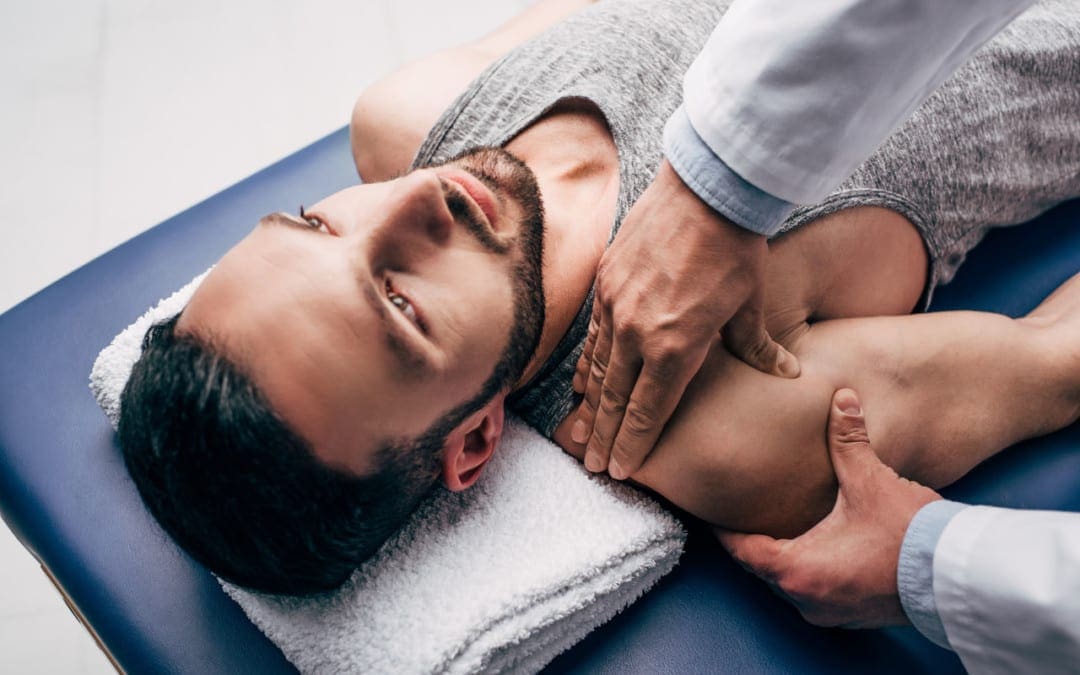
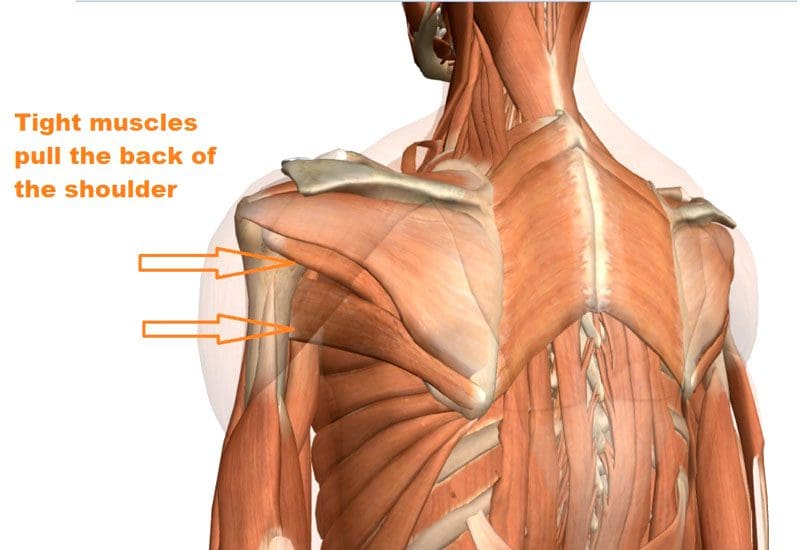
The shoulder joint consists of different muscles for moving, protection, and a wide range of motion. When one or more of these muscles is pulled or strained, it can affect the smallest movements. A pulled shoulder muscle can make simple activities difficult, painful, and impossible. Minor shoulder injuries can heal on their own with home remedies. A serious shoulder muscle injury should be addressed by a medical professional. The shoulder is a ball-and-socket joint. Pulling a muscle in the shoulder can be caused by:
Injury
Overuse
General wear and tear
Pulled Shoulder Muscle Causes
Pulling a shoulder muscle can happen quickly, like falling on the shoulder or from a car accident. It can also develop from months or years of working a job where individuals perform repetitive motions with the shoulders and overuse the muscles to the point of strain. No matter the cause, rehabilitation and recovery depend on the type and severity of the injury.
Common Shoulder Muscle Injuries
Several muscles and tendons surround the shoulder joint, and because the shoulder can move so freely, it is a common area for a pull or strain. Different shoulder muscle injuries fall under being pulled or strained.
Rotator Cuff Tear
Shoulder Tear
Shoulder Sprain
Shoulder Strain
Pulled Muscle in the shoulder blade
A Pulled Muscle or Something Else
Unless an individual is a medical professional or has experienced this type of pain before, it can be hard to tell exactly its cause. Shoulder pain can have other or combined causes like inflammation of the tendons and joints, or the joint itself could be causing the injury. Here are a few ways to investigate what is causing shoulder pain.
Pulled Shoulder Muscle Symptoms
Pain in the shoulder blade area is characterized by dull, sore, or aching pain.
Sometimes shooting pain in the area between the shoulder blades will present, causing pain in the front or back of the shoulder.
Shoulder instability of the muscles or tendons.
The shoulder feels fragile.
Movement causes pain
A bump can develop at the top of the shoulder near the end of the collarbone.
General symptoms include:
Pain when the shoulder is at rest
Pain when the specific muscle is used
Tenderness
Possible swelling of the area
Inability to use the muscle at all
The Seriousness of a Pulled Shoulder Muscle
The majority of the time, a pulled shoulder muscle is not serious. If the pain is not severe and is not the result of an accident, it is okay to utilize home remedies to reduce pain and help the shoulder heal. However, some symptoms could indicate a serious injury or medical problem. If you experience shoulder pain and any of the following, seek immediate medical attention.
Severe and intense pain
Severe, abrupt pain that has no obvious cause
Shortness of breath
Chest numbness or pain
Seeing clearly
Difficulty speaking
Sudden swelling, pain, or redness
Individuals who experience shoulder pain that does not get better over time seek professional help, even if the pain is mild. A professional will develop the right treatment plan, reduce pain, and generate a healthy recovery, getting the individual back to normal and optimal health.
Treatment and Recovery Options
Treatment and recovery plans are different for everyone. This is because it depends on the severity of the pull and the individual’s overall health. Many find that the pain is reduced with home remedies in two or three weeks. Chiropractic treatment for a pulled shoulder muscle can provide relief within one or two weeks.
Home Remedies for Pulled Shoulder Muscles
Depending on the severity and how much pain is presenting, NSAIDs like Ibuprofen can help reduce pain and swelling. Individuals can also incorporate the following:
Rest
The shoulder should rest for 2 or 3 days. This gets the healing process started and prevents further injuring the area.
Wrap or Sling
During the days of rest, keeping the shoulder from moving can be difficult. To avoid this, wrap the shoulder or utilize a sling to support the arm. Remember that these should not be used for more than 2 or 3 days.
Ice for Swelling
If there is swelling, applying ice to the area can help reduce the inflammation. Apply for 20 minutes every hour. The swelling should begin reducing in a day or two.
Gentle Stretching
Working out the muscles after 2 or 3 days of rest is important. Stretches will help the muscle group strengthen and heal. Not stretching the muscles and not using them for an extended time could worsen the injury and increase further injury.
Stretching the Shoulder
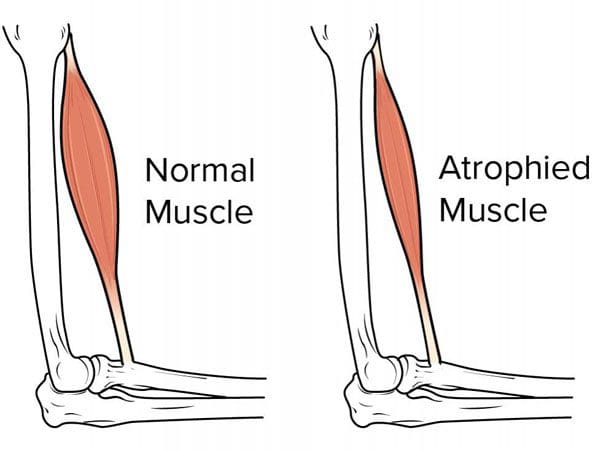
As aforementioned, not moving/stretching can cause more problems in the long run. Not using the muscle can cause it toatrophy, which means that it will take longer to heal with the surrounding muscles weakening. Gentle stretches for a pulled shoulder muscle include:
Cross-Body Shoulder Stretch
Bring the affected arm across the body at an angle
Cup the elbow of the affected arm with the other hand
Use that hand to pull the arm toward the body gently
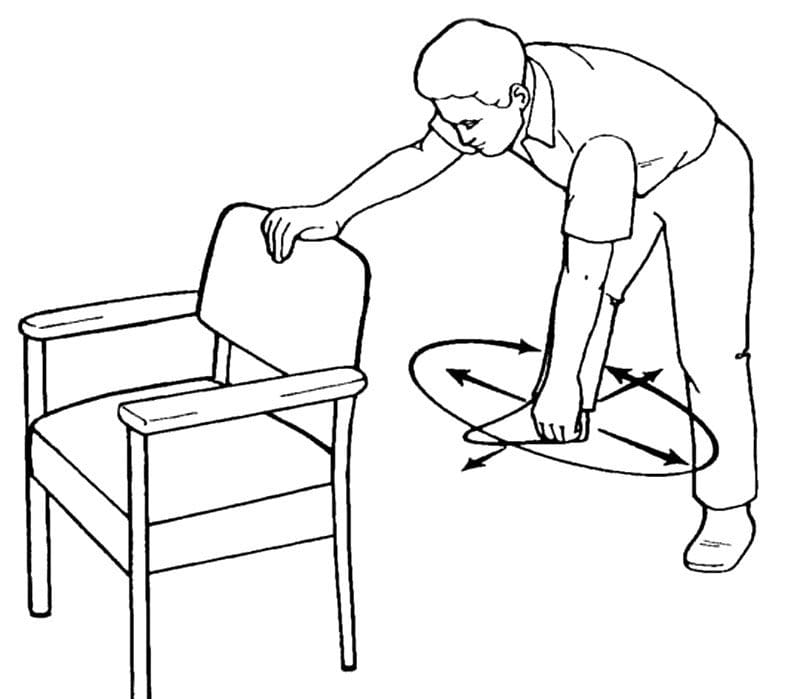
Bend slightly forward, support the body by placing the non-injured arm on a table or chair
Allow the injured arm to hang straight down.
Start swinging the arm in small circles clockwise that gradually grow wider
Do for 1 minute, then switch counterclockwise for another minute
Repeat 4 to 8 times throughout the day
Chiropractic
If home remedies are not enough, then chiropractic can help. Chiropractors use a variety of treatment modalities for pulled shoulder muscles. These include:
Chiropractic adjustments
Electrical stimulation
Manual stretching
Ultrasound
Cold laser therapy to reduce pain and swelling
Health coaching
Posture exercises
Physical rehabilitative therapy
If the pain is persistent, it could indicate more than a pulled muscle is causing the pain. This could be a pinched nerve or a joint issue. A doctor of chiropractic can develop the best recovery option to get to the root cause.
Body Composition
Women and muscle distribution
Research reveals that women could have a higher distribution of type 1 muscle fibers and lower distribution of type 2 muscle fibers which are more prevalent in men. Type 1 muscle fibers are slow-twitch muscles and are extremely useful in long-endurance activities like long-distance running. Type 1 muscle fibers are also the first ones that activate during any exercise. Type 2 are the fast-twitch muscle fibers and get activated when performing powerful or explosive bursts of movements like sprinting.
Because of these muscle-fiber differences, men are likely to excel in training that involves explosive, powerful routines. However, a study found that women can gain more muscle mass using a total body strength training program than men. For optimal results, mix up the workout with a variety of resistance and strength training routines. This will allow for greater muscle mass growth.
References
Kim, Jun-hee et al. Comparison of the Shoulder External Rotator Strength and Asymmetry Ratio Between Workers With and Without Shoulder Impingement Syndrome. Journal of strength and conditioning research, 10.1519/JSC.0000000000003343. 17 Sep. 2019, doi:10.1519/JSC.0000000000003343
Verniba, Dmitry, and William H Gage. Stepping threshold with platform-translation and shoulder-pull postural perturbation methods.Journal of biomechanics vol. 94 (2019): 224-229. doi:10.1016/j.jbiomech.2019.07.027
Dealing with Painful Trigger Points. Berkeley Wellness. http://www.berkeleywellness.com/self-care/preventive-care/article/dealing-painful-trigger-points. Published September 1, 2011. Accessed June 14, 2018.
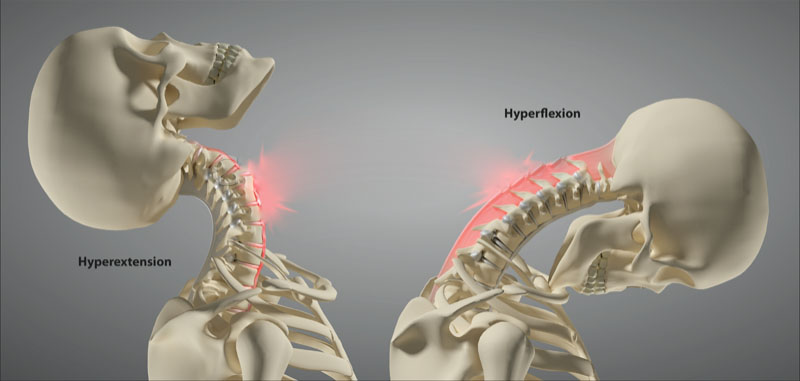
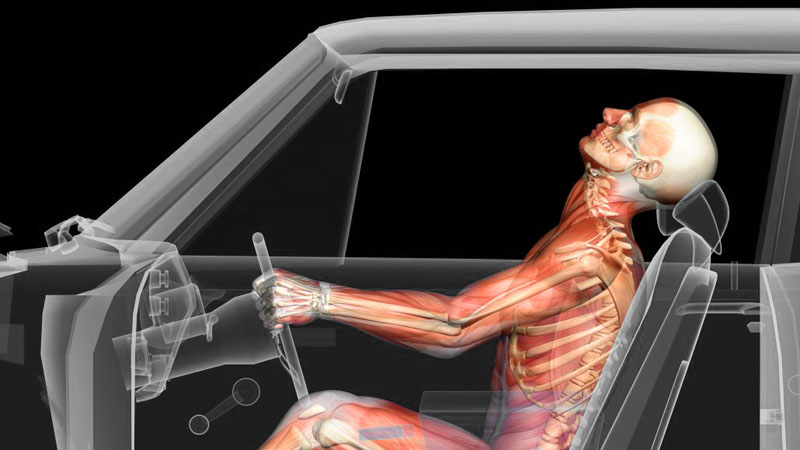
While bruising, soreness, and scrapes are common, whiplash and chronic whiplash injuries may not show for several days or weeks. While today’s vehicles are safer than ever, they can still only do so much when it comes to the body and musculoskeletal health. Being involved in an automobile accident, even a light tap can give a sudden jolt to the spine that although the individual might not have felt anything like discomfort or pain, it was enough to shift the disc/s out of place or set them up to shift out of place. No one wants to be involved in a car or motorcycle accident, but regardless of good driving habits, or how advanced the safety features on the vehicle might be, the average driver will be involved in three to four automobile accidents in their life.
Whiplash
Whiplash and chronic whiplash injuries are common in motor vehicle accidents. More than 3 million Americans will see a doctor and a chiropractor for automobile accidents and whiplash effects. It only takes a 2.5 mph hit to cause an injury. And whiplash doesn’t only happen when hit from behind, there are several ways an individual can be subjected to whiplash, including being T-boned, amusement park rides, and falling off a bicycle or a horse.
Symptoms
Most whiplash symptoms develop in the first twenty-four hours, but this is not always the case. Common symptoms include:
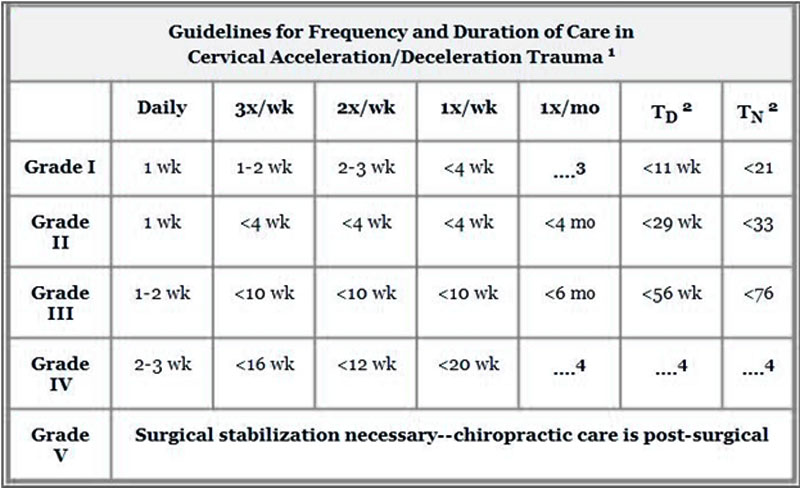
Most individuals realize they have whiplash a day or two after, but for others, it can take a few weeks or even months to present. Whiplash is classified by degree or grade:
Grade 0
The individual has no complaints and there are no symptoms/signs of physical injury.
Grade 1
There is neck pain but there are no physical signs of injury.
Grade 2
There are signs/symptoms of musculoskeletal damage and neck pain is presenting.
Grade 3
There are signs/symptoms of neurological damage and neck pain is presenting.
The average amount of time most individuals stay home from work is around 40 days. However, when whiplash pain lasts longer than a few weeks, it is deemed to be chronic whiplash.
Chronic Whiplash
Some individuals with whiplash experience painful symptoms for years. This is true of those that avoid or refuse medical attention and learn to live with it.
Treatment Options
There are very effective methods for treating whiplash and chronic whiplash injuries. Depending on the extent of the injury/s, developing the right treatment/rehabilitation plan requires individual consultation with a chiropractor to discuss options that can include:
Pain Relief
The pain can be excruciating. Over-the-counter pain relievers like ibuprofen for temporary relief. However, the individual will need extended treatment to ensure it does not become chronic pain.
Neck Brace
Neck braces help limit the pain, but should not be worn for more than three or four days. If worn for too long the neck muscles are prevented from gaining the strength needed to support the head.
Don’t Sit For Too Long
Avoid keeping the head in any one position for too long. This includes sitting in bed, watching TV, or working at a desk. This places a large amount of pressure and stress on the neck, making the pain even more severe and longer-lasting.
Sleeping Properly and Comfortably
For many, it can be difficult to get into a comfortable position when sleeping. Sleeping on the back with the head turned to one side can worsen the pain. Try a high-quality ergonomic pillow that allows the individual to sleep on their side and takes the pressure off of the neck.
Spinal Alignment
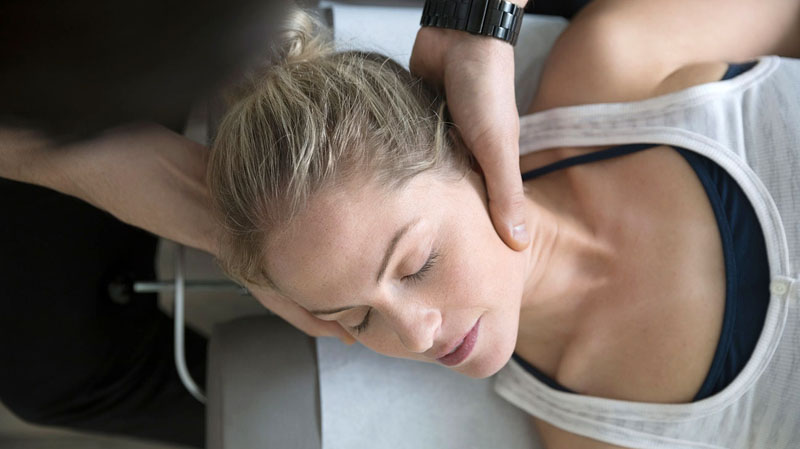
Whiplash can cause the spine to shift out of alignment. This can lead to additional problems in the back or shoulders. It�s always a good idea to see a chiropractor that specializes in motor vehicle accident injuries to realign the spine and neck, as well as for rehabilitation to strengthen the muscles and prevent further injuries. See a chiropractor for an evaluation of the injuries and develop a customized treatment plan that works for the individual’s condition.
Everyone is different
Some individuals can be stiff and sore for a few days and then are okay with not much pain. Some individuals experience severe pain immediately after the wreck, while others have no pain for days or even weeks. Both scenarios are pretty common. Soft tissue injuries can be very deceiving. Some don�t experience any pain for months after the accident. Many don�t think they need to see a doctor or chiropractor because there is no pain or symptoms. However, underneath serious problems could be getting ready to present including:
Constant headaches
Numbness or pins and needles in the hands or arms
Pain between the shoulder blades
Poor posture
Chronic muscle tension
Painful spasms
Degeneration of the discs
Painful inflamed arthritis
The quick development of arthritis
Sore, tight, or inflexible muscles
Sleep disturbances
Fatigue
Dizziness
Body Composition
A decrease in physical activity
Physical inactivity is a primary factor in the progression of sarcopenia. Resistance exercise can help maintain muscle mass and help build muscular strength. Individuals that are more sedentary can exacerbate the effects of sarcopenia.
A decrease in motor neurons
Aging is accompanied by motor neuron loss resulting from cell death. This leads to a decrease in muscle fiber. This decrease in muscle fibers leads to:
Impaired performance
A reduction in functional capacity
A decreased ability to perform everyday tasks
Dr. Alex Jimenez�s Blog Post Disclaimer
The scope of our information is limited to chiropractic, musculoskeletal, physical medicines, wellness, and sensitive health issues and/or functional medicine articles, topics, and discussions. We use functional health & wellness protocols to treat and support care for injuries or disorders of the musculoskeletal system. Our posts, topics, subjects, and insights cover clinical matters, issues, and topics that relate and support directly or indirectly our clinical scope of practice.*
Our office has made a reasonable attempt to provide supportive citations and has identified the relevant research study or studies supporting our posts. We also make copies of supporting research studies available to the board and or the public upon request. We understand that we cover matters that require an additional explanation as to how it may assist in a particular care plan or treatment protocol; therefore, to further discuss the subject matter above, please feel free to ask Dr. Alex Jimenez or contact us at 915-850-0900. The provider(s) Licensed in Texas& New Mexico*
Pinched nerves occur when added pressure is applied to a nerve or set of nerves from surrounding tissues like bones, cartilage, muscles, or tendons. The pressure affects the nerve’s ability to function properly and usually causes pain, tingling, numbness, or weakness. A pinched nerve can occur at various sites in the body. Whether located in the neck, shoulder, arm, hand, back, or knees, they can lead to other debilitating conditions/injuries and permanent nerve damage if left untreated.
Pinched Nerves
The nerves are not actually being pinched but are being compressed. The added pressure on or around the nerve causes painful sensations that can also include:
Pinched nerves are nothing to dismiss. Individuals experiencing any of the above symptoms should get a proper diagnosis from a chiropractor.
Compression Goes Away By Itself
A compressed nerve can go away on its own if the pain has recently started or is not severe. In addition, home remedies like rest, heat, ice, and stretching can be utilized to help the compression subside on its own.
Length of Time It Takes for a Pinched Nerve to Heal
The length of time depends on the reason why the nerve is compressed and irritated. For example, some pinched nerves are brought on from poor posture and tight muscles. These can usually heal within 4 weeks. However, if the pain has been going on for some time, like more than 3 months, it will take longer, especially to identify the root cause/s and address them according to their severity.
Treatment Options
Chiropractic Adjustments and Massage
These two types of treatment/therapy highly complement each other. A chiropractor understands the importance of massage when it comes to healing and stress relief. Some cases of pinched nerves come from tight muscles and muscle spasms. Along with chiropractic adjustments, massage therapy is perfect for releasing and stretching the nerves back to their natural form.
Studies show that chiropractic massage therapy offers pain relief and also helps reduce any depression and anxiety that the pain symptoms can generate. In addition, comprehensive chiropractic treatment has been proven to be the best and fastest way to deal with pinched nerves.
Get More Sleep
Whenever the body is going through stress and needs repair, more sleep gives the body the time to heal itself. An extra hour of sleep also ensures that the injured area moves less. However, try to avoid sleeping on the stomach and make sure that the pillows being used provide plenty of support.
Warm/Hot Soothing Bath
Ice can really help lower swelling and inflammation, but if icing the area has not relieved the pain after 72 hours, it is time for a warm/hot bath. Warm water increases blood circulation, which delivers oxygen and nutrients to help heal and restore. In addition, heat relaxes the muscles of the body, which relieves pressure on the affected area.
Collagen Nerve Joint Repair
Collagen adds cushion to the spaces between the joints and bones while damaged tissues are being repaired. Collagen is the most plentiful natural protein in the human body. Supplements with glucosamine, chondroitin and hyaluronic acid can help and consume bone broth, a healthy collagen source. An anti-inflammatory diet can also help. Inflammation contributes to pain symptoms. Lowering inflammation lowers pain as well.
Proper Posture
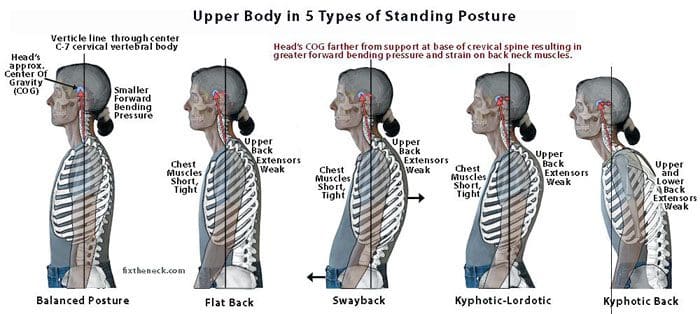
Slouching and poor posture, whether sitting or standing, place added pressure/stress on the joints. When this goes on for long periods or when something traumatic occurs, a pinched nerve can result. A chiropractor will restore the body’s natural curvature. In addition, a chiropractor will discuss and show what proper posture should be and how to strengthen the core to maintain proper posture.
Other Treatment Options
Conventional treatments usually include:
Over the counter pain relievers
Prescription pain relievers for severe cases
Corticosteroids
Microdiscectomy spinal surgery
Regular surgery
Most individuals want to avoid any of the above treatment options. The body has a tremendous ability to heal itself. Chiropractic will reduce the amount of time that is required to heal a pinched nerve. It’s about treating the entire body, not just the symptoms. A customized treatment/recovery diet plan will be developed according to each individual’s needs. At Injury Medical Chiropractic and Functional Medicine Clinic, we encourage anyone experiencing any pain to call us right away.
Composition of the Body
What happens to the body when you stop eating
Not eating for a few hours causes glucose levels in the blood to drop, and insulin release stops. Alpha cells in the pancreas produce a hormone called glucagon that helps the liver break down the body’s stored glycogen, converting it back into glucose. The liver can also produce glucose by utilizing fats, amino acids, and waste.
If the body’s blood sugar levels drop, too low a condition called hypoglycemia happens. It occurs a few hours after eating when there is too much insulin in the blood or certain medications. This is why an individual might feel dizzy, shaky, anxious, or irritable when they have not eaten for several hours. Eating at least 15 to 20 grams of carbohydrates will reverse the symptoms.
Dr. Alex Jimenez’s Blog Post Disclaimer
The scope of our information is limited to chiropractic, musculoskeletal, physical medicines, wellness, sensitive health issues, and/or functional medicine articles, topics, and discussions. We use functional health & wellness protocols to treat and support care for injuries or disorders of the musculoskeletal system. Our posts, topics, subjects, and insights cover clinical matters, issues, and topics that directly or indirectly support our clinical scope of practice.*
Our office has made a reasonable attempt to provide supportive citations and has identified the relevant research study or studies supporting our posts. We also make copies of supporting research studies available to the board and or the public upon request. We understand that we cover matters that require an additional explanation as to how it may assist in a particular care plan or treatment protocol; therefore, to further discuss the subject matter above, please feel free to ask Dr. Alex Jimenez or contact us at 915-850-0900. The provider(s) Licensed in Texas& New Mexico*
References
Dubinsky RM, Miyasaki J.Assessment: Efficacy of transcutaneous electric nerve stimulation in treating pain in neurologic disorders (an evidence-based review). Report of the Therapeutics and Technology Assessment Subcommittee of the American Academy of Neurology.Neurology. 2010;74:173-176.
Shrier I. Does stretching help prevent injuries? Evidence-based Sports Medicine. Williston, VT: BMJ Books; 2002.
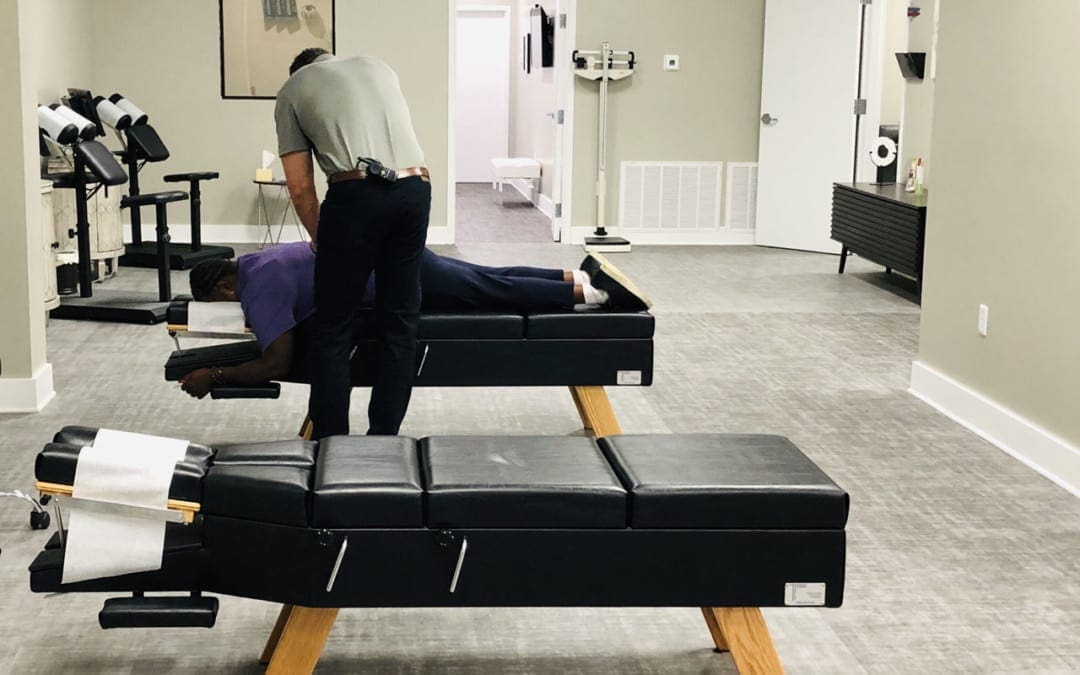
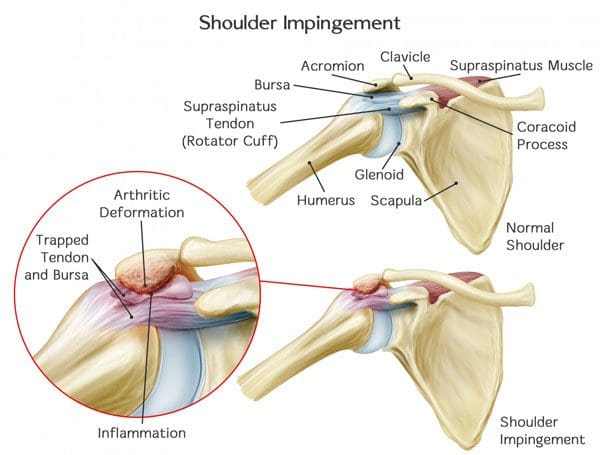
The shoulder is subject to different irritations, injuries, and conditions. Shoulder impingement is a common ailment but is often confused with other shoulder problems. Properly treating impingement syndrome needs proper diagnosis first. Most shoulder impingement cases do not require surgery. Conservative treatment like chiropractic focuses on pain reduction while increasing the range of motion. This is achieved with manual manipulation, soft tissue therapy, cold laser therapy, and spinal adjustments for shoulder posture realignment.
Shoulder Impingement Symptoms
Shoulder impingement often gets confused with a pinched nerve or a rotator cuff tear. The symptoms can be similar, but the treatment options differ. This is why it�s important to know the specific shoulder issue presenting. This can be done by recognizing the symptoms and performing a shoulder impingement self-exam. Symptoms include:
Pain when lifting the arm straight out.
Pain when lifting the arm overhead.
Pain along the outside of the shoulder, the front, back, or side.
Dull throbbing pain.
Trouble sleeping specifically individuals that sleep with their arm over their head.
Shoulder Impingement Self Exams
There are self-exams at home to help determine if it is in fact shoulder impingement. These exams are just to get a better idea, but a professional chiropractic diagnosis is recommended.
Exam 1
Take the hand of the affected arm and place it on the opposite shoulder, creating a V shape at the elbow.
Keeping the hand on the opposite shoulder, raise the elbow straight out in front bringing it up toward the face.
If pain presents in the shoulder while moving the elbow up, then shoulder impingement could be a possibility.
Exam 2
Stand up with hands down at the sides.
Turn the hand of the affected shoulder inward, so the thumb faces back instead of forward.
Keep the thumb pointing backward, raise the arm straight up in front and over the head.
Note if there is any discomfort or pain.
Bring the hand back down to the side.
Next, turn the hand so that the palm is facing forward.
Again, raise the arm in an arc, ending above the head.
If pain presents while raising the arm with the thumb back, but feel relief with the palm facing forward, it is likely a shoulder impingement.
Chiropractic Relief
If there is some sort of impingement different treatment options exist. Many doctors treat shoulder impingement with injections and pain management. Studies show that conservative treatment, like chiropractic, have shown positive results for shoulder impingement cases.
Chiropractic improves joint function and mobility while treating the underlying root cause. A chiropractor will use a multi-approach depending on the cause. A combination of adjustments, anti-inflammatory protocols, and active release techniques can be used.
Chiropractic Adjustment
One of the first things chiropractors look at is the spine. This is because poor posture, and slumping shoulders, can be a major contributor to impingement. Chiropractors perform a posture assessment and, if necessary a spinal adjustment to achieve proper alignment is the beginning to get the body back in balance.
Anti-Inflammation Protocols
Next, is the shoulder itself. Deep tissue massage and anti-inflammation techniques like cold laser therapy or ultrasound can relieve pain, and reduce inflammation. Once the pain has decreased, the chiropractor will move on to active release techniques.
Active Release Technique
Usually the result of the muscles or tendons becoming inflamed and irritated, the active release technique is used to separate any scar tissue from the soft tissue. The active release technique is performed with a combination of movement and manipulation. This increases healing through proper blood flow and circulation.
Healing Naturally
Here is an example of a potential treatment plan. All treatment plans are different depending on:
Individual health
Activity level
Medical history
Age
Injury
Rest and Pain Reduction
The first step in healing is rest. Individuals will be recommended to cease any overhead arm activity and any activity that causes inflammation of the shoulder.
Pain reduction treatment. This could be:
Ultrasound
Laser therapy
Massage
Other forms of pain relief and inflammation reduction
Adjustments/Alignment
Chiropractic adjustments performed on the upper cervical spine, upper back, and shoulder area will address the overall cause.
Posture assessments will determine if the spine needs adjusting and if it is a cause of the impingement.
The exercises are also called shoulder impingement rehab protocols.
Rehab Protocol
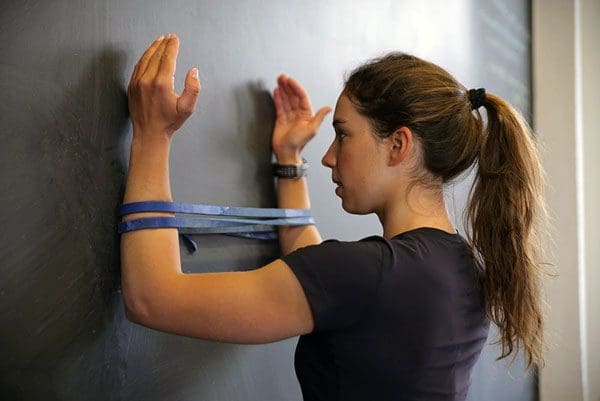
The stretches and exercises are an essential part of the healing process. The specific exercises will depend on the individual’s specific treatment plan but are made to be gentle on the body without any special equipment. If you have any questions call our chiropractic and physical therapy clinic to talk to a trained professional.
Body Composition
Strength Training
Strength training is defined as a technique/method of improving the body’s muscular strength. This is achieved by gradually increasing the resistance force through the use of free weights, machines, or body weight. This means the body gets stronger and more capable of performing regular, work, and sports activities without experiencing weakness, fatigue, discomfort, and pain. Examples could include:
Carrying groceries or children
Moving furniture, household objects, etc.
Running
Jumping
Other physical activities
Strength training has numerous benefits, including:
Increased physical performance
Improved blood pressure
Improved metabolism
Reduced fat mass
Increased bone strength/density
Improved cognitive ability
Prevention and management of type 2 diabetes
Improved cholesterol levels
Reduction of pain associated with chronic conditions
Dr. Alex Jimenez�s Blog Post Disclaimer
The scope of our information is limited to chiropractic, musculoskeletal, physical medicines, wellness, and sensitive health issues and/or functional medicine articles, topics, and discussions. We use functional health & wellness protocols to treat and support care for injuries or disorders of the musculoskeletal system. Our posts, topics, subjects, and insights cover clinical matters, issues, and topics that relate and support directly or indirectly our clinical scope of practice.*
Our office has made a reasonable attempt to provide supportive citations and has identified the relevant research study or studies supporting our posts. We also make copies of supporting research studies available to the board and or the public upon request. We understand that we cover matters that require an additional explanation as to how it may assist in a particular care plan or treatment protocol; therefore, to further discuss the subject matter above, please feel free to ask Dr. Alex Jimenez or contact us at 915-850-0900. The provider(s) Licensed in Texas& New Mexico*
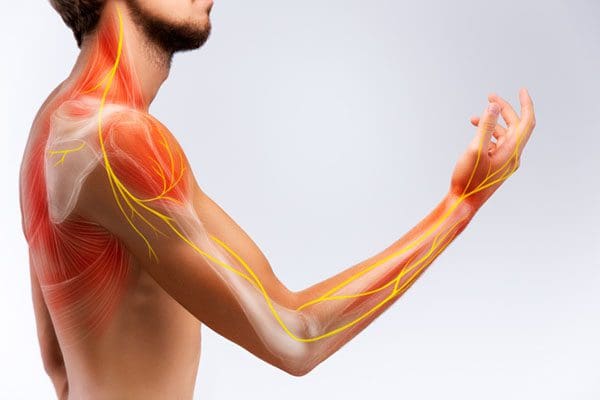
Shoulder and arm pain can be debilitating, especially when there is no obvious cause or injury that needs to be treated. A rare condition known as brachial neuritiscan cause spasms along with pain down the arm, followed by numbness, tingling, and weakness. If not diagnosed and treated early, the symptoms can worsen with time. The pain experienced can be described as sharp, searing, and shooting. Brachial neuritis can be intense and disabling when it presents for hours and even days.
Utilizing a chiropractic approach, shoulder and spinal adjustments can provide relief and a faster healing/recovery from the inflammatory condition. Individuals experiencing shoulder, arm, and possible hand pain should consult with a chiropractor about a potential home and clinic treatment plan to improve their condition.
Medical History and Examination
The process of diagnosing brachial neuritis involves an individual’s medical history and physical exam. More complicated cases could require imaging studies and electrodiagnostic tests. The first steps in diagnosing the cause of shoulder and/or arm pain include:
Medical history
Information will be collected on an individual’s:
Medical history
Family history
Underlying conditions
Recent illnesses or injuries
Lifestyle habits
How and when symptoms began
Current symptoms
Physical examination
A chiropractor will palpate or inspect by feeling the neck, shoulder, and arm for irregularities. Then they will examine the range of motion, strength, and reflexes. If the individual’s history and physical exam suggest that the cause could be brachial neuritis or other condition involving the nerves, imaging studies, and diagnostic tests could be required to evaluate further.
Symptoms of Brachial Neuritis
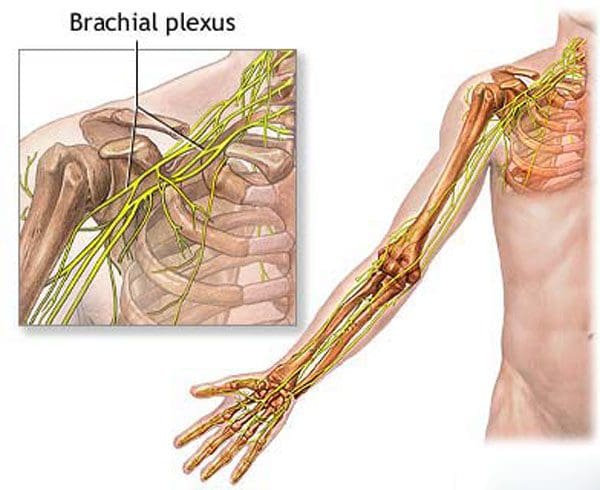
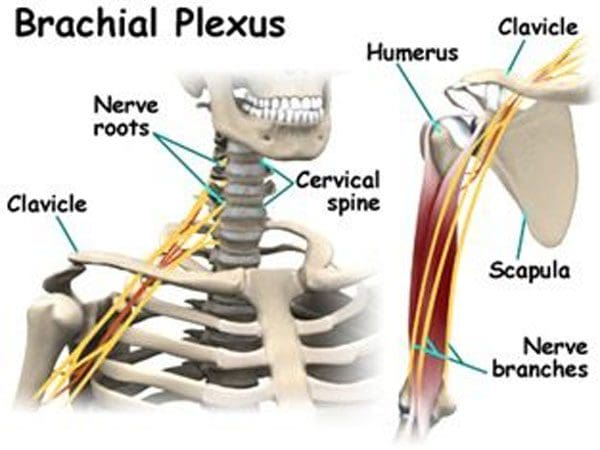
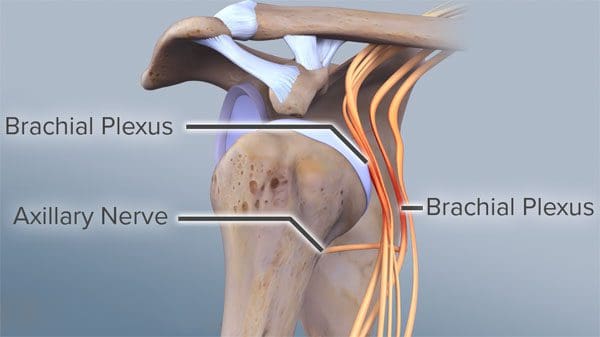
The condition is also known as Parsonage-Turner Syndrome. It affects the brachial plexus, a set of nerves that run from the neck and upper back to the shoulders. The condition usually affects only one side of the body and presents randomly.
What happens is the nerves become inflamed.
Inflammation can be triggered through an autoimmune response. This is often the result of an infection, surgical procedure, or other internal stressors. The inflammation can lead to severe debilitating shoulder pain over a few days.
This also leads to long-term numbness, weakness in the shoulder and arm.
The pain becomes worse with movement.
Typically, the pain goes away on its own within a few days.
Numbness, weakness, or tingling in the shoulder or arm continues.
Over time the symptoms begin to worsen and, if left untreated, could lead to muscular atrophy of the arm.
The pain and weakness can make it difficult to move the arm, leading to decreased strength.
Symptoms can last up to a year or more.
This is why individuals have to find ways to strengthen their shoulder/arm despite the condition.
Chiropractic Relief
Treatment requires a pain management program until the pain subsides. Once the pain is manageable, chiropractic, physical therapy, exercises, and stretches could improve mobility and strength. Chiropractic can provide relief and tools necessary to prevent the worsening of symptoms. Chiropractic helps to:
Reduces pain
Improves mobility
Restores strength
Chiropractic manipulation will ensure that the nerves near the brachial plexus do not become compressed, but if they are, then chiropractic can be utilized to decompress/release them. In addition, trigger point release and massage can help alleviate the tension in the surrounding tissues of the arm and shoulder.
A chiropractor will educate the individuals on effective pain management techniques for home, including ice/heat therapy and stretching exercises. These techniques will help restore the proper alignment and flow of the spinal vertebrae, nerves, and muscle tissues, allowing the body to heal quickly, naturally, and more effectively.
Chiropractic Shoulder Pain Treatment
References
Feinberg, Joseph H, and Jeffrey Radecki. Parsonage-turner syndrome. HSS journal: the musculoskeletal journal of Hospital for Special Surgery vol. 6,2 (2010): 199-205. doi:10.1007/s11420-010-9176-x
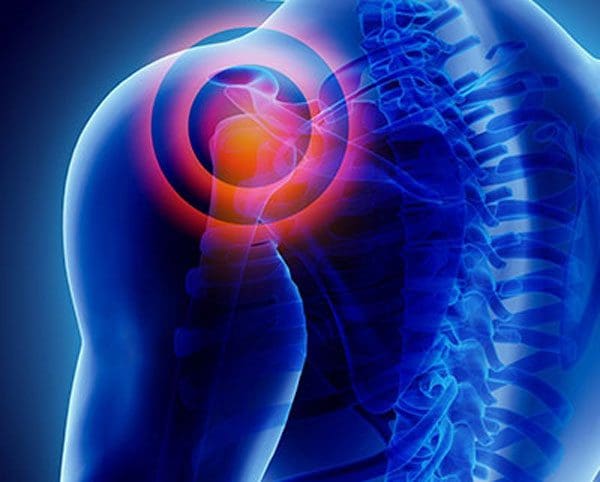
The shoulder/s are the joints where the upper-arm bones known as the humerus, the shoulder blades or scapula, and the collarbone/clavicle come together. The upper-arm bone fits into the scapula socket and is held in place by muscles and tendons. This is the rotator cuff. It covers and protects the upper-arm and allows for raising and movement of the arm. Pain in the shoulder can have a variety of causes.
Injuries can occur in a slip and fall or automobile accident. A task like painting the house could cause a repetitive/overuse injury. The�soft tissues in the shoulder, muscles, tendons, and ligaments�can get injured from excessive strain, falls, and improper motion. Shoulder pain can come from certain conditions like arthritis. And it can present from problems or issues in other parts of the body. This is known as referred pain.
The shoulder takes on more than we realize. It is made up of an intricate network of ligaments and muscles, with the rotator cuff taking most of the load when moving. It is the most flexible joint in the human body, and one of the most unstable. It is�unstable because of its unique construction. Other joints like the ankle or elbow are limited in their range of motion. Shoulder injuries�are common, as the shoulder sustains more injuries than almost any other part of the body.
Injury Symptoms
Here are some questions to help figure out if there is a shoulder injury:
Does the arm move normally?
Is there extreme stiffness?
Is there pain and what type – throbbing, stinging, shooting
Does it feel like it could pop out of the socket?
Is it strong enough for normal activities?
Certain shoulder injuries can be treated at home for a few days with rest and ice. The shoulder can be bandaged with Kinesio tape to hold it in place if necessary. But serious injuries require professional medical help. Symptoms/signs that a medical professional is needed:
The shoulder joint looks deformed
The shoulder cannot be used at all
The pain is extreme and intense
The shoulder is swelling rapidly
The arm and/or hand is weak and/or numb
Common injuries
Dislocation
When the shoulder gets pulled back hard or rotated too far, the top of the arm can get popped out of the socket. This can cause pain, weakness, swelling, numbness, and bruising.
Separation
This is an injury affecting the joint where the collarbone and shoulder blade come together. It is the acromioclavicular or AC joint. An accident, fall, or traumatic impact can tear the ligaments holding it together. If the collarbone gets shifted out of place, a bump on top of the shoulder will appear.
Fracture
After a fall or a hard hit, the bones can break or become cracked. The most common breaks are to the collarbone and the arm bone that is the closest to the shoulder. Pain presents along with bruising can occur. If the collarbone is broken, the shoulder may sag and there will be no ability to lift the arm.
Cartilage tear
The cartilage or rubbery padding that runs around the rim of the shoulder joint can suffer injury and/or get torn. Repetitive motions and overuse can lead to a tear. It can also be injured in a fall, or anytime it absorbs the brunt of the force. Pain can be felt when reaching over the head, or the shoulder feels/seems to be weak. Sensations like catching, locking, or grinding may also be felt.
Rotator cuff tear
The rotator cuff belongs to a group of muscles and tendons that hold the arm in place and allow for lifting the arm up and overhead. It can suffer damage through overuse or in an accident. The rotator cuff begins to show wear and tear with age. It can hurt at night and when trying to lift objects. Individuals have also reported a crackling sound when moving.
Frozen shoulder
This is a condition that limits how much the joint moves. Bands of tissue or adhesions build up in the joint and keep the shoulder from moving freely. This is where the freeze happens. It comes from the pain, causing the individual to not use it, this allows the adhesions to build.
Impingement
This is when the tendons of the rotator cuff become pinched within the bones of the shoulder. It can cause swelling and pain. It is often set off when lifting the arms over the head repetitively.
Bursitis
This is when the fluid-filled sacs or bursa that cushion the joints get swollen and irritated. Usually, the onset occurs from repetitive motions. However, it can also be caused by a fall or other injury. The pain occurs most when moving the shoulder.
Other causes
Osteoarthritis
Also known as degenerative joint disease. It is the most common form of arthritis. It can affect any joint, including the shoulders. The cartilage between the bones breaks down and allowing them to rub against each other causing pain and stiffness.
Rheumatoid arthritis
This is a disease that causes the immune system to attack the protective lining in the joints. It causes pain and stiffness in the shoulders.
Referred pain
There could be nothing wrong, yet pain or discomfort presents. This could be a sign of a condition involving the lungs, gallbladder, liver, nerves, etc.
Heart attack
Shoulder pain could be brought on from the tightness in the chest and trouble breathing. Get emergency medical help immediately.
Tendinitis
The tendons that make up the rotator cuff become inflamed. It can happen progressively over time or quickly from an accident, fall, or a direct hit to the shoulder.
Bone spurs
These are small, smooth pieces of bone that begin to rub up against the rotator cuff keeping the shoulder from proper movement. They can lead to tendonitis or a tear.
Diagnosis
A doctor or chiropractor will begin with a physical exam to check for structural problems to rule out anything involving the spine or neck. Next, is the range of motion exam to see how strong and flexible the shoulder is. This involves moving the arms in different ways, like:
Above the head
Across the body
Behind
Rotate 90 or 180 degrees
The doctor could recommend imaging tests to get a closer look:
X-rays
These can help find bone spurs, arthritis, and other bone-related causes of shoulder pain. The doctor could recommend an arthrogram. This involves using a dye to enhance the details allowing them to render more clearly.
MRI scan
Radio waves and a powerful magnet generate detailed images of the shoulder.
CT scan
This is a series of X-rays taken from various angles. When placed together, they allow for optimal views to be seen.
EMG
This measures electrical activity in the muscles to see if there are any problems with the nerves.
Arthroscopy
A surgical procedure that utilizes a tiny fiber-optic camera, allowing the doctor to see high-definition images. With certain cases, the doctor could be able to treat the problem during the procedure.
Treatment
Dislocations, separations, and fractures require medical attention. Getting the shoulder back to the right position followed by a sling to hold it in place while healing and in recovery. For less serious issues, the doctor could recommend rest, heat/ice, and medicine like ibuprofen or aspirin to help with the pain and swelling.
Chiropractic treatment for shoulder injury/s and pain. A Chiropractor can:
Relieve pain
Improve range of motion
Increase flexibility
Restore function to the joint
If the shoulder does not show improvement after the first steps, the doctor could recommend injecting an anti-inflammatory medication straight into the joint for the swelling and pain relief. There are times when cartilage tears, rotator cuff tears, and a frozen shoulder does not improve with rest, physical therapy, or medication. As a last resort, the doctor could recommend surgery. Any problem with the shoulder means that the treatment plan will probably include stretches and exercises to help strengthen the joint and improve the range of motion.
Prevention
Consider how often the shoulders are used at work and play. Then find ways to protect it:
If working at a desk, make sure the chair has proper back support and promotes proper posture.
Take several short breaks to move around at least once an hour.
If work requires heavy lifting, proper technique is essential.
First face the object being lifted
Keep the back straight
Bend the knees using the legs for power
When reaching for a heavy object overhead, use a step-ladder to get a better position.
Ask the doctor or chiropractor about a strength and conditioning regimen for the muscles around the shoulders, to keep them strong and flexible.
Chiropractic Treatment Shoulder Pain
Dr. Alex Jimenez�s Blog Post Disclaimer
The scope of our information is limited to chiropractic, musculoskeletal, physical medicines, wellness, and sensitive health issues and/or functional medicine articles, topics, and discussions. We use functional health & wellness protocols to treat and support care for injuries or disorders of the musculoskeletal system. Our posts, topics, subjects, and insights cover clinical matters, issues, and topics that relate and support directly or indirectly our clinical scope of practice.*
Our office has made a reasonable attempt to provide supportive citations and has identified the relevant research study or studies supporting our posts. We also make copies of supporting research studies available to the board and or the public upon request. We understand that we cover matters that require an additional explanation as to how it may assist in a particular care plan or treatment protocol; therefore, to further discuss the subject matter above, please feel free to ask Dr. Alex Jimenez or contact us at 915-850-0900. The provider(s) Licensed in Texas& New Mexico*
IFM's Find A Practitioner tool is the largest referral network in Functional Medicine, created to help patients locate Functional Medicine practitioners anywhere in the world. IFM Certified Practitioners are listed first in the search results, given their extensive education in Functional Medicine