Shoulder Treatment: About two years ago, Denise was involved in an automobile accident which resulted in upper body issues, including shoulder pain. Due to her painful symptoms, Denise was unable to engage in her regular physical activities. While she continued to experience problems with her auto accident injuries, she decided to seek chiropractic shoulder treatment with Dr. Alex Jimenez. Since her first treatment session, Denise noticed tremendous changes to her symptoms and she was once again able to return to her original routines prior to the incident. Denise positively recommends Dr. Alex Jimenez as the non surgical choice for shoulder pain treatment since finding relief.
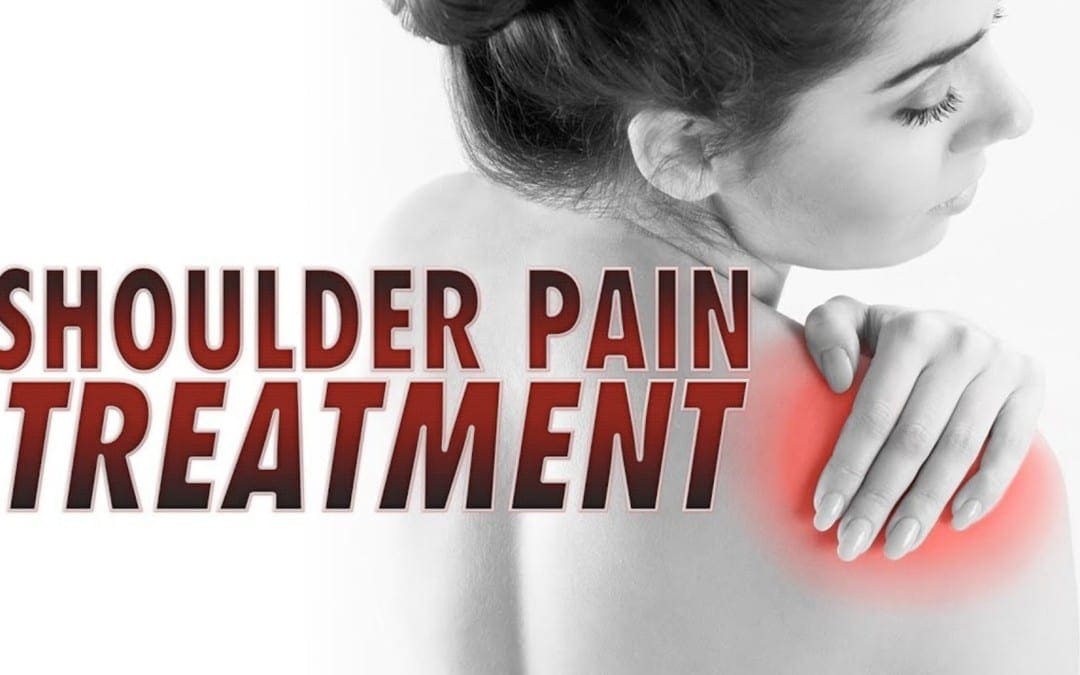
Upper body issues, such as shoulder pain, are some of the most common reasons for doctor visits. The shoulder is the most mobile joint in the human body, however, because of its increased range of motion, it is also the most unstable joint. This can increase the risk of joint injury, often leading to the degeneration of the soft tissues surrounding the shoulders. Shoulder pain can be categorized as localized or referred, with other health issues causing shoulder pain. The force from the impact of an accident, such as an automobile accident or a sports injury, is a well-known cause for shoulder issues.
Please Recommend Us: If you have enjoyed this video and/or we have helped you in any way please feel free to recommend us. Thank You & God Bless.
Shoulder Pain: The shoulder goes through a lot in a day. It is comprised of an intricate network of ligaments and muscles, with the rotator cuff taking the brunt of much of the movement and exertion.
Not only is the shoulder the most flexible joint in the human body, it is also one of the most unstable. Among athletes, the shoulder injuries are quite common; the shoulder sustains more injuries that almost all other parts of the body.
The shoulder is particularly vulnerable due to its unique construction. Other joints in the body, such as the ankle or elbow, have a somewhat limited range of motion. The shoulder has a wide range of motion as a freely moving joint. This leaves it susceptible to stress, injury, and pain.
The various soft tissues within shoulder, muscles, tendons, and ligaments can be injured from overuse, excessive strain, falls, and improper motion. Treating shoulder pain can be a challenge because it is used so often in the course of daily life. A Doctor of Chiropractic can help relieve shoulder pain and speed healing.
Causes Of Shoulder Injury & Pain
Shoulder pain can be caused by a number of conditions. Injury to the rotator cuff is one of the most common causes and is commonly seen in athletes, like gymnasts and football players, who use their arms and shoulders frequently and tend to put increased stress on the joint.
Any activity that involved repetitive shoulder movements can also cause injury. Swimmers, tennis players, and baseball players are highly susceptible to injury.
Athletes are not the only ones who experience shoulder pain and injury. People who work in an environment that requires repetitive motion or strenuous upper body work are also at risk. Construction workers commonly experience shoulder injury and pain as do truck drivers.
Prevention Of Shoulder Pain
Preventing shoulder pain and injury is usually quite simple. Athletes and workers whose jobs require repetitive arm work or rotation should take the warm up and cool down before playing, and they should take breaks often.
Pain should be addressed sooner rather than later with ice packs applied immediately and a chiropractic appointment. Ignoring shoulder pain could lead to a more serious injury.
Taking time off to give an injured shoulder rest is always a smart move. The joint needs rest in order to heal and regular activities should not be resumed until the doctor says it is OK. A chiropractor can also recommend exercises specifically geared toward certain types of injuries or conditions � they should be followed to the letter.
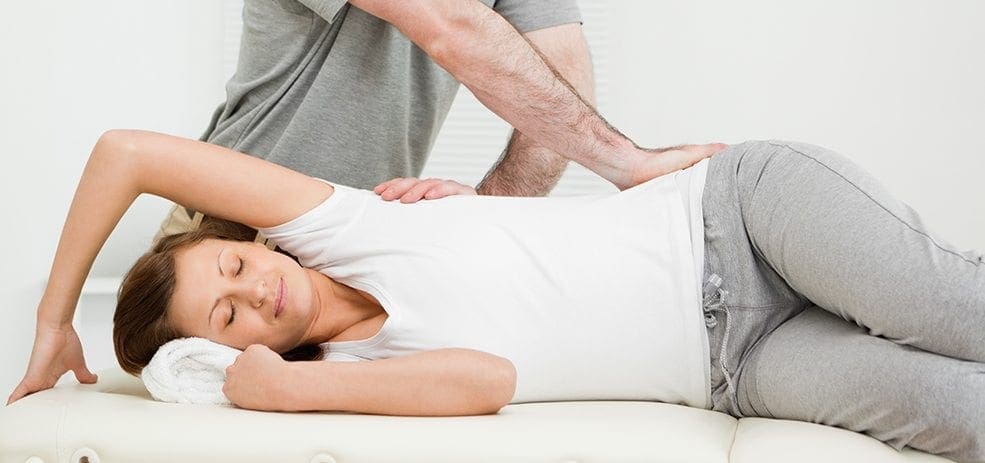
The patient will be assessed by the chiropractor at the first visit and the doctor will determine a treatment plan. Ischemic compression techniques have been found to be very effective for certain types of shoulder pain. It is often favored because it is very effective, in not very strenuous for the doctor to perform, is very safe, and is tolerated well by the patient. Other conditions may respond better to different chiropractic techniques.
Chiropractic care is often the treatment of choice for shoulder pain because it is minimally invasive and it works. As is often the case, pain in one part of the body can cause pain in other areas. In the case of shoulder pain, the spine and neck may become inflamed. Chiropractic care addresses all areas of the body to relieve pain without drugs and gets the patient on the road to healing quicker.
Are you or a loved one suffering from shoulder pain? If so, give us a call. Our Doctor of Chiropractic is here to help!
Two surgeons discuss the diagnosis and treatment of acromioclavicular injuries in athletes. El Paso, TX. Chiropractor, Dr. Alexander Jimenez follows the discussion.
Acromioclavicular (AC) joint injuries most often occur in athletic young adults involved in collision sports, throwing sports, along with overhead activities like upper-extremity strength training. They account for 3% of all shoulder injuries and 40% of shoulder sports injuries. Athletes in their second and third decade of life are more often affected(1), and men are injured more commonly than women (5:1 to 10:1)(1,2).
Acromioclavicular dislocation was known as early as 400 BC by Hippocrates(3). He cautioned against mistaking it for glenohumeral (shoulder joint) dislocation and advocated treating with a compressive bandage in an attempt to hold the distal (outer) end of the clavicle in a diminished position. Almost 600 decades later Galen (129 AD) recognized his own acromioclavicular dislocation, which he sustained while wrestling(3). He left the tight bandage holding the clavicle down as it was too uneasy. In today’s era this injury is better known, but its treatment remains a source of fantastic controversy.
Anatomy
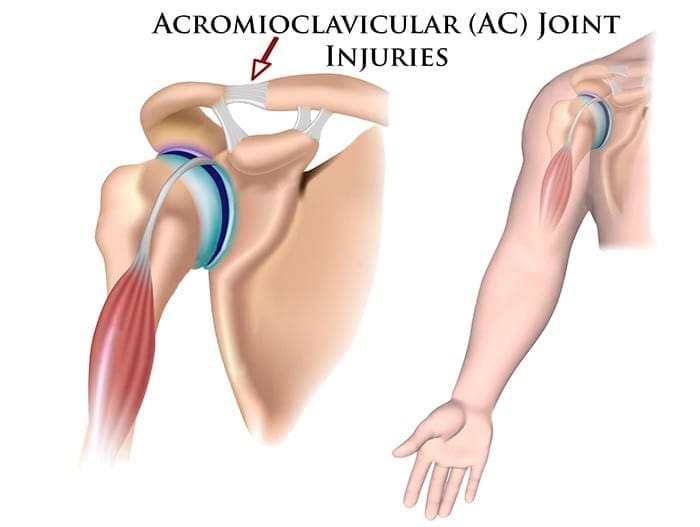
The acromioclavicular joint combines the collarbone to the shoulder blade and therefore links the arm to the axial skeleton. The articular surfaces are originally hyaline cartilage, which affects to fibrocartilage toward the end of adolescence. The average joint size is 9mm by 19mm(4). The acromioclavicular joint contains an intra-articular, fibrocartilaginous disc which may be complete or partial (meniscoid). This helps absorb forces in compression. There is marked variability in the plane of the joint.
Stabilizers
There is little inherent bony stability in the AC joint. Stability is provided by the dynamic stabilizers — namely, the anterior deltoid muscle arising from the clavicle and the trapezius muscle arising from the acromion.
Additionally, there are ligamentous stabilizers. The AC ligaments are divided into four — superior, inferior, anterior and posterior. The superior is most powerful and blends with muscles. The acromioclavicular ligaments contribute around two- thirds of the constraining force to superior and posterior displacement; however, with greater displacement the coracoclavicular ligaments contribute the major share of the resistance. The coracoclavicular ligament consists of the conoid and trapezoid. The conoid ligament is fan-shaped and resists forwards motion of the scapula, while the more powerful trapezoid ligament is level and resists backward movement. The coracoclavicular ligament helps bunch scapular and glenohumeral (shoulder joint) motion and the interspace averages 1.3 cm.
Mechanism Of Injury
The athlete who sustains an acromioclavicular injury commonly reports either one of two mechanisms of harm: direct or indirect.
Direct force: This is when the athlete falls onto the point of the shoulder, with the arm usually at the side and adducted. The force drives the acromion downwards and medially. Nielsen(5) found that 70 percent of acromioclavicular joint injuries are caused by an direct injury.
Indirect force: This is when the athlete falls onto an outstretched arm. The pressure is transmitted via the humeral head into the acromion, therefore the acromioclavicular ligament is disrupted and the coracoclavicular ligament is stretched.
On Examination
The athlete presents soon after the severe injury with his arm splinted to his side. The patient may state that the arm feels better using superiorly directed support on the arm. Most motions are limited secondary to pain near the top of the shoulder; the degree varies with the grade of sprain. The hallmark finding is localized swelling and tenderness over the acromioclavicular joint.
In dislocations, the outer part of the collarbone will appear superiorly displaced using a noticeable step deformity (in fact, it is the shoulder which sags beneath the clavicle). Occasionally, the deformity may only be apparent later, if first muscle spasm reduces acromioclavicular separation. Forced cross-body adduction (yanking the affected arm across the opposite shoulder) provokes discomfort. The clavicle can frequently be moved relative to the acromion.
Acromioclavicular Visualisation
The typical joint width measures 1-3mm. It’s regarded as abnormal if it is more than 7mm in men, and 6mm in women. Routine anteroposterior views of the shoulder reveal the glenohumeral jointnonetheless, that the acromioclavicular joint is over penetrated and so dark to interpret. Reduced exposure enhances visualization. The individual stands with both arms hanging unsupported, both acromioclavicular joints on one film. Weighted viewpoints (stress X-rays) are obtained with 10-15 lb weights not held but suspended from the individual’s wrists. They help differentiate type II-III injuries, but are of little clinical significance and therefore are no longer recommended in our practice.
Classification Of AC Separation
The importance of identifying the injury kind can’t be over emphasized because the treatment and prognosis hinge on an accurate diagnosis. The injuries are graded on the basis of that ligaments are injured and how badly they’re torn.
Allman (6) classified acromioclavicular sprains as grades I, II and III, representing respectively, no involvement, partial tearing, and total disruption of the coracoclavicular ligaments. More recently, Rockwood (1) has further classified the more severe injuries as standard III-VI.
The injuries are classified into six categories:
Type I This is the most common injury encountered. Only a mild force is needed to sustain such an injury. The acromioclavicular ligament is sprained with an intact coracoclavicular ligament. The acromioclavicular joint remains stable and symptoms resolve in seven to 10 days. This injury has an excellent prognosis.
Type II The coracoclavicular ligaments are sprained; however, the acromioclavicular ligaments are ruptured. Most players can return to their sport within three weeks. There is anecdotal evidence to suggest that steroid injections into the acromioclavicular joint speed up the resolution of symptoms, but this practice is not universal.
Type III The acromioclavicular joint capsule and coracoclavicular ligaments are completely disrupted. The coracoclavicular interspace is 25-100% greater than the normal shoulder.
Type IV This is a type III injury with avulsion of the coracoclavicular ligament from the clavicle, with the distal clavicle displaced posteriorly into or through the trapezius.
Type V This is type III but with exaggeration of the vertical displacement of the clavicle from the scapula-coracoclavicular interspace 100-300% greater than the normal side, with the clavicle in a subcutaneous position.
Type VI This is a rare injury. This is type III with inferior dislocation of the lateral end of the clavicle below the coracoid
Treatment
The treatment of acromioclavicular joint injuries varies based on the seriousness or grade of the injury.
Initial treatment: These can be quite painful injuries. Ice packs, anti-inflammatories plus a sling are utilized to immobilize the shoulder and then take the weight of the arm. As pain starts to subside, it is important to start moving the fingers, wrist and elbow to prevent shoulder stiffness. Next, it’s important to begin shoulder motion in order to stop shoulder stiffness.
Un-displaced injuries only require rest, ice, and then a slow return to activity over two to six weeks. Major dislocations require surgical stabilization in athletes if their dominant arm is involved, and if they participate in upper-limb sports
Type I & II: Ice pack, anti-inflammatory agents and a sling are used. Early motion based on symptoms is introduced. Pain usually subsides in about 10 days. Range-of-motion exercises and strength training to restore normal motion and strength are instituted as the patient�s symptoms permit. Some symptoms may be relieved by taping (taking stress off acromioclavicular joint). The length of time needed to regain full motion and function depends upon the severity or grade of the injury. The sport and the position played determine when a player can return to a sporting activity. A football player, who does not have to elevate his arm, can return sooner than a tennis or rugby player. When a patient returns to practice and competition in collision sports, protection of the acromioclavicular joint with special padding is important. A simple �doughnut� cut from foam or felt padding can provide effective protection. Special shoulder- injury pads, or off-the-shelf shoulder orthoses, can be used to protect the acromioclavicular joint after injury.
Some Type II injuries may develop late degenerative joint changes and will need a resection of the distal end of the clavicle for pain relief. It is important to note that after a resection of the distal end of the clavicle, particularly in a throwing athlete, there may be formation of heterotopic bone on the under surface of the clavicle which can cause a painful syndrome which presents like shoulder impingement.
Type III: The treatment of type III injury is less controversial than in past years. In the 1970s, most orthopaedic surgeons recommended surgery for type III acromioclavicular sprains(7). By 1991, most type III injuries were treated conservatively(8). This change in treatment philosophy was prompted by a series of retrospective studies(9). These showed no outcome differences between operative and nonoperative groups.
What’s more, the patients treated non-operatively returned to full activity (work or athletics) earlier than surgically treated groups(10, 11). The exceptions to this recommendation include people who perform repetitive, heavy lifting, people who operate with their arms above 90 degrees, and thin patients who have prominent lateral ends of the clavicles. These patients may benefit from surgical repair(12).
Any discussion about the management of acute injuries to the AC joint must deal with which of the many methods of surgical therapy described is the best for their situation, but whether surgery should be considered at all. Surgery is generally avoided in athletes participating in contact sports since they will often re-injure the shoulder later on.
Type IV-VI: Account for more than 10-15% of total acromioclavicular dislocations and should be managed surgically. Failure to reduce and fix these will lead to chronic pain and dysfunction.
Surgery
Surgical repair can be divided into anatomical or non- anatomical, or historically into four types:
? Coracoclavicular repairs (Bosworth screws(13), cerclage, Copeland and Kessel repair).
? Distal clavicular excision.
? Dynamic muscle transfers.
? Disadvantages of surgery are that there are risks of infection, a longer time to return to full function and continued pain in some cases.
For the individual with a chronic AC joint dislocation or subluxation that remains painful after three to six months of closed treatment and rehabilitation, surgery is indicated to improve functioning and comfort.
For sequelae of untreated type IV-VI, or painful type II and III injuries, the Weaver Dunn technique is advocated. This�entails removing the lateral 2cm of the clavicle and reattaching the acromial end of the coracoacromial ligament to the cut end of the clavicle, thus reducing the clavicle to a more anatomical position.
Postoperatively, the arm is supported in a sling for up to six weeks. Following the first two weeks, the patient is permitted to use the arm for daily activities at waist level. After six weeks, the sling or orthosis is discontinued, overhead actions are allowed, formal passive stretching is instituted, and light stretching using elastic straps is initiated. Stretching and strengthening are begun slowly and gradually. The athlete shouldn’t return to their sport without restriction until full strength and range of motion has been recovered. This usually occurs four to six months following operation.
Conclusion
AC joint injuries are an important source of pain at the shoulder area and have to be assessed carefully. The management of these injuries is nonoperative in the majority of cases. Type I and II injuries are treated symptomatically. The present trend in uncomplicated type III injuries are a non operative strategy. In the event the athlete develops following problems, a delayed reconstruction might be undertaken. In athletes involved in heavy lifting or prolonged overhead activities, surgery may be considered acutely. Type IV-VI injuries are generally treated operatively.
No matter what kind of treatment is chosen, the ultimate purpose is to restore painless function to the wounded AC joint so as to reunite the athlete safely and as quickly as possible back to their sport. It is possible in the vast majority of acromioclavicular joint injuries.
References
Reza Jenabzadeh and Fares Haddad
1. Rockwood CA Jr, Williams GR, Young CD. Injuries of the Acromioclavicular Joint. In CA Rockwood Jr, et al (eds), Fractures in Adults. Philadelphia: Lippincott-Raven, 1996; 1341-1431.
2. Dias JJ, Greg PJ. Acromioclavicular Joint Injuries in Sport: Recommendations for Treatment. Sports Medicine 1991; 11: 125-32.
3. Adams FL. The Genuine Works of Hippocrates (Vols 1,2). New York, William Wood 1886.
4. Bosworth BM. Complete Acromioclavicular Dislocation. N Eng J Med 2 41: 221-225,1949.
5. Nielsen WB. Injury to the Acromioclavicular Joint. J Bone Joint Surg 1963; 45B:434-9.
6. Allman FL Jr. Fractures and Ligamentous Injuries of the Clavicle and its Articulation. J Bone Joint Surg Am 1967;
49:774- 784.
7. Powers JA, Bach PJ: Acromioclavicular Separations: Closed or Open Treatment? Clin Orthop 1974; 104 (Oct): 213-223
8. Cox JS: Current Methods of Treatment of Acromioclavicular Joint Dislocations. Orthopaedics 1992; 15(9): 1041-1044
9. Clarke HD, Mc Cann PD: Acromioclavicular Joint Injuries. Orthop Clin North Am 2000; 31(2): 177-187
10. Press J, Zuckerman JD, Gallagher M, et al: Treatment of Grade III Acromioclavicular Separations: Operative versus
Nonoperative Management. Bull Hosp Jt Dis 1997;56(2):77-83
11. Galpin RD, Hawkins RJ, Grainger RW: A Comparative Analysis of Operative versus Nonoperative Treatment of Grade III Acromioclavicular Separations. Clin Orthop 1985; 193 (Mar): 150-155
12. Larsen E, Bjerg-Nielsen A, Christensen P: Conservative or Surgical Treatment of AC Dislocation: A Prospective, Controlled, Randomized Study. J Bone Joint Surg Am 1986;68(4):552-555
13. Bosworth BM. Complete Acromioclavicular Dislocation. N Engl. J. Med. 241: 221-225,1949.
Many people have back pain so often that it starts to become a daily struggle. You don�t have to put up with pain every day.
Share Free Ebook!
TIP! One interesting fact is that good chiropractic care can actually strengthen your immune system. Spine issues can cause problems with the nervous system, which is linked to the immune system.
Many doctors work with alternative therapy. This makes it important that your insurance policy and see what back care therapies are covered. This can improve your health even more effective.
Pay attention to your sleep in order to fix back-related problems.Put a pillow underneath your head and shoulders. Place rolled-up towels underneath your neck and knees to help support the body�s curves. You should also have a mattress that is comfy.
TIP! Don�t think you�re going to get all the care you need from just a single visit to a�chiropractor. While it may make you feel better right away, it will take many sessions to see great improvements.
You should not expect one treatment at the chiropractor to solve all your pain problem. You will probably see some immediate relief; however, but regular visits are required for lasting relief. Stick with whatever regiment your chiropractor�recommends. If you fail to do this, you will end up disappointed with the results.
There are lots of solid reasons as to why a person ought to visit a chiropractor. If your back or neck hurt, you should find a reputable chiropractor right away. Your body will not run correctly if your skeletal structure.
TIP! Don�t be afraid to ask your chiropractor�about discounts; they may offer one the more frequently you visit. Chiropractic treatment usually involves multiple visits.
Ask your chiropractor if there are frequency discounts in their office. Chiropractic treatment usually requires a series of office visits. You may need to visit several times weekly for months to come. It can quickly become quite costly. The doctor�s office may have some sort of discount if you visit a lot so things don�t cost you so much more affordable.
Ask you doctor to recommend a chiropractor. Even if you don�t need a referral, your doctor can suggest a good chiropractor.
TIP! Ask your regular physician if they can refer you to a quality�chiropractor. A referral may not be required, but it helps you find the most qualified, trusted professionals in your local area.
Make a wise decision when searching for a chiropractor. Most chiropractors are honest, but others cannot be trusted. There are actually some of people going to a chiropractor and feeling much worse afterwards. Make sure you�re doing research prior to choosing a chiropractor.
Check out the references of a chiropractor before scheduling an appointment with them. While lots of chiropractors are interested in their patients� health, there are some that attempt to extend treatments beyond what is actually needed. Look at reviews online and get recommendations from your regular doctor.
TIP! Before ever contacting a�chiropractor, ask for references from your doctor or physician. The majority of professional chiropractors are experts in their field who actually care about your health, but there are a few bad eggs in the bunch.
A cervical pillow or roll up a towel and position it beneath your neck when you sleep can really help. They let your head drop down while a regular pillow has your head being pushed forward.
Blood Pressure
TIP! Is high blood pressure something you have? Studies show that vertebrae manipulation is more effective than blood pressure medications. Certain manipulations of the vertebrae can help get your blood pressure regular.
Is your blood pressure something you have? Studies show that vertebrae is as good as using two hypertension medications together. When the vertebrae are manipulated, the blood pressure can be regulated.
Chiropractic care can also help your immune system as well. Your nervous system can malfunction when the bones in your spine are misaligned. Because your nervous system controls tissue, cell and organ function, if it gets impacted it can make your health go wrong. Fixing the issue can get your immune system back to optimal performance.
TIP! Chiropractic care is not just for back and necks, it boosts your immune system as well. Bones that are out of alignment in the spine often interfere with your nervous system�s functioning.
Stay away from chiropractors that want to give you dietary supplements and other products. They are likely charlatans if they offer and cannot be trusted. Nutritionists and doctors are reliable sources for such advice.
It is easy to find a qualified chiropractor in the United States. Chiropractic care makes up the second largest health care profession. It is also happens to be the fastest. On top of that number, as many as 10,000 students or more are learning the practice themselves.
TIP! Do not carry a wallet inside your back pocket. Many men�carry a wallet in their back pocket and don�t understand how it affects their back.
Meet with the chiropractor before scheduling an appointment. A chiropractor can really improve your quality of living. A poorly qualified chiropractor can make matters so much worse. Find a chiropractor you feel comfortable. Be sure you talk with a chiropractor before scheduling treatment.
Avoid slumping when you are sitting or standing in a hunched position for long periods. This strains your back and will give you lower back pain and that�s going to hurt you stand straight. If sitting or standing hunched over is unavoidable, make sure you stretch well and periodically get up from your position.
TIP! Don�t work with a�chiropractor that�s going to try to place you on supplements or homeopathic products that can help to treat disease. If they are selling these items from their offices, they are not entirely trustworthy.
If you do a lot of sit-ups and crunches to build up your core strength, it�s time to find other core exercises, since these are two that often make things worse. The Yoga plank position is a good alternative and can help your back and core.
The thoracic spinal area of your spine is responsible for communication regarding digestion and other stomach functions. You can have problems with things like acid reflux or other irritations when the thoracic area is irritated. Chiropractic care can fix any alignment issues and prevent misalignment of this area to help heal the stomach.
TIP! When you carry around a wallet, don�t put it in the pocket on the back of your pants. You may not believe it, but doing that can strain your lower back.
Don�t be afraid to ask for assistance lifting heavy item. Ask someone else to help or use proper equipment. A dolly that�s good and secure can assist you in moving something. A dolly is a great investment if you are moving heavy things often.
To keep headache pain at bay, you may want to go to your chiropractor or a therapist that can massage the pain out of your body.Tightness in the pain. The temperomandibular joint (TMJ) can suffer from teeth in your sleep. A guard might keep this case.
TIP! Now you can confidently find the�chiropractor who is perfect for you. Many people in the United States and around the world seek chiropractic care today.
It is important to take your time when searching for a good chiropractor. There are tons of chiropractors out there. Once you find the ideal one, shop around for a good price. Call each one and ask for a quote. Make sure that their quote includes all of their services and they are quoting you doesn�t neglect to mention any hidden fees.
You may believe that your use of a smartphone is making your life better. It may actually be hurting your neck though. When you look at the screen, your neck is pulled down, which puts too much weight on the muscles. Use your phone at eye level to avoid this.
TIP! You can get back strain from standing for long periods of time. If you need to stand, do this with one foot on something low every so often to relieve the strain on your lower back.
Clearly, there really is no reason to endure ongoing back pain. You can help yourself through the situation. Try some of the advice here, and you can get relief quickly.
Doctor of Chiropractic, Dr. Alexander Jimenez reveals what the popping sound is during a spinal adjustment.
Chiropractic Care &�Back Pain
Has this happened to you? You are at the chiropractor getting treatment for your own back pain, and during a spinal adjustment, a sizable popping sound is heard by you. It seems somewhat alarming, does not it? Rest assured, though: That pop within a chiropractic spinal adjustment is totally ordinary.
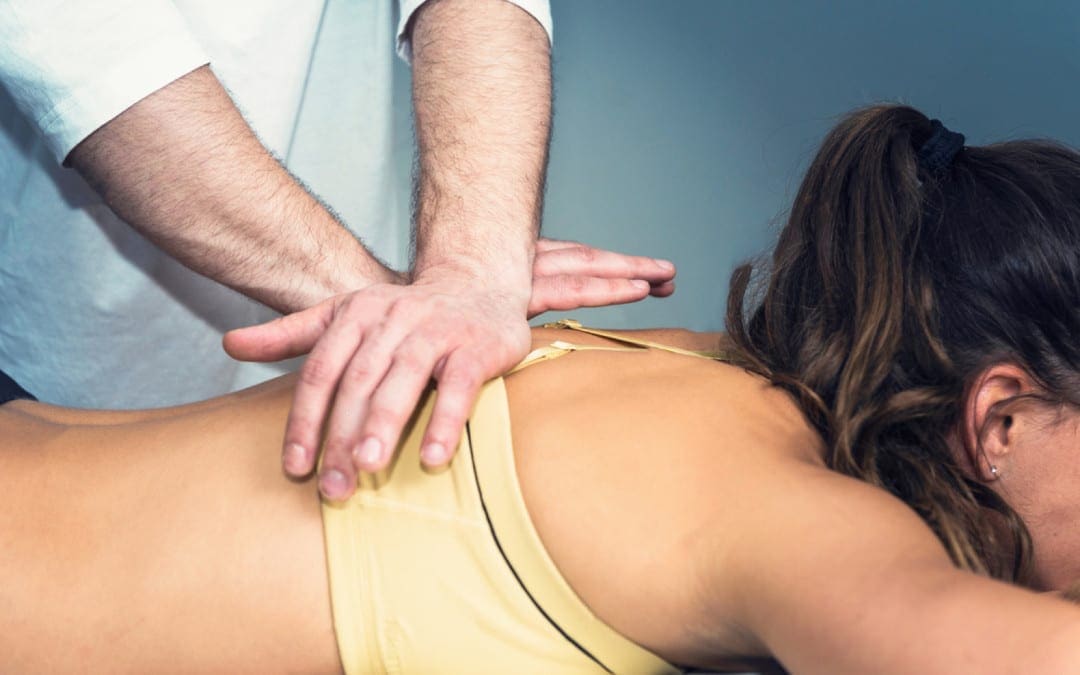
During a back adjustment, your back experiences rapid, mild stretching of the spinal joint, which means you may hear a snapping or popping sound. This really is brought on by little pockets of air or bubbles, which are in the fluid that surrounds your joints. When joint tissues are extended throughout a chiropractic adjustment, the pockets of atmosphere “pop,” which creates that cracking sound you hear.
Following this treatment, you could feel in your back for more movement. But, the muscles may still be raw and tight.
Your chiropractor might also incorporate other chiropractic care treatments like muscle therapy. You must notice more back pain relief with each session.
Your chiropractor could also advocate preventive care, including specific exercises, and he/she might give you ergonomic tips on the best way to accurately bend and lift, in addition to how to take good care of your back while at your desk (if you work in a office). Doing specific exercises and maintaining good posture might help keep movement that is healthy in your back.
Is Chiropractic Care Right For You?
It is crucial that you consider that chiropractic care is not a cure all for all conditions that are back. Some backbone conditions that cause back pain may require a combination of treatments, or other treatments, for example surgery and drugs.
But in the event you have a condition that causes pain back and you need to test a non-operative treatment, chiropractic care can be an excellent treatment choice for you personally. But remember, you need to not be alarmed by a popping noise during a spinal adjustment�it’s ordinary in chiropractic care.
Chiropractic is a treatment method that has moved from more of an alternative treatment to widespread mainstream acceptance over the past few decades. There will always be pockets of naysayers that question its validity, but the millions of satisfied patients around the world speak volumes about the effectiveness of chiropractic treatment on the human body. There are literally dozens of health issues that benefit from chiropractic adjustments, but here are 3 common conditions that El Paso chiropractors help:
1) Headaches
We all get headaches from time to time. Some are mild, some are more severe, but all of them have the potential to disrupt your day. Whether it is a tension headache caused by hours of sitting at a desk or a migraine brought on by a specific health condition, when the pain starts it is difficult to focus on anything else.
El Paso chiropractors help relieve headache pain on a regular basis. A lot of the time the pain you feel in your head is actually being caused by misalignment of the vertebrae in your spine. After a gentle adjustment and proper maintenance, many patients report no more pain and no more need for pain medication.
2) Shoulder Pain
Shoulder pain is a problem that far too many people deal with.� Pain in the shoulder can be referred pain from the spinal misalignments, or it can be caused by a misalignment in the shoulder.
No matter what specific type of shoulder pain you have, El Paso chiropractors help relieve both the pain and any range of motion issues that are present. Our team will help to access your condition and give you the best advice we can on what you can do to remedy the situation.
3) Lower Back Pain
If headaches and shoulder pain are among the most common conditions for the general public then lower back pain is probably at the head of the pack. One of the most common reasons for lumbar pain is from misaligned spinal segments.
Chiropractors can help the pain and reduced mobility associated with lumbar strains and sprains and help patients get back to their normal routines. Even if you�ve had lower back pain for years and have been told there is nothing that will help, it�s always worth the time explore your possibilities.
Please don’t hesitate to call our team with any questions you might have.� Today is a great day to get started on a new path to health.
El Paso TX. Chiropractor Dr. Alex Jimenez looks at some exercises that are help�posture.
Prone Shoudler Arcs Can Help Strengthen Upper Back Muscles Which Hold Your Shoulders In Better Posture
By lifting a dowl or light pole up off the floor and moving the shoulder can help strengthen the muscles between the spine and shoulder blade.
Shoulders and shoulder blades which are relaxed and sit back and down instead of hunched up and slouched forward are better for your posture. Good posture can prevent neck pain, shoulder pain and headaches in the future.
Prone Shoulder Arcs
Deep Neck Flexor Training
Call Today!
For further hints and tips on postural care and general healthy living go to ccbrighton.co.uk/videos
IFM's Find A Practitioner tool is the largest referral network in Functional Medicine, created to help patients locate Functional Medicine practitioners anywhere in the world. IFM Certified Practitioners are listed first in the search results, given their extensive education in Functional Medicine

 Please Recommend Us: If you have enjoyed this video and/or we have helped you in any way please feel free to recommend us. Thank You & God Bless.