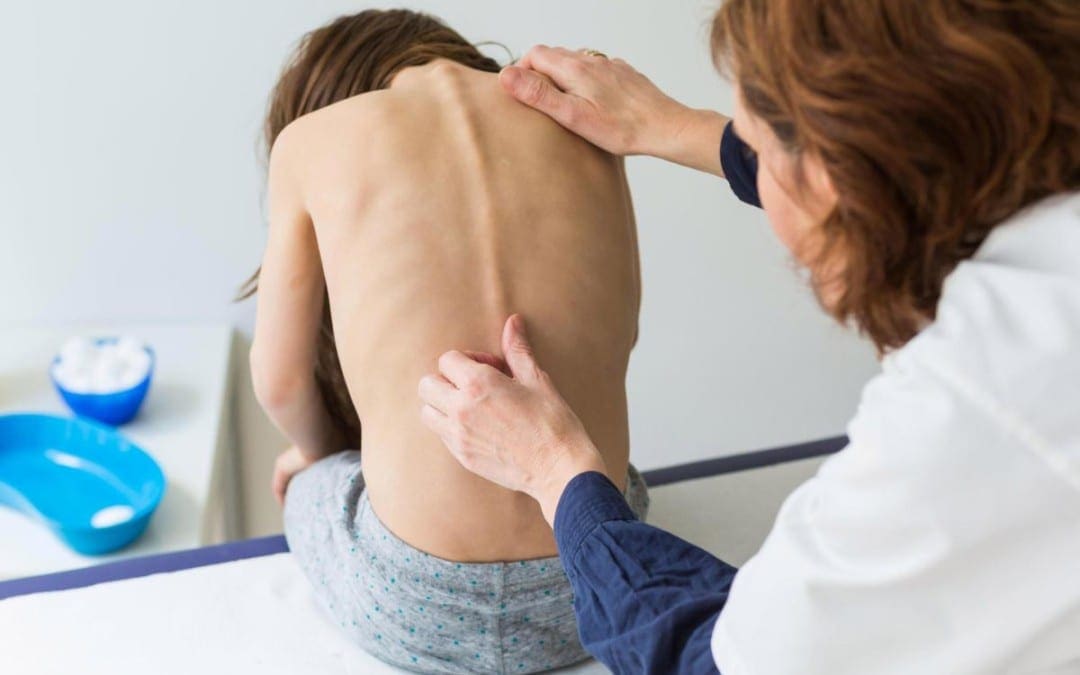
Early onset scoliosis (EOS) is an abnormal sideways curvature of the spine found in children under the age of 10 years.
More than 100,000 kids are diagnosed with scoliosis each year in the USA and most have adolescent idiopathic scoliosis, or AIS. AIS is one of the most common types of scoliosis and it can affect kids between the ages of 10 to 18. EOS is significantly rarer and often more complex in character.
Types of Early Onset Scoliosis
Doctors have recognized several types of EOS. Most types of EOS have an obvious trigger and are associated with individual health issues. On the other hand, a general number of EOS cases are idiopathic, meaning they have no recognized cause and are identified based on the age at diagnosis.
Below are kinds of EOS:
Congenital scoliosis occurs when the bones of the spine do not form properly in the mother�s womb.
Neuromuscular scoliosis is caused by brain, spinal cord, or muscular system disorders (such as muscular dystrophy). These disorders prevent the back muscles from holding the spine straight.
Syndromicscoliosis develops as part of an underlying syndrome or disorder that affects numerous parts of the body (such as Prader-Willi
Syndrome; a rare disease affecting development).
Infantile idiopathic scoliosis is diagnosed in children ages birth to 3 years. It has no known cause.
Juvenile idiopathic scoliosis is diagnosed in children ages 4 to 10. It has no known cause.
Early Onset Scoliosis Symptoms
EOS can be difficult to identify, as some children don’t have a serious spinal curve and might not have pain that stops them from their typical exercise. The primary factor to keep in mind, however, is symmetry, as it could reveal an issue when all other indications point to a regular spine.
Below are the most frequent indicators of EOS:
The body appears to lean to one side
Shoulders look uneven, with one shoulder blade sticking out more
Waistline is uneven
Hip height appears off balance
Ribs protrude on one side more
Early Onset Scoliosis Diagnosis
Your child’s pediatrician, pediatric orthopedist, or spinal specialist can identify EOS utilizing a number of methods.
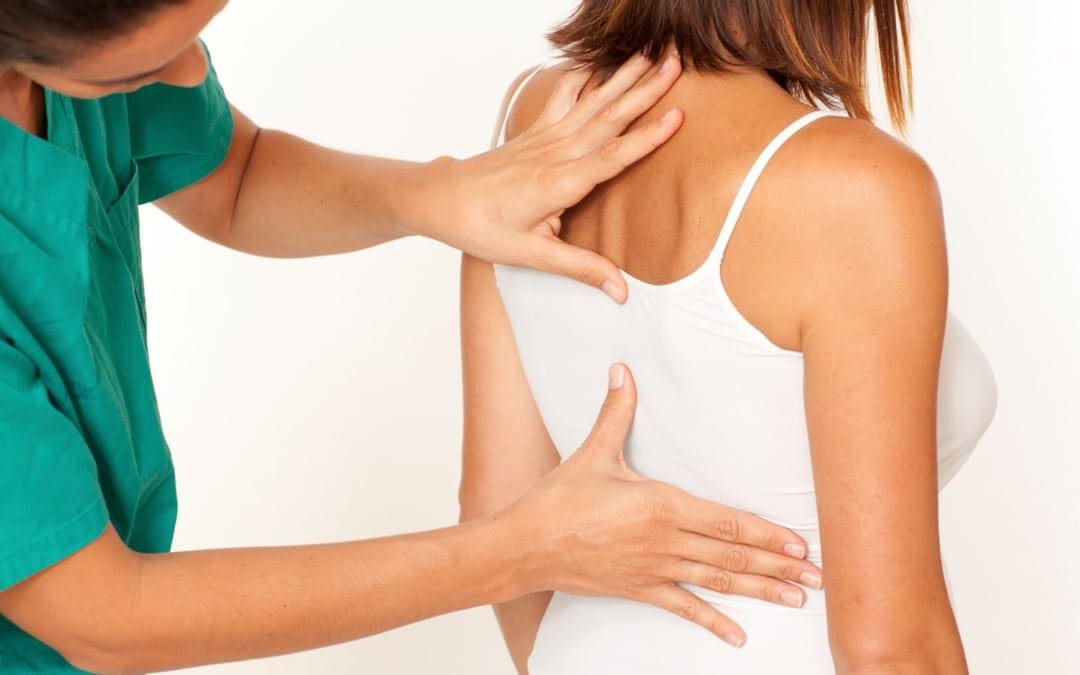
Physical exams including the Adam’s forward bend test, will expose a prominence, hump or deviation of the backbone, or spine, indicating an irregular curvature. But, it’ imaging scans, namely x-rays, that doctors count on most to validate EOS.
The doctor will simply take standing x-rays of your child’s spine to properly see the entire nature of the scoliosis. Typically, one x-ray is taken from back to front (called a posterior-anterior x-ray) and the second is from the side (called lateral x-ray).�Other x-rays may possibly contain bending from aspect-to-facet.
Your doctor may possibly also request a magnetic resonance imaging (MRI) test in order to rule out underlying involvement of the spinal-cord along with other buildings or CT scan to show 3 D views of the bone constructions.
Because x-rays are used throughout the monitoring process throughout therapy, and to identify scoliosis, individuals have raised concerns over radiation. With this consideration in mind, doctors limit the number of x-rays that a child may use direct shields to safeguard breast and thyroid tissue and wants, lower dose x-rays, as well as light-based scans of the physique form.
Early Onset Scoliosis Treatment
There are four general approaches for managing EOS:
Observation
Spinal bracing
Body casting
Spine surgery
Observation
Your physician may suggest an observation period prior to any active treatment is warranted, as some times the scoliosis even correct itself as your child grows especially with very little curves in really young kids and will stabilize. This generally indicates attending normal follow up appointments together with your doctor throughout the year to determine any adjustments in your child’s curve.
Spinal Bracing
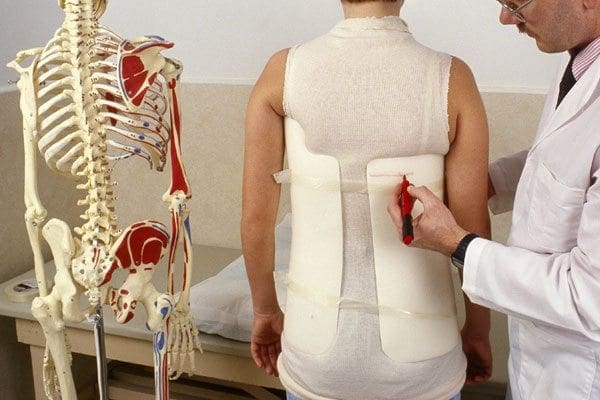
Spinal bracing is a typical nonsurgical treatment for EOS. Your physician works with an orthotist to craft a custom spinal brace for your child. The objective of the brace is not necessarily to correct the scoliosis but to avoid the curve from progressing.
Body Casting
Body casting may be advised for kids between SIX MONTHS months and 6 years of age who have curves likely to to succeed. Body casts are custom made and placed while your child is asleep under general anesthesia. Casts can be in spot for up to 12 months, so that your child will require a sequence of casts throughout therapy. A cast may possibly be employed for more severe curves or in cases in which a brace fails to prevent the curve from getting worse. Often the forged is used to delay the need for spine surgery that is ideally performed after much of your child’s growth is complete. A brace is often used for the same purpose.
Spine Surgery
If your child has a severe curve of 50-levels or higher, spine surgery is considered but usually delayed before the curvature is significantly greater and the child is bigger and h-AS finished more development.
There are various surgical methods for EOS, including expanding rod surgery, VEPTR® (vertical expandable prosthetic titanium rib), vertebral physique tethering, growth guided gadgets, and spinal fusion.
Recovery Potential for Early Onset Scoliosis
It could be scary for each of you when your youngster is identified with early onset scoliosis. The remedies obtainable today are highly-successful at managing or even correcting the curve. Your encouragement and support along with the determination of your pediatric spine specialist will help your child respond well to treatment, and lead a pleased and full life.
Identifying Scoliosis in Children (Video)
The scope of our information is limited to chiropractic and spinal injuries and conditions. To discuss options on the subject matter, please feel free to ask Dr. Jimenez or contact us at 915-850-0900 .�
By Dr. Alex Jimenez
Additional Topics: Scoliosis Pain and Chiropractic
According to recent research studies, chiropractic care and exercise can substantially help correct scoliosis. Scoliosis is a well-known type of spinal misalignment, or subluxation, characterized by the abnormal, lateral curvature of the spine. While there are two different types of scoliosis, chiropractic treatment techniques, including spinal adjustments and manual manipulations, are safe and effective alternative treatment measures which have been demonstrated to help correct the curve of the spine, restoring the original function of the spine.
Scoliosis is an intricate illness. Experts nevertheless don’t know what causes 80 percent of scoliosis cases, and there’s no absolute cure. But nevertheless, there’s hope!
You can find proven techniques to handle scoliosis and lessen its symptoms. X-rays allow doctors to measure the unique, three-dimensional curve of each person’s backbone as a way to find out the best method of therapy. Chiropractic treatment for scoliosis involves normal adjustments, using the hands or a gadget. The aim will be to realign joints, bones and the muscles. There are two types to choose from: traditional and scoliosis specific.
Chiropractic Care for Scoliosis
Traditional treatment applies a common method, comparable to what the chiropractor would do for any other patient experiencing back complications. However, not all chiropractic doctors are qualified or experienced to treat scoliosis nor are they familiar with its intricacies, then, traditional chiropractic treatment is unlikely to have much of an influence on the Cobb angle. This approach is only recommended for patients within the age of 13 with very small Cobb angles of 20 degrees or less. Traditional care could be helpful for relieving discomfort but not for bodily straightening the Cobb angle in patients.
Aiming to mobilize the spine and straighten the curve, traditional chiropractors might press down on the spine and ribcage while the patient lies on their abdomen. However, the irregular curve of the spine occasionally develops pressure from the nerves. This stress may not be relieved by pushing down on the spine; instead, the nerves are further aggravated by it. The spine isn’t stuck, as it’s with most other issues, but rather it curves in the incorrect direction. You can’t mobilize a scoliotic backbone without also stabilizing and correcting it.
Chiropractic Methods and Techniques for Scoliosis
Chiropractic treatment for scoliosis goes outside of the traditional guidelines to stabilize the curve. Aiming to gradually correct the spine into a a classic curve, changes are precise and gentle. This technique can aid people who’ve currently had surgery and don’t want to have it again, people attempting to avoid surgery, teenagers who don’t want to wear a brace, and a variety of other situations.
Most people think of scoliosis as a sideways curve of the spine, but it’s a bit more difficult than that. A spine should have the lordosis that points ahead in the neck three curves, the kyphosis that points backward in the middle of the back and the lumbar lordosis that points forward in the low-back. Scoliosis forces the backbone in a different direction for one or more of these three natural curves.
People with scoliosis are, for all intents and purposes, double jointed in the neck. This puts them at a higher risk of dislocation and damage if not treated gently and hypermobility makes the joints unstable. There is absolutely no twisting or turning of the neck in scoliosis-particular adjustments. Specific treatments use a precision mechanical adjusting instrument to adjust the neck as well as joints of the body.
The first step to restore the curves in the spine is to recenter the the pinnacle. While the patient is sitting up, an adjusting instrument is utilized to deliver forces into the bones of the neck. These forces attempt to coax the neck to the best, most correct position. Adjustments may possibly also be done on the hips and the straight back, depending on the three dimensional measurements of the spine established from x-rays.
Many chiropractors claim to specialize in scoliosis, when in reality their information is constrained. It’s important to start a dialogue by means of your physician to ensure you’re receiving treatment from a chiropractor specializing in scoliosis. If your chiropractor is not providing you the results you want or modifying the treatment to yield them, it may be time to find a new doctor.
Outside of the adjustments in the doctor’s off ice, one to two hours of exercise a day is essential to achieve the most useful outcomes. Scoliosis exercises include the scoliosis traction chair, balance training, strength coaching and, for extreme cases of scoliosis to elongate the spine and uncoil the nerves. As your Cobb Angle decreases, the exercises can be changed as well. Make sure to maintain healthy habits to promote overall health and wellness.
Chiropractic Treatment
The scope of our information is limited to chiropractic and spinal injuries and conditions. To discuss options on the subject matter, please feel free to ask Dr. Jimenez or contact us at 915-850-0900 .�
By Dr. Alex Jimenez
Additional Topics: Scoliosis Pain and Chiropractic
According to recent research studies, chiropractic care and exercise can substantially help correct scoliosis. Scoliosis is a well-known type of spinal misalignment, or subluxation, characterized by the abnormal, lateral curvature of the spine. While there are two different types of scoliosis, chiropractic treatment techniques, including spinal adjustments and manual manipulations, are safe and effective alternative treatment measures which have been demonstrated to help correct the curve of the spine, restoring the original function of the spine.
Scoliosis is a disorder that causes an abnormal curve of the spine, or backbone. The backbone has regular curves when searching from the side, when looking from the front but nevertheless, it should appear straight. People with scoliosis create extra curves to both sides of the body, and also the bones of the spine twist on each other, forming a “C” or an “S” shape in the backbone.
Kyphosis is a curve in the spine seen in the side where the spine is bent. There exists a regular kyphosis in the middle (thoracic) spine. Lordosis is a curve observed from the side in which the spine is bent backward. There is a typical lordosis in the upper (cervical) spine along with the lower (lumbar) spine.
What type of healthcare professionals can treat scoliosis?
A person’s primary-care or pediatric doctor may first notice the problem and consults an orthopedic surgeon or neurosurgeon who specializes in spine surgery. Furthermore, a rehabilitation specialist or a physical therapist may be consulted. Some individuals might need a neurologist or an occupational therapist as part of the treatment team.
Most kids with scoliosis have curves that are gentle and probably will not require treatment with surgery or a brace. Children who have mild scoliosis might require check ups every four to to 6 months to determine if there there were modifications in the curvature of the spines.
Types of Treatments for Scoliosis
The decision to begin treatment is usually created on an individual basis while there are recommendations for gentle, moderate and severe curves.
An abnormality causes scoliosis else where in the human anatomy. This type of scoliosis is handled by treating that abnormality, like a difference in leg length. A little wedge may be put in the shoe to aid out the leg length and stop the spine from curving. There’s no direct remedy of the spine since the spine is typical in these people.
Neuromuscular scoliosis is triggered by an irregular advancement of the bones of the spine. These type s of scoliosis have the possibility for getting worse. Observation and bracing don’t normally perform well for these people. The bulk of these people will eventually need surgery to cease the curve from obtaining worse.
Treatment of idiopathic scoliosis is based on the age when it develops.
Oftentimes, infantile idiopathic scoliosis will enhance without any treatment. X-rays measurements and can be acquired compared on future visits to determine if the curve is getting worse. Bracing isn’t typically effective in these folks.
Juvenile idiopathic scoliosis has the highest-risk for getting worse of all the idiopathic type s of scoliosis. When the curve isn’t very severe bracing can be tried. The aim is to prevent the curve from getting worse before the person stops growing. They have a great deal of time left to grow, plus because these people are started early in by the curve, there exists a greater possibility for needing surgery or more aggressive treatment.
Idiopathic scoliosis is the most frequent type of scoliosis. When first identified if the curve is small, it can be observed and followed with program x rays and measurements. In case the curve or Cobb angle stays below about 20-25 levels (Cobb approach or angle, is a measurement of the diploma of curvature), no other treatment is needed. The patient might reunite to view the doctor every three to four months to test for almost any worsening of the curve. Additional X -rays could possibly be repeated each yr to acquire measurements and check for progression of the curve. Individual is still-growing, the in the event the curve is between 25-40 degrees and a brace may be recommended. Bracing isn’t suggested for folks that have finished growing. If the curve is better than 40 degrees, then surgery may be recommended.
Scoliosis isn’t an average of connected with again pain as explained above. However, in some patients with back pain, the symptoms can be lessened with physical treatment, massage, stretches, and workouts, including yoga (but refraining from twisting pressures on the backbone). These actions can assist to reinforce the muscles of the back. Medical remedy is mostly constrained to discomfort relievers like nonsteroidal anti-inflammatory drugs (NSAIDs) and anti-inflammatory injections. These remedies certainly will not be able to to improve the abnormal curve, a cure for scoliosis and aren’t, nevertheless.
Are there home remedies for scoliosis?
You will find numerous home remedies which have been described for scoliosis; some involve herbal herbal products, diet therapy, massage, physical treatment, stretches, particular exercises, and nutritional supplements like L-selenomethionine. A mattress which is composed of latex, memory foam, or cool gel (latex mattress infused with gel retains less heat than latex alone, also termed gel memory foam) and is adjustable (peak of head and foot of bed could be adjusted) is advised by some clinicians and patients. Patients are recommended to discuss these treatments, particularly exercises, making use of their doctor before starting any home solutions.
How to Treat Scoliosis (Video)
The scope of our information is limited to chiropractic and spinal injuries and conditions. To discuss options on the subject matter, please feel free to ask Dr. Jimenez or contact us at 915-850-0900 .
By Dr. Alex Jimenez
Additional Topics: Scoliosis Pain and Chiropractic
According to recent research studies, chiropractic care and exercise can substantially help correct scoliosis. Scoliosis is a well-known type of spinal misalignment, or subluxation, characterized by the abnormal, lateral curvature of the spine. While there are two different types of scoliosis, chiropractic treatment techniques, including spinal adjustments and manual manipulations, are safe and effective alternative treatment measures which have been demonstrated to help correct the curve of the spine, restoring the original function of the spine.
When it comes to scoliosis treatment, most healthcare professionals follow a specific treatment plan, categorized by separate phases of treatment. The following are listed and described in detail below.
PHASE I – Pain Alleviation
While not all scoliosis sufferers experience pain or discomfort, a percentage do. In these patients the provision of treatment does help with individual compliance with prevention or corrective exercises.
Pain relief could be achieved through many different techniques:
electrotherapy modalities (ultrasound, TENs),
acupuncture,
release of tight muscles, and
supportive postural taping.
In this stage your healthcare specialist or professional, may also introduce mild exercises while your pain settles enhance your posture as well as to maintain in your backbone.
PHASE II – Rectifying Imbalances
Your healthcare physician will turn their attention to optimizing the strength and versatility of your muscles on either side of the scoliosis, as your pain and inflammation settles. They’ll also contain adjacent areas including the shoulder and hip area that could impact upon your alignment.
The principal remedy includes restoring regular spine array of motion, muscle length and tension through resting, muscle power, endurance and core balance. Taping methods could be employed until flexibility and adequate strength in the specific muscles has been achieved.
PHASE III – Restoring Complete Function
This scoliosis treatment phase is geared towards ensuring that you simply resume most of your typical daily activities, including sports and outdoor recreation without re-aggravation of your signs.
Depending on sport your chosen work or activities of everyday living living, your healthcare specialist will aim to restore your function to safely enable you to return to your activities.
Everyone has various needs because of their body that’ll determine specific treatment goals you require to achieve to what. For some it be simply to walk around the block. Others might desire to participate in a marathon. Your doctor will tailor your back rehabilitation to help attain your own practical goals.
PHASE IV – Preventing a Recurrence
Since scoliosis in several cases is a structural change in the skeleton, continuing self management is paramount to preventing re-exacerbation of your symptoms. This may entail a routine of a few key exercises to sustain versatility ideal strength, core balance and postural support. Your healthcare physician will assist you in determining which are the best exercises to carry on in the long-term.
In addition to your muscle manage, if you’d benefit from any exercises for some foot orthotics or adjacent muscles to address for bio-mechanical faults, your doctor will evaluate you hip bio-mechanics and decide. Some scoliosis results from an unequal leg size, which your therapist may possibly address with a heel rise, shoe rise or a built-up foot orthotic.
Rectifying these deficits and learning self management methods is crucial to maintaining continuing and perform participation in your daily and sports activities actions. You will be guided by your physiotherapist.
Treatment Result Expectations
You are able to expect a full return to normal daily, sporting and recreational activities in the event you have mild to moderate scoliosis. Your return to function is more promising if you are diagnosed and handled early.
In order to halt curve progression, individuals with more moderate to serious spinal curvatures may possibly need to be fitted for orthopedic braces. In certain severe circumstances throughout adolescence, surgery is indicated. Both of these latter two pathways are over seen by an orthopedic expert who might require monitoring the progress of the curve with program x-rays.
How to Treat Scoliosis (Video)
The scope of our information is limited to chiropractic and spinal injuries and conditions. To discuss options on the subject matter, please feel free to ask Dr. Jimenez or contact us at 915-850-0900 .
By Dr. Alex Jimenez
Additional Topics: Scoliosis Pain and Chiropractic
According to recent research studies, chiropractic care and exercise can substantially help correct scoliosis. Scoliosis is a well-known type of spinal misalignment, or subluxation, characterized by the abnormal, lateral curvature of the spine. While there are two different types of scoliosis, chiropractic treatment techniques, including spinal adjustments and manual manipulations, are safe and effective alternative treatment measures which have been demonstrated to help correct the curve of the spine, restoring the original function of the spine.
Scoliosis is a medical condition where the spine is curved from side to side. The spine of an individual with a typical scoliosis may seem similar to an “S” than a straight line. Approximately 2 percent of the population will have scoliosis in their spine and approximately 10 percent of these are extreme.
Scoliosis is named according to where the apex of the curvature in the spine does occur. Most commonly these curves happen in the thoracic (mid-back) and thoracolumbar (junction between the thoracic and lumbar) areas of the spine. Scoliosis doesn’t generally occur in the neck.
Adolescence, particularly between 11 and 14 years of age is the best time to screen the backbone for scoliosis. Scoliosis can progress throughout adulthood if not treated throughout youth. Being examined and treated at any phase can significantly enhance comfort power and mobility.
Causes of Scoliosis
Several kinds of scoliosis exist:
Structural (Idiopathic) scoliosis has genetic roots. A family history of scoliosis, especially across the aspect that is female can improve the likelihood of having it by up to 20 percent. Idiopathic scoliosis usually develops in early adolescence between the ages of 11-14, with a higher incidence happening in women than males (1:1). Progression of scoliosis is more frequent in women than males. The curvature in the backbone can progress if left untreated and undiagnosed in adolescence.
Functional scoliosis can develop in adulthood, usually in reaction to an injury or repetitive practice of asymmetrical activities (i.e. tennis, golf swing and so forth). It is a curvature in the spine which has formed from overuse of muscles on one aspect of the side and under-use of muscles on the aspect that is reciprocal. It could reverse with exercise and proper therapy because it is muscular based.
Pathology-associated scoliosis can arise in reaction or in people with neuromuscular disease including muscular dystrophy to some severe problems for the spinal cord for example quadriplegia.
Scoliosis Symptoms
Physical signs in children following the age of 8 that parents should suspect is scoliosis:
Uneven hips
Uneven shoulders
One shoulder blade being more prominent than the other
Listing (bending) to one side
Pain around the areas above imbalanced areas
Contrary to common opinion, scoliosis does perhaps not be a consequence of inadequate posture. It can progress to bad posture of spinal muscles that are weak or a sever curve as a result.
Scoliosis and Spine Health Diagnosis
A healthcare professional or doctor usually undertakes within a regimen clinical evaluation checking for scoliosis.
The spine specialist will examine your backbone, shoulders, ribcage, pelvis, legs and feet for asymmetry and abnormalities. When a significant scoliosis is suspected by them, they’ll arrange for x-rays to validate your Cobb angle, or severity of scoliosis.
A review will be required by a substantial curvature in the spine detected in adolescence from an orthopedic spine specialist. Finding out what type of scoliosis your child may have is essential because different sorts of scoliosis improvement in different ways and need various remedies.
Adult Scoliosis: Questions and Answers
The scope of our information is limited to chiropractic and spinal injuries and conditions. To discuss options on the subject matter, please feel free to ask Dr. Jimenez or contact us at 915-850-0900 .
By Dr. Alex Jimenez
Additional Topics: Scoliosis Pain and Chiropractic
According to recent research studies, chiropractic care and exercise can substantially help correct scoliosis. Scoliosis is a well-known type of spinal misalignment, or subluxation, characterized by the abnormal, lateral curvature of the spine. While there are two different types of scoliosis, chiropractic treatment techniques, including spinal adjustments and manual manipulations, are safe and effective alternative treatment measures which have been demonstrated to help correct the curve of the spine, restoring the original function of the spine.
Idiopathic scoliosis, the most common type of the spinal condition, occurs most often through the growth spurt during and before adolescence. In fact, approximately between 12 to 21 percent of idiopathic cases occur in children ages 3 to10 years and less than 1 percent in infants. Mild cases of scoliosis occurs about equally in kids, but curve progression is 10 times more likely to occur in women.
Other elements must be current to generate scoliosis, although being taller at earlier ages than-average might set some girls at risk. A risk-factor that impacts females is delayed onset of menstruation, which may prolong the growth spurt period, thus increasing the chance for the improvement of scoliosis.
Once scoliosis is identified, it is very hard to foresee who are at greatest risk for curve progression. About 2 to 4 percent of all adolescents develop a curvature of 10 degrees or more, but only about 0.3 to 0.5 percent of teens have curves greater than 20 degrees, requiring medical attention.
Risk Factors of Scoliosis and its Progression
People with certain medical problems that impact muscles and the joints are at higher risk for scoliosis. These conditions include muscular dystrophy, rheumatoid arthritis, polio, and cerebral palsy. Children who receive organ transplants (kidney, liver, and heart) are also at elevated risk.
Scoliosis in Young Athletes
Scoliosis might be evident having a prevalence of 2 – 2 4%, in young athletes. The highest rates are are found among dancers, gymnasts, and swimmers. The scoliosis could have been due simply to loosening of the joints, delay in puberty onset (which can lead to weakened bones), and stresses on the developing spine. There have been other reports of a higher-risk for scoliosis in young athletes who engage vigorously. These contain figureskating, dance, tennis, ski-ing, and javelin throwing, among other sports. In most cases, the scoliosis is small, and sports that are everyday do maybe not direct to scoliosis. Exercise has many advantages for people both young and aged and might even help patients with scoliosis.
Prognosis for Scoliosis
Generally, the severity of the scoliosis depends on the degree of the curvature and whether important organs, particularly the lungs and heart are threatened by it.
Mild Scoliosis (less than 20 degrees): Mild scoliosis isn’t severe and demands no treatment other than monitoring.
Moderate Scoliosis (between 2-5 and 7-0 degrees): It is still unclear whether un-treated reasonable scoliosis causes substantial wellness issues later on.
Severe Scoliosis (over 7 degrees): In case the curvature exceeds 70 degrees, the serious twisting of the backbone that occurs in structural scoliosis can trigger the ribs to press against the lungs, restrict breathing, and lessen oxygen levels. The distortions might also trigger hazardous adjustments in the heart.
Very Extreme Scoliosis (Over 100 degrees): Eventually, if the curve reaches more than 100 100 levels, equally the lungs and heart can be injured. Patients with this specific degree of severity are susceptible to pneumonia and lung infections. Curves mortality charges are increased by greater than 100 degrees, but this problem is very uncommon in America.
Some experts argue that by merely measuring the degree of the curve, patients may not be identified in the serious and average teams who are a-T greatest risk for lung problems. Other factors (spinal flexibility, the extent of asymmetry involving the ribs as well as the vertebrae) might be mo Re essential in predicting severity in this group.
Scoliosis Curvature of the Spine
The scope of our information is limited to chiropractic and spinal injuries and conditions. To discuss options on the subject matter, please feel free to ask Dr. Jimenez or contact us at 915-850-0900 .
By Dr. Alex Jimenez
Additional Topics: Scoliosis Pain and Chiropractic
According to recent research studies, chiropractic care and exercise can substantially help correct scoliosis. Scoliosis is a well-known type of spinal misalignment, or subluxation, characterized by the abnormal, lateral curvature of the spine. While there are two different types of scoliosis, chiropractic treatment techniques, including spinal adjustments and manual manipulations, are safe and effective alternative treatment measures which have been demonstrated to help correct the curve of the spine, restoring the original function of the spine.
Scoliosis affects about 2 to 3 percent of the population. It may occur in adults but is additionally identified for the first time in kids. Less than 1 percent of them develop scoliosis that needs therapy, although about 10 percent of adolescents have some level of scoliosis. The situation tends to run in families. Among people with family members who’ve scoliosis, the case occurs in about 20 percent.
Scoliosis which is not associated with a number of spinal issues, as well as any bodily impairment, could also be viewed in the adult population.
Scoliosis is an irregular curving of the spine. The normal spine has gentle natural curves that round the shoulders and make the lower back curve inward. Scoliosis generally causes deformities of the spine and ribcage. The spine curves in a side-to-side aspect at various levels, and a few of the bones might rotate somewhat, creating an uneven appearance in the hips or shoulders.
The form of the curve often categorizes scoliosis, typically as either non-structural or structural.
Types of Scoliosis
Structural scoliosis: In addition to the spine curving from side to side, the vertebrae rotate, twisting the spine. As it twists, one side of the rib cage is pushed outward so that the spaces between the ribs widen and the shoulder blade protrudes (producing a rib-cage deformity, or hump). The other half of the rib cage is twisted inward, compressing the ribs.
Nonstructural scoliosis: The curve does not twist but is a simple side-to-side curve.
Other abnormalities of the spine which could occur alone or in mixture with scoliosis include hyperkyphosis (an irregular exaggeration in the backward rounding of the upper backbone) and hyperlordosis (an exaggerated ahead curving of the lower backbone, also also known as sway-back).
Diagnosing Scoliosis
Proper analysis is crucial. A misjudgment can direct to needless x-rays and remedies that are stressful to children if the condition is not at risk of progression. Unfortunately, even though measurements of rotation and curves are of use, no-test exists to know if the curve will worsen.
Currently, x-rays are the most cost effective technique for diagnosing scoliosis. Experts hope that correct, non invasive diagnostic methods will in the course of time be produced to displace a number of the x-rays employed to monitor the progression of scoliosis. Today, imaging techniques under investigation seem to be relatively precise for detecting scoliosis in the upper or thoracic location, but perhaps not scoliosis in the lower back or the lumbar region of the spine.
If scoliosis is indicated by screening, the child could possibly be sent to a healthcare professional who will then take an original x-ray and screening for the next couple of months using repeated x rays. X-rays are often required for a precise prognosis of scoliosis.
Magnetic resonance imaging (MRI) is a sophisticated imaging method that doesn’t use radiation, as x-rays do. It’s not usually utilized for an original prognosis, and expensive, nevertheless. MRI can, however, determine brain-stem abnormalities and spinal cord complications, which some studies reveal may possibly be more widespread than formerly considered in children with idiopathic scoliosis. For detecting defects which could lead to prospective problems, MRI might be especially beneficial before considering surgery for scoliosis.
Checking for Scoliosis in Children
The scope of our information is limited to chiropractic and spinal injuries and conditions. To discuss options on the subject matter, please feel free to ask Dr. Jimenez or contact us at 915-850-0900 .�
By Dr. Alex Jimenez
Additional Topics: Scoliosis Pain and Chiropractic
According to recent research studies, chiropractic care and exercise can substantially help correct scoliosis. Scoliosis is a well-known type of spinal misalignment, or subluxation, characterized by the abnormal, lateral curvature of the spine. While there are two different types of scoliosis, chiropractic treatment techniques, including spinal adjustments and manual manipulations, are safe and effective alternative treatment measures which have been demonstrated to help correct the curve of the spine, restoring the original function of the spine.
IFM's Find A Practitioner tool is the largest referral network in Functional Medicine, created to help patients locate Functional Medicine practitioners anywhere in the world. IFM Certified Practitioners are listed first in the search results, given their extensive education in Functional Medicine