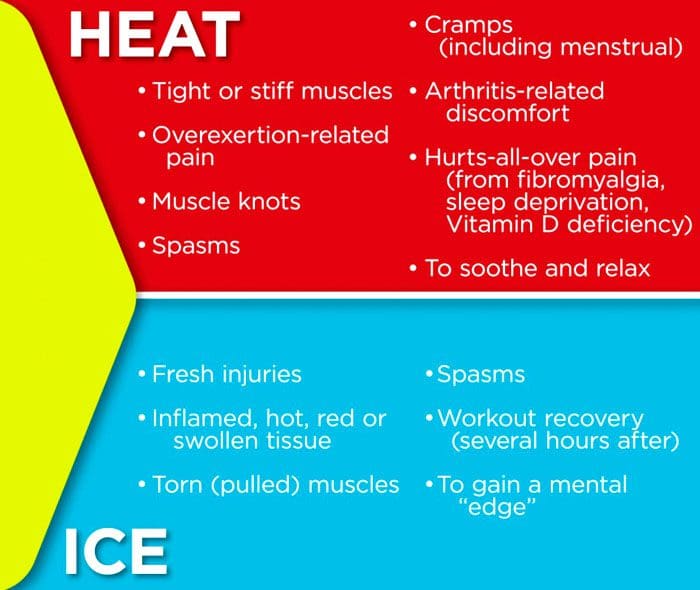
Most if not all of us have probably used heat and/or ice on a sprain, strain, or sore area of the body. Having a pinched nerve, however, has a different feeling than a sprain or strain. Chiropractic treatment for a pinched nerve is recommended, but if the pain isn’t too bad, then home care can work. Which is better for a pinched nerve, heat or ice? Both. Using heat and ice helps reduce swelling, increases blood flow to the area, and relaxes the muscles around the pinched nerve. The objective is to know when to use ice and/or heat.
Applying Heat on a Pinched Nerve
Applying heat on a pinched nerve is fine. The general guideline for a pinched nerve is to use heat only after the pain has subsided/reduced.
When pain presents or flares up, use ice before using heat.
Do not apply heat to the area directly after applying ice.
Wait 30 minutes to an hour.
Keep the heat on the affected area for 10 to 20 minutes at a time.
Take a minimum 30-minute break between sessions.
If the heat helps, make the heat moderate and use it on the area for an hour or more.
Extended heat therapy is beneficial for severe pain from a pinched nerve.
The equivalent is like soaking in a hot bath.
Heat for a Pinched Nerve Benefits
Heat soothes and relaxes both the muscles and the mind.
Heat increases healing abilities by circulating new blood to the injured/affected area, helping to flush toxins away.
Decreases tension and spasms in the muscles.
Increases the range of motion in the joints.
When Not To Use Heat Therapy
It can be dangerous for individuals with pre-existing conditions. Conditions include:
If home remedies don’t work, know when to consult a chiropractor.
Doctors of chiropractic specialize in pinched/compressed nerves. A chiropractor is trained in different techniques to relieve the pressure and release the nerve back to its proper position.
Body Composition
Peripheral Artery Disease
Peripheral artery disease or PAD is the narrowing of the arteries that carry blood away from the heart to the other areas of the body. What to know about PAD:
Peripheral artery disease risks increase with age.
Over half of affected individuals do not present with symptoms.
Around one-fourth of individuals with peripheral artery disease have diabetes mellitus.
Smokers have an increased risk of developing PAD.
This is why it’s important to monitor blood pressure.
References
Chandler, Anne, et al. “Using heat therapy for pain management. (clinical practice).” Nursing Standard, vol. 17, no. 9, 13 Nov. 2002, pp. 40+. Accessed 15 Sept. 2021.
Edzard Ernst, Veronika Fialka, Ice freezes pain? A review of the clinical effectiveness of analgesic cold therapy, Journal of Pain and Symptom Management, Volume 9, Issue 1, 1994, Pages 56-59, ISSN 0885-3924, https://doi.org/10.1016/0885-3924(94)90150-3.
Shu, Jun, and Gaetano Santulli. “Update on peripheral artery disease: Epidemiology and evidence-based facts.” Atherosclerosis vol. 275 (2018): 379-381. doi:10.1016/j.atherosclerosis.2018.05.033
Going camping for an extended weekend can be exciting and fearful for individuals with back pain. Being in nature is exhilarating, setting up tents with the family, fishing, and hitting the backpacking trails. For those that struggle with back and/or neck pain or conditions that cause pain, the objective is to be prepared for the worst. The weather, steep hills, physical activities, sitting in chairs that are not spine supportive, and sleeping on hard ground can contribute to all kinds of back issues. There are adjustments and modifications, as well as, tools to help the experience remain pain-free and be highly enjoyable.
Camping Back Pain
Not everyone with back pain or conditions that cause pain will struggle with camping out. There are individuals that prefer an ultra-firm sleeping surface like the ground as it provides their spine with the necessary support. Research has found that medium to fully firm mattresses and surfaces are the least to cause back pain. Many individuals go mattress-free a few nights a week and report that it helps reduce their pain.
Mattresses that are too soft sink in too much, provide no support to the spine that leads to spinal problems and more aches, and pains.
Sciatica from pinched nerves can become irritated or flare up when sleeping on the ground.
Individuals with arthritis in the spinal joints can present with stiffness and more pain.
Carrying and moving heavy equipment
Hiking
Backpacking with heavy bags
Setting up tents
Repeatedly bending over
Using traditional camping chairs can position the spine at unnatural angles and can aggravate certain spinal conditions.
Modifications and Adjustments
As with most physical activities for individuals with back pain, it’s all about preparation and modification. Here are a few ways to adjust the camping trip to prevent and avoid back pain:
Utilize as much mobile/rolling camping gear and ask for help when moving, lifting heavy equipment.
Use hiking polesfor support and avoid carrying backpacks or bags, as they add strain to the spine.
There are quality air mattresses and sleeping pads designed for pain symptoms and conditions.
Do a little research and see what options are available. Overall, aim for equipment that is sturdy and supportive. Listen to your body, follow a doctor or chiropractor’s advice, and enjoy nature.
Body Composition
Food Journaling
Individuals can keep track of their food choices by logging their food intake into a personal food journal. This is where food choices and calorie intake can be examined, analyzed, and learned from. A study showed that individuals who diligently track their food and calorie intake had a greater amount of weight loss. For those that want to lose body fat, the body needs to be in a caloric deficit. After a week of logging meals, snacks, and drinks, an individual is in a better position to correct and adjust a weight loss plan. For example, journaling helps with:
Most comfortable sleeping: Sleep Health. (December 2015) “Effect of different mattress designs on promoting sleep quality, pain reduction, and spinal alignment in adults with or without back pain; a systematic review of controlled trials.” https://www.sciencedirect.com/science/article/abs/pii/S2352721815001400
Muscle tension in the neck is a common musculoskeletal disorder. The neck is made up of flexible muscles that support the weight of the head. The muscles can experience injury and irritation from overuse and poor posture habits. Worn joints or compressed nerves can cause neck pain, but muscle spasms or soft tissue injuries commonly cause neck tension. Neck tension can present suddenly or progress slowly. Sleeping in an awkward position or straining the neck while engaged/involved in some activity can cause muscles to tense up. Chronic neck tension that comes and goes over the course of weeks or months could have a cause that goes unnoticed, like teeth grinding or being in a hunched position for extended periods.
Symptoms of neck tension
Symptoms can come on suddenly or progressively. These include:
Stiffness
Tightness
Spasms
Turning the head is difficult
Discomfort and/or pain worsens with certain positions
Causes
Because the neck can move in many directions, there are various causes of tension in the neck. These include:
Repetitive motion or overuse injuries
Individuals whose work requires repetitive movements like scanning objects, looking up and behind constantly can strain the muscles.
Improper posture
An adult’s head weighs 10 to 11 pounds. If the weight is not properly distributed and supported with a healthy posture, the neck muscles have to work harder, causing strain.
Computer workstation habits
Individuals that sit at a desk or workstation for most of the day or night can develop hunching habits that they may overlook. This can definitely cause neck muscles to strain.
Phone habits
Constantly looking down at the phone is a common cause of tension in the neck and text neck.
Grinding teeth
When individuals grind or clench their teeth, pressure is placed on the muscles in the neck and jaw. This pressure strains the muscles, causing pain. There are exercises to promote more relaxed jaw muscles.
Physical activities and sports
Working out in a way that engages the neck muscles or whipping the head around during a game or some physical activity can cause minor neck injury and strain.
Sleep position habits
When sleeping, the head and neck should be aligned with the rest of the body. Using large pillows that elevate the neck too much can cause tension to build up while sleeping.
Heavy purses, backpacks, shoulder bags
Lifting and carrying any heavy object can throw the body out of alignment. This can cause strain on one side of the neck, building tension.
These are mild to moderate headaches that typically affect the forehead. However, these types of headaches can cause neck tension and tenderness.
Prevention
Making simple adjustments can help relieve, manage, and prevent tension in the neck and shoulders. These include:
Ergonomics
Consider a standing desk. Adjust the workstation so that proper posture along with comfort is maintained. Try different adjustments like the height of the chair, desk, and computer.
Be aware of body posture.
Stay aware of the body’s posture when sitting and standing. Keep the ears, shoulders, and hips in a straight line. Consider phone posture reminders and devicesto check in with how you’re holding yourself throughout the day.
Take breaks throughout the day.
Take breaks that will move the body and stretch the neck and upper body. This benefits the muscles, eyes, and mental health.
Sleep position
Improve sleeping positions with a smaller, flatter, firmer pillow.
Reduce weight from the shoulders
Utilize a rolling bag instead of carrying heavy bags and backpacks, and only carry what is necessary.
Movement
Try to get 30 minutes of moderate exercise/physical activity a day to keep the body in healthy condition.
Meditation and stretching
Practicing yoga or meditation along with stretching out helps reduce psychological and physical stress. Yoga can count as daily exercise.
Doctor or Dentist
If chronic neck tension is presenting, see a doctor or chiropractor. Consult a dentist about teeth grinding or temporomandibular joint TMJ disorder treatments.
Neck stretches
To relieve tension in the neck, try some neck stretches.
Gently pull your head to the right, so the ear almost touches the shoulder.
Hold for 30 seconds
Repeat on the opposite side.
Body Composition
The Immune System
The Immune System is essential in maintaining health. Its objective is to:
Neutralize pathogenic microorganisms like bacteria that enter the body and threaten homeostasis.
Eliminate harmful substances from the environment.
Fight against cells that cause illnesses like cancer.
Innate and adaptive immune processes.
The innate system includes exterior defenses, like the skin, proteins, and white blood cells.
Any organisms that escape the first line of defense have to then face the adaptive system. This is made up of T and B cells.
The adaptive immune system is constantly adapting and evolving to identify changes in pathogens change over time.
These systems work together to provide resistance and the elimination of long-term survival of infectious agents in the body.
References
Chaplin, David D. “Overview of the immune response.” The Journal of allergy and clinical immunology vol. 125,2 Suppl 2 (2010): S3-23. doi:10.1016/j.jaci.2009.12.980
Hawk, Cheryl et al. “Best Practices for Chiropractic Management of Patients with Chronic Musculoskeletal Pain: A Clinical Practice Guideline.” Journal of alternative and complementary medicine (New York, N.Y.) vol. 26,10 (2020): 884-901. doi:10.1089/acm.2020.0181
Hughes, Stephen Fôn et al. “The role of phagocytic leukocytes following flexible ureterorenoscopy, for the treatment of kidney stones: an observational, clinical pilots-study.” European journal of medical research vol. 25,1 68. 11 Dec. 2020, doi:10.1186/s40001-020-00466-7
Stress in the workplace is a serious issue. Working is rewarding, but it can become a cause for major stress as well. Studies have shown that more than 40% of workers find their job to be a workplace stressor. Stress takes a toll on the body both mentally and physically. Numerous factors can result in being stressed. This includes:
Working for long hours regularly
Large amounts of work to complete
Meeting deadlines
Job insecurity
Workplace Stress Can Hurt The Body
Workplace stress fatigues and agitates the body and can cause major health issues. These include:
Sometimes stress can be so intense that the heart races. For some, this can lead to panic attacks. To help calm the body down, breathing exercises can help.
One exercise to relieve stress is to take one deep inhale and hold it for three seconds.
After three seconds, with the front teeth over the edge of the upper lip.
Slowly exhale.
Wait a few seconds
Repeat until you feel calm.
Second exercise
Close your eyes and breathe in and out like blowing up a balloon.
Take a long inhale, pretend the stomach is a balloon and hold the air for seconds.
Exhaling, pretend the air escaping is like a balloon releasing the air.
This helps to slow down the heart and releases tension.
Stay Aware of Body Posture
When intensely working on something standing or hunched over for a long time, muscle tension is occurring.
When sitting, make sure the feet are planted firmly on the floor.
Keep the shoulders back and aligned.
Investing in an ergonomic chair with lumbar support can help.
Low back support will automatically encourage the body to maintain proper posture while also providing comfort.
Never cross the legs when sitting. This can place pressure on the pelvis that can lead to low back pain.
It’s important to keep the body moving as it promotes circulation and maintains muscle strength and flexibility. Not moving around can make the body feel lethargic and irritated.
By getting up and walking around, tension is released, which helps reduce stress.
Make an effort to get out and walk regularly.
Walking has been proven to reduce stress and strengthen the bones.
Therapeutic Massage
Another way to manage stress in the workplace is to get a therapeutic massage. It will soothe and relax the body, helping you feel more at ease at work and home. Benefits of massage include:
Improves flexibility
Boosts immune system function
Increases energy
Reduces anxiety symptoms
Types of massages that help with reducing tension and stress are:
Fast food and junk food can bring temporary/false relief, but eating poorly regularly will increase stress in the body. The food does not supply the body with the nutrients it needs to get large amounts of work done. Individuals get a quick jolt of energy then crash rapidly and feel worse creating an unhealthy cycle. To help manage stress, some of the best foods include:
Adjustments can be helpful to manage workplace stress. The benefits are able to release tension throughout the body and increase flexibility. Chiropractic can improve blood circulation which can reduce symptoms caused by hypertension and nerve damage. Some chiropractic techniques used include:
This can improve how the body responds to stress. Keeping the body stress-free while working will help to be more productive, and encouraged to live healthier. The nervous system is responsible for adapting to the environment, especially a stressful environment. A properly aligned spine and nervous system allow the body to manage stress better.
Body Composition
High blood pressure and diabetes prevention
Living a healthy lifestyle reduces the risk of chronic diseases, that includes diabetes and hypertension. Too much:
Sodium
Alcohol
Saturated fat
Combined with:
Smoking
Lack or no physical activity
Mental stress
These are all factors that can affect overall health and longevity.
The American Heart Association recommends at least 150 minutes a week of moderate-intense aerobic activity or 75 minutes a week of intense aerobic activity. Moderate-intense activities include:
Jamison, J R. “Stress management: an exploratory study of chiropractic patients.” Journal of manipulative and physiological therapeutics vol. 23,1 (2000): 32-6. doi:10.1016/s0161-4754(00)90111-8
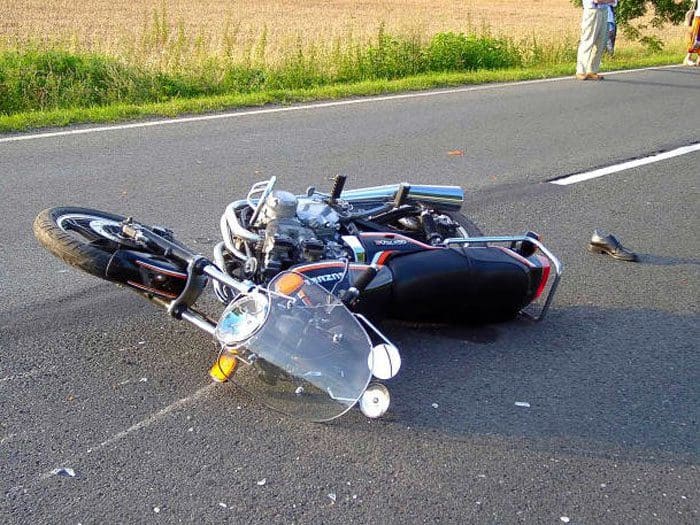
A motorcyclist has an increased risk of injury every time they get on their bike and get on the road. There is no barrier to protect them in the case of a crash or accident. Because of this, motorcycle injuries sustained can be life-changing. The most common injuries that motorcycle riders sustain and suffer when involved in accidents and crashes tend to be related to high traffic, speed, distracted drivers, and construction. This means that most common motorcycle accidents and crash injuries are severe.
Road Rash
Also known as road burn. This is a type of burn that is caused when the body’s skin gets badly scraped and shredded from the road. This often happens when a rider is thrown from the motorcycle skidding down the road before coming to a stop. Road rash can happen on any part of the body. For motorcyclists, it is common on the legs, hands, arms, and back. It can be excruciating even though the injury is not considered fatal, complications and overlapping injuries can develop. This is usually in the form of infections that can affect mobility and flexibility issues that can require further medical intervention and rehabilitation. In severe cases, it can require skin grafts. Depending on the severity it can leave permanent scarring. Treatment often includes antibiotics, bandage dressings, burn soothing and disinfectant creams.
Fractures and Broken Bones
When a motorcycle and a vehicle collide, it is very common for the motorcyclist to get thrown or knocked off with intense force. When the rider hits the ground, the impact alone can cause fractures and breaks. If the rider lands at an awkward angle this can definitely cause a fracture or break. Broken bones can happen anywhere on the body, but are most commonly sustained in the arms and legs. Broken ribs are also common and usually occur when the motorcyclist gets hit or falls hard. Motorcycle endorsement classes emphasize the ATGATT system that stands for All The Gear, All The Time. This means wearing motorcyclist protective clothing and ankle-high boots. Ankle injuries and fractures are commonly sustained from operating a motorcycle.
Spinal Cord Injuries
If the spinal cord gets injured or damaged the results can be devastating. Depending on the area of the injury, an individual might not be able to walk, use their arms, or move at all. Spinal cord injuries tend to happen when the motorcyclist gets thrown hard or up in the air landing hard on their neck, back, or the body gets pierced by an object. Spine fractures often happen when the rider gets pinned or crushed between vehicles and objects. This can cause temporary or permanent paralysis.
Traumatic Brain Injury
This is one of the most serious injuries sustained in a motorcycle crash. Traumatic brain injury – TBI is when the brain sustains trauma. These injuries usually happen when a motorcyclist is involved in an accident and is not wearing a helmet, their head hits an object forcefully, the head is shaken violently back and forth, or if the skull gets punctured. Around 15% of motorcyclists involved in accidents that receive medical treatment are diagnosed with a traumatic brain injury. When a person sustains a TBI, they can develop physical and cognitive deficits. Depending on the severity, brain injuries can be treated with surgery, traction, and rehabilitation, but can have lifelong effects.
Organ Injury and Damage
Intense and forceful impacts can cause internal organ damage. Internal bleeding is common in motorcycle accidents. This can be fatal if not diagnosed and treated. Injuries that prove to be fatal, more than three-quarters are caused by traumatic brain injury.
Therapy Rehabilitation
Our experienced team of accident physical therapists and chiropractic team will review the details of the collision, medical treatments and develop a thorough rehabilitation plan. Call our team today and let us help you put your life back together.
Body Composition
Breakfast and Mental Health
Beyond an individual’s physical health, breakfast can significantly impact mood and mental health. According to a 2018 study, a healthy high-quality breakfast has been shown to reduce stress and depression in adolescents. Breakfast nutritional quality was based on individual responses to the following questions:
Do you have cereal or other grain-based products bread, toast, etc?
Do you have some type of dairy product for breakfast?
Do you have commercially baked goods like biscuits or pastries for breakfast?
If a participant stated they consumed commercially baked goods and did not eat bread/toast/cereal or dairy products for breakfast, this was considered a poor quality breakfast. Avoiding commercially baked goods altogether and eating whole bread, healthy cereals, and/or dairy products was considered a good quality breakfast. Choosing grain-based foods along with dairy products was considered healthy because these foods provide a wide range of nutrients. Healthy cereals can provide:
Protein
Carbohydrates
Micronutrients
Results found that individuals that ate healthy quality breakfasts had:
Reduced mental distress
Reduced depressive symptoms
Increased positive mood
Improved quality of life
References
Alicioğlu, Banu et al. “Motosiklet kazalarina bağli yaralanmalar” [Injuries associated with motorcycle accidents]. Acta orthopaedica et traumatologica turcica vol. 42,2 (2008): 106-11.
Araujo, Miguel et al. “Effectiveness of interventions to prevent motorcycle injuries: a systematic review of the literature.” International journal of injury control and safety promotion vol. 24,3 (2017): 406-422. doi:10.1080/17457300.2016.1224901
Dupaix, John P et al. “A Comparison of Skeletal Injuries Arising from Moped and Motorcycle Collisions.” Hawai’i journal of health & social welfare vol. 78,10 (2019): 311-315.
Elsemesmani, Hussein et al. “Association Between Trauma Center Level and Outcomes of Adult Patients with Motorcycle Crash-Related Injuries in the United States.” The Journal of emergency medicine vol. 59,4 (2020): 499-507. doi:10.1016/j.jemermed.2020.06.018
Peng, Yinan et al. “Universal Motorcycle Helmet Laws to Reduce Injuries: A Community Guide Systematic Review.” American journal of preventive medicine vol. 52,6 (2017): 820-832. doi:10.1016/j.amepre.2016.11.030
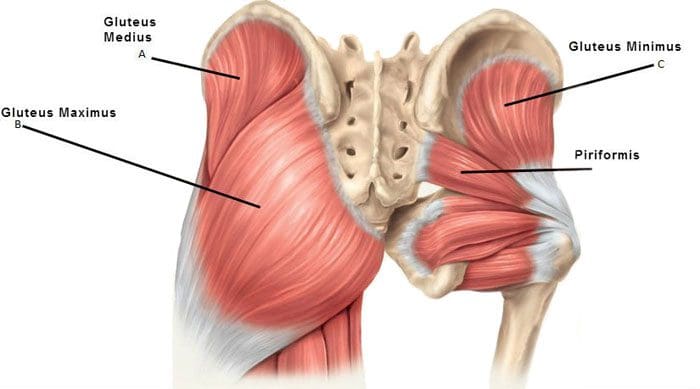
The Gluteus Maximus Muscle is the largest and the outermost of the gluteal muscles. It stretches from the sacrum and coccyx, parts of the spinal column, down to the femur. The other gluteal muscles include the gluteus minimus and medius. They each have a role in the normal function of the hips and legs. They are prone to tightness resulting in soreness, aches, and pain around the hips and in and around the buttocks.
The Gluteal/Rear End Muscles
There are three rear-end muscles:
The Gluteus Maximus extends the hip and rotates the thigh outwards, straightens the legs when moving, and provides strength.
Gluteus Minimus
Gluteus Medius
The minimus and medius are underneath the Maximus and stabilize the hip when:
Walking
Jumping
Other physical activities
There is another group of diagonal muscles under the gluteus minimus that attaches to the femur. The uppermost is the piriformis that is attached to the sacrum. The sciatic nerve and major arteries run below it.
Tightness and Irritation
The primary function of the muscles is to open the hips and push the legs out. Sitting for long periods shortens the gluteal muscles causing them to become tight, limiting normal hip function. The gluteal muscles are susceptible to tightness brought on from overuse and lack of development/strength. This can develop into tender/tight muscle bands that interfere with the normal function of the muscles. To get an example of what is happening imagine flexing and contracting one of the bicep muscles 6-10 hours a day. It would be extremely sore, tight, and tender.
Sports and Physically Active
Athletes and individuals that are physically active can also have tight gluteal muscles. This can cause post-game/exercise muscle soreness. Intense activities force the gluteal muscles to work overtime to support the back and knees. Sports that require a lot of leg muscle activation include:
Running
Soccer
Football
Crossfit
Dancing
Weight training
Awkward Walking Gait
Individuals that move with an unusual gait are vulnerable to straining the muscles. What happens is the muscles become stiff from the awkward positions/postures. This places additional strain on the back and hip muscles and worsens their overall posture. The hip muscles are also attached to the pelvis, and when the muscles begin to tighten they can pull on the gluteal muscles. Irritation of the sacroiliac joint can also place pressure on the piriformis, causing spasms that affect the gluteal muscles. Piriformis muscle spasms can also place pressure on the sciatic nerve, causing sciatica.
Diagnosis and Treatment
An examination will be necessary to diagnose whether the soreness or pain is due to muscle inflammation or other cause. Sciatica symptoms and problems at the hip level that involves the gluteus minimus and medius can be felt in the leg. The examination includes seeing and feeling muscle reactions, responses, contractions through a series of motion exercises and movements that involve different muscles. Common treatment includes:
Range of motion exercises
Strengthening exercises like bridging and resistance bands
Deep tissue massages
Heat and cold packs
Physical therapy
Electric muscle stimulation
Tightness in the glutes can be managed with chiropractic treatment. This includes:
Soft tissue work
Spinal joint manipulation
Lifestyle adjustments
Stretching
Diet
Health coaching
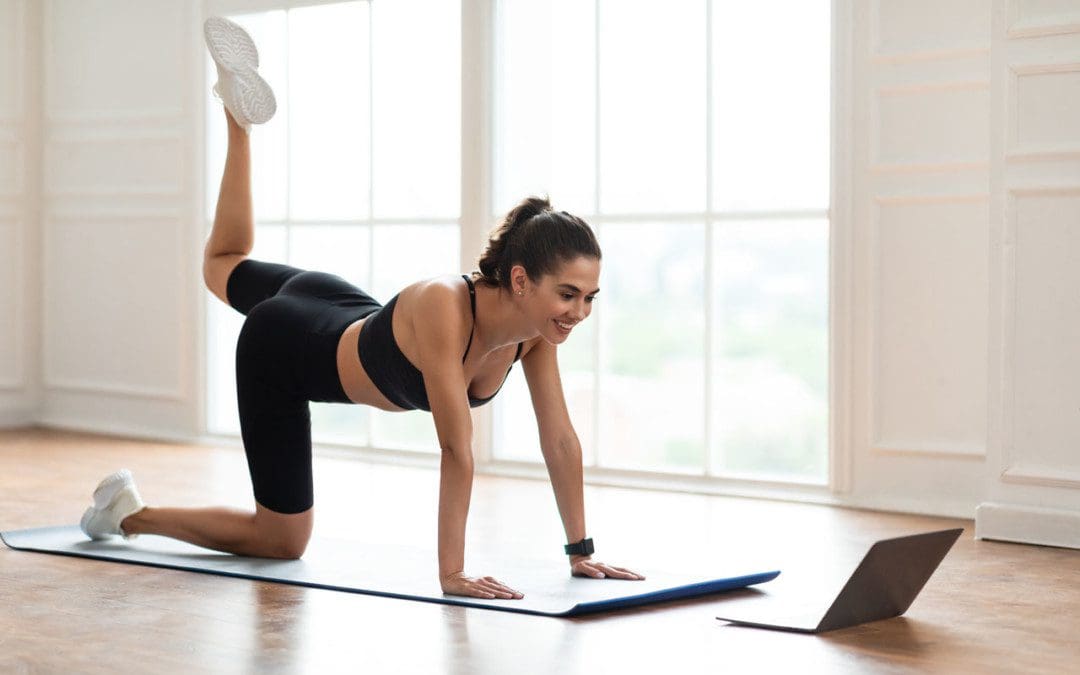
Simple exercises can help engage and strengthen the muscles. These include:
Individuals that sit for long periods of time, don’t get enough physical activity, and have an unhealthy diet can experience insulin resistance. This happens when insulin is not able to transport excess blood sugar out of the blood and into the muscles. A study found that women who sat for eight hours a day had an increased chance of developing diabetes. Diabetics can be inclined to have more fat within the body, specifically visceral fat. This further encourages insulin resistance. Diabetics also experience rapid loss of muscle mass as they age, intensifying symptoms and further affecting body composition.
References
Cochrane, Darryl J et al. “Does short-term gluteal activation enhance muscle performance?.” Research in sports medicine (Print) vol. 25,2 (2017): 156-165. doi:10.1080/15438627.2017.1282358
Coratella, Giuseppe et al. “The Activation of Gluteal, Thigh, and Lower Back Muscles in Different Squat Variations Performed by Competitive Bodybuilders: Implications for Resistance Training.” International journal of environmental research and public health vol. 18,2 772. 18 Jan. 2021, doi:10.3390/ijerph18020772
Distefano, Lindsay J et al. “Gluteal muscle activation during common therapeutic exercises.” The Journal of orthopedic and sports physical therapy vol. 39,7 (2009): 532-40. doi:10.2519/jospt.2009.2796
Kalyani, Rita Rastogi et al. “Age-related and disease-related muscle loss: the effect of diabetes, obesity, and other diseases.” The lancet. Diabetes & endocrinology vol. 2,10 (2014): 819-29. doi:10.1016/S2213-8587(14)70034-8
Selkowitz, David M et al. “Which exercises target the gluteal muscles while minimizing activation of the tensor fascia lata? Electromyographic assessment using fine-wire electrodes.” The Journal of orthopedic and sports physical therapy vol. 43,2 (2013): 54-64. doi:10.2519/jospt.2013.4116
Recent studies have begun to show that back pain apps can enhance the body’s recovery when combined with conservative treatments and physical activity/exercise. Low back pain – LBP can interfere with everyday activities, work, school, and sleep making life miserable. All around the world low back pain is one of the leading causes of disability. Studies have shown how physical activity/exercise, mindfulness, and spinal manipulation can reduce symptoms more effectively. Exercise has been shown to reduce anxiety and increase positive outlook/mood. However, the biggest problem for individuals is finding activities/exercises that they can enjoy and sticking with them. Individuals that use back pain apps have reported the benefits of being guided through the exercises and meditation that help decrease their pain.
Back Pain Apps
Several back pain apps utilize the brain and body connection. They provide exercises for the body and meditation to help the mind relax and work out and through the pain. The brain is the computer, the software is the mind and the hardware is the body. The brain is linked to the nervous system. Apps that help with psychosocial and behavioral issues have shown the ability to reverse the negative thinking of individuals with chronic pain. For individuals that don’t like exercising, there are apps to help address various barriers and obstacles.
They’re ready when and where you are
They track progress
They match guidance messages based on responses
They provide positive reinforcement
Before starting, if the answer is yes to any of the following questions consult with a physician first:
Is leg pain presenting?
Is there constant pain at night?
Is there a history of a recent accident or injury?
Effectiveness of Apps
A 12-week controlled trial in 2019, of individuals with low back pain, found that those who used an app did statistically better, in reducing their pain compared to the control group. The trial consisted of:
Those in the treatment group that completed the program found their pain level (based on a 100-point scale) had reduced 62% from a level of 44 to 14. Compared to an 8% reduction in the control group. However, scientific evidence on specific apps is limited and requires further research. However, the apps that scientists studied include:
A review of 25 apps for low back pain found the higher the price, the higher the app scored in the scientific study. The apps with the top scores included:
Strengthening exercises
Stretching
Core stability exercises
They were:
Interesting
Entertaining
Interactive
Customizable
The Lower Back Pain App, developed by a physiotherapist, scored the highest. It is a 10-week program where users are directed each week to perform three exercises twice daily. The exercises focus on:
Spinal mobility
Stability
Muscle strengthening
Instructions are given through videos and writing.
Back Pain Specific Apps
A variety of back pain-specific applications are available. Try them out and see which fits your style. They are there to guide, strengthen the body, help relax, and lessen the pain.
Body Composition
Chronic Stress
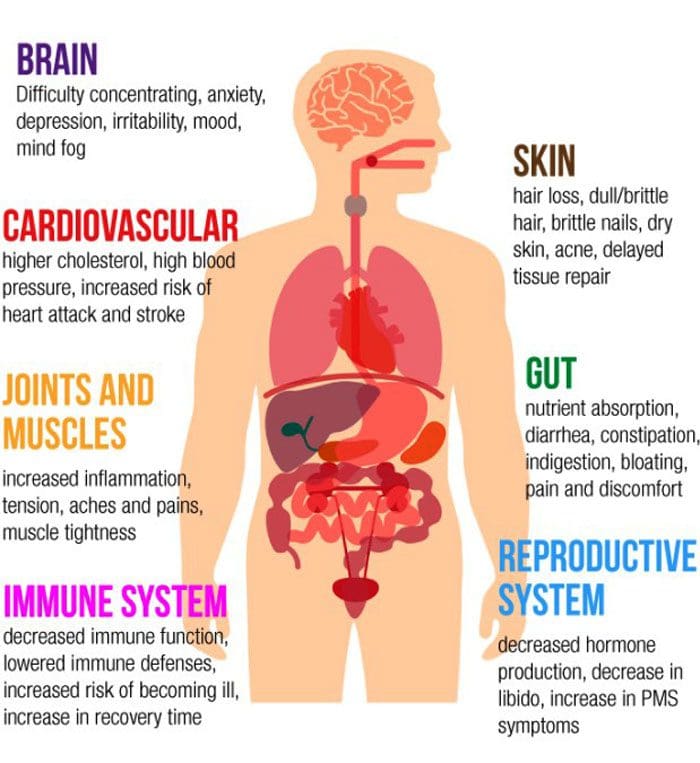
Chronic stress is like poison to the body. It negatively impacts every aspect of the body’s health and is more dangerous because of its ability to present without realizing it. One of the body’s systems responsible for handling difficult situations is the immune system. Specifically, cells of the immune systems have receptors that recognize stress hormones like cortisol. Acute stress can cause immune system problems by increasing the release of inflammatory cytokines that are a special type of immune cell. Stress, immunity, and disease can affect each other. But these relationships can be moderated by:
What is important is to develop a healthy strategy to relieve the symptoms of stress like meditating, exercising, and spending time with friends/family.
References
Best Evidence Rehabilitation for Chronic Pain Part 3: Low Back Pain https://www.ncbi.nlm.nih.gov/pmc/articles/PMC6679058/
Current Directions in Stress and Human Immune Function. Current opinion in psychology vol. 5 (2015): 13-17. doi:10.1016/j.copsyc.2015.03.007 https://www.ncbi.nlm.nih.gov/pmc/articles/PMC4465119/
The Role of Psychosocial Processes in the Development and Maintenance of Chronic Pain https://pubmed.ncbi.nlm.nih.gov/27586832/#affiliation-1
Assessment of the Quality of Mobile Applications (Apps) for Management of Low Back Pain Using the Mobile App Rating Scale (MARS) https://www.ncbi.nlm.nih.gov/pmc/articles/PMC7763508/#B12-ijerph-17-09209
Surgical versus nonsurgical treatment of chronic low back pain: A meta-analysis based on current evidence https://pubmed.ncbi.nlm.nih.gov/26406211/
Randomized controlled trial of a 12-week digital care program in improving low back pain https://www.ncbi.nlm.nih.gov/pmc/articles/PMC6550254/#CR8
Evaluation of Self-Management Support Functions in Apps for People With Persistent Pain: Systematic Review https://mhealth.jmir.org/2019/2/e13080/
App-based multidisciplinary back pain treatment versus combined physiotherapy plus online education: a randomized controlled trial https://www.nature.com/articles/s41746-019-0109-x
IFM's Find A Practitioner tool is the largest referral network in Functional Medicine, created to help patients locate Functional Medicine practitioners anywhere in the world. IFM Certified Practitioners are listed first in the search results, given their extensive education in Functional Medicine