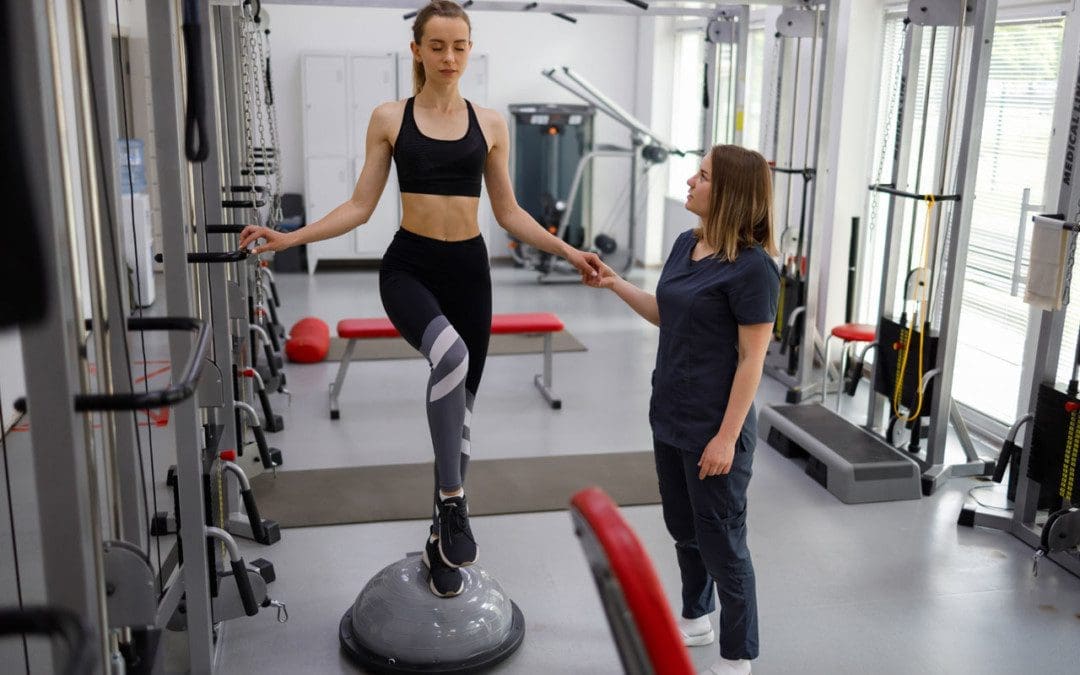
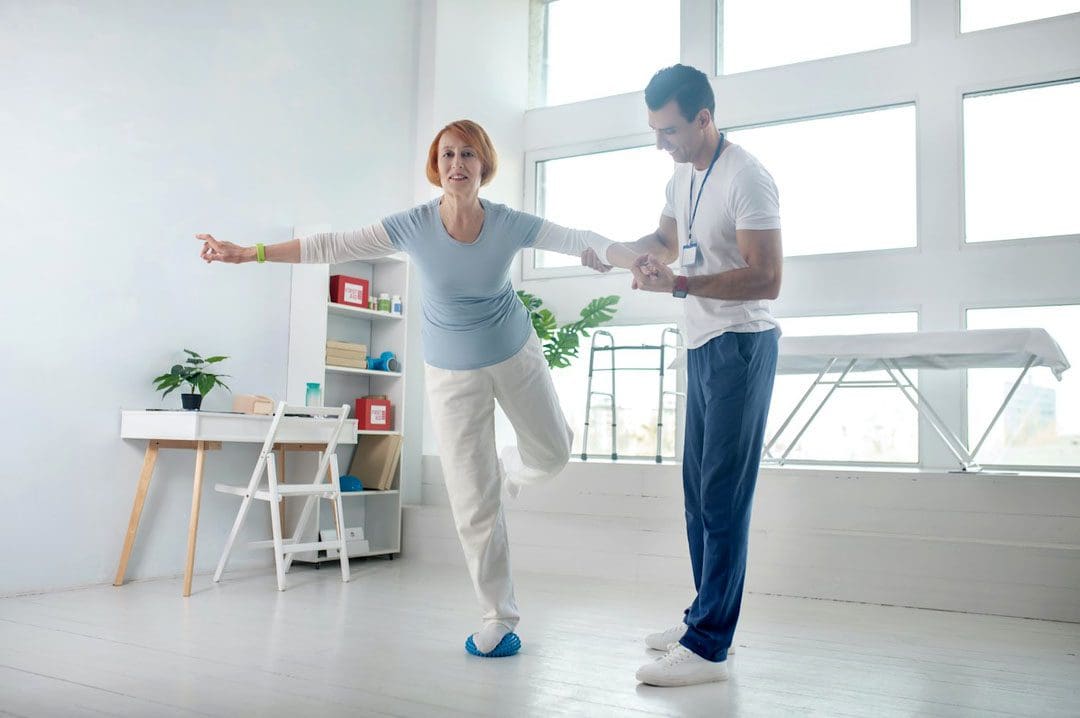
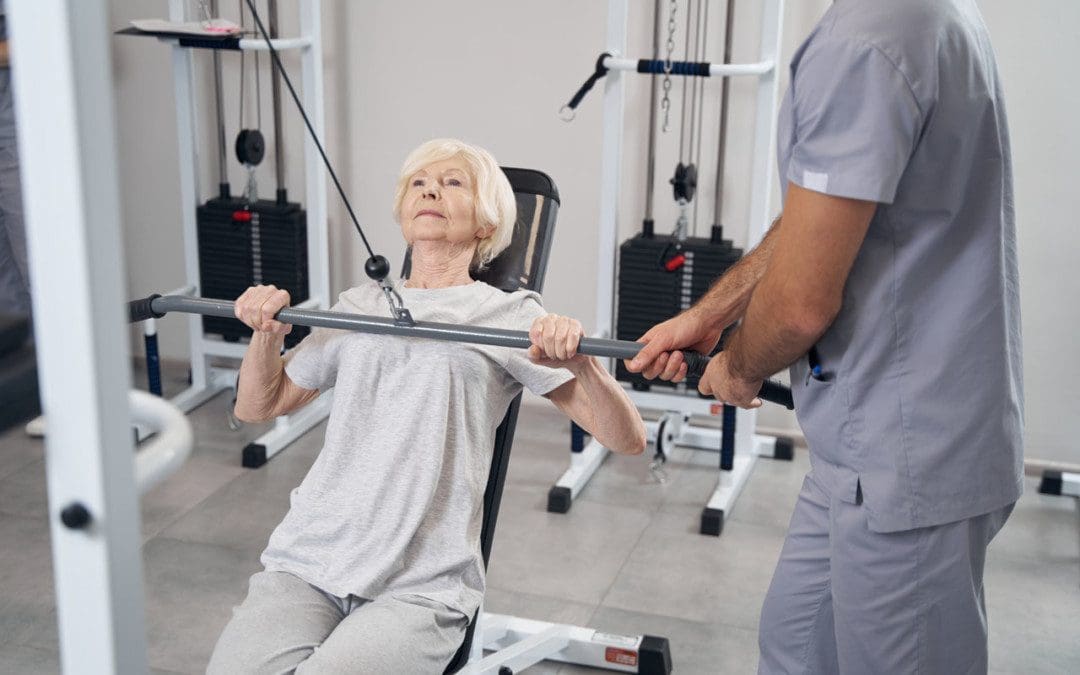
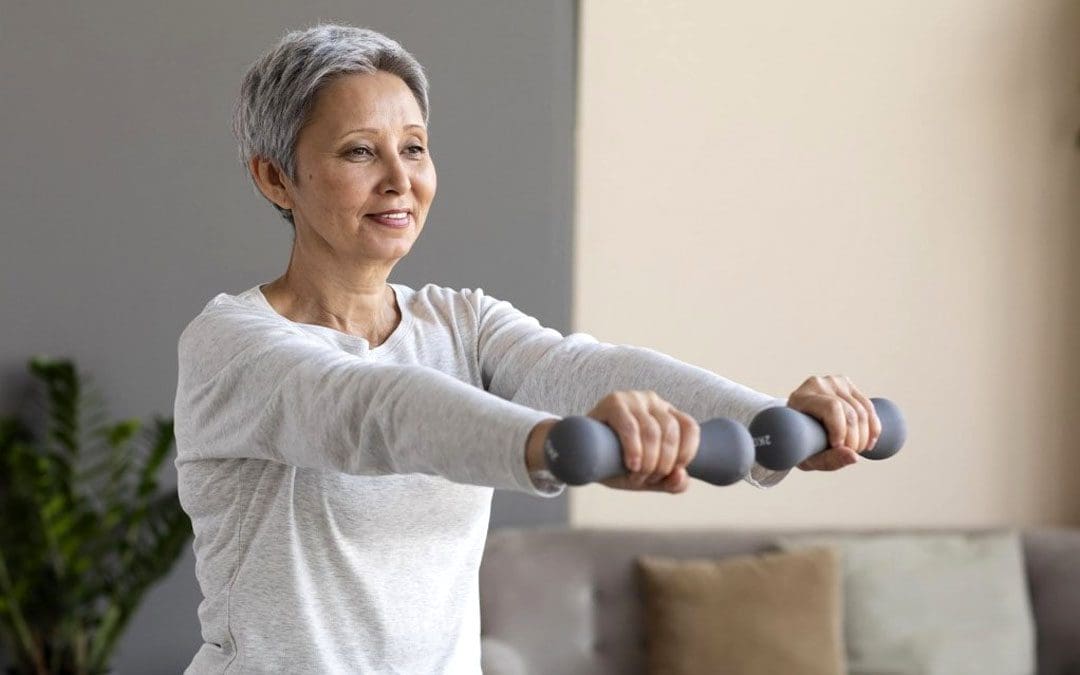
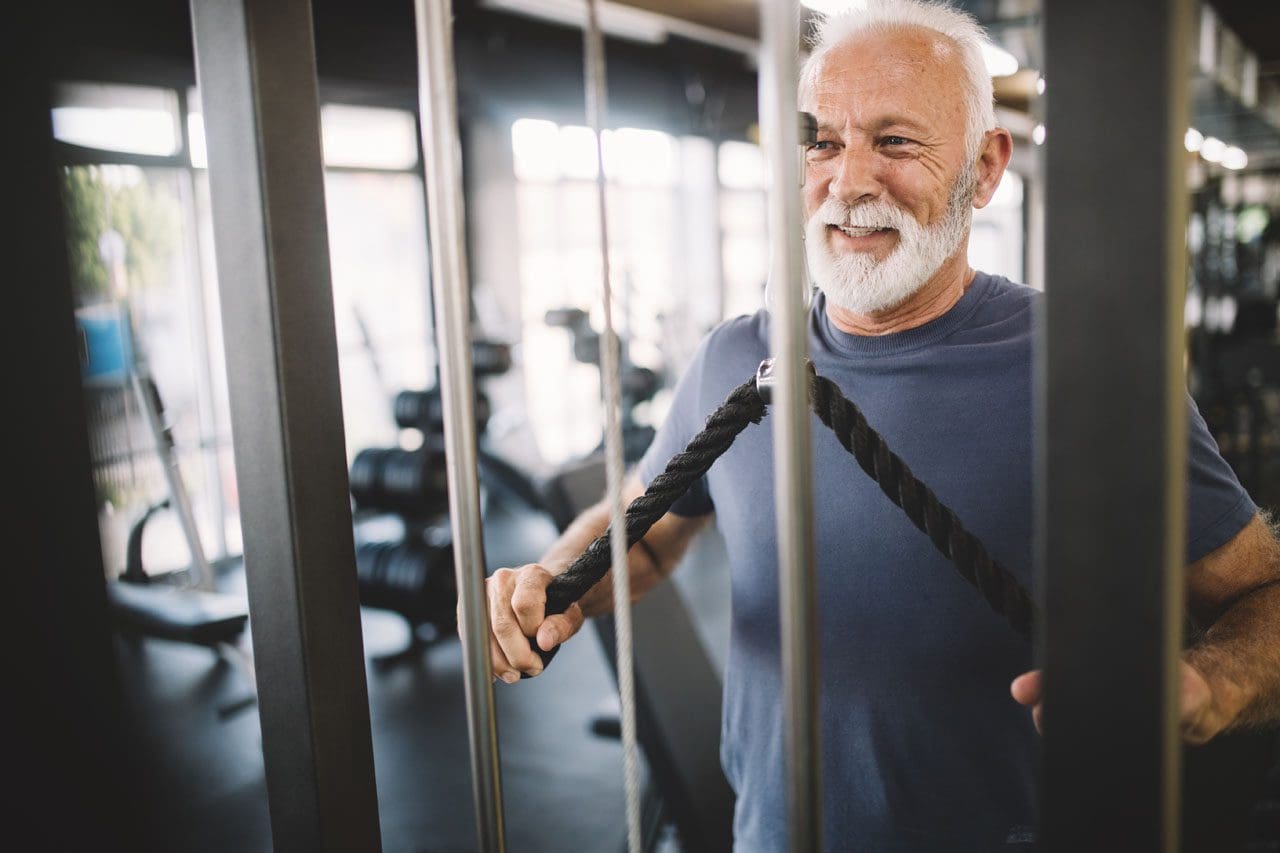
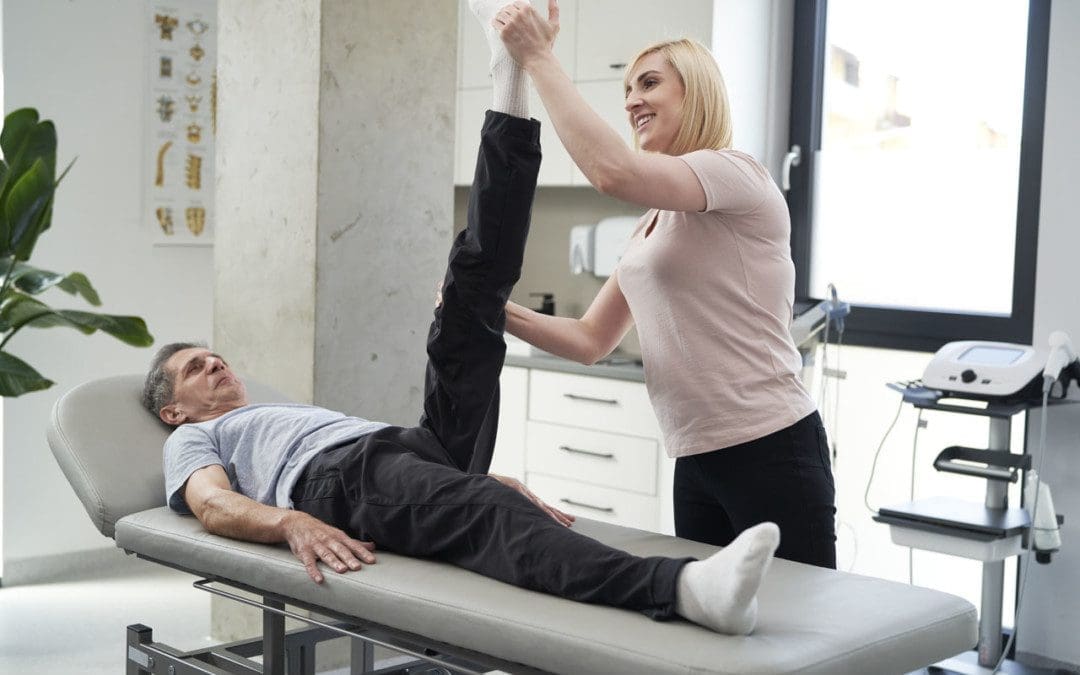
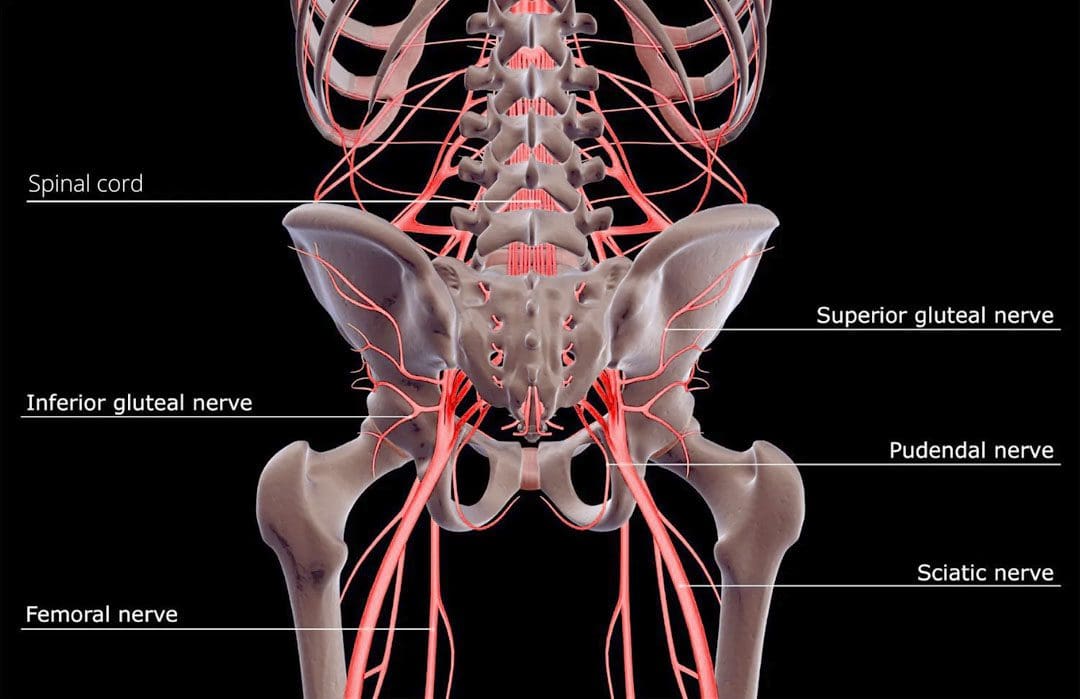
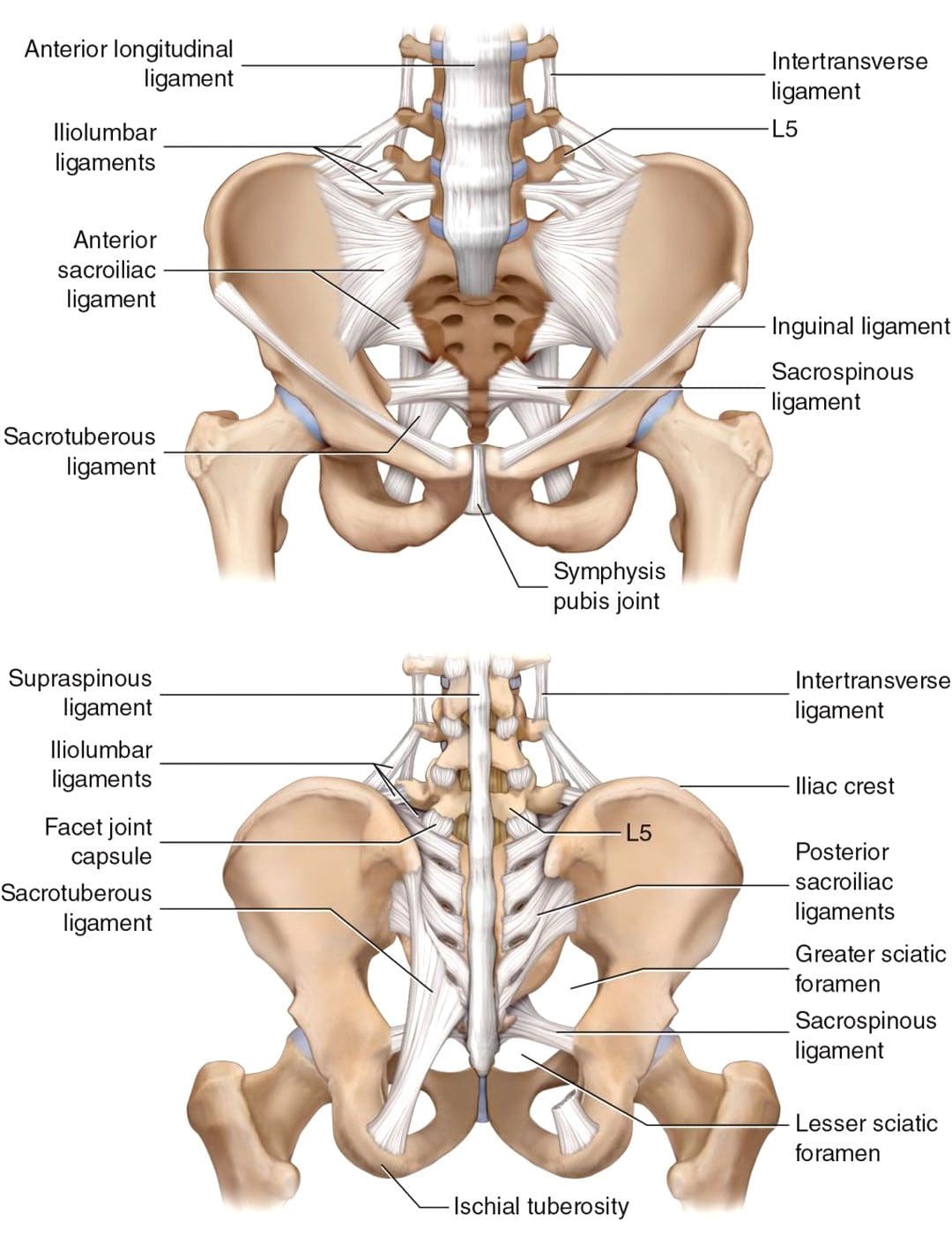
Body balance is essential for walking, tying shoelaces, picking up objects, etc. Balance is an acquired skill that the body develops in response to different activities and surroundings. Everyone can benefit from improving and maintaining their balance muscles regardless of age. Balance exercises condition and strengthen the core muscles. Balance training helps improve posture and stability; athletes find it provides increased agility and added power; seniors utilize it to prevent injuries and maintain mobility, and fitness enthusiasts use it to improve workouts. Injury Medical Chiropractic and Functional Medicine Clinic provide whole-body realignment, rehabilitation, postural and balance training, and nutritional advice.
Balance Exercises
Being able to move around efficiently requires healthy postural alignment and balance. The systems responsible for balance can be affected by the following:
Gradual changes brought on by aging.
Back problems.
Foot problems.
Injury.
Side effects from medications.
Arthritis.
Stroke.
Parkinson’s disease.
Multiple sclerosis.
However, it was found that all responded well to exercises designed to improve balance.
Definition
Balance is the ability to control the body in space and distribute weight evenly to maintain uprightness. There are two types.
Dynamic Balance
The ability to remain stable while performing movements or actions that require displacing or moving the body.
Individuals use this type of balance each time the body takes a step in any direction.
Dynamic balance is required when the body is in motion, like walking.
A healthy dynamic balance is essential for the body’s ability to react to sudden changes.
Static Balance
The ability to maintain a stationary position during movements like bending, twisting, reaching, and swaying around the axis of the body.
Both types are essential and can be improved with targeted exercises.
Benefits
Everyone can benefit from balance exercises and can help at different stages of life and fitness levels.
General Public
Balance training:
Teaches the body to use the core for stabilization.
Creates muscular balance.
Improves neuromuscular coordination and communication between the brain and muscles.
Individuals can start incorporating balance exercises into everyday routines. A few ways to do this include:
When picking up an object, reach over to pick them up on one leg, with the other lifting straight into the air behind to engage the abs.
Sit on a stability ball at work, school, or when watching TV.
Stand on one foot while engaged in static balance activities like washing dishes, brushing teeth, etc., and alternate the feet.
Athletes
Proprioceptive training is used with athletes for rehabilitation and prevention of injuries. Proprioception is the sense of body position.
Practicing balance exercises increases the sense of control and awareness of the muscles and joints and how they function when in motion.
Balance training increases power because the individual learns to use their center of gravity more efficiently.
A stronger and more active core helps to increase jump height, throwing, swinging, shifting, and running.
Seniors
Seniors can use balance exercise programs to improve stability for falling prevention and injuries.
Exercises
Below are basic instructions for the following balance exercises:
Tree Pose
Tree pose can be done on the floor, a mat, or Bosu. It strengthens the ankles, improves balance, and engages the core.
Stand with feet together, spine tall and straight, and arms outstretched.
If using a BOSU, use either the ball or the flat side.
Gradually lift the left foot to the side of the calf and balance on the right foot.
Gradually lift arms overhead to make the branches.
Hold for 30 seconds, then switch to the other leg.
Single Leg Deadlift
This exercise strengthens the hamstrings and glutes, works on balance, and activates the abdominal wall. It can be done with or without weights like dumbells.
Stand on the floor with feet together.
Place most of the weight onto the right foot.
Stare at a focal point in front and on the floor
Slowly lower the torso to the ground while lifting the left leg behind.
Keep the spine neutral and reach the hands toward the floor.
Stop when the back is parallel to the floor.
Don’t tighten or stiffen the right knee but keep it moveable.
Squeeze the hamstrings, glutes, and abs while slowly returning to an upright position.
Lie on your back and extend your arms and legs toward the ceiling.
Pull the abdominals in toward the midline.
Lower the right leg and extend the left arm back.
Return to the starting position and repeat with the opposite arm and leg.
Keep switching sides until the set is complete.
The Chiropractic Approach
References
Bruijn, Sjoerd M, and Jaap H van Dieën. “Control of human gait stability through foot placement.” Journal of the Royal Society, Interface vol. 15,143 (2018): 20170816. doi:10.1098/rsif.2017.0816
Dunsky, Ayelet, et al. “Balance Performance Is Task Specific in Older Adults.” BioMed research international vol. 2017 (2017): 6987017. doi:10.1155/2017/6987017
Feldman, Anatol G. “The Relationship Between Postural and Movement Stability.” Advances in experimental medicine and biology vol. 957 (2016): 105-120. doi:10.1007/978-3-319-47313-0_6
Hlaing, Su Su et al. “Effects of core stabilization exercise and strengthening exercise on proprioception, balance, muscle thickness and pain-related outcomes in patients with subacute nonspecific low back pain: a randomized controlled trial.” BMC musculoskeletal disorders vol. 22,1 998. 30 Nov. 2021, doi:10.1186/s12891-021-04858-6
Kim, Beomryong, and Jongeun Yim. “Core Stability and Hip Exercises Improve Physical Function and Activity in Patients with Nonspecific Low Back Pain: A Randomized Controlled Trial.” The Tohoku Journal of experimental medicine vol. 251,3 (2020): 193-206. doi:10.1620/tjem.251.193
Prado, Erick Tadeu et al. “Hatha yoga on body balance.” International Journal of Yoga vol. 7,2 (2014): 133-7. doi:10.4103/0973-6131.133893
Thomas, Ewan, et al. “Physical activity programs for balance and fall prevention in elderly: A systematic review.” Medicine vol. 98,27 (2019): e16218. doi:10.1097/MD.0000000000016218
Healthy aging has been linked to a lifestyle consisting of proper nutrition and exercise. However, even with a healthy lifestyle, the body undergoes changes that include conditions, disease, and compromises in physical performance. Because of the effects of aging on muscle and joint tissue, cardiovascular fitness, and other physical parameters, older athletes need to take consideration, but this doesn’t mean slowing down. Injury Medical Chiropractic and Functional Medicine Clinic can develop a training and treatment plan to build and maintain musculoskeletal system health, flexibility, and optimal function.
Older Athletes
Research has shown that the physical and mental declines that go with aging can be reduced with fitness and nutrition programs and that it is not too late to start improving fitness, no matter what age. Systemic changes that happen to an aging body include:
Nervous System
Imbalances happen more easily and more often.
Sensation changes.
Musculoskeletal System
Bone Strength Decreases.
Muscle Strength Decreases.
Flexibility issues occur more frequently.
Respiratory System
Decreased Vital or Breathing Capacity of Lungs – The maximum amount of air that can be exhaled after a full inhalation.
Cardiovascular System
Maximum Heart Rate slows down.
A slower return to resting heart rate after and during physical activity and exercise.
Maintaining Endurance
Common aging fitness declines include:
Changes in body composition.
Increased body fat.
Decreased muscle mass.
Loss of height – can be brought on by osteoporosis.
Diminished cardiorespiratory capacity.
Muscle atrophy.
Research has found that when seniors start to exercise, their health improves quickly. It’s estimated that the physical declines associated with aging are not necessarily inevitable but can also happen by losing fitness/deconditioning effects from reduced exercise levels, frequency, and/or intensity. Despite the losses, older athletes are often able to compete and excel in endurance activities because they tend to have higher proportions of slow twitch fibers.
Memory and Fitness
Evidence suggests that seniors who exercise reduce the physical effects of aging and prevent their brain/memory from advanced degeneration.
Physical fitness has been linked with reduced memory decline in middle-aged adults.
Training Options
Training methods to maintain athletic performance.
Hill Running or Interval Training
This type of training can improve fitness and condition the aerobic and anaerobic systems.
Weight Training
Weight training maintains muscle tone, fast twitch muscle fibers, and strength.
Supplements may help improve performance during repetitive, intense exercise sessions.
Nutrition
Aging causes the joints to become less flexible, resulting in a range of motion loss leading to limitations and compromised physical abilities. Proper nutrition in older athletes can protect the joints and prevent advanced degeneration. The following nutrients are recommended:
Omega-3’s – nuts, seeds, and fatty fish provide anti-inflammatory effects.
Vitamin C for collagen production.
Sulfur amino acids – certain vegetables, meat, poultry, fish, and dairy products improve joint cartilage health.
Bioflavonoids – all fruit and vegetables provide anti-inflammatory effects and improved circulation.
Antioxidants – selenium and vitamin E protect against free radicals that multiply with age.
Supplements may also be helpful but check with a doctor before beginning a program.
Move Better, Live Better
References
Gillis, Angela, and Brenda MacDonald. “Deconditioning in the hospitalized elderly.” The Canadian nurse vol. 101,6 (2005): 16-20.
Lexell, J. “Human aging, muscle mass, and fiber type composition.” The Journal of Gerontology. Series A, Biological Sciences and medical sciences vol. 50 Spec No (1995): 11-6. doi:10.1093/gerona/50a.special_issue.11
Marriott, Catherine F S, et al. “High-Intensity Interval Training in Older Adults: a Scoping Review.” Sports medicine – open vol. 7,1 49. 19 Jul. 2021, doi:10.1186/s40798-021-00344-4
Rogers, Michael E et al. “Balance training for the older athlete.” International Journal of sports physical therapy vol. 8,4 (2013): 517-30.
Tayrose, Gregory A et al. “The Master’s Athlete: A Review of Current Exercise and Treatment Recommendations.” Sports Health vol. 7,3 (2015): 270-6. doi:10.1177/1941738114548999
Townsend, Danyelle M et al. “Sulfur-containing amino acids and human disease.” Biomedicine & pharmacotherapy = Biomedicine & pharmacotherapy vol. 58,1 (2004): 47-55. doi:10.1016/j.biopha.2003.11.005
Van Roie, Evelien, et al. “An age-adapted plyometric exercise program improves dynamic strength, jump performance and functional capacity in older men either similarly or more than traditional resistance training.” PloS one vol. 15,8 e0237921. 25 Aug. 2020, doi:10.1371/journal.pone.0237921
Wu, Tingting, and Yanan Zhao. “Associations between functional fitness and walking speed in older adults.” Geriatric nursing (New York, N.Y.) vol. 42,2 (2021): 540-543. doi:10.1016/j.gerinurse.2020.10.003
The nervous system communicates with the entire body and reacts to internal and external changes using electrical and chemical impulses to send and receive messages. Messages travel/synapse from one neuron to another using specialized chemicals known as neurotransmitters. Paresthesia refers to sensations of numbness, tingling, prickling, skin crawling, itching, or burning, usually in the arms, hands, legs, and/or feet, but can affect other areas of the body. Chiropractic care, massage therapy, decompression therapy, and functional medicine can relieve tissue and nerve compression, improve flexibility, range of motion, and mobility, and strengthen the muscles surrounding the affected nerve to maintain optimal health and prevent worsening or further injury.
Paresthesia
The sensation comes on without warning and is usually painless and described as tingling or numbness. There are different causes of paresthesia, including:
Some individuals have chronic or long-term paresthesia, which can be a sign of a more serious nerve injury or condition. Added physical stress can cause surrounding tissues to irritate or entangle the nerve leading to building pressure. This pressure causes paresthesia in the area interrupting circulation and function. A pinched nerve can happen anywhere in the body, like the neck, shoulder, wrist, back, and face.
A herniated disc in the lower spine can cause back pain and paresthesia in the leg or foot on the affected side.
Carpal tunnel syndrome is a pinched nerve in the wrist that causes numbness and tingling in the hand and fingers.
Pinched nerve symptoms can be intermittent or constant.
Usually, a temporary sensation is caused when pressure is placed on the affected nerve.
Once that pressure is relieved, the discomfort goes away.
Individuals with an Increased Risk
Overuse Injury
Individuals with jobs or hobbies requiring repetitive motions are at a higher risk for nerve compression, paresthesia, or injury.
Anyone can get a pinched nerve, and most individuals will experience paresthesia at some point.
Weight and water gain can cause swelling and increase pressure on nerves.
Thyroid Disease
This puts individuals at risk for carpal tunnel syndrome.
Rheumatoid arthritis
This causes inflammation, which can also compress nerves in the joints.
Diagnosis
To diagnose paresthesis, a doctor will look at the individual’s medical history and ask questions about the symptoms. They will perform a physical examination and, depending on the findings, may recommend tests that can include:
Nerve Conduction Study
This measures how fast nerve impulses travel in the muscles.
Electromyography – EMG
To look at the electrical activity of how nerves and muscles interact.
Magnetic Resonance Imaging – MRI
This looks at the different areas of the body in high definition.
Ultrasound
Used to produce images, this can be applied to the smaller areas to look for nerve compression or damage.
Chiropractic
Treatment options depend on the cause of the paresthesia. Body misalignments can cause nerve interference that can lead to health problems such as migraines, or can disrupt nerve communication and block proper circulation. Chiropractic care focuses on treating the nervous system and is a safe and effective method for treating nerve problems that cause discomfort and sensations. After a thorough examination of problem areas, massage, decompression, and chiropractic adjustments will:
Bova, Joseph, and Adam Sergent. “Chiropractic management of a 24-year-old woman with idiopathic, intermittent right-sided hemiparesthesia.” Journal of chiropractic medicine vol. 13,4 (2014): 282-6. doi:10.1016/j.jcm.2014.08.002
Christensen, Kim D, and Kirsten Buswell. “Chiropractic outcomes for managing radiculopathy in a hospital setting: a retrospective review of 162 patients.” Journal of chiropractic medicine vol. 7,3 (2008): 115-25. doi:10.1016/j.jcm.2008.05.001
Freihofer, H P Jr. “Parästhesien” [Paresthesia]. Schweizerische Monatsschrift fur Zahnheilkunde = Revue mensuelle suisse d’odonto-stomatologie vol. 89,2 (1979): 124-5.
Karne, Sampada Swapneel, and Nilima Sudhakar Bhalerao. “Carpal Tunnel Syndrome in Hypothyroidism.” Journal of Clinical and diagnostic research: JCDR vol. 10,2 (2016): OC36-8. doi:10.7860/JCDR/2016/16464.7316
A joint is where two bones meet. The two sacroiliac or SI joints connect the spine, pelvis, and hips. This strong joint balances and transmits stress from the upper body to the pelvis and legs. The joints can suffer a sprain causing pain and discomfort symptoms. There can also be the feeling of tightness wrapping around the waist and dull aching across the low back as the surrounding muscles tighten up as a form of protection, also known as muscle guarding. A correct diagnosis is vital to avoid any potentially serious complications. Chiropractors are experts on neuromusculoskeletal problems and can treat, heal, and strengthen the body through various MET, mobilization, and manipulation techniques.
Sacroiliac Sprain
The main function is to balance the upper and lower body forces. The sacroiliac joints are surrounded by muscle, connective tissue, nerves designed to withstand large stresses and a complex system of ligaments, further strengthening the joints.
Injury Causes
Sacroiliac sprains can be caused by direct trauma to the pelvis from a fall or automobile collision or jobs and sports that involve a lot of bending and twisting. However, sometimes there is no distinct cause. Common causes include:
Repetitive microtrauma is excessive/repetitive movements like prolonged twisting, bending, or lifting at work, home, physical activities, and sports.
The joint can be pushed out of alignment.
Muscular imbalance or weakness in the muscles surrounding the sacroiliac joints can cause problems to develop over time, presenting little or no symptoms.
The tissues around a sacroiliac joint also can be stretched or torn.
Trauma such as a fall or road traffic accidents
Problems with the hips, knees, and feet can generate increased pressure on the joint, which can become painful over time due to repetitive strain.
Pregnancy hormones released to promote pelvis relaxation can increase the risk of SI sprain injury.
Excessive stress on the joint can cause microscopic damage to the ligaments surrounding the joint. The joint then becomes inflamed and presents with pain and sensations of discomfort. The body responds by contracting the muscles to prevent further damage. However, the muscle spasms may not stop, resulting in more pain. Referred pain is common from the muscles that go into spasm, with the most affected being the piriformis, gluteal/buttock, and psoas muscles.
Signs and Symptoms
Tenderness over the affected joint and area.
Pain symptoms on one or both sides above the joints and into the buttocks.
Standing or working with increased weight on one leg increases pain symptoms.
Pain after lifting or twisting that develops a little while later.
Pain travels to the back of the leg, front of the thigh, and the groin.
Pain gets worse when sitting and bending forward.
Lying down eases the symptoms.
Most cases report no loss of strength, tingling, or numbing sensations.
Chiropractic Treatment
Chiropractic treatment will relieve the pain symptoms, but there are stages of treatment, each with specific goals before moving to the next.
The objective of the initial stage is to decrease pain and inflammation.
The second stage is stabilizing and restoring proper musculoskeletal function.
Rehabilitation and targeted stretches and exercises will be introduced as the treatment continues.
In the maintenance stage, there should be no pain, and the individual should be able to perform normal daily activities and return to normal life.
Recovery time for a sacroiliac sprain can be 4-6 weeks but can take months to heal completely.
Chiropractic Approach for Pain Relief
References
BIDWELL, A M. “Treatment of sacroiliac sprain by manipulation.” The Medical World vol. 65,1 (1947): 14-6.
Evans, P. “Sacroiliac sprain.” American family physician vol. 48,8 (1993): 1388; author replies 1390.
LeBlanc, K E. “Sacroiliac sprain: an overlooked cause of back pain.” American family physician vol. 46,5 (1992): 1459-63.
Sun, Chao, et al. “Cost and outcome analyses on the timing of first independent medical evaluation in patients with a work-related lumbosacral sprain.” Journal of Occupational and environmental medicine vol. 49,11 (2007): 1264-8. doi:10.1097/JOM.0b013e318156ecdb
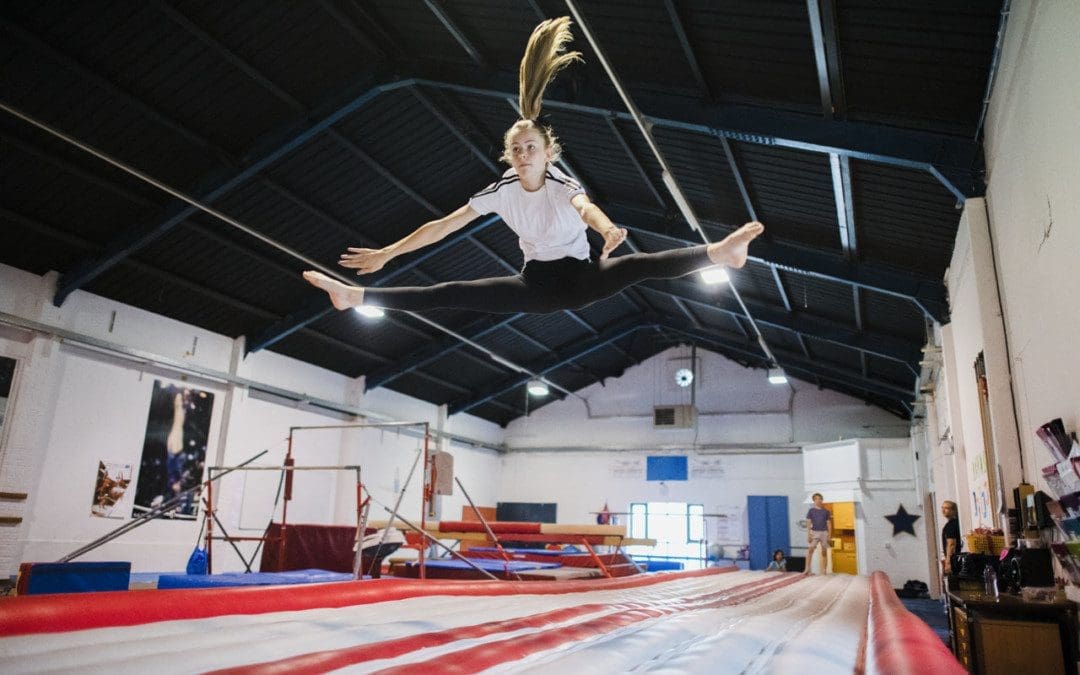
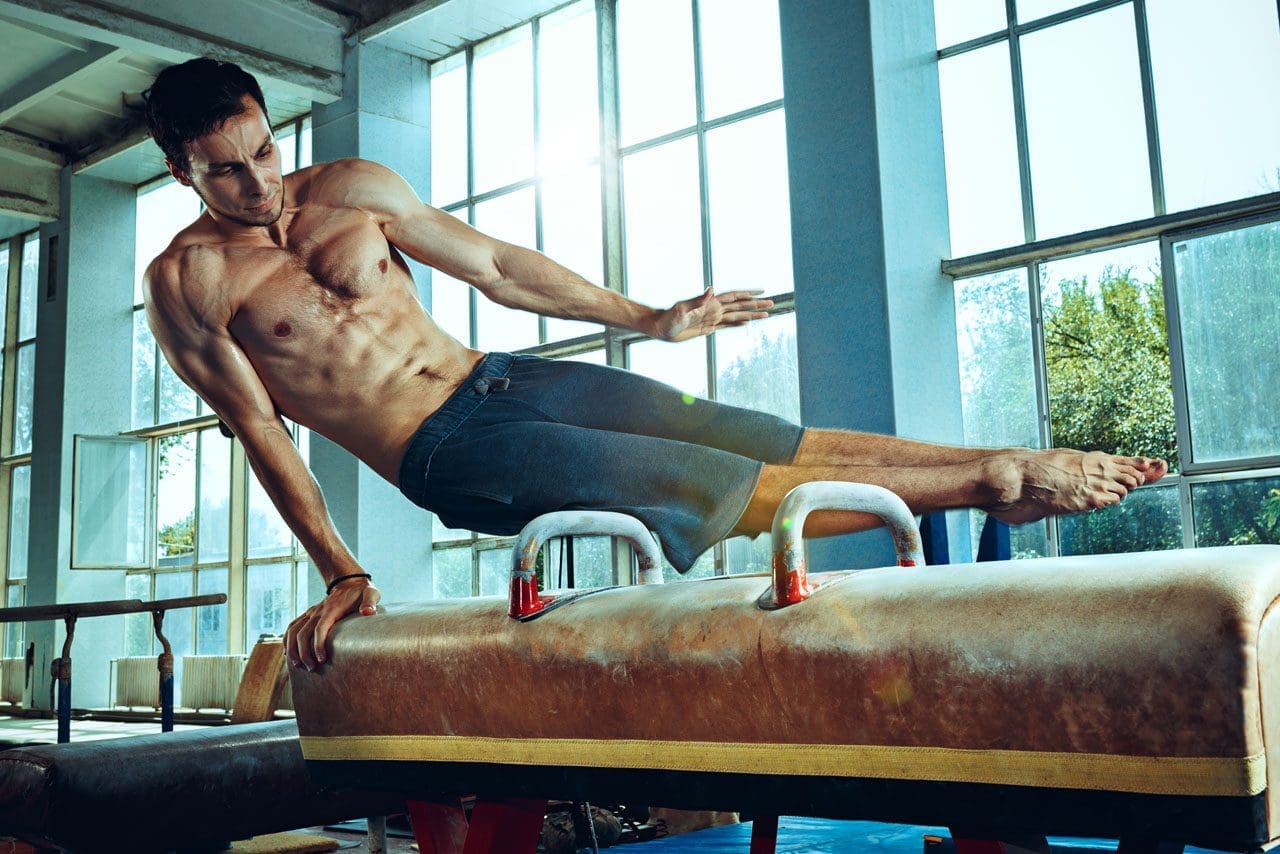
Gymnastics is a demanding and challenging sport. Gymnasts train to be powerful and graceful. Today’s moves have become increasingly technical acrobatic moves with a much higher degree of risk and difficulty. All the stretching, bending, twisting, jumping, flipping, etc., increases the risk of neuromusculoskeletal injuries. Gymnastics injuries are inevitable. Bruises, cuts, and scrapes are common, as are overuse strains and sprains, but severe and traumatic injuries can occur. Injury Medical Chiropractic and Functional Medicine Team can treat and rehabilitate injuries and help to strengthen and prevent injuries. The therapy team will thoroughly evaluate the individual to determine the injury/s severity, identify any weaknesses or limitations, and develop a personalized plan for optimal recovery, stability, and strength.
Gymnastic Injuries
One of the main reasons injuries are more prevalent is because today’s athletes start earlier, spend more time practicing, perform more complex skill sets, and have higher levels of competition. Gymnasts learn to perfect a skill and then train to make their bodies look elegant while executing the routine. These moves require precision, timing, and hours of practice.
Injury Types
Sports injuries are classified as:
Chronic Overuse injuries: These cumulative aches and pains occur over time.
They can be treated with chiropractic and physical therapy and prevented with targeted training and recovery.
Acute Traumatic injuries: These are typically accidents that happen suddenly without warning.
These require immediate first aid.
Most Common Injuries
Gymnasts are taught how to fall and land to lessen the impact on the spine, head, neck, knees, ankles, and wrists.
Back
Common back injuries include muscle strains and spondylolysis.
Bruises and Contusions
Tumbling, twisting, and flipping can result in various bruises and contusions.
Muscle Soreness
This is the sort of muscle soreness experienced 12 to 48 hours after a workout or competition.
Proper rest is necessary for the body to recover fully.
Overtraining Syndrome
Overtraining syndrome happens when individuals train beyond the body’s ability to recover.
Strength and/or flexibility imbalances – one side is stronger.
Chiropractic Care
Our therapists will start with an evaluation and a biomechanical assessment to identify all the factors contributing to the injury. This will consist of a thorough medical history to understand overall health status, training schedule, and the physical demands on the body. The chiropractor will develop a comprehensive program that includes manual and tool-assisted pain relief techniques, mobilization work, MET, core strengthening, targeted exercises, and injury prevention strategies.
Facet Syndrome Chiropractic Treatment
References
Armstrong, Ross, and Nicola Relph. “Screening Tools as a Predictor of Injury in Gymnastics: Systematic Literature Review.” Sports medicine – open vol. 7,1 73. 11 Oct. 2021, doi:10.1186/s40798-021-00361-3
Farì, Giacomo, et al. “Musculoskeletal Pain in Gymnasts: A Retrospective Analysis on a Cohort of Professional Athletes.” International journal of environmental research and public health vol. 18,10 5460. 20 May. 2021, doi:10.3390/ijerph18105460
Kreher, Jeffrey B, and Jennifer B Schwartz. “Overtraining syndrome: a practical guide.” Sports Health vol. 4,2 (2012): 128-38. doi:10.1177/1941738111434406
Meeusen, R, and J Borms. “Gymnastic injuries.” Sports medicine (Auckland, N.Z.) vol. 13,5 (1992): 337-56. doi:10.2165/00007256-199213050-00004
Sweeney, Emily A et al. “Returning to Sport After Gymnastics Injuries.” Current sports medicine reports vol. 17,11 (2018): 376-390. doi:10.1249/JSR.0000000000000533
Westermann, Robert W et al. “Evaluation of Men’s and Women’s Gymnastics Injuries: A 10-Year Observational Study.” Sports Health vol. 7,2 (2015): 161-5. doi:10.1177/1941738114559705
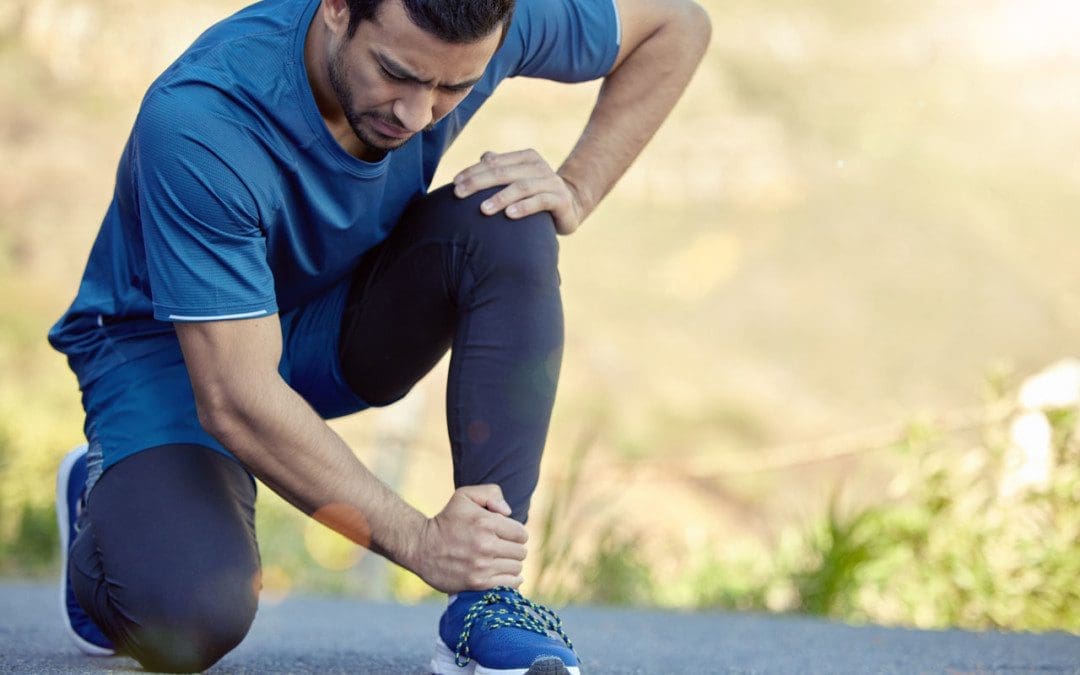
It’s not unusual for runners to experience tingling, pins and needles, and numbness in their feet while running. Running foot numbness is a relatively common problem for runners and can be easily remedied. Numbness will present in one part of the foot or just the toes. Sometimes it can spread throughout the whole foot. Different causes, most of which are not serious, can be easily dealt with. Serious causes can be treated with chiropractic, massage, decompression therapy, and functional medicine.
Running Foot Numbness
Reasons, why the feet experience numbing sensations when running, include:
Improper footwear.
Laces that are tied too tightly.
Foot strike pattern.
Foot structure.
Training schedule.
Muscle tightness.
Compressed nerve.
Medical conditions like neuromas or peripheral neuropathy.
Footwear
A common cause of running foot numbness is having overly tight shoes that place added pressure on nerves.
If this could be the reason, the remedy is to get new shoes.
Try to find a store that specializes in running shoes and ask for help.
Footwear professionals look at the size of the foot, the shape, and running gait.
For example, individuals with a wide foot may need a style with a wider/larger toebox or the front of the shoe that houses the forefoot.
Get a pair that’s one-half to a full size larger than a regular everyday shoe size.
This is because when running, the feet swell, especially in hot and humid weather.
Going up a half or whole size will also accommodate thicker socks for individuals that run in cold weather.
Sometimes numbness can result from biomechanical issues that can be corrected with the proper shoe.
Tight Laces
Sometimes it’s not the shoes but the laces that are too tight.
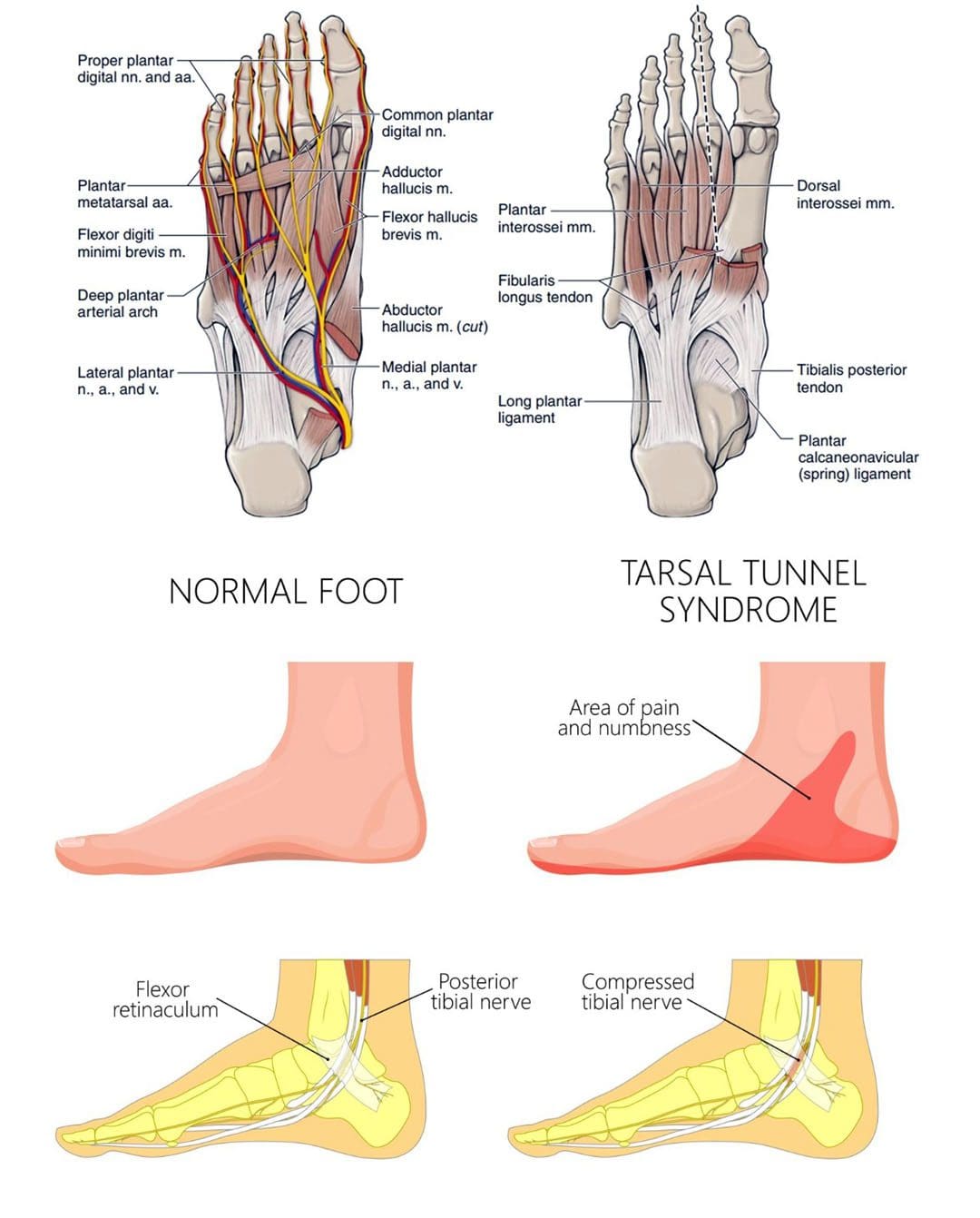
Pulling a little tighter to get a firm fit around the ankle is common, but this can entrap nerves on top of the foot at the ankle/anterior tarsal tunnel, similar to the carpal tunnel in the wrist.
This can be problematic for individuals with high arches.
Loosening the laces are recommended.
However, runners may feel insecure with looser laces.
Experimenting with different lacing techniques is recommended to find one that keeps the shoes comfortable without creating undue pressure over the top of the foot.
Using padding under the tongue of the shoe can help.
Foot Fall Pattern
Sometimes running form can put pressure on nerves that, lead to numbness.
Overstriding– Landing heel first with the foot ahead of the body’s center of gravity places the feet on the ground for too long.
Correcting this issue can be achieved by shortening the stride and focusing on landing on the midsole.
This way, the feet will land directly under the body.
Running like stepping on hot coals is recommended, keeping the movements light and quick.
Correcting overstriding saves energy and lowers the risk of shin splints.
A sports chiropractor, physical therapist, or running coach can help fine-tune form for specific guidance.
Foot Structure
The anatomy of the feet, specifically the arches, can contribute to running foot numbness.
Flat feet mean the entire bottom of each foot is in contact with the floor when barefoot.
Overly flexible feet are more likely to experience nerve compression.
This can be corrected with shoe orthotic inserts.
Over-the-counter orthotics may work, but custom orthotics are another option if they don’t.
Muscle Tightness
Stiff, inflexible muscles can lead to anatomical conditions that generate nerve pressure.
Warm-up exercises before running will get the muscles loose and ready.
Stretching is very important before and after running.
Individuals prone to muscle tightness should include flexibility exercises.
Yoga can improve flexibility and body alignment.
Foam rollers and other massage tools will work out kinks in areas where tightness forms and affects nerves, like the quadriceps, calves, hamstrings, and I.T. band.
Regular sports massage and chiropractic can help keep the body pliable.
Sciatic Nerve Issues
A compressed nerve causes a decrease in the sensation to the areas the nerve supplies.
Foot numbness, especially around the heel or the sole, can be caused by sciatic nerve compression.
The pain from sciatica might originate in the back but can end up causing numbness in the feet and/or toes.
Poor posture, tight piriformis muscles, or other back injuries can also cause sciatica.
A chiropractor or physical therapist can prescribe decompression therapy, MET stretches, and rehabilitative exercises.
Prevention
Most of the time, running foot numbness can be treated by adjusting footwear or technique. Here are a few tips for injury prevention:
Evaluate Shoes
First, make sure the shoelaces are not overly tight.
If the shoes are uncomfortable when running, look for another set and get a custom fitting.
Running Form
Avoid overstriding by focusing on landing on the midsole instead of the heel.
This will take the pressure off of the feet.
Foot Orthotics
Individuals with flat feet, high arches, or overly flexible feet should consider orthotics.
Avoid Overtraining
Work rest days into the training schedule and gradually build up to avoid overuse injuries.
Stretch to prevent muscle imbalances, keep muscles loose, and improve the range of motion.
Chiropractic and Physical Therapy
If symptoms don’t improve, see a doctor, podiatrist, or chiropractor so they can rule out conditions and develop a personalized treatment plan.
Benefits of Custom Foot Orthotics
References
Aldridge, Tracy. “Diagnosing heel pain in adults.” American family physician vol. 70,2 (2004): 332-8.
Atik, Aziz, and Selahattin Ozyurek. “Flexible flatfoot.” Northern Clinics of Istanbul vol. 1,1 57-64. 3 Aug. 2014, doi:10.14744/nci.2014.29292
Jackson, D L, and B L Haglund. “Tarsal tunnel syndrome in runners.” Sports medicine (Auckland, N.Z.) vol. 13,2 (1992): 146-9. doi:10.2165/00007256-199213020-00010
Souza, Richard B. “An Evidence-Based Videotaped Running Biomechanics Analysis.” Physical Medicine and rehabilitation clinics of North America vol. 27,1 (2016): 217-36. doi:10.1016/j.pmr.2015.08.006
Sridhara, C R, and K L Izzo. “Terminal sensory branches of the superficial peroneal nerve: an entrapment syndrome.” Archives of physical medicine and Rehabilitation vol. 66,11 (1985): 789-91.
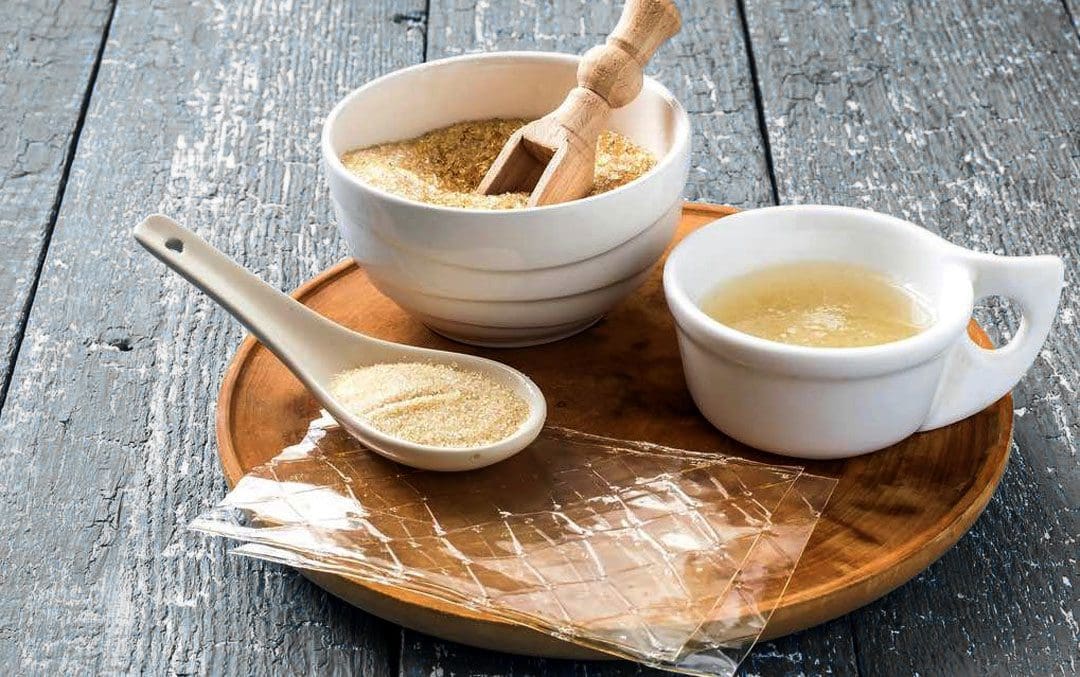
Gelatin is a stabilizer and thickener used to make desserts like fruit gelatin, pudding, mousse, marshmallows, candy, cakes, ice cream, and certain yogurts. It is also used in some shampoos and skincare products. Because animal products are used to make gelatin, it is not a vegan-friendly food, and even some non-vegans choose not to eat it. However, there are gelatin alternatives that are made from non-animal sources. The use of gelatin may provide certain health benefits, and there are some medical uses for pharmaceutical-grade gelatin.
Gelatin Health
Gelatin is affirmed as generally recognized as safe/GRAS by the U.S. Food and Drug Administration. Gelatin is made by boiling the skin, tendons, ligaments, or bones of animals – cows or pigs in water. This process releases collagen, a protein that provides structure and is the most abundant in the human body. Once the collagen is extracted, it is:
Concentrated
Filtered
Cooled
Extruded
Dried
Alternatives
Thickening agents can be made from different ingredients. These include:
Agar-agar
Also called agar, this thickener is made from cooked and pressed seaweed.
This gelling agent is available online and in some supermarkets in powdered, flaked, and bar form.
When cooking with it, substitute agar for gelatin using equal amounts if using the powder.
If using flakes, a tablespoon equals about a teaspoon of the powder.
Certain citrus fruits require more agar when substituting.
Agar does not gel well for recipes that include uncooked mangoes, papaya, and pineapple.
Pectin
Pectin is a gelling agent found naturally in apples and citrus fruits.
Food manufacturers use pectin to make some yogurts and candies and enhance fruit-based beverages.
It can also thicken jams, jellies, and other foods.
This thickener is usually for making softer gels and puddings.
Benefits
Improved Bone Health
A benefit of gelatin is the protection of bones; however, evidence supporting its use is limited.
An early study found that hydrolyzed gelatin, such as pharmaceutical grade, may help reduce pain symptoms in individuals with knee or hip osteoarthritis.
Researchers thought that it could have a beneficial effect on cartilage metabolism.
A study found that adding gelatin to an intermittent exercise program improved collagen synthesis and could aid in injury prevention and tissue repair.
Treatment of Diarrhea
Some studies have suggested that gelatin tannate, which contains tannic acid, can reduce chronic diarrhea.
One study found that using gelatin tannate and other products like probiotics could be effective.
However, further research is needed.
Recipe Alternative
Individuals following specific diets or nutritional plans can use gelatin to thicken foods instead of ingredients that they are avoiding or removing from their eating plan.
It can be used by those following low or no – carb or grain-free diets.
Individuals with wheat allergies, celiac disease, non-celiac gluten sensitivity, or who follow a gluten-free diet can use gelatin or other thickeners instead of flour.
Adding flour to foods like soups and stews can increase the carbohydrate count.
Cornstarch is one replacement that thickens when food is heated, like flour; however, gelatin thickens when food is cooled.
For example, some chefs use 1 ½ teaspoons of gelatin per cup of stock to thicken soups.
Nutrition
The USDA provides the following nutrition information for a single envelope or around one tablespoon/7 grams of gelatin.
Carbohydrates
There are about 30 calories per tablespoon, and none of the calories are from carbohydrates.
There are 0 grams of total carbohydrates, 0 grams of sugar, and 0 grams of fiber.
Because there are no carbohydrates, it will not impact blood sugar levels.
However, it is not usually consumed by itself.
It is commonly used to thicken desserts with sugar and carbohydrates that can elevate blood sugar levels.
Fats
There is no fat in a tablespoon serving of gelatin.
A 100-gram serving contains less than a gram of fat.
Protein
Gelatin provides about 6 grams of protein in one tablespoon serving.
It should not be considered a high-protein food.
Vitamins and Minerals
The powder does not contribute any significant micronutrients.
Does not provide vitamins or minerals.
Storage and Safety
It should be kept in a sealed container and stored in a cool, dry place.
It should stay fresh for about three years when unopened and stored correctly.
It should not be frozen.
Chiropractic Success Story
References
Blanco, Francisco J, and Ronald K June 2nd. “Cartilage Metabolism, Mitochondria, and Osteoarthritis.” The Journal of the American Academy of Orthopaedic Surgeons vol. 28,6 (2020): e242-e244. doi:10.5435/JAAOS-D-19-00442
Daneault, Audrey, et al. “Biological effect of hydrolyzed collagen on bone metabolism.” Critical Reviews in food science and Nutrition vol. 57,9 (2017): 1922-1937. doi:10.1080/10408398.2015.1038377
Florez, Ivan D et al. “Gelatin tannate for acute diarrhea and gastroenteritis in children: a systematic review and meta-analysis.” Archives of Disease in Childhood vol. 105,2 (2020): 141-146. doi:10.1136/arch dis child-2018-316385
Hölzl, Katja, et al. “Gelatin methacryloyl as an environment for chondrocytes and cell delivery to superficial cartilage defects.” Journal of tissue engineering and regenerative medicine vol. 16,2 (2022): 207-222. doi:10.1002/term.3273
Lopetuso, L et al. “Gelatin tannate and tyndallized probiotics: a novel approach for the treatment of diarrhea.” European Review for Medical and pharmacological sciences vol. 21,4 (2017): 873-883.
Shaw, Gregory, et al. “Vitamin C-enriched gelatin supplementation before intermittent activity augments collagen synthesis.” The American Journal of clinical nutrition vol. 105,1 (2017): 136-143. doi:10.3945/ajcn.116.138594
Tehranzadeh, J et al. “Cartilage metabolism in osteoarthritis and the influence of viscosupplementation and steroid: a review.” Acta radiologica (Stockholm, Sweden : 1987) vol. 46,3 (2005): 288-96. doi:10.1080/02841850510016027
IFM's Find A Practitioner tool is the largest referral network in Functional Medicine, created to help patients locate Functional Medicine practitioners anywhere in the world. IFM Certified Practitioners are listed first in the search results, given their extensive education in Functional Medicine