After a chiropractic adjustment, the body can feel weird or out of sorts. This is completely normal and can be attributed to toxin release. This release flushes out the toxic particles in the body. The adjustments get the blood and nerve energy circulating properly. As the toxins travel through and out of the bloodstream, they can make the individual body feel strange, even a little sick. This could lead to side effects that last around 1-2 days.
Toxin Release
It is a normal sign and starts during or slightly after the adjustment. This often occurs with subluxation treatment. Subluxations can block/interfere with proper blood flow around the spine. This leads to pain and inflammation. As the chiropractor treats and releases, the subluxations, proper blood flow is restored. This can overwhelm the body, which can lead to release symptoms.
Duration Side Effects
The unwellness goes away within a few hours or days, depending on the individual and their condition. However, if the symptoms do not go away after a week, contact the chiropractor to let them know what is happening. Going through a few episodes of release is expected, especially during the first chiropractic sessions. It also depends on where the individual is healthwise. Usually, the first session is the most intense. As all the toxins are being removed from around the:
Spine
Joints
Muscles
Symptoms
Symptoms vary, but the most common include:
Cold or flu-like symptoms
Fever
Sweating
Night sweats
Fatigue
Headaches
Dizziness
Nausea
Diarrhea
Muscle tension
The intensity of these symptoms depends on the number of toxins being released. The symptoms improve but don’t hesitate to contact the chiropractic clinic with any questions or concerns.
Benefits
Individuals that have to go through release symptoms for a few days will find that their body feels cleaner and highly energetic. Brain functions increase because of optimal communication through circulation. Individuals with anxiety find that their body feels more relaxed. This is because the toxins that were irritating the nervous system have been flushed out.
Treating Toxin Release
There are a few ways to calm the body if symptoms present.
Drink Water
Water will expel the toxins out of the body quicker. It will flush through the bloodstream and then through the bladder where they are discarded. This will help the body recover faster. Eight glasses a day is the recommendation. This will keep the body hydrated and enhance the toxin release. Add some lemon juice to maintain mineral levels during the recovery. Lemon juice contains:
Electrolytes can help reduce toxin release pain and help prevent symptoms.
Calcium
Magnesium
Potassium
This will maintain muscle health and function.
Added Rest
Make sure to rest the body after a chiropractic adjustment. It is not recommended to not try to fight through the symptoms. This could be dangerous as the body is in recovery mode. If overwhelmed the symptoms could worsen. This does not mean staying in bed and sleeping, just not overexerting the body. Engage in calm relaxing activities.
Fruits and Vegetables
These will nourish the recovering body with vitamins and minerals. They also aid in reducing pain and increases energy. Plus fruits and vegetables are filled with antioxidants that can keep the muscles and bones strong. These include:
Cranberries
Raspberries
Cherries
Tomatoes
Spinach
Kale
It is recommended to get at least one serving of fruits and vegetables per meal. Avoid processed or sugary foods, as they can cause inflammatory responses to present. This could make the toxin release symptoms worse.
Yoga Poses
The body will more than likely feel sore and weak from the adjustments and the toxin release. Yoga can alleviate the symptoms. Poses can seem difficult because of the side effects, but the movement and stretching will make the body feel better. Here are a few that many chiropractors recommend.
Detoxification diets are tools that are used by medical professionals and are not intended for quick or healthy weight loss. Naturopathic Practitioners have been shown to use a wide range of detox methods and products that include:
Vitamins
Minerals
Diet
Lifestyle adjustments
Health coaching
Physiological changes during detox diets
Metabolism is the rate at which the body burns energy. This rate can change from different factors that include a temporary increase when excessive calories are taken in. There is no difference in weight loss from diets that focus on reduced-fat vs. reduced carbohydrates. Individuals should consult with their physician before starting any body detox cleanse, especially if there are underlying medical conditions like diabetes or kidney disease. If struggling with obesity, then a physician can provide recommendations on a traditional diet, exercise, and other medically approved approaches.
References
Gardner, Christopher D et al. “Effect of Low-Fat vs Low-Carbohydrate Diet on 12-Month Weight Loss in Overweight Adults and the Association With Genotype Pattern or Insulin Secretion: The DIETFITS Randomized Clinical Trial.” JAMA vol. 319,7 (2018): 667-679. doi:10.1001/jama.2018.0245
Seaman, David R. “Toxins, Toxicity, and Endotoxemia: A Historical and Clinical Perspective for Chiropractors.” Journal of chiropractic humanities vol. 23,1 68-76. 3 Sep. 2016, doi:10.1016/j.echu.2016.07.003
Valdivieso, Paola, et al. “Does a Better Perfusion of Deconditioned Muscle Tissue Release Chronic Low Back Pain?.” Frontiers in medicine vol. 5 77. 20 Mar. 2018, doi:10.3389/fmed.2018.00077
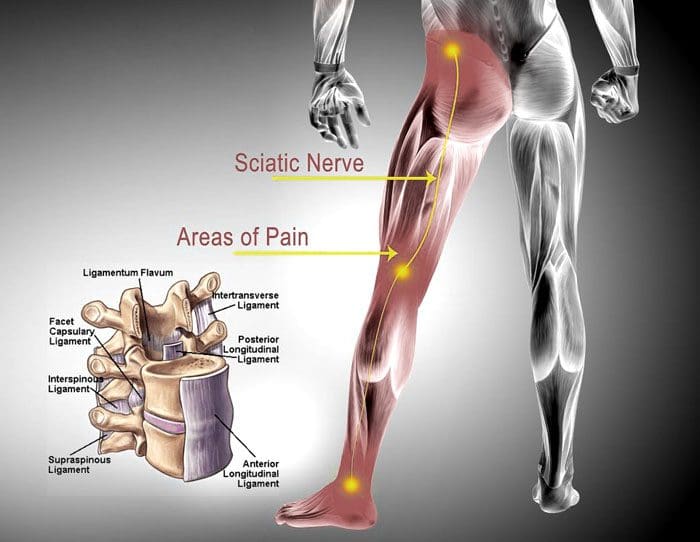
The sciatic nerve is the largest in the body and is created by five nerve roots that come together and exit the lower spine. It goes through the buttocks on either side and down the thighs all the way to the heels and soles of the feet. The sciatic nerve connects the spinal cord to the muscles of the thigh, leg, and foot. Any type of pain and/or neurological symptom/s that comes from the sciatic nerve is known as sciatica. The symptoms can be felt along the nerve’s path. This could be the:
When the nerve is compressed, neurological symptoms can accompany the pain. These include:
Thigh muscle weakness
If the thigh muscles are affected, weakness can be felt when bending or flexing the knee.
Leg and foot muscle weakness
Weakness can be felt while attempting to bend the knee or pointing the foot/toes upward/downward. This can lead to foot drop, which makes lifting the front part of the foot when walking difficult. Difficulty can also present when getting up from a sitting position or walking on the tiptoes.
Numbness
Loss of sensation can happen when the nerve impulses/transmissions cannot pass all the way through. Common areas affected by numbness are the:
Side of the calf
Side of the heel
Bottom of the foot
Top of the foot
Paresthesia
This is an abnormal sensation felt on the skin. It is brought on by improper nerve transmission. This sensation can include:
Tingling
Tightness
Pins-and-needles
Crawling feeling along the back of the thigh and/or leg
The Sciatic Nerve Gets Affected
The sciatic nerve can become:
Irritated
Compressed
Inflamed
This lumbar/low back radiculopathy means that the pain originates in and around the lumbar and/or sacral/sacrum nerve roots.
Compression
Physical forces could affect the nerve following common conditions:
Disc Herniation
A disc in the lower back can bulge or herniate. This causes irritation that can lead to compression of a nerve root.
Stenosis
Stenosis means the opening where the sciatic nerve exit into the buttocks begins to get narrow in size. This creates a clog with the other nerve roots that compresses or irritates the sciatic nerve. Degenerative changes in the spine like the thickening of the facet joint capsules and/or ligaments can also compress the sciatic nerve.
Instability
Instability of a vertebral segment happens when one vertebra slips over the one below it, known as spondylolisthesis. There are also vertebral defects like spondylolysis which is a complete dislocation of one or more vertebrae. This can directly compress the sciatic nerve roots.
Inflammatory Response
The body’s own chemicals can irritate the nerve causing inflammation. These chemical irritants include:
Hyaluronic acid
Fibronectin protein fragments leak out of degenerated or herniated discs onto and around the sciatic nerve roots.
There are times when degenerated discs can cause nerve tissues to grow into a disc. The tissue penetrates the outer and inner layers of the disc, causing inflammation and pain.
Some studies have shown how an immune system response can contribute to sciatic pain when there is exposure to the disc material from herniated disc/s.
Glycosphingolipids which are fats, and neurofilaments which are protein polymers. They are secreted by the immune system and have been found to have high levels in individuals with sciatica. It is believed they are released in reaction to the nerve roots and exposed disc material. This can lead to inflammation of the sciatic nerve.
Body Composition
The physical characteristics of an individual can also affect the sciatic nerve. Research has shown an increased risk of sciatica in:
Overweight individuals
Obese individuals
Older individuals
Tall individuals
Work Injuries
Individuals with certain jobs can have an increased risk of developing sciatica. Examples include:
Semi-Truck operators
Machine operators
Construction workers
Hairstylists
Office workers
Athletes that lift weights
This comes from:
Sitting for long amounts of time
Poor posture
Constant bending forward or sideways
Regularly lifting the arms above shoulder level
All are risk factors.
Vitamin B12 deficiency
Adequate levels of vitamin B12 are important for nerve health. Vitamin B12 supports the myelin sheath that covers and protects the nerves. It is important in nerve function and in transmitting impulses. Sciatica can present from vitamin B12 deficiency. However, this is more common in individuals 60+.
Body Analysis
Alleviating Nerve Pain Through Clinical Nutrition
Clinical nutrition is a powerful tool to help alleviate sciatica. Many individuals can relieve their pain through diet adjustments. Here are a few diet tips to alleviate sciatic nerve pain through clinical nutrition:
Sometimes, sciatica can be triggered by constipation from an unhealthy diet
Oily fish like salmon and halibut are rich in omega 3 fatty acids
Fresh pineapples and berries are anti-inflammatories that support healing and boost the immune system
2-3 cups of green tea
Add turmeric, ginger, and garlic to meals
B-Vitamins are important to take in when going through sciatica and are found in green peas, spinach, navy beans, nuts, bananas
Foods that are rich in A-Vitamins like dairy products, dark leafy vegetables, orange-colored fruits, eggs, and oily fish
Foods rich in C-Vitamins, like citrus and tomatoes
K-Vitamins like broccoli and spinach
Drink plenty of water, between 6 to 8 glasses a day
Foods to Avoid
Nutritionists recommend cutting out meat products except for oily fish for the first two weeks.
Foods that contain sunflower oil, corn oil, sesame oil, margarine, and partially hydrogenated oil.
Stressor foods like caffeine, processed food, soda, refined sugars, and chocolate.
Alcohol
References
Giuffre BA, Jeanmonod R. Anatomy, Sciatic Nerve. [Updated 2018 Dec 16]. In: StatPearls [Internet]. Treasure Island (FL): StatPearls Publishing; 2019 Jan-. Available from: https://www.ncbi.nlm.nih.gov/books/NBK482431/.
Heuch I, Heuch I, Hagen K, Zwart JA. Association between body height and chronic low back pain: a follow-up in the Nord-Trøndelag Health Study [published correction appears in BMJ Open. 2015;5(10):e006983]. BMJ Open. 2015;5(6):e006983. Published 2015 Jun 15. doi:10.1136/bmjopen-2014-006983.
Kumar, M. Epidemiology, pathophysiology and symptomatic treatment of sciatica: A review. nt. J. Pharm. Bio. Arch. 2011, 2.
Quero L, Klawitter M, Schmaus A, et al. Hyaluronic acid fragments enhance the inflammatory and catabolic response in human intervertebral disc cells through modulation of toll-like receptor 2 signaling pathways. Arthritis Res Ther. 2013;15(4): R94. Published 2013 Aug 22. doi:10.1186/ar4274.
Shiri R, Lallukka T, Karppinen J, Viikari-Juntura E. Obesity as a Risk Factor for Sciatica: A Meta-Analysis. American Journal of Epidemiology. 2014;179(8):929-937. doi:10.1093/aje/kwu007.
When a machine isn't working correctly because the mechanism's parts have slipped, shifted, become loose, and are on the verge of breaking down, an expert/professional is called in to repair the damaged parts. The same can be said of the spine. From all the movement at home, work, shopping, activities the spine also compresses and falls out of place becoming misaligned. That's when individuals need to call a chiropractor to repair/realign the spine. The spine is an integral component of the body's functionality and health. This includes:
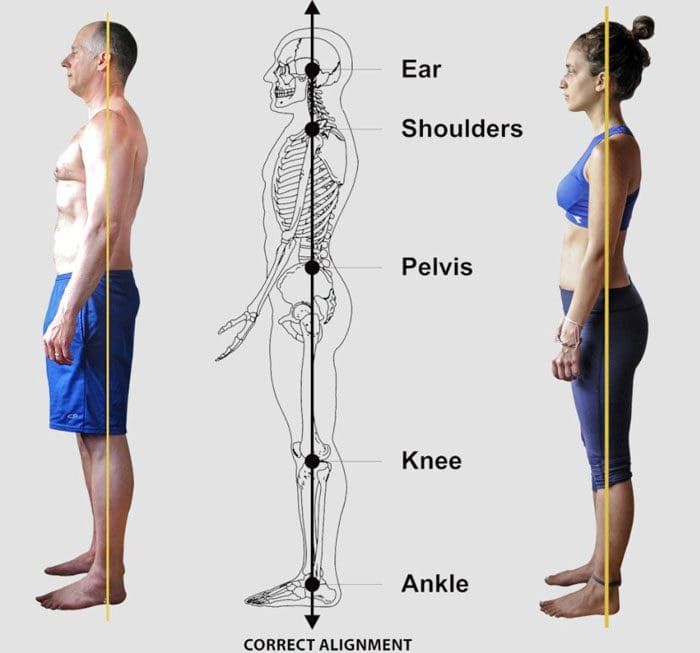
For the spine to operate at its best proper alignment is necessary. The spine is impacted by everyday activities that shift, jolt, bounce, and stress the spine. Exacerbating the regular wear and tear includes:
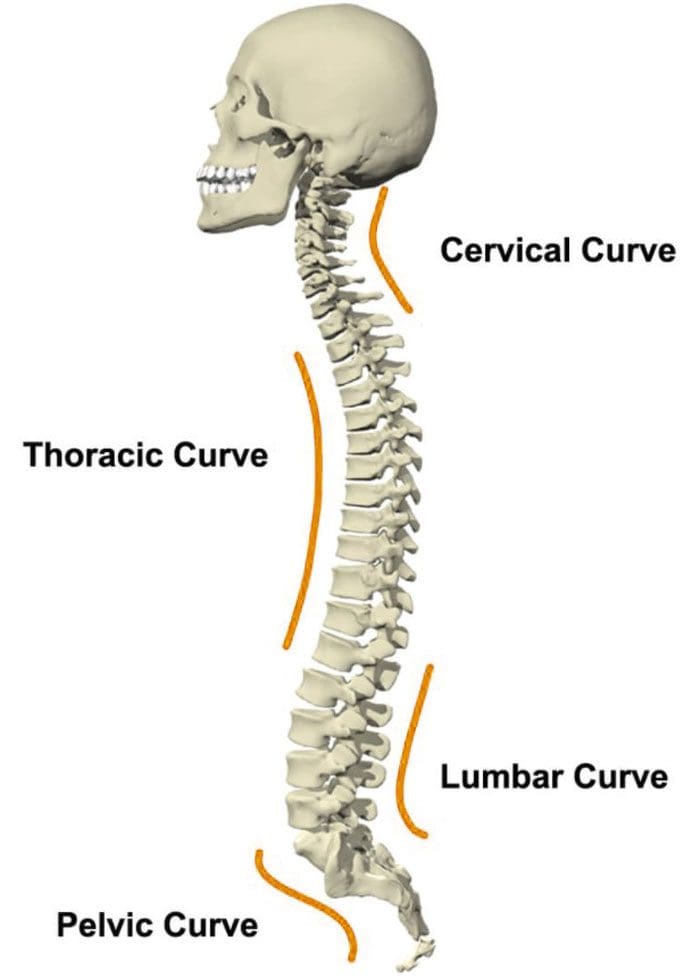
The head, shoulders, and spinal curves align from the side in general creating an S shape
Every individual’s spine varies significantly. This is why a professional chiropractic examination, diagnosis, and customized treatment plan will maximize spinal alignment and overall health.
Chiropractors are the Expert Repair Specialists
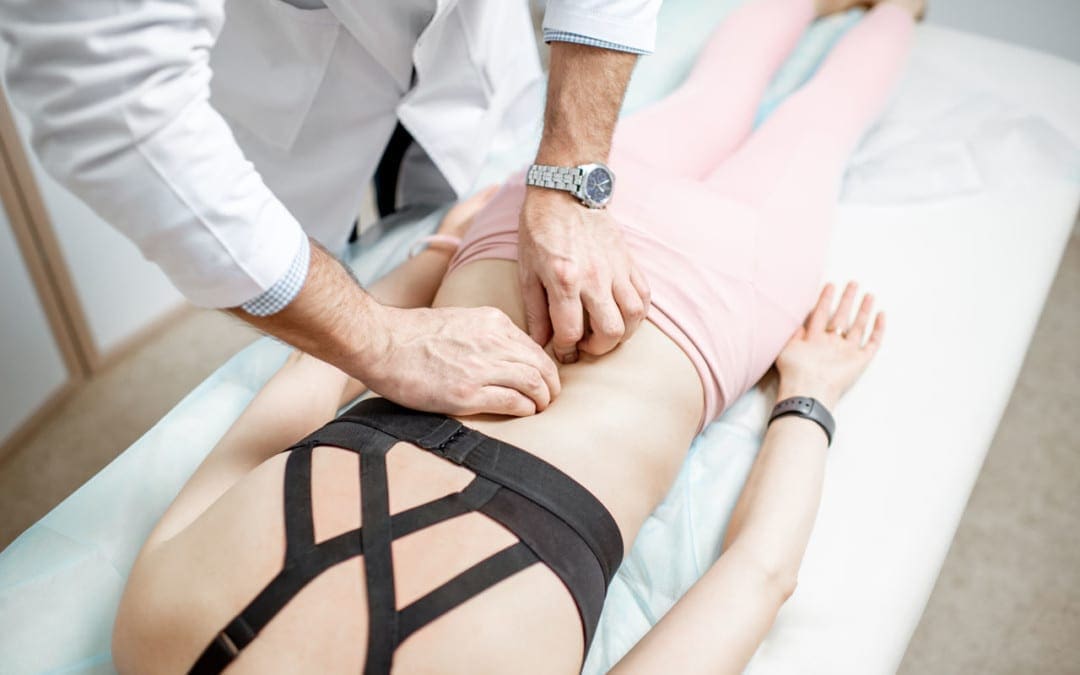
Chiropractors are specially trained at spotting spinal misalignment/s and repair. This is done non-invasively through manual adjustments and mobilization techniques. When the spine is in optimal alignment it will prevent and activate the body's natural healing abilities. Once spinal alignment is achieved the chiropractor can help maintain proper alignment with exercise, health coaching, lifestyle adjustments, and nutrition to maximize individual health.
Body Composition
A partner, spouse, friend, co-worker, professional for maintaining health
Finding someone to share the highs and lows during an individual's health journey will significantly help relieve stress and continue to be motivated. It can be a spouse, best friend, coworker, or licensed professional. When an individual vocalizes their thoughts and feelings, they gain confidence in their ability to handle whatever comes their way. This is an individual that will help navigate the negative emotions by listening and providing advice and encouragement.Take some time every week to share successes, failures, goals, etc. Whatever comes to mind to just get it out there so it can be evaluated and broken down into manageable parts. The great thing about sharing is that it can inspire positive changes.
Disclaimer
The information herein is not intended to replace a one-on-one relationship with a qualified health care professional, licensed physician, and is not medical advice. We encourage you to make your own health care decisions based on your research and partnership with a qualified health care professional. Our information scope is limited to chiropractic, musculoskeletal, physical medicines, wellness, sensitive health issues, functional medicine articles, topics, and discussions. We provide and present clinical collaboration with specialists from a wide array of disciplines. Each specialist is governed by their professional scope of practice and their jurisdiction of licensure. We use functional health & wellness protocols to treat and support care for the musculoskeletal system’s injuries or disorders. Our videos, posts, topics, subjects, and insights cover clinical matters, issues, and topics that relate to and support, directly or indirectly, our clinical scope of practice.* Our office has made a reasonable attempt to provide supportive citations and has identified the relevant research study or studies supporting our posts. We provide copies of supporting research studies available to regulatory boards and the public upon request. We understand that we cover matters that require an additional explanation of how it may assist in a particular care plan or treatment protocol; therefore, to further discuss the subject matter above, please feel free to ask Dr. Alex Jimenez or contact us at 915-850-0900.
Dr. Alex Jimenez DC, MSACP, CCST, IFMCP, CIFM, CTG*
email: [email protected]
phone: 915-850-0900
Licensed in Texas & New Mexico
References
Diebo, Bassel G et al. “Sagittal alignment of the spine: What do you need to know?.” Clinical neurology and neurosurgery vol. 139 (2015): 295-301. doi:10.1016/j.clineuro.2015.10.024
Caprara, Sebastiano et al. “Spinal sagittal alignment goals based on statistical modeling and musculoskeletal simulations.” Journal of biomechanics vol. 102 (2020): 109621. doi:10.1016/j.jbiomech.2020.109621
Senzon, Simon A. “The Chiropractic Vertebral Subluxation Part 10: Integrative and Critical Literature From 1996 and 1997.” Journal of chiropractic humanities vol. 25 146-168. 6 Apr. 2019, doi:10.1016/j.echu.2018.10.008
IFM's Find A Practitioner tool is the largest referral network in Functional Medicine, created to help patients locate Functional Medicine practitioners anywhere in the world. IFM Certified Practitioners are listed first in the search results, given their extensive education in Functional Medicine