Individuals and doctors have praised the anti-inflammatory, pain-relieving properties of drinking tea. Inflammation is the body’s natural immune response when injury and infection present. This is good. However, it’s meant to be a temporary response that deactivates when there is no longer any danger. When the body is exposed to various irritants like industrial chemicals, inflammatory foods like sugar, refined carbohydrates, and autoimmune disorderscan cause the immune system to go into overdrive. Chronic inflammation can develop, circulating powerful hormones and chemicals through the body, causing damage to the cells. One consequence of chronic inflammation is back pain. Besides standard backaches, some chronic conditions are directly tied to inflammation. These include forms of arthritis:
Ankylosing spondylitis
Rheumatoid arthritis
Transverse myelitis
Multiple sclerosis
These conditions involve inflammation of the central nervous system.
Drinking tea can help with back pain and pain in general.
Teas With Anti-Inflammatory Properties
Certain teas contain anti-inflammatory compounds. These compounds are called polyphenols and work to decrease the chemicals in the body responsible for pain and inflammation. There are varieties of teas that contain anti-inflammatory properties.
Certain Teas Reduce Inflammation
Drinking specific teas with more polyphenols can better decrease inflammation. For example, green tea is higher in polyphenols than black tea. Recent studies centered on individuals with rheumatoid arthritis over six months found significant improvement in symptoms in those who drank green tea. Green tea works best when part of an anti-inflammatory and nutritional lifestyle adjustment. This supports combating inflammation. Other teas that are believed to reduce inflammation include:
Turmeric
Holy basil
Ginger
Three Cups a Day
The amount of tea depends on the quality of the tea and how it is prepared. Doctors recommend around three cups a day for individuals with rheumatoid arthritis. However, these could contain caffeine. If this is an issue, there are decaffeinated versions with the same anti-inflammatory properties.
Drinking Tea Works Best When Combined with Other Treatments
If experiencing back pain or looking to combat a specific condition, it’s recommended to utilize various treatment approaches combined with drinking tea. This includes:
Certain back conditions benefit from drinking tea regularly; however, spine structural issues or fractures will not benefit from tea’s mild anti-inflammatory properties. It is vital for individuals with back pain that a spine specialist or chiropractor perform a proper and thorough examination, especially for Individuals that take medication that could directly interact with anti-inflammatory teas.
Drinking Tea for Back Pain
For most individuals, drinking tea is safe to help treat back pain conditions and added health benefits. For example, studies have found that green tea has mild anti-cancer, anti-diabetic properties and can help in maintaining a healthy weight. If tea helps reduce pain, it’s worth trying. Remember, pain is the body’s way to alert the individual that something is wrong.
Body Composition
Alcohol and Heart Health
According to the Mayo Clinic, consuming more than three alcoholic drinks in one sitting causes a temporary blood pressure elevation. Foods often served with alcohol are usually high in salt, which can also raise blood pressure. A few alcoholic beverages on a night out is fine, but heavy or binge drinking can lead to short-term spikes in blood pressure that could cause cardiac health problems. These are the short-term effects of alcohol on blood pressure. Heavy alcohol consumption can lead to long term health risks like:
Hypertension
Heart disease
Digestive issues
Liver disease
Stroke
It’s recommended that individuals incorporate regular exercise/physical activity and healthy diet changes and watch alcohol intake to improve heart health.
References
The Clinical Journal of Pain. (October 2019) “Nonspecific Low Back Pain:
Inflammatory Profiles of Patients With Acute and Chronic Pain” https://journals.lww.com/clinicalpain/fulltext/2019/10000/nonspecific_low_back_pain__inflammatory_profiles.2.aspx
Certain Teas Bring Down Inflammation More Than Others: Journal of Physical Therapy Science. (October 2016) “Green tea and exercise interventions as nondrug remedies in geriatric patients with rheumatoid arthritis” https://www.ncbi.nlm.nih.gov/pmc/articles/PMC5088134/
The Bottom Line: Proceeding of the Japan Academy, Series B Physical and Biological Sciences. (March 2012) “Health-promoting effects of green tea” https://www.ncbi.nlm.nih.gov/pmc/articles/PMC3365247/
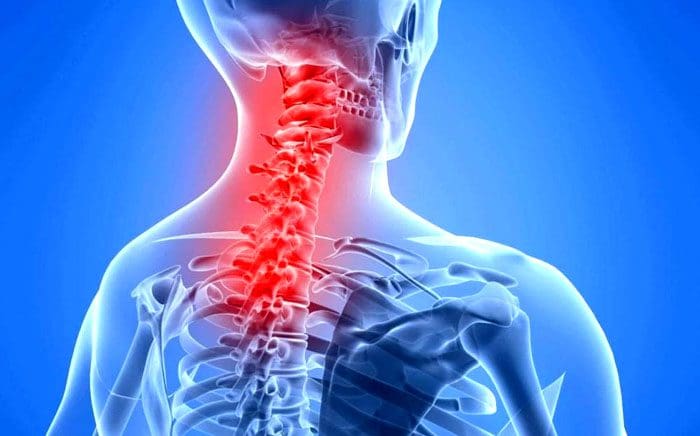
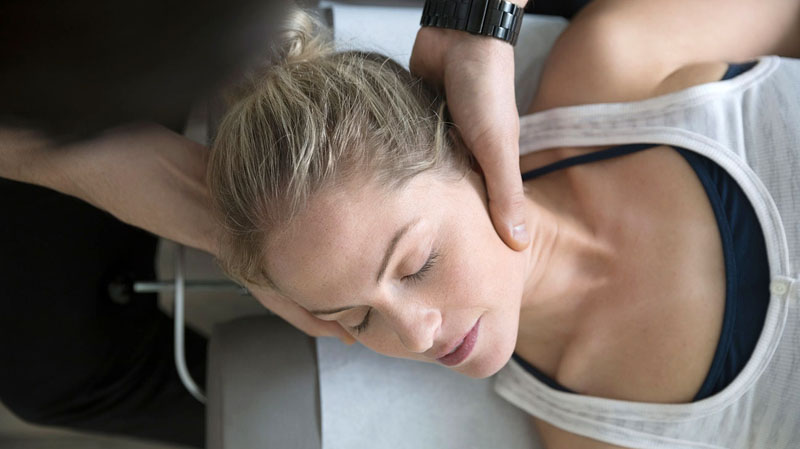
Many individuals will be looking up at the fireworks this 4th of July weekend. A word of caution when keeping the neck in one position for too long can cause neck discomfort and/or pain. Neck discomfort and pain can cause significant disruption with everyday activities. The neck is an area that is constantly in motion. Keeping it in one position for an extended period can cause damage/injury and spinal misalignment. Although neck pain often resolves on its own in a few days. However, it can lead to headaches or an inability to concentrate, affecting an individual’s quality of life. Here are some potential causes and remedies for decreasing neck discomfort and pain.
Keeping The Neck In One Position For Too Long Can Cause
Mechanical issues and imbalances in the upper spine, known as the cervical spine
Muscle tension
Muscle strain
Spinal misalignment
Poor posture
Sleeping problems
Injury or trauma to the neck from the force and weight
Chronic neck misalignment
If symptoms come on suddenly, are severe, or result in neurological issues like severe shooting pain, tingling, numbness, or sudden loss of arm strength, seek medical attention immediately.
Treatment
When the neck is strained or out of alignment, it disrupts nerve circulation integrity. Spinal misalignment is subtle in nature and can be difficult to detect without a professional examination. A chiropractor is trained to recognize any underlying issues to reset/realign the entire spine to optimal form. They will assess, guide, and treat the issue/s specific to the individual’s needs. Once the nerves are working uninhibited, a chiropractor can recommend neck exercises, stretches, and more to strengthen and prevent neck problems. When spinal alignment is restored, the body will begin to operate at full potential.
Healthy Body Composition
Meal Prep to Success
For individuals that want to eat less and change eating habits, change up the approach.
Meal prepping is a healthy habit that many have had success with because it helps achieve sustainable outcomes in weight loss. Every meal plan will vary for everyone.
First, individuals have different health goals.
Second, everyone has a different approach to their diet choices. For example, an individual might want to go low-carb and goes with the ketogenic diet. In comparison, some individuals are comfortable planning a week in advance and freezing labeled plastic containers.
Regardless of goals, dietary, or fitness preferences, a workable meal plan is recommended. The ultimate goal is to prevent feeling overwhelmed about planning the next healthy meal and resort to a junk food meal. To steer clear of unhealthy food choices and achieve a healthy body composition, here is a real-world tip to create and stick to a healthy meal plan.
Have a well-stocked fridge and pantry
Keeping to a meal plan is easier with a well-stocked fridge and pantry. Ensure to keep a list of essential groceries whenever going to the store to ensure plenty. This list of staples includes:
Having these ingredients ready to go means a healthy meal can be quickly put together when short on time.
Be realistic and make room for crazy days
You don’t have to come up with a seven-day weekly meal plan. It is important to change up the routine, so boredom doesn’t set in. Before planning and prepping several meals, double-check the calendar. Allow yourself some slack. This could be one or two lunches or dinners in a week just in case something comes up. If batch cooking, even schedule days for leftovers for that extra flexibility.
References
BMJ. 2017 Advances in the diagnosis and management of neck pain. Available at: https://pubmed.ncbi.nlm.nih.gov/28807894/
Mayo Clin Proc. 2015. Epidemiology, diagnosis, and treatment of neck pain. Available at: https://pubmed.ncbi.nlm.nih.gov/25659245/
Open Orthop J. 2016. A Qualitative Description of Chronic Neck Pain has Implications for Outcome Assessment and Classification. Available at: https://www.ncbi.nlm.nih.gov/pmc/articles/PMC5301418/
Phys Ther. 2018. A Mechanism-Based Approach to Physical Therapist Management of Pain. Available at: https://www.ncbi.nlm.nih.gov/pmc/articles/PMC6256939/
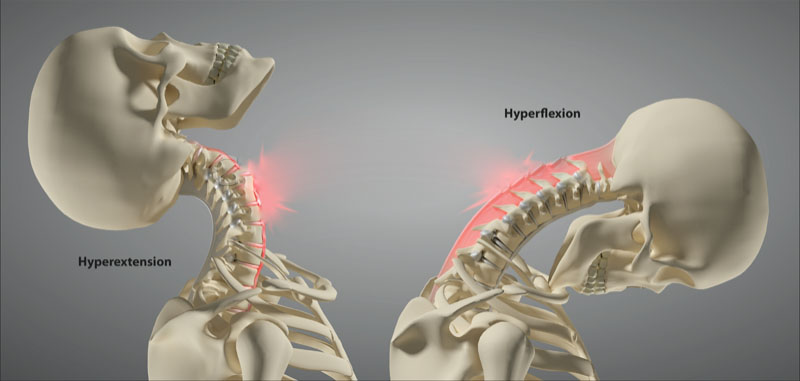
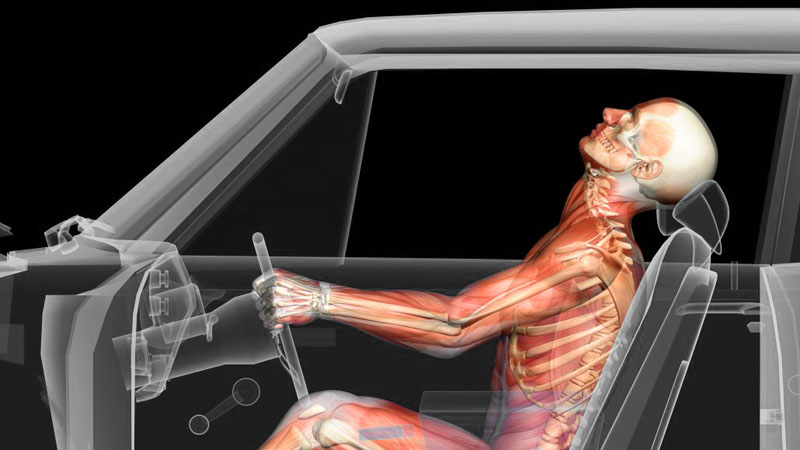
While bruising, soreness, and scrapes are common, whiplash and chronic whiplash injuries may not show for several days or weeks. While today’s vehicles are safer than ever, they can still only do so much when it comes to the body and musculoskeletal health. Being involved in an automobile accident, even a light tap can give a sudden jolt to the spine that although the individual might not have felt anything like discomfort or pain, it was enough to shift the disc/s out of place or set them up to shift out of place. No one wants to be involved in a car or motorcycle accident, but regardless of good driving habits, or how advanced the safety features on the vehicle might be, the average driver will be involved in three to four automobile accidents in their life.
Whiplash
Whiplash and chronic whiplash injuries are common in motor vehicle accidents. More than 3 million Americans will see a doctor and a chiropractor for automobile accidents and whiplash effects. It only takes a 2.5 mph hit to cause an injury. And whiplash doesn’t only happen when hit from behind, there are several ways an individual can be subjected to whiplash, including being T-boned, amusement park rides, and falling off a bicycle or a horse.
Symptoms
Most whiplash symptoms develop in the first twenty-four hours, but this is not always the case. Common symptoms include:
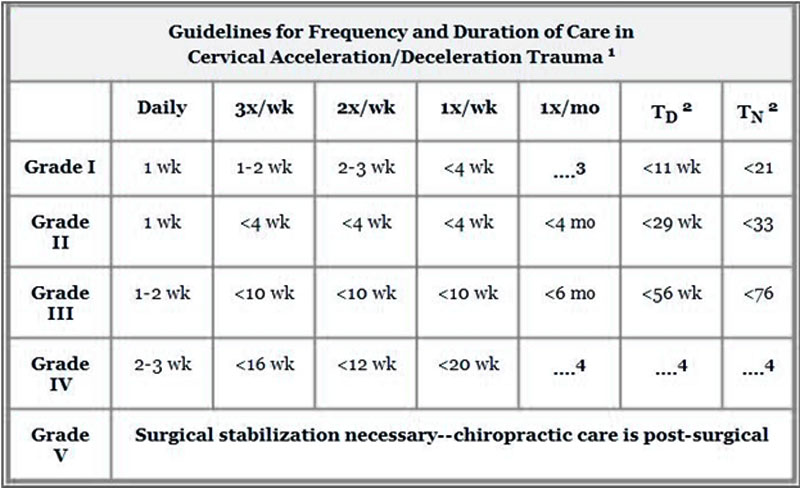
Most individuals realize they have whiplash a day or two after, but for others, it can take a few weeks or even months to present. Whiplash is classified by degree or grade:
Grade 0
The individual has no complaints and there are no symptoms/signs of physical injury.
Grade 1
There is neck pain but there are no physical signs of injury.
Grade 2
There are signs/symptoms of musculoskeletal damage and neck pain is presenting.
Grade 3
There are signs/symptoms of neurological damage and neck pain is presenting.
The average amount of time most individuals stay home from work is around 40 days. However, when whiplash pain lasts longer than a few weeks, it is deemed to be chronic whiplash.
Chronic Whiplash
Some individuals with whiplash experience painful symptoms for years. This is true of those that avoid or refuse medical attention and learn to live with it.
Treatment Options
There are very effective methods for treating whiplash and chronic whiplash injuries. Depending on the extent of the injury/s, developing the right treatment/rehabilitation plan requires individual consultation with a chiropractor to discuss options that can include:
Pain Relief
The pain can be excruciating. Over-the-counter pain relievers like ibuprofen for temporary relief. However, the individual will need extended treatment to ensure it does not become chronic pain.
Neck Brace
Neck braces help limit the pain, but should not be worn for more than three or four days. If worn for too long the neck muscles are prevented from gaining the strength needed to support the head.
Don’t Sit For Too Long
Avoid keeping the head in any one position for too long. This includes sitting in bed, watching TV, or working at a desk. This places a large amount of pressure and stress on the neck, making the pain even more severe and longer-lasting.
Sleeping Properly and Comfortably
For many, it can be difficult to get into a comfortable position when sleeping. Sleeping on the back with the head turned to one side can worsen the pain. Try a high-quality ergonomic pillow that allows the individual to sleep on their side and takes the pressure off of the neck.
Spinal Alignment
Whiplash can cause the spine to shift out of alignment. This can lead to additional problems in the back or shoulders. It�s always a good idea to see a chiropractor that specializes in motor vehicle accident injuries to realign the spine and neck, as well as for rehabilitation to strengthen the muscles and prevent further injuries. See a chiropractor for an evaluation of the injuries and develop a customized treatment plan that works for the individual’s condition.
Everyone is different
Some individuals can be stiff and sore for a few days and then are okay with not much pain. Some individuals experience severe pain immediately after the wreck, while others have no pain for days or even weeks. Both scenarios are pretty common. Soft tissue injuries can be very deceiving. Some don�t experience any pain for months after the accident. Many don�t think they need to see a doctor or chiropractor because there is no pain or symptoms. However, underneath serious problems could be getting ready to present including:
Constant headaches
Numbness or pins and needles in the hands or arms
Pain between the shoulder blades
Poor posture
Chronic muscle tension
Painful spasms
Degeneration of the discs
Painful inflamed arthritis
The quick development of arthritis
Sore, tight, or inflexible muscles
Sleep disturbances
Fatigue
Dizziness
Body Composition
A decrease in physical activity
Physical inactivity is a primary factor in the progression of sarcopenia. Resistance exercise can help maintain muscle mass and help build muscular strength. Individuals that are more sedentary can exacerbate the effects of sarcopenia.
A decrease in motor neurons
Aging is accompanied by motor neuron loss resulting from cell death. This leads to a decrease in muscle fiber. This decrease in muscle fibers leads to:
Impaired performance
A reduction in functional capacity
A decreased ability to perform everyday tasks
Dr. Alex Jimenez�s Blog Post Disclaimer
The scope of our information is limited to chiropractic, musculoskeletal, physical medicines, wellness, and sensitive health issues and/or functional medicine articles, topics, and discussions. We use functional health & wellness protocols to treat and support care for injuries or disorders of the musculoskeletal system. Our posts, topics, subjects, and insights cover clinical matters, issues, and topics that relate and support directly or indirectly our clinical scope of practice.*
Our office has made a reasonable attempt to provide supportive citations and has identified the relevant research study or studies supporting our posts. We also make copies of supporting research studies available to the board and or the public upon request. We understand that we cover matters that require an additional explanation as to how it may assist in a particular care plan or treatment protocol; therefore, to further discuss the subject matter above, please feel free to ask Dr. Alex Jimenez or contact us at 915-850-0900. The provider(s) Licensed in Texas& New Mexico*
There are other causes of sciatica that are not spine-related. It is sometimes called non-spinal pathology, which means not related to the spine. The most common cause of sciatic pain is a herniated disc. Non-spine-related causes of sciatica can imitate/copy the symptoms of a herniated disc in the low back. When a lumbar herniated disc causes sciatica, people typically report a sudden onset of pain with leg pain worse than any back pain that might be present. In addition to pain in the leg, there are also reports of leg weakness, numbness, and tingling. Leg pain becomes worse after:
Long periods of sitting/standing
Forward bending
Body maneuvers that increase pressure in intervertebral discs
Coughing
Sneezing
Individuals also report when lying down and the spine is extended the back pain reduces and alleviates the pain. Determining the source of sciatica pain correctly means that it is important to:
Characterize the activities leading up to when the symptoms first presented
Location of the pain
Associated factors that reduce and worsen the pain
Medical history
Because there are quite a few non-spine-related causes, it can be helpful to keep in mind:
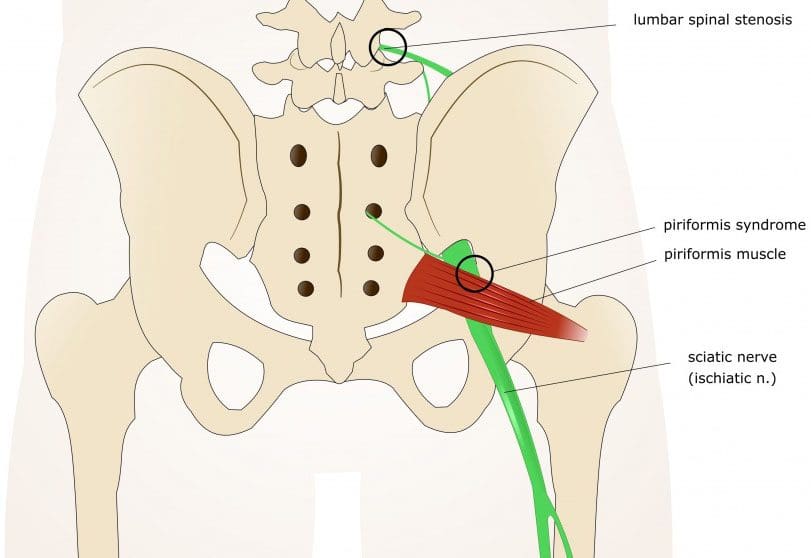
The way the sciatic nerve runs through the lower body. It starts in the lower lumbar and upper sacral nerve roots. It exits through the pelvis and runs down the back of the thigh to the knee where it branches out into nerves that provide the motor and sensory functions to the legs and feet.
Non-spinal sciatica causes. Non-spinal causes usually are the result of irritation of the nerve itself. The most common ways to irritate the nerve is compression, traction, or injury.
Symptoms perceived as sciatica may not be related to the nerve at all. Injury/s to structures close to the nerve, like the hip, can copy symptoms caused by irritation of the nerve.
Hip joint disorders can emulate sciatica symptoms
Because the sciatic nerve is close to the hip joint, an injury to the hip could resemble symptoms of sciatica. Whatever the cause of the hip injury, those with hip pathology often report pain in the groin, upper thigh, and buttocks. The pain gets worse with activity, specifically bending, and rotation of the hip.
Leg pain that turns into a limp when walking means that more likely the hip, and not the lower back, is the cause of the leg pain. X-rays and if necessary MRIs of the hip can help in determining if the hip is the cause of leg pain. An example of hip pathology that mimics spine-related sciatica:
Hip Osteoarthritis
This is characterized by the loss of cartilage. This results in the narrowing of the ball and socket joint. Individuals with arthritis of the spine and hip, a doctor could use a steroid injection as a therapeutic providing pain relief and a diagnostic to help identify the root cause/pain generator.
Osteonecrosis
The femoral head can collapse from a lack of blood flow. Risk factors include:
Alcohol abuse
Sickle cell disease
Chronic steroid use
Femoral neck fracture
Hip dislocation
Femoroacetabular Impingement
This can stem from constant abnormal rubbing between the femoral neck and acetabulum from a bone deformity of the femur, or the acetabulum. Hip impingement at the joint can start the onset of arthritis along with tears of the labrum. This is cartilage that surrounds the hip joint and provides stability.
Trochanteric Bursitis
There are fluid-filled sacs called bursas/bursae that help decrease friction between the bones, surrounding tendons, and muscles. They are at multiple locations on the body. Bursitis means that the bursa is inflamed and can be quite painful. The greater trochanter is a bony outward bump that extends from the femur. Trochanteric bursitis refers to inflammation of the bursa that separates the greater trochanter with the muscles and tendons of the thigh. Common symptoms are pain on the outside of the thigh that worsens by pressing on the area and can interfere with proper sleep when lying on the affected side.
Femoral Neck Stress Fracture
Incomplete fracture/s of the femoral neck typically occur in individuals that walk or run long distances regularly like runners and soldiers. The pain is usually focused around the groin and can be subtle when it presents. Walking or running makes the pain worse.
Sacroiliac joints and fractures
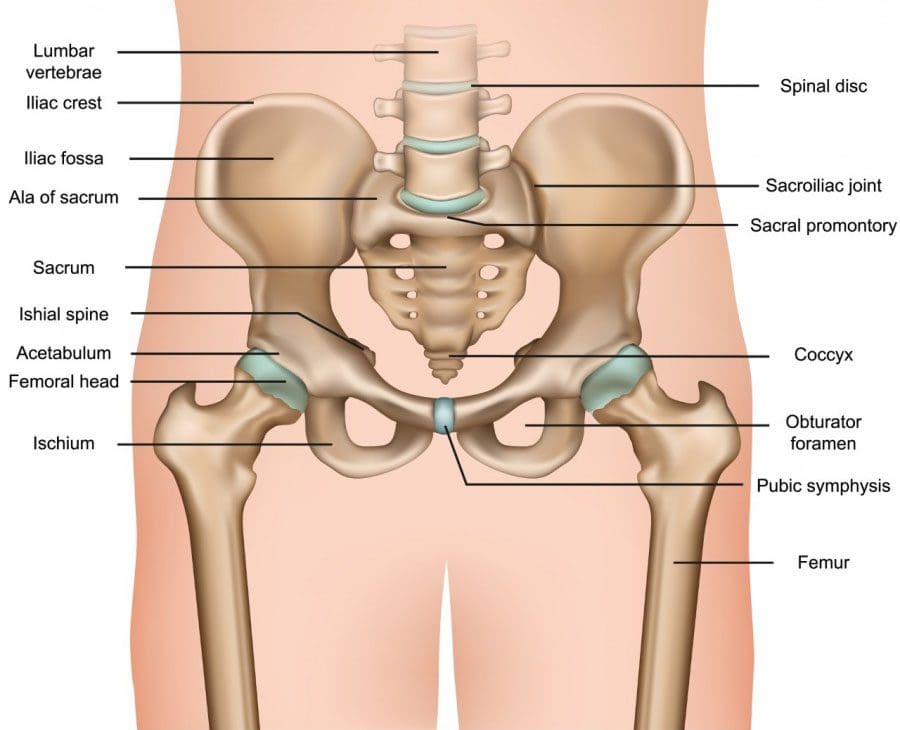
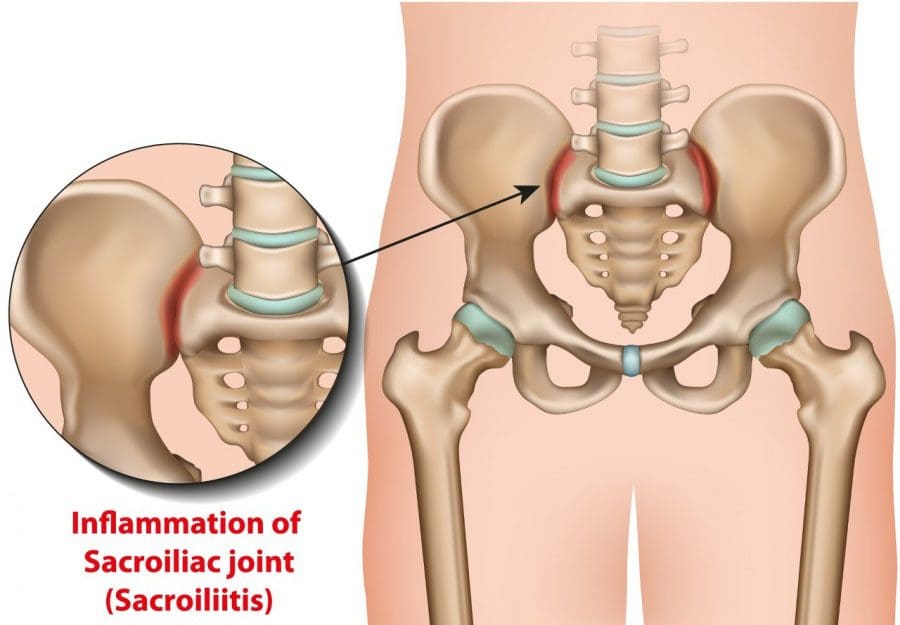
The sacroiliac joints connect the spine to the pelvis. There are two joints, one on either side of the sacrum. While they are relatively immobile, they go through tremendous force doing routine daily activities. Sacroiliac joint pathology that can mimic spine-related sciatica include:
Sacroiliitis
This is inflammation of the sacroiliac joints. The pain presents in a slow fashion with no obvious injury or cause. The pain is usually localized to the buttocks and can radiate down the back of the thigh. It is believed to be caused by irritation of the sciatic nerve by the inflammatory molecules in the sacroiliac joint or could present as referred pain from the joint. This is pain that is detected in a location other than the area of the pain generator. The pain reduces with light walking.
Sacral Fracture
A fracture of the sacrum can occur in those with a weakened bone after a minor injury and without trauma. Risk factors include:
Advanced age
Osteoporosis
Chronic steroid use
Rheumatoid arthritis
Vitamin D deficiency.
The pain usually localizes in the low back that radiates to the buttocks, or groin, and worsens with activity.
Trauma-related
Trauma to the pelvis or thigh can definitely cause sciatica pain and symptoms. With high-energy injuries, it is possible for the nerve roots of the sciatic nerve to get pulled or torn. More common causes include:
Posterior hip dislocation
Pelvic fracture
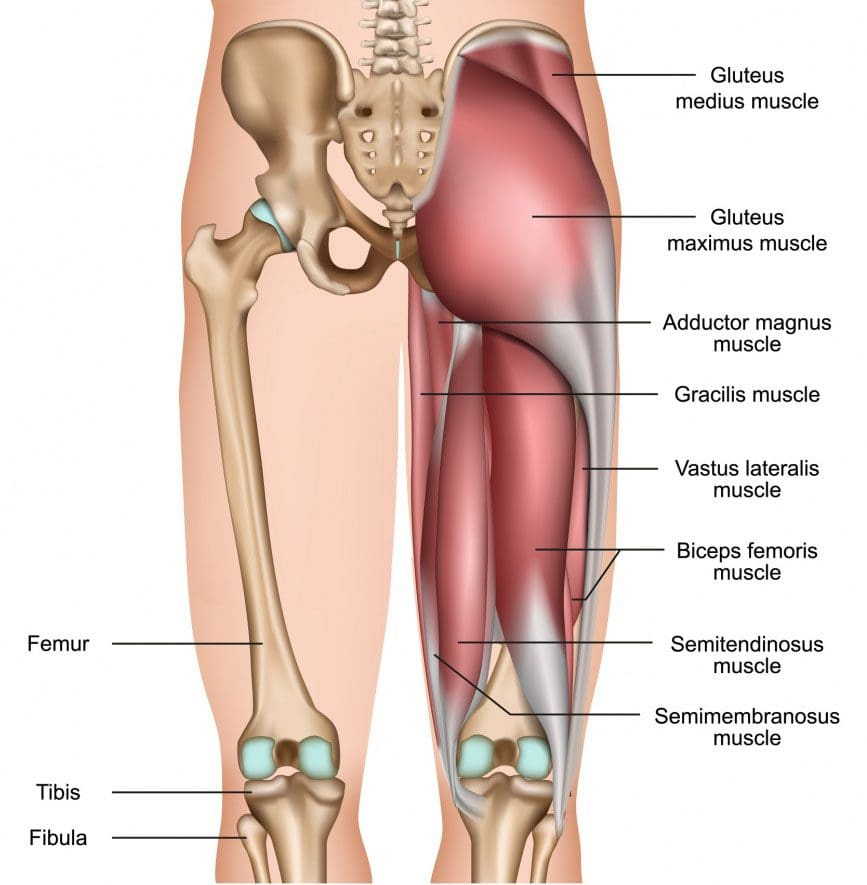
The hamstring muscles are in close proximity to the sciatic nerve. A torn hamstring can irritate the sciatic nerve either through direct compression from the localized bleeding known as a hematoma or from an inflammatory response triggered when the injury happened.
Penetrating trauma
If some sharp object like a tool or shrapnel penetrates any area where the sciatic nerve is, it could cause sciatica by cutting the nerve. Or the object tears the nerve, known as a laceration. Most cases of trauma-induced sciatica result from a mild form of nerve injury known as neuropraxia. This is an injury that temporarily blocks nerve function. Neuropraxia can develop from the shock waves that surround the object as it travels through the tissue.
Benign tumors and metastatic cancer
Discovering cancer during diagnosis for sciatica is rare. Symptoms that increase the possibility of cancer being the cause include:
Cancer in medical history
50 years and older
Leg pain that goes on through the night
No relief from lying on the back
Night sweats
Unexplained weight loss
When back pain presents in a subtle fashion without a history of trauma or injury and is not affected by activity or changes in position can also suggest cancer as the cause. Tumors usually cause sciatica by applying direct compression on the nerve. They can be benign or malignant. Tumor/s can arise from the sciatic nerve itself:
Shingles is a painful rash that occurs on one side of the body. It is caused by the varicella-zoster virus, which is the virus that causes chickenpox. The virus can lie dormant in nerve cells for years without causing any symptoms. Older individuals and individuals with underlying conditions in an immunocompromised state can cause the virus to activate. If the virus reactivates around the buttock and thigh, it can feel like sciatica. The presence of a red rash with blisters around the painful area is consistent with shingles.
Childbirth and endometriosis
During pregnancy, the pelvis can become compressed between the growing baby and the bones in the pelvis. Also, having the hips and knees flexed and supported in stirrups too long can also cause sciatica. However, pregnancy-related sciatica is often temporary.
A less common cause that occurs in women is endometriosis. Endometriosis is the growth of tissue somewhere other than the uterus, usually the ovaries and fallopian tubes. In some cases, this tissue can accumulate around the sciatic nerve or the nerve itself. As the tissue responds to the changes taking place during a normal menstrual cycle, recurrent sciatica pain can present.
Vascular diagnoses
Arteries and veins in the pelvis and lower extremities that have become abnormal can cause sciatica. Either through compression or lack of oxygen from poor blood flow. An aneurysm can happen when the wall of the artery weakens and cannot withstand the pressure of the blood flowing through. This enlarges the artery and in some cases, the artery grows large enough to compress the nerve.
Peripheral artery disease can cause sciatica when not enough blood is circulated from the heart to the muscles in the legs. If not enough oxygen is delivered to the muscles, leg pain and numbness can occur. It’s called claudication and is characterized by pain that is aggravated when walking and relieved when standing still. Risk factors for peripheral artery disease include:
Smokers both current and those who have quit
High blood pressure
High cholesterol
Diabetic
Diabetes/high blood sugar
Diabetic peripheral neuropathy happens from nerve damage caused by high blood sugar. Nerves that are exposed to chronic high blood sugar can get damaged from the disruption of proper blood flow or from an alteration of the cellular structure of the nerve.
Prescription meds
Nerve and muscle damage can happen as a side effect from prescription meds. Neuropathy and myopathy can cause symptoms that mimic sciatica brought on by disc herniation. Sometimes, if the medication is no longer taken the symptoms go away. The list of medications include:
Chemotherapy agents
Antibiotics
Statins medication to help lower cholesterol
Piriformis syndrome and back pocket wallets
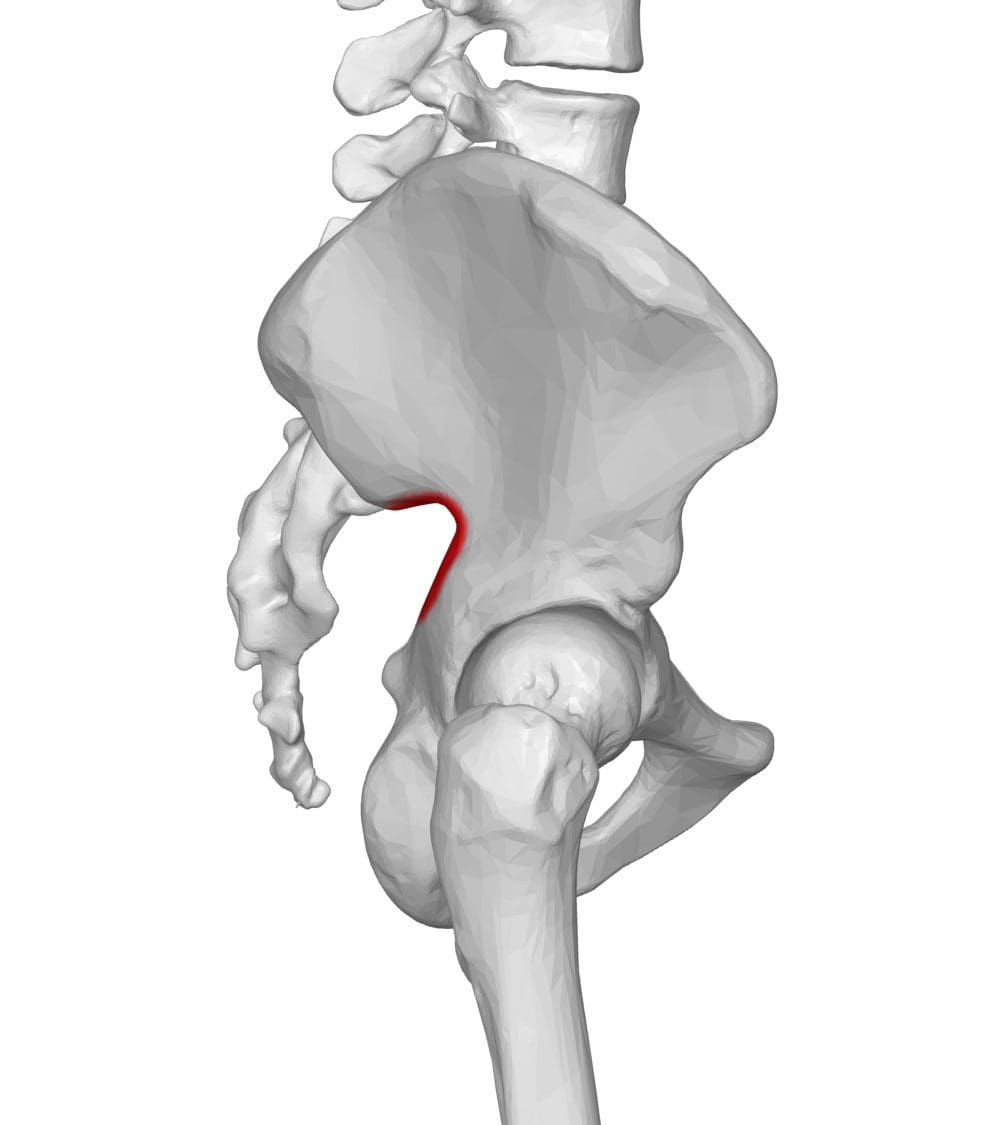
The piriformis muscle originates on the sacrum, runs through the sciatic notch, shown above, and attaches the top of the femur. The sciatic notch also includes the sciatic nerve. Piriformis syndrome is caused when the piriformis muscle compresses the sciatic nerve. Individuals typically report pain in the buttocks that shoots down the same leg and is made worse when sitting. Piriformis syndrome can be difficult to diagnose, but physical exam maneuvers have been developed in aiding the diagnosis of the syndrome. They involve some form of hip abduction resistance and external rotation to cause a contraction of the piriformis muscle.
Back pocket wallet
Also known as wallet neuritis, and wallet sciatica are terms that have been used to describe compression of the sciatic nerve by a heavy/bulky wallet in a back pocket. It is similar to symptoms of piriformis syndrome and presents in the buttocks and the same leg that can get aggravated from sitting. Usually, if the wallet is the sole cause, taking the wallet from the back pocket to another pocket or other storage option often brings pain relief.
Conclusion non-spine related causes
While the majority of sciatica cases are caused by a back problem, injury, etc. There are various causes outside of the spinal column. Being able to describe the:
Location
Pain severity
Associated symptoms
Factors that aggravate and alleviate the pain
These can absolutely help your doctor, chiropractor, specialist accurately diagnose and generate an optimal customized treatment plan for spine-related or non-spine-related sciatica.
Chiropractors & Sciatica Syndrome Expose
Dr. Alex Jimenez�s Blog Post Disclaimer
The scope of our information is limited to chiropractic, musculoskeletal, physical medicines, wellness, and sensitive health issues and/or functional medicine articles, topics, and discussions. We use functional health & wellness protocols to treat and support care for injuries or disorders of the musculoskeletal system. Our posts, topics, subjects, and insights cover clinical matters, issues, and topics that relate and support directly or indirectly our clinical scope of practice.*
Our office has made a reasonable attempt to provide supportive citations and has identified the relevant research study or studies supporting our posts. We also make copies of supporting research studies available to the board and or the public upon request. We understand that we cover matters that require an additional explanation as to how it may assist in a particular care plan or treatment protocol; therefore, to further discuss the subject matter above, please feel free to ask Dr. Alex Jimenez or contact us at 915-850-0900. The provider(s) Licensed in Texas& New Mexico*
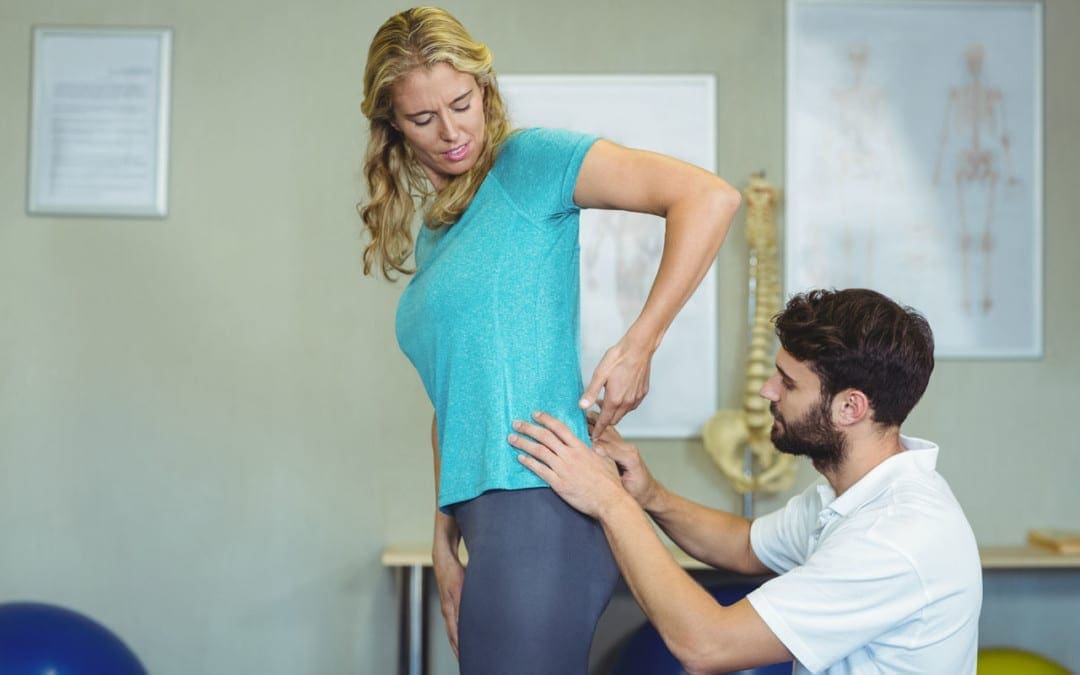
Do you have lower back pain or pain literally in the rear that runs down into one thigh or below the knee into the leg and even the foot? A doctor may diagnose these symptoms as sciatica, which describes compression of the sciatic nerve.
Sensations include:
Numbness
Tingling
Pins and needles
Electric like shock running through the leg
Depending on the nerve that is affected pain could radiate only into the buttock or all the way down to the foot. A common cause is a lumbar disc herniation or bone spur that presses down on the spinal nerve. Sciatic pain radiates along the nerve, usually from the low back, down the buttocks, into the thigh and leg, below the knee and sometimes into the foot and big toe.
Sciatica usually affects one side of the body.
Radicular Pain
A doctor may use the terms radicular pain or radiculopathy when talking about sciatica. Radiculopathy is pain/adverse sensation that travels along a nerve. When a spinal nerve root is compressed, pinched or injured, it becomes inflamed. Low back conditions that can contribute to this type of problem are spinal stenosis, foraminal stenosis or herniated disc.
Proper Diagnosis & Proper Treatment
The doctor will ask about your symptoms:
When did the pain begin?
Where is the pain most intense?
What activities worsen the pain?
What activities reduce pain?
Does the pain go all the way down the leg or stops at the knee?
Do you feel weakness or tingling in your legs or feet?
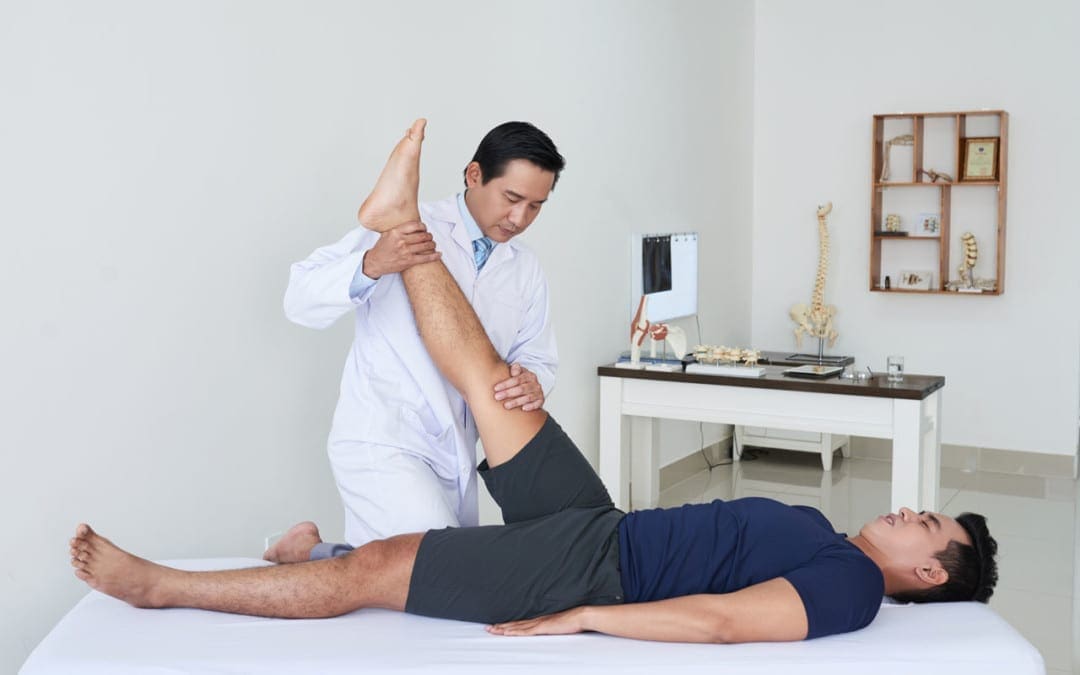
A doctor might perform a straight-leg test to see if there is an inflamed nerve. This is a simple exam where you lie on your back and the doctor lifts each leg. If this causes or produces pain and sensations, it can indicate there is a bulging/slipped or ruptured disc.
The compression of the nerve can also cause muscle weakness in the foot. Another exam may be to walk like you normally do, then on your heels and finally on your toes. This checks your balance and lower-body strength.
A doctor will:
Check your posture
Range of motion
Movements that cause pain
Check the curvature and alignment of your spine
Check for muscle spasms
Note your sensations
Test your reflexes and muscle strength
A doctor may order x-rays, CT scan or MRI.
The CT scan or MRI provides doctors with various images of your spine which can help in diagnosing whatever is causing your symptoms. These tests are then compared to what the doctor took note of during your medical history interview and the physical and neurological examinations. An accurate diagnosis is the first step in figuring out the best treatment plan.
Could something else be causing the nerve pain?
Only a doctor can tell if your symptoms are sciatica. There are other structures in the spine that can cause similar types of pain.
The sacroiliac joint between the pelvis and sacrum is the lowest part of the spine can cause sciatic pain.
The facet joint which connects the joints in the back of the spine gets sprained, it can also cause sciatica-like pain.
A tear in a spinal disc can cause pain down into the leg.
The hip joint can also cause pain in the thigh, that can radiate outward.
Sciatica Nerve Treatment
Sciatica can be treated non-surgically with:
Chiropractic care
Physical therapy
24 to 48 hours of bed rest
Over the counter pain relievers like ibuprofen or acetaminophen
Patients with sciatica feel better with time, usually a few weeks. If pain continues, other treatment modalities can be discussed. Muscle spasms can accompany sciatica symptoms and can be treated with heat or ice therapy. A doctor may advise light exercise like short walks and once recovery is established they may give you exercises to strengthen your back and core.
Severe *Sciatica”* Pain Relief | El Paso, Tx (2020)
NCBI Resources
A study cited by the health magazine�Prevention�found that sixty percent of sciatica sufferers who failed to get relief from other treatments found their symptoms improved after chiropractic care. In fact, they got the same level of relief as those who went through surgery � without any of the serious side effects that so often come with surgical procedures.
Chiropractic is effective for treating sciatica because it gets to the source of the problem � relieving pressure on the sciatic nerve.
IFM's Find A Practitioner tool is the largest referral network in Functional Medicine, created to help patients locate Functional Medicine practitioners anywhere in the world. IFM Certified Practitioners are listed first in the search results, given their extensive education in Functional Medicine