Chiropractic Care: Tracy Ludech, club director and coach of the El Paso Diggers, expresses how much of a difference the fitness program at PUSH has done for her athletes. Working cohesively and diligently together with the staff and trainers at PUSH, Tracy Ludech has witnessed tremendous improvements in her athlete’s strength, mobility and flexibility. Tracy Ludech encourages others to experience the benefits that a fitness program can have on young athletes.
Chiropractic Care Power & Rehabilitation
Physical wellness is a condition of health and well-being and, more especially, the ability to do aspects of sport, jobs and daily activities. Physical fitness is generally accomplished through proper nourishment, moderate-vigorous physical exercise, and sufficient rest. An extensive fitness program tailored to someone normally concentrates on one or more specific skills, and on medical needs like bone health. Many sources also cite psychological, social and emotional wellbeing as an significant part overall wellbeing. Physical fitness may also prevent or treat several chronic health conditions brought on by unhealthy lifestyle or aging.
We are blessed to present to you�El Paso�s Premier Wellness & Injury Care Clinic.
As El Paso�s Chiropractic Rehabilitation Clinic & Integrated Medicine Center,�we passionately are focused treating patients after frustrating injuries and chronic pain syndromes. We focus on improving your ability through flexibility, mobility and agility programs tailored for all age groups and disabilities.
If you have enjoyed this video and/or we have helped you in any way please feel free to subscribe and share us.
Although the cerebellum has many responsibilities, its central function is to coordinate and handle motor activities. Balance, coordination, posture, equilibrium and eye motion are controlled in part by the cerebellum. Additionally, it works to calibrate motor actions in order for our movements to have a smooth, flowing nature to them. The cerebellum receives data from various other structures, like the inner ear and the vestibular system, and fine-tunes incoming sensorimotor information to achieve naturally smooth movements.
Cerebellum Exercises
Many cerebellum exercises are available which help the cerebellum enhance the operation of its neurons. Essentially, neurons want stimulation to be able to function accordingly. When neurons do not get enough stimulation, they become unstable, which can lead to a lot of behavioral difficulties, such as the ones connected with ADHD, among others. But, exercising the cerebellum can increase operation as well as decrease negative symptoms.
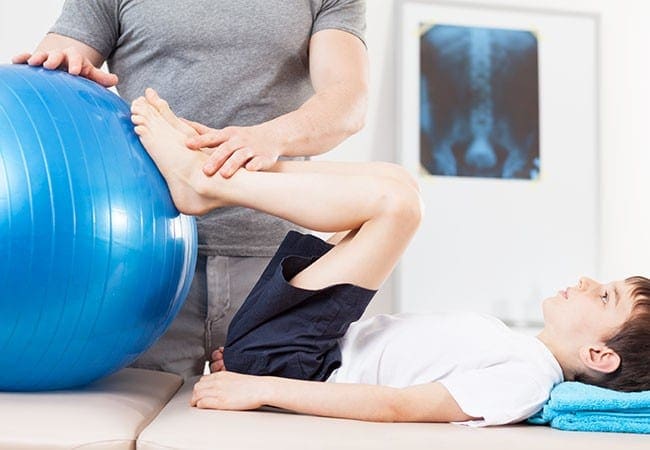
Exercises that require focused attention are demonstrated to help cerebellar development. Deliberate and purposeful physical movements, such as balancing on a balance board or working with a rehabilitation ball, will help neurons get the stimulation they need to maximize their functioning. Because there’s a substantial connection between physical activity and mental functioning, pairing physical tasks with psychological exercises is also very beneficial towards enhancing cerebellar functioning. By way of instance, a child diagnosed with ADHD may be requested to keep their balance on a balance board whilst simultaneously reciting the alphabet.
If a child or individual demonstrates weak cerebellar development in one quadrant, doing physical exercises between the legs and arms on the exact same side of the body is able to help that portion of the cerebellum “catch up” to the level of development of it’s other half. These exercises might involve arm or leg stretches or complex motions that include the hands, wrists, elbows and shoulders. Vestibular-based actions, such as catching and throwing a ball or performing balance exercises such as standing on one leg, are also great cerebellum exercises that ease the stabilization, growth and development of neurons.
Cerebellar rehabilitation programs incorporate each of these exercises into an extensive regimen for tapping into the brain’s neuroplasticity. The exercises involved require patients to perform tasks that involve balance, spatial judgments, and motor actions, all which enhance cerebellar functioning and operation. Basically, since the brain’s neural networks arrange the incoming sensory information, they improve their functioning and become more effective.
Dr. Alex Jimenez’s Insight
Cerebellar ataxia is a disorder which affects the normal functioning of the brain and the nervous system by decreasing balance and coordination, most commonly in the back, arms and legs. Cerebellar rehabilitation exercises are often utilized to help alleviate the symptoms associated with cerebellar ataxia. Cerebellar exercises can also be recommended by a chiropractor or physical therapist for children and individuals in order to stimulate the brain and help with cerebellar development. Participating in cerebellar exercises has been demonstrated to improve balance, coordination and posture as well as promote more natural and smooth motor activities.
Many cerebellar exercises can be utilized in order to help stimulate specific regions of the brain, particularly the cerebellum. Each zone of the cerebellum is in charge of performing essential functions, therefore, enhancing these different regions is fundamental towards ultimate function and operation. Below, a series of exercises have been divided to enhance specific zones of the cerebellum.
General Cerebellar Exercises
Spinning in a desk seat can stimulate the ipsilateral cerebellum
Vertical muscle stretch can stimulate the ipsilateral cerebellum
Squeezing a tennis ball can stimulate the ipsilateral cerebellum
Passive or active non-linear complex movements can stimulate the ipsilateral cerebellum
Finger to nose extending can stimulate the ipsilateral cerebellum
Vermal and Paravermal Exercises
Passive and active gaze stabilization exercises using central fixation
Wobble board/unsteady surface exercises
Balance beam exercises and tandem walking
Bouncing a ball against the floor or throwing it against the wall
Core exercises, such as planks, sit-ups and yoga
Learning how to balance on a bicycle
Supine cross crawl action
Lateral Cerebellum Exercises
Cognitive procedures
Learning a musical instrument
Tracing a maze
Playing “catch”
Tapping fingers/hand or toes/feet to the beat of a metronome
Seeking to compose with eyes shut
Strategic board games
Cerebellar Rehabilitation Exercises for Cerebellum Dysfunction
When the cerebellum is damaged or not fully developed, individuals can display erratic or slow movements, demonstrate an inability to judge distance, have difficulty performing rapid moves, and walk with an unnatural gait. Dysfunction from the cerebellum have also been linked to symptoms of ADHD and other behavioral disorders. Cerebellar rehabilitation exercises can be helpful towards enhancing the indications of cerebellum dysfunction, most commonly, cerebellar ataxia.
Cerebellar ataxia is a disease which originates from the cerebellum. Cerebellar ataxia can happen as a result of several ailments and presents with symptoms of an inability to coordinate balance, gait, upper/lower extremity and eye motions. Healthcare professionals frequently use visual monitoring of people performing motor tasks so as to look for signs of ataxia. Research studies have shown that cerebellar rehabilitation exercises can be helpful towards improving symptoms related to cerebellum dysfunction.
Treatment of cerebellar ataxia generally involves treating the underlying illness in addition to the symptoms. Cerebellar rehabilitation exercises are used to improve balance and increase the independence of the patient using methods focusing on balance, posture and coordination control. Stabilizing the back and proximal muscles ought to begin with mat activities, like moving onto the forearms out of a lying face down position and crawling/moving onto the knees into a sitting posture. Gait training should also be performed, since it’s an excellent indicator of balance and insertion.
Cerebellar rehabilitation exercises for cerebellum dysfunction can also improve proprioception. Proprioception is controlled by the cerebellum and involves knowing which body parts are situated in space and in connection with each other. Treatment entails plyometric exercises, balance board and mini trampoline exercises. Vibration and match treatment can also be utilized to enhance proprioception, posture and movement. Yoga and other body-awareness exercises might also be included in the treatment plan to increase proprioception.
Rehabilitation goals include enhancing balance and posture against external stimuli, increasing joint stabilization as well as creating independent, practical gait to promote independence. Training principles include progressing from simple to complicated exercises and providing support with home exercise and sports activities. Cerebellar rehabilitation exercises should be prescribed by a healthcare professional who specializes in cerebellum dysfunction, such as a chiropractor or physical therapists. The language of the brain is repetition, and rehabilitation can enhance brain function. The scope of our information is limited to chiropractic as well as to spinal injuries and conditions. To discuss the subject matter, please feel free to ask Dr. Jimenez or contact us at 915-850-0900 .
Curated by Dr. Alex Jimenez
Additional Topics: Sciatica
Sciatica is medically referred to as a collection of symptoms, rather than a single injury and/or condition. Symptoms of sciatic nerve pain, or sciatica, can vary in frequency and intensity, however, it is most commonly described as a sudden, sharp (knife-like) or electrical pain that radiates from the low back down the buttocks, hips, thighs and legs into the foot. Other symptoms of sciatica may include, tingling or burning sensations, numbness and weakness along the length of the sciatic nerve. Sciatica most frequently affects individuals between the ages of 30 and 50 years. It may often develop as a result of the degeneration of the spine due to age, however, the compression and irritation of the sciatic nerve caused by a bulging or herniated disc, among other spinal health issues, may also cause sciatic nerve pain.
Neuropathy is a medical term used to describe a collection of general diseases or malfunctions which affect the nerves. The causes of neuropathy, or nerve damage, can vary greatly among each individual and these may be caused by a number of different diseases, injuries, infections and even vitamin deficiency states. However, neuropathy can most commonly affect the nerves that control the motor and sensory nerves. Because the human body is composed of many different kinds of nerves which perform different functions, nerve damage is classified into several types. Neuropathy can also be classified according to the location of the nerves being affected and according to the disease causing it. For instance, neuropathy caused by diabetes is called diabetic neuropathy. Furthermore, depending on which nerves are affected will depend on the symptoms that will manifest as a result. Below we will discuss several specific types of neuropathies clinically treated by chiropractors, physical therapists and physical medicine doctors alike, as well as briefly describing their causes and their symptoms.
Brachial Plexopathies
Brachial plexopathy is a type of peripheral neuropathy, which affects the nerves that transmit messages from the brain and the spinal cord to the rest of the body. This kind of nerve damage occurs when harm affects the brachial plexus, a region found on each side of the neck where nerve roots from the spinal cord branch out into each arm’s nerves. Damage, injury or a condition that impacts these nerve roots can result in pain, decreased mobility and reduced sensation in the arm and shoulder. In some cases, no cause can be identified.
Erb’s Palsy
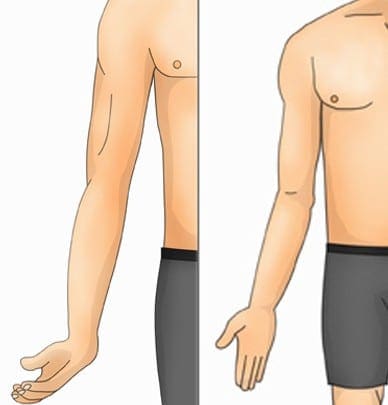
Erb’s Palsy, also known as�Erb�Duchenne palsy or Waiter’s tip palsy, is identified as a paralysis of the arm caused by damage or injury to the nerves in the neck which form part of the brachial plexus. The most common mechanism of injury in adults with Erb’s Palsy is a patient who fell forward while holding onto something behind them. Erb�Duchenne palsy can also happen to an infant during childbirth, most commonly, but not exclusively, from shoulder dystocia during a difficult birth. To be more precise, this type of brachial plexopathy results from damage to the C5-C6 nerve roots along the brachial plexus in the neck. Symptoms of Erb’s Palsy include dermatomal distribution of sensory disruption followed by weakness or paralysis in the deltoid, biceps, and brachialis muscles, leading to the �waiter�s tip� position associated with this type of neuropathy. While many infants can recover on their own from this type of brachial plexopathy, some may require rehabilitation.
Klumpke’s Palsy
Klumpke’s Palsy, also known as Klumpke’s paralysis or�Dejerine�Klumpke palsy, is a partial palsy in the nerve roots of the brachial plexus located along the cervical spine, or neck. It is named after�Augusta D�jerine-Klumpke, an American-born French medical doctor acknowledged for her work in neuroanatomy. Klumpke’s Palsy is characterized as a form of paralysis involving the muscles of the forearm and hand, which occurs to�infants during childbirth if their arm is pulled overhead.�Dejerine�Klumpke palsy can also occur to adults with overhead traction injuries caused by harm to the C8-T1 nerve roots in the brachial plexus and upper thoracic region of the spine. Symptoms of Klumpke’s paralysis include dermatomal distribution of sensory disruption, weakness or paralysis, in the wrist flexors and pronators as well as in the muscles of the hand. This type of brachial plexopathy may often lead to Horner�s syndrome, a collection of symptoms which manifest when a set of nerves, known as the sympathetic trunk, are damaged or injured due to T1 involvement. This form of neuropathy is identified by resulting�in a �claw hand� appearance, where the forearm is supinated with the wrist hyperextended, together with finger flexion.
Entrapment Neuropathies
Entrapment neuropathy, also known as nerve compression syndrome or compression neuropathy, is best-known as nerve damage or a type of neuropathy caused by direct pressure on a nerve. Common symptoms include pain and discomfort, tingling or burning sensations, numbness and muscle weakness which affects only a particular part of the human body, depending on which nerve is affected. A nerve can become compressed as a result of a constant external force or due to a lesion, such as a tumor. Additionally, some conditions can make the nerves more susceptible to compression, including diabetes, where the nerves are rendered more sensitive to minor degrees of compression due to their already compromised supply of blood. Nerve damage caused by a single episode of harm can be considered an entrapment neuropathy, however, it is generally not classified under this group of compression neuropathy or nerve compression syndrome.
Thoracic Outlet Syndromes
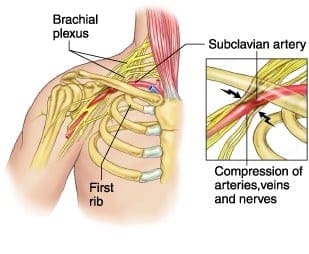
Thoracic outlet syndromes are a group of disorders which develop when the nerves or blood vessels between the collarbone and the thoracic outlet, located in the region of the first rib, are compressed. As a result, this can cause pain and discomfort in the neck and shoulders as well as numbness in the fingers. There are a number of types of thoracic outlet syndromes, including neurogenic, or neurological, thoracic outlet syndrome, specifically caused by the compression of the brachial plexus, vascular thoracic outlet syndrome, which is caused specifically by the compression of the veins, known as venous thoracic outlet syndrome, or arteries, known as arterial thoracic outlet syndrome, and nonspecific-type thoracic outlet syndrome, which is considered to be idiopathic and has been described to worsen with activity. Several healthcare professionals believe that nonspecific-type thoracic outlet syndrome doesn’t exist, while others claim it to be a common disorders. However, the majority of thoracic outlet syndromes are often classified as neurogenic.
Thoracic outlet syndromes are caused by the compression of the cervical rib, an extra “rib” in the seventh cervical vertebra, subclavius muscle tension, improper posture or�excessive thoracic kyphosis, physical trauma, repetitive activity, obesity and pregnancy. Thoracic outlet syndromes can vary depending on which structures are compressed. Thoracic outlet syndromes can be diagnosed using tests, such as the Adsons test, the Allen maneuver, the Costoclavicular maneuver, the Halstead maneuver, the�Reverse bakody maneuver, the Roos test, the Shoulder compression test and the Wright test. Thoracic outlet syndromes can cause permanent neurological damage if not diagnosed and treated early.
Median Nerve Entrapment
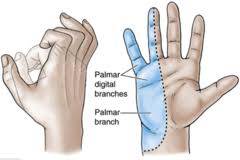
Median nerve entrapment or median nerve entrapment syndrome, is a mononeuropathy, a condition that impacts only a single nerve or nerve group outside the brain and spinal cord, which affects the movement of or sensation in the hand. Median nerve entrapment is caused by the compression of the median nerve found in the elbow or distally in the forearm or wrist. Symptoms include sensory disruption in the lateral portion of the palmar aspect of the hand and dorsal finger tips of the same fingers. In addition, motor fibers may also be affected in the forearm, if applicable, including the muscles of the thenar eminence, such as the abductor pollicis brevis, the opponens pollicis, and the flexor pollicis brevis. Other forms of median nerve entrapment syndromes include: pronator teres syndrome and carpal tunnel syndrome.
Pronator teres syndrome is characterized as the compression of the median nerve at the elbow. It is considered rare compared to carpal tunnel syndrome. Pronator teres syndrome is caused by repetitive movement, pronator teres muscle inflammation and thickened bicipital aponeurosis. Clinical findings for this type of neuropathy include, tenderness with palpation of the pronator teres muscle, pain with resisted pronation of the arm, flexor pollicus longus and flexor digitorum profundus involvement, otherwise, symptoms manifestations for pronator teres syndrome may appear similar to carpal tunnel syndrome but without positive wrist orthopedics.
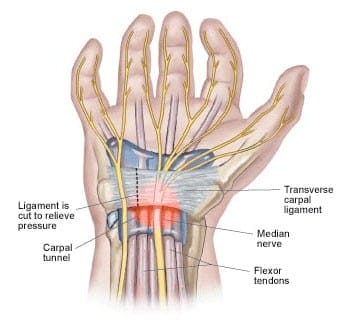
Carpal tunnel syndrome is characterized as the compression of the median nerve at the wrist. Carpal tunnel syndrome is identified by symptoms of pain and discomfort, tingling sensations in the thumb, index finger, middle finger and the thumb side of the ring fingers, and numbness. These can generally start gradually and may extend up the arm. Advanced instances of carpal tunnel syndrome may cause weakened grip strength where the muscles at the base of the thumb may waste away if left untreated for an extended period of time. In many cases, carpal tunnel syndrome may affect both hands or arms. Carpal tunnel syndrome is caused by repetitive movements, hypothyroidism, obesity, rheumatoid arthritis, diabetes and pregnancy. Orthopedic tests utilized to diagnose carpal tunnel syndrome include the use of the Tinel�s Sign, positive if tapping over the median nerve reproduces/exacerbates symptoms, the�Phalen�s Maneuver/Prayer Sign, performed by bringing the hands together, with wrists flexed, and is repeated in reverse with the wrists extended, for at least 60 seconds, and is considered positive if tests reproduce/exacerbate symptoms, and the�Wringing Test, if wringing a towel produces paresthesia.
Ulnar Nerve Entrapment
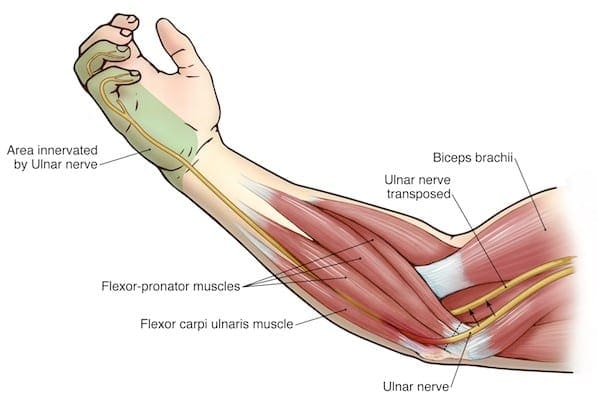
Ulnar nerve entrapment is a condition where the ulnar nerve itself becomes physically trapped or pinched, resulting in symptoms of pain, numbness and weakness which extends throughout the little finger, the ulnar half of the ring finger and throughout the intrinsic muscles of the hand. Symptoms or ulnar nerve entrapment ultimately involve sensory disruption in the medial two digits of the palmar and dorsal aspects of the hand. Symptoms of ulnar nerve entrapment may vary depending on the specific location of the ulnar nerve compression or impingement. These may also be classified as motor, sensory or both, depending on the location of the injury. If motor fibers are affected in the hand, all fingers, besides the thumb, may become weakened, described as general hand weakness. The most common location of ulnar nerve entrapment is within the cubital tunnel. Other forms of ulnar nerve entrapment include: cubital tunnel syndrome and tunnel of Guyon syndrome.
Cubital tunnel syndrome is identified by the compression or impingement of the ulnar nerve in the cubital tunnel at the elbow. It is considered to be the second most common entrapment neuropathy which affects the upper extremities, following carpal tunnel syndrome. Symptoms of cubital tunnel syndrome are characterized by pain and discomfort along the region of the ulnar nerve entrapment, along with sensory impairment, paresis and paresthesia.�Causes of cubital tunnel syndrome include, repetitive movements, hypothyroidism, obesity, diabetes, physical trauma or injury to the cubital tunnel, and prolonged sitting with pressure on bent elbow.
Tunnel of Guyon syndrome, or Guyon’s canal syndrome, is identified by the compression or impingement of the ulnar nerve at the wrist, particularly along an anatomical space in the wrist known as Guyon’s canal. Guyon’s canal syndrome may also be referred to as ulnar tunnel syndrome. Symptoms of tunnel of Guyon syndrome are similar to those of cubital tunnel syndrome with slight variations depending on the region of ulnar nerve entrapment.�Causes of tunnel of Guyon syndrome include, repetitive movements, long term crutch use, fracture of the hamate, a carpal bone, due to a ganglion cyst, hypothyroidism, obesity, rheumatoid arthritis and diabetes.�Orthopedic tests utilized to diagnose Guyon’s canal syndrome include the use of the�Tinel�s Sign, positive if test over the ulnar nerve at the wrist elicits symptoms, the Wartenberg Sign, positive if the 5th digit abducts when patient performs hard grip strength test or attempts to squeeze fingers together and reduced two-point discrimination in the hand.
Radial Nerve Entrapment
Radial nerve entrapment, also known as radial tunnel syndrome, is a condition caused by the compression of the radial nerve, which travels from the brachial plexus, to the hand and wrist. Healthcare professionals believe that radial tunnel syndrome occurs because the radial nerve becomes irritated or inflamed due to the friction caused by the impingement of the muscles in the forearm. Radial nerve entrapment manifests symptoms of sensory disruption in the lateral three and a half digits of the dorsal aspect of the hand. Motor�fibers may also be affected along the�posterior arm and extensor compartment of the forearm, and wrist drop may be seen. Other forms of radial tunnel syndrome include: spiral groove entrapment, where all radial nerve innervated muscles below entrapment are affected,�Saturday night palsy caused due to sleeping on your own arm and the brachioradialis & triceps reflexes are both diminished, supinator syndrome, caused by the compression at the arcade of Frohse with no change in reflexes. Posterior interosseous syndrome, or radial tunnel syndrome, also elicits no change in reflexes.
Sciatic Nerve Entrapment
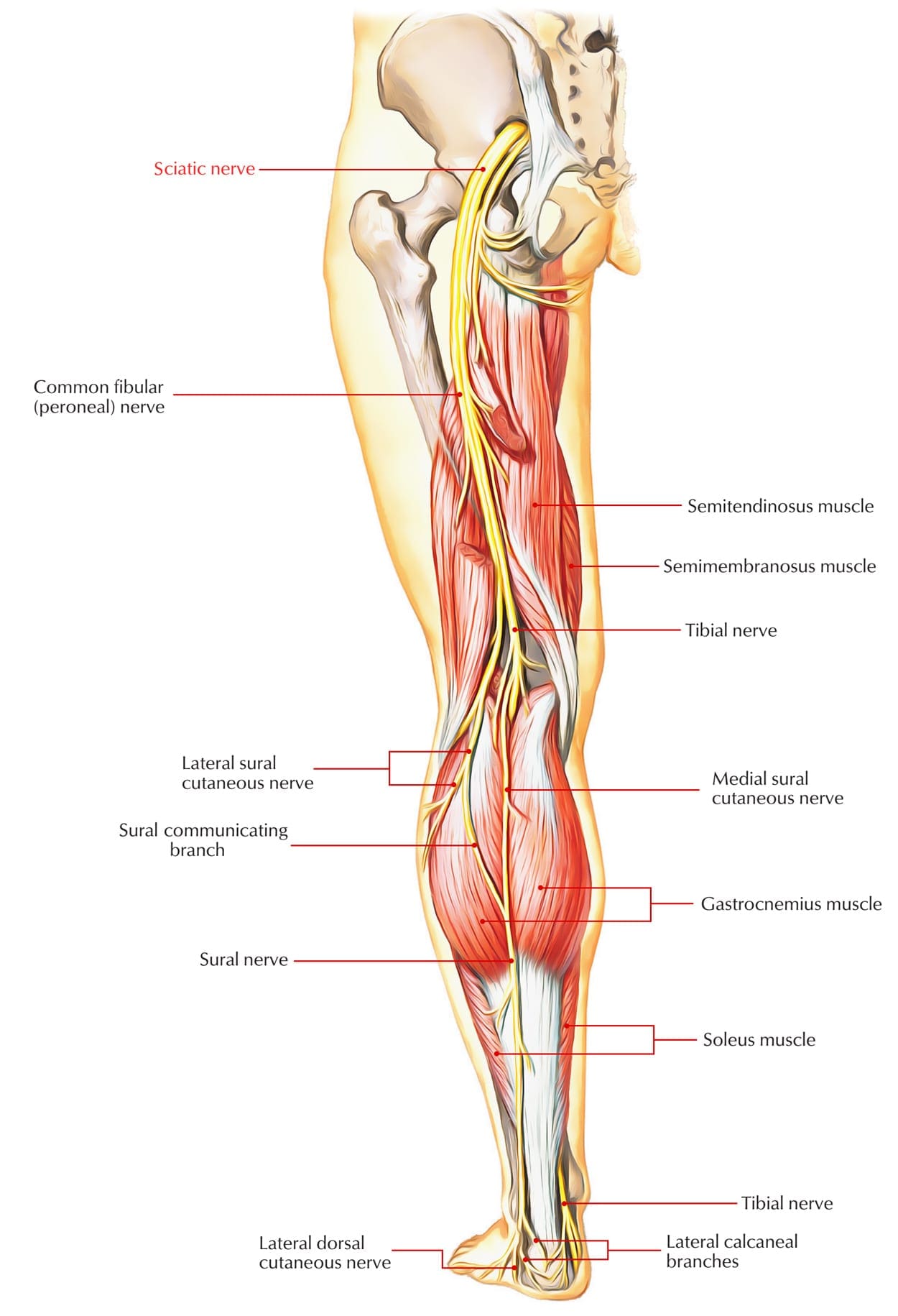
Sciatic nerve entrapment is a condition caused by the compression of the sciatic nerve, the longest and largest nerve in the human body, which travels from the low back, down through the buttocks, thighs, legs and into the foot. The collection of symptoms which manifest as a result of sciatic nerve entrapment, including pain and discomfort, tingling and burning sensations, and numbness as well as weakness in the lower extremitites, is commonly known as sciatica. Sciatic nerve entrapment, or sciatica, can be caused by a variety of injuries and/or aggravated conditions which can lead to the compression of the sciatic nerve, including, but not limited to, disc herniation and spinal stenosis. However, symptoms of sciatic nerve entrapment may vary depending on the location of the compression of the sciatic nerve. Other conditions caused by the compression of the sciatic nerve include: piriformis syndrome, peroneal nerve entrapment and tarsal tunnel syndrome.
Piriformis syndrome is a condition which occurs due to the compression of the sciatic nerve as a result of the irritation or inflammation of the piriformis muscle. Symptoms of piriformis syndrome may include pain and discomfort, followed by numbness in the buttocks and down the leg. Symptoms may worsen with regular activities, such as sitting and running. Piriformis syndrome is caused by anatomic variation or due to piriformis overuse/tension. Piriformis syndrome diagnosis exams include, a positive Lase?gue test, where the healthcare professional�extends the patient�s leg passively, while the patient is lying supine,�test is positive if the maneuver is limited by pain, and through the use of tenderness and palpable tension in piriformis muscle which elicits symptoms.
Peroneal nerve entrapment is a condition which occurs when the peroneal or the fibular branch of the sciatic nerve are compressed at the fibular head. Tinel�s sign may be present at the fibular region of the head and/or neck. Peroneal nerve entrapment generally affects the common peroneal nerve, therefore, motor and sensory symptoms may manifest, including, weakness of the ankle dorsiflexion and eversion, or the tibialis anterior. Other symptoms of peroneal nerve entrapment may include sensory disruption on the dorsum of the foot and lateral aspect of the calf. Common peroneal nerve entrapement at the fibular head is the most common nerve entrapment syndrome in the lower extremities.
Tarsal tunnel syndrome, also known as posterior tibial neuralgia, is a condition caused by the compression of the tibial nerve as it travels through the tarsal tunnel, found along the region of the inner leg, posterior to the medial malleolus, or the bump on the inside of the ankle. Tarsal tunnel syndrome can manifest symptoms of pain and discomfort, burning or tingling sensations, and numbness along the big toe and the first three toes. However, symptoms may vary slightly depending on the area of compression, where the entire foot may manifest the symptoms previously described. Other symptoms associated with posterior tibial neuralgia include sensory changes in the sole of the foot. Tinel�s sign may be present with percussion posterior to the medial malleolus. The exact cause of tarsal tunnel syndrome may be difficult to determine and it is essential to receive a proper diagnosis to determine the source of the symptoms.
Radiculopathy
Radiculopathy is a mononeuropathy,�a condition that impacts only a single nerve or nerve group outside the brain and spinal cord, which affects the movement of or sensation in one specific area. It is often associated with neuropathy involving spinal nerve roots and presents as changes in sensory and/or motor function affecting a single or a few nerve root level(s). The most common types of radiculopathies include: sciatica and cervical radiculopathy. The most prevalent causes of radiculopathy include, disc herniation, osteophytes, spinal stenosis, trauma, diabetes, epidural abscess or metastasis, nerve sheath tumors, such as schwannomas and neurofibromas, Guillain-Barre? syndrome, Herpes Zoster, or shingles, Lyme disease, cytomegalovirus, myxedema and/or thyroid disorder, and idiopathic neuritis.
Narrowing down some of the most common causes of radiculopathy, symptoms can manifest due to disc herniation which most commonly affects the nerve roots along the C6, C7, L5 & S1 vertebrae of the spine, spinal stenosis and lumbar stenosis which may produce neurogenic claudication, and pain and weakness with ambulation. Cervical stenosis may present with mixed radiculopathy and myelopathy due to long tract involvement. Symptoms may also manifest due to trauma, because it may lead to compression, trauma or avulsion of the nerve roots, diabetes, which is most�likely to cause a polyneuropathy, but mononeuropathy is possible, and Herpes Zoster, or shingles, most often on the trunk, accompanied by vesicular lesions in a single dermatome. If pain persists past vesicular regression, radiculopathy may instead be considered post-herpetic neuralgia.
Patients with a history of radiculopathy will often complain of burning pain or tingling sensations which radiates or shoots down an affected area in a “dermatomal” pattern. Occasionally, patients will complain of motor weakness, however if onset is recent, there is often no motor involvement. The diagnosis of radiculopathy can depend on a variety of exams.�Most often, hypoesthesia may be present in the affected dermatome level. It’s recommended to�evaluate for pain, as light touch can be difficult for these patient�s to distinguish. Fasciculations and/or atrophy may be seen if radiculopathy is chronic, due to the lower motor neuron being compressed or impinged. Motor weakness may be seen in muscles innervated by the same root level. Orthopedic tests for the diagnosis of radiculopathy may include: the straight-leg raise test (SLR), where pain between 10 to 60 degrees likely indicates nerve root compression, the�Well-leg raise/Crossed straight-leg raise test (WLR), where if positive, 90 percent specificity for L/S nerve root compression may be present, the Valsalva Maneuver, where its considered positive if there is an increase in radicular symptoms, and spinal percussion, where pain may indicate metastatic disease, abscess or osteomyelitis.
Specific radiculopathy patterns may also develop as a result of different regions being affected. Radiculopathy along the T1 can cause Horner�s syndrome, a combination of symptoms caused by the disruption of a nerve pathway from the brain to the face and eye on one side of the body. This is due to its effect on cervical sympathetic ganglia, includind ptosis, miosis, anhidrosis. Radiculopathy below the L1, can cause Cauda Equina syndrome, a condition caused by damage or injury to the bundle of nerves found below the end of the spinal cord, known as the cauda equina. This type of radiculopathy may manifest symptoms of saddle anesthesia, sensory loss in the S2-S5 distribution, urinary retention or overflow incontinence, constipation, decreased rectal tone or fecal incontinence, and loss of erectile function. Individuals with these signs and symptoms must be referred for emergency care immediately to prevent permanent dysfunction.
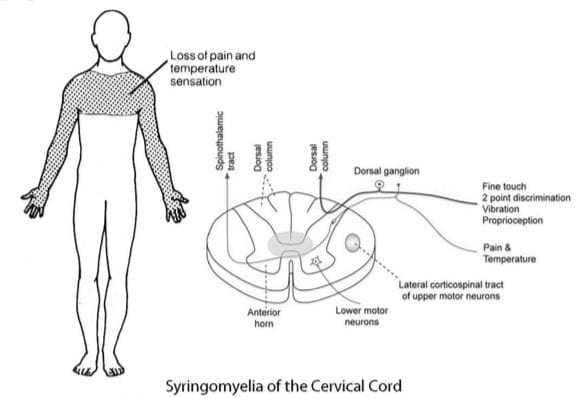
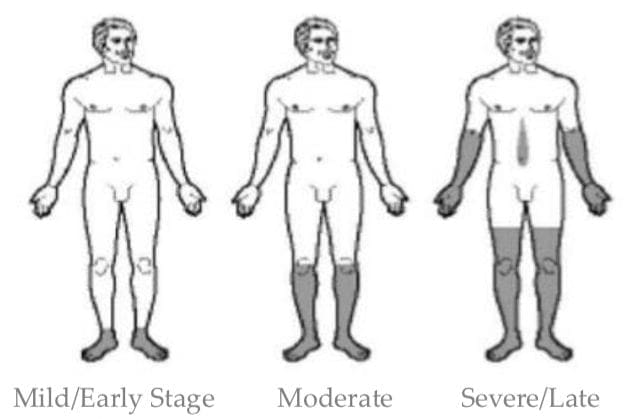
Other patterns of neuropathy can include the cape/shawl distribution of symptoms, identified by an intramedullary lesion, such as syringomyeli, intramedullary tumor and central cord damage. Stocking and glove distribution of symptoms may manifest as a result of diabetes mellitus,�B12 deficiency, alcoholism and/or hepatitis,�HIV, and thyroid dysfunction and/or myxedema.
The cape/shawl pattern of neuropathy is characterized by symptoms occurring due to an intramedullary lesion, such as a tumor, syringomyelia or a hyperextension injury in patient with C/S spondylosis. It can also be characterized by loss of pain and temperature sensation in C/T dermatomes because of the arrangement of the lateral spinothalamic tract. The stocking and glove pattern may progress gradually depending on its specific stage. It can also be characterized as a symmetrical polyneuropathy, where the feet and legs are generally affected first, followed by the hands and arms. A vibration-like sensation in the smallest toes are also typically the first to go and the neuropathy symptoms may progress across the foot to the big toe and then upward through the ankle and leg, then hands, arms and finally to the trunk if the condition becomes severe. The most likely cause of this pattern may be attributed to diabetes mellitus, but other possible causes include, B12 deficiency, alcoholism, HIV, chemotherapy treatment, thyroid dysfunction and multiple other causes.
Diabetic Neuropathy
Diabetic neuropathy is medically defined as a collection of nerve damaging disorders associated with diabetes. These conditions are believed to occur as a result of a diabetic microvascular injury involving the small blood vessels, known as the vasa nervorum, which supply the nerves. Additionally, macrovascular conditions have also been considered to accumulate and cause diabetic neuropathy.�Diabetic neuropathy often presents as a polyneuropathy, or the simultaneous damage or disease of many peripheral nerves throughout the body, but it can also present as a mononeuropathy, usually with acute onset. Diabetic neuropathy most commonly affects the CN III, femoral and sciatic nerves. Diabetic neuropathy can affect all peripheral nerves, including the sensory neurons, motor neurons and, although rarely, the autonomic nervous system. As a result, diabetic neuropathy can affect all organs and systems, as these are all innervated. Diabetic neuropathy can manifest into a wide array of symptoms, including, but not limited to, pain, burning or tingling sensations, numbness, dizziness and trouble with balance.
Demyelinating Neuropathies
Demyelinating neuropathies can be individually defined by its two types: Acute inflammatory demyelinating polyneuropathy, best known as�Guillain-Barre? syndrome, or Chronic inflammatory demyelinating polyneuropathy.�Guillain-Barre? syndrome, abbreviated as AIDP, is identified as a rapid-onset muscle weakness caused when the immune system damages, harms or destroys the peripheral nervous system. Onset has been reported by around one to two weeks following viral infection with progressive weakness, loss of DTRs/areflexia, paresthesia in the hands and feet, more motor involvement than sensory, potential autonomic fiber involvement, elevated CSF protein, and EMG/NCV studies indicating demyelination.�Guillain-Barre? syndrome may require treatment with plasmapheresis or IV Ig therapy.�Chronic inflammatory demyelinating polyneuropathy, abbreviated as CIDP,�is identified as an acquired immune-mediated inflammatory disorder of the peripheral nervous system which appears similar to AIDP but does not follow infection. Symptoms must be present for at least 8 weeks for this diagnosis to be considered positive.�Anti-inflammatory treatments may help treat CIDP.
The scope of our information is limited to chiropractic as well as to spinal injuries and conditions. To discuss the subject matter, please feel free to ask Dr. Jimenez or contact us at 915-850-0900 .
Curated by Dr. Alex Jimenez
Additional Topics: Sciatica
Sciatica is medically referred to as a collection of symptoms, rather than a single injury and/or condition. Symptoms of sciatic nerve pain, or sciatica, can vary in frequency and intensity, however, it is most commonly described as a sudden, sharp (knife-like) or electrical pain that radiates from the low back down the buttocks, hips, thighs and legs into the foot. Other symptoms of sciatica may include, tingling or burning sensations, numbness and weakness along the length of the sciatic nerve. Sciatica most frequently affects individuals between the ages of 30 and 50 years. It may often develop as a result of the degeneration of the spine due to age, however, the compression and irritation of the sciatic nerve caused by a bulging or herniated disc, among other spinal health issues, may also cause sciatic nerve pain.
There are many different treatments for cerebral palsy available today, however each case of cerebral palsy is as unique as the individual it affects. Because cerebral palsy can ultimately affect the normal functioning of the brain, treatment approaches which enhance the connection between the brain and the body are essential. Various treatments will work for different patients. A treatment known as physical therapy, or physiotherapy, is categorized as a non-medicinal treatment of cerebral palsy with the usage of massage, exercise, heat, and other external means of treatment.
Physiotherapy can be used to help cerebral palsy patients improve motion and motor abilities. Since cerebral palsy is a physical and movement disorder that disrupts the brain’s ability to correctly control muscle movement, physiotherapy can work wonders in helping cerebral palsy patients achieve mobility. Cerebral palsy physical therapy techniques are dependent on the degree of physical limitations of the person, and what’s going to be most beneficial to the cerebral palsy patient. Chiropractic care, can also include physical therapy techniques. Because the brain is believed to be lacking proper stimulation for functioning through cerebral palsy, chiropractic care can offer proprioception of touch for the assistance of mobility for the increased sensory stimulation of the brain through spinal adjustments and manipulations.
Physiotherapy for Cerebral Palsy
Cerebral palsy is the most common physical disability in children and it also represents the most frequent diagnosis in children who receive physical therapy. The harshness of limitations in gross motor function among children with cerebral palsy varies greatly, as some can walk without helping devices while some must use battery-powered wheelchairs. Physical therapists help children discover better ways to balance and move, as well as learn to walk, use their wheelchair, stand up with help, or go up and down stairs safely. The physical therapists engaged in physiotherapy reduce further growth of musculoskeletal problems by preventing muscle weakening, deterioration, and contracture during the suitable physiotherapy methods.
Physiotherapy usually consists of a couple kinds of treatment and helps a cerebral palsy patient to improve their gross motor abilities. Motor abilities that utilize the big muscles in the body, such as those in the arms and legs, are called gross motor abilities. This kind of physical therapy can help improve a cerebral palsy patient’s balance and motion.
Physical therapy for cerebral palsy patients consists of activities and education to enhance flexibility, strength, mobility, and function. A physical therapist also designs, modifies, and orders elastic gear to be used in the rehabilitation. Physical therapy can take place in clinics, hospitals, schools, and ought to continue in the home through a workout program. Physical treatment for cerebral palsy patients won’t be effective without an ongoing daily home program.
Physical Therapy Methods for Cerebral Palsy
A physical therapy program must include lots of exercises that include stretching, strengthening, and positioning. To elongate the muscles, the arms and legs must be transferred in ways that produce a slow, steady pull on the muscles to keep them loose. Because of the greater muscle tone of the cerebral palsy patient, they tend to have tight muscles. Therefore, it’s extremely important to perform daily stretches to maintain the arms and legs limber, allowing the child to continue to move and function. Strengthening exercises work specific muscle groups to enable them to encourage your system better and increase function. Positioning requires your system to be set in a particular position to achieve long stretches. Some places help minimize unwanted tone. Positioning can be achieved in many different ways. Bracing, abduction pillows, knee immobilizers, wheelchair inserts, sitting recommendations, and handling techniques are a part of placement techniques utilized in physical therapy for cerebral palsy patients.
New methods of physical therapy for cerebral palsy patients have taken into the water. Aquatic-based rehabilitation employs the physical properties of water to either resist or help in the operation of exercises. Cerebral palsy patients undergo muscle shortening in the majority of their involved extremities and it becomes a difficult job to lengthen the affected musculature with regular stretching while needing to manage the effects that gravity has on the spastic leg or arm. In earlier times there was clinical bias against strengthening activities for this population. But, recent study findings are revealing that kids with cerebral palsy may gain from strengthening applications and that strength is directly associated with motor function. Some of the recorded advantages are optimization of neuromuscular responses, improved motor unit contraction synchrony and facilitation of maximal muscle contraction combined with a wide available selection of motion.
Physical treatment for cerebral palsy patients does not heal spasticity but can improve impairments and limitations. Physical treatment for cerebral palsy patients is an important step towards an independent lifestyle. If these changes happen only in the therapy gym, the disability remains unchanged. Therapy must improve skills to carry out meaningful tasks in everyday life. Changing the level of handicap is the ultimate aim of physical therapy for cerebral palsy.
Occupational therapy is another element of physiotherapy used for cerebral palsy patients, and it’s used for aiding in the development of fine motor skills. Fine motor skills focus on the use of smaller muscles, such as those from the face, fingers, toes, palms, and feet. Fine motor skills have been used during daily living skills such as eating, dressing, writing, etc., and are fine tuned by occupational physiotherapy.
Physiotherapy also entails picking the right sort of adaptive equipment that could enhance a cerebral palsy patient’s motor abilities. Wheelchairs, walkers, special eating utensils and other adaptive equipment supply a patient with the liberty to accomplish some tasks on their own.
Additional types of physiotherapy like language and speech therapy might also be incorporated into a cerebral palsy patient’s program. Physiotherapy in the form of language and speech therapy that enables a cerebral palsy patient to communicate more easily with other people by developing the facial and jaw muscles, enhancing speech or sign language messages, and introducing communication resources such as computers and other visual aids.
Dr. Alex Jimenez’s Insight
Cerebral palsy is a lifelong group of movement disorders with no cure. However, several treatment options can help improve the quality of life of a patient with cerebral palsy. Chiropractic care and physical therapy, or physiotherapy, are some of the most common treatment approaches utilized to help restore strength, flexibility and mobility for individuals and children with cerebral palsy, without the need for drugs/medications and surgery. Chiropractic care can help improve many aspects associated with cerebral palsy due to the stimulation of the brain through touch, using spinal adjustment and manual manipulations to enhance sensory receptors in patients with this movement disorder. A physical therapist, as well as a chiropractor, may generally recommend a series of stretches and exercises which can improve range of motion in patients with cerebral palsy. Chiropractic care and physical therapy have the ability to develop self-sufficiency in cerebral palsy patients where it was previously absent.
Chiropractic Care for Cerebral Palsy
Several other physical therapy options can also help provide some form of relief from painful symptoms for cerebral palsy patients. Chiropractic care has become a popular, alternative treatment approach which focuses on maintaining as well as improving the overall health of the body through the use of spinal adjustments and manual manipulations. Because different areas of the body can be affected in individuals and children with cerebral palsy, chiropractic care can be beneficial towards helping those limbs regains some strength, flexibility and mobility. A chiropractor who specializes in patients with cerebral palsy can also offer several rehabilitation and physical therapy stretches and exercises to achieve the desired semblance of activity from the cerebral palsy patient. Because chiropractic care utilizes touch through spinal adjustments and manual manipulations to enhance the structure and function of the brain and the body, the sensory stimulation provided by a chiropractor can promote the migration of the brain in order to help change the receptors of the brain.
Furthermore, chiropractic care can help treat other, less noticeable aspects of the motor disorder. When used as a part of a rehabilitation and physical therapy program, chiropractic care can help improve some of the more problematic symptoms associated with cerebral palsy, including muscle spasms, seizures, and leg and arm issues through touch mobility protocols. The connection between the body and the brain has long been the center focus of chiropractic care, which is why spinal adjustments and manual manipulations are commonly utilized to enhance the stimulation of the brain, the spine, the nerves and the remaining structures of the body, especially in the case of patients with cerebral palsy, where the proper stimulation of the brain is necessary in order to restore function and improve quality of life. By carefully working to restore the natural alignment of the spine, a doctor of chiropractic, or chiropractor, can improve symptoms of back pain which may often be caused by the stress being placed on the spine�in patients with cerebral palsy. The purpose of chiropractic care and physical therapy is to improve physical movement and coordination, speech, vision and intellectual development�for patients with cerebral palsy.
Physiotherapy is an integral part in the vast majority of many cerebral palsy patients’ lives. Physiotherapy has the ability to develop self-sufficiency in cerebral palsy patients in which it was previously absent. A kid with cerebral palsy can start physiotherapy in just about any age. Speak with your child’s doctor about setting up physiotherapy program today. The scope of our information is limited to chiropractic as well as to spinal injuries and conditions. To discuss the subject matter, please feel free to ask Dr. Jimenez or contact us at 915-850-0900 .
Curated by Dr. Alex Jimenez
Additional Topics: Sciatica
Sciatica is medically referred to as a collection of symptoms, rather than a single injury and/or condition. Symptoms of sciatic nerve pain, or sciatica, can vary in frequency and intensity, however, it is most commonly described as a sudden, sharp (knife-like) or electrical pain that radiates from the low back down the buttocks, hips, thighs and legs into the foot. Other symptoms of sciatica may include, tingling or burning sensations, numbness and weakness along the length of the sciatic nerve. Sciatica most frequently affects individuals between the ages of 30 and 50 years. It may often develop as a result of the degeneration of the spine due to age, however, the compression and irritation of the sciatic nerve caused by a bulging or herniated disc, among other spinal health issues, may also cause sciatic nerve pain.
Cerebral palsy, or CP, is a medical term used to describe developmental motor conditions that cause impairment or disability. Cerebral palsy is not contagious and it isn’t regarded as a disease. Although it is not hereditary, many cases of CP are believed to be caused throughout pregnancy or birth, therefore they are typically referred to as a congenital condition. Cerebral palsy might be related to infection, radiation, or lack of oxygen during brain growth, as well as premature birth and birth trauma. Damage can occur up to age 3.
What is Cerebral Palsy?
Cerebral palsy, caused by “a permanent, non-progressive defect” in the brain, affects movement, posture, and muscle tone. Cerebral palsy is not paralysis, however, the motor centers of the brain become altered with the condition. Eyesight health issues and depth perception, cognition and communication challenges, and musculoskeletal issues can result from cerebral palsy. All cerebral palsy types involve “abnormal muscle tone”, and problems with motor development and reflexes.
Symptoms of CP include spasms, spasticity, involuntary movement, and balance and gait difficulties, including “foot walking” and “scissor walking”. The degree of disorder falls on a continuum, from “slight clumsiness” to severe impairments. Babies with the severe types of CP have bodies which may be rigid or floppy, with irregular posture. There can also be other birth defects as a result of cerebral palsy. Over the course of a child’s growth, symptoms may change or appear. It is generally when the baby becomes mobile that cerebral palsy becomes more evident. Speech problems, from respiratory and muscular difficulties, can also frequently occur.
A number of the secondary conditions related to CP include sensory impairments, eating problems, seizures, epilepsy, behavior and learning disabilities, mental retardation, and continence disorders. Speech impairments or disabilities and language delays are also commonly associated with CP. Early intervention is necessary. Patients with cerebral palsy may also have different leg lengths and shorter height, as CP affects skeletal bone growth. Spasticity and gait problems influence the vertebral development. Cerebral palsy can also interfere with sleep and cause pain and discomfort. It’s essential for individuals or families of children with cerebral treatment to seek treatment options to help relieve some of the symptoms associated with this developmental motor condition.
Traditional Treatments for Cerebral Palsy
Long-term care, from a team of healthcare professionals, can help patients with cerebral palsy properly handle their symptoms. Traditional treatments can come from physiatrists, neurologists, orthopedic surgeons, physical and occupational therapists, speech and development therapists, and from social workers, special education teachers, and mental health specialists.
Because CP patients may have tight muscles and spasticity pain, some drugs and/or medications may be prescribed. To treat “generalized spasticity”, muscle relaxants (i.e. baclofen, diazepam) could be offered. Some of the drugs/medications, however, have dependency hazards and side effects, such as nausea and sleepiness, which is why it’s important to first consult a healthcare professional who specializes in cerebral palsy, regarding the most recommended traditional treatments. To treat “isolated spasticity”, Botox injections may be used. The side effects of Botox injections include fatigue, bruising, as well as trouble swallowing and breathing. Additionally, there are also anti-drooling drugs and/or medications.
Some surgical interventions might also be proposed, such as orthopedic surgery or the severing of nerves to improve symptoms. However, other treatment options should be considered before turning to surgery for CP, unless properly recommended by a healthcare professional. Cerebral palsy patients might also have to wear braces or splints, or use canes, wheelchairs, or walkers. Muscle training and other exercises are also general prescribed as part of traditional treatments.
Chiropractic Care for Cerebral Palsy
While there is no cure for cerebral palsy, many traditional treatments can be used to help manage the symptoms associated with it. Alternative treatment options are safe and effective treatment methods utilized to help improve symptoms of cerebral palsy without the use of drugs and/or medications or surgical interventions. Chiropractic techniques are a type of health care which utilizes spinal adjustments and other bone structure associated treatment methods in order to aid a person’s body in conforming to a more normal position.
Children with cerebral palsy might benefit from chiropractic care for a few different reasons. In individuals with cerebral palsy, distinct body parts may be affected, such as one or both arms and legs. Chiropractic theory suggests that extremities and other body components can become “normalized” if the “central place around the spine” is healed and chiropractic care may be useful in assisting those limbs recover some semblance of activity. Chiropractic care can be used for the fundamental goal of extending and lengthening muscles. When muscles unwind as they do through such therapies, they’re more likely to be stronger and healthier, which is necessary if they’re likely to properly learn how to walk.
In addition, because cerebral palsy is usually caused by a brain injury, chiropractic care may be used in treating other, less noticeable, facets of the motor condition. Some individuals or children with CP have experienced a lot of strain on their musculoskeletal system, requiring the use of chiropractic techniques for basic spinal alignment and overall health and wellness. Behind the doctrine of chiropractic healing lays the idea that the brain and central nervous system control all aspects of the body’s functioning. One study showed “progress in paraspinal muscle tone” with chiropractic care, for many children who had cerebral palsy from birth injury. Another case study demonstrated marked improvement in a child with “hypotonic cerebral palsy”.
Dr. Alex Jimenez’s Insight
Cerebral palsy is believed to be a neurological disorder caused by a non-progressive brain injury or malformation which occurs during the stages of a child’s brain development. Cerebral palsy, or CP, affects body movement, muscle control, muscle coordination, muscle tone, reflex, posture and balance. It can also impact fine motor skills, gross motor skills and oral motor functioning. Although there is no cure for cerebral palsy, several traditional as well as alternative treatment options can help improve the symptoms associated with this neurological disorder. Chiropractic care is an alternative treatment option which can help return some levels of range of motion, mobility, strength and flexibility for individuals with cerebral palsy.
Chiropractic care cannot cure cerebral palsy, but it might help with some of the symptoms and its associated health issues, with no side effects and dangers of drugs/medications and surgery. Chiropractic care is gentle, and it can also improve symptoms such as seizures, spasms, and arm and leg issues. As research on the effectiveness of chiropractic techniques come to light, there are more encouraging signs for the growth of a successful course of action for individuals with cerebral palsy. The scope of our information is limited to chiropractic as well as to spinal injuries and conditions. To discuss the subject matter, please feel free to ask Dr. Jimenez or contact us at 915-850-0900 .
Curated by Dr. Alex Jimenez
Additional Topics: Sciatica
Sciatica is medically referred to as a collection of symptoms, rather than a single injury and/or condition. Symptoms of sciatic nerve pain, or sciatica, can vary in frequency and intensity, however, it is most commonly described as a sudden, sharp (knife-like) or electrical pain that radiates from the low back down the buttocks, hips, thighs and legs into the foot. Other symptoms of sciatica may include, tingling or burning sensations, numbness and weakness along the length of the sciatic nerve. Sciatica most frequently affects individuals between the ages of 30 and 50 years. It may often develop as a result of the degeneration of the spine due to age, however, the compression and irritation of the sciatic nerve caused by a bulging or herniated disc, among other spinal health issues, may also cause sciatic nerve pain.
Sandra Rubio talks about personal injury rehabilitation, including stretches and exercises, which are provided by Dr. Alex Jimenez and his staff, aside from chiropractic care. Dr. Jimenez offers the services of personal trainers and physical therapists to help improve the patient’s strength, mobility and flexibility to prevent further injury as well as to help speed up the patient’s recovery process.
Personal Injury Rehabilitation
Physical therapy (PT), also known as physiotherapy, is one of the allied health professions which, by utilizing mechanical force and motions (bio-mechanics or kinesiology), manual therapy, exercise therapy, and electrotherapy, helps treat injuries and conditions by promoting proper function. Physical therapy is used to improve a patient’s quality of life through examination, diagnosis, prediction and physical intervention. It’s generally performed by physical therapists (called physiotherapists in several nations).
A personal injury doctor or chiropractor is an effective, alternative treatment option for a variety of injuries surrounding the spine. When an individual has suffered an injury as a result of an auto accident, work accident or home accident a personal injury doctor can positively influence the proper progress of their rehabilitation, helping the individual obtain the fair compensation they need and deserve for their injuries. An experienced and well-trained personal injury doctor can provide quality treatment as well as support patients throughout their injury claim procedures.
We want you to live a life that is fulfilled with more energy, positive attitude, better sleep, less pain, proper body weight and educated on how to maintain this way of life. I have made a life of taking care of each and every one of my patients.
I assure you, I will only accept the best for you�
God Bless You & Your Health�?
If you have enjoyed this video and/or we have helped you in any way please feel free to subscribe and share us.
Cerebral palsy is a lifelong set of movement disorders with no cure. There are, however, many options for either retraining patients with cerebral palsy or supplying some kind of relief for individuals with cerebral palsy. Among the more untraditional yet commonly sought after types of treatment for cerebral palsy is visiting a chiropractor which specializes in patients with cerebral palsy.
There is no clear reason behind the development of cerebral palsy. In most cases, though, it is believed to be caused by some injury shortly before, during, and after pregnancy. This injury is to the unborn embryo or the baby after it is delivered. Many cases of cerebral palsy are being found to have happened during the delivery process. Lack of oxygen and/or failure to detect fetal distress are all believed to be the most common reasons for the development of cerebral palsy. As previously mentioned, individuals with cerebral palsy can benefit from a variety of treatment options, including chiropractic care, rehabilitation and neuromuscular reeducation.
Chiropractic Care and Cerebral Palsy
Chiropractic techniques are a sort of healthcare which uses spinal adjustments and manual manipulations, together with other treatment procedures, in order to aid a person’s body in adapting to a more normal position. In patients with cerebral palsy, different body parts can and are generally affected, such as one or both arms and legs, and chiropractic care may be helpful in assisting those limbs regain some semblance of strength, mobility and flexibility.
Additionally, because cerebral palsy is generally believed to be caused by a brain injury, chiropractic treatment methods can be used in healing other, less noticeable, aspects of the motor disease. Behind the doctrine of chiropractic healing lays the idea that the brain and central nervous system control all facets of the body’s functioning. The concept of chiropractic care is that by correcting health issues and symptoms around the central area of the spine, the extremities as well as other areas of the body can regain some stability.
With the rise of “unconventional” medical clinics, chiropractic care has also turned into one of the most popular types of Complementary and Alternative Medicine techniques. In 2004, a report revealed that chiropractic was in the top five kinds of complementary and alternative therapies used for the treatment of a variety of injuries and/or conditions in the United States, including cerebral palsy.
When utilized as an alternative treatment option for cerebral palsy, chiropractic techniques could assist in helping to improve some of the problematic symptoms associated with the movement disorder, including reducing muscle spasms, seizures, and arm and leg issues. As research on the effectiveness of chiropractic care for the safe and effective treatment of many health issues comes to light, there are more encouraging signals for the growth of a successful course of action for individuals with cerebral palsy.
Dr. Alex Jimenez’s Insight
As a qualified and experienced chiropractor in the treatment of a variety of injuries and/or conditions, including genetic neuromuscular disorders, many of our patients with cerebral palsy have experienced tremendous improvements in their quality of life through chiropractic care. Chiropractic care can provide assistance in the improvement of several range of motion aspects associated with cerebral palsy as well as offer significant relief of other symptoms related to this movement disorder. Patients with cerebral palsy currently receiving chiropractic care have experienced improved mobility and an improved gait or ability to walk, including restored sleeping habits. Our treatment methods for patients with cerebral palsy include, upper thoracic pain release, full-body mobility exercises, where multiple joint complexes are moved to increase range of motion, and two-men protocols, to safely and effectively assist the individual throughout their treatment process.
Rehabilitation and Cerebral Palsy
You will find an assortment of rehabilitation alternatives for individuals and children with cerebral palsy. Some are dependent on which kind of cerebral palsy the patient has. Each one of the rehabilitations, however, usually center on creating a few important regions of improvement including physical motion and coordination, language, vision, and intellectual development. Cerebral palsy rehabilitation will invariably involve some type of long-term physical therapy, or physiotherapy. These slight exercises will often involve stretching the individual’s range of motion and to concentrate primarily on developing fundamental motor abilities.
Ongoing treatments and options are becoming more available that could make life with cerebral palsy better. Most rehabilitation centers and treatments use some mix of physical therapy, biofeedback, occupational and speech therapy, occasional use of drugs and/or medications, and on rare cases even surgery.�There are several techniques touted in the field of cerebral palsy rehabilitation, such as the Bobath technique. The Bobath technique centers on positive reinforcement of voluntary movements on the individual’s part and on gradual physical conditioning. The physical therapy may also include external aids such as wheelchairs, walkers, braces, and how to use them for maximum mobility.
Neuromuscular Reeducation and Cerebral Palsy
Chiropractors handle a number of soft-tissue injuries. Unstable or injured muscles can become a source of chronic pain. The only way to remedy the challenge is by dividing those scar tissues and supporting the body to heal in healthy ways. Neuromuscular reeducation accomplishes this in several ways, for example, exercises, deep-tissue massage and vibration therapy.
Exercises for neuromuscular reeducation are often a part of chiropractic care or other rehabilitation program which focuses on helping to improve various adverse conditions that occur from faulty nerve and muscle activities. Neuromuscular reeducation is particularly beneficial for unnatural movement patterns. The purpose of neuromuscular reeducation is to improve balance, coordination, posture and proprioception involving a natural mind-body connection.�Neuromuscular reeducation exercises aim to restore natural movement patterns, optimize joint biomechanics and reduce pain that may result from neuromuscular deficiencies.
Neuromuscular reeducation exercises include a variety of functional strengthening, stretching, balancing and coordination activities. Practitioners that administer these exercises encourage patients to focus on joint positioning and movement.�A variety of stretching and bending movements on an exercise ball also have neuromuscular applications.
Whole body vibration (WBV) treatment is also helpful in the treatment of many physical conditions. WBV lowers inflammation, builds muscle, increases flexibility and breaks apart scar tissues and fused bone fragments. The technology is used to treat an endless number of injuries, along with ailments like scoliosis and cerebral palsy.
As vibrations affect your body, your muscles engage and relax in rapid success in an effort to enhance your movements. This burst of activity helps to break apart these deep scar tissues. The process also can help promote healthy recovery by placing your muscle bands under short spurts of increased stress. For the identical reason, Whole body vibration, or WBV, is very effective in increasing bone density and muscle mass.
In addition, when guided by a trained therapist, you may use vibration treatment to reeducate your muscles on how to respond to stimulation without getting hurt. Partly, While a lot of the process is occurring beneath the surface, WBV may require the individual to perform specific work in the clinic or on their own. This takes a combination of unconscious muscle training and altering habits to protect vulnerable areas while building strength and enhancing mobility and flexibility. The scope of our information is limited to chiropractic as well as to spinal injuries and conditions. To discuss the subject matter, please feel free to ask Dr. Jimenez or contact us at 915-850-0900 .
Curated by Dr. Alex Jimenez
Additional Topics: Sciatica
Sciatica is medically referred to as a collection of symptoms, rather than a single injury and/or condition. Symptoms of sciatic nerve pain, or sciatica, can vary in frequency and intensity, however, it is most commonly described as a sudden, sharp (knife-like) or electrical pain that radiates from the low back down the buttocks, hips, thighs and legs into the foot. Other symptoms of sciatica may include, tingling or burning sensations, numbness and weakness along the length of the sciatic nerve. Sciatica most frequently affects individuals between the ages of 30 and 50 years. It may often develop as a result of the degeneration of the spine due to age, however, the compression and irritation of the sciatic nerve caused by a bulging or herniated disc, among other spinal health issues, may also cause sciatic nerve pain.
IFM's Find A Practitioner tool is the largest referral network in Functional Medicine, created to help patients locate Functional Medicine practitioners anywhere in the world. IFM Certified Practitioners are listed first in the search results, given their extensive education in Functional Medicine


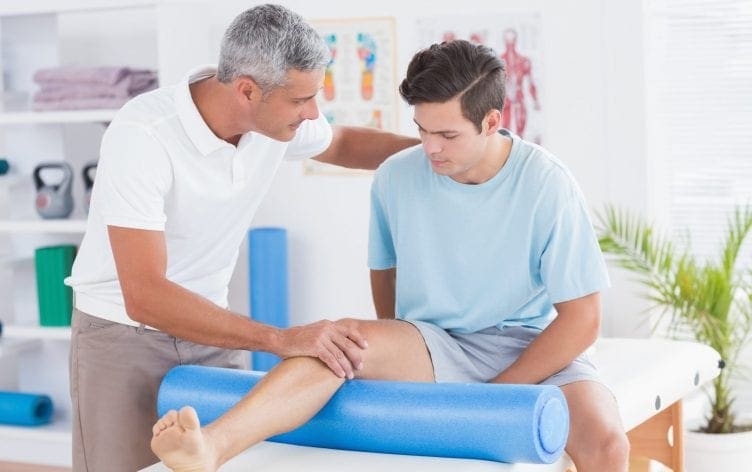




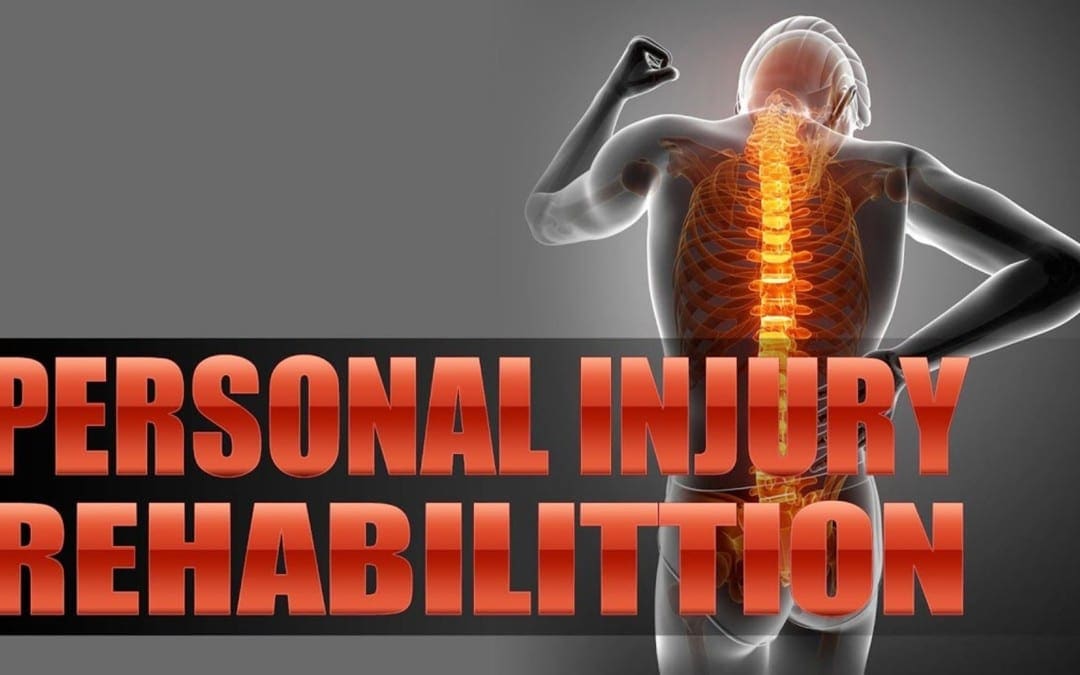
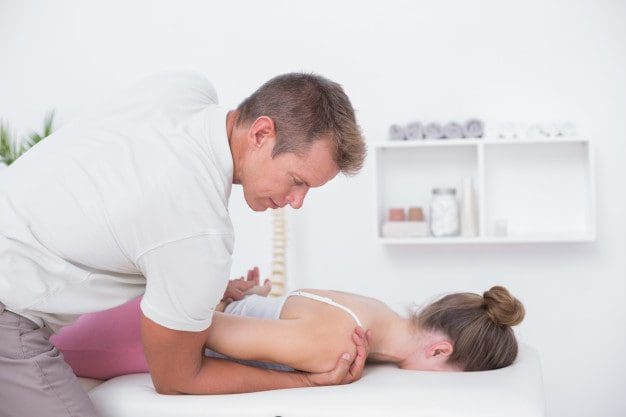 A personal injury doctor or chiropractor is an effective, alternative treatment option for a variety of injuries surrounding the spine. When an individual has suffered an injury as a result of an auto accident, work accident or home accident a personal injury doctor can positively influence the proper progress of their rehabilitation, helping the individual obtain the fair compensation they need and deserve for their injuries. An experienced and well-trained personal injury doctor can provide quality treatment as well as support patients throughout their injury claim procedures.