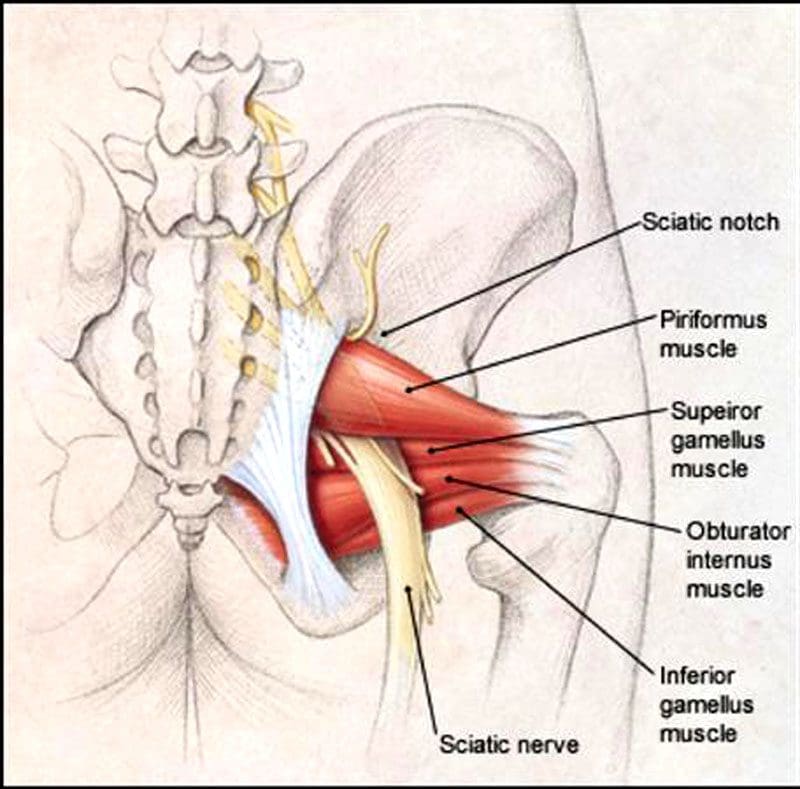
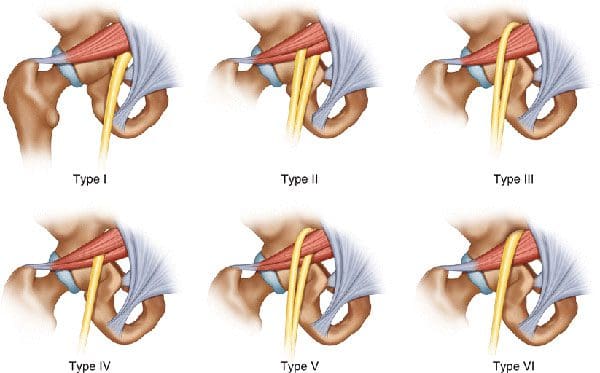
The piriformis is a large and powerful muscle beneath the gluteal/buttocks muscles. It runs from the bottom of the sacrum, where the base of the spine and pelvis converge to the top of the femur. This muscle plays a critical role in running motion; it helps externally rotate the hips and upper leg outward, provides hip flexibility and stability, and stabilizes the pelvis. The sciatic nerve passes next to, over, under, or through the piriformis muscle. When the piriformis contracts or spasms, it can irritate, become entangled and compress the nerve, resulting in painful symptoms. This can lead to various problems and is how piriformis syndrome occurs.
Running Piriformis Syndrome
The proper function of the piriformis muscle is essential for athletes who participate in running sports. Repetitive activities, like running, can fatigue the muscle and irritate and inflame the nerve.
Symptoms
Piriformis syndrome can be challenging to diagnose because it can be confused for a herniated disc, sciatica, a proximal hamstring strain/high hamstring tendinitis, or lower back problems. A few symptoms that can help determine whether the piriformis is the cause include:
Sitting, Stairs, Squatting Discomfort or Pain
Individuals don’t always experience discomfort while running.
Instead, it’s sitting, climbing stairs, and squatting where pain symptoms present.
Pain while running, specifically an overstretched sensation when going up a hill or increasing speed, is more associated with a proximal hamstring strain.
Tenderness
The area around the piriformis is tender.
Applying pressure can cause discomfort or pain around the area and radiate down the leg.
Centered Pain
Piriformis syndrome is usually felt in the middle of the glutes.
A proximal hamstring strain typically causes non-radiating pain at the bottom of the glutes, where the hamstrings connect to the pelvis.
Causes
Pelvic misalignment.
Pelvic misalignments created by other conditions, like a tilted pelvis, functional leg-length discrepancy, or practicing unhealthy posture, make the piriformis work harder to compensate, which leads to tightness and/or spasms.
Sudden increases in distance or workout intensity can worsen any weakness in the piriformis and other gluteal muscles.
Continuing to run, which is possible, can worsen and prolong the condition.
When running, the muscle’s signal transmissions are interrupted by inflammation and/or compression and cannot synchronize with each other.
The result is the inability to withstand the repetitive strain of running.
Resting may not be enough to alleviate piriformis syndrome. This is especially true if the problem involves spine and pelvic misalignment. Chiropractic can provide significant relief from running piriformis syndrome. A combination of spinal, pelvic, and extremity adjustments, therapeutic massage, MET, decompression, stretches, and anti-inflammatory nutrition will take the pressure off overly tight areas, realign the body, and maintain nervous system function.
Running form could be evaluated and checked for leg-length discrepancies and muscle-strength imbalances.
Running can continue if the individual can do so without pain or symptoms.
But it is recommended to avoid slanted surfaces, which increase the risk of pelvic misalignment.
Avoid long runs, which increase the chance of overload and fatigue.
The goal is to relax and release the piriformis.
If it’s impinging on the sciatic nerve, loosening and releasing the muscle will significantly lessen radiating pain.
Orthotics may be recommended for excessive overpronation or inward movement of the foot when landing.
Other treatments to stop piriformis spasms.
Ice and take over-the-counter anti-inflammatory medications can be used during acute phases when the area is tender.
Work out tight spots using a foam roller or percussive massager.
Stretching and loosening the muscle before and after runs can help it relax and increase blood flow.
Ahmad Siraj, Sidra, and Ragini Dadgal. “Physiotherapy for Piriformis Syndrome Using Sciatic Nerve Mobilization and Piriformis Release.” Cureus vol. 14,12 e32952. 26 Dec. 2022, doi:10.7759/cureus.32952
Chang A, Ly N, Varacallo M. Piriformis Injection. [Updated 2022 Sep 4]. In: StatPearls [Internet]. Treasure Island (FL): StatPearls Publishing; 2023 Jan-.
Heiderscheit, Bryan, and Shane McClinton. “Evaluation and Management of Hip and Pelvis Injuries.” Physical Medicine and rehabilitation clinics of North America vol. 27,1 (2016): 1-29. doi:10.1016/j.pmr.2015.08.003
Julsrud, M E. “Piriformis syndrome.” Journal of the American Podiatric Medical Association vol. 79,3 (1989): 128-31. doi:10.7547/87507315-79-3-128
Kraus, Emily, et al. “Piriformis Syndrome With Variant Sciatic Nerve Anatomy: A Case Report.” PM & R: the Journal of Injury, Function, and Rehabilitation vol. 8,2 (2016): 176-9. doi:10.1016/j.pmrj.2015.09.005
Lenhart, Rachel, et al. “Hip muscle loads during running at various step rates.” The Journal of Orthopedic and sports physical therapy vol. 44,10 (2014): 766-74, A1-4. doi:10.2519/jospt.2014.5575
Sulowska-Daszyk, Iwona, and Agnieszka Skiba. “The Influence of Self-Myofascial Release on Muscle Flexibility in Long-Distance Runners.” International Journal of environmental research and public health vol. 19,1 457. Jan 1, 2022, doi:10.3390/ijerph19010457
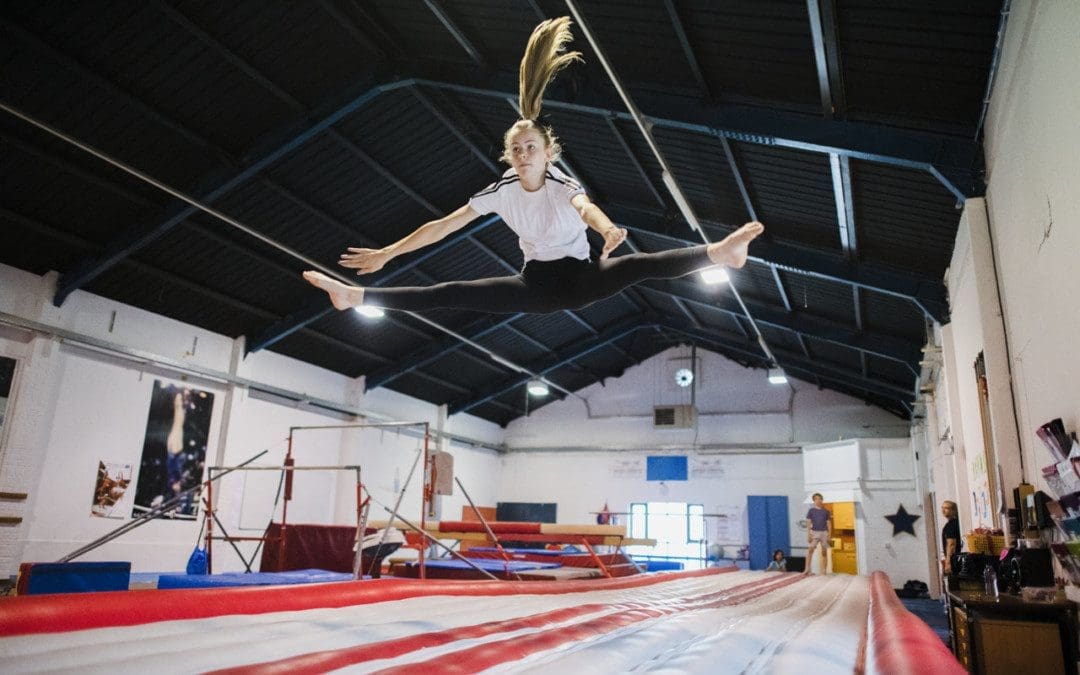
Gymnastics is a demanding and challenging sport. Gymnasts train to be powerful and graceful. Today’s moves have become increasingly technical acrobatic moves with a much higher degree of risk and difficulty. All the stretching, bending, twisting, jumping, flipping, etc., increases the risk of neuromusculoskeletal injuries. Gymnastics injuries are inevitable. Bruises, cuts, and scrapes are common, as are overuse strains and sprains, but severe and traumatic injuries can occur. Injury Medical Chiropractic and Functional Medicine Team can treat and rehabilitate injuries and help to strengthen and prevent injuries. The therapy team will thoroughly evaluate the individual to determine the injury/s severity, identify any weaknesses or limitations, and develop a personalized plan for optimal recovery, stability, and strength.
Gymnastic Injuries
One of the main reasons injuries are more prevalent is because today’s athletes start earlier, spend more time practicing, perform more complex skill sets, and have higher levels of competition. Gymnasts learn to perfect a skill and then train to make their bodies look elegant while executing the routine. These moves require precision, timing, and hours of practice.
Injury Types
Sports injuries are classified as:
Chronic Overuse injuries: These cumulative aches and pains occur over time.
They can be treated with chiropractic and physical therapy and prevented with targeted training and recovery.
Acute Traumatic injuries: These are typically accidents that happen suddenly without warning.
These require immediate first aid.
Most Common Injuries
Gymnasts are taught how to fall and land to lessen the impact on the spine, head, neck, knees, ankles, and wrists.
Back
Common back injuries include muscle strains and spondylolysis.
Bruises and Contusions
Tumbling, twisting, and flipping can result in various bruises and contusions.
Muscle Soreness
This is the sort of muscle soreness experienced 12 to 48 hours after a workout or competition.
Proper rest is necessary for the body to recover fully.
Overtraining Syndrome
Overtraining syndrome happens when individuals train beyond the body’s ability to recover.
Strength and/or flexibility imbalances – one side is stronger.
Chiropractic Care
Our therapists will start with an evaluation and a biomechanical assessment to identify all the factors contributing to the injury. This will consist of a thorough medical history to understand overall health status, training schedule, and the physical demands on the body. The chiropractor will develop a comprehensive program that includes manual and tool-assisted pain relief techniques, mobilization work, MET, core strengthening, targeted exercises, and injury prevention strategies.
Facet Syndrome Chiropractic Treatment
References
Armstrong, Ross, and Nicola Relph. “Screening Tools as a Predictor of Injury in Gymnastics: Systematic Literature Review.” Sports medicine – open vol. 7,1 73. 11 Oct. 2021, doi:10.1186/s40798-021-00361-3
Farì, Giacomo, et al. “Musculoskeletal Pain in Gymnasts: A Retrospective Analysis on a Cohort of Professional Athletes.” International journal of environmental research and public health vol. 18,10 5460. 20 May. 2021, doi:10.3390/ijerph18105460
Kreher, Jeffrey B, and Jennifer B Schwartz. “Overtraining syndrome: a practical guide.” Sports Health vol. 4,2 (2012): 128-38. doi:10.1177/1941738111434406
Meeusen, R, and J Borms. “Gymnastic injuries.” Sports medicine (Auckland, N.Z.) vol. 13,5 (1992): 337-56. doi:10.2165/00007256-199213050-00004
Sweeney, Emily A et al. “Returning to Sport After Gymnastics Injuries.” Current sports medicine reports vol. 17,11 (2018): 376-390. doi:10.1249/JSR.0000000000000533
Westermann, Robert W et al. “Evaluation of Men’s and Women’s Gymnastics Injuries: A 10-Year Observational Study.” Sports Health vol. 7,2 (2015): 161-5. doi:10.1177/1941738114559705
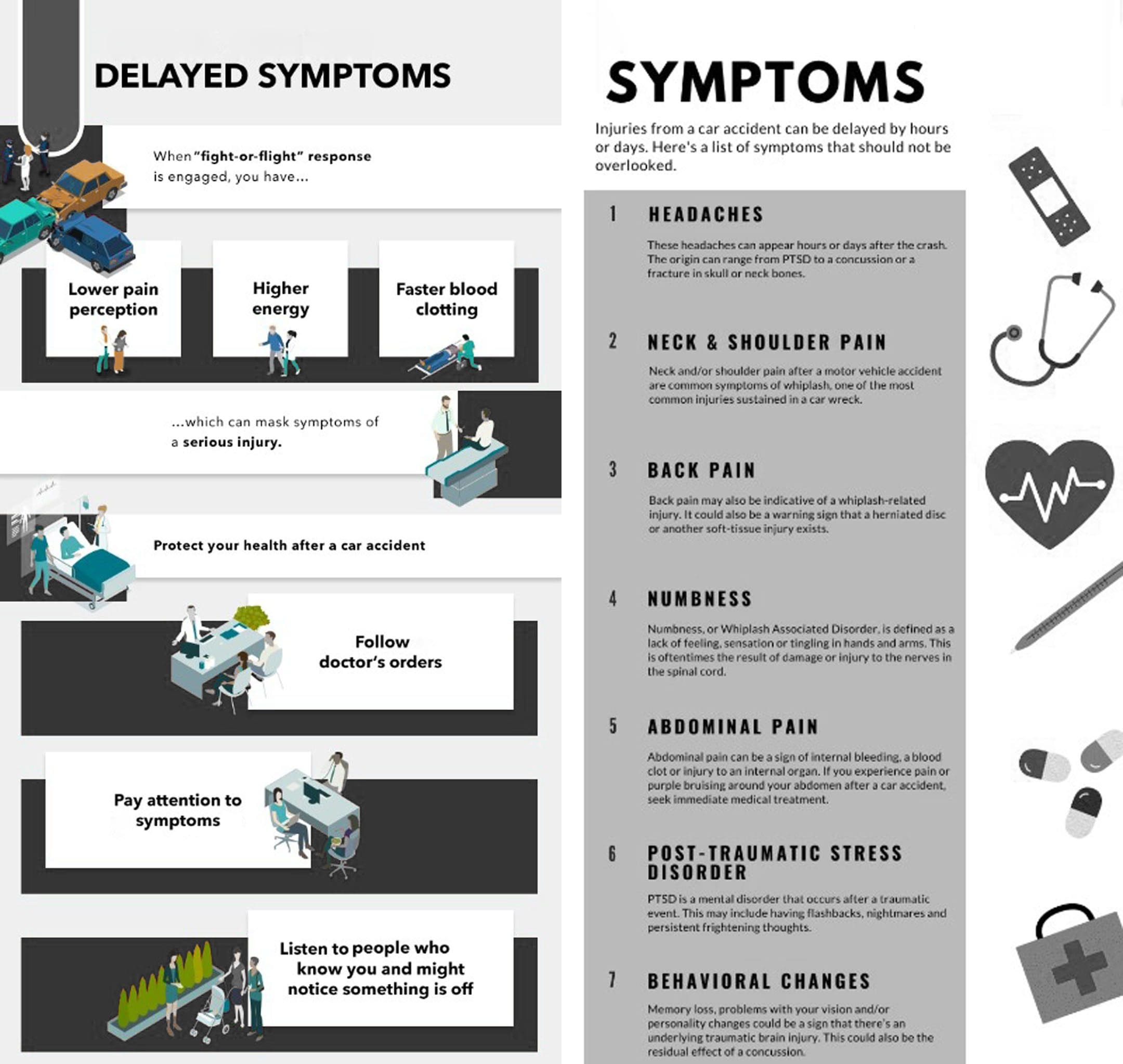
Automobile accidents are emotionally and physically traumatic events. After an accident, individuals assume that they are okay if they don’t have any broken bones or gashing cuts. However, even minor accidents can lead to significant damage, but the individual doesn’t know it. An invisible/delayed injury is any injury that is not immediately obvious or is not experienced by the individual until hours, days, or weeks later. The most common are soft tissue injuries, back injuries, whiplash, concussions, and internal bleeding. This is why it is imperative to see a doctor or chiropractic accident specialist as soon as possible after an accident.
Invisible Injuries Auto Accidents
The body goes into a fight or flight mode in a vehicle accident. That means a massive adrenaline surge makes anything happening to the body go unnoticed and unfelt. The individual does not feel pain and discomfort symptoms until later or much later.
Soft Tissue
A soft tissue injury affects muscles, tendons, ligaments, and body parts other than bone.
Even at low speeds, accidents, and collisions generate a significant force on the body.
Drivers and passengers often come to a sudden stop along with the vehicle or get thrown around.
This places intense stress on joints and other areas of the body.
Whiplash
The most common invisible soft-tissue injury is whiplash.
Where the neck muscles are suddenly and forcefully thrown forward and then back, causing the muscles and ligaments to stretch beyond their normal range of motion.
The injury typically results in pain, swelling, reduced mobility, and headaches.
Symptoms may not present right away.
Left untreated, whiplash can lead to long-term chronic pain.
Head Injuries
Head injuries are another common invisible injury.
Even if the head did not hit/impact anything, the force and momentum can cause the brain to collide with the inside of the skull.
This can lead to a concussion or even more serious brain injuries.
Concussion
A concussion is a traumatic brain injury. Individuals can have a concussion without losing consciousness, depending on the accident’s severity. Symptoms may be delayed or not experienced, but delayed treatment can lead to a longer recovery. Symptoms can include:
Fatigue.
Headache.
Confusion.
Inability to remember the accident.
Nausea.
Ringing in the ears.
Dizziness.
Back Muscles or Spine Injuries
Back muscles and spinal cord injuries are invisible injuries that can happen after an automobile accident. Signs of a back injury include:
The back muscles can be strained due to the impact and tension build-up.
Sore muscles or pain may not present until a day or two later.
Body stiffness.
Reduced mobility.
Muscle spasms.
Trouble walking, standing, or sitting.
Headaches.
Numbness and tingling.
Injuries to the spine, even serious ones, may not be apparent immediately.
The impact can cause the spine to shift out of alignment profoundly.
Swelling and bleeding in or around the spinal cord can cause numbness or paralysis that can gradually progress.
This invisible injury can have long-term consequences, including paralysis.
Chiropractic Care
Chiropractic is an effective treatment for neuromusculoskeletal injuries. The chiropractor will assess the damage and its severity to determine the best treatment for the individual. It relieves pain and discomfort symptoms, loosens and relaxes the muscles, and restores alignment, mobility, and a full range of motion. Chiropractic uses several tools and techniques to restore the spine and body balance. Results include:
Barach, P, and E Richter. “Injury prevention.” The New England Journal of Medicine vol. 338,2 (1998): 132-3; author reply 133. doi:10.1056/NEJM199801083380215
Binder, Allan I. “Neck pain.” BMJ clinical evidence vol. 2008 1103. 4 Aug. 2008
Duncan, G J, and R Meals. “One hundred years of automobile-induced orthopedic injuries.” Orthopedics vol. 18,2 (1995): 165-70. doi:10.3928/0147-7447-19950201-15
“Motor Vehicle Safety.” Annals of emergency medicine vol. 68,1 (2016): 146-7. doi:10.1016/j.annemergmed.2016.04.045
Sims, J K et al. “Automobile accident occupant injuries.” JACEP vol. 5,10 (1976): 796-808. doi:10.1016/s0361-1124(76)80313-9
Vassiliou, Timon, et al. “Physical therapy and active exercises–an adequate treatment for prevention of late whiplash syndrome? Randomized controlled trial in 200 patients.” Pain vol. 124,1-2 (2006): 69-76. doi:10.1016/j.pain.2006.03.017
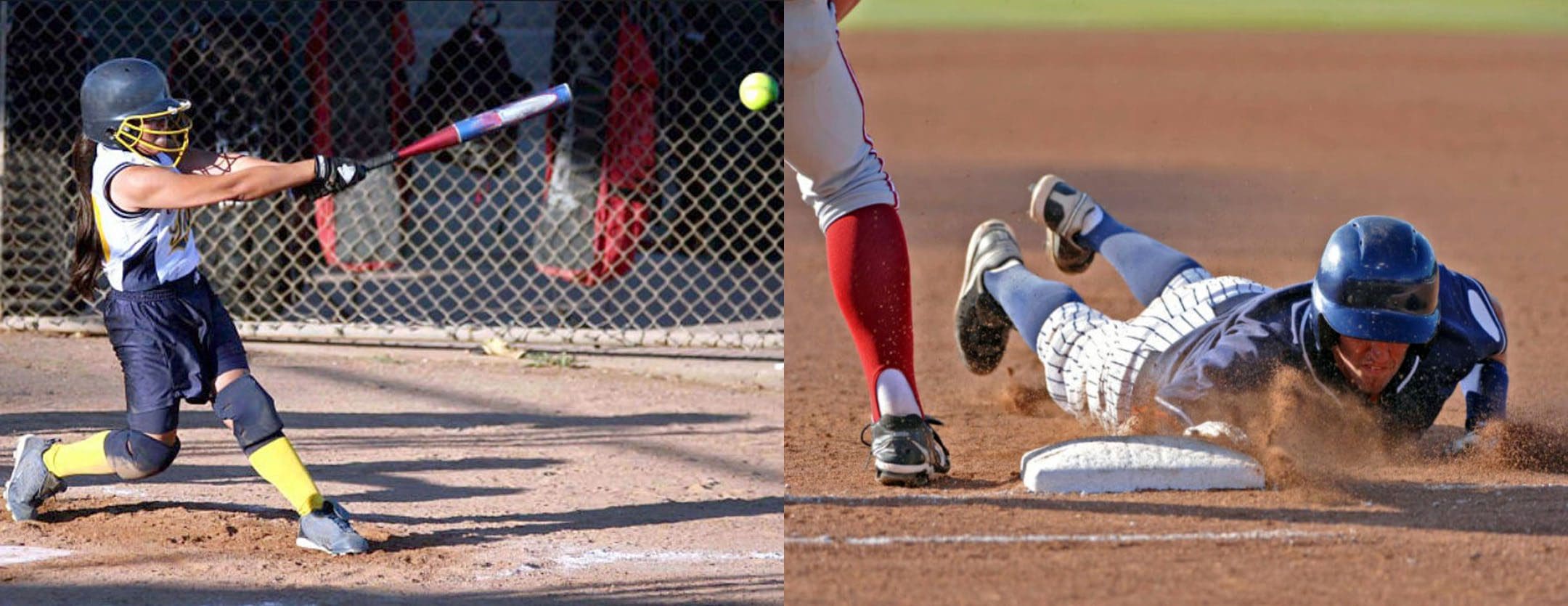
Softball and baseball require running, jumping, throwing, and swinging movements. Even for the fittest athletes and weekend warriors, the body and the neuromusculoskeletal system will go through overuse injuries, throwing-related injuries, sliding injuries, falls, collisions, and getting hit by the ball. Chiropractic and physical therapy can assist athletes by integrating strength training, body realignment, and rehabilitation injury recovery.
Softball and Baseball Injuries
Baseball and softball injuries are generally defined as either acute/traumatic or cumulative/overuse injuries. Both types can occur in various body areas, for example, a knee injury caused by a fall or quick repositioning shift.
Acute/Traumatic
Injuries occur from traumatic force or impact.
Overuse/Cumulative
These occur over time from repeated stress on the muscles, joints, and soft tissues.
Often athletes return too soon to play, not giving the injury enough time to heal fully.
They begin as small aches and pains that can progress into chronic conditions if not treated.
Shoulder
Shoulder overuse injuries are very common. Constantly performing the throwing movements and high-speed throwing strains the joints, muscles, tendons, and ligaments.
In softball, bicep injuries are more common than shoulder injuries.
In baseball, the overhead throwing position leads to shoulder problems.
Frozen Shoulder
Characterized by a restricted range of motion and pain.
Athletes with frequent shoulder injuries have an increased risk.
Shoulder Instability
Softball and baseball players are more susceptible to injury from overhead throwing, which stretches the shoulder capsule and ligaments.
Shoulder instability can lead to loose joints and dislocation.
Shoulder Separation
This is the tearing of the ligaments that connect the shoulder blade to the collarbone.
This is often a traumatic injury that occurs during a collision or fall with outstretched hands.
Shoulder Tendinitis, Bursitis, and Impingement Syndrome
These are overuse injuries in which the shoulder joint becomes inflamed, restricting movement.
This is an injury to the growth plate on the inside of the elbow.
It can be caused by the wrist flexors pulling on the inside.
It is typically attributed to overuse and improper mechanics when throwing.
Tennis Elbow
This overuse injury on the outside of the elbow makes it difficult to lift or grasp objects.
Hand and Wrist
Softball and baseball can cause hand and wrist injuries from catching, colliding, falling, and overuse. Damage to a hand or wrist is typically caused by repetitive stress and/or a sudden impact.
Finger Fractures
These can be caused by impact on the ball or falls.
This can happen during contact with another player or diving for a ball and hitting the ground hard or at an awkward angle.
Sprains
A fall or impact from the ball or another player can cause these.
Tendinitis
This is an overuse injury, often from pitching and/or throwing.
Back
Catchers are especially prone to back injury because of the crouched position and overhead throwing.
Softball pitchers also experience back strain from the windmill pitching action.
Common conditions include chronic muscle strains, herniated discs, low back issues, sciatica symptoms, and pain.
Knee
Softball and baseball players quickly twist or rotate their knees, making them more susceptible to injuries. Sprains, meniscus tears, ACL tears, and hamstring strains are common.
Aggressive twisting and pivoting can cause swelling, stiffness, and pain.
Running and sudden changes in direction can result in acute knee injuries and overuse injuries.
Knee issues require examination for proper diagnosis.
Other common injuries include ankle sprains, stress fractures, and tendonitis in the foot and ankle.
Chiropractic
Chiropractors work with a massage therapy team to treat various musculoskeletal conditions. Chiropractic specializes in spinal adjustments and other treatments, including joint manipulation, myofascial release, MET techniques, trigger point therapy, and electrical stimulation. It encourages expedited recovery for sports-related injuries because instead of focusing on just the injuries, chiropractic assesses the mechanics of the whole body through proper alignment and release of constricted tissues. Adjustments of the spine and extremities allow the body to realign for better overall functionality, reduce pressure, improve blood circulation, and reduce inflammation to promote increased and thorough healing.
Improving Athletic Performance Through Chiropractic
References
Greiner, Justin J et al. “Pitching Behaviors in Youth Fast-Pitched Softball: High Pitching Volumes With Unequal Pitch Counts Among Pitchers are Common.” Journal of pediatric orthopedics vol. 42,7 (2022): e747-e752. doi:10.1097/BPO.0000000000002182
Janda, David H. “The prevention of baseball and softball injuries.” Clinical orthopedics and related research,409 (2003): 20-8. doi:10.1097/01.blo.0000057789.10364.e3
Shanley, Ellen, and Chuck Thigpen. “Throwing injuries in the adolescent athlete.” International Journal of sports physical therapy vol. 8,5 (2013): 630-40.
Shanley, Ellen, et al. “Incidence of injuries in high school softball and baseball players.” Journal of athletic training vol. 46,6 (2011): 648-54. doi:10.4085/1062-6050-46.6.648
Trehan, Samir K, and Andrew J Weiland. “Baseball and softball injuries: elbow, wrist, and hand.” The Journal of hand surgery vol. 40,4 (2015): 826-30. doi:10.1016/j.jhsa.2014.11.024
Wang, Quincy. “Baseball and softball injuries.” Current sports medicine reports vol. 5,3 (2006): 115-9. doi:10.1097/01.csmr.0000306299.95448.cd
Zaremski, Jason L et al. “Sport Specialization and Overuse Injuries in Adolescent Throwing Athletes: A Narrative Review.” Journal of athletic training vol. 54,10 (2019): 1030-1039. doi:10.4085/1062-6050-333-18
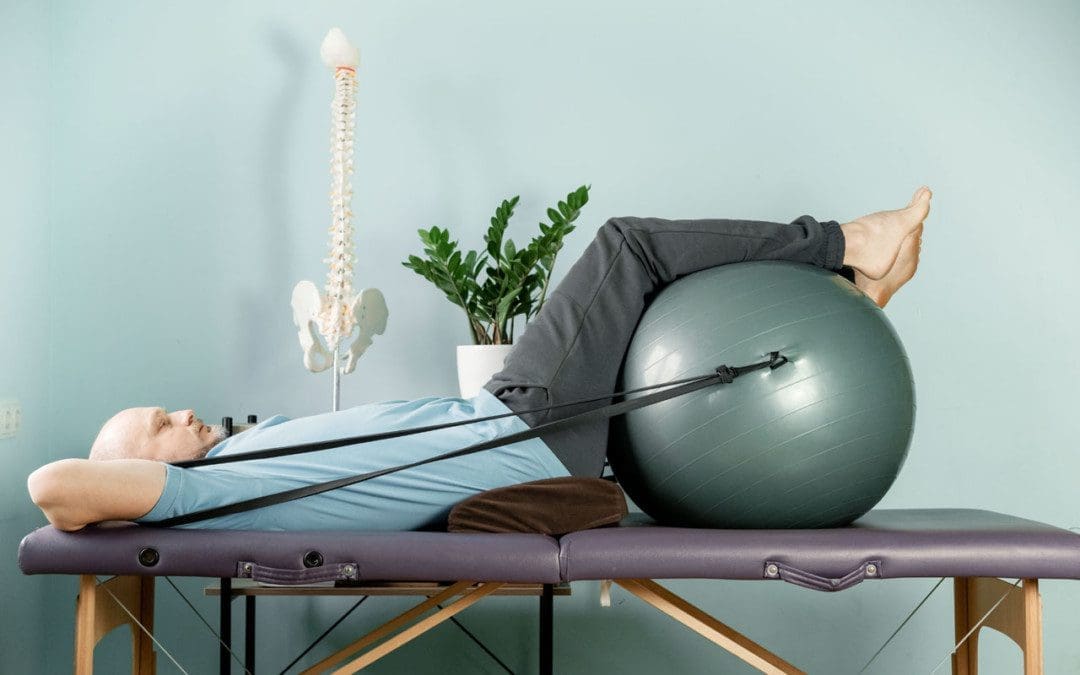
Resistance band exercises can be very useful for injury rehabilitation. As a part of a chiropractic neuromusculoskeletal treatment plan, personalized rehabilitation exercises using resistance bands can be prescribed to strengthen targeted areas of the body that require retraining due to an injury or condition. Resistance band training can effectively rehabilitate neck, shoulder, back, leg, knee, and ankle conditions and offer several advantages, from improving strength and posture to increasing mobility and improving joint health.
Resistance Bands
Resistance bands are rehabilitation and exercise equipment that provide consistent resistance throughout a specific exercise. They are rubberized bands or elastic cables that can be color-coded (different brands may vary in color progressions) to signify the amount of resistance they provide. These bands are great for all types of injuries to the joints or muscles and have been found to be effective in the following types:
Weakened neck muscles from injury.
Shoulder dislocation
Tennis elbow
Hip bursitis
Knee injuries
IT band syndrome
Ankle sprains
Improve flexibility for arthritis.
The body does need time to heal before engaging in exercise, especially after major muscle, ligament, or tendon tears. A chiropractor or physical therapist will inform the patient when they can begin. However, some areas can be worked out three days after an injury.
Benefits
Resistance bands can isolate strength training and stretching to specific muscles affected by surgery or a non-surgical injury/condition in chiropractic and physical therapy. They can help in the following:
Increased circulation.
Increased range of motion and flexibility.
Increased muscular strength.
Improved posture.
Increased joint stability.
Improved balance.
Added benefits:
They are small, lightweight, and portable making them perfect for those that travel frequently.
They are simple to use.
They are cost-effective.
They provide a whole-body workout.
They come in different resistance levels to progress gradually.
Safe for every fitness level.
Exercises
Exercises with bands can be used in standing, sitting, or lying down positions. Some may consist of movements with resistance coming from body weight. Other activities may require additional resistance. Lunges are an example of a simple exercise to help rehabilitate certain back conditions.
Injury Stages
Strength and resistance training is essential for healing from neuromusculoskeletal injuries and overall health.
Early/Acute Stage
This stage entails light, gentle exercising that will allow damaged tissues to begin healing with simple movements to get circulation moving through the areas.
This gradually increases the weight on the injured bone, ligament, or muscle so the tissue can develop the ability to withstand strains from daily activities.
Late/Functional Stage
This is the final step, in which the tissues are stressed through functional exercises to be fit enough to return to work, sports, and activities.
Exercises For Lower Back
References
Lee, Jae-Kwang, and Jae-Hong Lee. “Effect of the lumbar stabilization exercise on the height difference between shoulders and range of motion in older adults.” Journal of physical therapy science vol. 35,1 (2023): 46-50. doi:10.1589/jpts.35.46
Mikesky, A E et al. “Efficacy of a home-based training program for older adults using elastic tubing.” European journal of applied physiology and occupational physiology vol. 69,4 (1994): 316-20. doi:10.1007/BF00392037
Seguin, Rachel C et al. “The Efficacy of Upper-Extremity Elastic Resistance Training on Shoulder Strength and Performance: A Systematic Review.” Sports (Basel, Switzerland) vol. 10,2 24. 14 Feb. 2022, doi:10.3390/sports10020024
Seo, Myong-Won et al. “Effects of 16 Weeks of Resistance Training on Muscle Quality and Muscle Growth Factors in Older Adult Women with Sarcopenia: A Randomized Controlled Trial.” International journal of environmental research and public health vol. 18,13 6762. 23 Jun. 2021, doi:10.3390/ijerph18136762
Yamamoto, Yutaro, et al. “Effects of resistance training using elastic bands on muscle strength with or without a leucine supplement for 48 weeks in elderly patients with type 2 diabetes.” Endocrine journal vol. 68,3 (2021): 291-298. doi:10.1507/endocrj.EJ20-0550
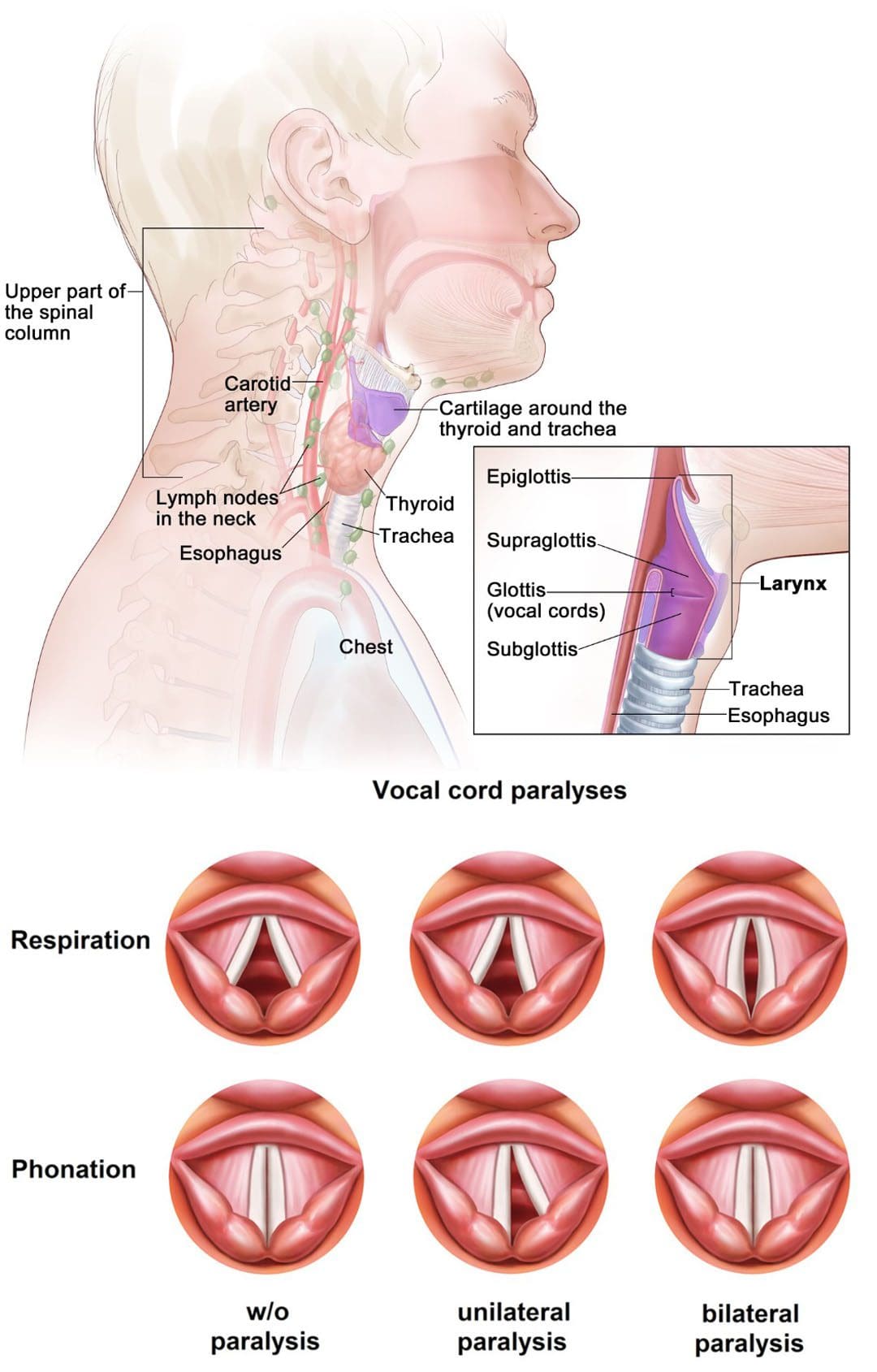
Automobile collisions, work, sports, and personal accidents can cause neck injuries that can affect other areas, leading to long-term health problems. Neck injuries involving soft tissue damage frequently persist after the incident. One of the injuries includes vocal cord damage caused by impact to the larynx. The larynx, or voicebox, is an organ that is behind the Adam’s apple. A neck injury impacting the larynx can affect the ability to speak and breathe and cause vocal cord paralysis. Treatment can involve surgery, voice therapy, physical therapy, and chiropractic.
Vocal Cord Injury
The vocal cords are two flexible bands of muscle tissue at the entrance of the trachea. The vocal cords are normally in a relaxed open position to allow breathing. When talking, the bands combine and vibrate to make a sound. Surgery, viral infections, certain cancers, and neck trauma can cause vocal cord paralysis. In this condition, nerve damage blocks or inhibits impulses from transmitting to the voice box. The muscles, usually one of them, become paralyzed, preventing swallowing and ingesting saliva through the windpipe/trachea. In rare cases, both muscles are unable to move.
Trauma to the neck or chest can injure the voice box nerves.
Infections
Infections like Lyme disease, Epstein-Barr virus, and herpes can cause inflammation and nerve damage.
Tumors
Tumors, cancerous and noncancerous, can grow inside or around the muscles, cartilage, and nerves.
Neurological
Neurological conditions like multiple sclerosis or Parkinson’s disease can lead to vocal cord paralysis.
Surgical Injury
Surgical procedure mistakes or complications on or near the neck or upper chest can result in damage to the voice box nerves.
Surgeries to the thyroid or parathyroid glands, esophagus, neck, and chest have an increased risk.
Stroke
A stroke chokes blood flow to the brain and can damage the region of the brain that transmits messages to the voice box.
Treatment
Treatment is determined by a doctor based on the individual medical condition and diagnostic tests. Treatment can involve:
Speech Therapy
Speech therapy is recommended as the laryngeal muscles are strengthened through various exercises, improving breathing function. A speech therapist will begin working with the individual on exercises targeting the weakened vocal folds by enhancing airflow and blood circulation.
Physical Therapy and Chiropractic
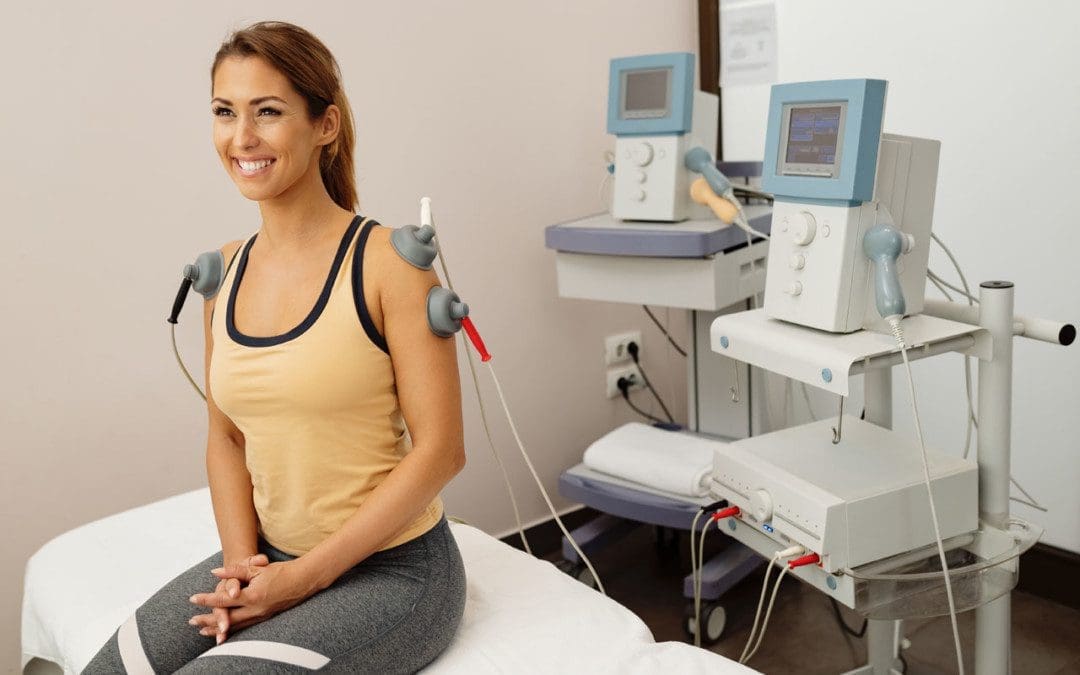
Treatment involves performing gentle exercises that work on the vocal cords gradually and progressively but does not stress them. Chiropractors work with the physical therapist performing high-velocity, low-amplitude manipulation targeted at the lower neck and upper thoracic area, the C3/T1 vertebrae. A treatment plan will also use massage, non-surgical decompression, instrument/tool-assisted soft-tissue mobilization, low laser or ultrasound, and at-home stretches and exercises.
Surgery
Surgery could be necessary for individuals experiencing no improvement despite doing the prescribed speech and physical therapy exercises. Different types of procedures are based on the degree and extent of the paralysis:
Injections – Collagen and fillers are injected into the vocal cords to reposition the affected muscles closer to the larynx.
Phonosurgery – The vocal cords are repositioned through restructuring.
Tracheotomy – If the vocal folds are closing, a surgeon may make an incision in the neck at the opening of the windpipe and insert a breathing tube. This bypasses the air blockage caused by the vocal folds and promotes proper air circulation.
Cervical Spine Instability
References
Chen, Ching-Chang, et al. “Long-term result of vocal cord paralysis after anterior cervical discectomy.” The European spine journal: official publication of the European Spine Society, the European Spinal Deformity Society, and the European Section of the Cervical Spine Research Society vol. 23,3 (2014): 622-6. doi:10.1007/s00586-013-3084-y
Dankbaar JW, et al. Vocal cord paralysis: Anatomy, imaging, and pathology. Insights in Imaging. 2014; doi:10.1007/s13244-014-0364-y.
Fitzpatrick, P C, and R H Miller. “Vocal cord paralysis.” The Journal of the Louisiana State Medical Society: official organ of the Louisiana State Medical Society vol. 150,8 (1998): 340-3.
Kriskovich, M D et al. “Vocal fold paralysis after anterior cervical spine surgery: incidence, mechanism, and prevention of injury.” The Laryngoscope vol. 110,9 (2000): 1467-73. doi:10.1097/00005537-200009000-00011
Vocal fold paralysis. National Institute on Deafness and Other Communication Disorders. https://www.nidcd.nih.gov/health/vocal-fold-paralysis. Accessed May 18, 2022.
Vocal fold paralysis. American Speech-Language-Hearing Association. https://www.asha.org/public/speech/disorders/Vocal-Fold-Paralysis. Accessed May 18, 2022.
Waddell, Roger K. “Chiropractic care for a patient with spasmodic dysphonia associated with cervical spine trauma.” Journal of chiropractic medicine vol. 4,1 (2005): 19-24. doi:10.1016/S0899-3467(07)60108-6
Sports exercise medicine – SEM addresses and treats physical activity/sports-related injuries using chiropractic care, physical therapy, therapeutic massage, functional nutrition, and targeted rehabilitation exercises. Sports medicine aims to prevent injury and keep individuals safe when pursuing their training goals. It combines general medical education with sports science principles, exercise physiology, biomechanics, orthopedics, nutrition, and sports psychology.
Sports Exercise Medicine
Sports medicine specialists focus on medical, therapeutic, and functional aspects to rehabilitate and strengthen the body to improve physical performance. Conditions include:
A sports exercise medicine team can include medical and non-medical specialists. This includes:
Coaches
Athletic trainers
Personal trainers
Chiropractors
Physical therapists
Nutritionists
Physicians
Surgeons
Sports psychologists
Sports exercise medicine is not a medical specialty but means the health care providers have undergone training focused on the medical aspects of physical activities/sports, fitness, and exercise.
Doctors and Physicians
Sports medicine physicians are medical doctors who specialize in diagnosing and treating sports and exercise-related injuries and conditions. These physicians are certified in family medicine, emergency medicine, pediatrics, internal medicine, or orthopedics. They are qualified to treat:
Muscle, bone, joint, and nerve injuries.
Head injuries.
Chronic conditions.
Return-to-play decisions.
Injury prevention.
Nutrition and supplements.
Orthopedic surgeons focus on the surgical treatment, repair, and restoration of sports and physical activity injuries.
Psychologists
Sports psychology focuses on athletes’/sports enthusiasts’ mental and emotional states. Athletes go through various stresses that a sports psychologist can train to regulate anxiety and improve focus specifically on their sport. They use tools and techniques like psychotherapy, stress management, and goal-setting to help athletes maintain mental and emotional balance during competition or injury recovery. Professional sports teams employ psychologists to help prepare the team for competition or develop strategies to overcome mental or emotional challenges affecting performance.
Sports Science
Sports science is the focused study of physiology, anatomy, and psychology related to human movement and physical activity. Exercise science is primarily focused on clinical research, including:
Physiological responses to exercise.
Effectiveness of exercise techniques.
Impact of performance supplements.
Chiropractic Sports Physician
Chiropractic care is a non-invasive, medication-free treatment alternative that can help individual athletes find relief from various musculoskeletal issues. A chiropractic sports physician has the tools and skills necessary to optimize the performance of an individual’s musculoskeletal and nervous systems. This specialized training allows sports chiropractors to provide therapies to heal injuries effectively, maintain strength and prevent injury. The benefits of applying chiropractic medicine include the following:
It is a non-invasive treatment.
Improves overall range of motion.
Reduces and alleviates discomfort symptoms.
Stretches and strengthens the body.
Assists in post-surgical repair.
Decreases recovery time.
Sport Rehabilitation
References
Brown, G J. “Sports medicine at work.” British journal of sports medicine vol. 33,1 (1999): 5.
Hsu, Joseph R et al. “Clinical Practice Guidelines for Pain Management in Acute Musculoskeletal Injury.” Journal of orthopedic trauma vol. 33,5 (2019): e158-e182. doi:10.1097/BOT.0000000000001430
Kaufman, Matthew W et al. “The Impact of Supplements on Sports Performance for the Trained Athlete: A Critical Analysis.” Current sports medicine reports vol. 21,7 232-238. 1 Jul. 2022, doi:10.1249/JSR.0000000000000972
King, J B. “Sports medicine.” Journal of the Royal Society of Medicine vol. 79,8 (1986): 441-2. doi:10.1177/014107688607900803
Kreher, Jeffrey B, and Jennifer B Schwartz. “Overtraining syndrome: a practical guide.” Sports health vol. 4,2 (2012): 128-38. doi:10.1177/1941738111434406
McCrory, P. “What are sports and exercise medicine?.” British journal of sports medicine vol. 40,12 (2006): 955-7.
IFM's Find A Practitioner tool is the largest referral network in Functional Medicine, created to help patients locate Functional Medicine practitioners anywhere in the world. IFM Certified Practitioners are listed first in the search results, given their extensive education in Functional Medicine