Can individuals support their parasympathetic nervous system to maintain a relaxed state and avoid excessive agitation, stress, anxiety, and dysregulation?
Parasympathetic Nervous System
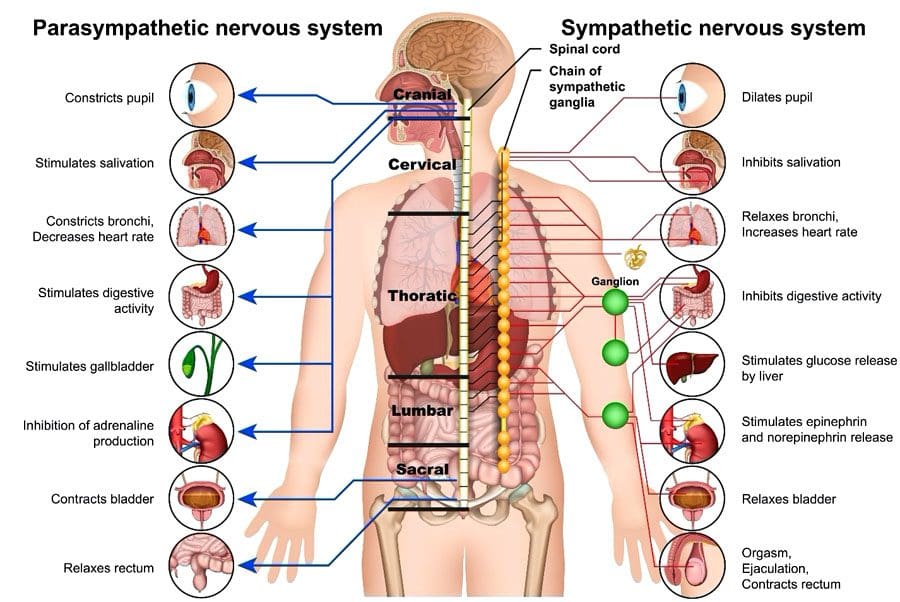
The parasympathetic nervous system (PSNS) involves organs and cells that release neurotransmitters that help the body maintain essential functions like heart rate, breathing, digestion, relaxation, thinking, and sleep. It is part of the autonomic nervous system, which includes the nerves and neurotransmitters that control the body’s internal organs to maintain reliable function. The autonomic nervous system regulates a continual balance between the parasympathetic nervous system’s rest-and-digest functions and the sympathetic nervous system’s fight-or-flight responses.
Functions and Responses
The parasympathetic nervous system includes nerves and neurotransmitters (chemical messengers) distributed throughout the body and is often described as promoting the body’s rest-and-digest state. The body’s needs regulate the control and effects of the system. Certain medications and health issues can modify or alter the function of the autonomic nervous system, including sympathetic and parasympathetic areas. The parasympathetic and sympathetic nervous systems collaborate to control cells, tissues, and organs. The body requires constant functioning and adjustment of both systems. (McQuade J. D. et al., 2017) Functions include: (Valenti V. E. et al., 2024)
Saliva secretion to break down food.
Maintaining blood pressure, resting heart, and breathing rate.
Producing enzymes in the stomach and intestines to break down food further and absorb nutrients.
Kidney balancing of fluid and mineral levels by producing urine.
Constricting pupils (making the dark circle in the eye smaller) to see details up close.
Maintaining focus and concentration to think, remember, and make decisions.
Releasing hormones to fall asleep and stay asleep.
Providing consistent muscle stimulation to maintain endurance for muscle activity.
All functions are adjusted based on the body’s needs.
Activation
The parasympathetic response constantly works to keep the body active, engaged, and healthy and can be stimulated simply by relaxing and resting. Individuals can sometimes focus on promoting their body’s parasympathetic activity through stretching, slow movements, relaxing sounds or music, meditation, and similar activities. Individuals who frequently feel anxious or stressed and have difficulty relaxing could benefit from guidance from a therapist or coach on learning to engage the parasympathetic nervous system. (Goren O. et al., 2024) This can involve activities such as guided meditation or talk therapy, which can help individuals work through fears and anxieties.
Dysregulation
Some medical conditions are associated with dysregulation. Heart disease, respiratory disease, sleep disorders, mental health conditions, and behavioral conditions can be associated with overactive or underactive parasympathetic or sympathetic nervous system regulation. (Veerakumar A. et al., 2022) Various mental health and physical health disorders can involve symptom fluctuations that affect the autonomic nervous system. For example, anxiety disorders can cause periods of overeating as well as loss of appetite and episodic indigestion, nausea, and vomiting. Symptoms of dysregulation can include: (McQuade J. D. et al., 2017)
Excessive sleepiness
Insomnia
Difficulty concentrating
Confusion
Anxiety – nervousness or agitation
A feeling of a rapid heart rate
Shortness of breath
Dry mouth
Throat tightness
Indigestion
Stomachaches
Nausea
Vomiting
Cold hands and feet
Sweating or clammy hands
Sadness
Depression
Dizziness or feeling physically off-balance
Any of these symptoms can develop and resolve quickly. Most individuals experience symptoms or parasympathetic nervous system dysfunction when an unexpected stressful event occurs, and the response is considered normal in traumatic, shocking, sad, or high-stress circumstances. (Veerakumar A. et al., 2022)
Medications may induce parasympathetic overactivity or underactivity until the medicine is broken down and removed from the body. (Valenti V. E. et al., 2024)
Nerves
The system comprises nerves that release hormones and neurotransmitters and nerves that respond to the hormones and neurotransmitters. Parasympathetic activation and response include: (Valenti V. E. et al., 2024)
The nerves that activate the parasympathetic nervous system run throughout the body, primarily in the brain, heart, lungs, stomach, and intestines.
The brain, heart, lungs, stomach, intestines, muscles, liver, kidneys, reproductive organs, eyes, and mouth are among the areas of the body that respond to stimulation.
The vagus nerve, one of the cranial nerves, is closely associated with parasympathetic nervous system activity. It runs from the brainstem down into the throat, heart, lungs, and digestive system. (Valenti V. E. et al., 2024) Surgical, medical, and alternative interventions are used to regulate the activity of the parasympathetic nervous system and are targeted toward regulating and controlling the activity of the vagus nerve. (Hernández-Domínguez R. A. et al., 2024)
PSNS Support
Living with any parasympathetic nervous system dysfunction can be challenging. For individuals with heart or lung disease, healthcare providers will evaluate the medical condition and recommend surgery or medication to control symptoms and avoid complications. (Hernández-Domínguez R. A. et al., 2024) Individuals who are living with a mental health disorder or behavioral disorder that is associated with any dysregulation of the parasympathetic nervous system activity may benefit from a combination of behavioral interventions and medication to help control symptoms long term. (Goren O. et al., 2024)
Injury Medical Chiropractic and Functional Medicine Clinic
The spinal cord has multiple functions in restoring, rejuvenating, and strengthening the nervous system. Chiropractic care has a highly responsive therapeutic effect on the nervous system because of its focus on the spine. Spinal decompression, traction, soft tissue manipulation, and other treatments help regulate and restore the function of the nervous system. Chiropractic benefits:
Reduce and/or eliminate pain.
Improves the quality of sleep.
Increases energy.
Improves cognition and clarity.
Reduces or eliminates headaches and migraines.
Improves digestive function.
Improves balance and coordination.
Increases flexibility and mobility.
Regulates respiration.
Regulates lower heart rate.
At Injury Medical Chiropractic and Functional Medicine Clinic, our areas of practice include Chronic Pain, Personal Injury, Auto Accident Care, Work Injuries, Back Injury, Low Back Pain, Neck Pain, Migraine Headaches, Sports Injuries, Sciatica, Scoliosis, Complex Herniated Discs, Fibromyalgia, Chronic Pain, Complex Injuries, Stress Management, Wellness & Nutrition, Functional Medicine Treatments, and in-scope care protocols. We focus on what works for every patient to restore function. If other treatment is needed, individuals will be referred to a clinic or physician best suited to their injury, condition, or ailment.
Chiropractic Secrets Exposed
References
McQuade, J. D., Penzel, T. E., Silk, J. S., & Lee, K. H. (2017). Parasympathetic Nervous System Reactivity Moderates Associations Between Children’s Executive Functioning and Social and Academic Competence. Journal of abnormal child psychology, 45(7), 1355–1367. https://doi.org/10.1007/s10802-016-0246-5
Valenti, V. E., Vanderlei, L. C. M., & Godoy, M. F. (2024). Editorial: Understanding the role of the autonomic nervous system in health and disease. Frontiers in neuroscience, 18, 1446832. https://doi.org/10.3389/fnins.2024.1446832
Goren, O., Paz, A., Bar-Kalifa, E., Gilboa-Schectman, E., Wolff, M., & Atzil-Slonim, D. (2024). Clients’ and therapists’ parasympathetic interpersonal and intrapersonal regulation dynamics during psychotherapy for depression. Psychotherapy research : journal of the Society for Psychotherapy Research, 1–15. Advance online publication. https://doi.org/10.1080/10503307.2024.2378038
Veerakumar, A., Yung, A. R., Liu, Y., & Krasnow, M. A. (2022). Molecularly defined circuits for cardiovascular and cardiopulmonary control. Nature, 606(7915), 739–746. https://doi.org/10.1038/s41586-022-04760-8
Hernández-Domínguez, R. A., Herrera-Orozco, J. F., Salazar-Calderón, G. E., Chávez-Canales, M., Márquez, M. F., González-Álvarez, F., Totomoch-Serra, A., Reyes-Cruz, T., Lip, F., & Aceves-Buendía, J. J. (2024). Optogenetic modulation of cardiac autonomic nervous system. Autonomic neuroscience : basic & clinical, 255, 103199. https://doi.org/10.1016/j.autneu.2024.103199
Before the body can benefit from consumed nutrients, the gastrointestinal tract has to digest and absorb the foods. Before eating, the body needs to feel hungry. However, hunger is not the same as appetite. Hunger is a physical reaction caused by hormonal and chemical changes in the body when fuel is needed. Appetite is more of a desire to eat and can be a learned response. It is one reason why individuals can eat when they are not hungry. The body comprises different hormones that regulate hunger, digestion, and appetite.
Hunger Digestion Regulating Hormones
Hunger Hormones
Hunger is the feeling when the body needs food. When the body has enough, hunger should subside. That’s because various hormones regulate hunger.
Leptin
Leptin is a hormone secreted by adipose tissue/fat into the bloodstream.
The more fat in the body, the higher the blood levels of leptin.
Leptin level also increases with food intake and is higher in females than males, but overall, it lowers with age.
Increased leptin levels trigger the hypothalamus to reduce hunger.
Ghrelin
Ghrelin is a hormone produced by the stomach and small intestine when the stomach is empty.
Like leptin, it also works with the hypothalamus.
However, instead of suppressing hunger, it increases hunger.
Insulin
The pancreas produces this hormone.
It is mostly known for regulating blood sugar levels.
It also suppresses hunger.
Adiponectin
Adiponectin is a hormone secreted by fat cells.
As body fat levels go down, this hormone goes up.
If fat levels go up, adiponectin levels go down.
Cholecystokinin
Cholecystokinin is a hormone produced in the small intestine during and after a meal.
It triggers the release of bile and digestive enzymes into the small intestine.
These suppress hunger and make the body feel full.
Peptide YY
This hormone suppresses appetite for about 12 hours after eating.
Made by both the large and small intestines after eating.
Glucocorticoids
Adrenal glands make these hormones, and their primary function is to regulate inflammation and other processes, but they also impact hunger.
A cortisol deficiency reduces appetite, but excessive amounts of glucocorticoids increase hunger.
Digestion Hormones
Digestion is coordinated and regulated by hormones.
Gastrin
Gastrin is a hormone the stomach and the small intestine release when eating.
Gastrin stimulates the release of hydrochloric acid and pepsinogen in the stomach to speed up digestion.
Gastrin stimulates glucagon, which works with insulin to regulate blood sugar.
Secretin
Secretin is a hormone made by the small intestine.
It is secreted into the bloodstream when the acidic chyme from the stomach enters the small intestine.
Secretin stimulates the pancreas to release bicarbonate digestive liquids into the small intestine.
The bicarbonate neutralizes the acidity.
Secretin acts on the stomach to trigger the production of pepsinogen to help break down proteins.
Cholecystokinin – CCK
The small intestine makes and releases CCK into the bloodstream.
Essential fat digestion stimulates the gallbladder to release bile into the small intestine.
It also triggers the pancreas to release various digestive enzymes so they can break down fats, carbohydrates, and proteins.
It stimulates the pancreas to release insulin and slows down stomach digestive activity.
Peptide YY and Enterogastrone
Released by the small intestine, two more hormones slow digestion down and decrease the production of digestive secretions.
Chiropractic Care and Metabolism
References
Chandra, Rashmi, and Rodger A Liddle. “Cholecystokinin.” Current Opinion in Endocrinology, diabetes, and Obesity vol. 14,1 (2007): 63-7. doi:10.1097/MED.0b013e3280122850
Davis, Jon. “Hunger, ghrelin and the gut.” Brain Research vol. 1693, Pt B (2018): 154-158. doi:10.1016/j.brainres.2018.01.024
Gupta K, Raja A. Physiology, Gastric Inhibitory Peptide. [Updated 2022 Sep 26]. In: StatPearls [Internet]. Treasure Island (FL): StatPearls Publishing; 2023 Jan-. Available from: https://www.ncbi.nlm.nih.gov/books/NBK546653/
Konturek, S J et al. “Brain-gut axis and its role in the control of food intake.” Journal of Physiology and Pharmacology: an official journal of the Polish Physiological Society vol. 55,1 Pt 2 (2004): 137-54.
Prosapio JG, Sankar P, Jialal I. Physiology, Gastrin. [Updated 2023 Apr 6]. In: StatPearls [Internet]. Treasure Island (FL): StatPearls Publishing; 2023 Jan-. Available from: https://www.ncbi.nlm.nih.gov/books/NBK534822/
Rix I, Nexøe-Larsen C, Bergmann NC, et al. Glucagon Physiology. [Updated 2019 Jul 16]. In: Feingold KR, Anawalt B, Blackman MR, et al., editors. Endotext [Internet]. South Dartmouth (MA): MDText.com, Inc.; 2000-. Available from: https://www.ncbi.nlm.nih.gov/books/NBK279127/
Suzuki, Keisuke, et al. “The role of gut hormones and the hypothalamus in appetite regulation.” Endocrine Journal vol. 57,5 (2010): 359-72. doi:10.1507/endocrine.k10e-077
Tack, Jan, et al. “The gastrointestinal tract in hunger and satiety signaling.” United European gastroenterology journal vol. 9,6 (2021): 727-734. doi:10.1002/ueg2.12097
Zanchi, Davide, et al. “The impact of gut hormones on the neural circuit of appetite and satiety: A systematic review.” Neuroscience and biobehavioral reviews vol. 80 (2017): 457-475. doi:10.1016/j.neubiorev.2017.06.013
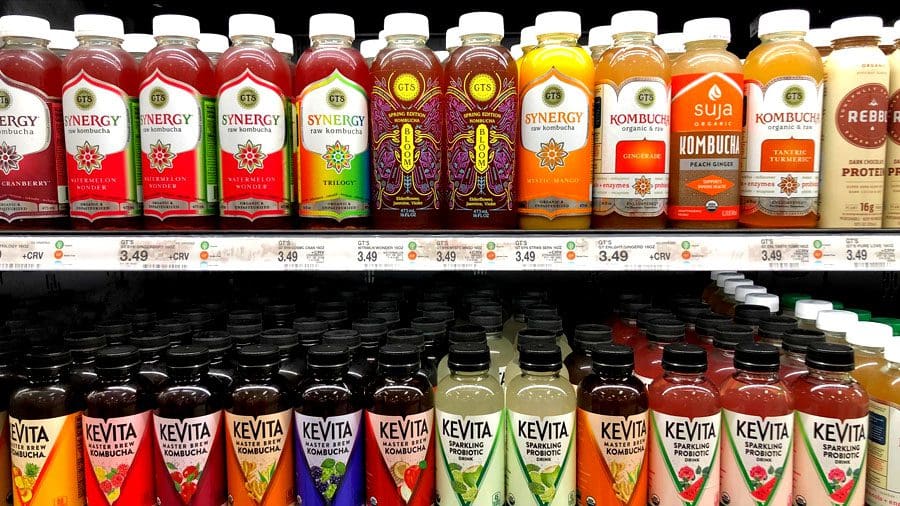
Kombucha is a fermented tea that has been around for nearly 2,000 years. It became popular in Europe in the early 20th century. It has the same health benefits as tea, is rich in probiotics, contains antioxidants, and can destroy harmful bacteria. Kombucha sales are growing at stores because of its health and energy benefits.
Kombucha
It is typically made with black or green tea, sugar, healthy bacteria, and yeast. It is flavored by adding spices or fruits into the tea while it ferments. It is fermented for about a week, when gases, 0.5 percent of alcohol, beneficial bacteria, and acetic acid are produced. The fermentation process makes the tea slightly effervescent. It contains B vitamins, antioxidants, and probiotics, but the nutritional content will vary depending on the brand and its preparation.
Benefits
The benefits include:
Improved digestion from the fact that fermentation makes probiotics.
Helps with diarrhea and irritable bowel syndrome/IBS.
Toxin removal
Increased energy
Improved immune system health
Weight loss
Helps with high blood pressure
Heart disease
Kombucha, made from green tea, includes the benefits of:
Beneficial bacteria are known as probiotics. These same probiotics are found in other fermented foods, like yogurt and sauerkraut. Probiotics help populate the gut with healthy bacteria that aid digestion, reduce inflammation, and produce essential vitamins B and K. The probiotics improve bowel movements and alleviate nausea, bloating, and indigestion.
Antioxidants
The antioxidants and polyphenols benefits include:
Increased metabolic rate
Reduced blood pressure
Lowered cholesterol
Improved cognitive function
Decreased risk of chronic diseases – cardiovascular disease, type 2 diabetes, and certain cancers.
Anti-Bacterial Properties
The fermentation process produces acetic acid that destroys harmful pathogens like invasive bacteria and yeasts, preventing infection.
The anti-bacterial effect also preserves the beneficial bacteria.
Liver Detoxification
It can help detoxify the liver, which:
Improves overall skin health
Improves liver function
Decreases abdominal bloating and pain
Improves digestion and bladder function
Pancreatic Support
It can improve pancreatic function, which can help protect the body from diseases and illnesses like:
Acid reflux
Abdominal spasms
Numbness
Pancreatic cancer
Joint Support
The tea contains compounds like glucosamines that have been shown to improve joint health and relieve joint pain.
Glucosamines increase hyaluronic acid, lubricating the joints, which helps protect and strengthen them.
Satisfy Soda Craving
The variety of flavors and natural carbonation can satisfy the craving for a soda or other unhealthy beverages.
Injury Medical Chiropractic and Functional Medicine Clinic includes elements of integrative medicine and takes a different approach to health and wellness. Specialists take a comprehensive view of an individual’s health, recognizing the need for a personalized treatment plan to help identify what is needed to get healthy. The team will create a customized plan that fits an individual’s schedule and needs.
Dietitian Explains Kombucha
References
Cortesia, Claudia et al. “Acetic Acid, the active component of vinegar, is an effective tuberculocidal disinfectant.” mBio vol. 5,2 e00013-14. 25 Feb. 2014, doi:10.1128/mBio.00013-14
Costa, Mirian Aparecida de Campos et al. “Effect of kombucha intake on the gut microbiota and obesity-related comorbidities: A systematic review.” Critical reviews in food science and nutrition, 1-16. 26 Oct. 2021, doi:10.1080/10408398.2021.1995321
Gaggìa, Francesca, et al. “Kombucha Beverage from Green, Black and Rooibos Teas: A Comparative Study Looking at Microbiology, Chemistry and Antioxidant Activity.” Nutrients vol. 11,1 1. 20 Dec. 2018, doi:10.3390/nu11010001
Kapp, Julie M, and Walton Sumner. “Kombucha: a systematic review of the empirical evidence of human health benefit.” Annals of epidemiology vol. 30 (2019): 66-70. doi:10.1016/j.annepidem.2018.11.001
Villarreal-Soto, Silvia Alejandra, et al. “Understanding Kombucha Tea Fermentation: A Review.” Journal of food science vol. 83,3 (2018): 580-588. doi:10.1111/1750-3841.14068
When the body encounters a foreign element that can include a chemical, plant pollen, an invading microbe, or some other form of infection, it activates the immune system that triggers inflammation to protect the body and fight the illness. Heat and swelling are the body’s repair mechanisms to heal an injury, or if there is an infection, cells are activated to the location to combat the invading pathogens. However, Following an anti-inflammatory diet is important and part of the diet includes anti-inflammatory drinks.
Immune System
The immune system markers in the blood and tissue are above normal levels in response to continual low-level inflammation. The white blood cells that help heal an injury are working against a threat of injury/infection that does not exist. Tissues, organs, and cells can become affected by an influx of white blood cells that should not be there. Studies have proven that inflammation leads to chronic disease, but there are ways to avoid the damaging progression that include:
Traditional homemade chai tea is a blend of herbs with anti-inflammatory benefits.
Herbs include cinnamon, star anise, clove, ginger, and cardamom.
They help improve digestion, alleviate nausea, and increase immune system health.
These are just a few examples, but there are a variety of anti-inflammatory drinks that can benefit body and mental health.
Healthy and Refreshing
References
Alghadir, Ahmad H et al. “Green tea and exercise interventions as nondrug remedies in geriatric patients with rheumatoid arthritis.” Journal of physical therapy science vol. 28,10 (2016): 2820-2829. doi:10.1589/jpts.28.2820
Crozier, Stephen J et al. “Cacao seeds are a “Super Fruit”: A comparative analysis of various fruit powders and products.” Chemistry Central journal vol. 5 5. 7 Feb. 2011, doi:10.1186/1752-153X-5-5
Hunter, Philip. “The inflammation theory of disease. The growing realization that chronic inflammation is crucial in many diseases opens new avenues for treatment.” EMBO reports vol. 13,11 (2012): 968-70. doi:10.1038/embor.2012.142
Panche, A N et al. “Flavonoids: an overview.” Journal of nutritional science vol. 5 e47. 29 Dec. 2016, doi:10.1017/jns.2016.41
Teodorczyk-Injeyan, Julita A. PhD*; Triano, John J. DC, PhD*; Injeyan, H. Stephen DC, PhD†. Nonspecific Low Back Pain: Inflammatory Profiles of Patients With Acute and Chronic Pain. The Clinical Journal of Pain: October 2019 – Volume 35 – Issue 10 – p 818-825
doi: 10.1097/AJP.0000000000000745
IFM's Find A Practitioner tool is the largest referral network in Functional Medicine, created to help patients locate Functional Medicine practitioners anywhere in the world. IFM Certified Practitioners are listed first in the search results, given their extensive education in Functional Medicine