Can Affect Lower Back Muscles and Cause Hamstring Spasms
Lower back muscles, including those like the quadratus lumborum, can be affected by paraspinal spasms. (Hospital for Special Surgery, 2024)
The spasms can cause these muscles to tighten or spasm, potentially pulling on the hamstring muscles.
This can lead to hamstring spasms and tightness, further contributing to pain and potential nerve irritation.
Entrapment of the Sciatic Nerve
Piriformis syndrome is a common condition where the piriformis muscle (located in the buttock) spasms and compresses the sciatic nerve. (Cedars-Sinai, 2025)
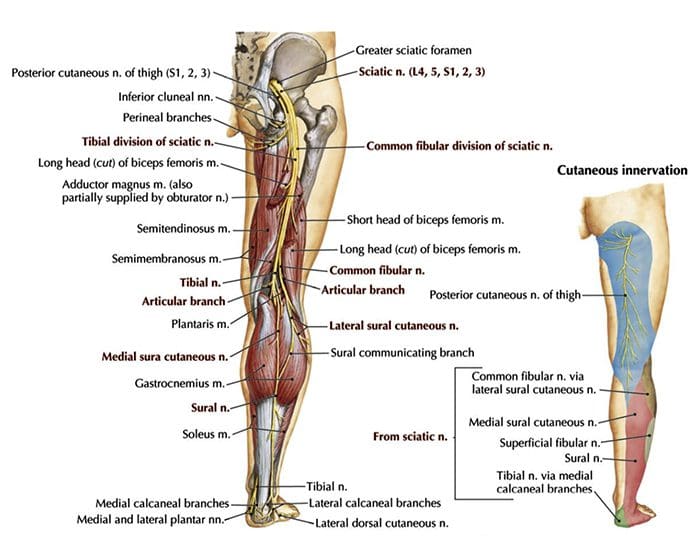
The sciatic nerve runs from the lower back down the back of the thigh and into the leg, making it vulnerable to compression by surrounding muscles.
If the paraspinal and hamstring spasms create enough tension on the piriformis muscle or surrounding tissues, it can lead to sciatic nerve entrapment. (Hospital for Special Surgery, 2024)
How acupuncture helps relieve sciatica
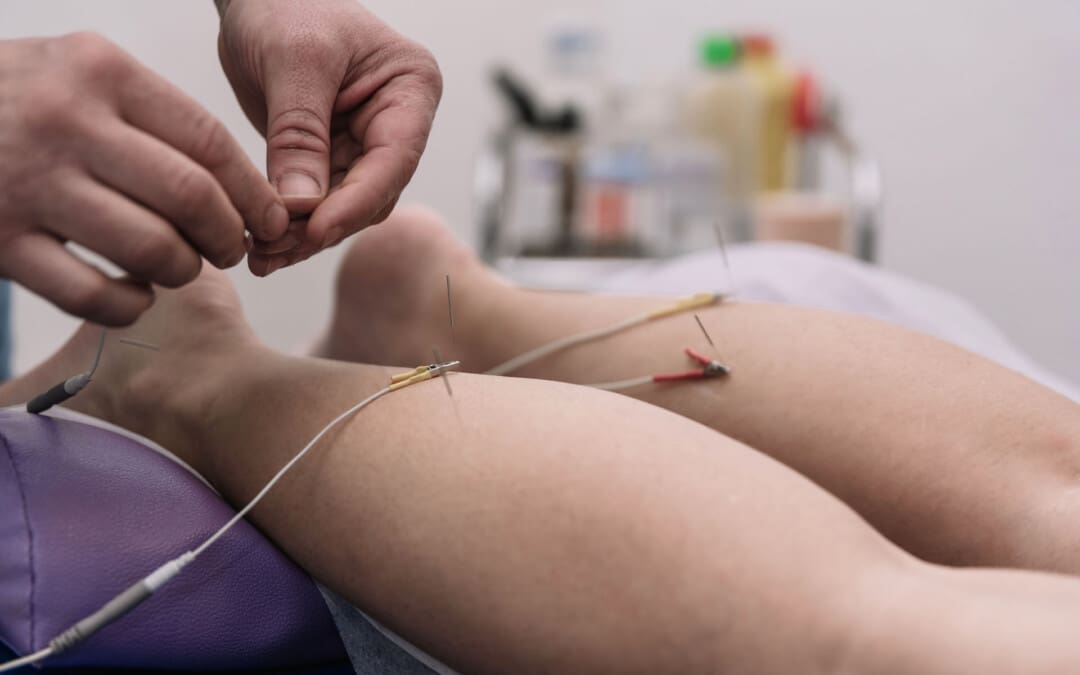
Acupuncture can help relieve sciatica pain by stimulating specific points on the body, which can trigger the release of endorphins, reduce inflammation, improve blood flow, and relax tight muscles that could be compressing the sciatic nerve. By modulating the nervous system and promoting the body’s natural healing processes, acupuncture can help alleviate pain and improve overall function. (Qin, Z. et al., 2015)
Releases endorphins
Acupuncture stimulates the nervous system, triggering the release of endorphins, the body’s natural painkillers.
Reduces inflammation
Acupuncture can help reduce inflammation in the area surrounding the sciatic nerve, which can contribute to pain and nerve irritation. (Natural Care Chiropractic, 2022)
Improves circulation
By increasing blood flow to the affected area, acupuncture can help deliver nutrients and oxygen to the sciatic nerve and surrounding tissues, promoting faster healing.
Relaxes tight muscles
Sciatica pain can be exacerbated by tight muscles compressing the nerve. Acupuncture can help relax these muscles, reducing pressure on the sciatic nerve and alleviating pain.
Regulates the nervous system
Acupuncture can help regulate the nervous system, positively impacting pain perception and overall well-being. (Qin, Z. et al., 2015)
Promotes regeneration
Some evidence suggests that acupuncture can promote sciatic nerve regeneration, potentially leading to long-term pain relief. (Natural Care Chiropractic, 2022)
Needling Types
Distal needling
Acupuncture can also involve using points that are further away from the site of pain, which can also help to reduce pain and inflammation.
Local needling
Points are also selected on or near the sciatic nerve’s path, which can help directly address the source of pain and inflammation. (Qin, Z. et al., 2015)
Holistic approach
Acupuncture is often viewed as a holistic approach to pain management, addressing the symptoms of sciatica and the underlying causes and imbalances in the body.
Injury Medical Chiropractic and Functional Medicine Clinic
As a Family Practice Nurse Practitioner, Dr. Jimenez combines advanced medical expertise with chiropractic care to address various conditions. Our clinic integrates Functional Medicine, Acupuncture, Electro-Acupuncture, and Sports Medicine to create customized care plans that promote natural healing, mobility, and long-term wellness. By focusing on flexibility, agility, and strength, we empower patients to thrive, regardless of age or health challenges. At El Paso’s Chiropractic Rehabilitation Clinic & Integrated Medicine Center, we passionately focus on treating patients after injuries and chronic pain syndromes. We focus on improving your ability through flexibility, mobility, and agility programs tailored for all age groups and disabilities. We use in-person and virtual health coaching and comprehensive care plans to ensure every patient’s personalized care and wellness outcomes.
Noonan, A. M., & Brown, S. H. M. (2021). Paraspinal muscle pathophysiology associated with low back pain and spine degenerative disorders. JOR spine, 4(3), e1171. https://doi.org/10.1002/jsp2.1171
Hospital for Special Surgery. (2024). Sciatica. https://www.hss.edu/condition-list_sciatica.asp
Qin, Z., Liu, X., Wu, J., Zhai, Y., & Liu, Z. (2015). Effectiveness of Acupuncture for Treating Sciatica: A Systematic Review and Meta-Analysis. Evidence-based complementary and alternative medicine: eCAM, 2015, 425108. https://doi.org/10.1155/2015/425108
Natural Care Chiropractic, D. M. F. (2022). Acupuncture for Sciatica Pain Relief. https://www.naturalcarechiropractic.com/post/acupuncture-for-sciatica-pain-relief
Enzymes’ function is to help trigger bodily processes ranging from digestion to blood clotting to growth. What is the best way to support enzyme production?
Enzymes
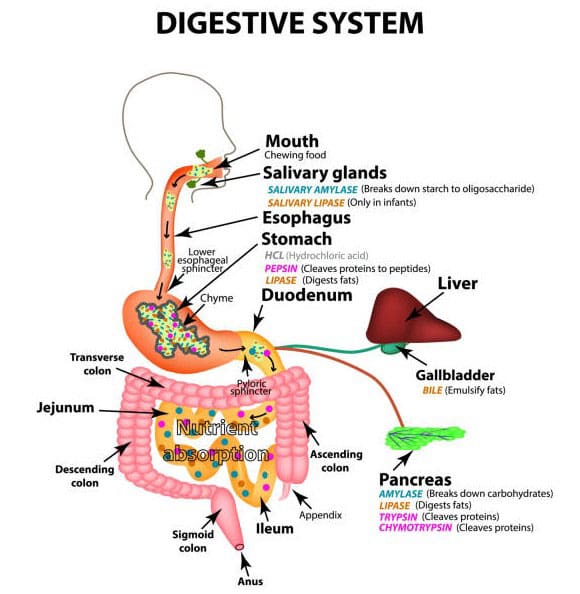
Enzymes are proteins that act as biological catalysts. They cause and speed up crucial chemical reactions and help the body complete necessary chemical reactions. They are vital for many biological processes, including digestion, metabolism, and molecule building and breaking down. This includes breaking down food, facilitating growth, and forming blood clots. Too little of a certain type can lead to serious health implications like a fatal buildup of toxins. Individuals missing a certain kind of enzyme or having too little of it can develop serious health conditions.
Function
They help speed up chemical reactions in the body (National Human Genome Research Institute, 2025). They facilitate chemical reactions in everything from digesting food to muscle growth. Enzymes facilitate this by binding to a cell, creating the reactions needed. With enzyme binding, chemical reactions can occur without destroying the cell. (Nemours KidsHealth, 2023) Each cell in the body has thousands of enzymes to help facilitate all the complex reactions to maintain health. (National Human Genome Research Institute, 2025)
Factors Affecting Production
In healthy individuals, the body produces the enzymes it needs. However, metabolic disorders can occur if the body does not produce enough of a certain type. (Kennedy Krieger Institute, 2025) These disorders can be serious and are usually caused by a genetic malfunction that impacts production.
Types
There are thousands of different types. Digestive enzymes, for example, aid in the breakdown of food and convert it into energy. Common enzymes that are critical for health include (Nemours KidsHealth, 2023)
Amylase
Digestive helps break down starches.
Aspartate aminotransaminase (AST) and Alanine Aminotransaminase (ALT)
Help the liver convert sugar into energy.
Creatine Kinase (CK)
Helps muscles create energy.
DNA Polymerase
Facilitates growth by allowing DNA to duplicate.
Glucose-6-Phosphate Dehydrogenase
Keeps red blood cells healthy by preventing damage to the cell.
Lipase
A digestive enzyme that helps break down fats and oils.
Protease
Digestive helps break down proteins.
Thrombin
Causes blood to clot.
Deficiencies
If the body doesn’t make enough of a certain enzyme, it cannot undergo the bodily processes that the enzyme helps facilitate. This can lead to a variety of symptoms. Some are minor, like not being able to eat lactose. Others are serious, like developmental delays caused by the build-up of toxins. (Kennedy Krieger Institute, 2025) Usually, these deficiencies are caused by genetics.
Types
There are various deficiencies. Some are very rare, while others can lead to conditions such as: (Nemours KidsHealth, 2023)
Lactose Intolerance
This is caused by not having enough of the enzyme that breaks down lactose, a sugar found in milk, leading to gas and bloating.
Tay-Sachs Disease
An often fatal disease caused by a missing hexosaminidase, which is responsible for breaking down fats
Gilbert’s Syndrome
This is caused by a missing enzyme that removes waste product (bilirubin) from the blood, leading to bilirubin buildup and
Jaundice or yellowing of the skin and whites of the eyes
Galactosemia
This leads to slow growth and trouble gaining weight, which is caused by the missing galactose-1-phosphate uridylyltransferase (GALT), which helps break down a sugar called galactose.
Phenylketonuria (PKU)
This is caused by having too little phenylalanine hydroxylase, which breaks down a protein called phenylalanine, causing brain damage.
Morquio Syndrome
This is caused by having too few enzymes that break down glycosaminoglycans, a type of sugar molecule.
This leads to bone and growth abnormalities.
Wilson’s Disease
A liver disease is caused by a missing protein that helps break down copper in the body.
Enzyme Production Support
Eat a healthy, well-balanced diet of fruits and vegetables to support enzyme production. Avoid processed foods, especially those that are very fatty (Johns Hopkins Medicine, 2025). The body produces all the necessary enzymes unless the individual has a genetic condition. Supplements aren’t usually required, but they can help with lactose intolerance or digestion in cystic fibrosis patients. (Nemours KidsHealth, 2023)
One supplement type, pancreatic enzyme replacement therapy (PERT), is available. PERT is an FDA-regulated prescription medication prescribed to patients with serious illnesses such as cystic fibrosis. (U.S. Food and Drug Administration, 2019)
Injury Medical Chiropractic & Functional Medicine Clinic
Injury Medical Chiropractic and Functional Medicine Clinic works with primary healthcare providers and specialists to develop an optimal health and wellness solution. We focus on what works for you to relieve pain, restore function, and prevent injury. Regarding musculoskeletal pain, specialists like chiropractors, acupuncturists, and massage therapists can help mitigate the pain through spinal adjustments that help the body realign itself. They can also work with other medical professionals to integrate a treatment plan to resolve musculoskeletal issues.
Chiropractic Care and Metabolism: The Hidden Link
References
National Human Genome Research Institute. (2025). Enzyme. Retrieved from https://www.genome.gov/genetics-glossary/Enzyme
U.S. Food and Drug Administration. (2019). FDA approves new breakthrough therapy for cystic fibrosis. Retrieved from https://www.fda.gov/news-events/press-announcements/fda-approves-new-breakthrough-therapy-cystic-fibrosis
Part 2 delayed braking reaction time caused by sciatica, we continue with the spinal cord, nerves, and how they communicate with the brain. A herniated disc can cause sciatica, which is a compressing of the nerve/s in and around the spinal cord. This compression causes a pinching of the nerve/s like bending a water hose cuts off the flow and damages the hose, is what happens to the spinal nerve/s cutting proper blood flow, and proper synapse/signal flow.
This occurs from the damage to the nerve/s and could delay braking signals for a split second. But that is all that is needed for an auto accident to happen. A delay in braking time has been found in individuals with herniated/bulging/ruptured/slipped discs. Fortunately, through chiropractic and physical therapy, the nerves can be re-stimulated and brought back to optimal function.
�
�
Communication
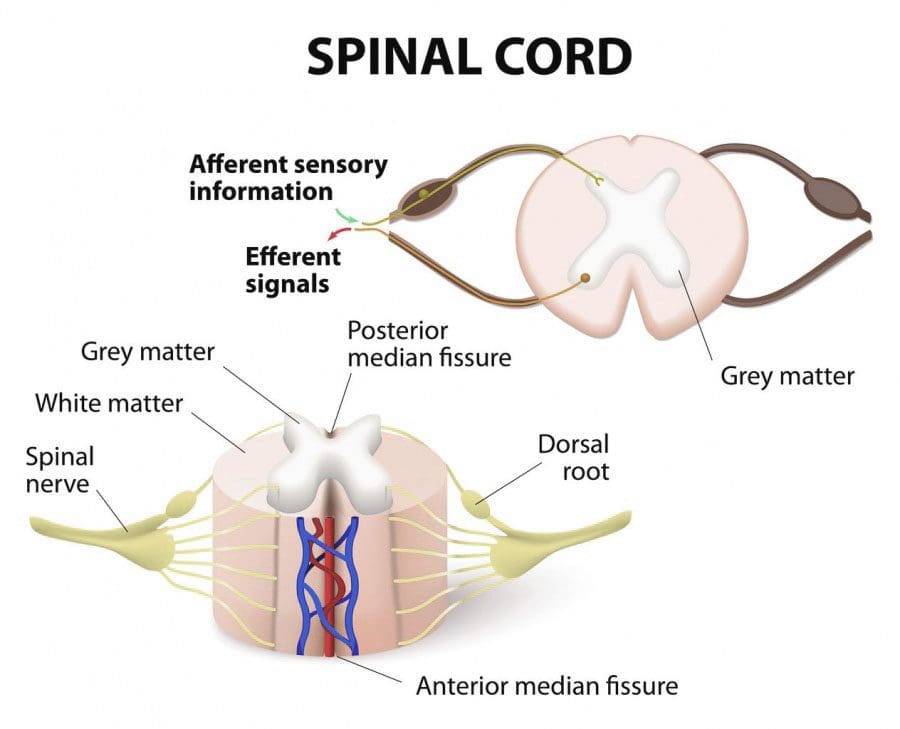
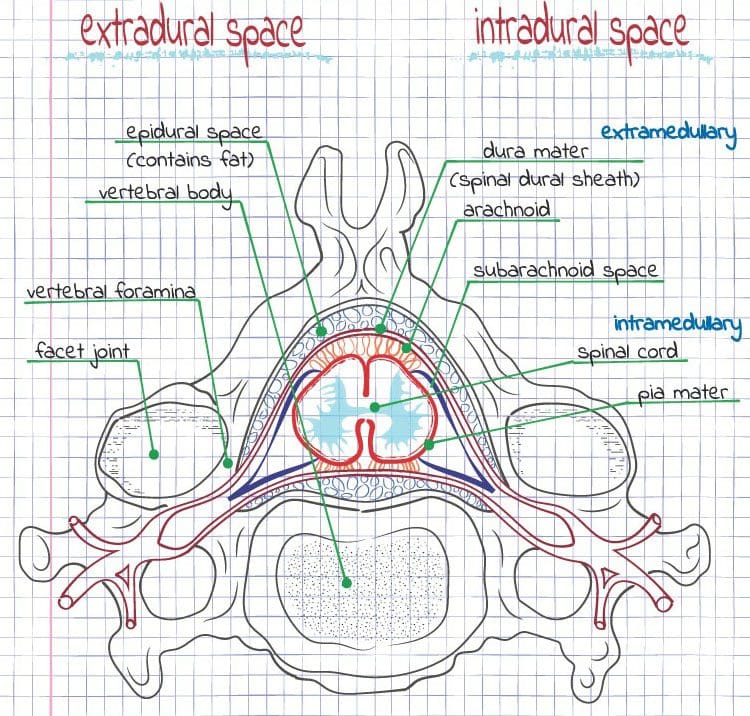
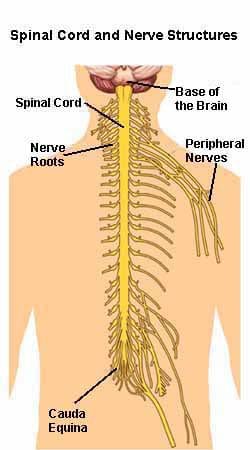
The spinal cord is about one inch across at its widest and around eighteen inches long. The spinal cord is a type of tube that is filled with nerves and cerebrospinal fluid. This protects and nourishes the cord. Spinal cord added protection includes:
There are three types of membranes surrounding the spinal cord referred to as meninges. The outer membrane is known as the dura mater, the middle membrane is the arachnoid mater and the innermost membrane is the pia mater. �
� These membranes can become inflamed and damaged by disease or trauma. Arachnoiditis is caused by inflammation of the arachnoid lining that results in intense stinging and burning pain. This can happen post-surgery and can cause the scarring of nerve/s.
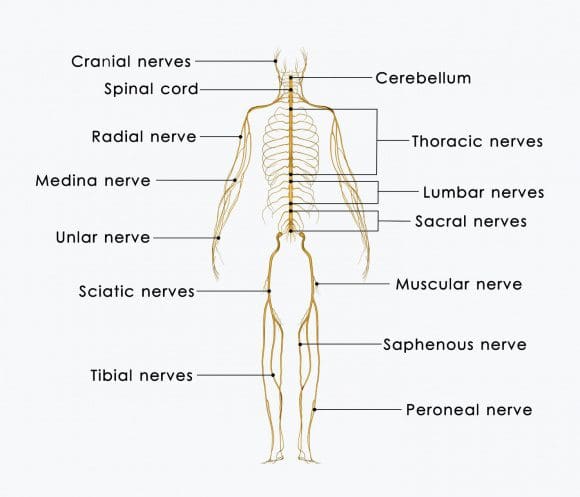
The nerves exit the spinal column and branch out to the rest of the body. All parts of the body are controlled by specific spinal nerves. The nerves are placed in and around the area they control. Like the nerves in the neck area branch out into the arms. This is why a neck ache/pain issue can lead to pain spreading into the arms and hands.
Thoracic spine controls the middle of the body,
The lumbar spine extends into the outer legs controlling that area
Sacral nerves control the middle of the legs and organ functions of the pelvis
�
The brain
Two major types of nerves: sensory and motor. Sensory nerves send information like:
Touch
Temperature
Pain
These get sent to the brain via the spinal cord. Motor nerves relay signals from the brain back to the muscles making them contract voluntarily or reflexively. Peripheral nervous system – the PNS has nerves that extend down the spinal canal and branch out at openings in the vertebrae called foramina. �
�
�
Signals/messages get sent to and from the brain aka the central nervous system. It sends all types of signals including pain and initiates movement. For example, the nerves reflexively make the spine twist and turn when driving to keep balance when turning and braking. The peripheral nervous system is a collection of millions of nerves throughout the torso and limbs. This system conveys messages to the central nervous system.
�
Referred pain
When a health problem/issue/condition takes place in one part of the body with pain being felt in another or several areas, pain specialists call it referred pain.
�
Nerves
Nerves exiting the spinal cord is done in pairs with one being a sensory nerve, and the other a motor nerve. Motor nerves initiate movement and bodily function. Damage to a motor nerve could cause a weakness in a muscle or loss of function. For example, a prick in the foot that is not felt could mean there is some sensational loss, indicating a problem with the sensory nerves and or possible nerve damage. These are the nerves that control pain, temperature, etc. Sensory nerve issues can feel like shooting electrical pain Continuing with activities could exacerbate the nerve damage.
�
Cauda Equina
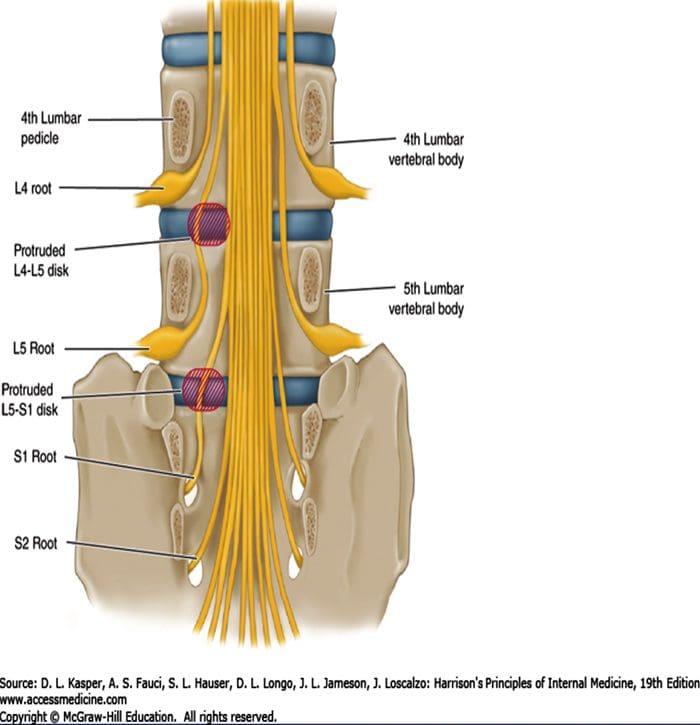
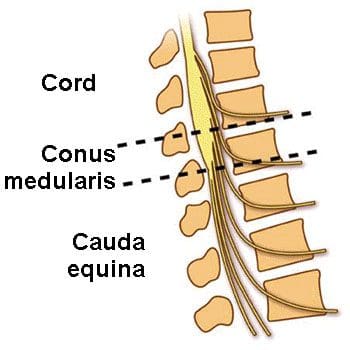
� The spinal cord ends at the lumbar low back, where the nerves extend in a bundle of strands called cauda equina, called this because it looks like a horsetail. These nerves provide motor and sensory function to the:
Legs
Intestines
Genitals
Bladder
Therefore, based on this knowledge there is adequate information displaying how sciatica could cause a delayed braking reaction time based on the nerves’ dysfunctional signal firing. Chiropractic treatment could be an option to help an individual realign their spine, work out tight muscles, nerves, ligaments preventing any further damage, and getting the individual back in top form.
�
Chiropractors & Sciatica Syndrome Expose
NCBI Resources
�
Dr. Alex Jimenez�s Blog Post Disclaimer
The scope of our information is limited to chiropractic, musculoskeletal, physical medicines, wellness, and sensitive health issues and/or functional medicine articles, topics, and discussions. We use functional health & wellness protocols to treat and support care for injuries or disorders of the musculoskeletal system. Our posts, topics, subjects, and insights cover clinical matters, issues, and topics that relate and support directly or indirectly our clinical scope of practice.*
Our office has made a reasonable attempt to provide supportive citations and has identified the relevant research study or studies supporting our posts. We also make copies of supporting research studies available to the board and or the public upon request. We understand that we cover matters that require an additional explanation as to how it may assist in a particular care plan or treatment protocol; therefore, to further discuss the subject matter above, please feel free to ask Dr. Alex Jimenez or contact us at 915-850-0900. The provider(s) Licensed in Texas& New Mexico*
Research has found that individuals with disc herniation/s can have a delayed braking time when driving. After undergoing surgery these individuals showed significant improvement in braking time.
Based on this information Dr. Jimenez looks at how individuals with functional sciatica, (often caused by a herniated disc) meaning they can move and operate a vehicle to a certain point without generating pain, however they often put themselves in extreme/awkward positions just to operate, could also have a delay in brake reaction time. �
�
Sciatic Nerve
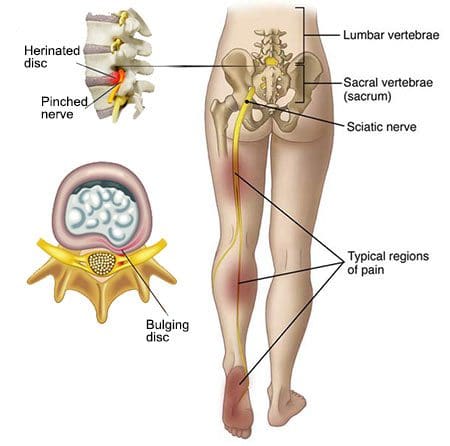
The sciatic nerve is a large nerve that travels from the lower back down both of the legs and into the feet.�Sciatica begins in the low back. The nerve roots in the lower spine come together and turn into the sciatic nerve. Sciatica happens when these nerves get pinched/compressed. This usually occurs from a herniated disc or when the spinal canal narrows called stenosis.
�
Symptoms
Typically, sciatica causes:
Pain in the leg/s
Shooting pain that goes down from the low back, through the leg, calf and sometimes into the foot
Electrical pain running/shooting down the leg
Burning pain
Pain from slight movement
Numbness
Weakness
�
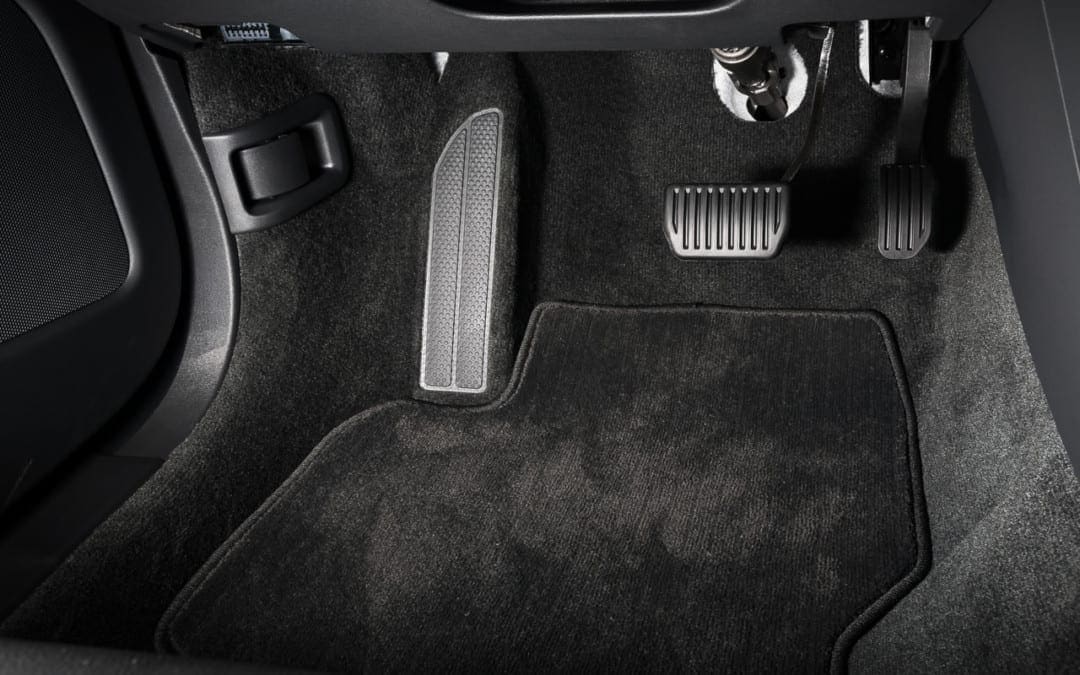
A car accident can cause sciatica, but now it seems that sciatica can cause an automobile accident because of delayed braking reaction time. People with sciatica that is present without pain often say there is a constant non-painful tingling, numbness, or numbing sensation along the leg that lets them know the sciatica is still there.
This could be insufficient blood flow from wherever the impingement is happening. Keep in mind that there could be multiple areas of impingement. Just like the slow blood flow, they may find when they drive the impingement slows the motor-sensory signal and braking time to depress the brake pedal fast enough to avoid a collision.
�
Nerve Treatment
Sciatica can be treated non-surgically with:
Chiropractic
Physical therapy
24 to 48 hours of rest
Over the counter pain relievers like ibuprofen or acetaminophen
Muscle spasms can be treated with heat or ice
� Patients with sciatica feel better with time, usually a few weeks. However, if pain continues, other forms of treatment can be discussed.�A doctor or chiropractor may advise�light exercise and therapeutic stretching. As recovery progresses they may give you exercises to strengthen the back and core.
With new automobiles implementing automatic braking systems has helped significantly reduce accidents, however, there are still bugs to sort out. This is normal with these computerized systems. Reliance upon these systems, especially those with sciatica, herniated, or bulging disc/s, could be a dangerous combination, specifically when it comes to braking reaction time.
Sciatica Pain* Treatment Relief
�
Dr. Alex Jimenez�s Blog Post Disclaimer
The scope of our information is limited to chiropractic, musculoskeletal, physical medicines, wellness, and sensitive health issues and/or functional medicine articles, topics, and discussions. We use functional health & wellness protocols to treat and support care for injuries or disorders of the musculoskeletal system. Our posts, topics, subjects, and insights cover clinical matters, issues, and topics that relate and support directly or indirectly our clinical scope of practice.*
Our office has made a reasonable attempt to provide supportive citations and has identified the relevant research study or studies supporting our posts. We make copies of supporting research studies available to the board and or the public upon request. We understand that we cover matters that require added explanation as to how it may assist in a particular care plan or treatment protocol; therefore, to further discuss the subject matter above, please feel free to ask Dr. Alex Jimenez or contact us at 915-850-0900. The provider(s) Licensed in Texas& New Mexico*
IFM's Find A Practitioner tool is the largest referral network in Functional Medicine, created to help patients locate Functional Medicine practitioners anywhere in the world. IFM Certified Practitioners are listed first in the search results, given their extensive education in Functional Medicine