Recovering from Motor Vehicle Accident Injuries with El Paso Back Clinic’s Expertise and Durable Medical Equipment
Motor vehicle accidents (MVAs) can result in a wide range of musculoskeletal injuries, from minor sprains to severe spinal damage, significantly affecting mobility, independence, and quality of life. Effective recovery requires a comprehensive approach, combining specialized medical devices, known as Durable Medical Equipment (DME), with expert care from professionals at El Paso Back Clinic. This blog post explores MVA-related musculoskeletal injuries, the essential role of DME in rehabilitation, and the clinic’s integrative approach, led by Dr. Alexander Jimenez, blending advanced diagnostics, chiropractic care, and functional medicine. This article aims to inform and empower accident victims.
Understanding Musculoskeletal Injuries from Motor Vehicle Accidents
Motor vehicle accidents are a major cause of musculoskeletal injuries, impacting muscles, bones, joints, ligaments, and tendons. The severity of these injuries depends on the collision’s force, body position during impact, and individual health. Common injuries include:
Whiplash: A neck injury caused by rapid head movement, often in rear-end collisions, leading to pain, stiffness, and headaches.
Back and Spinal Injuries: Including herniated discs, vertebral fractures, or misalignments (subluxations), causing chronic pain and reduced mobility.
Soft Tissue Injuries: Sprains, strains, or tears in muscles, tendons, or ligaments, resulting in swelling and limited movement.
Joint Injuries: Damage to shoulders, knees, or hips, causing pain and restricted range of motion.
Nerve Damage: Nerve compression or irritation, leading to tingling, numbness, or radiating pain, as seen in sciatica.
The sudden forces in MVAs, even at low speeds, can disrupt the body’s alignment and function. Research shows that 40.2% of MVA patients require ongoing treatment for persistent pain, with headaches and low back pain extending treatment duration (Dies & Strapp, 1992). Without timely intervention, these injuries can lead to chronic pain, disability, and reduced quality of life.
The Importance of Early Treatment
Seeking care within 72 hours of an accident is critical to prevent long-term complications. Symptoms like pain or stiffness may appear hours or days later, making early intervention essential. El Paso Back Clinic’s integrative approach, combined with DME, addresses injuries promptly, reducing inflammation, restoring function, and preventing chronic issues.
References
Dies, S., & Strapp, J. W. (1992). Chiropractic treatment of patients in motor vehicle accidents: A statistical analysis. PMC. https://pmc.ncbi.nlm.nih.gov
El Paso Back Clinic. (2025). Injury Medical & Chiropractic Clinic. https://elpasobackclinic.com/
The Role of Durable Medical Equipment (DME) in Recovery
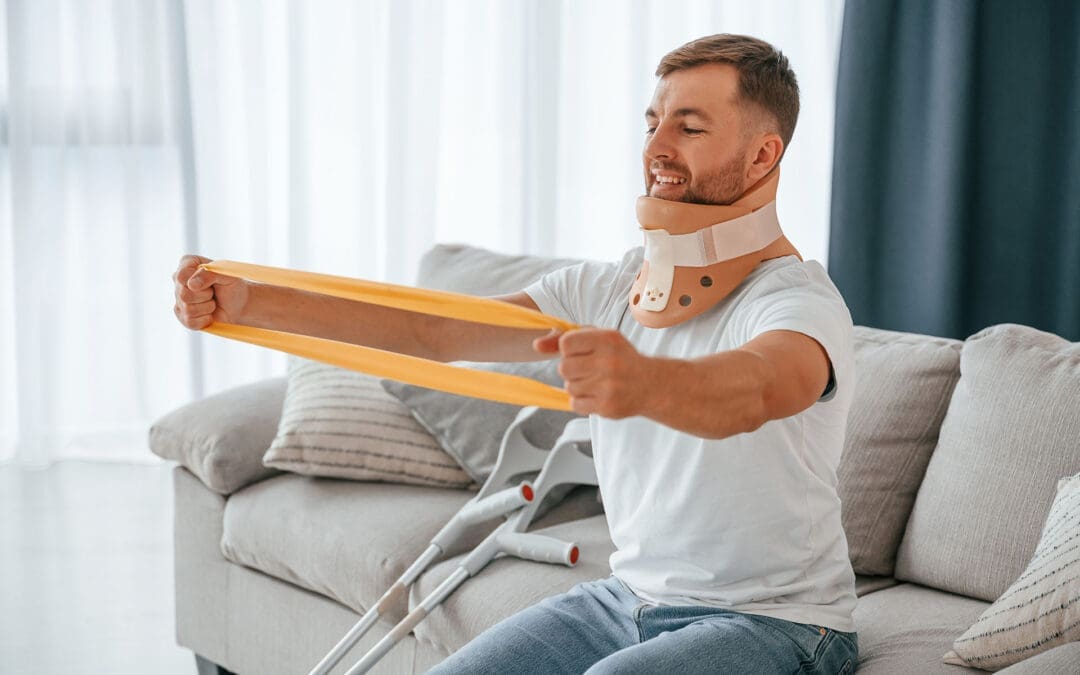
Durable Medical Equipment (DME) refers to reusable devices designed to aid recovery, improve mobility, and enhance quality of life for those with injuries. Prescribed by El Paso Back Clinic’s professionals, DME supports rehabilitation after MVAs, helping patients manage pain, support injured areas, and engage in physical therapy safely.
Types of DME for MVA Recovery
Mobility Aids
Examples: Canes, walkers, crutches, wheelchairs, and four-wheel-drive wheelchairs.
Purpose: These devices assist patients with limited mobility, reducing fall risks and further injury. For example, a walker supports leg or back injury recovery, while a wheelchair aids severe spinal injury patients (Family Health Associates, n.d.).
Impact: Mobility aids restore independence, enabling tasks like navigating the home or bathroom.
Orthotic Devices and Braces
Examples: Cervical collars, back braces, knee braces, and ankle supports.
Purpose: Braces stabilize injured areas, promote alignment, and reduce strain. A back brace supports the spine post-herniated disc, while a cervical collar manages whiplash by limiting neck movement (PhysioRoom, n.d.).
Impact: These devices alleviate pain, prevent further damage, and promote proper healing.
Exercise and Rehabilitation Equipment
Examples: Resistance bands, balance boards, Pilates reformers, and exercise balls.
Purpose: These tools enhance physical therapy by improving strength, flexibility, and coordination. Pilates reformers provide low-impact resistance to strengthen core muscles and support spinal alignment, reducing reinjury risk (Pilates Reformers Plus, n.d.).
Impact: Rehabilitation equipment rebuilds strength and mobility, crucial for returning to daily activities.
Assistive Devices for Daily Living
Examples: Grab bars, shower chairs, elevated toilet seats, and ramps.
Purpose: These devices make daily tasks safer for those with limited mobility. Grab bars prevent bathroom falls, and ramps facilitate wheelchair access (Crossbay Physical Therapy, n.d.).
Examples: Cervical traction units and spinal decompression tables.
Purpose: These devices relieve spinal pressure, reducing pain from herniated discs or nerve compression. They complement chiropractic adjustments at El Paso Back Clinic (El Paso Back Clinic, 2025).
Impact: Traction devices accelerate recovery by reducing inflammation and improving alignment.
Importance of Proper DME Selection
Choosing the right DME is vital for effective recovery. El Paso Back Clinic’s team, led by Dr. Jimenez, assesses injuries, mobility needs, and lifestyle to prescribe appropriate devices. For example, a spinal injury patient may need a custom-fitted back brace and walker, while a whiplash patient might benefit from a cervical collar and resistance bands. Improper equipment can worsen injuries or delay healing, emphasizing the need for expert guidance (Penn Spine and Ortho, n.d.). In personal injury cases, DME documentation supports insurance claims and legal settlements by proving injury extent and treatment necessity (Power Liens, 2024).
Impact on Recovery and Quality of Life
DME enhances recovery by:
Reducing Pain: Braces and traction devices alleviate pressure on injured areas.
Restoring Function: Mobility aids and rehabilitation equipment rebuild strength and movement.
Promoting Independence: Assistive devices enable patients to manage daily tasks.
Improving Quality of Life: DME facilitates safe movement, supporting return to work and hobbies.
For example, a spinal injury patient may progress from a wheelchair to a walker with therapy, eventually regaining mobility using exercise equipment, boosting confidence and well-being.
El Paso Back Clinic, led by Dr. Alexander Jimenez, DC, APRN, FNP-BC, offers over 25 years of experience treating MVA injuries. Dr. Jimenez’s dual licensure as a chiropractor and board-certified family nurse practitioner enables a unique integrative approach, combining chiropractic care, functional medicine, and advanced diagnostics to promote healing and long-term wellness.
Dual-Scope Diagnosis and Treatment
Dr. Jimenez’s dual licensure facilitates a comprehensive approach:
Chiropractic Assessments: Evaluating spinal alignment, joint function, and soft tissue damage through manual exams and movement screens.
Medical Evaluations: Assessing systemic factors like inflammation, hormonal imbalances, or nutritional deficiencies impacting recovery.
Advanced Diagnostics: Using X-rays, MRIs, CT scans, and electromyography (EMG) to identify injuries like disc herniations or nerve compression (El Paso Back Clinic, 2025).
This dual-scope method addresses the root causes of injuries. For example, a patient with back pain may have a spinal misalignment and systemic inflammation, which can be treated with adjustments and functional lab testing to identify nutritional or hormonal issues.
Role of Advanced Imaging
El Paso Back Clinic employs advanced imaging for precise diagnosis:
X-rays: Detect fractures or misalignments.
MRIs/CT Scans: Identify soft tissue injuries or nerve compression.
EMG: Assess nerve function for symptoms like tingling.
Functional Lab Testing: Evaluate metabolic or hormonal factors affecting healing.
These tools provide objective evidence for treatment and legal documentation, ensuring targeted interventions and reducing chronic pain risks (El Paso Back Clinic, 2025).
Chiropractic and Integrative Medicine
The clinic’s integrative approach includes:
Spinal Adjustments: Correcting misalignments to relieve nerve pressure and pain.
Soft Tissue Therapy: Massage or myofascial release to reduce tension and improve circulation.
Rehabilitation Exercises: Utilizing DME, such as resistance bands or Pilates reformers, to strengthen muscles.
Nutritional Guidance: Reducing inflammation through diet and supplements.
Acupuncture: Relieving pain and improving blood flow.
This holistic method treats symptoms and prevents complications. For example, a whiplash patient may receive adjustments, a cervical collar, nutritional advice, and acupuncture to accelerate healing. El Paso Back Clinic is the city’s largest mobility, flexibility, and agility center, integrating chiropractors, nurse practitioners, nutritionists, and physical therapists for measurable outcomes (El Paso Back Clinic, 2025).
Legal Documentation in Personal Injury Cases
Dr. Jimenez’s dual licensure is invaluable in personal injury cases. As a nurse practitioner, he provides detailed medical reports, prescribes DME, and coordinates diagnostics, while his chiropractic expertise ensures accurate musculoskeletal injury documentation. These reports, including imaging results and treatment plans, support insurance claims and legal settlements by proving injury extent and treatment necessity. The clinic’s detailed intake process correlates injuries with the MVA event, strengthening legal cases (Personal Injury Doctor Group, 2017).
El Paso Back Clinic’s integrative care and DME maximize recovery:
Whiplash Example: A patient receives a cervical collar, spinal adjustments, acupuncture, and resistance band exercises to reduce pain and restore neck mobility.
Spinal Injury Example: A back brace and decompression table relieve spinal pressure, while adjustments and Pilates reformer exercises build strength. Nutritional guidance addresses inflammation.
This tailored approach ensures faster recovery, greater independence, and improved quality of life, supported by the clinic’s expertise and advanced diagnostics.
Musculoskeletal injuries from MVAs can disrupt lives, but recovery is achievable with expert care and the right tools. Durable Medical Equipment, such as mobility aids and braces, supports rehabilitation, reduces pain, and enhances independence. El Paso Back Clinic, led by Dr. Alexander Jimenez, offers an integrative approach, combining chiropractic care, functional medicine, and advanced diagnostics to address injury root causes. If you’ve been in an MVA, consult El Paso Back Clinic to explore how DME and integrative care can support your healing journey.
How Motor Vehicle Accidents Impact Mobility and Flexibility: A Comprehensive Guide
Introduction to Motor Vehicle Accidents and Their Impact
Motor vehicle accidents (MVAs) are a leading cause of injuries that can significantly affect a person’s ability to move freely and comfortably. Whether it’s a minor fender-bender or a severe collision, these accidents often result in physical injuries that limit mobility and flexibility, as well as emotional challenges that impact overall well-being. According to the National Center for Biotechnology Information, traffic accidents are the primary cause of spinal cord injuries in the United States, underscoring their serious consequences. This post examines the types of injuries caused by motor vehicle accidents (MVAs), their impact on daily life, and the crucial role of treatment and rehabilitation, offering special insights from Dr. Alexander Jimenez, a renowned chiropractor and nurse practitioner in El Paso, Texas, who specializes in treating victims of MVAs.
MVAs can lead to a range of injuries, from soft tissue damage like whiplash to severe spine and joint issues. These injuries often cause pain, stiffness, and reduced range of motion, making everyday tasks challenging. Beyond physical harm, victims may experience emotional distress, such as anxiety or post-traumatic stress disorder (PTSD), which can further hinder recovery. Understanding these impacts is crucial for seeking timely medical care and legal support, especially in personal injury cases where accurate documentation is essential.
References
National Center for Biotechnology Information. (n.d.). Spinal Cord Injury.
Common Injuries from MVAs That Affect Mobility and Flexibility
MVAs can cause various injuries that impair mobility and flexibility. Below, we discuss three main categories: soft tissue injuries, spine injuries, and joint injuries, each with significant effects on movement and function.
Soft Tissue Injuries: Whiplash and Beyond
Whiplash is one of the most common injuries resulting from MVAs, affecting nearly 2 million Americans each year (Metairie Spine and Rehab). A sudden jerk of the head forward and backward strains the neck’s muscles and ligaments, causing whiplash. Symptoms include neck pain, stiffness, and a reduced range of motion, which can make it difficult to turn the head or perform tasks like driving or working at a computer. Other soft tissue injuries, such as sprains or strains, can cause swelling and pain, further limiting movement (Wall Family Chiropractic).
Spine Injuries: Herniated Discs and Spinal Cord Damage
Spine injuries are among the most severe outcomes of MVAs. Damage to the soft tissue between vertebrae, known as herniated discs, can result in pain, numbness, and weakness in the limbs, thereby limiting mobility. More severe cases, such as spinal cord damage, may lead to partial or complete paralysis, drastically altering a person’s ability to move. The National Center for Biotechnology Information notes that traffic accidents are the leading cause of spinal cord injuries in the U.S., highlighting their prevalence. These injuries often result in chronic pain and significant mobility loss (Cox & Cox Filo).
References
National Center for Biotechnology Information. (n.d.). Spinal Cord Injury.
Joint Injuries: Osteoarthritis and Long-Term Effects
Joint injuries, such as those to the knees, shoulders, or hips, are common in MVAs and can lead to long-term complications like osteoarthritis. This condition causes chronic pain and stiffness, which limits movement and affects daily activities. Research suggests that joint damage from MVAs may require ongoing medical treatment and rehabilitation to manage symptoms and prevent further deterioration (Kitchel Law).
How These Injuries Affect Daily Activities and Quality of Life
The injuries caused by motor vehicle accidents (MVAs) can profoundly impact a person’s ability to perform daily tasks and maintain a high quality of life. Physical limitations, such as difficulty walking, lifting, or bending, can make routine activities like household chores, work, or hobbies challenging. For example, whiplash-related neck stiffness may hinder driving or desk work, while a herniated disc could prevent lifting heavy objects (Simply PT).
Emotionally, MVA victims may experience frustration, depression, or anxiety due to their reduced independence and persistent pain. Indirect trauma, such as PTSD or adjustment disorder, affects over 30% of crash survivors, leading to symptoms like flashbacks, avoidance of driving, or emotional numbness (Michigan Auto Law). These psychological effects can exacerbate physical challenges, creating a cycle of pain and disability that lowers overall well-being.
Impact Area
Physical Effects
Emotional Effects
Daily Activities
Limited mobility, difficulty with tasks like lifting or walking
Frustration, reduced independence
Work
Inability to perform job duties, reduced productivity
Anxiety about job security
Social Life
Restricted participation in hobbies or social events
Isolation and depression due to limited engagement
The Role of Physical Therapy and Rehabilitation in Recovery
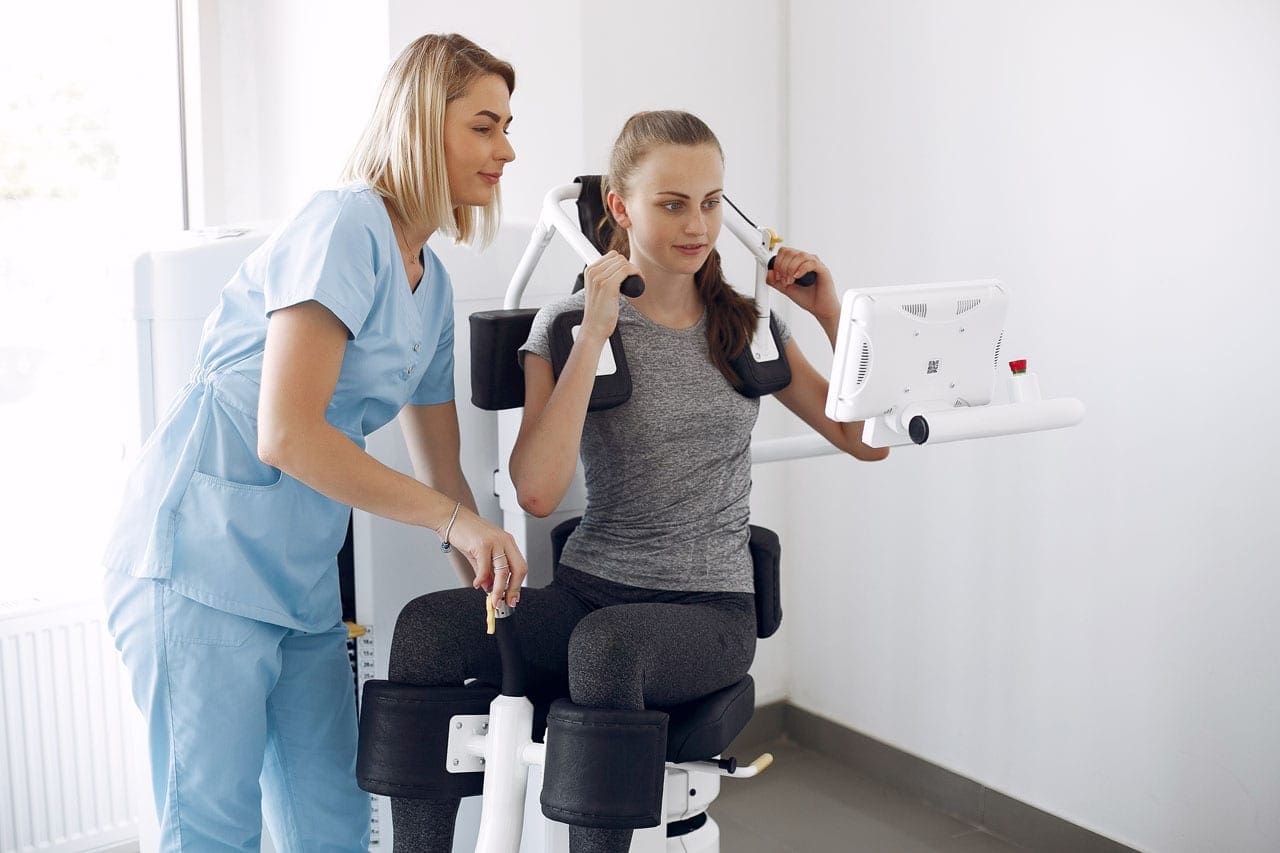
Physical therapy and rehabilitation are crucial for regaining mobility and flexibility after a motor vehicle accident (MVA). Physical therapists utilize targeted exercises, manual therapy, and education to alleviate pain and enhance function. For instance, therapeutic exercises can help strengthen muscles weakened by whiplash, while manual therapy can improve joint mobility. (Sage Hill Physio).
Chiropractic care, often combined with physical therapy, focuses on spinal alignment and musculoskeletal health. Spinal adjustments and soft tissue therapy can alleviate pain and restore normal movement patterns. Studies, such as those published in the Journal of Chiropractic Medicine, suggest that combining these approaches leads to better outcomes in terms of mobility and pain reduction. (Wall Family Chiropractic).
Treatment Type
Techniques
Benefits
Physical Therapy
Manual therapy, therapeutic exercises, and education
Insights from Dr. Alexander Jimenez: Clinical Observations and Treatment Approaches
Dr. Alexander Jimenez, DC, APRN, FNP-BC, is a leading expert in treating motor vehicle accident (MVA)-related injuries in El Paso, Texas. At the El Paso Back Clinic, he specializes in personal injury and auto accident care, addressing conditions like whiplash, ligamentous injuries, and sciatica. His approach integrates chiropractic adjustments, physical therapy, and functional medicine to promote natural recovery without the need for unnecessary surgeries or medications (Dr. Alex Jimenez).
Dr. Jimenez utilizes advanced diagnostic tools, including X-rays, MRIs, and CT scans, to accurately assess the extent of injuries. These tools allow him to develop tailored treatment plans that address each patient’s unique needs. His comprehensive evaluations, which include posture assessments and neurological exams, ensure precise diagnoses. This precision is critical not only for effective treatment but also for providing detailed medical documentation required in personal injury cases, where he collaborates with legal teams to support claims (El Paso Back Clinic).
Personal Injury Cases in El Paso: Dr. Jimenez’s Expertise
In El Paso, Dr. Jimenez has established a reputation for treating a wide range of injuries related to motor vehicle accidents (MVAs), from soft tissue damage to complex musculoskeletal conditions. His clinic handles cases involving whiplash, compression injuries, thoracic outlet syndrome, and delayed symptoms from auto accidents. By working with a multidisciplinary team, including chiropractors, nutritionists, and nurse practitioners, he provides comprehensive care that addresses both physical and functional recovery (El Paso Back Clinic).
Dr. Jimenez’s ability to provide detailed medical records and testify in court makes him a valuable asset in personal injury cases. His documentation supports claims for compensation by clearly linking injuries to the accident, ensuring victims receive the support they need for recovery and financial relief.
The Importance of Advanced Imaging and Diagnostic Assessments
Advanced imaging and diagnostic assessments are crucial for both treating motor vehicle accident (MVA) injuries and supporting legal claims. Tools like X-rays, MRIs, and CT scans provide detailed views of internal damage, such as fractures, herniated discs, or soft tissue injuries. Dr. Jimenez collaborates with top diagnostic imaging clinics to ensure accurate diagnoses, which inform his treatment plans and enhance patient outcomes (El Paso Back Clinic).
In personal injury cases, these diagnostics are equally important for legal documentation. Precise medical records, supported by imaging results, strengthen claims for compensation by demonstrating the extent of injuries and their impact on the victim’s life. Dr. Jimenez’s expertise in correlating clinical findings with diagnostic results bridges the gap between medical treatment and legal requirements, benefiting his patients both in recovery and in court.
Addressing Indirect Trauma: Psychological Impacts of MVAs
Beyond physical injuries, MVAs can cause indirect trauma, such as emotional and psychological distress. Conditions like PTSD and adjustment disorders can cause symptoms such as flashbacks, avoidance behaviors, and anxiety, affecting over 30% of crash survivors. These issues can significantly impair daily functioning and quality of life, often requiring professional mental health support alongside physical treatment (Michigan Auto Law).
While Dr. Jimenez’s primary focus is on physical injuries, his holistic approach, which includes functional medicine, may address overall well-being, and he may refer patients to mental health specialists when needed. Recognizing and treating these psychological impacts is essential for comprehensive recovery.
Motor vehicle accidents can have a profound impact on mobility and flexibility, causing injuries like whiplash, herniated discs, and joint damage that limit movement and disrupt daily life. These physical challenges, combined with emotional distress like PTSD, can significantly reduce quality of life. However, with timely intervention through physical therapy, chiropractic care, and advanced diagnostics, recovery is possible. Dr. Jimenez’s expertise in El Paso exemplifies how comprehensive care, supported by precise diagnostics, can restore mobility and support legal claims in personal injury cases. BBy addressing both the physical and psychological impacts, victims can work toward achieving a full recovery and improved well-being.
For individuals who want to eat healthier, can selection and moderation make mayonnaise a delicious and nutritious addition to a low-carbohydrate diet?
Mayonnaise Nutrition
Mayonnaise is used in various recipes, including sandwiches, tuna salad, deviled eggs, and tartar sauce. It is often considered unhealthy, as it is mostly fat and, as a result, calorie-dense. Calories and fat can quickly add up when not paying attention to portion sizes.
What Is It?
It is a blend of different ingredients.
It combines oil, egg yolk, an acidic liquid (lemon juice or vinegar), and mustard.
The ingredients become a thick, creamy, permanent emulsion when blended slowly.
The key is in the emulsion, combining two liquids that would otherwise not naturally come together, which turns the liquid oil into a solid.
The Science
Emulsification happens when an emulsifier – the egg yolk – binds the water-loving/hydrophilic and oil-loving/lipophilic components.
The emulsifier binds the lemon juice or vinegar with the oil and does not allow separation, producing a stable emulsion. (Viktoria Olsson et al., 2018)
In homemade mayonnaise, the emulsifiers are mainly the lecithin from the egg yolk and a similar ingredient in mustard.
Commercial mayonnaise brands often use other types of emulsifiers and stabilizers.
Health
It contains health-promoting properties, such as vitamin E, which improves heart health, and vitamin K, which is important for blood clotting. (USDA, FoodData Central, 2018)
It can also be made with healthy fats like omega-3 fatty acids, which maintain brain, heart, and skin health.
While reduced-fat mayonnaise has fewer calories and less fat than regular mayonnaise, the fat is often replaced with starches or sugar to improve texture and flavor.
For individuals watching carbohydrates or sugar in their diet, check the nutrition label and ingredients before deciding on the right mayonnaise.
Body In Balance: Chiropractic, Fitness, and Nutrition
References
Olsson, V., Håkansson, A., Purhagen, J., & Wendin, K. (2018). The Effect of Emulsion Intensity on Selected Sensory and Instrumental Texture Properties of Full-Fat Mayonnaise. Foods (Basel, Switzerland), 7(1), 9. https://doi.org/10.3390/foods7010009
USDA, FoodData Central. (2018). Mayonnaise dressing, no cholesterol. Retrieved from https://fdc.nal.usda.gov/fdc-app.html#/food-details/167736/nutrients
Mozafari, H. R., Hosseini, E., Hojjatoleslamy, M., Mohebbi, G. H., & Jannati, N. (2017). Optimization low-fat and low cholesterol mayonnaise production by central composite design. Journal of food science and technology, 54(3), 591–600. https://doi.org/10.1007/s13197-016-2436-0
Zhu, J., Li, J., & Chen, J. (2012). Survival of Salmonella in home-style mayonnaise and acid solutions as affected by acidulant type and preservatives. Journal of food protection, 75(3), 465–471. https://doi.org/10.4315/0362-028X.JFP-11-373
United States Department of Agriculture. Food Safety and Inspection Service. (2024). Keep Food Safe! Food Safety Basics. Retrieved from https://www.fsis.usda.gov/food-safety/safe-food-handling-and-preparation/food-safety-basics/steps-keep-food-safe
Institute of Medicine (U.S.). Committee on Dietary Guidelines Implementation., Thomas, P. R., Henry J. Kaiser Family Foundation., & National Cancer Institute (U.S.). (1991). Improving America’s diet and health : from recommendations to action : a report of the Committee on Dietary Guidelines Implementation, Food and Nutrition Board, Institute of Medicine. National Academy Press. http://books.nap.edu/books/0309041392/html/index.html
https://www.ncbi.nlm.nih.gov/books/NBK235261/
Everybody understands that exercise is necessary for optimal physical and mental health. Beginning a workout routine can be simple, but sticking with it long-term is the challenge. Knowing how to stay motivated can be overwhelming when facing various fitness options. Understanding the benefits of exercise and identifying the most significant motivating factors will help stick to the fitness plan.
Benefits of Exercise
The first step is identifying why you want to start exercising and the principal motivator/s. For most individuals exercising regularly helps:
Contribute to weight loss
Decrease risk of disease
Increase lifespan
Improve the quality of life
Improve mental health
Sticking to a plan tends to dissolve after a few months without serious motivation. It is recommended to focus on making the why as specific and personal as possible. The more specific the why, the less likely the individual will stray from the plan. For example, a middle-aged father wants to get and stay in shape because he wants to keep up with his kids and set a healthy example.
Starting Out
A small amount of regular exercise positively affects the body’s health. This is a common cause of burnout and is not necessary. Those who have never exercised or worked out regularly are often tempted to start with intense hours-long exercise routines.
Current physical activity recommendations suggest at least 150-300 minutes of moderate-intensity exercise per week or
That means that 30 minutes a day of moderate exercise/activity or 15 minutes a day of vigorous exercise/activity is the recommended amount to see and feel health benefits like improved metabolism and mental health.
Getting the body physically fit is a long-distance marathon, not a quick sprint.
Consistency is the objective.
Increasing the frequency and/or duration of workouts is fine, but doing it in a way where the exercise is still enjoyable and not a chore is recommended.
Individuals who work out too hard and need to rest for a few days risk losing motivation.
Daily Activities
Becoming more active throughout the day outside of the workout regimen is recommended to increase physical activity levels and build and reinforce healthy habits. If exercising is too strenuous for the individual, start with increasing physical daily activities. This is an effective way to ease into regular exercise. Examples of physical activities include:
Developing healthy habits, physical and nutritional are the goals, which is why it is essential to find an exercise approach that doesn’t lose its appeal and continues to develop. One study found that working out with friends or joining group sports can generate greater enjoyment. There are a variety of activities that can include:
Structured workouts
HIIT
Yoga
Pilates
Strength training
Cycling
Running
Biking
Hiking
Organized sports leagues:
Soccer
Basketball
Softball
Volleyball
Tennis
Golf
Low-impact options:
Walking
Stretching
Water aerobics
What is essential is to find something that you will want to continue to do.
Personalized Training and Rehabilitation
References
Barranco-Ruiz, Yaira et al. “Dance Fitness Classes Improve the Health-Related Quality of Life in Sedentary Women.” International journal of environmental research and public health vol. 17,11 3771. 26 May. 2020, doi:10.3390/ijerph17113771
Dalle Grave, Riccardo. “Nutrition and Fitness: Mental Health.” Nutrients vol. 12,6 1804. 17 Jun. 2020, doi:10.3390/nu12061804
Higgins, John P. “Smartphone Applications for Patients’ Health and Fitness.” The American journal of medicine vol. 129,1 (2016): 11-9. doi:10.1016/j.amjmed.2015.05.038
Yang, Yun Jun. “An Overview of Current Physical Activity Recommendations in Primary Care.” Korean journal of family medicine vol. 40,3 (2019): 135-142. doi:10.4082/kjfm.19.0038
IFM's Find A Practitioner tool is the largest referral network in Functional Medicine, created to help patients locate Functional Medicine practitioners anywhere in the world. IFM Certified Practitioners are listed first in the search results, given their extensive education in Functional Medicine