Gender is a concept with many facets. Everyone has a gender expression. Can learning about gender expression help healthcare professionals provide better and more effective treatment plans for the LGBTQ+ community?
Gender Expression
Gender expression refers to the ways that individuals present their gender identity and themselves. This can be clothing, haircuts, behaviors, etc. For many, there can be confusion between what society expects from their gender and how these individuals choose to present themselves. Gender expression is constructed from the culture that surrounds it, meaning that there may be a shared social expectation about gender. It can also mean that the same feminine hair or clothing style in one setting could be seen as masculine in another.
Society tries to regulate expression by making women wear certain kinds of clothes, and men other kinds, in order to participate in school, work, and when in public.
When cultures enforce gender norms it is known as gender policing, which can range from dress codes to physical and emotional punishment.
Creating a safe space for all genders requires awareness of these explicit or implicit gender norms so policing can be prevented. (José A Bauermeister, et al., 2017)
Research has shown that there are increased rates of discrimination against transgender and gender-nonconforming individuals compared with bias against those who are LGBTQ. (Elizabeth Kiebel, et al., 2020)
Health Care
Gender expression can and does affect access to and quality of health care.
Individuals with a gender expression that is different from what is expected for their assigned sex at birth may experience increased bias and harassment from providers. (Human Rights Watch. 2018)
A significant percentage of patients feared health workers would treat them differently because of their expression. (Cemile Hurrem Balik Ayhan et al., 2020)
Minority stress has been shown to play an important role in health imbalances. (I H Meyer. 1995)
Research suggests that gender expression is a part of the minority stress described by cisgender sexual minorities and gender minorities. (Puckett JA, et al., 2016)
Better Training
The effects of gender expression are different depending on a person’s sex, gender identity, and their setting.
However, doctors do need to know a person’s sex that was assigned at birth to be able to do proper screening tests, like screening for prostate or cervical cancer.
One way to be more affirming is for the doctor to introduce themselves first, using their own pronouns.
Health workers should ask everyone what name they prefer to be called and what pronouns they use.
This simple act invites the patient to share without creating awkward uneasiness.
Each person chooses how to present themselves to the world, and we respect all. We at Injury Medical Chiropractic and Functional Medicine Clinic will work to address the effects of minority stress on health disparities and raise awareness of the ways to continually improve positive experiences for LGTBQ+ individuals seeking inclusive health care for neuromusculoskeletal injuries, conditions, fitness, nutritional, and functional health.
Revolutionizing Healthcare
References
Bauermeister, J. A., Connochie, D., Jadwin-Cakmak, L., & Meanley, S. (2017). Gender Policing During Childhood and the Psychological Well-Being of Young Adult Sexual Minority Men in the United States. American journal of men’s health, 11(3), 693–701. https://doi.org/10.1177/1557988316680938
Kiebel, E., Bosson, J. K., & Caswell, T. A. (2020). Essentialist Beliefs and Sexual Prejudice Toward Feminine Gay Men. Journal of homosexuality, 67(8), 1097–1117. https://doi.org/10.1080/00918369.2019.1603492
Human Rights Watch. “You Don’t Want Second Best”—Anti-LGBT Discrimination in US Health Care.
Ayhan, C. H. B., Bilgin, H., Uluman, O. T., Sukut, O., Yilmaz, S., & Buzlu, S. (2020). A Systematic Review of the Discrimination Against Sexual and Gender Minority in Health Care Settings. International journal of health services: planning, administration, evaluation, 50(1), 44–61. https://doi.org/10.1177/0020731419885093
Meyer I. H. (1995). Minority stress and mental health in gay men. Journal of health and social behavior, 36(1), 38–56.
Puckett, J. A., Maroney, M. R., Levitt, H. M., & Horne, S. G. (2016). Relations between gender expression, minority stress, and mental health in cisgender sexual minority women and men. Psychology of Sexual Orientation and Gender Diversity, 3(4), 489–498. https://doi.org/10.1037/sgd0000201
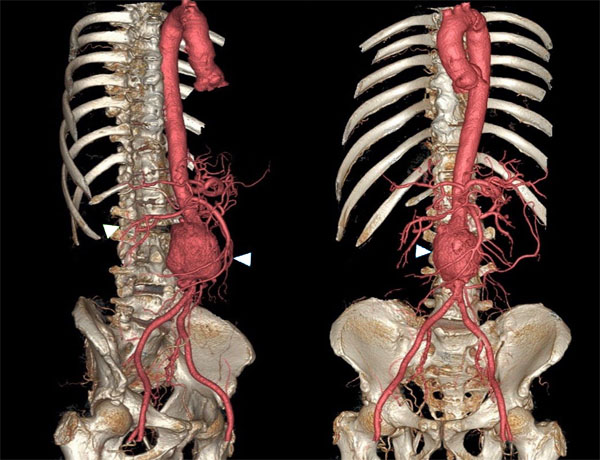
Underlying causes for an abdominal aortic aneurysm can be challenging to diagnose and identify. Combined with sciatica symptoms, doctors could misdiagnose the ailment and prescribe the wrong treatment protocol. Then an individual has to deal with two conditions that were not properly diagnosed, continue to develop, and worsen. This is why finding the right sciatica specialist that can also identify an abdominal aneurysm is so crucial to developing the right treatment plan. There can be a variety of factors that can lead to the development of an abdominal aneurysm. They include:
Health conditions associated with an increased risk for an abdominal aneurysm include:
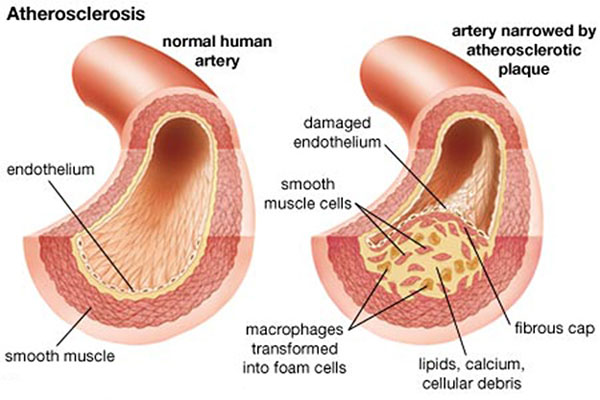
Atherosclerosis
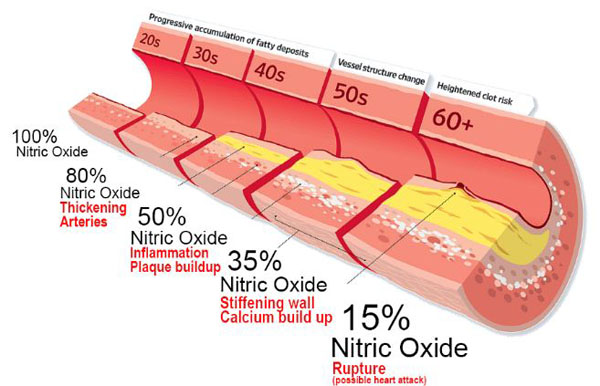
This condition occurs when there is a buildup of fats, cholesterol, and other substances that create plaque buildup in the bloodstream. This causes vessels to harden and narrow. Atherosclerosis can develop during the young adult stage and becomes an issue later in life.
High Cholesterol
Cholesterol is a waxy, fat-type substance that is found in all the cells in the body. The body needs some cholesterol for the production of hormones, vitamin D, and substances to help digest foods. The body makes all the cholesterol it needs. Too much can build up in the blood vessels, which narrows the bloodstream and hardens the arterial walls.
High Blood Pressure
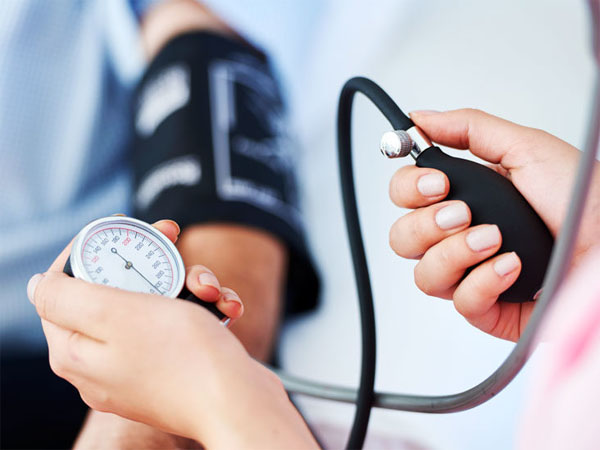
High blood pressure or hypertension refers to a sustained increased force of blood moving through the aorta that can weaken artery walls. It is a common condition that is widespread among individuals that are older, those that smoke, and those that are overweight. There is an estimated 60-70% of individuals over 60 that are diagnosed with high blood pressure.
Inflamed Arteries
When the arteries become inflamed, it can cause blood flow constriction and cause the arterial walls to weaken. This increases the risk of an aneurysm. Arteries can get inflamed through:
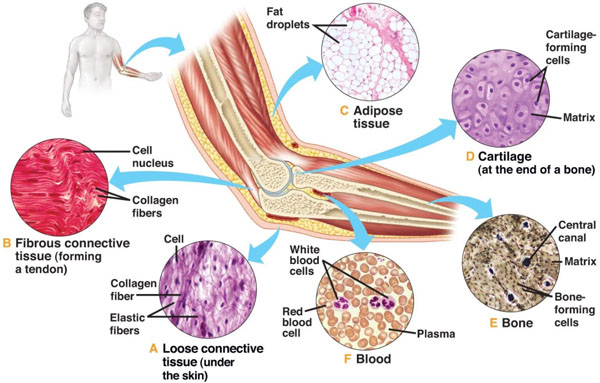
There are hereditary conditions that can weaken the body�s connective tissues. This can lead to degeneration of the aortic walls and raise an individual�s risk for an aneurysm. Two of the most common connective tissue disorders are Ehlers-Danlos syndrome, which affects collagen production, and Marfan Syndrome. This condition increases the production of fibrillin, which is a protein that helps to build the elastic fibers in connective tissue.
Other Risk Factors
Additional health factors can strain the cardiovascular system. This increases the risk of weakening or damaging blood vessels. This significantly raises the chances of developing an abdominal aortic aneurysm. Risk factors include:
Smoking and Tobacco
All types of tobacco use can contribute to diminished cardiovascular health. Individuals that smoke or use some tobacco product pose a significantly higher risk of developing an abdominal aneurysm.
Age
Aneurysms occur most often in older adults. This is because they are more likely to have cardiovascular issues and are more likely to have higher levels of plaque buildup.
Genetics and Family History
Immediate relatives of an individual with an abdominal aneurysm often have a 12-19% chance of developing the condition.
Lack of Physical Activity
Not getting adequate physical activity puts an individual at a higher risk for heart and cardiovascular disease. Aerobic activity done on a regular basis increases the heart rate and blood flow through the body. This keeps the tissues and blood vessels strong and flowing properly.
Gender
Both men and women can develop an abdominal aortic aneurysm. However, the majority of those that do develop the condition are men. This is because men are more likely to go through the heart and cardiovascular issues.
Diagnosis
Underlying conditions that can cause sciatic pain can vary or be a combination of several conditions. The most important action to take is to consult a doctor or chiropractic sciatica specialist for a clinical diagnosis. While rare, sciatica-type pain could be caused by medical conditions like:
Spinal tumor
Spinal infection
Cauda equina syndrome
These factors can contribute to an increased chance of developing an abdominal aortic aneurysm. However, individuals can have unknown risk factors and still develop the condition. Treatments may range from regular monitoring, lifestyle changes, and physical therapy/chiropractic to urgent or emergency surgery. If you feel symptoms of pain in the buttocks, leg, numbness, tingling, or other neurological symptoms in the back and/or leg, it is very important to see a doctor or chiropractor for clinical diagnosis that identifies the cause of the symptoms.
Sciatic Nerve Treatment
Dr. Alex Jimenez�s Blog Post Disclaimer
The scope of our information is limited to chiropractic, musculoskeletal, physical medicines, wellness, and sensitive health issues and/or functional medicine articles, topics, and discussions. We use functional health & wellness protocols to treat and support care for injuries or disorders of the musculoskeletal system. Our posts, topics, subjects, and insights cover clinical matters, issues, and topics that relate and support directly or indirectly our clinical scope of practice.*
Our office has made a reasonable attempt to provide supportive citations and has identified the relevant research study or studies supporting our posts. We also make copies of supporting research studies available to the board and or the public upon request. We understand that we cover matters that require an additional explanation as to how it may assist in a particular care plan or treatment protocol; therefore, to further discuss the subject matter above, please feel free to ask Dr. Alex Jimenez or contact us at 915-850-0900. The provider(s) Licensed in Texas& New Mexico*
IFM's Find A Practitioner tool is the largest referral network in Functional Medicine, created to help patients locate Functional Medicine practitioners anywhere in the world. IFM Certified Practitioners are listed first in the search results, given their extensive education in Functional Medicine