The body needs a good amount of rest after being in motion throughout the day in the form of sleep. Whether the body has been doing errands, standing, running, or walking, many individuals need to rest for a few hours to promote muscle growth and mental recovery. To that point, a good hour and a half nap or a full 8-hours of sleep can do the body good. However, when environmental factors or traumatic accidents start to affect the body, it can lead to pain-like symptoms in the muscle groups that can disrupt the sleeping process and allow recovery to occur in the form of sleep. Fortunately, numerous treatment techniques and therapies restore the body and allow the musculoskeletal system to recover. Today’s article looks at how different sleeping positions correlate with the musculoskeletal system, how pain disorders affect a person’s sleep, and how the MET technique can provide better sleep. We provide valuable information about our patients to certified medical providers offering available therapy treatments like the MET technique for individuals dealing with poor sleep quality associated with musculoskeletal pain disorders. We encourage each patient appropriately by referring them to our associated medical providers based on their diagnosis results. We accept that education is a spectacular way when asking our providers the most crucial questions at the patient’s acknowledgment. Dr. Alex Jimenez, D.C., assesses this information as an educational service. Disclaimer
Sleeping Positions & The Musculoskeletal System
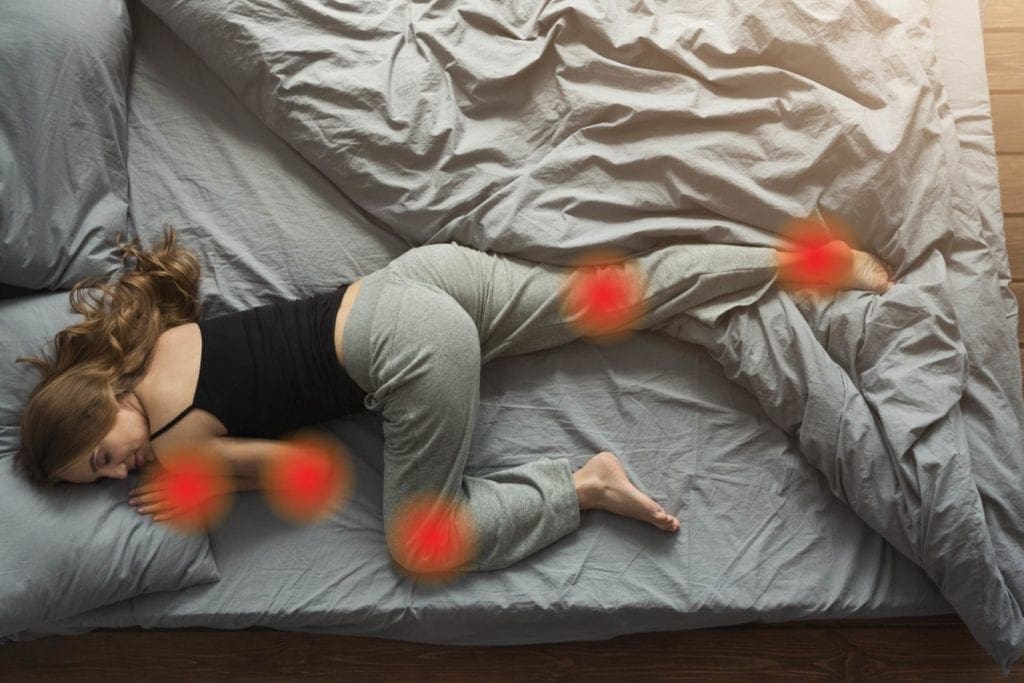
Have you been feeling muscle stiffness in certain areas of your body? Do you feel aches and pains in your low back when stretching? Or have you experienced headaches that seem to go away and come back after a nap? Many of these symptoms are associated with how your sleeping position affects your musculoskeletal system. Many of us have different sleeping positions to feel comfortable and get a full night of sleep. From sleeping on the sides (left or right), on the back, or the stomach, finding a comfortable position can make the musculoskeletal system feel weird. Research studies have revealed that different body postures and movements during sleep have been associated with sleep quality and numerous health outcomes. So if an adult sleeps on their back or side, it could correlate with how much sleep their musculoskeletal system is getting for their mental and physical health. According to Leon Chaitow, N.D., D.O. and Judith Walker DeLany, L.M.T book, “Clinical Application of Neuromuscular Techniques,” stated that recovery of a normal sleep pattern is extremely important for the musculoskeletal system as it provides tissue repair and allows the pituitary glands to release growth hormones in the body while sleep is taking place at night. However, the book also mentions that sleep patterns can be easily disturbed by numerous factors that cause distress and pain to the body affecting the sleep cycle.
Pain Disorders Affecting Sleep
When environmental factors begin to affect how the body functions, it can lead to numerous issues and complaints to the musculoskeletal system that can affect a person’s ability to function over time. It could affect the person’s posture as the muscles are being overstretched, causing issues with the body’s functionality. Studies reveal that different habitual sleep postures or musculoskeletal disorders throughout the day could cause compressive load and muscle contractions on the spinal tissues causing them to become tight and leading to correlating risk factors to the musculoskeletal system. Additionally, environmental risk factors associated with pain can cause muscle weakness and contribute to musculoskeletal problems and imbalances that cause the muscle tissues to become short and tense while changing motor regulation and performance. This means that any muscles that have been overused and injuries can cause pain to the ligaments and joints of the body, leading to musculoskeletal pain and injuries that can affect a person’s quality of sleep.
The Secret Of Unlocking Mobility- Video
Have you been dealing with aches and pains in your muscles? Do you have issues with low back pain? Or do you feel your muscles tense when waking up from a good night’s rest? A good night’s sleep benefits the body’s musculoskeletal system by promoting tissue repair and growth. Many people dealing with musculoskeletal problems could affect their sleep cycle, causing pain-like symptoms in their bodies. When environmental factors or injuries occur to the musculoskeletal system, it can affect how a person sleeps and cause the muscles to become short and tense, leading to injuries over time. Luckily, available treatments are utilized to restore the body and stretch out the tight muscles to promote healing and help the individual to sleep better. The video above informs how chiropractic care can restore the body through spinal manipulation and allow mobility back to the different muscle groups. Many chiropractors would use various techniques to stretch the affected muscles and realign spinal subluxation in the body to help many individuals go throughout their day and have a better sleep.
The MET Technique & Better Sleep
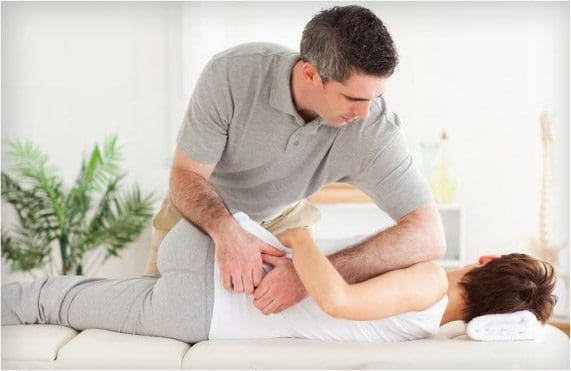
When it comes to having a good night’s sleep, many individuals will find ways to reduce the pain that their body is experiencing by trying to find solutions to get those beneficial 8 hours. Studies reveal that sleep posture has been associated with sleep quality; it is important to identify the factors that could adversely affect a person’s ability to maintain sleep and reduce musculoskeletal issues. Treatments like chiropractic care combined with techniques like the MET (muscle energy technique) can help restore the body through spinal manipulation and stretching of soft muscle tissue when dealing with poor sleep and musculoskeletal problems. Studies reveal that the MET technique, combined with other treatments like chiropractic care, can help restore the range of motion to the joints while stretching weak and short muscles affected by musculoskeletal disorders. These combined techniques can relieve the body from pain and help many individuals sleep better while being aware of their bodies when sleeping to prevent future injuries or pain from reoccurring.
Conclusion
Knowing how you sleep and your position is important when it comes to having a better night’s sleep. Many factors are layered on top of one another that can affect the musculoskeletal system and cause the muscles to be tensed and short, which can lead to dysfunction and cause sleep issues. But with the combination of the MET technique and chiropractic treatment, many individuals can get their bodies restored and have a better night’s sleep without feeling muscle pain when waking up.
References
Cary, Doug, et al. “Examining Relationships between Sleep Posture, Waking Spinal Symptoms and Quality of Sleep: A Cross Sectional Study.” PloS One, U.S. National Library of Medicine, 30 Nov. 2021, https://www.ncbi.nlm.nih.gov/pmc/articles/PMC8631621/.
Cary, Doug, et al. “Identifying Relationships between Sleep Posture and Non-Specific Spinal Symptoms in Adults: A Scoping Review.” BMJ Open, U.S. National Library of Medicine, 28 June 2019, https://www.ncbi.nlm.nih.gov/pmc/articles/PMC6609073/.
Chaitow, Leon, and Judith Walker DeLany. Clinical Application of Neuromuscular Techniques. Churchill Livingstone, 2002.
Skarpsno, Eivind Schjelderup, et al. “Sleep Positions and Nocturnal Body Movements Based on Free-Living Accelerometer Recordings: Association with Demographics, Lifestyle, and Insomnia Symptoms.” Nature and Science of Sleep, U.S. National Library of Medicine, 1 Nov. 2017, https://www.ncbi.nlm.nih.gov/pmc/articles/PMC5677378/.
Wendt, Michał, and Małgorzata Waszak. “Evaluation of the Combination of Muscle Energy Technique and Trigger Point Therapy in Asymptomatic Individuals with a Latent Trigger Point.” International Journal of Environmental Research and Public Health, U.S. National Library of Medicine, 14 Nov. 2020, https://www.ncbi.nlm.nih.gov/pmc/articles/PMC7696776/.
From a young age, parents will always tell their kids to sit up straight or else they will have bad posture. As kids, we would tend to recline on the couch or chair, which would not affect our backs in the long run. However, as we age, move around more, and have jobs that require prolonged sitting or constantly looking down at our phones, our bodies are hunched or slouched for long periods. When the upper extremities, like the neck, shoulders, and thoracic region of the back, are hunched over, it can develop into future issues that cause musculoskeletal symptoms over time. When this happens, the muscle tissues begin to be overstretched. They could lead to overlapping problems that can cause many individuals to be dealing with upper back pain and areas of complaint. Today we are looking at the effects of poor posture, how prolonged sitting causes numerous symptoms, and how the MET technique relieves poor posture. We provide valuable information about our patients to certified medical providers offering available therapy treatments like the MET technique for individuals with poor posture and neck and back pain due to prolonged sitting. We encourage each patient appropriately by referring them to our associated medical providers based on their diagnosis results. We accept that education is a spectacular way when asking our providers the most crucial questions at the patient’s acknowledgment. Dr. Alex Jimenez, D.C., assesses this information as an educational service. Disclaimer
The Effects Of Poor Posture
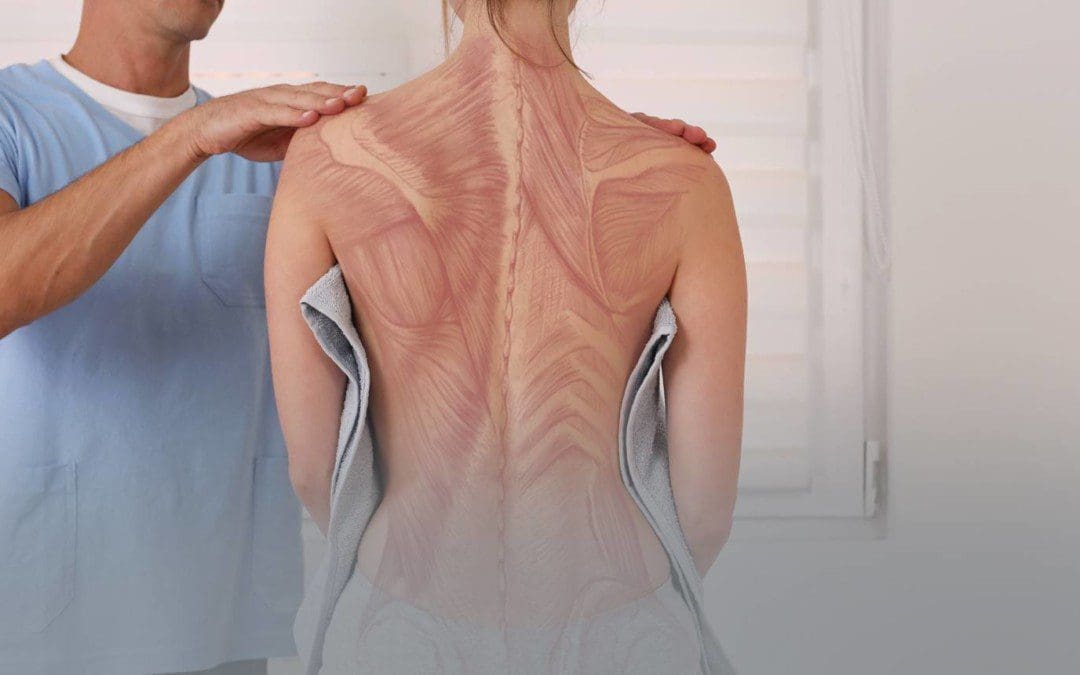
Have you been dealing with muscle strains in your upper back, neck, and shoulders? Are you constantly hunched over at your desk or looking down at your phone? Or are you experience sciatic nerve pain from sitting down always? Many of these issues from prolonged sitting can rapidly develop into poor posture and affect the musculoskeletal system and the spine. Studies reveal that when many individuals spend a significant amount of time sitting, especially in an awkward position, which can cause an increased risk of spinal pain and other effects on the various muscle groups in the shoulders, neck, and thoracic region. Not only that but according to the book written by Leon Chaitow, N.D, D.O., and Judith Walker DeLany, L.M.T, “Clinical Application of Neuromuscular Techniques,” mentioned the muscles in the cervical, thoracic, and lumbar region of the body are among the first to be showing signs of changes in response to postural defects. To that point, when a person is slumped in a sitting position will cause strain to each muscle group in the back and affect both the upper and lower extremities of the body.
Prolonged Sitting & Symptoms
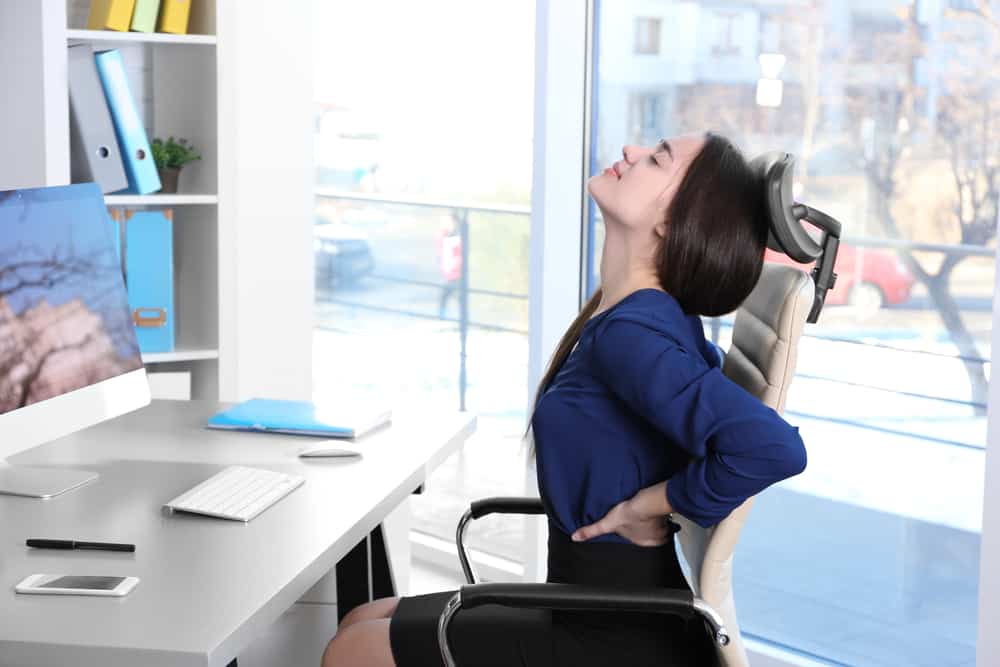
When many individuals are sitting down constantly, whether at a desk job or driving in a vehicle, it can take a toll on the entire body. When the body hasn’t been moving for a long time, it cause the individual to feel muscle strain and tightness in their upper body and a nagging sensation in their lower body. Studies reveal that prolonged sitting can cause discomfort in the lower back and causes reduced muscle endurance in the lower back, and could cause an increased risk of musculoskeletal disorders like sciatic nerve pain, where the gluteal muscles irritate the sciatic nerve causing radiating pain to travel down the legs. Another research study also reveals that being in a forced position for an extended period can cause an impact on the seating position of the upper body and can be associated with upper musculoskeletal disorders causing an area of complaints in the chin, back, neck, shoulders, arms, and hands. When a person has been sitting for an extended amount of time without taking a stretch break, the muscles begin to be in a constant state of contraction and become short and tense.
The Benefits Of Good Posture-Video
Have you noticed that you have been leaning forward when walking from one location to another? Do you feel muscle tightness or irritating pain in your shoulders or legs? Or have you been experiencing unwanted pain in your neck and lower back? Many of these issues are due to having a slouched or hunched-over posture that can develop neck and back pain. Poor posture can lead to unwanted symptoms affecting the muscles and joints. Poor posture is due to everyday factors like being hunched over, looking down at the phone, or leaning forward to the computer. These little actions may not initially cause muscle pain but will cause issues over time. Luckily, there are various treatments to reduce the effects of poor posture and help restore the body. The video above explains the benefits of having good posture and trying to prevent future injuries and muscle strain from returning.
The MET Technique For Poor Posture
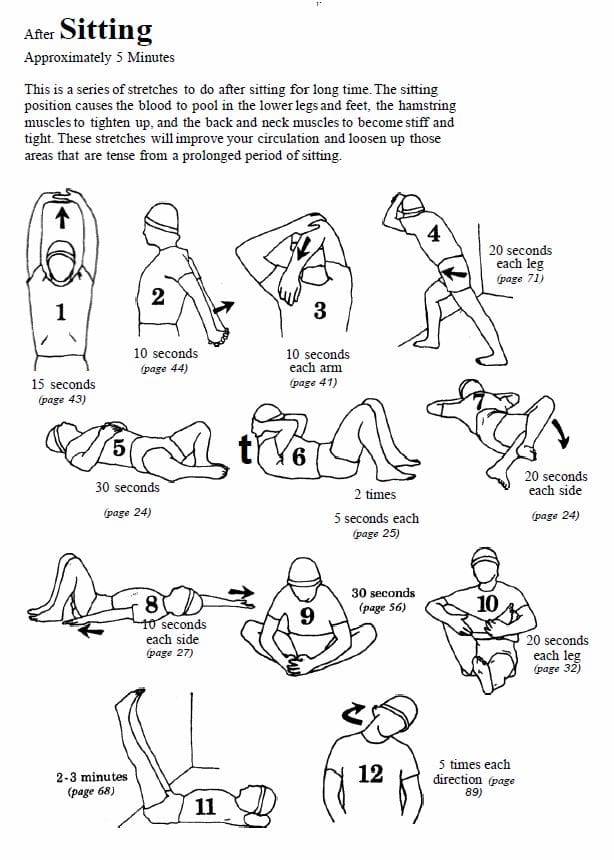
There are numerous ways to reduce the effects of poor posture from further affecting the body and reducing pain in the various muscles and joints. A good way to relieve stiffness in the neck and back is to do multiple stretches to restore blood flow back to the muscles. Another way to prevent neck and back pain is to incorporate MET (muscle energy treatment) techniques. Studies reveal that when individuals utilize MET treatments combined with posture correction exercises and stretches, it can significantly decrease pain in the neck and back while improving the range of motion to the muscles and soft tissues. Doing light stretches can help relieve tense muscles and promote good posture, as many individuals are becoming more aware of how they present themselves when they are not hunched over.
Conclusion
When it comes to our bodies, it is important to know that being hunched over can lead to poor posture, and sitting down for an extended period can develop neck and back pain associated with overlapping symptoms. Poor posture can cause the muscles to become tense, short, and stiff, and when a person stretches from being hunched over will experience pain. Luckily, incorporating various stretches and using the MET technique allows the muscles to be stretched and prevent future injuries from reoccurring while allowing the individual to be more aware of their posture.
References
Chaitow, Leon, and Judith Walker DeLany. Clinical Application of Neuromuscular Techniques. Churchill Livingstone, 2002.
Joshi, Reema, and Nishita Poojary. “The Effect of Muscle Energy Technique and Posture Correction Exercises on Pain and Function in Patients with Non-Specific Chronic Neck Pain Having Forward Head Posture-a Randomized Controlled Trail.” International Journal of Therapeutic Massage & Bodywork, U.S. National Library of Medicine, 1 June 2022, https://www.ncbi.nlm.nih.gov/pmc/articles/PMC9134480/.
Jung, Kyoung-Sim, et al. “Effects of Prolonged Sitting with Slumped Posture on Trunk Muscular Fatigue in Adolescents with and without Chronic Lower Back Pain.” Medicina (Kaunas, Lithuania), U.S. National Library of Medicine, 23 Dec. 2020, https://www.ncbi.nlm.nih.gov/pmc/articles/PMC7822118/.
Kuo, Yi-Liang, et al. “Sitting Posture during Prolonged Computer Typing with and without a Wearable Biofeedback Sensor.” Int J Environ Res Public Health, 19 May 2021, ncbi.nlm.nih.gov/pmc/articles/PMC8161121/.
Ohlendorf, Daniela, et al. “Influence of Ergonomic Layout of Musician Chairs on Posture and Seat Pressure in Musicians of Different Playing Levels.” PloS One, U.S. National Library of Medicine, 11 Dec. 2018, https://www.ncbi.nlm.nih.gov/pmc/articles/PMC6289455/.
Every day, the body is in constant rest or active motion when needed, from working to exercising and getting adequate rest to repeat the cycle. However, as the body is in this dynamic/rest motion, unintentionally, many individuals will be hunched forward, causing their posture to be slouched for long periods. To that point, it can cause the surrounding neck, shoulder, and back muscles to be pulled and overly stretched, causing pain when the individual gets out of the reclined position. When a person is constantly being hunched over, the action alone could lead to poor posture, which can cause misalignment to the spine and be associated with many chronic conditions that affect their way of life. Fortunately, various treatments can help alleviate poor posture and its associated symptoms. Today’s article examines what defines good posture, the influences that can affect body posture, and how treatment techniques like MET (muscle energy technique) can help improve posture. We mention our patients to certified medical providers that provide available therapy treatments like MET (muscle energy techniques) for individuals suffering from chronic conditions associated with poor posture that can correlate with overlapping risk profiles. We encourage each patient when it is appropriate by referring them to associated medical providers based on their diagnosis or needs. We understand and accept that education is a marvelous way when asking our providers crucial questions at the patient’s request and acknowledgment. Dr. Alex Jimenez, D.C., uses this information as an educational service. Disclaimer
What Defines Good Posture?
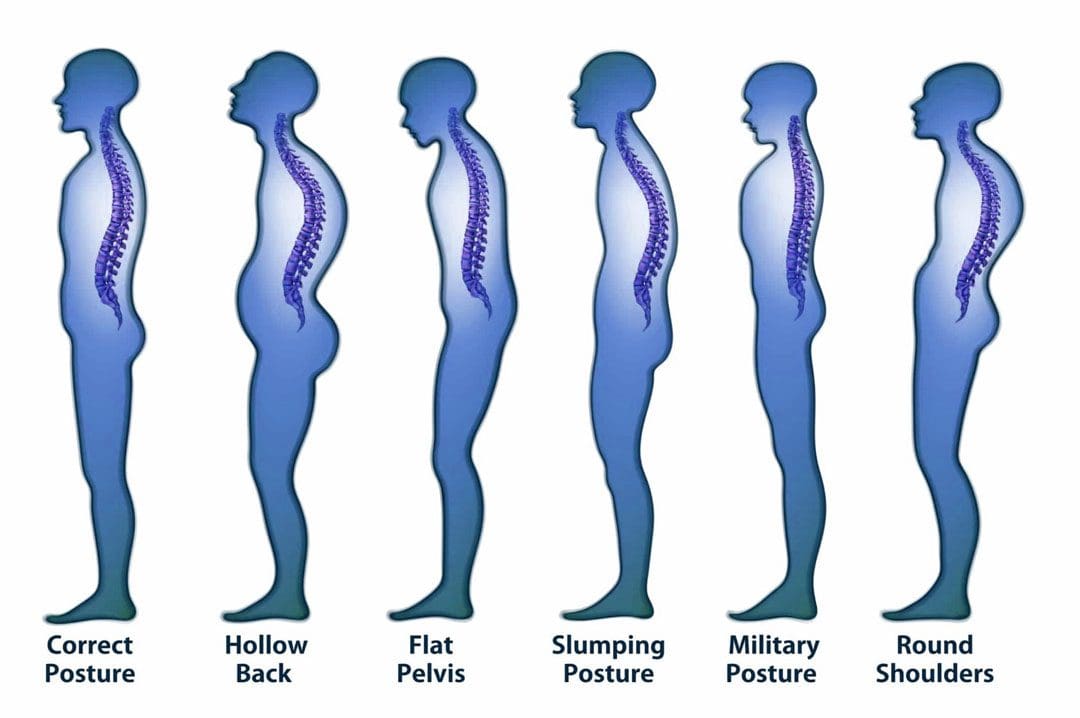
Have you been experiencing referred pain in your neck, shoulders, or lower back? Do you feel pain when stretching after being hunched over throughout the day? Or have you noticed that your neck is slanted, which causes your head to poke in front of your shoulders? Many of these issues are correlated with poor posture. Many of us have heard the saying from our parents, “Stand up straight!” And this is a reminder that having good posture correlates with good spinal health. The book, “Clinical Applications of Neuromuscular Techniques,” written by Leon Chaitow, N.D., D.O, and Judith Walker DeLany, L.M.T, mentions that posture is used to describe the static state of the spine. There are two different types of posture: static and dynamic. Static posture is when the body is in motion, while dynamic posture is when the body is resting. So good posture allows the spine to naturally curve with minimal pain affecting the cervical, thoracic, and lumbar regions.
Influences That Affect Body Posture
As stated early, many of us unintentionally hunch our bodies over time. This is one of the issues as we constantly look down on our phones, and as we get older, it can affect our ability to balance ourselves. Research studies reveal that improper posture can affect static and dynamic balance as we age. This means that when we are constantly hunched over as older adults, we are more prone to the risk of falling and causing long-term disability to our bodies. Additional research studies also mentioned that chronic conditions like forward head posture (which correlates to constantly looking down at the phone) could cause a persistent and abnormal contraction of the neck and shoulder muscles to become dysfunctional. To that point, it can cause pressure on the muscles, fascia, and nerves in the cervical-thoracic regions of the body. When bad posture affects the body over time, it can develop into musculoskeletal disorders if not treated immediately.
5 Way To Improve Posture- Video
Have you felt muscle strain on your neck, shoulders, and back? Have you felt relief when you stretch after being hunched over? Do you feel unstable when walking? These issues could be correlated with your posture if you have been experiencing these issues. When it comes to the body, it is important to make sure that maintaining good posture is not just to please your parents but to have a healthy spine. When we are constantly hunched over, it can cause the muscles and connective tissues to have gravitational strain and shorten the length of the muscles. However, realizing that you have poor posture early on can be treated. The video above shows the five best ways to improve your posture and how to strengthen the back, neck, and shoulder muscles from developing chronic conditions. Exercise alone can not be the only solution; combining it with chiropractic therapy allows the body to be fully restored with various techniques to reduce pain-like symptoms.
How The Met Technique Helps Improve Posture
So how would chiropractic care help with improving posture? Many chiropractors use techniques like MET (muscle energy technique) and spinal manipulation to help restore the body to realignment. Studies reveal that the combinations of MET and stretching can help lengthen the short muscles and restore range of motion to the body. Chiropractors use their hands and various tools to help realign the spine from subluxation and return the body to normal while freeing the tense muscles. Chiropractic care decreases the body’s risk of back injuries while reducing wear and tear on the muscles and joints, contributing to poor posture.
Conclusion
Overall, it is important to maintain good posture to prevent unwanted chronic issues from causing pain-like symptoms to the body. Recognizing the problems contributing to poor posture, treatment, and exercise can help stretch and strengthen the back muscles from hunching over. Maintaining good posture allows the body to be pain-free and prevents many unwanted symptoms from developing.
References
Chaitow, Leon, and Judith Walker DeLany. Clinical Applications of Neuromuscular Techniques. Churchill Livingstone, 2003.
Cohen, Rajal G, et al. “Lighten up! Postural Instructions Affect Static and Dynamic Balance in Healthy Older Adults.” Innovation in Aging, U.S. National Library of Medicine, 24 Mar. 2020, https://www.ncbi.nlm.nih.gov/pmc/articles/PMC7092748/.
Lee, Joon-Hee. “Effects of Forward Head Posture on Static and Dynamic Balance Control.” Journal of Physical Therapy Science, U.S. National Library of Medicine, Jan. 2016, https://www.ncbi.nlm.nih.gov/pmc/articles/PMC4756019/.
Phadke, Apoorva, et al. “Effect of Muscle Energy Technique and Static Stretching on Pain and Functional Disability in Patients with Mechanical Neck Pain: A Randomized Controlled Trial.” Hong Kong Physiotherapy Journal : Official Publication of the Hong Kong Physiotherapy Association Limited = Wu Li Chih Liao, U.S. National Library of Medicine, 14 Apr. 2016, https://www.ncbi.nlm.nih.gov/pmc/articles/PMC6385145/.
Getting healthy sleep can be difficult when dealing with back problems or recovering from surgery. It can be difficult, if not impossible, to get and stay comfortable long enough to sleep on a regular flat mattress. It is worth considering an adjustable bed as an alternative. Because of their lifestyle and health benefits, these beds are growing in popularity to meet an individual’s spine, posture, and sleeping needs.
Adjustable Bed
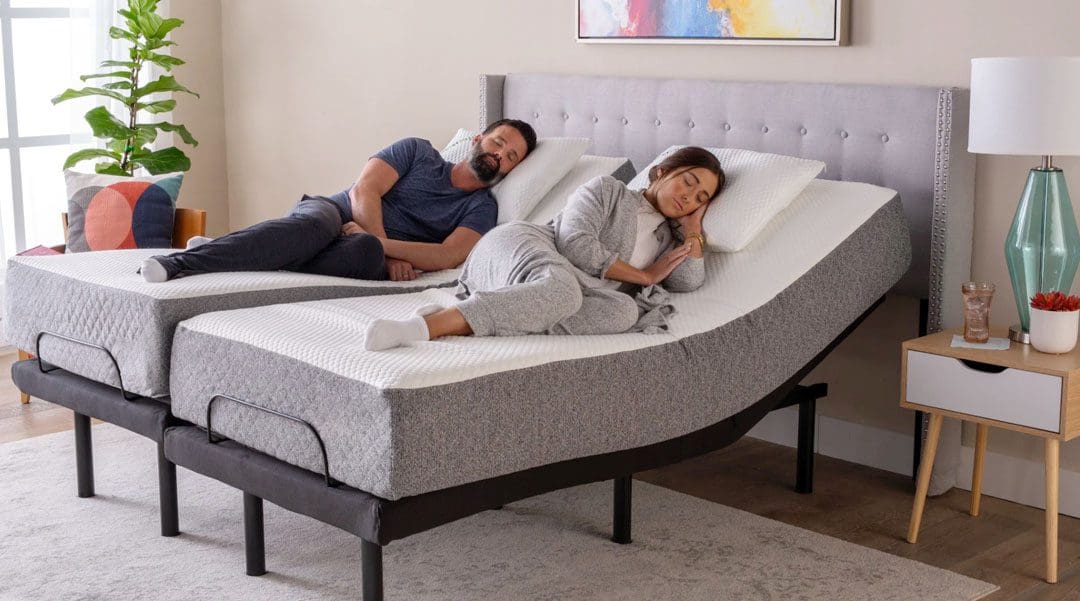
An adjustable bed can raise and lower a mattress’s orientation to different angles, allowing the upper body to rest at a slight incline, such as 30 to 45 degrees, with support under the knees as they bend at a slight angle. The body can feel better in an inclined or semi-upright position rather than lying flat. Individuals with back or neck problems or joint conditions like shoulder arthritis have reported feeling better in this position.
Features
The number of adjustments varies from model to model. Available features include:
Adjustable firmness for the low back/lumbar area.
Adjustments may be made by remote control.
Some offer massage options.
Zero gravity – NASA invented the zero gravity position to reduce pressure on astronauts during takeoff. In this position, the head and knees are raised above the heart, making the body feel weightless.
Adjustable beds are sold in single, queen, and king sizes.
Split queen and king sizes allow the settings to be customized for each side of the bed.
Benefits
Snoring
Over 90 million Americans snore during sleep.
The main cause of snoring is the blockage of the windpipe while sleeping, which can be caused by several factors, but most commonly by the weight of the neck on the windpipe, preventing the individual from breathing properly.
An adjustable bed allows for an inclined position, decreasing the pressure on the windpipe, reducing snoring, and allowing for a more relaxing sleep.
Asthma
Asthma can disrupt healthy sleep and make breathing difficult at night.
COPD and chronic lung conditions can worsen over time, impacting sleep quality.
Lying flat often irritates these lung conditions.
Sleeping with the head and feet in a raised position makes breathing easier.
Posture
Unhealthy posture causes soreness, stiffness, tightness, headaches, and other health issues.
Adjustable beds provide postural support to the spine and can improve posture and increase overall health.
Back Problems
80% of individuals deal with various back issues and symptoms.
Adjustable beds provide support and alignment to the spine by allowing the mattress to conform to the body’s contours.
This can prevent sciatica, enabling the nerves to relax and rest without added body pressure.
For those with sciatica, pain can be alleviated by using a raised leg position to take the stress off the nerves and increase circulation.
Lowering the bed up and down can help stretch the back.
Digestion
An adjustable bed can help with digestion issues.
An inclined position prevents indigestion and acid reflux and helps the body process food more efficiently.
A six-inch raise is recommended to increase digestion.
Individuals who go to bed on a full stomach should raise the incline as there is more digestive activity.
Inflammation, Swelling, and Injury Recovery
When dealing with neuromusculoskeletal injuries, doctors often recommend elevating the injured part of the body to speed up recovery.
An adjustable bed lifts or raises the mattress and elevates the limbs while maintaining a neutral/natural sleeping position.
Pregnancy
Physical and hormonal changes during pregnancy can cause back discomfort symptoms, sciatica, circulation issues, and swelling.
Pregnant women can use the zero gravity position to reduce swelling, alleviate back pain, and improve circulation.
This position also makes back sleeping safer for the mom and baby.
Individuals should research all the styles and features available to find what works for them.
Ten Benefits
References
Ancuelle, Victor, et al. “Effects of an adapted mattress in musculoskeletal pain and sleep quality in institutionalized elders.” Sleep science (Sao Paulo, Brazil) vol. 8,3 (2015): 115-20. doi:10.1016/j.slsci.2015.08.004
Söderback, I, and A Lassfolk. “The usefulness of four methods of assessing the benefits of electrically adjustable beds in relation to their costs.” International journal of technology assessment in health care vol. 9,4 (1993): 573-80. doi:10.1017/s0266462300005493
Tetley, M. “Instinctive sleeping and resting postures: an anthropological and zoological approach to the treatment of low back and joint pain.” BMJ (Clinical research ed.) vol. 321,7276 (2000): 1616-8. doi:10.1136/bmj.321.7276.1616
Verhaert, Vincent, et al. “Ergonomics in bed design: the effect of spinal alignment on sleep parameters.” Ergonomics vol. 54,2 (2011): 169-78. doi:10.1080/00140139.2010.538725
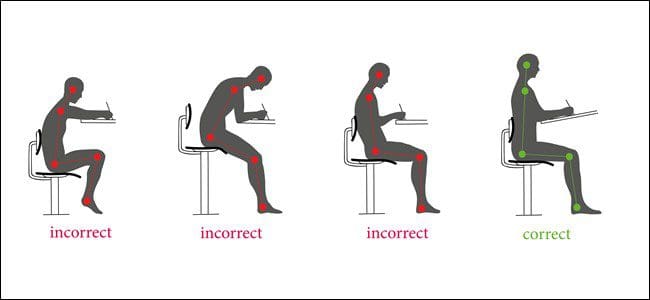
Unhealthy posture and slouching incorrectly position the body unnaturally, adding chronic strain on the muscles and ligaments. For example, when sitting or standing at a workstation, individuals start to relax by slumping forward because it feels comfortable; however, they don’t realize that their shoulders are hunching over, and their neck is in an awkward forward position. For every inch the head moves forward, its weight on the neck and upper back muscles increases by 10 pounds. Individuals that stay in this position for a long time often experience neck soreness, tension in the shoulder muscles, and low back discomfort. Chiropractic care, massage, and decompression therapy can realign the spine to its natural position and train individuals to maintain a healthy posture.
Slouching
Posture is the body’s position in space, the relationship of the body’s parts, head, torso, and limbs to each other. Maintaining the natural lumbar curve in the low back is essential to preventing posture-related discomfort symptoms. This natural curve works as a shock absorber, helping to distribute weight along the length of the spine. The most common causes for slouching posture are:
Repetitive motions or tasks can cause physical and mental fatigue, causing individuals to relax their core muscles.
Combined with the repetitiveness, individuals also begin implementing unhealthy movements because it makes the job easier.
Often individuals want to finish their work tasks, and even though they can feel their muscles and body stiffening and tightening up, they continue to work through the discomfort and don’t take a quick break to move around and stretch.
Stressful situations can cause muscle tension.
Carrying heavy bags, purses, backpacks, etc.
Weight fluctuation.
Pregnancy.
Spine
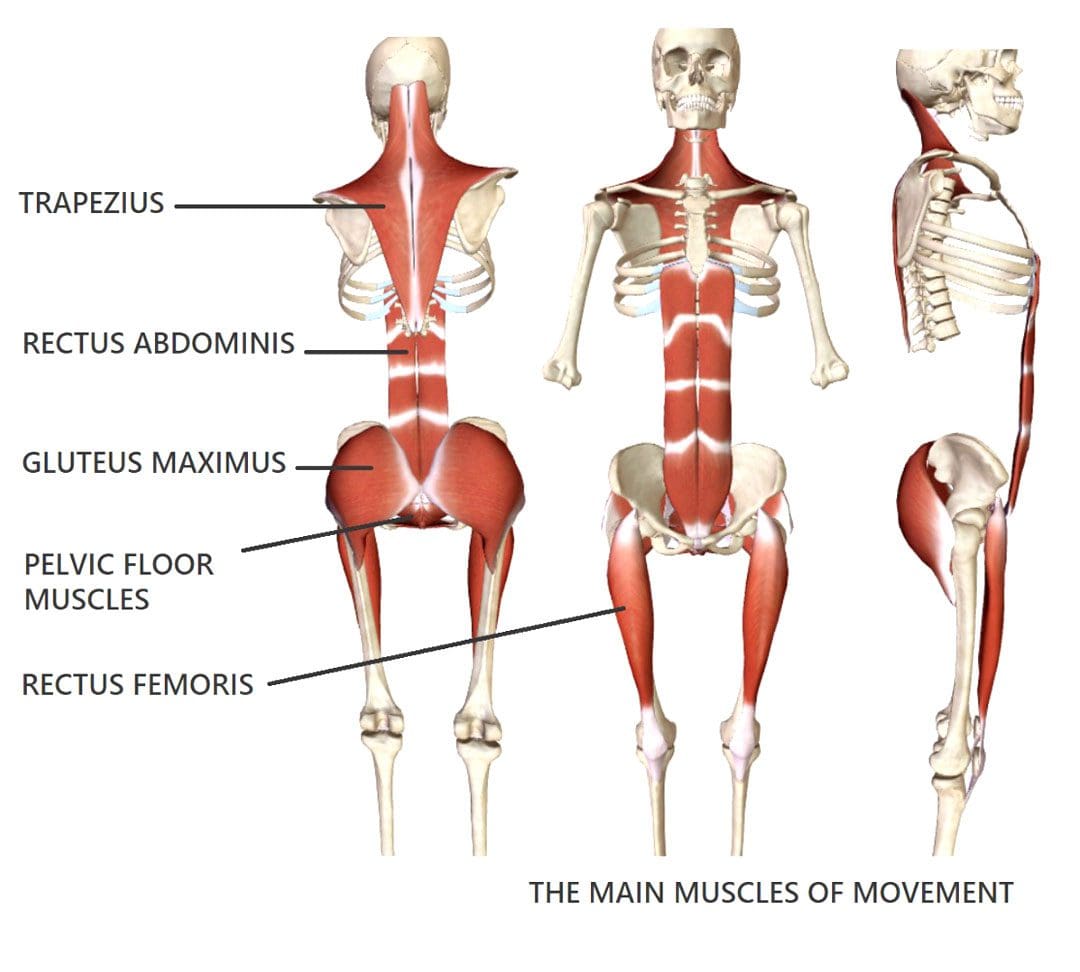
Muscles move the skeletal system and provide resistance against movement.
The musculoskeletal system comprises soft tissue structures that provide active and passive spinal stabilization.
The spine has natural curves to distribute weight/loads evenly.
The cervical and lumbar spine have a lordosis or forward curve.
The thoracic spine and sacrum have a kyphosis or backward curve.
They help to mitigate the forces exerted on passive stabilizing structures like the ligaments, joint capsules, and intervertebral discs.
A prolonged seated or standing position fatigues the muscles that stabilize the spine from the forces of gravity and body weight. When the tired muscles no longer provide stability, the spine must rely on the passive structures of the musculoskeletal system for support. Without the support, the spine gradually loses its natural cervical and lumbar curves and becomes more kyphotic or slouched. Slouching can provide relaxation and relief to the fatigued muscles; however, repetitive or prolonged stress to the passive structures can result in discomfort and injury to those tissues. This is how nerve compression, ligament inflammation, and disc herniations start.
Symptoms of Unhealthy Posture
Head that leans forward or backward.
Headaches.
Jaw pain.
Poor circulation.
Rounded shoulders.
A decline in breathing efficiency.
Muscle fatigue – Certain muscles can change in length, becoming short and tense or long and weak.
The advantages of practicing healthy posture include the following:
Prevents abnormal wear on the joints.
Lessens stress on the ligaments.
Prevents muscle strain and fatigue.
Prevents the spine from becoming misaligned.
Prevents back aches and soreness.
Reduces the risk of chronic diseases or conditions.
Helps maintain fitness and overall health.
Chiropractic Realignment
Our approach starts by correcting the physical problems caused by slouching, which involves chiropractic adjustments, therapeutic massage, and non-surgical decompression therapy. The objective is to fix the root cause to ensure that the treatment lasts and maintains neuromusculoskeletal health.
Examination
The initial assessment looks at an individual’s posture and a physical evaluation to identify the root cause.
When muscles become weak, over or underused, or suffer injury, others tighten or tense up.
A chiropractor looks at how an individual stands from behind and from the sides, noting issues like uneven shoulders, arched back, twisted pelvis, or other symmetry issues.
Treatment
Massage will increase circulation and reduce tension.
Muscle release and relaxation for any overactive muscles.
A chiropractor will perform slow joint movements.
Targeted stretches and strength exercises will correct imbalances, maintain flexibility, and strengthen the core muscles.
Postural training will help individuals learn to use proper body mechanics and to listen to their bodies.
Impact of Stress
References
Defloor, T, and M H Grypdonck. “Sitting posture and prevention of pressure ulcers.” Applied nursing research: ANR vol. 12,3 (1999): 136-42. doi:10.1016/s0897-1897(99)80045-7
Fortner, Miles O et al. “Treating ‘slouchy’ (hyperkyphosis) posture with chiropractic biophysics®: a case report utilizing a multimodal mirror image® rehabilitation program.” Journal of physical therapy science vol. 29,8 (2017): 1475-1480. doi:10.1589/jpts.29.1475
Katzman, Wendy B et al. “Age-related hyperkyphosis: its causes, consequences, and management.” The Journal of orthopedic and sports physical therapy vol. 40,6 (2010): 352-60. doi:10.2519/jospt.2010.3099
Korakakis, Vasileios, et al. “Physiotherapist perceptions of optimal sitting and standing posture.” Musculoskeletal science & practice vol. 39 (2019): 24-31. doi:10.1016/j.msksp.2018.11.004
Snijders, Chris J et al. “Effects of slouching and muscle contraction on the strain of the iliolumbar ligament.” Manual therapy vol. 13,4 (2008): 325-33. doi:10.1016/j.math.2007.03.001
Yoong, Nicole Kah Mun et al. “Commercial Postural Devices: A Review.” Sensors (Basel, Switzerland) vol. 19,23 5128. 23 Nov. 2019, doi:10.3390/s19235128
Making healthy posture adjustments is a process, especially for individuals that have been practicing unhealthy postures for years. Not only does the body have to relearn how to position itself correctly, but the muscles, especially those that haven’t been working, also have to adjust. This takes time and is usually at the beginning of postural training that individuals want to give up. This is because of the discomfort and soreness that goes with reactivating the core muscles. This is why it is recommended to go through the process with chiropractic care. A chiropractic therapy team can relieve sore muscles, strengthen the body, and help individuals gradually develop and maintain a healthy posture.
Posture Adjustments
Unhealthy postures shift the body out of balance, straining and stressing the muscles, especially those that have to work overtime every day. This causes the muscles to stiffen and tighten up to the point that they begin to pull the skeletal system in different directions, causing various symptoms that can lead to chronic conditions. Muscles can stay tight for years, with individuals getting used to the feeling. Individuals stretch out, thinking the muscles are loose but don’t realize that they return to their tight position because of the unhealthy muscle memory that developed.
Muscle Imbalance
Muscle imbalances usually progress over time and are typically caused by daily habitual physical routines.
This causes premature and advanced wear and tear on the body.
Postural Dysfunction
Individuals all have positions they spend a lot of time in.
Postural dysfunction begins with unhealthy positioning that shifts the spine and other joints out of balance and alignment.
The muscles become compromised, which leads to various neuromusculoskeletal symptoms.
Muscle fatigue and weakness occur from being overworked.
Headaches can present throughout the day.
Chiropractic Realignment
The muscles have become like tough meat, and the underlying imbalances are straining the neuromusculoskeletal system. The muscle tissues need to be broken up/tenderized and loosened up. Then they can be thoroughly stretched and strengthened to optimal health. Chiropractic care will identify and correct the underlying imbalance, and massage therapy will break up and release the compacted muscle tissue. A personalized treatment plan will consist of the following:
Mobilizing the joints and stretching/releasing shortened tight muscles and soft tissues.
Strengthening the elongated, weaker muscles to correct the body’s alignment and movement control.
Health coaching to identify and recommend lifestyle and nutritional adjustments.
This will restore the bio-mechanical systems, ensuring that equal muscle length and strength on both sides of the system joint or motion segment are maintained.
Posture Adjustments and Foot Orthotics
References
Aino, Masaki, et al. “Comparison of spinal column alignment and autonomic nervous activity using the intersegmental tenderness test in the segment above.” Journal of physical therapy science vol. 33,8 (2021): 570-575. doi:10.1589/jpts.33.570
Creze, Maud, et al. “Posture-related stiffness mapping of paraspinal muscles.” Journal of anatomy vol. 234,6 (2019): 787-799. doi:10.1111/joa.12978
Joshi, Reema, and Nishita Poojary. “The Effect of Muscle Energy Technique and Posture Correction Exercises on Pain and Function in Patients with Non-specific Chronic Neck Pain Having Forward Head Posture-a Randomized Controlled Trail.” International journal of therapeutic massage & bodywork vol. 15,2 14-21. 1 Jun. 2022, doi:10.3822/ijtmb.v15i2.673
Langford, M L. “Poor posture subjects a worker’s body to muscle imbalance, nerve compression.” Occupational health & safety (Waco, Tex.) vol. 63,9 (1994): 38-40, 42.
McLean, Linda. “The effect of postural correction on muscle activation amplitudes recorded from the cervicobrachial region.” Journal of electromyography and kinesiology: official journal of the International Society of Electrophysiological Kinesiology vol. 15,6 (2005): 527-35. doi:10.1016/j.jelekin.2005.06.003
Szczygieł, Elżbieta et al. “The Impact of Deep Muscle Training on the Quality of Posture and Breathing.” Journal of motor behavior vol. 50,2 (2018): 219-227. doi:10.1080/00222895.2017.1327413
Power walking is a fast-paced walking activity quicker than a typical walking pace. It is an exercise technique emphasizing speed and arm motion to increase health benefits. It’s not as high impact as jogging but significantly increases heart rate. Adding power walking to an overall health regimen can improve cardiovascular, joint, muscle, and overall wellness.
Power Walking
Power walking is considered from 3 mph to 5 mph and focuses on speed and arm motion to increase heart rate.
Because it requires more steps per minute, the heart rate will increase more than from a regular walk.
This makes for a more intense cardiovascular workout that burns more calories.
Benefits
Power walking is a great way to improve fitness, heart and joint health, and mental well-being. It has been shown to decrease diabetes risk and lower high blood pressure and some cancers. Other benefits include:
Improves Life Span
The National Institutes of Health recognize the benefits of walking, including a reduced risk of all-cause mortality.
This zone improves cardiovascular health, lowering resting heart rate and strengthening the heart.
Lowers Risk of Health Conditions
Lowers the risk of several conditions like heart disease, dementia, and type 2 diabetes.
Improves sleep quality, reduces sleep disorders’ risks, increases brain function, and supports bone health.
Strengthens Muscles and Bones
It releases pressure from the joints and the muscles and increases the body’s overall range of motion.
Quality of Life
It improves the quality of life as the body becomes more fit.
Reduces risk of illnesses.
Mental abilities and performance improve with increased circulation.
Attention, concentration, and motivation improve.
Technique Overview
Optimal power walking technique will maximize benefits and prevent injuries. Some recommended guidelines to follow:
Posture Awareness
The right posture will help the body maintain speed and will help protect/prevent injury.
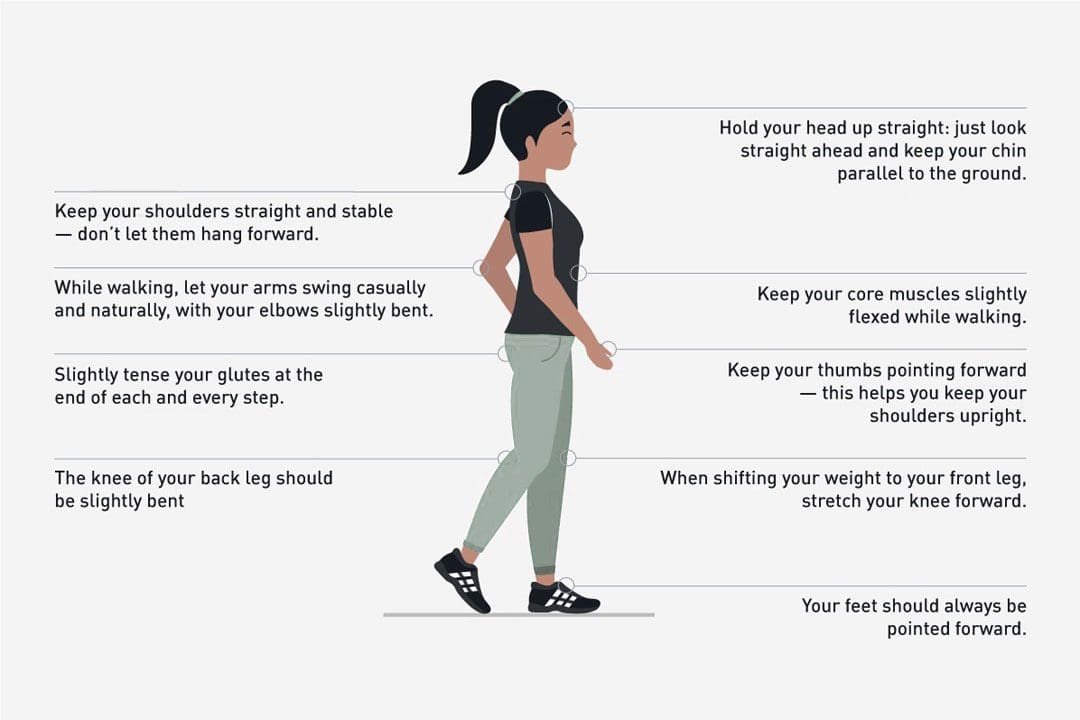
Eyes forward, shoulders back, and head upright.
Pull your belly button in toward the spine to engage the core muscles.
If you start to slump forward, take a moment to correct your body position.
If you start holding tension in the shoulders and neck, take a moment to relax and release them.
Gently Swing Arms
Arms bent at around 90 degrees.
Move the arms up and back so the opposite arm and leg advance together.
If the right foot is stepping forward, the left arm should also go forward.
Adding arm motion increases speed.
Focus on controlling the range of motion.
The hand should not rise higher than the collarbone and should not cross the body’s center.
Walking Pattern
With every step, land on the heel and roll the foot toward the toes.
Concentrate on moving the hips forward and not side to side.
Movement
Use short strides and try for a quick pace.
Studies have shown that taking more steps per minute can positively impact insulin levels, body mass index, and waist circumference.
Gradually work up to longer distances and increased speed.
Chiropractic
Chiropractic care can improve exercise experience, athletic performance, and sports performance. A few benefits include the following:
Increased limberness of the joints, ligaments, and tendons.
Increased elasticity and flexibility of the muscles.
Nervous system support improving response time, speed, and endurance.
Physical activity, no matter what intensity, is vital for health. If you are considering beginning an exercise program, talk to your doctor about developing a training program.
How To Walk Faster
References
Dunlop DD, et al. (2019). One hour a week: Moving to prevent disability in adults with lower extremity joint symptoms. DOI: 10.1016/j.amepre.2018.12.017
Mayo Clinic Staff. (2019). Walking: Trim your waistline, and improve your health. mayoclinic.org/healthy-lifestyle/fitness/in-depth/walking/art-20046261
Sharma, Ashish, et al. “Exercise for mental health.” Primary care companion to the Journal of clinical psychiatry vol. 8,2 (2006): 106. doi:10.4088/pcc.v08n0208a
Tudor-Locke, Catrine, et al. “Step-Based Physical Activity Metrics and Cardiometabolic Risk: NHANES 2005-2006.” Medicine and science in sports and exercise vol. 49,2 (2017): 283-291. doi:10.1249/MSS.0000000000001100
IFM's Find A Practitioner tool is the largest referral network in Functional Medicine, created to help patients locate Functional Medicine practitioners anywhere in the world. IFM Certified Practitioners are listed first in the search results, given their extensive education in Functional Medicine





 Posture Adjustments
 Power Walking






