Can using a cane help individuals after an injury, living with chronic pain or balance issues, or post-surgery?
Walking With A Cane
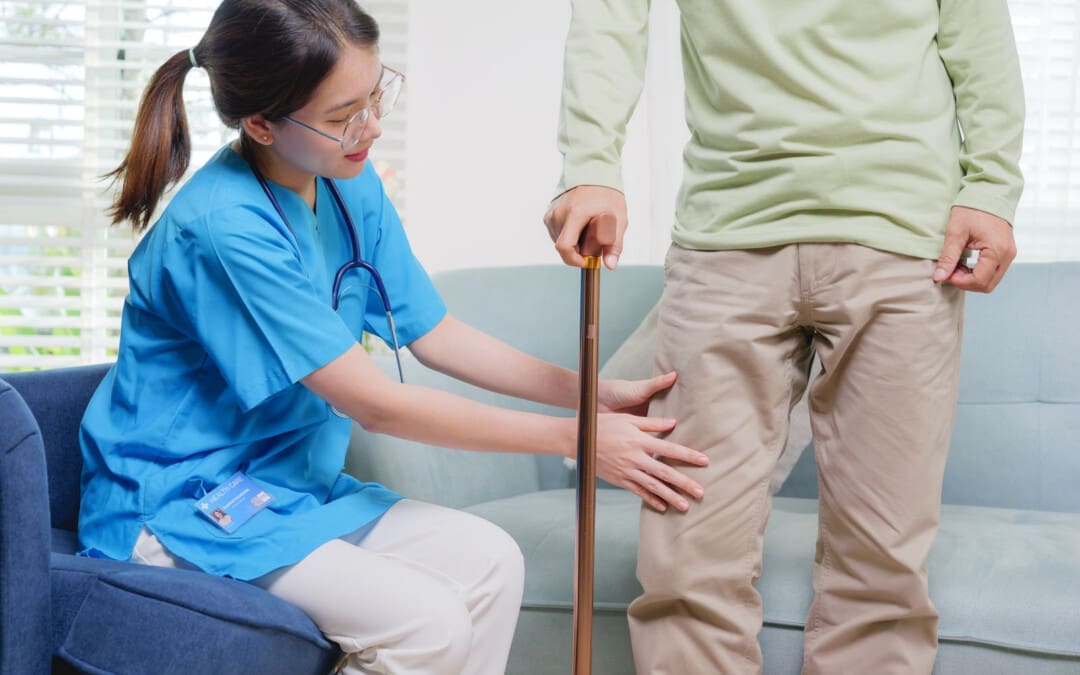
A cane is an assistive device that can help individuals walk after injury or surgery and aids with balance and stability. It can be used for:
Balance or Stability Issues
Canes can help with minor balance or stability issues, such as weakness in the leg or trunk, or after an injury.
Pain
Canes can help reduce stress on painful joints or limbs.
Independence
Canes can help people continue living independently, especially the elderly.
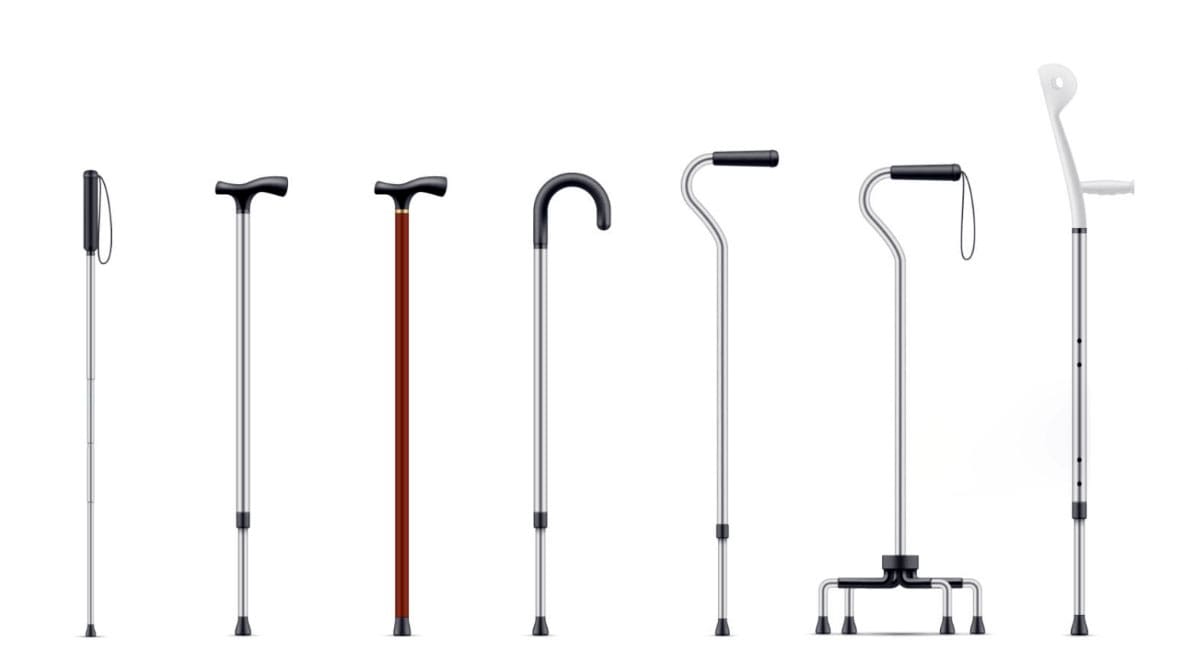
There are different types of canes, including single-point and quad canes. Single-point canes are generally the least expensive. Quad canes have four points and can provide more stability. It is important to use it correctly to prevent falls and injuries.
Post-surgery or Injury
A cane can help reduce pressure on the leg or back after surgery or injury. Healthcare providers may recommend a cane as a step-down device after using a walker or crutches. Before walking with the cane, ensure it is at the right height. Hold the cane in the hand on the opposite side of the injury. Hold the cane’s handle at the level of the bend in the wrist when standing with the elbow slightly bent. (American Academy of Orthopaedic Surgeons, 2020) If there are issues in both legs or a cane is used after back surgery, keep the cane in the hand with the most support.
Step forward with the cane and injured leg at the same time.
Step the non-injured leg up with the cane firmly on the ground to meet the injured leg.
The feet should be side by side.
Walking Normally
Once comfortable taking practice steps, try walking normally with the cane. Step forward with the cane and injured leg simultaneously. The cane should be off the ground when the wounded leg is in the air. Firmly plant the cane when stepping onto the injured leg. Step forward with the cane and the injured leg first, then step past the injured leg with the good leg.
Step down with the injured leg while lowering the cane to the step below.
Make sure the cane is firmly on the stairs.
Bring the good leg down to the same step.
If a handrail is available, use it. Although doing so may require moving the cane to the other hand, even if it’s on the same side as the injured leg, it will improve stability and reduce the risk of falling. Once proficient on the stairs, individuals may alternate placing one foot on each step.
Walking With Chronic Pain
Walking with a cane with a chronic pain condition is similar to using it with an injury. The location of the pain will determine which hand the cane is held in. If the pain is on the right side of the body, keep the cane on the left side or vice versa. If chronic pain is not in the legs but, for example, back pain makes it difficult to walk, hold the cane on either side, whichever feels more supportive and comfortable. If there is weakness on one side of the body or decreased sensation/numbness in one of the legs or feet, hold the cane on the opposite side of the pain, weakness, or numbness. Walking with a cane can also benefit individuals with other medical conditions. For example, assistive devices may be recommended for those with balance issues. (National Library of Medicine, 2023)
Cane Types
There are two primary types of canes, characterized by their points, and choosing the right one depends on the reason it’s needed. (Arthritis Foundation, N.D.)
Single-point
Single-point canes have one tip at the end.
These are recommended for those who need to relieve some pressure off an injured leg or need support due to occasional difficulties with balance.
Quad
Quad canes have four tips or feet to provide more stability.
They provide more support and are recommended for those with significant weakness in one leg or difficulty maintaining their balance while walking.
The traditional cane has a rounded C handle. Other types have contoured handles for a more secure grip. Talk to a doctor, physical therapist, or other health care professional for suggestions on which cane is right for you.
Losing Balance
A potential risk of using a cane is losing balance. If unable to maintain balance with a cane, individuals may want to consider a different walking device, such as a walker or crutches. To reduce the risk of falls, consider the following tips (American Academy of Orthopaedic Surgeons, 2020)
Wear shoes with nonskid soles.
Add lighting so you can see where you are walking.
Remove throw rugs or objects that can cause tripping.
Arrange furniture to allow for wide walking paths throughout the home.
Carry objects in a backpack or fanny pack rather than holding them.
Injury Medical Chiropractic and Functional Medicine Clinic
Regarding musculoskeletal pain, specialists like chiropractors, acupuncturists, and massage therapists can help mitigate the pain through spinal adjustments that help the body realign itself. They can also work with other associated medical professionals to develop a personalized treatment plan to help relieve muscle pain, improve the body’s flexibility and mobility, resolve musculoskeletal issues, and prevent future pain symptoms from reoccurring.
Osteoporosis
References
American Academy of Orthopaedic Surgeons. (2020). How to use crutches, canes, and walkers. https://orthoinfo.aaos.org/en/recovery/how-to-use-crutches-canes-and-walkers/
Hirayama, K., Otaka, Y., Kurayama, T., Takahashi, T., Tomita, Y., Inoue, S., Honaga, K., Kondo, K., & Osu, R. (2022). Efficiency and Stability of Step-To Gait in Slow Walking. Frontiers in human neuroscience, 15, 779920. https://doi.org/10.3389/fnhum.2021.779920
National Library of Medicine. (2023). Using a cane. Retrieved from https://medlineplus.gov/ency/patientinstructions/000343.htm
Arthritis Foundation. (N.D.). How to choose the right cane. https://www.arthritis.org/health-wellness/healthy-living/managing-pain/joint-protection/how-to-choose-the-right-cane
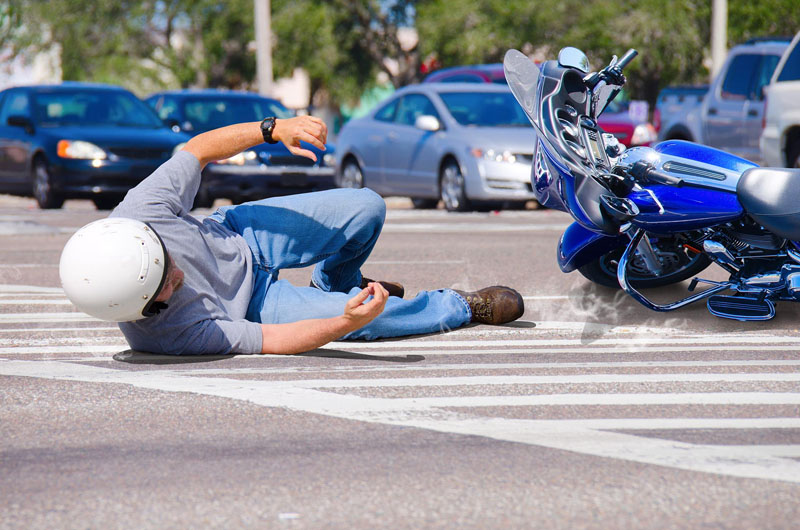
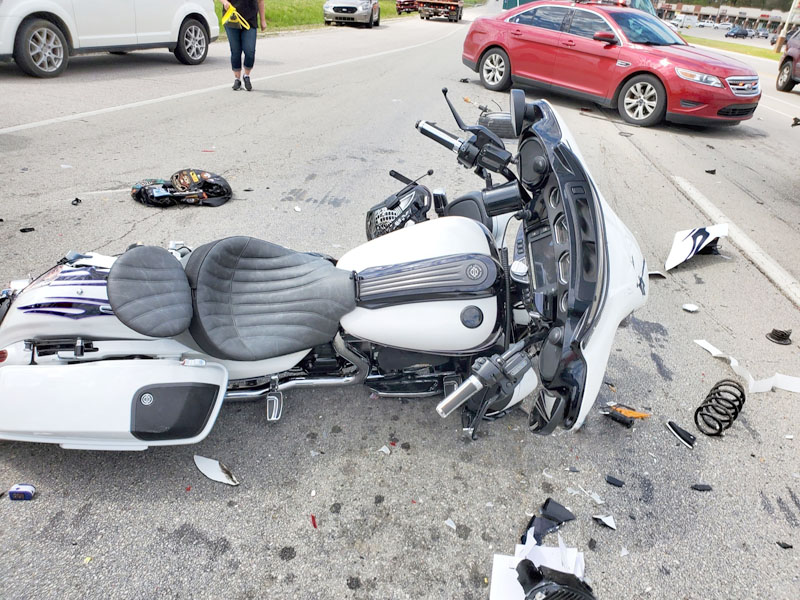
Motorcycle accidents are a lot different from automobile accidents. Specifically is how much the riders are exposed and unprotected during the collision impact compared to individuals in a motor vehicle. A recommendation that comes from attorneys, doctors, and chiropractors is for all motorcyclists to learn about common causes of accidents to help prevent and reduce the level of risk.When on a motorcycle, there is nothing between the individual and the impact to protect the body from injury. If something hits the motorcycle, the individual is going to get hit or hit something. The strength and stamina that it takes to ride a motorcycle, takes a definite toll on the body. It’s very common for the spine to get out of alignment and sustain soft tissue damage from regular riding. Injury Medical Chiropractic and Functional Medicine Clinic can help bring pain relief and rehabilitate the body's musculoskeletal system from regular riding or after a motorcycle accident.
Head-On Collisions
Accidents and crashes that involve motorcycles and other vehicles account for over half of motorcycle accident deaths. In a majority of these accidents, the vehicle hits the motorcycle from the front more than 70% of the time. Automobiles hit motorcycles from behind only 5% of the time.
Vehicles Making Left-Hand Turns
When an automobile is making a left-hand turn is one of the most dangerous situations for motorcyclists. These collisions account for almost half of all accidents involving a motorcycle and car. The turning car usually hits the motorcycle when the motorcycle:
Goes straight through an intersection
Is passing the automobile
Trying to overtake the automobile
These types of accidents are common with cars and trucks as well. However, the motorcycle's smaller size makes it even less visible to turning vehicles.
Lane Splitting
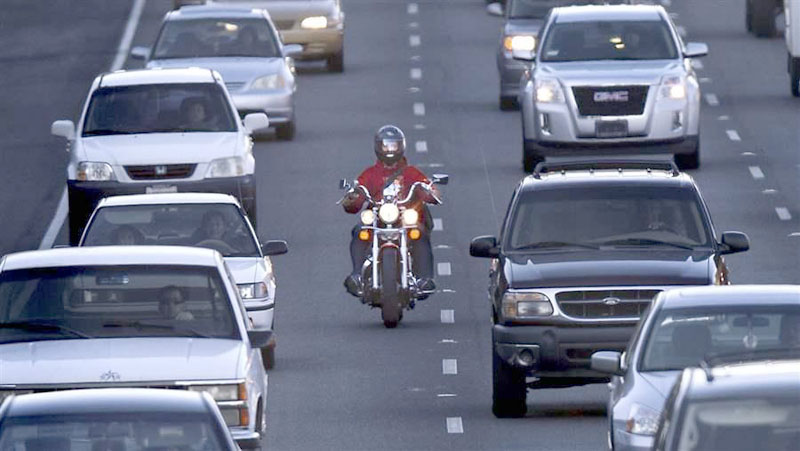
Motorcycles that pass cars within the same lane are at an increased risk of getting hit. Car and truck drivers don't expect the motorcyclist to pass and are often taken by surprise. Lane splitting is when a motorcycle drives between two lanes of stopped or slowly moving cars, typically during high traffic time. It is a common cause of motorcycle accidents because:
The close proximity of the automobiles to the motorcycle
Reduced space that the motorcyclist has to maneuver around the other vehicles
Most drivers don't see or anticipate a motorcycle passing them in slowed or stopped traffic
Road Hazards
Motorcyclists are at an increased risk from road hazards. Because of the smaller size and unstable nature of the motorcycle:
Potholes
Roadkill
Slick road conditions
Uneven height between lanes
Other unexpected objects in the road pose a serious threat.
Common Injuries
Hip/Pelvic Misalignment
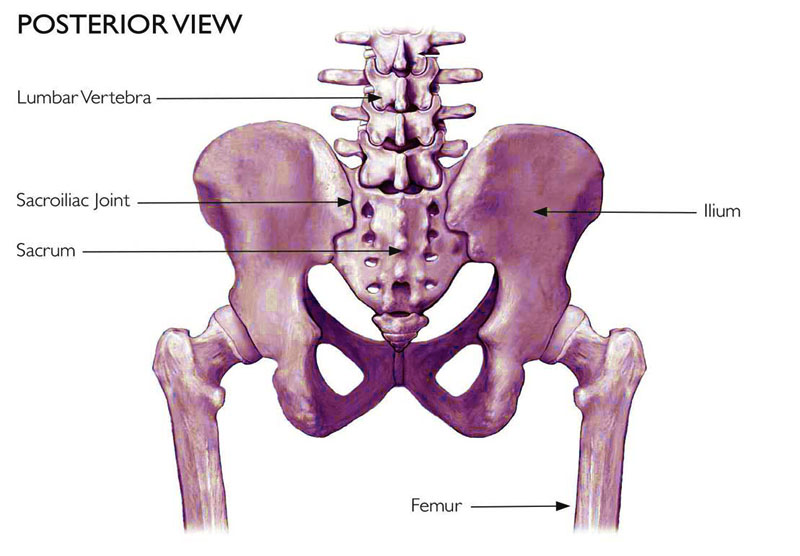
The pelvis has three major joints:
The pubic joint on the front of the body
Two sacroiliac joints on each side of the back, that connect the pelvis to the spine.
It also connects to different muscles, including the hip and pelvic floor. When the body falls on the hip or sustains various forms of crash-related impact, the hip or pelvis can get shifted out of place. This type of misalignment is a leading cause of back pain and can be agonizing. It can keep an individual off the road, and unable to work. A chiropractor can adjust any pelvic misalignment using manipulative therapy. Physical therapy rehabilitation and home exercises/stretches will also be recommended.
Whiplash
This is a type of neck injury that happens from a forceful, back-and-forth motion, during the impact of a crash, or with a sudden stop. It is a soft tissue injury where the tendons and muscles of the neck are stretched and/or torn. Common symptoms include:
Pain
Tingling
Stiffness
Limited range of motion
A chiropractor can help with gentle adjustments to realign the neck, and muscle stretching to loosen the tense muscles.
Other Neck Injuries
Other injuries can include misalignment or fractures of the vertebrae in the neck from a different impact like a side hit. Chiropractic can help an individual recover from these types of injuries and restoring the range of motion. Gentle chiropractic manipulative, mobilization treatment, and intersegmental traction can help realign the neck.
Back Injury
The spine and its muscles are highly prone to injury. Common injuries include:
Fractures
Herniated/slipped discs
Spinal misalignment
Soft tissue injuries
A chiropractor can rehabilitate musculoskeletal and soft tissue injuries through therapeutic massage.
Leg/Foot Injury
Injuries to the legs and feet are common in motorcycle accidents. Common injuries include:
Sprains
Strains
Road rash
Fractures
Biker’s Arm
Biker’s arm also known as rider's arm, is specific to motorcyclists and sometimes bicyclists. It happens when a motorcyclist instinctively pulls in their arm/hand in front of them to try and lessen the impact when falling. This can lead to shoulder, arm, wrist, and hand injuries. The bones, tendons, ligaments, muscles, and nerves can suffer damage and can be severe.
Treatment
Treatment of these injuries can range from a soft collar, chiropractic, anti-inflammatory medications, corticosteroid injections, nerve blocks, and physical therapy. Surgery could be necessary and combined with the aforementioned treatments. Motorcycle riders can increase their safety by being aware of the common causes of accidents, staying alert, and taking steps to reduce and avoid the risk.
Body Composition Overall Health
Phase Angle Inflammation Injury Tracking
Phase angle determines the status of an individual's overall health. If an individual gets hurt and has a low phase angle then their ability to heal can be delayed. The extracellular water and water mass of the body are measured to assess how swollen an individual is after an accident. The individual is reassessed every two weeks to show water loss or inflammation loss. Body composition is important for understanding an individual's fluid status and physiological makeup. This is used for guiding and developing treatments aimed at improving status, and decreasing the length of staying at a hospital. InBody is non-invasive and convenient, making it the ideal tool for patient assessments. In less than 60 seconds, the InBody test provides easy-to-understand, accurate, and objective measurements to evaluate a patient’s health and monitor progress throughout their treatment. Doctors use InBody to:
Identify fluid imbalances related to medical conditions, trauma, and/or organ failure
The information herein is not intended to replace a one-on-one relationship with a qualified health care professional, licensed physician, and is not medical advice. We encourage you to make your own health care decisions based on your research and partnership with a qualified health care professional. Our information scope is limited to chiropractic, musculoskeletal, physical medicines, wellness, sensitive health issues, functional medicine articles, topics, and discussions. We provide and present clinical collaboration with specialists from a wide array of disciplines. Each specialist is governed by their professional scope of practice and their jurisdiction of licensure. We use functional health & wellness protocols to treat and support care for the musculoskeletal system’s injuries or disorders. Our videos, posts, topics, subjects, and insights cover clinical matters, issues, and topics that relate to and support, directly or indirectly, our clinical scope of practice.* Our office has made a reasonable attempt to provide supportive citations and has identified the relevant research study or studies supporting our posts. We provide copies of supporting research studies available to regulatory boards and the public upon request. We understand that we cover matters that require an additional explanation of how it may assist in a particular care plan or treatment protocol; therefore, to further discuss the subject matter above, please feel free to ask Dr. Alex Jimenez or contact us at 915-850-0900.
Dr. Alex Jimenez DC, MSACP, CCST, IFMCP, CIFM, CTG* email: [email protected]phone: 915-850-0900Licensed in Texas & New Mexico
References
Cherta Ballester, Oscar et al. “Analysis of trunk impact conditions in motorcycle road accidents based on epidemiological, accidentological data and multibody simulations.” Accident; analysis and prevention vol. 127 (2019): 223-230. doi:10.1016/j.aap.2019.03.006
Halbersberg, Dan, and Boaz Lerner. “Young driver fatal motorcycle accident analysis by jointly maximizing accuracy and information.” Accident; analysis and prevention vol. 129 (2019): 350-361. doi:10.1016/j.aap.2019.04.016
Spinal cord injury: Causes. Mayo Clinic Web site. http://www.mayoclinic.org/diseases-conditions/spinal-cord-injury/basics/causes/con-20023837. Published October 8, 2014. Accessed August 30, 2017.
IFM's Find A Practitioner tool is the largest referral network in Functional Medicine, created to help patients locate Functional Medicine practitioners anywhere in the world. IFM Certified Practitioners are listed first in the search results, given their extensive education in Functional Medicine