Flexibility is critical for athletes and non-athletes alike. It allows people to move freely and easily in their everyday life and can also help prevent injury or aggravated conditions during physical activities. One of the best methods to maximize flexibility is through stretching. However, research suggests that not all stretching techniques are created equal. Proprioceptive neuromuscular facilitation, or P.N.F., stretching is depends on reflexes to produce deeper stretches which increase flexibility.
What is P.N.F. stretching?
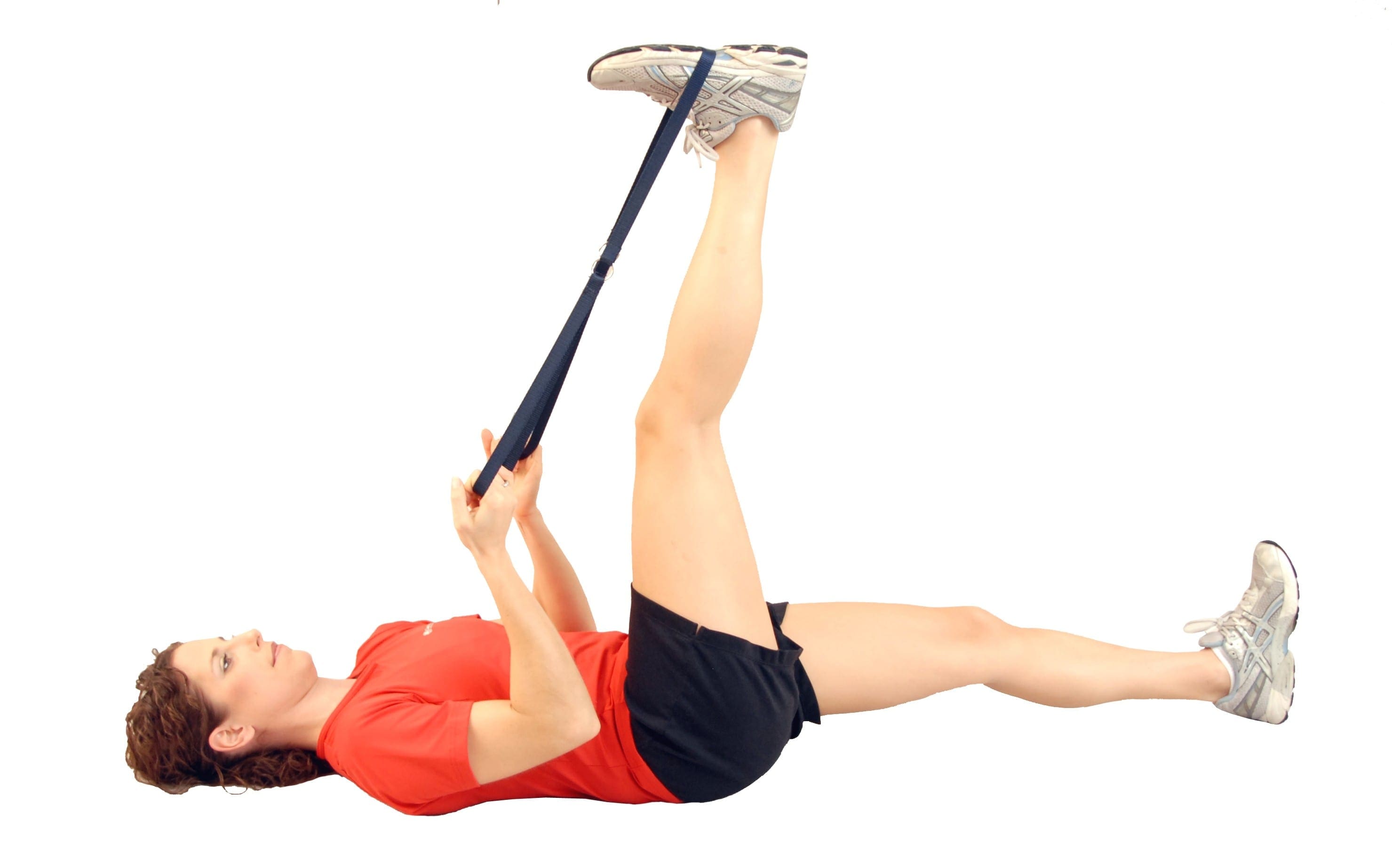
Proprioceptive neuromuscular facilitation (PNF) is a more complex form of endurance training which involves both the stretching and contraction of the muscle group being targeted. PNF stretching was initially developed as a form of rehabilitation, and to that effect, it’s very effective. It’s also great for targeting specific muscle groups, and also, while it helps increase flexibility, it also enhances muscle power.
As stated by the International PNF Association, P.N.F. stretching was developed by Dr. Herman Kabat in the 1940’s as a means to take care of neuromuscular ailments, including polio and multiple sclerosis. Proprioceptive neuromuscular facilitation techniques have since gained recognition with healthcare professionals, such as chiropractors, physical therapists and other fitness professionals. Based on research from the University of Queensland, PNF stretching may be the best stretching procedure for increasing range of motion.
How Does Proprioceptive Neuromuscular Facilitation Function?
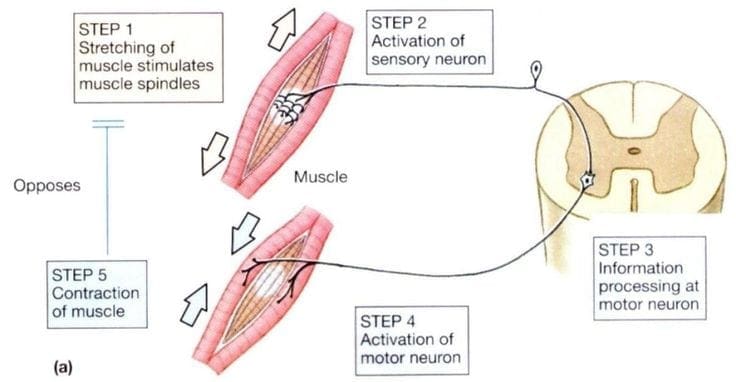
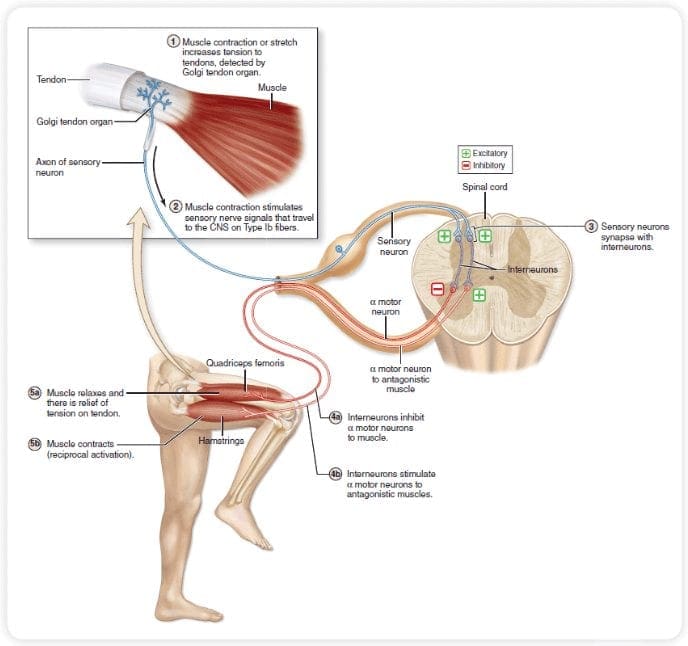
While there are multiple PNF stretching techniques, all of these rely on extending a muscle to its own limitation. Doing so causes the inverse myotatic reflex, a protective reflex that calms the muscle to prevent injury. P.N.F. induces the brain to think “I do not need that muscle to rip” and sends a message to let the muscle relax a bit more than it would normally.
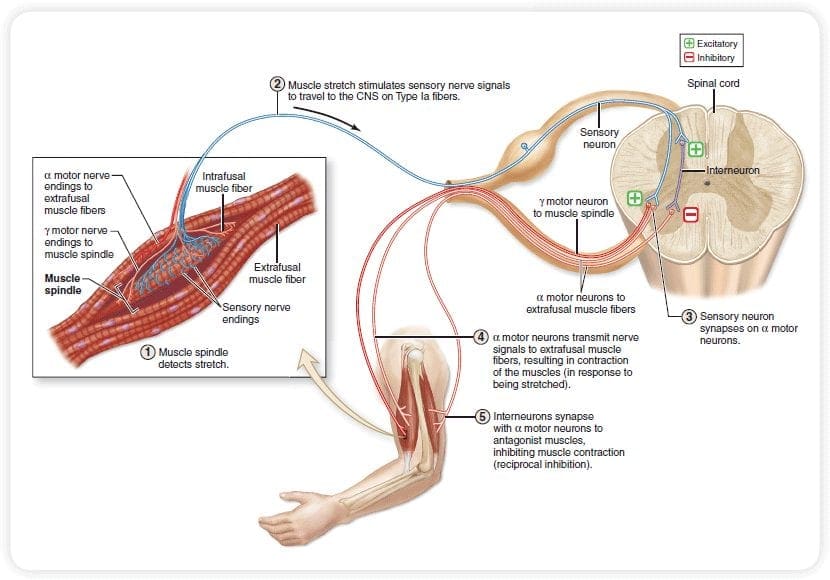
You know the feeling when you stretch a muscle? It feels great when you stretch it until you move nearer to the end of its range of movement and it starts to feel extremely tight and even painful. It’s similar to a flexible band that does not want to stretch any farther.This is known as the myotatic reflex, which is the human body’s natural method of protecting your muscles from stretching too far. It is possible to conquer this to an extent by gradually extending and exhaling to decrease tension in the muscle.
However, proprioceptive neuromuscular facilitation, or PNF, stretching tricks your nervous system into relaxing the myotatic reflex, enabling your muscles to extend further than what’s attainable using a conventional style of stretching. All PNF stretching requires is that you stretch a muscle and then forcefully contract that muscle before stretching it again. As you proceed into the stretch after the contraction, you will be able to stretch farther that you did earlier. This permits you to create more length in the muscle and receives a much greater flexibility benefit from the stretch. P.N.F. stretching consists of several techniques which can help achieve the same effect as described above.
Hold-Relax Stretch
This type of PNF stretch relies on the concept of autogenic inhibition. By stretching the muscle and after using an isometric contraction of the muscle, it’s possible to decrease the activity (or tone) of the muscle and deceive the myotatic reflex to permit for a more significant stretch. To perform this technique, stretch a muscle as far as you can, remember, it shouldn’t be painful, and then hold the stretch for 10 seconds. Next, contract that muscle as forcefully as possible against an immovable object. Hold this for 5 minutes. Now move into a stretch, using a partner’s assistance if needed, which ought to be deeper than what you attained before. Repeat the stretch-contraction order three times for each muscle.
Contract-Relax, Antagonist-Contract Stretch
Your system is wired so that two muscles cannot shorten at precisely the exact same time, otherwise they’d fight against one another, and you would not be able to move. So when you consciously contract a muscle, your nervous system automatically sends an indication to the opposing muscle, or antagonist, that it ought to relax so that your joint can proceed. This is called reciprocal inhibition. This variant of PNF benefits from reciprocal inhibition. It resembles the hold-relax stretch but entails a forceful contraction of the opposing muscle to the one being extended in order to move deeper into the stretch.
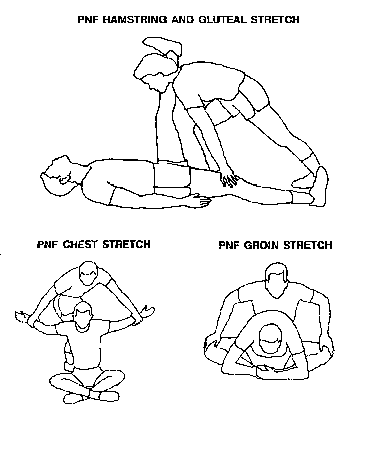
To perform this technique, stretch a muscle as far as you can, again, remember it shouldn’t be painful, and hold the stretch for 10 seconds. Next, contract that muscle as aggressively as you can against an immovable object, such as your partner’s chest. Hold this for 5 seconds. Now use the opposing muscle to pull yourself back to the stretch. Again for the hamstring stretch, this would be your hip flexors. Your partner won’t have to supply as much assistance as the hold-relax stretch technique, but can give an excess drive and will help you maintain the stretch if needed. Repeat the sequence three times for each muscle.
Contract-Relax Stretch
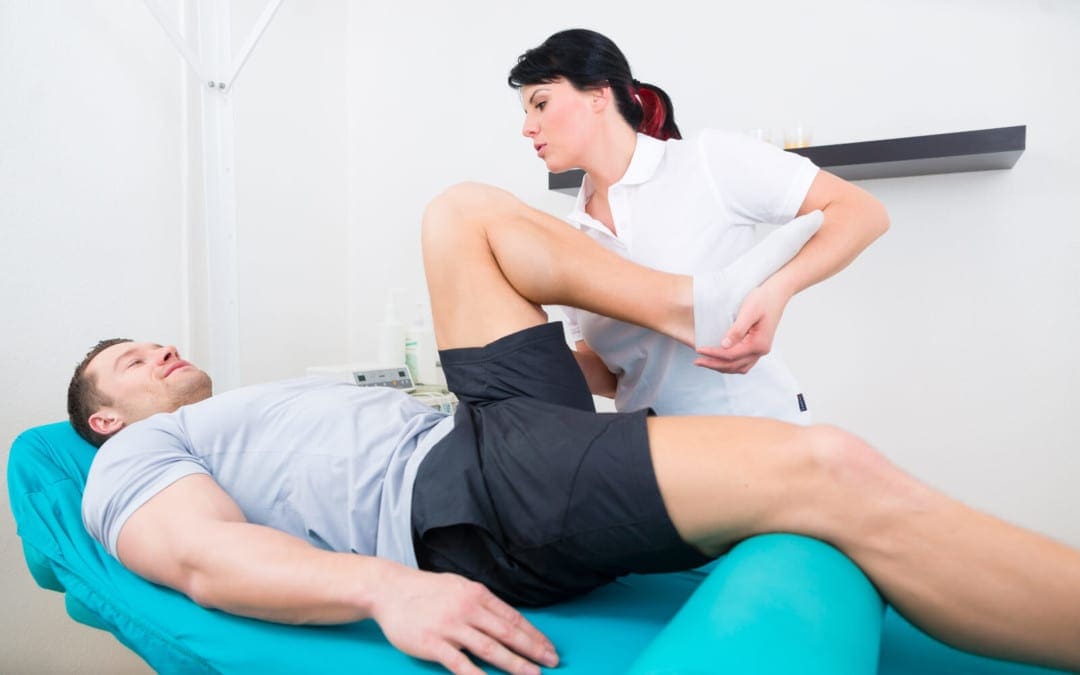
Finally, the third type of PNF stretch closely resembles the hold-relax stretch but rather entails contracting the muscle through an active assortment of motion. To perform this technique for a hamstring stretch, for instance, you’d extend the muscle for 10 seconds and slowly lower your leg into a table. Now increase your leg back around 90 degrees and also have a partner move you into the next stretch.
Dr. Alex Jimenez’s Insight
Proprioceptive Neuromuscular Facilitation, or PNF, is a rehabilitation stretching technique used to help increase flexibility as well as improve muscle elasticity. P.N.F. has been demonstrated to have a positive effect on active and passive range of motion because it can increase the length of the muscle and neuromuscular efficiency. Stretching has long been seen as beneficial to enhance performance and decrease risk of injury during physical activities. Proprioceptive neuromuscular facilitation stretching can also improve function and range of motion following an injury. Proper protocol should be followed when performing PNF stretching to attain and maintain the benefits of these techniques.
A Word of Caution Regarding PNF Stretching
Certain precautions need to be taken when performing proprioceptive neuromuscular facilitation, or PNF, stretches because they can place additional amounts of stress, pressure and/or tension on the targeted muscle group, which can boost the risk of soft tissue injury. To help reduce this risk, it’s important to incorporate a conditioning stage before a maximum, or extreme effort is utilized.
Additionally, before undertaking any form of stretching it is extremely important that a comprehensive warm up is completed. Warming up prior to stretching does a variety of valuable things, but mainly its objective is to prepare the body and mind for more strenuous physical activities. Among the ways it accomplishes this is by helping to increase the body’s core temperature whilst also increasing the body’s muscle dimensions. This is imperative to ensure the maximum benefit is obtained from your stretching. The scope of our information is limited to chiropractic as well as to spinal injuries and conditions. To discuss the subject matter, please feel free to ask Dr. Jimenez or contact us at 915-850-0900 .
Curated by Dr. Alex Jimenez
Additional Topics: Sciatica
Sciatica is medically referred to as a collection of symptoms, rather than a single injury and/or condition. Symptoms of sciatic nerve pain, or sciatica, can vary in frequency and intensity, however, it is most commonly described as a sudden, sharp (knife-like) or electrical pain that radiates from the low back down the buttocks, hips, thighs and legs into the foot. Other symptoms of sciatica may include, tingling or burning sensations, numbness and weakness along the length of the sciatic nerve. Sciatica most frequently affects individuals between the ages of 30 and 50 years. It may often develop as a result of the degeneration of the spine due to age, however, the compression and irritation of the sciatic nerve caused by a bulging or herniated disc, among other spinal health issues, may also cause sciatic nerve pain.
Low back pain occurs due to a variety of causes, which is why it is often poorly diagnosed and treated. As there are many mechanisms by which lower back pain happens, such as trauma, overuse from weight lifting for example, and repetitive motion, it’s important to mention that this article will only focus on sciatic nerve pain, or sciatica.
Sciatica refers to pain and other symptoms which radiate or travel down the leg, associated with numbness, tingling or burning sensations, and weakness in one or both lower extremities. Many patients complain of sharp, intense pain and discomfort when sitting and driving, affecting their capacity to bear weight properly when one has to walk or move. Their pain can shoot down the length of the sciatic nerve, into the buttocks, down the back of the leg, into the calf, and lastly, into the ankle and foot. The sciatic nerve, which is the longest nerve in the body, can become compressed or entrapped by certain muscles leading to sciatica.
Based on the location of this impingement, the individual will present with a variety of symptoms. If the health issue is diagnosed to originate in the low back, then the problem normally occurs around the hole in which the nerve exits the spine, resulting in symptoms surrounding the entire lower extremity. If the health issue is correctly diagnosed to originate from the buttocks, it most often includes the piriformis muscle because the sciatic nerve travels beneath it as it makes its way down the length of the leg. The source of this type of sciatica may involve different muscles just below the piriformis, otherwise known as a group of muscles called the hip rotators.
If the health issue is not in the lower back, or buttocks, then the problem is very likely to have occurred in the hamstrings, primarily at one of the muscles where the plantar nerve divides the hamstrings at the back of the thigh. The sciatic nerve may also manifest symptoms when compressed in the calf, however, these symptoms will often only be reported below the knee.
ART and PNF Treatment for Sciatic Nerve Pain
In regards to treatment, sciatica can be worked out by performing active release techniques, or ART, through the release of the entire nerve where it is being compressed. The objective when using ART for sciatic nerve pain would be to maneuver the nerve while trapping the muscle(s) in their own position. The nerve is then pulled from beneath the muscle. Also, using rehabilitation exercises through specific stretches and strengthening exercises of the muscle groups involved may allow for faster healing alongside chiropractic care to boost the communication between the spine and the positioning of the nerve entrapment/compression.
One of the most common stretching methods for sciatica is PNF or proprioceptive neuromuscular facilitation. PNF is a sort of stretch that produces a rebound relaxation of the muscle. PNF is a more advanced kind of flexibility training that involves both the contraction and stretching of the muscle group being targeted. PNF is a stretching technique utilized to increase range of motion and flexibility. PNF increases range of motion by increasing the length of the muscle and increasing neuromuscular efficiency. PNF stretching has been found to increase ROM in trained, as well as untrained, individuals. Effects can last 90 minutes or more after the stretching has been completed. PNF stretching was initially created as a form of rehabilitation, and to that effect, it is very effective. It’s also excellent for targeting specific muscle groups as well as increasing flexibility and enhancing muscle power and strength.
Four theoretical physiological mechanisms for increasing range of motion were identified using PNF stretching: autogenic inhibition, reciprocal inhibition, stress relaxation, and the gate control theory.�Autogenic Inhibition is what occurs in a contracted or stretched muscle in the form of a decrease in the excitability because of inhibitory signals sent from the same muscle.�Reciprocal inhibition is what occurs in the TM when the opposing muscle is contracted voluntarily in the form of decreased neural activity. It occurs when an opposing muscle is contracted in order to maximize its contraction force, and it relaxes.�Stress relaxation is what occurs when the musculotendinous unit (MTU), which involves the muscles and the connected tendons, is under a constant stress.�The gate control theory is what occurs when two kinds of stimuli, such as pain and pressure, activate their respective receptors at the same time.
How to Perform a PNF Stretch
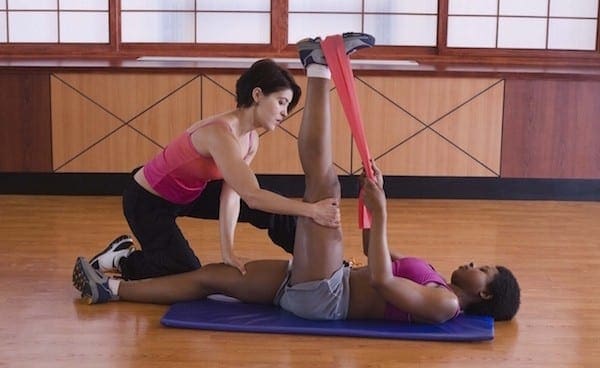
The practice of doing a PNF stretch involves the next steps. The muscle group to be stretched is first placed so that the muscles are stretched and under pressure. The individual then contracts the muscle, using a band for 5 to 6 seconds while a partner, or immovable object, applies sufficient resistance to inhibit motion. Please be aware, the effort of contraction ought to be relevant to the individual’s amount of conditioning. The contracted muscle group is then relaxed and a controlled stretch is used for approximately 20 to 30 seconds. The muscle band is then allowed 30 seconds to recover and the process is repeated 2 to 4 more times.
Information differs marginally regarding time recommendations for PNF stretching, determined by which healthcare professional you’re speaking to. Although there are conflicting responses to the question of how long should a patient contract the specific muscle group for and how long should they rest for between each stretch, it’s been found through a study of research and patient experience, that the above timing recommendations offer the most advantages from proprioceptive neuromuscular facilitation stretching.
Furthermore, certain precautions will need to be taken when performing PNF stretches because they may put additional stress on the targeted muscle group, which can boost the possibility of soft tissue injury. To reduce this risk, it’s essential for the patient to include a conditioning phase before a maximum, or intense effort is utilized.
About the Active Release Technique or ART
The active release technique, or ART, is among the newest treatments in the world of chiropractic. ART is used to target muscle, nerve, and tendon problems. It is also used to treat blood vessel problems. Quite a few studies have been conducted and these have generated positive results which reveal that ART is really an effective treatment method. A lot of individuals nowadays try ART since so many are experiencing muscle problems.
Oftentimes, individuals, particularly the older ones, wake up and they feel that their body is quite hard to move. There are also those who start to feel their range of motion getting more and more limited with time. A number of the most common body parts that suffer from limited selection of motion include the neck, the arms, and the back. For many individuals, there is also restricted range of motion. There are numerous factors that cause restricted range of movement. The active release technique can be used to improve limited mobility as well as improve sciatica symptoms associated with a variety of health issues.
How ART Affects Limited Range of Motion
ART therapists initial assess the muscles that they are supposed to take care of. They check the texture, the stiffness, and needless to say, their freedom. Since the groundwork is conducted, the therapists would then attempt to elongate the muscles so as to break the adhesions. The stretching is usually conducted with the management of vein in consideration. Also, the practitioner would need to ask the patient to move the affected body parts in ways prescribed by the practitioner. So essentially, ART is a joint-venture. Practitioner and patients work together in order to generate great medical outcomes.
Dr. Alex Jimenez’s Insight
The active release techniques, or ART, and the proprioceptive neuromuscular facilitator, or PNF, stretches are therapeutic procedures commonly utilized for the common practice of releasing tension in the soft tissues as well as increasing the range of motion of the human body. Although a variety of treatment options are available to help treat sciatica, ART and PNF can be used by qualified and experienced healthcare professionals to safely and effectively improve and manage sciatic nerve pain. Moreover, alternative treatment options, such as chiropractic care, and strengthening exercises can also be used in combination with these therapeutic methods to help speed up the recovery process.
The Future of ART and PNF
It’s important to remember that both ART and PNF should only be run by accredited practitioners. Healthcare professionals are not just expected to find basic instruction and permit but they are also expected to have attended numerous workshops and seminars about the subject. In some countries, credential tests even must be passed. In addition, it ought to be noted that ART and PNF must be conducted on muscle stiffness not due to blunt trauma. The condition should also not involve inflammation.
There are many healthcare professionals who focus on ART and PNF. A few of these include chiropractors, physical therapists, massage therapists, medical physicians, and even athlete trainers. The active release technique and the proprioceptive neuromuscular facilitation stretches helps people do things that they used to do. It helps them become more efficient at work as well as be practical in their daily lives. Due to the health benefits of ART and PNF, more and more people from the medical and therapeutic world are learning how to concentrate on it. The scope of our information is limited to chiropractic as well as to spinal injuries and conditions. To discuss the subject matter, please feel free to ask Dr. Jimenez or contact us at 915-850-0900 .
Curated by Dr. Alex Jimenez
Additional Topics: Sciatica
Sciatica is medically referred to as a collection of symptoms, rather than a single injury and/or condition. Symptoms of sciatic nerve pain, or sciatica, can vary in frequency and intensity, however, it is most commonly described as a sudden, sharp (knife-like) or electrical pain that radiates from the low back down the buttocks, hips, thighs and legs into the foot. Other symptoms of sciatica may include, tingling or burning sensations, numbness and weakness along the length of the sciatic nerve. Sciatica most frequently affects individuals between the ages of 30 and 50 years. It may often develop as a result of the degeneration of the spine due to age, however, the compression and irritation of the sciatic nerve caused by a bulging or herniated disc, among other spinal health issues, may also cause sciatic nerve pain.
IFM's Find A Practitioner tool is the largest referral network in Functional Medicine, created to help patients locate Functional Medicine practitioners anywhere in the world. IFM Certified Practitioners are listed first in the search results, given their extensive education in Functional Medicine