Providing the body with adequate hydration and nutrition at the right time can maximize performance abilities, endurance, and muscle repair and restoration. Eating the right foods at the right time will fuel the body to support intense exercises. That means plenty of energy for cardiovascular and strength training. The optimal combination of pre-workout nutrition depends on the type of workout and how long it takes for the body to absorb the nutrients to get moving. Injury Medical Chiropractic and Functional Medicine Clinic can develop a fitness and nutritional plan customized to the individual’s needs and health goals.
Pre-Workout Nutrition
The three main macronutrients are carbohydrates, proteins, and fats when preparing pre-workout meals and snacks. Ratios are based on the specific needs of the workout. For example, going for a one-mile jog or a light aerobics class requires different amounts for different purposes. The longer and more intense the exercise, the more food is needed. Individuals may only need to modify or adjust their eating habits slightly for light workouts. Their roles vary:
Carbohydrates
Fats
Proteins
Each has a different role in supplying fuel for powering through physical activity.
Carbohydrates
Carbs are an important fuel for exercise.
Carbs can be found in grains, fruits, vegetables, and dairy products.
These are the easiest energy foods for the body to turn into glucose.
Glucose is stored in the muscles as glycogen.
Without enough carbohydrates, the body will be depleted of energy and become exhausted.
Proteins
This macronutrient is found in poultry, eggs, fish, and nuts.
Takes longer for the body to digest.
Protein helps the body feel full.
The body uses various nutrients to repair and build muscles.
Getting protein throughout the day can help with recovery after a workout.
Fats
The body burns fat for longer low to moderate-intensity workouts, such as a long run or bicycle ride.
However, fat takes more effort and time for the body to digest.
So, eating healthy fats is not the best right before exercise.
Pre-Workout Nutrition Guidelines
The exact mix of foods/nutrients ideal for the workout depends on when the individual can eat in relation to the time of the activity and intensity of the exercise.
Two to Four Hours Before Exercising
Have a meal containing a mix of carbohydrates, fats, and protein.
Oatmeal with fruit and nuts, a turkey sandwich with vegetables and some fruit, or a chicken and rice bowl with vegetables and avocado.
One to Two Hours Before Exercising
A light meal or snack.
Cereal with low-fat milk, peanut butter with crackers, or a fruit smoothie.
Avoid foods high in fiber and fat because they take longer to digest and can lead to digestion/stomach issues during exercise.
Before Morning Exercise
Going to the gym or out for a run first thing in the morning, something small, like a banana or granola bar.
For individuals that can’t eat early, don’t force yourself.
Have an extra portion at dinner or a snack before bed to have enough fuel for the morning.
During Workout
Have easy-to-digest carbs if the exercise session lasts more than an hour.
A banana or pretzels.
Sports drink during the workout contains electrolytes and minerals like sodium, magnesium, and potassium that assist in regulating functions like muscle contractions lost as the body sweats.
Hydration
Liquids are lost when the body sweats. Sipping water before, during, and after the workout is important.
Even a small dip in hydration levels can lower exercise performance and lessen mental sharpness.
Drinking two to three cups of water two to three hours before exercise is recommended.
During the workout, you should get at least a half to a full cup of water every 15 to 20 minutes.
After the workout, replenish hydration levels with two to three more cups.
Pre-Workouts
References
Jensen, Jørgen, et al. “The role of skeletal muscle glycogen breakdown for regulation of insulin sensitivity by exercise.” Frontiers in physiology vol. 2 112. 30 Dec. 2011, doi:10.3389/Phys.2011.00112
Jeukendrup, Asker. “A step towards personalized sports nutrition: carbohydrate intake during exercise.” Sports medicine (Auckland, N.Z.) vol. 44 Suppl 1, Suppl 1 (2014): S25-33. doi:10.1007/s40279-014-0148-z
Lowery, Lonnie M. “Dietary fat and sports nutrition: a primer.” Journal of sports science & Medicine vol. 3,3 106-17. 1 Sep. 2004
Ormsbee, Michael J et al. “Pre-exercise nutrition: the role of macronutrients, modified starches, and supplements on metabolism and endurance performance.” Nutrients vol. 6,5 1782-808. 29 Apr. 2014, doi:10.3390/nu6051782
Rothschild, Jeffrey A et al. “What Should I Eat Before Exercise? Pre-Exercise Nutrition and the Response to Endurance Exercise: Current Prospective and Future Directions.” Nutrients vol. 12,11 3473. 12 Nov. 2020, doi:10.3390/nu12113473
Shirreffs, Susan M. “The importance of good hydration for work and exercise performance.” Nutrition Reviews vol. 63,6 Pt 2 (2005): S14-21. doi:10.1111/j.1753-4887.2005.tb00149.x
Digestive disorders affect millions of individuals and cover a variety of diseases ranging from mild to severe. These conditions involve the digestive tract, also known as the gastrointestinal or GI tract. The digestive disorders of heartburn, acid reflux, and gastroesophageal reflux disease/GERD are related and have similar symptoms but are different. Accurately diagnosing digestive disorders involves a thorough medical history, imaging and lab tests, and physical examination to develop the proper treatment plan.
Digestive Disorders
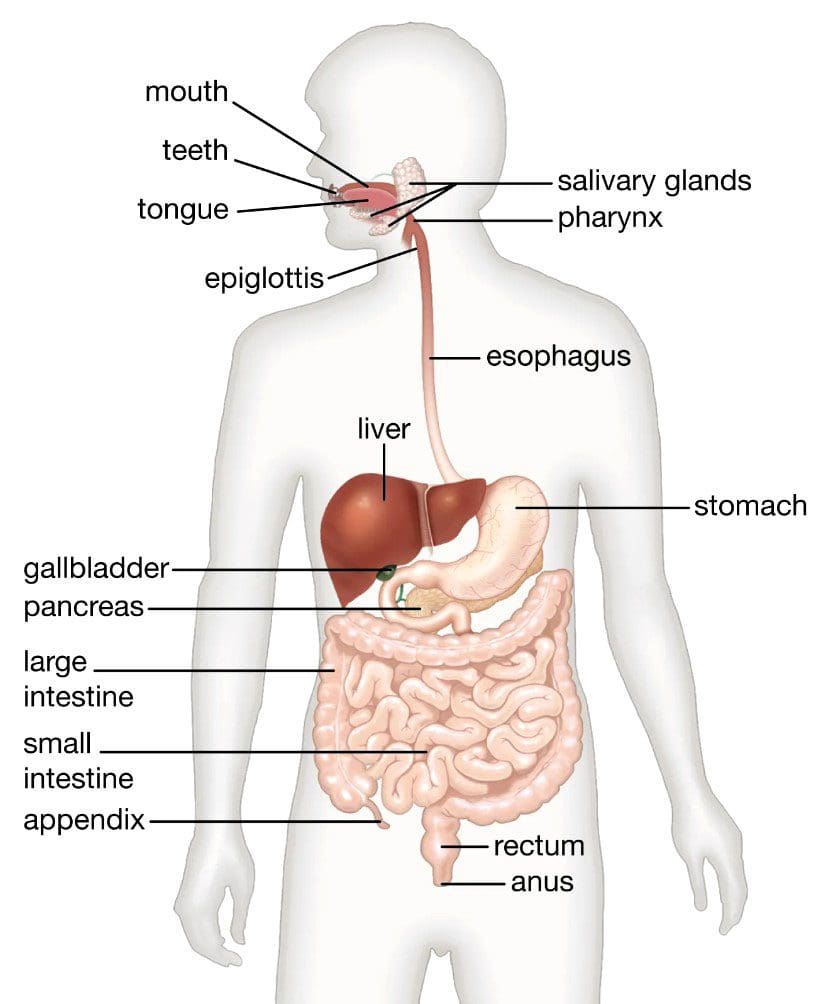
The gastrointestinal tract includes the esophagus, liver, gallbladder, stomach, pancreas, and large and small intestines.
Heartburn
Heartburn has nothing to do with the heart but describes a burning sensation in the chest. Individuals experience heartburn when stomach acid flows back into the esophagus. Occasional heartburn after eating spicy foods or foods an individual is not used to is common and is no cause for alarm. Most can manage the discomfort symptoms with lifestyle adjustments and over-the-counter medications. Chronic heartburn that interferes with daily/nightly routines could indicate a more serious condition requiring medical care. Symptoms include:
The burning discomfort sensations in the stomach and chest regions are usually worse after eating a meal, bending down, at night, and when lying down.
A bitter or acidic taste.
Acid Reflux
The esophagus comprises mainly smooth muscle that extends from the throat down through the chest cavity and past the abdomen, where it connects with the stomach. When swallowing, the esophagus opens and squeezes food down to the bottom, where a valve (lower esophageal sphincter LES) separates it from the stomach. The valve is normally closed. When swallowing, it opens so that food can pass through and then closes up. Acid reflux is a disorder that causes the valve to open when it’s not supposed to. This allows stomach contents like acid, digestive juices, enzymes, and food to flow backward from the stomach into the esophagus, causing heartburn symptoms. This usually happens when the lower esophageal sphincter is under added pressure, weakened, or malfunctioning. Symptoms can be caused by:
Overeating.
Eating spicy or acidic foods that can trigger symptoms.
Eating right before going to bed.
Medications.
Over alcohol consumption.
Exercising after eating.
Pregnancy.
Smoking.
Acid reflux and heartburn affect everyone, but most can handle the discomfort by taking antacids and avoiding the foods that brought it on. Occasional acid reflux can be treated with over-the-counter medication, including:
Acid reflux can potentially progress to gastroesophageal reflux disease, a more serious form of acid reflux that lasts longer. GERD is frequent heartburn that happens two or more times a week. Other signs and symptoms can include:
Some individuals with digestive disorders may need more extensive diagnostic evaluations, including GI endoscopy, laboratory tests, and imaging.
Chiropractic Treatment
Body misalignments, unhealthy posture, and restrictive positions can contribute to digestive disorders that put pressure on the stomach and chest, triggering symptoms. A chiropractor can realign the body and take the stress off the joints and spine, relieving the pressure on the nerves. They can also strengthen the muscles through adjustments that help alleviate pressure on the stomach. A chiropractor designs a treatment plan that suits the individual’s needs, including stretches and exercises, nutrition, and health coaching to achieve and manage a healthy weight.
Chiropractic Precision
References
Carvalho de Miranda Chaves, Renata, et al. “Respiratory physiotherapy can increase lower esophageal sphincter pressure in GERD patients.” Respiratory medicine vol. 106,12 (2012): 1794-9. doi:10.1016/j.rmed.2012.08.023
Harding, Susan M. “Acid reflux and asthma.” Current opinion in pulmonary medicine vol. 9,1 (2003): 42-5. doi:10.1097/00063198-200301000-00007
Kahrilas, Peter J. “Regurgitation in patients with gastroesophageal reflux disease.” Gastroenterology & hepatology vol. 9,1 (2013): 37-9.
Pope, C E 2nd. “Acid-reflux disorders.” The New England journal of medicine vol. 331,10 (1994): 656-60. doi:10.1056/NEJM199409083311007
This time of year brings plenty of changes to normal day-to-day activities. We eat more and move less. But it is possible to stay on track while still enjoying the holiday festivities. The key is to balance healthy choices, stay aware of stressors, make a plan for staying healthy and get the whole family involved. The CDC recommends focusing on four areas to maintain family health: physical activity, nutritional habits, sleep, and screen time.
Family Health
Striking a balance between being active and having fun will help to create a more enjoyable and relaxing holiday experience.
Get The Whole Family Moving
Physical activity develops stronger muscles and bones, improves heart health, increases blood circulation, and lowers body fat.
Children ages 3 to 5 years should be active throughout the day.
Children ages 6 to 17 need at least 60 minutes of physical activity daily.
Look for ways to blend fun and physical activity as a family.
If you can get outside, play games like basketball or touch football, walk the dog, or take a nature walk.
Everyone has go-to foods, treats, and drinks they enjoy during the holidays. Restricting or avoiding these pleasures completely isn’t good, as it can lead to binge eating.
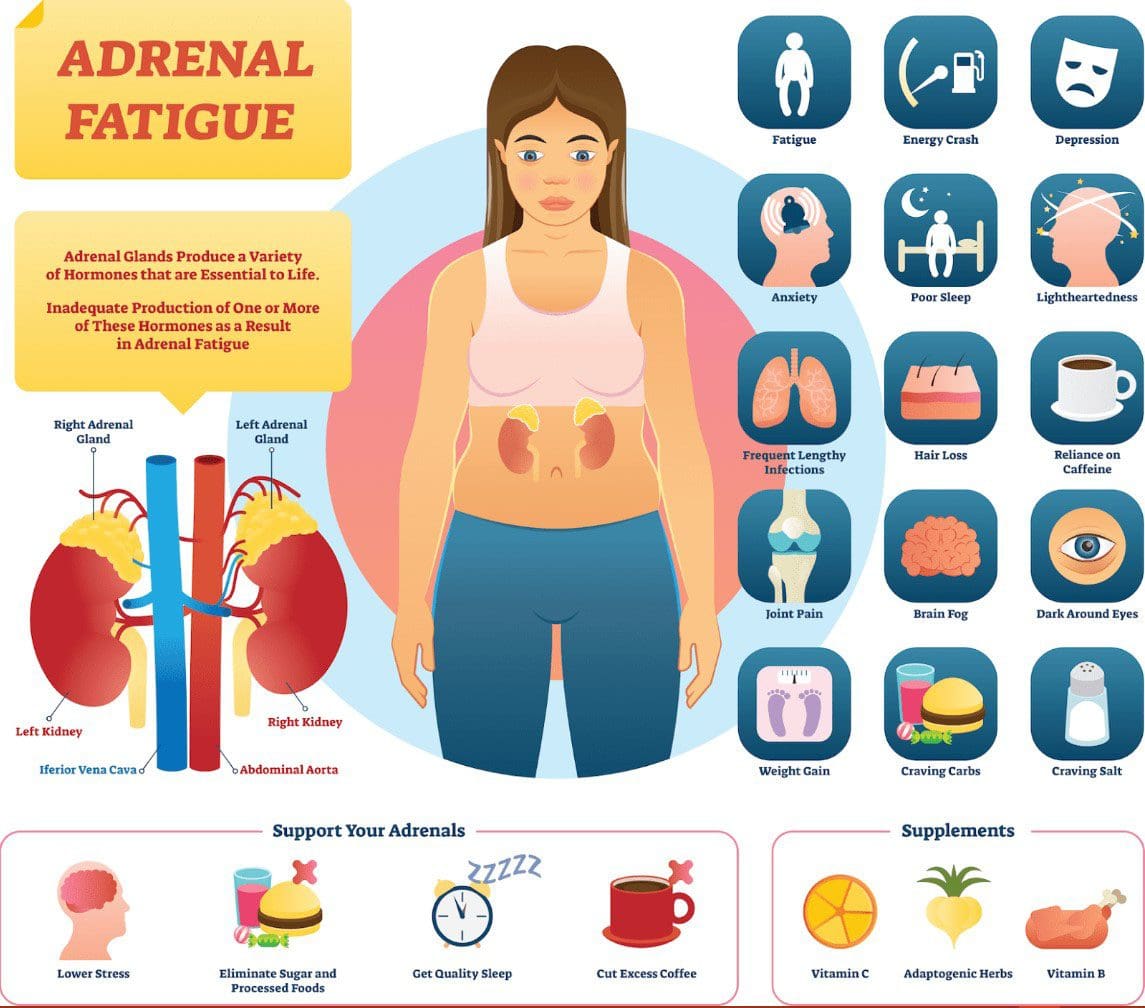
The adrenal glands are small and sit above the kidneys. The glands help the body burn fat and protein and regulate sugar, blood pressure, and stress response. They create, release, and regulate hormones like cortisol and adrenaline. Conditions like chronic fatigue, brain fog, and burnout cause individuals to be exhausted during the day and unable to fall asleep at night. Symptoms can also include hair loss, weight fluctuation, increased cravings, and difficulty recovering from illness. Nutrition support plays a major role in healing adrenal fatigue.
Nutrition Support
Adrenal fatigue nutrition support is a food-based approach to optimize adrenal gland function. The objective is to increase energy levels naturally, so the body doesn’t burn stored nutrients. Adrenal gland optimization involves learning ways to reduce and manage stress, getting healthy sleep, and making lifestyle adjustments.
Adrenal Fatigue
When stress activates, the adrenal glands release cortisol. Researchers theorize that when the body experiences high levels of chronic stress, the adrenal glands may not be able to produce enough cortisol to maintain healthy function, which can lead to adrenal fatigue.
Adrenal fatigue should not be confused with adrenal insufficiency, a verified medical condition where the adrenal glands cannot produce enough hormones.
Fatigue Symptoms
Symptoms of adrenal fatigue include:
Chronic low energy levels
Difficulty waking up
Difficulty falling asleep
Increased cravings for salt or sugar
Dependence on stimulants like caffeine
Other health conditions could also cause symptoms.
Foods to Avoid
Decreasing foods and drinks high in refined and processed sugar and unhealthy fats are recommended. Some foods to limit include:
It’s also recommended to time meals to help manage blood sugar levels. Skipping meals forces the body to burn stored nutrients that can reduce energy levels. Maintaining breakfast and lunch and regular balanced snacks can help maintain energy levels throughout the day. Maintaining hydration is also important, as dehydration can influence stress levels and cause the adrenal glands to produce cortisol.
Recommended Foods
Doctors and nutritionists recommend balancing nutrient-dense sources of protein, healthy fats, and carbohydrates. Nutrition support foods include:
Lean meats
Fatty fish – Salmon and sardines are great protein sources as they are loaded with healthy omega-3 fatty acids, which can reduce inflammation and promote improved brain health.
Leafy greens – These vegetables contain magnesium, like spinach, kale, and Swiss chard. The body needs magnesium to carry out various functions, which also helps the body relax and manage stress more effectively. When there is trouble falling asleep, it could be a deficiency in this mineral.
Sea salt – Individuals with adrenal fatigue experience electrolyte imbalances. This is caused by a deficiency in the steroid hormone aldosterone. Adding sea salt will help balance electrolytes and minimize symptoms, specifically those related to blood pressure.
Olive oil
Avocado – The body needs a good amount of healthy fat to help the body heal. A low-fat diet is not ideal for dealing with hormonal issues like adrenal fatigue, as the body needs fat and cholesterol to produce hormones. Avocados contain high monounsaturated fats and fiber that help the body detox and digest food more efficiently.
Healing
A nutrition plan addressing adrenal fatigue can increase energy levels, regulate blood pressure, and promote healthier eating habits. Talking with your doctor and a nutritionist is recommended for optimal results, as they can develop a personalized health plan that addresses the following:
Lifestyle adjustments
Healthy sleep schedule
Managing stress
Physical activity
We are here for you at Injury Medical Chiropractic and Functional Wellness Clinic to learn more about adrenal fatigue and how to manage it. Contact us for more information on our services or to schedule an appointment for a consultation.
Adrenal Dysfunction Patterns
References
ABDULLA, Jehan, and B. DJ Torpy. “Chronic Fatigue Syndrome.” Endotext, edited by Kenneth R Feingold et al., MDText.com, Inc., 20 April 2017.
Allen, Loyd V Jr. “Adrenal fatigue.” International journal of pharmaceutical compounding vol. 17,1 (2013): 39-44.
Galland, Leo. “The gut microbiome and the brain.” Journal of medicinal food vol. 17,12 (2014): 1261-72. doi:10.1089/jmf.2014.7000
Immune system health and keeping the system strong and healthy can be accomplished by maintaining healthy eating habits. Eating foods rich in specific vitamins and supplements can help the immune system fight off illness, maintain energy levels, and help during injury recovery. Here we look at choosing foods with the right vitamins to build and strengthen the immune system throughout the year.
Immune System Health
The immune system consists of complex cells, processes, and chemicals that constantly defend the body against invading pathogens, including viruses, toxins, and bacteria. Keeping the immune system healthy year-round is key to infection and disease prevention. Healthy lifestyle choices consist of the following:
Nutritious food, healthy sleep, physical activity, and exercise are the most important ways to strengthen the immune system.
Supplementing certain vitamins, minerals, and herbs can help improve immune response.
However, some supplements can interact with prescription or over-the-counter medications.
Certain supplements may not be recommended for individuals with certain health conditions.
Research has found that selenium activates the immune system when there is a threat and signals when to slow or shut down immune responses.
Selenium keeps the immune system from overworking.
Selenium protects from chronic inflammation and autoimmune diseases like rheumatoid arthritis, Crohn’s disease, and psoriasis.
Selenium Foods
Foods from highest to lowest levels of selenium.
Brazil nuts
Tuna
Halibut
Canned sardines
Lean meats
Cottage cheese
Brown rice
Eggs
Oatmeal
Milk
Yogurt
Lentils
Nuts
Seeds
Peas
Increase Water Intake
Maintaining healthy hydration can increase immune health.
Water helps the body produce lymph, which carries white blood cells and other immune system cells.
Try to balance out dehydrating beverages, like coffee and soda.
Try eating more hydrating foods like cucumbers, celery, lettuce, and strawberries.
Immune System Health
References
Chaplin, David D. “Overview of the immune response.” The Journal of allergy and clinical immunology vol. 125,2 Suppl 2 (2010): S3-23. doi:10.1016/j.jaci.2009.12.980
Halliwell, B. “Antioxidants in human health and disease.” Annual review of nutrition vol. 16 (1996): 33-50. doi:10.1146/annurev.nu.16.070196.000341
Lewis, Erin Diane, et al. “Regulatory role of vitamin E in the immune system and inflammation.” IUBMB life vol. 71,4 (2019): 487-494. doi:10.1002/iub.1976
Mora, J Rodrigo, et al. “Vitamin effects on the immune system: vitamins A and D take center stage.” Nature reviews. Immunology vol. 8,9 (2008): 685-98. doi:10.1038/nri2378
Nicholson, Lindsay B. “The immune system.” Essays in biochemistry vol. 60,3 (2016): 275-301. doi:10.1042/EBC20160017
Shakoor, Hira, et al. “Immune-boosting role of vitamins D, C, E, zinc, selenium and omega-3 fatty acids: Could they help against COVID-19?.” Maturitas vol. 143 (2021): 1-9. doi:10.1016/j.maturitas.2020.08.003
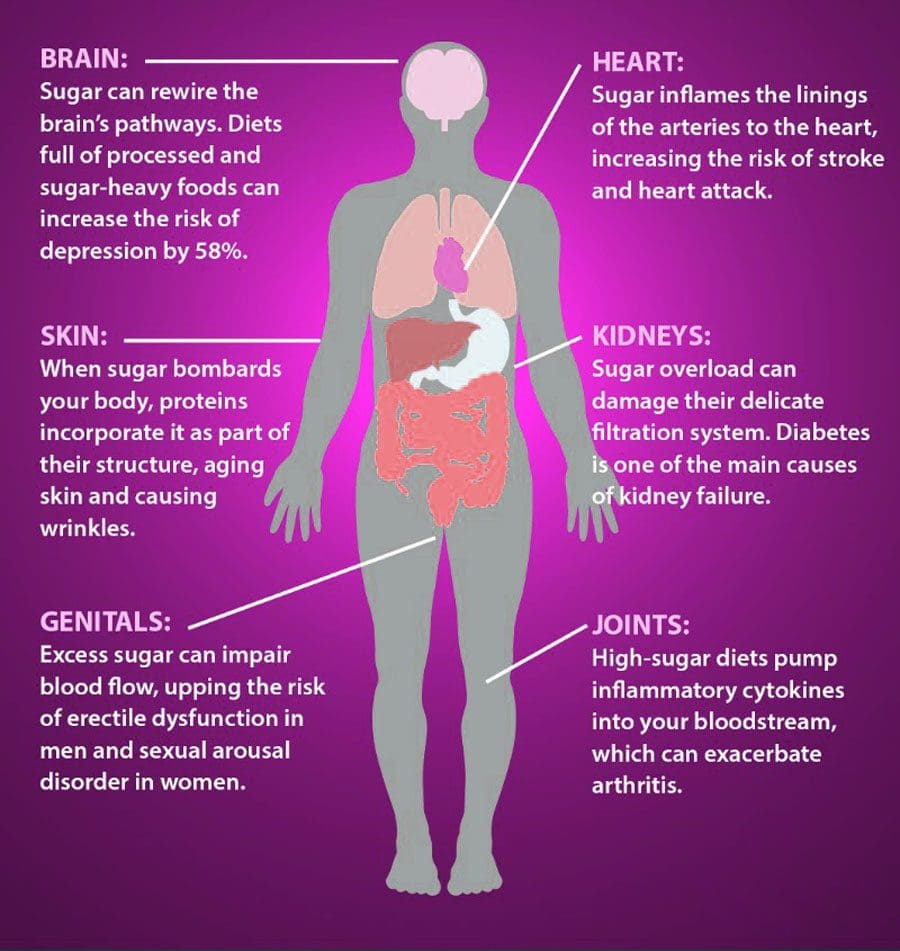
Sugar is a highly addictive carbohydrate linked to obesity, diabetes, metabolic disorders, and mood disorders. Individuals ready to phase out sugar will improve overall health, regardless of age and health status, but the transition can be challenging. A sugar-free or low-sugar diet can help individuals with blood sugar or systemic inflammation, including pre-diabetes, diabetes, heart disease, PCOS, hormonal imbalances, and autoimmune diseases.
Phase Out Sugar
Low-Sugar Diet
A low-sugar nutrition plan focuses on maintaining a low overall sugarintake that limits sugar to avoid blood sugar instability and general inflammation.
This means choosing food with natural sugars like fruit, certain dairy products, vegetables, and natural sugars.
Reducing and replacing packaged or prepared foods with added sugars, like store-bought tomato sauce, cured meats, or frozen meals.
Reducing and replacing processed foods like snack items and fast food.
Reducing restaurant food that can add sugar for flavor and appetite stimulation.
Recommended Ways
Consult a healthcare provider, dietician, or nutritionist before altering diet, physical activity, or supplement routine.
Eat More Healthy Fat
Healthy fat is more satisfying, making the body feel fuller for longer.
Not getting enough sleep negatively impacts the appetite-regulating hormones leptin and ghrelin, causing cravings for instant energy that typically comes from sugar snack products.
Individuals are recommended to get at least 7-9 hours per night. Enough sleep will balance the appetite hormones and decrease sugar cravings.
Manage Stress to Control Emotional Eating
Emotional eating is common when stressed out. Finding something to take the mind off sugar cravings is necessary when having a stressful day. This includes:
If sugar cravings are more serious, then professional help is recommended.
Drink More Water
When school, work, and life is happening, individuals can think they’re hungry; however, it is not hunger but the body needing hydration.
Drink one to two glasses of water when cravings kick in to satisfy the craving.
Drinking water throughout the day helps keep cravings down and helps with sugar withdrawal symptoms.
Individuals who have difficulty drinking water should add slices of fruit, cucumber, or mint to make it more pleasing.
Try sparkling mineral water or naturally flavored carbonated waters.
Try healthy juices, like celery, beet, or carrot juice, instead of water.
Sugar-Free Substitutes
Sugar substitutes are available, but not all are considered healthy.
Individuals should be cautious about using sugar-free alternatives to phase out sugar.
A study found that zero-calorie sweeteners such as aspartame and sucralose were actually found to increase, not decrease, weight.
Stevia and monk fruit extract has been shown to be safe and has no negative side effects.
Consult a dietician or nutritionist to determine the healthiest for you.
What Happens To The Body
References
Azad, Meghan B et al. “Nonnutritive sweeteners and cardiometabolic health: a systematic review and meta-analysis of randomized controlled trials and prospective cohort studies.” CMAJ : Canadian Medical Association journal = journal de l’Association medicale canadienne vol. 189,28 (2017): E929-E939. doi:10.1503/cmaj.161390
Bayon, Virginie et al. “Sleep debt and obesity.” Annals of medicine vol. 46,5 (2014): 264-72. doi:10.3109/07853890.2014.931103
DiNicolantonio, James J et al. “Sugar addiction: is it real? A narrative review.” British journal of sports medicine vol. 52,14 (2018): 910-913. doi:10.1136/bjsports-2017-097971
Franklin, Jane L et al. “Extended exposure to sugar and/or caffeine produces distinct behavioral and neurochemical profiles in the orbitofrontal cortex of rats: Implications for neural function.” Proteomics vol. 16,22 (2016): 2894-2910. doi:10.1002/pmic.201600032
Freeman, Clara R et al. “Impact of sugar on the body, brain, and behavior.” Frontiers in bioscience (Landmark edition) vol. 23,12 2255-2266. 1 Jun. 2018, doi:10.2741/4704
Nutritionists are medical professionals in food and nutrition and work one-on-one to develop an optimal nutrition plan for their body type, age, and health conditions. They explain the right foods to eat, how different foods impact the body, and what foods to avoid. Individuals can benefit from working with a nutritionist to help achieve a healthier lifestyle through education and healthy choices.
Working With A Nutritionist
Nutritionists work with individuals to enhance their knowledge about general nutrition, food, and health. Their focus is on food behavior, which includes developing and implementing meal plans to improve the individual’s or family’s nutrition. Nutritionists work in:
Clinical settings – hospitals, nursing homes, long-term care facilities, fitness and health, and chiropractic clinics.
Government – local health departments.
School districts – regarding school nutrition standards.
Private business – independent work in combination with other medical professionals.
Research – with various health and/or sports organizations.
Benefits
Working with a nutritionist will determine what factors are challenging an individual’s eating habits and triggers and find ways to overcome those barriers. Benefits include:
Nutrition plans are based on nutritional needs, current health, and lifestyle.
Nutrition plans cut down on grocery bills.
Shopping with a specific list cuts down on the extra foods being purchased.
Proper nutrition can help manage chronic diseases like diabetes and heart disease, combined with a primary care doctor or specialist treatment.
Nutritionists can help individuals dealing with food allergies or who have been diagnosed could require a diet change.
Nutritionists can help motivate when struggling to maintain a healthy lifestyle.
Responsibilities and Daily Activities
Nutritionists help individuals reach various goals, like weight loss, healthier eating habits, and stress management, and can be responsible for the following:
Evaluating health needs.
Screening for nutritional risk.
Discussing nutrition and eating habits.
Providing educational resources.
Developing personalized nutrition plans.
Talking about nutritional issues with individual families.
Discussing nutrition plans with primary doctors and other healthcare teams.
Equipping individuals with food behavior modification tools.
Adjusting plans as needed.
Monitoring progress.
Treating conditions and disease management through nutrition.
Functional Nutrition
References
Carrard, Isabelle et al. “Un outil pour évaluer les comportements alimentaires: ESSCA” [A tool for assessing eating behaviors: ESSCA]. Revue medicale suisse vol. 12,511 (2016): 591-6.
Golan, M, and A Weizman. “Reliability and validity of the Family Eating and Activity Habits Questionnaire.” European journal of clinical nutrition vol. 52,10 (1998): 771-7. doi:10.1038/sj.ejcn.1600647
Greenwood, Jessica L J, et al. “Healthy eating vital sign: a new assessment tool for eating behaviors.” ISRN obesity vol. 2012 734682. 22 Jul. 2012, doi:10.5402/2012/734682
Kelley, Claire P et al. “Behavioral Modification for the Management of Obesity.” Primary care vol. 43,1 (2016): 159-75, x. doi:10.1016/j.pop.2015.10.004
IFM's Find A Practitioner tool is the largest referral network in Functional Medicine, created to help patients locate Functional Medicine practitioners anywhere in the world. IFM Certified Practitioners are listed first in the search results, given their extensive education in Functional Medicine





 Family Health