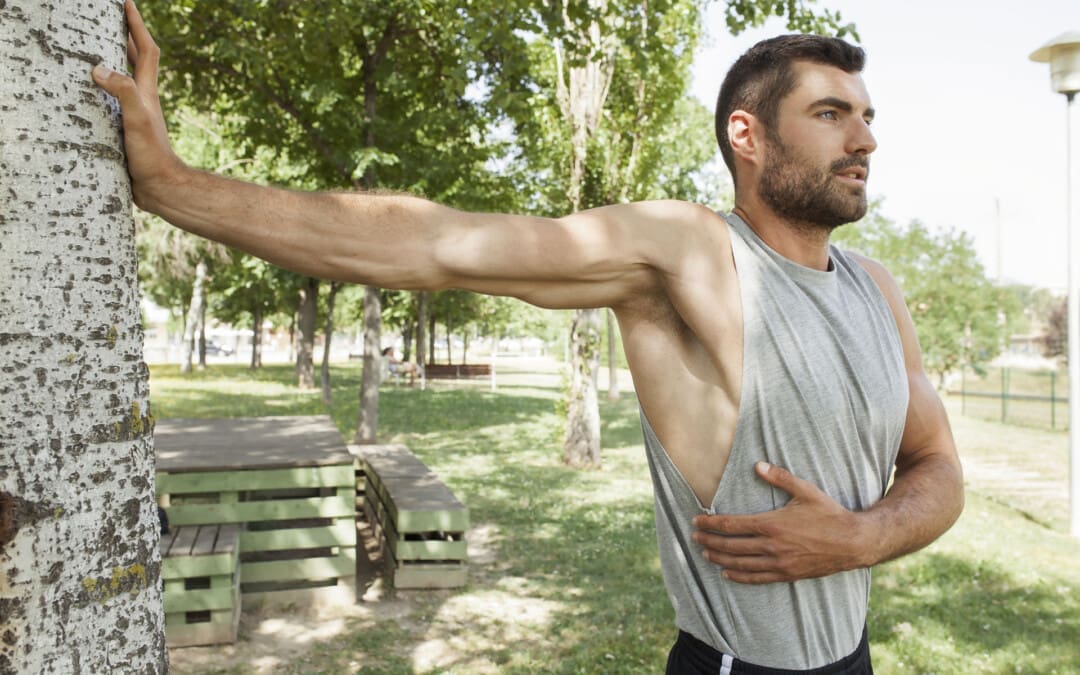
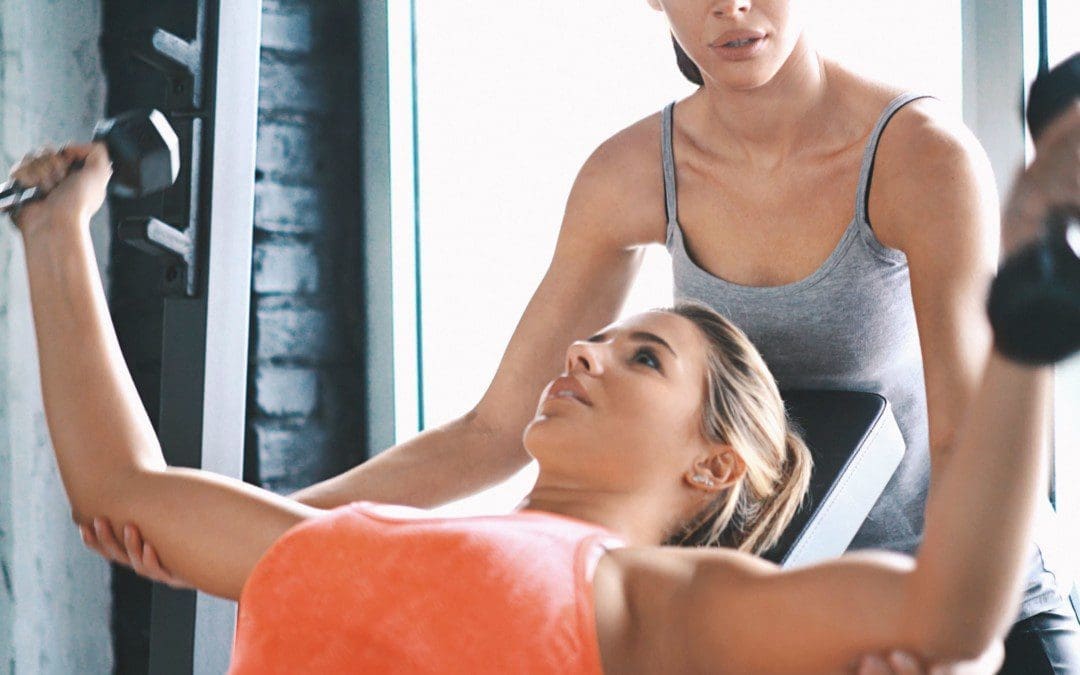
For individuals dealing with posture problems causing neck, back, and shoulder pain, can pectoralis minor stretches designed to work these areas be a part of physical therapy or as regular exercises at home?
Pectoralis Minor Muscle Stretches
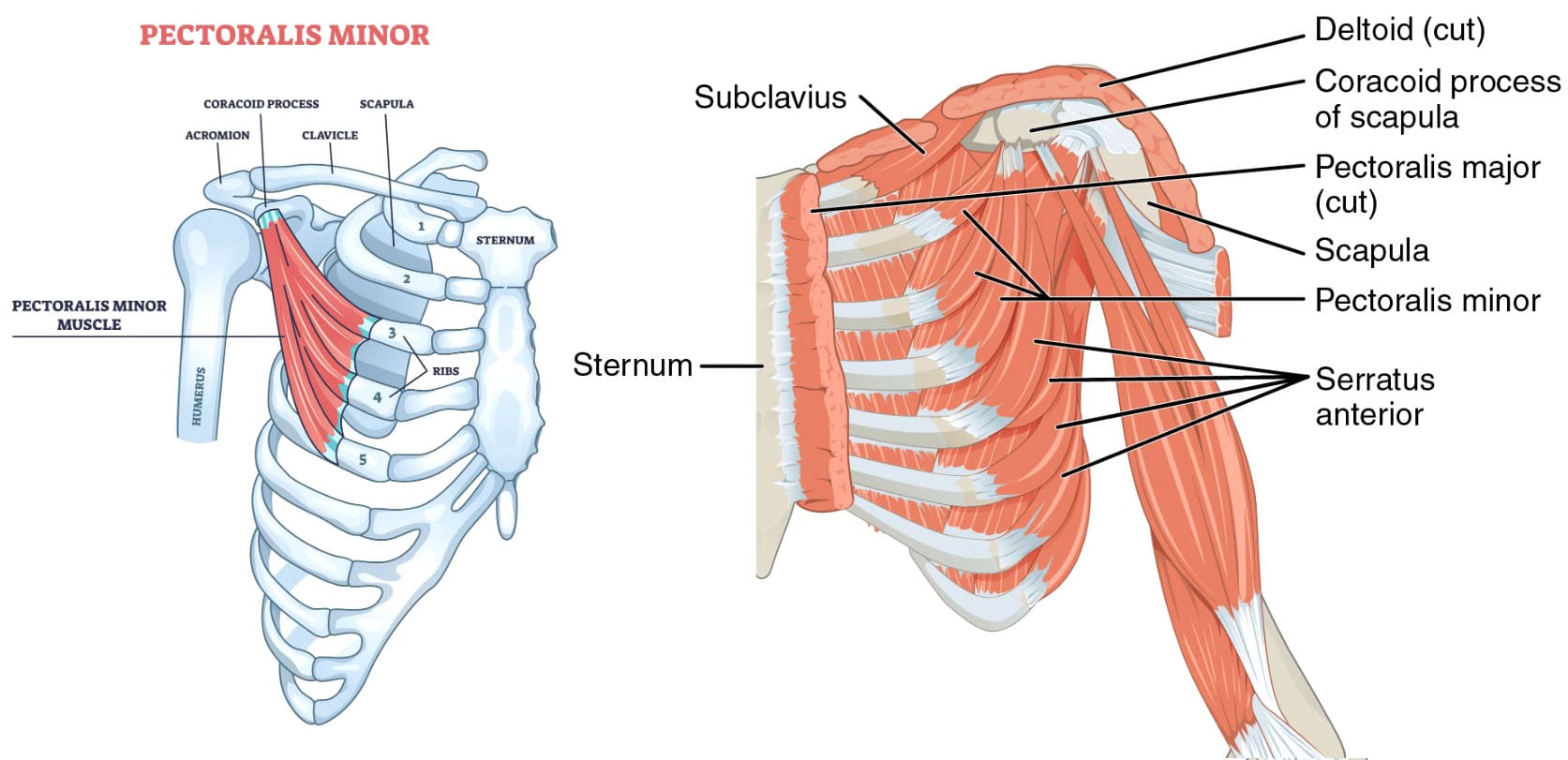
The pectoralis minor is a small, triangular muscle situated deep to the pectoralis major in the anterior chest wall. It originates from the margins of the third to fifth ribs adjacent to the costochondral junction and connects to the coracoid process of the scapula. The pectoralis minor helps with posture, mobility, and shoulder stability and aids breathing. Muscle tightness can cause pain in the chest, shoulder, and neck and a restricted range of motion. Strain and injuries can occur during activities involving overhead movements or forceful pushing. Pectoralis minor stretches are designed to work these muscles that span the ribs and connect to the shoulder to help improve posture and relieve pain and chest weakness. They can help reduce muscle tightness and other conditions like thoracic outlet syndrome. (Kaur U. et al., 2023) (Wagner E. R. et al., 2023) Talk with a healthcare provider Before starting any exercise or stretching program.
Corner Pectoralis Stretch
A corner pec stretch is similar to a wall push-up, except the emphasis is on staying in a position that lengthens the chest muscles. It’s important to move the whole body as a unit and not bend.
Stand facing a corner with a relaxed, upright posture.
Place your feet so they are parallel, and bend your knees slightly.
Stay as relaxed as possible during the movement to protect your joints.
Keep your gaze forward.
Place your forearms and palms over the walls where two walls connect at a right angle.
With your elbows bent to 90 degrees, move forward into the corner of the wall until you feel a comfortable stretch in the pectorals.
The doorway stretch is similar to the corner stretch. It works the pectoralis major and the minor muscles and helps with mobility. To perform: (Maryland Pain & Wellness Center, 2025)
Stand in a doorway with your feet placed together.
Place the palms and forearms on either side of the doorway.
Your elbows should be even with your shoulders and bend at a 90-degree angle.
Keep your back straight.
Take a step forward, leaning into the doorway.
You should feel the stretch in the muscle.
Repeat the stretch with the other foot.
Exercise and ergonomic changes to your chair or desk height can help improve posture and relieve muscle tightness. (Kaur U. et al., 2023)
T Stretch
The T stretch stretches the front of the chest and is done on the floor, typically with a foam roller placed directly under the spine. To perform: (OrthoCarolina, N.D.)
Lie down on your back with the foam roller aligned to the spine.
Make sure your head and tailbone are supported.
Open your arms straight out like a T.
Hold the position while stretching.
Y Stretch
The Y stretch is similar to the T stretch; both reduce chest muscle tightness and discomfort. To perform: (OrthoCarolina, N.D.)
Use the same foam roll position, lying on your back with the head and tailbone supported and aligned.
Stretch the arms out above your head, placing them into the shape of a Y.
Allow the chest muscles that connect to the arms to relax.
Studies have examined how quickly a prone scapular retraction can help stretch the back and shoulders. Results suggest the exercises must be performed longer before the pectoralis minor is lengthened to improve symptoms. (Dye J., Allyn M., & Frank C. 2024) However, further research is needed.
Health Conditions
Pectoralis minor stretches may be part of a personalized therapy program to improve mobility, posture, and/or breathing and sleep quality with health conditions that include:
Stretching and strengthening exercises can help improve their flexibility and function. Exercises can improve strength and function by standing or lying down, depending on the stretch.
Injury Medical Chiropractic and Functional Medicine Clinic
The pectoralis minor muscles are often overlooked in clinical examinations but can contribute to musculoskeletal pain and dysfunction. A healthcare provider can teach about stretches, how they can help, and whether they are safe for the individual’s injury and/or condition. Injury Medical Chiropractic and Functional Medicine Clinic works with primary healthcare providers and specialists to build optimal health and wellness solutions. Regarding musculoskeletal pain, specialists like chiropractors, acupuncturists, and massage therapists can help mitigate the pain through spinal adjustments that help the body realign itself. The clinic can also work with other medical professionals to integrate a treatment plan to resolve musculoskeletal problems.
Doorway Stretching Routine
References
Kaur, U., Shrestha, D., Hussain, M. A., Dalal, P., Kalita, M., Sharma, V., & Sharma, S. (2023). Prompt Impact of Muscle Energy Technique on Pectoralis Muscle Tightness in Computer Users: A Quasi-Experimental Study. Journal of Lifestyle Medicine, 13(2), 123–128. https://doi.org/10.15280/jlm.2023.13.2.123
Wagner, E. R., Gottschalk, M. B., Ahmed, A. S., Graf, A. R., & Karzon, A. L. (2023). Novel Diagnostic and Treatment Techniques for Neurogenic Thoracic Outlet Syndrome. Techniques in hand & upper extremity surgery, 27(2), 100–114. https://doi.org/10.1097/BTH.0000000000000419
University of North Carolina School of Medicine. (2020). Upper Body Stretching. https://www.med.unc.edu/htcenter/wp-content/uploads/sites/711/2020/04/Upper-Body-Stretching.pdf
Maryland Pain & Wellness Center. (2025). Stretches to Help with Strained Chest Muscles. Maryland Pain & Wellness Center Restoring Hope, Rebuilding Lives. https://www.marylandpainandwellnesscenter.com/blog/stretches-to-help-with-strained-chest muscles#:~:text=With%20your%20knees%20bent%20and,assist%20in%20deepening%20the%20stretch.
OrthoCarolina. (N.D.). Stretching Guide to Ease Tight Muscles. https://www.orthocarolina.com/storage/wysiwyg/stretching_guide_1.pdf
Dye, J., Allyn, M., & Frank, C. (2024). Is there an immediate effect on pectoralis minor length after performing a prone scapular retraction exercise using typical sets and repetitions in pain-free participants? Journal of bodywork and movement therapies, 40, 1014–1019. https://doi.org/10.1016/j.jbmt.2024.07.026
Chankavee, N., Amatachaya, S., Hunsawong, T., Thaweewannakij, T., & Mato, L. (2023). Effects of modified long stick exercise on hyperkyphosis, muscle imbalance, and balance control in elderly community-dwelling women with hyperkyphosis. Journal of back and musculoskeletal rehabilitation, 36(5), 1151–1162. https://doi.org/10.3233/BMR-220350
Liao, Y. X., Saiken, A., Chang, X., Guo, Y. F., Tan, Z., Deng, F., Meng, Q. L., Zhen, H., Li, Y. M., & Fang, B. M. (2025). Associations of fat, bone, and muscle indices with disease severity in patients with obstructive sleep apnea-hypopnea syndrome. Sleep & breathing = Schlaf & Atmung, 29(1), 82. https://doi.org/10.1007/s11325-024-03241-8
Thongchote, K., Chinwaro, U., & Lapmanee, S. (2024). Effects of scapulothoracic exercises on chest mobility, respiratory muscle strength, and pulmonary function in male COPD patients with forward shoulder posture: A randomized controlled trial. F1000Research, 11, 1284. https://doi.org/10.12688/f1000research.126832.2
The chest has the pectoralis major muscle that works with the upper half of the body that provides mobility and power. The pectoralis major also surrounds the clavicle skeletal structure and works with the thoracic spine. The chest allows mobility to the arms and stability to the shoulders while working together with the shoulder and arm muscles. Many individuals utilize the upper body more when working out, lifting, or carrying objects from one place to another. This causes the muscle to become overused and succumb to injuries that can affect the functionality of the chest and invoke pain-like symptoms in the body. One of the chest muscles affected by pain is the pectoralis muscles, especially the pectoralis minor muscle. Today’s article looks at the pectoralis minor muscle, how myofascial pain affects the pectoralis minor, and how to manage myofascial pain associated with the pectoralis minor. We refer patients to certified providers specializing in chest pain therapies to aid many people suffering from trigger point pain affecting the minor muscles of the pectoralis. We brief patients by referring them to our associated medical providers based on their examination when appropriate. We indicate that education is a great solution to asking our providers profound and complex questions at the patient’s request. Dr. Alex Jimenez, D.C., notes this information as an educational service only. Disclaimer
The Pectoralis Minor Muscle
Have you been experiencing pain in your upper-mid back? Do you feel like your chest is feeling compressed constantly? Do you feel the tension in your shoulders that makes it difficult to reach behind your back? Most of these symptoms are signs that many individuals are developing myofascial pain along the pectoralis muscles, especially the pectoralis minor. The pectoralis minor muscle is a thin triangular-shaped muscle below the pectoralis major. It has a crucial part of the chest as it helps stabilize the scapula (the shoulder blades) and is in front of the thoracic wall of the spine. The pectoralis minor is also part of the respiratory muscle group that works with the lungs. The pectoralis minor muscle has many functions for the shoulder blades, which include:
Stabilization
Depression
Abduction or Protraction
Internal Rotation
Downwards Rotation
When environmental factors begin to affect the lungs and cause respiratory issues in the body, the surrounding respiratory muscle group also gets involved, causing the body to be hunched over.
Myofascial Pain Affecting The Pectoralis Minor
When environmental factors begin to affect the lungs, it causes the respiratory muscles to contract and become compressed. This is just one of the many factors that can affect the pectoralis minor muscle. The other factor is that the pectoralis minor muscle may be short in the chest and when individuals try to reach behind their backs. This causes the pectoralis minor muscle to to be overstretched and develop myofascial pain or trigger points along the muscle fibers. The book, “Myofascial Pain and Dysfunction,” written by Dr. Travell, M.D., described the pain from myofascial pain associated with the pectoralis minor to be similar to cardiac pain. This is known as referred pain caused by myofascial pain syndrome and it can be a bit difficult to diagnose since it can mimic other chronic issues. Studies reveal that shortening or any sort of tightness of the pectoralis minor is one of the potential biomechanical mechanisms that is associated with an altered scapular alignment which causes pain and shoulder movement impairments. Overusing the pectoralis minor muscles creates tiny nodules that can affect the stability of the shoulders and causes upper-mid back problems in the thoracic region of the spine.
An Overview Of Trigger Points On The Pectoralis Minor- Video
Have you been experiencing difficulty inreaching behind your back? Do you feeling your body becoming more hunched over than usual? Or have you been experiencing chest pain constantly? These pain-like symptoms are caused by myofascial pain associated with the pectoralis minor muscle. The pectoralis minor muscle helps with the stability of the shoulders and studies reveal that when the presense of myofascial trigger points are linked to shoulder and upper body disorders, it can increase the risk of overlapping conditions that trigger points can mimic. Myofascial trigger points are a common complaint as it can significantly impact a person’s daily activites by causing the taut muscle band to be tender or hypersenitive. When this happens, it can lead to issues of muscle imbalance, weakness and impaired motor function. Thankfully, there are various techniques that can help reduce the pain symptoms and issues in the pectoralis minor muscle, while mananging the trigger points. The video above explainshow to tell when your chest muscles are tight and various tests to know when the pectoralis muscles (both the minor and major) are being affected by trigger points.
Managing Myofacial Pain Associated With Pectoralis Minor
When dealing with chest pains associated with myofascial pain along the pectoralis minor, there are many techniques they can incorporate to prevent myofascial pain from causing further damage to the muscle itself and the surrounding muscles. Various chest stretches can help gently loosen the stiff muscles, warm the pectoralis minor, and improve mobility to the chest and shoulders. Correct posture can help prevent the body from being hunched over constantly and let the surrounding muscles and the pectoralis minor relax. If the pain is unbearable, studies reveal that treatments like dry needling and palpations on the pectoralis minor muscles can help manage the pain caused by trigger points. This kind of treatment allows the muscle to release the trigger point and, combined with a hot or cold pack, can reduce the chances of myofascial pain from forming again in the muscle.
Conclusion
Underneath the pectoralis major muscle, the pectoralis minor is a thin triangular-shaped muscle that helps stabilize the shoulder blades and is located in the front of the thoracic wall of the spine. This tiny muscle is part of the respiratory muscles that have a causal relationship with the lungs and can succumb to environmental factors that can lead to the development of myofascial pain or trigger points on the pectoralis minor. Myofascial pain associated with the pectoralis minor muscle can mimic cardiovascular issues and invoke pain in the muscle. Fortunately, various treatments can help relieve and manage myofascial pain from re-occurring in the pectoralis minor.
References
Bagcier, Fatih, et al. “Three Simple Rules in Pectoral Muscle’s Trigger Point Treatment, Which May Be a Cause of Chest Pain: Position, Palpation, and Perpendicular Needling.” American Board of Family Medicine, American Board of Family Medicine, 1 Nov. 2020, https://www.jabfm.org/content/33/6/1031.long.
Baig, Mirza A, and Bruno Bordoni. “Anatomy, Shoulder and Upper Limb, Pectoral Muscles.” In: StatPearls [Internet]. Treasure Island (FL), StatPearls Publishing, 11 Aug. 2021, https://www.ncbi.nlm.nih.gov/books/NBK545241/.
Morais, Nuno, and Joana Cruz. “The Pectoralis Minor Muscle and Shoulder Movement-Related Impairments and Pain: Rationale, Assessment and Management.” Physical Therapy in Sport : Official Journal of the Association of Chartered Physiotherapists in Sports Medicine, U.S. National Library of Medicine, Jan. 2016, https://pubmed.ncbi.nlm.nih.gov/26530726/.
Ribeiro, Daniel Cury, et al. “The Prevalence of Myofascial Trigger Points in Neck and Shoulder-Related Disorders: A Systematic Review of the Literature.” BMC Musculoskeletal Disorders, BioMed Central, 25 July 2018, https://www.ncbi.nlm.nih.gov/pmc/articles/PMC6060458/.
Travell, J. G., et al. Myofascial Pain and Dysfunction: The Trigger Point Manual: Vol. 1:Upper Half of Body. Williams & Wilkins, 1999.
IFM's Find A Practitioner tool is the largest referral network in Functional Medicine, created to help patients locate Functional Medicine practitioners anywhere in the world. IFM Certified Practitioners are listed first in the search results, given their extensive education in Functional Medicine