
Dashboard Knee Injury in Motor Vehicle Accidents and Treatment
Dashboard Knee Injury in Motor Vehicle Accidents: PCL Tears, Symptoms, and Integrative Care Options in El Paso
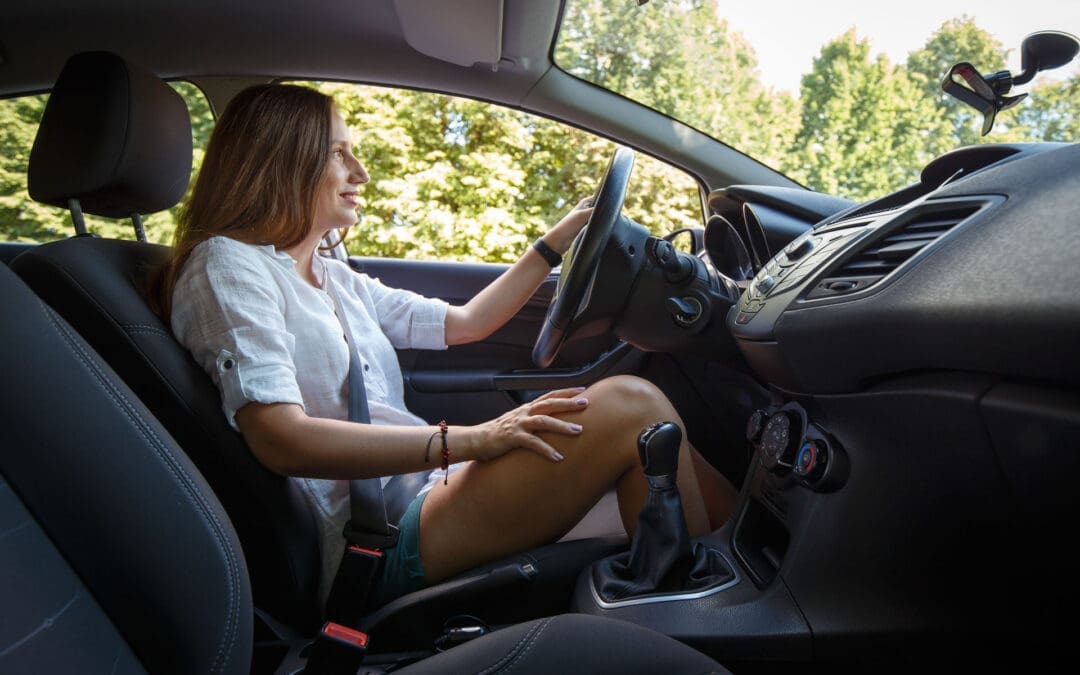
Car accidents often cause injuries that do not show up right away. One common but sometimes overlooked problem is called a dashboard knee injury. This happens when a bent knee slams into the car’s dashboard during a crash. The force violently pushes the shinbone backward. The result can include a torn posterior cruciate ligament (PCL), damage to the kneecap, and problems with the cartilage that cushions the joint.
People in El Paso and nearby areas like Horizon City who have been in motor vehicle accidents sometimes deal with ongoing knee pain, instability, or trouble walking. Understanding what happens and getting the right kind of care can make a big difference in recovery. Integrative clinics that combine medical oversight with chiropractic care and regenerative therapies offer a full approach to healing.
What Happens During a Dashboard Knee Injury
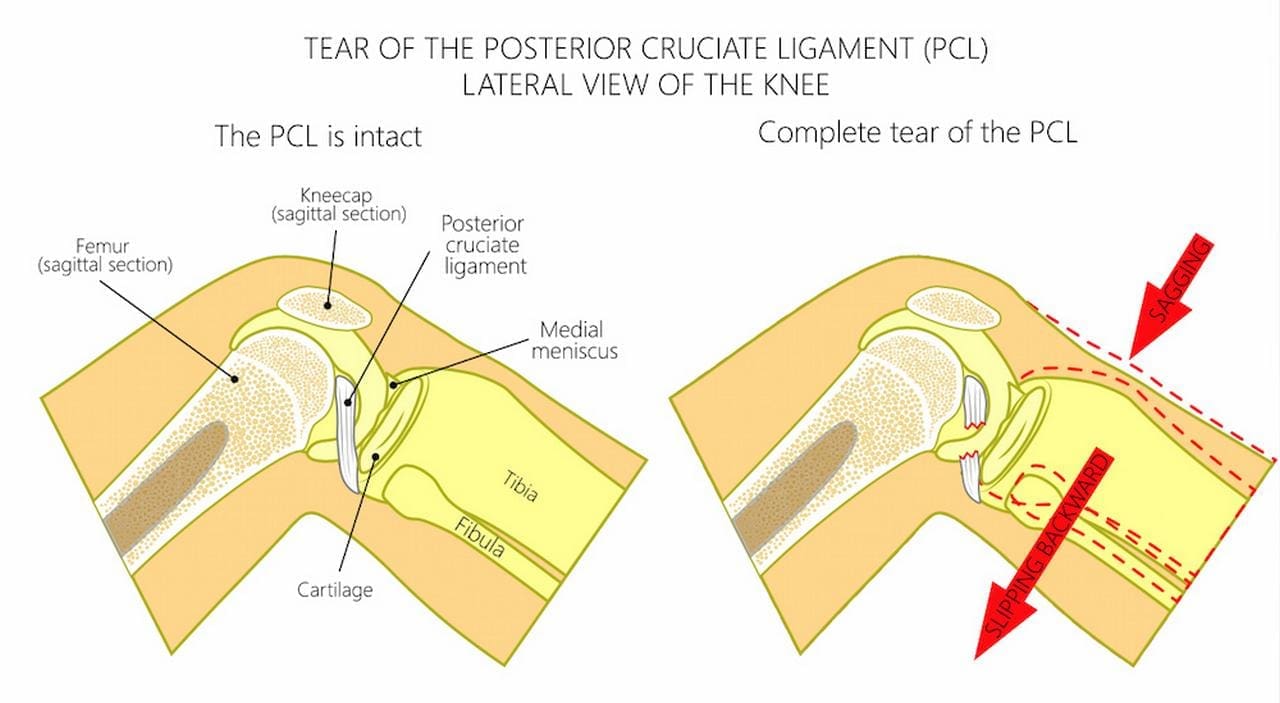
In a front-end collision, your body keeps moving forward even after the car stops. If your knee is bent, it hits the dashboard hard. This drives the top of the shinbone (tibia) backward relative to the thigh bone (femur).
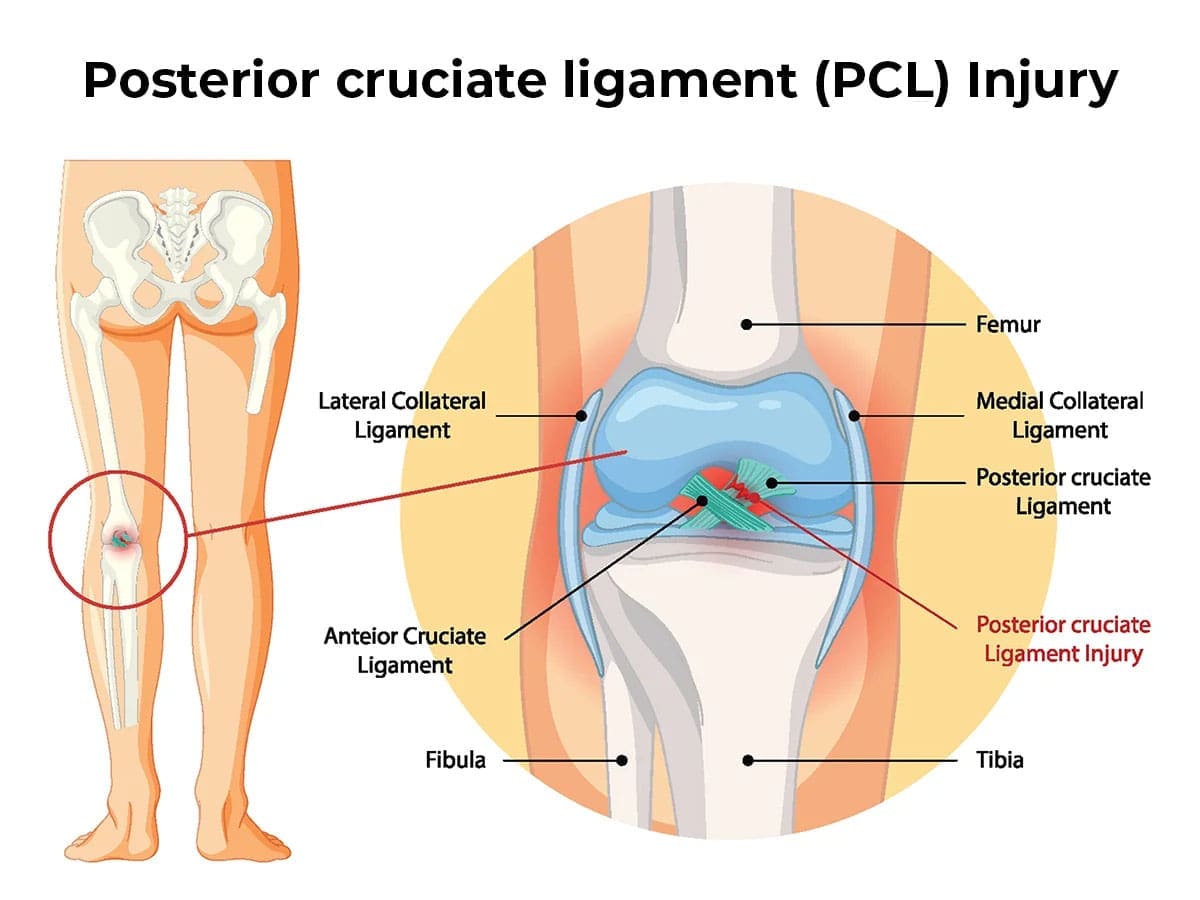
The PCL is a strong band of tissue inside the knee that normally stops the shin from sliding too far back. When the dashboard impact happens, this ligament can stretch, partially tear, or completely rupture. At the same time, the direct blow can fracture the kneecap (patella) or damage the smooth cartilage on the ends of the bones. These injuries often occur together.
The damage does not always feel severe at first. Swelling and pain may appear hours or even days later. That is why some people do not realize the full extent of the injury until they try to return to normal activities.
Common Problems That Come with Dashboard Knee Injuries
Dashboard impacts frequently cause more than one issue inside the knee:
- PCL tear or rupture: This is the most common ligament injury from this type of crash. It can make the knee feel loose or unstable, especially when going down stairs, pivoting, or changing direction.
- Patellar fractures: The kneecap takes the direct hit and can crack or break. This causes sharp pain in the front of the knee, swelling, and difficulty straightening the leg.
- Cartilage damage: The protective covering on the joint surfaces can bruise, tear, or wear down. Untreated cartilage injuries raise the risk of arthritis later in life.
These problems can lead to long-term stiffness, weakness, and difficulty with daily tasks like walking, driving, or working if they are not addressed properly.
Signs and Symptoms to Watch For
After a car accident, pay attention to these possible signs of a dashboard knee injury:
- Pain in the front or back of the knee that gets worse with movement
- Swelling that may appear immediately or develop over 24–72 hours
- A feeling that the knee is unstable or “gives way”
- Trouble bending or straightening the knee fully
- Pain when walking, climbing stairs, or standing for long periods
- Stiffness or locking sensations
Some people notice only mild discomfort at first and assume it will go away. Because early signs can be subtle, many dashboard knee injuries are missed without proper imaging. If you were in a crash and your knee hit the dashboard, it is wise to get checked, even if the pain seems minor.
How Doctors Diagnose These Injuries
X-rays are usually the first step. They can reveal fractures in the kneecap or other bones. However, X-rays do not show ligaments or cartilage well.
An MRI scan is the best tool for detecting PCL tears, cartilage damage, and other soft-tissue injuries. MRI gives detailed pictures that help doctors understand exactly what is torn or bruised. In some cases, doctors also perform physical tests to check knee stability.
Getting the right diagnosis early helps prevent chronic pain and long-term joint problems. Diagnostic challenges exist because swelling can be minimal at first and range of motion may still look normal, which is why imaging is so important.
Standard Treatment Options
Treatment depends on how severe the damage is:
- Mild to moderate PCL tears: Doctors often recommend bracing to support the knee, rest, ice, compression, elevation (RICE), anti-inflammatory medication, and physical therapy. Therapy focuses on strengthening the quadriceps and other muscles that support the knee.
- Severe tears, fractures, or major cartilage damage: Surgery may be needed to reconstruct the PCL, repair the kneecap, or clean up damaged cartilage. Recovery after surgery usually includes months of physical therapy.
- Ongoing rehabilitation: No matter the path, guided exercises help restore strength, balance, and movement.
Healing takes time. Rushing back to normal activities too soon can worsen the injury or lead to new problems in the hips, back, or ankles due to altered walking patterns.
How Integrative Care Supports Better Recovery
Many people benefit from care that goes beyond just the knee. Integrative clinics combine medical doctors, nurse practitioners, chiropractors, and regenerative therapies. This team looks at the whole body and how the injury affects movement, alignment, and healing.
Medical Oversight: A physician or nurse practitioner first assesses all injuries from the accident. They review imaging, identify ligament and cartilage tears, and coordinate any needed medical steps. This oversight ensures nothing is missed, and that care stays safe and appropriate.
Regenerative Injections Clinics may offer injections that use your body’s healing cells. Platelet-rich plasma (PRP) concentrates growth factors from your blood to support torn ligaments and damaged cartilage. PFP (platelet-free plasma) and MFAT (micro-fragmented adipose tissue) are other options that can help tissue repair in areas with limited blood supply. These treatments aim to speed healing and sometimes reduce the need for surgery.
Targeted Tissue Repair: Shockwave therapy uses sound waves to break up scar tissue and stimulate new blood flow and collagen production. MLS laser therapy reduces deep inflammation and encourages cellular repair. Both are non-invasive and can be added to the recovery plan to help tissues heal faster.
Spine and Joint Mechanics: When the knee hurts, people often limp or shift weight. This creates extra stress on the spine, hips, and ankles. Chiropractic adjustments restore proper alignment in these areas. Correcting compensatory movement patterns takes pressure off the healing knee and improves overall function. Many patients notice better knee stability and less pain once the whole lower body moves correctly again.
Dr. Alex Jimenez and Dr. Maria Guadalupe Cardenas: A Collaborative Team in El Paso
At Injury Medical Clinic PA in El Paso, Texas, Dr. Alexander Jimenez, DC, APRN, FNP-BC, provides chiropractic care, functional medicine, regenerative procedures, and personal injury rehabilitation. His clinical observations emphasize that addressing the entire chain of movement—from the spine to the ankles—leads to more complete recovery after car accident injuries, including dashboard knee problems.
Working alongside him is Dr. Maria Guadalupe Cardenas, MD, a board-certified internal medicine physician with over 40 years of experience (NPI #1164426749, Texas MD License #J2933). She serves as Medical Director and Collaborative Physician. In this multidisciplinary setup, Dr. Cardenas provides medical direction, helps evaluate complex cases, and supports the team with internal medicine expertise.
This model blends chiropractic adjustments and rehabilitation (led by Dr. Jimenez) with medical oversight and coordination (led by Dr. Cardenas). Functional medicine principles—looking at inflammation, nutrition, and whole-body factors—are also part of the care. The result is a personalized plan that treats the knee injury while supporting overall healing, especially useful for patients with personal injuries and motor vehicle accidents in the El Paso area.
Local Clinics Offering This Type of Integrated Care
In Horizon City and the broader El Paso region, clinics such as Injury Medical & Chiropractic Clinic and El Paso Chiropractic & Personal Injury Group specialize in medically integrated personal injury rehabilitation. These centers bring together medical oversight, regenerative options, chiropractic adjustments, and rehabilitation in one coordinated approach. Patients receive thorough evaluations, clear explanations of their options, and ongoing support to regain function and return to daily life.
Moving Forward After a Dashboard Knee Injury
Dashboard knee injuries from car accidents can affect your mobility, work, and quality of life. The combination of a PCL tear, possible kneecap fracture, and cartilage damage needs careful attention. Early diagnosis with MRI and a treatment plan that includes medical oversight, regenerative support, tissue repair therapies, and chiropractic alignment often leads to better outcomes than treating the knee in isolation.
If you have knee pain after a motor vehicle accident—especially if your knee hit the dashboard—consider an integrative evaluation. Clinics in El Paso that combine the expertise of physicians like Dr. Maria Guadalupe Cardenas and chiropractors like Dr. Alex Jimenez can guide you through diagnosis, treatment choices, and rehabilitation. With the right team, many people regain strength, stability, and confidence in their movement.
Healing takes patience and the right support. Addressing both the specific knee damage and how the rest of your body compensates provides you the best chance of lasting recovery.
References
Sancilio, C., Fada, L., Pulido, J., Mousad, A. D., Sorkin, S., Mastroianni, M., Jacobs, G., & McCormick, F. (2026). Dashboard knee: Injury mechanisms, diagnostic challenges, and treatment outcomes. Cureus.
Patel, M. S., Qureshi, A. A., & Green, T. P. (2015). Dashboard (in the) knee. BMJ Case Reports (via PMC).
Aguiar Injury Lawyers. (n.d.). Car accident knee injuries: Symptoms, causes, and treatment. Aguiar Injury Lawyers.
ChiroMed. (n.d.). Regenerative therapy for auto accident injury recovery. ChiroMed.
Jimenez, A. (n.d.). Clinical observations on integrative care for personal injury and knee conditions. https://dralexjimenez.com/







