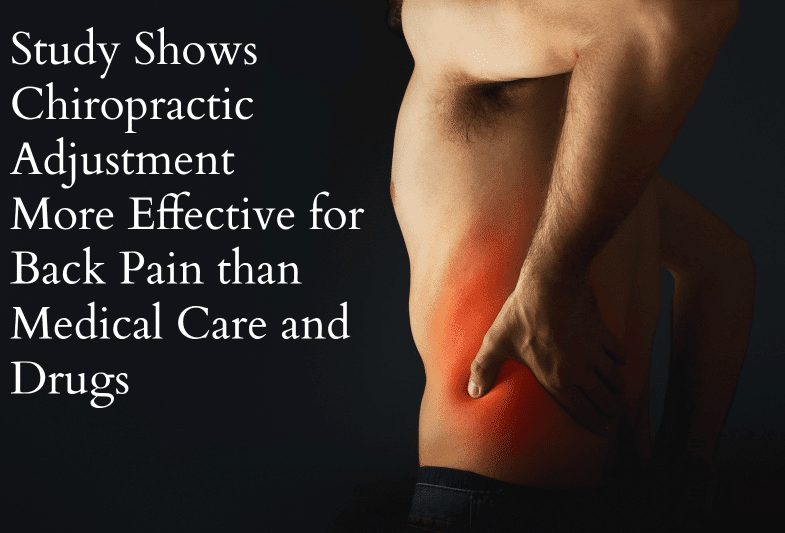
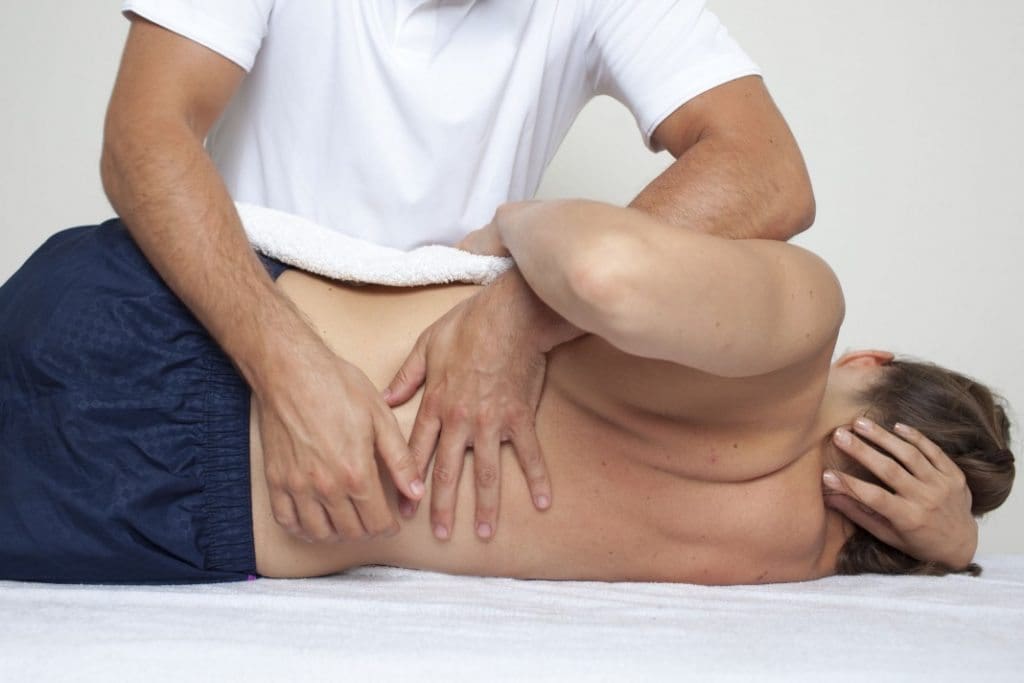
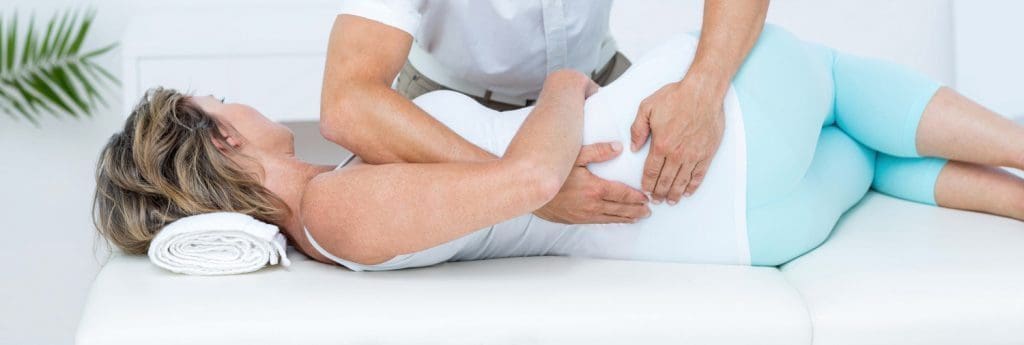
El Paso, TX. Chiropractor Dr. Alex Jimenez adds to the discussion of chiropractic treatment vs. pain medication and medical care.
Which Is More Effective For Low Back Pain? Meds Or Chiropractic?
That is the�question in our research theme of the week.
A Practice-Based Study of Patients with Acute and Chronic Low Back Pain Attending Primary Care and Chiropractic Physicians: Two-Week to 48-Month Follow Up
This study based used a practice-based, observational model to look at the effectiveness of intervention in a selected group of patients with both acute and chronic lower back pain (LBP). It compared the efficacy of chiropractic intervention with standard medical care in both kinds of Low Back Pain.
2780 patients were enrolled in the research over a 2-year period (1994 to 1996) from the practices of 60 DCs (1855 patients) and 111 MDs (925 patients) in 51 chiropractic and 14 general practice clinics. Patient data was obtained via a survey distributed in person at the first visit, and the patients were followed up over a period of 4 years with 7 mailed surveys at regular time intervals. Mailings were sent at 2 weeks, 1 month, 3 months, 6 months, and 1 year following the original visit. In phase 2, patients were followed up at 36 24, and 48 months.
Patients were eligible if LBP was their primary grievance, and was of mechanical source; they were excluded if exploitation was contraindicated, or the back pain was of nonmechanical origin (such as from organic referred pain). Acute patients were those whose back pain was of less than 7 weeks duration; long-term back pain patients were those whose back pain was longer or of 7 weeks duration.
The physicians in the research produced an assortment of treatment procedures. Chiropractic care included physical therapy, spinal manipulation, an exercise strategy, and self-care education. Medical doctors gave care that included an exercise plan prescription drugs, and self-care advice; nearly 25% of these patients were referred for physical therapy.
The primary outcomes measured were present pain severity, and functional impairment, which were quantified by questionnaires sent to the patients in the above stated times.
The medical patients showed more severe baseline pain and disability when entering treatment, greater prevalence of pain and poorer general health status, than in patients. These differences were more conspicuous in the chronic patients than in the acute patients.
An edge was seen for DC attention in comparison with MD attention for the first 12 months in pain relief. This difference was small but was greater for those with chronic LBP during the first year of treatment.
There was an advantage with all the usage of chiropractic care in long-term patients with pain radiating below the knee, and some small advantages were also seen in the acute patient group. Differences were also seen through the first 3 months of care with no leg pain in chronic patients. There were the 2 kinds of medical care for pain radiating over the knee as well as no differences in the 2 groups.
All patient groups found clinically important improvement in pain and disability over the span of treatment. Advancement that was greater was seen by acute patients, with many obtaining near complete relief of their symptoms. Most realized symptom relief by 3 months, followed by a plateau through 12 months. It was followed by critical, clinical aggravation of pain at 12 to 24 months, with another plateau until 4 years. Little upsurge in impairment was seen between 12 and 48 months.
Of note, at 3 years into the research, 45% to 75% of patients noted at least 30 days of pain throughout the prior year, even in those who had gained significant pain and disability relief through early intervention. Daily pain was noted by 19% to 27% of chronic LBP patients throughout the preceding year.
Early intervention reduces chronic pain. People who received early intervention for acute lower back pain after the original injury, reported fewer days of back pain than those who waited more for intervention. Since outcomes were better than in those who delayed treatment this would support providing early intervention for patients with acute back pain.
Chiropractic is valuable for certain types of pain. Chiropractic care�was shown to be�more effective�than standard medical care in certain situations: with pain radiating below the knee in patients with persistent lower back pain, as well as for treating LBP during the first 12 months. Nearly all the relief was sustained throughout the initial year, and was obtained during the first 3 months of treatment.
This study reports pain and disability results up to 4 years for chiropractic and medical patients with low back pain (LBP) and evaluates the impact of physician kind and pain length on clinical outcomes.
Conclusion
Study findings were consistent with systematic reviews of the efficacy of spinal manipulation (the Chiropractic adjustment) for pain and disability in severe and chronic LBP. Interdisciplinary referral and patient selection needs to be prime concerns by policymakers, physicians, and third-party payers in identifying health services.
Chiropractic is a treatment method that has moved from more of an alternative treatment to widespread mainstream acceptance over the past few decades. There will always be pockets of naysayers that question its validity, but the millions of satisfied patients around the world speak volumes about the effectiveness of chiropractic treatment on the human body. There are literally dozens of health issues that benefit from chiropractic adjustments, but here are 3 common conditions that El Paso chiropractors help:
1) Headaches
We all get headaches from time to time. Some are mild, some are more severe, but all of them have the potential to disrupt your day. Whether it is a tension headache caused by hours of sitting at a desk or a migraine brought on by a specific health condition, when the pain starts it is difficult to focus on anything else.
El Paso chiropractors help relieve headache pain on a regular basis. A lot of the time the pain you feel in your head is actually being caused by misalignment of the vertebrae in your spine. After a gentle adjustment and proper maintenance, many patients report no more pain and no more need for pain medication.
2) Shoulder Pain
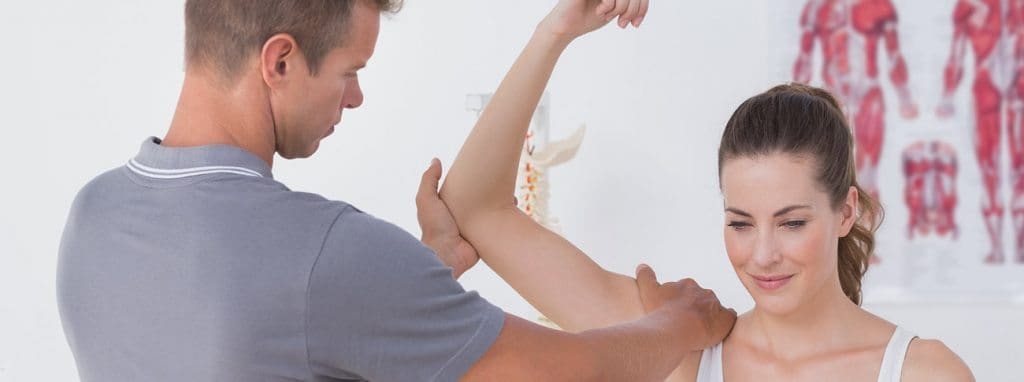
Shoulder pain is a problem that far too many people deal with.� Pain in the shoulder can be referred pain from the spinal misalignments, or it can be caused by a misalignment in the shoulder.
No matter what specific type of shoulder pain you have, El Paso chiropractors help relieve both the pain and any range of motion issues that are present. Our team will help to access your condition and give you the best advice we can on what you can do to remedy the situation.
3) Lower Back Pain
If headaches and shoulder pain are among the most common conditions for the general public then lower back pain is probably at the head of the pack. One of the most common reasons for lumbar pain is from misaligned spinal segments.
Chiropractors can help the pain and reduced mobility associated with lumbar strains and sprains and help patients get back to their normal routines. Even if you�ve had lower back pain for years and have been told there is nothing that will help, it�s always worth the time explore your possibilities.
Please don’t hesitate to call our team with any questions you might have.� Today is a great day to get started on a new path to health.
El Paso, TX. Chiropractor Dr. Alex Jimenez looks at sleep posture for back pain.
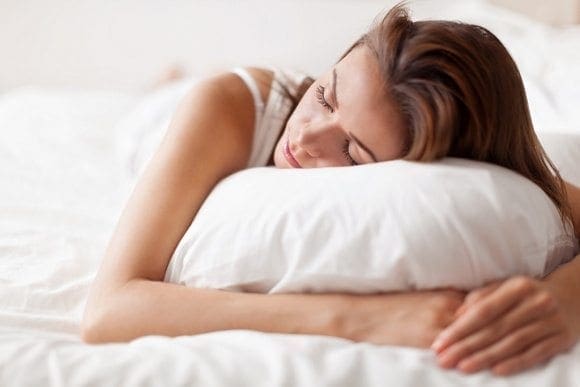
Whether you got back, neck, or pregnancy pain, your slumber posture makes a big difference in the way you feel each morning.
Great posture is a key to a healthier spine, but posture isn�t just about sitting or standing straight. Your sleep bearing has a significant effect on neck and your back. While some postures allow you to feel refreshed morning, come, others can leave you stiff, sore, and in pain.
Believe neutral, as it pertains to locating the very best sleep pose to your back and neck. Postures that put your spine in a neutral, or direct, alignment place the smallest amount of pressure on your own back and neck. Learn which postures set your back in a neutral state and those who must be prevented below.
The Very Best Sleep Posture For The Back: On Your Own Back
Sleeping in your back is for putting your spine in a neutral alignment, the very best, but only 8% of people sleep in this pose.
A few strategically placed pillows can boost the advantages of back sleep. A little pillow underneath your head and neck (but not your shoulders) will help to keep your back straight. Including a pillow under your knees will provide comfort and much more support, as it encourages your back to preserve its natural curve.
It’s a few drawbacks, though back sleeping is the best on your spine:
It�s not best for individuals with sleep apnea. Back sleeping may create the tongue to obstruct the breathing tube, so those with sleep apnea must not sleep on their backs. Instead, they ought to sleep on their side with legs right.
It�s not best for snorers. Back sleeping can worsen snoring. People who snore should sleep on their side with legs right.
It’s not best for women that are pregnant. Pregnant women who sleep on their backs danger growing a multitude of health issues, from back pain to low blood pressure. Plus, the on-the-back position decreases blood flow to the baby and also the heart. The very best sleep position during pregnancy is sleeping on the side with legs bent.
�
The Next Best Choice: On Your Side With Legs�Straight
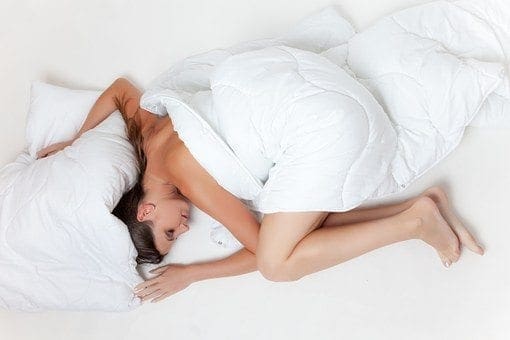
For those that snore or have sleep apnea�or in the event you just discover sleeping on your back uncomfortable�side sleeping with your torso and legs is a fantastic choice. That is the perfect sleeping pose for people and snorers with sleep apnea because it keeps your airways open. Adding a tiny pillow between your legs will also help in keeping your back neutral.
In Third: On Your Side With Legs Bent Upwards
Sleeping on your side together with your legs bent upwards�also generally known as the fetal position�is the most typical sleep pose (41% of adults sleep this manner). This posture keeps your neck and upper back, though it�s a popular alternative. The fetal position also promotes an uneven distribution of weight, which can cause tender joints and back pain. You can help reduce your odds of waking up by pulling your knees and maintaining your turning angle up as high as they can go.
While this is the third-best slumber pose for most, sleeping on your side with bent legs is the best sleeping position for women that are pregnant. It supplies the most comfort and safety for a growing abdomen, and sleeping on the left side adds the additional benefits of boosting blood and nutrients to the baby. For additional support, pregnant women may put in a pillow between their bent legs and knees.
The One Sleep Position Everyone Should�Avoid
No matter the sort of pain you might have, whether it�s neck, low back, joint, or related to pregnancy, sleeping on your stomach just isn’t recommended. This posture places the most pressure on joints and your back�s muscles as it flattens the natural curve of your back. Sleeping on your stomach also compels you to turn your neck, which may cause neck and upper back pain.
Getting the sleep you need is much more important while stomach sleeping is better prevented. You are able to calm some pressure off your back by placing a pillow under your pelvis and lower abdomen, and another pillow under your head if stomach sleeping is the sole way you can snooze soundly. In the event the pillow under your head causes pain, remove.
Still Feeling Sleepy?
You struggling to get a great night�s rest, although when you yourself have sleep bearing that is healthful, factors outside your sleep position may be the offender. As an example, environmental disruptions (for example bright lights in your bedroom) or dietary customs (like eating a substantial meal before bed) could be interfering together with your slumber. Learn about some common sleep burglars and how you can combat them in Sensible Sleep Advice to get a Wholesome Spine.
El Paso, TX. Chiropractor Dr. Alex Jimenez takes a look at the psoas muscle and its relation to back pain.
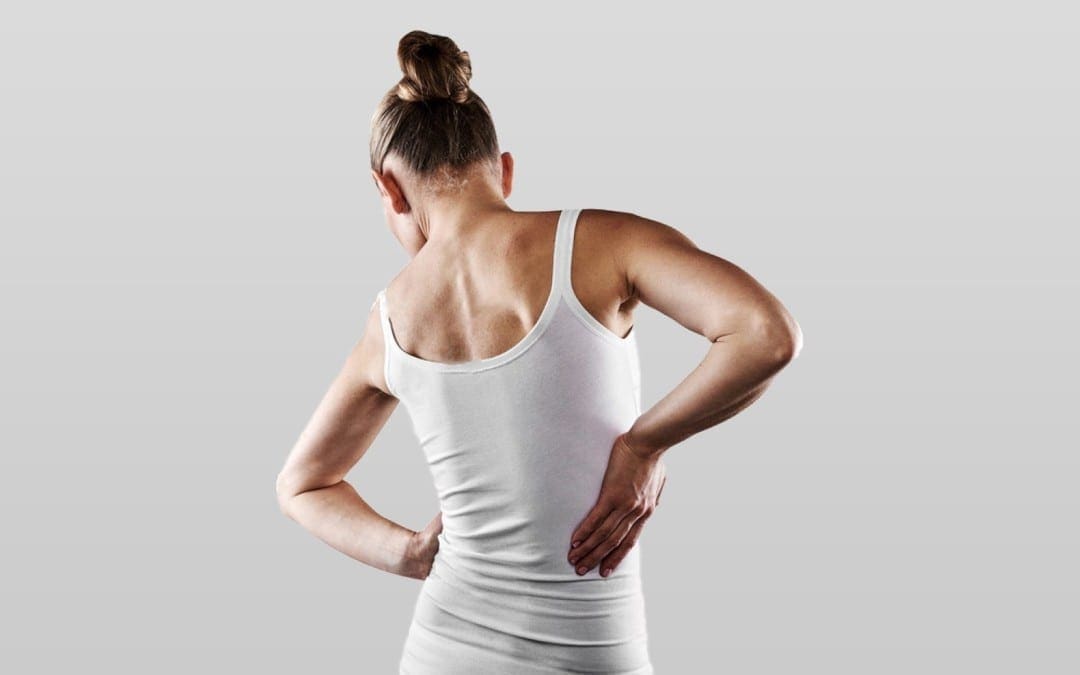
All too often we find ourselves experiencing aches and pains in our bodies, especially in the low back. If you find yourself commonly searching for remedies for fast back pain relief, it might be time to research the psoas muscle.
Technically named iliopsoas, the psoas major, may very well be among the main muscles within the body. Why? This deep-seated heart muscle helps support your back and much more. In the event the psoas is weak, it might be the cause of neck pain, back pain and many other issues. In fact, the psoas major muscle is especially distinctive, particularly as it pertains to postural function. It�s the only muscle which joins reduced body and the lumbar spine. It�s clear to see taking care of this deep psoas muscle is essential to a powerful, pain free body. Many others believe a healthy psoas is very important for spiritual and mental health, also.
What’s the Psoas Muscle? Why Is It Important?
There are two psoas muscles on each side of the back. The larger one is called the psoas major and the smaller the psoas minor. The psoas major, often known as �the might psoas, � originates in the back round the bottom of the rib cage and runs down the thigh over the femur. The psoas major works by bending the hip. It runs to the bony pelvis, although the psoas minor also originates in the back across the bottom of the rib cage. It acts to bend the back that is reduced.
The psoas helps us perform including freeing the legs for walking and running all sorts of day-to-day activities. The psoas muscle is also critical in providing good posture. Anyone who takes Pilates knows the psoas intimately � the type of exercise is praised for enhancing psoas muscle health and associated back pain. Olympic weightlifters, runners, triathletes, gymnasts � heavily rely on the support of the psoas, too.
Let�s delve into where the muscle is situated. There are two muscles that create what is called the group that is iliopsoas. They may be the psoas major and iliacus. You have likely learned your fitness teacher indicate stretching the hip flexors at the end of your strength class. The psoas major and iliacus are very important to the hip flexor muscles since they help support and secure the lower back. There’s an alternative muscle known as the psoas minor, but it is useful for 4 legged animals than for people.
The word psoas means loin area and is Greek. The psoas muscle group makes an upside down V, linked to the back working its way down to the very top of the femur and beginning at about the bottom point of the rib cage. Specifically, it’s a long spindle-like muscle, found between the pelvic inlet as well as the pelvic floor. It joins the iliacus muscle which can be what forms the iliopsoas. A chiropractor can in fact use pressure in the pelvic inlet region to aid release a tight psoas. This can be commonly done to stretches for athletes in addition, though it should always be achieved by way of a soft tissue professional with expertise in psoas release.
Why Do We Need A Strong Psoas Muscle: Possible Issues
A strong psoas supports regular action, however so much as the simplest task can be made as well as causing larger problems such as power back a challenge by a weak psoas. The psoas is a vital messenger of the central nervous system and the way your body reacts to gravity is significantly diffent than intended, when there is dearth of support from it.
Muscle imbalances can often make the entire body to compensate in a different place and that may cause even and added problems harm. Some people are even identified as having psoas syndrome or iliopsoas tendonitis. These ailments cause pain in the hip area. They’re often described similarly, while these are two different illnesses; nonetheless, psoas syndrome is a condition involving a stretch, tear or rupture of tendon or the iliopsoas muscle. Iliopsoas tendonitis demands an inflamed muscle. The piriformis syndrome is also closely related with this kind of pain and may be referenced when seeking a diagnosis.
Yoga therapist Danielle Prohom Olson calls the psoas muscle �the muscle of the soul.� Olson says on her site: � The psoas is connected to the diaphragm through fascia or connective tissue which impacts our breath and anxiety reflex. This is because the psoas is linked to the most early inside part of the brain stem, the reptilian brain and spinal cord.� In fact, author of The Psoas Book, psoas specialist Liz Koch, says that lack or mental trauma of psychological support can leak to a chronically contracted psoas. This results in too little core awareness. This makes sense as your historical limbic system is closely related to emotions like fear and worry.
�
Symptoms Of Psoas Difficulties
Discomfort, pain and aches in the front hip socket
Restriction�in the hip socket
Iliopsoas bursitis/tendinitis
Restriction moving the thigh backwards
Deep pelvic pain
Deep �bellyache�
Chronic constipation
Twisted�pelvis
What Causes A Weak Psoas
There are just two common behaviours that generally cause a weak psoas: sitting poor posture and all day. The National Association of Sports Medicine notes sitting causes a psoas that is feeble. And a weak psoas can lead to lower back issues. All that sitting can cause the psoas, iliopsoas and rectus femoris to remain in a shortened position for lengthy amounts of time. What goes on is these muscles get used to this shortened state and that makes them overactive and tight. This shortening or tightening of the muscles can lead to a forward tilt of the pelvis and weakness in the gluteal muscles because these muscles are attached to the pelvis and lumbar spine. United, this may cause lower back pain. Consider a standing desk to lower your sitting time each day.
If not corrected awful posture, whether standing or sitting, can create a lot of suffering. Rounded shoulders or a forward head position might appear to be the easiest on the body, but it is going to weaken the supporting muscles of the body over time, since we’re always working against gravity.
3 Major Benefits of a Strong, Healthy Psoas Muscle
1. May Reduce Low Back Pain
A published in the Journal of American Osteopathic Association identified the psoas as a vital muscle linked to our core muscle development. The psoas had been initially missed as an alternative for back pain that the 48-year-old man was experiencing. (7) He received osteopathic manipulative treatment, defined as hands on care with a trained physician. Utilizing the hands, with extending techniques, gentle pressure and resistance by transferring the muscles and joints, a skilled professional can help diagnose, treat and even prevent illness or injury. The patient enjoyed critical development, confirming that without surgery, back pain can be removed with a the help of a professional, combined with the devotion of the patient to execute special stretches at home.
2. Can Affect Your Sports Activities
I noted previously that the psoas is actually the muscle which allows one to run. Each knee lift causes a contraction of the rope-like each time the leg swings back to its first location and muscle, the psoas will lengthen. Runner�s World reports a runner lengthen and will contract the psoas more than 5,000 times during an hour long run The psoas can be a big aspect in great carriage. The psoas, combined with other core muscles, like the abdominals and obliques, in addition to the ones that help form and support the lower back, supplies firmness offering a strong posture. Therefore it’s wise that if there is a problem with the psoas, it’ll probably change your sports actions, in particular those that need jogging.
3. Provides a More Pain-Free Pregnancy
Creates a lot of developments in the torso, certainly one of which is the shift in your center of gravity. It shifts forwards as the baby grows, causing the pelvis to go toward the front of the body. This could cause the muscles in the low back area the hamstrings and glutes and also to tighten weaken as well as to stretch out. Additionally, the ligaments connected to the uterus can come under a great deal of anxiety, causing pain and lower back. The psoas and surrounding muscles take on much of the anxiety, which may cause discomfort on account of imbalances and tightness. But, by performing stretches and exercises which help to fortify the psoas, you can remove most if not all of the pain.
Psoas Stretches & Exercises
Whether an athlete, not lively in any respect or pregnant, it�s important to release the psoas to make sure that it’s in excellent working order giving you the support you must perform any tasks � picking up those markets or your toddler. Yoga, Pilates and my core routine are excellent choices, by performing a some key stretches right at home however you can make a major difference. Here are some psoas stretches and exercises which you can do a few days a week. If possible, in the event that you sit at a desk throughout the day, I recommend which you perform these exercises daily. It just requires a couple of minutes and can alter how you go throughout your day.
Foam Rolling
While releasing the psoas must be left to your soft-tissue professional, NASM suggests foam rolling tight hip muscles that are other, such as the TFL and hip adductors. As you roll, hold on spots that are tender for 30 to 90 seconds. (16) Check by means of your physician to be sure foam rolling is OK with you. NASM notes it�s not appropriate for certain states, including aneurysms, blood clots, malignancies, anticoagulant treatment, congestive heart failure, open wounds or skin lesions, bursitis, obstructive edema, or certain other health conditions.
Hip Flexor Stretch (Thomas Stretch)
Sit tall at the end of a table. Thighs are midway off the table. Catching one knee, lean back until your lower back and sacrum and pull it to your torso are level on the table. Notice that when the back is rounding and the pelvis is tipping, you�re pulling on the knee too much. To correct, just loosen your hold. Allow the other leg to hang free. Hold for 30 to 60 seconds. Perform a few repeats on each side.
Kneeling Lunge
It is a very common exercise performed in the fitness center through the stretch segment of plenty of group fitness classes. To get it done, kneel down on one knee (you might want to have a pad below if you’re on a hard surfaced floor), with all the front leg forward at a 90-degree angle. Tuck your pelvis and softly lunge forwards. Continue to lean into the stretch ensuring that there is no uncommon pain. A tight psoas may cause you to arch your back; yet, try to keep the back straight. To include a little extending to the core, raise your arms and lean the hips forward another inch or two. Holding the lunge for 30 seconds finishing, 3 repeats on each side.
Leg Lifts
Lie on your back and extend your legs facing you. Put your hands either underneath your bottom in case your back arches too much, or above your mind by focusing on bringing your belly button to the spinal column provided that your lower back is pressed into the ground. Lift your left leg several inches above the earth and support for 3 to 5 seconds. Do 10 to 15 repetitions on each leg. As you get stronger, you can do these using ankle weights.
Ball Bridge
Lie on a stability ball like you would to perform crunching, along with your neck and shoulder resting. Make sure to engage your heart , not let your hips sag, with your feet straight ahead with toes pointing forwards, shoulder-width apart. Slowly and controlled, drop your glutes toward the floor (don�t go too far that the shoulders come away from the ball) and then push up through the heels to engage the glutes and push your hips back up in line by means of your spine.
This exercise can be used to fortify weak gluteal muscles generally associated with a tight psoas.
Psoas Massage and Release
The psoas is surrounded by vital organs is deeply embedded into the central cavity region and may be tough to find. Physical therapist or a chiropractor might be capable of help you best as it pertains to actually release the psoas. It requires complete relaxation of the patient and is a sensitive place. To really get working with a trained professional is recommended, although total body massage that is general can certainly help.
Working on releases and extending other hip muscles nearer to the surface of the body is able to go a long way in reducing total tension and will ultimately help in enhancing psoas wellness.
Precautions
It is always better to require any new exercise slow. Ahead of performing the exercises consult with your sports medicine doctor, physical therapist or chiropractor. When it comes to a psoas release, there are negative effects that are potentially dangerous in case you don�t work with someone trained and certified in this region, so you need to talk a professional.
Closing Thoughts on the Powerful Psoas Muscle
The psoas muscle is a deep-seated abdominal muscle in close proximately. Your psoas major is the muscle that joins your lower back to your lower body. The psoas muscle is many times tight and overactive, as well as other hip muscles, due and due to things like sitting that is persistent possibly as a result of chronic stress. A soft tissue professional just like a physical therapist or chiropractor should does releasing your psoas muscle. Everything you could do to boost your psoas function in the home is focus on strengthening weak gluteal muscles, extend them and perform foam rolling of other tight hip muscles such as TFL and the adductors.
While surgery is frequently prescribed for back pain, researchers are finding that focusing on enhancing psoas health can radically enhance lower back pain.
El Paso, TX. Chiropractor Dr. Alex Jimenez looks at back pain medications and their effect on sleep.
Can you relieve spine pain and get a good night�s rest? Sure some drugs get in the way.
Prescription medications are among the most recommended nonsurgical treatments for back and neck pain. While these drugs might help alleviate what ails your back, your sleep may suffer because of this. That�s a big deal, as sleep deprivation hurts your general wellbeing.
Unfortunately, back and neck pain medications can have side effects�and interfering with your sleep and ability to operate normally throughout the day are ones that are typical. Your medication may stop you from getting enough sleep or falling asleep. Or, your slumber quality suffers, although you might doze off readily. Plus, sleep-related side effects do n�t just affect you during the nighttime hours, as you may experience drowsiness or jitters during the day.
Sleep Science 101: Reconsidering Sedatives
Before delving into common back and neck pain drugs that may affect your slumber, it�s important to comprehend one of the biggest misconceptions about sleep medicines: the effect of sedation.
Many view sedatives as sleep aids due to the fact that they enable you to fall asleep fast. Nevertheless, this doesn�t tell the entire image, based on Steven A. King, MD, MS, who practices pain medicine in New York and is a clinical professor of Psychiatry at the New York University School of Medicine.
�When contemplating what�s good for sleep, it really is vital to not forget that sleep is just not a uniform activity through the entire span of the night, but rather, a succession of cycles involving different levels of wakefulness,� wrote Dr. King in a site for Psychiatric Times. �Merely because a medication may put one to sleep doesn�t mean restful slumber will be provided by it if it disrupts the normal sleep cycles.�
During a good night�s sleep, your brain will repeatedly cycle through five phases: stages 1, 2, 3, 4, and rapid eye movement (REM) sleep. You should spend about 25% of your total slumber and this is the cycle. As researchers believe it contributes to regulating your mood, learning, and saving memories having uninterrupted REM sleep is significant.
Monitor your sleep quality, if you�ve been prescribed a medicine with sedative effects, for example an opioid. It�s not about how fast you fall asleep but also how refreshed you feel the very next day. If you dazed and �re waking up groggy, talk to your doctor about possible alterations to your medication regimen.
Back &�Neck Pain Medications That May Disrupt Sleep
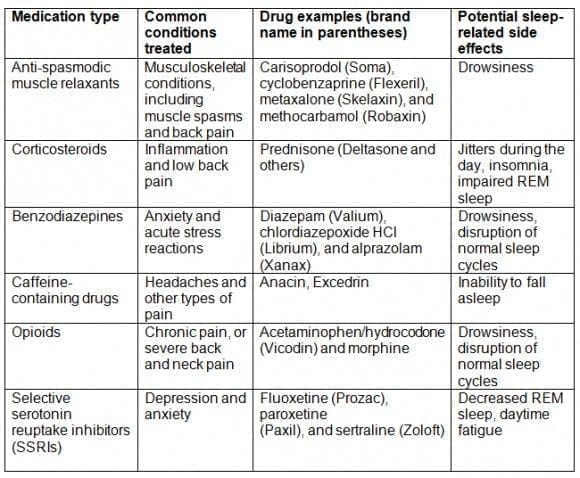
Below are drugs that treat spinal conditions and may likewise have sleep-associated side effects.
Note: The table below features common back and neck pain medications that could interfere with your sleep and daytime functioning; it is not an all inclusive list. Always discuss the potential side effects of your medications that are certain with your physician.
Talk To Your Doctor About Drug Alternatives For Better Sleep
The quality of your slumber shouldn�t suffer�as a result, although keeping your spine healthy is vital. If you�ve detected a decrease in quality or quantity of sleep since beginning your back or neck pain medicine, tell your physician. She or he might prescribe an alternative drug or treatment while addressing your spinal issue to restore healthful sleep.
El Paso, TX. Chiropractor Dr. Alex Jimenez takes a look at sit/stand desks to see if they help with back pain and burn calories.
Regular utilization of sit-stand desks at work can help burn off calories and stop weight gain when coupled with other low-intensity tasks, according to findings from a current study in Occupational Medicine. The sit- stand desks did not increase pain or reduce productivity.
�In fact, other longer-term studies are demonstrating that using a sit-stand desk may actually reduce pain,� clarified lead writer Bethany Barone Gibbs, PhD, FAHA, Assistant Professor of Health and Physical Activity, Clinical, and Translational Science in the Physical Activity and Weight Management Research Center at the University of Pittsburgh.
For patients who have back pain or have lately experienced spinal surgery, the recommendation to stand on and off during the day is very important, commented A. Nick Shamie, MD, Chief of Orthopaedic Spine Surgery and Professor of Orthopaedic Surgery and Neurosurgery at UCLA School of Medicine.
�Sitting down puts significant pressure on disks and the backbone,� Dr. Shamie said. �In addition, the pressure on discs is extremely high when one is seated and bends forward to pick something off of the flooring,� he noted.
The Way The Study Was Performed
For the study, 18 people (9 men, 9 women) performed standardized deskwork at different positions for three independent one-hour sessions: 60 minutes sitting, 60 minutes standing, and 60 minutes spent alternating between sitting and standing for 30 minutes each. Standardized deskwork contained posts that were typing from a magazine, copying definitions from a dictionary, and math exercises. Areas completed experimental sessions in a haphazard order, at least and within four weeks.
All participants were between the ages of 22 and 57 years old, had earned at least a high school degree, and worked sedentary office occupations having an average daily sitting time of 8.8 hours.
Sit-Stand Desks May Burn Off 50-60 Calories Each Day
The research found that if your person stood for thirty minutes during each hour, they might burn 5.5 more calories than they’d have by sitting for the entire hour. Standing for the full hour burned an extra 8.2 calories. Changing evenly between sitting and standing on the course of an 8-hour day�4 hours sitting and 4 hours standing �could burn off as much as 56.9 calories for guys and 48.3 calories for girls.
While the number of calories is comparatively small, it may be sufficient to stop weight gain from working a sedentary job. In reality, the researchers pointed to other studies showing that modest increases in daily activity, the equivalent of burning 100 calories per day, prevents weight gain in most individuals. Routine usage of sit-stand desks could be one of many small tasks that would help weight is maintained by office workers, the researchers noted.
The Advantages Of Sit-Stand Desks
�Sit-stand desks are an easy way to get an increase in energy cost that matches into America�s present office culture. By combining the action of standing for part of the day with other occasional actions�say, electing to walk to the printer farthest away from your work space or selecting to make use of the restroom that�s found a few flights of stairs away�you can attain a significant amount of extra energy cost while at work which could help in weight control,� Dr. Barone Gibbs said.
�It’s essential that we understand standing at work isn�t going to burn off as many calories as choosing a brisk walk or a long term,� Dr. Barone Gibbs said. �However, our findings add to an increasing area of research that demonstrates the advantages of sit-stand desks, including increases in energy and productivity, blood sugar, and lower pain, and potentially blood pressure.�
Folks can certainly go online and also read reviews of the greatest sit-stand desks and how to incorporate them into work setting, Dr. Shamie said. He included that sit-stand desks are simply one part of back care. Eating a healthy diet, sleep, regular exercise, are all factors that play a job in an overall healthy lifestyle and back care, he explained.
El Paso, TX. Chiropractor Dr. Alex Jimenez examines scoliosis.
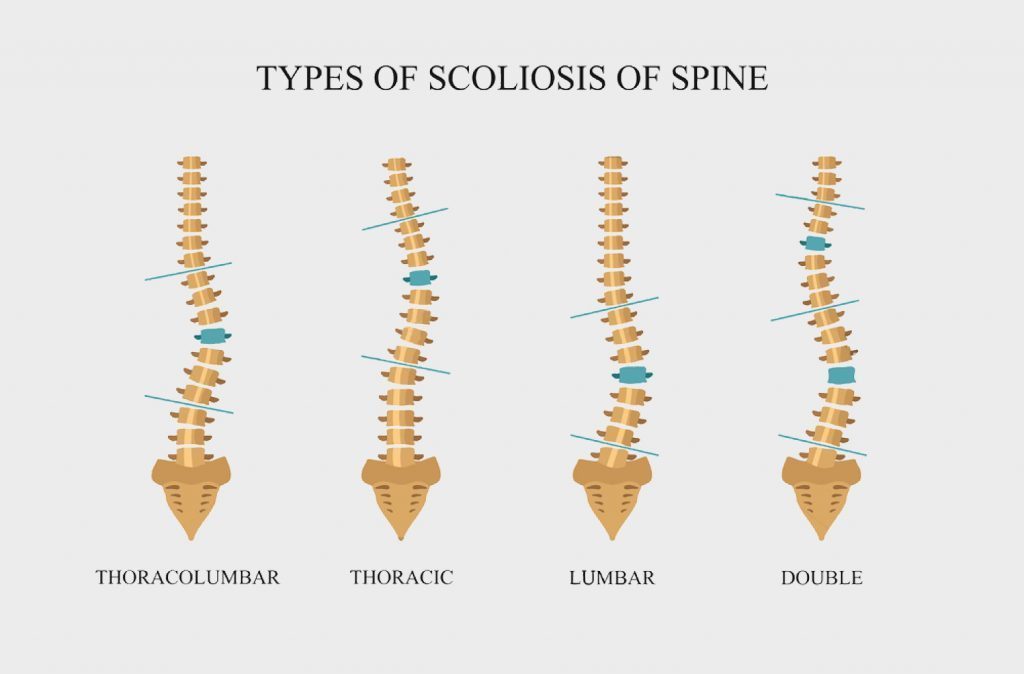
We all have curves in our backs, but scoliosis causes the spine to curve in the wrong direction. It causes sideways curves, and those are not the same as the normal curves of the spine. In case you looked at your spine from your side, you had see it curves out at your neck (cervical spine), in at your mid-back (thoracic spine), and out again at your low back (lumbar spine). Your back is likely to curve that way.
However, if your spine was looked at by you from behind, you shouldn’t see any curves. When there are sideways curves in the back from the back view, that is scoliosis. The curves can seem like an “S” or a “C.”
Spine Anatomy: Quick�Lesson
You first need to know what a healthy back looks like, to comprehend scoliosis. You will find four areas in your back:
Cervical Spine:
That is your neck, which begins at the base of your skull. It features seven little spinal bones (called vertebrae), which doctors label C1 to C7 (the “C” means cervical). The numbers one to seven signify the level of the vertebrae. C1 is closest for your skull, while C7 is closest to your torso.
Thoracic Spine:
Your mid-back has 12 vertebrae which are labeled T1 to T12 (the “T” means thoracic). Vertebrae in your thoracic spine connect to your own ribs, making this a part of your back comparatively stiff and stable. Your thoracic spine doesn’t move as the other areas of your back.
Lumbar Spine:
In your low back, you’ve got five vertebrae that are tagged L1 to L5 (the “L” means lumbar). These vertebrae are your strongest and biggest vertebrae, responsible for carrying lots of the weight of your body’s. The lumbar vertebrae are also your last “authentic” vertebrae; down from this region, your vertebrae are fused. The truth is, L5 may be fused with part of your sacrum.
Sacrum & Coccyx:
The sacrum has five vertebrae that usually fuse by adulthood to form one bone. The coccyx�commonly known as your tail bone�has four (but occasionally five) fused vertebrae.
Normal Spinal Curves: Lordosis & Kyphosis
When viewed in the side, you can observe the spine has both outward and inward curves. These curves help your back are also very important to flexibility and hold your weight.
There are just two types of normal curves in your back, and they’re called lordosis and kyphosis. Kyphosis means the spine curves inward, and lordosis means the spine curves out.
There are two spinal curves that are lordotic and two kyphotic in an ordinary back. Your cervical and lumbar spinal columns each possess a lordotic curve. Sacrum and your thoracic back have kyphotic curves.
While lordosis and kyphosis refer to a healthy curvature in your back, in addition they describe abnormal spinal curves which might be different than scoliosis. Lordosis that is strange is an extreme inward spinal curve. Kyphosis that is strange is a state that results in a hunchback or slouching posture, and you also will read about it in our Kyphosis Center.
Types Of�Scoliosis
Scoliosis is ordinarily associated with kids, but adults can have it, also. This generally occurs the disorder progresses aggressively or when scoliosis is not discovered during childhood. Most cases of scoliosis�more than 80%, in fact�are idiopathic, meaning they don�t possess a cause that is known.
Listed here are the various kinds of scoliosis:
Infantile idiopathic scoliosis is diagnosed in kids ages 0 to 3.
Congenital scoliosis happens when the spine doesn’t grow properly in the womb.
Neuromuscular scoliosis is caused by brain, spinal cord, and muscular system disorders..
Syndromic scoliosis grows as part of an illness or an underlying syndrome.
Juvenile idiopathic scoliosis is diagnosed in kids ages 4 to 10.
Adolescent idiopathic scoliosis is diagnosed in young people ages 11 to 18.
Adult degenerative or idiopathic scoliosis is diagnosed in individuals older than 18.
Along with the types noted above, your back specialist may refer to your scoliosis early-onset scoliosis�a term for scoliosis detected before 10 years of age. Syndromic scoliosis, congenital scoliosis, neuromuscular scoliosis, infantile idiopathic scoliosis, and juvenile idiopathic scoliosis may all be considered early-onset scoliosis.
Treating Scoliosis
Scoliosis brings up images of braces and perhaps memories of being examined for it by the school nurse. Bracing is one of the most common treatment choices for scoliosis as the curve may be fixed by it without back surgery.
Sometimes, though, the curve is too extreme and bracing does not help enough. Because scenario, you could have scoliosis surgery to correct the curve. You can find out more on the topic of surgical treatment for scoliosis in scoliosis surgery for scoliosis and adults operation for kids.
For kids, particularly, it can be frightening to learn they have scoliosis. Having that label makes them different at a time in their own lives when they do not need to be different. They may not enjoy the concept of wearing a brace, either. But scoliosis is nothing to be scared or ashamed of. With the correct treatment, scoliosis doesn’t have to define your life.
IFM's Find A Practitioner tool is the largest referral network in Functional Medicine, created to help patients locate Functional Medicine practitioners anywhere in the world. IFM Certified Practitioners are listed first in the search results, given their extensive education in Functional Medicine