
ClickCease
+1-915-850-0900 [email protected]
Select Page
Migraine Education Improves Headache Treatment in El Paso, TX

Migraine Education Improves Headache Treatment in El Paso, TX

Migraine symptoms are painful and debilitating, often affecting the quality of life of many migraine sufferers around the globe. Although headache pain is one of the most prevalent reasons for doctor office visits each year, migraines are considered to be one of the most underdiagnosed and undertreated diseases in the medical field. Furthermore, the emotional distress caused by the unresolved physical symptoms of migraines can create a number of mental health issues which can lead to worsened symptoms.�As a result, migraine education efforts have been implemented as a part of many headache treatment options, including chiropractic care. The purpose of the following article is to demonstrate the benefits of a primary care migraine education program, known as the Mercy Migraine Management Program or MMMP, on headache impact and quality of life.


A Primary Care Migraine Education Program has Benefit on Headache Impact and Quality of Life: Results from the Mercy Migraine Management Program


Abstract


  • Objective: The objective of this study was to evaluate the effectiveness of the Mercy Migraine Management Program (MMMP), an educational program for physicians and patients. The primary outcome was change in headache days from baseline at 3, 6, and 12 months. Secondary outcomes were changes in migraine-related disability and quality of life, worry about headaches, self-efficacy for managing migraines, ER visits for headache, and satisfaction with headache care.
  • Background: Despite progress in the understanding of the pathophysiology of migraine and development of effective therapeutic agents, many practitioners and patients continue to lack the knowledge and skills to effectively manage migraine. Educational efforts have been helpful in improving the quality of care and quality of life for migraine sufferers. However, little work has been done to evaluate these changes over a longer period of time. Also, there is a paucity of published research evaluating the influence of education about migraine management on cognitive and emotional factors (e.g., self-efficacy for managing headaches, worry about headaches).
  • Methods: In this open-label, prospective study, 284 individuals with migraine (92% female, mean age = 41.6) participated in the MMMP, an educational and skills based program. Of the 284 who participated in the program, 228 (80%) provided data about their headache frequency, headache-related disability (as measured by the Headache Impact Test-6 (HIT-6), migraine-specific quality of life (MSQ), worry about headaches, self-efficacy for managing headaches, ER visits for headaches, and satisfaction with care at four time points over 12 months (baseline, 3 months, 6 months, 12 months).
  • Results: Overall, 46% (106) of subjects reported a 50% or greater reduction in headache frequency. Over 12 months, patients reported fewer headaches and improvement on the HIT-6 and MSQ (all p < .001). The improvement in headache impact and quality of life was greater among those who had more worry about their headaches at baseline. There were also significant improvements in �worry about headaches�, �self-efficacy for managing headaches�, and �satisfaction with headache care�.
  • Conclusion: The findings demonstrate that patients participating in the MMMP reported improvements in their headache frequency as well as the cognitive and emotional aspects of headache management. This program was especially helpful among those with high amounts of worry about their headaches at the beginning of the program. The findings from this study are impetus for further research that will more clearly, through evaluate the effects of education and skill development not only on headache but also emotional and cognitive influences.

 

Dr Jimenez White Coat

Dr. Alex Jimenez’s Insight

Migraine headache pain is characterized as a disabling symptom which can tremendously impact an individual’s quality of life. Plus, the stress created by the worry of an imminent migraine can result in a variety of mental health issues. Many healthcare professionals and migraine sufferers lack the proper knowledge and skills on how to effectively manage migraine symptoms. Fortunately, migraine education programs, like the Mercy Migraine Management Program (MMMP), were designed to teach patients how to improve their quality of care and quality of life. Migraine education programs such as these have been demonstrated to especially benefit migraineurs with higher levels of stress. Aside from providing spinal adjustments and manual manipulations to correct the alignment of the spine, chiropractic care focuses on the treatment of the body as a whole, making sure patients are educated regarding their migraine symptoms.


Introduction


Migraine headache is a highly prevalent, painful, disabling and costly disease. The evaluation, treatment and management of migraine have been estimated to involve 5 to 9 million office visits per year to primary care physicians in the United States.[1,2] Migraine is one of the most common reason for an outpatient office visit.[3] Numerous studies have reported that patients with migraines have significantly higher pharmacy and medical claims than those without migraine.[4�7] Migraine also has high indirect costs; it has been estimated to cost US employers between 17 and 20 billion dollars annually in lost work productivity.[8,9]


Despite its prevalence and high cost, migraine remains an underdiagnosed and undertreated disease.[10�14] Given the availability of migraine-specific therapeutic agents, it is vital that physicians be able to accurately diagnose migraine. Moreover, it is important for physicians to recognize the benefits of treating migraine as a specific condition as opposed to simply �head pain�. Unfortunately recent findings concerning the accurate diagnosis and treatment of migraine suggest that most patients with migraine are not accurately diagnosed or treated.[10�12,14]


Migraine is currently conceptualized as a chronic neurologic disease characterized by intermittent episodes of acute pain.[15�17] Current guidelines for managing chronic diseases emphasize the importance of self-management.[18�22] In self-management, the emphasis is on both the patient and the provider actively treating the disease, with the patient managing the disease outside the clinical setting. Self-management (or self-care) requires that the provider afford the patient the opportunity to take the right dose of the right medication at the right time, is educated about migraine and its management, and is equipped with tools to minimize the frequency and deleterious effects of migraine attacks.


Most migraine sufferers experience some disability from headache pain and the associated symptoms of migraine.[23�26] It is often the disability emanating from migraine attacks that compromises quality of life, thus making migraine both a pain problem and a life problem. For many patients, recurrent disability combined with a lack of effective coping tools and medications that are not always effective can create uneasiness, worry and anxiety between attacks as well as when an impending attack seems imminent. This worry and anxiety may be related to low self-efficacy, a cognitive variable that involves an individual�s belief that she or he is able to successfully manage a situation.[27�29] Self-efficacy has been theorized as a potent influence of how well one manages migraines.[29�33] Recent development of new therapeutic agents and the advent of improved educational efforts have been helpful in validating migraine and improving the quality of care for migraine sufferers. However, demonstrating the overall value of a primary care based educational program for migraine is difficult. Previously published articles evaluating the benefits of migraine education have reported successful results.[34�39] However, these programs mainly involved referral of patients into a specialized clinic or educational facility for instruction from specialist practitioners or educators and followed outcomes of the patients after enrollment. Unfortunately, few communities have access to such headache specialty clinics. Accordingly, most patients rely on their primary care clinicians for educational content and counseling regarding headache care. With these concepts in mind, the Mercy Migraine Management Program (MMMP), a multi-center, targeted enrollment study was undertaken to demonstrate the overall value of a migraine educational program through a provider-group setting. Given the paucity of programs whereby the physicians and participants are provided a one-time educational program, the decision was made to evaluate whether a program of this nature was feasible and suggestive of efficacy. If so, then this would allow for further investigation using a more elegant design.


The current study was an open trial looking at the effects of the MMMP. The effect of participation in the educational program on headache frequency, headache-related quality of life, headache-related worry, self-efficacy, treatment satisfaction, and emergency room visits for headache was assessed.


Methods


Participants


The research was conducted within a 120-clinician primary care group practice caring for more than 200,000 patients (St. Johns Mercy Medical Group in St. Louis, Missouri). A total of 31 physicians and three nurse practitioners from 14 of the group�s practice sites agreed to participate. From these sites, a total of 284 patients with migraine were identified and recruited by the clinicians and agreed to participate. Among participants 92% (n = 260) were female and the mean age was 42 (SD = 12.45). In order to be eligible, patients were required to have one or more of the following: (a) ICD-9-CM code for migraine/headache diagnosis in the previous six months; (b) one or more claims for acute migraine/headache medications in the previous six months; or (c) patients with one or more ER or urgent care center visits in the previous six months coded for migraine/headache or headache NOS and at least one migraine medication. In addition, patients who presented to the primary care office for evaluation of headache were eligible for enrollment in the program if they were given an ICD-9-CM code for migraine/headache diagnosis at that time.


Procedures


Provider Education and Training


Clinicians who expressed interest in participating attended a two-hour continuing medical education program on migraine. The program covered four key concepts: (1) impact recognition diagnosis of headache (office recognition of migraine based on headache repercussions and disability rather than the characteristics of pain alone), (2) the benefits of early abortive intervention, especially with migraine-specific medications, (3) effective preventive regimens, and (4) non-pharmacologic management. The overarching goal of the program was to educate providers about how to equip the patient with tools they can use to manage their migraines on a daily basis. Participating clinicians and their staff were provided printed educational materials. A majority of the materials were developed or selected for use by the first author. These were supplemented by standardized educational materials which included: (a) Patient Centered Strategies for Effective Management of Migraine[40]; (b) The Migraineur�s Guide to Migraine[41]; and (c) Provider and Patient Tipsheets from the Migraine Matrix� education program[41], a comprehensive migraine management program for providers.


Following their participation in the educational session, physicians from the practice sites sent IRB approved notices to potentially eligible patients, identified from claims data, informing them of the study or spoke with them directly during routine office visits for headache treatment. Interested individuals who responded to the mailed invitations then came to the practice site where their migraine diagnoses were confirmed and informed consent for participation was provided, as approved by the local IRB. The subjects subsequently completed study related questionnaires. Subjects recruited at the time of an office encounter were invited to participate at the time of said visit, provided informed consent in like-manner to those described above, and completed the baseline questonnaire.


After the questionnaires were completed, the clinician provided medication or other treatment recommendations based on their knowledge attained from the educational seminar and print materials previously provided to them. No mandatory interventions were required on the part of the provider. They were to make medication and other management decisions as they saw fit for each individual participant according to their own knowledge, understanding, and preferences. They were however required to provide the educational information from the study to the individual subjects enrolled in the trial. The clinician or a member of the health care team provided the patient with the educational materials and instructed them on how to use them. The patients were encouraged to use the materials as best fit their individual situation. The materials were designed to give the patient tools to self-manage their migraines in conjunction with ongoing care from their health care team. These materials included: (a) The Migraineur�s Guide to Migraine[41]; (b) a headache diary; (c) Patient Tipsheets from the Migraine Matrix� education program[42]; (d) educational materials on diet recommendations from the National Headache Foundation; (e) written and visual instruction on how to do cervical range of motion and stretching exercises from the physical therapy department that is associated with the St John�s Mercy Medical Group; (f) biofeedback tapes developed by the Primary Care Network; and (g) Managing Your Migraine Headaches.


The patients took the materials home with instructions to be as consistent as possible with adherence to the concepts proscribed by the educational packet. After 3-months, assessments were mailed to the participants with a self-addressed stamped envelope to return. The same assessments were mailed at 6-months and 12-months post-baseline as well.


Measures


The measures below were self-administered at baseline, 3-months, 6-months, and 12-months post-baseline.


Headache Days. Individuals reported the number of days they experienced headaches over the previous 90 days. This was a primary outcome of interest.


Disability/Quality of Life


Headache Impact Test-6 (HIT-6). The HIT-6 is a six-item measure that is a reliable and valid measure assessing the impact of headache on patients� lives.[43�44] Scores for the HIT-6 are derived by summing the responses to all the items. Higher scores reflect higher levels of headache impact (i.e., poorer quality of life). This was a primary outcome of interest.


Migraine Specific Quality of life (MSQ). The MSQ is a 14-item measure designed to assess the effects of migraine on an individual�s quality of life.[45�46] There are three MSQ subscales, Emotional (MSQ-E), restrictive (MSQ-R), and preventive (MSQ-P). The MSQ has been shown to be an internally consistent, valid measure. The MSQ was not done at 3 months. This was a primary outcome of interest.


Worry about headaches. Individuals indicated the extent to which they worried about headaches disrupting their life using a 4-point scale with options of �rarely�, �sometimes�, �often�, and �almost always�. For purposes of the current study, dichotomous groups were created. Individuals who answered �rarely� or �sometimes� were labeled Low Worry. Those who answered �often� or �almost always� were labeled High Worry.


Self-efficacy for controlling headaches. Individuals indicated the extent to which they were confident in their ability to do things to help control their headaches using a 4-point scale with options of �not confident�, �a little confident�, �fairly confident�, and �very confident�. Individuals who answered �not confident� or �a little confident� were labeled Low Self-Efficacy. Those who answered �fairly confident� or �very confident� were labeled High Self-Efficacy.


Satisfaction with headache care. Individuals indicated (Yes/No) whether they were satisfied with the headache care they were receiving.


ER visits. Individuals indicated the number of times they had been to the ER for headaches during the previous 3 months. For purposes of the current study a dichotomous yes/no variable was created in order to create a percentage of individuals who had visited the ER during the previous 90 days.


Statistical Analyses


All analyses were conducted using SPSS v. 15.[47] Prior to analysis, data were checked for the fit between scale distribution and the assumptions of normality. Headache frequency violated normality assumptions and was transformed (although the transformed variables were used in the model, the original data is used in the figures for ease of understanding for the reader).


A linear random mixed model (treating subjects as random effects) was used to model the change in headache frequency at the four time points over 12 months (baseline, 3 months, 6 months, 12 months). The same was done for the HIT-6 (measured at baseline, 3-months, 6-months and 12-months) and the MSQ subscales (measured at baseline, 6-months and 12-months). In order to determine whether baseline worry and confidence influenced changes in headache and quality of life, these variables were included in the models. Although the potential existed to investigate 3-way interactions (time � worry � confidence), doing so created cells with extremely low n and thus 2-way interactions were the higher order interactions analyzed. For all comparisons, Bonferroni adjustments were made.


In order to evaluate whether there were significant changes over time for worry, efficacy, patient�s satisfaction with their headache care, or ER visits, McNemar�s test was conducted. To account for multiple comparisons, the significance level for each set of comparisons was adjusted to p<.008.


The protocol and procedures for this study were approved by the local Institutional Review Board.


Results


Headache Frequency Change Over Time


Results indicated that overall, at 3 months, 34% (n = 77/228) reported at least a 50% reduction in headache frequency from baseline. This increased to 38% (N=86) at 6 months and 46% (N=106) at 12 months.


Results indicated that the main effect for reduction in headache frequency was significant (F [3, 691] = 27.89, p < .001). Figure 1 shows headache frequency per month at each time point. Table 1 shows that there was a significant reduction in headache frequency from baseline to each subsequent time point (p < .001). Also, headache frequency at month 12 was significantly lower than at month 3 and 6 (p<.001). The main effect for worry was also significant (F [1, 308] = 12.03, p < .001). Those who were labeled as having High Worry had significantly more headaches (M = 8.00, SE = .63) across the time frames than did those who were labeled as having Low Worry (M = 5.89, SE = .46) (95% CID = .62�3.68). The main effect for confidence, the time X worry interaction, and the time X confidence were all non-significant.
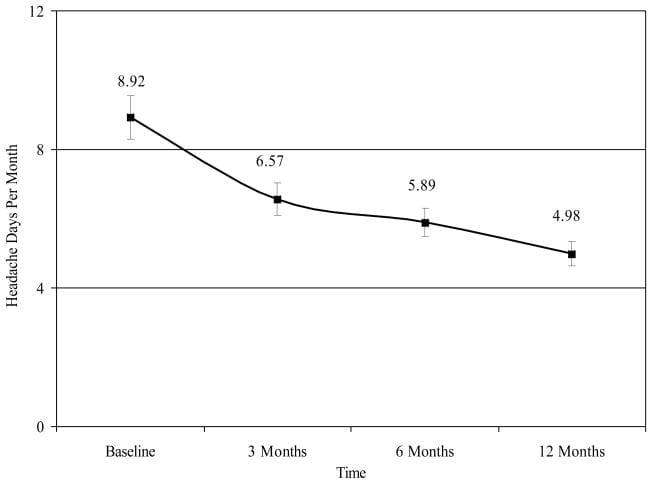
 

Figure 1 Headache Days per Month at Baseline, 3 Months, 6 Months, and 12 Months

Figure 1: Headache days per month at baseline, 3 months, 6 months, and 12 months.
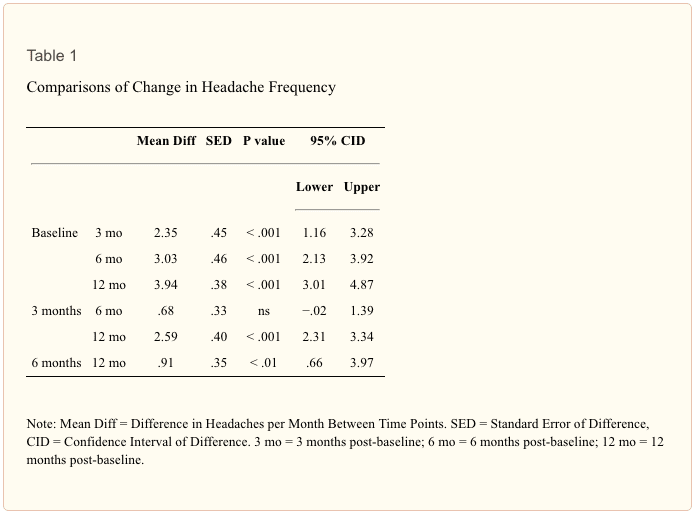
 

Table 1 Comparisons of Change in Headache Frequency


Quality of Life Disability


HIT-6. Results indicate that the time X worry interaction was significant (F [2, 464] = 4.54, p < .01). Figure 2 shows HIT-6 scores for each time point by level of worry. Simple effects analysis showed that the degree of reduction in headache impact was greater at 3 months among those with High Worry than among those with Low Worry. Also, those with Low Worry showed a significant reduction in headache impact comparing baseline to 3 months and 6 months, and from 3 months to 6 months, whereas those with High Worry had a significant reduction in headache impact from baseline to 3 months but not from 3 months 6 months. The main effect for confidence was significant (F [1, 292] = 4.54, p < .001) such that those with High Self-Efficacy (M = 59.60, SE = .52) had less headache impact than those with Low Self-Efficacy (M = 61.72, SD = .70) (CID = .79�3.45). Neither the time X self-efficacy or worry X self-efficacy interaction was not significant.
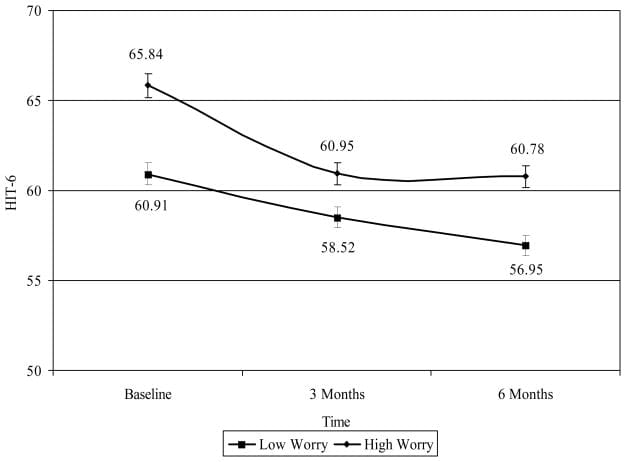
 

Figure 2 HIT-6 at Each Time Point by Worry

Figure 2: HIT-6 at each time point by worry.


MSQ-E. Results indicate that the time X worry interaction was significant (F [2, 468] = 5.18, p < .01). Figure 3 shows MSQ-E scores for each time point by level of worry. Simple effects analysis showed that the degree of improvement in MSQ-E was greater at 3 months among those with High Worry than among those with Low Worry. The main effect for confidence was significant (F [1, 292] = 4.54, p < .001) such that those with High Self-Efficacy (M = 59.60, SD = 1.74) had better quality of life than those with Low Self-Efficacy (M = 61.72, SD = 1.87) (CID = .79�3.45). The main effect for self-efficacy, the time X self-efficacy interaction, and the worry X self-efficacy interaction were not significant.
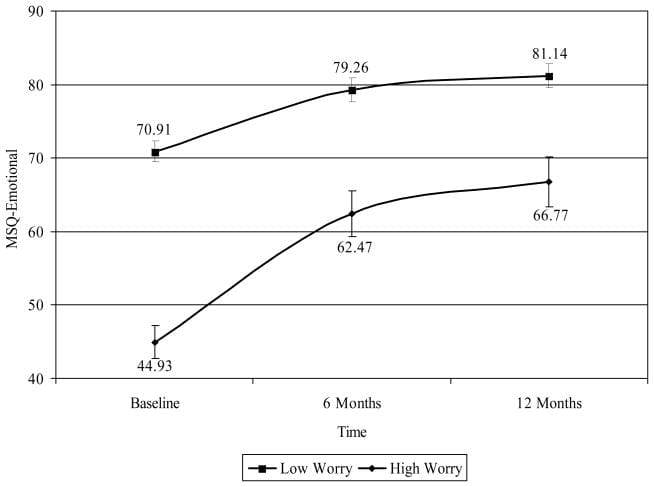
 

Figure 3 MSQ-E at Each Time Point by Worry

Figure 3: MSQ-E at each time point by worry.


MSQ-R. Results indicate that the main effect for time was significant (F [2, 472] = 47.60, p < .001). Figure 4 shows MSQ-R for each time point by level of worry. Relative to baseline (M = 53.67, SD = 1.23), MSQ-R was significantly improved at 6 months (M = 66.02, SD = 1.35) (CID = 8.96�13.75) and at 12 months (M = 68.05, SD = 1.38) (CID = 10.34�18.42). No difference was found comparing 6 month and 12 month MSQ-R scores. The main effect for worry was significant (F [1, 281] = 34.86, p < .001) such that those with High Worry had significantly lower quality of life (M = 56.75, SD = 1.17) than those with Low Worry (M = 68.41, SD = 1.60) (CID = 7.78�15.57). The main effect for self-efficacy was significant (F [1, 281] = 7.89, p < .01) such that those with Low Self-Efficacy had significantly lower quality of life (M = 59.81, SD = 1.35) than those with Low Worry (M = 65.36, SD = 1.45) (CID = 1.67�9.44). Neither the main effect for self-efficacy or the time X confidence interaction was significant.
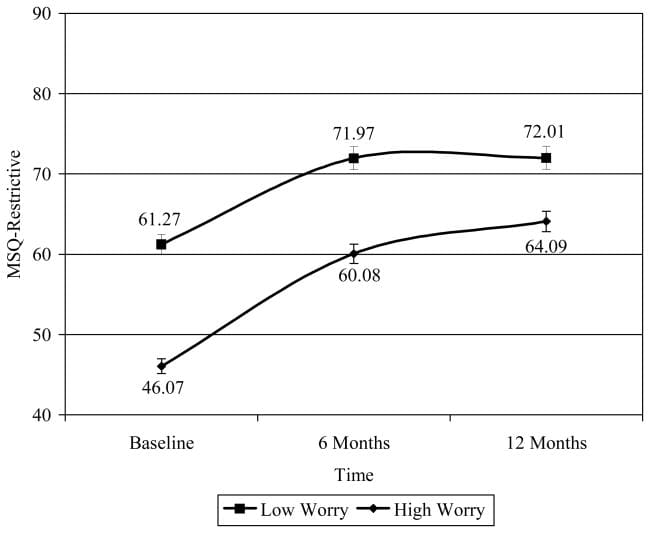
 

Figure 4 MSQ-R at Each Time Point by Worry

Figure 4: MSQ-R at each time point by worry.


MSQ-P. Results indicate that the time X worry interaction was significant (F [2, 449] = 4.01, p < .05). Figure 5 shows MSQ-P scores for each time point by level of worry. Simple effects analysis showed that those with High Worry showed significant improvement comparing baseline to 6 months and 12 months, and from 6 month to 12 months, while those with Low Worry showed significant improvement comparing baseline to 6 months and 12 months, but no significant improvement from 6 months to 12 months. The main effect for confidence was significant (F [1, 272] = 4.11, p < .05) such that those with Low Self-Efficacy (M = 75.08, SD = 1.48) had lower quality of life than those with High Self-Efficacy (M = 79.47, SD = 1.58) (CID = .13�8.65). The time X self-efficacy interaction and the worry X self-efficacy interaction were not significant.
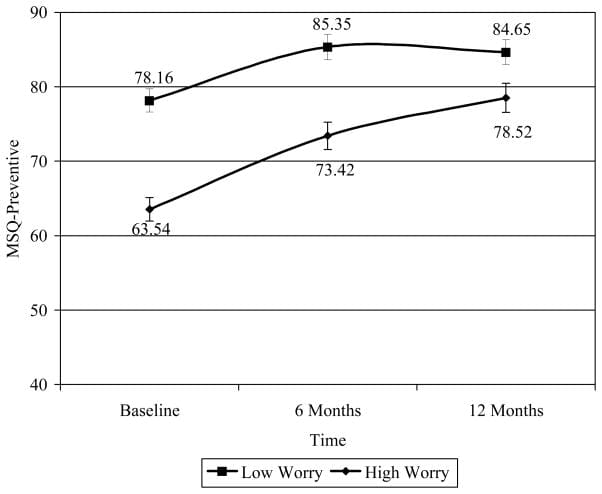
 

Figure 5 MSQ-P at Each Time Point

Figure 5: MSQ-P at each time point.


Worry about headaches. Figure 6 shows the percentage of individuals with High Worry at baseline, 3 months, 6 months, and 12 months. Results indicated that when compared to baseline, the percentage of individuals with High Worry was significantly less at 3 months (?2 [223] = 20.42, p < .001), 6 months (?2 [223] = 29.98, p < .001), and 12 months (?2 [223] = 29.82, p < .001). No other significant differences were found.
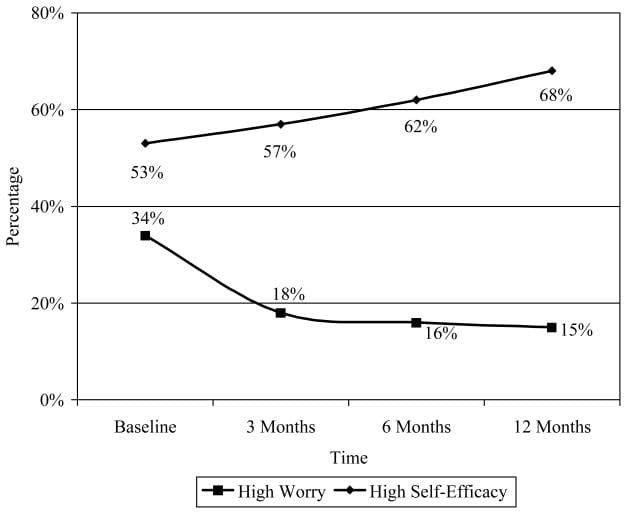
 

Figure 6 Percentage of Individuals with High Worry and High Self-Efficacy at Each Time Point

Figure 6: Percentage of individuals with high worry and high self-efficacy at each time point.


Self-Efficacy for managing headaches. Figure 6 shows the percentage of individuals with High Self-Efficacy at baseline, 3 months, 6 months, and 12 months. Results indicated that the percentage of individuals with High Self-Efficacy at 12 months was significantly more than at baseline (?2 [223] = 10.92, p < .001) and 3 months (?2 [223] = 8.02, p < .001). No other significant differences were found.


Satisfaction. Figure 7 shows the percentage of individuals who were satisfied with their headache care. Results indicated that when compared to baseline, the percentage of individuals who were satisfied with their headache care was significantly higher at 3 months (?2 [223] = 66.39, p < .001), 6 months (?2 [223] = 75.87, p < .001), and 12 months (?2 [223] = 100.99, p < .001). Also, the percentage of individuals who were satisfied with their headache care at 12 months was significantly higher than at 3 months (?2 [223] = 16.25, p < .001) and 6 months (?2 [223] = 9.80, p < .001). No other significant differences were found.
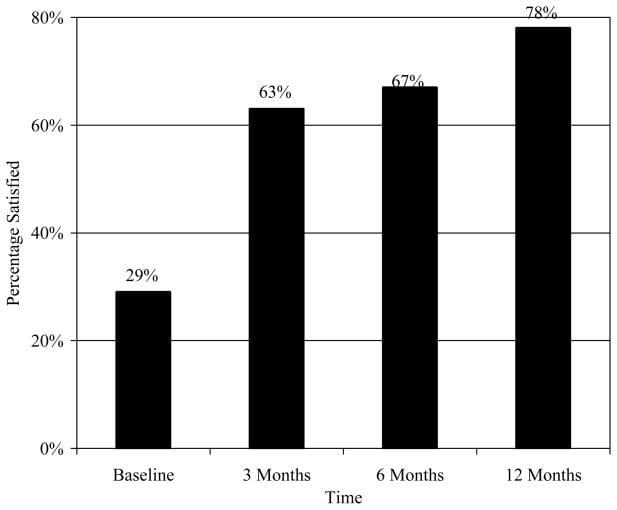
 

Figure 7 Satisfaction with Headache Care

Figure 7: Satisfaction with headache care.


ER visits. Results indicated that at baseline, 8.33% (n=19) has gone to the ER for headache in the previous 3 months. Although there was a decrease in ER visits at 3 months (3.08%; n= 7), 6 months (3.95%; n = 9), and 12 months (5.26%; n = 12), these reductions were not significant.


Discussion


The primary outcome was the impact that the MMMP would have on headache frequency. Almost half (46%) of all participants reported a 50% or greater reduction in headache frequency at 12 months. It is notable that the percentage of participants experiencing a >50% reduction in headache frequency increased steadily over the 12 months, showing a lasting effect of the educational intervention. The degree of change was not significantly greater in either High Worry or Low Worry groups. However, the reduction in HIT-6 scores was significantly greater for those with High Worry compared to those with Low Worry at 3 months after baseline. In a related finding, participants with Low Self-Efficacy at baseline reported significantly greater reduction in headache impact than those with High Self-Efficacy. It is likely that this was due to participants gaining greater confidence in their own ability to manage their headaches through the education and headache management skills provided in the MMMP. This hypothesis is supported by the increasing percentage of participants with High Self-Efficacy scores and declining percentage of subjects with High Worry over the 12 month study period.


Participants reported that headache-related disability decreased and quality of life improved during the course of the study. This is an encouraging finding given that most patients seek treatment for headaches due to the disability and burden of disease. It is notable that this improvement was achieved through a low-cost, easy to administer educational program. The results also showed that patients worried less about their headaches. It has been well established among chronic pain patients that anxiety and worry about impending pain can significantly increase pain and inhibit efficacy of analgesic therapies.[48�49] To date, however, little research has looked at these phenomena among those with migraine. What research has been conducted has found that worry and anxiety appear to be a significant issue in migraine.[50�54]


It is interesting to note the interactions of worry with disability and quality of life. The focus of the current intervention was solely on education. Not enough research has been published to fully establish the importance of education in changing disease outcomes, particularly as it relates to headache pain. Perhaps the education and basic headache management skills provided in the education program equipped patients with enough knowledge and basic skills that worry and anxiety about headaches were reduced. This idea is supported by the finding that those with high worry at the beginning of the study reported the greatest amount of improvement on ratings of disability and quality of life.


The finding that satisfaction was higher serves as an encouragement that an intervention that is low cost and easy to administer can have a positive impact on patients� perception of care. There are a number of possibilities as to why this may have occurred. It could be that as a result of their education the health care providers were able to better answer patients� questions about migraine and its management. It is possible that the educational materials distributed to the patients resulted in their becoming more knowledgeable about migraine and, in turn, more satisfied with their care. It is also possible that the greater satisfaction came from having fewer headaches and headaches that were less disabling. The current study was not designed to answer these mechanistic questions, thus it is difficult to determine the influence of each of these variables on patient satisfaction. In regards to ER visits; although there was a decrease in ER visits at each time point, the percentage of individuals who had gone to the ER at baseline (8.33%) was low enough that there was little chance to see significant decline.


The results of this study imply that increased knowledge about migraine and management skills can lessen the burden of disease. This is congruent with research in other chronic disease areas (e.g., diabetes, asthma, cardiovascular disease) where providing patients with education about their disease state has been demonstrated to reduce disease burden and reduce worry and anxiety.


Although the current study is encouraging in its findings and raises the specter of future research into the disease management benefits of migraine education, there are limitations to the current study. Likely the greatest limitation to the study was the lack of a parallel condition. Not including such a condition did not allow us to evaluate the possibility that the results emanated from a positive bias or even a �self-fulfilling� outcome whereby decreases in headache were a function of participants� expectations. However, in the current study, the issue of positive bias may have been lessened by the fact the participants had no regular direct interaction with the researchers, and what interaction occurred did so at 3 or more month intervals. At the same time, with a lack of a control condition, this possibility cannot be discounted. This study was undertaken in an effort to see whether an approach that involved a one-time contact would have any impact on headache and associated outcomes. As a result, the conclusions that can be drawn from the current study are limited.


There was no formal oversight of prophylactic prescription patterns, so it is possible that the improvements seen in the participants was due to the 15% increase in the number of individuals prescribed migraine prophylaxis. However, a regression analysis was conducted to evaluate the possibility that starting migraine prophylaxis predicted improvement on the various outcomes (headache frequency, disability, quality of life, worry, satisfaction with care) at each time point. Starting migraine prophylaxis predicted a decrease in headache frequency at 3 months, but had no significant influence on any other domains at any time point. Another limitation was the lack of a parallel comparison group that did not receive the educational intervention. It is possible that the reported improvements in all these domains is a result of positive response bias. Another area of concern is that the scales and questionnaires were based on patient recall rather than diaries, allowing for recall bias. It is also possible that the physicians who participated in the educational seminar tend to have a more interactive communication approach with their patients which can have a positive influence on patient management.[50]


In summary, the purpose of the current study was to evaluate the efficacy of the MMMP which provided education about migraine and its management to health care providers and persons with migraine. In this open-label trial that utilized a linear random mixed model to evaluate change over a 12-month period, patients who participated reported fewer headaches, less disability, and improved quality of life. Also, a significant proportion of the patients reported having less worry, increased self-efficacy, and greater satisfaction with their migraine treatment. It is also worthwhile to note that the increased satisfaction, decreased worry and improved quality of life scores demonstrated in this program were achieved through a low-cost, easy to administer educational program.


Acknowledgments


The authors would like to thank Ms. Mitzi Corzine and Ms. Sally Kane at St. John�s Mercy Health Research (for managing the project), the health care providers and practices in the St. John�s Mercy Medical Group who participated, and Dr. Timothy Houle (statistical assistance). This project was funded by small unrestricted grants provided by the Primary Care Network, GlaxoSmithKline Pharmaceuticals, and Abbott Laboratories. The manuscript was prepared while the second author was funded by the National Institutes of Health (NINDS #K23NS048288).


In conclusion,�despite the fact that headache is one of the most prevalent reasons for doctor office visits each year, migraine still continues to be one of the most underdiagnosed and undertreated diseases in the medical field, impacting the overall health as wellness of migraine sufferers around the world. According to the findings of the article above, patients who participated in the Mercy Migraine Management Program, or MMMP, reported improvements in their migraine symptoms. Furthermore, migraineurs demonstrated additional improvements in a variety of other headache treatment options. Information referenced from the National Center for Biotechnology Information (NCBI). The scope of our information is limited to chiropractic as well as to spinal injuries and conditions. To discuss the subject matter, please feel free to ask Dr. Jimenez or contact us at 915-850-0900 .


Curated by Dr. Alex Jimenez

 

Green-Call-Now-Button-24H-150x150-2-3.png


Additional Topics: Back Pain


According to statistics, approximately 80% of people will experience symptoms of back pain at least once throughout their lifetimes. Back pain is a common complaint which can result due to a variety of injuries and/or conditions. Often times, the natural degeneration of the spine with age can cause back pain. Herniated discs occur when the soft, gel-like center of an intervertebral disc pushes through a tear in its surrounding, outer ring of cartilage, compressing and irritating the nerve roots. Disc herniations most commonly occur along the lower back, or lumbar spine, but they may also occur along the cervical spine, or neck. The impingement of the nerves found in the low back due to injury and/or an aggravated condition can lead to symptoms of sciatica.

 

blog picture of cartoon paperboy big news


EXTRA IMPORTANT TOPIC: Migraine Pain Treatment


MORE TOPICS: EXTRA EXTRA: El Paso, Tx | Athletes


Blank
References
1.�Gibbs TS, Fleischer AB, Jr, Feldman SR, Sam MC, O�Donovan CA. Health care utilization in patients with migraine: Demographics and patterns of care in the ambulatory setting.�Headache.�2003;43:330�335.[PubMed]
2.�Smith R. Management of chronic headache.�Can Fam Physician.�1989;35:1835�9.�[PMC free article][PubMed]
3.�Young WB, Silberstein SD.�Migraine and Other Headaches.�New York, NY: Demos Medical; 2004.
4.�Clouse JC, Osterhaus JT. Healthcare resource use and costs associated with migraine in a managed healthcare setting.�Ann Pharmacother.�1994;28:659�664.�[PubMed]
5.�Elston Lafata J, Moon C, Leotta C, Kolodner K, Poisson L, Lipton RB. The medical care utilization and costs associated with migraine headache.�J Gen Intern Med.�2004;19:1005�1012.�[PMC free article][PubMed]
6.�Pesa J, Lage MJ. The medical costs of migraine and comorbid anxiety and depression.�Headache.�2004;44:562�570.�[PubMed]
7.�Edmeads J, Mackell JA. The economic impact of migraine: An analysis of direct and indirect costs.�Headache.�2002;42:501�509.�[PubMed]
8.�Hu XH, Markson LE, Lipton RB, Stewart WF, Berger ML. Burden of migraine in the United States: disability and economic costs.�Arch Intern Med.�1999;159:813�818.�[PubMed]
9.�Stewart WF, Ricci JA, Chee E, Morganstein D, Lipton R. Lost productive time and cost due to common pain conditions in the US workforce.�JAMA.�2003;290:2443�2454.�[PubMed]
10.�Lipton RB, Stewart WF, Diamond S, Diamond ML, Reed M. Prevalence and burden of migraine in the United States: Data from the American Migraine Study II.�Headache.�2001;41:646�657.�[PubMed]
11.�Lipton RB, Stewart WF, Simon D. Medical consultation for migraine: Results from the American Migraine Study.�Headache.�1998;38:87�96.�[PubMed]
12.�Lipton RB, Diamond S, Reed M, Diamond ML, Stewart WF. Migraine diagnosis and treatment: Results from the American Migraine Study II.�Headache.�2001;41:638�645.�[PubMed]
13.�Patel NV, Bigal ME, Kolodner KB, Leotta C, Lafata JE, Lipton RB. Prevalence and impact of migraine and probable migraine in a health plan.�Neurology.�2004;63:1432�1438.�[PubMed]
14.�Diamond S, Bigal ME, Silberstein S, Loder E, Reed M, Lipton RB. Patterns of diagnosis and acute and preventive treatment for migraine in the United States: Results from the American Migraine Prevalence and Prevention Study.�Headache.�2007;47:355�363.�[PubMed]
15.�Hazard E, Munakata J, Bigal ME, Rupnow MFT, Lipton RB. The burden of migraine in the United States: Current and emerging perspectives on disease management and economic analysis.�Value Health�[PubMed]
16.�Lipton RB, Pan J. Is migraine a progressive brain disease?�JAMA.�2004;291:493�494.�[PubMed]
17.�Scher AI, Stewart WF, Ricci JA, Lipton RB. Factors associated with the onset and remission of chronic daily headache in a population-based study.�Pain.�2003;106:81�89.�[PubMed]
18.�Bodenheimer T, Lorig K, Holman H, Grumbach K. Patient self-management of chronic disease in primary care.�JAMA.�2002;288:2469�2475.�[PubMed]
19.�Chodosh J, Morton SC, Mojica W. Meta-analysis: Chronic disease self-management programs for older adults.�Ann Intern Med.�2005;143:427�438.�[PubMed]
20.�Lorig KR, Holmon H. Self-management education: history, definition, outcomes, and mechanisms.�Ann Behav Med.�2003 Aug;26(1):1�7.�[PubMed]
21.�Lorig KR, Mazonson PD, Holman HR. Evidence suggesting that health education for self-management in patients with chronic arthritis has sustained health benefits while reducing health care costs.�Arthritis Rheum.�1993;36:439�446.�[PubMed]
22.�Lorig KR, Sobel DS, Stewart AL, Brown BW, Jr, Bandura A, et al. Evidence suggesting that a chronic disease self-management program can improve health status while reducing hospitalization: A randomized trial.�Med Care.�1999;37:5�14.�[PubMed]
23.�Ferrari MD. The economic burden of migraine to society.�Pharmacoeconomics.�1998;13:667�676.[PubMed]
24.�Ford S, Calhoun A, Kahn K, Mann J, Finkel A. Predictors of disability in migraineurs referred to a tertiary clinic: Neck pain, headache characteristics, and coping behaviors.�Headache.�2008;48:523�528.[PubMed]
25.�Jelinski SE, Becker WJ, Christie SN, Giammarco R, Mackie GF, Gawel MJ, Eloff AG, Magnusson JE. Demographics and clinical features of patients referred to headache specialists.�Can J Neurol Sci.�2006;33:228�234.�[PubMed]
26.�Stewart WF, Lipton RB, Simon D. Work-related disability: results from the American Migraine study.�Cephalalgia.�1996;16:231�238.�[PubMed]
27.�Bandura A, O�Leary A, Taylor C, Gauthier J, Gossard D. Perceived self-efficacy and pain control: Opioid and nonopioid mechanisms.�J Personal Social Psychol.�1987;53:563�571.�[PubMed]
28.�Bandura A.�Self-efficacy: The Exercise of Control.�New York: W.H. Freeman and Company; 1997.
29.�Nicholson RA, Houle TT, Rhudy JL, Norton PJ. Psychological risk factors in headache.�Headache.�2007;47:413�426.�[PMC free article][PubMed]
30.�Lake AI. Behavioral and nonpharmacologic treatments of headache.�Med Clin North Am.�2001;85:1055�1075.�[PubMed]
31.�Maizels M. Why should physicians care about behavioral research?�Headache.�2005;45:411�413.[PubMed]
32.�Nicholson RA, Hursey KG, Nash J. Moderators and mediators of behavioral treatment for headache.�Headache.�2005;45:513�519.�[PubMed]
33.�Penzien D, Rains J, Lipchik G, Nicholson R, Lake A, Hursey K. Future directions in behavioral headache research: Applications for an evolving health care environment.�Headache.�2005;45:526�534.[PubMed]
34.�Blumenfeld A, Tischio M. Center of excellence for headache care: Group model at Kaiser Permanente.�Headache.�2003;43:431�440.�[PubMed]
35.�Cady R, Farmer K, Beach ME, Tarrasch T. Nurse-based education: An office-based comparative model for education of migraine patients.�Headache.�2008;48:564�569.�[PubMed]
36.�Kwong WJ, Landy SH, Braverman-Panza J, Rosen JH, Hutchinson S, Burch SP. A migraine disease management program in the primary care setting: impact on patient quality of life and productivity loss.�J Clin Outcomes Manage.�2007 Jun;14(6):332�338.
37.�Maizels M, Saenz V, Wirjo J. Impact of a group-based model of disease management for headache.�Headache.�2003;43:621�627.�[PubMed]
38.�Rothrock JF, Parada VA, Sims C, Key K, Walters NS, Zweifler RM. The impact of intensive patient education on clinical outcome in a clinic-based migraine population.�Headache.�2006;46:726�731.[PubMed]
39.�Harpole L, Samsa G, Jurgelski A, et al. Headache management program improves outcome for chronic headache.�Headache.�2003;43:715�724.�[PubMed]
40.�Primary Care Network.�Patient Centered Strategies for Effective Management of Migraine.�2000.
41.�Primary Care Network.�The Migraineur�s Guide to Migraine.�1998.
42.�GlaxoSmithKline.�Migraine Matrix�.�2001.
43.�Kosinski M, Bayliss MS, Bjorner JB, et al. A six-item short-form survey for measuring headache impact: The HIT-6.�Qual Life Res.�2003;12:963�974.�[PubMed]
44.�Nachit-Ouinekh F, Dartigues JF, Henry P, et al. Use of the headache impact test (HIT-6) in general practice: Relationship with quality of life and severity.�Eur J Neurol.�2005;12:189�193.�[PubMed]
45.�Jhingran P, Osterhaus JT, Miller DW, et al. Development and validation of the Migraine-Specific Quality of Life Questionnaire.�Headache.�1998;38:295�302.�[PubMed]
46.�Jhingran P, Davis SM, LaVange LM, et al.�Migraine-Specific Quality of Life Questionnaire: Further investigation of the factor structure.[PubMed]
47.�Statistical Packages for the Social Sciences (SPSS) [computer program]. Version 14.0.�Chicago: SPSS Inc; 2006.
48.�Asmundson GJG, Norton PJ, Norton GR. Beyond pain: The role of fear and avoidance in chronicity.�Clin Psych Rev.�1999;19:97�119.�[PubMed]
49.�McCracken LM, Gross RT. Does anxiety affect coping with chronic pain?�Clin J Pain.�1993;9:253�259.[PubMed]
50.�Bishop KL, Holm JA, Borowiak DM, Wilson BA. Perceptions of pain in women with headache: a laboratory investigation of the influence of pain-related anxiety and fear.�Headache.�2001;41:494�9.[PubMed]
51.�Lanteri-Minet M, Radat F, Chautard MH, Lucas C. Anxiety and depression associated with migraine: Influence on migraine subjects� disability and quality of life, and acute migraine management.�Pain.�2005;118:319�26.�[PubMed]
52.�Radat F, Mekies C, Geraud G, Valade D, Vives E, Lucas C. Anxiety, stress, and coping behaviours in primary care migraine patients: results of the SMILE study.�Cephalagia.�2008;28:1115�25.�[PubMed]
53.�Smith T, Nicholson R. Are changes in cognitive and emotional factors important in improving headache impact and quality of life?�Headache.�2006;46:878.
54.�White KD, Farrell AD. Anxiety and psychosocial stress as predictors of headache and abdominal pain in urban early adolescents.�J Ped Psych.�2006;31:582�96.�[PubMed]
55.�Hahn SR, Cady RK, Nelson MR. Improving healthcare professional-patient communication to promote more effective assessment of migraine impairment during and between attacks: results of the American Migraine Communication Study (AMCS) Phase II. Presented at: the Diamond Headache Clinic�s 20th Annual Practicing Physician�s Approach to the Difficult Headache Patient; February 12�15, 2007; California: Rancho Mirage;
Close Accordion
Migraine Pain Treatment El Paso, TX | Video

Migraine Pain Treatment El Paso, TX | Video

Damaris Foreman suffered from migraines for about 23 years. After receiving traditional treatment for her migraine pain without much improvement, she was finally recommended to seek migraine pain treatment with Dr. Alex Jimenez, a chiropractor in El Paso, TX. Damaris greatly benefitted from chiropractic care and she experienced a tremendous sense of relief following her first spinal adjustment and manual manipulation. Damaris Foreman was able to confront many of her misconceptions and she learned very much about her migraine pain. Damaris describes Dr. Alex Jimenez’s migraine pain treatment as one of the best treatment she’s received and she highly recommends chiropractic care as the best non-surgical choice for improving and managing her migraines.

A migraine can be identified as a primary headache disorder characterized by recurrent headaches characterized from moderate to severe in intensity. Typically, the headaches affect one half of the head, are pulsating in nature, and can last from two to 72 hours. Associated symptoms may include nausea, vomiting, and sensitivity to light, sound, or smell. The pain may be aggravated by physical activity. Up to one-third of people who suffer from migraines experience migraine with aura: typically a brief period of visual disturbance that signals that the headache will soon happen. An aura can occur with little or no headache pain following it.

Please Recommend Us: If you have enjoyed this video and/or we have helped you in any way please feel free to recommend us. Thank You.

Recommend: Dr. Alex Jimenez � Chiropractor

Health Grades:�� http://www.healthgrades.com/review/3SDJ4

Facebook Clinical Page:� https://www.facebook.com/dralexjimenez/reviews/

Facebook Sports Page: https://www.facebook.com/pushasrx/

Facebook Injuries Page: https://www.facebook.com/elpasochiropractor/

Facebook Neuropathy Page: https://www.facebook.com/ElPasoNeuropathyCenter/

Yelp:�� http://goo.gl/pwY2n2

Clinical Testimonies: https://www.dralexjimenez.com/category/testimonies/

Information: Dr. Alex Jimenez � Chiropractor

Clinical Site: https://www.dralexjimenez.com

Injury Site: https://personalinjurydoctorgroup.com

Sports Injury Site: https://chiropracticscientist.com

Back Injury Site: https://elpasobackclinic.com

Linked In:�� https://www.linkedin.com/in/dralexjimenez

Pinterest:�� https://www.pinterest.com/dralexjimenez/

Twitter:�� https://twitter.com/dralexjimenez

Twitter: https://twitter.com/crossfitdoctor

Recommend: PUSH-as-Rx ��

Rehabilitation Center: https://www.pushasrx.com

Facebook:�� https://www.facebook.com/PUSHftinessathletictraining/

PUSH-as-Rx:�� http://www.push4fitness.com/team/

Chiropractic Clinic News Extra: Headache Treatment

Lower Back Pain During Pregnancy Treatment El Paso, TX | Video

Lower Back Pain During Pregnancy Treatment El Paso, TX | Video

Truide Torres, office manager, first received chiropractic care with Dr. Alex Jimenez during her pregnancy for her lower back pain. Mrs. Torres experienced aggravating symptoms throughout the progression of her pregnancy, which led her to seek a natural treatment approach for her own health as well as that of her own baby. Once Truide Torres started chiropractic treatment with Dr. Alex Jimenez, she recovered her quality of life and was able to return to her original state of well-being. As an office manager, Truide Torres also receives regular chiropractic care for any lower back pain which may occur as a result of her job. Mrs. Truide expresses how important it is to continue her spinal maintenance and she highly recommends Dr. Alex Jimenez as the non-surgical choice for a variety of health issues.

Low back pain (LBP) is a frequent health issue involving the muscles, nerves, and bones of the spine. Pain may differ from a dull persistent pain to a sudden sharp sensation. Low back pain can be classified by length and severity (pain lasting less than 6 months), sub-chronic (6 to 12 months), or chronic (over 12 months). The status could be further categorized by the underlying cause as both bodily, non-mechanical, or referred pain. The symptoms of low back pain may generally improve in a couple weeks from the time they begin, however, some cases may require additional treatment. In the majority of episodes of lower back pain, a specific underlying cause isn’t identified or properly cared for, and healthcare professionals may attribute it to mechanical issues like joint or muscle strain.
pregnancy in el paso tx.

Prenatal Yoga Exercises For Low Back Pain

Back Clinic News Extra: Migraine Pain Treatment With Chiropractic

Damaris Foreman suffered from migraines for about 23 years. After receiving traditional treatment for her migraine pain without much improvement, she was finally recommended to seek migraine pain treatment with Dr. Alex Jimenez, a chiropractor in El Paso, TX. Damaris greatly benefitted from chiropractic care and she experienced a tremendous sense of relief following her first spinal adjustment and manual manipulation. Damaris Foreman was able to confront many of her misconceptions and she learned very much about her migraine pain. Damaris describes Dr. Alex Jimenez’s migraine pain treatment as one of the best treatment she’s received and she highly recommends chiropractic care as the best non-surgical choice for improving and managing her migraines.

A migraine can be identified as a primary headache disorder characterized by recurrent headaches characterized from moderate to severe in intensity. Typically, the headaches affect one half of the head, are pulsating in nature, and can last from two to 72 hours. Associated symptoms may include nausea, vomiting, and sensitivity to light, sound, or smell. The pain may be aggravated by physical activity. Up to one-third of people who suffer from migraines experience migraine with aura: typically a brief period of visual disturbance that signals that the headache will soon happen. An aura can occur with little or no headache pain following it.

Please Recommend Us: If you have enjoyed this video and/or we have helped you in any way please feel free to recommend us. Thank You.

Recommend: Dr. Alex Jimenez � Chiropractor

Health Grades:�� http://www.healthgrades.com/review/3SDJ4

Facebook Clinical Page:� https://www.facebook.com/dralexjimenez/reviews/

Facebook Sports Page: https://www.facebook.com/pushasrx/

Facebook Injuries Page: https://www.facebook.com/elpasochiropractor/

Facebook Neuropathy Page: https://www.facebook.com/ElPasoNeuropathyCenter/

Yelp:�� http://goo.gl/pwY2n2

Clinical Testimonies: https://www.dralexjimenez.com/category/testimonies/

Information: Dr. Alex Jimenez � Chiropractor

Clinical Site: https://www.dralexjimenez.com

Injury Site: https://personalinjurydoctorgroup.com

Sports Injury Site: https://chiropracticscientist.com

Back Injury Site: https://elpasobackclinic.com

Linked In:�� https://www.linkedin.com/in/dralexjimenez

Pinterest:�� https://www.pinterest.com/dralexjimenez/

Twitter:�� https://twitter.com/dralexjimenez

Twitter: https://twitter.com/crossfitdoctor

Recommend: PUSH-as-Rx ��

Rehabilitation Center: https://www.pushasrx.com

Facebook:�� https://www.facebook.com/PUSHftinessathletictraining/

PUSH-as-Rx:�� http://www.push4fitness.com/team/

Chiropractic Headache Treatment Guidelines in El Paso, TX

Chiropractic Headache Treatment Guidelines in El Paso, TX

Headache pain is one of the most prevalent reasons for doctor office visits. The majority of people experience them at some point in their life and they can affect anyone, regardless of age, race and gender. The International Headache Society, or IHS, categorizes headaches as primary, when they are not caused by another injury and/or condition, or secondary, when there is an underlying cause behind them. From migraines to cluster headaches and tension headaches, people who suffer from constant head pain may find it difficult to participate in their everyday activities. Many healthcare professionals treat headache pain, however, chiropractic care has become a popular alternative treatment option for a variety of health issues. The purpose of the following article is to demonstrate evidence-based guidelines for the chiropractic treatment of adults with headache.


Evidence-Based Guidelines for the Chiropractic Treatment of Adults with Headache


Abstract


  • Objective: The purpose of this manuscript is to provide evidence-informed practice recommendations for the chiropractic treatment of headache in adults.
  • Methods: Systematic literature searches of controlled clinical trials published through August 2009 relevant to chiropractic practice were conducted using the databases MEDLINE; EMBASE; Allied and Complementary Medicine; the Cumulative Index to Nursing and Allied Health Literature; Manual, Alternative, and Natural Therapy Index System; Alt HealthWatch; Index to Chiropractic Literature; and the Cochrane Library. The number, quality, and consistency of findings were considered to assign an overall strength of evidence (strong, moderate, limited, or conflicting) and to formulate practice recommendations.
  • Results: Twenty-one articles met inclusion criteria and were used to develop recommendations. Evidence did not exceed a moderate level. For migraine, spinal manipulation and multimodal multidisciplinary interventions including massage are recommended for management of patients with episodic or chronic migraine. For tension-type headache, spinal manipulation cannot be recommended for the management of episodic tension-type headache. A recommendation cannot be made for or against the use of spinal manipulation for patients with chronic tension-type headache. Low-load craniocervical mobilization may be beneficial for longer term management of patients with episodic or chronic tension-type headaches. For cervicogenic headache, spinal manipulation is recommended. Joint mobilization or deep neck flexor exercises may improve symptoms. There is no consistently additive benefit of combining joint mobilization and deep neck flexor exercises for patients with cervicogenic headache. Adverse events were not addressed in most clinical trials; and if they were, there were none or they were minor.
  • Conclusions: Evidence suggests that chiropractic care, including spinal manipulation, improves migraine
    and cervicogenic headaches. The type, frequency, dosage, and duration of treatment(s) should be based on guideline recommendations, clinical experience, and findings. Evidence for the use of spinal manipulation as an isolated intervention for patients with tension-type headache remains equivocal. (J Manipulative Physiol Ther 2011;34:274-289)
  • Key Indexing Terms: Spinal Manipulation; Migraine Disorders; Tension-Type Headache; Post-traumatic Headache; Practice Guideline; Chiropractic


Dr Jimenez White Coat

Dr. Alex Jimenez’s Insight

Headache, or head pain, including migraine and other types of headaches, is one of the most common types of pain reported among the general population. These may occur on one or both sides of the head, can be isolated to a specific location or they may radiate across the head from one point. While headache symptoms can vary depending on the type of head pain as well as due to the source of the health issue, headaches are considered to be a general complaint regardless of their severity and form. Headache, or head pain, may occur as a result of spinal misalignment, or subluxation, along the length of the spine. Through the use of spinal adjustments and manual manipulations, chiropractic care can safely and effectively realign the spine, reducing stress and pressure on the surrounding structures of the spine, to ultimately help improve migraine headache pain symptoms as well as overall health and wellness.


Headache is a common experience in adults. Recurring headaches negatively impact family life, social activity, and work capacity.[1,2] Worldwide, according to the World Health Organization, migraine alone is 19th among all causes of years lived with disability. Headache is third among reasons for seeking chiropractic care in North America.[3]


Accurate diagnosis is key to management and treatment, and a wide range of headache types are described in the International Classification of Headache Disorders 2 (International Headache Society [IHS]).[4] The categories are intended for clinical as well as research use. The most common headaches, tension-type and migraine, are considered primary headaches that are episodic or chronic in nature. Episodic migraine or tension-type headaches occur fewer than 15 days per month, whereas chronic headaches occur more than 15 days per month for at least 3 (migraine) or 6 months (tension-type headache).[4] Secondary headaches are attributed to underlying clinical problems in the head or neck that may also be episodic or chronic. Cervicogenic headaches are secondary headaches commonly treated by chiropractors and involve pain referred from a source in the neck and perceived in 1 or more regions of the head. The IHS recognizes cervicogenic headache as a distinct disorder,[4] and evidence that headache can be attributed to a neck disorder or lesion based on history and clinical features (history of neck trauma, mechanical exacerbation of pain, reduced cervical range of motion, and focal neck tenderness, excluding myofascial pain alone) is relevant to diagnosis but is not without controversy in the literature.[4,5] When myofascial pain alone is the cause, the patient should be managed as having tension-type headaches.[4]


Treatment modalities typically used by chiropractors to care for patients with headaches include spinal manipulation, mobilization, device-assisted spinal manipulation, education about modifiable lifestyle factors, physical therapy modalities, heat/ice, massage, advanced soft tissue therapies such as trigger point therapy, and strengthening and stretching exercises. There is a growing expectation for health professions, including chiropractic, to adopt and use research-based knowledge, taking sufficient account of the quality of available research evidence to inform clinical practice. As a result, the purpose of the Canadian Chiropractic Association (CCA) and the Canadian Federation of Chiropractic Regulatory and Educational Accrediting Boards (Federation) Clinical Practice Guidelines Project is to develop guidelines for practice based on available evidence. The purpose of this manuscript is to provide evidence-informed practice recommendations for the chiropractic treatment of headache in adults.


Methods


The Guidelines Development Committee (GDC) planned for and adapted systematic processes for literature�searching, screening, review, analysis, and interpretation. Methods are consistent with criteria proposed by the �Appraisal of Guidelines Research and Evaluation� collaboration (http://www.agreecollaboration.org). This guideline is a supportive tool for practitioners. It is not intended as a standard of care. The guideline links available published evidence to clinical practice and is only 1 component of an evidence-informed approach to patient care.


Data Sources and Searches


Systematic search and evaluation of the treatment literature were conducted using methods recommended by The Cochrane Collaboration Back Review Group[6] and Oxman and Guyatt.[7] The search strategy was developed in MEDLINE by exploring MeSH terms related to chiropractic and specific interventions and later modified for other databases. The literature search strategy was intentionally broad. Chiropractic treatment was defined as including the most common therapies used by practitioners and was not restricted to treatment modalities delivered only by chiropractors. A wide net was cast to include treatments that may be administered in chiropractic care as well as those that could also be delivered in the context of care by other health care professionals in a specific research study (Appendix A). Spinal manipulation was defined as a high-velocity low-amplitude thrust delivered to the spine. Excluded therapies included invasive analgesic or neurostimulation procedures, pharmacotherapy, injections of botulinum toxin, cognitive or behavioral therapies, and acupuncture.


Literature searches were completed from April to May 2006, updated in 2007 (phase 1), and updated again in August 2009 (phase 2). Databases searched included MEDLINE; EMBASE; Allied and Complementary Medicine; the Cumulative Index to Nursing and Allied Health Literature; Manual, Alternative, and Natural Therapy Index System; Alt HealthWatch; Index to Chiropractic Literature; and the Cochrane Library (Appendix A). Searches included articles published in English or with English abstracts. The search strategy was limited to adults (?18 years); although research studies with subject inclusion criteria encompassing a broad range of ages, such as adults and adolescents, were retrieved using the search strategy. Reference lists provided in systematic reviews (SRs) were also reviewed by the GDC to minimize relevant articles from being missed.


Evidence Selection Criteria


Search results were screened electronically, and multi-stage screening was applied (Appendix B): stage 1A (title), 1B (abstract); stage 2A (full text), 2B (full text-methodology, relevance); and stage 3 (full text-final GDC screening as clinical content experts). Duplicate citations were removed, and relevant articles were retrieved as electronic�and/or hard copies for detailed analysis. Different assessors, using the same criteria, completed the literature screens in 2007 and 2009 due to the time span between searches.


Only controlled clinical trials (CCTs); randomized, controlled trials (RCTs); and systematic reviews (SRs) were selected as the evidence base for this guideline consistent with current standards for interpreting clinical findings. The GDC did not rate observational studies, case series, or case reports because of their uncontrolled nature and probable low methodological quality vs CCTs. This approach is consistent with updated methods for SRs published by the Cochrane Back Review Group.[8] If multiple SRs were published by the same authors on a given topic, only the most recent publication was counted and used for evidence synthesis. Systematic reviews of SRs were also excluded to avoid double counting of research results.


Literature Assessment and Interpretation


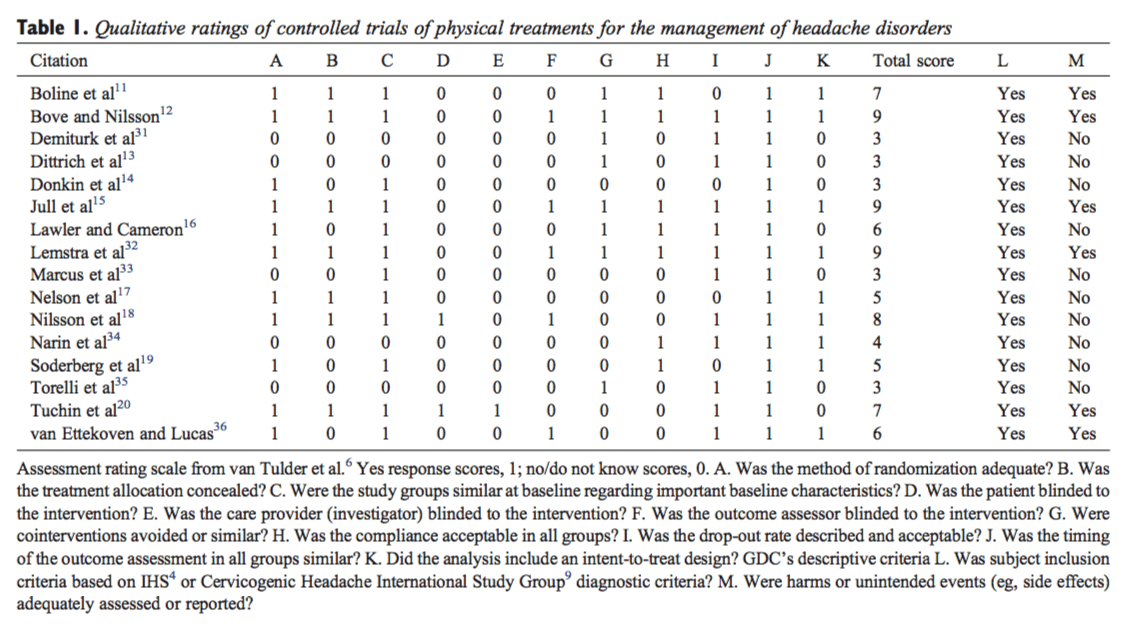
Quality ratings of CCTs or RCTs included 11 criteria answered by �yes (score 1)� or �no (score 0)/do not know (score 0)� (Table 1). The GDC documented 2 additional criteria of interest: (1) researchers’ use of IHS diagnostic criteria for subject enrollment and (2) evaluation of side effects (Table 1, columns L and M). Use of IHS criteria[4] was relevant to this Clinical Practice Guideline (CPG) process to confirm diagnostic specificity within and across research studies. Studies were excluded if IHS diagnostic criteria were not applied by the researchers for subject inclusion into a study (Appendix C); and if before 2004, before cervicogenic headache was included in the IHS classification, the diagnostic criteria of the Cervicogenic Headache International Study Group[9] were not used. Side effects were reviewed as a proxy for potential risk(s) with treatment. No weighting factor(s) was applied to individual criteria, and possible quality ratings ranged from 0 to 11. Both blinding of subjects and care providers were rated in the research articles by the GDC, since these items are listed in the quality rating tool.[6] The GDC’s methods did not adapt or alter the rating tool. The rationale for this approach was that certain treatment modalities (eg, transcutaneous electrical nerve stimulation [TENS], ultrasound) and trial designs may achieve patient and/or practitioner blinding.[10] The GDC did not limit the evaluation of these benchmarks of quality if indeed they were reported in clinical studies for the treatment of headache disorders. The GDC also considered it outside their scope of expertise to modify, without validation, a widely used rating tool used to assess the clinical literature.[6] New research tools for the analysis and rating of the manual therapy literature, however, are urgently needed and are noted as an area for future research in the discussion section below.


Table 1 Qualitative Ratings of Controlled Trials of Physical Treatments for the Management of Headache Disorders


Literature assessors were project contributors separate from the GDC and were unblinded as to study authors, institutions, and source journals. Three members of the GDC (MD, RR, and LS) corroborated quality rating methods by completing quality assessments on a random subset of 10 articles.[11-20] A high level of agreement was confirmed across quality ratings. Complete agreement on all items was achieved for 5 studies: in 10 of 11 items for 4 studies and 8 of 11 items for the 1 remaining study. All discrepancies were easily resolved through discussion and�consensus by the GDC (Table 1). Due to heterogeneity of research methods across trials, no meta-analysis or statistical pooling of trial results was done. Trials scoring more than half of the total possible rating (ie, ?6) were considered high quality. Trials scoring 0 through 5 were considered low quality. Studies with major methodological flaws or investigating specialized treatment techniques were excluded (eg, treatment not considered relevant by the GDC for the chiropractic care of patients with headache; Appendix Table 3).


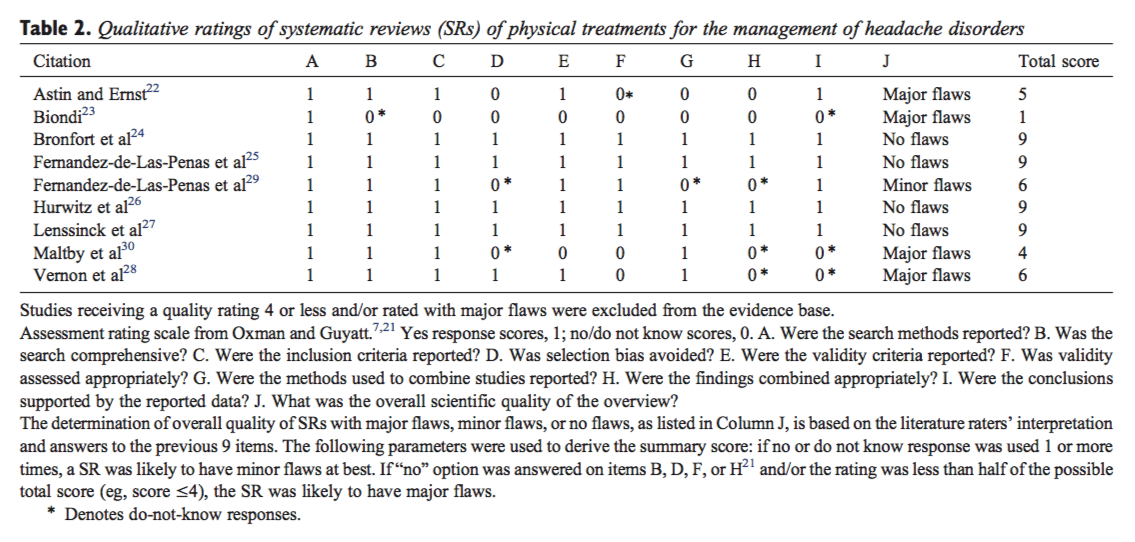
Quality rating of SRs included 9 criteria answered by yes (score 1) or no (score 0)/do not know (score 0) and a qualitative response for item J �no flaws,� �minor flaws,� or �major flaws� (Table 2). Possible ratings ranged from 0 to 9. The determination of overall scientific quality of SRs with major flaws, minor flaws, or no flaws, as listed in column J (Table 2), was based on the literature raters’ answers to the previous 9 items. The following parameters were used to derive the overall scientific quality of a SR: if the no/do not know response was used, an SR was likely to have minor flaws at best. However, if �No� was used on items B, D, F, or H, the review was likely to have major flaws.[21] Systematic reviews scoring more than half of the total possible rating (ie, ?5) with no or minor flaws were rated as high quality. Systematic reviews scoring 4 or less and/or with major flaws were excluded.


Table 2 Qualitative Ratings of Systematic Reviews of Physical Treatments for the Management of Headache Disorders


Reviews were defined as systematic if they included an explicit and repeatable method for searching and analyzing the literature and if inclusion and exclusion criteria for studies were described. Methods, inclusion criteria, methods for rating study quality, characteristics of included studies, methods for synthesizing data, and results were evaluated. Raters achieved complete agreement for all rating items for 7 SRs[22-28] and for 7 of 9 items for the 2�additional SRs.[29,30] The discrepancies were deemed minor and easily resolved through GDC review and consensus (Table 2).


Developing Recommendations for Practice


The GDC interpreted the evidence relevant to chiropractic treatment of headache patients. A detailed summary of the relevant articles will be posted to the CCA/Federation Clinical Practice Guidelines Project web site.


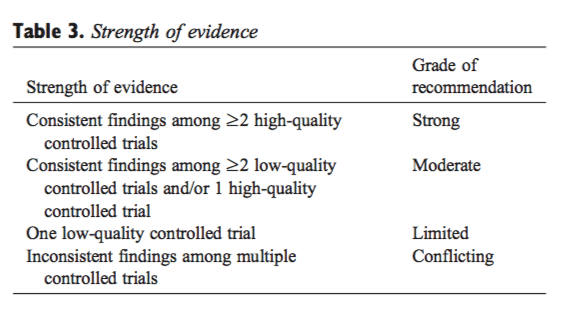
Randomized, controlled trials and their findings were appraised to inform treatment recommendations. To assign an overall strength of evidence (strong, moderate, limited, conflicting, or no evidence),[6] the GDC considered the number, quality, and consistency of research results (Table 3). Strong evidence was considered only when multiple high-quality RCTs corroborated the findings of other researchers in other settings. Only high-quality SRs were appraised in relation to the body of evidence and to inform treatment recommendations. The GDC considered treatment modalities to have proven benefit(s) when supported by a minimum of moderate level of evidence.


Table 3 Strength of Evidence


Recommendations for practice were developed in collaborative working group meetings.


Results


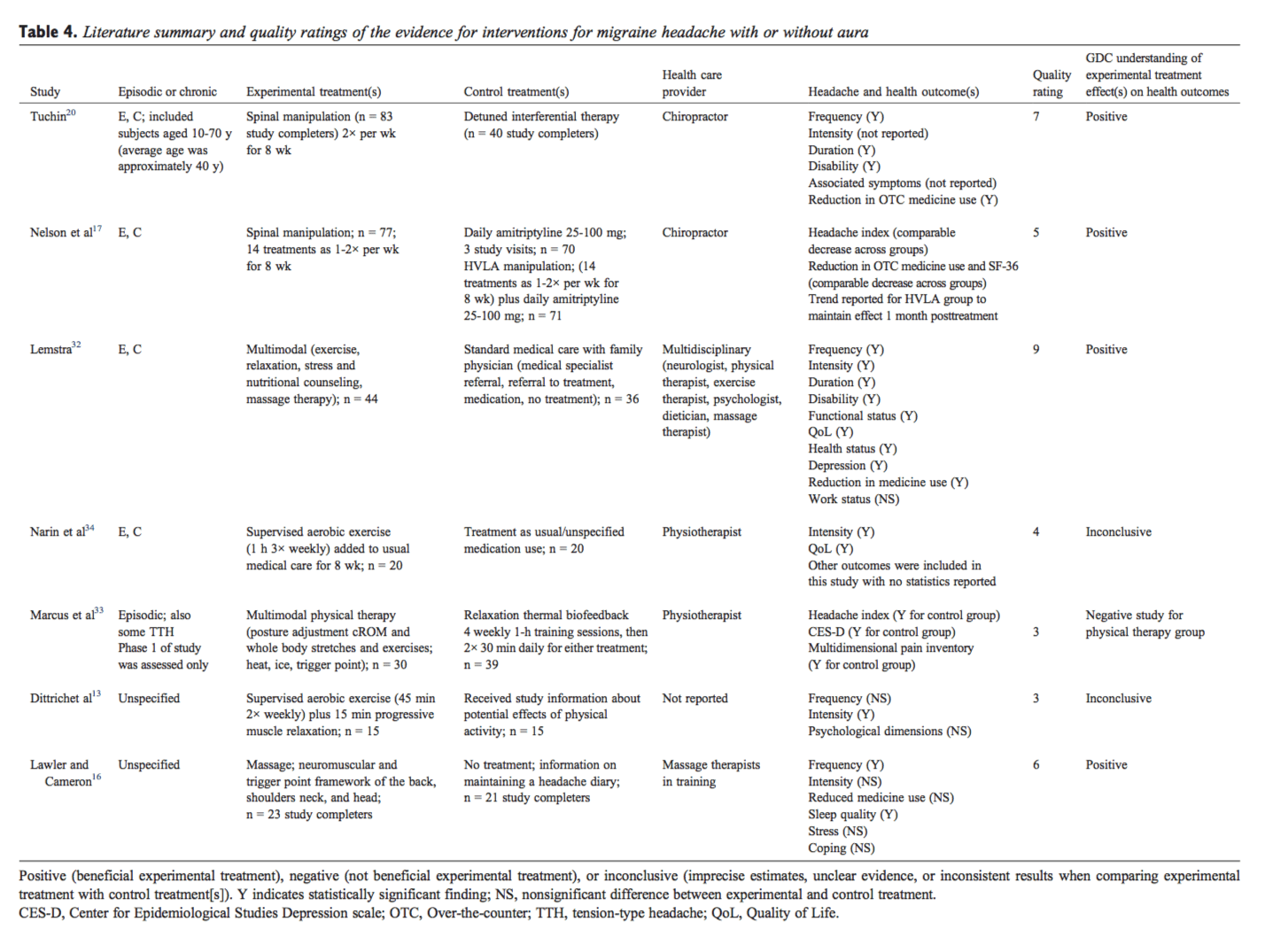
Table 4 Literature Summary of !uality Ratings of the Evidence for Interventions for Migraine Headache with or without Aura


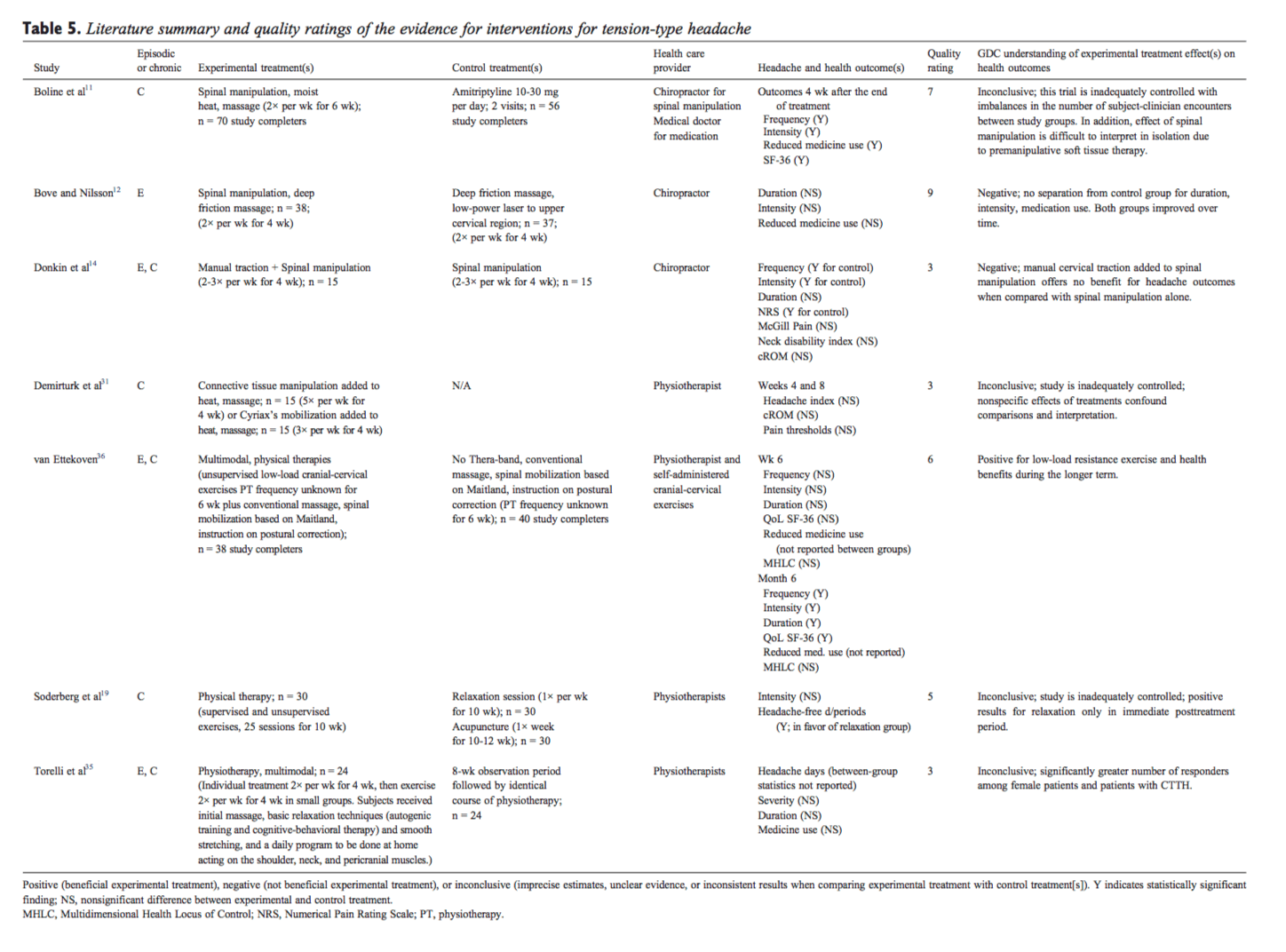
Table 5 Literature Summary and Quality Ratings of the Evidence for Interventions for Tension-Type Headache


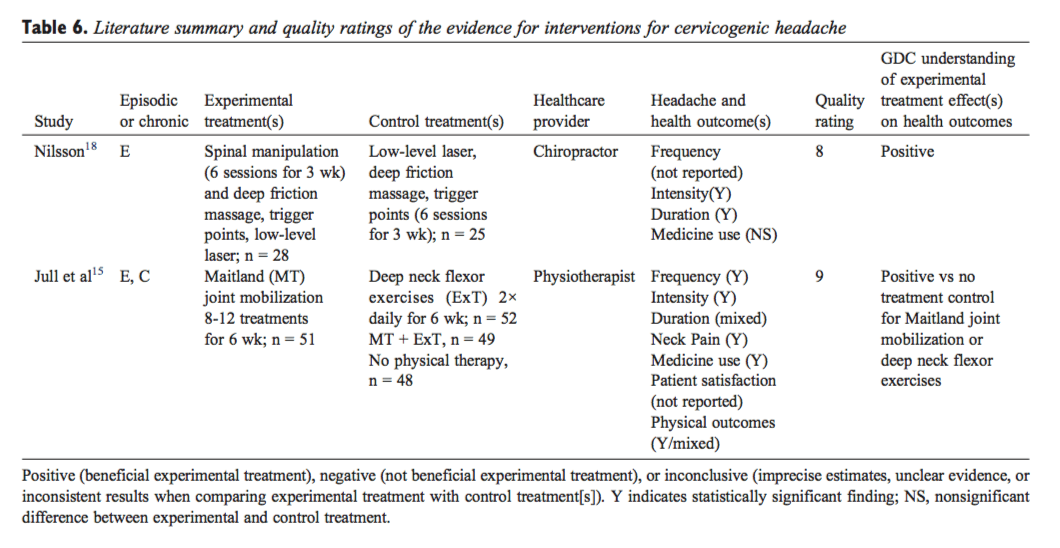
Table 6 Literature Summary and Quality Ratings of the Evidence for Interventions for Cervicogenic Headache


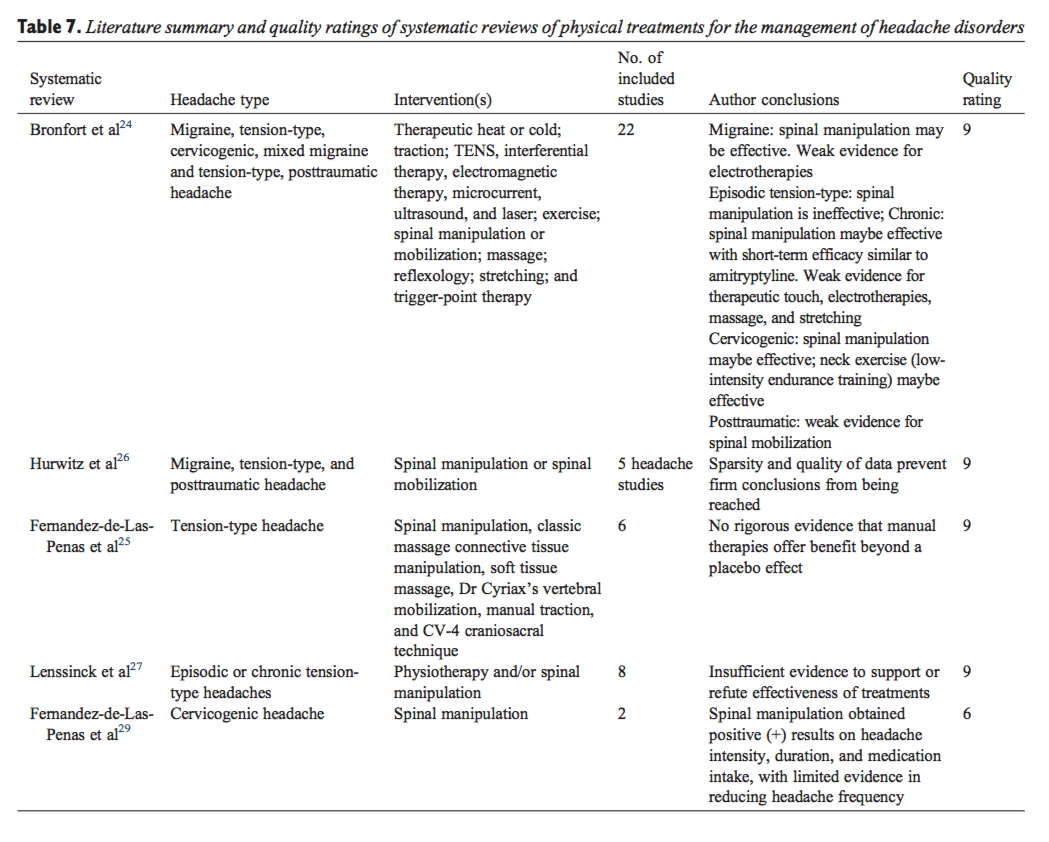
Table 7 Literature Summary and Quality Ratings of Systematic Reviews of Physical Treatments for the Management of Headache Disorders


Literature


From the literature searches, initially 6206 citations were identified. Twenty-one articles met final criteria for inclusion and were considered in developing practice recommendations (16 CCTs/RCTs[11-20,31-36] and 5 SRs[24-27,29]). Quality ratings of the included articles are provided in Tables 1 and 2. Appendix Table 3 lists articles excluded in final screening by the GDC and reason(s) for their exclusion. Absence of subject and practitioner blinding and unsatisfactory descriptions of cointerventions were commonly identified methodological limitations of the controlled trials. Headache types evaluated in these trials included migraine (Table 4), tension-type headache (Table 5), and cervicogenic headache (Table 6). Consequently, only these headache types are represented by the evidence and practice recommendations in this CPG. Evidence summaries of SRs are provided in Table 7.


Practice Recommendations: Treatment of Migraine


  • Spinal manipulation is recommended for the management of patients with episodic or chronic migraine with or without aura. This recommendation is based on studies that used a treatment frequency 1 to 2 times per week for 8 weeks (evidence level, moderate). One high-quality RCT,[20] 1 low-quality RCT,[17] and 1 high- quality SR[24] support the use of spinal manipulation for patients with episodic or chronic migraine (Tables 4 and 7).
  • Weekly massage therapy is recommended for reducing episodic migraine frequency and for improving affective symptoms potentially linked to headache pain (evidence level, moderate). One high-quality RCT[16] supports this practice recommendation (Table 4). Researchers used a 45-minute massage with focus on neuromuscular and trigger point framework of the back, shoulder, neck, and head.
  • Multimodal multidisciplinary care (exercise, relaxation, stress and nutritional counseling, massage therapy) is recommended for the management of patients with episodic or chronic migraine. Refer as appropriate (evidence level, moderate). One high-quality RCT[32] supports the effectiveness of multi-modal multidisciplinary intervention for migraine (Table 4). The intervention prioritizes a general management approach consisting of exercise, education, lifestyle change, and self-management.
  • There are insufficient clinical data to recommend for or against the use of exercise alone or exercise combined with multimodal physical therapies for the management of patients with episodic or chronic migraine (aerobic exercise, cervical range of motion [cROM], or whole body stretching). Three low-quality CCTs[13,33,34] contribute to this conclusion (Table 4).


Practice Recommendations: Tension-Type Headache


  • Low-load craniocervical mobilization (eg, Thera-Band, Resistive Exercise Systems; Hygenic Corporation, Akron, OH) is recommended for longer term (eg, 6 months) management of patients with episodic or�chronic tension-type headaches (evidence level, moderate). One high-quality RCT[36] showed that low-load mobilization significantly reduced symptoms of tension-type headaches for patients during the longer term (Table 5).
  • Spinal manipulation cannot be recommended for the management of patients with episodic tension-type headache (evidence level, moderate). There is moderate-level evidence that spinal manipulation after premanipulative soft tissue therapy provides no additional benefit for patients with tension-type headaches. One high-quality RCT[12] (Table 5) and observations reported in 4 SRs[24-27] (Table 7) suggest no benefit of spinal manipulation for patients with episodic tension-type headaches.
  • A recommendation cannot be made for or against the use of spinal manipulation (2 times per week for 6 weeks) for patients with chronic tension-type headache. Authors of 1 RCT[11] rated as high quality by the quality assessment tool[6] (Table 1), and summaries of this study in 2 SRs[24,26] suggest that spinal manipulation may be effective for chronic tension-type headache. However, the GDC considers the RCT[11] difficult to interpret and inconclusive (Table 5). The trial is inadequately controlled with imbalances in the number of subject-clinician encounters between study groups (eg, 12 visits for subjects in the soft tissue therapy plus spinal manipulation group vs 2 visits for subjects in the amitriptyline group). There is no way of knowing whether a comparable level of personal attention for subjects in the amitriptyline group may have impacted the study outcomes. These considerations and interpretations from 2 other SRs[25,27]contribute to this conclusion (Table 7).
  • There is insufficient evidence to recommend for or against the use of manual traction, connective tissue manipulation, Cyriax’s mobilization, or exercise/ physical training for patients with episodic or chronic tension-type headache. Three low-quality inconclusive studies[19,31,35] (Table 5), 1 low-quality negative RCT,[14] and 1 SR[25] contribute to this conclusion (Table 7).


Practice Recommendations: Cervicogenic Headache


  • Spinal manipulation is recommended for the management of patients with cervicogenic headache. This recommendation is based on 1 study that used a treatment frequency of 2 times per week for 3 weeks (evidence level, moderate). In a high-quality RCT, Nilsson et al[18] (Table 6) showed a significantly positive effect of high-velocity, low-amplitude spinal manipulation for patients with cervicogenic headache. Evidence synthesis from 2 SRs[24,29] (Table 7) supports this practice recommendation.
  • Joint mobilization is recommended for the management of patients with cervicogenic headache (evidence level, moderate). Jull et al[15] examined the effects of Maitland joint mobilization 8 to 12 treatments for 6 weeks in a high-quality RCT (Table 6). Mobilization followed typical clinical practice, in which the choice of low-velocity and high-velocity techniques was based on initial and progressive assessments of patients’ cervical joint dysfunction. Beneficial effects were reported for headache frequency, intensity, as well as neck pain and disability. Evidence synthesis from 2 SRs[24,29] (Table 7) supports this practice recommendation.
  • Deep neck flexor exercises are recommended for the management of patients with cervicogenic headache (evidence level, moderate). This recommendation is based on a study of 2 times daily for 6 weeks. There is no consistently additive benefit of combining deep neck flexor exercises and joint mobilization for cervicogenic headache. One high-quality RCT[15] (Table 6) and observations provided in 2 SRs[24,29] (Table 7) support this practice recommendation.


Safety


Practitioners select treatment modalities in conjunction with all available clinical information for a given patient. Of the 16 CCTs/RCTS[11-20,31-36] included in the body of evidence for this CPG, only 6 studies[11,12,15,20,32,36] adequately assessed or discussed patient side effects or safety parameters (Table 1, column M). Overall, reported risks were low. Three of the trials reported safety information for spinal manipulation.[11,12,20] Boline et al[11] reported that 4.3% of subjects experienced neck stiffness after initial spinal manipulation that disappeared for all cases after the first 2 weeks of treatment. Soreness or increase in headaches after spinal manipulation (n = 2) were reasons for treatment discontinuation cited by Tuchin et al.[20] No side effects were experienced by any subjects studied by Bove et al[12] using spinal manipulation for the treatment of episodic tension-type headache. Treatment trials to evaluate efficacy outcomes may not enroll adequate numbers of subjects to assess the incidence of rare adverse events. Other research methods are required to�develop a full understanding of the balance between benefits and risks.


Discussion


Spinal manipulation and other manual therapies commonly used in chiropractic have been studied in several CCTs that are heterogeneous in subject enrollment, design, and overall quality. Patient and headache types systematically represented in the evidence base are migraine, tension-type headaches, and cervicogenic headache. The primary health status outcomes reported are typically headache frequency, intensity, duration, and quality-of-life measures. The evidence is no greater than a moderate level at this time.


The evidence supports the use of spinal manipulation for the chiropractic management of patients with migraine or cervicogenic headaches but not tension-type headaches. For migraine, multidisciplinary care using weekly 45-minute massage therapy and multimodal care (exercise, relaxation, and stress and nutritional counseling) may also be effective. Alternatively, joint mobilization or deep neck flexor exercises are recommended for improving symptoms of cervicogenic headache. There appears to be no consistently additive benefit of combining joint mobilization and deep neck flexor exercises for patients with cervicogenic headache. Moderate evidence support the use of low-load craniocervical mobilization for longer term management of tension-type headaches.


Limitations


Shortcomings for this guideline include the quantity and quality of supporting evidence found during the searches. No recent adequately controlled high-quality research studies with reproducible clinical findings have been published for the chiropractic care of headache patients. Studies are needed to further our understanding of specific manual therapies in isolation or in well-controlled combinations for the treatment of migraine, tension-type headache, cervicogenic headache, or other headache types presenting to clinicians (eg, cluster, posttraumatic head- ache). Another shortcoming of this literature synthesis is the reliance on published research studies with small sample sizes (Tables 4-6), short-term treatment paradigms, and follow-up periods. Well-designed clinical trials with sufficient numbers of subjects, longer term treatments, and follow-up periods need to be funded to advance chiropractic care, and spinal manipulation in particular, for the management of patients with headache disorders. As with any literature review and clinical practice guideline, foundational information and published literature are evolving. Studies that may have informed this work may have been published after the conclusion of this study.[37-39]


Considerations for Future Research


The GDC consensus is that there is a need for further chiropractic studies with patients with headache disorders.


  • More high-quality clinical research is needed. Future research requires study designs using active comparators and nontreatment and/or placebo group(s) to enhance the evidence base for patient care. Patient blinding to physical interventions to manage expectancy results is needed and has been explored by researchers in chiropractic for other pain conditions.[10] The lack of systematically reported studies presents a practical challenge for generating evidence-based treatment recommendations. All future studies should be structured using systematic validated methods (eg, Consolidated Standards of Reporting Trials [CONSORT] and Transparent Reporting of Evaluations with Non-randomized Designs [TREND]).
  • Systematic reporting of safety data is needed in chiropractic research. All clinical trials must collect and report on potential side effects or harms even if none are observed.
  • Develop novel quantitative tools for evaluating manual therapy research. Blinding serves to control expectancy effects and nonspecific effects of subject-provider interactions across study groups. It is typically not possible to blind subjects and providers in efficacy studies of manual therapies. Despite inherent limitations, both blinding of subjects and care providers were rated in the research articles by the GDC, since these items are included in high-quality rating instruments.[6] Advanced research tools for analyzing and subsequent rating of the manual therapy literature are urgently needed.
  • To advance research on functional outcomes in the chiropractic care of headache. This guideline identified that headache studies use a variable range of measures in evaluating the effect of treatment on health outcomes. Headache frequency, intensity, and duration are the most consistently used outcomes (Tables 4-6). Serious efforts are needed to include validated patient-centered outcome measures in chiropractic research that are congruent with improvements in daily living and resumption of meaningful routines.
  • Cost-effectiveness. No research studies were retrieved on cost-effectiveness of spinal manipulation for the treatment of headache disorders. Future clinical trials of spinal manipulation should evaluate cost-effectiveness.


Other research methods are required to develop a full understanding of the balance between benefits and risks. This CPG does not provide a review of all chiropractic treatments. Any omissions reflect gaps in the clinical literature. The type, frequency, dosage, and duration of treatment(s) should be based on guideline recommendations, clinical experience, and knowledge of the patient until higher levels of evidence are available.


Conclusions


There is a baseline of evidence to support chiropractic care, including spinal manipulation, for the management of migraine and cervicogenic headaches. The type, frequency, dosage, and duration of treatment(s) should be based on guideline recommendations, clinical experience, and knowledge of the patient. Evidence for the use of spinal manipulation as an isolated intervention for patients with tension-type headache remains equivocal. More research is needed.
Practice guidelines link the best available evidence to good clinical practice and are only 1 component of an evidence-informed approach to providing good care. This guideline is intended to be a resource for the delivery of chiropractic care for patients with headache. It is a �living document� and subject to revision with the emergence of new data. Furthermore, it is not a substitute for a practitioner’s clinical experience and expertise. This document is not intended to serve as a standard of care. Rather, the guideline attests to the commitment of the profession to advance evidence-based practice through engaging a knowledge exchange and transfer process to support the movement of research knowledge into practice.


Practical Applications


  • This guideline is a resource for the delivery of chiropractic care for patients with headache.
  • Spinal manipulation is recommended for the management of patients with migraine or cervicogenic headaches.
  • Multimodal multidisciplinary interventions including massage may benefit patients with migraine.
  • Joint mobilization or deep neck flexor exercises may improve symptoms of cervicogenic headache.
  • Low-load craniocervical mobilization may improve tension-type headaches.


Acknowledgements


The authors thank the following for input on this guideline: Ron Brady, DC; Grayden Bridge, DC; H James Duncan; Wanda Lee MacPhee, DC; Keith Thomson, DC, ND; Dean Wright, DC; and Peter Waite (Members of the Clinical Practice Guidelines Task Force). The authors thank the following for assistance with the Phase I literature search assessment: Simon Dagenais, DC, PhD; and Thor Eglinton, MSc, RN. The authors thank the following for assistance with the Phase II additional literature search and evidence rating: Seema Bhatt, PhD; Mary-Doug Wright, MLS. The�authors thank Karin Sorra, PhD for assistance with literature searches, evidence rating, and editorial support.


Funding Sources and Potential Conflicts of Interest


Funding was provided by the CCA, Canadian Chiropractic Protective Association, and provincial chiropractic contributions from all provinces except British Columbia. This work was sponsored by The CCA and the Federation. No conflicts of interest were reported for this study.


In conclusion, headache is one of the most common reasons people seek medical attention. Although many healthcare professionals can treat headaches, chiropractic care is a well-known alternative treatment option frequently used to treat a variety of health issues, including several types of headaches. According to the article above, evidence suggests that chiropractic care, including spinal adjustments and manual manipulations, can improve headache and migraine. Information referenced from the National Center for Biotechnology Information (NCBI). The scope of our information is limited to chiropractic as well as to spinal injuries and conditions. To discuss the subject matter, please feel free to ask Dr. Jimenez or contact us at 915-850-0900 .


Curated by Dr. Alex Jimenez


Green-Call-Now-Button-24H-150x150-2-3.png


Additional Topics: Back Pain


According to statistics, approximately 80% of people will experience symptoms of back pain at least once throughout their lifetimes. Back pain is a common complaint which can result due to a variety of injuries and/or conditions. Often times, the natural degeneration of the spine with age can cause back pain. Herniated discs occur when the soft, gel-like center of an intervertebral disc pushes through a tear in its surrounding, outer ring of cartilage, compressing and irritating the nerve roots. Disc herniations most commonly occur along the lower back, or lumbar spine, but they may also occur along the cervical spine, or neck. The impingement of the nerves found in the low back due to injury and/or an aggravated condition can lead to symptoms of sciatica.


blog picture of cartoon paperboy big news


EXTRA IMPORTANT TOPIC:�Neck Pain Treatment El Paso, TX Chiropractor


MORE TOPICS: EXTRA EXTRA: El Paso, Tx | Athletes
 

Blank
References

1. Robbins MS, Lipton RB. The epidemiology of primary headache disorders. Semin Neurol 2010;30:107-19.
2. Stovner LJ, Andree C. Prevalence of headache in Europe: a review for the Eurolight project. J Headache Pain Aug 2010; 11:289-99.
3. Coulter ID, Hurwitz EL, Adams AH, Genovese BJ, Hays R, Shekelle PG. Patients using chiropractors in North America: who are they, and why are they in chiropractic care? Spine (Phila Pa 1976) 2002;27(3):291-6 [discussion 297-98].
4. International Headache Society. The International Classifi- cation of Headache Disorders, 2nd ed. Cephalalgia 2004;24: 9-160 (Suppl 1).
5. Bogduk N, Govind J. Cervicogenic headache: an assessment of the evidence on clinical diagnosis, invasive tests, and treatment. Lancet Neurol 2009;8:959-68.
6. van Tulder M, Furlan A, Bombardier C, Bouter L. Updated method guidelines for systematic reviews in the cochrane collaboration back review group. Spine (Phila Pa 1976) 2003; 28:1290-9.
7. Oxman AD, Guyatt GH. Validation of an index of the quality of review articles. J Clin Epidemiol 1991;44:1271-8.
8. Furlan AD, Pennick V, Bombardier C, van Tulder M. 2009 updated method guidelines for systematic reviews in the Cochrane Back Review Group. Spine (Phila Pa 1976) 2009; 34:1929-41.
9. Sjaastad O, Fredriksen TA, Pfaffenrath V. Cervicogenic headache: diagnostic criteria. The Cervicogenic Headache International Study Group. Headache 1998;38:442-5.
10. Hawk C, Long CR, Reiter R, Davis CS, Cambron JA, Evans R. Issues in planning a placebo-controlled trial of manual methods: results of a pilot study. J Altern Complement Med 2002;8:21-32.
11. Boline PD, Kassak K, Bronfort G, Nelson C, Anderson AV. Spinal manipulation vs. amitriptyline for the treatment of chronic tension-type headaches: a randomized clinical trial. J Manipulative Physiol Ther 1995;18:148-54.
12. Bove G, Nilsson N. Spinal manipulation in the treatment of episodic tension-type headache: a randomized controlled trial. JAMA 1998;280:1576-9.
13. Dittrich SM, Gunther V, Franz G, Burtscher M, Holzner B, Kopp M. Aerobic exercise with relaxation: influence on pain and psychological well-being in female migraine patients. Clin J Sport Med 2008;18:363-5.
14. Donkin RD, Parkin-Smith GF, Gomes N. Possible effect of chiropractic manipulation and combined manual traction and manipulation on tension-type headache: a pilot study. J Neuromusculoskeletal Systen 2002;10:89-97.
15. Jull G, Trott P, Potter H, et al. A randomized controlled trial of exercise and manipulative therapy for cervicogenic headache. Spine (Phila Pa 1976) 2002;27:1835-43 [discussion 1843].
16. Lawler SP, Cameron LD. A randomized, controlled trial of massage therapy as a treatment for migraine. Ann Behav Med 2006;32:50-9.
17. Nelson CF, Bronfort G, Evans R, Boline P, Goldsmith C, Anderson AV. The efficacy of spinal manipulation, amitrip- tyline and the combination of both therapies for the prophylaxis of migraine headache. J Manipulative Physiol Ther 1998;21:511-9.
18. Nilsson N, Christensen HW, Hartvigsen J. The effect of spinal manipulation in the treatment of cervicogenic headache. J Manipulative Physiol Ther 1997;20:326-30.
19. Soderberg E, Carlsson J, Stener-Victorin E. Chronic tension- type headache treated with acupuncture, physical training and relaxation training. Between-group differences. Cephalalgia 2006;26:1320-9.
20. Tuchin PJ, Pollard H, Bonello R. A randomized controlled trial of chiropractic spinal manipulative therapy for migraine. J Manipulative Physiol Ther 2000;23:91-5.
21. Chou R, Huffman LH. Nonpharmacologic therapies for acute and chronic low back pain: a review of the evidence for an American Pain Society/American College of Physicians clinical practice guideline. Ann Intern Med 2007;147: 492-504.
22. Astin JA, Ernst E. The effectiveness of spinal manipulation for the treatment of headache disorders: a systematic review of randomized clinical trials. Cephalalgia 2002;22:617-23.
23. Biondi DM. Physical treatments for headache: a structured review. Headache 2005;45:738-46.
24. Bronfort G, Nilsson N, Haas M, et al. Non-invasive physical treatments for chronic/recurrent headache. Cochrane Database Syst Rev 2004:CD001878.
25. Fernandez-de-Las-Penas C, Alonso-Blanco C, Cuadrado ML, Miangolarra JC, Barriga FJ, Pareja JA. Are manual therapies effective in reducing pain from tension-type headache?: a systematic review. Clin J Pain 2006;22:278-85.
26. Hurwitz EL, Aker PD, Adams AH, Meeker WC, Shekelle PG. Manipulation and mobilization of the cervical spine. A systematic review of the literature. Spine (Phila Pa 1976) 1996;21:1746-59.
27. Lenssinck ML, Damen L, Verhagen AP, Berger MY, Passchier J, Koes BW. The effectiveness of physiotherapy and manipulation in patients with tension-type headache: a systematic review. Pain 2004;112:381-8.
28. Vernon H, McDermaid CS, Hagino C. Systematic review of randomized clinical trials of complementary/alternative ther- apies in the treatment of tension-type and cervicogenic headache. Complement Ther Med 1999;7:142-55.
29. Fernandez-de-Las-Penas C, Alonso-Blanco C, Cuadrado ML, Pareja JA. Spinal manipulative therapy in the management of cervicogenic headache. Headache 2005;45:1260-3.
30. Maltby JK, Harrison DD, Harrison D, Betz J, Ferrantelli JR, Clum GW. Frequency and duration of chiropractic care for headaches, neck and upper back pain. J Vertebr Subluxat Res 2008;2008:1-12.
31. Demirturk F, Akarcali I, Akbayrak T, Cita I, Inan L. Results of two different manual therapy techniques in chronic tension- type headache. Pain Clin 2002;14:121-8.
32. Lemstra M, Stewart B, Olszynski WP. Effectiveness of multidisciplinary intervention in the treatment of migraine: a randomized clinical trial. Headache 2002;42:845-54.
33. Marcus DA, Scharff L, Mercer S, Turk DC. Nonpharmaco- logical treatment for migraine: incremental utility of physical therapy with relaxation and thermal biofeedback. Cephalalgia 1998;18:266-72.
34. Narin SO, Pinar L, Erbas D, Ozturk V, Idiman F. The effects of exercise and exercise-related changes in blood nitric oxide level on migraine headache. Clin Rehabil 2003;17:624-30.
35. Torelli P, Jensen R, Olesen J. Physiotherapy for tension-type headache: a controlled study. Cephalalgia 2004;24:29-36.
36. van Ettekoven H, Lucas C. Efficacy of physiotherapy
including a craniocervical training programme for tension- type headache; a randomized clinical trial. Cephalalgia 2006; 26:983-91.
37. Vavrek D, Haas M, Peterson D. Physical examination and self-reported pain outcomes from a randomized trial on chronic cervicogenic headache. J Manipulative Physiol Ther 2010;33:338-48.
38. Haas M, Aickin M, Vavrek D. A preliminary path analysis of expectancy and patient-provider encounter in an open-label randomized controlled trial of spinal manipulation for cervicogenic headache. J Manipulative Physiol Ther 2010; 33:5-13.
39. Toro-Velasco C, Arroyo-Morales M, Ferna?ndez-de-Las- Pen?as C, Cleland JA, Barrero-Herna?ndez FJ. Short-term effects of manual therapy on heart rate variability, mood state, and pressure pain sensitivity in patients with chronic tension-type headache: a pilot study. J Manipulative Physiol Ther 2009;32:527-35.
40. Allais G, De Lorenzo C, Quirico PE, et al. Non-pharmaco- logical approaches to chronic headaches: transcutaneous electrical nerve stimulation, lasertherapy and acupuncture in transformed migraine treatment. Neurol Sci 2003;24(Suppl 2): S138-42.
41. Nilsson N. A randomized controlled trial of the effect of spinal manipulation in the treatment of cervicogenic head- ache. J Manipulative Physiol Ther 1995;18:435-40.
42. Annal N, Soundappan SV, Palaniappan KMC, Chadrasekar S. Introduction of transcutaneous, low-voltage, non-pulsatile direct current (DC) therapy for migraine and chronic headaches. A comparison with transcutaneous electrical nerve stimulation (TENS). Headache Q 1992;3:434-7.
43. Nilsson N, Christensen HW, Hartvigsen J. Lasting changes in passive range motion after spinal manipulation: a randomized, blind, controlled trial. J Manipulative Physiol Ther 1996;19: 165-8.
44. Anderson RE, Seniscal C. A comparison of selected osteopathic treatment and relaxation for tension-type head- aches. Headache 2006;46:1273-80.
45. Ouseley BR, Parkin-Smith GF. Possible effects of chiropractic spinal manipulation and mobilization in the treatment of chronic tension-type headache: a pilot study. Eur J Chiropr 2002;50:3-13.
46. Fernandez-de-las-Penas C, Fernandez-Carnero J, Plaza Fernandez A, Lomas-Vega R, Miangolarra-Page JC. Dorsal manipulation in whiplash injury treatment: a randomized controlled trial. J Whiplash Related Disorders 2004;3:55-72.
47. Parker GB, Pryor DS, Tupling H. Why does migraine improve during a clinical trial? Further results from a trial of cervical manipulation for migraine. Aust N Z J Med 1980; 10:192-8.
48. Parker GB, Tupling H, Pryor DS. A controlled trial of cervical manipulation of migraine. Aust N Z J Med 1978;8:589-93.
49. Foster KA, Liskin J, Cen S, et al. The Trager approach in the treatment of chronic headache: a pilot study. Altern Ther Health Med 2004;10:40-6.
50. Haas M, Groupp E, Aickin M, et al. Dose response for chiropractic care of chronic cervicogenic headache and associated neck pain: a randomized pilot study. J Manipula- tive Physiol Ther 2004;27:547-53.
51. Sjogren T, Nissinen KJ, Jarvenpaa SK, Ojanen MT, Vanharanta H, Malkia EA. Effects of a workplace physical exercise intervention on the intensity of headache and neck and shoulder symptoms and upper extremity muscular strength of office workers: a cluster randomized controlled cross-over trial. Pain 2005;116:119-28.
52. Hanten WP, Olson SL, Hodson JL, Imler VL, Knab VM, Magee JL. The effectiveness of CV-4 and resting position techniques on subjects with tension-type headaches. J Manual Manipulative Ther 1999;7:64-70.
53. Solomon S, Elkind A, Freitag F, Gallagher RM, Moore K, Swerdlow B, et al. Safety and effectiveness of cranial electrotherapy in the treatment of tension headache. Headache 1989;29:445-50.
54. Hall T, Chan HT, Christensen L, Odenthal B, Wells C, Robinson K. Efficacy of a C1-C2 self-sustained natural apophyseal glide (SNAG) in the management of cervicogenic headache. J Orthop Sports Phys Ther 2007;37:100-7.
55. Solomon S, Guglielmo KM. Treatment of headache by transcutaneous electrical stimulation. Headache 1985;25: 12-5.
56. Hoyt WH, Shaffer F, Bard DA, Benesler ES, Blankenhorn GD, Gray JH, et al. Osteopathic manipulation in the treatment of muscle-contraction headache. J Am Osteopath Assoc 1979;78:322-5.
57. Vernon H, Jansz G, Goldsmith CH, McDermaid C. A randomized, placebo-controlled clinical trial of chiropractic and medical prophylactic treatment of adults with tension-type headache: results from a stopped trial. J Manipulative Physiol Ther 2009;32:344-51.
58. Mongini F, Ciccone G, Rota E, Ferrero L, Ugolini A, Evangelista A, et al. Effectiveness of an educational and physical programme in reducing headache, neck and shoulder pain: a workplace controlled trial. Cephalalgia 2008;28: 541-52.
59. Fernandez-de-las-Penas C, Alonso-Blanco C, San-Roman J, Miangolarra-Page JC. Methodological quality of randomized controlled trials of spinal manipulation and mobilization in tension-type headache, migraine, and cervicogenic headache. J Orthop Sports Phys Ther 2006;36:160-9.
60. Lew HL, Lin PH, Fuh JL, Wang SJ, Clark DJ, Walker WC. Characteristics and treatment of headache after traumatic brain injury: a focused review. Am J Phys Med Rehabil 2006; 85:619-27.

Close Accordion
Sciatic Nerve Pain Treatment El Paso, TX | George Lara

Sciatic Nerve Pain Treatment El Paso, TX | George Lara

George Lara, now a retired construction contractor, experienced a back injury 20 years ago which affected his original state of well-being. Although he was promptly treated at the time of the incident, Mr. Lara suffered another back injury which manifested into sciatic nerve pain. George Lara had been greatly affected by his back injury, fortunately, he found Dr. Alex Jimenez, a back pain specialist, who restored his quality of life. Mr. Lara expresses his gratitude towards Dr. Alex Jimenez’s services and he greatly recommends chiropractic care as the non-surgical choice for alleviating back pain and sciatica.


Sciatic nerve pain�is a medical condition characterized by radiating pain down the leg from the lower back. Onset is often sudden following tasks like heavy lifting, even though slow onset may also occur. Normally, symptoms are only on one side of the body. Certain triggers, however, could lead to pain on both sides. Weakness or numbness may occur in a variety of areas of the affected leg and foot. About 90 percent of the time sciatica is due to a spinal disc herniation pressing on the lumbar or sacral nerve roots. Other problems that may bring about sciatica comprise of spondylolisthesis, spinal stenosis, piriformis syndrome, pelvic tumors, and compression.

Please Recommend Us: If you have enjoyed this video and/or we have helped you in any way please feel free to recommend us.

sciaticaThank You.

Recommend: Dr. Alex Jimenez � Chiropractor

Health Grades:�� http://www.healthgrades.com/review/3SDJ4

Facebook Clinical Page:� https://www.facebook.com/dralexjimenez/reviews/

Facebook Sports Page: https://www.facebook.com/pushasrx/

Facebook Injuries Page: https://www.facebook.com/elpasochiropractor/

Facebook Neuropathy Page: https://www.facebook.com/ElPasoNeuropathyCenter/

Yelp:�� http://goo.gl/pwY2n2

Clinical Testimonies: https://www.dralexjimenez.com/category/testimonies/

Information: Dr. Alex Jimenez � Chiropractor

Clinical Site: https://www.dralexjimenez.com

Injury Site: https://personalinjurydoctorgroup.com

Sports Injury Site: https://chiropracticscientist.com

Back Injury Site: https://elpasobackclinic.com

Linked In:�� https://www.linkedin.com/in/dralexjimenez

Pinterest:�� https://www.pinterest.com/dralexjimenez/

Twitter:�� https://twitter.com/dralexjimenez

Twitter: https://twitter.com/crossfitdoctor

Recommend: PUSH-as-Rx ��

Rehabilitation Center: https://www.pushasrx.com

Facebook:�� https://www.facebook.com/PUSHftinessathletictraining/

PUSH-as-Rx:�� http://www.push4fitness.com/team/

Migraine Headache Pain Chiropractic Therapy in El Paso, TX

Migraine Headache Pain Chiropractic Therapy in El Paso, TX

Migraine headaches have been considered to be one of the most frustrating ailments when compared to other common health issues. Generally triggered by stress, the symptoms of migraines, including the debilitating head pain, sensitivity to light and sound as well as the nausea, can tremendously affect a migraineur’s quality of life. However, research studies have found that chiropractic care can help reduce the frequency and the severity of your migraine pain. Many healthcare professionals have demonstrated that a spinal misalignment, or subluxation, may be the source of migraine headache pain. The purpose of the article below is to demonstrate the outcome measures of chiropractic spinal manipulative therapy for migraine.


Chiropractic Spinal Manipulative Therapy for Migraine: a Three?Armed, Single?Blinded, Placebo, Randomized Controlled Trial


Abstract


  • Background and purpose: To investigate the efficacy of chiropractic spinal manipulative therapy (CSMT) for migraineurs.
  • Methods: This was a prospective three?armed, single?blinded, placebo, randomized controlled trial (RCT) of 17 months duration including 104 migraineurs with at least one migraine attack per month. The RCT was conducted at Akershus University Hospital, Oslo, Norway. Active treatment consisted of CSMT, whereas placebo was a sham push manoeuvre of the lateral edge of the scapula and/or the gluteal region. The control group continued their usual pharmacological management. The RCT consisted of a 1?month run?in, 3 months intervention and outcome measures at the end of the intervention and at 3, 6 and 12 months follow?up. The primary end?point was the number of migraine days per month, whereas secondary end?points were migraine duration, migraine intensity and headache index, and medicine consumption.
  • Results: Migraine days were significantly reduced within all three groups from baseline to post?treatment (P < 0.001). The effect continued in the CSMT and placebo group at all follow?up time points, whereas the control group returned to baseline. The reduction in migraine days was not significantly different between the groups (P > 0.025 for interaction). Migraine duration and headache index were reduced significantly more in the CSMT than the control group towards the end of follow?up (P = 0.02 and P = 0.04 for interaction, respectively). Adverse events were few, mild and transient. Blinding was strongly sustained throughout the RCT.
  • Conclusions: It is possible to conduct a manual?therapy RCT with concealed placebo. The effect of CSMT observed in our study is probably due to a placebo response.
  • Keywords: chiropractic, headache, migraine, randomized controlled trial, spinal manipulative therapy


Dr-Jimenez_White-Coat_01.png

Dr. Alex Jimenez’s Insight

Neck pain and headaches are the third most common reason people seek chiropractic care. Many research studies have demonstrated that chiropractic spinal manipulative therapy is a safe and effective alternative treatment option for migraines. Chiropractic care can carefully correct any spinal misalignment, or subluxation, found along the length of the spine, which has been shown to be a source for migraine headaches. In addition, spinal adjustments and manual manipulations can help reduce stress and muscle tension by decreasing the amount of pressure being placed against the complex structures of the spine as a result of a spinal misalignment, or subluxation. By realigning the spine as well as reducing stress and muscle tension, chiropractic care can improve migraine symptoms and decrease their frequency.


Introduction


The socio?economic costs of migraine are enormous due to its high prevalence and disability during attacks [1, 2, 3]. Acute pharmacological treatment is usually the first treatment option for migraine in adults. Migraineurs with frequent attacks, insufficient effect and/or contraindication to acute medication are potential candidates for prophylactic treatment. Migraine prophylactic treatment is often pharmacological, but manual therapy is not unusual, especially if pharmacological treatment fails or if the patient wishes to avoid medicine [4]. Research has suggested that spinal manipulative therapy may stimulate neural inhibitory systems at different spinal cord levels because it might activate various central descending inhibitory pathways [5, 6, 7, 8, 9, 10].


Pharmacological randomized controlled trials (RCTs) are usually double?blinded, but this is not possible in manual?therapy RCTs, as the interventional therapist cannot be blinded. At present there is no consensus on a sham procedure in manual?therapy RCTs that mimics placebo in pharmacological RCTs [11]. Lack of a proper sham procedure is a major limitation in all previous manual?therapy RCTs [12, 13]. Recently, we developed a sham chiropractic spinal manipulative therapy (CSMT) procedure, where participants with migraine were unable to distinguish between real and sham CSMT evaluated after each of 12 individual interventions over a 3?month period [14].


The first objective of this study was to conduct a manual?therapy three?armed, single?blinded, placebo RCT for migraineurs with a methodological standard similar to that of pharmacological RCTs.


The second objective was to assess the efficacy of CSMT versus sham manipulation (placebo) and CSMT versus controls, i.e. participants who continued their usual pharmacological management.


Methods


Study Design


The study was a three?armed, single?blinded, placebo RCT over 17 months. The RCT consisted of a 1?month baseline, 12 treatment sessions over 3 months with follow?up measures at the end of intervention, 3, 6 and 12 months later.


Participants were, before baseline, randomized equally into three groups: CSMT, placebo (sham manipulation) and control (continued their usual pharmacological management).


The design of the study conformed to the recommendations of the International Headache Society (IHS) and CONSORT (Appendix S1) [1, 15, 16]. The Norwegian Regional Committee for Medical Research Ethics and the Norwegian Social Science Data Services approved the project. The RCT was registered at ClinicalTrials.gov (ID no: NCT01741714). The full trial protocol has been published previously [17].


Participants


Participants were recruited from January to September 2013 primarily through the Department of Neurology, Akershus University Hospital. Some participants were also recruited through General Practitioners from Akershus and Oslo Counties or media advertisement. All participants received posted information about the project followed by a telephone interview.


Eligible participants were migraineurs of 18�70 years old with at least one migraine attack per month and were allowed to have concomitant tension?type headache but no other primary headaches. All participants were diagnosed by a chiropractor with experience in headache diagnostics during the interview and according to the International Classification of Headache Disorders?II (ICHD?II) 2. A neurologist had diagnosed all migraineurs from Akershus University Hospital.


Exclusion criteria were contraindication to spinal manipulative therapy, spinal radiculopathy, pregnancy, depression and CSMT within the previous 12 months. Participants who received manual therapy [18], changed their prophylactic migraine medicine or became pregnant during the RCT were informed that they would be withdrawn from the study at that time and regarded as drop?outs. Participants were allowed to continue and change acute migraine medication throughout the study period.


Eligible participants were invited to an interview and physical assessment including meticulous spinal column investigation by a chiropractor (A.C.). Participants randomized to the CSMT or the placebo group had a full spine radiographic examination.


Randomization and Masking


After written consent was obtained, participants were equally randomized into one of the three study arms by drawing one single lot. Numbered sealed lots with the three study arms were each subdivided into four subgroups by age and gender, i.e. 18�39 or 40�70 years, and men or women.


After each treatment session, the participants in the CSMT and the placebo group completed a questionnaire on whether they believed CSMT treatment was received, and how certain they were that active treatment was received on a 0�10 numeric rating scale, where 10 represented absolute certainty [14].


Both the block randomization and the blinding questionnaire were exclusively administered by a single external party.


Interventions


The CSMT group received spinal manipulative therapy using the Gonstead method, a specific contact, high?velocity, low?amplitude, short?lever spinal with no post?adjustment recoil that was directed to spinal biomechanical dysfunction (full spine approach) as diagnosed by standard chiropractic tests at each individual treatment session [19].


The placebo group received sham manipulation, a broad non?specific contact, low?velocity, low?amplitude sham push manoeuvre in a non?intentional and non?therapeutic directional line of the lateral edge of the scapula and/or the gluteal region [14]. All of the non?therapeutic contacts were performed outside the spinal column with adequate joint slack and without soft tissue pre?tension so that no joint cavitations occurred. The sham manipulation alternatives were pre?set and equally interchanged among the placebo participants according to protocol during the 12?week treatment period to strengthen the study validity. The placebo procedure is described in detail in the available trial protocol [17].


Each intervention session lasted for 15 min and both groups underwent the same structural and motion assessments prior to and after each intervention. No other intervention or advice was given to participants during the trial period. Both groups received interventions at Akershus University Hospital by a single experienced chiropractor (A.C.).


The control group continued their usual pharmacological management without receiving manual intervention by the clinical investigator.


Outcomes


The participants filled in a validated diagnostic headache diary throughout the study and returned them on a monthly basis [20]. In the case of unreturned diaries or missing data, the participants were contacted by phone to secure compliance.


The primary end?point was number of migraine days per month (30 days/month). At least 25% reduction of migraine days from baseline to end of intervention, with the same level maintained at 3, 6 and 12 months follow?up was expected in the CSMT group.


Secondary end?points were migraine duration, migraine intensity and headache index (HI), and medicine consumption. At least 25% reduction in duration, intensity and HI, and at least 50% reduction in medicine consumption were expected from baseline to end of intervention, with the same level maintained at 3, 6 and 12 months follow?up in the CSMT group.


No change was expected for primary and secondary end?point in the placebo and the control group.


A migraine day was defined as a day on which migraine with aura, migraine without aura or probable migraine occurred. Migraine attacks lasting for >24 h were calculated as one attack unless pain?free intervals of ?48 h had occurred [21]. If a patient fell asleep during a migraine attack and woke up without a migraine, in accordance with the ICHD?III ?, the duration of the attack was recorded as persisting until the time of awakening [22]. The minimum duration of a migraine attack was 4 h unless a triptan or drug containing ergotamine was used, in which case we specified no minimum duration. HI was calculated as mean migraine days per month (30 days) � mean migraine duration (h/day) � mean intensity (0�10 numeric rating scale).


The primary and secondary end?points were chosen based on the Task Force of the IHS Clinical Trial Subcommittee’s clinical trial guidelines [1, 15]. Based on previous reviews on migraine, a 25% reduction was considered to be a conservative estimate [12, 13].


The outcome analyses were calculated during the 30 days after the last intervention session and 30 days after the follow?up time points, i.e. 3, 6 and 12 months, respectively.


All adverse events (AEs) were recorded after each intervention in accordance with the recommendations of CONSORT and the IHS Task Force on AEs in migraine trials [16, 23].


Statistical Analysis


We based the power calculation on a recent study of topiramate in migraineurs [24]. We hypothesized the average difference in reduction of number of migraine days per month between the active and the placebo, and between the active and the control groups of 2.5 days, with SD of 2.5 for reduction in each group. As primary analysis includes two group comparisons, the significance level was set at 0.025. For the power of 80%, a sample size of 20 patients was required in each group to detect a significant difference in reduction of 2.5 days.


Patient characteristics at baseline were presented as means and SD or frequencies and percentages in each group and compared by independent samples t?test and ? 2 test.


Time profiles of all end?points were compared between the groups. Due to repeated measurements for each patient, linear mixed models accounting for the intra?individual variations were estimated for all end?points. Fixed effects for (non?linear) time, group allocation and interaction between the two were included. Random effects for patients and slopes were entered into the model. As the residuals were skewed, the bootstrap inference based on 1000 cluster samples was used. Pairwise comparisons were performed by deriving individual time point contrasts within each group at each time point with the corresponding P?values and 95% confidence intervals. Medicine consumption within groups was reported by mean doses with SD, and groups were compared by an independent samples median test. A dose was defined as a single administration of a triptan or ergotamine; paracetamol 1000 mg � codeine; non?steroidal anti?inflammatory drugs (tolfenamic acid, 200 mg; diclofenac, 50 mg; aspirin, 1000 mg; ibuprofen, 600 mg; naproxen, 500 mg); and morphinomimetics (tramadol, 50 mg). None of the patients changed study arm and none of the drop?outs filled in headache diaries after withdrawal from the study. Hence, only per protocol analysis was relevant.


The analyses were blinded to treatment allocation and conducted in SPSS v22 (IBM Corporation, Armonk, NY, USA) and STATA v14 (JSB) (StataCorp LP, College Station, TX, USA). A significance level of 0.025 was applied for the primary end?point, whereas elsewhere a level of 0.05 was used.


Ethics


Good clinical practice guidelines were followed [25]. Oral and written information about the project was provided in advance of inclusion and group allocation. Written consent was obtained from all participants. Participants in the placebo and control group were promised CSMT treatment after the RCT, if the active intervention was found to be effective. Insurance was provided through the Norwegian System of Compensation to Patients (Patient Injury Compensation), an independent national body that compensates patients injured by treatments provided by the Norwegian health service. A stopping rule was defined for withdrawing participants from this study in accordance with the recommendations in the CONSORT extension for Better Reporting of Harms [26]. All AEs were monitored during the intervention period and acted on as they occurred according to the recommendations of CONSORT and the IHS Task Force on AEs in migraine trials [16, 23]. In case of severe AE, the participant would be withdrawn from the study and referred to the General Practitioner or hospital emergency department depending on the event. The investigator (A.C.) was available by mobile phone at any time throughout the study treatment period.


Results


Figure ?1 shows a flow chart of the 104 migraineurs included in the study. Baseline and demographic characteristics were similar across the three groups (Table 1).


Figure 1 Study Flow Chart

Figure 1: Study flow chart.


Table 1 Baseline Demographic and Clinical Characteristics


Outcome Measures


The results on all end?points are presented in Fig. ?2a�d and Tables 2, 3, 4.


Figure 2

Figure 2: (a) Headache days; (b) headache duration; (c) headache intensity; (d) headache index. Time profiles in primary and secondary end?points, means and error bars represent 95% confidence intervals. BL, baseline; control, control group (�); CSMT, chiropractic spinal manipulative therapy (?); placebo, sham manipulation (?); PT, post?treatment; 3 m, 3?month follow?up; 6 m, 6?month follow?up; 12 m, 12?month follow?up; VAS, visual analogue scale.


Table 2 Regression Coefficients and SE


Table 3 Means and SD


Table 4 Mean SD Doses of Medications


Primary end?point. Migraine days were significantly reduced within all groups from baseline to post?treatment (P < 0.001). The effect continued in the CSMT and the placebo groups at 3, 6 and 12 months follow?up, whereas migraine days reverted to baseline level in the control group (Fig. ?2a). The linear mixed model showed no overall significant differences in change in migraine days between the CSMT and the placebo groups (P = 0.04) or between the CSMT and the control group (P = 0.06; Table 2). However, the pairwise comparisons at individual time points showed significant differences between the CSMT and the control group at all time points starting at post?treatment (Table 3).


Secondary end?points. There was a significant reduction from baseline to post?treatment in migraine duration, intensity and HI in the CSMT (P = 0.003, P = 0.002 and P < 0.001, respectively) and the placebo (P < 0.001, P = 0.001 and P < 0.001, respectively) groups, and the effect continued at 3, 6 and 12 months follow?up.


The only significant differences between the CSMT and control groups were change in migraine duration (P = 0.02) and in HI (P = 0.04; Table 2).


At 12 months follow?up, change in consumption of paracetamol was significantly lower in the CSMT group as compared with the placebo (P = 0.04) and control (P = 0.03) groups (Table 4).


Blinding. After each of the 12 intervention sessions, >80% of the participants believed they had received CSMT regardless of group allocation. The odds ratio for believing that CSMT treatment was received was >10 at all treatment sessions in both groups (all P < 0.001).


Adverse effects. A total of 703 of the potential 770 intervention sessions were assessed for AEs (355 in the CSMT group and 348 in the placebo group). Reasons for missed AE assessment were drop?out or missed intervention sessions. AEs were significantly more frequent in the CSMT than the placebo intervention sessions (83/355 vs. 32/348; P < 0.001). Local tenderness was the most common AE reported by 11.3% (95% CI, 8.4�15.0) in the CSMT group and 6.9% (95% CI, 4.7�10.1) in the placebo group, whereas tiredness on the intervention day and neck pain were reported by 8.5% and 2.0% (95% CI, 6.0�11.8 and 1.0�4.0), and 1.4% and 0.3% (95% CI, 0.6�3.3 and 0.1�1.9), respectively. All other AEs (lower back pain, face numbness, nausea, provoked migraine attack and fatigue in arms) were rare (<1%). No severe or serious AEs were reported.


Discussion


To our knowledge, this is the first manual?therapy RCT with a documented successful blinding. Our three?armed, single?blinded, placebo RCT evaluated the efficacy of CSMT in the treatment of migraine versus placebo (sham chiropractic) and control (usual pharmacological treatment). The results showed that migraine days were significantly reduced within all three groups from baseline to post?treatment. The effect continued in the CSMT and placebo groups at all follow?up time points, whereas the control group returned to baseline. AEs were mild and transient, which is in accordance with previous studies.


The study design adhered to the recommendations for pharmacological RCTs as given by the IHS and CONSORT [1, 15, 16]. Manual?therapy RCTs have three major obstacles as compared with pharmacological RCTs. Firstly, it is impossible to blind the investigator in relation to the applied treatment. Secondly, consensus on an inert placebo treatment is lacking [11]. Thirdly, previous attempts to include a placebo group have omitted validating the blinding, thus, it remains unknown whether active and placebo treatment were concealed [27]. Due to these challenges we decided to conduct a three?armed, single?blinded RCT, which also included a control group that continued usual pharmacological treatment in order to obtain an indication of the magnitude of the placebo response.


It has been suggested that, in pharmacological double?blind placebo RCTs, only 50% will believe that they receive active treatment in each group, if the blinding is perfect. However, this may not be true in manual?therapy RCTs, because the active and placebo physical stimulus might be more convincing than a tablet [28]. A single investigator reduces inter?investigator variability by providing similar information to all participants and it is generally recommended that the placebo intervention should resemble the active treatment in terms of procedure, treatment frequency and time spent with the investigator to allow for similar expectations in both groups [28]. The importance of our successful blinding is emphasized by the fact that all previous manual?therapy RCTs on headache lack placebo. Thus, we believe that our results discussed below are valid at the same level as a pharmacological RCT [14].


Prospective data are more reliable than retrospective data in terms of recall bias; however, non?compliance can be a challenge, especially at the end of the study. We believe the frequent contact between participants and the investigator, including monthly contact in the follow?up period, probably maintained high compliance throughout our study.


Although our study sample ended with 104 participants in the three groups, the power calculation assumption and the high completion rate support the data achieved being valid for the investigated population. The Gonstead method is used by 59% of chiropractors [19] and, thus, the results are generalizable for the profession. Diagnostic certainty is one of our major strengths as nearly all of the participants had been diagnosed by a neurologist according to the ICHD?II [2]. In contrast to previous chiropractic migraine RCTs that recruited participants through media such as newspapers and radio advertisement [12], the majority of our participants were recruited from the Department of Neurology, Akershus University Hospital, indicating that the migraineurs may have more frequent/severe attacks that are difficult to treat than the general population, as they were referred by their General Practitioner and/or practicing neurologist. Thus, our study is representative of primarily the tertiary clinic population, and the outcome might have been different if participants had been recruited from the general population. The percentage of neck pain has been found to be high in patients with migraine [29] and, thus, the high percentage of non?radicular spinal pain in our study might be a confounder for which effect was seen on migraine days.


Three pragmatic chiropractic manual?therapy RCTs using the diversified technique have previously been conducted for migraineurs [12, 30, 31, 32]. An Australian RCT showed within?group reduction in migraine frequency, duration and intensity of 40%, 43% and 36%, respectively, at 2 months follow?up [30]. An American study found migraine frequency and intensity to reduce within?group by 33% and 42%, respectively, at 1 month follow?up [31]. Another Australian study, which was the only RCT to include a control group, i.e. detuned ultrasound, found a within?group reduction of migraine frequency and duration of 35% and 40%, respectively, at 2 months follow?up in the CSMT group, as compared with a within?group reduction of 17% and 20% in the control group, respectively [32]. The reduction in migraine days was similar to ours (40%) in the CSMT group from baseline to 3 months follow?up, whereas migraine duration and intensity were less reduced at 3 months follow?up, i.e. 21% and 14%, respectively. Long?term follow?up comparisons are impossible as neither of the previous studies included a sufficient follow?up period. Our study design including strong internal validity allows us to interpret the effect seen as a placebo response.


Our RCT had fewer AEs as compared with previous manual?therapy studies, but of similar transient and mild character [33, 34, 35, 36, 37, 38, 39]. However, it was not sufficiently powered to detect uncommon serious AEs. In comparison, AEs in pharmacological migraine prophylactic placebo RCTs are common including non?mild and non?transient AEs [40, 41].


Conclusion


The blinding was strongly sustained throughout the RCT, AEs were few and mild, and the effect in the CSMT and placebo group was probably a placebo response. Because some migraineurs do not tolerate medication because of AEs or co?morbid disorders, CSMT might be considered in situations where other therapeutic options are ineffective or poorly tolerated.


Disclosure of Conflicts of Interest


All authors have completed the International Committee of Medical Journal Editors uniform disclosure form and declare no financial or other conflicts of interest.


Supporting Information


Ncbi.nlm.nih.gov/pmc/articles/PMC5214068/#ene13166-tbl-0001


Acknowledgements


The authors want to express their sincere gratitude to Akershus University Hospital, which kindly provided the research facilities, and Chiropractor Clinic 1, Oslo, Norway, which performed all x?ray assessments. This study was supported by grants from Extrastiftelsen, the Norwegian Chiropractic Association, Akershus University Hospital and University of Oslo in Norway.


In conclusion, the debilitating symptoms of migraines, including the severe head pain and the sensitivity to light and sound as well as the nausea, can affect an individual’s quality of life, fortunately, chiropractic care has been demonstrated to be a safe and effective treatment option for migraine headache pain. Furthermore, the article above demonstrated that migraineurs experienced reduced symptoms and migraine days as a result of chiropractic care.�Information referenced from the National Center for Biotechnology Information (NCBI). The scope of our information is limited to chiropractic as well as to spinal injuries and conditions. To discuss the subject matter, please feel free to ask Dr. Jimenez or contact us at 915-850-0900 .


Curated by Dr. Alex Jimenez


Green-Call-Now-Button-24H-150x150-2-3.png


Additional Topics: Back Pain


According to statistics, approximately 80% of people will experience symptoms of back pain at least once throughout their lifetimes. Back pain is a common complaint which can result due to a variety of injuries and/or conditions. Often times, the natural degeneration of the spine with age can cause back pain. Herniated discs occur when the soft, gel-like center of an intervertebral disc pushes through a tear in its surrounding, outer ring of cartilage, compressing and irritating the nerve roots. Disc herniations most commonly occur along the lower back, or lumbar spine, but they may also occur along the cervical spine, or neck. The impingement of the nerves found in the low back due to injury and/or an aggravated condition can lead to symptoms of sciatica.


blog picture of cartoon paperboy big news


EXTRA IMPORTANT TOPIC:�Neck Pain Treatment El Paso, TX Chiropractor


MORE TOPICS: EXTRA EXTRA: El Paso, Tx | Athletes

 

Blank
References
1.�Tfelt?Hansen P, Block G, Dahlof C,�et alInternational Headache Society Clinical Trial Subcommittee. Guidelines for controlled trials of drugs in migraine: second edition.�Cephalalgia�2000;�20: 765�786.[PubMed]
2.�Headache Classification Subcommittee of the International Headache Society .�The International Classification of Headache Disorders: 2nd edition.�Cephalalgia�2004;�24(Suppl. 1): 9�160.�[PubMed]
3.�Vos T, Flaxman AD, Naghavi M,�et alYears lived with disability (YLDs) for 1160 sequelae of 289 diseases and injuries 1990�2010: a systematic analysis for the Global Burden of Disease Study 2010.�Lancet�2012;�380: 2163�2196.�[PubMed]
4.�Diener HC, Charles A, Goadsby PJ, Holle D.�New therapeutic approaches for the prevention and treatment of migraine.�Lancet Neurol�2015;�14: 1010�1022.�[PubMed]
5.�McLain RF, Pickar JG.�Mechanoreceptor endings in human thoracic and lumbar facet joints.�Spine (Phila Pa 1976)�1998;�23: 168�173.�[PubMed]
6.�Vernon H.�Qualitative review of studies of manipulation?induced hypoalgesia.�J Manipulative Physiol Ther�2000;�23: 134�138.�[PubMed]
7.�Vicenzino B, Paungmali A, Buratowski S, Wright A.�Specific manipulative therapy treatment for chronic lateral epicondylalgia produces uniquely characteristic hypoalgesia.�Man Ther�2001;�6: 205�212.[PubMed]
8.�Boal RW, Gillette RG.�Central neuronal plasticity, low back pain and spinal manipulative therapy.�J Manipulative Physiol Ther�2004;�27: 314�326.�[PubMed]
9.�Bialosky JE, Bishop MD, Price DD, Robinson ME, George SZ.�The mechanisms of manual therapy in the treatment of musculoskeletal pain: a comprehensive model.�Man Ther�2009;�14: 531�538.�[PubMed]
10.�De Camargo VM, Alburquerque?Sendin F, Berzin F, Stefanelli VC, de Souza DP, Fernandez?de?las?Penas C.�Immediate effects on electromyographic activity and pressure pain thresholds after a cervical manipulation in mechanical neck pain: a randomized controlled trial.�J Manipulative Physiol Ther�2011;�34: 211�220.�[PubMed]
11.�Hancock MJ, Maher CG, Latimer J, McAuley JH.�Selecting an appropriate placebo for a trial of spinal manipulative therapy.�Aust J Physiother�2006;�52: 135�138.�[PubMed]
12.�Chaibi A, Tuchin PJ, Russell MB.�Manual therapies for migraine: a systematic review.�J Headache Pain2011;�12: 127�133.�[PubMed]
13.�Chaibi A, Russell MB.�Manual therapies for primary chronic headaches: a systematic review of randomized controlled trials.�J Headache Pain�2014;�15: 67.�[PubMed]
14.�Chaibi A, Saltyte Benth J, Bjorn Russell M.�Validation of placebo in a manual therapy randomized controlled trial.�Sci Rep�2015;�5: 11774.�[PubMed]
15.�Silberstein S, Tfelt?Hansen P, Dodick DW,�et alTask force of the International Headache Society Clinical Trial Subcommittee. Guidelines for controlled trials of prophylactic treatment of chronic migraine in adults.�Cephalalgia�2008;�28: 484�495.�[PubMed]
16.�Moher D, Hopewell S, Schulz KF,�et alCONSORT 2010 explanation and elaboration: updated guidelines for reporting parallel group randomised trials.�BMJ�2010;�340: c869.�[PubMed]
17.�Chaibi A, Saltyte Benth J, Tuchin PJ, Russell MB.�Chiropractic spinal manipulative therapy for migraine: a study protocol of a single?blinded placebo?controlled randomised clinical trial.�BMJ Open2015;�5: e008095.�[PMC free article][PubMed]
18.�French HP, Brennan A, White B, Cusack T.�Manual therapy for osteoarthritis of the hip or knee ? a systematic review.�Man Ther�2011;�16: 109�117.�[PubMed]
19.�Cooperstein R.�Gonstead chiropractic technique (GCT).�J Chiropr Med�2003;�2: 16�24.�[PubMed]
20.�Russell MB, Rasmussen BK, Brennum J, Iversen HK, Jensen RA, Olesen J.�Presentation of a new instrument: the diagnostic headache diary.�Cephalalgia�1992;�12: 369�374.�[PubMed]
21.�Tfelt?Hansen P, Pascual J, Ramadan N,�et alGuidelines for controlled trials of drugs in migraine: third edition. A guide for investigators.�Cephalalgia�2012;�32: 6�38.�[PubMed]
22.�Headache Classification Subcommittee of the International Headache Society .�The International Classification of Headache Disorders, 3rd edition (beta version).�Cephalalgia�2013;�33: 629�808.[PubMed]
23.�Tfelt?Hansen P, Bjarnason NH, Dahlof C, Derry S, Loder E, Massiou H.�Evaluation and registration of adverse events in clinical drug trials in migraine.�Cephalalgia�2008;�28: 683�688.�[PubMed]
24.�Silberstein SD, Neto W, Schmitt J, Jacobs D.�Topiramate in migraine prevention: results of a large controlled trial.�Arch Neurol�2004;�61: 490�495.�[PubMed]
25.�Dixon JR.�The International Conference on Harmonization Good Clinical Practice guideline.�Qual Assur�1998;�6: 65�74.�[PubMed]
26.�Ioannidis JP, Evans SJ, Gotzsche PC,�et alBetter reporting of harms in randomized trials: an extension of the CONSORT statement.�Ann Intern Med�2004;�141: 781�788.�[PubMed]
27.�Scholten?Peeters GG, Thoomes E, Konings S,�et alIs manipulative therapy more effective than sham manipulation in adults: a systematic review and meta?analysis.�Chiropr Man Therap�2013;�21: 34.�[PMC free article][PubMed]
28.�Meissner K, Fassler M, Rucker G,�et alDifferential effectiveness of placebo treatments: a systematic review of migraine prophylaxis.�JAMA Intern Med�2013;�173: 10.�[PubMed]
29.�Ashina S, Bendtsen L, Lyngberg AC, Lipton RB, Hajiyeva N, Jensen R.�Prevalence of neck pain in migraine and tension?type headache: a population study.�Cephalalgia�2015;�35: 211�219.�[PubMed]
30.�Parker GB, Tupling H, Pryor DS.�A controlled trial of cervical manipulation of migraine.�Aust NZ J Med�1978;�8: 589�593.�[PubMed]
31.�Nelson CF, Bronfort G, Evans R, Boline P, Goldsmith C, Anderson AV.�The efficacy of spinal manipulation, amitriptyline and the combination of both therapies for the prophylaxis of migraine headache.�J Manipulative Physiol Ther�1998;�21: 511�519.�[PubMed]
32.�Tuchin PJ, Pollard H, Bonello R.�A randomized controlled trial of chiropractic spinal manipulative therapy for migraine.�J Manipulative Physiol Ther�2000;�23: 91�95.�[PubMed]
33.�Cagnie B, Vinck E, Beernaert A, Cambier D.�How common are side effects of spinal manipulation and can these side effects be predicted?Man Ther�2004;�9: 151�156.�[PubMed]
34.�Hurwitz EL, Morgenstern H, Vassilaki M, Chiang LM.�Adverse reactions to chiropractic treatment and their effects on satisfaction and clinical outcomes among patients enrolled in the UCLA Neck Pain Study.�J Manipulative Physiol Ther�2004;�27: 16�25.�[PubMed]
35.�Thiel HW, Bolton JE, Docherty S, Portlock JC.�Safety of chiropractic manipulation of the cervical spine: a prospective national survey.�Spine (Phila Pa 1976)�2007;�32: 2375�2378.�[PubMed]
36.�Rubinstein SM, Leboeuf?Yde C, Knol DL, de Koekkoek TE, Pfeifle CE, van Tulder MW.�The benefits outweigh the risks for patients undergoing chiropractic care for neck pain: a prospective, multicenter, cohort study.�J Manipulative Physiol Ther�2007;�30: 408�418.�[PubMed]
37.�Eriksen K, Rochester RP, Hurwitz EL.�Symptomatic reactions, clinical outcomes and patient satisfaction associated with upper cervical chiropractic care: a prospective, multicenter, cohort study.�BMC Musculoskelet Disord�2011;�12: 219.�[PubMed]
38.�Walker BF, Hebert JJ, Stomski NJ,�et alOutcomes of usual chiropractic. The OUCH randomized controlled trial of adverse events.�Spine�2013;�38: 1723�1729.�[PubMed]
39.�Maiers M, Evans R, Hartvigsen J, Schulz C, Bronfort G.�Adverse events among seniors receiving spinal manipulation and exercise in a randomized clinical trial.�Man Ther�2015;�20: 335�341.�[PubMed]
40.�Jackson JL, Cogbill E, Santana?Davila R,�et alA comparative effectiveness meta?analysis of drugs for the prophylaxis of migraine headache.�PLoS One�2015;�10: e0130733.�[PubMed]
41.�Ferrari MD, Roon KI, Lipton RB, Goadsby PJ.�Oral triptans (serotonin 5?HT(1B/1D) agonists) in acute migraine treatment: a meta?analysis of 53 trials.�Lancet�2001;�358: 1668�1675.�[PubMed]
Close Accordion
Chiropractic Helps Tendonitis In El Paso, TX.

Chiropractic Helps Tendonitis In El Paso, TX.

Chiropractic Helps: Tendonitis is a condition that occurs when a tendon that connects bone to muscle is injured, overused, or used improperly. The result is inflammation, pain and sometimes swelling. In the case of an injury where the tendon is stressed to otherwise injured, soft tissue around the area may also become involved. Each year more than 4 million people in the U.S. seek medical treatment for symptoms of tendonitis.

Common types of tendonitis include runner�s knee, tennis elbow, and pitcher�s shoulder. However, other tendons in the body can also experience tendonitis symptoms. The Achilles tendon, ankle, wrist, and even fingers can all become inflamed from the condition.

Often a primary care physician diagnoses the injury, but once there is a definitive diagnosis, the best treatment is one that is natural and holistic. Chiropractic care is an outstanding choice for treatment.

Chiropractic Helps: Thorough Healing

Tendonitis often recurs in many people. This is due, at least in part to improper or incomplete healing. Many people will resume normal activities as soon as the pain subsides when they should continue caring for the injury so that it can heal completely. This leads to inflammation of the area again as the original injury is aggravated, but it can also lead to re-injury in that same area. Chiropractic care can help tendonitis heal completely and help prevent re-injury to the area.

Chiropractic Helps: Tendonitis

Since tendonitis symptoms can mimic other serious conditions, the first step in treatment is confirming the diagnosis. The doctor may use X-rays, MRIs, or CAT scans to make a positive diagnosis of tendonitis.

From there, the chiropractor will work with the patient to develop a treatment plan that is natural and effective, tailored to the patient�s unique needs. At the core of this treatment is a targeted plan that treats the cause of the problem, not just the symptoms.

If there is a great deal of inflammation the chiropractor may employ inflammation reducing techniques such as bracing, rest, ice, electrical muscle stimulation, and other therapies. This helps to loosen the tendon and lessen the inflammation so that treatment can progress.

Once the inflammation is under control, the chiropractor may begin massage, physical therapy, joint manipulation, or strengthening exercises. If the patient has diminished or limited joint mobility then joint manipulation or adjustments may be the best option.

chiropractic helps el paso tx.

Chiropractic Helps: Length Of Treatment

The initial pain may subside or even disappear within the first two to three weeks. However, that does not mean that the patient is out of the woods. This is where many patients go wrong. They mistakenly believe that once the pain is gone the condition is healed.

This is not true. While the inflammation may indeed decrease over the first three weeks, the complete healing takes around six weeks and often longer. Scar tissue is formed during this time which helps the body repair the injury. Once the injury is repaired though, that scar tissue must be broken down in order for the area to regain its mobility and flexibility.

The chiropractor will use various techniques including massage and ultrasound to break down the scar tissue. Mild stretches may be incorporated into the treatment plan. Once the tissues are fully healed, exercise can aid in breaking down the scar tissue even more. These exercises will work the muscles but they won�t involve the tendons.

Chiropractic Helps: Healing Tendonitis For Good

Tendonitis can be healed completely and a good chiropractor can help. Most chiropractors take a whole body approach, including diet, specific supplements, and lifestyle choices that will help the healing process of tendonitis. Once chiropractic treatment is complete for tendonitis, the patient can usually return to normal activities without the risk of re-injury or re-inflammation.

Mastodon