Be sure to talk with your provider before taking or combining dietary and herbal supplements with prescription meds or over the counter medications. Individuals with chronic back/neck pain but want to get away from medication/s, and pain relievers, dietary and herbal supplements could be an option. There are dietary supplements as well as, herbal supplements that although used in nutrition, also have added benefits for pain and inflammation relief.
Individuals have found herbs and supplements to be helpful in reducing and alleviating their pain. It is important to understand that these are not a cure-all that will take the pain away or the depression that accompanies chronic spine-related conditions. These are made to help to manage back pain symptoms.
Nutrition and Dietary
A healthy diet includes plenty of fruit, vegetables, and whole grains which keeps the body in top form. Antioxidant foods like green leafy vegetables and berries help in fighting inflammation. Dietary and herbal supplements that research has found helpful in reducing inflammation and pain are listed. However, we must point out that several of these supplements can increase the risk of bleeding. Therefore have a discussion with your health care provider before taking any type of supplement.
Supplements
Omega-3 fatty acids
Flaxseed and Fish Oils
Omega-3 fatty acids can increase the risk of bleeding and conflict with blood-thinning medications like warfarin coumadin and aspirin.
Glucosamine/Chondroitin
Studies show these supplements can help relieve arthritis pain but have not been studied as a treatment for back pain.
Glucosamine and chondroitin can interfere with blood-thinning medications like warfarin coumadin and aspirin.
It can increase the risk of bleeding, so do not take this without consulting a health care provider
It can interact/interfere with antibiotic meds
Do not take if have a peptic ulcer
Herbal Supplements
Herbal supplements have been used by many cultures for health and dietary benefits for a very long time. These supplements are literally made from herbs/plants valued for their flavor, scent, and medicinal qualities. Examples of herbal supplements for pain include:
Cayenne reduces pain signal intensity
Devil’s claw relieves inflammation
Eucalyptus clears chest congestion
Benefits of Herbs
People prefer dietary and herbal supplements instead of standard/traditional drugs and medications for a variety of reasons.
Some because they provide pain relief without the side effects associated with medications. An example is white willow bark, that has been used for years for its anti-inflammatory benefits. And it doesn’t upset the stomach the way medications the way aspirin does.
Some prefer herbal supplements because they are natural.
Herbs come in pill, capsule, tablets, teas, and liquid extracts.
Turmeric
Reduces inflammation and pain
Turmeric can increase the risk of bleeding, especially for those taking blood-thinning medication
Devil’s claw
Reduces pain
Can increase the risk of bleeding and interact with diabetes meds
Can affect the heart and can cause issues for those with gallstones
Willow bark
Relieves pain
Do not take if taking aspirin or blood-thinning meds
Do not take if are allergic to aspirin or salicylates
Do not give to children under eighteen
Capsaicin cream
Reduces pain and inflammation
It is one of the main components in chili peppers
Things to Remember
Dietary and herbal supplements do not have to be approved by the U.S. Food and Drug Administration before they are sold.
Herbs can have medication-like effects on the body
Products sold as dietary supplements and promoted as a treatment, prevention, and/or cure for a disease or condition is considered an unapproved and illegal drug
While dietary supplements and herbal supplements are primarily used to help nutritional needs, these supplements can serve medicinal purposes. Explore alternatives from conventional medications with herbal supplements, as this could be an option. Check with your health care provider before taking supplements if you are pregnant, nursing a baby, or have a chronic medical condition like diabetes, hypertension, or heart disease.
Bertolotti syndrome is something has not been heard of when it comes to lower back pain, but diagnostic work has uncovered a common congenital condition. Back pain is experienced at some point by all of us. Around two-thirds of the population will develop low back pain in their life, and more than half will develop chronic low back pain or pain that has lasted more than six months. Low back pain can be challenging in finding the root cause. Diagnostic work is required through� X-rays and MRIs. These tests can identify a lesser-known cause of mechanical low back pain called Bertolotti syndrome.
Bertolotti Syndrome
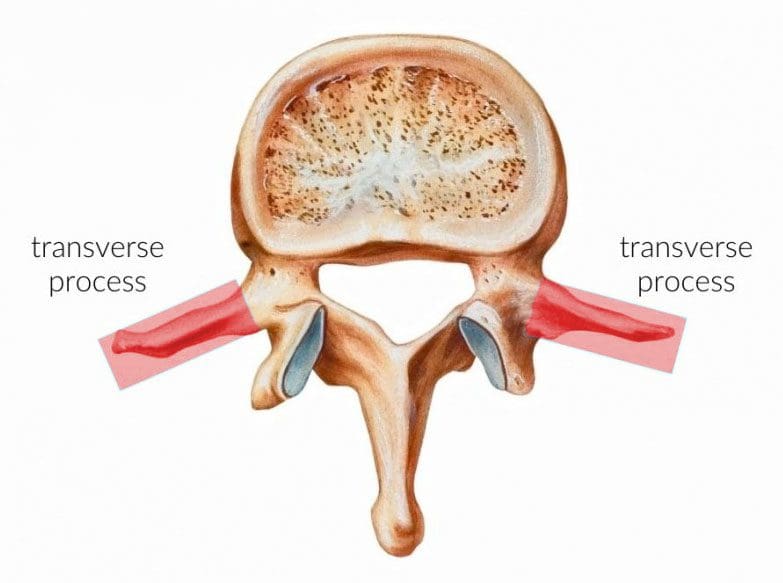
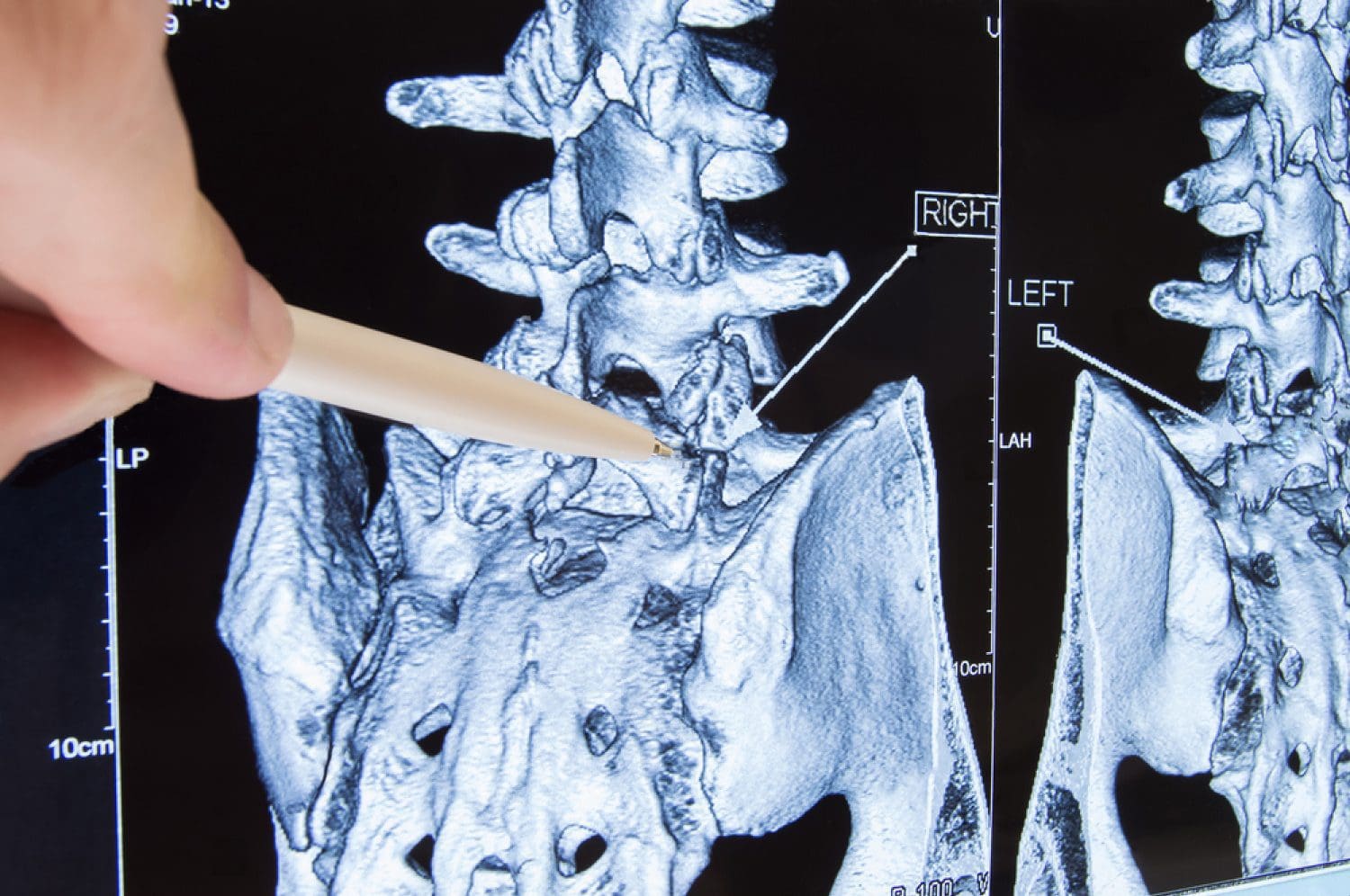
This congenital condition’s name comes from Italian physician Mario Bertolotti. It is in 10 to 20 percent of the population, �with or with no lower back pain. Bertolotti syndrome happens when the last lumbar vertebra, known as the lumbosacral transitional vertebra/LSTV. This vertebra and the sacrum become fused together or create a false joint due to an enlarged transverse process.
This can be bony bumps on the vertebrae where muscles and ligaments attach to the lumbosacral transitional vertebra. When the LSTV and sacrum fuse together, known as sacralization or pseudo-joint, it does not generate pain. It�s just the way that an individual’s anatomy has been since birth. Only when it causes lower back pain that it is called Bertolotti syndrome.
Causes
Low back pain that leads to inflammation and reactive muscle spasms brought on from Bertolotti syndrome can be caused by:
Asymmetrical structures of the lumbar vertebrae. If the LSTV is fused to the sacrum and iliac bone, these are the wings of the pelvis, which can place unwanted stress on the sacroiliac joint, which can cause pain that is felt above the buttocks.
A�pseudo-joint does not have the cushion or lubrication between the bones like real joints to absorb shock. This causes bone-on-bone grinding, which can be quite painful and can lead to osteoarthritis. This can also generate added stress on the discs of the pseudo-joint.
Sacralization fusion can decrease the spine�s mobility. This can speed up the wear and tear of the vertebrae and shock-absorbers of the intravertebral discs.
Added non-equal force/s on the muscle tissues that surround the lower back. This can be caused by the spine not being properly�aligned causing muscle imbalance/s and fatigue. Both sides of the back can be affected, but when tightness and muscle spasms in the low back and pelvis present, it’s usually only on one side.
Symptoms
Most individuals usually never know they have a sacralization or pseudo-joint. These are often found accidentally from an X-ray for something unrelated. But when symptoms present they can vary from person to person and usually appear in adulthood�in the 20s or 30s.
These include:
Low back pain that is localized and does not spread/radiate down the legs
Pain or discomfort in or around the sacroiliac joint
Stiffness that comes out of nowhere or difficulty moving a certain way with pain present
Symptoms improve once the individual sits or lays down
Diagnosis
Bertolotti syndrome can be diagnosed based on medical history, physical exam, and X-rays. A physical exam can include a recreation of the movement/s that triggered the pain/discomfort. An X-ray of the low back and pelvis will reveal any bony abnormalities.
Treatment
Bertolotti syndrome can be effectively managed with non-invasive treatments. These� include:
Improperly and overdoing repetitive rotation/s and extension/s through work or just movements that have become second nature are injuries just waiting to happen. Lifestyle changes and re-learning how to move properly will ease the strain on the affected area.
Over the counter pain medication/s like�Advil, Aleve, or Tylenol.
Chiropractic/Physical therapy can help build low back areas and increase mobility.
Local anesthetic and spaced out intervals of corticosteroid injections to the affected nerve/s to reduce inflammation.
Platelet-rich plasma (PRP) uses the body�s platelets to reduce pain, inflammation, and healing the damaged joints through an injection.
Prolotherapy treatment uses concentrated local anesthetic and dextrose injected into the low back area to enhance the body�s natural healing.
Radiofrequency ablation uses heat to numb the affected nerves around a pseudo-joint so that pain reduces.
Surgery is the last resort and is usually done to eliminate a pseudo-joint. It can also consist of reducing or removing an elongated transverse process�and can be performed as a same-day or outpatient procedure.
If you or someone you know is dealing with some form of idiopathic low back pain and doctors can’t seem to pinpoint the cause. Bertolotti syndrome could be a suspect, therefore it’s best to seek a spine specialist near you that can help.
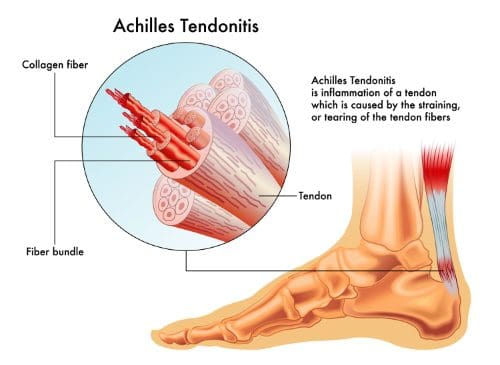
Tendonitis can be a painful condition that occurs when tendon/s that connect bone/s to muscle/s become damaged/injured. This can be from overuse of the particular tendon/s or using them in an improper fashion. Whatever the case, the result is inflammation, pain, and swelling. With injury/s where the tendon is stressed/strained to the point of injury, the soft tissue around the area can also be affected. More than 4 million�people�a year in the U.S. seek some form of medical treatment for�tendonitis symptoms.
Common types include:
Achilles tendonitis
Runner�s knee
Golfer’s elbow
Jumper’s knee
Pitcher�s shoulder
Swimmers shoulder
Tennis elbow
Other tendons in the body can also experience symptoms. Symptoms usually occur at the point where the tendon attaches to the bone and include:
Pain as a dull ache, especially when moving the limb or joint
Tenderness
Moderate swelling
The�wrist,�fingers, Achilles tendon, and ankle can all become inflamed from the condition. Primary care physicians are the ones to usually diagnose the injury. Once there is a definitive diagnosis, a non-surgical non-invasive treatment plan is the first recommended option. If these do not work then surgical procedures could be discussed. Chiropractic care is a first-line option that many physicians recommend.
Proper Rehabilitation Makes a Difference
This is usually from improper or incomplete healing.�Many individuals resume normal activities/chores as soon as the pain goes away. This is a mistake, as this is the time when continued care for the injury needs to be observed to heal completely. For this reason, tendonitis tends to recur. This inflames the area of the original injury which can then become aggravated, causing more pain. But more importantly, this aggravation can lead to a re-injury in the same area, which can be more severe the second time around. Chiropractic can help the tendon heal completely and help prevent re-injury to the area.
Chiropractic
Tendonitis symptoms can resemble other conditions, therefore the first step is confirmation. A doctor may use X-rays, MRIs, or CAT scans to make a positive diagnosis. A chiropractor will work with the patient in developing a treatment plan that is effective, and customized to the patient�s needs. The core of the treatment is focused on the root cause of the problem, and not just alleviating the symptoms.
With severe inflammation, a chiropractor will utilize inflammation reducing techniques like bracing, rest, ice, electrical muscle stimulation, ultrasound, low-level laser therapy, massage, and physical therapy. The focus is to loosen the tendon/s to reduce inflammation so that the treatment can continue to the next phase. Once the inflammation is under control, a chiropractor might start:
Massage
Physical therapy
Joint manipulation
Strength exercises
If the individual has limited joint mobility then joint manipulation and adjustments could be the best option.
Treatment Plan
Initial pain often subsides or even disappears after the first two to three weeks. This does not mean that the injury is fully healed. Many patients mistakenly believe that once the pain is gone the condition is gone. This is not true. Inflammation could decrease over the first three weeks, however, complete healing takes around six weeks and longer.� Scar tissue forms during this time which is how the body repairs the injury.
Once the injury is repaired the scar tissue has to be broken down so the area can regain mobility and flexibility. A chiropractor will use specialized techniques to break down the scar tissue. This could also�include massage and ultrasound to help in the process.�Mild stretching exercises could also be incorporated into the plan. As the tissues heal fully then a therapeutic exercise regiment can continue in the aid in breaking down the scar tissue further. These exercises will work the muscles but do not involve the tendons.
Better Health
Tendon inflammation can be healed completely and chiropractic care can help in achieving this. Chiropractic medicine takes the entire body approach, which means that everything is connected in some way. So if there is a form of pain in one place, it does not mean that that spot is where the source of the pain is coming from. It could be somewhere completely different, and so the chiropractor is going to work both areas and possibly others to alleviate the cause and not just alleviate the symptoms. Chiropractic medicine also includes diet, supplemental help, and lifestyle choicesthat can help the healing process and overall health. Once treatment is complete the individual can typically return to normal activities without the risk of re-injury and re-inflammation.
Research has found that vertebrogenic chronic low back pain could be caused by a lumbar vertebral endplatechange that involves the basivertebral nerveand is not disc-related. The underlying cause of chronic low back pain can be very difficult to diagnose. The intervertebral discs are a common suspect, but when disc-related treatments don�t ease the pain, the root problem could be something else. Researchers are exploring an overlooked area with the vertebral endplates being the cause of vertebrogenic low back pain.
Research has found that there are more nerves in the vertebral endplates than in the spinal discs. More nerves can mean higher potential/increase in pain. And like the other areas of the spine such as the discs and joints, vertebral endplates can also degenerate, also increasing the risk for pain.
Vertebral Endplates and Basivertebral Nerve
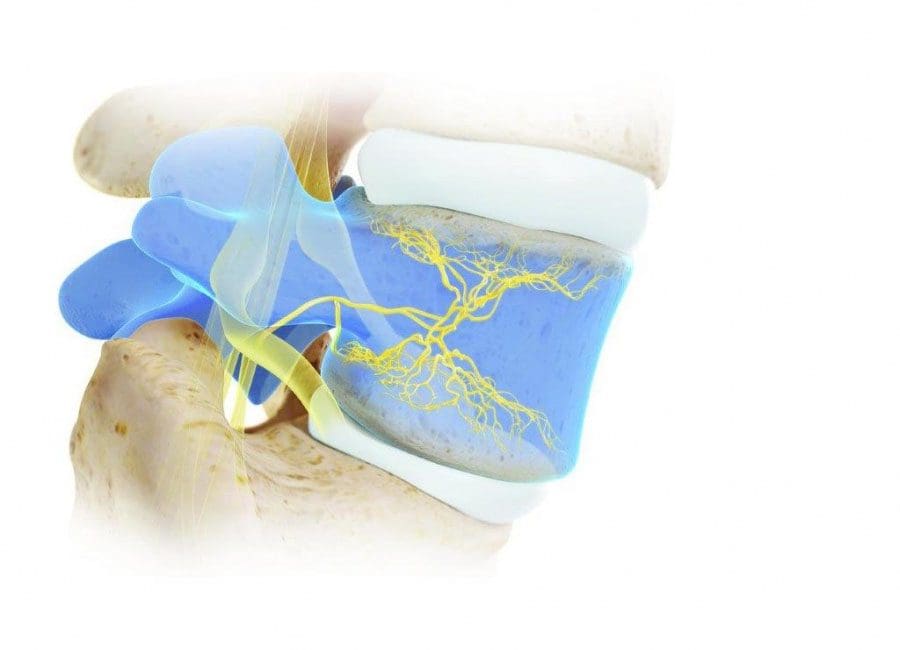
The vertebral endplates line the top and bottom of each vertebral body. These are the round, thick, weight-bearing bones in the spine. The vertebral endplates are made of cancellous or spongy bone and function as the barrier between each disc and the vertebrae.
The low back/lumbar spine takes the most weight. That can be a significant amount of pressure on the structures in the low back. The endplates are situated between a cushioned disc/s and the hard, bony vertebral body making them vulnerable to degeneration and nerve damage contributing to chronic low back pain. The endplates and vertebral bodies consist of a network of intraosseous nerves.
Intraosseous nerves live within the bone.
The basivertebral nerve� BVN is an intraosseous nerve that winds through the vertebral bodies. This nerve feeds into each spinal bone through the back of the vertebral body and then branches out with nerves going towards the top and bottom vertebral endplates. Research has shown that although these nerves are inside the bone they can send pain signals from a damaged vertebral endplate that could result in vertebrogenic low back pain. This is why it has been�recently linked it as a possible cause of chronic low back pain.
Nerve pain in the spine has been linked with discs that have degenerated. A doctor, chiropractor/spine specialist refers to this as discogenic pain. But with new research, an understanding of the function the vertebral endplates and BVN play in the sensation of pain has been realized and this is where the term vertebrogenic pain comes from. If a doctor discovers that the endplates could be the source of your chronic low back pain, they might use this term.
Vertebral Endplate Pain Diagnosis
Like most back pain conditions diagnosing vertebral endplate pain can be just as challenging. This is because diagnostic imaging scans typically don�t pick up mild to moderate endplate damage. A classification scale known as Modic changes helps doctors identify vertebrogenic pain.
Modic changes or MC are areas that show up on an MRI showing bone marrow damage that has been linked to low back pain. The name comes from the doctor that classified them in 1988, Dr. Michael Modic. Modic changes help doctors and spine specialists see and understand the connection between endplate damage and chronic low back pain.
2 types were identified that show a connection between vertebral endplate damage and chronic low back pain:
Type 1
This type shows a�development� in the vessels of the vertebral body, that includes:
Inflammation
Edema, which is a collection of excess fluid
Endplate changes like a split or crack/s in the endplate
Type 2
This type reveals changes in the bone marrow like fatty deposits that have taken the place of bone marrow.
If the lumbar MRI shows Type 1 or Type 2 MC, a doctor could recommend a conservative treatment plan that could include:
These could be utilized in conjunction with spine specialist care in addressing symptoms and pain. However, if the pain does not ease or reduce with conservative treatment, a doctor could suggest an outpatient procedure.
Candidates for this procedure usually qualify meeting the following:
The individual has struggled with chronic low back pain for at least 6 months
The pain has not reduced/eased up with at least 6 months of conservative care
MRI shows Type 1 or Type 2 Modic changes�that correlate symptoms of vertebrogenic low back pain
The procedure uses fluoroscopy or an x-ray video. A thin tube called a cannula is inserted into a vertebral pedicle. A pedicle is a structure that sticks out from the back of the vertebra. The cannula tunnels its way to the basivertebral nerve. The doctor then runs the Intracept Radiofrequency generator into the path of the nerve and ablates destroys/removes any obstructions in the nerve with the help of the frequency generator. Since it�s a minimally invasive procedure, it can be performed in an outpatient clinic, allowing the patient to go home the same day.
The device/tool used in the procedure is not implanted in the spine. It is removed once the procedure is done.
Expectations as to how long the pain relief will last depends on:
The severity of the condition
Post-physical therapy
Type of work
Diet
Exercise
One study showed the benefits to last up to two years.
If�nonsurgical treatment has not worked for at least six months talk to your doctor about basivertebral nerve ablation for vertebrogenic chronic low back pain. There are risks and benefits both of which should be discussed in depth.
Endplate or Disc and the Root Cause
The intervertebral discs are often the more common cause of low back pain. But they might not be the root cause of spine pain. More research is going on with the role the vertebral endplates play in spine health. As more patients are being diagnosed earlier then better long-term outcomes will follow.
Music therapy, combined with standard medical treatment�has been found to reduce the perception of pain in individuals recovering from spinal surgeries, according to a study published in the American Journal of Orthopedics. Spine surgery recovery can take a long time and take a tremendous toll on the individual and family. Research has found that music therapy can help reduce pain post-surgery.
The study has shown solid findings that this therapy, when combined with standard treatment, positively impacts pain. Individuals report an increase in comfort during the recovery time. Utilizing music in a therapeutic setting can benefit a patient’s treatment plan, as it addresses the whole individual, including mind, body, and spirit. This is the same approach that chiropractic uses.
Combining Standard Treatment with Music Therapy
The study took place at the Spine Institute of New York with the music therapy set-up through the hospital�s Louis Armstrong Center for Music and Medicine. There were 60 patients thirty-five females and twenty-five males ranging in age from 40 to 55. They underwent anterior, posterior, or anterior-posterior spinal fusion surgery. The groups were equally split up. The experimental group had music therapy included with their standard medical care, and the control group only received standard medical treatment.
The experimental group would undergo a 30-minute music therapy session over an 8-hour period within 72 hours after the procedure. The music options included:
Patient-preferred music
Singing
Rhythmic drumming that encourages relaxation
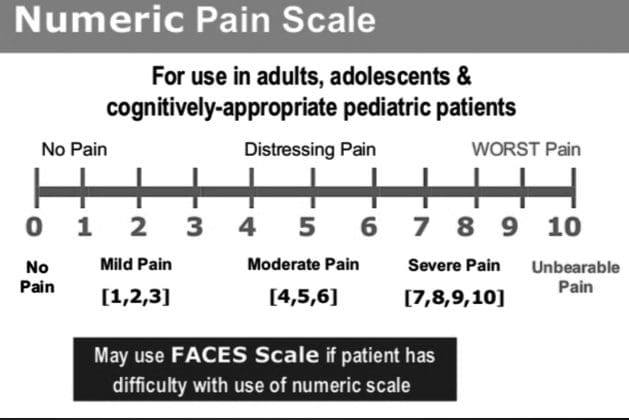
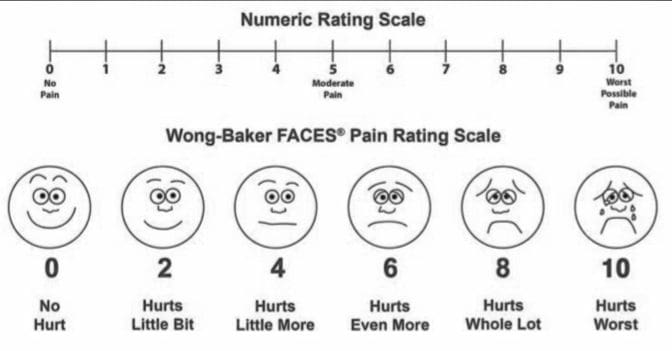
The sessions focused on personal treatment, where the individuals were encouraged to express emotions. A pain scale was used before and after the interventions to measure the results. What was found, was that pain levels would go up slightly in the control group, and in the experimental group, the pain dropped.
Spine Surgery Recovery
With standard care medications are typically the first-line treatment post-spine surgery pain. With all of the negative side effects that come with pain meds/opioids, music therapy is worth considering when looking for non-drug therapies. If anything music is an excellent distraction tool. So long as the music is enjoyable to the individual.
For the most part, many individuals that underwent spine surgery already listen to their music pre and post-operation. It helped them to relax before the surgery and allowed them to focus on something else after. Much like athletes that have their headphones/earbuds when they get to the venue to focus and block out everything going on around them. This therapy works the same way. But now we want to encourage anyone undergoing some spinal procedure to go ahead and jam out.
Anterior cervical discectomy and fusion (ACDF)�is a procedure that treats chronic neck conditions and is the most common spinal surgery performed in the U.S.�30 percent of Americans a year experience neck pain, chronic neck pain and radiculopathy or pain that spreads out and radiates to other parts of the body, in this case down the arms.
It�s a procedure that can work wonders, but as many as two-thirds of patients continue to manage neck pain and dysfunction after ACDF. One of the best ways of managing neck pain and dysfunction is to exercise. Research shows that a prescribed exercise program right after surgery can help lessen the pain and create less dependence on medications. A 2020 study published in SPINE suggests that patients that began therapeutic exercises right away had better results than individuals that started an exercise program after the six-week checkup/examination.
What Anterior Cervical Discectomy Fusion Treats
The procedure is performed on individuals with degenerative disc disease or a bulging or herniated disc. These conditions can cause the spinal disc to place pressure on the spinal cord and nerve roots that branch out, creating:
Numbness
Tingling
Pain
Weakness in one or both arms
Most individuals that are recommended to undergo the surgery experience symptoms that don�t respond to non-surgical therapies or medication/s. A significant symptom is hand/arm weakness and arm pain that�s worse than the neck pain.
ACDF Surgery
The ACDF procedure is broken into two parts: a discectomyand a fusion. Anterior means in front and in this case it’s the front of the neck that the surgeon accesses the damaged discs.�In a discectomy, the surgeon removes a portion/s or all of an intervertebral disc/s to release the pressure on the nerves. The fusion part fuses the two vertebrae together. This eliminates the painful movements. A bone graft is inserted between the vertebrae at the spot where the disc was removed. The bone graft serves as a structural scaffold that the body uses to build new tissue and cause the vertebrae to grow together.
The graft can come from three sources:
Your own bone called an autograft, this is usually a piece of bone from the pelvis just above where the front jean pocket would be.
Bone donation called an allograft that comes from a cadaver from a bone donor bank.
Substitute material/s like man-made plastic, ceramic, or bioresorbable compounds.
Home Exercise Program
There are those that are of the opinion to hold off on physical therapy or exercise until about six weeks post-ACDF when recovery is established. However, the study suggests it is more effective to begin a home exercise program (HEP) as soon as possible. At this time telemedicine is the replacement for in-person physical therapy sessions but works just as well. The study examined 28 individuals’ outcomes over 12-months post-operation.
The participants were divided into two groups:� Standard care and Early HEP. Both groups went through the standard postoperative care, along with medication, a cervical collar or neck brace, and restrictions of certain activities. The standard care group received physical therapy referral six weeks after surgery while the early HEP group was given a home exercise program to perform during the postoperative six-weeks.
This included walking and sleeping instructions and a range of motion/strengthening exercises. A cognitive-behavioral strategy was also given to help relax. The participants would phone-conference with a physical therapist on a weekly basis. Exercises increased in difficulty every two weeks, based on the therapists’ judgment. When compared to the standard care group, the early HEP group reported a reduction in short-term neck pain and were less likely to be using pain meds/opioids twelve months after their surgery.
Recovery Tips
Recovery time after ACDF surgery typically lasts about four to six weeks. If the bone graft was from the pelvis, there could be pain, soreness, and stiffness. To minimize discomfort, try not to sit or lie down for long periods. And remember to change position or take a quick short walk down the hall, to the kitchen, etc. every 20-30 minutes. If you are referred to physical therapy combine it with the home exercise program. The therapist will teach you exercises and proper form. Exercising ten minutes every day is far more effective than doing 45 minutes once a week.
Resuming normal activities gradually is crucial. No pain, no gain does not apply when recovering from ACDF surgery. Recovery exercises can feel great. However, pain and fatigue can sneak up the next day or the following week. Gradually easing back into daily activities can help avoid major setbacks. Work, shopping, house chores, childcare, and lawn care all fall into the activity category.
A recurrence of neck pain after recovery is normal. However,�discomfort can be minimized by taking a few precautions.
Use proper form when lifting
Keep objects close to the body
Keep the back flat as you lift
Maintain neutral neck position
Be aware of your posture when sitting, standing, walking, and sleeping
Gradually increase the exercise program
Don’t overdo it
Address underlying fear/anxiety
Fear of generating pain can cause tension and exacerbate or even create new pain symptoms
Stop smoking, as it has shown to impede the fusion and heighten the risk for complications
ACDF surgery can improve quality of life. Your surgeon is responsible for performing the procedure, it�s up to the individual to follow through with an exercise program and proper ergonomics for optimal results.
A February 2020 study explored the relationship between low back pain and menopause. Hormones and vitamin D play a role. Vitamin D deficiency is related to increased lower back pain and degenerative disc disease in postmenopausal women. Decreasing estrogen levels can also drop levels of vitamin D, which can be downright painful if left unaddressed.
Menopause:
Hot flashes
Mood swings
Sleep issues
Libido changes
A drop in�estrogen levels can cause these symptoms.
Degenerative Disc Disease
In between the vertebra are fibrous discs that are the shock absorbers for the spine. These discs also support and stabilize the spine, which allows you to move freely pain-free. The health of the spine is a vital part of well-being and provides the ability to bend, lift, twist, and perform normal activities without pain.
With the passage of time, the discs start to dry out and lose their flexibility and elasticity. When the discs dry out, known as desiccation is a natural process that happens as we age and does not always cause pain symptoms. The discs become thinner and less able to absorb shock that can lead to pain and stiff movement. The loss of elasticity and height in the discs is known as degenerative disc disease.
Stenosis/Compression
With degenerative disc disease, sometimes the body tries to compensate for the loss of stability by producing more bone to stabilize the spine.
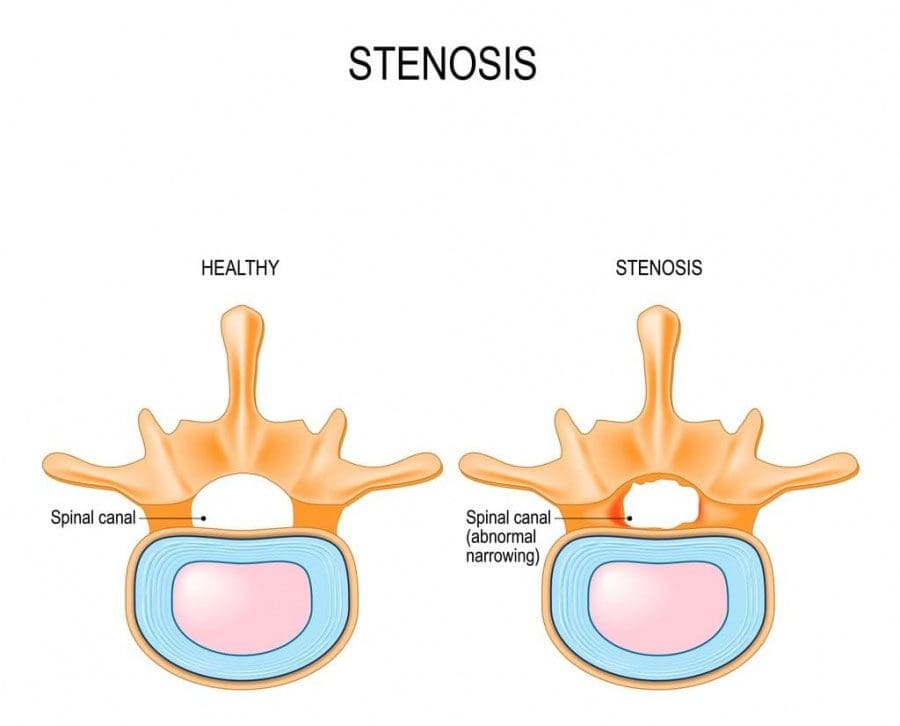
This causes bone growth/s, called bone spurs or osteophytes. These can crowd the spinal canal, which is a condition called stenosis.
Stenosis places pressure on the nerve roots that branch off the spinal cord.
The symptoms of this compression can present with:
Pins and needles sensations
Muscle spasms
Decreased sensation to touch
Weakness and pain in the back or that radiate down the arms or legs.
Treatments for degenerative disc disease include physical therapies and surgery. Most cases are treatable without surgery by utilizing physical therapy, occupational therapy, strength/flexibility exercises, injections, and supplements. Surgery could be considered to make more room in the spinal canal, relieve nerve compression, and reduce pain.
Vitamin D and Bone Health
Vitamin D has multiple functions in the body. It’s produced by the body when exposed to sunlight and is also found in certain foods and supplements. One function of vitamin D involves bone health support. The body needs vitamin D to absorb calcium and phosphorus, which are essential for bone production. Calcium is stored inside the bones.
When there is a deficiency in calcium, the body breaks down the bone/s and takes/pulls the calcium back into the blood. Inadequate vitamin D means the body is not able to absorb enough calcium and cannot prevent the bones from being broken down. Vitamin D deficiency at an early age can cause low bone density along with diseases like rickets, osteopenia, and osteoporosis. Osteoporosis is a condition where the bone gradually weakens and breaks easily.
It can cause vertebral compression fractures, where the vertebrae crack because the bone tissue is not strong enough to support the body�s weight and resist gravity.
Two causes of osteoporosis are nutritional deficiencies and hormonal imbalances, like low estrogen production after menopause. Proper vitamin D/calcium intake is essential for preventing and reducing bone loss that can lead to these conditions and increased lower back pain.
Estrogen and Bone/Spine Health
Estrogen plays a role in male and female bone health. Cells called osteoblasts help in the production of bone are highly active. Estrogen helps slow the breakdown of bones and promotes bone growth. A drop in estrogen over time compromises the health of bones. Individuals with chronic hormone imbalances and postmenopausal women are frequently affected by bone disease/s and the loss of bone density over time.�Studies reveal the risk of developing osteoporosis is higher in postmenopausal women.
Estrogen helps maintain tissues that contain collagen, which is found in intervertebral discs. Lower estrogen levels following menopause have shown to lead to more severe lumbar disc degeneration and increased lower back pain in women when compared to men. This demonstrates the importance of monitoring changes in lower back pain for women after menopause.
Vitamin D and the Spinal Discs
The relationship between increased low back pain in postmenopausal women and vitamin D deficiency is real. Supplements can help correct these deficiencies, can help reduce low back pain and promote bone health.
Postmenopausal women are especially at risk for vitamin D deficiency. Vitamin D and calcium supplements can be used in combination.The bone/s breakdown is stopped, while the bone tissue is strengthened thus reducing back pain. Low back pain brought on by degenerative disc disease is pretty much present in patients over age 65.
These health concerns can be helped through:
Vitamin supplementation
Exercise
Healthy diet
Slowing down bone loss can be achieved with strategies that range from diet change to prescription medication.
IFM's Find A Practitioner tool is the largest referral network in Functional Medicine, created to help patients locate Functional Medicine practitioners anywhere in the world. IFM Certified Practitioners are listed first in the search results, given their extensive education in Functional Medicine