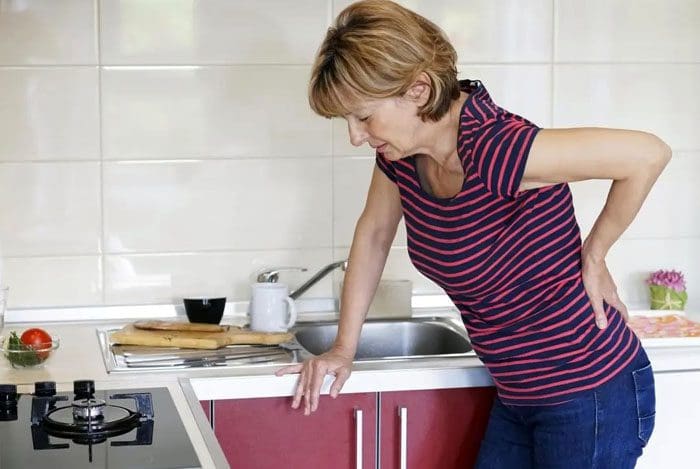
It is estimated that every adult will experience some form of back pain at least once in their lives. There’s a difference between mechanical and inflammatory back pain. With inflammatory back pain, movement tends to help it, while resting worsens the pain. For some individuals, relief from inflammatory back pain is something they could have to manage for some time. Fortunately, there are effective management and relief options available.
Inflammatory vs. Mechanical Pain
Chronic back pain has two major causes. These are Mechanical and Inflammatory. They have slightly different characteristics when presenting. Chiropractors know what to look for to tell the difference between the two. Then a decision can be made on how to proceed with treatment or management.
Inflammatory
Pain caused by inflammation can be described as:
Not having a known definite cause.
Characterized by stiffness, especially after waking up.
Pain reduces with movement, activity, stretching, exercise.
Is worst during the early hours of the morning.
Is often accompanied by pain in the buttocks/sciatica symptoms.
Mechanical
Mechanical pain can be described as:
Pain that becomes worse with activity, stretching, or exercise.
Pain reduces with rest.
There is no stiffness after sleeping.
This pain is not constant but can become intense/severe for short periods.
Pain in the buttocks/sciatica symptoms do not present.
Inflammatory and Non-Inflammatory
Non-inflammatory is the same as mechanical pain. Mechanical/non-inflammatory back pain has causation related to the mechanics of the back and can result from injury or trauma. The cause of non-inflammatory pain does not necessarily present right away. For example, poor posture that leads to back pain is a mechanical/non-inflammatory cause. However, non-inflammatory back pain can be accompanied by inflammation as a natural reaction to injury. But this inflammation is not the cause of the pain. Non-inflammatory back pain can be treated effectively with conservative treatments. This includes:
Chiropractic adjusting
Physical therapy
Spinal decompression
Contributing Autoimmune Diseases
When inflammation is the cause of pain, it is considered inflammatory pain. Autoimmune disease/s can cause the body to attack different areas of the body mistakenly. Chronic pain can be caused by autoimmune diseases that include:
Rheumatoid Arthritis
Arthritis causes the immune system to attack the joints throughout the body.
Ankylosing Spondylitis
This is a rare type of arthritis that affects the spine. It is found more in men and usually begins in early adulthood.
Multiple Sclerosis
This is a disease where the immune system attacks nerve fibers and can lead to back pain.
Psoriatic Arthritis
This type of arthritis is characterized by patches of psoriasis along with joint pain and inflammation.
Inflammatory Pain Treatment
Individuals that think they might have inflammatory back pain should consult a doctor, spine specialist, and/or chiropractor. A general practitioner can misdiagnose inflammatory back pain as mechanical back pain. Many find relief from taking non-steroidal anti-inflammatory drugs or NSAIDs and following an exercise/physical activity regimen. However, sometimes this is not enough. This is where chiropractic treatment and physical therapy comes in.
Chiropractic and Physical Therapy
These medical professions complement each other well and can be beneficial as a part of an overall treatment plan. A chiropractor, with the help of a physical therapist, can bring significant relief. Management techniques involve:
Chiropractic adjustments
Flexion-distraction
Posture correction
Personalized exercises
Inflammation Night Pain
Inflammatory back pain tends to worsen at night. What happens is the inflammatory markers settle down when the body is not moving. A few simple practices can help you get better sleep.
Stretch Before Bed and When Waking
Performing stretches before going to bed and after waking up helps keep the body limber.
Inspect Pillows and Mattress
Sleeping with the spine out of alignment could exacerbate the problem. Using a too-soft mattress or a too-large pillow could be contributing to the pain. Sleeping on the side is recommended to use a pillow between the legs to keep the low back straight.
Exercises
Some exercises should be discussed with your doctor. Individuals have found that exercise and stretching are essential for relief.
Cardio
These exercises increase heart rate, boost mood, and release natural pain killers. Low-impact cardio exercises:
Swimming
Walking
Cycling
Strength-Building
Strengthening the core muscles will help maintain posture and spine support. Some of these include yoga poses:
Sustainable and easy to follow three basic elements: following the diet, physical activity, and high levels of socializing. For individuals that want to change their diet and lifestyle to the Mediterranean, try the following:
Add more vegetables to meals. This can be salads, stews, and pizzas. Kidney beans, lentils, and peas are common Mediterranean staples.
Switch to whole grains as well as products made from whole grain flour. The high fiber content can improve heart health and can help lower blood pressure. Minimize refined carbohydrates like white bread and breakfast cereals.
Balance rich desserts with fresh fruits like oranges and bananas that can include antioxidant fruits like blueberries and pomegranates.
Treat meat as a side dish instead of the main course. Adding strips of chicken or beef into a vegetable saute/soup.
Balance meat dishes with fish and seafood. This includes sardines, salmon, clams, and oysters.
Go vegetarian for one day a week.
Cut out processed meats with high levels of preservatives.
Add healthy fats like avocados, sunflower seeds, nuts, and peanuts to meals.
Cornelson, Stacey M et al. “Chiropractic Care in the Management of Inactive Ankylosing Spondylitis: A Case Series.” Journal of chiropractic medicine vol. 16,4 (2017): 300-307. doi:10.1016/j.jcm.2017.10.002
Dahlhamer, James et al. “Prevalence of Chronic Pain and High-Impact Chronic Pain Among Adults – the United States, 2016.” MMWR. Morbidity and mortality weekly report vol. 67,36 1001-1006. 14 Sep. 2018, doi:10.15585/mmwr.mm6736a2
Riksman, Janine S et al. “Delineating inflammatory and mechanical sub-types of low back pain: a pilot survey of fifty low back pain patients in a chiropractic setting.” Chiropractic & manual therapies vol. 19,1 5. 7 Feb. 2011, doi:10.1186/2045-709X-19-5
Santilli, Valter et al. “Chiropractic manipulation in the treatment of acute back pain and sciatica with disc protrusion: a randomized, double-blind clinical trial of active and simulated spinal manipulations.” The spine journal: official journal of the North American Spine Society vol. 6,2 (2006): 131-7. doi:10.1016/j.spinee.2005.08.001
Teodorczyk-Injeyan, Julita A et al. “Nonspecific Low Back Pain: Inflammatory Profiles of Patients With Acute and Chronic Pain.” The Clinical journal of pain vol. 35,10 (2019): 818-825. doi:10.1097/AJP.0000000000000745
Rain generally comes with a drop in barometric pressure. A low-pressure system you may have heard from the local weather forecast. Lower pressure outside can cause tissues inside the body to swell and irritate sensitive nerves. For those who have sciatic nerve pain, rainy, hot, humid weather can cause the nerve tissues to expand causing increased compression, inflammation, and pain.
Rainy Weather
For anyone who is prone to inflammation, there are ways to cope with rainy weather-related symptoms, including:
Stay inside air-conditioned areas where the humidity level is lower.
Use a dehumidifier to keep the indoor air at 40-60% relative humidity for comfort.
Utilize vent fans in the kitchen and in laundry areas and after baths/showers in bathrooms.
Easy Physical Activity
Easing the pain can also be done through:
At work, school, home adjust the seat to work for you. Individuals with sciatic nerve pain already know how to make adjustments to chairs and other places for sitting.
If you’re heading out to a baseball or soccer game, you may want to use a comfortable sideline seat that provides cushion and support. If attending a pro game, check online or call to see if you can bring a therapeutic seat cushion.
Going on a trip whether road or flight, seats might not be comfortable or supportive. Tips that can help maintain comfort to mitigate the pain, include:
Adjust the seat for proper posture to maintain spinal curvature
Use lumbar support
Maintaining a workout routine is key leading up to your trip. If the body is inactive for a period of time, the back muscles are more likely to spasm when having to sit in tight quarters.
Don’t overpack. Carrying around heavy luggage increases the risk of straining the muscles.
Pack pain medication or anti-inflammatories on hand in case of a flare-up.
Inflammation
Target inflammation with ice therapy
Using topical heat or a heating pad can get the blood circulation flowing through the area
Wear compression garments over the affected areas to bring down swelling and promote blood and nerve circulation.
Chiropractic Rainy Day Relief
Chiropractors know the whole musculoskeletal system. Chiropractic massage therapy induces deep muscles relaxation and the release of endorphins/natural painkillers. A regular spa massage can release sore muscles and tension, chiropractic massage focuses on soothing and healing sciatica. Adjustments or spinal manipulations allow the disc/s rest back into position and relieve the pressure on the sciatic nerve. This will lessen the pain and generate nerve signal flow and mobility.
Spinal decompression relieves the compression of the nerves that are causing sciatica pain. This includes techniques to lengthen the spine and enhance the space between the vertebrae.
A chiropractor will recommend exercises to prevent nerve aggravation and help release the pressure that comes from the inflamed and tight muscles.
Exercises include stretching programs that can be done at home to release pressure on the nerve and ease irritations.
Body Composition
About Fat
Fat, also known as adipose tissue, contributes to overall body weight. This is also the type that individuals want to get rid of when talking about weight loss. Two different kinds of fat:
Subcutaneous fat is the fat that is beneath the skin.
Visceral fat lies deep in the abdominal cavity and surrounds the organs.
Having a certain amount of fat tissue is necessary for a healthy body.
The body stores unused energy from food as fat. This is to provide a reliable source of fuel when the body needs it.
Fat tissue acts as insulation to keep the body warm and as a cushion to protect the vital organs.
The problem/issue is excess body fat. This is what leads to higher body weight and altered hormone release that can make the excess weight condition worse.
References
National Institutes of Health. (2019.) “Sciatica.” medlineplus.gov/sciatica.html.
Zwart, J A et al. “Warm and cold sensory thresholds in patients with unilateral sciatica: C fibers are more severely affected than A-delta fibers.” Acta neurologica Scandinavica vol. 97,1 (1998): 41-5. doi:10.1111/j.1600-0404.1998.tb00607.x
Zwart, John-Anker, and Trond Sand. “Repeatability of dermatomal warm and cold sensory thresholds in patients with sciatica.” The European spine journal: official publication of the European Spine Society, the European Spinal Deformity Society, and the European Section of the Cervical Spine Research Society vol. 11,5 (2002): 441-6. doi:10.1007/s005860100333
Bowling is a fun physical activity that is enjoyable for all ages. Today, there are college bowlers, recreational bowlers, amateur, semiprofessional, professional leagues, and tournaments worldwide. Although it might not be the first sport that comes to mind when thinking of injuries and chronic pain conditions, it can place significant stress on the muscles and tendons of the upper and lower body. It is important to know and understand how to avoid injuries.
How Bowling Injuries Happen
There are two main causes of injuries and chronic pain related to bowling. The first is poor mechanics, and the second is repetitive over-use. Both cause/develop painful symptoms that can turn into injuries that become chronic conditions. Many injuries are caused by:
Slip and fall accidents
Players dropping the ball on their feet
The majority of injuries come from overuse/repetition and improper body mechanics.
Overuse injuries result from repetitive and/or strenuous actions/movements that place profound stress on the body’s musculoskeletal system.
For example, a semi-pro and professional bowler will play fifty or more games a week. This means throwing a sixteen-pound ball for ten frames per game. When consistently repeated over and over, this can cause serious wear and tear to the body. With amateur and recreational bowlers, they don’t play as much, so they don’t experience overuse injury as much, but what they do experience is improper/poor form techniques that shift the body in non-ergonomic ways, wrong equipment like oversized/too-small shoes that can cause awkward postures and body motions, a ball that is too heavy causing an individual to overthrow and strain their arms, backs, hips, and legs. Or a ball with small finger holes that get stuck or too large, causing finger, hand, arm, shoulder pulls strains, and sprains.
Common Bowling Injuries
The most common injuries and conditions associated with bowling include:
Many of the injuries can lead to tendonitis or arthritis later in life.
Trigger/Bowler’s Finger
Symptoms include:
Hand pain after bowling, specifically in the fingers
A clicking or popping when moving the fingers
A finger gets locked in a bent position
Rest, and no bowling is recommended. How long a rest depends on how long the symptoms have been presenting. Physical therapy, along with chiropractic exercises, can help improve finger strength. Splinting the finger could be required to improve the condition. If all fails or does not generate adequate relief, hand surgery could be optioned with a trigger finger release. The surgery allows the finger to move more freely.
Bowler’s Thumb
This usually happens to bowlers that want to generate a lot of spin on the ball. If the thumb’s hole is too tight, it can pinch the ulnar nerve inside the thumb. If the thumb injury is not serious, rest and getting the correct ball size can correct the issue. This is where purchasing a personal bowling ball can help.
Finger Sprain
This is an injury to one or more of the ligaments in the fingers. It most often takes place in the collateral ligaments along the sides of the fingers inside the ball. The ligament/s gets stretched or torn when the finger is forced beyond its normal range of motion. Common symptoms of a finger sprain include swelling, tenderness, stiffness, and pain in the affected finger. This usually occurs from:
The weight of holding the ball with the fingers alone
A poor release
Using a ball that doesn’t properly fit the fingers
A finger sprain falls into grades on the severity of how much the ligament is stretched or torn:
Grade 1
Stretching or microscopic tearing.
Grade 2
Less than 90% of the ligament is torn.
Grade 3
More than 90% of the ligament is torn. Grade three sprains can be accompanied by joint instability and immobility.
Herniated Disc
A herniated disc is when the discs get injured/damaged from overuse, wear, and tear, or a traumatic injury to the spine. The disc can dry out, become less flexible, bulge out, or rupture. Bowlers are constantly:
Bending during the final approach and throw
Carrying a heavy ball
Shifting, twisting, and releasing, increasing the pressure within the discs
In bowling, the majority of herniated discs happen in the low back. The most common symptom is backaches and back pain. Lumbar herniated discs left untreated can cause sciatica.
Avoid and Prevent Injury
The best way to prevent injury is to stay aware of body position, mechanics, equipment, and what the body says.
Stretching
Stretching is one of the best things to avoid injury before practicing, competing, or just playing. Stretching will increase flexibility, especially in the wrist, hand, arm, and low back.
Improving technique
Continually using poor techniques over and over is a perfect set-up for injury. Working with a coach will ensure the proper form. This is important when it comes to generating spin on the ball, as well as, making sure the grip does not place too much strain on the hands.
Using the right ball
The ball being used might not be the right fit for your hand or strength. The holes could be too far apart, causing strain on the fingers. Get as much information as possible and try out different styles and weights to get a comfortable feel for the right ball.
Bowling less
Hard-core bowlers could be overdoing it. Cutting back, and creating a balance will allow the body to recover thoroughly and not cause flare-ups.
Getting in shape
Studies show that individuals who bowl and do not exercise significantly increase the risk of a back injury than those who exercise their back and core. Bowling is not as strenuous as other sports, but it still requires the body to be able to handle the stress.
Body Health
Test Body Composition
Testing body composition regularly is the best way to ensure the body stays healthy. Tracking body composition tracks Lean Mass and Fat Mass gain or loss. The information provided allows the individual to make the necessary changes to ensure they stay fit and healthy.
Diet adjustment
Diet needs to be adjusted to match the individual’s current activity level, or risk running a caloric surplus. A great way to optimize diet is to use Basal Metabolic Rate which will make sure the body is getting enough nutrients to fuel muscle growth, and lose belly fat.
Physical activity that fits the new lifestyle
Increase physical activity levels that work with current lifestyle. This does not mean performing at high levels every day. Be active on a schedule that works for you. Two days of strength training a week offer great physical and mental benefits. The key is to maintain the balance between food consumption and exercise/physical activity that fits your current lifestyle.
References
Almedghio, Sami M et al. “Wii knee revisited: meniscal injury from 10-pin bowling.” BMJ case reports vol. 2009 (2009): bcr11.2008.1189. doi:10.1136/bcr.11.2008.1189
Kerr, Zachary Y et al. “Epidemiology of bowling-related injuries presenting to US emergency departments, 1990-2008.” Clinical pediatrics vol. 50,8 (2011): 738-46. doi:10.1177/0009922811404697
Kisner, W H. “Thumb neuroma: a hazard of ten pin bowling.” British journal of plastic surgery vol. 29,3 (1976): 225-6. doi:10.1016/s0007-1226(76)90060-6
Miller, S, and G M Rayan. “Bowling related injuries of the hand and upper extremity; a review.” The Journal of the Oklahoma State Medical Association vol. 91,5 (1998): 289-91.
The hands are a magnificent piece of work. Its intricate design and functional form follow the hand. However, any injury to the underlying structures of the hand can overlap with other injuries/conditions. Even the smallest hand injuries require a proper medical examination. The objective is a quick and accurate initial evaluation along with treatment. Early treatment is done quickly to minimize short and long-term effects.
Anatomy
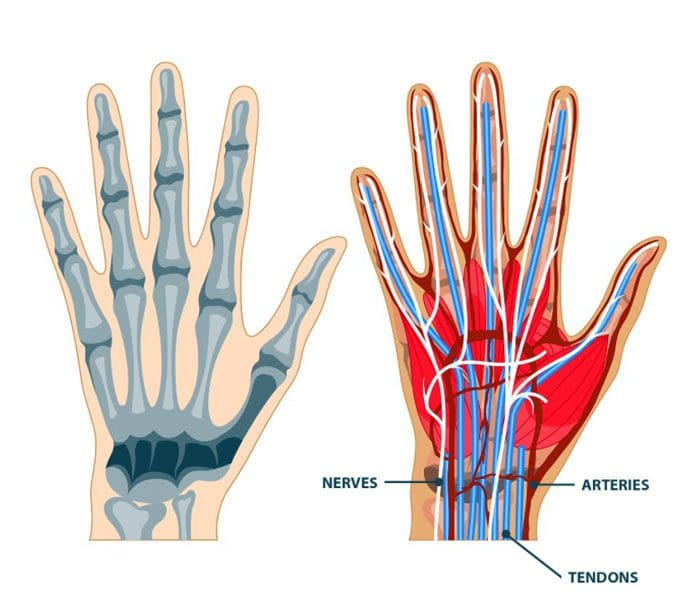
The hand consists of 27 bones that include 8 bones in the wrist. If the associated structures:
Nerves
Arteries
Veins
Muscles
Tendons
Ligaments
Joint cartilage
Fingernails
Get injured or damaged in some way; there is increased potential for various injuries.
Causes
The most common cause of injury/s is blunt trauma, followed by injury from a sharp object. Hand injuries are divided into categories:
Symptoms vary depending on the type of injury, how the injury occurred/mechanism, the depth, severity, and location. Common symptoms:
Lacerations
Tenderness
Pain
Bleeding
Numbness
Decreased range of motion
Difficulty moving
Weakness
Pale appearance
Fractures and Dislocations
Swelling
Discoloration
Tenderness
Deformity
Reduced range of motion
Numbness
Weakness
Bleeding
Soft Tissue Injuries and Amputations
Swelling
Discoloration
Tenderness
Deformity with or without tissue loss/bone loss
Bleeding
Weakness
Numbness
Infection
Tenderness
Swelling
Warmth/Heat around the area
Redness
Deformity
Reduced range of motion
Fever is rare in hand infections
Burns
Redness
Tenderness
Blistering
Complete numbness
Discoloration
Loss of tissue
The texture of the skin change
Areas of tissue blackened
Deformity
High-pressure Injection Injury
Pain
Swelling
Bleeding
Skin discoloration
Muscle, tendon, ligament tears
Cracked/Broken bones
Medical Care
Anyone with a hand injury is recommended to call a doctor or seek medical attention. When medical attention is delayed, the possibility of worsening or creating further injuries increases. Even the smallest cut or what looks like a minor injury could require advanced treatment to prevent infection or loss of function. Any cut or laceration that requires stitches to repair should also have a medical evaluation to make sure the musculoskeletal system of the hands is functioning properly. Injuries causing the following symptoms require emergency medical attention at an emergency clinic.
Severe bleeding
Severe pain
Numbness
Loss of motion
Loss of strength
Deformity
Signs of infection – tenderness, warmth/heat, redness, swelling, pus, or fever
Exposure of structures – tendons, bones, joints, arteries, veins, or nerves
Diagnosis
A medical examination can include a medical history and physical examination.
Medical History
Past medical history
Does the patient have diabetes or arthritis?
Is the patient right or left-handed?
Occupation
Extracurricular activities and hobbies
How does the patient use their hands?
How did the injury occur, mechanism of injury?
Does the patient smoke?
Physical Exam
Visual inspection look at the injury
Sensory nerve exam feeling
Vascular exam circulation of blood supply
Muscular and tendon exam movement and strength
Bone exam broken bones or dislocated joints
Tests
A doctor will order X-rays after the history and physical exam if necessary. Certain injuries will require imaging to identify fractures/dislocations or to rule out foreign bodies. Many types of injuries can lead to compartment syndrome. Compartment syndrome is a condition in which there is swelling and an increase in pressure within a limited space or a compartment that presses on and compromises blood vessels, nerves, and/or tendons that run through that particular area. Once the immediate injury is addressed, a personalized treatment plan can be developed .to rehabilitate the hand/s to optimal function quickly
Body Composition
Artificial Sweeteners And Muscle Gain
Artificial sweeteners don’t individuals that are trying to build lean body mass. The body needs carbs after a workout for replenishing the depleted glycogen stores. Many commercially prepared protein supplements are made with artificial sweeteners that don’t provide an adequate source of carbohydrates. If an individual consumes only protein made with sugar substitutes after a workout, they are missing essential components of post-workout recovery. A study found that supplementing with carbohydrates before and during strength training can increase performance, compared to participants that were taking the artificial sweeteners saccharin and aspartame. To properly refuel after a workout, remove the artificially sweetened protein powders and replace them with a snack packed with protein and high-quality carbohydrates. These include:
Greek yogurt
Fruit with nuts or nut butter
Hummus with whole-grain crackers
Tuna
Hard-boiled eggs
References
Banting, Joshua, and Tony Meriano. “Hand Injuries.” Journal of special operations medicine: a peer-reviewed journal for SOF medical professionals vol. 17,4 (2017): 93-96.
Fuhrer, Reto et al. “Tipps und Tricks in der Behandlung offener Handverletzungen in der Notfallpraxis” [Treatment of acute injuries of the hand]. Therapeutische Umschau. Revue therapeutique vol. 77,5 (2020): 199-206. doi:10.1024/0040-5930/a001177
Harrison, BP, and M W Hilliard. “Emergency department evaluation and treatment of hand injuries.” Emergency medicine clinics of North America vol. 17,4 (1999): 793-822, v. doi:10.1016/s0733-8627(05)70098-5
MedscapeReference.com. High-Pressure Hand Injury.
MedscapeReference.com. Soft Tissue Hand Injury Differential Diagnoses.
Siotos, C et al. “Hand injuries in low- and middle-income countries: a systematic review of existing literature and call for greater attention.” Public health vol. 162 (2018): 135-146. doi:10.1016/j.puhe.2018.05.016
Muscle cramp and muscle spasm: Three types of muscles make up the body.
Cardiac muscle makes up the heart.
Smooth muscle cells line the blood vessels, gastrointestinal tract, and organs.
Skeletal muscles attach to the bones and are used for voluntary movements.
A muscle spasm happens when skeletal muscle contracts and does not go back to its relaxed state. Spasms are forceful and involuntary. A muscle spasm that sustains/continues is a muscle cramp. The leg muscles, especially the quadriceps/thigh, hamstrings/back of the thigh, and gastrocnemius/calves, are prone to cramping, but any skeletal muscle can cramp. Charley horse is another name for a muscle cramp.
Causes
There can be a variety of causes for muscle cramps. This includes:
Physical exertion in hot weather
Overexertion
Dehydration
Electrolyte imbalance
Physical deconditioning
Certain medications and supplements could contribute to muscle cramping.
They can interfere with electrolyte levels, contribute to the breakdown of muscle tissue, and/or interfere with blood circulation. Any medication-related muscle cramping should be reported to a doctor.
Night Cramping
Night cramping, especially in the calves, is common and affects up to 60% of adults. Women are more prone to night-leg cramps than men. They are also common with age and a common contributor to insomnia. Muscle fatigue and nerve dysfunction are believed to be a factor. Management remedies include:
Stretching
Self-Massage
Topical muscle pain ointments/creams
Ice therapy
Remedies and Treatment
The majority of cramps resolve on their own within a few minutes without treatment.
It is recommended that as soon as a cramp begins, stop the activity.
Stretch and massage the area,
Hydrate with water and, if necessary healthy sports drink to replenish sodium, vitamins, electrolytes, and more.
Apply heat to help relax the muscle.
Apply an ice pack.
Nonsteroidal anti-inflammatory medications (NSAIDs) can help if the pain is substantial.
Consult a doctor if cramps are severe or are recurring often.
Prevention
Strategies for reducing the risk include:
To vary exercise routines
Maintain proper hydration
Maintain proper levels of electrolytes. Sodium and potassium are lost during physical activity, especially in the heat and with consistent sweating.
Regular Stretching
Warm-up with a quick jog or quick walk before stretching the body.
Body Composition
Insulin and the body
Insulin assists the transport and storage of energy glucose to cells, tissues, and organs. These include the body’s glucose storage like the skeletal muscles and liver. Once the blood sugar returns to a base level as the glucose is absorbed, the pancreas begins producing glucagon instead of insulin. Glucagontells the liver to release the stored sugar, which typically happens between meals. What happens to the body when eating too much sugar and carbohydrates than the glucose-storing organs can handle?
Individuals with Type 1 diabetes have a pancreas that does not produce insulin. Type 1 diabetics need to control their glucose levels with lifelong insulin therapy.
With Type 2 diabetes, the pancreas ends up producing insulin through frequent outbursts. When this starts to happen more than normal, the cells eventually lessen their insulin sensitivity. The body becomes numb to the signaling that there is excess blood sugar in the body. This is what happens in individuals with insulin resistance or Type 2 diabetes. This type of diabetes can be managed or prevented with diet adjustments.
References
AAOS: “Muscle Cramps.” Jun. 2017.
American Academy of Orthopedic Surgeons: “Muscle Cramp.”
American Academy Physician: “AAN Recommendations on Symptomatic Treatment for Muscle Cramps.”
American Family Physician: “Nocturnal Leg Cramps.”
American Osteopathic Association: “Muscle Cramp – A Common Pain.”
Journal of the American Academy of Orthopedic Surgeons: “The Athlete With Muscular Cramps: Clinical Approach.”
National Cancer Institute: “Muscle Types.”
National Institute of Mental Health: “What Is Generalized Anxiety Disorder?”
Chiropractors and spine specialists utilize spinal imaging through X-rays, MRIs, or CT scans to figure out what is causing back problems and pain. Imaging is common. Whether chiropractic or spinal surgery, they help immensely discover back issues and allow the individual to see what is happening. Types of cases include back pain that:
X-rays for back pain can be quite helpful. An X-ray is radiation-based and is used to examine the conditions of the bone structures. X-rays are optimal for bone tissue or tissues that are ossified or calcified. They work the best with hard tissues, specifically bones. Soft tissues like muscles, ligaments, or intravertebral discs do not present as well.
Individuals undergoing a back X-ray will be scanned by a machine that generates a beam. A receiver picks registers the beam after it passes through the body and generates an image. It takes around five minutes to complete but could be longer depending on the doctor’s number of images. X-rays are helpful for insurance purposes and rule out bone conditions like compression fractures and/or bone spurs. X-rays are ordered for specific reasons and are often part of a whole-body diagnostic study. This includes MRI and/or CT scan.
CT Scan
CT stands for computed tomography. It is a series of X-rays that are digitized into images using a computer. The advantage of a CT scan to standard X-rays is that it offers different views/angles of the body and can be in 3D. CT scans are most often used in trauma cases or individuals who have had surgery. They take around five minutes. For X-rays, individuals stand up or lay under the X-ray machine as it scans the body. A CT scan has the individual lie down in a circular donut-looking machine that scans while rotating during the imaging. Individuals are recommended to wear casual loose, comfortable clothing. Sometimes a dye, or intravenous contrast, is used to get the vascular tissues to stand out, generating clearer images.
MRI
MRI is short for magnetic resonance imaging. MRIs use magnets to generate images. MRI imaging is often used in individuals that have undergone surgery. They take longer, usually around 30 to 45 minutes. No metallic objects are allowed in the MRI. Patients are asked to remove items like belts, jewelry, etc. Contrast dye can be a part of an MRI. The machine is like a tunnel. This can become challenging for individuals that have claustrophobia. Consult with a doctor and find out how to get comfortable during the process.
Other Forms of Spinal Imaging
Other forms of imaging include:
CT navigation
CT navigation shows real-time CT scans during the procedure.
Fluoroscopy
Fluoroscopy involves an X-ray beam that passes directly through the body that shows live, moving images.
Both of these types of spinal imaging are utilized during surgeries. For some cases, intraoperative imaging is used. This type of imaging uses high-tech robotics to help surgeons navigate through tight spaces during the procedure. This increases the surgeon’s accuracy and reduces the size of the incision.
Ultrasound
Ultrasound can be used for spinal conditions. This is an imaging test that uses sound waves to generate images. However, the imaging tests which are used in spinal imaging are primarily X-rays and MRIs.
Imaging Appointment
Talk with your doctor or chiropractor ahead of time to understand what to expect during the imaging process. They will let you know how to prepare and any special instructions before the appointment. Along with medical history and a physical examination, spinal imaging is an important part of the diagnostic process to find what is causing the pain and to develop the best treatment plan.
Body Composition
Short-term Effects of Coffee and Blood Pressure
The caffeine in coffee is a stimulant or substance that excites the body’s systems. When caffeine is ingested, individuals experience an increase in excitement, specifically in the cardiovascular system. This excitement causes the heart rate and blood pressure to rise and then lower back to a baseline level for healthy individuals. Coffee slightly increases short-term blood pressure. Moderate coffee consumption is safe for individuals that do not have pre-existing cardiovascular conditions.
References
United States Nuclear Regulatory Commission. (May 2021) “Doses in Our Daily Lives” https://www.nrc.gov/about-nrc/radiation/around-us/doses-daily-lives.html
X-Ray for Back Pain: Current Reviews in Musculoskeletal Medicine. (April 2009) “What is the role of imaging in acute low back pain?” https://www.ncbi.nlm.nih.gov/pmc/articles/PMC2697333/
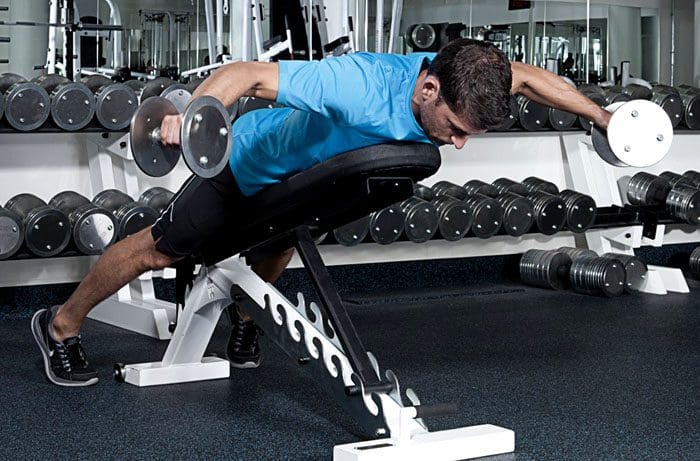
When back pain presents for a prolonged period, the back muscles reduce in mass but increase fat content, resulting in more stiffness. This leads to chronic muscle fatigue and results in chronic pain symptoms. Adding resistance to a workout routine in weight machines, free weights, and/or resistance bands helps reduce back pain. Studies have shown that specific therapeutic back muscle weight training is safe and can help relieve pain. A sports chiropractic specialist can recommend appropriate exercises for individuals and their specific condition/s to safely participate in strength training.
Back muscles development
With time, back pain and increased fatigue can lead to a fear of moving the body and engaging in physical activity. This results in spinal deconditioning and instability. Weight training works on incrementally/progressively increasing the load that the back muscles can tolerate. This technique gradually improves the body’s ability and strength to perform regular daily activities without strain and in optimal fashion. Weight training improves whole-body health because:
Back muscles and core muscles increase in function and performance.
Muscles are strengthened.
Lean muscle mass increases.
The range of motion of the spine increases.
Body fat decreases.
Guidelines while using weights
When weight training, it is important to understand safety guidelines to help relieve back pain and not worsen or cause further injury. Weighted treatment exercises are for individuals that have been cleared by their physician or chiropractor and are specific to their injury and /or condition. Depending on the underlying pain source, weight training may not be suitable for individuals that have:
Severe pain.
Back pain that originates from:
Previous spinal surgery
Tumor
Nerve root compression
Neurological symptoms
Sciatica
Spinal fracture/s
Spinal infection/s
Medical professionals and chiropractors can accurately diagnose and determine if weight training is safe and which specific exercises to perform. Guidance from a trained therapist or therapeutic trainer is recommended for optimal results.
Weight training techniques to alleviate back pain are different from regular weight or resistance exercises.
Trained physical/occupational therapists and sports chiropractors can educate an individual on:
Correct techniques
Frequency
Type of training that will help an individual’s condition.
Therapeutic training can significantly reduce the risk of further injury and damage to the spine.
After initial training, individuals are encouraged to exercise to maintain back muscles and total body health.
Smaller weights build strength progressively
Effective ways to strengthen the spine.
Begin with small/light weights and exercise slowly.
Fast rapid movements or incorrect lifting and pulling techniques can cause additional damage to the tissues.
It is recommended to start with:
Low-load motor control exercises without weights activate and stretch the muscles and improve balance.
Simple stretches
Exercise machines can be recommended instead of free weights.
Exercise machines can provide safe, effective, and progressive resistance to the exercises.
The machines can help reduce/prevent injury compared to free weights.
The machines can maintain proper support on the back and spine.
It is recommended to combine regular walking activity with a weight training program.
Low impact aerobic exercises increase blood circulation along with essential nutrients to the muscles and soft tissues.
This promotes healing and reduces stiffness.
Training program and benefits
Gaining the most benefits from strength training, tips to keep in mind:
Warm up for a few minutes using heat therapy and simple stretches.
Try for 2 or 3 times a week for 30 minutes.
Focus on building strength in the core muscles – back, abdominals, obliques, buttocks, and pelvic leg muscles.
There is no need to join a gym or buy expensive equipment.
Work out at home with small hand weights, resistance bands, and body weight.
The therapist or chiropractor will inform the individual on which exercises to avoid, which require extreme or quick moves.
Slow, steady resistance training takes advantage of muscle lengthening exercises and muscle shortening exercises for strengthening.
If back pain presents with a sustained increase, take time off or modify the strength training exercises.
Some soreness is to be expected, but sharp pain is not. If any sharp, sudden pain presents while exercising, stop immediately.
Ice therapy can be beneficial after exercising to decrease inflammation and alleviate pain.
Record the amount of weight when beginning the training and note when progressing to a heavier weight. Consistent improvements in pain, flexibility, strength, and function will help maintain motivation. Consult with a professional sports injury chiropractor today to see if weight training is a suitable and safe treatment.
Body Composition
Carbohydrates and Muscle Growth
Simple carbs are a quick, periodic source of energy. Complex carbs are a recommended source of steady energy. Complex carbs are not as readily available for immediate energy as simple carbs are but are more efficient and healthier. Complex carbs offer sustainable energy, meaning the energy is constant with no crash like simple carbs. Because complex carbs have slow-release properties, they should be the largest component of daily energy consumption.
Carbs prevent muscle weakness.
Some glycogen is stored in the muscles. When those muscles are used during exercise, the body taps into the glycogen stores in that specific muscle. Lifting weights with the arms, for example, access the glycogen in the biceps. Athletes take advantage of glycogen by loading up on carbs by consuming a day or more before a workout. This maximizes the muscle glycogen stores. This delays muscle fatigue, making for a better workout and stronger muscles, and can improve athletic performance.
Carbs help muscles recover after exercise.
Recovery goes back to the glycogen stores. Right after exercising, the body needs to replenish its glycogen stores to prevent glycogen depletion. Glycogen depletion, when the stores run out, causes gluconeogenesis. What happens is the body forms glucose from new sources. This is to compensate for the lack of glucose from carbohydrates. This is when the body turns to sources like fat and protein to fill the need. Protein is the last line of defense when energy is required, meaning that energy is running low. When the body breaks down protein for glucose production, it takes what it needs from the muscle/s, causing them to shrink and break down.
References
Dreisinger TE. Exercise in the management of chronic back pain. Ochsner J. 2014;14(1):101–107.
Lee JS, Kang SJ. Strength exercise and walking effects on lumbar function, pain level, and body composition in chronic back pain patients. J Exerc Rehabil. 2016;12(5):463–470. Published 2016 Oct 31. doi:10.12965/jer.1632650.325
Michaelson P, Holmberg D, Aasa B, Aasa U. High load lifting exercise and low load motor control exercises as interventions for patients with mechanical low back pain: A randomized controlled trial with 24-month follow-up. J Rehabil Med. 2016;48(5):456-63.
Welch N, Moran K, Antony J, et al. The effects of a free-weight-based resistance training intervention on pain, squat biomechanics, and MRI-defined lumbar fat infiltration and functional cross-sectional area in those with chronic low back. BMJ Open Sport Exerc Med. 2015;1(1):e000050. Published 2015 Nov 9. doi:10.1136/bmjsem-2015-000050
IFM's Find A Practitioner tool is the largest referral network in Functional Medicine, created to help patients locate Functional Medicine practitioners anywhere in the world. IFM Certified Practitioners are listed first in the search results, given their extensive education in Functional Medicine