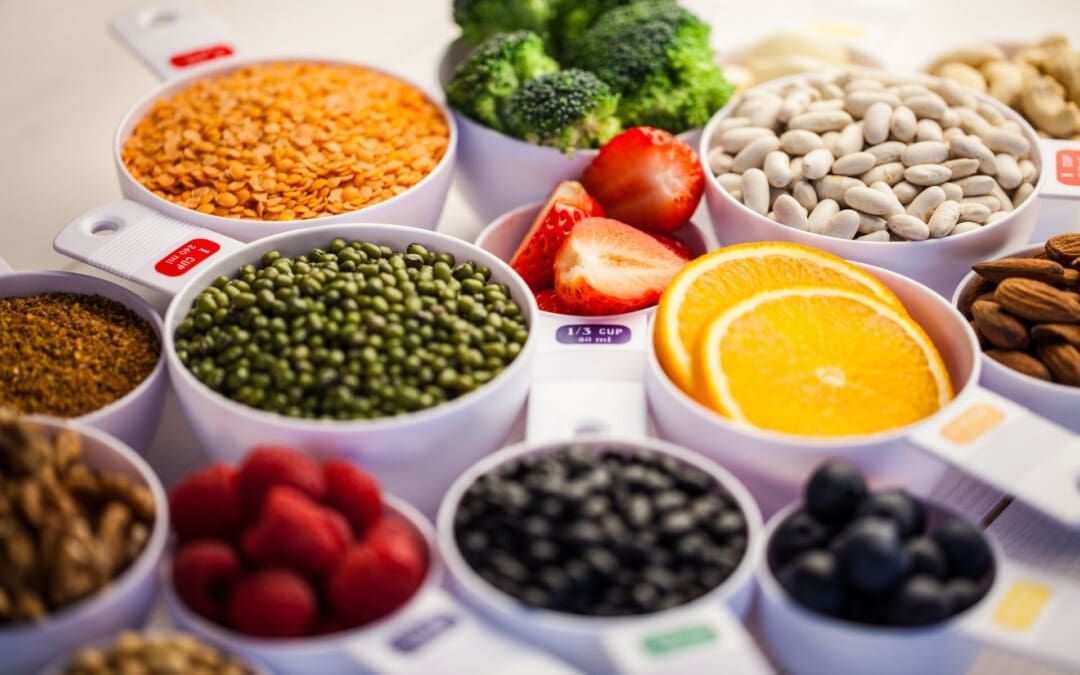
Individuals don’t have to memorize or overthink every vitamin, mineral, or macronutrient. Can having a basic understanding of the role different nutrients play in overall health and daily function help make food decisions easier?
Nutrients The Body Needs
Nutrients, in general, are substances that provide nourishment for growth and the maintenance of life. There are six categories of nutrients, all of which are necessary to sustain life.
Categories
Carbohydrates
Fats
Minerals
Proteins
Vitamins
Water
Macronutrients vs. Micronutrients
Categorizing nutrients makes remembering easy and allows for comparison and contrast. Nutrients are grouped by size or how they function in the body. There are two groups: micronutrients and macronutrients, with water usually left alone in a group.
Carbohydrates, Proteins, and Fats
They are macronutrients because they are large energy nutrients and provide the fuel the body needs to function.
Fiber is a carbohydrate the body can’t digest, so it doesn’t provide energy or structure assistance. However, it is necessary for digestive system function. (US National Library of Medicine, 2023)
Two types are soluble fiber, which dissolves in water, and insoluble fiber, which doesn’t.
Vitamins and Minerals
They are called micronutrients because they’re smaller.
They are essential nutrients, but the body only needs little bits.
Micronutrients are classified by whether they’re fat or water-soluble.
Vitamins A, D, E, and K are fat-soluble.
B-complex vitamins and C are water-soluble.
Minerals are grouped as major or trace minerals, depending on how much of each is necessary. Nutrients can also be grouped by whether or not they are organic, meaning organic chemistry, not organic farming or food production. Water and minerals are inorganic; the rest are organic because they contain carbon atoms.
Importance
Nutrients are necessary for proper health and development for the following reasons.
Energy Production
Carbohydrates, fats, and proteins provide energy (measured in calories) for the body’s daily and night biochemical reactions (Academy of Nutrition and Dietetics, 2024). Fat has more calories than carbohydrates or protein; one gram of fat has nine calories, and carbohydrates or protein have four calories per gram.
Maintain Body Structures
Fats, proteins, and minerals build and maintain tissues, organs, and other structures, including bones and teeth.
The body can convert any extra carbohydrates into fat stored in adipose tissue.
The body can also store carbohydrates as glycogen in the muscles and liver and use them as energy.
When the tanks are full, the body stores carbohydrates as fat.
Regulate Body Functions
Nutrients assist in body function regulation.
All regulate body functions such as sweating, temperature, metabolism, blood pressure, thyroid function, and more.
When all different functions are balanced, the body is in homeostasis.
Phytonutrients
Phytonutrients are not included in the major classes but are chemical compounds found in plants that can provide potential health benefits. (Gupta C., & Prakash D. 2014) There are various names they go by, such as flavonoids, phytochemicals, flavones, isoflavones, catechins, and anthocyanidins, and commonly include beta-carotene, lycopene, and resveratrol. (The Foundation for Fresh Produce, 2024) Ongoing studies are investigating the role they play in human health. However, because they typically occur in nutritious foods, it can be challenging to know how much of the benefits come from the regular nutrients or the phytonutrients.
Injury Medical Chiropractic and Functional Medicine Clinic
A balanced diet looks different for everyone. Learning about how nutrients maintain body health will help when choosing foods and planning meals. Consuming various products like fruits and vegetables, grains, proteins, healthy fats, and sweets and treats in moderation. Injury Medical Chiropractic and Functional Medicine Clinic works with primary healthcare providers and specialists to develop a personalized treatment plan through an integrated approach to treating injuries and chronic pain syndromes, improving flexibility, mobility, and agility programs to relieve pain and help individuals return to optimal function. Our providers use an integrated approach to create personalized care plans for each patient and restore health and function to the body through nutrition and wellness, functional medicine, acupuncture, Electroacupuncture, and sports medicine protocols. If the individual needs other treatment, they will be referred to a clinic or physician best suited for them. Dr. Jimenez has teamed up with top surgeons, clinical specialists, medical researchers, nutritionists, and health coaches to provide the most effective clinical treatments.
Eat Right, Feel Better
References
US National Library of Medicine. (2023). Dietary fiber. Retrieved from https://medlineplus.gov/dietaryfiber.html
Academy of Nutrition and Dietetics. (2024). Essential Nutrients. https://www.eatright.org/health/essential-nutrients
Gupta, C., & Prakash, D. (2014). Phytonutrients as therapeutic agents. Journal of complementary & integrative medicine, 11(3), 151–169. https://doi.org/10.1515/jcim-2013-0021
The Foundation for Fresh Produce. (2024). What Are Phytonutrients? https://fruitsandveggies.org/stories/what-are-phytochemicals/
Can understanding the philosophy of intuitive eating help individuals achieve and maintain health goals by breaking free from diets and getting healthy by improving their relationship with food and exercise?
Intuitive Eating
Intuitive eating is a non-diet approach to eating that focuses on listening to the body with internal body cues. Strict food rules are the main reason diets don’t work and negatively impact overall health and well-being. (Linardon, J., & Mitchell, S. 2017) Intuitive eating is characterized by eating in response to physiological hunger and satiety cues rather than emotional cues. The body was born to eat when hungry and stop when full. However, this natural way of eating can get lost in emotions, food rules, and restrictions. Fortunately, getting back to intuitive eating is possible for everyone.
How Does It Work?
Intuitive eating is a non-diet approach that steps away from a diet mentality and applies healthy behaviors around food. It focuses on unlearning external rules, like diet rules and expectations of what and how much to eat, and emphasizes internal cues like hunger, fullness, and how foods make you feel. It is based on principles that help build a healthier relationship with food. Individuals become aware of what to eat, how much to eat, and when to eat naturally, without worry or guilt.
Mindful Eating
Mindful eating is not the same thing as intuitive eating. Individuals can think of mindful eating as a skill or practice, while intuitive eating is a philosophy.
Principles
Understanding the ten core principles and how they work together is important.
Remove The Diet Mentality
Let go of the quick fixes and gimmick diets. These offer false hope that weight loss is easy, quick, and permanent and can make individuals feel like failures for losing and regaining weight.
Honor Hunger
Hunger is a normal, biological process. The body requires adequate amounts of energy and carbohydrates to function properly. Ignoring these cues and hunger can lead to cravings, overeating, and binges. Learning to honor hunger cues sets the stage for rebuilding trust with food. A food scale can help determine proper portions.
Make Friends With Food
Allow yourself unconditional permission to eat what you want. This means including all foods without labeling them as good or bad. Once an individual tells themself they can’t have a certain food, they can feel deprived, and intense cravings can build that often lead to overeating, binges, and extreme food guilt.
Get the Food Police Out Of Your Head
Learn to say no to self-induced thoughts of good or bad based on what is being eaten or how many calories are involved. Diets often say eating too many calories or enjoying a cookie is bad. These rules and restrictions can lower self-esteem and cause feelings of guilt. Removing negative food thoughts, guilt, and other rules is critical to intuitive eating.
Respect The Body’s Fullness
Listen for body cues that say you are full. This means your body is no longer hungry and should stop eating. Enjoy the flavors, stay aware of satiety signals throughout meals, and always be aware of your fullness level.
Satisfaction Factor
Learn to find joy and satisfaction in the eating experience. Eating what they want in an inviting environment promotes happiness and satisfaction, and a positive eating experience has been shown to promote satisfaction with even less food.
Honor Feelings Without Using Food
Don’t fix problems with food. Learn healthy ways to cope with emotions like stress, anxiety, anger, or boredom without turning to food. Feeding emotional hunger only makes feelings worse and adds guilt to the mix.
Respect Your Body
Body size and shape are unique for each person. Acceptance is an important part of self-respect and love. Instead of being critical, embrace individual genetic blueprints.
Being unrealistic and critical about one’s body makes it difficult to reject the diet mentality.
Exercise
Exercise doesn’t have to be intense or extreme to be effective. Individuals should focus on how good it feels to be active and moving their bodies rather than how many calories are burned during the workout sessions. Feeling great and motivated about exercise is easy when there is increased energy, better sleep, and improved quality of life.
Honor Health
Individuals don’t have to be perfect eaters. Infrequently eating a certain snack or meal won’t make you gain weight or cause health problems.
It’s what is eaten consistently over time that matters. Making food choices that taste good and nourish the body is what counts.
Weight Loss Benefits
Intuitive eating is not designed for weight loss. It aims to improve an individual’s relationship with food, including building healthier food behaviors and not focusing on the weight scale. However, learning to be an intuitive eater can help individuals lose weight by allowing the body to break the diet cycle and settle into its natural set point weight range.
Overall Health Benefits
Intuitive eating has been shown to have both physical and emotional health benefits that include:
Higher levels of contentment and satisfaction
Reduced stress
Increased self-esteem
Better body image outlook
Improved cholesterol levels
Improved metabolism
Lower rates of emotional and disordered eating
In a 24-study review that examined the psychosocial effect intuitive eating had on adult women was associated with the following positive results (Bruce, L. J., and Ricciardelli, L. A. 2016)
Decreased eating disorders
Improved positive outlook on body image
Higher emotional functioning
Another study compared restrictive diets and intuitive eating among men and women. The study found that intuitive eating uniquely and consistently presented lower levels of disordered eating and body image concerns. (Linardon, J., & Mitchell, S. 2017) Participants using intuitive eating expressed high levels of body appreciation, and researchers suggested promoting the practice within public health approaches to eating disorder prevention. The study also supported intuitive eating by promoting body acceptance and removing unhealthy thinking about food and eating.
Injury Medical Chiropractic and Functional Medicine Clinic works with primary healthcare providers and specialists to develop a personalized treatment plan through an integrated approach to create personalized care plans for each patient and restore health and function to the body through nutrition and wellness, functional medicine, acupuncture, Electroacupuncture, and sports medicine protocols. If the individual needs other treatment, they will be referred to a clinic or physician best suited for them. Dr. Jimenez has teamed up with top surgeons, clinical specialists, medical researchers, nutritionists, and health coaches to provide the most effective clinical treatments.
Eating Smart To Feel Better
References
Linardon, J., & Mitchell, S. (2017). Rigid dietary control, flexible dietary control, and intuitive eating: Evidence for their differential relationship to disordered eating and body image concerns. Eating behaviors, 26, 16–22. https://doi.org/10.1016/j.eatbeh.2017.01.008
Bruce, L. J., & Ricciardelli, L. A. (2016). A systematic review of the psychosocial correlates of intuitive eating among adult women. Appetite, 96, 454–472. https://doi.org/10.1016/j.appet.2015.10.012
For individuals looking to improve their fitness health, can a fitness assessment test identify potential areas and help evaluate overall health and physical status?
Fitness Assessment
A fitness test, also known as a fitness assessment, helps evaluate an individual’s overall and physical health. It comprises a series of exercises to design an appropriate exercise program for general health and fitness. (National Strength and Conditioning Association. 2017) Fitness assessment testing benefits include:
Identifying areas that need improvement.
Assisting professionals in understanding what types of exercise are safest and most effective.
Helping measure fitness progress over time.
Allowing for an individualized plan that can help prevent injuries and maintain the body’s overall health.
An assessment can comprise a wide range of tests, including:
Body composition tests.
Cardiovascular stress tests.
Endurance tests.
Range of motion tests.
They are meant to ensure the individual won’t be at risk of injury and provide the trainer with the insights needed to establish clear and effective fitness goals. Individuals who wonder whether fitness testing would benefit them should consult their healthcare provider.
General Health
Before starting a fitness program, it is important to inform the trainer of individual medical history and get the necessary approval from a primary healthcare provider. (Harvard Health Publishing. Harvard Medical School. 2012) Fitness specialists usually use one or more screening tools to help determine individual baseline health.
This may include obtaining vital sign measurements like height and weight, resting heart rate/RHR, and resting blood pressure/RBP. Many trainers will also use a physical activity readiness questionnaire/PAR-Q comprising questions about general health. (National Academy of Sports Medicine. 2020) Among the questions, individuals may be asked about the medications being taken, any problems with dizziness or pain, or medical conditions that may impair their ability to exercise.
Body Composition
Body composition describes total body weight components, including muscles, bones, and fat. The most common methods for estimating body composition include:
Bioelectrical Impedance Analysis – BIA
During BIA, electrical signals are sent from electrodes through the soles of the feet to the abdomen to estimate body composition. (Doylestown Health. 2024)
These measurements use calipers to estimate the amount of body fat in a fold of skin.
Cardiovascular Endurance
Cardiovascular endurance testing, also known as stress testing, measures how efficiently the heart and lungs work to supply oxygen and energy to the body during physical activity. (UC Davis Health, 2024) The three most common tests used include:
12-minute Run Tests
Twelve-minute run tests are performed on a treadmill, and an individual’s pre-exercise heart and respiration rates are compared with post-exercise heart and respiration rates.
Exercise Stress
Exercise stress testing is performed on a treadmill or stationary bike.
It involves using a heart monitor and blood pressure cuff to measure vital signs during exercise.
VO2 Max Testing
Performed on a treadmill or stationary bike.
V02 max testing uses a breathing device to measure the maximum rate of oxygen consumption during physical activity (UC Davis Health, 2024)
Some trainers will incorporate exercises like sit-ups or push-ups to measure response to specific exercises.
These baseline results can be used later to see if health and fitness levels have improved.
Strength and Endurance
Muscle endurance testing measures the length of time a muscle group can contract and release before it fatigues. Strength testing measures the maximal amount of force a muscle group can exert. (American Council on Exercise, Jiminez C., 2018) The exercises used include:
The push-up test.
Core strength and stability test.
Sometimes, a trainer will use a metronome to measure how long the individual can keep up with the rhythm. The results are then compared to individuals of the same age group and sex to establish a baseline level. Strength and endurance tests are valuable as they help the trainer spot which muscle groups are stronger, vulnerable, and need focused attention. (Heyward, V. H., Gibson, A. L. 2014).
Flexibility
Measuring the flexibility of joints is vital in determining whether individuals have postural imbalances, foot instability, or limitations in range of motion. (Pate R, Oria M, Pillsbury L, 2012)
Shoulder Flexibility
Shoulder flexibility testing evaluates the flexibility and mobility of the shoulder joint.
It is performed by using one hand to reach behind the neck, between the shoulders, and the other hand to reach behind the back, toward the shoulders, to measure how far apart the hands are. (Baumgartner TA, PhD, Jackson AS, PhD et al., 2015)
Fitness assessment testing has various benefits. It can help trainers design a personalized workout program, help individuals identify fitness areas that need improvement, measure progress, and add intensity and endurance to their routine, which can help prevent injuries and help maintain overall health. We focus on what works for you and strive to better the body through researched methods and total wellness programs. These natural programs use the body’s ability to achieve improvement goals. Ask a healthcare professional or fitness professional for guidance if you need advice.
PUSH Fitness
References
National Strength and Conditioning Association. (2017). Purposes of assessment. https://www.nsca.com/education/articles/kinetic-select/purposes-of-assessment/
Harvard Health Publishing. Harvard Medical School. (2012). Do you need to see a doctor before starting your exercise program? HealthBeat. https://www.health.harvard.edu/healthbeat/do-you-need-to-see-a-doctor-before-starting-your-exercise-program
National Academy of Sports Medicine. (2020). PAR-Q-+ The Physical Activity Readiness Questionnaire for Everyone. https://www.nasm.org/docs/pdf/parqplus-2020.pdf?sfvrsn=401bf1af_24
Doylestown Health. (2024). Bio-Electrical Impedance Analysis (BIA)-Body Mass Analysis. https://www.doylestownhealth.org/service-lines/nutrition#maintabbed-content-tab-2BDAD9F8-F379-403C-8C9C-75D7BFA6E596-1-1
National Heart, Lung, and Blood Institute. U.S. Department of Health and Human Services. (N.D.). Calculate your body mass index. Retrieved from https://www.nhlbi.nih.gov/health/educational/lose_wt/BMI/bmicalc.htm
UC Davis Health. (2024). VO2max and Aerobic Fitness. https://health.ucdavis.edu/sports-medicine/resources/vo2description
American Council on Exercise. Jiminez C. (2018). Understanding 1-RM and Predicted 1-RM Assessments. ACE Fitness. https://www.acefitness.org/fitness-certifications/ace-answers/exam-preparation-blog/2894/understanding-1-rm-and-predicted-1-rm-assessments/
Heyward, V. H., Gibson, A. L. (2014). Advanced Fitness Assessment and Exercise Prescription. United Kingdom: Human Kinetics. https://www.google.com/books/edition/Advanced_Fitness_Assessment_and_Exercise/PkdoAwAAQBAJhl=en&gbpv=1&dq=Strength+and+endurance+tests+muscle+groups+are+stronger+and+weaker&pg=PA173&printsec=frontcover#v=onepage&q=Strength%20and%20endurance%20tests%20muscle%20groups%20are%20stronger%20and%20weaker&f=false
Pate R, Oria M, Pillsbury L, (Eds). (2012). Health-related fitness measures for youth: Flexibility. In R. Pate, M. Oria, & L. Pillsbury (Eds.), Fitness Measures and Health Outcomes in Youth. https://doi.org/10.17226/13483
Baumgartner, T. A., Jackson, A. S., Mahar, M. T., Rowe, D. A. (2015). Measurement for Evaluation in Kinesiology. United States: Jones & Bartlett Learning. https://www.google.com/books/edition/Measurement_for_Evaluation_in_Kinesiolog/_oCHCgAAQBAJ?hl=en&gbpv=1&dq=Measurement+for+Evaluation+in+Kinesiology+(9th+Edition).&printsec=frontcover#v=onepage&q&f=false
American Council of Exercise. Metcalf A. (2014). How to improve flexibility and maintain it. ACE Fitness. https://www.acefitness.org/resources/everyone/blog/3761/how-to-improve-flexibility-and-maintain-it/
For individuals, does knowing about food condiments nutritional values help with overall health?
Food Condiments
Condiment options go beyond the standard mayonnaise, ketchup, and mustard. Today there are various options to use as toppers, to marinate, tenderize, increase flavor, and add an appeal to the dish. Most condiments don’t provide much nutrition, but some do contain healthy ingredients like herbs, spices, heart-healthy fats, and antioxidants.
Healthy
The food condiments that are made the healthiest are those that are low in calories and unhealthy fat and they are made with less or no processed additives and quality ingredients that provide health benefits.
Pico de Gallo
This is a low-calorie, low-fat, nutrient-dense salsa that can zest up any meal.
It is made with tomatoes, onions, jalapeños, and lime.
Easily make your own to control sodium levels.
Top salads, vegetables, or protein with the salsa to add flavor.
Use as a dip for fresh raw vegetables as a snack.
Mustard
Mustard is a very low-calorie – 5 calories in 1 teaspoon, low-carbohydrate, and fat-free condiment that can increase the flavor of food by adding a sweet, sour, or spicy kick.
Most traditional mustards – yellow and spicy – are made with mustard seed, distilled vinegar, garlic powder, onion powder, salt, spices, and turmeric.
This means that mustard contains little or insignificant calories, fat, protein, and carbohydrate in one serving.
Studies have shown that turmeric can provide health benefits from a compound called curcumin.
Preclinical studies suggest that curcumin can act as an antioxidant and has anti-inflammatory, anticancer, and neuroprotective properties. (Abrahams S, et al., 2019)
Flavored mustards, like honey flavor, can contain added sugars, therefore, it is recommended to read the label before eating.
Balsamic, red or white wine or apple cider vinegar can be used on side dishes, salads, sandwiches, and to marinate.
This condiment ranges from 0 calories to 10 calories per tablespoon and contains no sodium.
Studies have shown that apple cider vinegar can reduce fasting blood sugar in individuals at risk for type 2 diabetes. (Johnston CS, Quagliano S, White S. 2013)
Hot Sauce
Hot sauce is made from red chili peppers.
Top eggs, vegetables, or whole grains with a few dashes.
Studies suggest that adding spice can help satisfy hunger, help curb appetite and possibly speed up metabolism. (Emily Siebert, et al., 2022)
Read labels as sauces can contain added sugars.
Ketchup
Because of its carbohydrate and sugar content, ketchup is a condiment that needs to be portion-controlled, especially for individuals with diabetes who are following a modified nutritional plan.
Although much of the fat is unsaturated/healthy type, it can be hard to portion control this food condiment, which can result in excess calorie intake.
Barbecue Sauce
Barbecue sauce is moderate in calories, around 60 in two tablespoons, but it can contain a large amount of sodium and sugar.
Most brands can contain 10 to 13 grams of sugar/equivalent to 3 teaspoons and 280 to 350 milligrams of sodium.
The recommended serving size is two tablespoons.
Individuals trying to watch calorie and sugar intake are recommended to stick to one serving.
Sour Cream
Sour cream contains 60 calories and 6 grams of fat in two tablespoons.
Regularly consuming saturated fat has been linked with heart disease, high cholesterol, and diabetes.
A healthy substitute for sour cream can be a tablespoon or two of low-fat or non-fat plain Greek yogurt.
Regardless of the healthy or non-healthy food condiments, it is recommended not to drown the food in them and stick to the recommended serving sizes.
Benefits of Healthy Diet and Chiropractic Care
References
Abrahams, S., Haylett, W. L., Johnson, G., Carr, J. A., & Bardien, S. (2019). Antioxidant effects of curcumin in models of neurodegeneration, aging, oxidative and nitrosative stress: A review. Neuroscience, 406, 1–21. https://doi.org/10.1016/j.neuroscience.2019.02.020
Spicy brown mustard. FoodData Central. U.S. Department of Agriculture.
Johnston CS, Quagliano S, White S. Vinegar ingestion at mealtime reduced fasting blood glucose concentrations in healthy adults at risk for type 2 diabetes. J Funct Foods. 2013;5(4):2007-2011. doi:10.1016/j.jff.2013.08.003
Siebert, E., Lee, S. Y., & Prescott, M. P. (2022). Chili pepper preference development and its impact on dietary intake: A narrative review. Frontiers in nutrition, 9, 1039207. https://doi.org/10.3389/fnut.2022.1039207
Ketchup. FoodData Central. U.S. Department of Agriculture.
Caesar dressing. FoodData Central. U.S. Department of Agriculture.
Vinaigrette. FoodData Central. U.S. Department of Agriculture.
Mayonnaise. FoodData Central. U.S. Department of Agriculture.
Sour cream, regular. FoodData Central. U.S. Department of Agriculture.
A healthy diet and proper nutrition are essential for the body’s overall health and physical wellness. Improper nutrition can lead to the body’s inability to repair muscle, affect muscle density, affect fluid levels in the cells, organ function, and nerve function. Individuals who receive chiropractic treatment regularly tend to experience fewer colds and illnesses, reduced aches and pains, and improved mood overall. There are nutritional options and certain foods individuals are recommended to follow to get the most benefits from the chiropractic treatment. A healthy diet, proper hydration, exercise, and rest can help keep the body on the road to optimal health.
Poor Diet Inflammation
A poor diet and bad eating habits cause the body not to operate efficiently. The body becomes weary and tired, causing it to break down. Those who favor processed foods, sugar, and empty calories that have no nutritional value put their bodies at risk for inflammation. Inflammation can lead to muscle pain, joint pain, and other health conditions. Chronic inflammation over time can lead to:
DNA damage
Tissue death
Internal scarring
All are linked to the development of several diseases, including cancer.
Physical Wellness Foods
Individuals begin to feel much better and healthier when eating whole foods. It can be hard to make the switch for those that have been eating poorly for years, but once begun, most individuals feel better almost immediately.
Steamed Vegetables
Eat a variety of tolerable vegetables.
Steaming improves the utilization/availability of the food substances and reduces the irritating residue in the gut, allowing it to restore itself.
For anti-inflammation, it is recommended to avoid tomatoes, potatoes, eggplant, and bell peppers.
Nuts
Any nut that is tolerable except peanuts, like almonds, cashews, brazil nuts, sunflower seeds, and walnuts are all recommended.
Legumes
Any legumes tolerable like split peas, lentils, kidney beans, pinto beans, soybeans, mung beans, garbanzo beans, and adzuki beans.
Grains
It is recommended to eat one to two cups of cooked grains per day.
These include millet, basmati or brown rice, quinoa, barley, buckwheat, oatmeal, and amaranth.
It is recommended not to eat wheat, whole grain, or otherwise.
No bread, plan meals so that bread is not required, as bread can raise sugar levels and increase an inflammatory marker.
Fish
Deep-sea fish is preferred that includes salmon, halibut, cod, sardines, tuna, mackerel.
The fish should be poached, baked, steamed, or broiled.
No shellfish or swordfish.
Chicken and Turkey
Eat only white meat and do not eat the skin.
The chicken should be baked, broiled, or steamed.
Free-range or organic chicken is preferable.
Fruit
Raw is best, can be baked at a low temp and made into juice.
One of the essential things that chiropractors recommend is to cut out artificial sweeteners and excess sugar.
Small amounts of maple syrup, rice syrup, barley syrup, and honey can be used.
Sugar cravings can be avoided by eating protein with each meal.
Water and Herbal Teas
Drink 8 to 10 glasses of water every day.
Drink 2 to 4 cups of herbal tea, sipped slowly in the evening.
Body Composition
Antibiotics
Antibiotics are designed to cure bacterial infections by killing invading bacteria. However, antibiotics don’t separate the good bacteria from the bad. As a result, antibiotic therapy of only three to four days can alter gut microbe population and diversity. Studies have shown that children are particularly at risk as reduced gut bacteria diversity has been linked with childhood obesity. For this reason, make sure to follow a physician’s instructions when using antibiotics. Spending time outdoors regularly can help increase the body’s exposure to microbial diversity. Gardening is a great way to get dirty with soil to reacquaint the gut flora and maintain the body’s physical wellness.
References
Fritsche, Kevin L. “The science of fatty acids and inflammation.” Advances in nutrition (Bethesda, Md.) vol. 6,3 293S-301S. 15 May. 2015, doi:10.3945/an.114.006940
Kapczuk, Patrycja et al. “Żywność wysokoprzetworzona i jej wpływ na zdrowie dzieci i osób dorosłych” [Highly processed food and its effect on health of children and adults]. Postepy biochemii vol. 66,1 23-29. 23 Mar. 2020, doi:10.18388/pb.2020_309
Ricker, Mari Anoushka, and William Christian Haas. “Anti-Inflammatory Diet in Clinical Practice: A Review.” Nutrition in clinical practice: official publication of the American Society for Parenteral and Enteral Nutrition vol. 32,3 (2017): 318-325. doi:10.1177/0884533617700353
Serafini, Mauro, and Ilaria Peluso. “Functional Foods for Health: The Interrelated Antioxidant and Anti-Inflammatory Role of Fruits, Vegetables, Herbs, Spices and Cocoa in Humans.” Current pharmaceutical design vol. 22,44 (2016): 6701-6715. doi:10.2174/1381612823666161123094235
Wahlqvist, Mark L. “Food structure is critical for optimal health.” Food & function vol. 7,3 (2016): 1245-50. doi:10.1039/c5fo01285f
New Year�s Resolutions made by well-meaning but, unfortunately, less than 10 percent of people who make resolutions feel that they successfully achieve them and only 45 percent last past six months. Self-improvement goals like lose weight, eat healthier, quit smoking, and life improvement rank in the top five more popular resolutions. So, what is that 10 percent doing that makes them successful at achieving their goals? What sets them apart?
SMART Approach to Successful Goals
The SMART approach is a guide for setting realistic goals and attaining them. It is an acronym that outlines a success-focused strategy for goal setting:
Specific
Measurable
Accountable
Realistic
Timeframe
Each step will bring you closer to achieving your goals and improve your health.
Be SPECIFIC about your goals
Vague, ambiguous goals can�t stand up to time and temptation. Get specific.
Say you want to lose weight. How much do you want to lose? How do you plan to accomplish it? What are your reasons for setting this goal? Whatever goal you are setting, ask why and get specific about the details.
Set Goals that are MEASURABLE
If you set a goal that you can�t measure, how will you know when you reach it?
Any goal that you have can be measured in some way. Weight loss is measured in pounds, how your clothes fit, or how many inches you�ve lost. Eating healthy can be measured by what foods you incorporate into your diet, getting the junk food out of your pantry, and finding healthy recipes.
It helps to break your main goal into several smaller, attainable ones. It lets you see success very early, and you keep seeing success which spurs your motivation, making you less likely to abandon your efforts.
Hold Yourself ACCOUNTABLE
Accountability is a great motivator for helping you stick to your goals. Keeping a journal has long been a great way to keep yourself accountable, but there are many website and software programs that you can use to track your efforts that may prove to be even more effective.
Partnering up with a buddy is also a great strategy. Choosing someone who has a goal similar to yours allows you to hold each other accountable. Plus, success is always better when you can share it with a friend.
Keep Your Goals REALISTIC
Unrealistic or unattainable goals are motivation killers. Even goals that are too difficult or require high-pressure effort over a long period can be challenging to�see all the way through.
As you sit down, think about not only what you want to achieve, but what that looks like in your life. In other words, consider your personality and lifestyle, structuring your goals to accommodate those factors.
If your goal is to lose weight, setting a goal of 30 pounds in 30 days is not only unrealistic but unhealthy. On the other hand, setting a 2 pound per week loss is a goal that you will likely find to be much easier.
Set a TIME-FRAME, but Keep it Flexible
Creating a timeframe for meeting your goals gives your efforts structure which helps to keep you motivated. Make sure your timelines are realistic; give yourself enough time.
If the constraints are too tight, you could find that you veer off the path and even lose sight. Stay flexible, though. If you don�t reach a target within a given timeframe, don�t be afraid to move it a little.
As long as you are moving forward, toward your goal you don�t need to limit yourself just because you didn�t complete it within the time you allotted initially. It�s about meeting your goals�and making lasting changes that will affect your overall health for the better. Cut yourself some slack.
IFM's Find A Practitioner tool is the largest referral network in Functional Medicine, created to help patients locate Functional Medicine practitioners anywhere in the world. IFM Certified Practitioners are listed first in the search results, given their extensive education in Functional Medicine