Individuals that have undergone spine surgery or spinal fusion for extreme low back pain caused by degeneration, herniated disks, sciatica, and other injuries could benefit from gentle chiropractic therapy post-surgery. Spinal fusion surgery is one of the last options after non-invasive treatment/s aren’t providing relief like:
Massage
Physical therapy
Chiropractic
Medications
However, many patients still experience pain/discomfort after the surgery and wonder which rehabilitation treatment options are available to them. Is chiropractic care still an option after major spinal surgery? Doctors will warn patients about the risks of receiving chiropractic treatment after surgery. This is true with high-velocity low-amplitude spinal adjustments/manipulation.
But incorporating gentle chiropractic therapy could benefit individuals still experiencing back pain after surgery. However, an individual needs to be adequately healed prior to beginning treatment. At Injury Medical Chiropractic and Functional Wellness Clinic, we regularly consult with patients post-surgery about the effectiveness of spinal rehabilitation therapy.
After the surgery wait time
Spinal fusion surgeryremoves the discs between two or more vertebrae and fuses the bones together with screws and plates. The objective is to correct conditions like herniated discs and degenerative disc disease by immobilizing the spine in that area. It can take three months for the vertebrae to fuse together and create a complete immobilized graft. Once the graft is complete, physical therapy is brought in to strengthen the muscles around the graft. Patients are told to avoid any twisting and bending motions, or the graft could break.
How gentle chiropractic therapy can help
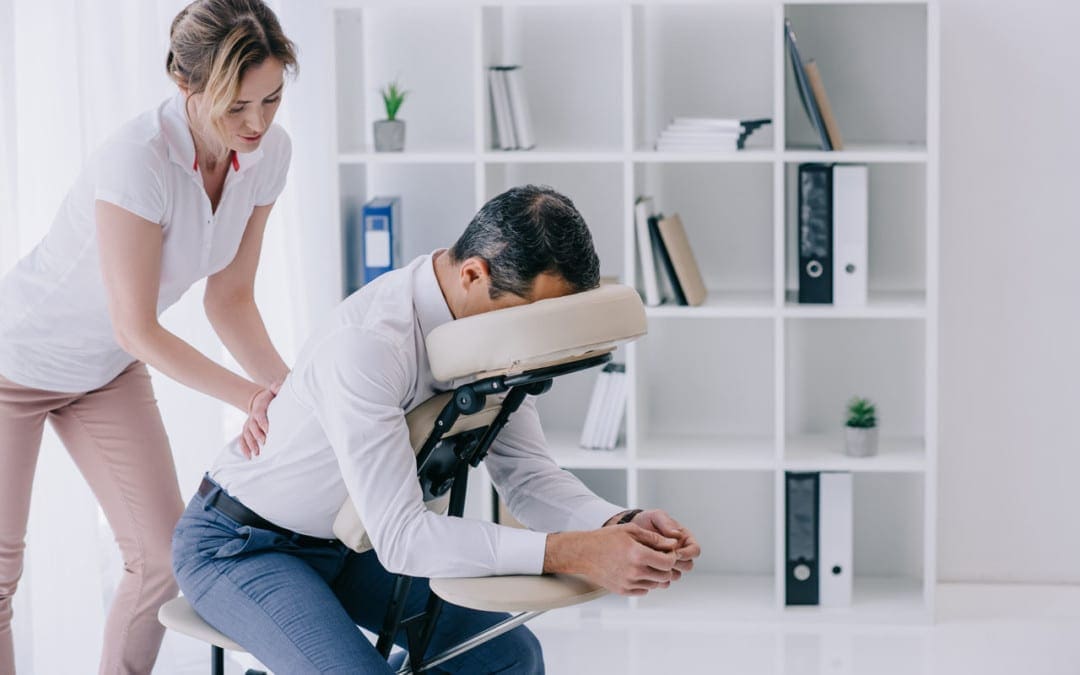
Spinal fusion surgery is not guaranteed to cure the problem causing an individual’s back pain. Gentle chiropractic therapy can help by therapeutically massaging the area/s keeping the muscles loose and flexible. Gentle manipulations are utilized to adjust or realign bones in the spine and other areas of the body. Because chiropractic treatment can involve intricate spinal manipulations, many individuals that have undergone back surgery can be hesitant to consider chiropractic treatment.
Discuss the possibility of receiving chiropractic therapy with a physician to determine whether the surgical graft is strong enough to withstand gentle spinal manipulations. A patient post-surgery is at greater risk of injury if they are not healed correctly before receiving chiropractic treatment. If the graft is adequately healed and a physician feels that the body is strong enough to endure mild spinal manipulations, reach out to a chiropractor to discuss treatment options.
Body Composition Clinic
Benefits of a cheat day
Cheat days can be a highly useful tool to help motivate sticking to a diet plan. Cheat days can help build a positive relationship with food. The goal is to see one’s favorite dessert/comfort food as a reward and not a coping mechanism. However, cheat days not a license to binge eat.
Binge eating can lead to eating-related issues and hurt an individual’s ability to self-regulate. Binge eating does not boost the body’s metabolism, but it can have the opposite effect. After a binge, the body’s system is overloaded with a rush of calories, sugar, and fat. In addition to causing hormone and energy levels to fluctuate, the excess of calories promotes:
Fat storage
Inflammation
Digestive discomfort
Bloating
Constipation
Cheat day frequency
Ultimately, cheat days depend on how well an individual self-regulates and what their short and long-term goals are. However, it can become very easy for a cheat day to become a cheat weekend, to a cheat week, and so on. Next thing an individual is back to old unhealthy eating habits. The objective is to understand what helps maintain motivation and develop a sustainable, long-term plan.
Dr. Alex Jimenez�s Blog Post Disclaimer
The scope of our information is limited to chiropractic, musculoskeletal, physical medicines, wellness, and sensitive health issues and/or functional medicine articles, topics, and discussions. We use functional health & wellness protocols to treat and support care for injuries or disorders of the musculoskeletal system. Our posts, topics, subjects, and insights cover clinical matters, issues, and topics that relate and support directly or indirectly our clinical scope of practice.*
Our office has made a reasonable attempt to provide supportive citations and has identified the relevant research study or studies supporting our posts. We also make copies of supporting research studies available to the board and or the public upon request. We understand that we cover matters that require an additional explanation as to how it may assist in a particular care plan or treatment protocol; therefore, to further discuss the subject matter above, please feel free to ask Dr. Alex Jimenez or contact us at 915-850-0900. The provider(s) Licensed in Texas& New Mexico*
References
Perrucci, Rachel M, and Christopher M Coulis. �Chiropractic management of post-spinal cord stimulator spine pain: a case report.� Chiropractic & manual therapies�vol. 25 5. 6 Feb. 2017, doi:10.1186/s12998-017-0136-0
Fernandez, Matthew et al. �Surgery or physical activity in the management of sciatica: a systematic review and meta-analysis.� The European spine journal: official publication of the European Spine Society, the European Spinal Deformity Society, and the European Section of the Cervical Spine Research Society�vol. 25,11 (2016): 3495-3512. doi:10.1007/s00586-015-4148-y
O’Shaughnessy, Julie et al. �Chiropractic management of patients post-disc arthroplasty: eight case reports.��Chiropractic & osteopathy�vol. 18 7. 21 Apr. 2010, doi:10.1186/1746-1340-18-7
Analgesics are pain-relieving medications, also known as painkillers. These can be over-the-counter and prescription medications. Either could be part of a treatment plan for spine-related pain. Individuals dealing with back or neck conditions, typically take analgesics to reduce symptoms.
Analgesics are available over-the-counter/OTC and with a prescription
Prescription analgesics usually include the more powerful form of over-the-counter medications
Analgesics can be specialized with some to relieve pain, with others reducing inflammation/pain
Over-the-counter
Acetaminophen, Non-steroidal anti-inflammatory drugs, and topical analgesics are the most commonly used medications for various pain symptoms. Over-the-counter analgesics are most effective when taken at the first sign/presentation of acute pain. Whiplash, along with muscle sprains and strains are common injuries known to cause short term pain that can be mild to severe. Follow the medication’s instructions on dosage recommendations and precautions.
If the medication does not work or helps manage the pain, and/or pain symptoms worsen, contact your healthcare provider. This could be an indicator that a more powerful prescription analgesic is needed to help manage the pain, along with added therapy like physical therapy, and chiropractic to help avoid dependence on the prescription meds.
Acetaminophen
Tylenol is one form of medication taken for different types of pain and is one of the most popular over-the-counter analgesics. Acetaminophen’s purpose is exclusively to relieve pain. It does not reduce inflammation.
Non-steroidal anti-inflammatory drugs – NSAIDs
Non-steroidal anti-inflammatory drugs work to reduce inflammation and pain. Types of over-the-counter These include:
Aspirin
Ibuprofen
Naproxen
Topical analgesics
Topical analgesics like capsaicin cream and salicylates are an alternative to analgesics taken by mouth. These creams, balms, gels, and sprays are applied to the painful area. It is a very common application and is widely used for joint, muscle, and back pain. Salicylates are plant-based chemicals that operate to decrease the body’s production of prostaglandins. These are lipids that let the body know that there is a problem causing inflammation and pain.
Prescription
A doctor could prescribe an analgesic as part of a treatment plan to help manage short-term and chronic pain. It is extremely important to precisely follow the doctor’s instructions on how much and when to take the medication. Remember that any of these medications have the potential for side effects, which includes the risk of negative interactions when taken with other meds. Be sure to talk with a doctor about potential risks, and keep them informed about all medications like blood pressure and diabetes meds and natural herbs/vitamins/supplements taken for other medical conditions.
COX-2 Inhibitors
Cyclo-oxygenase-2 or COX-2 inhibitors are a prescription NSAID medication type that is formulated to target specific enzymes that trigger inflammation. Inflammation is not just a symptom but can also be a cause of pain related to many different spinal disorders. COX-2 inhibitors have a lower risk of causing/contributing to gastrointestinal problems.
There are other potential side effects and risks associated with COX-2 inhibitors. Potential side effects include an increased risk of cardiovascular problems, like a heart attack or blood clots. COX-2 inhibitors reduce the risk of stomach problems than classic NSAIDs but if gastrointestinal conditions exist to talk with a doctor before taking these medications.
Opioids
These are highly potent analgesics and are no longer the first type of pain-relieving medication that a doctor prescribes. They are now to be the last resort for reducing moderate to severe pain symptoms. These medications work by decreasing the perception and reaction to the pain. Opioids are prescribed for short-term use following surgical procedures and trauma. However, there are different situations where use is appropriate. When opioids are recommended, the doctor will begin with the lowest strength/dosage to manage the pain. Types of opioids include:
Analgesic medications are commonly used for various types of pain-causing conditions. When they are used properly with a doctor�s supervision they are safe and effective at managing pain and discomfort. If new symptoms present and/or the pain worsens or becomes different contact your doctor on appropriate instructions.
Chiropractic Neck Pain Treatment
Dr. Alex Jimenez�s Blog Post Disclaimer
The scope of our information is limited to chiropractic, musculoskeletal, physical medicines, wellness, and sensitive health issues and/or functional medicine articles, topics, and discussions. We use functional health & wellness protocols to treat and support care for injuries or disorders of the musculoskeletal system. Our posts, topics, subjects, and insights cover clinical matters, issues, and topics that relate and support directly or indirectly our clinical scope of practice.*
Our office has made a reasonable attempt to provide supportive citations and has identified the relevant research study or studies supporting our posts. We also make copies of supporting research studies available to the board and or the public upon request. We understand that we cover matters that require an additional explanation as to how it may assist in a particular care plan or treatment protocol; therefore, to further discuss the subject matter above, please feel free to ask Dr. Alex Jimenez or contact us at 915-850-0900. The provider(s) Licensed in Texas& New Mexico*
IFM's Find A Practitioner tool is the largest referral network in Functional Medicine, created to help patients locate Functional Medicine practitioners anywhere in the world. IFM Certified Practitioners are listed first in the search results, given their extensive education in Functional Medicine