For individuals trying to achieve healthy posture, could using posture awareness training be effective in treatment and prevention?
Posture Awareness
Spinal curves help support the body’s weight, movement, and balance. Five areas include the neck, upper back, lower back, sacrum, and coccyx. The bottom of the spine or sacrum rests between the two hip bones that comprise the pelvis. Because of this location, the movements made with the pelvis significantly affect the spine. (Ibrahim Alkatout, et al., 2021) When the pelvis moves, the spine moves.
Posture-related back pain and associated symptoms are often caused by a weakened strength and flexibility ratio between the opposing muscle groups that hold the body upright.
Achieving healthy posture requires technique and consistent practice for maintaining a healthy pelvis and low back curve. (DeokJu Kim, et al., 2015)
Finding the low back curve and exploring how it responds when moving the pelvis is important to effective posture awareness training.
Kim, D., Cho, M., Park, Y., & Yang, Y. (2015). Effect of an exercise program for posture correction on musculoskeletal pain. Journal of physical therapy science, 27(6), 1791–1794. https://doi.org/10.1589/jpts.27.1791
Alkatout, I., Wedel, T., Pape, J., Possover, M., & Dhanawat, J. (2021). Review: Pelvic nerves - from anatomy and physiology to clinical applications. Translational neuroscience, 12(1), 362–378. https://doi.org/10.1515/tnsci-2020-0184
Żurawski, A. Ł., Kiebzak, W. P., Kowalski, I. M., Śliwiński, G., & Śliwiński, Z. (2020). Evaluation of the association between postural control and sagittal curvature of the spine. PloS one, 15(10), e0241228. https://doi.org/10.1371/journal.pone.0241228
Zemková, E., & Zapletalová, L. (2021). Back Problems: Pros and Cons of Core Strengthening Exercises as a Part of Athlete Training. International journal of environmental research and public health, 18(10), 5400. https://doi.org/10.3390/ijerph18105400
For individuals trying to make healthy lifestyle adjustments, can adding protein bars into their diet help achieve health goals?
Protein Bar
Protein bars provide a quick energy boost between meals that can help curb appetite and avoid filling up on high-fat, sodium-packed snacks for individuals trying to lose weight. They can also increase calorie intake for individuals like athletes trying to increase muscle mass. Protein bars can vary in terms of factors like additives, calories, fat, sugars, and other ingredients. Labels need to be read carefully; otherwise, the bar can be more of a candy bar than a healthy, nutritious mini-meal or snack. It’s important to have a sense of how much protein is really needed each day, and the amount varies depending on individual factors.
How Much Protein Is Needed
Protein is vital to many body functions, but the body can’t produce this macronutrient, and it has to come from food. Dietary protein is broken down during digestion, and compounds known as amino acids are formed:
These are the building blocks the body uses to build and maintain muscles and organs.
It is vital to the production of blood, connective tissue, antibodies, enzymes, and hair. (Marta Lonnie, et al., 2018)
As protein is necessary for building muscle, athletes or individuals with physically demanding jobs are recommended to eat more.
The ideal protein intake considers how much is eaten at individual sittings. The average individual is recommended to consume between 25 and 35 grams of protein at every meal. (Emily Arentson-Lantz, et al., 2015)
Sources
The richest sources of dietary protein include:
Meats
Poultry
Fish and shellfish
Eggs
Milk and other dairy products
Plant sources include:
Beans
Legumes
Nuts
Seeds
Whole grains
These are foods that are easy to include in a balanced diet, so eating a variety in ample quantities daily will equal the recommended amount of protein. Recommendations are to stick with those low in saturated fat and processed carbs and rich in nutrients. However, eating too much protein can cause kidney problems. Therefore, individuals who are predisposed to kidney disease are recommended to be careful over-protein intake. (Kamyar Kalantar-Zadeh, Holly M. Kramer, Denis Fouque. 2020)
What To Look For
Incorporating protein bars into a diet, either as a between-meal snack, as a grab-and-go option when there is no time for a full meal, or as a part of a weight-loss or weight-gain strategy, individuals need to read and understand the ingredients on the different types of bars to choosing the healthiest options. Some general guidelines to consider:
Protein Content
For a between-meal or pre-post-workout snack, look for a bar with at least 20 grams of protein.
Meal replacement bars should have at least 30 grams of protein.
A less is more approach to these guidelines is recommended, as the body can digest only between 20 and 40 grams of protein in one sitting. (Brad Jon Schoenfeld, Alan Albert Aragon. 2018)
Protein Type
The protein usually comes from dairy or plant sources.
The most common include eggs, milk, rice, whey, soy, peas, and hemp.
Individuals with allergies or sensitivities need to choose a bar that is comprised of a type of protein that is safe to eat.
Calories
For a bar to eat between meals, recommendations are those with around 220 to 250 calories.
A protein bar that substitutes for a full meal can have 300 to 400 calories.
Fat
Ten to 15 grams of total fat and no more than two grams of saturated fat is ideal.
Steer clear of unhealthy trans fats found in partially hydrogenated oils.
Fiber
Fiber is filling, so the more fiber, the more likely it is to keep hunger satisfied until the next snack or meal.
It is recommended to choose those that contain more than three to five grams of fiber.
Sugar
Some protein bars have just as much sugar content as candy bars.
Some have as much as 30 grams of added sugar.
The ideal amount is around five grams or less.
Artificial sweeteners like erythritol, sorbitol, and maltitol are not better options as they can cause bloating and gas.
It is recommended to work with a nutritionist to figure out the most effective type so that they can be incorporated into an individual’s diet to achieve and maintain health goals.
Nutrition Fundamentals
References
Lonnie, M., Hooker, E., Brunstrom, J. M., Corfe, B. M., Green, M. A., Watson, A. W., Williams, E. A., Stevenson, E. J., Penson, S., & Johnstone, A. M. (2018). Protein for Life: Review of Optimal Protein Intake, Sustainable Dietary Sources and the Effect on Appetite in Ageing Adults. Nutrients, 10(3), 360. https://doi.org/10.3390/nu10030360
Stephens, T. V., Payne, M., Ball, R. O., Pencharz, P. B., & Elango, R. (2015). Protein requirements of healthy pregnant women during early and late gestation are higher than current recommendations. The Journal of nutrition, 145(1), 73–78. https://doi.org/10.3945/jn.114.198622
Arentson-Lantz, E., Clairmont, S., Paddon-Jones, D., Tremblay, A., & Elango, R. (2015). Protein: A nutrient in focus. Applied physiology, nutrition, and metabolism = Physiologie appliquee, nutrition et metabolisme, 40(8), 755–761. https://doi.org/10.1139/apnm-2014-0530
Kalantar-Zadeh, K., Kramer, H. M., & Fouque, D. (2020). High-protein diet is bad for kidney health: unleashing the taboo. Nephrology, dialysis, transplantation : official publication of the European Dialysis and Transplant Association – European Renal Association, 35(1), 1–4. https://doi.org/10.1093/ndt/gfz216
Schoenfeld, B. J., & Aragon, A. A. (2018). How much protein can the body use in a single meal for muscle-building? Implications for daily protein distribution. Journal of the International Society of Sports Nutrition, 15, 10. https://doi.org/10.1186/s12970-018-0215-1
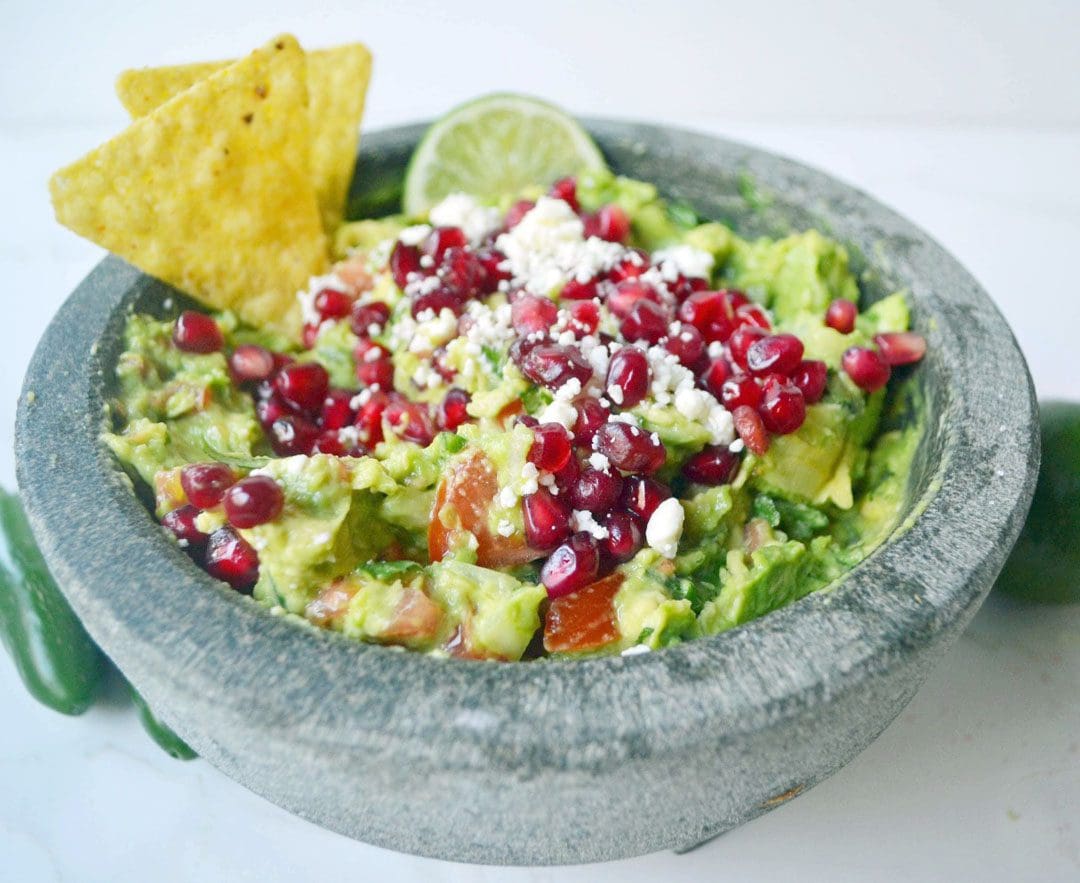
For individuals looking to increase their antioxidant, fiber, and vitamin intake, can adding pomegranates to their diet help?
Pomegranates
Pomegranates can amplify various dishes, from breakfasts to sides to dinners, with their balanced blend of mild sweetness, tartness, and crunch from their seeds.
Health Benefits
The fruit has been found to be a healthy source of vitamins, fiber, and antioxidants. A medium-sized fruit contains:
FoodData Central. U.S. Department of Agriculture. (2019) Pomegranates, raw.
Zarfeshany, A., Asgary, S., & Javanmard, S. H. (2014). Potent health effects of pomegranate. Advanced biomedical research, 3, 100. https://doi.org/10.4103/2277-9175.129371
For individuals with digestive and other health issues, could resistant starch provide health benefits?
Resistant Starch
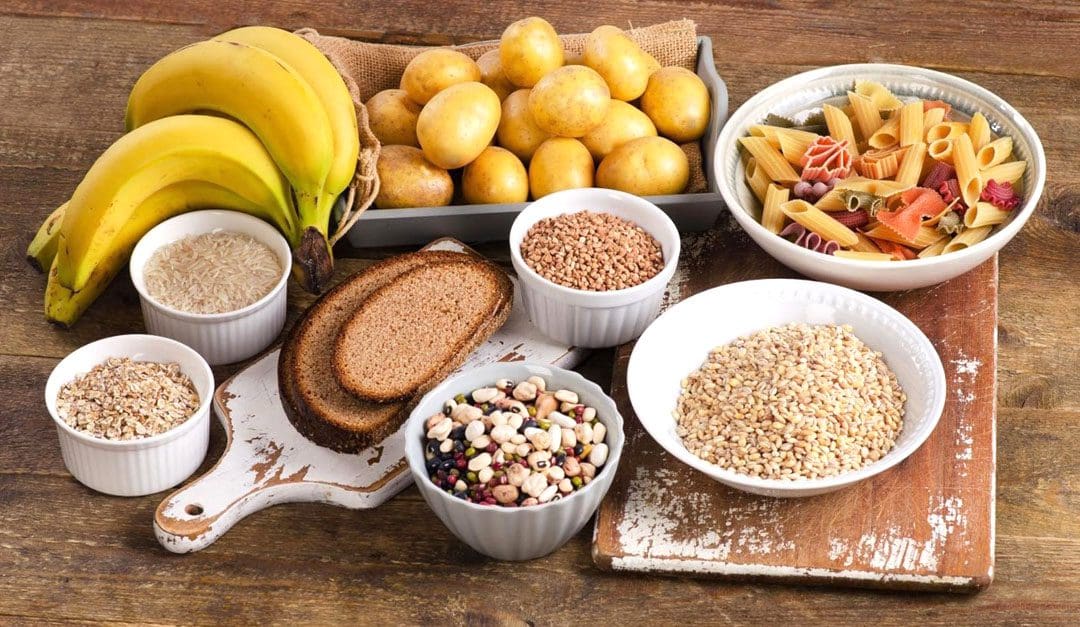
Typical starchy foods are simple starches that are rapidly digested. This sends their sugars into the bloodstream, contributing to weight gain and increasing the risk of diabetes and heart disease. (Erik E. J. G. Aller, et al., 2011) Resistant starch is a food component that is a type resistant to digestion. This means that it passes into the large intestine and interacts with the gut flora. Foods that contain resistant starch pass through the stomach and small intestine without being absorbed. In the large intestine, they are fermented by the gut bacteria which releases substances that are beneficial to health.
Health Benefits
Studies on the health benefits are ongoing. Scientists are researching how it can help with weight management and colon health:
Weight Management
Research is beginning to show indications that foods with resistant starch can help with weight loss and the ability to help offset the diseases associated with weight gain that include: (Janine A. Higgins. 2014)
High cholesterol
Diabetes
Metabolic syndrome
Cardiovascular disease
Colon Health
In addition, researchers are finding preliminary evidence indicating that resistant starch might possibly help with: (Diane F. Birt, et al., 2013)
A prebiotic that encourages a healthy balance of gut flora.
Inflammatory bowel disease symptom improvement.
Prevention of colon cancer.
Protection against diverticulitis.
However, more research is needed.
Consumption Amount
Estimates on how much should be consumed range from a minimum of 6 grams to a maximum of 30 grams. It is estimated that most individuals consume less than 5 grams per day, (Mary M. Murphy, et al., 2008). As individuals increase their intake, it is recommended to do so slowly, to minimize unwanted gas and bloating.
Bananas
Bananas are a healthy source of resistant starch.
They have the maximum amount when they are unripe.
The resistant starch content reduces as the banana ripens.
If green/unripe bananas are not appealing, making a smoothie can help with the taste.
Potatoes
Potatoes have their highest level of resistant starch when raw.
However, individuals can maximize their intake by allowing the potatoes to cool before eating.
Rice
Levels of resistant starch depend on whether the rice is white or brown.
Similar to potatoes, intake can be maximized from rice by allowing the rice to cool.
Oats
Cooking oats in water, as most are accustomed to making oatmeal, diminishes the resistant starch content.
Rolled or steel-cut oats are recommended as dependable sources of resistant starch.
Chickpeas
Chickpeas, also known as garbanzo beans, are nutritional powerhouses.
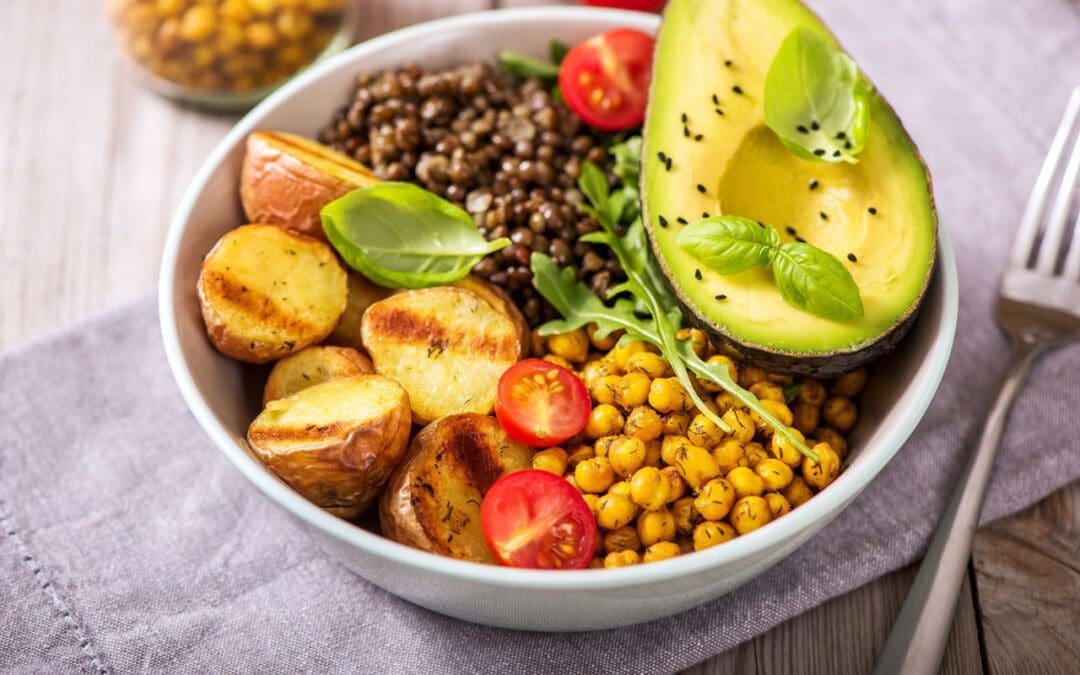
They are a healthy source of dietary fiber, along with many vitamins and minerals, and resistant starch.
Cooked and/or canned chickpeas contain high levels of resistant starch.
They go with salads or as a side dish or snack.
For individuals with IBS, well-rinsed canned chickpeas are considered to be low in FODMAPs or carbohydrates that can contribute to symptoms. (Anamaria Cozma-Petruţ, et al., 2017)
It is recommended to keep the serving size to a 1/4 cup.
Lentils
Lentils serve as a healthy source of plant-based protein.
Cooked they can provide resistant starch.
They can be prepared in soups or side dishes.
From a can, they can be IBS-friendly by being well-rinsed and limited to a 1/2 cup serving.
Bread
Various breads offer varying levels of resistant starch.
Pumpernickel bread contains high levels.
Breadsticks and pizza crusts have high levels.
Individuals with IBS may be reactive to the FODMAP fructan or the gluten protein.
Other recommended high-resistant starch options are corn tortillas or artisanal sourdough bread that is traditionally prepared.
Green Peas
Green peas, even when cooked, are a healthy source of resistant starch.
They can be prepared in soups or as a side dish.
However, green peas have been found to be high in the FODMAP GOS and could be problematic for individuals with IBS. (Anamaria Cozma-Petruţ, et al., 2017)
Beans
Most types of cooked and/or canned beans are recommended sources of resistant starch.
The highest levels are found in white and kidney beans.
They can be served in soups, as a side dish, or mixed with rice.
Beans are a high-FODMAP food and could contribute to digestive symptoms in individuals with IBS.
Body In Balance: Chiropractic Fitness and Nutrition
References
Aller, E. E., Abete, I., Astrup, A., Martinez, J. A., & van Baak, M. A. (2011). Starches, sugars and obesity. Nutrients, 3(3), 341–369. https://doi.org/10.3390/nu3030341
Higgins J. A. (2014). Resistant starch and energy balance: impact on weight loss and maintenance. Critical reviews in food science and nutrition, 54(9), 1158–1166. https://doi.org/10.1080/10408398.2011.629352
Birt, D. F., Boylston, T., Hendrich, S., Jane, J. L., Hollis, J., Li, L., McClelland, J., Moore, S., Phillips, G. J., Rowling, M., Schalinske, K., Scott, M. P., & Whitley, E. M. (2013). Resistant starch: promise for improving human health. Advances in nutrition (Bethesda, Md.), 4(6), 587–601. https://doi.org/10.3945/an.113.004325
Murphy, M. M., Douglass, J. S., & Birkett, A. (2008). Resistant starch intakes in the United States. Journal of the American Dietetic Association, 108(1), 67–78. https://doi.org/10.1016/j.jada.2007.10.012
Cozma-Petruţ, A., Loghin, F., Miere, D., & Dumitraşcu, D. L. (2017). Diet in irritable bowel syndrome: What to recommend, not what to forbid to patients!. World journal of gastroenterology, 23(21), 3771–3783. https://doi.org/10.3748/wjg.v23.i21.3771
Individuals need to eat more fiber for optimal gut health. Can adding avocado to their diet help improve the gut microbe diversity?
Avocado Gut Support
A diverse gut microbiome is beneficial to overall health. According to a recent study, eating one avocado a day can help maintain the gut microbes healthy, diverse, and balanced. (Sharon V. Thompson, et al., 2021) The researchers observed positive changes in gut bacteria and increased bacterial diversity in individuals who consumed an avocado every day for 12 weeks. (Susanne M Henning, et al., 2019)
Gut Diversity
The gut microbiome refers to the microorganisms living in the intestines. There are around 100 trillion microorganisms, including bacteria, viruses, fungi, and more, exist in the gastrointestinal tract. (Ana M. Valdes, et al., 2018) Having a diverse microbiome means that the body has a range of different organisms that offer various health benefits. Not having enough bacterial diversity has been linked to: (Ana M. Valdes, et al., 2018)
Arthritis
Obesity
Type 1 diabetes
Type 2 diabetes
Inflammatory bowel disease
Celiac disease
Arterial stiffness
Atopic eczema
Why Avocados?
The Institute of Medicine recommends a daily fiber intake ranging from 19 grams to 38 grams per day, depending on various factors like age. (Diane Quagliani, Patricia Felt-Gunderson. 2016)
Including foods like avocados in a healthy diet can help meet daily fiber requirements.
Fruit fiber like pectin, has been shown to promote a healthy gut microbiome as well. (Beukema M, et al., 2020)
Researchers suggest this could be because of pectin’s positive effect on beneficial probiotics.(Nadja Larsen, et al., 2018)
Although further research is needed fiber is believed to help protect the lining of the colon by increasing the bulk and weight of stool and expediting elimination.
Fiber also adds bulk to an individual’s diet and slows the speed of digestion, which makes the body feel fuller longer.
Improved Gut
Individuals can support a healthy microbiota by making small adjustments in their diet, including:
Eating a variety of fruits and vegetables with the skin, as this is where a majority of the nutrition is.
Fermented foods like yogurt, kombucha, sauerkraut, kimchi, and kefir.
Limiting consumption of processed foods, sugar, and artificial sweeteners.
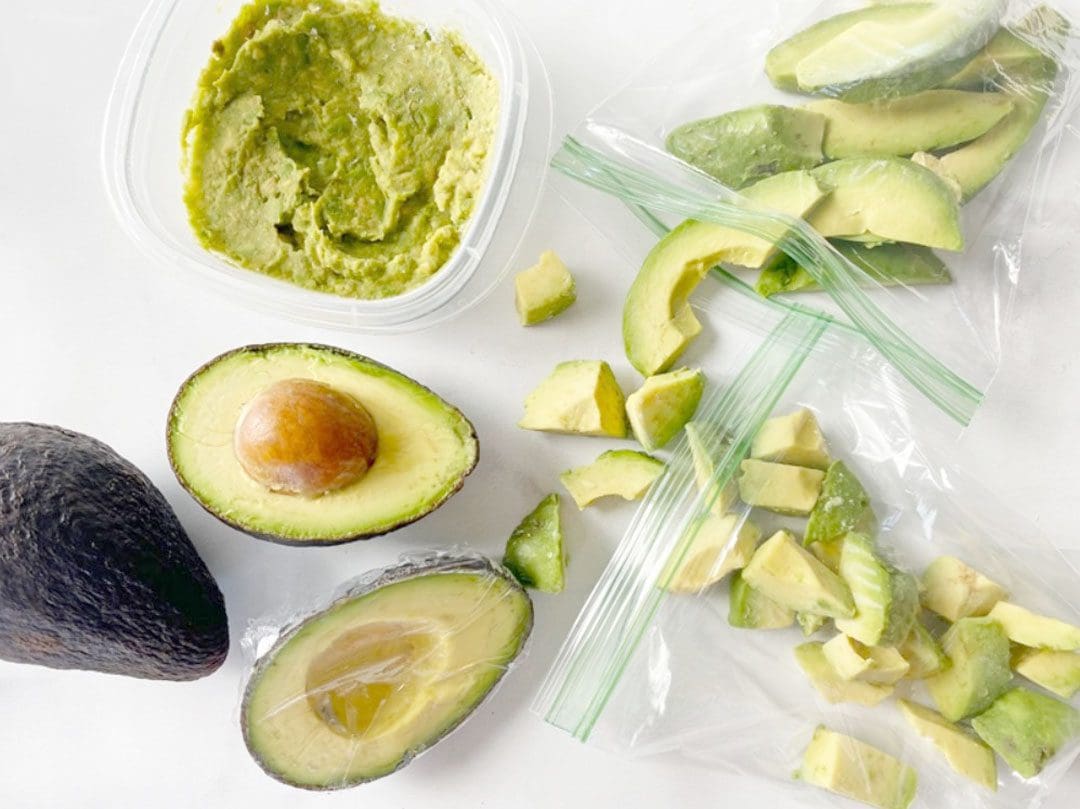
If there are more avocados that can be eaten before they overripen, they can be frozen.
Peel and slice them first, then place them in freezer bags to have year-round.
They are rich in healthy fat, however, in moderation, they are not likely to contribute to weight gain.
Individuals can work toward having a diverse gut microbiome by paying attention to the foods they eat. Specific foods and dietary patterns can influence the different types of bacterial diversity which can support health.
Smart Choices, Better Health
References
Thompson, S. V., Bailey, M. A., Taylor, A. M., Kaczmarek, J. L., Mysonhimer, A. R., Edwards, C. G., Reeser, G. E., Burd, N. A., Khan, N. A., & Holscher, H. D. (2021). Avocado Consumption Alters Gastrointestinal Bacteria Abundance and Microbial Metabolite Concentrations among Adults with Overweight or Obesity: A Randomized Controlled Trial. The Journal of nutrition, 151(4), 753–762. https://doi.org/10.1093/jn/nxaa219
Henning, S. M., Yang, J., Woo, S. L., Lee, R. P., Huang, J., Rasmusen, A., Carpenter, C. L., Thames, G., Gilbuena, I., Tseng, C. H., Heber, D., & Li, Z. (2019). Hass Avocado Inclusion in a Weight-Loss Diet Supported Weight Loss and Altered Gut Microbiota: A 12-Week Randomized, Parallel-Controlled Trial. Current developments in nutrition, 3(8), nzz068. https://doi.org/10.1093/cdn/nzz068
Valdes, A. M., Walter, J., Segal, E., & Spector, T. D. (2018). Role of the gut microbiota in nutrition and health. BMJ (Clinical research ed.), 361, k2179. https://doi.org/10.1136/bmj.k2179
Quagliani, D., & Felt-Gunderson, P. (2016). Closing America’s Fiber Intake Gap: Communication Strategies From a Food and Fiber Summit. American journal of lifestyle medicine, 11(1), 80–85. https://doi.org/10.1177/1559827615588079
Beukema, M., Faas, M. M., & de Vos, P. (2020). The effects of different dietary fiber pectin structures on the gastrointestinal immune barrier: impact via gut microbiota and direct effects on immune cells. Experimental & molecular medicine, 52(9), 1364–1376. https://doi.org/10.1038/s12276-020-0449-2
Larsen, N., Cahú, T. B., Isay Saad, S. M., Blennow, A., & Jespersen, L. (2018). The effect of pectins on survival of probiotic Lactobacillus spp. in gastrointestinal juices is related to their structure and physical properties. Food microbiology, 74, 11–20. https://doi.org/10.1016/j.fm.2018.02.015
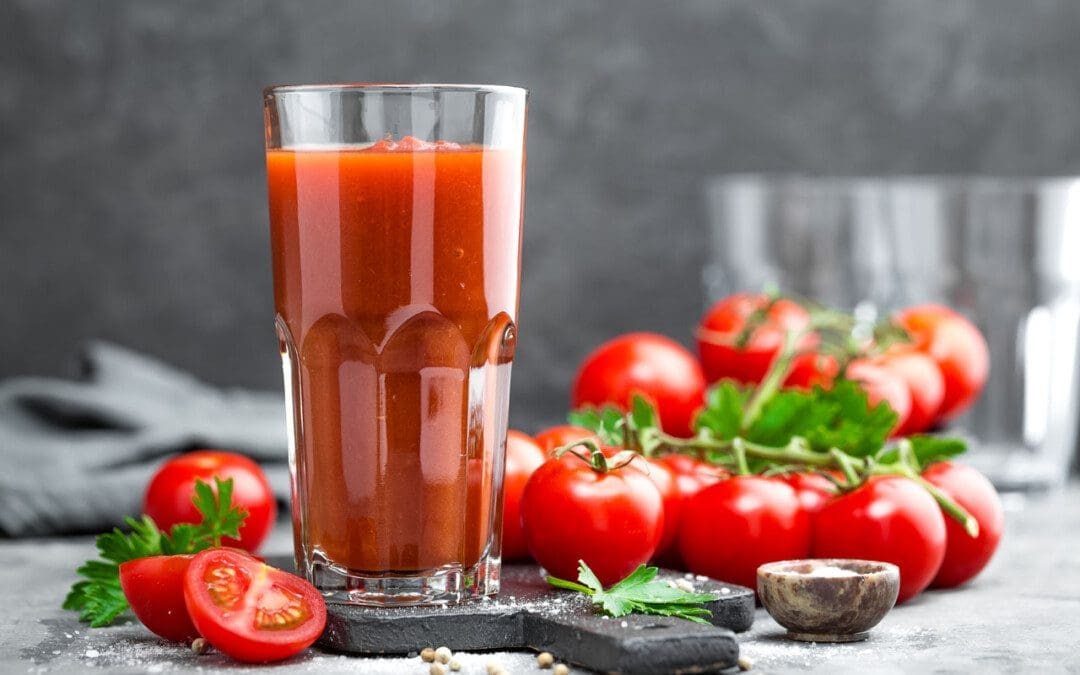
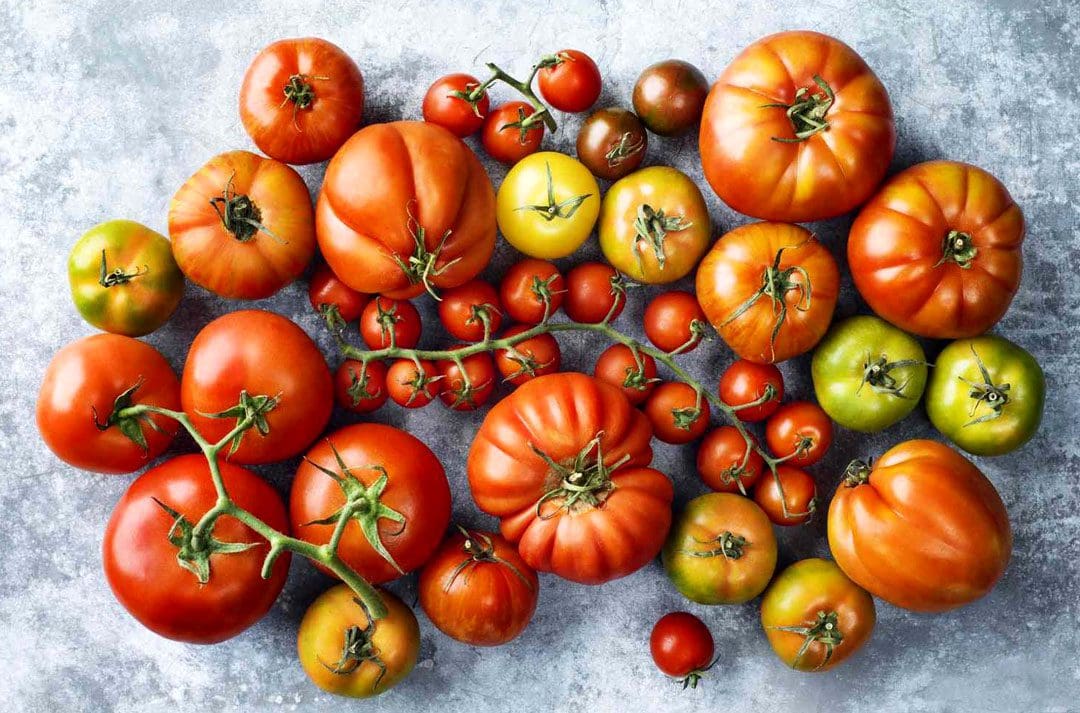
Tomatoes are low-calorie and nutrient-dense, what health benefits can individuals gain from their consumption?
Tomato Benefits
All varieties of tomatoes offer nutrients, including potassium and vitamin C, making them part of a balanced diet.
Raw tomatoes contain vitamin C, which brightens skin and fights inflammation.
Cooking tomatoes releases more antioxidants which are vital in small quantities such as lycopene, for maintaining heart health and preventing certain cancers.
Other benefits contribute to heart, prostate, and cognitive/brain health.
Various tomato recipes and products can offer a balance of nutrients. Variety is key and this applies to all fruits and vegetables. Try them raw, cooked, and steamed, as the different methods can offer different benefits.
Cooked and Raw Tomatoes
Tomatoes are low in calories and rich in nutrients. A raw, medium-sized tomato contains roughly 22 calories and less than 1 gram of fat. It is low sodium and low glycemic, with just 6 milligrams of sodium and 3 grams of sugar. They are an excellent source of hydration as a raw tomato contains about half a cup of water.
Tomatoes contain several essential vitamins and minerals that support the immune system and the bones and blood.
Antioxidants help combat free radicals and unstable molecules that damage the body’s cells. (Edward J. Collins, et al., 2022)
Antioxidants like lycopene, lutein, and zeaxanthin, are better absorbed with cooked tomatoes.
Raw tomatoes contain small amounts of vitamins A and K, fluoride, folate, and beta-carotene.
Heart Health
Tomatoes provide a healthy serving of potassium.
Potassium and sodium are both vital for heart function.
Potassium is essential for relaxing the blood vessels.
One medium tomato contains around the same amount as a banana.
The heart needs these electrolytes to contract and expand.
Most individuals with high blood pressure can benefit from high potassium, fiber, and lycopene levels.
Studies have linked lycopene to lower heart disease risk and mortality. (Bo Song, et al., 2017)
Exercise Recovery
Electrolytes are essential for basic cell function.
Potassium, sodium, magnesium, and fluoride can help decrease muscle soreness and exercise fatigue after physical activity or workouts.
The anti-inflammatory properties come from the vitamin C.
Eating tomatoes before or after physical activity can help replenish magnesium which is essential for muscle contraction. (Edward J. Collins, et al., 2022)
Protection Against Dementia
Potassium provides power to the heart and has a role in body nerve function.
One recent study found that individuals who consumed more potassium and less sodium had improved cognitive function. (Xiaona Na, et al., 2022)
Another study analyzed how carotenoids/antioxidants that affect the color of vegetables affect long-term brain health.
Researchers found that individuals with increased blood levels of lutein and zeaxanthin, which are both present in cooked tomatoes had a lower rate of dementia. (May A. Beydoun, et al., 2022)
Lutein and zeaxanthin are also known for protecting eye health as the body ages.
Help Prevent Prostate Cancer
Cooking tomatoes compromises the vitamin C content, but increases the availability of several antioxidants that can protect against cancer growth.
Especially for men, lycopene is beneficial to help reduce prostate-related issues.
Studies have found that men who eat tomatoes, including raw, sauce, and on pizza have a lower risk of developing prostate cancer due to the total amount of lycopene absorbed, which is optimized in cooked tomatoes. (Joe L. Rowles 3rd, et al., 2018)
Lycopene and other plant pigments/carotenoids are believed to protect against cancer because of their antioxidant properties. (Edward J. Collins, et al., 2022)
Lycopene and other antioxidants in tomatoes can also benefit male fertility by improving sperm count and sperm motility. (Yu Yamamoto, et al., 2017)
Balance Blood Sugar
Tomatoes can help manage blood sugar in individuals with diabetes.
They have fiber that helps regulate blood sugar and bowel movements.
Fiber naturally slows digestion to keep the body fuller and longer and does not negatively impact blood sugar levels.
Collins, E. J., Bowyer, C., Tsouza, A., & Chopra, M. (2022). Tomatoes: An Extensive Review of the Associated Health Impacts of Tomatoes and Factors That Can Affect Their Cultivation. Biology, 11(2), 239. https://doi.org/10.3390/biology11020239
Song, B., Liu, K., Gao, Y., Zhao, L., Fang, H., Li, Y., Pei, L., & Xu, Y. (2017). Lycopene and risk of cardiovascular diseases: A meta-analysis of observational studies. Molecular nutrition & food research, 61(9), 10.1002/mnfr.201601009. https://doi.org/10.1002/mnfr.201601009
Na X, Xi M, Zhou Y, et al. Association of dietary sodium, potassium, sodium/potassium, and salt with objective and subjective cognitive function among the elderly in China: a prospective cohort study. (2022). Glob Transit. 4:28-39. doi:10.1016/j.glt.2022.10.002
Beydoun, M. A., Beydoun, H. A., Fanelli-Kuczmarski, M. T., Weiss, J., Hossain, S., Canas, J. A., Evans, M. K., & Zonderman, A. B. (2022). Association of Serum Antioxidant Vitamins and Carotenoids With Incident Alzheimer Disease and All-Cause Dementia Among US Adults. Neurology, 98(21), e2150–e2162. https://doi.org/10.1212/WNL.0000000000200289
Rowles, J. L., 3rd, Ranard, K. M., Applegate, C. C., Jeon, S., An, R., & Erdman, J. W., Jr (2018). Processed and raw tomato consumption and risk of prostate cancer: a systematic review and dose-response meta-analysis. Prostate cancer and prostatic diseases, 21(3), 319–336. https://doi.org/10.1038/s41391-017-0005-x
Yamamoto, Y., Aizawa, K., Mieno, M., Karamatsu, M., Hirano, Y., Furui, K., Miyashita, T., Yamazaki, K., Inakuma, T., Sato, I., Suganuma, H., & Iwamoto, T. (2017). The effects of tomato juice on male infertility. Asia Pacific journal of clinical nutrition, 26(1), 65–71. https://doi.org/10.6133/apjcn.102015.17
Quagliani, D., & Felt-Gunderson, P. (2016). Closing America’s Fiber Intake Gap: Communication Strategies From a Food and Fiber Summit. American journal of lifestyle medicine, 11(1), 80–85. https://doi.org/10.1177/1559827615588079
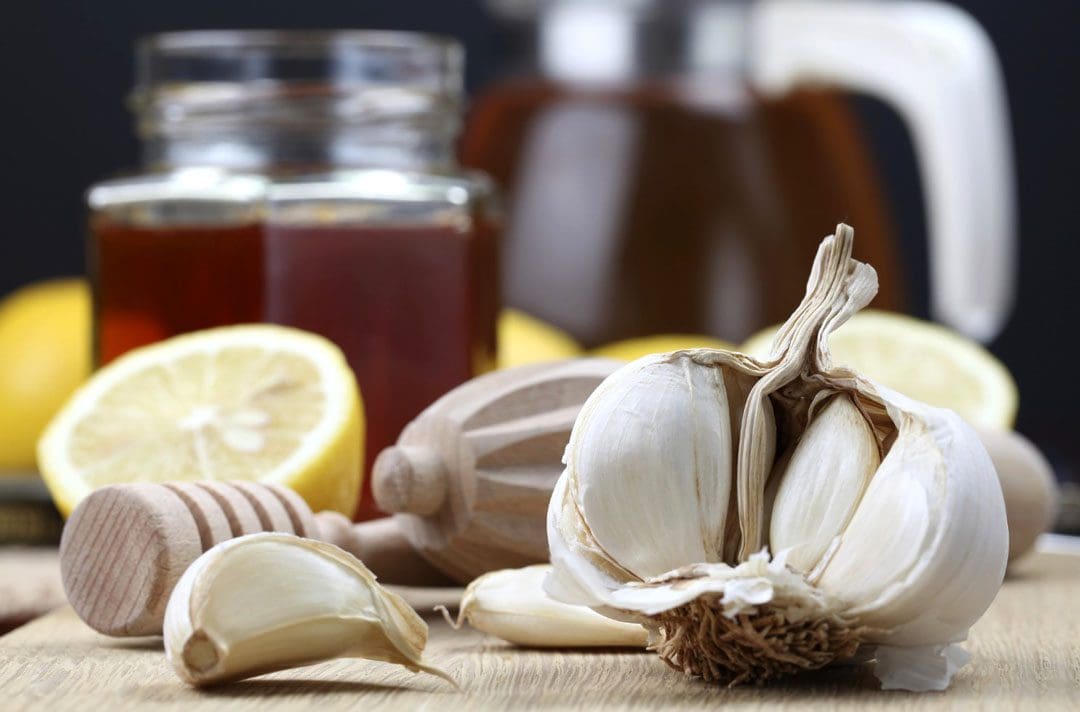
Garlic tea is an herbal tonic made from garlic, lemon, and honey. What medicinal uses and benefits can garlic provide that is supported by scientific research?
Garlic Tea
Garlic tea:
Garlic – Allium sativum – is a perennial plant from Central Asia.
The plant produces a bulb that is used in cooking and in health remedies all over the world.
Garlic powder, oil, and supplements are available.
Supplements can be made from garlic oil or from fresh, dried, or aged garlic.
The tea is commonly made with garlic, lemon, and honey, but can be made with a variety of different ingredients.
It is used for cold symptoms like congestion and cough.
Health Benefits
Some, but not all benefits are supported by scientific evidence. It is important to keep in mind that these studies are analyzing garlic, and not necessarily garlic tea. The dose of garlic in tea may not be the same as a more concentrated dose that is used in the studies. Also, cooking or boiling garlic can change its therapeutic effects.
The scientific evidence about garlic’s benefits. Garlic is a healthy source of organosulfur compounds, including alliinase, which is released when it is crushed or chopped. (Leyla Bayan, Peir Hossain Koulivand, Ali Gorji. 2014)
Organosulfur compounds are believed to provide health benefits.
An overview of garlic studies found that there are promising health benefits, however, the researchers caution that larger studies are needed to confirm the results and verify the right dosage to get the results. (Johura Ansary, et al., 2020)
The current studies show the following possible benefits:
Some studies have also shown that garlic could be able to stimulate the immune system and decrease tumor growth in certain cancers, like colorectal cancer.
However, research investigating the cancer-preventing benefits has shown mixed results. (Xi Zhou, et al., 2020)
Common side effects of garlic consumption include bad breath, upset stomach, and body odor.
Garlic can also cause bloating, gas, and heartburn for some.
There are allergies to garlic and individuals with an allergy can experience more severe symptoms.
The NIH also advises that taking garlic may increase your risk of bleeding.
Individuals taking a blood thinner like warfarin or about to undergo surgery should discuss taking supplements or drinking garlic tea with their healthcare provider.
Garlic has been found to interfere with the effectiveness of some drugs that are used to treat HIV infection.
Lemon can cause tooth erosion so it is recommended to rinse teeth after drinking.
Honey has sugar content so it is recommended to use it in small quantities.
Healthy Diet and Chiropractic
References
National Center for Complementary and Integrative Health. Garlic.
Bayan, L., Koulivand, P. H., & Gorji, A. (2014). Garlic: A review of potential therapeutic effects. Avicenna journal of phytomedicine, 4(1), 1–14.
Ansary, J., Forbes-Hernández, T. Y., Gil, E., Cianciosi, D., Zhang, J., Elexpuru-Zabaleta, M., Simal-Gandara, J., Giampieri, F., & Battino, M. (2020). Potential Health Benefit of Garlic Based on Human Intervention Studies: A Brief Overview. Antioxidants (Basel, Switzerland), 9(7), 619. https://doi.org/10.3390/antiox9070619
Zhang, S., Liu, M., Wang, Y., Zhang, Q., Liu, L., Meng, G., Yao, Z., Wu, H., Xia, Y., Bao, X., Gu, Y., Wang, H., Shi, H., Sun, S., Wang, X., Zhou, M., Jia, Q., Song, K., & Niu, K. (2020). Raw garlic consumption is inversely associated with prehypertension in a large-scale adult population. Journal of human hypertension, 34(1), 59–67. https://doi.org/10.1038/s41371-019-0257-0
Zhou, X., Qian, H., Zhang, D., & Zeng, L. (2020). Garlic intake and the risk of colorectal cancer: A meta-analysis. Medicine, 99(1), e18575. https://doi.org/10.1097/MD.0000000000018575
Avci, A., Atli, T., Ergüder, I. B., Varli, M., Devrim, E., Aras, S., & Durak, I. (2008). Effects of garlic consumption on plasma and erythrocyte antioxidant parameters in elderly subjects. Gerontology, 54(3), 173–176. https://doi.org/10.1159/000130426
Burian, J. P., Sacramento, L. V. S., & Carlos, I. Z. (2017). Fungal infection control by garlic extracts (Allium sativum L.) and modulation of peritoneal macrophage activity in a murine model of sporotrichosis. Brazilian journal of biology = Revista brasleira de biologia, 77(4), 848–855. https://doi.org/10.1590/1519-6984.03716
Kato, Y., Domoto, T., Hiramitsu, M., Katagiri, T., Sato, K., Miyake, Y., Aoi, S., Ishihara, K., Ikeda, H., Umei, N., Takigawa, A., & Harada, T. (2014). Effect on blood pressure of daily lemon ingestion and walking. Journal of nutrition and metabolism, 2014, 912684. https://doi.org/10.1155/2014/912684
Samarghandian, S., Farkhondeh, T., & Samini, F. (2017). Honey and Health: A Review of Recent Clinical Research. Pharmacognosy Research, 9(2), 121–127. https://doi.org/10.4103/0974-8490.204647
IFM's Find A Practitioner tool is the largest referral network in Functional Medicine, created to help patients locate Functional Medicine practitioners anywhere in the world. IFM Certified Practitioners are listed first in the search results, given their extensive education in Functional Medicine