
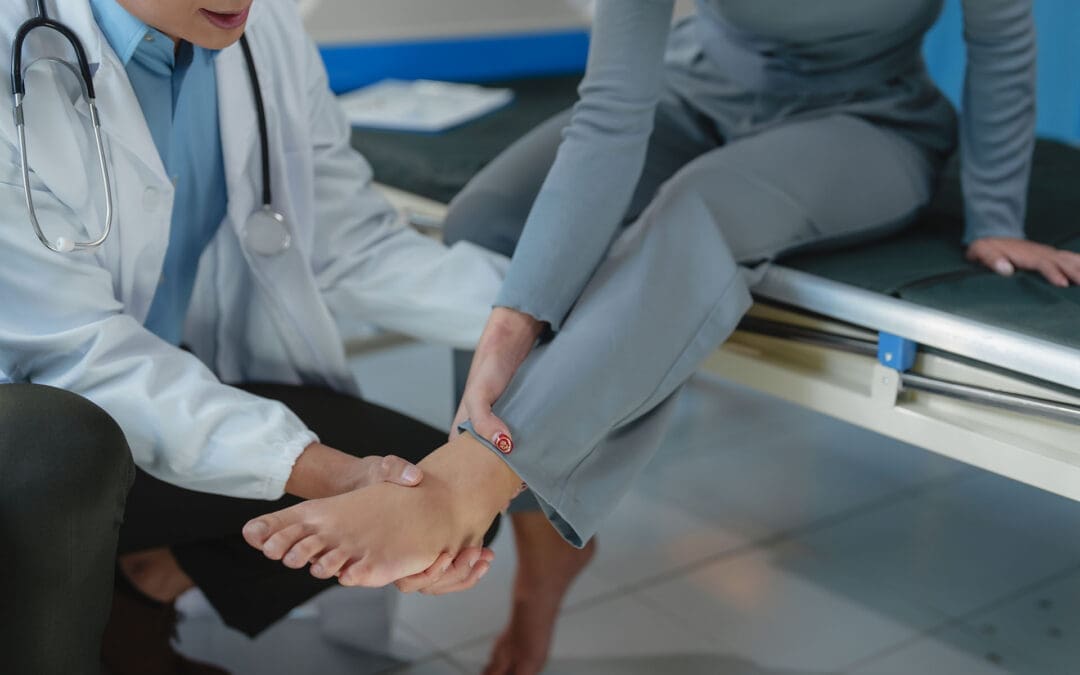
Common Questions About Neuropathy in El Paso, TX Solutions
Common Questions About Neuropathy in El Paso, TX
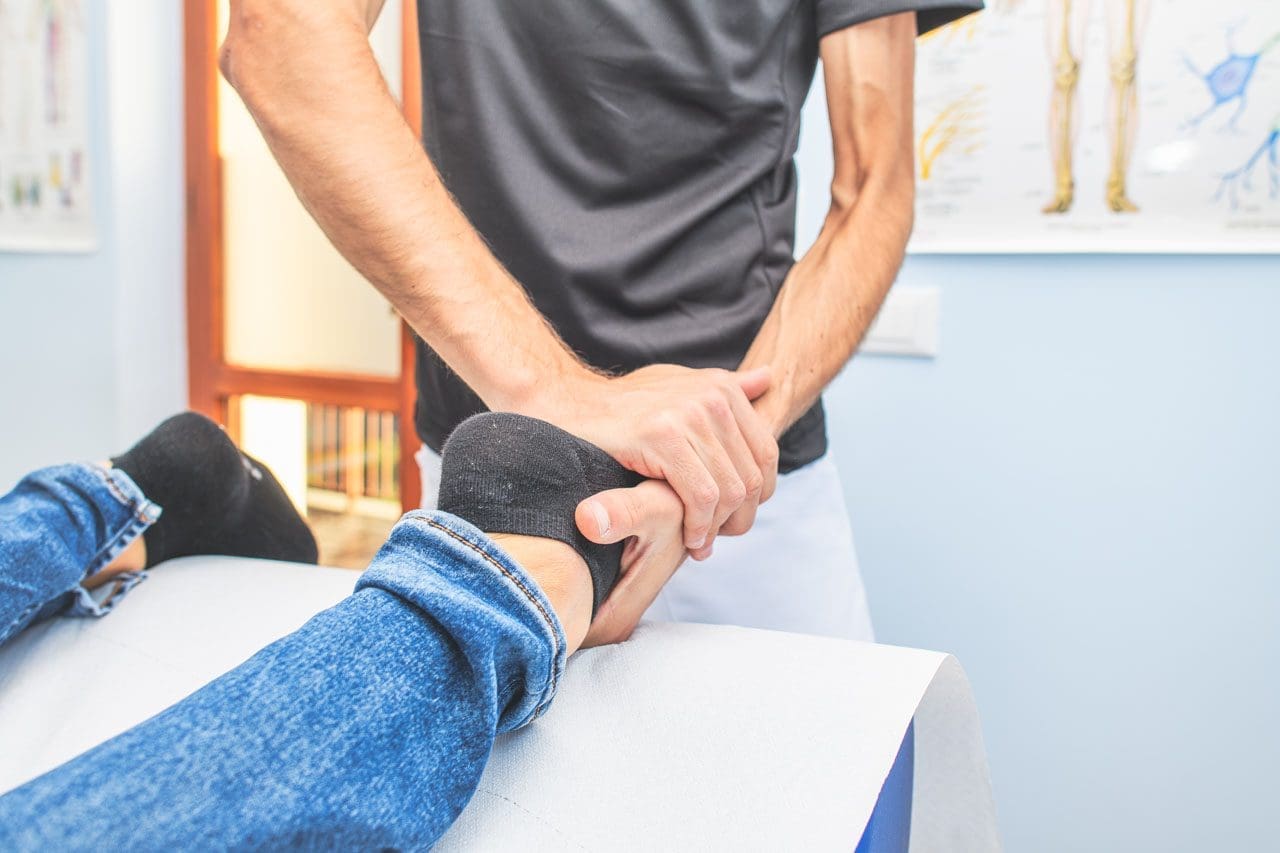
A physiotherapist works on a patient’s foot as part of their neuropathy treatment in the clinic
A Local, Integrative Approach from El Paso Back Clinic
Peripheral neuropathy is a common concern for many people in El Paso. Questions usually center on why symptoms are happening, how diabetes and spine health are connected, and what can be done beyond medication. At El Paso Back Clinic, care focuses on non-invasive, whole-person strategies that improve nerve function, movement, and daily quality of life.
This article answers the most common local questions in clear language and explains how integrative chiropractic care—coordinated with nurse practitioner (NP) oversight—addresses neuropathy by treating both symptoms and root causes. Clinical insights reflect the experience of Dr. Alexander Jimenez, DC, APRN, FNP-BC.
What Is Peripheral Neuropathy?
Peripheral neuropathy happens when nerves outside the brain and spinal cord are damaged or irritated. These nerves help you feel sensation, move muscles, and regulate automatic body functions like sweating and digestion. When nerve signals are disrupted, symptoms can feel burning, sharp, numb, or electric (West Texas Pain Institute, n.d.; Frontier Neurology, n.d.).
Most Common Neuropathy Symptoms We See in El Paso
People in El Paso often describe similar patterns:
-
Burning or throbbing pain (especially at night)
-
Tingling or “pins and needles”
-
Numbness in the feet or hands
-
Electric or shooting pain
-
Muscle weakness or cramping
-
Balance problems or frequent trips
-
Sensitivity to touch
In more advanced cases, symptoms can involve digestion, bladder control, or sweating (Frontier Neurology, n.d.).
Why Neuropathy Is So Common in This Region
A major driver locally is diabetes and prediabetes. High blood sugar can injure small blood vessels that feed nerves, leading to poor nerve signaling over time.
Other contributors include:
-
Spine and posture problems that stress nerve roots
-
Vitamin deficiencies (especially B vitamins)
-
Circulation issues
-
Prior injuries or repetitive strain
-
Certain medications or alcohol overuse
-
Inflammatory or autoimmune conditions
Many patients have multiple contributing factors, which is why a full evaluation is important (Medicos Family Clinic, n.d.; West Texas Pain Institute, 2023).
How Diabetic Neuropathy Affects Daily Life
Diabetic neuropathy often begins in the feet and slowly progresses upward. Common concerns include:
-
Burning feet at night
-
Loss of protective sensation
-
Higher risk of cuts, sores, and ulcers
-
Changes in walking or posture
-
Increased fall risk
Early integrative care can slow progression and reduce complications (El Paso Feet, n.d.; iVascular Center, n.d.).
How Neuropathy Is Evaluated at El Paso Back Clinic
Diagnosis is not based solely on symptoms. A complete assessment looks at the whole person.
Evaluation commonly includes:
-
Detailed health and symptom history
-
Review of blood sugar control and medications
-
Neurological and sensory testing
-
Posture and movement analysis
-
Spinal and joint evaluation
-
Imaging when nerve compression is suspected
Dr. Jimenez emphasizes that neuropathy symptoms often overlap with spinal nerve irritation or biomechanical stress, making dual-scope evaluation especially valuable (Jimenez, n.d.-a; Nonsurgical Spine Center, n.d.).
Can Neuropathy Improve Without Surgery?
For many people, yes. Most patients want conservative options before considering surgery or long-term medication use.
Non-surgical strategies may include:
-
Chiropractic care
-
Targeted exercise and physical therapy
-
Lifestyle and nutrition guidance
-
Laser therapy
-
Nerve stimulation techniques
-
Footwear and balance support
-
Stress and sleep optimization
Combining approaches is often more effective than relying on just one method (P3 Physical Therapy, n.d.; El Paso Feet, n.d.).
How Chiropractic Care Supports Nerve Health
Chiropractic care focuses on restoring healthy movement in the spine and joints, thereby reducing stress on nerves.
At El Paso Back Clinic, care may include:
-
Gentle spinal adjustments
-
Joint mobilization
-
Postural correction
-
Nerve decompression strategies
-
Soft tissue techniques
-
Guided movement and mobility work
Clinical observations show that improving spinal mechanics can enhance nerve signaling and reduce irritation—especially when neuropathy overlaps with back or neck problems (Jimenez, n.d.-b; El Paso Back Clinic, n.d.).
The Role of Nurse Practitioners in Neuropathy Care
Nurse practitioners (NPs) are essential for addressing medical and metabolic contributors to nerve damage.
NP-guided support may involve:
-
Lab testing and result interpretation
-
Diabetes and metabolic management
-
Identifying vitamin or nutrient deficiencies
-
Reviewing medication side effects
-
Monitoring nerve-related complications
Dr. Jimenez’s dual licensure allows structural findings and medical factors to be evaluated together, helping patients understand why symptoms are happening—not just where they hurt (Jimenez, n.d.-c).
Why an Integrative Approach Works Best
Neuropathy rarely has a single cause. Integrative care addresses multiple systems at once.
Benefits include:
-
More accurate diagnosis
-
Personalized care plans
-
Reduced dependence on pain medications
-
Improved balance, strength, and confidence
-
Better long-term nerve health
This approach is especially helpful for people with diabetes, chronic back pain, or long-standing symptoms (HealthCoach Clinic, n.d.; Pain and Wellness Institute, n.d.).
Physical Therapy and Movement for Nerve Recovery
Physical therapy complements chiropractic care by retraining safe movement and improving circulation.
Physical therapy may help by:
-
Strengthening supportive muscles
-
Improving balance and coordination
-
Reducing fall risk
-
Teaching nerve-friendly movement patterns
When coordinated with chiropractic and NP care, recovery is often faster and more sustainable (P3 Physical Therapy, n.d.).
Lifestyle Habits That Matter for Neuropathy
Daily habits can either protect or irritate nerves.
Helpful habits include:
-
Keeping blood sugar stable
-
Wearing supportive footwear
-
Limiting alcohol and avoiding smoking
-
Staying physically active
-
Managing stress
-
Prioritizing sleep
Small, consistent changes can reduce flare-ups and improve comfort over time (Modern Pain Houston, n.d.; Dr. Dennis Harris, n.d.).
Emotional and Community Support
Living with nerve pain can affect mood and sleep. Support makes a difference.
-
Education and coaching
-
Stress-management strategies
-
Peer or virtual support groups
-
Family involvement in care plans
Support resources help patients feel informed and empowered (Foundation for Peripheral Neuropathy, n.d.).
When to Seek Professional Help
Consider an evaluation if you notice:
-
Persistent tingling or numbness
-
Burning or electric pain
-
Muscle weakness
-
Balance problems or frequent falls
-
Foot wounds that heal slowly
Early care can help prevent progression and complications (West Texas Pain Institute, n.d.; Frontier Neurology, n.d.).
The El Paso Back Clinic Difference
At El Paso Back Clinic, neuropathy care is centered on conservative, patient-focused solutions. By combining chiropractic care with nurse practitioner oversight and lifestyle strategies, patients receive practical, non-invasive options designed to improve nerve function and daily life.
References
-
Dr. Dennis Harris. (n.d.). Common questions about neuropathy. https://www.drdennisharris.com/common-questions-about-neuropathy/
-
El Paso Back Clinic. (n.d.). Chiropractic care and peripheral neuropathy recovery. https://elpasobackclinic.com/chiropractic-care-and-peripheral-neuropathy-recovery/
-
El Paso Feet. (n.d.). Laser therapy for diabetic neuropathy. https://www.elpasofeet.com/blog/laser-therapy-for-diabetic-neuropathy
-
El Paso Pain Center. (n.d.). Sharp, throbbing, burning pain. https://elpasopaincenter.net/sharpthrobbingburningpain/
-
Foundation for Peripheral Neuropathy. (n.d.). Support groups. https://www.foundationforpn.org/support-groups/
-
Frontier Neurology. (n.d.). Neuropathy services. https://www.frontierneurology.net/services/neuropathy
-
HealthCoach Clinic. (n.d.). Chiropractic care strategies for peripheral neuropathy. https://healthcoach.clinic/chiropractic-care-strategies-for-peripheral-neuropathy-pain/
-
iVascular Center. (n.d.). Peripheral neuropathy overview. https://ivascularcenter.com/peripheral-neuropathy/
-
Jimenez, A. (n.d.-a). Safe chiropractic care in El Paso. https://dralexjimenez.com/safe-chiropractic-care-in-el-paso-what-to-expect/
-
Jimenez, A. (n.d.-b). Managing peripheral neuropathy. https://dralexjimenez.com/managing-peripheral-neuropathy-effective-treatment-strategies/
-
Jimenez, A. (n.d.-c). Chiropractic care and recovery for diabetic neuropathy. https://dralexjimenez.com/chiropractic-care-and-recovery-for-diabetic-neuropathy/
-
Medicos Family Clinic. (n.d.). Understanding neuropathy screening. https://www.medicosfamilyclinic.com/understanding-neuropathy-screening
-
Modern Pain Houston. (n.d.). Neuropathy triggers and relief. https://www.modernpainhouston.com/neuropathy-triggers-relief
-
Nonsurgical Spine Center. (n.d.). Five questions about peripheral neuropathy. https://nonsurgicalspinecenter.com/5-questions-about-peripheral-neuropathy/
-
P3 Physical Therapy. (n.d.). Nerve damage and physical therapy. https://p3ptpro.com/conditions/nerve-damage/
-
West Texas Pain Institute. (n.d.). Peripheral neuropathy services. https://www.westtexaspain.com/services/peripheral-neuropathy







