For individuals wanting to try acupuncture for various health conditions but aren’t sure?
Is Acupuncture Painful?
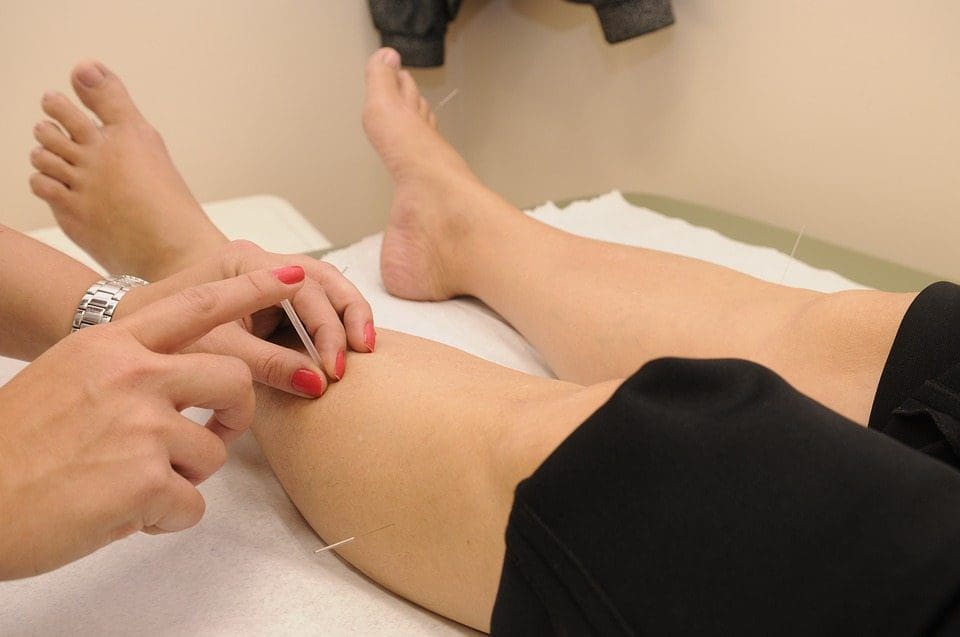
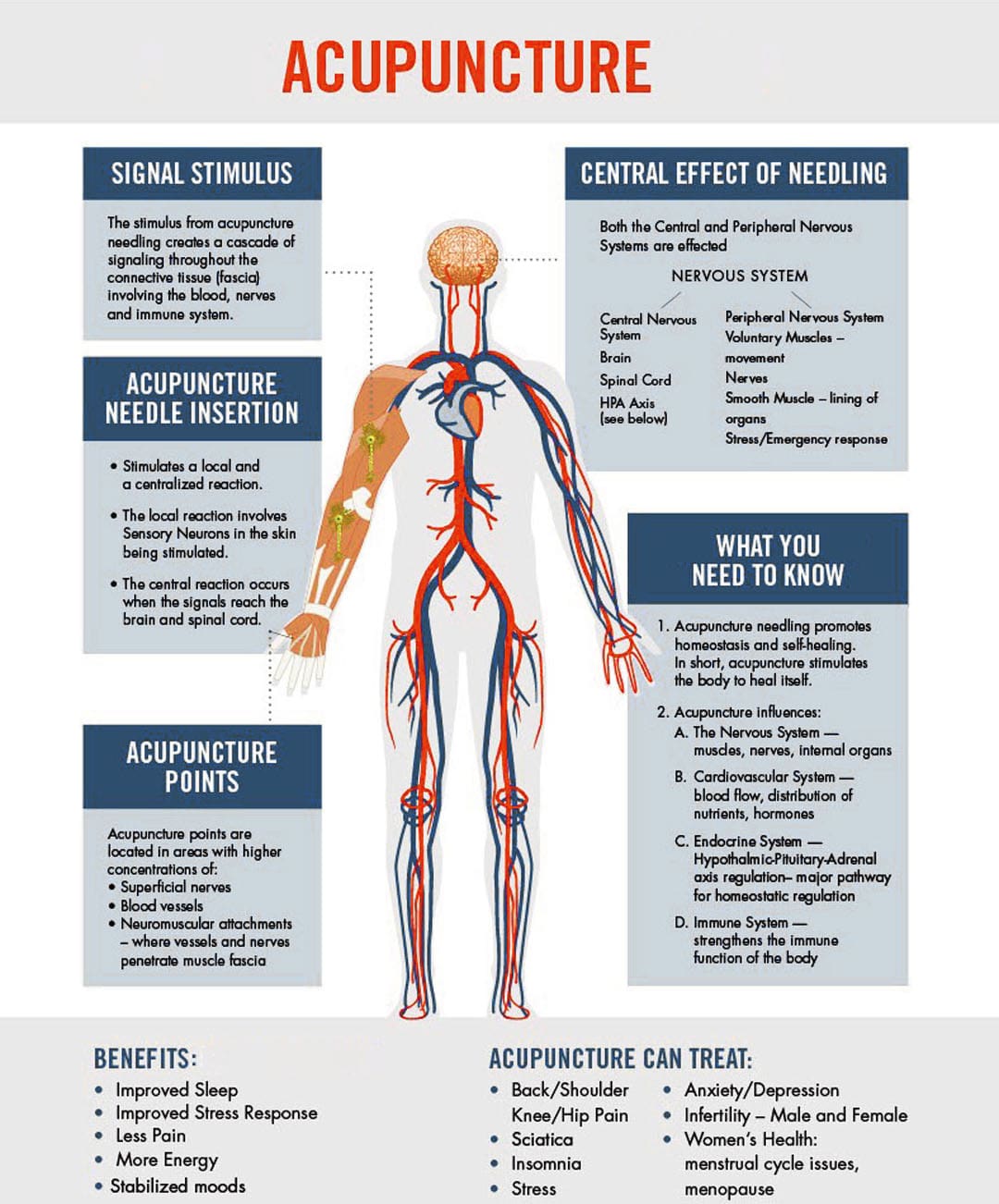
Acupuncture is a procedure where extremely fine needles are inserted into pressure points in the body. A traditional Chinese medicine technique used to alleviate pain and enhance physical and emotional well-being. (Harvard Health, 2023) It can be beneficial for anyone dealing with persistent painful conditions, such as back pain, sciatica, arthritis-related discomfort, headaches, and post-surgery pain. It’s also a supportive option for individuals experiencing hot flashes and generalized inflammation, making it a versatile choice for holistic health. People undergoing acupuncture experience minimal pain, usually mild pressure or soreness during or after. However, choosing an experienced practitioner and communicating with them during the treatment is the best way to avoid increased pain.
When Performed Correctly, It Should Not Hurt
Many fear that acupuncture will be painful. However, this is not the case because the procedure uses extremely fine needles. One study of pediatric patients found that 87% reported minimal to no pain while having the treatment (Gold J. I. et al., 2023). Improper needle placement is one of the most common reasons that patients experience pain during or after treatment (Johns Hopkins Medicine, 2025). This is why it is important to be treated by a licensed practitioner who is well-versed in treating specific conditions.
Soreness After Treatment
It is relatively uncommon to experience pain after receiving acupuncture. About 10% of individuals experience minor soreness after the treatment (Kelly R. B. & Willis J. 2019). The soreness is typically felt in the areas where the needles were inserted.
Situations When Pain Can Present
A small group of those who undergo acupuncture may experience some pain. It is most frequently seen in the following: (Harvard Health, 2023)
The acupuncturist is inexperienced and inserts the needle incorrectly or not in the right area.
The needles are inserted more deeply than normal or with too much pressure.
The patient has a lower pain threshold and/or is more sensitive to needles.
The practitioner uses higher gauge/thicker needles.
It is important for individuals who have not had acupuncture before to discuss the procedure and any concerns with their provider beforehand. The acupuncturist may be able to perform a trial needle insertion to provide a preview of the treatment. During the initial session, they may use fewer needles or target a smaller area. Constantly communicate with the acupuncturist during the treatment. This allows them to adjust the needles causing soreness or discontinue the procedure if there is increased pain.
Acupuncture Process
Modern medicine explains acupuncture’s benefits. When the needles are inserted, they stimulate the release of endorphins, opioids, immune system cells, and neurohormones. These chemicals help reduce and relieve pain and modify how the body perceives it. They may also impact blood pressure, body temperature, and central nervous system function. (Harvard Health, 2023)
Pressure Points: Is Acupuncture Painful On Certain Body Parts?
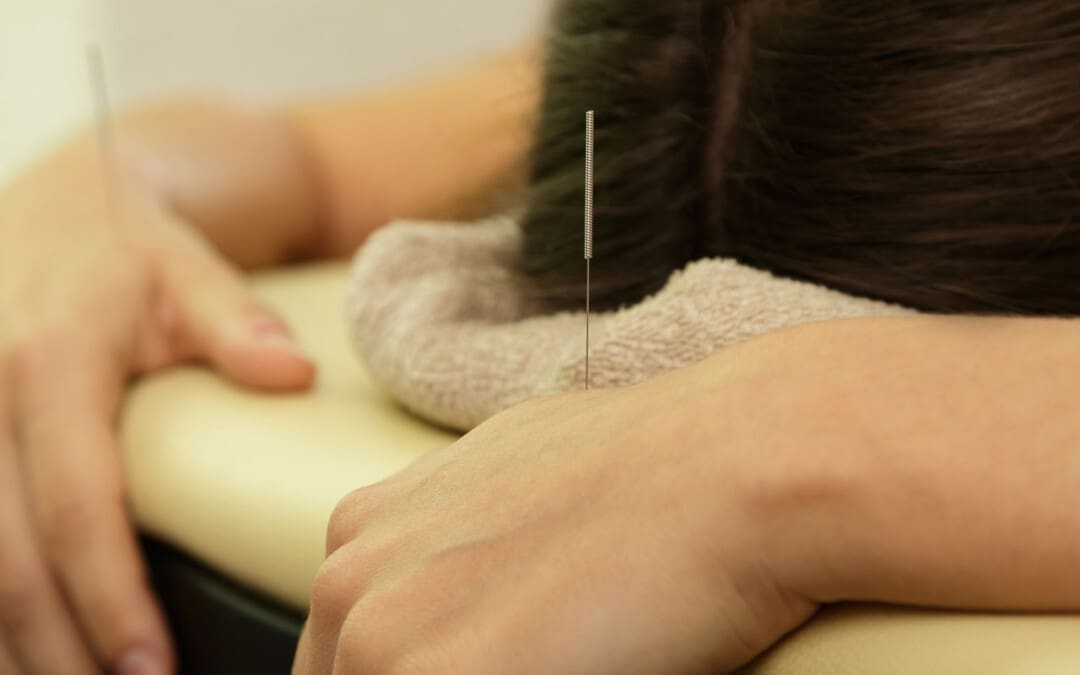
Acupuncture can cause some increased soreness in certain body areas. This is especially true when needles are inserted into less muscle or fat regions. For example, hand or foot acupuncture can occasionally cause increased pain (Kaiser Permanente, 2021). Thin individuals with less soft tissue may also experience a stinging sensation as needles are inserted. Communication with the provider is the key to making the acupuncture sessions as comfortable as possible.
During A Session
The first acupuncture session may consist of the following:
The practitioner goes over medical history and current symptoms.
The practitioner examines the body and may also examine the tongue to assess for any present imbalances.
The patient will lie or sit on a table.
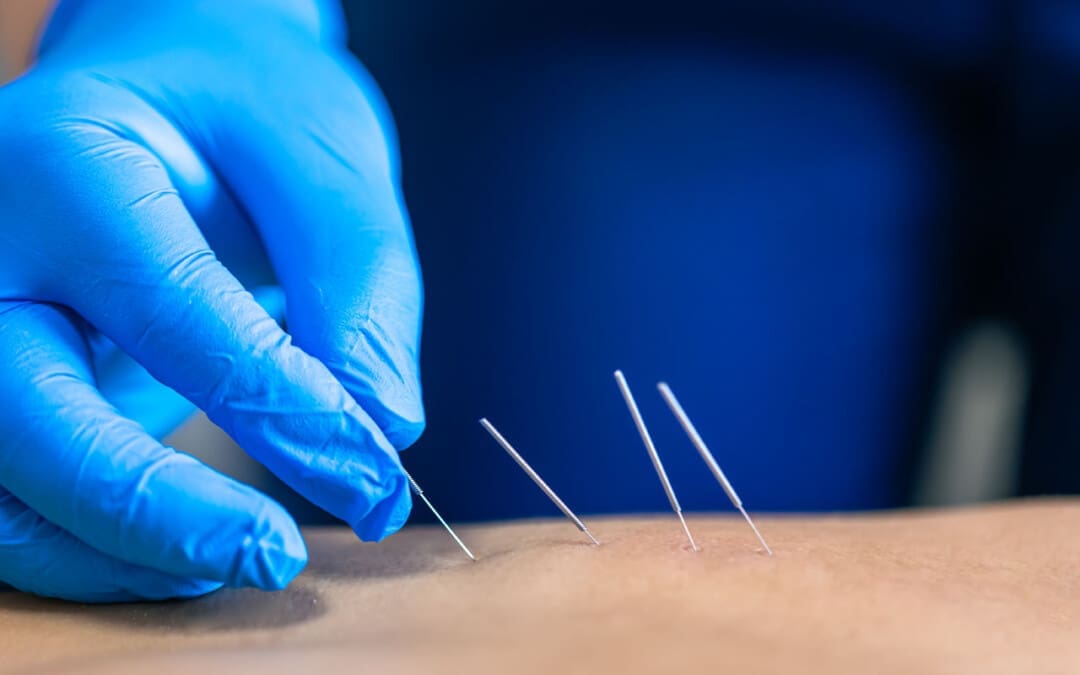
Sterilized needles are inserted into the affected areas one at a time.
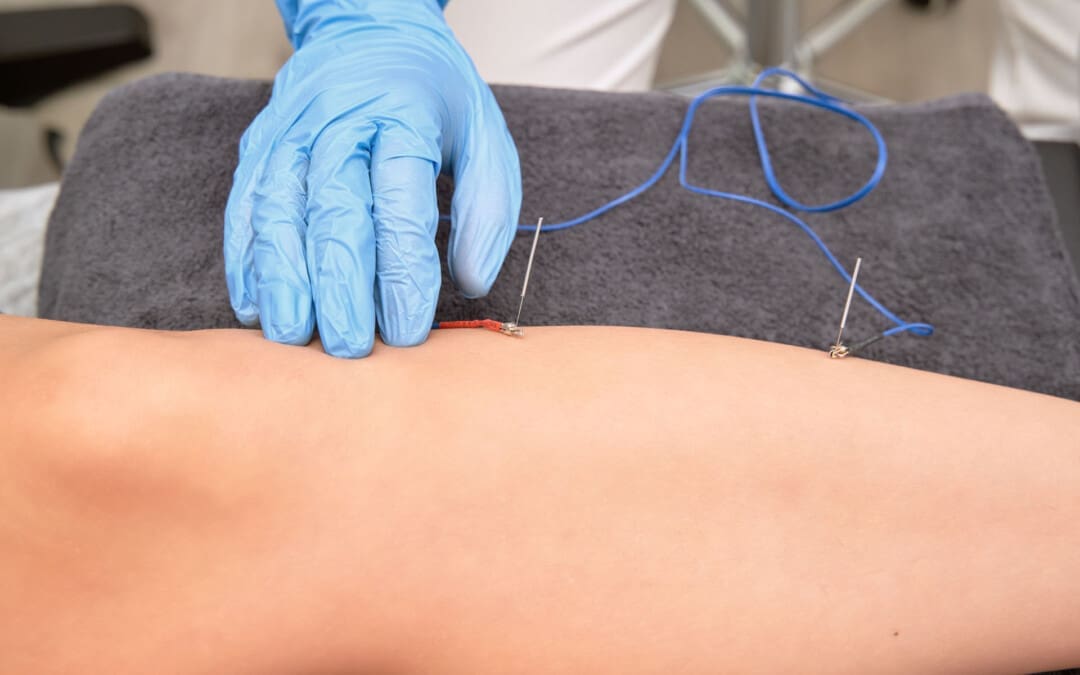
In some situations, heat or electrical stimulation may also be used to enhance its effects. (Johns Hopkins Medicine, 2025)
Most cases of soreness after treatment will resolve in one to three days. During this time, here are a few recommendations to alleviate any soreness symptoms:
Apply ice to the areas of soreness.
Gently stretch the sore areas.
Increase fluid intake.
Soak in a warm bath with Epsom salts or magnesium oil.
Perform light aerobic exercise.
Take over-the-counter anti-inflammatory medication if recommended by a physician. (University of Georgia, N.D.)
Find a Licensed Acupuncturist
Most states have an online directory of licensed acupuncturists that can help find a local provider. Some national acupuncture associations also maintain lists of members who are board-certified. For example, this directory searches for certified acupuncturists through the National Certification Commission for Acupuncture and Oriental Medicine. (National Certification Commission for Acupuncture and Oriental Medicine, 2024)
Injury Medical Chiropractic and Functional Medicine Clinic
Therefore, acupuncture is not painful and can help relieve symptoms such as anxiety, stress, pain, discomfort, tightness, and poor circulation. Injury Medical Chiropractic and Functional Medicine Clinic can help individuals recover and build optimal health and wellness solutions with primary healthcare providers and specialists. We focus on what works for you to relieve pain, restore function, prevent injury, and help mitigate issues through adjustments that help the body realign itself. They can also work with other medical professionals to integrate a treatment plan to resolve musculoskeletal problems.
Beyond Adjustments: Chiropractic and Integrative Healthcare
References
Harvard Health Publishing. (2023). Acupuncture. https://www.health.harvard.edu/a_to_z/acupuncture-a-to-z
Gold, J. I., Kobylecka, M., Ngo, N. H., Lin, C. T., & Hurray, C. N. (2023). Does Acupuncture Hurt? A Retrospective Study on Pain and Satisfaction during Pediatric Acupuncture. Children (Basel, Switzerland), 10(11), 1774. https://doi.org/10.3390/children10111774
Kelly, R. B., & Willis, J. (2019). Acupuncture for Pain. American family physician, 100(2), 89–96.
Kaiser Permanente. (2021). Acupuncture 101: here’s what you can expect. https://healthy.kaiserpermanente.org/health-wellness/healtharticle.acupuncture-101
University of Georgia. (N.D.). Dry needling. https://healthcenter.uga.edu/healthtopics/dryneedling/
National Certification Commission for Acupuncture and Oriental Medicine. (2024). Directory: Feel Confident About Finding a Qualified Practitioner. https://directory.nccaom.org/#
For individuals dealing with eczema, can incorporating acupuncture into a treatment plan help manage and reduce symptoms?
Acupuncture for Eczema
Eczema is a chronic skin disorder that causes intense itching, dry skin, and rashes. Common treatment options for eczema include:
Moisturizers
Topical steroids
Prescription medications
Some research suggests that acupuncture may also help individuals with eczema. In recent years, researchers have looked at acupuncture as a possible treatment option and found that it can reduce symptoms.
Acupuncture
Acupuncture involves inserting thin metallic needles in specific acupoints in the body. It is believed that by stimulating specific points, the body’s central nervous system activates and releases certain chemicals designed to enable healing. Ailments that are treated using acupuncture include: (Johns Hopkins Medicine. 2024)
Headaches
Back pain
Nausea
Asthma
Osteoarthritis
Fibromyalgia
Treatment
Studies have found that acupuncture could be a treatment option depending on the severity of the condition and the intensity of the itching sensations. (Ruimin Jiao et al., 2020) The needles are placed at various points associated with relieving the condition. These points include: (Zhiwen Zeng et al., 2021)
LI4
Located at the base of the thumb and index finger.
It has been shown to help reduce inflammation and irritation.
LI11
This point is located within the elbow to reduce itchiness and dryness.
LV3
Located on the top of the foot, this point reduces stress on the nervous system.
SP6
The SP6 is on the lower calf above the ankle and can help reduce inflammation, redness, and skin irritation.
SP10
This point is located adjacent to the knee and reduces itchiness and inflammation.
ST36
This point is located below the knee on the back of the leg and is used to improve overall well-being.
Eczema flare-ups are also linked to stress and anxiety. Acupuncture has been shown to reduce anxiety and stress, which can also help relieve eczema symptoms (Beate Wild et al., 2020).
Acupuncture helps repair skin barrier damage or the outer part of the skin designed to protect the body. (Rezan Akpinar, Saliha Karatay, 2018)
Individuals with eczema tend to have a weakened skin barrier; this benefit can also improve symptoms. (National Eczema Association. 2023)
Individuals with eczema often have an overactive immune system contributing to the disorder.
According to research, acupuncture can also help in regulating the immune system. (Zhiwen Zeng et al., 2021)
Risks
Acupuncture is generally considered safe, but there are some risks to be aware of. These risks include: (Ruimin Jiao et al., 2020)
Swelling where the needles are inserted.
Red spots on the skin.
Increased itchiness.
A rash known as erythema – occurs when small blood vessels are injured.
Most studies on acupuncture for eczema show positive results that prove it can aid in relieving symptoms. (SeHyun Kang et al., 2018) (Ruimin Jiao et al., 2020) However, individuals should talk to their healthcare provider to see if it’s a safe option.
Jiao, R., Yang, Z., Wang, Y., Zhou, J., Zeng, Y., & Liu, Z. (2020). The effectiveness and safety of acupuncture for patients with atopic eczema: a systematic review and meta-analysis. Acupuncture in medicine : journal of the British Medical Acupuncture Society, 38(1), 3–14. https://doi.org/10.1177/0964528419871058
Zeng, Z., Li, M., Zeng, Y., Zhang, J., Zhao, Y., Lin, Y., Qiu, R., Zhang, D. S., & Shang, H. C. (2021). Potential Acupoint Prescriptions and Outcome Reporting for Acupuncture in Atopic Eczema: A Scoping Review. Evidence-based complementary and alternative medicine : eCAM, 2021, 9994824. https://doi.org/10.1155/2021/9994824
Wild, B., Brenner, J., Joos, S., Samstag, Y., Buckert, M., & Valentini, J. (2020). Acupuncture in persons with an increased stress level-Results from a randomized-controlled pilot trial. PloS one, 15(7), e0236004. https://doi.org/10.1371/journal.pone.0236004
Akpinar R, Karatay S. (2018). Positive Effects of Acupuncture on Atopic Dermatitis. International Journal of Allergy Medications 4:030. doi.org/10.23937/2572-3308.1510030
National Eczema Association. (2023). Skin barrier basics for people with eczema. What is my skin barrier? https://nationaleczema.org/blog/what-is-my-skin-barrier/
National Eczema Association. (2021). Get the facts: acupuncture. Get the facts: acupuncture. https://nationaleczema.org/blog/get-the-facts-acupuncture/
Kang, S., Kim, Y. K., Yeom, M., Lee, H., Jang, H., Park, H. J., & Kim, K. (2018). Acupuncture improves symptoms in patients with mild-to-moderate atopic dermatitis: A randomized, sham-controlled preliminary trial. Complementary therapies in medicine, 41, 90–98. https://doi.org/10.1016/j.ctim.2018.08.013
For individuals with arthritis, can incorporating acupuncture with other therapies help manage pain and other symptoms?
Acupuncture For Arthritis
Acupuncture has been around for thousands of years and is a form of traditional Chinese medicine that utilizes needles inserted into various parts of the body to relieve pain and inflammation. The practice is based on the concept of life energy that flows throughout the body along pathways called meridians. When the energy flow becomes disrupted, blocked, or injured, pain or illness can present. (Arthritis Foundation. N.D.) Further research is needed to determine how the acupuncture therapeutic mechanisms work and the overall effectiveness. However, there is emerging evidence suggesting that acupuncture can provide symptom relief for individuals with joint pain, especially those with osteoarthritis and rheumatoid arthritis. (Pei-Chi Chou, Heng-Yi Chu. 2018)
Benefits
The actual method that reduces the pain and inflammation is still unclear. Theories include that the needles suppress inflammatory responses, improve blood flow, and relax muscles. Although acupuncture cannot cure or reverse arthritis, it may be useful for managing pain and decreasing associated symptoms, especially in combination with other therapies. (Pei-Chi Chou, Heng-Yi Chu. 2018)
Rheumatoid Arthritis
A systematic review of 43 studies, including humans and animals with rheumatoid arthritis, demonstrated varied results. Several studies showed improvement in symptoms and decreased biological markers of rheumatoid arthritis following one to three sessions of acupuncture for four weeks or more. (Sharon L. Kolasinski et al., 2020) Beneficial outcomes following acupuncture treatment for rheumatoid arthritis include:
Reduced pain
Reduced joint stiffness
Improved physical function
The results of the human and animal studies suggested that acupuncture has the potential to down-regulate:
Levels of interleukins
Levels of tumor necrosis factor
Specific cell signaling proteins/cytokines involved in the inflammatory response, which become elevated in autoimmune conditions like rheumatoid arthritis. (Pei-Chi Chou, Heng-Yi Chu. 2018)
Most of the study subjects were also receiving other forms of treatment, especially medication. Therefore, it is difficult to conclude how beneficial acupuncture is alone or as a supplemental addition to other medical treatments. (Pei-Chi Chou, Heng-Yi Chu. 2018)
Osteoarthritis
Acupuncture for osteoarthritis of the hand, hip, and knee is recommended, according to the American College of Rheumatology and Arthritis Foundation, meaning that it may be worth trying, although more research is needed to confirm its effectiveness. However, since the risk is relatively minor, acupuncture is generally considered a safe alternative treatment option for managing the symptoms. (Sharon L. Kolasinski et al., 2020)
Chronic Pain
As clinical trials suggest that acupuncture may be effective in providing pain relief, it may be a recommended option for individuals suffering from chronic pain. A recent systematic review of 20,827 patients and 39 trials concluded that acupuncture is effective for the treatment of chronic musculoskeletal pain, headache, and osteoarthritis pain. (Andrew J. Vickers et al., 2018)
Triggering the release of endorphins/hormones that help reduce pain.
Safety
Acupuncture is considered a safe procedure by a licensed and certified professional.
To practice acupuncture in the United States, an acupuncturist needs a minimum of a master’s degree from a program accredited by the American Academy of Acupuncture and Oriental Medicine and a license in the state where they received their acupuncture treatment.
Doctors with an MD or DO degree licensed in the United States to practice medicine can also be licensed by the American Academy of Medical Acupuncture after additional training.
Risks
Risks associated with acupuncture are bleeding and bruising, especially for individuals who have a bleeding disorder like hemophilia or take a blood thinning medication. Individuals are recommended to talk to their healthcare provider to determine if acupuncture is a safe option.
Side Effects
Most individuals do not experience any side effects, although possible reactions can include: (Shifen Xu et al., 2013)
Soreness
Bruising
Scarring
Needle shock: a vasovagal response that presents as feeling faint, clammy hands, chills, and slight nausea.
Acupuncture Session
During the initial treatment, individuals will discuss their medical history and what joints and areas of their bodies are presenting with symptoms.
After a physical exam, the individual will lie on a treatment table.
Individuals may be face up or down depending on what areas of the body the acupuncturist needs to access.
It is recommended to wear loose clothing that can be rolled up or moved out of the way to access different areas easily.
Depending on what areas need to be accessed, individuals may be asked to change into a medical gown.
The acupuncturist will use alcohol swabs to disinfect the area before inserting the needles.
The needles are made of stainless steel and are extremely thin.
Individuals may feel a slight pinch in sensitive areas like the hands and feet, but needle insertion should be comfortable and well-tolerated without significant discomfort.
For electroacupuncture, the acupuncturist will pass a mild electric current through the needles, typically 40 to 80 volts.
The needles stay in place for 20 to 30 minutes.
After the treatment is finished, the acupuncturist will remove the needles and dispose of them.
Frequency
The frequency of acupuncture sessions will vary depending on the severity of the symptoms and whether the visits are approved and reimbursed by the health insurance company.
Cost and Insurance
Costs for acupuncture can vary from $75 to $200 per session.
The first session, which involves an initial assessment and evaluation, usually costs more than follow-up visits.
Whether the health insurance will cover some or all of the costs of acupuncture sessions depends on the individual insurance company and the condition being treated.
Medicare currently covers acupuncture services up to 12 visits within a 90-day period for chronic low back pain only.
Medicare will not cover acupuncture for other conditions. (Medicare.gov. N.D.)
Acupuncture is not a cure for arthritis, but it may be a useful tool to help manage pain and other symptoms. Make sure to consult a healthcare provider if acupuncture is safe to try based on medical history.
Chou, P. C., & Chu, H. Y. (2018). Clinical Efficacy of Acupuncture on Rheumatoid Arthritis and Associated Mechanisms: A Systemic Review. Evidence-based complementary and alternative medicine : eCAM, 2018, 8596918. https://doi.org/10.1155/2018/8596918
Kolasinski, S. L., Neogi, T., Hochberg, M. C., Oatis, C., Guyatt, G., Block, J., Callahan, L., Copenhaver, C., Dodge, C., Felson, D., Gellar, K., Harvey, W. F., Hawker, G., Herzig, E., Kwoh, C. K., Nelson, A. E., Samuels, J., Scanzello, C., White, D., Wise, B., … Reston, J. (2020). 2019 American College of Rheumatology/Arthritis Foundation Guideline for the Management of Osteoarthritis of the Hand, Hip, and Knee. Arthritis care & research, 72(2), 149–162. https://doi.org/10.1002/acr.24131
Vickers, A. J., Vertosick, E. A., Lewith, G., MacPherson, H., Foster, N. E., Sherman, K. J., Irnich, D., Witt, C. M., Linde, K., & Acupuncture Trialists’ Collaboration (2018). Acupuncture for Chronic Pain: Update of an Individual Patient Data Meta-Analysis. The journal of pain, 19(5), 455–474. https://doi.org/10.1016/j.jpain.2017.11.005
Xu, S., Wang, L., Cooper, E., Zhang, M., Manheimer, E., Berman, B., Shen, X., & Lao, L. (2013). Adverse events of acupuncture: a systematic review of case reports. Evidence-based complementary and alternative medicine : eCAM, 2013, 581203. https://doi.org/10.1155/2013/581203
Medicare.gov. (N.D.). Acupuncture. Retrieved from https://www.medicare.gov/coverage/acupuncture
For individuals dealing with injuries and pain conditions, can incorporating acupuncture into a treatment plan help alleviate and manage pain?
Acupuncture Pain Management
Pain management techniques include physical therapy, medications, cold therapies, chiropractic, and massages. One method that is growing is acupuncture. (World Health Organization. 2021) According to a report by the World Health Organization, acupuncture is the most commonly used form of traditional medicine practiced globally. (World Health Organization. 2021) More than 10 million acupuncture treatments are administered annually in the U.S. (Jason Jishun Hao, Michele Mittelman. 2014)
What Is It?
Acupuncture is a medical practice that involves placing solid but super thin needles at specific points in the body to treat certain health issues. They can be used on their own or stimulated with electric currents, called electroacupuncture. Acupuncture originated in China about 3,000 years ago and is known as traditional Chinese medicine or TCM. In more recent years, the practice has gained acceptance and demand worldwide. (Jason Jishun Hao, Michele Mittelman. 2014)
How Does It Work?
Acupuncture pain management works by balancing the flow of qi/chi/energy, which moves through meridians, or channels in the body. By inserting needles into specific points along these channels, balance is reestablished for overall health and well-being. When the energy is imbalanced due to internal and external stressors that can include injuries, underlying conditions, unhealthy diet, and stress, individuals can present with symptoms and illness. Using diagnostic techniques and comprehensive interviews, practitioners can determine which organ systems and meridian channels need addressing to restore function. There are more than 2,000 acupoints in the body. (Johns Hopkins Medicine. 2024) Each point has its own purpose and function: some increase energy, others decrease it, helping balance the body to support healing and recovery. Acupuncture pain management goes beyond energy healing and can help alleviate pain by stimulating nerves, muscles, and fascia/connective tissue, regulating immune response, nervous system response, lymphatic flow, and increasing muscle relaxation.
Types
Different types of acupuncture have been modified in training and styles, but all involve needling into certain points and include:
Orthopedic/Dry Needling
This technique combines Traditional Chinese Medicine and structure manipulation to treat pain, tissue injuries, imbalances in the body, and other general systemic disorders.
Five Element Style
This is a spiritual and emotional technique that uses the five elements of nature, including wood, fire, earth, metal, and water, to transfer energy, creating balance in the body.
Japanese Style
uses similar techniques to TCM but uses a more subtle approach, such as using fewer needles or inserting them at lower depths in the body.
Korean
This technique uses both techniques from Chinese and Japanese acupuncture.
Practitioners may use more needles and different kinds of needles, like a copper variety, instead of the standard stainless steel type.
This type of acupuncture uses only acupoints on the hand to treat different areas of the body.
Auricular
This is similar to Korean acupuncture but relies on certain points in the ear to treat other areas of the body.
The goal is to overcome imbalances and disharmonies.
Distal
This technique treats pain indirectly.
Practitioners place needles in spots other than the area of discomfort.
For example, practitioners may place needles around the elbows for knee pain or the lower legs for shoulder pain.
Acupressure
This form of therapy stimulates different acupoints without using needles.
Practitioners use precise finger placements, hands, or other tools and essential oils to apply pressure over specific points to enhance energy flow.
Providers can combine and use various forms based on an individual’s needs.
Conditions
One analysis of more than 2,000 scientific reviews of acupuncture therapies found it to be effective for post-stroke aphasia, neck, shoulder, lower back pain, muscle pain, fibromyalgia pain, lactation issues after delivery, vascular dementia symptoms, and allergy symptoms. (Liming Lu et al., 2022) A study on mice by neuroscientists found that electroacupuncture can decrease inflammation. (Shenbin Liu et al., 2020) The National Center for Complementary and Integrative Health found that acupuncture can be helpful for: (National Center for Complementary and Integrative Health. 2022)
Nausea and vomiting in cancer patients undergoing treatment
Chronic prostatitis
Digestion
Irritable bowel syndrome
Seasonal allergies
Urinary incontinence
Infertility
Asthma
Quitting smoking
Depression
Safety
When the treatment is performed by a highly trained, licensed, and certified acupuncturist, it is very safe. The most common serious adverse events were pneumothorax/collapsed lung, cardiovascular problems, and fainting, which in some cases caused trauma, like fractures. (Petra Bäumler et al., 2021) There are some short-term risks associated with acupuncture, including:
Pain
Bleeding
Bruising
Drowsiness
Dizziness for individuals that have not eaten or fear of needles.
Serious side effects associated with acupuncture, like a punctured lung or infection, are very rare. For individuals that have a metal allergy, infection, or open wound in the area where the needles will be inserted, it is recommended to avoid acupuncture. Individuals who have a bleeding disorder, are taking any medicines like an anticoagulant, or are pregnant, should talk to the acupuncturist before beginning a treatment plan.
What to Expect
Everyone’s visit will be tailored to their specific needs, and the first visit will likely last an hour or two. The initial evaluation will include a full medical/health history. The individual will spend a few minutes discussing concerns and health goals with the acupuncturist. Individuals will be asked to lie on the treatment table so the practitioner can access their limbs, back, and abdomen. After inserting needles, they will stay in place for about 20 to 30 minutes. At this time, individuals can relax, meditate, sleep, listen to music, etc. The practitioner may monitor if and how the pulse has changed and add or remove needles. After the needles are removed, the practitioner will determine the course of treatment. Depending on how chronic or severe the condition is, they may recommend several acupuncture pain management treatments over the course of several weeks.
Chiropractic Care For Healing After Trauma
References
World Health Organization. (2021). WHO benchmarks for the practice of acupuncture.
Hao, J. J., & Mittelman, M. (2014). Acupuncture: past, present, and future. Global advances in health and medicine, 3(4), 6–8. https://doi.org/10.7453/gahmj.2014.042
Johns Hopkins Medicine. (2024). Acupuncture.
Lu, L., Zhang, Y., Tang, X., Ge, S., Wen, H., Zeng, J., Wang, L., Zeng, Z., Rada, G., Ávila, C., Vergara, C., Tang, Y., Zhang, P., Chen, R., Dong, Y., Wei, X., Luo, W., Wang, L., Guyatt, G., Tang, C., … Xu, N. (2022). Evidence on acupuncture therapies is underused in clinical practice and health policy. BMJ (Clinical research ed.), 376, e067475. https://doi.org/10.1136/bmj-2021-067475
Liu, S., Wang, Z. F., Su, Y. S., Ray, R. S., Jing, X. H., Wang, Y. Q., & Ma, Q. (2020). Somatotopic Organization and Intensity Dependence in Driving Distinct NPY-Expressing Sympathetic Pathways by Electroacupuncture. Neuron, 108(3), 436–450.e7. https://doi.org/10.1016/j.neuron.2020.07.015
National Center for Complementary and Integrative Health. (2022). Acupuncture: what you need to know.
Bäumler, P., Zhang, W., Stübinger, T., & Irnich, D. (2021). Acupuncture-related adverse events: systematic review and meta-analyses of prospective clinical studies. BMJ open, 11(9), e045961. https://doi.org/10.1136/bmjopen-2020-045961
For individuals dealing with pain, inflammatory conditions, and stress issues, could adding acupuncture to a treatment plan help bring relief and healing?
Acupuncture Treatment
Acupuncture treatment is a traditional Chinese medicine based on circulating the body’s life energy, or qi, with the idea that a blockage or disturbance in the energy flow can cause health issues. Acupuncturists insert thin needles into specific points throughout the body to rebalance the body’s energy, stimulate healing, and promote relaxation. (Johns Hopkins Medicine. 2023) Researchers are not exactly sure how the treatment works; however, theories suggest that it can help release endorphins, as well as influence the autonomic nervous system.
How Does It Work?
Researchers have not been able to understand how acupuncture works fully, but some theories include:
The needles stimulate the release of endorphins – the body’s natural pain-relieving chemicals.
They can influence the autonomic nervous system, and specific needle placement impacts breathing, blood pressure, and heart rate. (Tony Y. Chon, Mark C. Lee. 2013)
The health benefits can vary depending on the individual. It may take several sessions before benefits are noticed. (Tony Y. Chon, Mark C. Lee. 2013) Research is still limited; however, there are some studies that found acupuncture to be helpful for certain conditions.
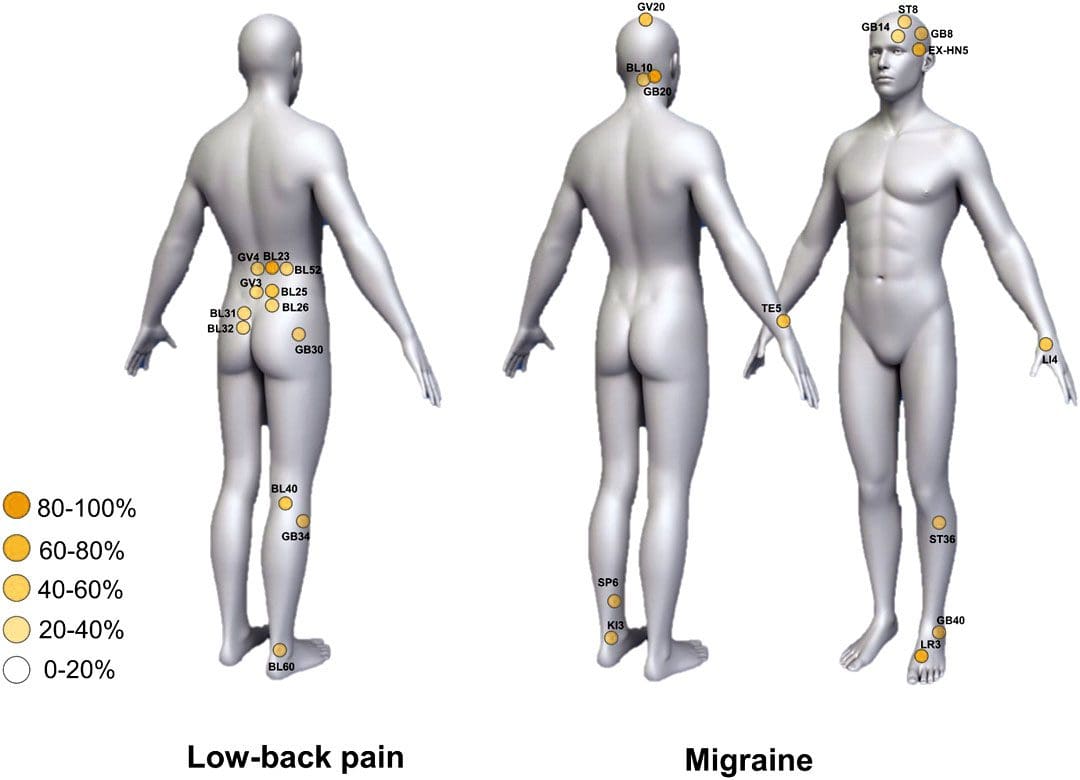
Low Back Pain
A study on non-pharmacological options for lower back pain showed that acupuncture treatment relieved intense pain and promoted better back functioning.
However, in terms of long-term benefits, it was not clear how helpful the treatment was. (Roger Chou, et al., 2017)
Migraines
Research done over a six-month period showed that:
Acupuncture was able to reduce the frequency of migraine symptoms by half in 41% of individuals compared to those not receiving acupuncture.
Treatment was noted as being helpful as preventative migraine medications. (Klaus Linde, et al., 2016)
Tension Headaches
According to research, having at least six acupuncture sessions may be helpful for individuals with frequent head pain or pressure/tension headaches.
This study also noted that acupuncture, combined with pain medication, significantly reduced headache frequency compared to those only given medication. (Klaus Linde, et al., 2016)
Knee Pain
Multiple studies found that acupuncture treatment may be able to improve knee function short and long-term in individuals who have knee osteoarthritis.
This condition causes the connective tissue in the knee to break down.
The study also found that treatment was able to help with osteoarthritis and decrease knee pain but was only helpful for the short term. (Xianfeng Lin, et al., 2016)
Another review looked at multiple studies that found that treatment delayed and reduced the use of pain medication in individuals who had knee replacement surgery. (Dario Tedesco, et al., 2017)
Facial Elasticity
Cosmetic or facial acupuncture is used to improve the appearance of the skin on the head, face, and neck.
In a study, individuals had five acupuncture sessions in three weeks, and a little over half of the participants showed skin elasticity improvement. (Younghee Yun et al., 2013)
The Process
Before getting acupuncture treatment, the acupuncturist will ask the individual about their medical history and may perform a physical examination.
Thin needles are placed in specific areas to address your concern or condition.
The acupuncturist may gently twist the needles to emphasize stimulation.
The needles are left in for 20 to 30 minutes, with the total session lasting anywhere from 30 minutes to an hour. (Tony Y. Chon, Mark C. Lee. 2013)
This is the burning of dried herbs near the acupuncture needles to warm and stimulate the points and enhance healing.
Electroacupuncture
An electrical device is connected to the needles, providing a gentle electrical current that stimulates the muscles.
Cupping
Glass or silicone cups are placed on the area, creating a vacuum/suction effect, which helps stimulate blood circulation and rebalance the energy. (Johns Hopkins Medicine. 2023)
After the treatment, some individuals may feel relaxed, while others may feel energized.
Is It Painful?
Individuals may feel a slight ache, sting, or pinch as the needle is inserted. Some acupuncturists adjust the needle after it has been inserted, which can cause additional pressure.
Once the needle is properly placed, individuals may feel a tingling or heavy feeling, referred to as de qi. (National Institutes of Health. (N.D.)
Let the acupuncturist know if there is discomfort or increased pain at any point during the session.
In order to reduce the risks, the treatment should always be done by a licensed trained healthcare provider using clean, disposable needles. It is recommended to consult with a primary care physician before getting acupuncture, as the treatment may not be right for individuals with certain health conditions.
Chon, T. Y., & Lee, M. C. (2013). Acupuncture. Mayo Clinic proceedings, 88(10), 1141–1146. https://doi.org/10.1016/j.mayocp.2013.06.009
Yun, Y., Kim, S., Kim, M., Kim, K., Park, J. S., & Choi, I. (2013). Effect of facial cosmetic acupuncture on facial elasticity: an open-label, single-arm pilot study. Evidence-based complementary and alternative medicine : eCAM, 2013, 424313. https://doi.org/10.1155/2013/424313
Chou, R., Deyo, R., Friedly, J., Skelly, A., Hashimoto, R., Weimer, M., Fu, R., Dana, T., Kraegel, P., Griffin, J., Grusing, S., & Brodt, E. D. (2017). Nonpharmacologic Therapies for Low Back Pain: A Systematic Review for an American College of Physicians Clinical Practice Guideline. Annals of internal medicine, 166(7), 493–505. https://doi.org/10.7326/M16-2459
Linde, K., Allais, G., Brinkhaus, B., Fei, Y., Mehring, M., Vertosick, E. A., Vickers, A., & White, A. R. (2016). Acupuncture for the prevention of episodic migraine. The Cochrane database of systematic reviews, 2016(6), CD001218. https://doi.org/10.1002/14651858.CD001218.pub3
Linde, K., Allais, G., Brinkhaus, B., Fei, Y., Mehring, M., Shin, B. C., Vickers, A., & White, A. R. (2016). Acupuncture for the prevention of tension-type headache. The Cochrane database of systematic reviews, 4(4), CD007587. https://doi.org/10.1002/14651858.CD007587.pub2
Lin, X., Huang, K., Zhu, G., Huang, Z., Qin, A., & Fan, S. (2016). The Effects of Acupuncture on Chronic Knee Pain Due to Osteoarthritis: A Meta-Analysis. The Journal of bone and joint surgery. American volume, 98(18), 1578–1585. https://doi.org/10.2106/JBJS.15.00620
Tedesco, D., Gori, D., Desai, K. R., Asch, S., Carroll, I. R., Curtin, C., McDonald, K. M., Fantini, M. P., & Hernandez-Boussard, T. (2017). Drug-Free Interventions to Reduce Pain or Opioid Consumption After Total Knee Arthroplasty: A Systematic Review and Meta-analysis. JAMA surgery, 152(10), e172872. https://doi.org/10.1001/jamasurg.2017.2872
Chan, M. W. C., Wu, X. Y., Wu, J. C. Y., Wong, S. Y. S., & Chung, V. C. H. (2017). Safety of Acupuncture: Overview of Systematic Reviews. Scientific reports, 7(1), 3369. https://doi.org/10.1038/s41598-017-03272-0
IFM's Find A Practitioner tool is the largest referral network in Functional Medicine, created to help patients locate Functional Medicine practitioners anywhere in the world. IFM Certified Practitioners are listed first in the search results, given their extensive education in Functional Medicine