Shane Scott was involved in an automobile accident when he heard about Dr. Alex Jimenez, chiropractor, from a friend. After experiencing headache, neck and low back pain, several days after the incident, Shane Scott’s quality of life, especially as a new father, was tremendously affected. Thankfully, treatment with Dr. Alex Jimenez has helped Shane Scott return to his regular daily activities. Shane Scott highly recommends Dr. Alex Jimenez as the non-surgical choice for neck pain treatment, encouraging many others to visit him.
Chiropractic Neck Pain Treatment
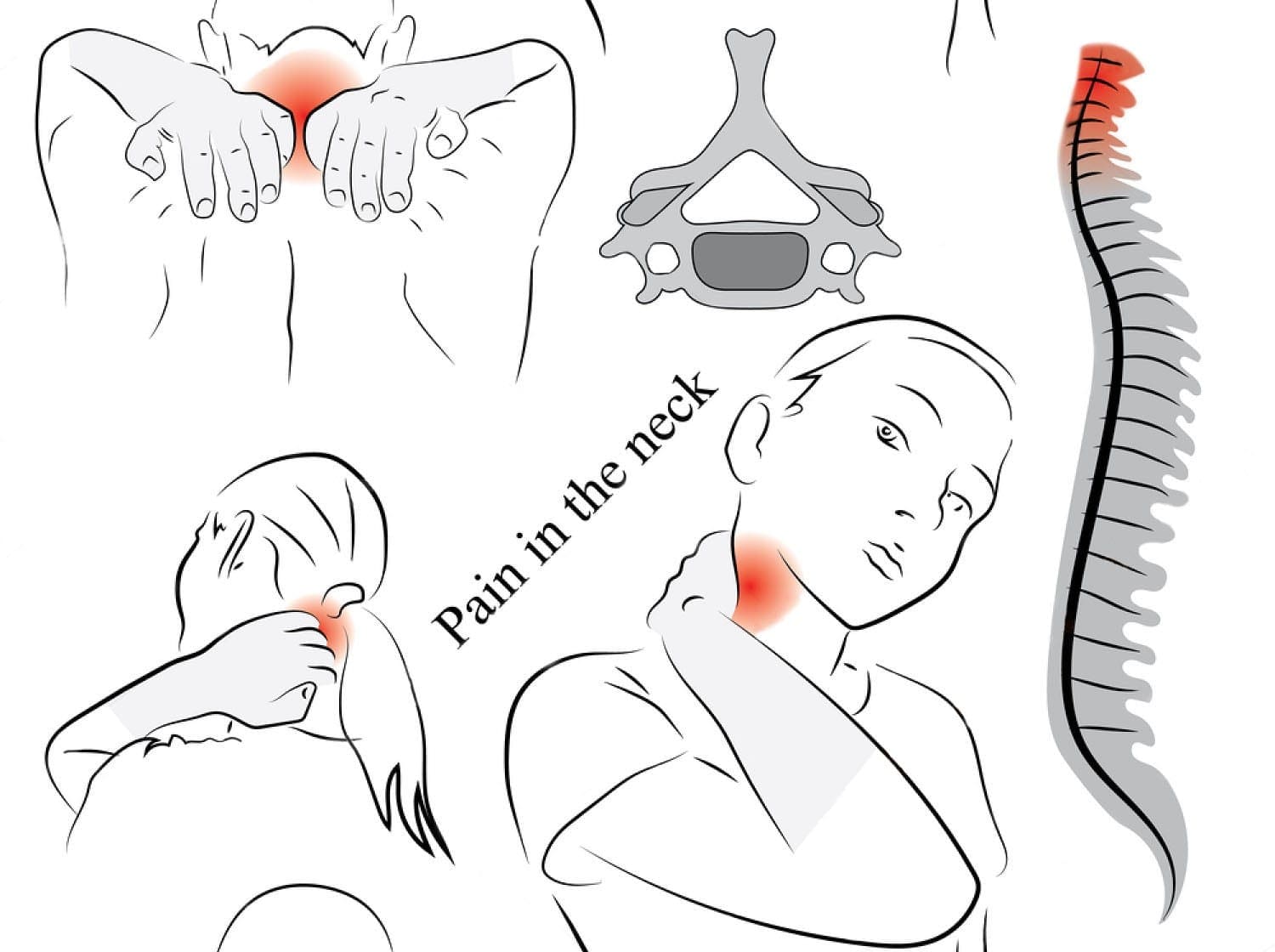
Neck pain (or cervicalgia) is a frequent problem, where two-thirds of the populace will experience neck pain some time in their lives. Neck pain can be brought on by numerous other spinal issues. Neck pain may arise due to muscle tightness in either the neck and upper spine, or pinching of the nerves emanating from the cervical vertebrae. Joint disturbance in the neck generates pain, as does joint disruption in the top back. The head is supported by the lower neck and upper spine, and it is these places that commonly cause neck pain.
We are blessed to present to you�El Paso�s Premier Wellness & Injury Care Clinic.
As El Paso�s Chiropractic Rehabilitation Clinic & Integrated Medicine Center,�we passionately are focused treating patients after frustrating injuries and chronic pain syndromes. We focus on improving your ability through flexibility, mobility and agility programs tailored for all age groups and disabilities.
If you have enjoyed this video and/or we have helped you in any way please feel free to subscribe and share us.
TMJ dysfunction: The temporomandibular joints, TMJ, are the lower jaw hinges that sit on either side of the head in front of each ear. They are responsible for the lower jaw opening, closing, sliding, and rotating. The TMJs are the most body�s most complex joints. The typical person uses them more than 5,000 times a day by talking, laughing, yawning, chewing, eating, smiling, and swallowing.
What Is TMJ Dysfunction?
TMJ dysfunction occurs when one or both joints become inflamed or injured causing pain and immobility in the jaw area. Because these joints are used so often and tend to be far more mobile than most other joints in the body, they can be prone to pain.
It is important that both joints work together because if they don�t it could result in more pressure on one joint than the other and this could cause the pain and discomfort that is associated with TMJ dysfunction.
What Are The Symptoms Of TMJ Dysfunction?
There are many symptoms of TMJ dysfunction and they may vary depending on the patient, the extent of inflammation or injury, and the cause of the dysfunction. The symptoms may appear suddenly when there is injury to the joint, or they can gradually develop over a period of months or even years. They may be mild and barely noticeable or they can be severe and debilitating. The most common symptoms of TMJ dysfunction include:
Jaw pain
Jaw pain when moving the joint such as chewing or talking
Popping or clicking of the joint
Pain in the face or side of the neck
Locking jaw
Headaches
Toothache
Earache
Clogged or �stopped up� ear
Ringing in the ears (tinnitus)
TMJ dysfunction can significantly impact a person�s quality of life because the pain prevents them from doing many things they normally do, and often the jaw itself simply no longer functions as it should.
What Causes TMJ Dysfunction?
Damage to the joint is the primary cause of pain associated with TMJ dysfunction. This can be the result of trauma such as:
Subtle movements done repetitively can also cause TMJ dysfunction:
Grinding teeth
Holding a phone between the head and shoulder
Clenching teeth
Nail biting
Gum chewing (excessive)
Eating hard or tough foods
How Can Upper Neck Misalignment Cause TMJ Dysfunction?
When the upper neck sustains trauma such as whiplash it can cause a misalignment. This can also cause TMJ dysfunction in a couple of ways. It can cause one side to work harder or sustain more pressure than the other, or it can put excess pressure on the trigeminal nerve. This causes irritation and inflammation.
When left untreated, the condition can become severe. The misalignment keeps the joints from working as they should because opening and closing the jaw pinches the disc. This results in painful spasms in the shoulder and neck muscles when the patient does simple, everyday activities like talking, smiling, eating, or laughing.
Chiropractic For TMJ Dysfunction
Chiropractic can be a very effective treatment for TMJ dysfunction, especially if it is due to neck misalignment. A chiropractor will perform spinal adjustments in order to realign the spine and neck, bringing the body back into balance. This will allow the jaw to work as it should, minimizing rubbing or friction in the joint.
The patient may also be told to apply heat, massage, and do special exercises for TMJ dysfunction that will help the joints heal and help to minimize the pain.
This condition is not always easy to diagnose so it is wise to talk to your chiropractor and get a diagnosis before attempting any treatment or home remedies for TMJ. Regular chiropractic treatment can not only relieve the pain of TMJ and help to heal it, it can also help prevent it. Your chiropractor can be a great ally in this endeavor.
Injury Medical Clinic: Shoulder Pain Chiropractic Treatment
Many headaches that people classify as migraines are actually not migraines at all. Two of the most common headaches confused with migraines are sinus headaches and occipital neuralgia.
The condition can be debilitating but there are treatments, including chiropractic, that are very effective. Understanding occipital neuralgia can help patients better manage it so they can minimize the pain and symptoms of the condition.
What Is Occipital Neuralgia?
Occipital neuralgia is a neurological condition that affects the occipital nerves which run from the top portion of the spinal cord, through the scalp, transmitting messages to and from the brain. There are two greater occipital nerves, one on each side of the head, from between the vertebrae located in the upper neck through the muscles that are located at the base of the skull and back of the head.
While they do not cover the areas on or near the ears or over the face, they can extend over the scalp as far as the forehead. When those nerves are injured or become inflamed, occipital neuralgia is the result. A person with this condition may experience pain at the base of their skull or the back of their head.
What Are The Symptoms Of Occipital Neuralgia?
Pain is the prevalent symptom of occipital neuralgia. It often mimics the pain of migraine headaches or cluster headaches and is described as throbbing, burning, and aching.
There may also be intermittent shooting or shocking pain. Typically, the pain begins at the base of the skull but may radiate along the side of the scalp or in the back of the head. Other symptoms include:
Pain is experienced on one side (but sometimes both sides)
Pain behind the eye of the side that is affected
Tenderness in the scalp
Sensitivity to light
Pain triggered by neck movement
What Causes Occipital Neuralgia?
Irritation or pressure to the occipital nerves are what actually cause the pain. This may be due to tight muscles in the neck that squeeze or trap the nerves, injury, or inflammation.
However, much of the time doctors are unable to determine the cause. There are several medical conditions linked to occipital neuralgia:
Tight neck muscles
Diabetes
Trauma or injury to the back of the head
Gout
Tension in the neck muscles
Whiplash
Inflammation of the blood vessels in and around the neck
Infection
Neck tumors
Cervical disc disease
Osteoarthritis
What Are The Treatments For Occipital Neuralgia?
Occipital neuralgia treatment focuses on pain relief. It often begins with conservative treatments that include:
In more severe cases the patient may be prescribed a stronger anti-inflammatory medication, muscle relaxants or in some cases an anticonvulsant medication.
If these therapies are not effective or do not bring about the desired level of pain relief, then doctors may recommend percutaneous nerve blocks and steroids. Sometimes surgery is recommended in cases where the pain is severe, chronic, and is unresponsive to more conservative treatments.
Chiropractic For Occipital Neuralgia
Chiropractic was once considered an �alternative� treatment for occipital neuralgia, but now it is often a regular part of recommended patient care. The advantage of chiropractic over medication or surgery is that chiropractic does not come with the side effects of drugs or the risks of surgery.
Another advantage is that chiropractic seeks to correct the root of the problem, not just manage the pain like other treatments.
Chiropractic treatment for occipital neuralgia may include lift adjustments, heat, massage, and traction. This will bring the body back into proper alignment and take the pressure off of the nerves as it loosens the neck muscles.
The patient stands a better chance of staying pain free when taking this treatment route.
Injury Medical Clinic: Doctor Of Chiropractic Near Me
Alfonso J. Ramirez, now retired, found follow-up treatment with Dr. Alex Jimenez for his neck pain. Mr. Ramirez experienced chronic pain and headaches, but after receiving chiropractic care, he found relief from his symptoms. Since then, Alfonso Ramirez has continued to maintain the alignment of his spine with Dr. Jimenez. Mr. Ramirez is grateful for the chiropractic care he’s received for his neck pain and for his shoulder and knee pain. Alfonso J. Ramirez recommends Dr. Alex Jimenez as the non-surgical choice for neck pain.
Chiropractic Care Neck Pain Treatment
Neck pain (or cervical Gia) is a frequent problem, together with two-thirds of the population experience neck pain at any time in their lives. Neck pain, although felt in the neck, can be brought on by many other spinal issues. Neck pain may arise because of muscular tightness in both the neck and upper back, or pinching of the nerves emanating from the cervical vertebrae. Joint disruption in the neck also creates pain, as does joint disruption in the top back. Neck pain affects about 5 percent of the global population as of 2010.
We are blessed to present to you�El Paso�s Premier Wellness & Injury Care Clinic.
As El Paso�s Chiropractic Rehabilitation Clinic & Integrated Medicine Center,�we passionately are focused treating patients after frustrating injuries and chronic pain syndromes. We focus on improving your ability through flexibility, mobility and agility programs tailored for all age groups and disabilities.
If you have enjoyed this video and/or we have helped you in any way please feel free to subscribe and share us.
Fibromyalgia is one of the most common chronic pain conditions in the United States. It is believed to affect one in fifty people in the U.S. alone, according to the American College of Rheumatology.
This condition is very problematic because it is extremely difficult to diagnose. It is also difficult to treat because it tends to be a chronic condition. Many doctors use pain medication that treats the symptoms, but there is evidence that shows chiropractic treatment as a very effective way to treat fibromyalgia, minimize the pain, and even control.
What Is Fibromyalgia?
Doctors don�t really know what fibromyalgia is or what causes it, but researchers believe that that the condition affects the way that the brain processes pain, causing it to be amplified and spread throughout the body. Symptoms of fibromyalgia include pain, excessive sleeping, mood swings, fatigue, memory loss, fuzziness, and depression. It seems to be more prevalent in women than in men.
The condition may develop suddenly after severe psychological stress or physical trauma such as infection or surgery. However, it may also develop gradually with no known triggers. Often people who suffer from fibromyalgia also have irritable bowel syndrome, tension headaches, anxiety, temporomandibular joint (TMJ), and depression.
4 Ways That Chiropractors Can Help Fibromyalgia Patients
There are four primary ways that a chiropractor can help patients with fibromyalgia. Chiropractic focuses on whole body wellness and has been shown to be very effective in treating the condition.
Chiropractic Adjustments
This chiropractic technique helps to realign your body and re-establish the connection between the nervous system and nerves throughout the body. It essentially resets the nervous system so that the brain can process pain more accurately. In fibromyalgia the pain is believed to be caused by the central nervous system receiving faulty or inaccurate pain signals and the result is pain felt throughout the body.
Physical Therapy
This is an important part of treatment that your chiropractor will recommend. Fibromyalgia can cause severe muscular pain and patient stop moving or exercising because it simply hurts too much. When the patient stops moving they lose muscle tone which actually exacerbates the effects of the condition.
Lifestyle Adjustment Recommendations
The chiropractor may also make recommendations regarding lifestyle adjustments. This can include incorporating exercise into the patient�s daily routine or finding ways to control the pain without medication. A patient who spends most of their day sitting behind a desk may be advised to take periodic walks. The recommendations will depend on the patient�s everyday activities and lifestyle.
Nutritional Recommendations
Nutrition plays a large part in every aspect of the body. It can cure conditions and help alleviate symptoms. The chiropractor will often make recommendations regarding changes to the diet and supplements. It helps both the psychological aspects of the condition as well as they psychological ones. This type of treatment is often recommended in conjunction with chiropractic treatments as part of a whole body wellness approach.
Chiropractic treatments have been shown to be very successful in treating fibromyalgia patients, particularly in alleviating pain. Patients report a significant decrease in neck, back, and leg pain after just one visit. Because it provides immediate relief without medication, chiropractic is regarded as one of the best treatments for the condition. When the spine is properly aligned the entire body functions more efficiently and effectively.
One of the most attractive benefits of chiropractic treatments is that it treats pain and mobility issues without the use of medications. In the case of fibromyalgia, because so little is actually known about it, chiropractic is an optimal treatment method because it does work but it does not put an additional burden on the body by introducing medications.
Chiropractic Clinic Extra: Fibromyalgia Care & Treatment
Chiropractic treatment is a nonsurgical option that can help reduce neck pain and related symptoms. Below are some of the different types of neck (cervical) conditions that Doctors of Chiropractic (DC’s) treat:
Chiropractors also use manual therapies to treat neck pain:
Cervical intervertebral disc injuries that don�t require surgery
Cervical sprain injuries
Degenerative joint syndrome of the neck (eg, facet joints)
A chiropractor evaluates the spine as a whole because other regions of the neck (cervical), mid back (thoracic) and low back (lumbar) can be affected as well. Along with treating the spine as a whole, chiropractic medicine treats the entire person and not just a specific symptom/s. Chiropractors may educate on nutrition, stress management, and lifestyle goals in addition to treating neck pain.
A chiropractor will do a thorough examination to diagnose the specific cause of the neck pain before deciding on which approach/technique to use.
They will determine any areas of restricted movement and will look at a walking cycle along with posture and spinal alignment. Doing these things can help the chiropractor understand the body’s mechanics.
In addition to the physical exam, a chiropractor will want to go over past medical history, and they may order imaging tests (eg, an x-ray or MRI) to help them diagnose the exact cause of the neck pain.
All these steps in the diagnostic process will give a chiropractor more information about the neck pain, which will help the� chiropractor create a customized treatment plan for the individual patient.
A chiropractor will rule out neck pain conditions that require surgery. If they believe surgery is the best treatment for the neck pain, then the patient will be referred to a spine surgeon.
Chiropractic Treatment: Neck Pain
A chiropractor may use a combination of spinal manipulation, manual therapy, and other techniques as part of the treatment plan.
Spinal Manipulation Techniques Used:
Flexion-Distraction Technique:�Gentle hands-on spinal manipulation that involves a pumping action on the intervertebral disc rather than direct force.
Instrument Assisted Manipulation:�Uses hand-held instruments, which allow the chiropractor to apply force without thrusting into the spine.
Specific Spinal Manipulation:�Restores joint movement with a gentle thrusting technique.
Chiropractors also use manual therapies to treat neck pain.
Instrument Assisted Soft Tissue Therapy: uses special instruments to diagnose and treat muscle tension.
Trigger Point Therapy is used to relieve tight, painful points on a muscle.
Other therapies used to ease neck pain symptoms.
Inferential Electrical Stimulation:�Is a low frequency electrical current used to stimulate neck muscles.
Ultrasound:�Sound waves travel into the muscle tissues to help stiffness and pain in the neck.
Therapeutic Exercises:�Helps improve overall range of motion in the neck and prevent neck pain from progressing.
The treatments listed are examples of possible chiropractic treatment for neck pain; The actual treatment plan will depend on the diagnosis. A chiropractor will thoroughly explain the treatment options available along with the actual customized treatment for the individual patient.
Chiropractic Clinic Extra: Neck Pain Care & Treatments
Remember how your mom always said, “Nothing in life is free”? Well, she was right. High-tech gadgets and smart phones advancing at the speed of light are a modern convenience unlike little else, but the advantages of communication at our fingertips come with a price: text neck.
Here are 5 things chiropractic patients ought to know about text neck, the epidemic that is taking the world by storm:
1. Text neck is caused by poor posture.
Specifically, habitually looking down at a phone or laptop puts extra pounds of unwanted pressure on the cervical spine, causing wear and tear and even degeneration over time. Additionally, in the space between the neck and shoulder is a cluster of nerves. If these nerves are compressed, misaligned, or damaged, the pain is excruciating and difficult to treat.
In short: Text neck puts the head, neck, and spine at risk.
2. Text neck is increasingly common among young people.
Spending as little as two to four hours a day hunched over a smart phone is enough to make a serious impact on the body over time. And though two to four hours may not seem like a long time, it isn’t hard to arrive at two hours by adding several 15-minute or half-hour segments together.
For teenagers, specifically, two to four hours on a smart phone is not unfathomable. Some teens likely spend twice that much time in a given afternoon or the space between classes or over lunch. Consider the impact of 1500+ hours of bad posture in a year. It is no surprise that teenagers are at risk.
The lasting impact of text neck on today’s young people could be costly.
3. Text neck in combination with a sedentary lifestyle is a recipe for disaster.
With hours of looking down at a smart phone often come hours of relaxing on the couch or sitting still. Generally speaking, we aren’t prone to be active when we are engaged in surfing the Internet or texting our friends.
Though the list of ailments for poor posture is long and discouraging, it is made worse by sluggishness or inactivity. The best thing to do is to put the phone down on occasion, stretch, exercise, and return to the technology only once in a while.
The benefits of technology do not outweigh the consequences of inactivity.
4. Text neck can be corrected.
Practicing good posture is the easiest place to start. Making an appointment with a chiropractor is a good move for anyone who is facing the painful side effects of hours spent looking down.
Taking small steps toward better posture can save money and pain in the long run. Choosing to engage in technology as a treat instead of around the clock is a good practice for anyone who wants to live a long and healthy life.
5. Text neck can be avoided.
To be clear: No one is asking anyone to stop using cell phones. Text neck can be avoided without going 1980 on cell phone usage. But avoiding extra pressure on the neck and spine does require forethought and follow-through.
In today’s ever-increasing technological age, choosing to dodge smart phone usage doesn’t happen accidentally. One good strategy is to look with the eyes instead of moving the neck. Another strategy is to ask friends and family to say something when they notice prolonged periods of poor posture.
In short, text neck is nothing to LOL about. Take it seriously and make any necessary changes before text neck gets the best of you. Let us know how we can help by giving us a call today.
This article is copyrighted by Blogging Chiros LLC for its Doctor of Chiropractic members and may not be copied or duplicated in any manner including printed or electronic media, regardless of whether for a fee or gratis without the prior written permission of Blogging Chiros, LLC.
IFM's Find A Practitioner tool is the largest referral network in Functional Medicine, created to help patients locate Functional Medicine practitioners anywhere in the world. IFM Certified Practitioners are listed first in the search results, given their extensive education in Functional Medicine








 Doctors don�t really know
  There are four primary ways that a chiropractor can help patients with fibromyalgia. Chiropractic focuses on whole body wellness and has been shown to be very effective in treating the condition.
 A chiropractor may use a combination of spinal manipulation, manual therapy, and other techniques as part of the treatment plan.