Anterior cervical discectomy and fusion (ACDF)�is a procedure that treats chronic neck conditions and is the most common spinal surgery performed in the U.S.�30 percent of Americans a year experience neck pain, chronic neck pain and radiculopathy or pain that spreads out and radiates to other parts of the body, in this case down the arms.
It�s a procedure that can work wonders, but as many as two-thirds of patients continue to manage neck pain and dysfunction after ACDF. One of the best ways of managing neck pain and dysfunction is to exercise. Research shows that a prescribed exercise program right after surgery can help lessen the pain and create less dependence on medications. A 2020 study published in SPINE suggests that patients that began therapeutic exercises right away had better results than individuals that started an exercise program after the six-week checkup/examination.
What Anterior Cervical Discectomy Fusion Treats
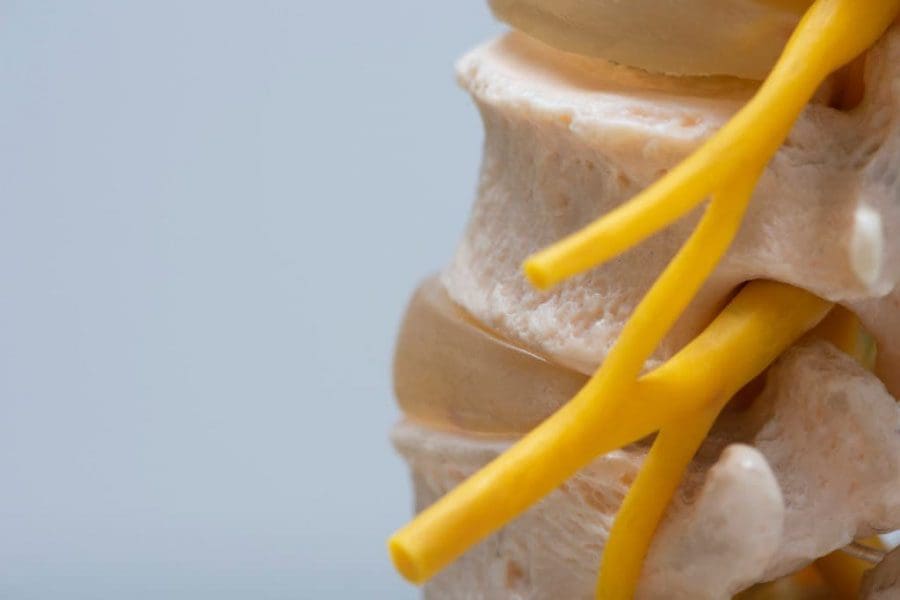
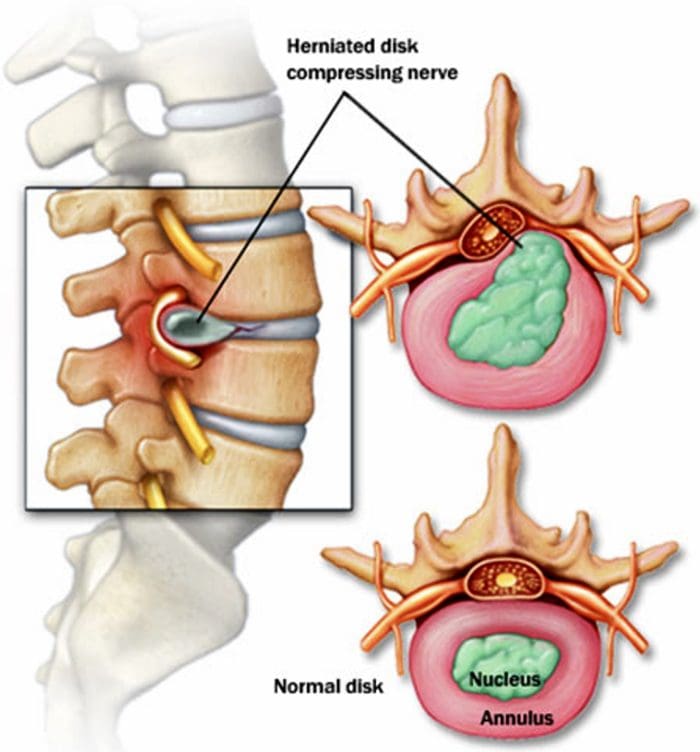
The procedure is performed on individuals with degenerative disc disease or a bulging or herniated disc. These conditions can cause the spinal disc to place pressure on the spinal cord and nerve roots that branch out, creating:
Numbness
Tingling
Pain
Weakness in one or both arms
Most individuals that are recommended to undergo the surgery experience symptoms that don�t respond to non-surgical therapies or medication/s. A significant symptom is hand/arm weakness and arm pain that�s worse than the neck pain.
ACDF Surgery
The ACDF procedure is broken into two parts: a discectomyand a fusion. Anterior means in front and in this case it’s the front of the neck that the surgeon accesses the damaged discs.�In a discectomy, the surgeon removes a portion/s or all of an intervertebral disc/s to release the pressure on the nerves. The fusion part fuses the two vertebrae together. This eliminates the painful movements. A bone graft is inserted between the vertebrae at the spot where the disc was removed. The bone graft serves as a structural scaffold that the body uses to build new tissue and cause the vertebrae to grow together.
The graft can come from three sources:
Your own bone called an autograft, this is usually a piece of bone from the pelvis just above where the front jean pocket would be.
Bone donation called an allograft that comes from a cadaver from a bone donor bank.
Substitute material/s like man-made plastic, ceramic, or bioresorbable compounds.
Home Exercise Program
There are those that are of the opinion to hold off on physical therapy or exercise until about six weeks post-ACDF when recovery is established. However, the study suggests it is more effective to begin a home exercise program (HEP) as soon as possible. At this time telemedicine is the replacement for in-person physical therapy sessions but works just as well. The study examined 28 individuals’ outcomes over 12-months post-operation.
The participants were divided into two groups:� Standard care and Early HEP. Both groups went through the standard postoperative care, along with medication, a cervical collar or neck brace, and restrictions of certain activities. The standard care group received physical therapy referral six weeks after surgery while the early HEP group was given a home exercise program to perform during the postoperative six-weeks.
This included walking and sleeping instructions and a range of motion/strengthening exercises. A cognitive-behavioral strategy was also given to help relax. The participants would phone-conference with a physical therapist on a weekly basis. Exercises increased in difficulty every two weeks, based on the therapists’ judgment. When compared to the standard care group, the early HEP group reported a reduction in short-term neck pain and were less likely to be using pain meds/opioids twelve months after their surgery.
Recovery Tips
Recovery time after ACDF surgery typically lasts about four to six weeks. If the bone graft was from the pelvis, there could be pain, soreness, and stiffness. To minimize discomfort, try not to sit or lie down for long periods. And remember to change position or take a quick short walk down the hall, to the kitchen, etc. every 20-30 minutes. If you are referred to physical therapy combine it with the home exercise program. The therapist will teach you exercises and proper form. Exercising ten minutes every day is far more effective than doing 45 minutes once a week.
Resuming normal activities gradually is crucial. No pain, no gain does not apply when recovering from ACDF surgery. Recovery exercises can feel great. However, pain and fatigue can sneak up the next day or the following week. Gradually easing back into daily activities can help avoid major setbacks. Work, shopping, house chores, childcare, and lawn care all fall into the activity category.
A recurrence of neck pain after recovery is normal. However,�discomfort can be minimized by taking a few precautions.
Use proper form when lifting
Keep objects close to the body
Keep the back flat as you lift
Maintain neutral neck position
Be aware of your posture when sitting, standing, walking, and sleeping
Gradually increase the exercise program
Don’t overdo it
Address underlying fear/anxiety
Fear of generating pain can cause tension and exacerbate or even create new pain symptoms
Stop smoking, as it has shown to impede the fusion and heighten the risk for complications
ACDF surgery can improve quality of life. Your surgeon is responsible for performing the procedure, it�s up to the individual to follow through with an exercise program and proper ergonomics for optimal results.
A doctor could recommend alternative treatments, as part of aplan for neck pain like acupuncture, herbal compounds, and yoga. You may want to try them out yourself. Many have reported that these have really helped. Please consult a doctor before trying any alternative therapies. These are safe but should be set-up by a professional to make sure they are done safely. For example, there could be negative interactions between herbs, supplements, and other medications being used.
Acupuncture
This is an eastern approach to healing. Acupuncture focuses on the body’s energy force known as Qi or Chi. When the energy is blocked from flowing this is when physical illnesses develop. Acupuncture restores the healthy energy flow. It isn’t better or worse it is just different.
Herbal Medicine
There are herbal compounds that have proven to be useful for neck pain.
Capsaicin Cream
Capsaicin is a chili pepper extract and can help relieve neck pain. It temporarily reduces pain. Capsaicin cream can help with osteoarthritis and muscle pain, which both cause neck pain.
Devil’s Claw
Devil’s claw comes from southern Africa, where it has been used for centuries to treat fever, arthritis, and gastrointestinal problems. It is used for conditions that cause inflammation and pain, like cervical osteoarthritis.
White Willow Bark
White willow bark is how aspirin in Europe was developed. Synthetic versions like aspirin can irritate the stomach, which is why the natural white willow bark is used instead. It helps with conditions that cause pain and inflammation like osteoarthritis.
Massage
Neck pain can be caused by stress, overuse, and misuse. Misuse means like sitting hunched over a computer for too long every day will take its toll. Massage helps to release tension, relieve muscle inflammation, and pain. Regular massages could help as a preventative measure.
Yoga/Pilates
Yoga and Pilates can increase core strength, improve balance, posture, and reduce stress. These can all help deal with neck pain/ prevent neck pain when done correctly and safely. Neck pain relief can be found with these treatments. Treatments that focus on relieving tension or stress can prove especially helpful if the pain is related to tight muscles and the physical effects of stress.
These alternative treatments could work at their optimal in combination with other therapies. This is to fully address the underlying spinal condition/root cause, along with any other neck-related symptoms.
Steroid injections into the cervical spine can help with�radiating�neck pain. Neck pain affects people all over the world. Although it is not as common as back pain, neck pain can really take a toll on a person�s quality of life and ability to work.� This comes in the form of:
Sleep problems
Radiating/Spreading pain
Mental health issues and more
Much like back pain neck pain can be hard to treat effectively without identifying the root cause known as the pain generator. If natural treatments like chiropractic aren’t working then injections could be the next phase.
Injections can help with:
Identifying the source/root cause of the pain as a diagnostic
Treats the pain as a therapeutic
The most commonly used are cervical epidural steroid injections,medial branch blocks (MBBs), and facet joint injections. Learn about what they are, what they treat, and the scientific research behind their risks and benefits.
Cervical Epidural Steroid
The phrase cervical epidural steroid injection:
Injection means that medicine is delivered through a needle.
Cervical means the cervical spine, which is the neck.
Epidural means the dura or outer layer of the soft tissue that encases the spinal cord, nerve roots, and cerebrospinal fluid. Epidural means the medicine goes into the space around the dura.
Spine specialists use image guidance with a contrast dye called fluoroscopy ensuring the medicine gets delivered to the proper area.
2 Types
The needle enters the space through a transforaminal approach or interlaminar approach. Words like epidural just refer to where the needle goes. These injections also called nerve root blocks, are performed by entering the epidural space through the opening where the nerve roots branch out. This space is known as the intervertebral foramen.
When it is called a selective nerve root block, this is for cases where multiple nerve roots are being compressed and the injection is being used in a diagnostic purpose to identify which nerve is the pain generator. The needle in an interlaminar epidural injection goes through the opening that exists between two adjacent vertebrae.
Candidates
Cervical epidural steroid injections may be appropriate for someone who has severe neck pain with:
Numbness
Weakness
Altered sensation in the arm, shoulder, or between the shoulder blades
Cervical epidural steroid injections are reserved as a second-line treatment for individuals that have neck pain that does not stop for more than 4 weeks despite conservative treatment like physical therapy, chiropractic, or medical pain management using NSAIDs or acetaminophen.
The source of the pain is usually what determines if injections are appropriate.
With a patient�s:
Past medical and surgical history
Pain history
Physical exam findings
Imaging Results like CT computed tomography scan, MRI magnetic resonance imaging or a nerve test like an EMG�electromyography test all can help in finding the source of the pain.
If a spine specialist thinks the nerve compression was brought on by a disc herniation, spondylolisthesis or the shifting of vertebral levels, scarring, or arthritic conditions is causing the pain, then an injection may be appropriate. If the pain comes from an infection or cancer, then this treatment is unlikely to be recommended.
Potential Benefits
The effects of injections are different for everyone, because of the variables:
The Duration of symptoms
The Cause of symptoms
Any Additional treatment
More than 50% will have at least 50% improvement in their pain for around 4 weeks. Then there are individuals that experience relief, up to 6 months. There are no significant differences in outcomes between the transforaminal and interlaminar approaches.
Overall alleviation from the pain is enhanced/improved when the injections are combined with a full-on treatment plan that includes physical therapy/chiropractic and pain medications.
Possible Risks
Common complications associated with injections are usually minor and temporary. These are:
Headache/s
Facial flushes
Light Headedness
Rash
Pain increase
Extended Numbness
Major complications are rare, but they can happen. These include�infection, paralysis, stroke, and death. However, this happens in less than 1% of individuals undergoing this treatment. These complications are thought to happen from direct spinal cord penetration of the needle, bleeding into the spinal canal, or the medicine inadvertently getting injected into the blood vessels. Surgical groups and facilities have strict guidelines to limit these complications.
This treatment is commonly used, and when done correctly can be a powerful tool in the treatment of persistent, severe neck pain. Everyone is different so if you are considering a cervical epidural spinal injection find a qualified spine specialist or consult with a chiropractor to find out if injections are necessary.
Reduce stress, reduce pain. Life creates stress, and while some stress can be good, too much causes health problems. Everyone experiences stress. However, now it is becoming a new normal in today�s hectic, fast-paced, high-pressure society. Most individuals equate stress with high blood pressure, heart attacks, or stroke. However, neck and back pain, insomnia, and weight gain can be stress-related, as well. And a lot of stress can make already-existing back/neck pain worse.
73% of individuals report experiencing stress-related psychological symptoms including anxiety and depression. These are not accurate numbers because most do not seek help for their stress issues. Stress symptoms should not be taken lightly. It is important to address the symptoms and find ways to reduce stress. Chiropractic is an effective stress reliever.
Stress
Financial pressures, kids, long work weeks, and medical problems are common anxieties. Prolonged stress can become chronic, which results in muscle tension that can feel stiff, achy and uncomfortable. Stress can develop into neck or back pain.
Stress is the state of:
Emotional
Mental
Pressure
Tension
That results from difficulties, adverse situations, or extremely demanding circumstances. The very nature of stress by definition makes it very subjective. A “stressful” situation for one person might not phase another. This makes it difficult to pin down a precise definition.
More often, the term stress is more often used to describe the set of symptoms that are caused by stress and those symptoms can be as varied as the people who experience them.
Symptoms
Stress symptoms can affect the entire body physically and mentally. Common symptoms include:
Anxiety
Chest pain
Depression
Fatigue
Gastrointestinal problems
Irritability
Lower back pain
Muscle tension
Overeating
Headache
Restlessness
Sleep problems
Unable to focus
Undereating
Health
Technically, stress itself does not have a negative impact on health. Some individuals deal with situations that others would consider to be stressful, yet they never exhibit symptoms. This speaks to the subjective nature of stress. Different people experience different symptoms and are a combination of stress symptoms, how the person handles those symptoms that adversely affect health.
Ultimately, stress symptoms can lead to some very serious conditions including:
Heart disease
Hypertension
Diabetes
Obesity
Cancer/s
Psychologically, it can lead to social withdrawal and social phobias and is directly linked to alcohol and drug abuse.
Tips
These can help you reduce stress, and reduce pain.
Vital Signs
Get a medical checkup if possible through Telemedicine and talk to a doctor/therapist about your stress, along with medical history. Side effects from medications (prescription or over-the-counter), herbal products, or other supplements can cause restlessness, insomnia, and anxiety.
Physical therapy combines pain-relieving non-invasive treatments with therapeutic exercise, posture correction, and preventive body mechanics.
Consider conversational therapy with a stress counselor, psychologist, or support group online.
Get Moving
Yoga and relaxation movements help reduce stress and stretch muscles. Viniyoga blends breathing and movement together to quiet body and mind. These movements are less precise and adapted to a person’s physical condition. Talk to a doctor about trying yoga or other stretches.
Swimming combined with a sauna or steam bathing can relieve stress-induced pain.
Take frequent stretch breaks to loosen up tight neck or back muscles.
Go for short walks at break or lunchtime to get the circulation going.
Learn to Relax
Kick back, put your feet up, and empty your mind of everything.
Wrap an ice pack and hot pack (or hot water bottle) individually in towels. Apply the ice pack for 10 minutes and then the hot pack for 5 minutes. Alternate several times.
Massage, aromatherapy and spa treatments you can do at home.
Aromatic massage oils containing eucalyptus can help ease muscle pain.
Meditation or visualization therapy combines meditation practices that focus on breathing and calming the mind.
Visualization techniques combine imagery with breathing exercises.
Take Control of the Little Things
Break up problems into smaller manageable pieces and work on resolving the easier parts first.
Learn your limits, how to delegate responsibility and not take the entire load on your shoulders so as not to get overwhelmed.
Allow yourself to fail, we all have to fail in order to learn in order to apply what was learned.
Eat and Drink for Life
Make mealtime less stressful. Pick nourishing foods, eat slowly, and savor each other’s company.
Caffeinated coffee, soda, and other drinks do not help reduce stress or promote restful sleep.
Avoid drinking at night because it can make falling and staying asleep a challenge.
Proper sleep or naps can help relieve stress.
Dealing with Stress Is Good for Your Back
We may not be able to control life’s stressors, but don’t let everyday demands interfere with your health. Incorporate exercise, relaxation techniques, and healthy foods to reduce stress and pain and promote stress prevention.
Reduce stress reduce pain with chiropractic
Chiropractic cannot get rid of stress, but it can help relieve stress symptoms. The more stress the body endures, the more sensitive it becomes to pain and physical imbalances. Chiropractic helps by bringing the body back into balance, aligning the spine, and relieving pain.
The simple act of aligning the spine helps relieve stress in the body that you may not even be aware of. The physical stress of a misaligned spine can exacerbate symptoms and make a person more susceptible to stressful stimuli in their environment. Chiropractic helps to improve circulation which is essential in relieving muscle tension and helps shuts down the fight or flight response allowing the body to rest and heal.
We are familiar with neck stiffness or a crick. This can prevent us from comfortably moving the head all around. A crick can cause the spine, and shoulders to feel rigid and stressed from not being able to turn around and could cause an upper or low-back strain from having to turn the whole body to look back or even just to the side. Chiropractic treatment is available and will help, along with some self-care therapies that can be done at home.
Crick in the Neck vs. Neck Stiffness
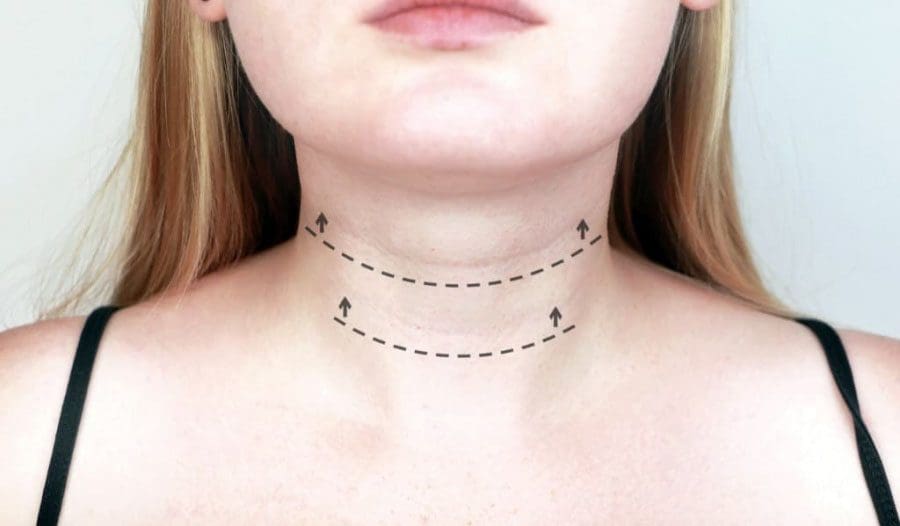
A crick in the neck is the same as a stiff neck. It develops when the neck muscles, tendons, and ligaments become strained/sprained. Most strains and sprains are minor but do cause inflammation/swelling of the neck�s soft tissues, which results in stiffness and, at times muscle spasms.
The symptoms
Cricks in the neck are uncomfortable, but not necessarily painful. If there is a pre-existing neck condition or injuries like whiplash the crick and stiffness could increase the uncomfortableness and generate pain.
The most common symptoms include:
Neck stiffness
Muscle stiffness
Reduced mobility affecting the neck�s range of motion
A popping sensation when trying to turn or tilt the head
Causes of a stiff neck or crick
There are different causes of neck stiffness. It can be a combination of things you can control and some you can�t.
Possible causes that you can control:
Poor posture working either sitting or standing for several hours without breaks or stretching.
Sleeping in a position that puts the neck in an awkward position or using a pillow that does not support the neck when sleeping.
Constantly looking down at a cell phone or tablet.
Stress and emotional tension can cause involuntarily tightening of the neck muscles and shoulders.
Heavy labor along with incorrect lifting techniques.
Reaching or having to look up/overhead for several hours like when painting a ceiling.
Possible causes that are out of your control:
Whiplash injury
Sports-injuries like a football stinger
Aging muscles and bones
Around 13% of cases the stiffness, and pain are caused by separate cervical spinal conditions, like:
Cold therapy reduces the swelling of soft tissues, like muscles and ligaments, while heat soothes the tightness by boosting blood circulation to the affected area. There are different products available that can deliver cold or heat to the neck and upper back.
Apply ice for 15 minutes each hour.
Apply heat therapy like a heating pad for 15 minutes every 2 or 3 hours.
Over-the-counter anti-inflammation medicines
Non-steroidal anti-inflammatory medications like ibuprofen and naproxen can help relieve inflammation and pain.
Because neck stiffness can be linked to lifestyle choices, individuals may find that they occur repeatedly. Simple neck stretches, chiropractic treatment, using a supportive pillow, and taking frequent breaks at your job can help prevent neck stiffness and keep you moving. These professionals have undergone extensive training in their field and are capable of treating neck pain effectively. So if you or a loved one are experiencing neck pain, give us a call. We�re ready to help!
Fender benders/automobile accidents are the number one cause of spinal cord injuries. Auto accidents have accounted for more than a third of all reported cases of spine injuries. On average, individuals drive 30-40 miles every day. We love our cars, and we love to drive. Nothing throws us out of our normal world faster than a fender bender.
Auto accidents also account for other injuries like:
Whiplash
Spinal fractures
Herniated discs
A crash causes bodily injury, stress, and, in some cases, ongoing legal matters. However, these injuries don’t present symptoms until weeks or even months after the accident. With the vast number of automobiles on the road, as well as drivers being distracted, increases an individual’s chances of being involved in an accident. If a fender bender happens to you, it is important to recognize and understand what has happened to keep you safe and your injuries to a minimum.
Understand the Situation
The way you react seconds after a crash can impact the situation tremendously. Determine where you are injured, and if you are in any immediate danger. If for example there is a fire get out fast. Otherwise, stay inside.
Analyze Injuries
How bad are the injuries? Even if you feel fine, your head, neck, and back could still have been impacted. Identify where you hurt, and the intensity of the pain.
Wait for the Ambulance/Police
Try to stay as calm as possible inside your car/truck and wait for the police and ambulance. If your vehicle has flipped and you are stuck from the seatbelt, stay put and wait for someone that knows what to do and can see what is happening. A good portion of head and neck injuries happen when the occupant/s release their seat belts after a crash, not realizing that it can exacerbate an injury or create new ones.
Inform EMT’s
Once paramedics arrive, explain if you can, the areas of pain and injury. If you’ve previously suffered from injury or medical condition to the neck, back, or spine, let them know, as there is increased risk to individuals who already deal with medical conditions or bodily injuries.
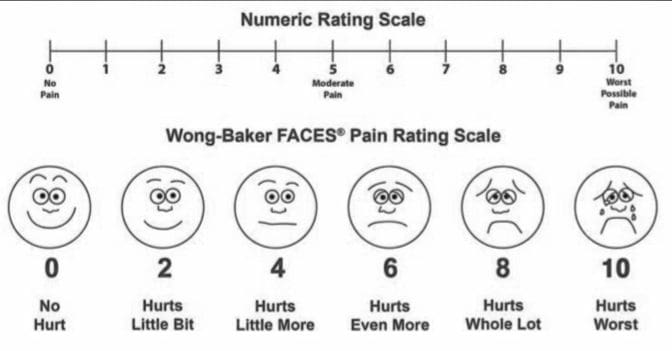
This information helps formulate how they will take the individual out of the vehicle and what type of emergency treatment to utilize. Be specific when telling the paramedics, use simple language and the 1-10pain scale to describe the level of pain and discomfort.
Chiropractor
If the injuries are minimal and you are released, be thankful. Still make an appointment with a chiropractor/physical therapist that specializes in fender bender treatment/therapy. Since some of these injuries can take a few days to show up, the fender bender could have impacted:
Bones
Joints
Ligaments
Nerves
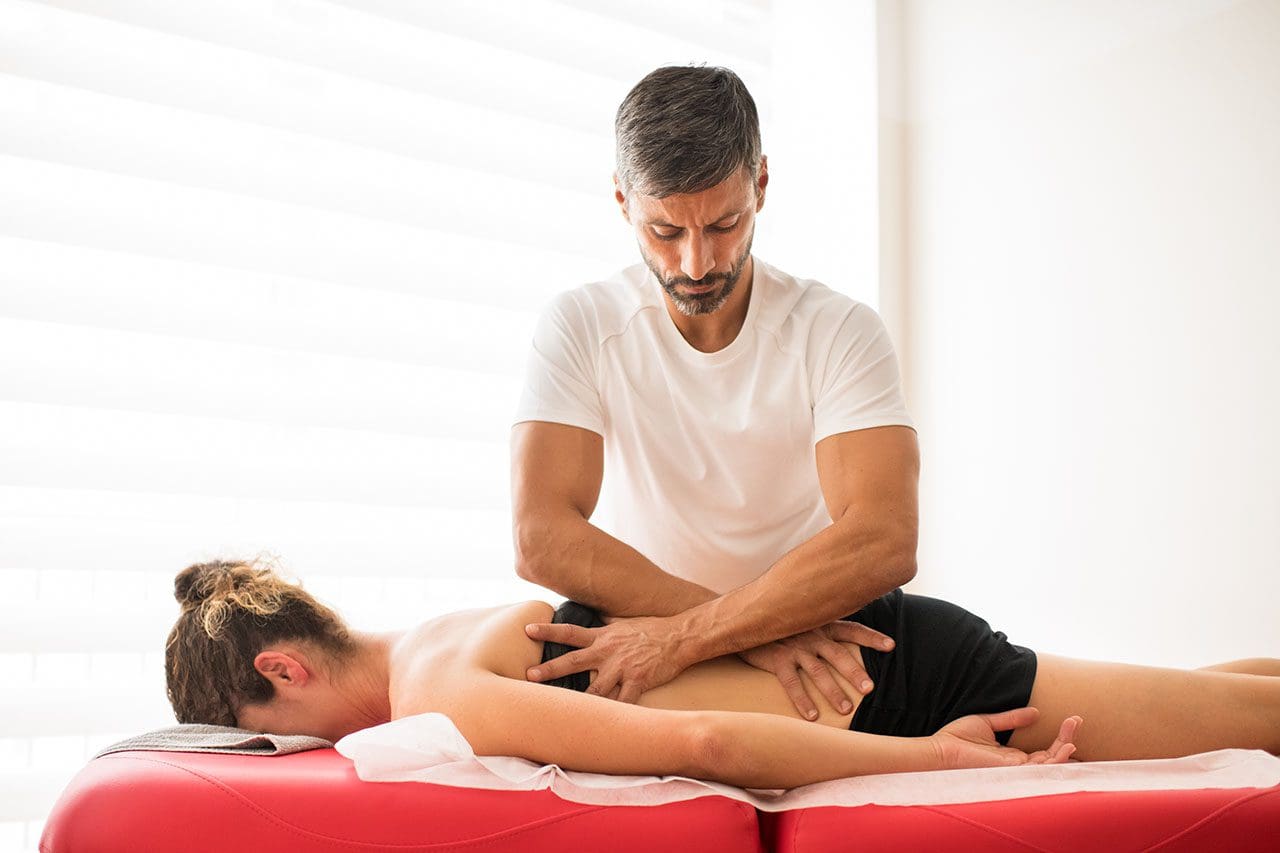
This could have gone undiscovered at the initial post-crash examination. Therefore, ask for a complete examination, and talk with the chiropractor no matter how strange or insignificant the question may be. The chiropractor will understand what you are trying to explain. Your chiropractor may use a combination of spinal manipulation, manual therapy, and other techniques as part of a customized treatment program.
Minimize the chances
While we cannot control when a fender bender takes place we can take measures to guard against the occurrence, and give ourselves a higher chance of avoiding injury.
Always wear a seatbelt
Get out of the habit of distracted driving
Maintain your vehicle’s brakes and tires
Pay attention to traffic signs
Plan ahead if you know of construction closures so you can avoid those highly congested areas
Drive the speed limit depending on the traffic and weather conditions. Be courteous and think about all the drivers and people all around you. Maintaining a clear head and following this little bit of advice, you can minimize the chance of being in an auto accident or being seriously injured. We all have to be somewhere, if we cooperate we can get there on time, safely, and efficiently.
There are different kinds of head and upper cervical disorders that are also known as:
Upper neck disorders
Craniovertebral junction – CVJ – abnormality
Craniocervical disorders
Some are present at birth while others are developed later in life. Whether congenital or acquired, they share many of the same symptoms.
Neck Pain/Headache
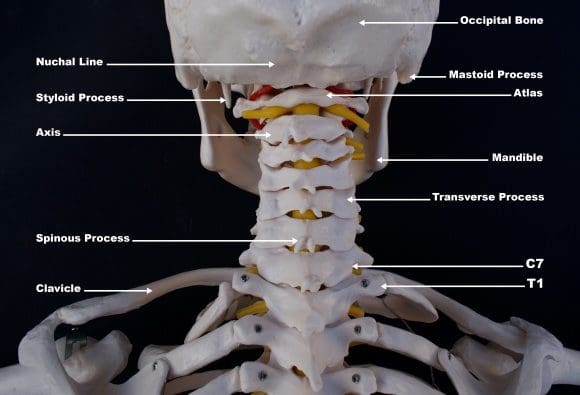
Where your skull and spine meet is where upper cervical disorders take place. Neck pain along with headaches along the back of the head are the most common symptoms. People with craniocervical disorders often experience neck pain and headache in combination and symptoms worsen with head and neck movement. Even just a sneeze or cough can cause pain. Neck pain can also spread to the arms if spinal nerves are compressed.
Spinal Cord Compression
The more complex upper cervical disorders involve spinal cord compression. When the spinal cord gets compressed, nerve problems can happen that make daily function a challenge.
With spinal cord compression, neurological symptoms can present like:
Weakness in the arms, legs or both
Loss of sensation and awareness of the limbs called positional sense
There can be an electrical/shooting pain or tingling running down the spine and into the legs when pitching the neck forward called Lhermitte sign
Hot and cold sensational loss in hands, feet or both
All of these can cause malformation and physical changes in the neck. The neck may appear short, webbed, or twisted. There can also be a limited ability to move the neck.
Symptoms can also be caused by brain and cranial nerve pressure
Conditions like platybasia, basilar invagination, and craniocervical tumors can place pressure on the brain stem and the cranial nerves around it. If this happens the following symptoms can occur:
Eye issues like abnormal eye movements and double vision
Throat and speech problems like hoarseness, slurred speech, and swallowing problems
Loss of coordination
Sleep problems like sleep apnea
Vertigo Faint Feeling
Some individuals could experience a set of symptoms that don’t occur too often called vertebrobasilar ischemia.
This happens when the head position changes placing pressure on the cranial arteries and cutting off the blood supply.
The result is:
Weakness
Confusion
Light-headedness
Feeling faint
Vertigo or a dizzy spinning sensation
Syringomyelia
Syringomyelia is a fluid-filled cyst known as a syrinx that forms inside the spinal cord. If the cyst grows, it can damage the spinal cord causing painful neurological symptoms throughout the body that include weakness, and numbness. In extreme cases loss of ability to feel heat or cold in the neck, hands, and possibly throughout the spine. The hand muscles can become paralyzed.
Quality of Life with Upper Cervical Disorder
While some individuals have no symptoms associated with a craniocervical disorder, others experience intense pain and neurological dysfunction. There are treatment options that can help you successfully manage and eliminate symptoms.
Chiropractic
When headaches present it usually means there is a misalignment in the cervical spine. This is often combined with tight muscles in the neck, shoulders, and surrounding area. Pressure on the nerves can cause sharp shooting pain along with a continual dull throbbing sensation.
A chiropractor will assess the area and then move forward with an adjustment to relieve the pressure and pain. Chiropractic medicine does not just focus on relieving symptoms but finding the root cause and correcting the problem. In addition, the chiropractor will take the time to educate you on the importance of diet, exercise, stretching, and making healthy lifestyle choices.
Whiplash Massage Therapy
NCBI
The effectiveness of chiropractic care for headaches has been proven by many research studies. Chiropractic is not only excellent for treating headaches, but is gentle, non-invasive, does not require medications, and is known for being free of side effects.
IFM's Find A Practitioner tool is the largest referral network in Functional Medicine, created to help patients locate Functional Medicine practitioners anywhere in the world. IFM Certified Practitioners are listed first in the search results, given their extensive education in Functional Medicine