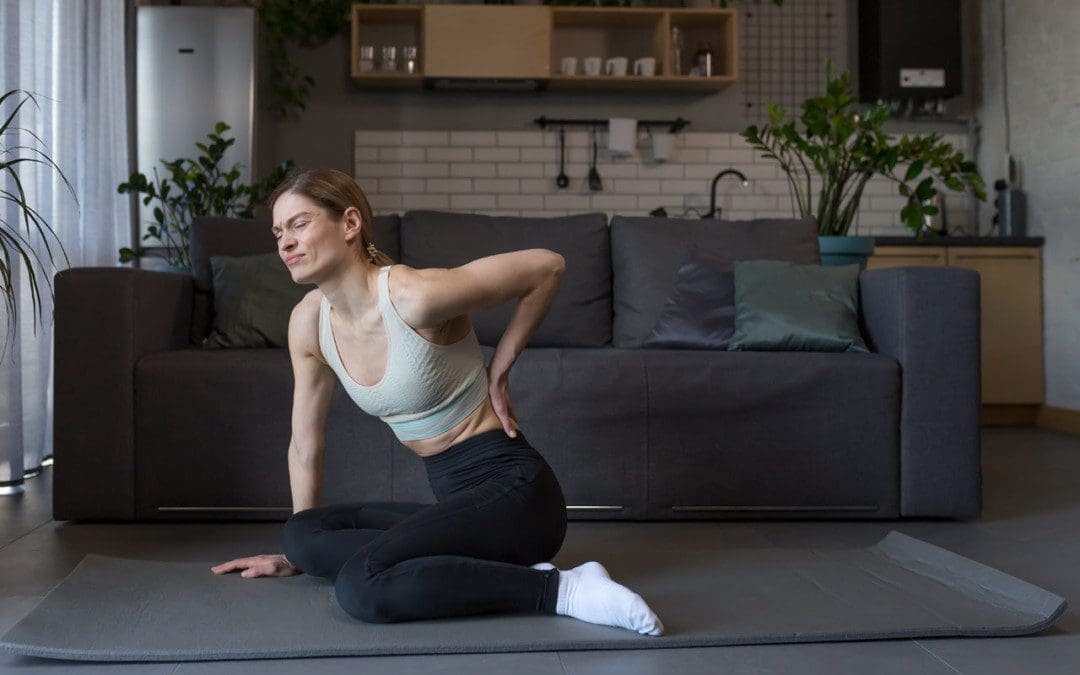
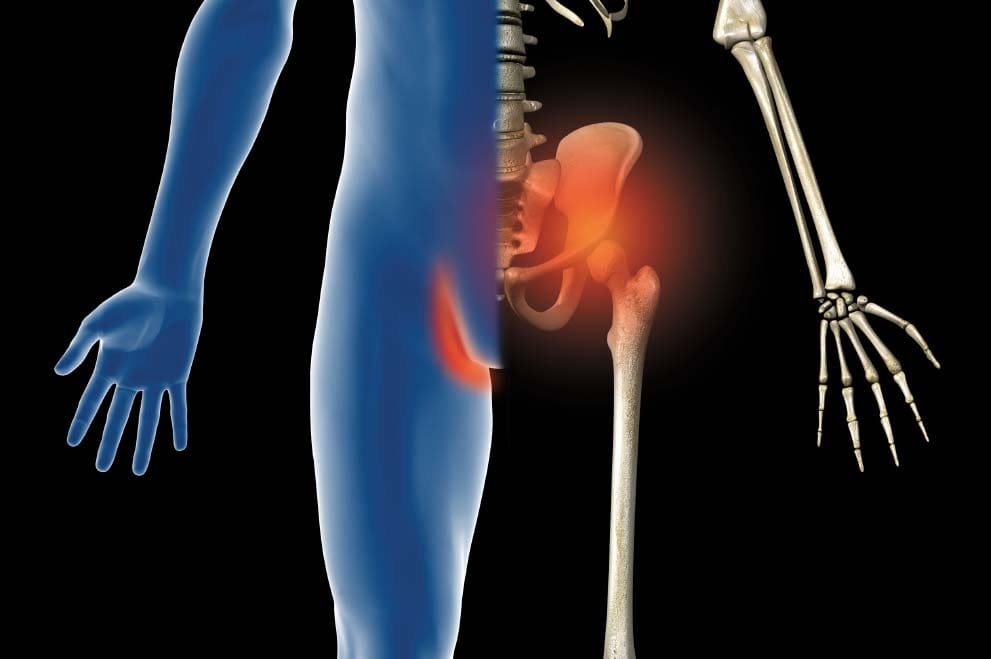
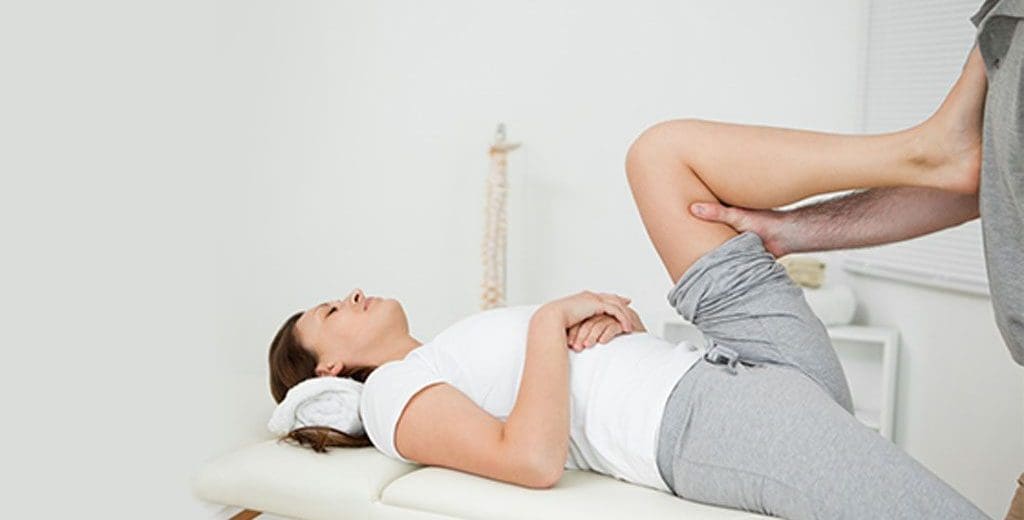
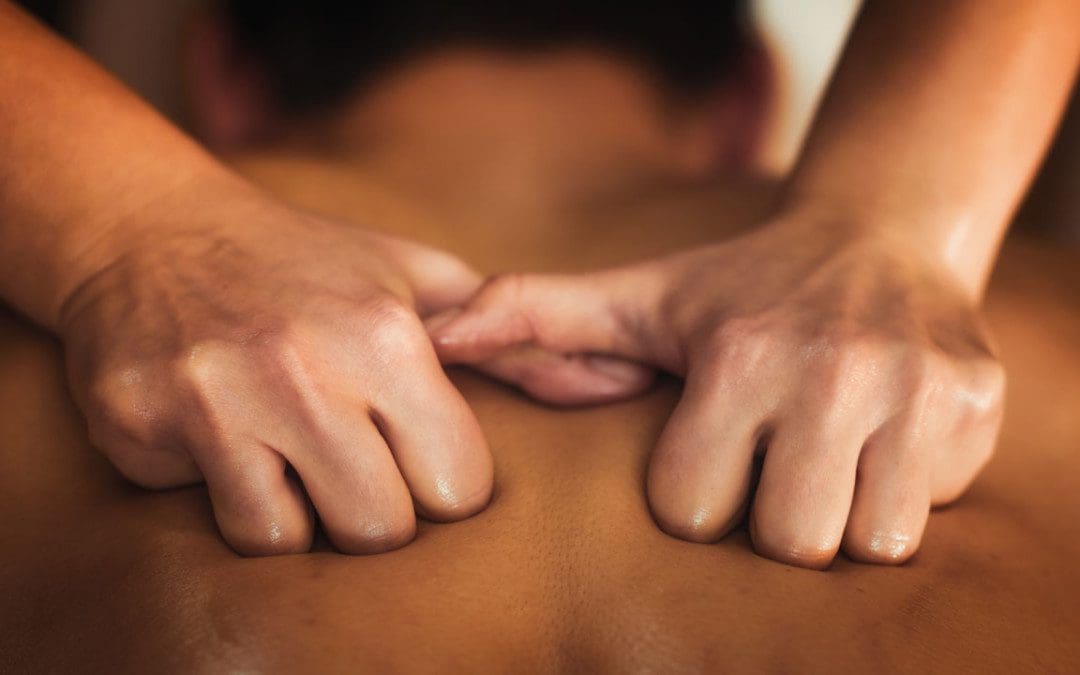
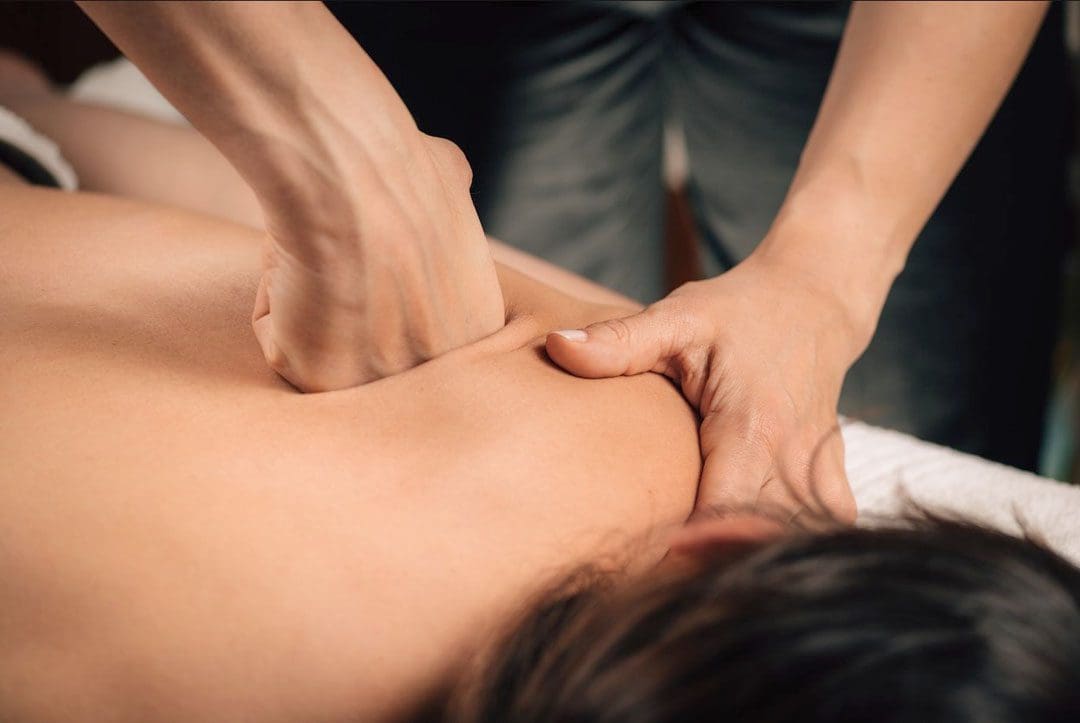
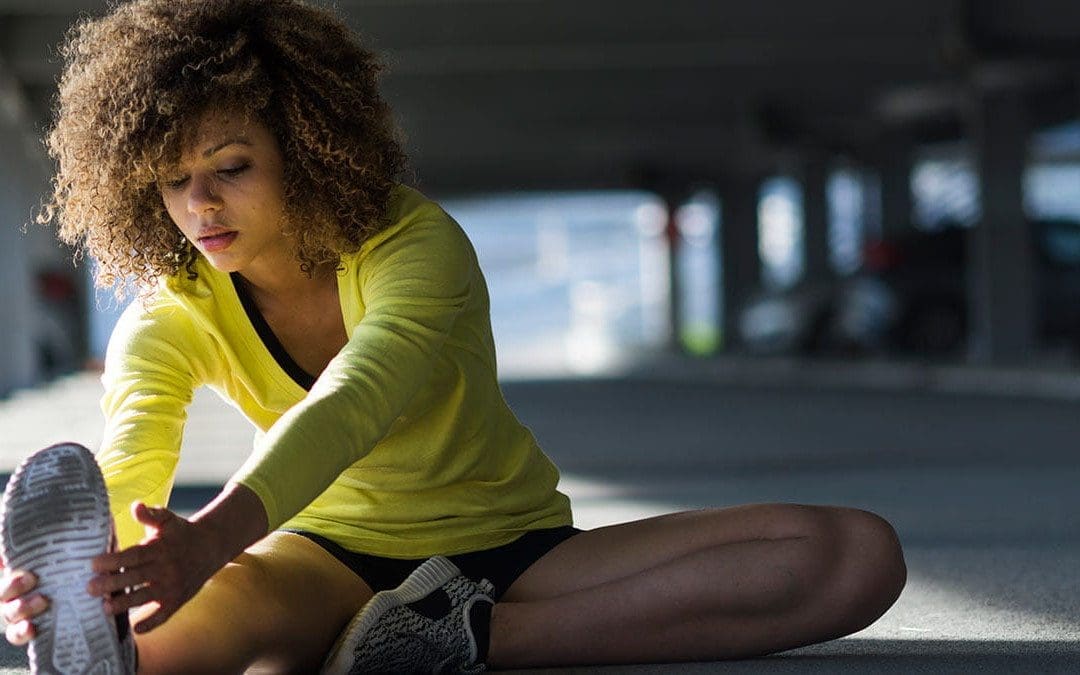
Pretty much everyone experiences a muscle cramp at some point. A muscle cramp is an involuntarily contracted muscle that does not relax, similar to a spasm, but a cramp lasts longer and is usually a forcible contraction. During a cramp, the muscles tighten without voluntary input from the brain and over-tighten. They can last anywhere from a few seconds to an hour or longer. They can be prevented through adequate nutrition and hydration, attention to safety when engaged in physical activity or exercise, and attention to posture and ergonomics. Injury Medical Chiropractic and Functional Medicine Clinic can develop personalized treatment plans for individuals experiencing musculoskeletal issues.
Muscle Cramp
Muscle cramps can occur in any muscle. The cramp may involve a portion of a muscle, the entire muscle, or several muscles that function together. A muscle or a few tissue fibers that involuntarily contracts is in a spasm. If the spasm is forcefully sustained, it turns into a cramp. They can cause a noticeable and/or hardening of the involved muscle/s. They can be experienced as mild twitches or can be excruciatingly painful. Some can involve the simultaneous contraction of muscles that normally move body parts in opposite directions. It is not uncommon for a cramp to flare up multiple times until it finally stops.
Causes
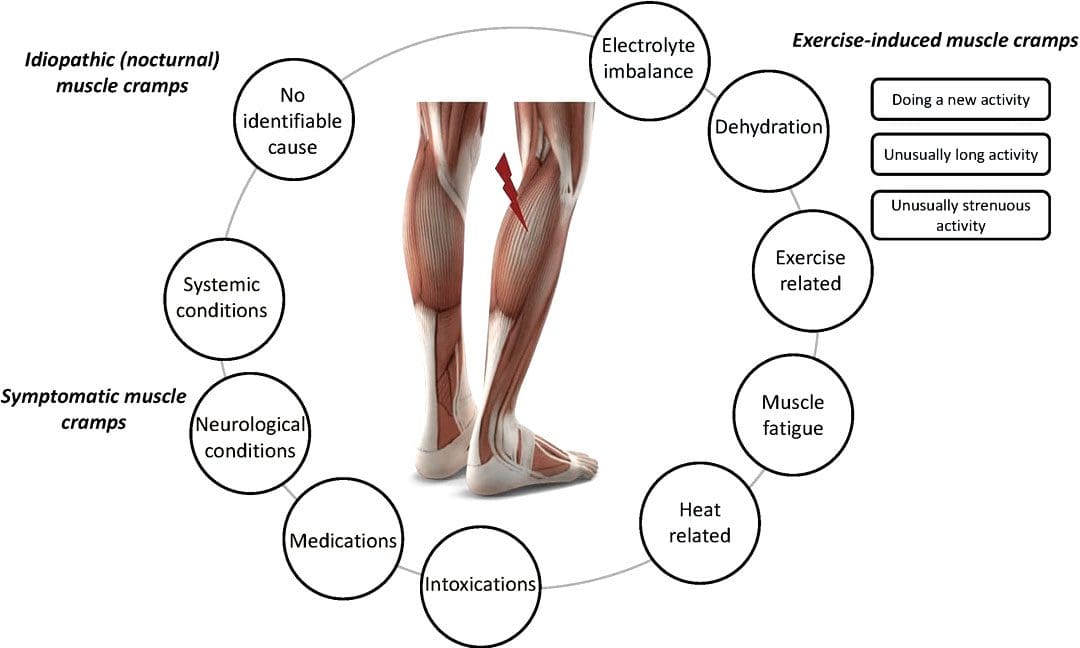
They can occur during physical activity, exercise, rest, or night, depending on the cause. There are various causes that, include:
Most times, they are not a cause for alarm; however, depending on the individual, their age, type of physical activity, and medical history, cramps could indicate a more serious underlying problem such as a thyroid disorder, liver cirrhosis, atherosclerosis, ALS, or a problem or condition of the spine or spinal nerves.
Muscles Involved
The muscles involved can indicate the mechanism and cause.
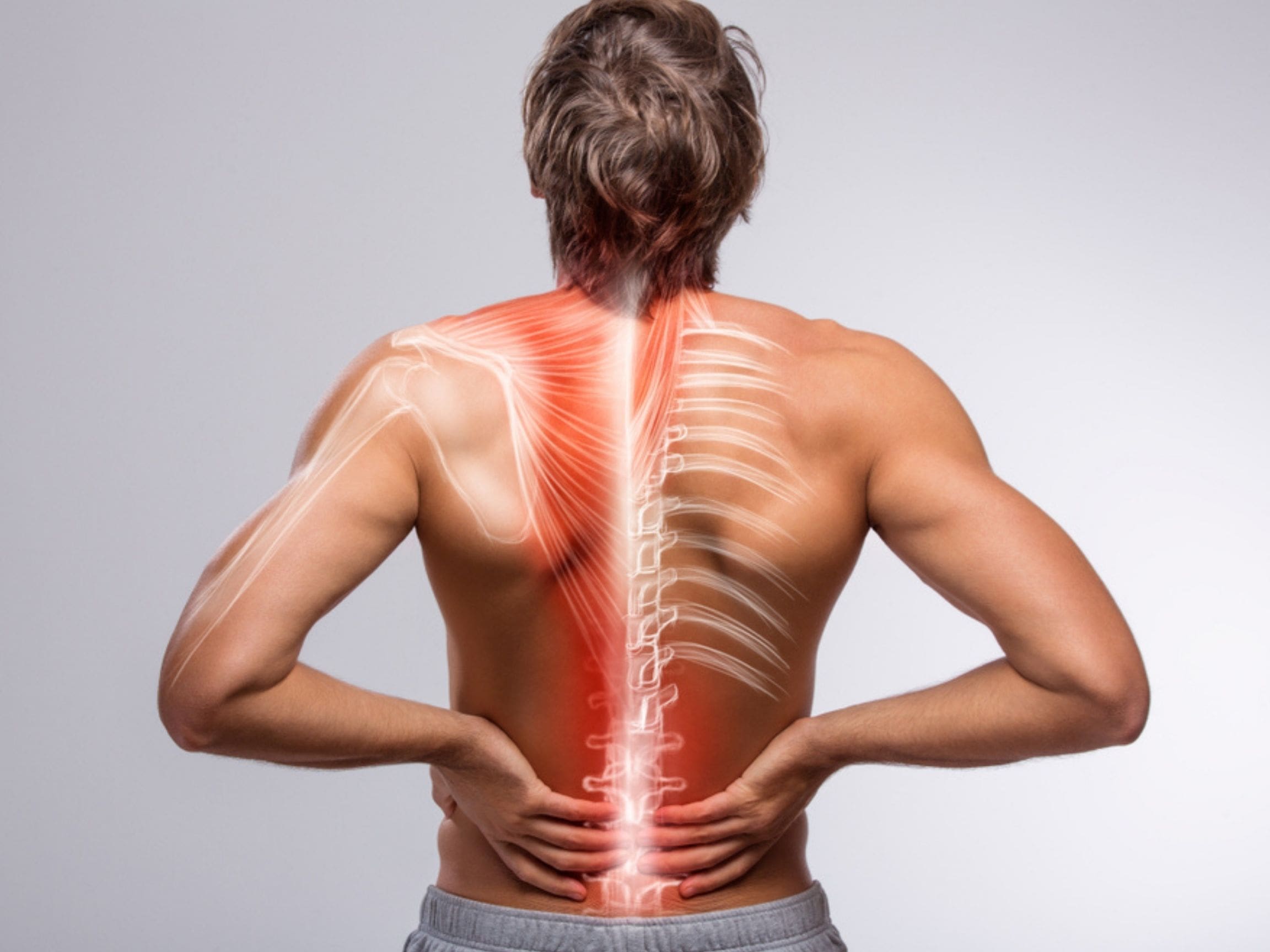
If the cramp is triggered by fatigue, a drop in muscle glycogen, dehydration, or an electrolyte imbalance, it’s most frequently to the calf muscles, feet, or back of the thigh/hamstring muscles.
This is typically due to a combination of fatigue and dehydration.
If it is triggered by nerve irritation, like a spinal disc injury, cramps tend to present in the forearm, hand, calf, and foot, depending on whether the disc injury is in the neck or lower back.
If there is a joint sprain in the neck, mid-back, or lower back, the cramp will present where the injury is and around the surrounding muscles.
A calf cramp happens when lying down because the foot points down, shortening the calf muscles.
A shortened muscle is more likely to go into spasm, especially if it is exhausted from activities and if the body is dehydrated, which is pretty common.
For two muscles that work together performing the same movement, called agonists, and the one muscle is weaker, the secondary muscle has to work harder, often going into a spasm or cramp from the added stress.
For example, if the buttock/gluteal muscles are weak, the hamstrings eventually spasm when exhausted.
Chiropractic
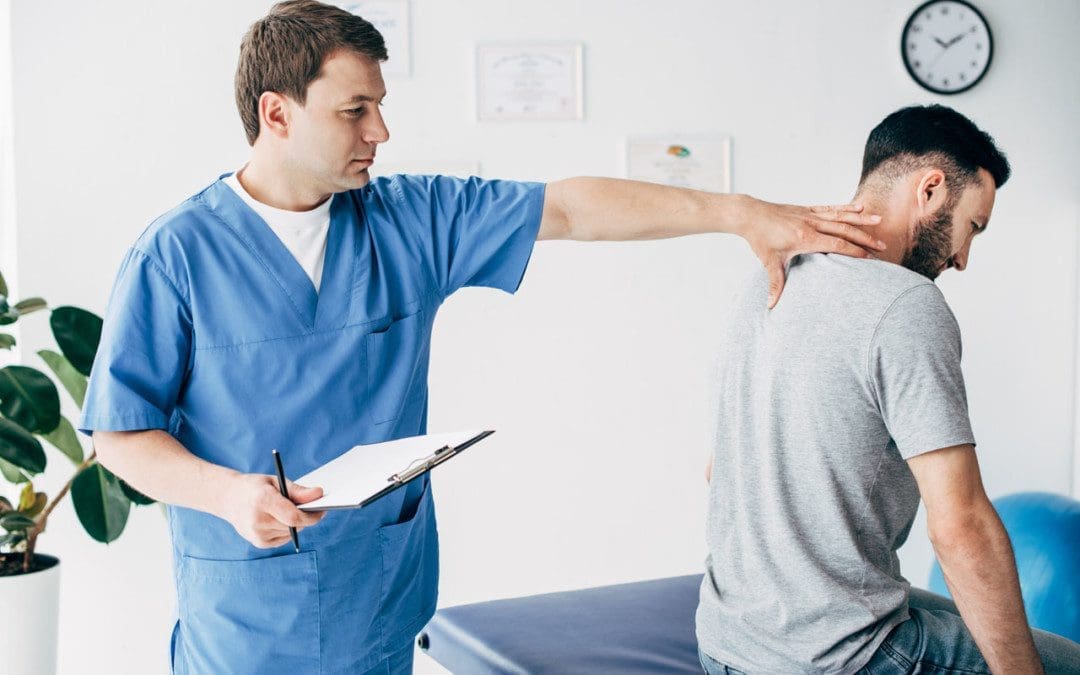
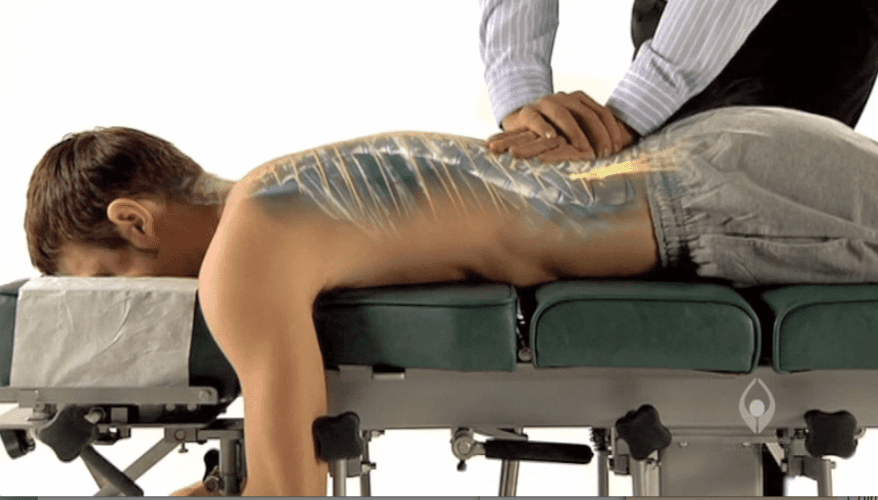
First, the cause needs to be identified through medical history and examination. There can be an underlying nerve irritation and interference, restricting the muscle or muscle group, which needs to be dealt with for the therapy to be effective. Chiropractic care, combined with therapeutic stretching and massage therapy, can:
Relieve muscle cramping
Improve blood circulation
Increase muscle movement
Improve musculoskeletal function
All help to diminish and prevent muscle cramping.
Adjustments will restore proper alignment and restore nerve communication. These treatments help to release toxins, loosen and relax the muscle tissues, and provide relief.
Say Goodbye to Pain With Chiropractic
References
Blyton, Fiona, et al. “Non-drug therapies for lower limb muscle cramps.” The Cochrane Database of systematic reviews vol. 1,1 CD008496. 18 Jan. 2012, doi:10.1002/14651858.CD008496.pub2
FIELDS, A. “Leg cramps.” California Medicine vol. 92,3 (1960): 204-6.
Garrison, Scott R et al. “Magnesium for skeletal muscle cramps.” The Cochrane Database of systematic reviews vol. 9,9 CD009402. 21 Sep. 2020, doi:10.1002/14651858.CD009402.pub3
Katzberg, Hans D. “Case Studies in Management of Muscle Cramps.” Neurologic clinics vol. 38,3 (2020): 679-696. doi:10.1016/j.ncl.2020.03.011
Miller, Kevin C et al. “An Evidence-Based Review of the Pathophysiology, Treatment, and Prevention of Exercise-Associated Muscle Cramps.” Journal of athletic training vol. 57,1 (2022): 5-15. doi:10.4085/1062-6050-0696.20
Miller, Timothy M, and Robert B Layzer. “Muscle cramps.” Muscle & nerve vol. 32,4 (2005): 431-42. doi:10.1002/mus.20341
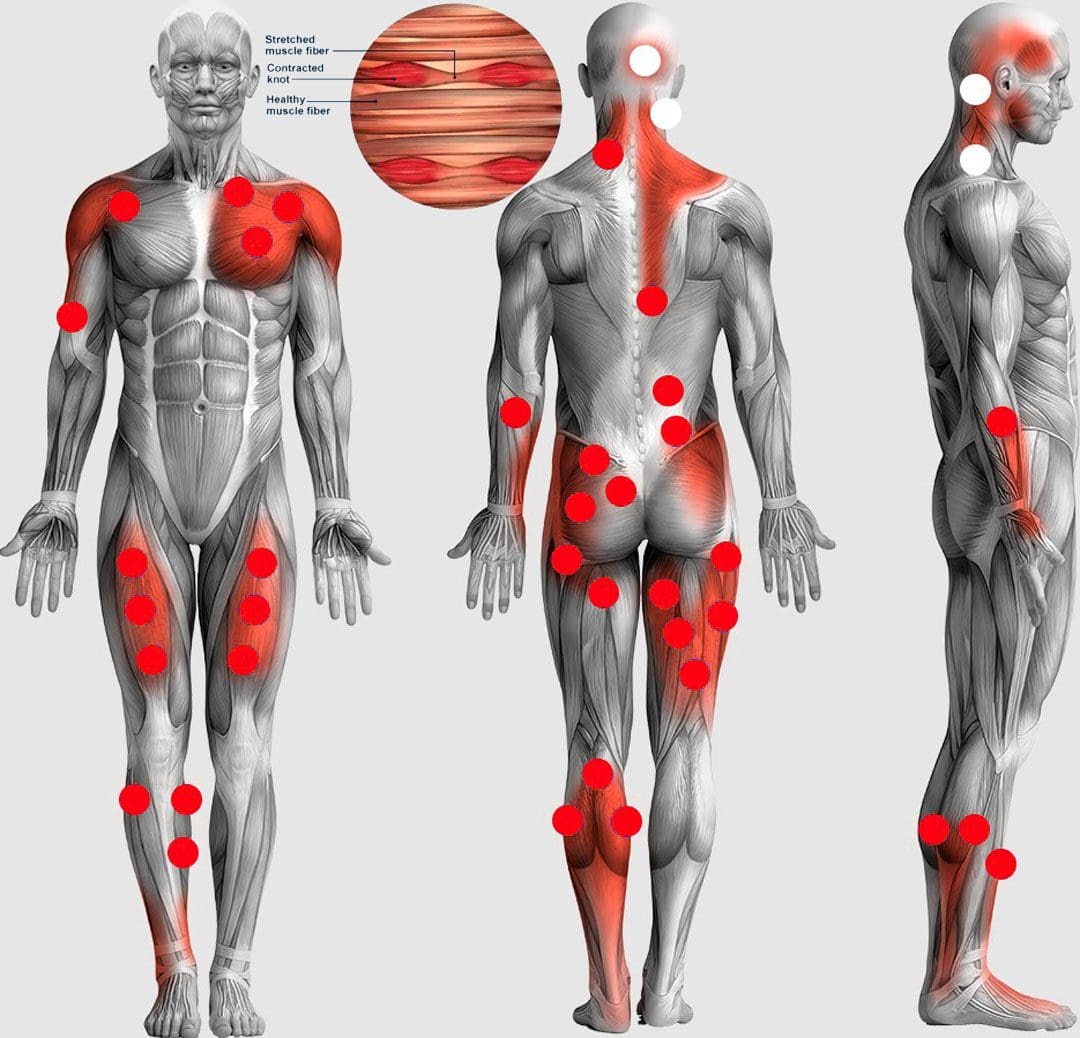
Muscle knots or trigger points are tissues/segments of muscle fibers stuck in a contracted state and balled up or become entangled. To the touch, they can feel like small bumps, nodules, or knots. They are primarily found in muscles, but they can also be found in tendons, fascia, periosteum, and ligaments. Tight muscles can limit flexibility, increase discomfort and pain symptoms, and cause further injury that can develop into chronic conditions. Trigger points can develop in all muscles and multiple muscles simultaneously. The Injury Medical Chiropractic and Functional Medicine Team can create a personalized treatment plan for trigger point alleviation.
Muscle Knots Trigger Points
When muscle fibers are stuck in contraction, blood circulation decreases in and around the affected area, and the necessary nutrients and oxygen cannot be delivered. The excessive accumulation of the chemicals – acetylcholine, and calcium leads to a lack of oxygen in the area, which causes muscle fiber contraction and spasms. As the muscle fibers overly contract, they form a knot. Waste materials build up in the fibers as the blocked circulation doesn’t allow removal. This irritates the trigger point, which reacts by sending out pain signals. The brain responds by telling the body not to use that muscle, causing the muscle to tighten, become weak, and lose range of motion. The other muscles have to work harder to compensate.
Trigger Point Types
Active and Latent
One type is an active trigger point.
The trigger point causes pain and discomfort even when the muscle or tissue rests.
The other type is latent, which means that the point does not cause pain or is sometimes even noticed until pressure is applied to the point or area.
Because key trigger point muscles are weakened, the muscles around that point need to work harder, causing multiple knots to form.
Referred pain happens when a satellite trigger point causes sensations in a different area from the point itself.
Causes
The main causes include the following:
Direct Trauma
Muscle trauma or injury can cause fibers not to heal properly, causing segments to stay deprived of oxygen and knotted.
Excessive and Extended Exercising
During exercise/physical activity, profound muscle strain and injury can occur from pushing too hard for too long without proper recovery and repair.
Maintaining Healthy Posture
Unhealthy postures can cause tension, stiffness, and aches and pains.
Stress and Fatigue
Emotional and physical stress takes a toll on the body, which can result in excessive muscle contraction.
Most of the time, it happens subconsciously without realizing that the body is tensing up.
This is why engaging in relaxation activities, including therapeutic massage, is important.
Inactivity
Lack of physical activity and a sedentary lifestyle can cause muscle spasms and over-contracting, leading to muscle knots.
Medical Conditions
Conditions that affect muscles, like arthritis and fibromyalgia or medications, can cause muscle spasms and the development of trigger points.
Chiropractic and Massage Therapy
Chiropractic and therapeutic massage is an effective treatment to relieve muscle knots and symptoms and restore the body to optimal function. Massage uses various techniques to increase blood circulation, break down inflexible scar tissue and stretch and loosen muscles. Pain and discomfort decrease by allowing the muscles to move and restoring blood flow.
Massage Therapy Chiropractic Care
References
Barbero, Marco, et al. “Myofascial pain syndrome and trigger points: evaluation and treatment in patients with musculoskeletal pain.” Current Opinion in Supportive and palliative care vol. 13,3 (2019): 270-276. doi:10.1097/SPC.0000000000000445
Cheung, Karoline, et al. “Delayed onset muscle soreness: treatment strategies and performance factors.” Sports medicine (Auckland, N.Z.) vol. 33,2 (2003): 145-64. doi:10.2165/00007256-200333020-00005
Money, Sarah. “Pathophysiology of Trigger Points in Myofascial Pain Syndrome.” Journal of Pain & palliative care pharmacotherapy vol. 31,2 (2017): 158-159. doi:10.1080/15360288.2017.1298688
Moraska, Albert F et al. “Responsiveness of Myofascial Trigger Points to Single and Multiple Trigger Point Release Massages: A Randomized, Placebo-Controlled Trial.” American Journal of physical medicine & Rehabilitation vol. 96,9 (2017): 639-645. doi:10.1097/PHM.0000000000000728
Weerapong, Pornratshanee, et al. “The mechanisms of massage and effects on performance, muscle recovery, and injury prevention.” Sports medicine (Auckland, N.Z.) vol. 35,3 (2005): 235-56. doi:10.2165/00007256-200535030-00004
The various muscle groups in the body allow the host to move around and function through many actions without feeling any discomfort or pain. The body has two sections: upper and lower portions that have different functions, from turning the neck from side to side to allowing the legs to enable the body to move around. When various issues or factors begin to affect the body over time, like muscle injuries or normal factors like poor posture and prolonged sitting, it causes overlapping risk profiles that can lead to chronic musculoskeletal conditions. When musculoskeletal disorders affect the body, it can lead to muscle and joint pain that can cause misalignment in the spine and cause the muscle fibers to become short and tense. Luckily there are available treatments that allow the body to realign itself and stretch those short muscles. Today’s article looks at how muscle pain affects the body and how different variations of the MET technique are used to reduce and stretch muscle pain. We mention and provide valuable information about our patients to certified medical providers who use techniques like the MET and therapy for individuals with muscle strain associated with body pain. We give encouragement to patients by referring them to associated medical providers based on their diagnostic findings. We support that education is a marvelous way to ask our providers the most interesting questions at the patient’s acknowledgment. Dr. Alex Jimenez, D.C., incorporates this information as an educational service. Disclaimer
How Does Muscle Pain Affect The Body?
Have you been dealing with muscle strain or pain in different body areas? Are you experiencing any referred pain in other body locations? Or are your muscles feeling extremely tight that it is causing you pain? When the body is dealing with various issues that are causing the muscle fibers to be tensed, it can lead to muscle pain and cause many people to suffer. Studies reveal that muscle pain is caused when painful conditions like mechanical forces, ischemia, and inflammation stimulate the body’s free nerve endings. Many of these factors also correlate with musculoskeletal disorders like fibromyalgia and myofascial pain that can develop trigger points (palpable, small nodules) in the muscle fibers to cause the muscles to become stiff and contract. Additional studies also reveal that when the muscles begin to cramp up, especially the calves, it can become extremely painful and involuntary as it affects the entire muscle group, the muscle itself, or any selected muscle fibers. This causes the individual to be in pain in an acute setting as the muscle relaxes; however, if the muscle fibers are still in constant contraction, it can lead to chronic issues that affect the muscle group.
Overcoming Pain With Chiropractic Care-Video
Regarding muscle pain in the body, studies reveal that the nociceptive nerve endings in the muscles and tissue fibers can cause the neuron signals from the central nervous system to become hyperexcitable, and hyperactivity can lead to muscle pain. This causes the muscle group and the surrounding muscles to tense and invokes pain when in motion. To that point, it can cause the individual dealing with muscle pain to try and find various treatments to alleviate the pain and continue their lives. When it comes to pain can be relieved through treatments like chiropractic care and massage therapy to reduce the effects of the muscle pain associated with musculoskeletal disorders. The video above explains how treatments like chiropractic care incorporate different techniques to realign the body from subluxation and help stretch the tight, short muscles using manual manipulation and the MET technique.
Variations Of The MET Technique
When the muscles in the musculoskeletal system are dealing with pain in different locations or one location in the body, it can cause the individual to be in constant pain. Luckily treatments like chiropractic care are non-invasive and therapeutic as they utilize different techniques to realign the spine and stretch the tight muscle groups. In “Clinical Applications of Neuromuscular Techniques,” written by, Leon Chaitow, N.D., D.O., and Judith Walker DeLany, L.M.T., stated that when muscle pain affects tone muscle or causes structural changes to the joint’s ROM (range of motion) can lead to shortness and stress to the muscle group. Studies reveal that MET is a stretching technique therapists use to contract the affected muscle in a precisely controlled direction voluntarily. Many stretch variations of the MET technique allow the muscles to be stretched, strengthening and improving local circulation while mobilizing joint restriction. Down below are some of the variations of stretching techniques with MET.
Isometric Contraction: Reciprocal Inhibition In Acute Setting
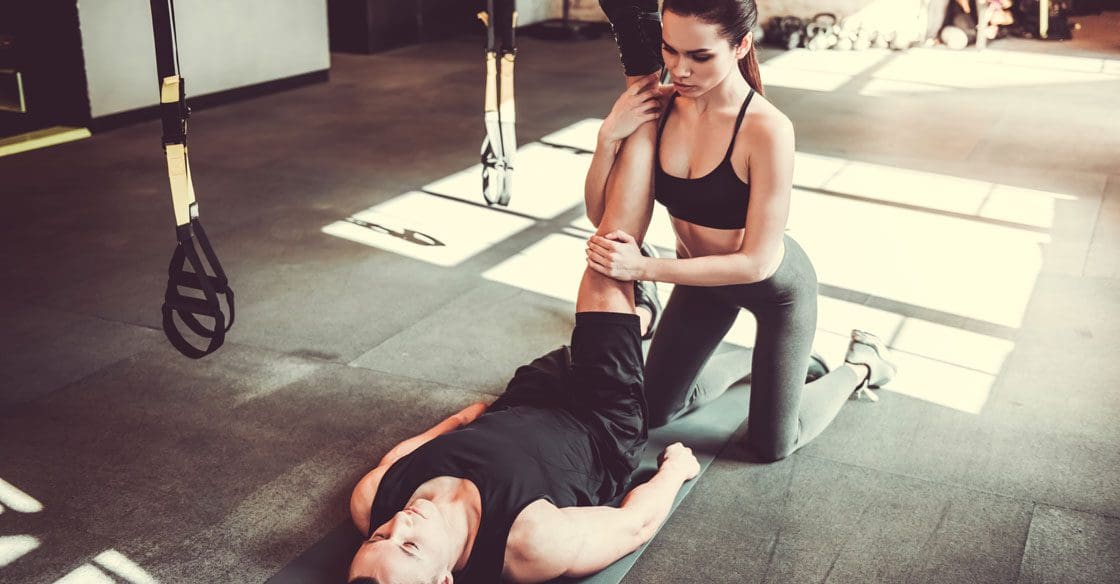
The isometric contraction technique is used for reciprocal inhibition in an acute setting where the affected muscles are dealing with symptoms of muscle spasms. The isometric contraction allows the therapist to help relax acute muscular spasms and mobilize restricted joints while preparing the joints for manipulation.
Starting point: When acute muscles or joint problems affect the body’s functionality, therapists must commence an easy restriction barrier.
Modus Operandi: The affected muscles are used in an isometric contraction, allowing the short muscle to relax.
Forces: The therapist and individual forces are matched and involve 20% of the individual’s strength to increase no more than 50%.
Duration: Initially7-10 seconds while increasing up to 20 seconds.
Action following contraction: The area of the muscle and joint are taken to a new restricted barrier without stretching after complete relaxation. Therapists should perform the movement to a new restricted barrier on exhalation.
Repetitions: Repeat three to five times until no further gain in the range of motion is possible.
Isometric Contraction: Post-isometric Relaxation In Chronic Setting
The isometric contraction technique is used for post-isometric relaxation in a chronic setting where the muscles are severely contracted. The isometric contraction technique is known as post-facilitation stretching, where therapists stretch chronic or subacute restricted, fibrotic, contracted soft tissues or muscle tissues affected by myofascial trigger point pain.
Starting point: Short of resistance barrier
Modus Operandi: The affected muscles are used in the isometric contraction that allows the shortened muscles to relax and let an easier stretch.
Forces: Both the therapist and individual forces match and increase about 30% of the patient’s strength and increase to 50% of contractions up to 20 seconds.
Duration: Initially 7-10 seconds and increasing up to 20 seconds.
Action following contraction: The rest period is 5 seconds so the body can relax completely before being stretched, and during exhalation, the muscle goes through a painless, new restriction barrier position that is held for at least 10-60 seconds.
Repetitions: Repeat three to five times.
Isotonic Eccentric Contraction
The isotonic eccentric contraction is an isolytic technique to strengthen weak postural muscles that are tensed or tight from prolonged sitting or poor posture.
Starting point: At the restriction barrier
Modus Operandi: When the muscle is contracted and prevented, the therapist uses this technique to slowly overcome and reverse the contracting muscle so it can be stretched to full resting length.
Forces: Therapists use greater forces on the individual and build up subsequent contractions for the affected muscle (*Utilize this stretch on individuals who are not dealing with osteoporotic issues in their muscles and joints)
Duration: Five to seven seconds
Repetitions: Repeat three to five times if discomfort is not excessive.
Isokinetic
The isokinetic technique is a combination of isotonic and isometric contractions that many pain specialists like chiropractors and massage therapists use to tone weakened musculature, build strength in all the surrounding muscles that are involved in a particular joint function, and help train and balance the effects on the body’s muscle fibers.
Starting point: Easy mid-range position
Modus Operandi: The individual uses moderate resistance as the therapist puts the joint through a rapidly full range of movement as this technique is different than simple isotonic exercises, and resistance varies from each person. This technique progressively increases as the procedure progress.
Forces: The therapist uses moderate forces to prevent movement from the individual and then progresses to full forces.
Duration of contraction: Up to four seconds.
Conclusion
Different stretching techniques in MET therapy allow the affected muscles to be stretched and lengthened while reducing muscle pain affecting a body’s location. It is important to be mindful of the movements that can cause the muscles to be overstretched or cramped up, which can cause pain. Treatments incorporating these various stretching techniques allow the affected muscles to relax and restore naturally.
Chaitow, Leon, and Judith Walker DeLany. Clinical Applications of Neuromuscular Techniques. Churchill Livingstone, 2003.
Faqih, Anood I, et al. “Effects of Muscle Energy Technique on Pain, Range of Motion and Function in Patients with Post-Surgical Elbow Stiffness: A Randomized Controlled Trial.” Hong Kong Physiotherapy Journal : Official Publication of the Hong Kong Physiotherapy Association Limited = Wu Li Chih Liao, U.S. National Library of Medicine, June 2019, https://www.ncbi.nlm.nih.gov/pmc/articles/PMC6467834/.
Gregory, Nicholas S, and Kathleen A Sluka. “Anatomical and Physiological Factors Contributing to Chronic Muscle Pain.” Current Topics in Behavioral Neurosciences, U.S. National Library of Medicine, 2014, https://www.ncbi.nlm.nih.gov/pmc/articles/PMC4294469/.
Mense, Siegfried. “The Pathogenesis of Muscle Pain.” Current Pain and Headache Reports, U.S. National Library of Medicine, Dec. 2003, https://pubmed.ncbi.nlm.nih.gov/14604500/.
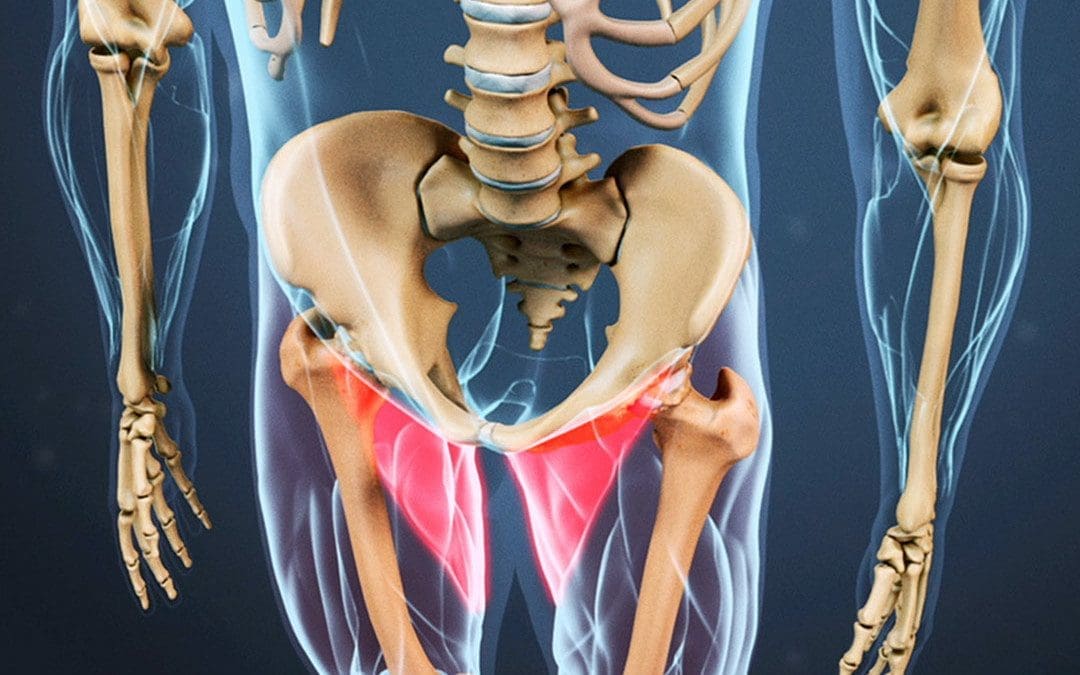
The muscles surrounding the hips in the lower extremities provide stability to the lumbar spine and pelvis while allowing mobility, flexibility, and rotation to the groin, legs, and thighs. The muscles surrounding the groin consist of three large muscle groups: the abdominals, iliopsoas, and adductors, which have a casual relationship with the various ligaments and soft tissues that can be succumbed to injuries or other symptoms that can lead to pain and misalignment to the body. This happens to many individuals who participate in sports or frequently exercise, which can cause strain near the groin and the surrounding muscles. Today’s article focuses on the causes of a groin strain, how it affects the hips and pelvis, and how available treatments can help reduce groin strain. We mention and provide valuable information about our patients to certified medical providers who use techniques like the MET and therapy for individuals with a groin strain and causing mobility issues when functioning. We give encouragement to patients by referring them to associated medical providers based on their diagnostic findings. We support that education is a marvelous way to ask our providers the most interesting questions at the patient’s acknowledgment. Dr. Alex Jimenez, D.C., incorporates this information as an educational service. Disclaimer
The Causes Of Groin Strain
Have you experienced any mobility issues when walking? Do you feel pain near your hips or groin? Or do you feel muscle weakness in your thighs when exercising? Many of these issues are associated with a muscle strain near the groin affecting your lower body. The muscles surrounding the groin allow the legs and thighs to move around in flexion, rotation, and extension without feeling pain. However, when a person starts to feel pain radiating around their groin, it can become an issue if not taken care of. Studies reveal that some of the causes, like adductor strain or injuries from physical activities, can cause the muscle fibers in the three muscle groups of the groin to be in pain. In “Clinical Applications of Neuromuscular Techniques,” authors Leon Chaitow and Judith Walker DeLany, stated that chronic joint and soft tissue conditions predate presenting acute symptoms to the groin muscle regions. To that point, if a person has predisposed injuries in the groin muscles, it can affect how a person walks and functions when in motion, potentially leading to issues affecting the hips and pelvis.
How Groin Strain Affect The Hips & Pelvis
Studies reveal multiple pathologies that can coexist in the hips and pelvis that could cause similar symptoms to the hips and pelvis that can correlate with several organ systems like the gut and reproductive system that causes referred pain to the groin. Additional studies also mentioned that groin pain is widely known as an issue among professional and amateur athletes. They could experience different symptoms and injuries from groin pain associated with the hips and pelvis. An example would be if an individual is participating in a sports event, they could be experiencing myofascial trigger points related to the groin, affecting the pelvis and hips. Some of the symptoms associated with groin strain include:
Stiffness
Swelling
Muscle weakness
Groin discomfort
Bruising around the area
Leg discomfort when flexing
Walking issues
Lower stomach or back symptoms
Many of these symptoms that affect the hips and pelvis can lead to many issues that cause people to be in constant pain or discomfort until they find relief.
Chiropractic Care: The Ancient Healing Art for Modern Life- Video
Have you been experiencing mobility issues? What about pain in your hips, pelvis, or groin? Or do you often feel discomfort when stretching? Many of these issues are associated with groin strain along the hips and pelvic region. Groin strain occurs in the three large muscle groups: the abdominals, iliopsoas, and adductors, when they are overstretched and cause referred pain to the hips and pelvis. This causes many individuals to have instability and mobility issues. Some of the present symptoms that occur to these muscles include:
Pain in active movement
Pain during palpation
Localized swelling
Pain while stretching the muscle-tendon
When pain is causing issues in the groin, many individuals will go to available treatments to help reduce the pain and regain mobility when exercising. One of the available treatments is chiropractic care. The video above shows how chiropractic care is incorporated into modern life as it uses non-invasive hands-on treatment to realign the body and help lengthen the affected muscles.
Available Treatments To Reduce Groin Strain
Numerous treatments can help reduce groin strain from affecting the lower extremities and help bring mobility back to the surrounding muscles. Many individuals would utilize ice packs, resting and elevating the leg to prevent future injuries from re-occurring. However, if left untreated, it can worsen and lead to chronic conditions. Luckily treatments like chiropractic care combined with soft tissue stretching techniques like MET (muscle energy techniques) can help to mobilize restricted joints and relax acute muscular spasms or contractions while preparing the joint for manipulation. A chiropractor will utilize these techniques to realign the spine from subluxation and loosen stiff joints and surrounding muscles that have been affected. Chiropractors will also inform their patients to incorporate various exercises and stretches to help strengthen the affected muscle group and become more aware of their bodies.
Conclusion
Overall, the various muscles, tendons, and ligaments surrounding the lower extremities, like the thighs, legs, and groin, allow mobility, flexibility, and rotation to the lower portion of the body. When injuries begin to affect these extremities, it can lead to referred pain to the hips and pelvis, causing groin strain and invoking pain. If not treated right away, it can develop into chronic conditions that cause mobility and stability issues in the lower body. The upper body would have to compensate for the pain causing subluxation to the spine. Luckily, treatments like chiropractic care combined with stretching techniques like MET can help reduce the pain in the groin muscles while lengthening the short muscles. These techniques allow mobility back to the lower extremities and realign the body so the individuals can be pain-free.
References
Bisciotti, Gian Nicola, et al. “Groin Pain Syndrome: An Association of Different Pathologies and a Case Presentation.” Muscles, Ligaments and Tendons Journal, U.S. National Library of Medicine, 20 Oct. 2015, https://www.ncbi.nlm.nih.gov/pmc/articles/PMC4617224/.
Chaitow, Leon, and Judith Walker DeLany. Clinical Applications of Neuromuscular Techniques. Churchill Livingstone, 2003.
Kiel, John, and Kimberly Kaiser. “Adductor Strain.” In: StatPearls [Internet]. Treasure Island (FL), StatPearls Publishing, 21 June 2022, https://www.ncbi.nlm.nih.gov/books/NBK493166/.
Tyler, Timothy F, et al. “Groin Injuries in Sports Medicine.” Sports Health, U.S. National Library of Medicine, May 2010, https://www.ncbi.nlm.nih.gov/pmc/articles/PMC3445110/.
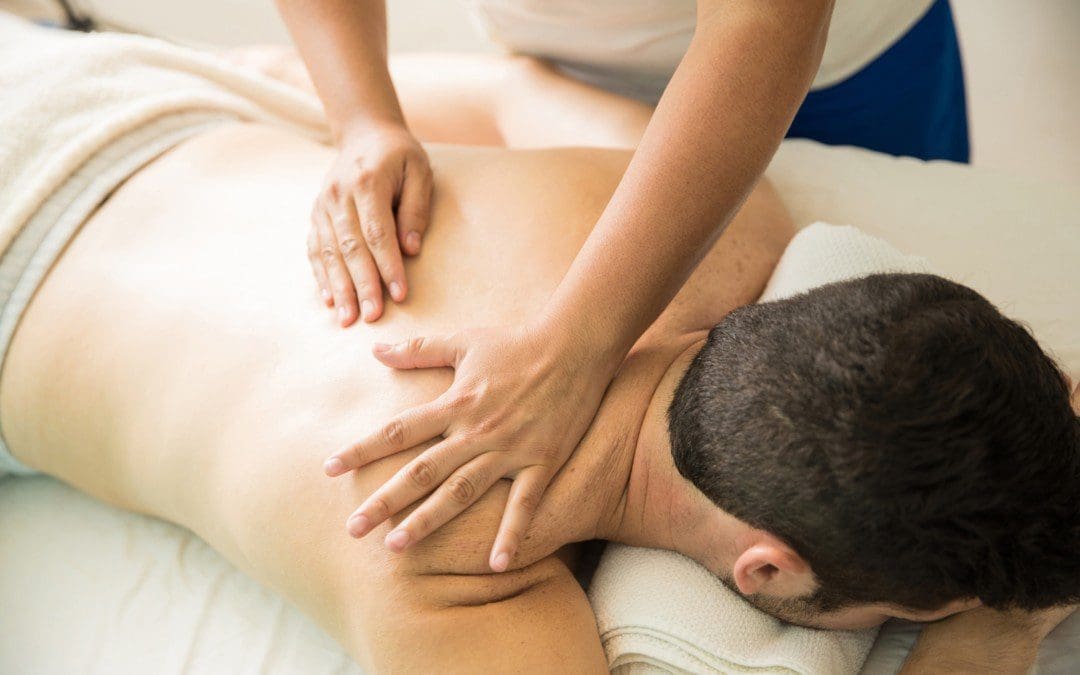
Massage is part of integrative medicine and can be used for various medical conditions. In massage therapy, a therapist rubs and kneads the body’s soft tissues, including muscle, connective tissue, tendons, ligaments, and skin. The therapist varies the amount of pressure and movement. Individuals often start feeling the effects right away. One of the benefits is increased temperature. Increased temperature amplifies blood flow and circulation, enabling muscular and connective tissues to release restriction, and muscle tightness, relieve tension, and improve movement. A massage therapist will use different techniques to increase the temperature to treat various conditions.
Increased Temperature
Some patients want to know why their muscles heat up or burn during a massage. Muscles burn because of the accumulation of waste in the cells. The waste products are released as a result of massage. The muscles release lactate, a byproduct of glucose. The effects of deep tissue massage are almost the same as the effects of exercise. During the massage:
The demand for oxygen in the tissues increases.
Because of this, blood flow circulation to these tissues increases.
This is necessary to supply oxygen and glucose.
It excretes waste substances and toxins.
Muscle heat or burn during massage differs for everybody. Some individuals don’t feel it at all. The session can be so intense that the muscles can’t clear the lactate/toxins fast enough, causing the burning sensation.
Fascia Circulation
The temperature of the fascia can also be increased. Fascia is the thick, fibrous layer of connective tissues beneath the skin that can often become restrictive. Increased temperature in the superficial and deep tissues releases, relaxes, and loosens tight, tense, shortened, and/or injured areas, allowing muscular tissues to increase in elasticity, flexibility, and relaxation. Heart rate is raised, improving circulation and increasing the delivery of oxygen and nutrients to the affected areas and the rest of the body.
Myofascial release involves slowly applying pressure to the area using flattened hands and fingers.
The slow, soft pressure increases the temperature of the fascia.
As the hands and fingers get deeper within, they slowly move around, spreading the fascia.
This releases the tightness and relieves the pain.
An individual’s posture can improve when the temperature is increased. Muscular tension and tightness can cause increased pain symptoms, not allowing healthy posture.
Muscle Burn Relief
Rehydrate
Drink plenty of water after the session is over.
Water maintains proper circulation for excreting waste products and nourishes the muscle cells with fresh nutrients and oxygen.
Avoid coffee and alcohol as they increase urination and blood osmolality and dehydrate the body.
Stretching
Stretching before and after a session can relieve muscle soreness.
Stretching exercises increase blood flow.
Stimulates the release of synovial fluid around the joints.
Sleep
Get plenty of rest after a session.
The body knows how to restore itself; during sleep, it reduces cortisol secretion.
It increases the stimulation of antioxidative hormones to go after free radicals.
Herbal Remedies
Herbal remedies like ginger, garlic, cloves, and cinnamon increase blood circulation, reducing pain and swelling.
They have anti-inflammatory properties that help with muscle burn and soreness.
After a session, a little peppermint or CBD oil can relieve the sore parts.
Chiropractic Success Story
References
Dion LJ, et al. Development of a hospital-based massage therapy course at an academic medical center. International Journal of Therapeutic Massage and Bodywork. 2015; doi:10.3822/ijtmb.v8i1.249.
Massage therapy: What you need to know. National Center for Complementary and Integrative Health. https://www.nccih.nih.gov/health/massage-therapy-what-you-need-to-know. Accessed Jan. 5, 2021.
Rodgers NJ, et al. A decade of building massage therapy services at an academic medical center as part of a healing enhancement program. Complementary Therapies in Clinical Practice. 2015; doi:10.1016/j.ctcp.2015.07.004.
The human body and the musculoskeletal system have a unique relationship as they help the host move around, rest and provide many actions without feeling pain or discomfort. The musculoskeletal system has two portions, the upper and lower sections, with various muscles that allow mobility and stability while protecting the spine from numerous injuries the body has endured. However, many environmental factors and issues pertaining to the musculoskeletal system can affect the muscles, tendons, and ligaments, causing the muscle fibers to be short or overused from repetitive motions. To that point, which can lead to muscle injuries and pain that can be relieved from treatments and numerous stretching techniques. Today’s article focuses on how injuries are associated with overused muscles, how it affects the body, and how chiropractic care incorporates techniques like MET to relieve overused muscles. We provide and mention valuable information about our patients to certified medical providers who offer therapy treatments like the MET combined with chiropractic care for individuals with musculoskeletal pain correlated with overused injured muscles. We encourage each patient by referring them to our associated medical providers based on their findings appropriately. We acknowledge that education is a spectacular way when asking our providers the most helpful questions at the patient’s acknowledgment. Dr. Alex Jimenez, D.C., utilizes this information as an educational service. Disclaimer
Injuries Associated With Overused Muscles
Have you been feeling aches and pains in your muscles? Do your legs feel tired constantly? Or have you suffered an injury causing your muscles to stiffen up? If you have been experiencing these pain-like symptoms, it could be due to overusing your muscles. When the musculoskeletal system has been dealing with stress overload from numerous repetitive motions, it causes the muscle fibers to develop symptoms of fatigue, weakness, and referred pain. Studies reveal that various risk factors associated with the musculoskeletal system correlate with overuse-related injuries. What this means is that when the injuries cause the involved body structures to develop symptoms of stress fractures associated with mechanical overload from repetitive trauma. Additional research studies mentioned that the influences from repetitive trauma could lead to a prolonged state of low-grade systemic inflammation in the joint and muscles in the body.
How Does It Affect The Body?
So what happens to the body when the muscle fibers are being overused? The referred pain associated with the musculoskeletal system causes dysfunction. Research studies have found that overuse of muscle injuries related to repetitive motion in the body causes microtrauma symptoms in the muscle, tendon, bone, or bursa. This causes the body to have insufficient recovery and produces painful arcs of motion on any joints. Leon Chaitow, N.D., D.O., and Judith Walker DeLany, L.M.T.’s book “Clinical Applications of Neuromuscular Techniques” stated that when the muscles are overused and injured, the “stress overload” has localized effects, which causes the musculoskeletal system to reach a point to break down. This causes symptoms to manifest as chronic fatigue and reduced performance efficiency. The book also stated that overuse injuries could involve certain muscles/tendons or bones to develop repetitive microtrauma over time. This causes the body to be dysfunctional and makes the individual feel tired, overworked, and stressed out due to not allowing the muscles to rest.
Chiropractic Care: The Nonsurgical Solution- Video
Have you been dealing with symptoms of muscle pain and weakness? Does your body feel exhausted after a long day doing errands? Or have you noticed any unexpected joint pain in certain parts of your body? Many people dealing with questionable musculoskeletal pain could be due to their muscles being overused and causing injuries. When the body goes through constant repetitive motions, it causes microtrauma in the musculoskeletal system, which correlates with muscle and joint pain. When this happens, pain-like symptoms develop over time and can cause the body to be overworked and different muscle groups to compensate for the pain by shifting the body. Luckily, numerous treatments are non-surgical that utilize techniques to reduce the pain and help gently stretch the muscles to return to normalcy. One of the treatments that are used for musculoskeletal pain is chiropractic care. The video above explains how chiropractic care incorporates various neuromuscular techniques to help realign the body from subluxation and reduce pain-like symptoms associated with musculoskeletal disorders.
How The MET Technique & Chiropractic Care Relieves Overuse Muscle Injuries
Treatments like chiropractic care are non-invasive and use neuromuscular techniques like MET (muscle energy technique) and manual manipulation to realign the body and help loosen up stiff muscles from experiencing more pain. Chiropractors or doctors of chiropractic will thoroughly examine while listening to the patient on where they are experiencing pain. After the examination, the chiropractor will utilize MET and various stretching techniques to loosen up the muscle fibers and restore their range of motion. Chiropractic care can help reduce the pain in the muscle while letting individuals be aware of their bodies. This can help many people to have a different mindset and listen to their bodies to reduce the effects of pain from returning and not repeat the actions in the future.
Conclusion
It is important to ensure that the musculoskeletal system is in pristine condition, as any pain-like symptoms can cause the muscle fibers to become overused, resulting in injuries and causing the body to be dysfunctional. When the body continuously goes through repetitive motions, it causes microtrauma tears in different body locations, causing the host to feel exhausted and deal with chronic pain. However, incorporating treatments like chiropractic care can help the body recover faster and prevent future injuries. This allows the body to naturally heal, restore itself from pain, and become functional again.
References
Aicale, R, et al. “Overuse Injuries in Sport: A Comprehensive Overview.” Journal of Orthopaedic Surgery and Research, U.S. National Library of Medicine, 5 Dec. 2018, https://www.ncbi.nlm.nih.gov/pmc/articles/PMC6282309/.
Chaitow, Leon, and Judith Walker DeLany. Clinical Application of Neuromuscular Techniques. Churchill Livingstone, 2002.
Neme, Jamil R. “Balancing Act: Muscle Imbalance Effects on Musculoskeletal Injuries.” Missouri Medicine, U.S. National Library of Medicine, 2022, https://www.ncbi.nlm.nih.gov/pmc/articles/PMC9324710/.
Orejel Bustos, Amaranta, et al. “Overuse-Related Injuries of the Musculoskeletal System: Systematic Review and Quantitative Synthesis of Injuries, Locations, Risk Factors and Assessment Techniques.” Sensors (Basel, Switzerland), U.S. National Library of Medicine, 1 Apr. 2021, https://www.ncbi.nlm.nih.gov/pmc/articles/PMC8037357/.
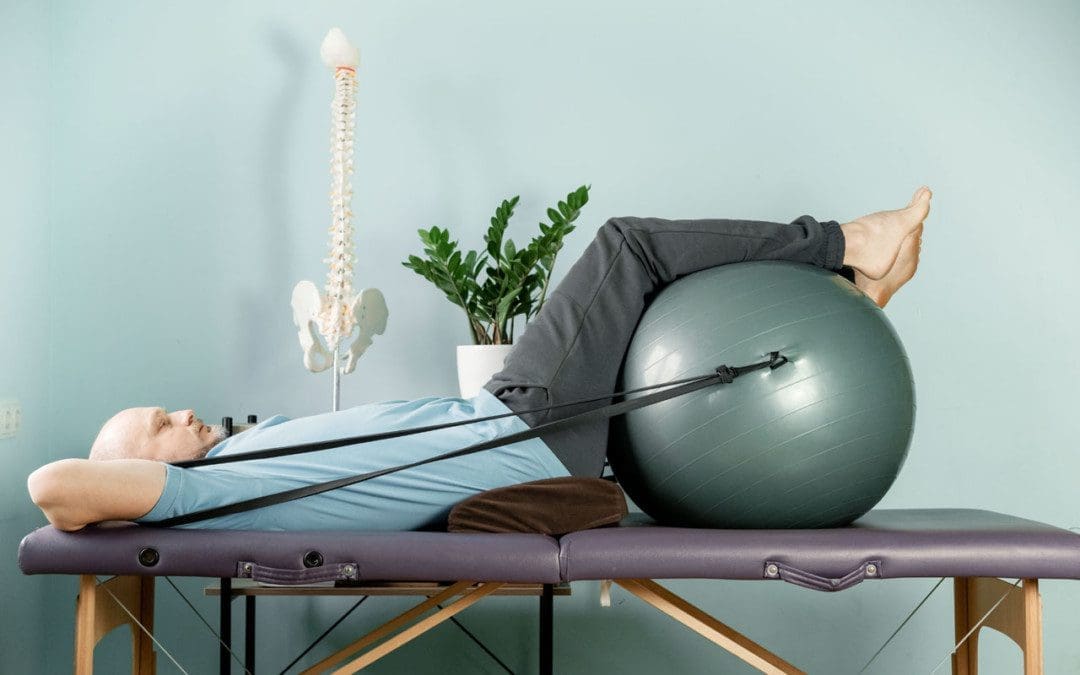
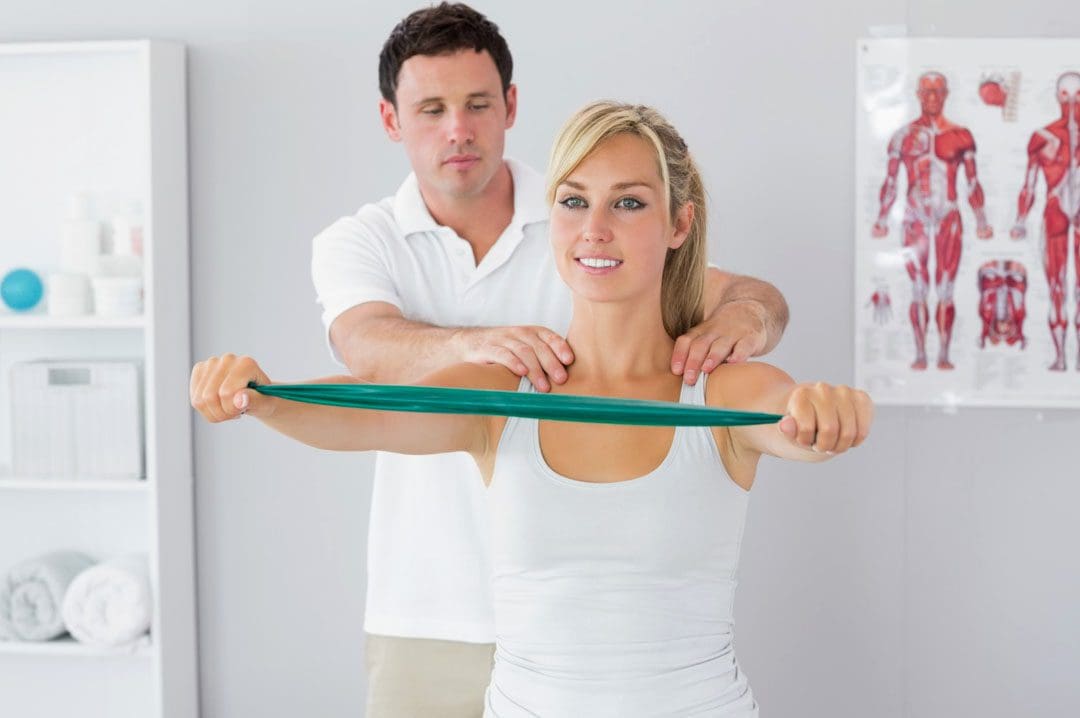
Resistance band exercises can be very useful for injury rehabilitation. As a part of a chiropractic neuromusculoskeletal treatment plan, personalized rehabilitation exercises using resistance bands can be prescribed to strengthen targeted areas of the body that require retraining due to an injury or condition. Resistance band training can effectively rehabilitate neck, shoulder, back, leg, knee, and ankle conditions and offer several advantages, from improving strength and posture to increasing mobility and improving joint health.
Resistance Bands
Resistance bands are rehabilitation and exercise equipment that provide consistent resistance throughout a specific exercise. They are rubberized bands or elastic cables that can be color-coded (different brands may vary in color progressions) to signify the amount of resistance they provide. These bands are great for all types of injuries to the joints or muscles and have been found to be effective in the following types:
Weakened neck muscles from injury.
Shoulder dislocation
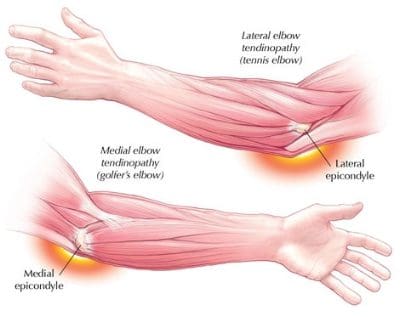
Tennis elbow
Hip bursitis
Knee injuries
IT band syndrome
Ankle sprains
Improve flexibility for arthritis.
The body does need time to heal before engaging in exercise, especially after major muscle, ligament, or tendon tears. A chiropractor or physical therapist will inform the patient when they can begin. However, some areas can be worked out three days after an injury.
Benefits
Resistance bands can isolate strength training and stretching to specific muscles affected by surgery or a non-surgical injury/condition in chiropractic and physical therapy. They can help in the following:
Increased circulation.
Increased range of motion and flexibility.
Increased muscular strength.
Improved posture.
Increased joint stability.
Improved balance.
Added benefits:
They are small, lightweight, and portable making them perfect for those that travel frequently.
They are simple to use.
They are cost-effective.
They provide a whole-body workout.
They come in different resistance levels to progress gradually.
Safe for every fitness level.
Exercises
Exercises with bands can be used in standing, sitting, or lying down positions. Some may consist of movements with resistance coming from body weight. Other activities may require additional resistance. Lunges are an example of a simple exercise to help rehabilitate certain back conditions.
Injury Stages
Strength and resistance training is essential for healing from neuromusculoskeletal injuries and overall health.
Early/Acute Stage
This stage entails light, gentle exercising that will allow damaged tissues to begin healing with simple movements to get circulation moving through the areas.
This gradually increases the weight on the injured bone, ligament, or muscle so the tissue can develop the ability to withstand strains from daily activities.
Late/Functional Stage
This is the final step, in which the tissues are stressed through functional exercises to be fit enough to return to work, sports, and activities.
Exercises For Lower Back
References
Lee, Jae-Kwang, and Jae-Hong Lee. “Effect of the lumbar stabilization exercise on the height difference between shoulders and range of motion in older adults.” Journal of physical therapy science vol. 35,1 (2023): 46-50. doi:10.1589/jpts.35.46
Mikesky, A E et al. “Efficacy of a home-based training program for older adults using elastic tubing.” European journal of applied physiology and occupational physiology vol. 69,4 (1994): 316-20. doi:10.1007/BF00392037
Seguin, Rachel C et al. “The Efficacy of Upper-Extremity Elastic Resistance Training on Shoulder Strength and Performance: A Systematic Review.” Sports (Basel, Switzerland) vol. 10,2 24. 14 Feb. 2022, doi:10.3390/sports10020024
Seo, Myong-Won et al. “Effects of 16 Weeks of Resistance Training on Muscle Quality and Muscle Growth Factors in Older Adult Women with Sarcopenia: A Randomized Controlled Trial.” International journal of environmental research and public health vol. 18,13 6762. 23 Jun. 2021, doi:10.3390/ijerph18136762
Yamamoto, Yutaro, et al. “Effects of resistance training using elastic bands on muscle strength with or without a leucine supplement for 48 weeks in elderly patients with type 2 diabetes.” Endocrine journal vol. 68,3 (2021): 291-298. doi:10.1507/endocrj.EJ20-0550
IFM's Find A Practitioner tool is the largest referral network in Functional Medicine, created to help patients locate Functional Medicine practitioners anywhere in the world. IFM Certified Practitioners are listed first in the search results, given their extensive education in Functional Medicine