Can protein powder be used in different ways to effectively support nutrition goals for individuals who aim to build muscle, maintain weight, or acquire more protein in their diet?
Different Ways To Use Protein Powder
Protein powder is a quick and easy way to get protein before or after a workout. Add a scoop to a shaker bottle, mix with water, and you’re ready. However, having the same shake daily can become boring. Finding different ways to use protein powder can be a welcome change in workout nutrition habits. It is versatile, making it a great addition to smoothies, baked goods, oatmeal, yogurt, and more.
Learning different ways to use protein powder can help create an exciting and diversified menu, from meals to snacks. Individuals can use conventional or organic powder. Here are a few ideas:
Oatmeal
Adding protein powder to overnight oats or stovetop oatmeal is a great way to increase protein content.
Protein powder mixes well with oats and milk.
Baked Goods
Protein powder goes well with many baked goods.
Another way to use protein powder is to add it to brownie, muffin, cupcake, or cookie recipes.
Yogurt
Combine with yogurt and fruit for a nutrient and calorie-dense breakfast or snack to fuel the body.
It’s also a great post-workout snack.
Coffee
Adding protein powder to coffee makes it easy to increase daily protein intake.
Stir with a spoon, like adding powdered cream, or blend or froth hot coffee with protein powder to make it like a cappuccino.
Pancakes
Adding to a batch of pancakes is a great way to use protein powder.
How much protein powder per day?
Consuming one to two scoops (between 25 to 50 grams) daily is generally safe, which is what most recipes call for. Following the recommended dosage on the product label is highly recommended. The Recommended Dietary Allowance of protein for a healthy adult, regardless of age, is 0.8 grams per kilogram of body weight per day. (Wu G. 2016)
How long after a workout should protein powder be taken?
Whether running or lifting weights, consuming protein within the anabolic window approximately 30 minutes to two hours after a workout enhances muscle recovery, repair, and growth. (Aragon A. A., & Schoenfeld, B. J. 2013) Daily protein intake is recommended for improved performance, muscle growth, and optimal recovery. (Cintineo H. P. et al., 2018) Muscle building is 25 percent higher when protein intake is evenly spaced throughout the day. (Mamerow M. M. et al., 2014)
Protein Shake Side Effects
Consuming the recommended amount of one to two scoops daily is generally safe and doesn’t have side effects. However, exceeding recommended daily intake can cause unwanted side effects that include:
Bloating
Flatulence
Increased bowel movements
Acne
Nausea
Thirst
Fatigue
Headache
Lack or loss of appetite
Studies have found that excess whey protein supplementation is associated with increased aggression, acne, and disturbance of the gut microbiota. (Vasconcelos Q. D. J. S. et al., 2021)
For individuals who want to get more out of their pre- or post-workout supplements, choose high-quality organic protein powders that contain all essential amino acids and wholesome ingredients with no fillers or additives. Consult a healthcare provider if considering supplementing with protein powder or looking to increase protein intake along with a registered dietitian to help determine how much protein is needed based on personal needs, activity, and fitness levels and goals.
Injury Medical Chiropractic and Functional Medicine Clinic
Chiropractic care aims to help individuals improve movement with less pain due to condition, after injury, or surgery. Injury Medical Chiropractic and Functional Medicine Clinic works with primary healthcare providers and specialists to build optimal health and wellness solutions. We focus on what works for you to relieve pain, restore function, prevent injury, and help mitigate issues through adjustments that help the body realign itself. They can also work with other medical professionals to integrate a treatment plan to resolve musculoskeletal problems.
Benefits of a Healthy Diet and Chiropractic Care
References
Cintineo, H. P., Arent, M. A., Antonio, J., & Arent, S. M. (2018). Effects of Protein Supplementation on Performance and Recovery in Resistance and Endurance Training. Frontiers in nutrition, 5, 83. https://doi.org/10.3389/fnut.2018.00083
Gorissen, S. H. M., Crombag, J. J. R., Senden, J. M. G., Waterval, W. A. H., Bierau, J., Verdijk, L. B., & van Loon, L. J. C. (2018). Protein content and amino acid composition of commercially available plant-based protein isolates. Amino acids, 50(12), 1685–1695. https://doi.org/10.1007/s00726-018-2640-5
Batsis, J. A., Petersen, C. L., Cook, S. B., Al-Nimr, R. I., Driesse, T., Pidgeon, D., & Fielding, R. (2021). Impact of whey protein supplementation in a weight-loss intervention in rural dwelling adults: A feasibility study. Clinical nutrition ESPEN, 45, 426–432. https://doi.org/10.1016/j.clnesp.2021.07.006
West, D. W. D., Abou Sawan, S., Mazzulla, M., Williamson, E., & Moore, D. R. (2017). Whey Protein Supplementation Enhances Whole Body Protein Metabolism and Performance Recovery after Resistance Exercise: A Double-Blind Crossover Study. Nutrients, 9(7), 735. https://doi.org/10.3390/nu9070735
Fekete, Á. A., Giromini, C., Chatzidiakou, Y., Givens, D. I., & Lovegrove, J. A. (2018). Whey protein lowers systolic blood pressure and Ca-caseinate reduces serum TAG after a high-fat meal in mildly hypertensive adults. Scientific reports, 8(1), 5026. https://doi.org/10.1038/s41598-018-23333-2
Ha, D. J., Kim, J., Kim, S., Go, G. W., & Whang, K. Y. (2021). Dietary Whey Protein Supplementation Increases Immunoglobulin G Production by Affecting Helper T Cell Populations after Antigen Exposure. Foods (Basel, Switzerland), 10(1), 194. https://doi.org/10.3390/foods10010194
Wu G. (2016). Dietary protein intake and human health. Food & function, 7(3), 1251–1265. https://doi.org/10.1039/c5fo01530h
Aragon, A. A., & Schoenfeld, B. J. (2013). Nutrient timing revisited: is there a post-exercise anabolic window?. Journal of the International Society of Sports Nutrition, 10(1), 5. https://doi.org/10.1186/1550-2783-10-5
Mamerow, M. M., Mettler, J. A., English, K. L., Casperson, S. L., Arentson-Lantz, E., Sheffield-Moore, M., Layman, D. K., & Paddon-Jones, D. (2014). Dietary protein distribution positively influences 24-h muscle protein synthesis in healthy adults. The Journal of nutrition, 144(6), 876–880. https://doi.org/10.3945/jn.113.185280
Vasconcelos, Q. D. J. S., Bachur, T. P. R., & Aragão, G. F. (2021). Whey protein supplementation and its potentially adverse effects on health: a systematic review. Applied physiology, nutrition, and metabolism = Physiologie appliquee, nutrition et metabolisme, 46(1), 27–33. https://doi.org/10.1139/apnm-2020-0370
Can understanding the planes of motion help individuals adjust fitness training to maximize fitness for physical and sports performance and reduce the risk of injury?
Planes of Motion
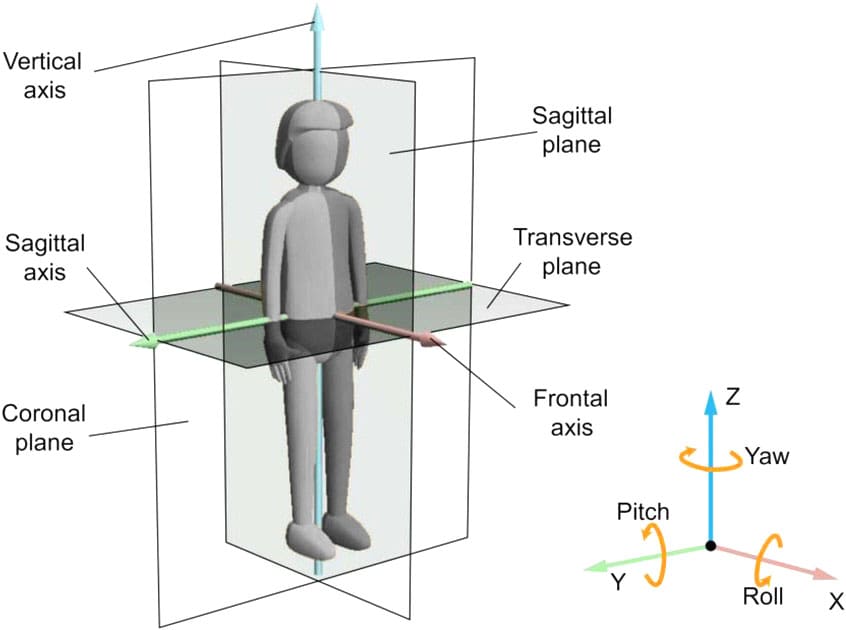
The body’s planes of motion are the sagittal, frontal, and transverse planes, which divide it into left and right, front and back, and top and bottom halves. The body moves in different dimensions during daily work, house chores, and physical activity/exercises. The movements in each plane correspond to forward/backward, side-to-side, and rotational motions. Think of each plane as an imaginary line or a pane of glass that divides the body into opposing segments when standing in the anatomical position. (National Academy of Sports Medicine, 2024)
Sagittal plane -Divides the body into right and left sides.
Frontal plane – Divides the body into front and back.
Transverse plane – Divides the body into top and bottom sections.
To determine the plane of motion of a particular movement, consider how the movement would interact with the imaginary lines or plates. When a movement runs parallel to the imaginary line, the movement is occurring in that plane of motion. For example, when going upstairs, the forward and upward movement at the hip, knee, and ankle occurs primarily in the sagittal plane because that movement runs parallel to the imaginary line that divides the body into right and left sides. Frontal plane movements occur while you walk up the stairs and reach for the handrail. The movement is in the frontal plane because the lateral hand reach runs parallel to the line, dissecting the body into front and back sections. If you turn around to look behind, the rotational movement occurs in the transverse plane because your upper torso runs parallel to the line, dissecting the body into an upper and lower section. Individual movements at any joint in the body can occur in a single plane or multiple planes. Complex movements usually happen in several planes of motion concurrently.
Sagittal Plane
Movement in the sagittal plane generally happens in front or behind. This is the most familiar plane of motion because many typical day-to-day activities happen within arm’s reach in front. Walking, texting, or computer work involves movement primarily in the sagittal plane. Several eating mechanics occur in the sagittal plane. Movements include:
Flexion – A bending movement that decreases the angle at a joint.
Extension – An extending movement that increases the angle at a joint.
Hyperextension – Extending the angle at a joint beyond neutral.
Dorsiflexion – Bending at the ankle so the top of the foot moves toward the shin.
Plantarflexion – Pushing the foot down and away from the body.
Many strength-training exercises in the sagittal plane include biceps curls, forward or reverse lunges, squats, vertical jumping, running, downward dog, and yoga chair poses.
Frontal Plane
The frontal plane divides the body into front/anterior and back/posterior sections. Frontal plane movements are lateral or side-to-side and include:
Abduction – Moving the body or a limb laterally and away from the body’s midline.
Adduction – Moving the body or a limb towards the body’s midline.
Elevation – Moving the shoulder blades up.
Depression – Moving the shoulder blades down.
Eversion – Rolling the foot towards the inside/medial side.
Inversion – Rolling the foot towards the outside/lateral side.
Frontal plane movements are less common than sagittal movements. For example, individuals walk forward more than side to side or reach for something in front rather than directly to the side. Frontal plane movements in fitness include side lunges, lateral shoulder raises, and side shuffles, and in yoga poses, standing side bends and the triangle.
Transverse Plane
The transverse plane divides the body into upper/superior and lower/inferior sections. Transverse plane movements generally involve rotation. Movement in this plane is less common. Exercise injuries most often occur during transverse/rotational movements. (National Academy of Sports Medicine, 2024) Movements include:
Rotation – Moving the torso or a limb around its vertical axis.
Pronation – Rotating the forearm or foot to a palm-side or foot-side down position.
Supination – Rotating the forearm or foot to a palm-side or foot-side-up position.
Horizontal Abduction – Moving the upper arm away from the body’s midline when elevated to 90 degrees.
Horizontal Adduction – Moving the upper arm towards the body’s midline when elevated to 90 degrees.
Typical everyday activities in the frontal plane include turning the head to look behind or turning a doorknob. Exercises in the transverse plane include hitting a golf ball, swinging a baseball bat, or performing a seated twist.
Training Within the Planes of Motion Benefits
Training in all three planes can help with movement in several ways, providing greater ease in life and sports.
Prepares Body for Daily Tasks
Many traditional strength-training programs focus on training one muscle at a time, often in a single plane of motion. For example, weight lifters might do bicep curls to primarily work the biceps in the sagittal plane, a chest fly exercise to primarily work the pectoral muscles in the transverse plane, or lateral raises to work the shoulders in the frontal plane. However, compound exercises have recently become much more common. Compound movements allow individuals to train several muscle groups simultaneously and in different planes of motion.
In this way, training activities mimic daily living activities. For example, individuals often lift several heavy bags of groceries and turn to open the car or trunk, involving both sagittal and transverse movement. Preparing the body for complex activities with compound exercises allows individuals to perform them more easily throughout the day.
Prepares Body for Sports and Physical Activities
Complex multi-planar movements help prepare for safe and effective physical activity and sports performance (National Academy of Sports Medicine, 2024). Researchers and experts understand that many physical and athletic activities require the body to move in different directions, often quickly and under high stress. Several studies have found that anterior cruciate ligament/ACL injuries are more likely to occur during multi-planar rather than single-planar movements. (Quatman C. E., Quatman-Yates C. C., & Hewett T. E. 2010) Training the body to perform multi-planar movements safely and effectively through exercise can help reduce the risk of injury during daily activities or stressful athletic competitions.
Encourages Variation For Full Body Strengthening
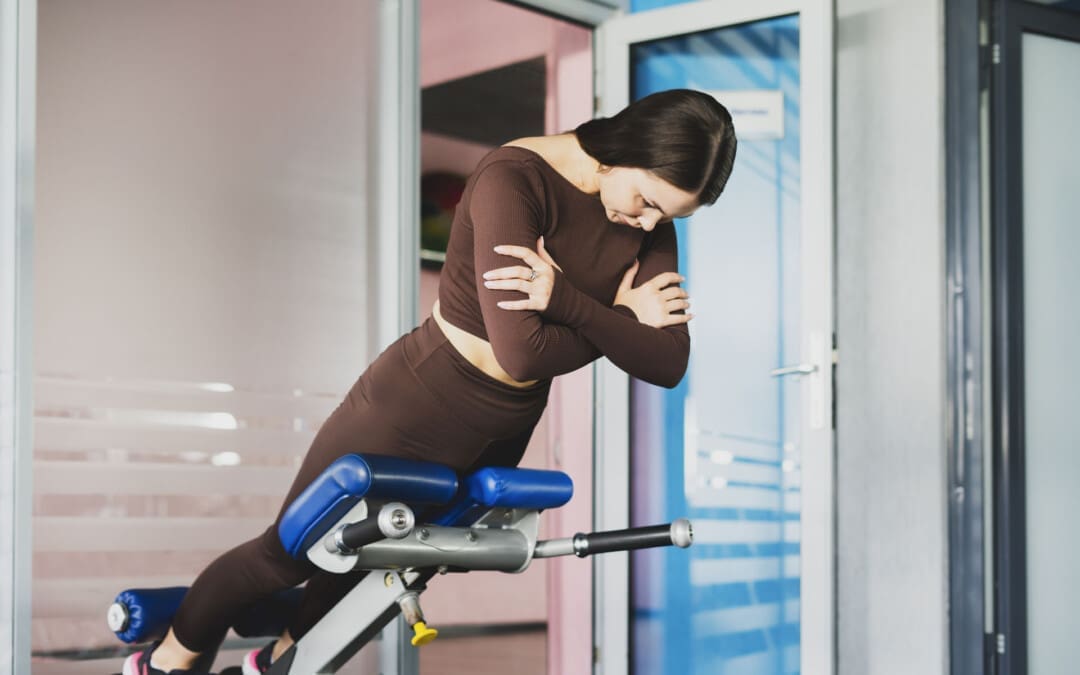
Individuals tend to fall into certain movement patterns, such as repeatedly performing the same fitness activity or exercises. This can cause them to have a favorite plane of motion. One way to break away from the same routine is to include movement from all planes of motion. For example, many abdominal workout machines help train in multiple planes of motion, challenging your body to move in different ways. Dumbbells, kettlebells, TRX straps, and bands allow individuals to move joints freely in various planes of motion and work several muscles.
Runners train primarily in the sagittal plane, even if they cross-train by swimming, cycling, or using cardio machines. For this reason, trainers and coaches often recommend doing some form of yoga or weight training that allows them to move their joints in different ways, including lateral movements or rotation. Even flexibility training should incorporate all three planes of motion. For example, walkers might choose to do a simple calf or hamstring stretch at the end of their workout but may also benefit from a seated spine rotation or a lying hip stretch.
Injury Medical Chiropractic and Functional Medicine Clinic
Understanding the concept and importance of training in the three planes of motion can help improve sports and physical performance and prevent musculoskeletal injuries. Chiropractic care aims to help individuals enhance movement with less pain due to condition, after injury, or surgery. Injury Medical Chiropractic and Functional Medicine Clinic works with primary healthcare providers and specialists to build optimal health and wellness solutions. We focus on what works for you to relieve pain, restore function, prevent injury, and help mitigate issues through adjustments that help the body realign itself. They can also work with other medical professionals to integrate a treatment plan to resolve musculoskeletal problems.
The Difference of Using Custom Foot Orthotics
References
National Academy of Sports Medicine. (2024). Sagittal, Frontal and Transverse Body Planes: Exercises & Movements. NASM. https://blog.nasm.org/exercise-programming/sagittal-frontal-traverse-planes-explained-with-exercises?utm_source=blog&utm_medium=referral&utm_campaign=organic&utm_content=ReasonsToBecomeCES
Quatman, C. E., Quatman-Yates, C. C., & Hewett, T. E. (2010). A ‘plane’ explanation of anterior cruciate ligament injury mechanisms: a systematic review. Sports medicine (Auckland, N.Z.), 40(9), 729–746. https://doi.org/10.2165/11534950-000000000-00000
Can Pilates exercise movements be performed in bed for individuals recovering from illness or injury?
Bed Pilates
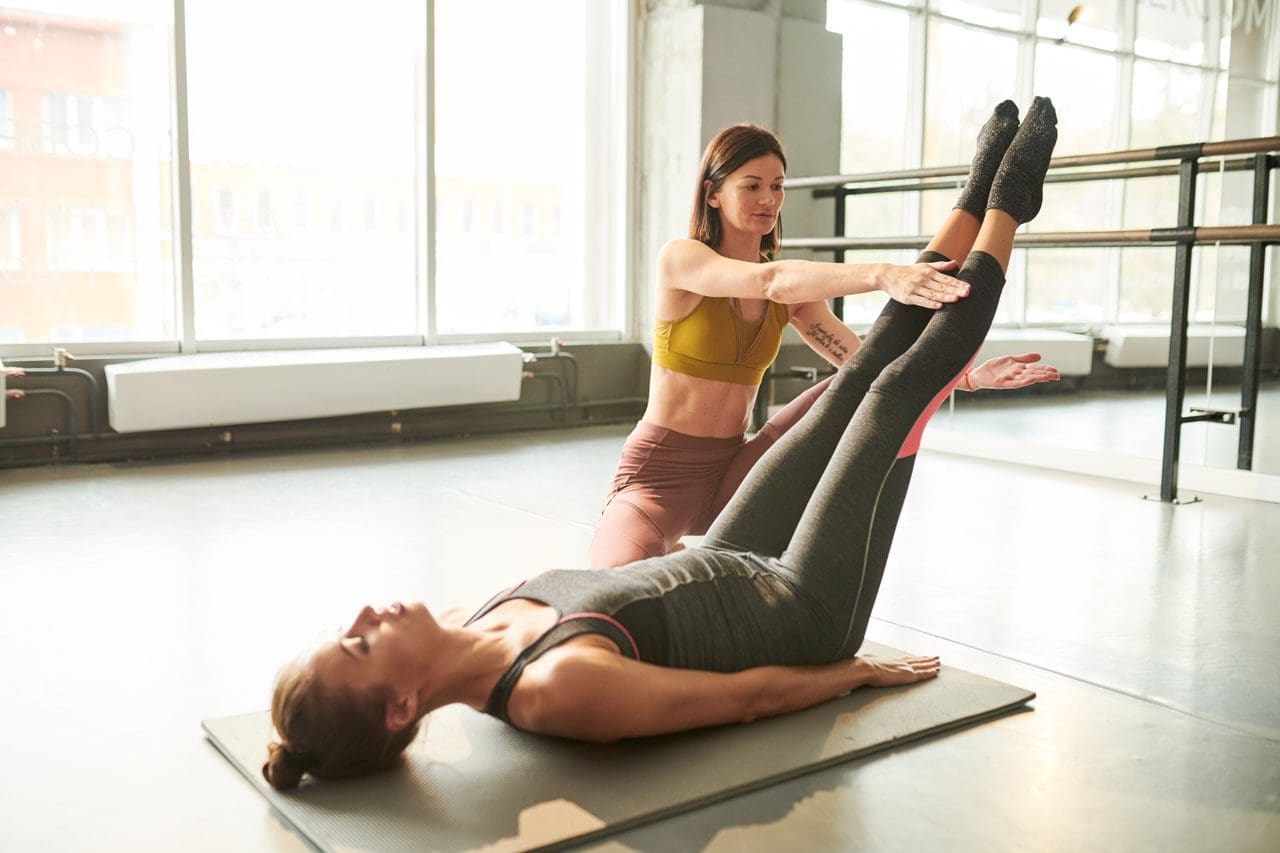
Pilates exercises can be practiced in bed. Joseph Pilates’ exercises and equipment, such as his patented V-shape bed, were designed to help rehabilitate injured individuals who had to stay on or near a bed. After a healthy night’s sleep, Pilates exercises dynamically stimulate circulation and the nervous system. They can also be used to calm the mind and body before going to bed.
Those with health concerns should check with their healthcare provider before starting any exercise program to ensure safety.
Beginners are recommended to learn the Pilates principles and movement fundamentals.
Here are a few Pilates mat exercises adapted for individuals who need or prefer to exercise in bed. A firm mattress is recommended, as a soft mattress will mess up the correct form, making the exercise ineffective.
Spine Twist
This exercise helps improve the flexibility of the spine and core, making it easier to move around, and supports healthy posture. (Geremia J. M. et al., 2015) Pilates exercises like the spine twist have been found to reduce low back pain and disability. (Notarnicola A. et al., 2014) To perform:
Sit up in bed, torso straight, abs engaged, and inhale.
Exhale as you turn your head and shoulders to the right.
Keep your torso straight, and imagine growing taller through the turn.
Inhale as you return to the starting position.
Exhale and turn to the other side.
Repeat five times on each side.
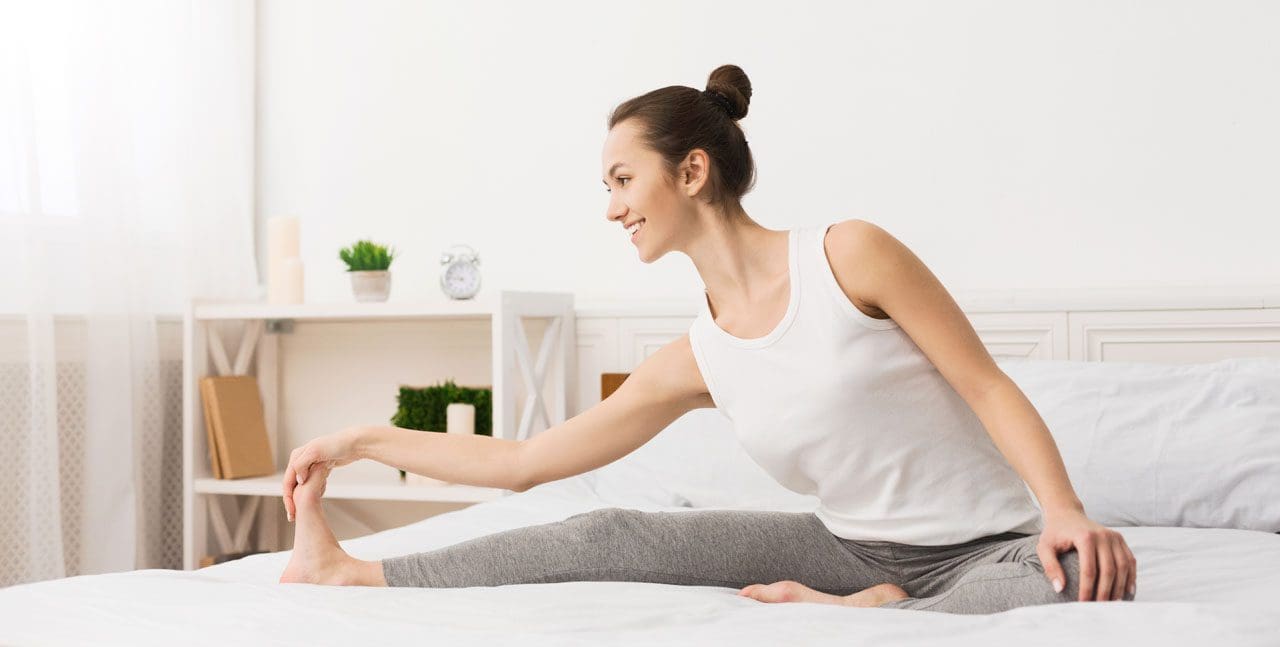
Tendon Stretch
The tendon stretch helps by improving flexibility in the hamstrings and calves. (Chinnavan E., Gopaladhas S., & Kaikondan P. 2015) To perform:
Sit up straight, legs straight out.
Bring heels together and use a towel to pull your feet towards you while pushing your heels away.
Hold for three seconds.
Next, without the towel, point your toes away.
Hold for another three seconds.
Do ten reps.
Double-Leg Stretch
The double-leg stretch is an intermediate exercise that works the abdominals and the core. If this move feels difficult, start with one leg at a time. Another option is to keep the knees slightly bent instead of extending the legs fully. To perform:
Bring both knees to your chest and, with your hands, press down on the ankles to stretch the lower back.
Pull in the abdomen.
Exhale and extend the arms up and the leg or legs as far out in front as possible.
Hold the position for ten seconds and then release.
Do ten reps.
Pelvic Curl
The pelvic curl builds strength in the lower back and core. To perform:
Bend knees and place feet on the bed hip-distance apart.
Curl your pelvis, squeeze the glutes, and lift your body.
A hip-opening exercise, or frog, can be done while lying down or sitting in bed. Hip openers help keep the spine and hips flexible and in alignment. To perform:
Bring the soles of your feet together and as close to the torso as possible.
Let the knees open up as far as possible, and that feels comfortable.
While in the stretch, breathe in and out as deep as possible.
If sitting, place hands on ankles and use forearms to push down on the knees for added stretch.
Injury Medical Chiropractic and Functional Medicine Clinic
Chiropractic care aims to help individuals improve movement with less pain due to condition, after injury, or surgery. A chiropractic therapy team can assess your condition and develop a customized treatment plan to expedite pain relief and improve mobility. Injury Medical Chiropractic and Functional Medicine Clinic works with primary healthcare providers and specialists to build optimal health and wellness solutions. We focus on what works for you to relieve pain, restore function, prevent injury, and help mitigate issues through adjustments that help the body realign itself. They can also work with other medical professionals to integrate a treatment plan to resolve musculoskeletal problems.
Home Exercises for Pain Relief
References
Geremia, J. M., Iskiewicz, M. M., Marschner, R. A., Lehnen, T. E., & Lehnen, A. M. (2015). Effect of a physical training program using the Pilates method on flexibility in elderly subjects. Age (Dordrecht, Netherlands), 37(6), 119. https://doi.org/10.1007/s11357-015-9856-z
Notarnicola, A., Fischetti, F., Maccagnano, G., Comes, R., Tafuri, S., & Moretti, B. (2014). Daily pilates exercise or inactivity for patients with low back pain: a clinical prospective observational study. European journal of physical and rehabilitation medicine, 50(1), 59–66.
Chinnavan, E., Gopaladhas, S., & Kaikondan, P. (2015). Effectiveness of pilates training in improving hamstring flexibility of football players. Bangladesh Journal of Medical Science, 14(3), 265–269. https://doi.org/10.3329/bjms.v14i3.16322
Individuals who wake up with a burning feeling in the chest or throat, along with a bitter taste, more than likely are experiencing morning or waking heartburn. Can simple steps, like not having any food three hours before going to bed, help prevent heartburn when waking up?
Waking Up With Heartburn
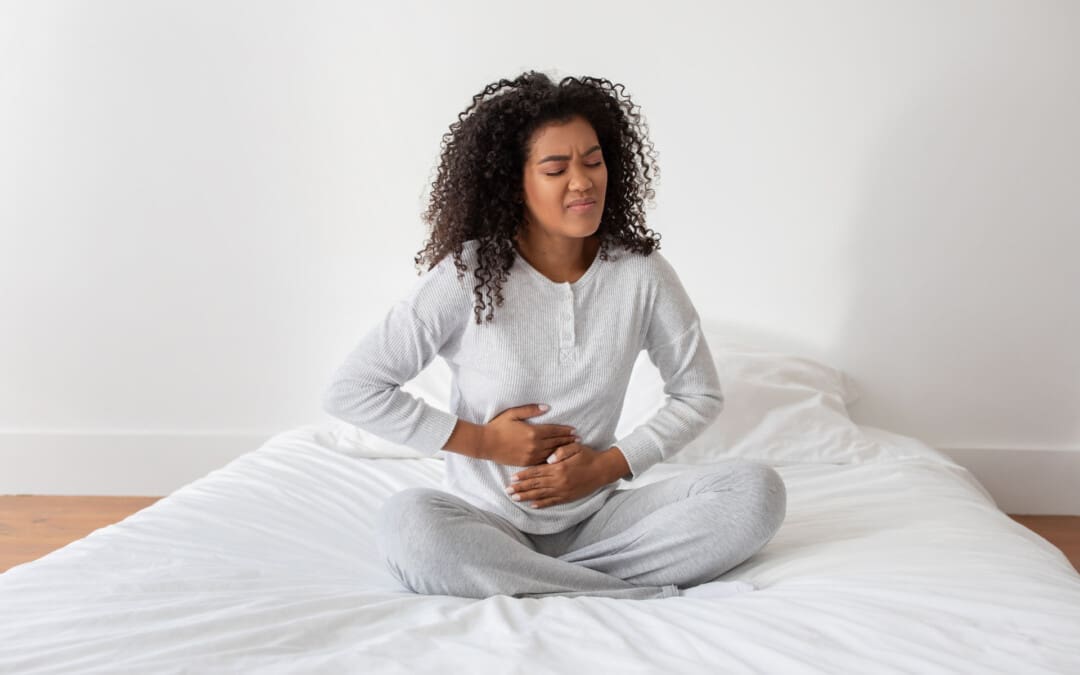
Heartburn is characterized by a burning sensation in the chest and neck and an acidic, bitter taste. It occurs when stomach acid flows into the esophagus tube that connects the throat to the stomach and often happens when lying down. Heartburn is a symptom of acid reflux, a digestive disorder that occurs when the stomach contents back up into the esophagus. Waking up with heartburn throughout the night or when waking in the morning is common during pregnancy and after drinking alcohol. (UCSF Health, 2024) But chronic acid reflux can also be a sign of a health condition like gastroesophageal reflux disease (GERD) and hiatal hernia, or another condition may cause it and can be triggered by stress, certain foods, and other factors.
Causes
Having occasional heartburn is normal. However, frequently waking up with heartburn may indicate gastroesophageal reflux disease (GERD). Other possible causes of this condition and factors that may contribute to frequently waking up with heartburn include: (National Library of Medicine, 2023)
Increased stress
Wearing belts or clothes that are tight around the waist.
Medications include sedatives, bronchodilators, beta-blockers, calcium channel blockers, and tricyclic antidepressants.
Pregnancy
Hiatal hernia – the top area of the stomach pushes through an opening in the diaphragm.
Sleeping and Heartburn
Research shows a relationship between sleep disorders like insomnia and an increased risk of acid reflux (Qin S. et al., 2023). A study of over 6,000 people found that those who woke up less often during the night were 50% less likely to experience heartburn than those with disrupted sleep.
When symptoms are constant, it’s important to see a healthcare provider.
See a Healthcare Provider
If heartburn persists long-term, it can lead to inflammation, breathing problems, and narrowing of the esophagus. Seeing a healthcare provider is recommended if lifestyle adjustments don’t help or symptoms continue despite taking over-the-counter antacids. Other symptoms that need professional diagnosis include: (National Institute of Diabetes and Digestive and Kidney Disease, 2020)
Chest pain or difficulty breathing, like wheezing or hoarseness
Loss of appetite, nausea, vomiting
Unexpected weight loss
Difficulty swallowing
Signs of blood in the digestive tract or stool
Tell a healthcare provider when and how you are experiencing symptoms. It may be helpful to keep a journal of frequency, specific symptoms, times when waking up with heartburn, what foods and the time of day when eating, and any other information.
Heart Attack Symptoms
Heartburn can feel like the chest pain associated with a heart attack. See a healthcare provider if you’re unsure if your heart or digestive system is causing the discomfort. Seek emergency medical attention if you have any of the following (American Heart Association, 2022)
Squeezing pressure, fullness, or pain in the center of the chest that lasts several minutes or stops and returns
Shortness of breath with or without chest pain
Pain in either or both arms, the back, neck, jaw, or abdomen
Other signs include lightheadedness, nausea, and breaking out in a cold sweat
Diagnosis
A healthcare provider can diagnose heartburn and related conditions based on the following (UCSF Health, 2024)
Discussing symptoms
X-rays, or imaging tests, that look at the esophagus, stomach, and small intestine
An esophageal pH monitoring test that checks how often and how long stomach acid stays in the esophagus
An upper endoscopy procedure where a small tube with a camera is inserted down the mouth to examine the esophagus and stomach
Stop eating at least three hours before going to bed
Lose weight
Avoid spicy, high-fat, and acidic foods
Limit coffee and other forms of caffeine
Avoid carbonated drinks and alcoholic beverages
Staying hydrated helps with overall digestion. However, drinking too much water at once can make heartburn worse. Drinking small amounts throughout the day and avoiding sparkling water is recommended since carbonated drinks can trigger heartburn. (Harvard Health Publishing, 2023)
Injury Medical Chiropractic and Functional Medicine Clinic
Lifestyle and dietary changes, as well as medications, may be used to treat the condition. See a healthcare provider if your heartburn is persistent or accompanied by other symptoms. A healthcare provider can determine the most effective treatment strategies. Injury Medical Chiropractic and Functional Medicine Clinic works with primary healthcare providers and specialists to develop an optimal health and wellness solution. We focus on what works for you to relieve pain, restore function, prevent injury, and help mitigate issues through adjustments that help the body realign itself. They can also work with other medical professionals to integrate a treatment plan to resolve musculoskeletal problems.
National Library of Medicine. (2023). Heartburn. Retrieved from https://medlineplus.gov/ency/article/003114.htm
Qin, S., Wang, C., Wang, X., Wu, W., & Liu, C. (2023). Causal association of gastroesophageal reflux disease with obstructive sleep apnea and sleep-related phenotypes: a bidirectional two-sample Mendelian randomization study. Frontiers in neurology, 14, 1283286. https://doi.org/10.3389/fneur.2023.1283286
National Institute of Diabetes and Digestive and Kidney Disease. (2020). Symptoms and causes of GER & GERD. Retrieved from https://www.niddk.nih.gov/health-information/digestive-diseases/acid-reflux-ger-gerd-adults/symptoms-causes
American Heart Association. (2022). American Heart Association. Heartburn or Heart Attack? https://www.heart.org/en/health-topics/heart-attack/angina-chest-pain/heartburn-or-heart-attack
Harvard Health Publishing. (2023). 9 at-home treatments for acid reflux. https://www.health.harvard.edu/newsletter_article/9-ways-to-relieve-acid-reflux-without-medication
Sleeping with lower back pain and sciatica can be difficult and frustrating. What are ways to get more comfortable sleep?
Sleeping With Lower Back Pain and Sciatica
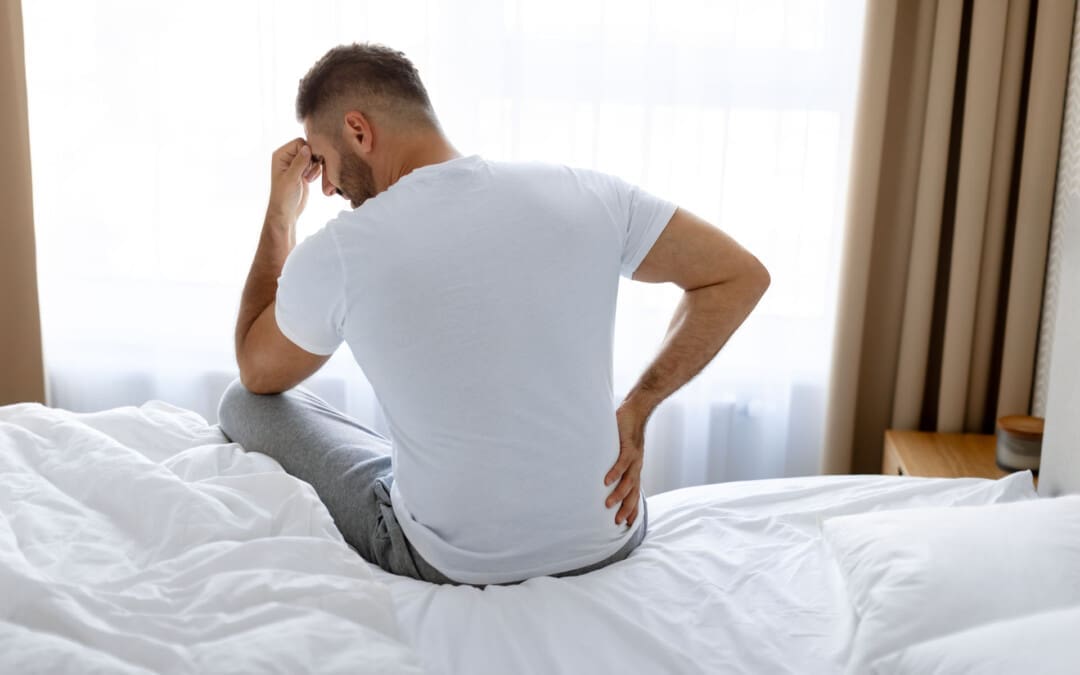
Various factors can affect sleeping with lower back pain and sciatica, including age, injury and medical history, the mattress (e.g., soft vs. firm mattress), and sleep positions. Unfortunately, there’s no one-cure-all solution for this problem, and depending on the underlying cause/s, they can worsen the pain and cause sleep problems. For example, if a herniated disc places added pressure on the nerves in the lower back, twisting the spine can worsen the lower back pain, and sleeping in a fetal position can exacerbate the nerve pain. (UCF Health, N.D.)
Lower-Back Pain
Low-back pain can be activity-related, intermittent, or constant. (American Association of Neurological Surgeons, 2024) For some, it only occurs occasionally, such as when performing specific movements. For others, it can be excruciating, chronic, and disabling. Low-back pain is unique for everybody and can differ depending on the cause. Some low-back pain symptom descriptions include (Förster M. et al., 2013)
Aching pain deep in the back
Shooting pain flare-ups
Pain caused by slight pressure
Burning
Tingling
Sciatica Not Present
For some, low-back pain may be confined to a specific area known as axial back pain. (Förster M. et al., 2013) The pain may be felt in a band along the lower back and does not radiate down the legs or anywhere else.
Sensory changes radiating down the leg – numbness, burning, and or tingling
Sleep Tools
Consider changing the mattress to improve sleeping with lower back pain and sciatica. For the best spinal support, choose a medium to firm mattress. Pillows, wedges, and other tools can also help improve sleep. (UCF Health, N.D.) It is recommended that individuals who sleep on their backs place a small pillow under their knees to reduce pressure on their lower backs. For those who sleep on their side, placing a pillow between the knees can keep the spine in a neutral/straight position. To relieve lower back pain, consider sleeping in a reclined, angled position with the head and shoulders higher than the hips. This can be accomplished with an adjustable bed or a wedge to prop the body in a regular bed.
Back Sleeping
Easing back pain while sleeping involves maintaining the body in a neutral or straight position. Extending the muscles, tendons, and ligaments too far in any one direction while sleeping with lower back pain and sciatica can cause stiffness, muscle spasms, and pain. Sleeping on the back puts the spine in neutral alignment with the least stress on the neck and back. It evenly distributes body weight to avoid exerting pressure on the joints and prevent backaches. In addition, a supine position allows outstretched ligaments to shrink and recover to their normal positions. (Keck Medicine of USC, 2019)
Chiropractic Assessment
Chiropractic care aims to help individuals improve movement with less pain due to condition, after injury, or surgery. A chiropractic physical therapy team may be best for individuals with acute back, neck, and musculoskeletal pain and discomfort symptoms. A chiropractor can quickly assess your condition and develop a customized treatment plan to expedite pain relief and improve mobility. Injury Medical Chiropractic and Functional Medicine Clinic works with primary healthcare providers and specialists to build optimal health and wellness solutions. We focus on what works for you to relieve pain, restore function, prevent injury, and help mitigate issues through adjustments that help the body realign itself. They can also work with other medical professionals to integrate a treatment plan to resolve musculoskeletal problems.
Sciatica, Causes, Symptoms and Tips
References
UCF Health. (N.D.). The best sleeping position for lower back pain (and the worst). https://ucfhealth.com/our-services/lifestyle-medicine/best-sleeping-position-for-lower-back-pain/
American Association of Neurological Surgeons. (2024). Low back pain. https://www.aans.org/patients/conditions-treatments/low-back-pain/
Förster, M., Mahn, F., Gockel, U., Brosz, M., Freynhagen, R., Tölle, T. R., & Baron, R. (2013). Axial low back pain: one painful area–many perceptions and mechanisms. PloS one, 8(7), e68273. https://doi.org/10.1371/journal.pone.0068273
North American Spine Society. (2020). Evidence-based clinical guidelines for multidisciplinary spine care: Diagnosis and treatment of low back pain. North American Spine Society. https://www.spine.org/Portals/0/assets/downloads/ResearchClinicalCare/Guidelines/LowBackPain.pdf
American Academy of Orthopaedic Surgeons. (2021). Sciatica. https://orthoinfo.aaos.org/en/diseases–conditions/sciatica
Keck Medicine of USC. (2019). The best -and worst – sleep positions for back pain. Keck Medicine of USC Blog. https://www.keckmedicine.org/blog/the-best-and-worst-sleep-positions-for-back-pain/
Can modified workouts and/or having a personal trainer design an alternate fitness routine while in injury recovery help injured individuals and athletes maintain fitness?
Maintain Fitness During Injury Recovery
Individuals with personal, work, or sports injuries must take time off to rest, recover, and rebuild. However, there are ways to maintain fitness and endurance levels while unable to engage in full workouts and exercise.
Fitness Base
Injured individuals and athletes will lose a certain amount of fitness during recovery. After all, the body is injured and needs to focus most of its attention on healing to get back to normal. Deconditioning is a fact of life when the body stops exercising, but there are ways to stay active to maintain a fitness base. Individuals can modify or scale back exercise. Before exercising after an injury, get a doctor’s approval. Then, follow their recommendations. (Garber C. E. et al., 2011)
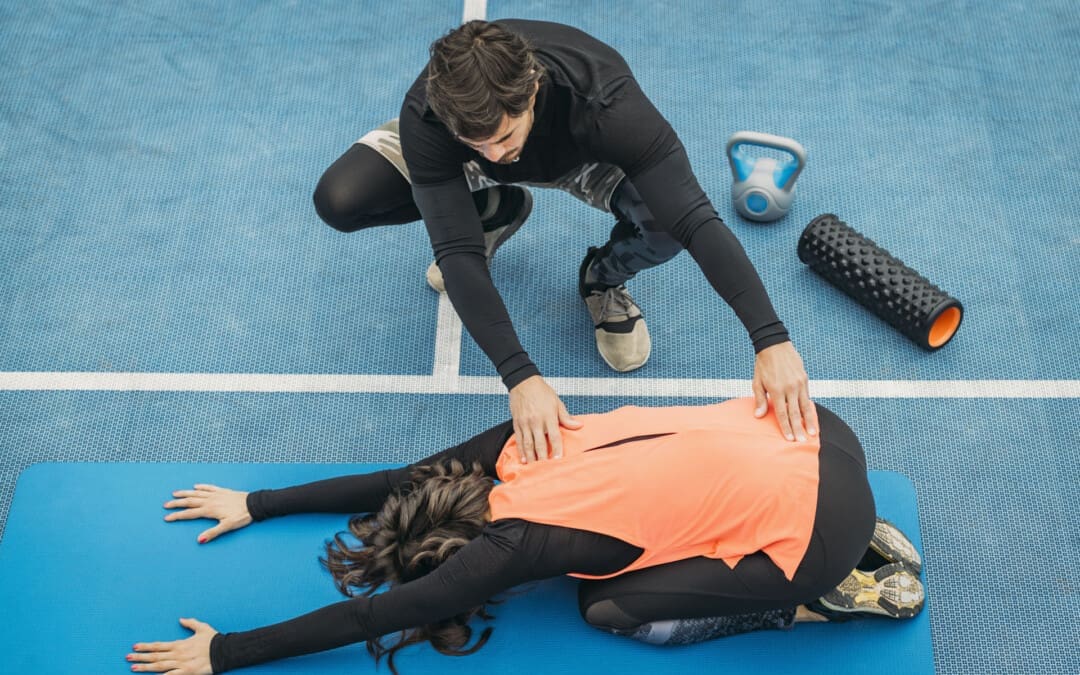
Even if one body part or joint is immobilized, cross-training principles can help individuals discover new ways to stay fit while rehabilitating. The key is to have the right attitude and remain active within tolerance levels until the injury is healed. Trying new things may take some creativity and flexibility, but most find training through injury is possible and not difficult. Here are ways to continue working out while recovering.
Lower Back Injury Workout
Talk with a doctor or sports doctor to understand exercise limitations before modifying workouts. Walking, swimming, or recumbent cycling are generally safe for individuals with a lower back injury. These workouts can help maintain cardiovascular fitness. An example of a modified workout may consist of the following:
Warm up before exercising.
Perform the workout on Monday, Wednesday, and Friday.
Perform each exercise for 30 to 60 seconds with 15 seconds of rest between exercises.
Complete the entire circuit three to four times.
Complete 30 to 60 minutes of non-weight-bearing cardiovascular exercises on Tuesday, Thursday, and Saturday.
Chest Press
Lat Pulldown
Overhead Press
Leg Extension
Wall Sit
Shoulder and Elbow Injury Workout
Shoulder or other upper body injuries often make it possible to continue traditional cardiovascular exercise because the lower body can be fully exercised. Walking, stair climbing, stationary cycling like an under-desk bike, and the elliptical trainer all work. Circuit training routines will maintain strength and power in the non-injured muscles and joints. The following example routine can be done four to five times weekly.
Warm-up.
Perform each exercise for 30 to 60 seconds, allowing 15 seconds of rest between exercises.
Complete the entire routine three to four times.
Stationary cycling for two minutes at a moderate pace and two at a higher intensity.
Leg Press
Elliptical trainer for two minutes at a moderate pace and two at a higher intensity.
Ab Crunches
Walking Lunges
Low Back Extensions
Treadmill walking for two minutes at a moderate pace and two at a higher intensity or incline.
Wall sits
Ankle and Foot Injury Workout
If the doctor approves, individuals can use a rowing machine or a stationary bike with one leg or swim a few laps. As a doctor or physical therapist recommends, individuals may also need an ankle brace or other support. A sports doctor or personal trainer can help recommend other non-weight-bearing cardiovascular exercises for 30 to 60 minutes three times weekly. Here is a sample workout to try:
Warm-up.
Perform the workout on Monday, Wednesday, and Friday.
Perform each exercise for 30 to 60 seconds with 15 seconds rest between exercises.
Complete the workout three to four times.
Leg Extensions
Chest Press
Lat Pulldown
Overhead Press
Seated Cable Rows
Incline Push-Up
Bicycle Crunches
Hanging Leg Raise
Leg and Knee Injury Workout
Leg and knee injuries can be limiting, as most endurance exercise requires flexion and knee joint extension. One-legged cycling or using an upper-body ergometer/handcycle are options. Swimming may be possible if the individual uses a pull buoy to keep them from kicking or using their legs. Here are two circuit workout examples:
Circuit 1
Warm-up.
Perform this on Monday, Wednesday, and Friday.
Perform each exercise for 30 to 60 seconds with 15 seconds of rest between exercises.
Complete the workout three to four times.
Pull-Up or Assisted Pull-Up
Chest Press
Lat Pulldown
Overhead Press
Circuit 2
Warm-up.
Perform the workout on Tuesday, Thursday, and Saturday.
Perform each exercise for 30 to 60 seconds with 15 seconds of rest between exercises.
Complete the workout three to four times.
Seated Russian Twist
Ab Crunch
V-Sit ab exercise
Injury Medical Chiropractic and Functional Medicine Clinic
Individuals may need significant rest time to heal properly, so consult a doctor on the balance of rest and training. Doing the exercises prescribed by the physical therapist during rehabilitation is important. Injury Medical Chiropractic and Functional Medicine Clinic works with primary healthcare providers and specialists to develop an optimal health and wellness solution. We focus on what works for you to relieve pain, restore function, and prevent injury. Regarding musculoskeletal pain, specialists like chiropractors, acupuncturists, and massage therapists can help mitigate the pain through spinal adjustments that help the body realign itself. They can also work with other medical professionals to integrate a treatment plan to resolve musculoskeletal issues.
Treating Ankle Sprains
References
Garber, C. E., Blissmer, B., Deschenes, M. R., Franklin, B. A., Lamonte, M. J., Lee, I. M., Nieman, D. C., Swain, D. P., & American College of Sports Medicine (2011). American College of Sports Medicine position stand. Quantity and quality of exercise for developing and maintaining cardiorespiratory, musculoskeletal, and neuromotor fitness in apparently healthy adults: guidance for prescribing exercise. Medicine and science in sports and exercise, 43(7), 1334–1359. https://doi.org/10.1249/MSS.0b013e318213fefb
Is applying ice the best option for individuals who experience an acute back strain injury?
Temperature Treatment
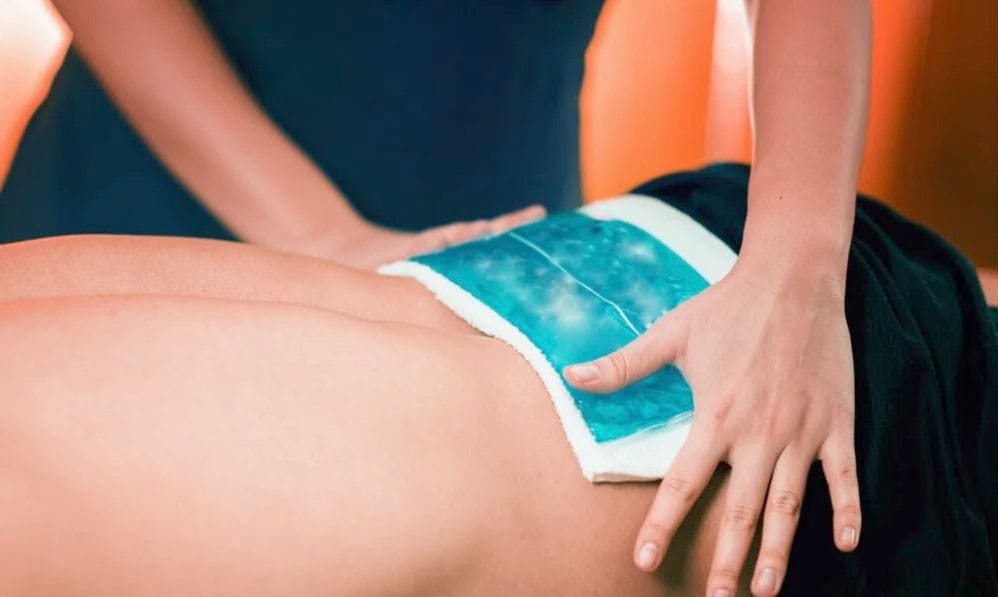
Ice temperature treatment, also known as cryotherapy or cold therapy, is a treatment that uses freezing temperatures to reduce pain and swelling. It can be applied in a variety of ways, including:
Ice packs:
Ice massage
Coolant sprays
Whirlpools
Ice baths
Ice is usually recommended for acute injuries and is a common and simple way to treat pain and swelling. Individuals can buy freezable gel packs or make their own with ice cubes in a plastic bag or towel. Heat therapy tends to be used more with chronic issues involving muscle spasms to increase blood circulation.
How Ice Relieves Pain and Reduces Inflammation
Ice temperature treatment works by:
Narrowing blood vessels slows blood circulation to the injured area and soft tissues and reduces swelling.
Reduced blood flow also helps control excessive swelling.
Ice has a short-term analgesic-numbing effect. The coldness numbs nerve endings, relieving pain symptoms.
Relieving the pain allows the muscles to relax.
Controlling blood circulation helps control pain by reducing the flow of irritating chemicals that can inundate the injury site. These chemicals are a natural and the correct response to inflammation, but the ice keeps them in check to help control pain.
After a Back Injury
For a back strain injury, ice and anti-inflammatory medication like NSAIDs are the first line of treatment during the inflammatory phase, which usually lasts 24 to 72 hours. Because heat can increase inflammation by increasing blood circulation, it is not recommended as an initial treatment. After the first few days, most doctors and pain specialists recommend using ice or heat, depending on the individual’s preference. While researchers continue to investigate the best ways to treat acute injuries, most doctors still recommend ice as the first line of defense for back injuries.
A review of studies evaluated 20 different treatment categories to learn about their safety and effectiveness. (McIntosh G. & Hall H. 2011) Treatments included over-the-counter pain medications, acupuncture, McKenzie exercises, other back exercises, and temperature treatments. Regarding temperature treatment, the review found moderate evidence that using a heat wrap 5 days after the injury could help relieve pain. However, there was not enough evidence to support the effectiveness of any of the temperature treatments, necessitating more research. (McIntosh G. & Hall H. 2011)
Physical Therapy and Activity
The review found that prolonged rest should be avoided, and gentle exercise and a progressive return to physical activity should be encouraged to achieve the best outcomes for pain relief and restoring function. Staying active significantly reduces time off from work and chronic disability for up to 1 year compared to traditional medical treatment. (McIntosh G. & Hall H. 2011) Research also found that introducing physical therapy early on could expedite recovery. Mobility work, targeted exercises, and strengthening exercises have been shown to relieve pain, reduce injury recurrence, and improve overall function. More research supports physical activity and exercise as effective treatment options for acute lower back strains. However, further research regarding temperature treatments is required. (French S. D. et al., 2006) (See Q. Y. et al., 2021)
Injury Medical Chiropractic and Functional Medicine Clinic
It is important to talk with a healthcare provider to determine the cause and extent of the injury to provide individualized patient education regarding treatment. This can include physical therapy, rest, health coaching, medication, and surgery, which may be recommended in certain cases. Overcoming these limitations is possible. Injury Medical Chiropractic and Functional Medicine Clinic works with primary healthcare providers and specialists to develop an optimal health and wellness solution. We focus on what works for you to relieve pain, restore function, prevent injury, and help mitigate the pain through spinal adjustments that help the body realign itself. They can also work with other medical professionals to integrate a treatment plan to resolve musculoskeletal issues.
Beyond the Surface: Understanding the Effects of Personal Injury
References
McIntosh, G., & Hall, H. (2011). Low back pain (acute). BMJ clinical evidence, 2011, 1102.
French, S. D., Cameron, M., Walker, B. F., Reggars, J. W., & Esterman, A. J. (2006). A Cochrane review of superficial heat or cold for low back pain. Spine, 31(9), 998–1006. https://doi.org/10.1097/01.brs.0000214881.10814.64
See, Q. Y., Tan, J. B., & Kumar, D. S. (2021). Acute low back pain: diagnosis and management. Singapore Medical Journal, 62(6), 271–275. https://doi.org/10.11622/smedj.2021086
IFM's Find A Practitioner tool is the largest referral network in Functional Medicine, created to help patients locate Functional Medicine practitioners anywhere in the world. IFM Certified Practitioners are listed first in the search results, given their extensive education in Functional Medicine