The body is designed to move. For individuals who spend a significant amount of time driving each day, whether for a living or a long commute, over time can lead to headaches, neck and back pain, sciatica, and increases the risk for serious injury. Chiropractic can retrain individuals to practice healthy driving posture. This is accomplished through decompression and massage therapy combined with recommended stretches/exercises, and an anti-inflammatory diet will bring pain relief and help prevent injury.
Healthy Driving Posture
Two main reasons driving impacts the back are poor posture and being in a fixed position for an extended period. Individuals who regularly drive for more than 4 hours a day are more at risk. An unhealthy driving posture can lead to an increased risk of discomfort/pain in the:
Over time these issues can become chronic, making the body vulnerable to various injuries.
Back Pain Symptoms
Sometimes back pain needs immediate medical attention if any of the following symptoms present:
Inflammation in the back.
Swelling on the back.
Constant pain does not go away or ease up after resting or movement.
Pain in the upper back that radiates to the chest.
A high temperature.
Unexplained weight loss.
Loss of bladder or bowel control.
Numbness or tingling around the buttocks or groin area.
Driving Recommendations
Spine Support
Slide the tailbone as close to the back of the seat as possible.
Leave a gap between the back of the knees and the front of the seat.
If the vehicle doesn’t allow for the proper position, a back support cushion can help.
Raise The Hips
If possible, adjust the area you sit on, so the thighs are supported along their entire length.
The knees should be slightly lower than the hips.
This will increase circulation to the back muscles while opening up the hips.
Sitting Too Close
An individual should be able to comfortably reach the pedals and depress them through their full range with the entire foot.
A safety study found that drivers whose chests were closer to the wheel were significantly more likely to suffer head, neck, and chest injuries in front and rear-end collisions.
Proper Height
Ensure the seat raises the eye level a few inches above the steering wheel to allow sufficient clearance between the head and roof.
Seat Angle
The angle of the back of the seat should go a little beyond 90 degrees to 100-110 degrees places minimal pressure on the back.
Leaning too far back forces the individual to raise/push their head and neck forward, which can cause neck pain, shoulder pain, and tingling in the fingers.
Headrest Height
The top of the headrest should be between the top of the ears and the top of the head.
It should slightly touch the back of the head when sitting with a healthy driving posture.
This exercise activates the abdominal and external oblique muscles.
Press the lower back into the car seat.
Inhale and tilt the pelvis forward to create an arch in the lower back.
Hold for 3 seconds, then release.
Repeat ten times.
Posture is more than just how one carries themselves. The effects of unhealthy posture can carry over into an individual’s physical, mental, and emotional health. Whether it’s caused by injury, stress, work, or sports, a professional chiropractor will help you get back to optimal health.
Driving Position
References
Cvetkovic, Marko M et al. “Assessing Post-Driving Discomfort and Its Influence on Gait Patterns.” Sensors (Basel, Switzerland) vol. 21,24 8492. 20 Dec. 2021, doi:10.3390/s21248492
Pope, Malcolm H et al. “Spine ergonomics.” Annual review of biomedical engineering vol. 4 (2002): 49-68. doi:10.1146/annurev.bioeng.4.092101.122107
Tinitali, Sarah, et al. “Sitting Posture During Occupational Driving Causes Low Back Pain; Evidence-Based Position or Dogma? A Systematic Review.” Human factors vol. 63,1 (2021): 111-123. doi:10.1177/0018720819871730
van Veen, Sigrid, and Peter Vink. “Posture variation in a car within the restrictions of the driving task.” Work (Reading, Mass.) vol. 54,4 (2016): 887-94. doi:10.3233/WOR-162359
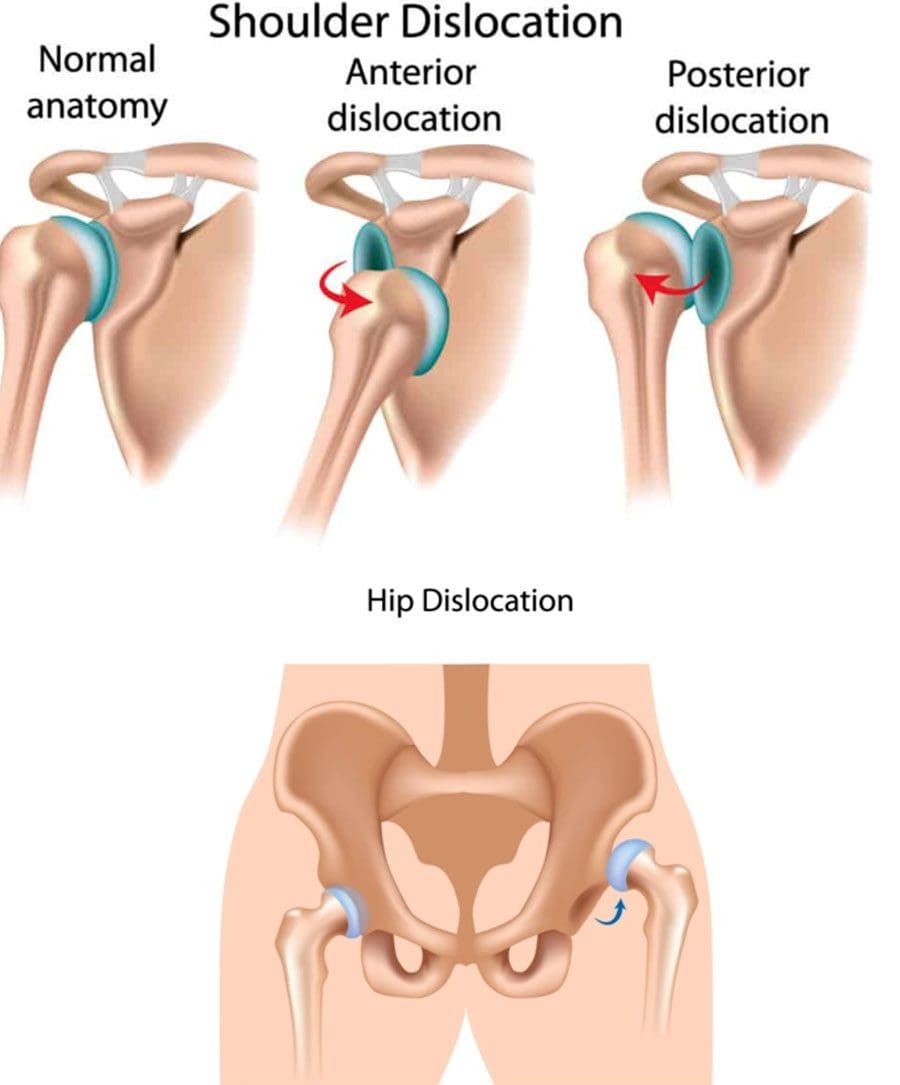
Dislocations impact the joint and are injuries that force/knock the bones out of position. Dislocations can be caused by a motor vehicle collision, falls, sports trauma, or weakened muscles and tendons. However, less impact/force is needed to dislocate smaller joints. Dislocations commonly occur at the shoulders, ankles, knees, hips, elbows, fingers and toes, and the jaw. The experience causes swelling, inability to move, and pain. A joint dislocation chiropractor can manipulate, reset, rehabilitate and strengthen the affected area and rebalance the body.
Joint Dislocation
The region where two or more bones come together is a joint. Each has a primary function, but their functions overlap. The joints allow the bones to move/articulate the skeletal system. Maintaining the body’s balance requires mobility and stability.
Mobility is the ability to move the body without restriction.
Stability is maintaining equilibrium, healthy posture, and support during movement.
The stable joints do not dislocate easily because their structures are not as flexible.
Mobile joints are at an increased risk, as they can move in almost any direction.
The kinetic chain is a sequence of joints forming an alternating pattern of stability and mobility that create a solid platform for dynamic movement. However, any joint can become dislocated, causing the affected area to become unsteady or immobile, strain or tear the surrounding muscles, nerves, and tendons which are the tissues that connect the bones to a joint.
A joint can be partially dislocated/subluxation or fully dislocated.
Joints dislocated previously have an increased risk of re-dislocating because the surrounding tissues that hold the joint have been torn or overly stretched.
Symptoms
Symptoms vary depending on the severity and location of the injury. Common symptoms include:
Instability
Loss of ability to move
Swelling
Bruising
Pain
Visible deformation
Increased Risk
Various factors can lead to joint dislocation, including:
Weakness of the supporting ligaments and muscles from natural wear and tear/age or lack of physical conditioning.
Older individuals with poor balance are more vulnerable to falls that can knock joints out of place.
Young children developing have more elastic supporting ligaments and are prone to falls, collisions, and other injuries.
Previous dislocations with overstretched or torn supporting tissues.
Repeated dislocations are likely to follow the shoulder, knee, and hip.
Physical activities like extreme sports, contact sports, or sports that involve quick body shifts, twists, and turns on the feet.
Physically demanding job.
Operating heavy machinery/equipment.
Joint hypermobility is common in children and around 5% of adults. It can be caused by weak or loose ligaments, weak or loose muscles, and/or shallow joint sockets.
Joint Dislocation Chiropractic
Treatment will vary based on the severity of the injury and the dislocated joint. Depending on the location and severity, a chiropractor will perform different movements/manipulations to realign the joint and strengthen the area.
Significant force could be necessary to pull the bones apart to realign them back into their proper position.
The joint may need to be pulled out and rotated slightly before being put back.
The focus is on increasing ligament strength.
Once the joint is back in place, it may need to remain immobile, possibly using a sling or splint to help fully heal the injury.
Physical therapy exercises will be recommended to strengthen the muscles and ligaments around the joint to support it optimally.
Shoulder Pain Chiropractic
References
Dizdarevic, Ismar, et al. “Epidemiology of Elbow Dislocations in High School Athletes.” The American journal of sports medicine vol. 44,1 (2016): 202-8. doi:10.1177/0363546515610527
Hodge, Duncan K, and Marc R Safran. “Sideline management of common dislocations.” Current sports medicine reports vol. 1,3 (2002): 149-55. doi:10.1249/00149619-200206000-00005
Prechel, Ulla et al. “The Treatment of Temporomandibular Joint Dislocation.” Deutsches Arzteblatt international vol. 115,5 (2018): 59-64. doi:10.3238/arztebl.2018.0059
Skelley, Nathan W et al. “In-game Management of Common Joint Dislocations.” Sports health vol. 6,3 (2014): 246-55. doi:10.1177/1941738113499721
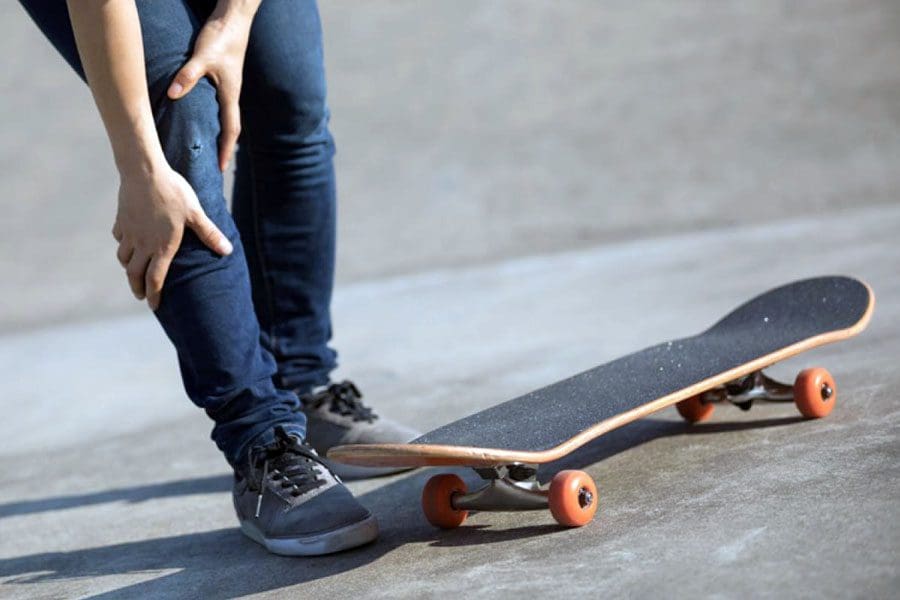
Skateboarding is a popular activity among children, teenagers, and young adults. It is recreational, competitive, fun, and exciting but, like any sport, carries a risk of injury. There are around 70,000 skateboarding injuries requiring a visit to the emergency room every year. The most common injuries involve the shins, ankles, forearms, wrists, elbows, face, and skull, with many left untreated that worsen as they heal improperly, leading to further damages and complications. Chiropractic can treat the injuries, rehabilitate the muscles and joints, and strengthen the body to get the skater back on their board.
Skateboarding Injuries
Skateboarding injuries can range from scrapes, cuts, and bruises to sprains, strains, broken bones, and concussions.
Shin injuries often happen during flip/twist tricks where the board or axle hits the shin causing bruising and swelling.
Shoulder, wrist, and hand injuries are common when skaters lose their balance and fall with outstretched arms.
Ankle injuries include rolls/sprains, as well as dislocations and fractures.
Dislocations usually happen to the shoulders, wrists, and fingers.
Facial injuries include teeth knocked out, broken nose, or jaw are typically caused by fast forward hard falls.
Severe injuries include concussions and head injuries.
Injury causes
Skateboarding injuries typically occur from:
Skating on irregular surfaces locks up wheels and affects balance, causing falls.
Losing balance or losing control of the board and falling hard/slamming into the pavement.
Inexperience, slow reaction times, and less coordination lead to falls and slams.
Skating into another skater, a person walking or cycling, a car, or a road hazard.
Trying an advanced trick/maneuver too soon and beyond their skill level.
Help prevent further injuries and long-term effects.
Chiropractic Skateboarding Injury Treatment
References
Forsman, L, and A Eriksson. “Skateboarding injuries of today.” British journal of sports medicine vol. 35,5 (2001): 325-8. doi:10.1136/bjsm.35.5.325
Hunter, Jamie. “The epidemiology of injury in skateboarding.” Medicine and sport science vol. 58 (2012): 142-57. doi:10.1159/000338722
Partiali, Benjamin, et al. “Injuries to the Head and Face From Skateboarding: A 10-Year Analysis From National Electronic Injury Surveillance System Hospitals.” Journal of oral and maxillofacial surgery: official journal of the American Association of Oral and Maxillofacial Surgeons vol. 78,9 (2020): 1590-1594. doi:10.1016/j.joms.2020.04.039
Shuman, Kristin M, and Michael C Meyers. “Skateboarding injuries: An updated review.” The Physician and sportsmedicine vol. 43,3 (2015): 317-23. doi:10.1080/00913847.2015.1050953
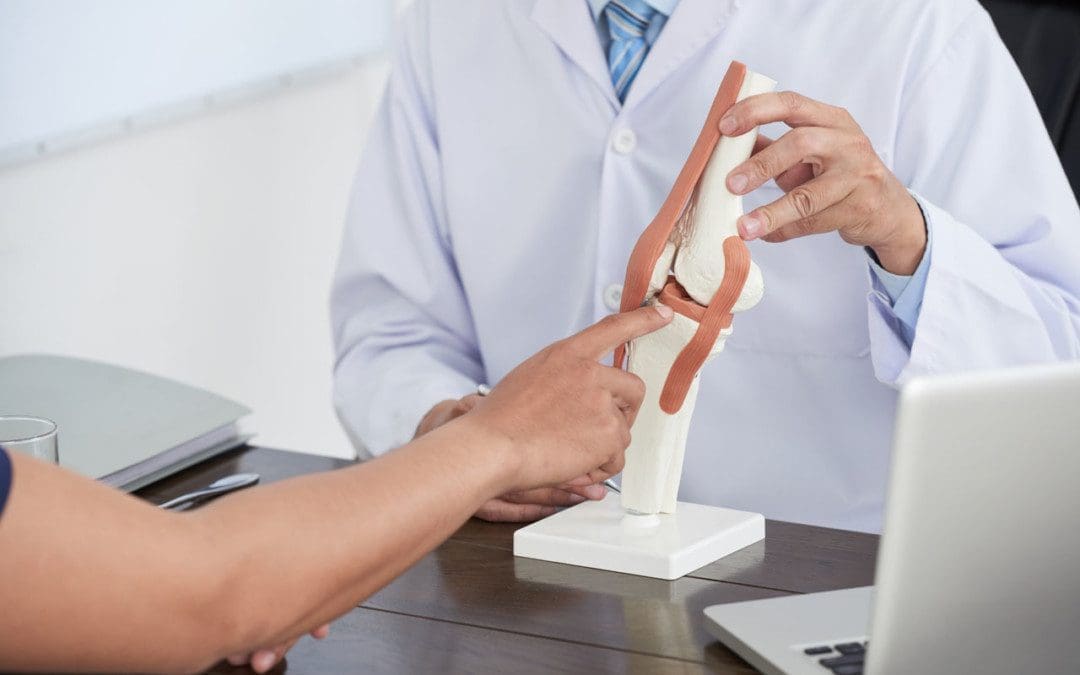
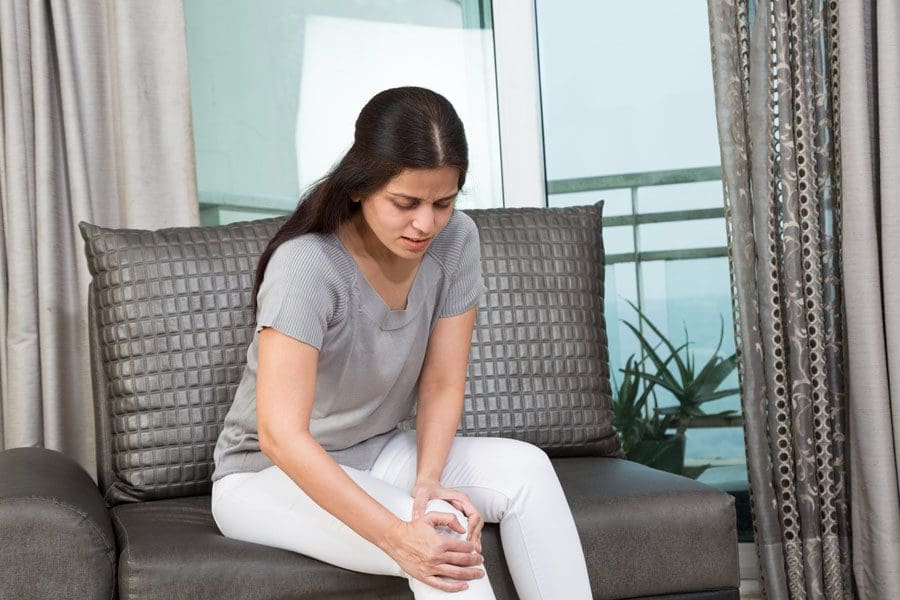
Many live with chronic discomfort and pain regularly in one or both knees. This could be from past injuries, being overweight, lack of physical conditioning, degeneration, or arthritis. Many take prescription or over-the-counter pain medication to deal with the discomfort. Pain medications only dull and mask the pain and discomfort associated with the symptoms. As a result, living with masked knee pain can worsen the condition, and the surrounding bones, joints, and tissues can begin to deteriorate. Chiropractic combined with massage, decompression, and traction therapy can significantly reduce or eliminate knee pain.
Knee Discomfort and Pain
The knee’s joint and ligaments need to be strong and healthy to support activities. The most common issues that individuals develop include:
Acute Injuries
Knee injuries can be caused by auto accidents, physical strain, playing sports, work accidents, workplace ergonomics, and walking up and down stairs.
Chronic or inflammatory medical conditions can wear down the cartilage cushion between the upper and lower leg bones.
Most common include gout, septic arthritis, osteoarthritis, and rheumatoid arthritis.
Unhealthy postures and obesity can also contribute to the chronic degradation of the knee joint.
Knee discomfort and pain can present in various ways. Some might hear an acute popping in the knee followed by swelling. Others might notice the gradual development of stiffness and weakness over time. When injured or compromised, localized pain is one of the first indicators. Chronic knee and joint pain can lead to weakness, nerve damage, or create new injuries/problems. Not all knee pain is caused by injury; in many cases, a triggering incident, like an awkward step or misstep, a stretch that went too far, or a walk, can create an injury. Even a sedentary lifestyle can contribute to knee degeneration as the surrounding muscles can lose strength, placing unnecessary strain on the joints when movement is necessary.
Chiropractic
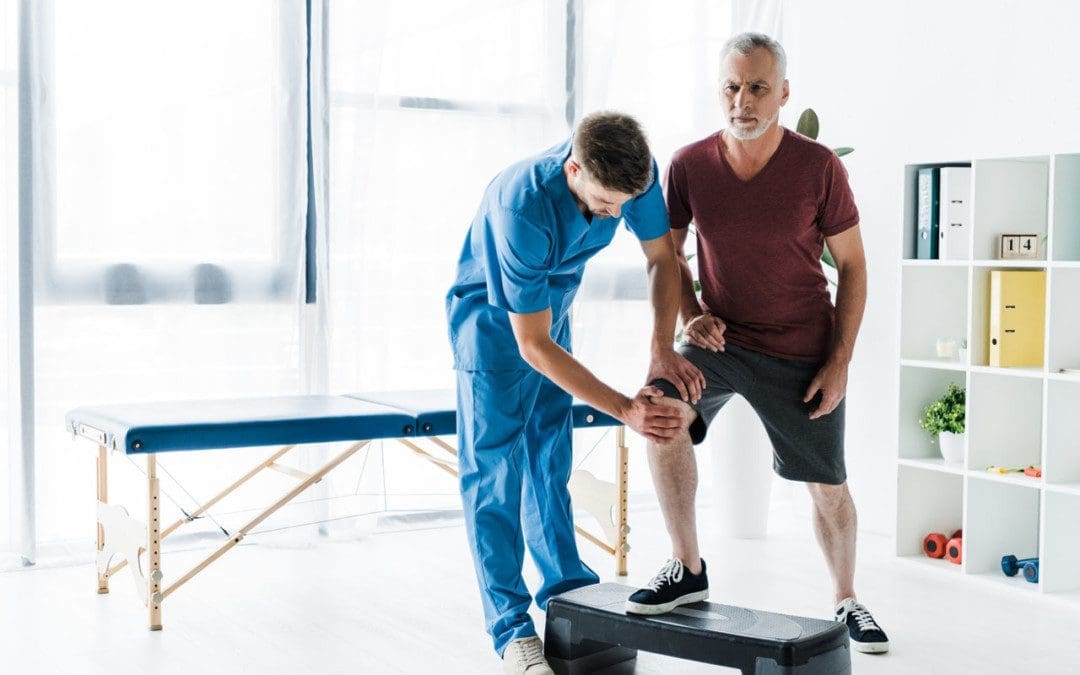
A chiropractor will examine the knee through a series of analyses, including x-rays, digital imaging, and a physical exam. The chiropractor will develop a personalized treatment plan to treat, rehabilitate, and strengthen the knee. The treatment can include:
Posture correction to distribute body weight evenly, lessening the stress on an affected knee.
Targeted exercises and nutritional recommendations will ensure long-term healing.
Q Angle of the Knee
References
Cimino, Francesca, et al. “Anterior cruciate ligament injury: diagnosis, management, and prevention.” American family physician vol. 82,8 (2010): 917-22.
Donnell-Fink, Laurel A et al. “Effectiveness of Knee Injury and Anterior Cruciate Ligament Tear Prevention Programs: A Meta-Analysis.” PloS one vol. 10,12 e0144063. 4 Dec. 2015, doi:10.1371/journal.pone.0144063
Hoskins, Wayne, et al. “Chiropractic treatment of lower extremity conditions: a literature review.” Journal of manipulative and physiological therapeutics vol. 29,8 (2006): 658-71. doi:10.1016/j.jmpt.2006.08.004
Neogi, Tuhina, et al. “Sensitivity and sensitization in relation to pain severity in knee osteoarthritis: trait or state?.” Annals of the rheumatic diseases vol. 74,4 (2015): 682-8. doi:10.1136/annrheumdis-2013-204191
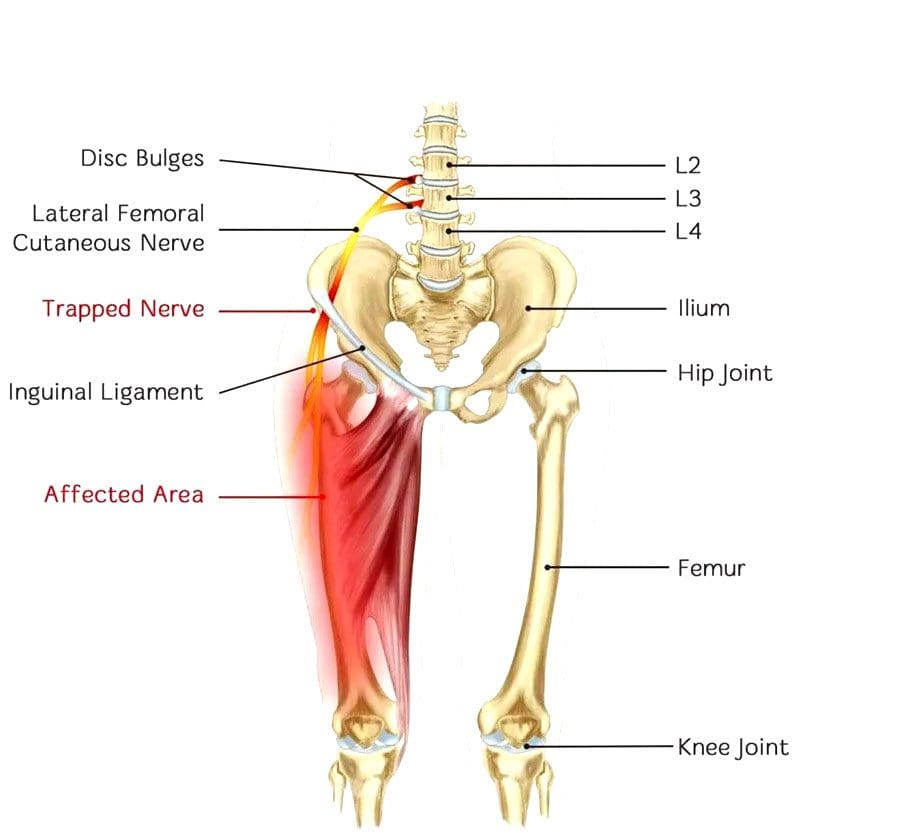
A pinched nerve in the hip can cause numbness, tingliness, weakness, and pain. A pinched/compressed nerve creates pressure that can result from a bone structural issue like hip misalignment or the nerve getting overly stretched, stuck, twisted, or kinked. The pressure obstructs the neural pathways and decreases neural activity. This causes pain. If discomfort or pain is present, chiropractic, physical rehabilitation, rest, exercise, and ice and heat can release and reset the nerve and help prevent re-injury.
Pinched Nerve In The Hip
A pinched or compressed nerve results from pressure being applied to the nerve. A pinched nerve in the hip often causes pain in the groin region, radiating down the inner thigh to the knee. The pain can feel like a dull ache or a sharp, burning pain. Individuals also report tightness, numbness, or a tingling sensation in the buttocks. The most common causes include:
Unhealthy posture.
Sitting for too long without moving around.
Misaligned bone or cartilage.
Muscle strain.
Pregnancy.
Obesity.
Inflamed tissue.
Herniated disc.
Arthritis.
Bone spurs.
Chiropractic
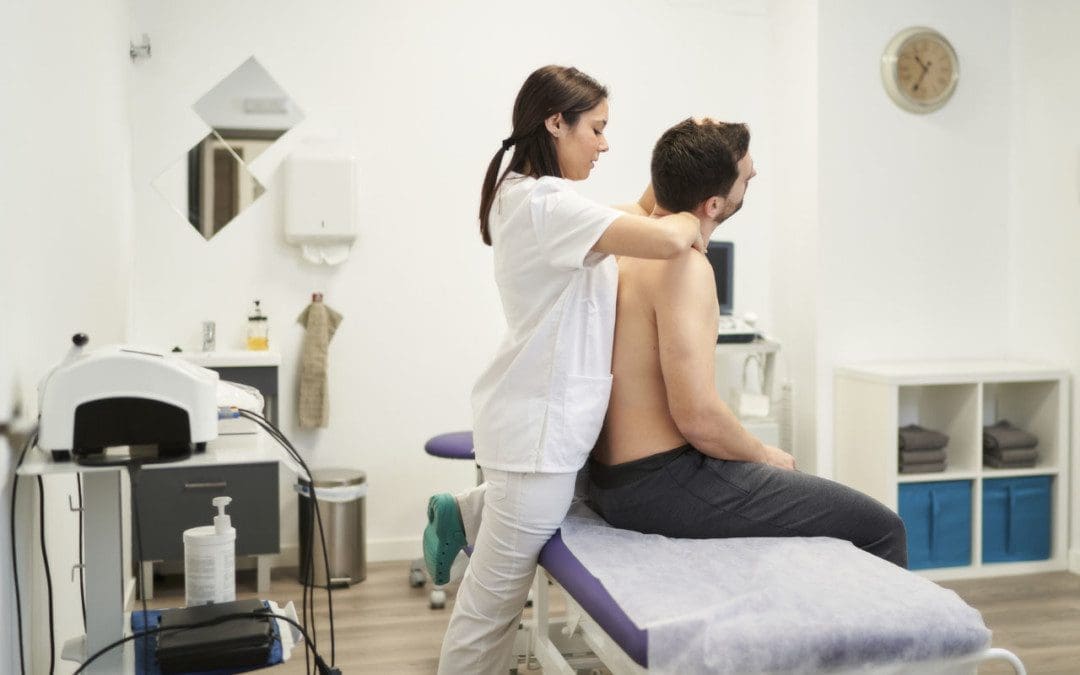
Different causes require different treatment approaches. For example, an obese individual could require chiropractic adjustments, specific exercises/stretches, and diet adjustments to address the whole body. The recommended treatment plans can vary but usually include:
Physical therapeutic massage.
Manipulative therapies of the joints and muscles.
Mobilization of the joints.
Soft tissue treatments.
Spinal decompression.
Exercise.
Walking and activity can worsen the pain when the hip presents with pain. This can cause the rest of the body to compensate by shifting the weight to the healthy side, which can cause even more pain in the back or legs or cause another injury. Regular chiropractic hip adjustments will improve posture, maintaining muscle and skeleton alignment that will prevent pinching nerves in the hip.
Chiropractic Hip Treatment
References
Ahuja, Vanita, et al. “Chronic hip pain in adults: Current knowledge and future prospective.” Journal of anaesthesiology, clinical pharmacology vol. 36,4 (2020): 450-457. doi:10.4103/joacp.JOACP_170_19
Christmas, Colleen, et al. “How common is hip pain among older adults? Results from the Third National Health and Nutrition Examination Survey.” The Journal of family practice vol. 51,4 (2002): 345-8.
“Free Communications: Case Reports: Hip.” Journal of Athletic Training vol. 38,2 Suppl (2003): S.73–S.74.
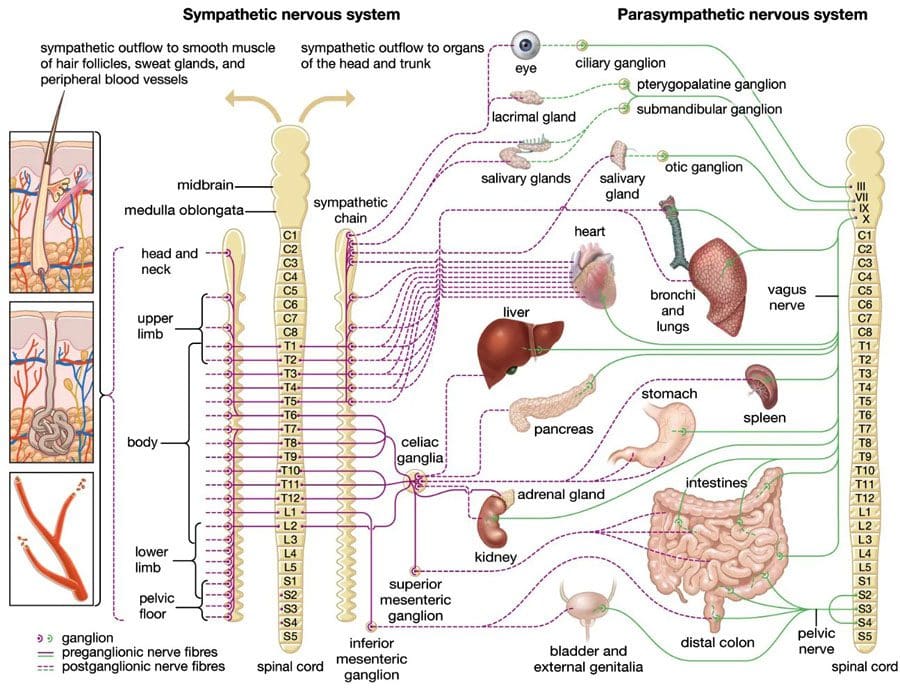
The neuromusculoskeletal system refers to the nerves, muscles, and bones. Nerve messages flow through the nervous system to coordinate and control every bodily function. Nerve interference causes an imbalance in this system, compromising body function. Uncoordinated or reduced nerve function over time can result in an unhealthy state or disease development. Complex or puzzling symptoms can include:
The nerves in the body are linked to the spinal cord, and when the spinal joints shift out of position, they can compress or kink the nerves, causing malfunction. Even a minor misalignment can create nerve, joint, and muscle tightness that travels throughout the body. This causes imbalances in nearly every other bodily system, forcing it to change in negative ways and typically becomes worse with time. Injuries from slips and falls, playing sports, accidents, unhealthy ergonomics, and repetitive/overuse motions can cause nerve injuries. Nerve dysfunction or damage can irritate the nerves causing nerve irritation that leads to nerve interference. Nerve damage can cause numbness, tingling, discomfort, and pain.
Dizziness and Mental Fog
Nerve interference can cause brain fog, sluggishness, dizziness, and anxiety.
If the brain and nervous system’s communication is disrupted by damage or injury to the nerves, mental ability may become confused and muddled.
Negatively Affect Sleep
Nerve interference can produce discomfort all over the body, causing sleep problems.
During restorative sleep, nerve interference can interrupt memory and cognitive function.
Gastrointestinal symptoms like indigestion, acid reflux, constipation, diarrhea, GERD, and nausea can present suddenly.
Back Pain
Back discomfort and pain can be caused by nerve issues.
Nerve pain can be aching, pinching, throbbing, or stabbing in the upper, middle, and lower back areas.
Numbness
Nerve signals can get mixed up or sent to the wrong areas.
Nerve interference reduces nerve energy circulation, causing tingling and numbing sensations in different body regions.
Recovery Problems
Pain could result from a past injury making injuries more difficult to heal.
Nerve interference can cause the body to become stiff, immobile, and numb, depleting the body’s energy.
Nerve energy transmission is required so the body can react to its surroundings and function correctly.
Chiropractic
Nerve blockage can be cleared through functional chiropractic medicine.
The nerve/s that are blocked or restricted are worked on through therapeutic percussive massage, manual adjustments, decompression, and stretching exercises.
Therapeutic deep tissue stimulation with or without heat is applied directly to the nerve region to increase circulation.
Proper function of nerves is restored and allows for increased blood circulation that provides increased oxygenated nutrients expediting the healing process.
Discomfort and pain are relieved.
Range of motion increases.
Restoration of muscle function and joint stability.
Tissue repair improves through treatment and nutrition.
Spinal Decompression Therapy
References
Crawford, J P. “Chiropractic intervention in the treatment of joint and soft tissue disorders.” Canadian journal of applied physiology = Revue canadienne de physiologie appliquee vol. 24,3 (1999): 279-89. doi:10.1139/h99-023
Gu, Xiaosong, et al. “Neural tissue engineering options for peripheral nerve regeneration.” Biomaterials vol. 35,24 (2014): 6143-56. doi:10.1016/j.biomaterials.2014.04.064
Mackinnon, Susan E. “Pathophysiology of nerve compression.” Hand clinics vol. 18,2 (2002): 231-41. doi:10.1016/s0749-0712(01)00012-9
Norton, Charles E et al. “Role of perivascular nerve and sensory neurotransmitter dysfunction in inflammatory bowel disease.” American journal of physiology. Heart and circulatory physiology vol. 320,5 (2021): H1887-H1902. doi:10.1152/ajpheart.00037.2021
T Francio, Vinicius. “Chiropractic care for foot drop due to peroneal nerve neuropathy.” Journal of bodywork and movement therapies vol. 18,2 (2014): 200-3. doi:10.1016/j.jbmt.2013.08.004
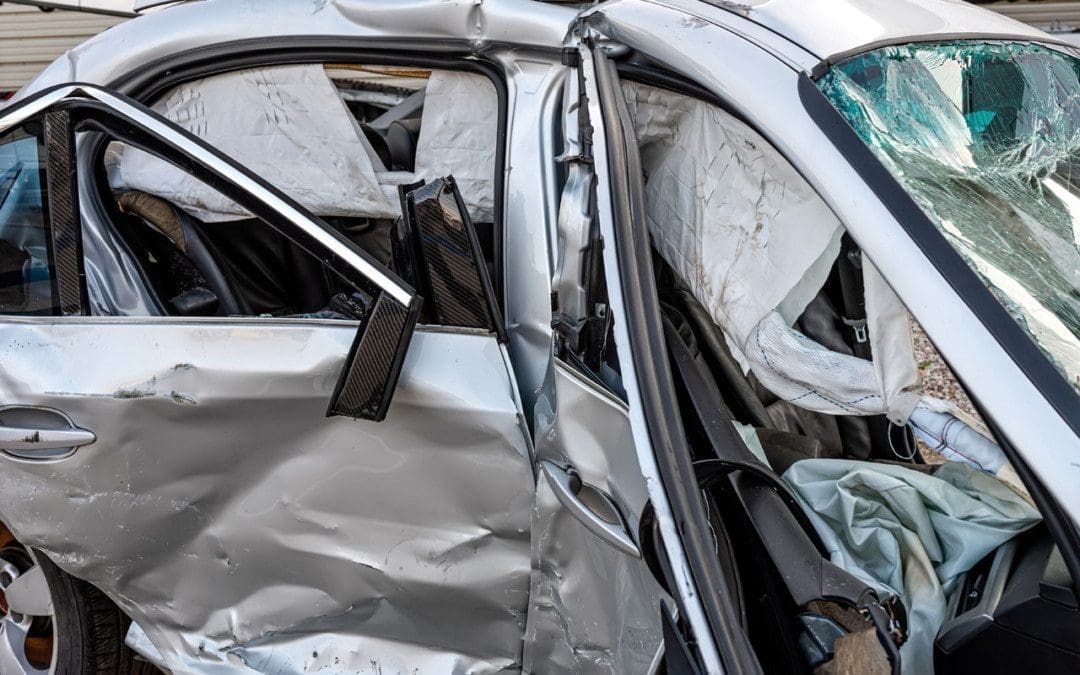
T-bone accidents/collisions, also known as side-impact or broadside collisions where the front end of one car slams into the side of another, can result in severe injuries and tend to have a more devastating effect on the body. Side impact collisions account for 24% of driver or passenger deaths; even at 30 mph, side-impacts regularly cause injuries to the occupants of the struck car. Modern vehicles have many safety features, including safety belt features, airbags, and collision avoidance systems that protect drivers and passengers from front and rear collisions; however, when it comes to side-impact, occupants tend to remain unprotected.
T-Bone Side Collision Causes
T-bone accidents usually happen at intersections. Usual Causes of T-bone accidents involve someone failing to yield the right of way. The most common causes include:
A driver makes a risky left turn at an intersection, believing the other car/s will stop.
A driver decides to run a red light crashing into a vehicle making a left turn.
A driver runs through a stop sign, slams into a vehicle, or gets slammed.
Back injuries can damage the spinal cord causing herniated discs, sciatica, and chronic pain that can radiate to the rest of the body.
Treatment and Recovery
Individuals have different recovery times and depend on the severity of the injury and on any pre-existing conditions. Brain injuries and spinal issues can take months to recover fully. Fractures placed in a hard or soft cast to heal for weeks or months can lead to muscle atrophy. Chiropractic therapeutic massage and decompression strengthens muscle weakness, resets and realigns the spinal column, improves range of motion/movement, strengthens grip, and relieves pain.
Neurosurgeon Explains DRX9000
References
Gierczycka, Donata, and Duane Cronin. “Importance of impact boundary conditions and pre-crash arm position for the prediction of thoracic response to pendulum, side sled, and near side vehicle impacts.” Computer methods in biomechanics and biomedical engineering vol. 24,14 (2021): 1531-1544. doi:10.1080/10255842.2021.1900132
Hu, JunMei, et al. “Chronic widespread pain after motor vehicle collision typically occurs through immediate development and nonrecovery: results of an emergency department-based cohort study.” Pain vol. 157,2 (2016): 438-444. doi:10.1097/j.pain.0000000000000388
Lidbe, Abhay, et al. “Do NHTSA vehicle safety ratings affect side impact crash outcomes?.” Journal of safety research vol. 73 (2020): 1-7. doi:10.1016/j.jsr.2020.02.001
Mikhail, J N. “Side impact motor vehicular crashes: patterns of injury.” International journal of trauma nursing vol. 1,3 (1995): 64-9. doi:10.1016/s1075-4210(05)80041-0
Shaw, Greg et al. “Side impact PMHS thoracic response with a large-volume airbag.” Traffic injury prevention vol. 15,1 (2014): 40-7. doi:10.1080/15389588.2013.792109
IFM's Find A Practitioner tool is the largest referral network in Functional Medicine, created to help patients locate Functional Medicine practitioners anywhere in the world. IFM Certified Practitioners are listed first in the search results, given their extensive education in Functional Medicine