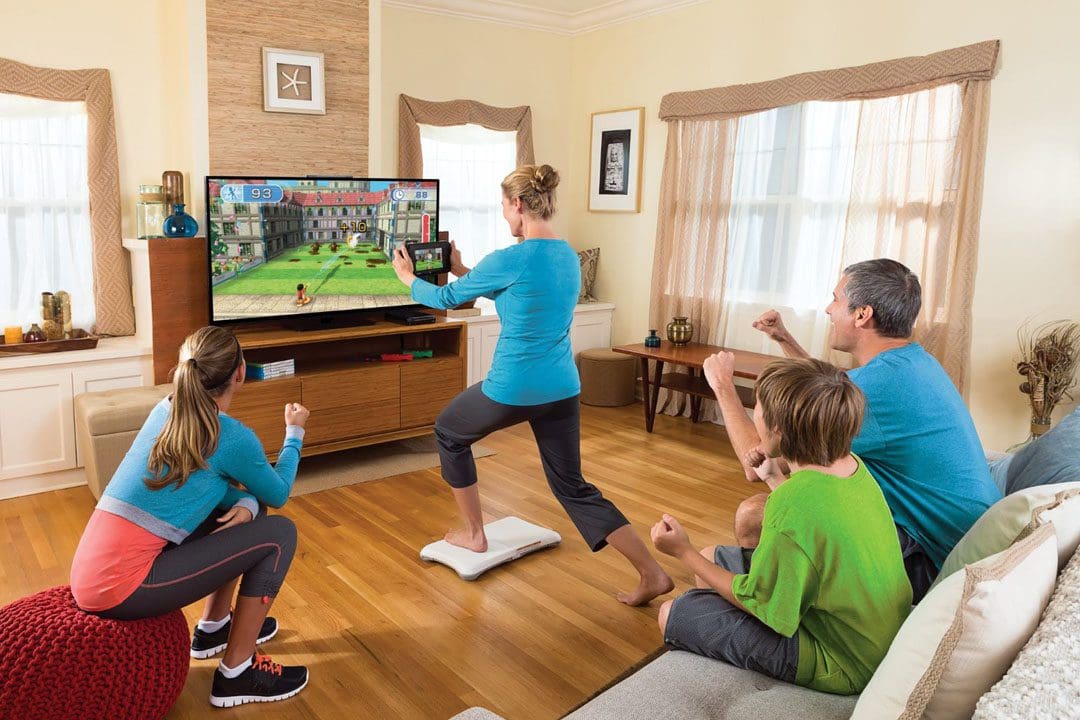
This time of year brings plenty of changes to normal day-to-day activities. We eat more and move less. But it is possible to stay on track while still enjoying the holiday festivities. The key is to balance healthy choices, stay aware of stressors, make a plan for staying healthy and get the whole family involved. The CDC recommends focusing on four areas to maintain family health: physical activity, nutritional habits, sleep, and screen time.
Family Health
Striking a balance between being active and having fun will help to create a more enjoyable and relaxing holiday experience.
Get The Whole Family Moving
Physical activity develops stronger muscles and bones, improves heart health, increases blood circulation, and lowers body fat.
Children ages 3 to 5 years should be active throughout the day.
Children ages 6 to 17 need at least 60 minutes of physical activity daily.
Look for ways to blend fun and physical activity as a family.
If you can get outside, play games like basketball or touch football, walk the dog, or take a nature walk.
Everyone has go-to foods, treats, and drinks they enjoy during the holidays. Restricting or avoiding these pleasures completely isn’t good, as it can lead to binge eating.
Power walking is a fast-paced walking activity quicker than a typical walking pace. It is an exercise technique emphasizing speed and arm motion to increase health benefits. It’s not as high impact as jogging but significantly increases heart rate. Adding power walking to an overall health regimen can improve cardiovascular, joint, muscle, and overall wellness.
Power Walking
Power walking is considered from 3 mph to 5 mph and focuses on speed and arm motion to increase heart rate.
Because it requires more steps per minute, the heart rate will increase more than from a regular walk.
This makes for a more intense cardiovascular workout that burns more calories.
Benefits
Power walking is a great way to improve fitness, heart and joint health, and mental well-being. It has been shown to decrease diabetes risk and lower high blood pressure and some cancers. Other benefits include:
Improves Life Span
The National Institutes of Health recognize the benefits of walking, including a reduced risk of all-cause mortality.
This zone improves cardiovascular health, lowering resting heart rate and strengthening the heart.
Lowers Risk of Health Conditions
Lowers the risk of several conditions like heart disease, dementia, and type 2 diabetes.
Improves sleep quality, reduces sleep disorders’ risks, increases brain function, and supports bone health.
Strengthens Muscles and Bones
It releases pressure from the joints and the muscles and increases the body’s overall range of motion.
Quality of Life
It improves the quality of life as the body becomes more fit.
Reduces risk of illnesses.
Mental abilities and performance improve with increased circulation.
Attention, concentration, and motivation improve.
Technique Overview
Optimal power walking technique will maximize benefits and prevent injuries. Some recommended guidelines to follow:
Posture Awareness
The right posture will help the body maintain speed and will help protect/prevent injury.
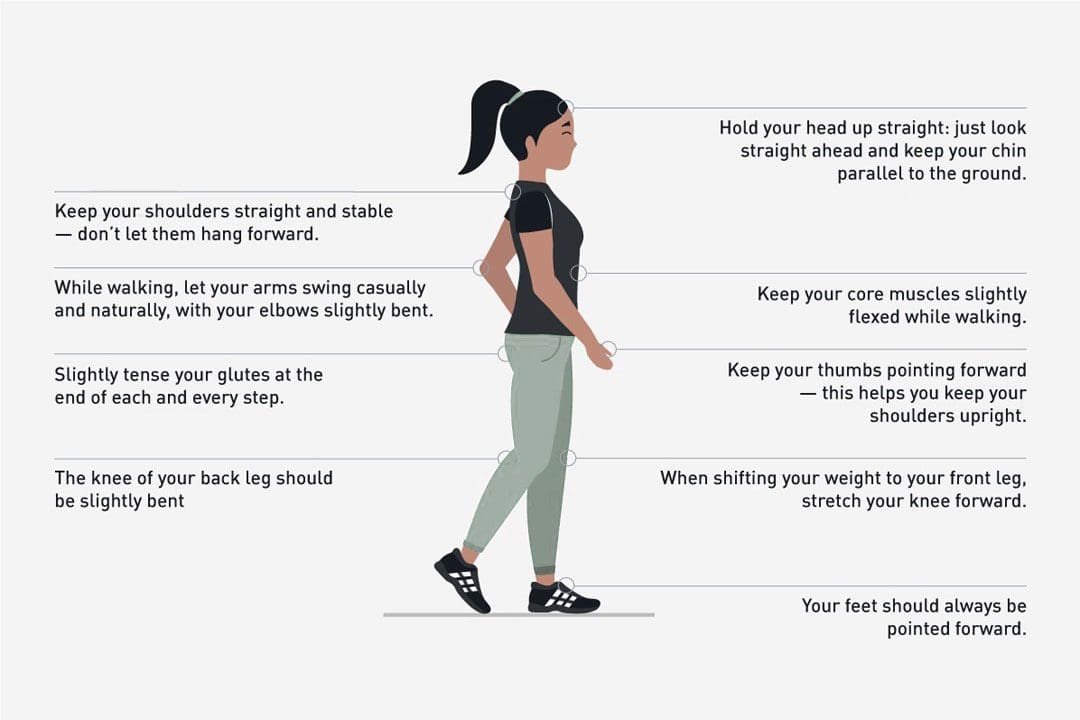
Eyes forward, shoulders back, and head upright.
Pull your belly button in toward the spine to engage the core muscles.
If you start to slump forward, take a moment to correct your body position.
If you start holding tension in the shoulders and neck, take a moment to relax and release them.
Gently Swing Arms
Arms bent at around 90 degrees.
Move the arms up and back so the opposite arm and leg advance together.
If the right foot is stepping forward, the left arm should also go forward.
Adding arm motion increases speed.
Focus on controlling the range of motion.
The hand should not rise higher than the collarbone and should not cross the body’s center.
Walking Pattern
With every step, land on the heel and roll the foot toward the toes.
Concentrate on moving the hips forward and not side to side.
Movement
Use short strides and try for a quick pace.
Studies have shown that taking more steps per minute can positively impact insulin levels, body mass index, and waist circumference.
Gradually work up to longer distances and increased speed.
Chiropractic
Chiropractic care can improve exercise experience, athletic performance, and sports performance. A few benefits include the following:
Increased limberness of the joints, ligaments, and tendons.
Increased elasticity and flexibility of the muscles.
Nervous system support improving response time, speed, and endurance.
Physical activity, no matter what intensity, is vital for health. If you are considering beginning an exercise program, talk to your doctor about developing a training program.
How To Walk Faster
References
Dunlop DD, et al. (2019). One hour a week: Moving to prevent disability in adults with lower extremity joint symptoms. DOI: 10.1016/j.amepre.2018.12.017
Mayo Clinic Staff. (2019). Walking: Trim your waistline, and improve your health. mayoclinic.org/healthy-lifestyle/fitness/in-depth/walking/art-20046261
Sharma, Ashish, et al. “Exercise for mental health.” Primary care companion to the Journal of clinical psychiatry vol. 8,2 (2006): 106. doi:10.4088/pcc.v08n0208a
Tudor-Locke, Catrine, et al. “Step-Based Physical Activity Metrics and Cardiometabolic Risk: NHANES 2005-2006.” Medicine and science in sports and exercise vol. 49,2 (2017): 283-291. doi:10.1249/MSS.0000000000001100
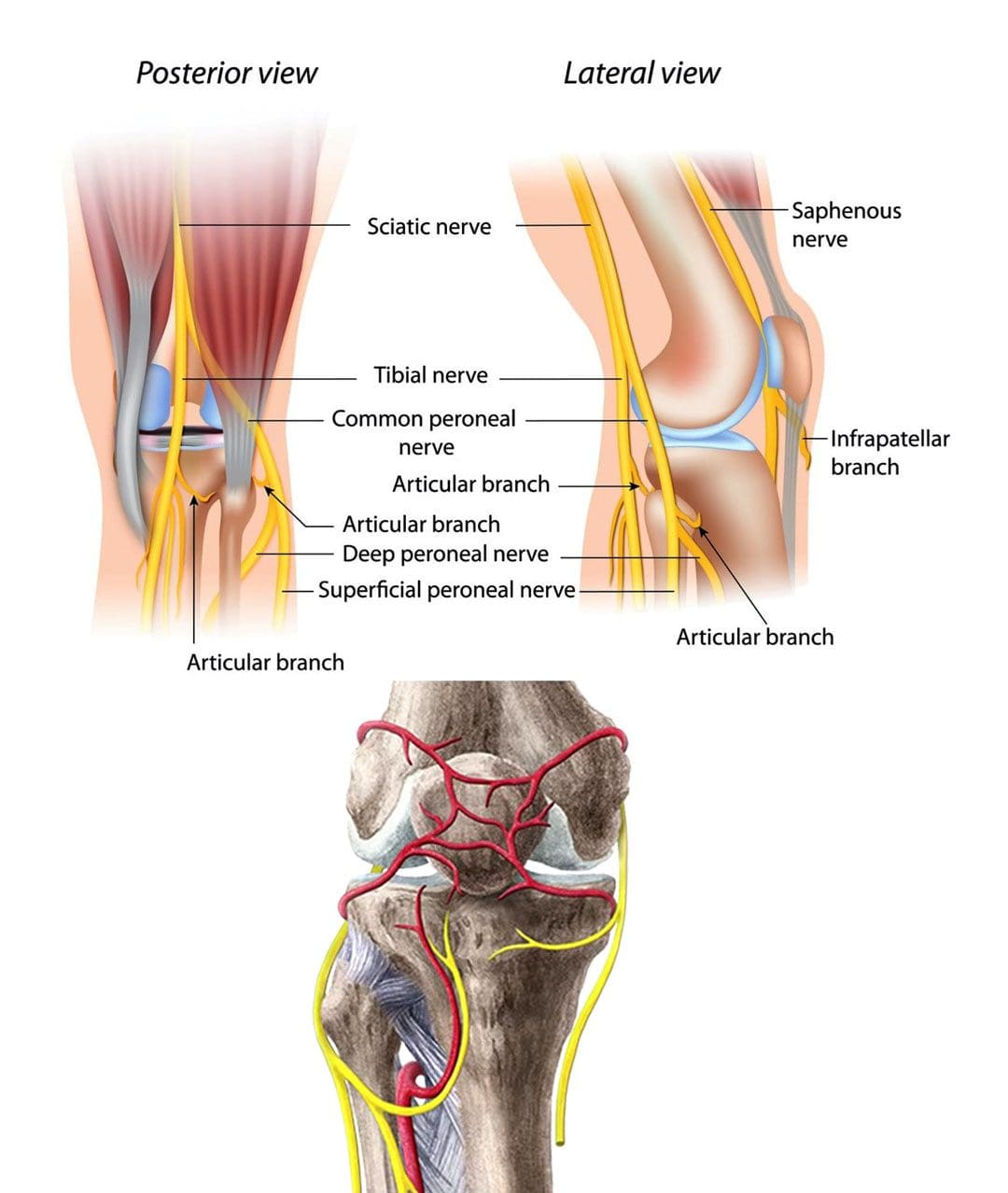
Individuals dealing with aching knees is one of the most common health problems and affects people of all ages. The knee is the largest joint in the body, comprised of muscles, tendons, ligaments, cartilage, and bones. The knees support walking, standing, running, and even sitting. Constant use makes them highly susceptible to injuries and conditions. The knees are also surrounded by a complex network of nerves that transmit messages to and from the brain. Damage to the nerves from an injury or disease can create various symptoms of discomfort in and around the knee joint.
Knee Neuropathy
Causes
Knee discomfort symptoms can be brought on by injury, degenerative disorders, arthritis, infection, and other causes, including:
Rheumatoid arthritis
This is a chronic inflammatory disorder that causes the knees to swell and causes damage to the cartilage.
Osteoarthritis
This type of arthritis causes the cartilage to steadily wear away, causing damage to the joints and various symptoms.
Cartilage Issues
Overuse, muscle weakness, injury, and misalignments can cause compensating postures and movements that can wear down and soften the cartilage, generating symptoms.
Several factors can increase the risk of developing knee neuropathy, including:
Previous knee injury
Undiagnosed and untreated knee injury
Unhealthy Weight
Gout
Compromised leg muscle strength and/or flexibility
Symptoms
Symptoms associated with a knee injury or disorder can vary, depending on the severity and damage. Symptoms can include:
Joint stiffness
Swelling in the joint.
Reduced movement/flexibility in the joint.
Increased instability/feeling of weakness in the knee.
Changes in skin color around the knee joint, like increased redness or pale discoloration.
Numbness, coldness, or tingling in and/or around the joint.
Pain symptoms could be a dull ache or throbbing felt throughout the knee.
Sharp, stabbing discomfort in a specific area.
If left untreated, knee neuropathy could permanently affect the ability to walk and lead to partial or total loss of knee function and mobility. Doctors recommend taking note of the following:
What activity/s generates symptoms?
Where are the symptoms located?
What the pain feels like?
Treatments available for knee pain
Chiropractic treatment offers various approaches to addressing the pain caused by nerve damage. Standard treatment includes chiropractic adjustments, therapeutic massage, non-surgical decompression, stretching, posture and movement training, and nutritional anti-inflammatory plans. Our medical team specializes in non-surgical treatments that decrease symptoms and increase strength, flexibility, mobility, and restore function.
Knee Injuries Adjustment
References
Edmonds, Michael, et al. “The current burden of diabetic foot disease.” Journal of clinical orthopedics and trauma vol. 17 88-93. 8 Feb. 2021, doi:10.1016/j.jcot.2021.01.017
Hawk, Cheryl, et al. “Best Practices for Chiropractic Management of Patients with Chronic Musculoskeletal Pain: A Clinical Practice Guideline.” Journal of alternative and complementary medicine (New York, N.Y.) vol. 26,10 (2020): 884-901. doi:10.1089/acm.2020.0181
Hunter, David J et al. “Effectiveness of a new model of primary care management on knee pain and function in patients with knee osteoarthritis: Protocol for THE PARTNER STUDY.” BMC musculoskeletal disorders vol. 19,1 132. 30 Apr. 2018, doi:10.1186/s12891-018-2048-0
Kidd, Vasco Deon, et al. “Genicular Nerve Radiofrequency Ablation for Painful Knee Arthritis: The Why and the How.” JBJS essential surgical techniques vol. 9,1 e10. 13 Mar. 2019, doi:10.2106/JBJS.ST.18.00016
Krishnan, Yamini, and Alan J Grodzinsky. “Cartilage diseases.” Matrix biology: journal of the International Society for Matrix Biology vol. 71-72 (2018): 51-69. doi:10.1016/j.matbio.2018.05.005
Speelziek, Scott J A, et al. “Clinical spectrum of neuropathy after primary total knee arthroplasty: A series of 54 cases.” Muscle & nerve vol. 59,6 (2019): 679-682. doi:10.1002/mus.26473
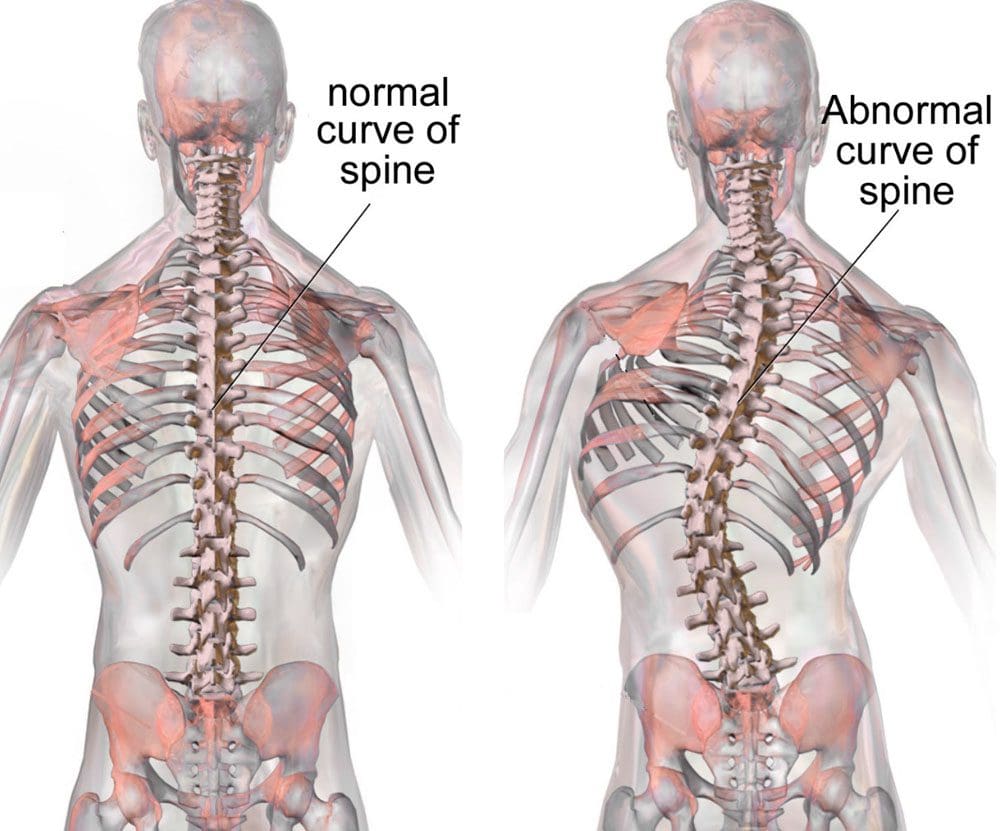
Idiopathic scoliosis means that no cause congenital or neuromuscular that created the spinal deformation has been identified. However, idiopathic scoliosis is the most common type, affecting 2% to 3% of individuals. Individuals diagnosed with an idiopathic disease or condition can be frustrated with more questions than answers, but it can still be treated in adults and kids.
Idiopathic Scoliosis
Congenital Scoliosis
Congenital scoliosis is an abnormal curvature of the spine related to which the patient was born.
Usually, a failure of formation or segmentation during normal development leads to the spinal condition.
Neuromuscular Scoliosis
Individuals with neuromuscular scoliosis are usually born with neurological disorders that contribute to muscular unevenness, often resulting in the development of the condition.
For example, individuals with cerebral palsy are born with muscular unevenness that can contribute to scoliosis development.
Who Is Affected
Anyone can develop scoliosis, but children and adults are divided into separate categories.
Children
Children with this condition are divided into three subcategories:
Adolescents are from 11 onward or when starting puberty, to the point where the skeleton fully matures.
Adults
Idiopathic scoliosis in adults results from undiagnosed or untreated scoliosis in childhood that gradually progressed.
Causes
Research has found a genetic predisposition to developing scoliosis, as it has been found to run in families. Genetic testing has been designed to help determine the risk of developing progressive scoliosis. Theories have been presented about abnormalities that affect the nervous system. These include:
Dysfunctions of the brain stem or equilibrium have been frequently identified in individuals with idiopathic scoliosis.
Other theories suggest skeletal growth abnormalities or hormonal/metabolic dysfunction may contribute to the condition.
However, determining its exact cause remains unknown.
Signs and Symptoms
Here are some things to look out for.
The body leans to one side.
There is an unevenness of the ribcage or hips.
Uneven shoulders.
Shoulder blades may protrude or stick out.
The head is not positioned directly above the pelvis.
Diagnosis
Idiopathic scoliosis curves tend to follow predictable patterns.
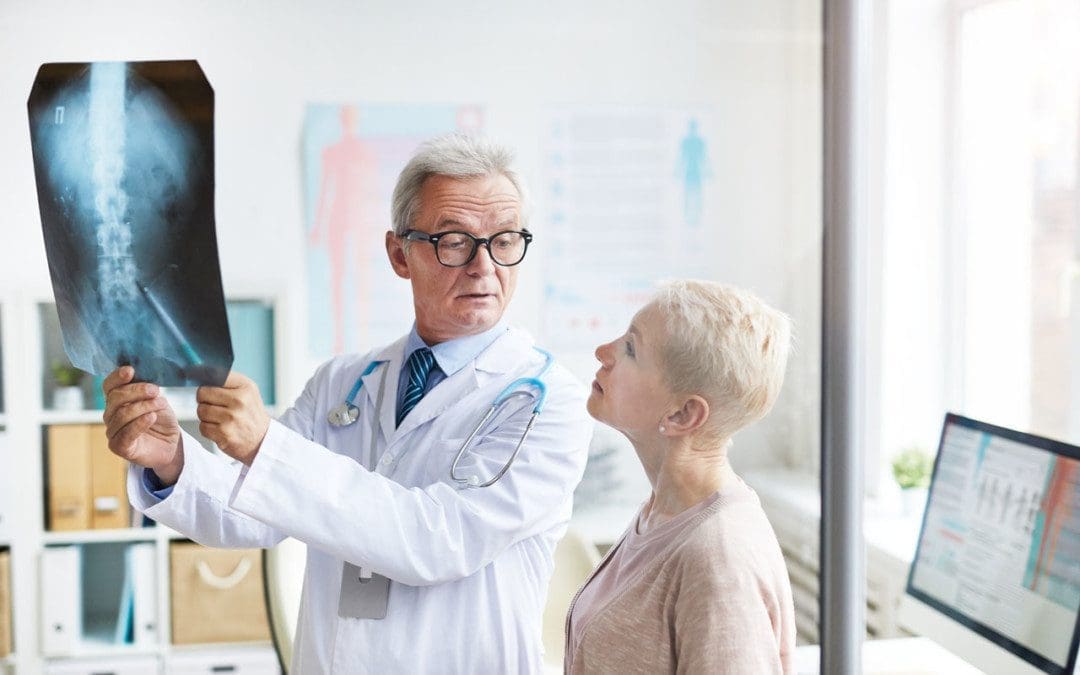
Magnetic resonance images/MRIs of the spine can show evidence of any significant abnormalities. If no other related condition is present to suggest different causes, then the idiopathic scoliosis diagnosis can be made.
Treatment
Treatment depends on the individual’s age and the degree of curvature in the spine.
In many cases, adolescent or juvenile idiopathic scoliosis patients that have a mild curve can be treated with a brace.
Adults could need surgical intervention, such as a fusion surgery where rods and screws are added to realign the spine and relieve the pressure on the nerves.
Chiropractor
References
Burnei, G et al. “Congenital scoliosis: an up-to-date.” Journal of medicine and life vol. 8,3 (2015): 388-97.
Clément, Jean-Luc, et al. “Relationship between thoracic hypokyphosis, lumbar lordosis and sagittal pelvic parameters in adolescent idiopathic scoliosis.” The European spine journal: official publication of the European Spine Society, the European Spinal Deformity Society, and the European Section of the Cervical Spine Research Society vol. 22,11 (2013): 2414-20. doi:10.1007/s00586-013-2852-z
Giampietro, Philip F et al. “Congenital and idiopathic scoliosis: clinical and genetic aspects.” Clinical medicine & research vol. 1,2 (2003): 125-36. doi:10.3121/cmr.1.2.125
“Scoliosis – Symptoms, Diagnosis and Treatment.” https://www.aans.org/Patients/Neurosurgical-Conditions-and-Treatments/Scoliosis
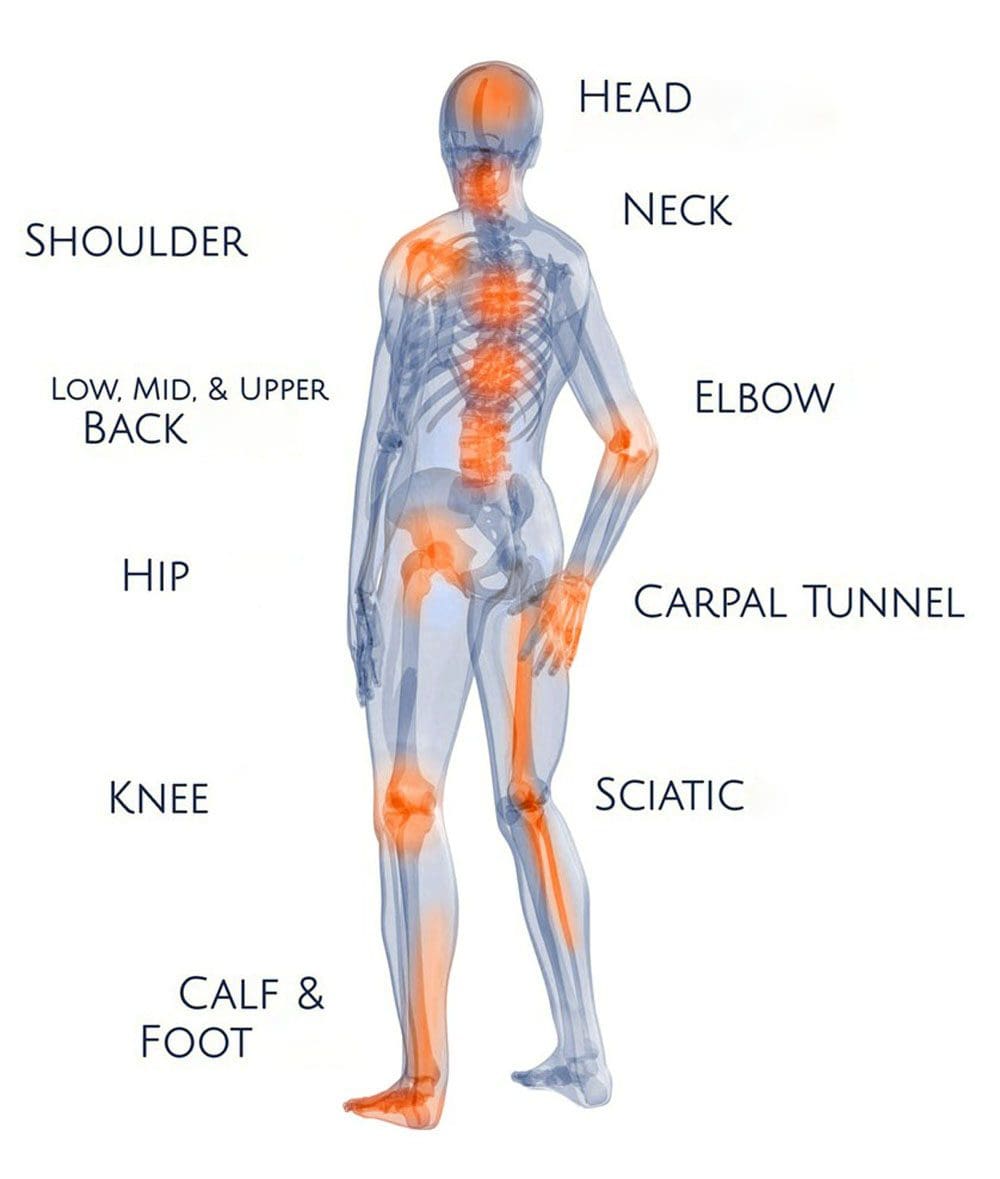
Pinched Nerves and Muscle Spasms: A pinched or compressed nerve can occur in various body regions, from the wrist to the foot. When a nerve is compressed, a pins and needles feeling can present until the pressure is relieved, or there can be no sensation symptoms, but other symptoms like muscle spasms, especially in the arm or leg, can appear. Individuals will feel a repetitive fluttering or twitching when the arm or leg is not in motion. A pinched nerve could be the cause of spasms in the back or extremities. Injury Medical Chiropractic and Functional Medicine Clinic can help if symptoms are not stopping or worsening.
Pinched Nerves and Muscle Spasms
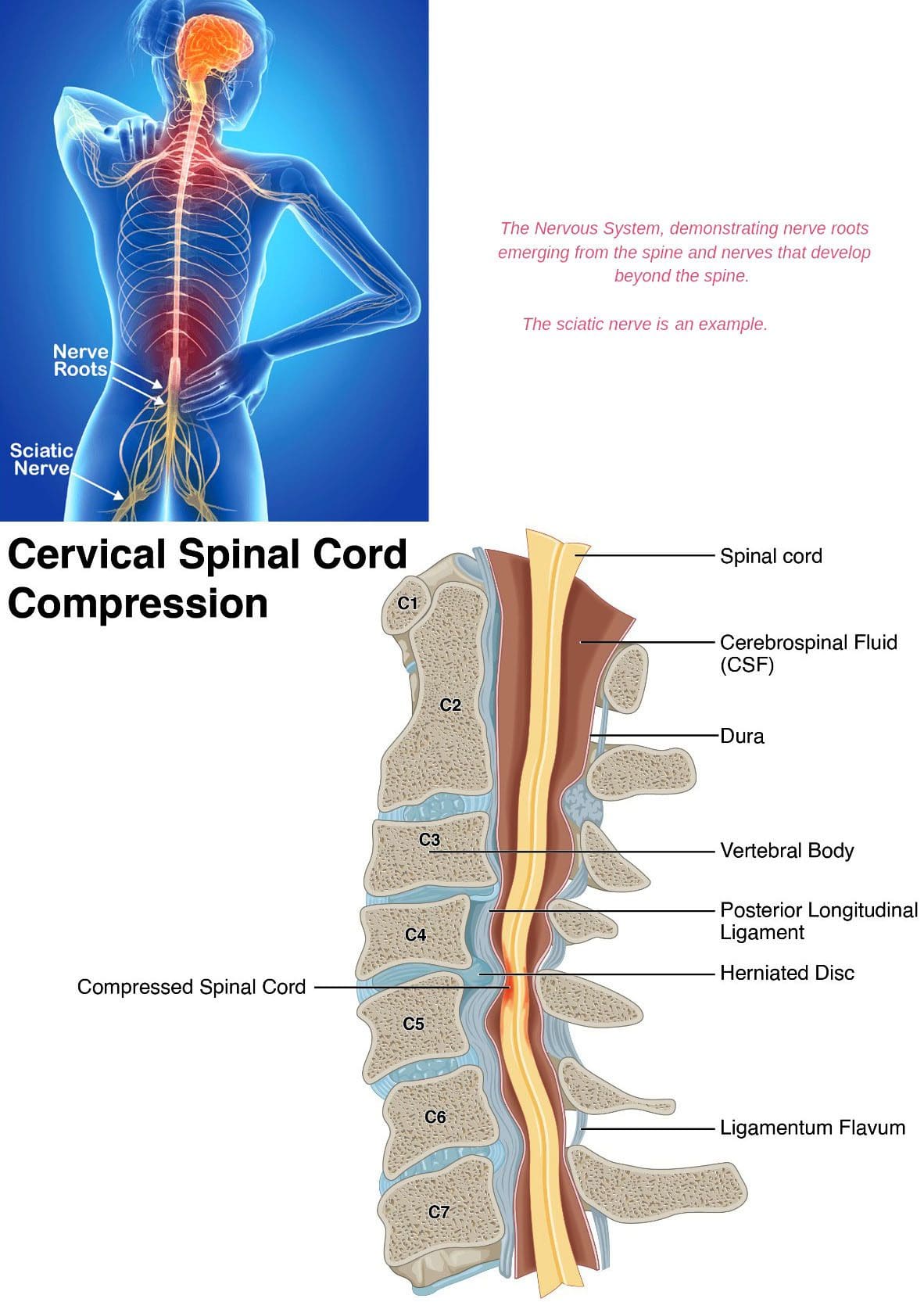
When multiple symptoms appear, individuals may not realize they are connected. Individuals may think aches, pains, and spasms are normal aging processes. Pinched nerves occur when there is an impingement on any one of the numerous nerves of the spine. Impingements can be caused by:
Repetitive motion injuries
Disc degeneration
Herniated/ruptured discs
Bone spurs
Arthritis
Trauma injury
The pain symptoms from the spasm can be quick, sharp, or pulsating and throbbing. The muscles respond by tightening or spasming as the nerve sends interrupted/incomplete signals. In addition to muscle spasms, a pinched nerve can contribute to other symptoms, including the following.
Tingling
Numbness
Pins and needles sensation
Reduced range of motion
Muscle weakness
Signs a Pinched Nerve Might Be Causing Spasms
Sudden shooting pain that radiates down the leg or arm.
Weak muscles
Muscle atrophy – shrinking or deteriorating.
Chronic tingling in the extremities.
A burning sensation in a specific area; this could but is not necessarily the source of the pinched nerve.
Electrical shock-type pain accompanies the spasms.
If a pinched nerve is left untreated and continues to generate symptoms, it can affect daily life and lead to uncomfortable long-term issues. Severe nerve compression combined with inflammation can cause damage to nearby soft tissues and muscles, leading to chronic conditions. When the nerves are damaged, it can be harder to control the muscles making certain motions uncomfortable or difficult to move certain body parts.
Chiropractic Care
Chiropractic care, massage, and decompression therapy will relieve pinched nerves and muscle spasms and restore neuromusculoskeletal system function. The body will be realigned, and patients will be trained on stretching exercises, muscle strengthening, posture training, and nutritional support to optimize the body’s natural healing abilities to repair the damaged nerves.
Low Back Pain
References
Bustamante, S, and P G Houlton. “Swelling of the leg, deep venous thrombosis, and the piriformis syndrome.” Pain research & management vol. 6,4 (2001): 200-3. doi:10.1155/2001/104091
Chu, Eric Chun-Pu, and Robert J Trager. “Thoracic Schwannoma as an Unusual Cause of Sciatic Pain in the Chiropractic Office: A Case Report.” The American journal of case reports vol. 23 e938448. 16 Nov. 2022, doi:10.12659/AJCR.938448
Coletti, Roger H. “The ischemic model of chronic muscle spasm and pain.” European journal of translational myology vol. 32,1 10323. 18 Jan. 2022, doi:10.4081/ejtm.2022.10323
Hirayama, Jiro, et al. “Relationship between low-back pain, muscle spasm and pressure pain thresholds in patients with lumbar disc herniation.” The European spine journal: official publication of the European Spine Society, the European Spinal Deformity Society, and the European Section of the Cervical Spine Research Society vol. 15,1 (2006): 41-7. doi:10.1007/s00586-004-0813-2
Kennedy, John G, and Donald E Baxter. “Nerve disorders in dancers.” Clinics in sports medicine vol. 27,2 (2008): 329-34. doi:10.1016/j.csm.2008.01.001
Waddell, Roger K. “Chiropractic care for a patient with spasmodic dysphonia associated with cervical spine trauma.” Journal of chiropractic medicine vol. 4,1 (2005): 19-24. doi:10.1016/S0899-3467(07)60108-6
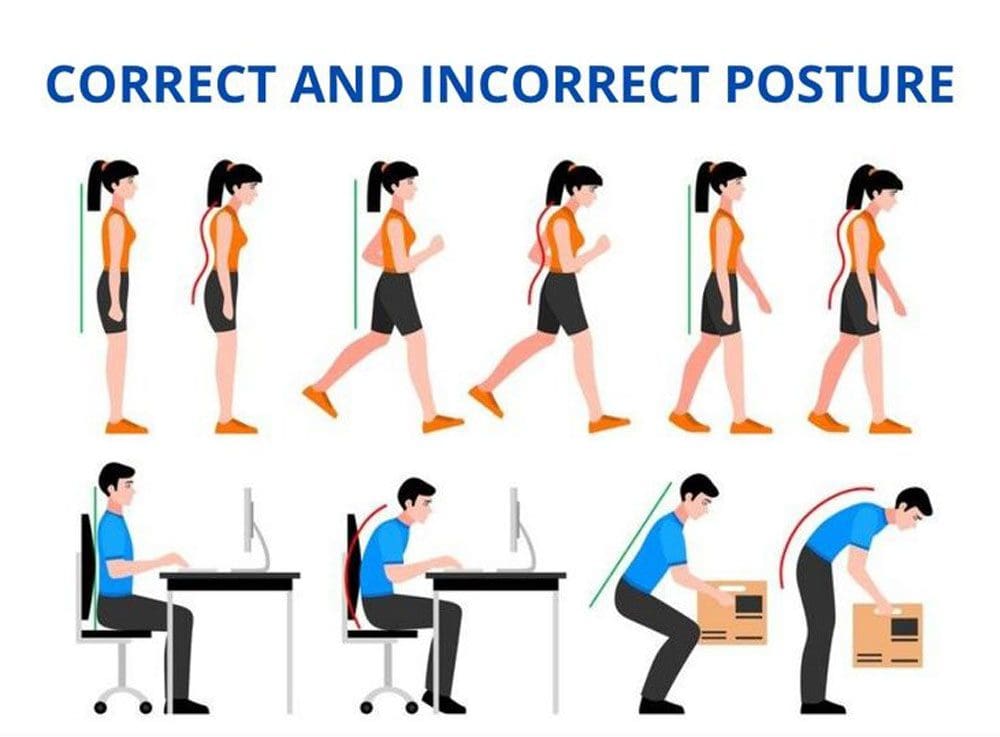
Healthy Posture Guidelines: Posture is how an individual holds their body. Healthy posture is when minimal stress is applied to the joints. Maintaining and holding your body correctly can prevent pain, injuries, and other health problems. Faulty postures and musculoskeletal imbalances often precipitate painful conditions in the spine and extremities. However, unhealthy postures do not always present with discomfort and pain symptoms that can go unnoticed for years. This leads to chronic stress and advanced wear of the joints. Injury Medical Chiropractic and Functional Medicine Clinic can realign the spine, relieve symptoms, and restore flexibility, mobility, and function.
Healthy Posture Guidelines
There are two types of posture:
Dynamic Posture
This posture is when the body moves, like walking, running, or bending to pick up something.
Static Posture
This posture is when the body is not moving, like sitting, standing, or sleeping.
Both are important, and the key is the spine’s position. The spine has three natural curves: neck, mid, and low back. Correct posture maintains the curves with the head above the shoulders, and the top of the shoulder should be over the hips.
Unhealthy Positioning
Postural faults include:
Forward head positioning
Rounded shoulders
Loss of the normal lordosis curve in the lower back.
Early warning signs of postural problems may include:
The inability to sit or stand for a prolonged period.
Stiffness when getting up from a chair after sitting.
Feeling of physical exhaustion at the end of the day.
Muscle imbalances.
Loss of normal flexibility.
Symptoms of discomfort.
Affected Health
Unhealthy posture can affect overall health and includes:
Misaligned musculoskeletal system.
Decreased flexibility.
Neck, shoulder, and back pain.
The advanced wearing down of the spine making it more fragile and susceptible to injury.
Affected joint movement.
Affected balance.
Increased risk of falling.
Digestion problems.
Potential breathing problems.
Improvements
Be mindful of your posture during everyday activities, like walking, watching tv, washing dishes, etc.
Maintain Physical Activity
Certain exercises like yoga, tai chi, and other classes focusing on body awareness can help develop healthy posture habits.
Exercises that strengthen the core muscles around the back, abdomen, and pelvis.
Maintain Healthy Weight
Extra weight can weaken the abdominal muscles, cause problems for the pelvis and spine, and contribute to back pain.
Wear Comfortable Shoes
High heels, for example, can throw off the body’s balance and force unhealthy walking movements.
This puts added stress on the muscles and affects posture.
Proper Height
Make sure workstations are at a comfortable height, whether sitting in front of a computer, making dinner, or eating.
Chiropractic Care
Chiropractors and physical massage therapists specialize in evaluating and treating musculoskeletal dysfunction and identifying and screening for postural dysfunction. Healthy posture can have an immediate effect on health that include:
Proper alignment of bones and joints.
Reduced wear on the muscles and joints.
Reduced stress on ligaments.
Decreased risk of back injury.
Increased energy.
Improved digestion.
A chiropractic team will massage and relax the muscles reducing tension, adjust and realign the spine, increase joint movement, and ease the individual into a healthy posture. The team will also provide careful rehabilitation exercises and nutritional recommendations to maintain a healthy posture.
Custom Foot Orthotics
References
Carini, Francesco, et al. “posture and posturology, anatomical and physiological profiles: overview and current state of the art.”Acta bio-medica : Atenei Parmensis vol. 88,1 11-16. 28 Apr. 2017, doi:10.23750/abm.v88i1.5309
Creze, Maud, et al. “posture-related stiffness mapping of paraspinal muscles.”Journal of anatomy vol. 234,6 (2019): 787-799. doi:10.1111/joa.12978
Korakakis, Vasileios, et al. “physiotherapist perceptions of optimal sitting and standing posture.”Musculoskeletal science & practice vol. 39 (2019): 24-31. doi:10.1016/j.msksp.2018.11.004
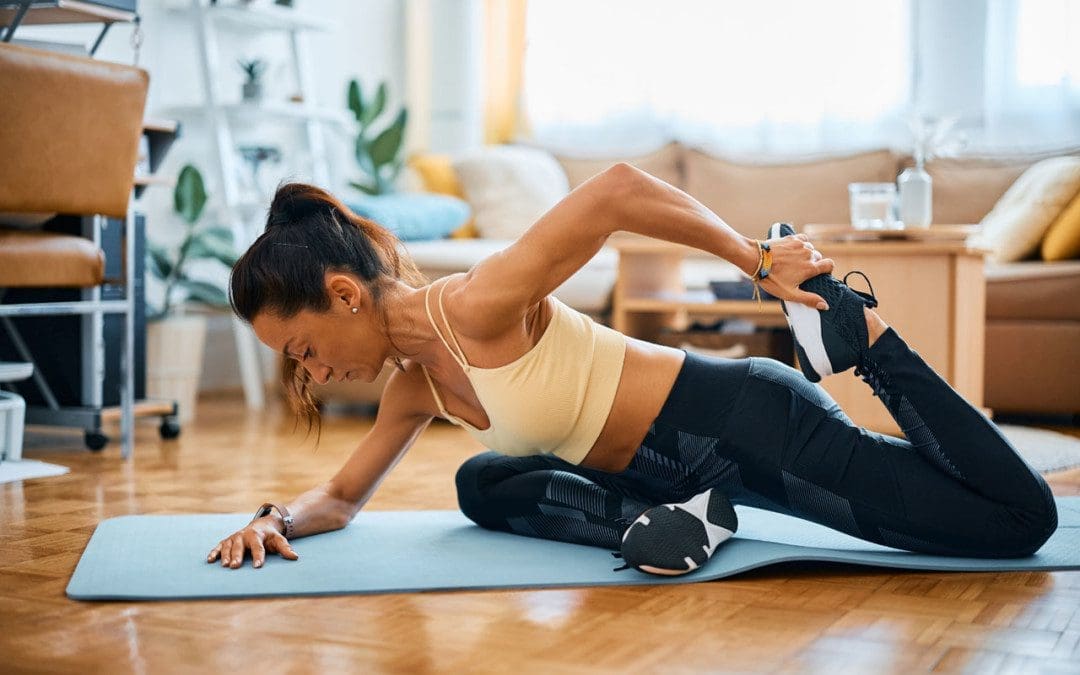
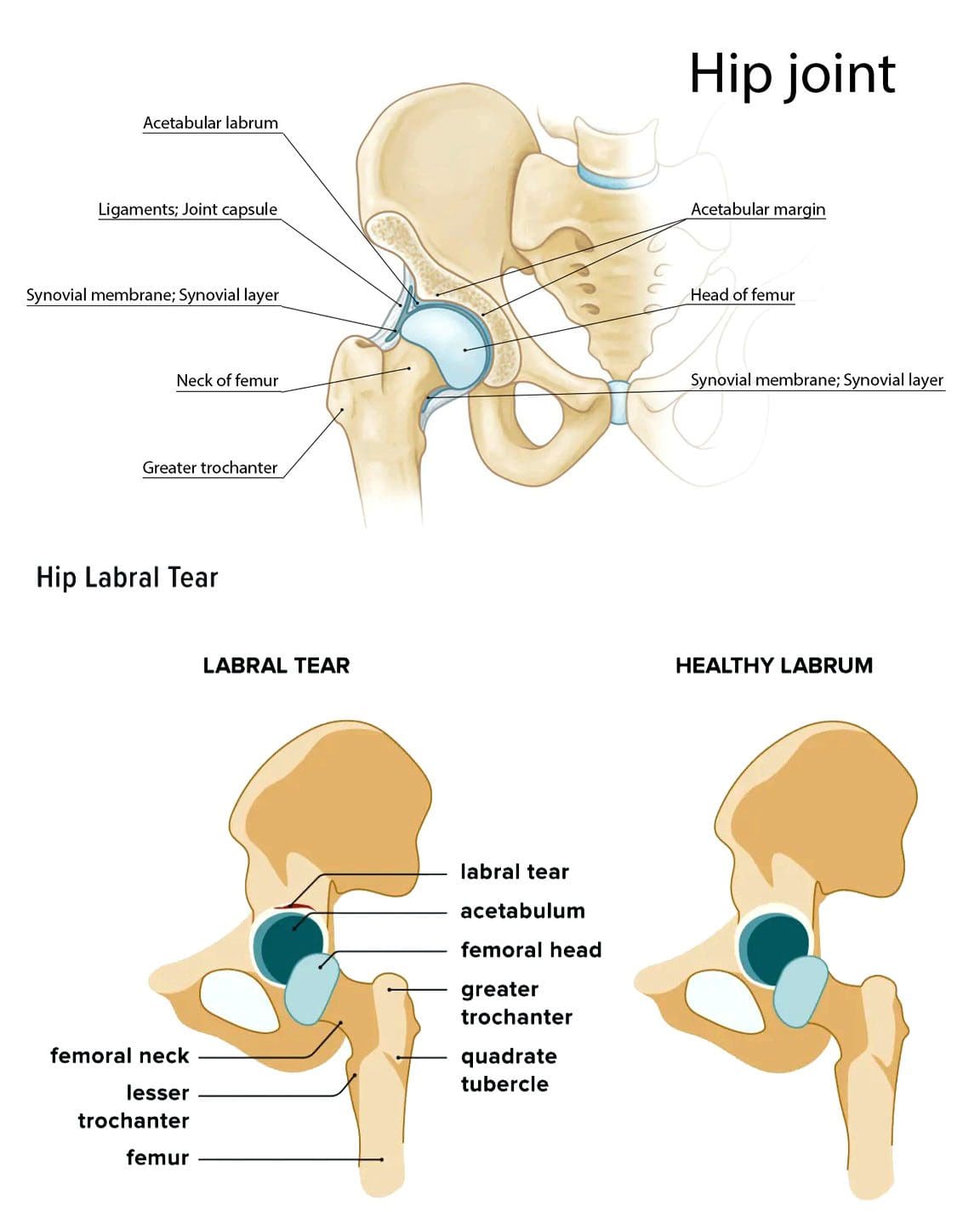
The hip joint is a ball-and-socket joint composed of the femur head and a socket, which is part of the pelvis. The labrum is a cartilage ring on the socket part of the hip joint that helps keep joint fluid inside to ensure frictionless hip motion and alignment during movement. A labral tear of the hip is an injury to the labrum. The extent of the damage can vary. Sometimes, the hip labrum can have mini tears or fray at the edges, usually caused by gradual wear and tear. In other cases, a section of the labrum can separate or get torn away from the socket bone. These types of injuries are usually due to trauma. There are conservative hip labral tear tests to determine the type of injury. The Injury Medical Chiropractic and Functional Medicine Clinic team can help.
Symptoms
Symptoms are similar regardless of the type of tear, but where they are felt depends on whether the tear is in the front or the back. Common symptoms include:
Hip stiffness
Limited range of motion
A clicking or locking sensation in the hip joint when moving.
Pain in the hip, groin, or buttocks, especially when walking or running.
Night discomfort and pain symptoms when sleeping.
Some tears can cause no symptoms and can go unnoticed for years.
Hip Labral Tear Tests
A hip labral tear can occur anywhere along the labrum. They can be described as anterior or posterior, depending on which part of the joint is affected:
Anterior hip labral tears: The most common type of hip labral tear. These tears occur on the front of the hip joint.
Posterior hip labral tears: This type appears on the back of the hip joint.
Tests
The most common hip labral tear tests include:
The Hip Impingement Test
The Straight Leg Raise Test
The FABER Test – stands for Flexion, Abduction, and External Rotation.
The THIRD Test – stands for the Hip Internal Rotation with Distraction.
Hip Impingement Tests
There are two types of hip impingement tests.
Anterior Hip Impingement
This test involves the patient lying on their back with their knee bent at 90 degrees and then rotated inward towards the body.
If there is pain, the test is considered positive.
Posterior Hip Impingement
This test involves the patient lying on their back with their hip extended and their knee flexed and bent at 90 degrees.
The leg is then rotated outward away from the body.
If it results in pain or apprehension, it is considered positive.
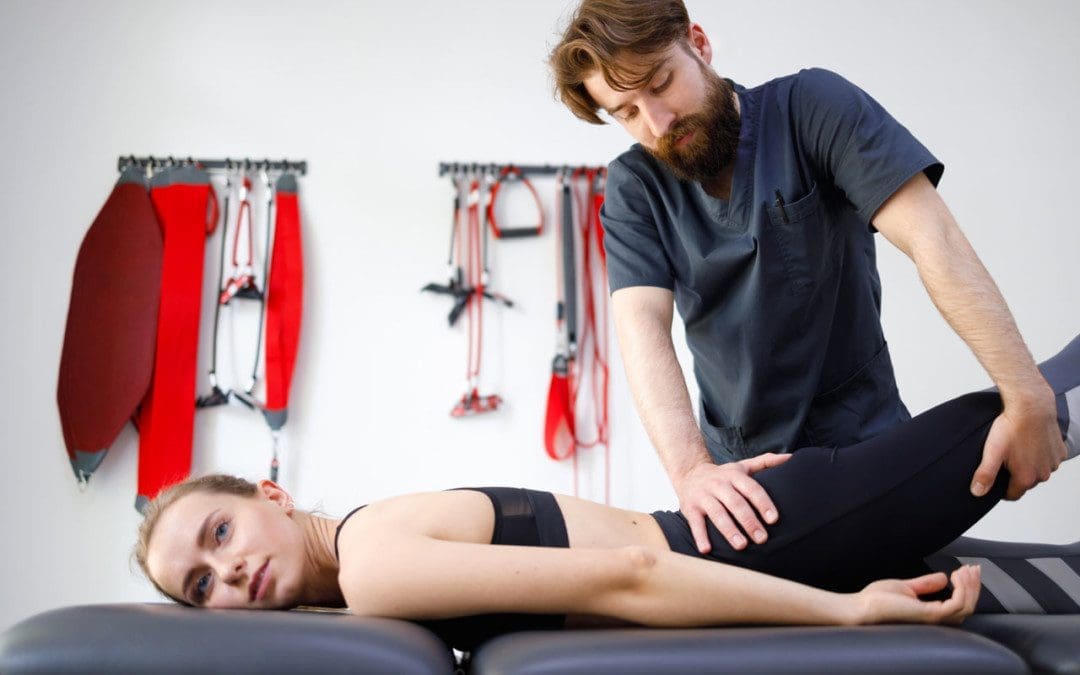
Straight Leg Raise Test
This test is used on various medical conditions that involve back pain.
The test begins with the patient sitting or lying down.
On the unaffected side, the range of motion is examined.
Then the hip is flexed while the knee is straight on both legs.
The patient may be asked to flex the neck or extend the foot to stretch nerves.
The FABER Test
It stands for Flexion, Abduction, and External Rotation.
The test begins with the patient lying on their back with their legs straight.
The affected leg is placed in a figure four position.
The physician will then apply incremental downward pressure to the bent knee.
If there is hip or groin pain, the test is positive.
The THIRD Test
This stands for – the Hip Internal Rotation with Distraction
The test begins with the patient lying on their back.
The patient then flexes their knee to 90 degrees and turns it inward around 10 degrees.
The hip is then rotated inward with downward pressure on the hip joint.
The maneuver is repeated with the joint slightly distracted/pulled apart.
It is considered positive if the pain is present when the hip is rotated and diminished pain when distracted and rotated.
Chiropractic Treatment
Chiropractic treatment involves hip adjustments to realign the bones around the hip and up through the spine, soft tissue massage therapy to relax the muscles around the pelvis and thigh, targeted flexibility exercises to restore range of motion, motor control exercises, and strengthening exercises to correct muscular imbalances.
Treatment and Therapy
References
Chamberlain, Rachel. “Hip Pain in Adults: Evaluation and Differential Diagnosis.” American family physician vol. 103,2 (2021): 81-89.
Groh, M.M., Herrera, J. A comprehensive review of hip labral tears. Curr Rev Musculoskelet Med 2, 105–117 (2009). https://doi.org/10.1007/s12178-009-9052-9
Karen M. Myrick, Carl W. Nissen, THIRD Test: Diagnosing Hip Labral Tears With a New Physical Examination Technique, The Journal for Nurse Practitioners, Volume 9, Issue 8, 2013, Pages 501-505, ISSN 1555-4155, https://doi.org/10.1016/j.nurpra.2013.06.008. (https://www.sciencedirect.com/science/article/pii/S155541551300367X)
Roanna M. Burgess, Alison Rushton, Chris Wright, Cathryn Daborn, The validity and accuracy of clinical diagnostic tests used to detect labral pathology of the hip: A systematic review, Manual Therapy, Volume 16, Issue 4, 2011, Pages 318-326, ISSN 1356-689X, https://doi.org/10.1016/j.math.2011.01.002 (https://www.sciencedirect.com/science/article/pii/S1356689X11000038)
Su, Tiao, et al. “Diagnosis and treatment of labral tear.” Chinese medical journal vol. 132,2 (2019): 211-219. doi:10.1097/CM9.0000000000000020
Wilson, John J, and Masaru Furukawa. “Evaluation of the patient with hip pain.” American family physician vol. 89,1 (2014): 27-34.
IFM's Find A Practitioner tool is the largest referral network in Functional Medicine, created to help patients locate Functional Medicine practitioners anywhere in the world. IFM Certified Practitioners are listed first in the search results, given their extensive education in Functional Medicine


 Family Health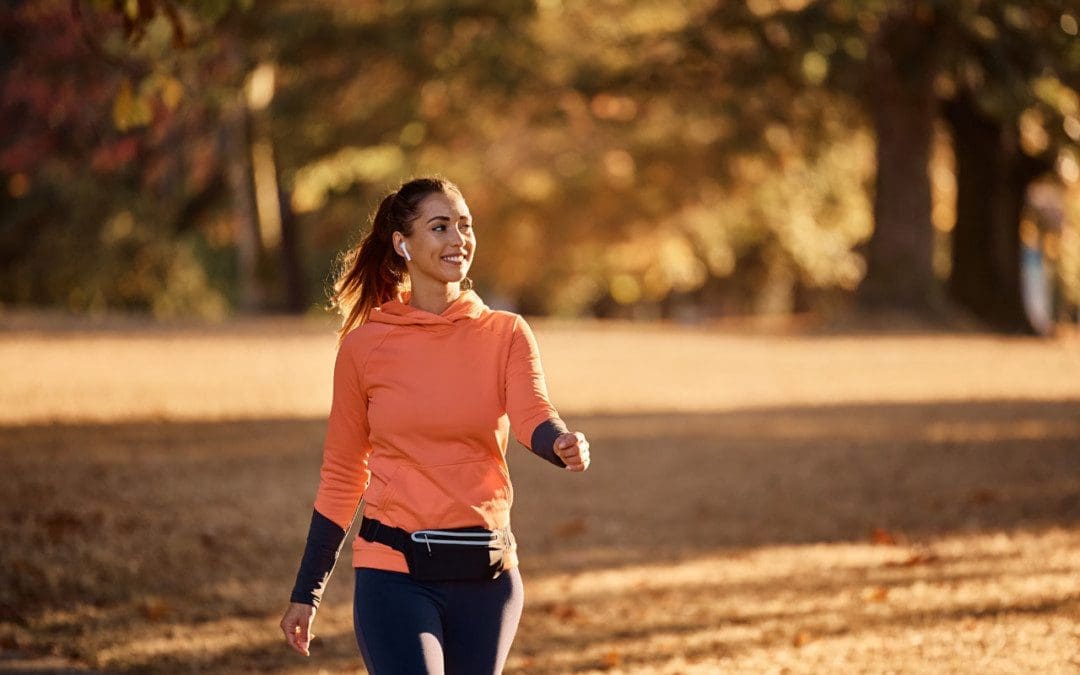
 Power Walking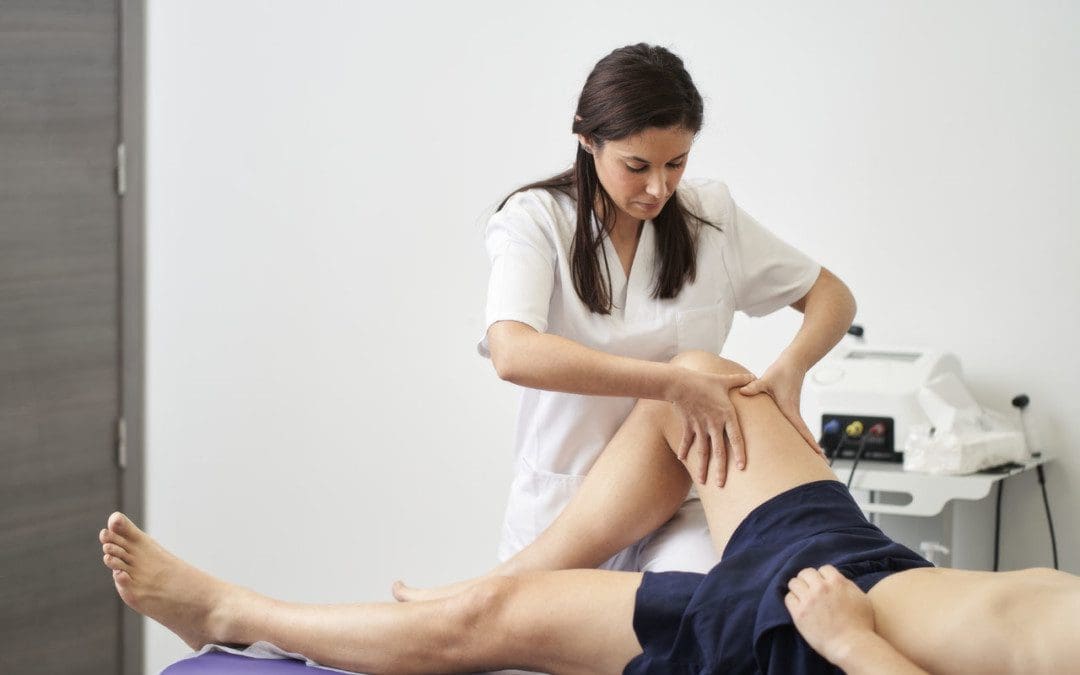

 Healthy Posture Guidelines