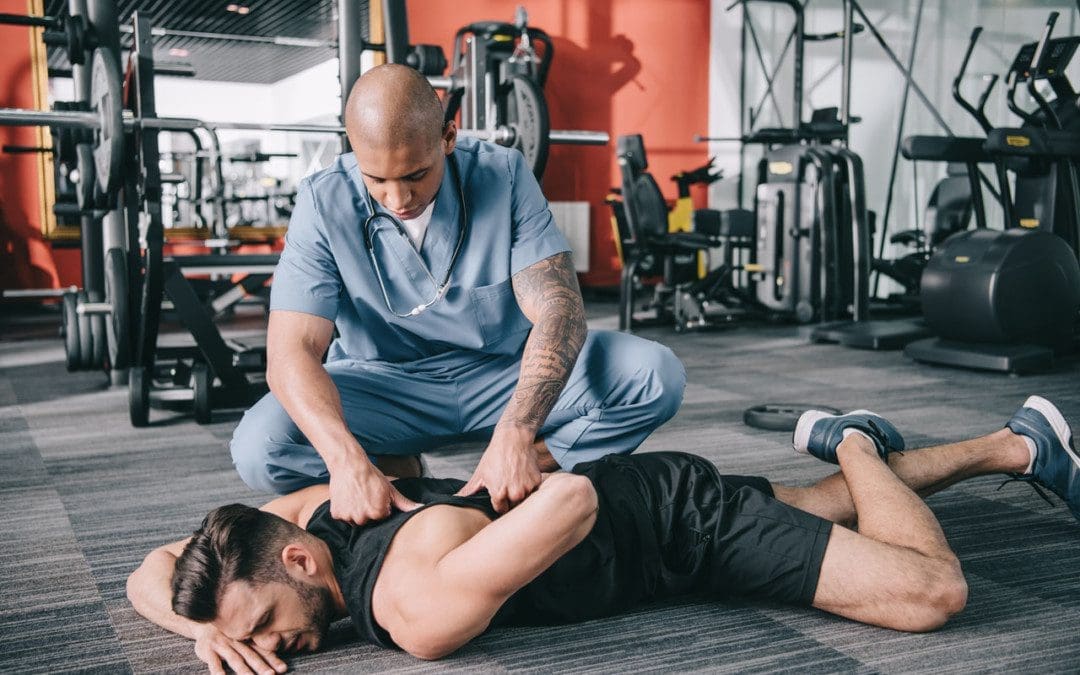
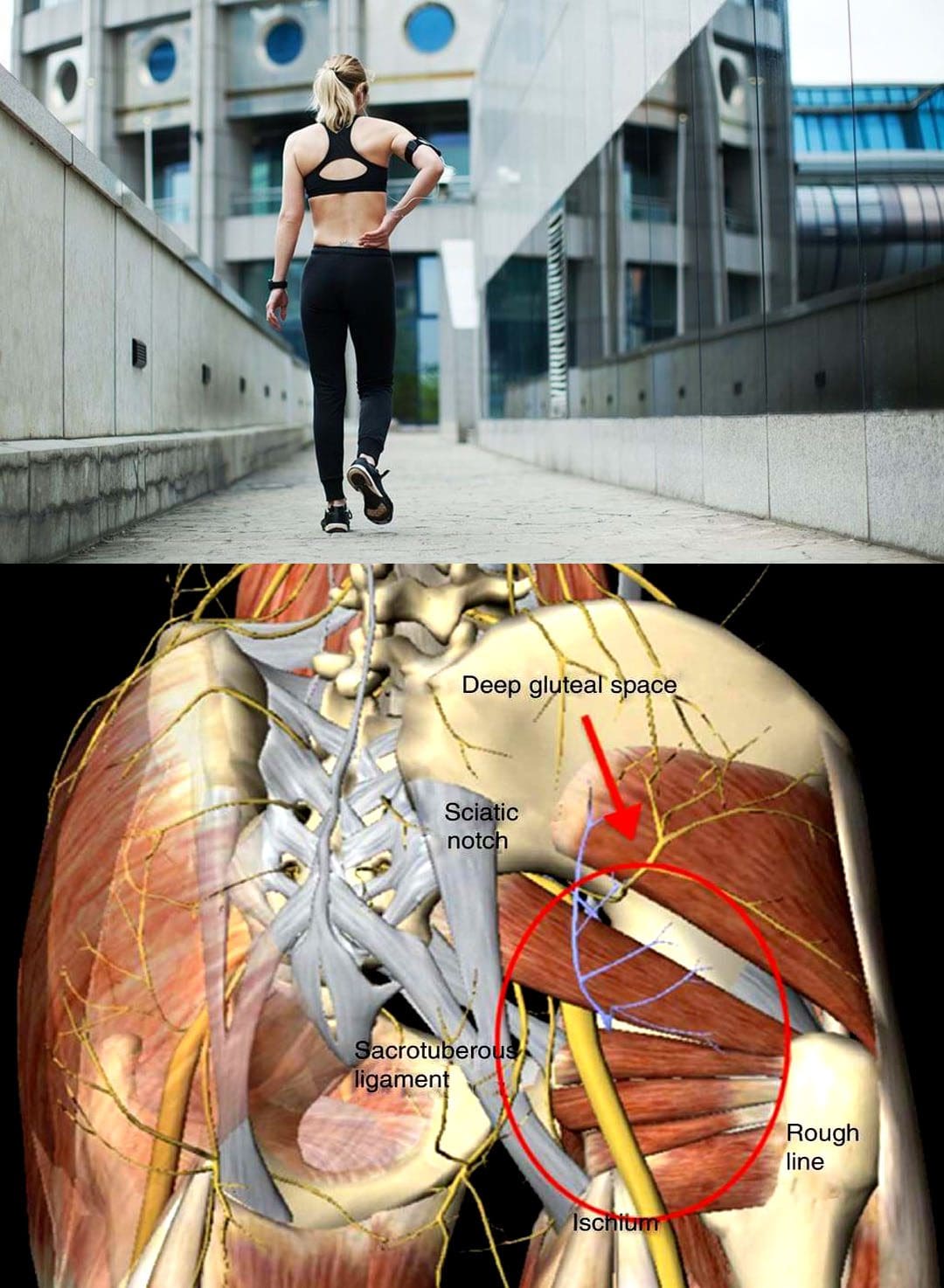
Sciatica From Working Out: There are benefits from strenuous exercise and a level of acceptance of the discomfort that goes with exertion. While this is true to a certain degree, when individuals feel the pump and are in the workout zone, it can be very easy to take off and overdo it. This is when the body and the back become susceptible to injuries. Sciatica from working out occurs when added pressure on the sciatic nerve results in a compressed/pinched nerve. Left untreated can lead to further back problems and other health issues. The Injury Medical Chiropractic and Functional Medicine Team can relieve the compression, release the nerve, relax the muscles, and restore function.
Sciatica From Working Out
Microtrauma
Building muscle and increasing strength require a certain amount of physical damage to the muscles for successful progress. Intense and heavy exercise tear the muscle tissues causing microtrauma that triggers a healing response that creates muscle mass. These micro-injuries can cause the back muscles to tighten up, shifting the spine out of alignment, causing the discs to slip and compress nerves, or by tight leg muscles like the piriformis swelling and squeezing the sciatic nerve.
Causes
Rest and Recovery
It’s important to understand that proper recovery is essential to an exercise program.
It can take up to 72 hours to recover from the microtears.
Individuals that go right back for a similar workout can aggravate existing micro tears while creating more, resulting in a downward cycle of symptoms that can lead to other problems or become a chronic condition.
Rotating to exercises that go easy on the back and leg muscles assists in the normal healing and development of muscle tissue.
Not Warming up Before Workout
Not warming up before exercising can cause injuries.
When muscles are cold and not warmed up properly, they can become stiff and inflexible, causing them to strain and tear when exposed to sudden, intense exertion.
Before performing any exercise, always start with a low-impact, gentle warm-up.
Not Stretching Properly or at All
Full-body stretching is necessary as the torn, tight muscles need to be relaxed and kept loose.
Make sure to stretch the hamstrings and hips thoroughly.
After each workout, take 10 minutes and stretch.
Not Stretching After
Always do some stretching after a workout.
Stretching after can help prevent muscle fatigue and soreness from a lactic acid buildup.
Starting With Heavy Weights
Many injuries happen because individuals start too heavy.
Challenging the body’s performance is part of the process but should be done in small steps.
Start with lighter weights and add more gradually.
Improper Posture and Form
A leading cause of back problems is poor posture and form.
Curving the back while lifting weights is the most error.
Overarching can also cause injury.
When performing push-ups or planks, avoid sinking the hips.
Hard Surfaces
For runners, hard surfaces like concrete or asphalt force the body and back to absorb most of the impact.
This compresses the vertebrae, which can irritate the sciatic nerve.
Rotate by using running trails or a treadmill.
Work on running with a shorter stride to reduce bounce and impact.
Incorporate cross-training.
Rotate upper body strength training to give the legs, gluteals, and back muscles a rest.
Chiropractic Rehabilitation
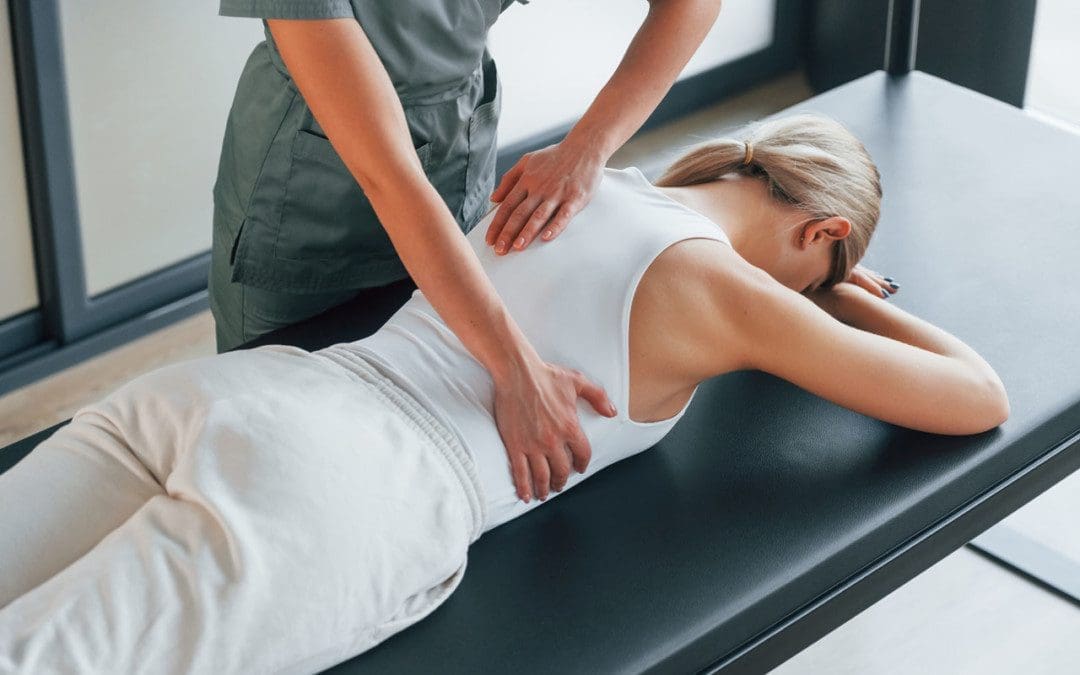
Chiropractic care, massage, and decompression therapy can relieve sciatica pain. Using spinal manipulation techniques and other therapies, chiropractors can alleviate the pressure on the nerve. Treatment involves:
X-rays are taken so that the chiropractor can understand the cause.
Massaging the muscles to relax and release them and increase circulation.
Stretching and applying controlled pressure to the joints.
Specific exercises and stretches will be recommended to do at home.
Health coaching and nutrition and wellness recommendations.
Personalized Sciatica Treatment
References
Bonasia DE, Rosso F, Cottino U, Rossi R. Exercise-induced leg pain. Asia Pac J Sports Med Arthrosc Rehabil Technol. 2015;2(3):73-84. doi:10.1016/j.asmart.2015.03.003
Cook CE, Taylor J, Wright A, Milosavljevic S, Goode A, Whitford M. Risk factors for first-time incidence sciatica: a systematic review. Physiother Res Int. 2014 Jun;18:65-78. doi:doi:10.1002/pri.1572
Koes BW, van Tulder MW, Peul WC. Diagnosis and treatment of sciatica. BMJ. 2007;334(7607):1313‐1317. doi:10.1136/bmj.39223.428495.BE
Lewis RA, Williams NH, Sutton AJ, et al. Comparative clinical effectiveness of management strategies for sciatica: a systematic review and network meta-analyses. (PDF). Spine J. 2015;15(6):1461-77. doi:10.1016/j.spinee.2013.08.049
Salehi, Alireza, et al. “Chiropractic: Is it Efficient in Treatment of Diseases? Review of Systematic Reviews.” International Journal of community-based nursing and midwifery vol. 3,4 (2015): 244-54.
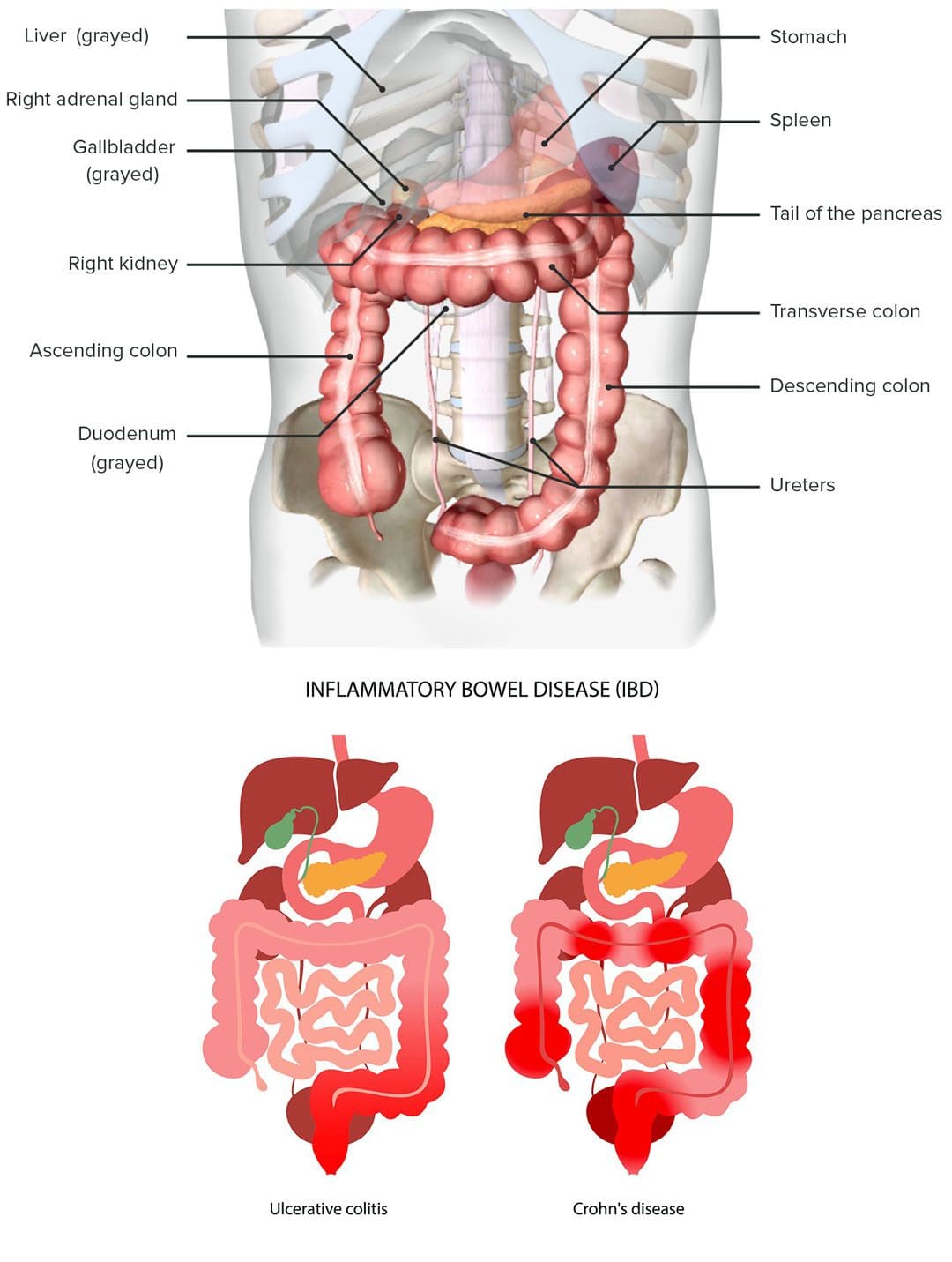
Inflammatory bowel disease, or IBD, causes inflammation of the digestive tract lining, which often involves the deeper layers. Gastrointestinal or GI problems of the stomach and intestines often include diarrhea, weight loss, rectal bleeding, fatigue, and back pain. The inflammation can reach the spine’s joints, causing stiffness, discomfort, and pain symptoms. Injury Medical Chiropractic and Functional Medicine Clinic can help manage symptoms and guide individuals on treatment options.
IBD Back Pain
IBD is a set of conditions associated with chronic or intermittent inflammation of the gastrointestinal tract. It includes Crohn’s disease – CD and ulcerative colitis – UC. Although there are genetic components that predispose individuals to IBD, environmental factors appear to contribute the most. Research shows that IBD is likely related to disturbances in the gut’s flora, which include:
Other environmental factors associated with IBD include the long-term use of birth control pills and nonsteroidal anti-inflammatory drugs/NSAIDs. Research theorizes that as the gut becomes inflamed, its normal integrity and structure become compromised and begin to leak out, causing an immune system overreaction response. This can cause non-gastrointestinal symptoms that include:
IBD can cause low back pain as the IBD can inflame the spine’s joints, especially the sacrum, as well as cause abdominal cramps and rectal sensations that radiate to the low back area. However, irritation, inflammation, or infection of any central, abdominal, or pelvic organs can cause low back pain.
Diagnosis
Diagnosis requires a physical examination of the colon – a sigmoidoscopy or a colonoscopy is used.
Both procedures take a biopsy of the intestinal tissues, which is studied to determine the extent and degree of inflammation.
Depending on the circumstances, an X-ray could be used to show the depth or extent of the condition.
Chiropractic Management
A chiropractor can help individuals decrease or completely alleviate musculoskeletal symptoms by realigning the spine and pelvis and massaging, releasing, and relaxing the muscles, which increases circulation and soothes inflammation. The reason why chiropractic care can effectively treat IBD is its ability to stabilize the internal systems. When the central nervous system and immune system communicate and function properly, this prevents the immune system from attacking the body’s tissue cells, preventing inflammation. The chiropractic whole-body approach can also help with recommendations regarding lifestyle changes and nutritional anti-inflammatory modifications.
Ulcerative Colitis
References
Centers for Disease Control and Prevention. “What Is Inflammatory Bowel Disease (IBD)?” 2022, https://www.cdc.gov/ibd/what-is-IBD.htm
Danese S, Fiocchi C. Etiopathogenesis of inflammatory bowel diseases. World J Gastroenterol. 2006;12(30):4807-4812. doi:10.3748/wjg.v12.i30.4807
Limsrivilai, Julajak et al. “Systemic Inflammatory Responses in Ulcerative Colitis Patients and Clostridium difficile Infection.” Digestive diseases and sciences vol. 63,7 (2018): 1801-1810. doi:10.1007/s10620-018-5044-1
van Erp, S J et al. “classifying Back Pain and Peripheral Joint Complaints in Inflammatory Bowel Disease Patients: A Prospective Longitudinal Follow-up Study.” Journal of Crohn’s & colitis vol. 10,2 (2016): 166-75. doi:10.1093/ecco-jcc/jjv195
Zeitz, Jonas, et al. “Pain in IBD Patients: Very Frequent and Frequently Insufficiently Taken into Account.” PloS one vol. 11,6 e0156666. 22 Jun. 2016, doi:10.1371/journal.pone.0156666
Making healthy posture adjustments is a process, especially for individuals that have been practicing unhealthy postures for years. Not only does the body have to relearn how to position itself correctly, but the muscles, especially those that haven’t been working, also have to adjust. This takes time and is usually at the beginning of postural training that individuals want to give up. This is because of the discomfort and soreness that goes with reactivating the core muscles. This is why it is recommended to go through the process with chiropractic care. A chiropractic therapy team can relieve sore muscles, strengthen the body, and help individuals gradually develop and maintain a healthy posture.
Posture Adjustments
Unhealthy postures shift the body out of balance, straining and stressing the muscles, especially those that have to work overtime every day. This causes the muscles to stiffen and tighten up to the point that they begin to pull the skeletal system in different directions, causing various symptoms that can lead to chronic conditions. Muscles can stay tight for years, with individuals getting used to the feeling. Individuals stretch out, thinking the muscles are loose but don’t realize that they return to their tight position because of the unhealthy muscle memory that developed.
Muscle Imbalance
Muscle imbalances usually progress over time and are typically caused by daily habitual physical routines.
This causes premature and advanced wear and tear on the body.
Postural Dysfunction
Individuals all have positions they spend a lot of time in.
Postural dysfunction begins with unhealthy positioning that shifts the spine and other joints out of balance and alignment.
The muscles become compromised, which leads to various neuromusculoskeletal symptoms.
Muscle fatigue and weakness occur from being overworked.
Headaches can present throughout the day.
Chiropractic Realignment
The muscles have become like tough meat, and the underlying imbalances are straining the neuromusculoskeletal system. The muscle tissues need to be broken up/tenderized and loosened up. Then they can be thoroughly stretched and strengthened to optimal health. Chiropractic care will identify and correct the underlying imbalance, and massage therapy will break up and release the compacted muscle tissue. A personalized treatment plan will consist of the following:
Mobilizing the joints and stretching/releasing shortened tight muscles and soft tissues.
Strengthening the elongated, weaker muscles to correct the body’s alignment and movement control.
Health coaching to identify and recommend lifestyle and nutritional adjustments.
This will restore the bio-mechanical systems, ensuring that equal muscle length and strength on both sides of the system joint or motion segment are maintained.
Posture Adjustments and Foot Orthotics
References
Aino, Masaki, et al. “Comparison of spinal column alignment and autonomic nervous activity using the intersegmental tenderness test in the segment above.” Journal of physical therapy science vol. 33,8 (2021): 570-575. doi:10.1589/jpts.33.570
Creze, Maud, et al. “Posture-related stiffness mapping of paraspinal muscles.” Journal of anatomy vol. 234,6 (2019): 787-799. doi:10.1111/joa.12978
Joshi, Reema, and Nishita Poojary. “The Effect of Muscle Energy Technique and Posture Correction Exercises on Pain and Function in Patients with Non-specific Chronic Neck Pain Having Forward Head Posture-a Randomized Controlled Trail.” International journal of therapeutic massage & bodywork vol. 15,2 14-21. 1 Jun. 2022, doi:10.3822/ijtmb.v15i2.673
Langford, M L. “Poor posture subjects a worker’s body to muscle imbalance, nerve compression.” Occupational health & safety (Waco, Tex.) vol. 63,9 (1994): 38-40, 42.
McLean, Linda. “The effect of postural correction on muscle activation amplitudes recorded from the cervicobrachial region.” Journal of electromyography and kinesiology: official journal of the International Society of Electrophysiological Kinesiology vol. 15,6 (2005): 527-35. doi:10.1016/j.jelekin.2005.06.003
Szczygieł, Elżbieta et al. “The Impact of Deep Muscle Training on the Quality of Posture and Breathing.” Journal of motor behavior vol. 50,2 (2018): 219-227. doi:10.1080/00222895.2017.1327413
Cue sports use a cue stick to strike billiard balls off and around a pool or equivalent table. The most common game is pool. Although these are not contact sports, various musculoskeletal injuries can manifest. Therefore, it is recommended to know the common injuries so that they can be self-treated or treatment can be sought before the condition worsens. Injury Medical Chiropractic and Functional Medicine Clinic can relieve symptoms, rehabilitate the body, and restore mobility and function.
Cue Sports Injuries
Sports medicine doctors say cue sports players suffer from sprains, strains, and fractures, among other injuries. Cue sports players are constantly:
Bending
Reaching
Twisting
Stretching their arms
Using their hands and wrists
Performing these constant movements and motions for extended periods increases the risk of sustaining injuries. Common symptoms include:
Inflammation
Warmth or heat in affected areas
Swelling
Tightness in the affected areas
Pain
Decreased range of motion
Injuries
Back and Waist
The posturing can cause individuals to tense their muscles, increasing the likelihood of injury. With all the bending, waist and back injuries are common. Back issues include:
Pinched nerves
Sciatica
Sprains
Strains
Herniated discs
Individuals with existing spine conditions or osteoarthritis have an increased risk of injury.
Shoulder, Arm, Wrist, Hand, and Finger
The shoulders, hands, wrists, and fingers are in constant use.
This can lead to overuse injuries affecting the muscles, tendons, ligaments, nerves, and bones.
Consistent stress can lead to sprains, strains, or bursitis.
Tendonitis
Tendonitis occurs when too much pressure is applied, causing tendons to inflame.
This could lead to swelling and pain and could lead to long-term damage.
Foot and Ankle
The feet can slip when stretching too far while setting up and taking a shot.
This injury usually happens when trying to balance on one foot.
Slipping can lead to a sprained ankle or something worse, like a torn ligament or fractured foot.
Chiropractic Care
Chiropractic adjustments combined with massage therapy and functional medicine can treat these injuries and conditions, relieving symptoms and restoring mobility and function. When the tendons, muscles, ligaments, and bones are properly aligned, recovery and rehabilitation progress faster. A chiropractor will also recommend stretching and exercise programs to help maintain the adjustments and prevent injuries.
Physical Therapy and Exercises
References
Garner, Michael J et al. “Chiropractic care of musculoskeletal disorders in a unique population within Canadian community health centers.” Journal of manipulative and physiological therapeutics vol. 30,3 (2007): 165-70. doi:10.1016/j.jmpt.2007.01.009
Hestbaek, Lise, and Mette Jensen Stochkendahl. “The evidence base for chiropractic treatment of musculoskeletal conditions in children and adolescents: The emperor’s new suit?.” Chiropractic & osteopathy vol. 18 15. 2 Jun. 2010, doi:10.1186/1746-1340-18-15
Orloff, A S, and D Resnick. “Fatigue fracture of the distal part of the radius in a pool player.” Injury vol. 17,6 (1986): 418-9. doi:10.1016/0020-1383(86)90088-4
Agility is the ability to accelerate, decelerate, stabilize, and quickly change directions with proper form and posture. Everyone, athletes and non-athletes, use agility every day. This can be maneuvering around objects during a jog, shifting movements or positions when walking through a crowd, reaching toward the highest shelf, or carrying things upstairs. These controlled reactions require a balance of coordination, speed, stamina, and strength. Injury Medical Chiropractic and Functional Medicine Clinic can provide agility enhancement through adjustments, massage, and decompression to relax the body, strengthen the muscles, and improve circulation and nerve function.
Agility Enhancement
Individuals need skill and control to react to a stimulus or movement. Agility requires muscular coordination, efficiency, and cohesiveness between the upper and lower body. Agility and reaction time are two components of neuromusculoskeletal health that work together. Agility enhancement can improve cognitive ability, power production, and physical performance. Agility enhancement improves overall physical skills, including:
Balance
Stability
Coordination
Body Control
Cognition
Recovery time
Chiropractic Care
Chiropractic improves agility neurologically through improved circulation and energy flow in the nervous system.
Injury Treatment and Prevention
Agility enhancement can help with injury prevention, as agility training increases control, balance, and flexibility. It teaches the correct body placement while moving to protect the knees, shoulders, and lower back. It also helps to strengthen the muscles and improve the resiliency of the connective tissue allowing them to shorten and lengthen rapidly. This helps prevent injuries and relieves pain and stiffness associated with muscle overuse.
Stiffness often occurs from the overuse of muscles.
Stiffness reduces flexibility, increasing the risk of injury and affecting movement and physical capabilities.
Stiffness can even occur from changes in everyday routines.
Chiropractic prevents the muscles from tensing up, reducing stiffness and increasing your range of motion.
Chiropractic helps strengthen the musculoskeletal system, which makes it easier to maintain normal balance.
Chiropractic can strengthen the muscles by making the muscle fibers more excitable, contributing to quicker reaction time.
We create rehabilitation and strength and conditioning treatment plans that are individualized for each individual. This program entails the following:
Posture, mobility, and performance education for improved movement.
Health and nutritional recommendations.
Our treatment programs are designed to improve each individual’s whole body health and decrease the risk of injury.
Improve Balance And Agility
References
Ali, Kamran, et al. “Comparison of Complex Versus Contrast Training on Steroid Hormones and Sports Performance in Male Soccer Players.” Journal of chiropractic medicine vol. 18,2 (2019): 131-138. doi:10.1016/j.jcm.2018.12.001
Järvinen, Tero A H, et al. “Muscle injuries: optimizing recovery.” Best practice & research. Clinical rheumatology vol. 21,2 (2007): 317-31. doi:10.1016/j.berh.2006.12.004
Lennemann, Lynette M et al. “The influence of agility training on physiological and cognitive performance.” Journal of strength and conditioning research vol. 27,12 (2013): 3300-9. doi:10.1519/JSC.0b013e31828ddf06
Miners, Andrew L. “Chiropractic treatment and the enhancement of sports performance: a narrative literature review.” The Journal of the Canadian Chiropractic Association vol. 54,4 (2010): 210-21.
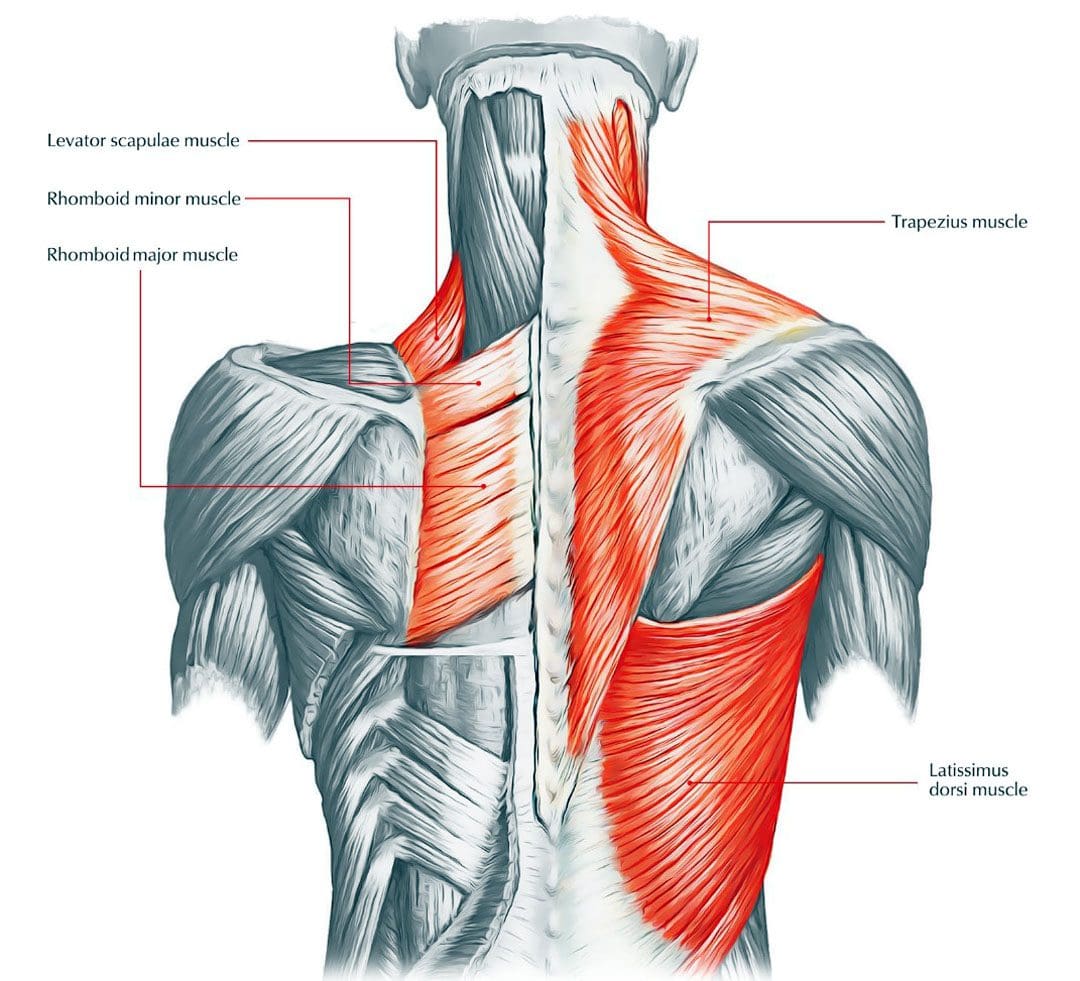
There is a multitude of reasons why back muscles tighten and stiffen up. Muscles pull the bones and joints. Overuse and/or injuries can pull the bones, joints, and tendons out of place, thus causing the muscles to stay in a flexed or stretched position, the inability for the muscles to relax and return to their normal position, resulting in symptoms of discomfort, stiffness, and pain. Individuals can have reoccurring bouts of tight muscles, eventually becoming chronic. Chronic muscle tension can pull the spine out of alignment even if there is no specific injury. The Injury Medical Chiropractic and Functional Wellness Team can relieve tight back muscle tension and restore positioning, mobility, and function.
Muscles are the Key
Muscles make the body move and greatly impact the skeletal and nervous systems. When a muscle is overstretched or pulled, there is not just injury to the muscles but the potential for injury to the bones and tendons in the area. This, in turn, can pinch nerves and cause problems with the nervous system, especially in pain signal transmissions.
Symptoms
Symptoms will depend on the cause and severity. The most common include:
Constant or chronic muscle achiness, soreness, stiffness, and tightness.
Even after stretching or flexing, there is a dull aching or pain.
More serious symptoms may include:
Electrical or burning sensations
Sharp or stabbing pain.
Weakness in the legs or arms
Tingling or numbness in the legs, arms, or chest.
Chest discomfort symptoms.
Causes
Aging
The older a person is, the more likely they will experience back discomfort symptoms. Back issues most likely occur in 30- to 50-year-olds.
The aging process naturally wears the body.
Thinning bones
Muscle mass reduction
Fluid loss between joints in the spine.
All these can cause back issues and problems.
Unhealthy posture
Constant pressure on the spine can lead to general back discomfort symptoms. Practicing unhealthy posture can generate this pressure. The muscles and ligaments must work harder to keep the body balanced because the muscles are out of position, and the other muscles can’t perform their job properly. Overworking and overuse lead to tight back muscles, aches, and pain.
Muscle sprain or strain
Sprains are the tearing or stretching of ligaments. Strains are the tearing or stretching of muscles and tendons. Lifting heavy objects without proper form can easily cause a back sprain or strain. Sprains and strains can also occur after an awkward, sudden, or jerking movement.
Herniated disc
A herniated, slipped, or ruptured disc puts pressure on a nerve/s. This can stress the surrounding muscles causing tension to build up.
Fall or other injuries
Tight back muscles can result from the following:
A fall
Vehicle accident
Force Trauma
Sports accident
Weight gain
Added weight stresses and pulls the body down. This causes unhealthy posture and muscle tension.
Chiropractic Functional Wellness
Usually, tight muscles can be relieved with a hot bath or cold therapy. Reoccurring bouts of, or chronically tense back muscles, are signals that something is wrong and should not be ignored. Chiropractic care can release and relax tight back muscles and get them back into a natural state by re-aligning the spine through tissue manipulation, decompression, massage, and adjustments. The various treatment methods will relieve the discomfort, pain, tension, and realign the spinal column, and strengthen the body. When spinal components are put back into their proper place, the surrounding muscles no longer need to provide a counter-balance to the misalignment and begin to relax. Chiropractors can also recommend ways to improve posture and strengthen muscles to incur less wear and tear.
Chiropractic Back Therapy
References
Furlan, Andrea D et al. “Complementary and alternative therapies for back pain II.” Evidence report/technology assessment,194 (2010): 1-764.
Geneen, Louise J et al. “Physical activity and exercise for chronic pain in adults: an overview of Cochrane Reviews.” The Cochrane database of systematic reviews vol. 4,4 CD011279. 24 Apr. 2017, doi:10.1002/14651858.CD011279.pub3
Mayo Clinic Staff. (2017). Back pain: Symptoms. mayoclinic.org/diseases-conditions/back-pain/basics/symptoms/con-20020797
Miake-Lye, Isomi M et al. “Massage for Pain: An Evidence Map.” Journal of alternative and complementary medicine (New York, N.Y.) vol. 25,5 (2019): 475-502. doi:10.1089/acm.2018.0282
Nahian, Ahmed, et al. “Osteopathic Manipulative Treatment: Facial Muscle Energy, Direct MFR, and BLT Procedure – for TMJ Dysfunction.” StatPearls, StatPearls Publishing, 12 September 2022.
Rahman Shiri, Jaro Karppinen, Päivi Leino-Arjas, Svetlana Solovieva, Eira Viikari-Juntura, The Association Between Obesity and Low Back Pain: A Meta-Analysis, American Journal of Epidemiology, Volume 171, Issue 2, 15 January 2010, Pages 135–154, https://doi.org/10.1093/aje/kwp356
Winter is when most children and adults are prone to catching colds, the flu, etc. The excitement of the holiday season can also take a toll on the body’s neuromusculoskeletal system, leaving the individual more susceptible to illness. Digestive issues such as bloating, cramping, and constipation are also common. Certain supplements can help maintain body, gut, and brain holiday health. Here are a few recommended supplements to take during the holidays.
Holiday Health
To help fill in the gaps from the holiday foods and increase energy, holiday health supplements to consider adding include:
Probiotics
Probiotics are healthy bacteria and microbes that populate the gut or microbiome.
They help digest nutrients, support proper digestion and elimination, and manage appetite and mood.
A quality probiotic supplement supports healthy digestion and immune health.
It can help reduce diarrhea, constipation, gas, and bloating while protecting the immune system against pathogens.
For the most benefits, it is recommended to take a supplement with a high CFU count, diverse probiotic strains, and a delivery method that ensures the probiotics will survive once consumed.
The body produces melatonin naturally, especially at night, since this promotes sleep.
Melatonin is a hormone that helps regulate the body’s circadian rhythm, which makes you feel tired or alert at the right times of the day.
Taking melatonin can help decrease jet lag symptoms.
Consider taking melatonin to help promote healthy sleep.
However, it’s usually only recommended for short-term use, so consult your doctor.
Vitamin D
During the winter, when less sunlight is available, low vitamin D levels are very common among adults.
The body naturally makes vitamin D when the skin is exposed to the sun’s UV light rays; however, most spend nearly all their time indoors once the weather becomes cold.
Vitamin D is responsible for hundreds of reactions related to brain function, hormone production, and immune defenses.
A vitamin D supplement can help maintain healthy levels, which is important for maintaining a strong immune system, cardiovascular and bone health, and mood.
Magnesium
Magnesium is a mineral and electrolyte providing cardiovascular and bone support, improved sleep, healthy muscle and nerve function, and healthy digestion.
A magnesium supplement can help with aches and pains, restlessness, headaches, and constipation.
Vitamin C
Vitamin C intake protects against colds and other illnesses.
It supports healthy immune defenses, healthy nervous system function, antioxidant activity, neuron function, and skin health.
A vitamin C supplement combined with probiotics further helps support healthy gastrointestinal function and absorption.
Chiropractic For Digestive Health
Chiropractic care supports the healthy functioning of the nervous system.
The vagus nerve extends from the brain stem and innervates digestive system organs.
Sympathetic nerves in the thoracic and lumbar regions and the parasympathetic nerves near the sacrum also support digestion.
Decompressing the spine and correcting posture allow room for the muscles to contract, open up the spine to circulate fluids throughout the body, and expand and properly circulate food and waste.
Ernst, Edzard. “Chiropractic treatment for gastrointestinal problems: a systematic review of clinical trials.” Canadian journal of gastroenterology = Journal canadien de gastroenterology vol. 25,1 (2011): 39-40. doi:10.1155/2011/910469
Govender, Mershen et al. “A review of the advancements in probiotic delivery: Conventional vs. non-conventional formulations for intestinal flora supplementation.” AAPS PharmSciTech vol. 15,1 (2014): 29-43. doi:10.1208/s12249-013-0027-1
Leboeuf-Yde, Charlotte, et al. “Self-reported nonmusculoskeletal responses to chiropractic intervention: a multination survey.” Journal of manipulative and physiological therapeutics vol. 28,5 (2005): 294-302; discussion 365-6. doi:10.1016/j.jmpt.2005.04.010
Peterson, Caroline. “A case study of chiropractic management of pregnancy-related heartburn with postulated fetal epigenome implications.” Explore (New York, N.Y.) vol. 8,5 (2012): 304-8. doi:10.1016/j.explore.2012.06.001
Qu, Liuxin, et al. “Irritable bowel syndrome treated by traditional Chinese spinal orthopedic manipulation.” Journal of traditional Chinese medicine = Chung i tsa chih ying wen pan vol. 32,4 (2012): 565-70. doi:10.1016/s0254-6272(13)60072-2
IFM's Find A Practitioner tool is the largest referral network in Functional Medicine, created to help patients locate Functional Medicine practitioners anywhere in the world. IFM Certified Practitioners are listed first in the search results, given their extensive education in Functional Medicine

 IBD Back Pain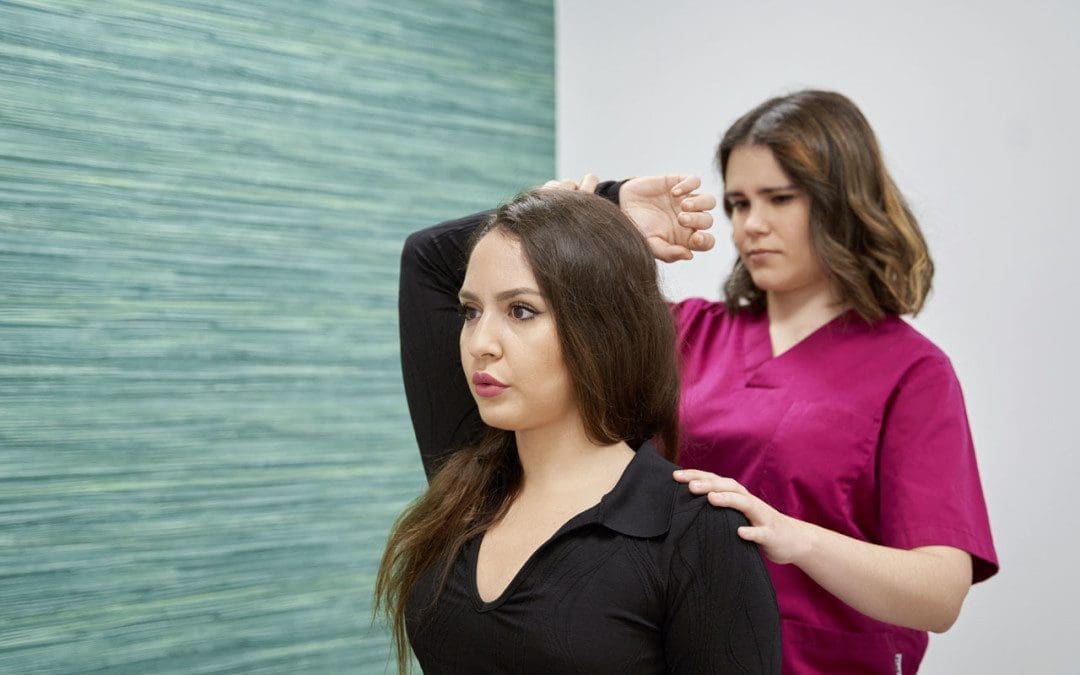
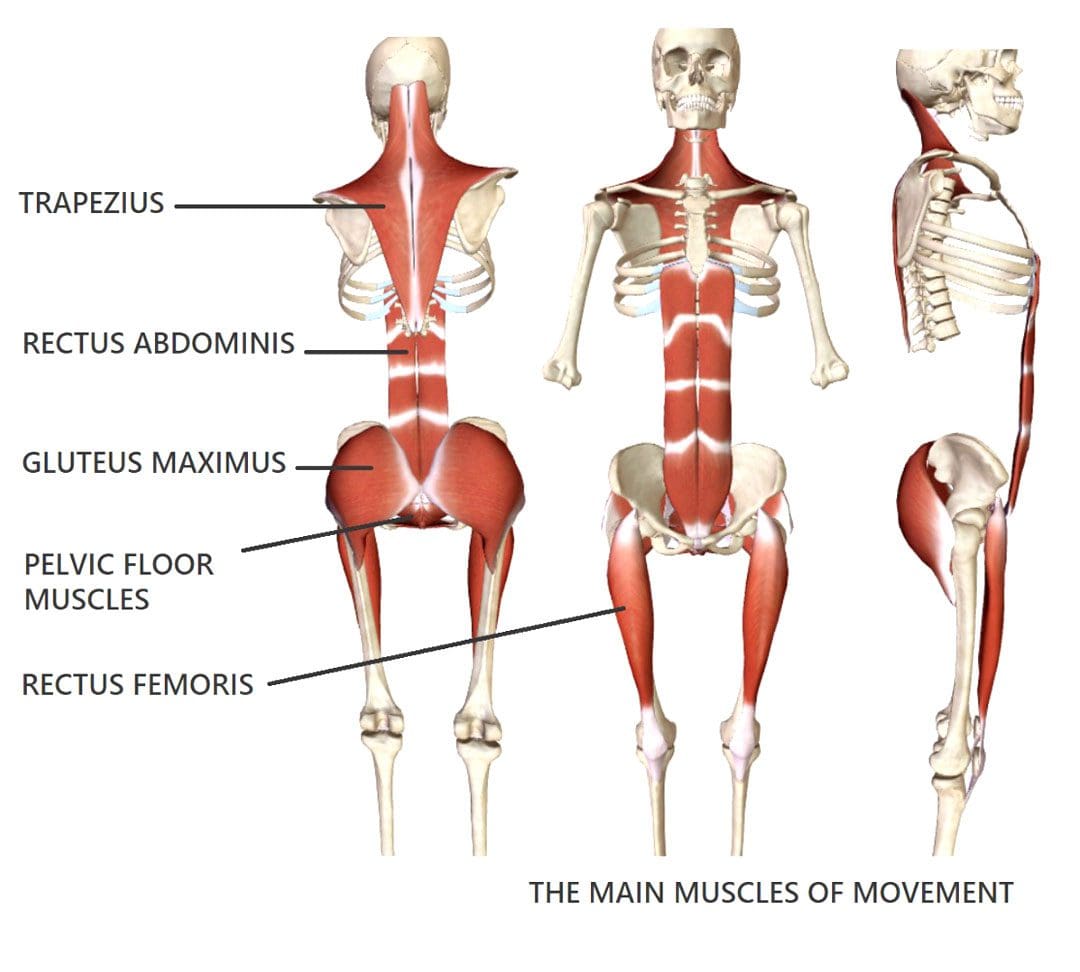 Posture Adjustments

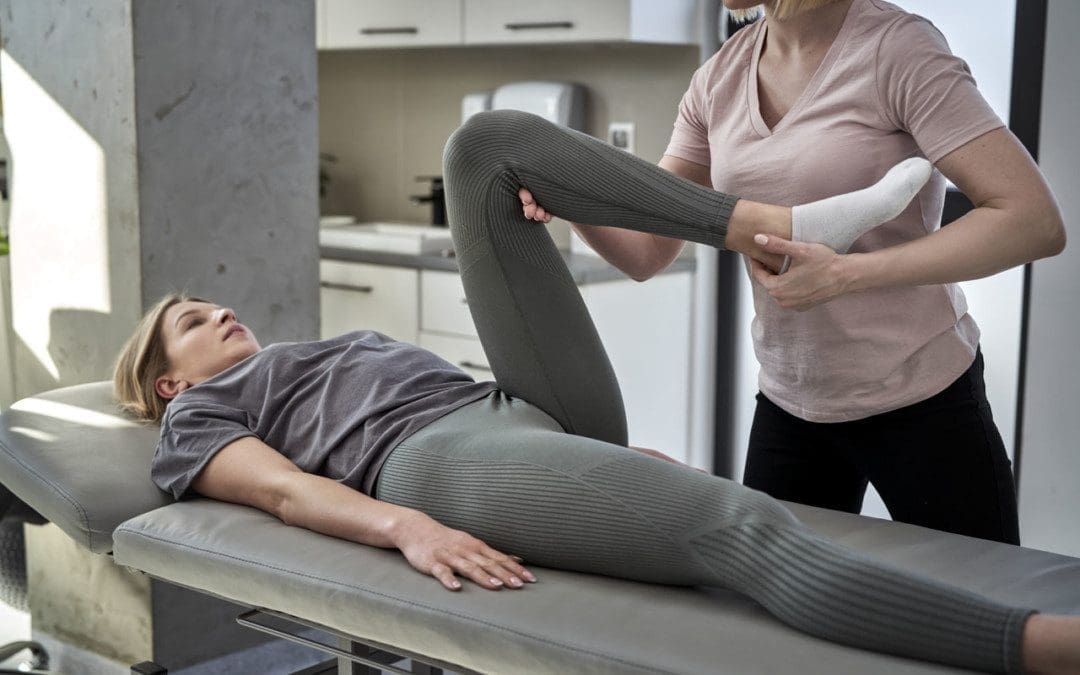
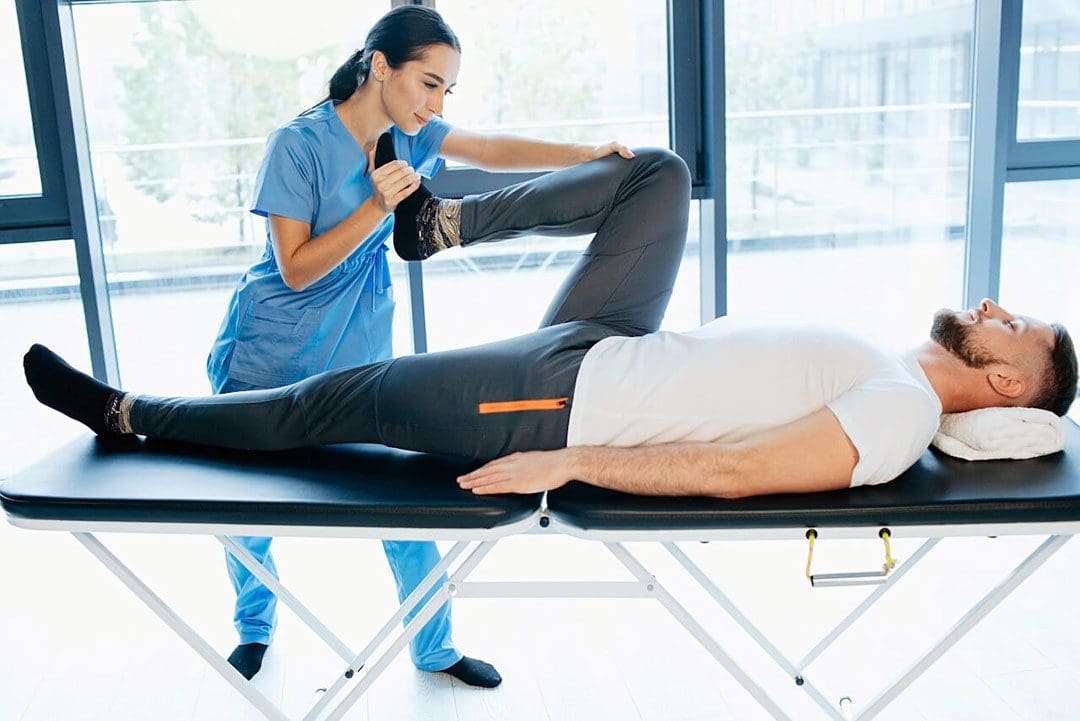 Agility Enhancement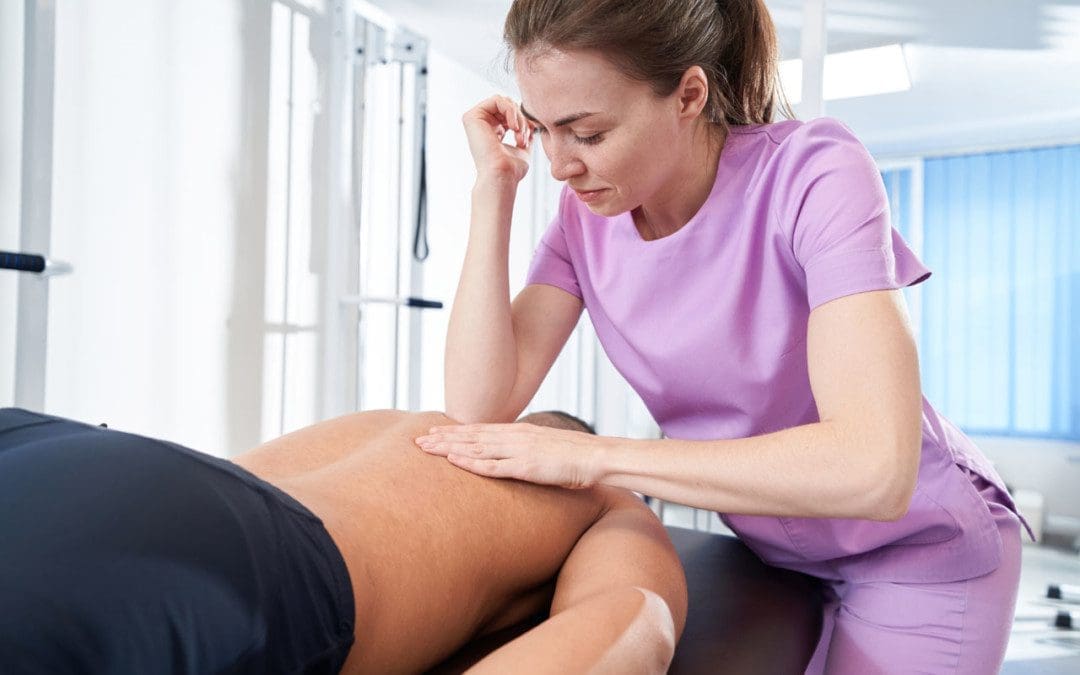
 Muscles are the Key