Can Limb Length Discrepancy Cause Scoliosis?
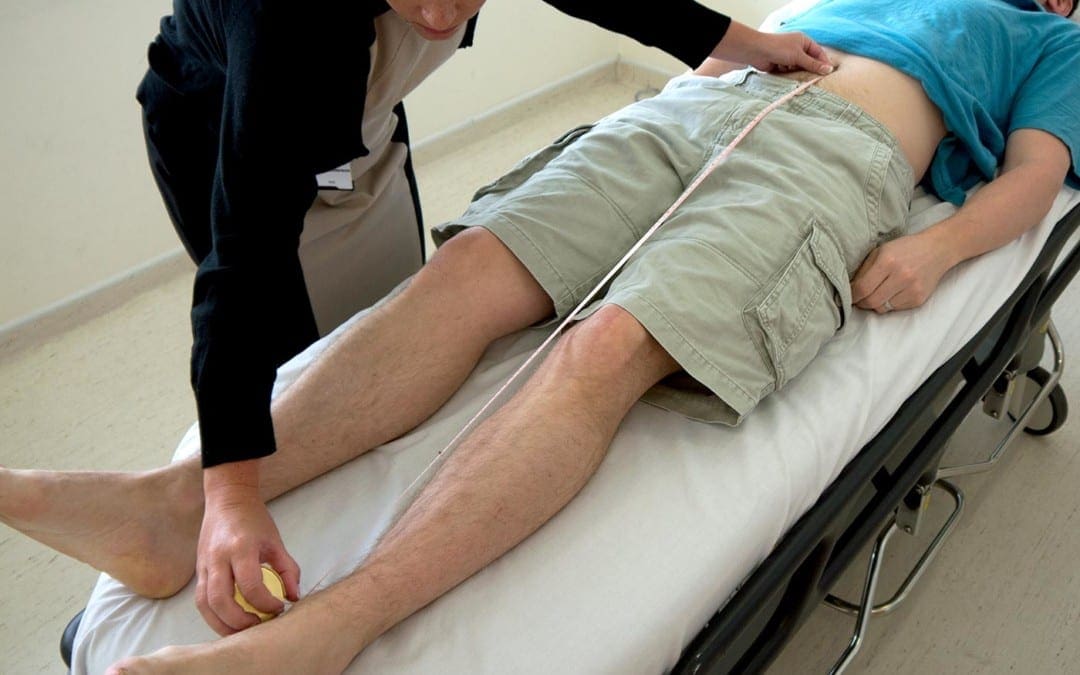
Leg length discrepancy is a condition in which the legs are not of equal length. This might give an appearance that one leg is shorter compared to the other. The reasons for leg length discrepancy can be many, including defects that are congenital or may be acquired, which might include certain medical conditions, fractures, infections or injuries impacting the bone.
Leg length discrepancy might be a result of accurate discrepancy, which can be caused by real distinctions in the leg lengths. In other instances, the causes of leg length discrepancy might be due to circumstances that result in change in the angle of the hip or pelvic bone. In such cases, as the hip gets tilted to the other side and one side gets raised, the leg on that side seems to be shorter.
However, it is important to understand the foundation and causes of leg length discrepancy to handle the condition properly. It is also crucial to understand the impact of leg length discrepancy on an individual health and overall performance just as the the reasons are important. Mental and physical health can be affected by leg length discrepancy health insurance and will also be connected to spinal issues like scoliosis.
Can Limb Length Discrepancy Trigger Scoliosis?
Leg length discrepancy, due to uneven leg lengths, can impact the normal gait of the person. The main perform that is noticeable is the way a person walks or performs human anatomy actions. These can get afflicted or be difficult because of leg size discrepancy. Changes in normal movements can more lead to certain issues of the muscles like soreness, discomfort, weak imbalances or muscles on either side of the physique. Leg duration discrepancy can impact the hip, knees and ankle, can cause pain and dysfunction.
The muscles on both sides of the physique and those related to the hip can get pulled due to tilting of the hip-bone. This can be one the major effects of leg duration discrepancy, where the muscles get pulled to one side, creating changes in the curvature of the backbone. In to side ways pulling of the spinal curvature, which is termed as scoliosis, such adjustments can eventually result. There is much concern whether leg length discrepancy can cause scoliosis and it is important to understand correct therapy to be planned by this and a void further complications.
Limb Length Discrepancy and Scoliosis
Many studies have already been conducted, which revolve round the chance of leg duration discrepancy being an underlying cause of scoliosis. In the same time, leg length discrepancy can also result in pulling of the muscles that are back to one facet, which can contribute to some extent to or worsen existing scoliosis.
It might result in scoliosis, which might be useful in the beginning as the curvature gets tilted to one aspect. In scoliosis that is functional there might be slight tilting or pulling of the muscles to one side, without adjustments or damage to the structure of the spine. However, if functional scoliosis, which is caused or aggravated by leg-length discrepancy isn’t treated in time, it might worsen, causing changes in the structure of the curvature. This may result in structural scoliosis, which may not be disturbing and only more painful but also difficult to manage.
Some studies have revealed that scoliosis in certain persons is the result of mechanism, to make up for the leg length discrepancy. Simply stated, in leg length discrepancy, the legs are of unequal lengths, so to match the lengths the individual pulls the aspect down along with the hip starts to tilt. This, when continued for a longer period of time, can result in pulling to one aspect, making changes in the curvature. Scoliosis is one such change in spinal curvature, at which spine gets curved to one side, comprising alternative activities.
Symptoms of Scoliosis from Limb Length Discrepancy
A person that has developed scoliosis due to leg size discrepancy, usually presents with tilting of the hip. Along with the signs of leg length discrepancy, the individual may possibly also encounter pain in the muscles that are again, imbalances of muscle power and function of the muscles that are again. Bending, twisting movements might be difficult and it could also be painful to maintain or raise objects.
The appearance of the shoulders may possibly be different on account of scoliosis and one-shoulder can happen elevated in relation to the other. This could cause problems in neck, arm and shoulder movements and also hurt. It could sometimes result into serious degrees of scoliosis, if the status is left unattended.
Treatment of Scoliosis from Limb Length Discrepancy
It is importance to comprehend if leg-length discrepancy can trigger scoliosis. The treatment options might have to be planned appropriately if scoliosis has been resulted in by complications of leg-length discrepancy.
In some cases, leg size discrepancy can contribute to or worsen existing scoliosis, therefore, correcting leg duration discrepancy with heel raise have to be in the offing cautiously. It’s important to thoroughly examine any circumstance with leg-length discrepancy, as they can cause scoliosis in some instances. Prescribing a heel raise to appropriate leg length discrepancy can boost the chances of worsening the scoliosis due to tilting if scoliosis is obvious.
Hence, it really is essential to to examine the bio mechanics of the hi-P, evaluate the modifications in the spinal curvature in scoliosis as well as the tilting due to leg duration discrepancy. Depending on the the reasons, some cases of leg length discrepancy might require procedure for surgical correction of leg lengths. When the symptoms, scoliosis and causes like complications of leg length discrepancy, are correctly evaluated a multi disciplinary treatment approach may be planned.
Limb Length Discrepancy Explained (Video)
The scope of our information is limited to chiropractic and spinal injuries and conditions. To discuss options on the subject matter, please feel free to ask Dr. Jimenez or contact us at 915-850-0900 . 
By Dr. Alex Jimenez
Additional Topics: Scoliosis Pain and Chiropractic
According to recent research studies, chiropractic care and exercise can substantially help correct scoliosis. Scoliosis is a well-known type of spinal misalignment, or subluxation, characterized by the abnormal, lateral curvature of the spine. While there are two different types of scoliosis, chiropractic treatment techniques, including spinal adjustments and manual manipulations, are safe and effective alternative treatment measures which have been demonstrated to help correct the curve of the spine, restoring the original function of the spine.

TRENDING TOPIC: EXTRA EXTRA: New PUSH 24/7�? Fitness Center