Nerve Damage from Motor Vehicle Accidents: A Comprehensive Guide to Recovery with Chiropractic Care, Nurse Practitioners, Acupuncture, and Integrative Medicine
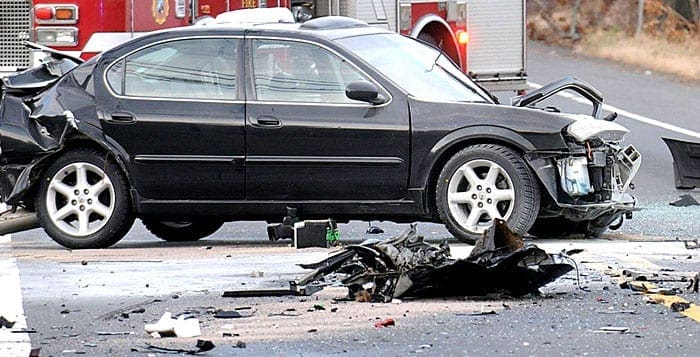
Motor vehicle accidents (MVAs) can leave lasting physical and emotional scars, often resulting in complex injuries like nerve damage, musculoskeletal issues, and chronic pain. Among the most significant consequences are nerve injuries, including radiculopathy, peripheral nerve damage, and spinal cord injuries, which can cause debilitating symptoms such as pain, numbness, and weakness. These injuries, along with musculoskeletal and ligamentous damage, frequently lead to back and neck pain that disrupts daily life. Fortunately, integrative approaches combining chiropractic care, nurse practitioner expertise, acupuncture, and functional medicine offer holistic solutions to address these issues, promote healing, and restore overall health.
This blog post examines the types of nerve damage resulting from MVAs, their effects on the body, and how integrative treatments can aid in recovery
. We’ll also highlight the expertise of Dr. Alexander Jimenez, DC, APRN, FNP-BC, a leading chiropractor and nurse practitioner in El Paso, Texas, whose dual licensure and innovative approach make him uniquely qualified to treat MVA victims. Written at a high school reading level, this guide aims to empower readers with clear, actionable information to navigate recovery.
Understanding Nerve Damage from Motor Vehicle Accidents
What Is Nerve Damage?
Nerves are like the body’s electrical wiring, carrying signals between the brain, spinal cord, and other parts of the body. When these nerves become damaged, it can cause problems such as pain, numbness, or weakness. Motor vehicle accidents often cause nerve injuries because of the sudden, forceful impact on the body. These injuries can affect various parts of the nervous system, resulting in different symptoms depending on the type and severity of the damage (Mayo Clinic, 2023a).
Types of Nerve Damage from MVAs
Peripheral Nerve Injuries
Peripheral nerves are those outside the brain and spinal cord, like the nerves in your arms, legs, and hands. These are the most common nerve injuries from car accidents because they’re vulnerable to trauma. For example, a sudden jolt can stretch, compress, or sever these nerves, leading to symptoms like:
Tingling or numbness in the limbs
Burning or shooting pain
Weakness or difficulty moving (Hoffmann Personal Injury, n.d.)
Common peripheral nerve injuries include damage to the brachial plexus, a network of nerves controlling the arm, shoulder, and hand. A crash can stretch or tear these nerves, causing pain or loss of function (Mayo Clinic, 2023b).
Radiculopathy
Radiculopathy happens when a nerve root near the spine gets compressed or irritated, often due to a herniated disc or whiplash from an MVA. This can cause sharp, piercing pain that radiates from the spine to other areas, like the arms or legs. For example, sciatica is a type of radiculopathy where the sciatic nerve is compressed, causing pain that radiates from the lower back down to the leg (Sally Morin Law, n.d.).
Spinal Cord Injuries
Spinal cord injuries are the most severe, as they can lead to partial or complete paralysis. The spinal cord, protected by the spine, carries signals to and from the brain. A crash can fracture vertebrae or dislocate the spine, damaging the cord and causing loss of sensation or movement below the injury site (McGowan Hood, 2025).
Pinched Nerves
A pinched nerve occurs when surrounding tissues, like bones or muscles, press on a nerve. This is common in MVAs due to whiplash or spinal misalignments, leading to pain, tingling, or weakness in areas like the neck or lower back (BWGLaw, n.d.).
How MVAs Cause Nerve Damage
Car accidents create sudden, violent forces that can harm nerves in several ways:
Impact Trauma: A collision can crush or stretch nerves, especially in the arms, legs, or neck.
Whiplash: The rapid back-and-forth motion of the neck in a crash can pinch nerves or damage the cervical spine, leading to radiculopathy or peripheral nerve issues (Mayo Clinic, 2023a).
Fractures or Dislocations: Broken bones or misaligned vertebrae can press on or sever nerves, causing severe damage.
Soft Tissue Injuries: Swelling or inflammation from muscle or ligament damage can compress nerves, leading to pain or numbness (Marks & Harrison, n.d.).
Symptoms of Nerve Damage
Nerve damage symptoms vary depending on the injury’s location and severity. Common signs include:
Sharp, shooting, or burning pain
Numbness or tingling (like pins and needles)
Muscle weakness or paralysis
Sensitivity to touch
Loss of reflexes or coordination (Baltimore Peripheral Nerve Pain, n.d.)
If you experience these symptoms after an accident, consult a healthcare provider immediately. Early diagnosis and treatment can prevent long-term complications.
Musculoskeletal and Ligamentous Injuries from MVAs
What Are Musculoskeletal and Ligamentous Injuries?
Musculoskeletal injuries affect the muscles, bones, joints, and connective tissues like ligaments and tendons. Ligaments are tough bands that connect bones, while tendons attach muscles to bones. MVAs often cause these tissues to stretch, tear, or break due to the force of the crash.
Common Musculoskeletal and Ligamentous Injuries
Whiplash
Whiplash is a neck injury caused by the head jerking forward and back, straining muscles and ligaments in the neck. It’s one of the most common MVA injuries, leading to neck pain, stiffness, and sometimes nerve damage (Mayo Clinic, 2023a).
Sprains and Strains
Sprains involve stretched or torn ligaments, while strains affect muscles or tendons. These injuries often occur in the back, neck, or shoulders during a crash, causing pain and limited movement.
Fractures
Broken bones are common in high-impact crashes, especially in the arms, legs, or spine. Fractures can also press on nerves, worsening nerve damage (Eckell Sparks, 2024).
Herniated Discs
The spine’s discs act like cushions between vertebrae. A crash can cause these discs to bulge or rupture, pressing on nearby nerves and causing radiculopathy or sciatica (Jimenez, 2025a).
Impact on Back and Neck Pain
Musculoskeletal and ligamentous injuries often lead to chronic back and neck pain. For example:
Neck Pain: Whiplash or sprains can cause persistent soreness, stiffness, or radiating pain due to nerve irritation.
Back Pain: Herniated discs or strained muscles in the lower back can cause sharp or aching pain, especially when sitting or moving (El Paso Back Clinic, n.d.).
These injuries can limit mobility, disrupt sleep, and affect mental health, making comprehensive treatment essential.
Chiropractic care focuses on the spine and musculoskeletal system, utilizing hands-on techniques to enhance alignment, alleviate pain, and promote healing. Chiropractors are trained to treat injuries from MVAs, especially those affecting the spine and nerves (Mayo Clinic, 2024).
How Chiropractic Care Helps MVA Injuries
Spinal Adjustments
Chiropractors use precise movements to realign the spine, relieving pressure on nerves and reducing pain. A 2020 study found that spinal manipulative therapy significantly reduces pain and disability in patients with chronic low back pain (Rubinstein et al., 2020, as cited in Jimenez, 2025b).
Spinal Decompression
This non-surgical technique gently stretches the spine to relieve pressure on discs and nerves, helping to alleviate conditions such as herniated discs or sciatica (Jimenez, 2025b).
Soft Tissue Therapy
Chiropractors use massage or myofascial release to relax tight muscles and reduce inflammation, improving mobility and easing pain.
Nurse practitioners (NPs) are advanced practice nurses with extensive medical training, allowing them to diagnose and treat a wide range of conditions. In MVA care, NPs provide comprehensive assessments and coordinate treatment plans, often working alongside chiropractors (ChiroMed, 2023).
How NPs Help MVA Victims
Diagnostic Expertise
NPs perform thorough evaluations, ordering tests like MRIs or CT scans to identify nerve damage, fractures, or soft tissue injuries. Their medical training helps pinpoint the underlying causes of pain (Jimenez, 2025c).
Holistic Care
NPs address both physical and systemic issues, such as inflammation or metabolic imbalances, using evidence-based treatments, including medications and lifestyle changes.
Coordination of Care
NPs collaborate with chiropractors, acupuncturists, and other specialists to create personalized recovery plans, ensuring all aspects of health are addressed.
Why NPs Are Essential
NPs bridge the gap between medical and alternative therapies, offering a balanced approach that enhances recovery. Their ability to prescribe treatments and provide patient education empowers individuals to take charge of their healing (Jimenez, 2025c).
References
ChiroMed. (2023). Integrated medicine holistic healthcare in El Paso, TX. Retrieved from https://chiromed.com/
Jimenez, A. (2025c). Board certified nurse practitioner (FNP-BC) Dr. Alex Jimenez. Retrieved from https://dralexjimenez.com/
Acupuncture for MVA Recovery
What Is Acupuncture?
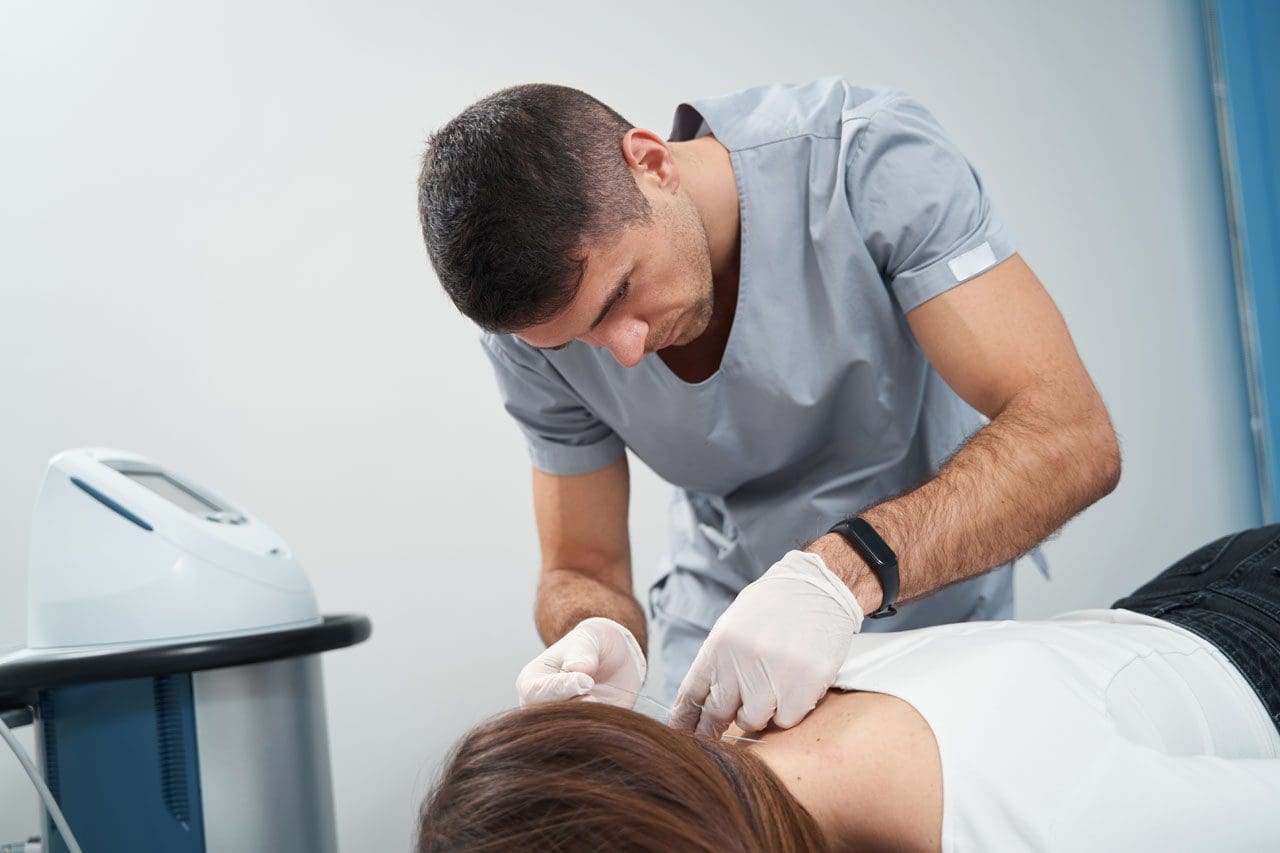
Acupuncture is a traditional Chinese medicine practice that involves inserting thin needles into specific points on the body to balance the flow of energy, or “qi.” It’s widely used to relieve pain and promote healing (ChiroMed, 2023).
How Acupuncture Helps MVA Injuries
Pain Relief
Acupuncture stimulates the release of endorphins, the body’s natural painkillers, thereby reducing discomfort associated with nerve damage or musculoskeletal injuries.
Reduced Inflammation
By improving blood flow, acupuncture helps reduce swelling around injured tissues, easing pressure on nerves.
Nerve Healing
Acupuncture may support nerve regeneration by enhancing circulation and reducing stress on the nervous system.
Stress and Anxiety Relief
MVAs can cause emotional trauma. Acupuncture promotes relaxation, helping patients manage stress and improve their sleep quality.
Benefits of Acupuncture
Non-Invasive: No surgery or drugs required.
Complementary: Works well with chiropractic care and medical treatments.
Customizable: Tailored to individual symptoms and needs (ChiroMed, 2023).
References
ChiroMed. (2023). Integrated medicine holistic healthcare in El Paso, TX. Retrieved from https://chiromed.com/
Integrative Medicine: A Holistic Approach
What Is Integrative Medicine?
Integrative medicine combines conventional medical treatments with complementary therapies, such as chiropractic care, acupuncture, and nutrition. It focuses on treating the whole person—body, mind, and spirit—to achieve optimal health (Jimenez, 2025d).
How Integrative Medicine Helps MVA Recovery
Functional Medicine
Functional medicine identifies the root causes of symptoms, such as inflammation or hormonal imbalances, using advanced diagnostics, including blood tests. Dr. Jimenez uses tools like the Neural Zoomer Plus to assess neurological health (Jimenez, 2019).
Nutrition and Wellness
Personalized diet plans help reduce inflammation, support tissue repair, and boost energy levels. NPs and nutritionists guide patients on anti-inflammatory foods and supplements.
Lifestyle Interventions
Stress management, exercise, and sleep optimization improve mental and physical resilience, aiding recovery.
Collaborative Care
Integrative medicine brings together chiropractors, NPs, acupuncturists, and other specialists to create comprehensive treatment plans.
Benefits of Integrative Medicine
Addresses Root Causes: Treats underlying issues, not just symptoms.
Promotes Long-Term Health: Focuses on prevention and wellness.
Patient-Centered: Tailored to individual needs and goals (Jimenez, 2025d).
References
Jimenez, A. (2019). Functional medicine – Neurological health. Retrieved from https://elpasobackclinic.com/
Jimenez, A. (2025d). Dr. Alex Jimenez chiropractor and injury recovery. Retrieved from https://dralexjimenez.com/
Dr. Alexander Jimenez: A Leader in MVA Care
Who Is Dr. Alex Jimenez?
Dr. Alexander Jimenez, DC, APRN, FNP-BC, is a board-certified chiropractor and family nurse practitioner based in El Paso, Texas. With over 25 years of experience, he leads Injury Medical & Chiropractic Clinic, specializing in MVA injuries. His dual licensure allows him to integrate chiropractic techniques with advanced medical diagnostics, offering a unique approach to healing (Jimenez, 2025e).
Clinical Justification for Treatment
Dr. Jimenez emphasizes the importance of enhanced imaging (e.g., MRI, CT scans) and dual-scope procedures (combining chiropractic and medical assessments) to accurately diagnose MVA injuries. These tools help identify nerve damage, herniated discs, or ligament tears that may not appear on standard X-rays. His diagnostic evaluations, including neurological tests and functional assessments, ensure precise treatment plans that address both symptoms and underlying causes (Jimenez, 2025f).
Unique Qualities for Personal Injury Cases
Dr. Jimenez’s dual expertise makes him exceptionally qualified to handle personal injury cases:
Medical and Chiropractic Knowledge: As a chiropractor, he restores spinal alignment and musculoskeletal function. As an NP, he manages systemic conditions and prescribes evidence-based treatments.
Legal Documentation: Dr. Jimenez provides detailed medical records and expert testimony, crucial for personal injury claims. His reports align with legal standards, ensuring accurate representation of injuries (Jimenez, 2025e).
Holistic Approach: He combines spinal adjustments, decompression, acupuncture, and functional medicine to promote comprehensive recovery, reducing the need for invasive procedures.
Community Impact
Dr. Jimenez is committed to expanding access to integrative care in El Paso through workshops, online resources, and outreach programs, such as the “Tell A Veteran” Project, which informs veterans about chiropractic treatment options (Jimenez, 2025g).
Motor vehicle accidents can cause devastating nerve damage, musculoskeletal injuries, and chronic pain, but recovery is possible with the right care. Chiropractic care, nurse practitioner expertise, acupuncture, and integrative medicine provide holistic solutions that address both symptoms and their underlying causes. Dr. Alexander Jimenez stands out as a leader in this field, combining advanced diagnostics, dual licensure, and a patient-centered approach to help MVA victims heal and thrive. By seeking comprehensive care and accurately documenting injuries, you can reclaim your health and quality of life.
For more information or to schedule an appointment with Dr. Jimenez, visit www.dralexjimenez.com or call (915) 850-0900.
Jimenez, A. (2025a). Comprehensive guide to ligamentous injuries and sciatica from motor vehicle accidents. Retrieved from https://ceb.elpasobackclinic.com/
Chronic neck pain may stem from ligamentous injuries. Uncover insights and solutions to relieve your pain and improve mobility.
Introduction: The Persistent Shadow of Chronic Neck Pain
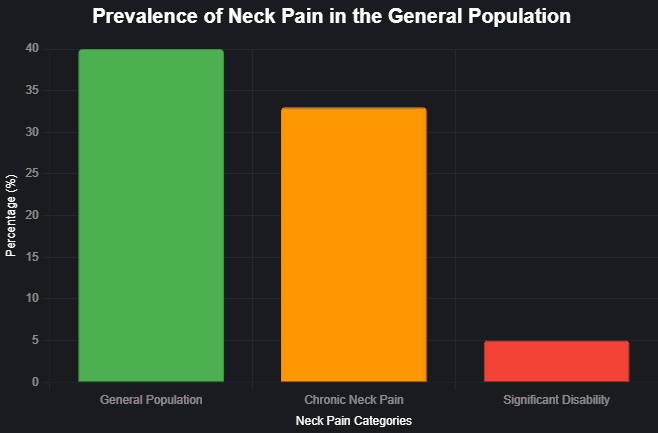
Chronic neck pain is like a grim companion that lingers far too long, much like a gloomy Wednesday Addams brooding over a particularly dreary day. It’s not just a minor annoyance; it’s a widespread condition affecting 30–50% of the general population, with women over 50 bearing the brunt (The Open Orthopaedics Journal, 2014). About one-third of these individuals endure pain lasting longer than six months, and for 5%, it becomes a debilitating force, slashing their quality of life. Imagine trying to enjoy a sunny day when your neck feels like it’s plotting a mutiny.
What’s behind this misery? Often, it’s not just a stiff muscle or a pinched nerve but something deeper: ligamentous injuries. These tough bands of tissue, which hold your spine together like the strings of a grim puppet, can be damaged in motor vehicle accidents (MVAs), falls, or even by the slow torture of poor posture. When ligaments falter, the cervical spine loses stability, setting off a cascade of overlapping pain symptoms that can make life feel like a gothic novel.
In this guide, we’ll unravel the connection between ligamentous injuries and chronic neck pain, focusing on their relevance to personal injury practices, particularly in motor vehicle accident (MVA) cases. We’ll explore prolotherapy, a treatment that might banish the pain like a well-timed quip from Wednesday herself. And we’ll spotlight Dr. Alexander Jimenez, a dual-licensed chiropractor and nurse practitioner in El Paso, whose expertise in treating MVA victims is as sharp as a guillotine’s edge. So, let’s dive into this tale of pain, recovery, and the hope of a pain-free existence.
The Role of Ligamentous Injuries in Chronic Neck Pain
Ligaments are the unsung heroes of your body, silently keeping your bones in line like loyal but underappreciated butlers. In the neck, the cervical spine depends on these structures, especially the capsular ligaments, to stabilize the facet joints—the small hinges between vertebrae that allow you to turn your head without it rolling off like a scene from a Tim Burton film. When these ligaments are injured, they can stretch or tear, leading to cervical instability —a condition in which the vertebrae move more than they should, causing discomfort and chronic pain.
The symptoms depend on where the injury strikes. In the upper cervical spine (C0-C2), you might face nerve irritation, leading to migraines, dizziness, vertigo, tinnitus, facial pain, or arm pain—basically, a full cast of unpleasant characteristics. In the lower cervical spine (C3-C7), expect muscle spasms, a grinding or popping sensation (crepitation), tingling (paresthesia), and that relentless neck pain that feels like it’s auditioning for a horror movie role.
Whiplash, often from MVAs, is a prime suspect in these injuries. Research indicates that whiplash can stretch ligaments up to 275% of their normal length, leaving them lax and unable to return to their original position (The Open Orthopaedics Journal, 2014). Even low-speed collisions (7–8 mph) can generate forces strong enough to cause this damage, with the head whipping through 18 inches at 7G in less than a quarter of a second. It’s like your neck is starring in its high-speed chase scene but without the Hollywood glamour.
Other culprits include falls, sports injuries, or the slow, gradual strain of carrying heavy loads improperly. Without proper care, these injuries can turn chronic neck pain into a lifelong nemesis, lurking in the shadows of every movement.
Motor Vehicle Accidents: The Catalyst for Neck Injuries
Motor vehicle accidents are the modern equivalent of a medieval joust—sudden, violent, and likely to leave you worse for wear. Rear-end collisions are notorious for causing whiplash-associated disorders (WAD), a collection of symptoms ranging from neck pain and stiffness to headaches and cognitive fog. It’s as if your body decides to throw a tantrum after being rudely jostled.
The sneaky thing about WAD is its delayed debut. You might walk away from a crash feeling like you’ve dodged a bullet, only to find symptoms creeping in days or weeks later, like an unwelcome plot twist. This delay happens because initial inflammation and improper ligament healing can take time to manifest as chronic pain. A 2019 study explained that early spinal manipulation therapy (SMT) can reduce the risk of long-term issues, emphasizing the need for prompt care (El Paso Back Clinic).
At El Paso Back Clinic, Dr. Alexander Jimenez specializes in treating musculoskeletal injuries related to motor vehicle accidents (MVAs). His team understands that ligaments, muscles, and tendons bear the brunt of these collisions, leading to conditions like sprains, strains, and even disc herniations. Early intervention, through chiropractic adjustments and other therapies, can prevent these injuries from becoming a lifelong saga of pain.
Prolotherapy: A Ray of Hope for Ligament Repair
Prolotherapy is like a dark ritual for healing, but instead of candles and chants, it uses injections to summon your body’s repair crew. This regenerative therapy involves injecting a solution—typically a mixture of dextrose, saline, and a local anesthetic—into damaged ligaments or tendons. The irritation sparks a healing response, encouraging the growth of new tissue to strengthen the area. It’s as if your body is tricked into rebuilding its crumbling architecture.
For chronic neck pain, prolotherapy targets the lax ligaments that cause cervical instability. Unlike conventional treatments like NSAIDs, narcotics, or physical therapy, which often mask the pain, prolotherapy aims to fix the root cause. The 2014 report highlights that over 85% of patients with cervical ligament injuries, including those with WAD or headaches, reported minimal to no residual pain after prolotherapy. Another study showed a significant improvement in the Neck Disability Index (NDI) scores 12 months post-treatment, with a change of 13.77 (p < 0.001) (The Open Orthopaedics Journal, 2014).
Dr. Jimenez offers prolotherapy at El Paso Back Clinic, integrating it into his holistic approach. This minimally invasive procedure, performed outpatient, is gaining traction as an alternative to surgery or long-term medication, offering hope to those tired of living under pain’s grim shadow.
Dr. Alexander Jimenez: El Paso’s Trusted Expert
In El Paso, Dr. Alexander Jimenez is the equivalent of a lighthouse in a storm for MVA victims. With over 30 years of experience, his dual licensure as a chiropractor and nurse practitioner allows him to blend holistic and traditional medical care, creating a comprehensive treatment plan that’s as precise as Wednesday Addams’ aim with a crossbow. At El Paso Back Clinic, he’s known for clinically correlating injuries, ensuring that personal injury attorneys and medical providers understand the full scope of a patient’s condition.
Dr. Jimenez’s approach goes beyond symptom relief. He delves into the root causes, employing techniques such as chiropractic adjustments, manual manipulations, and prolotherapy to restore function. His collaboration with personal injury attorneys ensures proper documentation, which is crucial for legal cases. Patients praise his compassionate care, with many regaining their quality of life after chronic pain (El Paso Back Clinic).
Injury Medical Clinic offers a range of services, from wellness and nutrition to specialized care for auto accident injuries, making it a one-stop shop for recovery. Whether it’s a sprained ligament or a complex herniated disc, Dr. Jimenez’s expertise shines through.
The Science Behind Ligamentous Injuries
To understand why ligamentous injuries are such a pain—literally—let’s dive into the science. The cervical spine’s capsular ligaments are designed to keep vertebrae in check, but they’re not invincible. A force as low as 5 N can cause failure, although most studies report a force of around 100 N (The Open Orthopaedics Journal, 2014). In MVAs, even low-speed impacts can generate sufficient force to stretch or tear these ligaments, resulting in instability.
This instability triggers a domino effect. The vertebrae move excessively, irritating nerves and causing inflammation. Within the upper cervical spine, this can lead to vertebrobasilar insufficiency, resulting in symptoms like vertigo or tinnitus. In the lower spine, it’s primarily characterized by muscle spasms and chronic pain. Up to 25% of severe neck trauma lesions, especially with rotation, involve the C0-C2 ligaments alone, making them a critical focus for treatment.
Why Conventional Treatments Fall Short
Conventional treatments like NSAIDs, narcotics, cervical collars, and physical therapy are like putting a Band-Aid on a broken bone—they might help temporarily. Still, they don’t fix the underlying issue. The 2014 report notes that these methods have limited long-term success, particularly for WAD, which is notoriously resistant to standard care (The Open Orthopaedics Journal, 2014). Patients often find themselves in a cycle of temporary relief followed by recurring pain, like a grim rerun of a bad sitcom.
This is where prolotherapy stands out. By stimulating ligament repair, it addresses the instability at the heart of chronic neck pain, offering a potential cure rather than a temporary fix. Dr. Jimenez’s use of prolotherapy, combined with chiropractic care, aligns with this evidence-based approach, providing a path to lasting relief.
The Importance of Early Intervention
Time is not your friend when it comes to MVA injuries. The longer you wait, the more likely it is that ligament damage will lead to chronic pain. Early chiropractic care, as Dr. Jimenez provides, can realign the spine and reduce inflammation, preventing the progression to chronic syndromes. The 2019 European Spine Journal study underscores this, showing that early SMT can significantly lower the risk of long-term issues (El Paso Back Clinic).
Dr. Jimenez’s clinic emphasizes immediate care, utilizing diagnostic tools to assess ligament damage and tailor treatments accordingly. This proactive approach is crucial for personal injury cases, where timely intervention can significantly impact a patient’s recovery and legal outcome.
Chiropractic Care for Healing After Trauma- Video
Case Studies: Real-Life Recovery Stories
While specific patient stories from Dr. Jimenez’s clinic aren’t detailed here, his website highlights testimonials from patients who have regained their lives after overcoming chronic pain (El Paso Back Clinic). Imagine a patient, let’s call her Morticia, who suffered whiplash in a rear-end collision. Initially, she dismissed the stiffness, but weeks later, headaches and neck pain began to take over. After conventional treatments failed, she turned to Dr. Jimenez. Through a combination of chiropractic adjustments and prolotherapy, her ligaments healed, and her pain faded, allowing her to return to her gothic gardening with a smirk.
Another hypothetical case: Gomez, a construction worker, experienced neck pain after a minor MVA. Dr. Jimenez’s thorough assessment revealed ligament laxity and prolotherapy sessions restored stability. Gomez was back to lifting heavy loads, his only complaint being the lack of a good cigar to celebrate.
These stories, while fictionalized for humor, reflect the real impact of Dr. Jimenez’s care, as evidenced by patient reviews averaging 5.0 stars (Healthline FindCare).
The Legal Angle: Documenting Injuries for Personal Injury Cases
In personal injury cases, documentation is king. Dr. Jimenez’s expertise in clinically correlating injuries ensures that attorneys have the evidence needed to build strong cases. Ligamentous injuries, though not always visible on standard imaging, can be assessed through clinical evaluations and specialized tests. Dr. Jimenez’s reports detail the extent of the damage, linking it to the MVA and justifying treatments such as prolotherapy. This collaboration is vital for securing fair compensation for victims (El Paso Back Clinic).
Holistic and Traditional Care: Dr. Jimenez’s Dual Approach
Dr. Jimenez’s dual licensure sets him apart. As a chiropractor, he employs techniques such as spinal manipulation, cranial therapy, and prolotherapy to address physical injuries. As a nurse practitioner, he can incorporate medical diagnostics and treatments to ensure a comprehensive approach to patient care. This blend is like mixing Wednesday’s dark wit with Gomez’s fiery passion—effective and unique. His clinic’s focus on wellness, nutrition, and functional medicine further enhances recovery, addressing not just the injury but the whole patient (El Paso Back Clinic).
The Broader Impact of Chronic Neck Pain
Chronic neck pain doesn’t just affect the neck; it ripples through life, impacting work, relationships, and mental health. 5% of sufferers with significant disability face reduced productivity and quality of life, making effective treatment critical. Conditions like disc herniation, cervical spondylosis, and post-concussion syndrome often coexist with ligament injuries, complicating recovery. Dr. Jimenez’s holistic approach tackles these complexities, offering hope where conventional methods fall short.
Prevention: Avoiding the Pain Before It Starts
While not always possible, preventing chronic neck pain involves maintaining good posture, practicing safe driving habits, and seeking prompt care after injuries. Strengthening neck muscles through exercises and avoiding repetitive strain can help alleviate symptoms. Dr. Jimenez’s clinic offers wellness programs to build resilience, reducing the risk of future injuries (El Paso Back Clinic).
The Dark Humor of Pain: A Wednesday Addams Perspective
Living with chronic neck pain is like being stuck in a never-ending Addams Family reunion—grim, uncomfortable, and full of unexpected twists. Your neck might creak like the mansion’s floorboards, and every turn of the head feels like a plot twist in a gothic novel. But fear not; there’s a way out of this dreary tale. With treatments like prolotherapy and experts like Dr. Jimenez, you can send that pain packing, leaving you free to brood over more interesting things, like the perfect shade of black.
Conclusion: A Serious Call to Action
Chronic neck pain, especially from ligamentous injuries, is no laughing matter despite our grim humor. It’s a condition that demands attention, particularly after MVAs, where timely care can prevent a lifetime of suffering. Dr. Alexander Jimenez at El Paso Back Clinic offers a beacon of hope, combining chiropractic expertise, prolotherapy, and a deep understanding of personal injury cases. If you’re grappling with neck pain, don’t let it define you. Seek expert care, explore options like prolotherapy, and take the first step toward recovery. Your neck—and your sanity—will thank you.
Comprehensive Guide to Ligamentous Injuries and Sciatica from Motor Vehicle Accidents
Introduction to Ligamentous Injuries from Motor Vehicle Accidents
Motor vehicle accidents (MVAs) are a significant cause of injuries worldwide, often resulting in damage to ligaments, the tough, fibrous tissues that connect bones and stabilize joints. These ligamentous injuries, commonly referred to as sprains, occur when ligaments are overstretched or torn due to the sudden, forceful movements experienced during a crash. Understanding these injuries is critical for victims seeking recovery and, often, legal compensation.
What Are Ligamentous Injuries?
Ligaments provide structural support to joints, ensuring stability during movement. In MVAs, the rapid acceleration and deceleration forces can strain or tear ligaments, leading to sprains. These injuries vary in severity:
Mild sprains: Slight stretching of the ligament, causing minor pain and swelling.
Moderate sprains: Partial tearing, resulting in more significant pain and reduced joint function.
Severe sprains: Complete ligament tears, leading to joint instability and prolonged recovery.
Common sites for ligamentous injuries in motor vehicle accidents (MVAs) include the cervical spine (neck), lumbar spine (lower back), knees, and shoulders. A well-known example is whiplash, where the ligaments in the neck are strained due to rapid back-and-forth motion (Pinder Plotkin LLC, 2019). Symptoms typically include pain, swelling, bruising, and limited range of motion, which can significantly impact daily activities.
Mechanisms of Injury in MVAs
MVAs generate immense forces that jolt the body, often causing it to collide with vehicle components, such as seatbelts, dashboards, or steering wheels. For instance:
Whiplash: Rear-end collisions thrust the head and neck backward and then forward, straining cervical ligaments. This can lead to chronic pain if untreated (Pinder Plotkin LLC, 2019).
Lower Back Injuries: The force of an impact can compress or twist the lumbar spine, damaging ligaments and potentially leading to conditions like herniated discs.
Knee and Shoulder Injuries: Impact with dashboards or sudden twisting can tear ligaments, such as the posterior cruciate ligament (PCL) in the knee or the rotator cuff ligaments in the shoulder (Applied Radiology, 2018).
According to HG.org (n.d.), soft tissue injuries, including ligament damage, are more common than severe injuries like fractures in MVAs due to the body’s susceptibility to being jolted or twisted. These injuries may not be immediately apparent, with symptoms sometimes appearing days or weeks later, which reinforces the importance of prompt medical evaluation.
Symptoms and Complications
Ligamentous injuries present with a range of symptoms, including:
Pain and Tenderness: Localized discomfort around the affected joint.
Swelling and Inflammation: Resulting from tissue damage and fluid accumulation.
Bruising: Visible discoloration from blood vessel damage.
Reduced Mobility: Difficulty moving the joint due to pain or instability.
Joint Instability: In severe cases, the joint may feel loose or unable to support weight.
If untreated, these injuries can lead to complications such as chronic pain, osteoarthritis, or long-term joint instability. For example, spinal ligament damage can contribute to disc degeneration or misalignment, thereby increasing the risk of nerve-related conditions, such as sciatica (Pinder Plotkin LLC, 2019).
References
Pinder Plotkin LLC. (2019, December 20). What is ligamentous instability and how does it relate to car accidents? What is Ligamentous Instability
Applied Radiology. (2018, January 18). Understanding types of injuries caused by motor vehicle components. Injuries from Vehicle Components
Connection Between Ligamentous Injuries and Sciatica
Sciatica is a debilitating condition characterized by pain, numbness, or tingling that radiates along the sciatic nerve, which extends from the lower back through the hips, buttocks, and down each leg. While ligamentous injuries from MVAs may not always directly cause sciatica, they can contribute to spinal conditions that compress or irritate the sciatic nerve, which leads to this painful condition.
Understanding Sciatica
The sciatic nerve is the longest and thickest nerve in the body, originating from the lumbar and sacral nerve roots (L4-S3) and controlling leg movement and sensation. Sciatica, also known as lumbar radiculopathy, occurs when this nerve or its roots are compressed or irritated, causing symptoms such as:
A sharp or burning pain radiates from the lower back to the leg.
The leg or foot may experience numbness or tingling.
Weakness in the affected leg impacts mobility.
Sitting, coughing, or sneezing exacerbates the pain.
Sciatica is typically unilateral, affecting one side of the body, and can range from mild discomfort to severe, debilitating pain (Michigan Auto Law, 2024).
How MVA Injuries Lead to Sciatica
MVAs can cause spinal trauma that precipitates sciatica. Ligamentous injuries in the lumbar spine may destabilize the vertebral column, leading to conditions that compress the sciatic nerve roots. Common mechanisms include:
Herniated Discs: The force of an MVA can cause the gel-like center of a spinal disc to bulge or rupture, pressing on nearby nerve roots. This is a leading cause of sciatica following an accident (Tracey Fox & Walters, n.d.).
Spinal Instability: Damaged ligaments may fail to maintain proper alignment of the vertebrae, causing abnormal motion that irritates nerves (Pinder Plotkin LLC, 2019).
Pelvic or Lumbar Fractures: Fractures from high-impact crashes can result in bone fragments or swelling that compress the sciatic nerve (Portland Urgent Care, 2024).
Soft Tissue Swelling: Inflammation from ligament injuries can encroach on nerve pathways, contributing to sciatica symptoms.
For example, a case study described by Portland Urgent Care (2024) highlighted a patient who developed sciatica after an MVA due to a herniated disc at the L5-S1 level, confirmed by MRI. Another case involved pelvic fractures causing nerve compression, illustrating the diverse ways MVAs can trigger sciatica.
Prevalence and Risk Factors
While exact statistics on sciatica following MVAs are limited, research suggests that back injuries, including those affecting ligaments and discs, are common in car accidents. Individuals with pre-existing conditions like spinal stenosis or prior back injuries are at higher risk of developing sciatica post-MVA (Tracey Fox & Walters, n.d.). Prompt diagnosis and treatment are essential to prevent chronic pain and long-term disability.
References
Michigan Auto Law. (2024, July 1). Sciatica nerve damage from car accident: Here’s what to know. Sciatica Nerve Damage
Portland Urgent Care. (2024, April 19). Can a car accident cause sciatica pain? Causes, symptoms & treatment for sciatic nerve pain after an accident. Sciatica Pain After Accident
Pinder Plotkin LLC. (2019, December 20). What is ligamentous instability and how does it relate to car accidents? What is Ligamentous Instability
Dr. Alexander Jimenez: Expert in Personal Injury Cases
In El Paso, TX, Dr. Alexander Jimenez stands out as a leading provider for victims of personal injuries, particularly those from MVAs. His unique qualifications as both a chiropractor and a board-certified family nurse practitioner (FNP-BC) enable him to provide comprehensive care that addresses both immediate pain and long-term recovery needs.
Background and Qualifications
Dr. Jimenez has over 25 years of experience, having graduated from the National University of Health Sciences in 1991. He holds additional certifications in functional medicine (IFMCP, CFMP) and is affiliated with The Hospitals of Providence-Memorial Campus. His dual licensure enables him to integrate chiropractic expertise with medical diagnostics and treatments, making him uniquely qualified to manage complex injuries related to motor vehicle accidents (Medical News Today, n.d.). Patient reviews consistently rate him 5.0 out of 5, praising his ability to explain conditions clearly and provide trustworthy care (Healthgrades, n.d.).
Services at El Paso Back Clinic
At his Injury Medical & Chiropractic Clinic, Dr. Jimenez specializes in treating conditions such as:
Sciatica
Neck and back pain
Whiplash
Joint injuries
Sports injuries
Degenerative arthritis
His clinic utilizes advanced therapies, including chiropractic adjustments, functional medicine assessments, acupuncture, and electroacupuncture, to restore mobility and promote overall health. The clinic’s integrative approach focuses on addressing the root causes of pain, rather than just its symptoms, to ensure optimal recovery (El Paso Back Clinic, n.d.).
Approach to MVA Injuries and Sciatica
Dr. Jimenez’s treatment protocols are tailored to each patient’s needs, combining non-invasive chiropractic techniques with medical interventions. For MVA victims, he focuses on:
Restoring Mobility: Through chiropractic adjustments and mobility training.
Reducing Inflammation: Using functional medicine and acupuncture to address soft tissue damage.
Preventing Chronic Pain: By addressing injuries early to avoid complications like sciatica.
His ability to order and interpret diagnostic tests, such as MRIs, enhances his capacity to develop evidence-based treatment plans, which are critical for both recovery and legal documentation (A4M, n.d.).
References
Medical News Today. (n.d.). Dr. Alexander Jimenez, DC: Chiropractor – El Paso, TX. Dr. Jimenez Profile
Healthgrades. (n.d.). Dr. Alexander Jimenez, DC – Chiropractor in El Paso, TX. Dr. Jimenez Healthgrades
El Paso Back Clinic. (n.d.). Dr. Alex Jimenez – Doctor of Chiropractic | El Paso, TX Back Clinic. About Dr. Jimenez
A4M. (n.d.). Injury Medical & Chiropractic Clinic – Alex, Jimenez DC, APRN, FNP-BC, CFMP, IFMCP. Integrative Care by Dr. Jimenez
Advanced Diagnostic and Treatment Methods
Dr. Jimenez’s approach to treating MVA-related injuries, including those that cause sciatica, relies on advanced diagnostic tools and a dual-scope intervention strategy that leverages his expertise in both chiropractic and medical care.
Enhanced Imaging and Diagnostic Assessments
Accurate diagnosis is critical for effective treatment and legal documentation in personal injury cases. Dr. Jimenez employs:
X-rays: To identify fractures or misalignments in the spine or joints.
Magnetic Resonance Imaging (MRI): To detect soft tissue injuries, such as herniated discs or ligament tears, that may contribute to sciatica (Michigan Auto Law, 2024).
Computed Tomography (CT) Scans: For detailed imaging of complex injuries.
Physical Examinations: Comprehensive assessments to evaluate range of motion, pain levels, and neurological function.
These tools enable Dr. Jimenez to accurately assess the extent of ligamentous damage and nerve involvement, ensuring the development of precise treatment plans. For example, an MRI can confirm a herniated disc causing sciatica, guiding targeted interventions (Portland Urgent Care, 2024).
Dual-Scope Interventions
Dr. Jimenez’s dual licensure enables a unique treatment approach:
Chiropractic Care: Adjustments to correct spinal misalignments, reduce nerve pressure, and restore mobility. The procedure is particularly effective for whiplash and sciatica caused by spinal issues.
Medical Interventions: As an FNP-BC, he can prescribe medications, administer corticosteroid injections, or recommend surgical consultations if necessary.
Functional Medicine Addresses underlying factors, such as inflammation or nutritional deficiencies, to support long-term healing.
Rehabilitation Programs: Include physical therapy, acupuncture, and mobility training to enhance recovery and prevent chronic pain.
This integrative approach ensures comprehensive care, addressing both immediate symptoms and underlying causes. For instance, a patient with sciatica resulting from a motor vehicle accident (MVA) might receive chiropractic adjustments to relieve nerve pressure, alongside injections to reduce inflammation (A4M, n.d.).
Importance in Personal Injury Cases
The detailed diagnostic reports generated from these assessments are invaluable for personal injury claims. They provide objective evidence of injury severity, which is crucial for securing fair compensation. Dr. Jimenez’s ability to interpret and document findings bridges the gap between medical care and legal proceedings (Personal Injury Doctor Group, 2017).
References
Michigan Auto Law. (2024, July 1). Sciatica nerve damage from car accident: Here’s what to know. Sciatica Nerve Damage
Portland Urgent Care. (2024, April 19). Can a car accident cause sciatica pain? Causes, symptoms & treatment for sciatic nerve pain after an accident. Sciatica Pain After Accident
A4M. (n.d.). Injury Medical & Chiropractic Clinic – Alex, Jimenez DC, APRN, FNP-BC, CFMP, IFMCP. Integrative Care by Dr. Jimenez
Personal Injury Doctor Group. (2017, May 22). Personal injury doctor | El Paso, TX | Dr. Alex Jimenez D.C. Personal Injury Doctor
Role in Personal Injury Cases
Dr. Jimenez’s expertise is particularly valuable in the context of personal injury cases, where accurate medical documentation and effective treatment are essential for both recovery and legal outcomes.
Medical Documentation for Legal Purposes
In personal injury cases, detailed medical reports are critical for proving the extent of injuries and securing compensation. Dr. Jimenez’s dual qualifications allow him to produce comprehensive documentation that includes:
Diagnostic Findings: Results from X-rays, MRIs, or CT scans that confirm injuries like ligament tears or herniated discs.
Treatment Plans: Detailed descriptions of interventions, from chiropractic adjustments to medical therapies, demonstrating the care required.
Prognosis and Impact: Assessments of long-term effects, such as chronic pain or disability, influence the amounts of compensation.
These reports are often used by attorneys and insurance companies to evaluate claims, making Dr. Jimenez an essential intermediary between medical care and legal proceedings (Personal Injury Doctor Group, 2017).
Supporting Recovery and Compensation
Dr. Jimenez’s treatment plans not only aid physical recovery but also strengthen legal cases by demonstrating the need for ongoing care. For example, a patient with sciatica resulting from a motor vehicle accident (MVA) may require months of rehabilitation, which Dr. Jimenez can document to support claims for medical expenses and lost wages. His clinic collaborates with legal professionals to ensure patients receive fair compensation (El Paso Back Clinic, n.d.).
Testimonials and Community Impact
Patients consistently praise Dr. Jimenez for his compassionate and effective care. On LinkedIn, he is described as a “true blessing to the El Paso community” for his dedication to patient recovery (LinkedIn, 2025). His clinic’s focus on integrative care has helped numerous MVA victims regain their health and navigate the complexities of personal injury claims.
References
Personal Injury Doctor Group. (2017, May 22). Personal injury doctor | El Paso, TX | Dr. Alex Jimenez D.C. Personal Injury Doctor
El Paso Back Clinic. (n.d.). Dr. Alex Jimenez – Doctor of Chiropractic | El Paso, TX Back Clinic. About Dr. Jimenez
LinkedIn. (2025, February 26). Dr. Alexander Jimenez DC, APRN, FNP-BC, IFMCP, CFMP, ATN. Dr. Jimenez LinkedIn
Conclusion
Ligamentous injuries from MVAs, such as whiplash or lumbar sprains, can have significant consequences, including the potential to cause sciatica through nerve compression or spinal instability. Dr. Alexander Jimenez, with his extensive experience and dual qualifications, offers a lifeline for El Paso residents affected by these injuries. His use of advanced imaging, comprehensive diagnostics, and integrative treatment approaches ensures effective recovery while providing critical documentation for personal injury claims. For anyone involved in a motor vehicle accident (MVA), seeking prompt care from a provider like Dr. Jimenez is essential to address injuries, prevent complications, and secure fair compensation. Contact his clinic at (915) 850-0900 or visit El Paso Back Clinic to start your recovery journey.
Key Citations
Pinder Plotkin LLC. (2019, December 20). What is ligamentous instability and how does it relate to car accidents? What is Ligamentous Instability
Portland Urgent Care. (2024, April 19). Can a car accident cause sciatica pain? Causes, symptoms & treatment for sciatic nerve pain after an accident. Sciatica Pain After Accident
Medical News Today. (n.d.). Dr. Alexander Jimenez, DC: Chiropractor – El Paso, TX. Dr. Jimenez Profile
Healthgrades. (n.d.). Dr. Alexander Jimenez, DC – Chiropractor in El Paso, TX. Dr. Jimenez Healthgrades
El Paso Back Clinic. (n.d.). Dr. Alex Jimenez – Doctor of Chiropractic | El Paso, TX Back Clinic. About Dr. Jimenez
A4M. (n.d.). Injury Medical & Chiropractic Clinic – Alex, Jimenez DC, APRN, FNP-BC, CFMP, IFMCP. Integrative Care by Dr. Jimenez
Personal Injury Doctor Group. (2017, May 22). Personal injury doctor | El Paso, TX | Dr. Alex Jimenez D.C. Personal Injury Doctor
LinkedIn. (2025, February 26). Dr. Alexander Jimenez DC, APRN, FNP-BC, IFMCP, CFMP, ATN. Dr. Jimenez LinkedIn
IFM's Find A Practitioner tool is the largest referral network in Functional Medicine, created to help patients locate Functional Medicine practitioners anywhere in the world. IFM Certified Practitioners are listed first in the search results, given their extensive education in Functional Medicine