One of the most common tendons in the body that gets injured is the Achilles tendon, and this tendon tends to rupture when a person is doing recreational sports. Most people have opted for treatment for their Achilles tendon through surgery; however, low laser therapy can help the Achilles tendon recover a bit faster while providing beneficial properties during treatment. Low laser therapy has positive effects on the affected area where the pain resides and has helped progress the body’s natural healing process.
Achilles Tendon and Symptoms
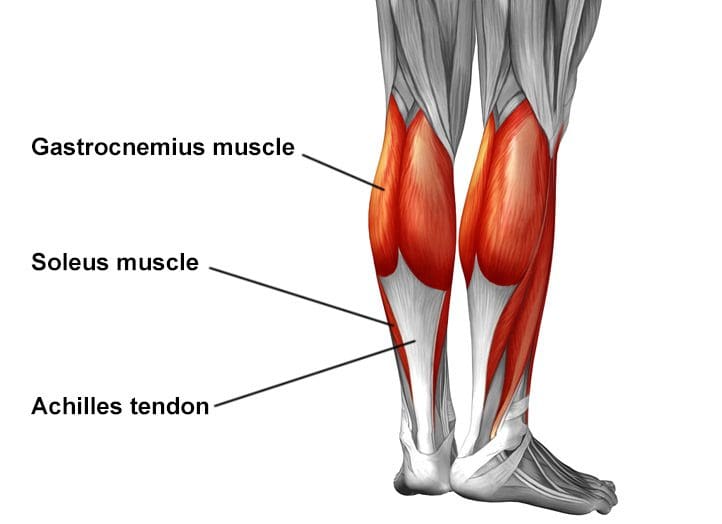
The Achilles tendon is a strong fibrous cord connected at the back of the calf muscles to the heel bone. When a person does recreational sports, the Achilles tendon stretches during the activity. However, when the Achilles tendon is overly stretched during the exercise, it can rupture completely or partially depending on how strenuous the body is being put through.
Some of the symptoms of a ruptured Achilles include:
A feeling of being kicked in the calf
A popping or snapping sound where the injury occurred.
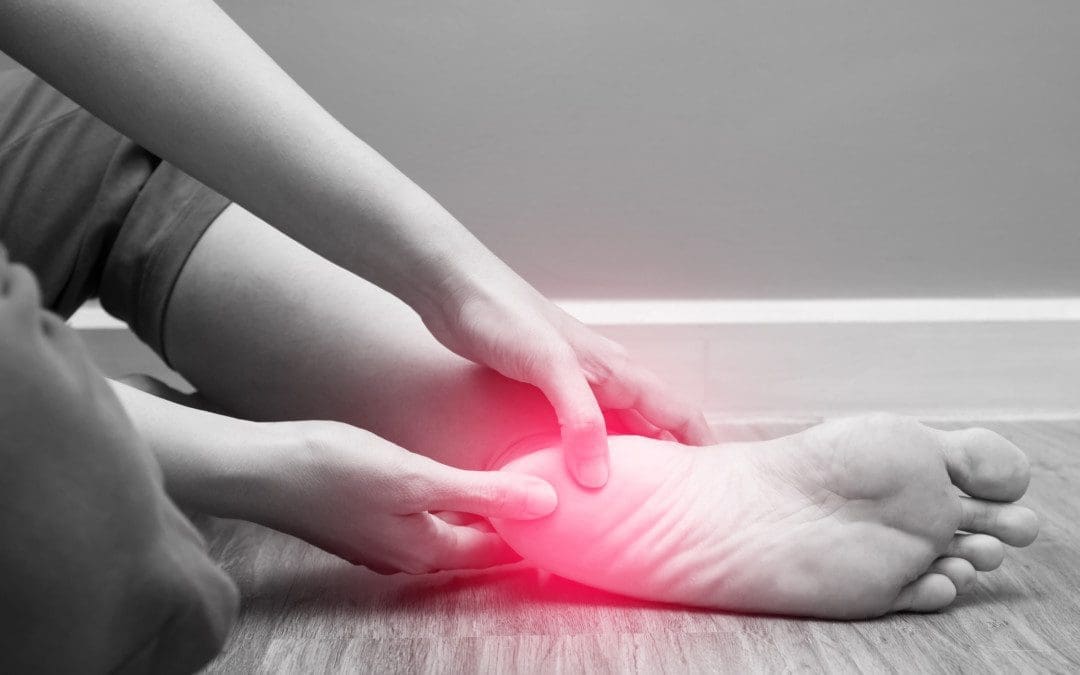
Pain and swelling near the heel.
The inability to bend the foot downwards
The inability to stand on the toes
When these symptoms occur in the Achilles tendon, it is due to the lack of blood flow that the body is not providing. Studies have found that when the Achilles tendon is ruptured, it is a severe injury due to the scarce blood supply, and it could take weeks or even months before it is completely healed.
Low Laser Treatments and Benefits
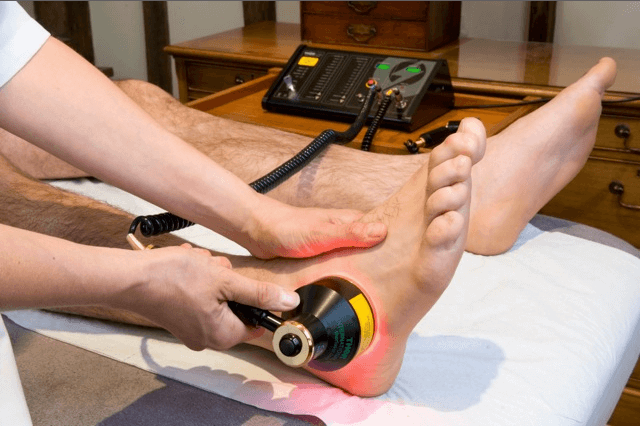
Patients with a ruptured Achilles heel can get low laser therapy to help relieve the pain from the ruptured tendon. Studies found that when patients are being treated with low laser therapy has shown beneficial results. The results showed how the application of low laser treatment is very effective. The therapy provides a consequent relief from the motor function pain to the heel while also providing anti-inflammatory properties to the affected area. What this does is that the low-intensity laser concentrates on the inflammatory markers of the affected area, thus providing an increased blood flow (angiogenesis) in the treated area and decreasing inflammation. Low laser therapy can even help accelerate and enhance the repair of the injured Achilles tendon with frequent treatment sessions.
Conclusion
Overall, the Achilles tendon is one of the most frequent tendons that gets ruptured when a person is doing recreational sports. The healing process can take to about a week to a month for the tendon to properly heal. But through low laser therapy, the Achilles tendon can be repaired while providing relief from inflammation and enhancing the injured tendon recovery process.
References:
Ferreira, Rafaela, et al. Achilles Tendon Vascularization of … – Medical Laser. 2015, http://medical.summuslaser.com/data/files/79/1585169982_6Niglp3dbBeG7Cm.pdf.
Jesus, Julio Fernandes de, et al. “Low-Level Laser Therapy on Tissue Repair of Partially Injured Achilles Tendon in Rats.” Photomedicine and Laser Surgery, U.S. National Library of Medicine, 15 May 2015, https://pubmed.ncbi.nlm.nih.gov/24831690/.
Nogueira, Adelmário Cavalcanti, and Manoel de Jesus Moura Júnior. “The Effects of Laser Treatment in Tendinopathy: A Systematic Review.” Acta Ortopedica Brasileira, Sociedade Brasileira De Ortopedia e Traumatologia, 2015, https://www.ncbi.nlm.nih.gov/pmc/articles/PMC4544521/.
Staff, Mayo Clinic. “Achilles Tendon Rupture.” Mayo Clinic, Mayo Foundation for Medical Education and Research, 31 July 2020, https://www.mayoclinic.org/diseases-conditions/achilles-tendon-rupture/symptoms-causes/syc-20353234.
You wake up with it. You go to sleep with this. Chronic pain, by definition, does not go away. Millions of people live with chronic back or neck pain every day. Chronic pain is technically defined as pain that persists for 12 weeks or even longer, even after the injury has healed. Thankfully, while many individuals with chronic pain might feel hopeless to attain relief, there are a variety of treatments which may help manage the pain, such as laser treatment.
How does laser therapy benefit chronic pain?
The idea that light energy can accelerate recovery in tissues, can reduce inflammation and pain, relax muscles, and stimulate nerve wracking with the use of a lase appears to be farfetched. Science, however, tells us these effects may be true. The inquiry is, to what extent does this work and is this based on power and wavelength?
“Wavelength and power determine the capacity of this laser to penetrate in the body. Once you are in the infrared spectrum and above 800 nanometers in wavelength, laser power penetrates like x-rays, but to attain depth you need significant energy or power,” Dr. Bruce Coren states.
Two Classes of Lasers Used for Chronic Pain
There are two classes of lasers being used as a part of physical therapy for chronic pain management and relief; class 3 and 4. “Class 3 lasers are significantly less than 500 milliwatts (mw) in electricity while class 4 lasers are higher than 500 mw,” Dr. Coren stated. Class 3 lasers are occasionally referred to as cold capsules, as well as the treatment might be known as LLLT for low-level laser treatment. In contrast, class 4 laser therapy is sometimes called HPLT for high-power laser treatment.
“The vast majority of neuro-musculoskeletal conditions respond better to some higher power and a higher dosage, which can be a function of energy output and time,” Dr. Coren commented. “The top results will be obtained using a laser which has 30 watts of electricity or more. A 10-minute treatment using a 30-watt laser can produce 18,000 joules, which gives a significant pain relieving, anti inflammatory and healing impact.”
Patients usually begin to feel better after one or two treatments, even though 5 or more might be needed to solve the issue. “The more persistent and extensive the injury the more treatments are often needed,” he added.
Properties of High-Power Laser Therapy
Dr. Coren spoke about the valuable properties of laser therapy and described their unique benefits and effects:
Pain Relief: “Laser therapy decreases nerve sensitivity by decreasing bradykinin; a pain eliciting compound. It normalizes ion channels, known as the gatekeepers. and releases endorphins, the body’s natural pain reliever, and enkephalins, related to endorphins. It also has a pain-blocking effect on certain nerve fibers.”
Anti-inflammatory/Healing: “Laser therapy increases ATP, which can be stored energy (ATP is the acronym for adenosine triphosphate). The cells also regenerate faster. Laser therapy causes a widening of veins and the arteries around the injury which helps to remove mobile debris and increase oxygen and nutrients. White blood cell action is enhanced which leads to the more rapid repair procedure. Some molecules that increase inflammation have been reduced, and antioxidants such as superoxide dismutase are increased with laser therapy.
Accelerated Tissue Repair and Cellular Growth: “Photons of light from lasers penetrate deeply into tissues and accelerate mobile reproduction and development. As a result of exposure to laser light therapy, the tissues of both ligaments, tendons, nerves and muscles are are repaired faster”, as stated above.
Improved Vascular Activity: “Laser light raises the formation of new cells in damaged tissue, which speeds up the recovery process, and closes wounds quickly.”
Trigger and Acupuncture Points: “Laser is particularly helpful in extinguishing painful trigger points. It’s also an effective way of stimulating acupuncture points without the distress related to needling.”
Reduced Fibrous Tissue Formation: “Laser treatment lowers the formation of scar tissue after tissue damage from repetitive motion injuries, cuts, wounds, scrapes or surgery.”
Faster Wound Healing: “Laser light stimulates the building blocks of collagen, which is important for the wound healing of damaged tissues. Collagen is the essential protein needed to replace tissue or to repair injuries. Consequently, the laser is powerful on open wounds and burns.”
Stem Cell Activation: “Laser therapy raises the amount of stem cells, which enhances healing.”
Where is Laser Therapy Administered?
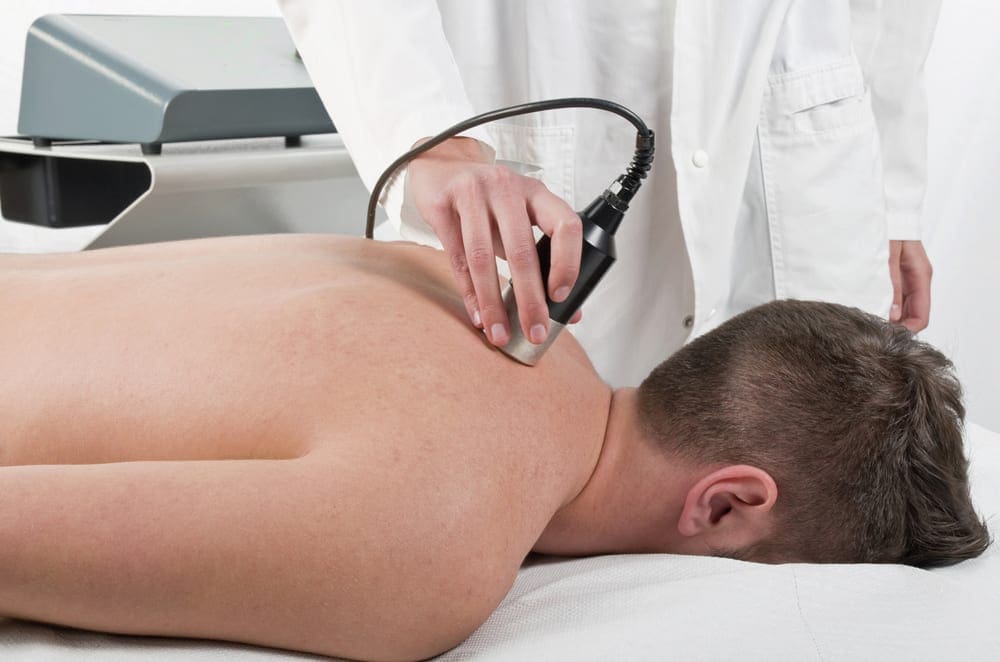
High-power lasers are typically found in physical therapy clinics and chiropractic offices. Neck, back or joint pain usually responds positively to laser therapy.
“Lasers are also very powerful for inflammatory conditions, including peripheral neuropathy, tendonitis, bursitis, and capsulitis. Strains, sprains, and repetitive movement injuries all have an inflammatory component and can be successfully treated with laser,” he remarked. “There is no particular condition that reacts more quickly to laser. But some patients will react faster than others for exactly the same state as individual healing rates can vary.”
Laser therapy can be utilized as a stand-alone treatment, or with rehabilitative exercise treatment. “Rehabilitative exercises and laser treatment complement each other nicely,” explained Dr. Coren.
Laser Therapy Precautions
There are a few precautions with laser therapy. Eye protection is needed for both the therapist and patient, and laser shouldn’t be performed over malignancies, pacemakers, spinal stimulators or over the midsection of pregnant women.
Recommendations
High-power laser therapy is one of the quickest, most productive modalities therapists now have to deal with inflammation and pain. “Regrettably, laser therapy isn’t covered by insurance, and high-power lasers can be hard to find as they are expensive. Most importantly results are achieved by the amount of energy generated, 18,000-30,000 joules per treatment being the sweet spot,” Dr. Coren concluded.
The scope of our information is limited to chiropractic and spinal injuries and conditions. To discuss options on the subject matter, please feel free to ask Dr. Jimenez or contact us at 915-850-0900 .�
By Dr. Alex Jimenez
Additional Topics: Wellness
Overall health and wellness are essential towards maintaining the proper mental and physical balance in the body. From eating a balanced nutrition as well as exercising and participating in physical activities, to sleeping a healthy amount of time on a regular basis, following the best health and wellness tips can ultimately help maintain overall well-being. Eating plenty of fruits and vegetables can go a long way towards helping people become healthy.
The concept that light energy from a laser can reduce inflammation and pain, hasten healing in damaged tissues, relax muscles, and stimulate nerve regeneration appears far fetched. Science, however, tells us these effects do happen.
“Power and wavelength ascertain the capability of the laser to penetrate into the body. Once you are in the infrared spectrum and above 800 nanometers in wavelength, laser energy penetrates like X-rays, but to attain depth you need substantial electricity or energy,� Dr. Bruce Coren told Spine Universe.
Two Categories Utilized in Physical Therapeutics
You can find just two groups of lasers being used in physical therapy; group 3 and 4. �Category 3 lasers are much less than 500 milliwatts, mw, in power while class 4 lasers are greater than 500 mw,� Dr. Coren said. Class 3 lasers are occasionally known as cold lasers, while the treatment may be called LLLT for low-level laser therapy. In contrast, class 4 laser treatment might be called HPLT for high power laser therapy.
�The majority of neuro-musculoskeletal conditions respond better to a higher power and a greater dosage, which will be a function of power output and time,� Dr. Coren commented. The best results are going to be obtained with a laser that’s 30 watts of power or more. A 10-minute treatment using a 30-watt laser will generate 18,000 joules, which gives a critical pain relieving, anti inflammatory and healing effect.�
Although 5 or more sessions may be required to solve the problem, patients usually begin to feel better after 1 or 2 treatments. � The more extensive the injury and the more chronic, the more treatments are usually needed,� he included.
Properties of High Power Laser Treatment
Pain Relief: Laser decreases nerve sensitivity by decreasing bradykinin; a pain generating compound. It normalizes ion channels, gatekeepers that are mobile, and releases endorphins, body�s natural pain reliever, and enkephalins, that is related to endorphins, that generate an analgesic effect. Additionally, it has a pain-blocking effect on specific nerve fibers. This increased energy accelerates the repair processes of the cell. Laser additionally causes a widening of the arteries and veins around the damage which really helps to remove damaged cellular debris and increase nutrients and oxygen. White blood cell activity is improved leading to a more fast repair process.
Gifted Tissue Repair and Cell Growth:�Photons of light from lasers penetrate deeply into tissue and accelerate cellular reproduction and growth. As a result of exposure to laser light, the cells of nerves, ligaments, tendons and muscles are repaired quicker.
Improved Vascular Action:�Laser light raises the formation of new capillaries in damaged tissue, which closes wounds quickly, and speeds up the healing process.
Cause and Acupuncture Points:�Laser is very effective in extinguishing painful trigger points. It’s likewise a highly effective method of stimulating acupuncture points with no distress related to needling.
Reduced Fibrous Tissue Formation:�Laser therapy reduces the formation of scar tissue following tissue damage from burns, cuts, scratches, repetitive motion injuries or surgery.
Faster Wound Healing: Collagen is the essential protein necessary to repair injuries or to replace old tissue. Because of this, the laser is effective on burns and open wounds. Laser raises the number of stem cells, which enhances healing.
Conditions Treated Where Laser Therapy is Administered
High power lasers are typically present in physical therapy clinics and chiropractic offices. Neck, back or joint pain generally responds immediately to laser therapy.
�Lasers are also rather powerful for inflammatory conditions, including peripheral neuropathy, tendonitis, bursitis, and capsulitis. Sprains, strains, and repetitive motion injuries all have an inflammatory component and may be successfully treated with laser,� he remarked. �There is no specific state that reacts more quickly to laser. Nonetheless, some patients will respond faster than others for precisely the same condition as individual healing rates can change.�
Laser therapy can be used as a stand-alone treatment, or with rehabilitative exercise therapy. �Rehabilitative exercises and laser therapy complement each other nicely,� explained Dr. Coren.
Precautions of Laser Therapy
There are a few precautions with laser treatment. Eye protection is required for both therapist and the patient, and laser must not be performed over malignancies, pacemakers, spinal stimulators or within the midsection of pregnant women.
Further Recommendations
High power laser treatment is just one of the quickest, most powerful modalities therapists now need to treat inflammation and pain. �Sadly, laser just isn’t covered by insurance, and high-power lasers could be difficult since they are high-priced to locate. Most importantly, results are reached by the quantity of energy produced, 18,000-30,000 joules per treatment being the sweet spot,� Dr. Coren reasoned.
The scope of our information is limited to chiropractic and spinal injuries and conditions. To discuss options on the subject matter, please feel free to ask Dr. Jimenez or contact us at 915-850-0900 . �
By Dr. Alex Jimenez
Additional Topics: Chiropractic and Sciatica
Sciatica is identified as a group of symptoms rather than a single injury or condition. Low back pain is common among a variety of individuals, but when symptoms of numbness and tingling sensations are accompanied with pain and discomfort, there may be unnecessary pressure being placed against the sciatic nerve. Sciatic nerve pain or sciatica can occur due to a variety of factors and chiropractic treatment can help relieve the symptoms. Chiropractic care is a safe and effective treatment option available for restoring the health of the spine and reducing sciatica symptoms.
IFM's Find A Practitioner tool is the largest referral network in Functional Medicine, created to help patients locate Functional Medicine practitioners anywhere in the world. IFM Certified Practitioners are listed first in the search results, given their extensive education in Functional Medicine